Category: General

Retail News Asia is committed to providing both local and global retailers with the latest General Retail news throughout the Asian market. This on a daily base.

  • Korea Post Names Capstone and IGIS for $368M Property Debt Strategy

    Korea Post Names Capstone and IGIS for $368M Property Debt Strategy

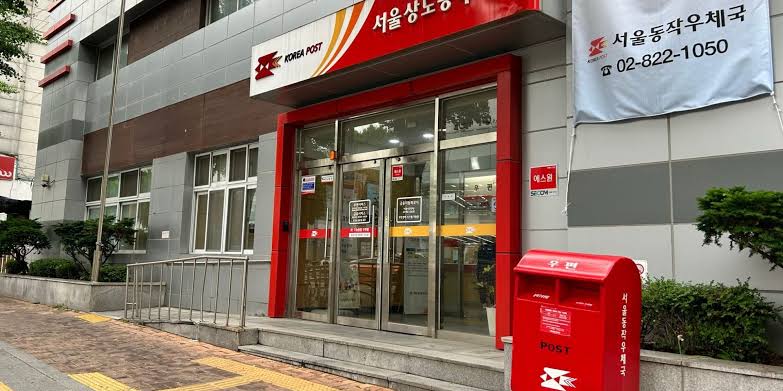
    Korea Post has picked Capstone Asset Management and IGIS Asset Management to manage a 500 billion won ($368 million) domestic property loan strategy. The mandate reopens development lending after three years.

    The state-run postal agency selected the two Seoul-based asset managers as preferred bidders following a July tender. It has not disclosed how the capital will be split between them.

    This is the first domestic real estate debt programme from Korea Post Savings since 2023. Back then, the institution committed 400 billion won to a single manager while banning all development and project financing. Lending to construction projects is now permitted once building work is underway. Bans remain on higher-risk land-backed and bridge loans.

    Lending Terms and Guardrails

    Under the guidelines, the blind-pool funds will focus on senior secured loans backed by South Korean offices, logistics hubs and other commercial real estate. Senior debt must account for at least half of all invested capital. Korea Post is targeting a net internal rate of return of at least 5.5 per cent.

    Each fund vehicle must raise a minimum of 150 billion won. The investment period runs up to three years, with an initial lifespan capped at eight years. Portfolio-level loan-to-value and loan-to-cost ratios are capped at 70 per cent. Individual completed-asset loans may reach 75 per cent LTV, while development loans are limited to 80 per cent LTC.

    Single asset commitments cannot exceed 40 per cent of a fund’s total commitments. Each management team must co-invest at least 1 per cent. Korea Post also retains first-refusal rights on co-investment opportunities across the portfolio.

    Institutional Capital Returns to Development

    South Korean institutional investors pulled back sharply from property project finance following the 2022 Legoland developer default and subsequent interest rate hikes. Korea Post is now providing liquidity to completed and active sites through post-groundbreaking debt. Strict collateral covenants remain in place to prevent land-stage exposure.

    The debt mandate brings Korea Post’s announced domestic property commitments since 2025 to 1.15 trillion won. That total includes up to 500 billion won committed to a Mirae Asset Global Investments core property vehicle deployed into Seoul commercial assets. It also covers a 150 billion won REIT and senior debt mandate awarded to IGIS in June.

    Korea Post manages 157 trillion won in savings and insurance assets, balancing rising returns from alternative credit against persistent deficits in its traditional mail operations. Final manager appointments will conclude once on-site due diligence and investment review committee approvals wrap up.

  • Laifen Adds Curling Iron and Smart Mirror to Challenge Dyson

    Laifen Adds Curling Iron and Smart Mirror to Challenge Dyson

    Personal care device maker Laifen launched three new hardware products on September 1, expanding beyond hair dryers. Its global household footprint now tops 30 million units across 60 countries.

    The lineup includes the Swift 4 high-speed dryer, the AutoCurl curling iron, and the Glowy vanity mirror. The rollout pushes the Shenzhen-founded hardware maker directly into multi-category personal care tech.

    Motor tech and sensor additions

    Positive and negative ion emitters in the Swift 4 dryer generate 470 million ions. A dedicated nozzle infuses bottled hair treatments directly into the airflow. It sells in platinum, titanium, and burgundy finishes through the company’s direct digital storefronts.

    The AutoCurl curling iron uses a micro-servo motor that detects rotational resistance in real time to stop snagging. An automated chamber feeds hair strands in either direction. This eliminates manual switching between left and right barrels.

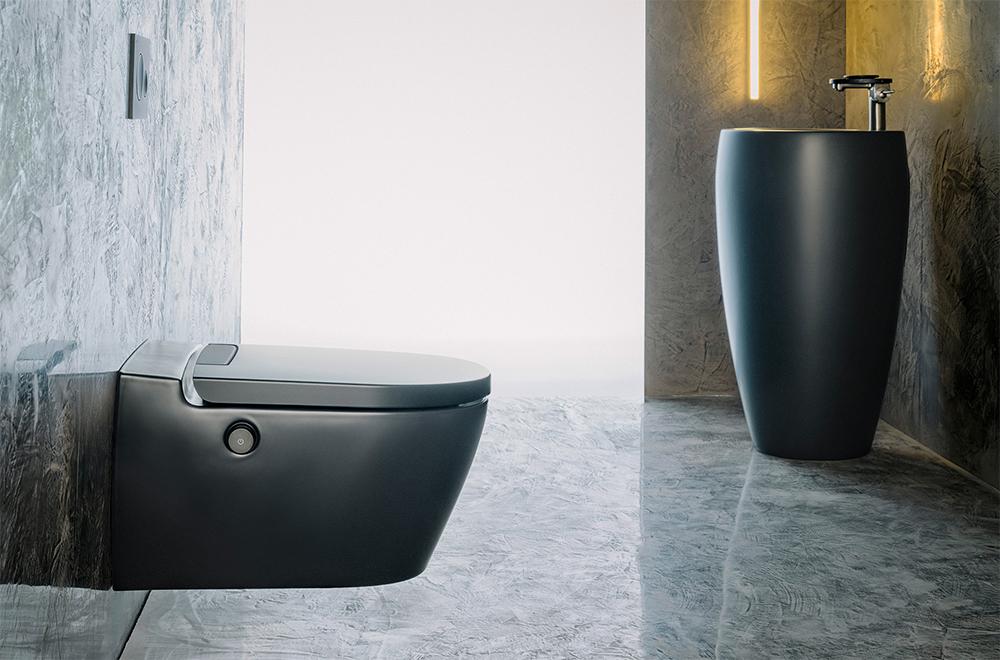
    Bathroom fixtures mark the next hardware expansion with the Glowy Vanity Mirror, which goes on sale September 4. The 8.5-inch unit embeds a 24 GHz radar sensor. It activates full-spectrum LED illumination when a user steps in front of the glass and saves lighting preferences to internal memory.

    Hardware playbook outside China

    Laifen built its initial commercial success across Asia by undercutting Dyson on price while matching brushless motor speeds. Extending that playbook into curling wands and smart mirrors brings new competition. The brand now faces legacy salon suppliers and beauty gadget makers with entrenched shelf space in Western department stores.

    That shift exposes the business to different replacement cycles. Hair dryers are daily essentials with high purchase frequency. Lit vanity mirrors and curlers face slower replacement rates and tighter specialty demand. Margins will depend on whether direct online buyers buy into the broader three-piece routine.

    From motor engineering to retail shelves

    Founded in 2019, Laifen established its manufacturing base on proprietary brushless motors. It holds over 600 patents. The company broadened its catalog in May 2025 with the Wave Special electric toothbrush, followed by physical distribution expansion into US warehouse chain Costco in July 2026.

    Laifen will show all three devices at its first brand media presentation in New York City on September 17. Retail distribution agreements for brick-and-mortar storefronts are scheduled for presentation at the event.

  • ESR Kendall Square Sells Pyeongtaek Warehouse to Samsung SRA for $253 Million

    ESR Kendall Square Sells Pyeongtaek Warehouse to Samsung SRA for $253 Million

    ESR Kendall Square sold Pyeongtaek Logistics Park to a Samsung SRA Asset Management vehicle backed by South Korea’s National Pension Service for KRW 343 billion ($252.6 million). The transaction closed on 1 September at KRW 1.8 million per square metre of gross floor area.

    The deal transfers one of South Korea’s largest modern sheds from foreign pension backing to domestic institutional ownership. ESR built the 2023-vintage facility with capital from Canada Pension Plan Investment Board and Dutch asset manager APG. Samsung SRA funded the acquisition through a KRW 400 billion core fund that drew KRW 250 billion from the National Pension Service alongside capital from Samsung-affiliated insurers.

    Hub for Port and E-Commerce

    Pyeongtaek Logistics Park spans 190,000 square metres across a 165,827-square-metre site in the Poseung district of the Gyeonggi Free Economic Zone. E-commerce platform SSG.com pre-leased the entire ambient facility in late 2021 before ground broke.

    Located three kilometres from Pyeongtaek Port, the property features direct ramp access to every floor, high ceilings, South Korea’s largest single-floor warehouse footprint, and 10 megawatts of power capacity. Logistics inventory in Pyeongtaek expanded more than 1.7-fold between 2022 and mid-2025 as third-party logistics firms and end-users absorbed space near regional automotive and electronics clusters.

    Capital Flows Shift Domestic

    Institutional buyers are moving on cash-flowing assets in South Korea as new warehouse construction drops sharply from post-pandemic peaks. Overseas capital accounted for more than 60 percent of industrial trades in 2025, but Korean managers with long-term domestic mandates are now securing completed, fully leased assets as supply eases and ambient rents start to climb.

    Greater Seoul logistics net absorption rose 42 percent to 164,000 square metres in the second quarter, while nominal rents reached $7.65 per square metre per month. Investors are tracking second-half completions, which fell to one-third of their year-earlier level, to test how quickly remaining vacancies tighten across the capital region.

  • DSG Consumer Partners Buys Singapore Wellness Brand Bback

    DSG Consumer Partners Buys Singapore Wellness Brand Bback

    DSG Consumer Partners has acquired Singapore recovery and wellness brand bback from Evo Commerce, taking control of a business distributed across more than 400 retail outlets.

    The venture capital firm completed the buyout alongside Saket Gore, the former Asia Pacific chief executive of Himalaya Wellness, who steps in as bback’s chief executive.

    Retail footprint and executive shift

    Bback started as an alcohol recovery brand before adding hydration and liver wellness formulations to its catalogue. In Singapore, the brand sells through pharmacy chains Guardian and Watsons as well as online platforms. The companies did not disclose financial terms of the transaction.

    Under the new ownership structure, bback plans to broaden its product line beyond hangover remedies into a wider range of daily recovery and functional health items. Singapore will remain the brand’s primary market in the near term.

    Consolidation in regional consumer health

    Consumer health and functional wellness labels in Southeast Asia face increasing pressure to move beyond direct-to-consumer online sales into established pharmacy chains and convenience store networks. Scaling those physical footprints requires professional operating leadership and deeper supply chain funding.

    The immediate milestone to watch is bback’s rollout of its expanded wellness formulations across its existing 400 retail points of sale in Singapore under Gore’s management.

  • Philip Morris Tops $11 Billion in Net Revenue as Smoke-Free Sales Hit 42 Percent

    Philip Morris Tops $11 Billion in Net Revenue as Smoke-Free Sales Hit 42 Percent

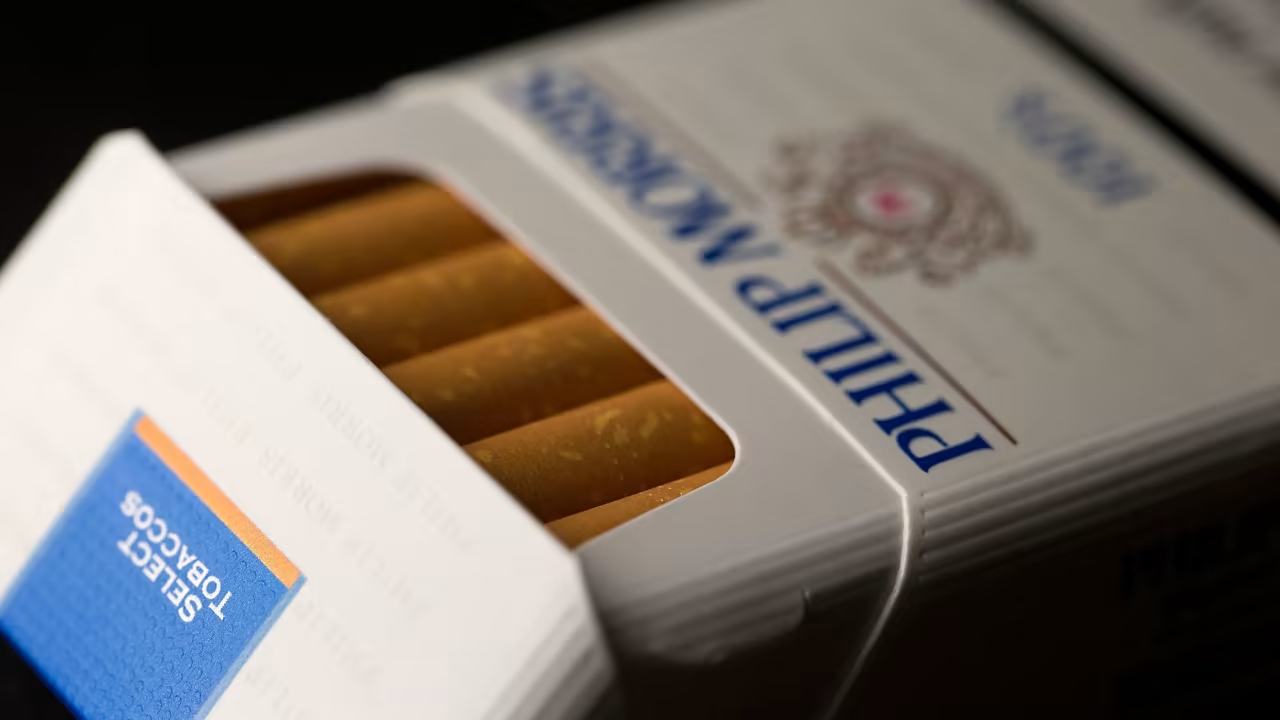
    Philip Morris International generated more than $11 billion in net revenues during the second quarter of 2026. Higher international sales of heated tobacco and oral nicotine alternatives drove the total.

    Organic top-line growth reached close to 8 percent. That lifted the smoke-free category to 42 percent of total group net revenues across the first six months of the year.

    Operating income climbed 11 percent on an organic basis. In currency-neutral terms, adjusted diluted earnings per share rose 14 percent, or 15 percent in dollar terms. IQOS heated tobacco systems and VEEV vapes led non-combustible volume gains abroad. Meanwhile, the conventional cigarette unit held gross profit growth through higher pricing and steady category share. In the oral nicotine business, ZYN shipments rose 2 percent year on year to 2.9 billion pouches, helped by early distribution of the new ZYN ULTRA variant.

    Portfolio shift across retail channels

    Convenience retailers and travel hubs across Asia-Pacific and Europe now face a permanent rebalancing of shelf space. In Japan and South Korea, heated tobacco adoption outpaces traditional smoking in major cities. Tobacco fixtures there function increasingly like consumer electronics displays. Retailers with early distribution deals for IQOS consumables continue to capture higher basket values from repeat device and heatstick purchases. Traditional corner shops reliant solely on combustible cigarette cartons face shrinking margins.

    Across Southeast Asia, the transition creates immediate inventory complications for convenience store operators. Regional regulators take fragmented stances on reduced-risk products, ranging from outright bans to regulated imports. Retailers in open markets must tie up working capital in multi-brand hardware alongside conventional packs. That creates inventory turnover risks if consumer adoption lags manufacturer targets.

    Pricing power and regional performance

    Cash flow from conventional cigarettes continues to fund smoke-free production facilities and clinical testing. Higher prices in emerging markets offset volume declines in mature combustible territories, keeping category margins steady. Group CFO Emmanuel Babeau pointed to sequential gains in the United States after a slow start to the year, alongside momentum across wider international markets.

    We reported close to plus 8% organic top line growth, reaching over $11 billion in quarterly net revenues for the first time.

    Transition timeline and next targets

    Full-year 2025 performance set the foundation for the latest quarter. Smoke-free alternatives reached 109 commercial markets worldwide that year, topping 50 percent of total net revenues in 27 national territories. The company counted more than 43 million legal-age consumers using its reduced-risk lines by late 2025, broadening out from early adoption hubs in Japan and select European test cities.

    Management presents its next strategy update at the Barclays Global Consumer Conference on September 8, 2026, where commercial execution figures for the ZYN portfolio expansion will face investor scrutiny.

  • Seppic Names Former Japan Chief Virginie Cavalli as Chief Executive

    Seppic Names Former Japan Chief Virginie Cavalli as Chief Executive

    Specialty chemicals supplier Seppic appointed Virginie Cavalli as chief executive officer on September 1, 2026. The decision hands leadership of the 900-employee ingredients business to an operational veteran.

    Cavalli spent more than three decades at parent company Air Liquide. Most recently, she served as deputy group vice president of human resources after leading Air Liquide Japan as chief executive.

    Decades of Industrial Leadership

    A graduate of EM Lyon Business School in financial strategy, she joined the French industrial gases group in 1992. Her executive career spans operational, financial, and business development roles across France, the United States, Chile, and Singapore.

    Seppic operates as an Air Liquide Healthcare subsidiary, manufacturing ingredients for beauty formulations, nutraceuticals, pharmaceuticals, and industrial uses. Its distribution networks and operating units serve clients across 100 countries.

    Strategic Value for Asian Formulators

    Her background gives the beauty ingredient supplier a leader with direct North Asian and Southeast Asian operating experience. Asian personal care manufacturers want active ingredients and bio-based emulsifiers backed by certified regional supply chains. That demand pushes European suppliers to adapt delivery and technical support models.

    Next on the agenda, Seppic will present formulation technologies at personal care trade exhibitions across Europe and Asia through the fourth quarter of 2026.

  • Anaconda Opens 6,000-Square-Metre Flagship in Queensland

    Anaconda Opens 6,000-Square-Metre Flagship in Queensland

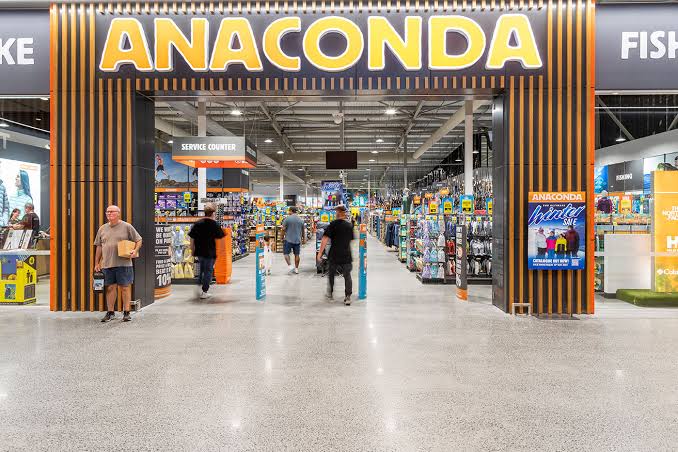
    Anaconda opened a 6,000-square-metre flagship store in Brendale, Queensland, anchoring a 92 million Australian dollar retail development in Moreton Bay. The site, branded Anaconda Adventure HQ, is the outdoor equipment retailer’s largest purpose-built location in Australia.

    Built along South Pine Road and Old North Road, the destination gives shoppers dedicated zones to test equipment before purchase. Chief executive Chris Lude stated the layout targets campers, skiers, and anglers looking for practical demonstrations inside the building.

    Interactive gear testing and live displays

    The Brendale floor plan allocates substantial square footage to working trial areas. Facilities include an alpine-themed snow cave, an indoor boat show with a simulated marina, an outback camping ground, a fishing simulator, and a 12-metre aquarium holding live barramundi.

    Big-box specialty retailers across Asia-Pacific are increasingly turning floor space over to active trials. Dedicating thousands of square metres to live environments raises capital expenditure per site, but operators use the experiential footprint to pull shoppers away from pure-play online merchants.

    Spotlight Group shifts toward destination formats

    Parent company Spotlight Group Holdings financed the expansion as part of a wider push into regional destination centres. Executive deputy chairman Zac Fried said customer buying habits now favor testing gear on site over selecting items directly from warehouse racking.

    Spotlight Group will track trading performance at the Brendale complex as it evaluates whether to scale similar mega-format builds across other high-growth suburban corridors in Australia.

  • Pomelo Operator KCG Collects 231 Kilos of Garments in Indonesian Take-Back Push

    Pomelo Operator KCG Collects 231 Kilos of Garments in Indonesian Take-Back Push

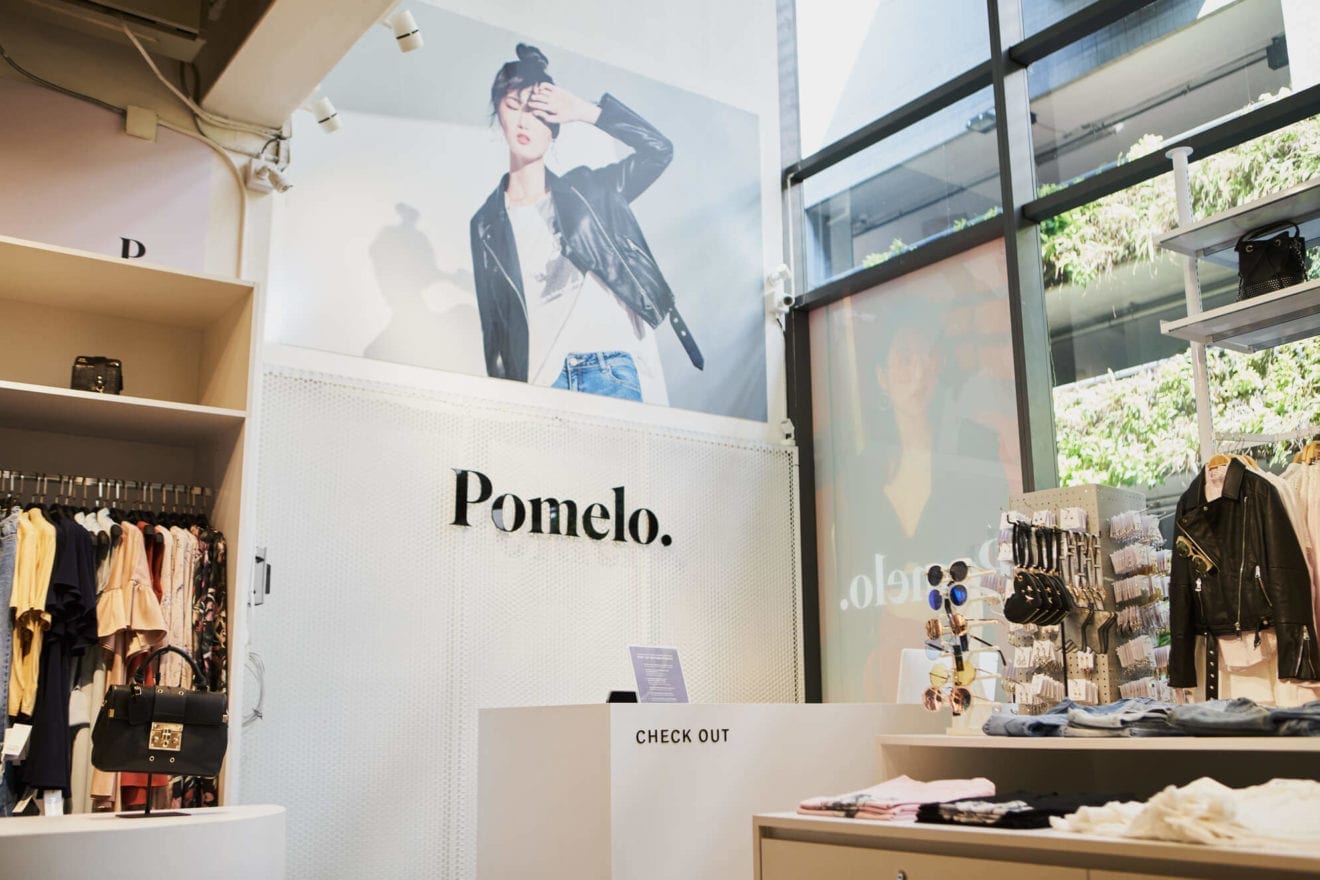
    PT Kurnia Ciptamoda Gemilang collected 231 kilograms of used clothing across eight Pomelo stores in Indonesia during the first month of its in-store take-back programme.

    The haul more than doubled the retailer’s initial 100-kilogram target despite launching without promotional marketing.

    KCG installed drop-off boxes in every Indonesian Pomelo branch to collect apparel directly from shoppers. Wearable items go to the Cinta Laura Foundation for distribution to orphanages and local communities. Unwearable, damaged pieces head to domestic textile recyclers Lestari and New Factory for industrial processing.

    Haryanto Pratantara, business and operations director at KCG, said the intake relies on repeat donors seeking practical reuse for old apparel. Turning ruined garments into usable raw material carries high processing costs that the company cannot sustain alone. KCG is seeking corporate social responsibility funding and state backing to expand the processing chain.

    High Processing Costs and Policy Gaps

    Pratantara expects garment recycling to shift from a competitive differentiator to standard retail practice within five years. Government policy will dictate how fast that transition happens.

    “The key is the government,” Pratantara said. “Regulation cuts the timeline. Without it, this cannot work.”

    Fashion operators across Southeast Asia frequently launch circularity pilots to retain younger shoppers, but few manage to scale mechanical recycling without state subsidies or formal producer responsibility rules. While donation bins clear closet space and bring foot traffic back into stores, true fibre-to-fibre recycling remains bottlenecked by local sorting and processing infrastructure across the region.

    Expanding Beyond Store Bins

    KCG has not yet measured the direct revenue impact of the programme on overall apparel sales. The operator is now tracking repeat drop-offs while waiting for state policy clarity and corporate partners to fund the next stage of textile processing.

  • UltraTech Cement to Add 600 Electric Trucks to Indian Logistics Fleet

    UltraTech Cement to Add 600 Electric Trucks to Indian Logistics Fleet

    UltraTech Cement will deploy more than 600 heavy-duty electric trucks across its Indian supply chain by December 2026. The fleet will haul over five million metric tonnes of clinker and raw materials annually across seven states.

    Operations will span industrial corridors in Gujarat, Uttar Pradesh, Madhya Pradesh, Rajasthan, Chhattisgarh, Maharashtra and Odisha. The company calculated that replacing diesel prime movers at this scale cuts net carbon emissions by more than 117,000 tonnes annually, eliminating the consumption of roughly 39 million litres of diesel fuel each year.

    Fleet suppliers and regional deployment

    Procurement contracts have been split among domestic and international commercial vehicle builders. Suppliers include Tata Motors, Ashok Leyland, IPLTech, Sany and Energy In Motion, alongside third-party logistics operators.

    The heavy vehicles will manage mine-to-plant transport as well as inter-plant transfers of clinker. UltraTech currently runs more than 850 alternative-fuel commercial vehicles, a tally that blends compressed natural gas units with battery-electric haulers.

    Scaling heavy-duty electric freight

    Electrifying heavy industrial freight remains rare across Asian emerging markets, where high battery pack costs and limited mega-watt charging infrastructure keep most operators tied to diesel. UltraTech tested the waters in June when it put 45 electric trucks into service on a 250-kilometre clinker route between Rajasthan and Uttar Pradesh with Energy In Motion, bringing its dedicated electric fleet to 89 units at the time. Expanding that base almost sevenfold indicates commercial confidence in operating economics on fixed factory-to-mine loops.

    Delivery schedules for the new vehicle batches begin over the coming quarters, with all 600 prime movers scheduled to enter full revenue service before the end of 2026.

  • PharmaResearch Rolls Out Rejuran Cosmetics Across 148 Sephora Canada Stores

    PharmaResearch Rolls Out Rejuran Cosmetics Across 148 Sephora Canada Stores

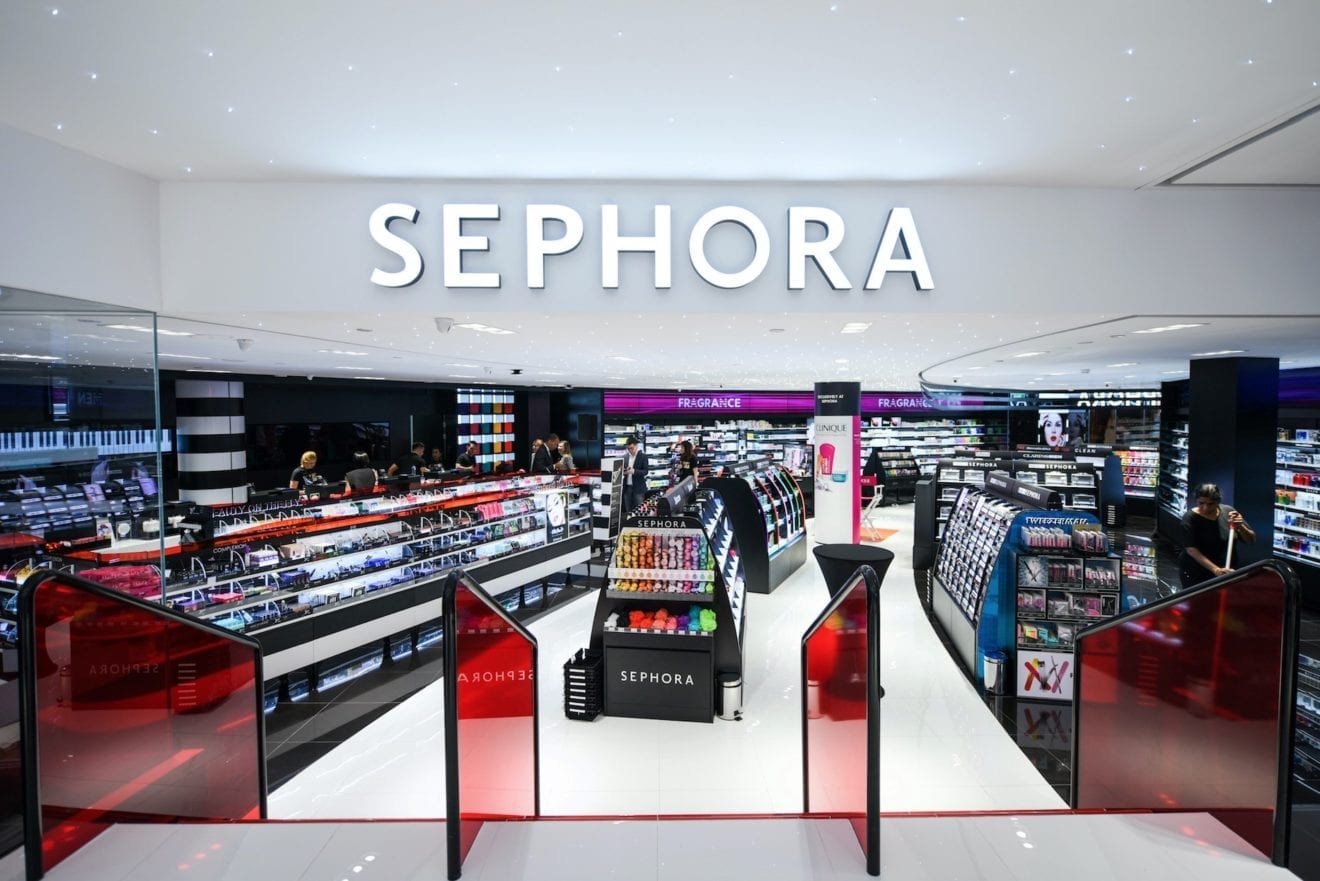
    South Korea’s PharmaResearch launched its Rejuran Cosmetics skincare line across all 148 Sephora Canada stores on Sept. 1.

    The nationwide rollout places eight product formulations, including its Turnover Ampoule and Dual Effect Ampoule, into Canadian retail stores alongside Sephora’s online channel.

    Featured on Sephora Canada’s Skincare Next Big Thing Wall, the collection relies on c-PDRN, a cosmetic ingredient purified from wild salmon DNA. PharmaResearch developed the compound from the polynucleotide technologies it uses in its injectable aesthetic skin boosters sold across more than 50 countries.

    Translating Clinical Injectables to Prestige Shelves

    The Canadian retail launch extends a clear playbook: converting medical aesthetic brand equity into mass prestige topical products. Consumers familiar with professional clinic procedures in Asia are increasingly seeking the same bio-active ingredients in daily skincare regimens.

    “Through a tailored omnichannel strategy, we aim to build meaningful connections with Canadian consumers and strengthen our market presence,” said Jooyeon Song, Head of Cosmetics at PharmaResearch USA.

    Margin Pressures and Shelf Competition

    Derma-cosmetic brands derived from Asian pharmaceuticals face a different commercial environment in North American retail compared to domestic clinic networks. Prestige beauty retailers demand heavy promotional support, co-op marketing fees, and dedicated floor space allocations that can compress wholesale margins if inventory turns slow down.

    Competition on the derma-skincare wall is intense. Rejuran must defend shelf share against entrenched clinical lines and lower-priced Korean skincare competitors already commanding established followings across Canadian cities.

    US Manufacturing Shapes North American Strategy

    In July, PharmaResearch agreed to acquire California contract manufacturer Cosmetic Group USA to secure domestic production capacity and stabilize supply lines across the Americas. That transaction followed the brand’s US retail debut in Sephora stores earlier in the year and coincided with a concurrent retail entry into Sephora Singapore.

    PharmaResearch will now focus on closing the integration of Cosmetic Group USA’s production facilities to supply North American retail channels directly and cut transpacific freight lead times from its Gangneung base.

  • Seven & I Fends Off 47 Billion Dollar Couche-Tard Takeover

    Seven & I Fends Off 47 Billion Dollar Couche-Tard Takeover

    Seven & I Holdings fended off a 47 billion dollar takeover bid from Canada’s Alimentation Couche-Tard after buyout negotiations collapsed in Tokyo. The withdrawal leaves the Japanese retail group in control of more than 60,000 convenience stores operating primarily across Asia and North America.

    How the buyout talks fell apart

    Couche-Tard launched its pursuit in August 2024 with an initial 38 billion dollar offer, later sweetening the bid to 47 billion dollars before abandoning the deal in July 2025. The Canadian suitor blamed the breakdown on what it called a calculated campaign of obfuscation and delay by the Seven & I board. Seven & I defended its board governance, rejected the characterization, and responded to the takeover pressure by appointing Stephen Hayes Dacus as chief executive officer.

    The Tokyo-headquartered parent company, formed by Ito-Yokado in 2005 to absorb 7-Eleven, has built its balance sheet through major retail purchases over several decades. That expansion includes the May 2021 purchase of 3,800 Speedway outlets from Marathon Petroleum and an April 2024 deal worth 1 billion dollars to acquire additional Stripes convenience stores and Laredo Taco Company locations.

    Portfolio pressure across key markets

    Asian retail conglomerates have historically pushed back against North American suitors seeking to consolidate fragmented convenience and fuel distribution networks. Seven & I’s resistance protects an operating model built around dense store clustering and localized food offerings, shielding core Asian operations from external ownership while preserving control over its Dallas-based subsidiary.

    Dacus now takes direct oversight of a retail network that generated 8.54 trillion dollars in annual revenue against a market capitalization of 28.61 billion dollars. Investor attention turns to the standalone turnaround plan as management prepares its next operational review.

  • Australian Shoppers Shift to Private Labels as Discretionary Sales Drop

    Australian Shoppers Shift to Private Labels as Discretionary Sales Drop

    Australian supermarket chains lifted private-label grocery sales by up to 6.1 per cent in fiscal 2026 as stubborn inflation squeezed household budgets. Coles Group reported that own-brand revenue outpaced overall company growth, with one in three customer baskets now containing its private-label lines.

    Woolworths Group recorded a 5.5 per cent increase in own and exclusive brand sales over the same period. Budget department store Kmart, operated by Wesfarmers, delivered resilient sales, while rival Big W returned to profitability before early fiscal 2027 trading slowed.

    Private Labels Win Margin and Volume

    Household goods retailers experienced a sharp pullback in consumer demand. Furniture chain Nick Scali reported that customer traffic fell by up to 15 per cent in the quarter to August as residential property turnover slowed. Australian same-store sales at Harvey Norman dropped 3.4 per cent, and electronics chain JB Hi-Fi posted its largest single-day share price decline since 2020 after missing consensus sales estimates.

    Quick-service dining networks faced similar pressure. Retail Food Group, which operates Gloria Jean’s and Donut King, booked an annual decline of roughly 3 per cent in domestic network sales. Automotive parts maker ARB posted a 3.3 per cent drop in Australian aftermarket revenue, while used-car transactions across the country fell 16.2 per cent in June.

    Property Slump Stalls Discretionary Demand

    Consumer price inflation has held above 3 per cent since 2025, outpacing wage growth of 3.2 per cent in the June quarter. With Commerzbank calculating that 60 per cent of Australian household wealth is tied up in residential real estate, higher borrowing costs and property tax adjustments targeting investors have directly curbed big-ticket purchases.

    The divergence across retail categories mirrors trends across Asia-Pacific markets, where food retailers expand low-price private lines to capture defensive trade while durable goods sellers rely on promotional financing to prevent transaction volumes from falling further.

    Trading updates for the first eight weeks of fiscal 2027 show sales at Big W have already started to decline, making the upcoming quarterly retail trade data the next key benchmark for consumer demand.

  • China Instant Retail Reaches 1.2 Trillion Yuan as Platforms Trade Subsidies for Warehouses

    China Instant Retail Reaches 1.2 Trillion Yuan as Platforms Trade Subsidies for Warehouses

    China’s instant-retail market will reach 1.2 trillion yuan (US$178 billion) this year as Alibaba, Meituan and JD.com pivot from discount subsidies to physical logistics networks.

    Ministry of Commerce data projects the sector to expand at an average annual pace of 12.6 per cent through 2030, driven by consumer demand for one-hour delivery on non-food goods including cosmetics, electronics and pharmaceuticals.

    The shift follows heavy margin erosion across the sector last year, when billions of dollars spent on consumer coupons and merchant incentives drove Meituan into a net loss and sharply reduced earnings at Alibaba and JD.com. Market regulators intervened with multiple summons and levied 3.6 billion yuan in penalties in April over safety violations, halting the aggressive discounting cycle.

    Shifting Shares and Margin Pressure

    Merchant earnings reveal the fallout from the promotional pullback. Luckin Coffee reported a 5.3 per cent drop in same-store sales at self-operated outlets for the April to June quarter, reversing a 13.8 per cent gain a year earlier when platform subsidies artificially lifted order volumes.

    Market share numbers have tightened as a result. Data from Analysys for the second quarter shows Alibaba’s Taobao Instant Commerce leading the market with 45.7 per cent, closely followed by Meituan at 45.3 per cent, while JD.com holds 7.7 per cent. That represents a sharp retreat for Meituan, whose meal-delivery share stood between 75 and 80 per cent before the latest price war began, according to Goldman Sachs estimates.

    The operational pivot is already repairing platform balance sheets. Instant-retail revenue at Alibaba jumped 45 per cent year on year to 53.3 billion yuan in the second quarter, while Meituan returned to profitability for the first time in nearly a year as subsidy budgets shrank.

    Dark Stores Replace Cash Handouts

    Platform operators are now spending their capital on property and fulfillment networks instead of digital vouchers. Meituan is constructing dedicated supermarkets to support grocery operations, while Alibaba and JD.com are rolling out urban dark stores and neighborhood lightning warehouses to guarantee sub-60-minute dispatch times.

    For retailers across the Asia-Pacific region, China’s quick-commerce evolution demonstrates that high-frequency food delivery functions primarily as an expensive customer acquisition tool. The sustainable profit pool sits in converting those app users into repeat buyers of higher-margin general merchandise through dedicated local fulfillment hubs.

    Platform operators now face the task of defending order volumes in the third quarter as promotional discounts expire completely across tier-one cities.

  • Philippine Airlines Adds Cats to Domestic In-Cabin Flights for 2,500 Pesos

    Philippine Airlines Adds Cats to Domestic In-Cabin Flights for 2,500 Pesos

    Philippine Airlines opened its domestic passenger cabins to cats on September 5, charging 2,500 pesos per one-way flight under its expanded FurPAL pet scheme. The service allows passengers to bring one small dog or cat inside the cabin, provided the animal and its carrier weigh no more than 10 kilograms combined.

    Pets must be at least 12 weeks old and fully weaned. The airline requires animals to travel in soft-sided carriers measuring no more than 45 by 25 by 28 centimetres, sized to slide underneath the seat while allowing the animal space to stand, turn, and lie down.

    Carrier Rules and Paperwork

    Passengers cannot buy an extra seat for a pet or remove the animal from its carrier during flight. Dogs must wear diapers throughout the journey, while cats require absorbent pads inside their carriers. Feeding during the flight is barred, though water is permitted.

    Boarding requires four distinct documents presented at check-in: a signed declaration and waiver, a veterinary health certificate dated within five days of departure, an anti-rabies vaccination certificate, and a local shipping permit issued by the Bureau of Animal Industry.

    Fleet Restrictions and Capacity

    Capacity limits remain tight across the network. Most eligible aircraft can accommodate a maximum of three pets per flight, requiring passengers to book and pay at least 48 hours prior to scheduled departure.

    The service applies only to select aircraft types, including PAL’s De Havilland Dash 8-Q400 turboprops, Airbus A320s, A321ceos, specific A330s, Boeing 777s, and Airbus A350s.

    Southeast Asian carriers have long restricted live animals to cargo holds due to cabin cleanliness standards and biosecurity regulations. By expanding cabin access to cats alongside dogs, PAL is testing revenue potential in a domestic consumer market where pet spending and companion travel continue to gain traction.

    Bookings remain governed by the 48-hour advance cut-off, leaving seat inventory and carrier approvals strictly capped on high-frequency provincial routes.

  • DFI Retail Group Tests Experiential 7-Eleven Formats Across Hong Kong

    DFI Retail Group Tests Experiential 7-Eleven Formats Across Hong Kong

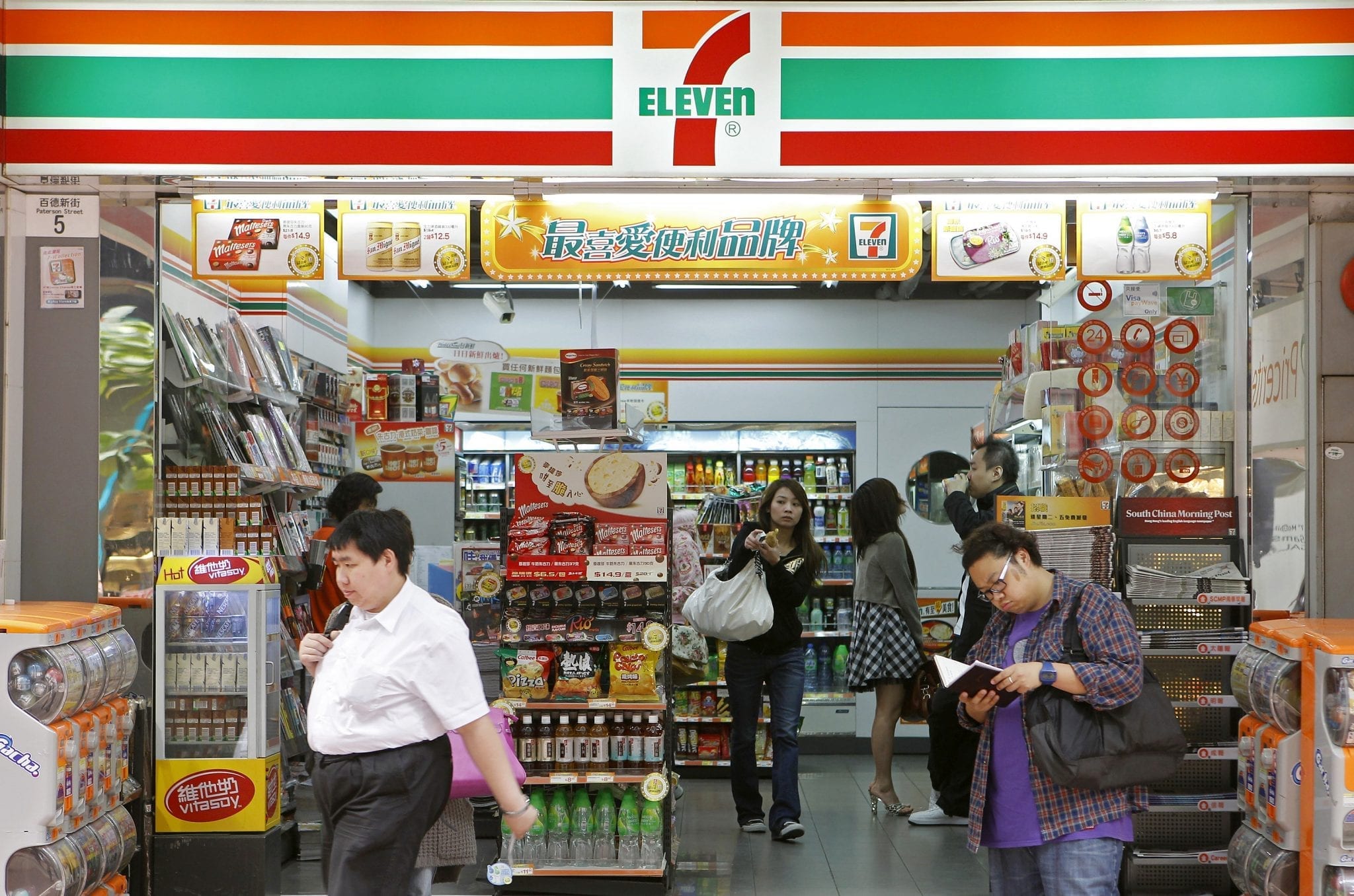
    DFI Retail Group rolled out two distinct format concepts across its 7-Eleven network in Hong Kong, targeting airport transit traffic and young mall shoppers.

    The deployment includes a compact food-first site under 100 square metres at Hong Kong International Airport Terminal 2 and an entertainment-focused store at Kai Tak Retail Mall 3. Both formats shift floor space away from traditional packaged goods to generate higher footfall and basket values.

    Hot Food and Collectibles at Kai Tak

    At the airport location, DFI deployed its Hong Kong Taste cafe concept. The layout combines a fresh local hot-food counter, chilled ready-to-eat meals, self-checkout kiosks, and coffee counters within a compact sub-100-square-metre unit designed to compete directly with quick-service restaurants.

    The Kai Tak store focuses entirely on youth merchandise and interactive displays. Shoppers find collectible card vending machines alongside a dedicated K-pop merchandise section requiring staff assistance for access, concert light sticks, Tamagotchi devices, and miniature double-decker bus models. The branch also stocks exclusive collaboration apparel, including Gundam socks and 45th-anniversary branded merchandise, alongside an interactive mechanical keyboard sound wall.

    Yoep Man leads the format trials as chief executive officer of 7-Eleven for South China, Hong Kong, Macau, and Singapore at DFI Retail Group.

    Asian Convenience Chains Pivot to Experience

    Convenience operators across North and Southeast Asia are redesigning store footprints to defend operating margins against rising rents and saturated packaged-goods categories. Regional competitors in Japan, Taiwan, and South Korea have pursued similar split strategies, turning transit units into fast hot-food hubs while transforming suburban mall branches into lifestyle destinations with licensed character goods. DFI’s two concepts test how far a traditional convenience banner can push into quick-service dining and collectible retail within dense commercial districts.

    DFI Retail Group plans to present operational insights and format findings from the Hong Kong pilot during the NACS retail conference taking place from October 6 to October 9.