Category: General

Retail News Asia is committed to providing both local and global retailers with the latest General Retail news throughout the Asian market. This on a daily base.

  • Yeo’s Launches Teriyaki Canned Tuna in Malaysia Protein Push

    Yeo’s Launches Teriyaki Canned Tuna in Malaysia Protein Push

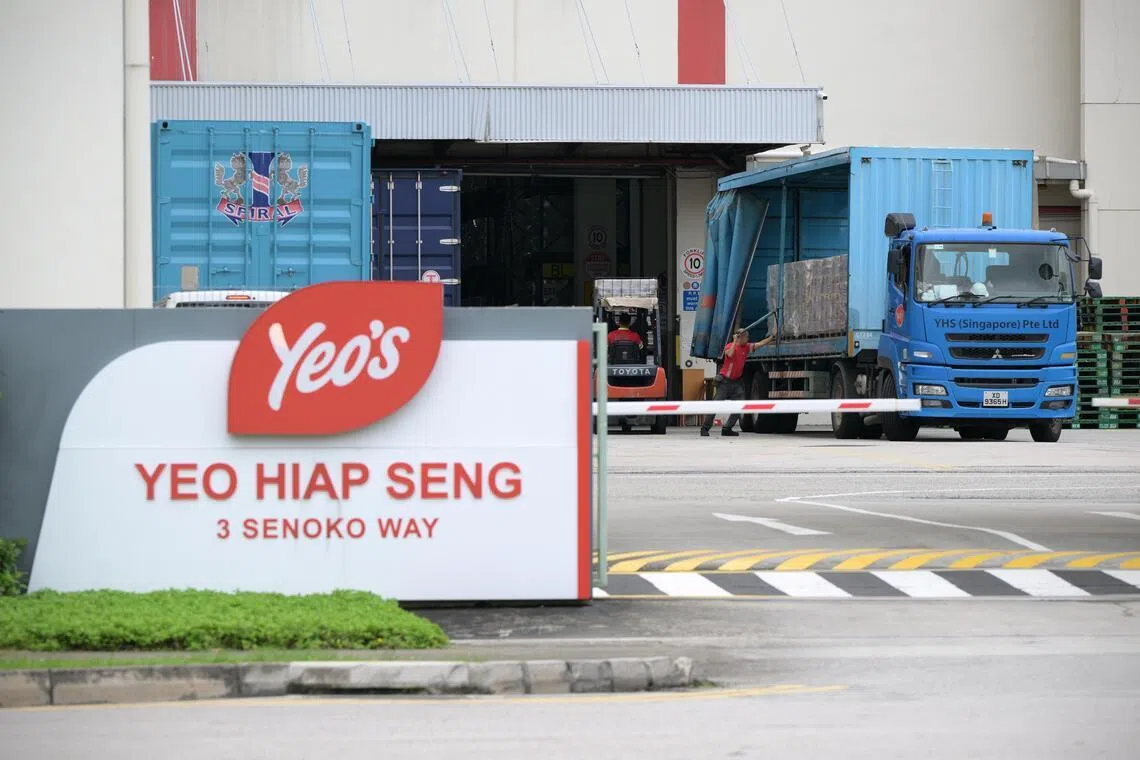
    Yeo’s added Teriyaki and Chilli Spicy canned tuna to its Malaysian packaged food lineup, claiming the country’s first teriyaki-flavoured shelf-stable tuna variant.

    The product expansion targets consumers seeking convenient high-protein meals across supermarket and hypermarket channels.

    Protein Counts on Front-of-Pack Formats

    Both seafood products arrive in standard metal cans tailored for direct consumption or quick meal preparation. Yeo’s is positioning the line alongside its recent ready-to-eat ambient poultry launches, which use retort packaging to deliver traditional Malaysian recipes without refrigeration.

    Those retort pouch releases, Boneless Chicken Curry and Boneless Chicken Rendang, package 33 grams and 24 grams of protein per pouch respectively. Yeo’s engineered the poultry line for microwave heating, printing protein counts directly on the outer packaging to court shoppers monitoring macronutrient intake.

    Shifting Away From Commodity Canning

    Packaged seafood brands across Southeast Asia traditionally sell canned fish on basic functional attributes like omega-3 content and budget affordability. That strategy leaves margins exposed to rising raw fish costs and competition from supermarket private labels.

    Flavour-forward seasonings allow ambient seafood processors to command higher unit prices. Western brands successfully recast canned seafood into premium lifestyle items through specialty sauces and design-led branding, creating a playbook Asian food manufacturers now adapt for local retail shelves.

    Category Push Across Packaged Foods

    The tuna rollout follows a broader cycle of recipe and packaging adjustments at Yeo’s. The company pushed into modern convenient cooking earlier in the year with ambient cooking pastes and unsweetened heritage teas, testing whether legacy Asian food brands can capture younger urban households.

    Retail buyers are tracking initial off-take figures for both seasoned tuna variants across Malaysian grocers as Yeo’s prepares distribution for regional convenience chains.

  • Singapore Attracts over 50 Consumer Brand Investments as Regional Hub

    Singapore Attracts over 50 Consumer Brand Investments as Regional Hub

    Singapore secured more than 50 new consumer company investments between 2022 and September 2025, drawing global brands seeking a regional operating base for Asia.

    Danish jeweller Pandora opened its regional headquarters in Singapore in November, adding roughly 50 corporate positions to support 62 stores and 400 retail and office staff across Asian markets.

    Headquarter hubs and flagship rollouts

    Pandora Chief Commercial Officer Massimo Basei said the Singapore hub focuses on market development, digital operations, and marketing across both mature markets like Japan and South Korea and expansion targets including India and Indonesia.

    Swiss sportswear maker On and activewear brand Alo opened flagship locations at Jewel Changi Airport and The Shoppes at Marina Bay Sands in July and August. South Korea’s Lotte Shopping plans to open its international headquarters in Singapore in 2026 to direct its Southeast Asian store network.

    Global consumer groups increasingly treat Singapore as an operational bridge between headquarters in Europe or the United States and fragmented retail markets across Southeast Asia. Establishing central merchandising and supply chain teams in the city reduces the risk of running decentralized Asian market entries.

    American dining brands brave high failure rates

    Food and beverage chains from North America are also expanding their footprint in the city despite intense local competition. Fast food operator Chick-fil-A opens its first Asian outlet in Singapore on 11 December, following Blue Bottle Coffee, which launched its debut local cafe on 3 April.

    Tapestry broadened its luxury label Coach into hospitality with the Coach Cafe in 2023, followed by a Coach Coffee Shop and the woodfire-focused Coach Restaurant. In grocery retail, US potato supplier Lamb Weston rolled out retail frozen fries across FairPrice, FairPrice Xtra, and FairPrice Finest stores in November.

    The expansion runs counter to tough local operating conditions. Over 60 per cent of Singapore food businesses closed within five years between January and October 2025, and 82 per cent operated without a profit, according to parliamentary figures from Deputy Prime Minister Gan Kim Yong.

    US chain Chipotle Mexican Grill opens its first Singapore restaurant in 2026, while Lotte prepares its international headquarters for operation the same year.

  • Aldi Loses Appeal in Little Bellies Copycat Packaging Case

    Aldi Loses Appeal in Little Bellies Copycat Packaging Case

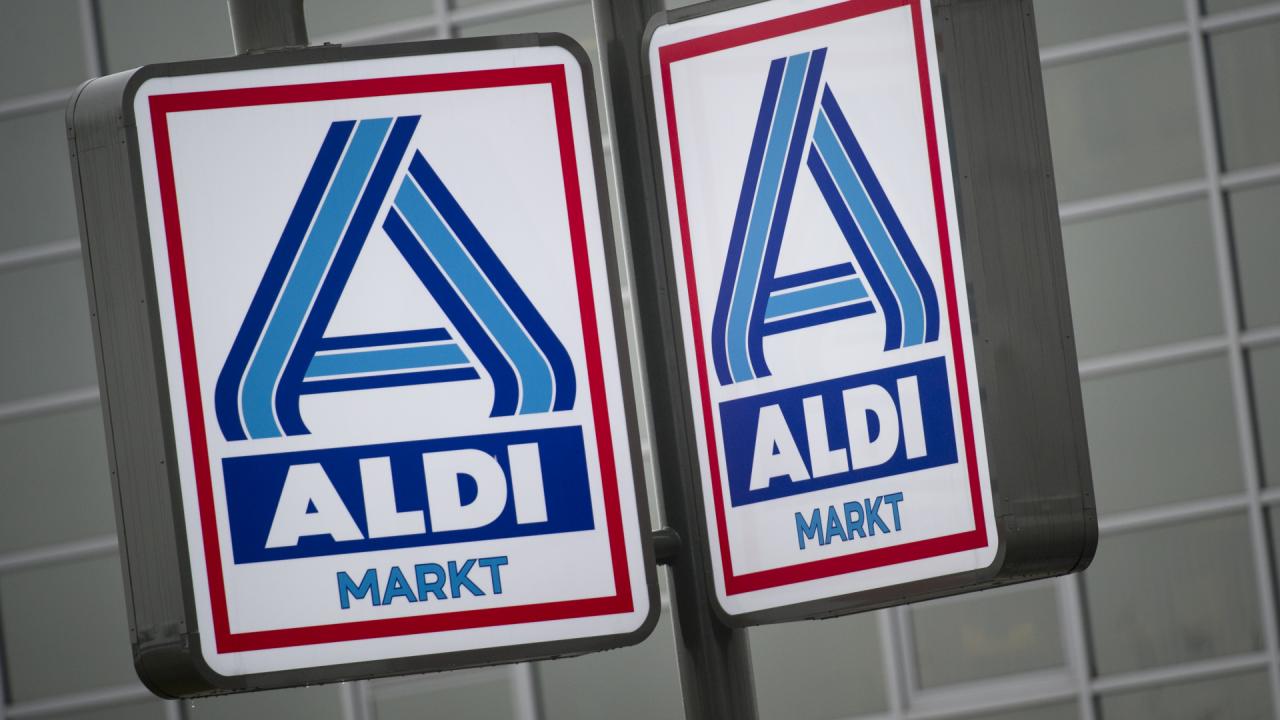
    Aldi has lost an appeal against Australian baby food maker Little Bellies over copyright infringement in its private-label snack packaging. An appellate court upheld the 2024 Federal Court ruling against the discounter. It also extended the infringement finding to cover additional products.

    At issue is the grocer’s Mamia toddler snack line, which copied packaging created by Little Bellies. Brothers Clive and Steven Sher founded the Australian snack business before expanding it across supermarket shelves.

    Expansion of the 2024 ruling

    Federal Court judges in 2024 found that three products in the Mamia range infringed Little Bellies’ design copyright. That verdict was a rare legal defeat for the retailer’s Australian packaging strategy.

    Judges dismissed the appeal and widened the scope of that finding. The extended ruling confirms Mamia’s visual similarities went beyond allowable category cues to breach copyright protections.

    Private-label scrutiny across the region

    Aldi built its global discount model on private-label goods that mimic market-leading national brands. Across the Asia-Pacific region, grocers often test the line between standard category cues and intellectual property infringement to win value-focused shoppers.

    The decision narrows legal leeway for store-brand lookalikes across grocery aisles. The court will now determine final orders and damages for the affected product lines.

  • Retail Asia Summit 2026 Sets Singapore Agenda for Responsible AI and Unified Data

    Retail Asia Summit 2026 Sets Singapore Agenda for Responsible AI and Unified Data

    Singapore will host the Retail Asia Summit on September 29, 2026, gathering brand executives and technology leaders to address artificial intelligence governance and omnichannel store operations.

    The day-long gathering at the Grand Copthorne Waterfront Hotel will focus on deploying automation, unifying customer data, and meeting data privacy standards across Southeast Asian retail networks.

    Speakers and Operational Themes

    Speakers include Cindy Ngiam, director of retail at Enterprise Singapore, and Zhu Hui, partner in Bain & Company’s retail and advanced analytics practice. Ngiam heads public-sector capability building for Singaporean retailers expanding domestically and overseas, following earlier roles developing startup ecosystems and tourism marketing. Zhu advises Southeast Asian grocery, fashion, and quick-service restaurant chains on operating models and generative AI implementation.

    Discussions during the event will examine how retail operators deploy Internet of Things applications in physical stores, integrate online-to-offline customer data, and maintain cybersecurity protocols.

    Regional Tech Adoption in Retail

    Store networks across Southeast Asia face stricter data compliance requirements while attempting to automate frontline staffing and inventory planning. Regional operators in grocery and fashion increasingly test predictive logistics and machine-learning tools to manage rising labour costs in core cities like Singapore.

    The summit runs from 8:30 AM to 5:00 PM SGT at the hotel’s Waterfront Ballroom on September 29.

  • Central Retail First-Half Profit Jumps 35% to $155 Million

    Central Retail First-Half Profit Jumps 35% to $155 Million

    Central Retail posted a 35 per cent increase in first-half net profit to 5.0 billion baht ($155 million), driven by grocery gains and aggressive store pruning in Thailand and Vietnam.

    Total revenue from continuing operations rose 2.4 per cent to 123.7 billion baht ($3.9 billion), with grocery accounting for 46 per cent of all sales.

    Store and online sales rose 2.2 per cent across the network, beating a 2.2 per cent expansion in total retail selling area. Gross margins widened by 110 basis points to 24.8 per cent, outpacing operational cost growth. Finance costs dropped sharply, while profit contributions from a newly acquired 40 per cent stake in JD Sports lifted the bottom line.

    Pruning hardlines and shifting to athleisure

    The conglomerate closed 11 branches of Power Buy, B2S, and Officemate over the past 12 months. It also severed 39 stores in April by exiting the NK appliance retail business in Vietnam. Hardlines revenue fell 2.9 per cent during the half, or 0.5 per cent when excluding the NK divestiture.

    Fashion sales edged up 2.1 per cent. Central Retail took its minority stake in JD Sports partly to overhaul sports merchandising at its proprietary Supersports chain, shifting shelf space toward high-turnover athleisure ranges.

    Food delivered the bulk of operating momentum. Grocery sales increased 6.1 per cent, recording same-store sales growth of 2 per cent in the first quarter and 3 per cent in the second quarter. Overall group same-store sales slipped 0.1 per cent for the six months, dragged down by two-year stacked declines of 7.5 per cent in hardlines and 5 per cent in fashion.

    Uneven regional recovery

    Across Southeast Asia, diversified retail conglomerates have spent the past two years ditching fragmented specialty formats to defend supermarket cash flow against inflation. Central Retail mirrors regional peers that expanded fast into bulky non-food retail during low-rate cycles, only to find floor space unproductive once discounters and online platforms undercut consumer electronics and stationery.

    Trading conditions remain split between its two core markets. In Thailand, high household debt and slow tourism recovery continue to curb discretionary spending, even with the central bank lifting its 2026 economic growth forecast to 1.9 per cent. Vietnam provides stronger retail momentum, backed by rising inbound tourism and state efforts to lift domestic consumer spending.

    Central Retail now manages 3,834 stores and 75 shopping centres with 779,000 square metres of net leasable area across both countries. Investors are watching third-quarter same-store sales figures to see whether hardlines and fashion can pull out of negative territory.

  • Best Mart 360 Lifts First Half Revenue to HK$1.45 Billion

    Best Mart 360 Lifts First Half Revenue to HK$1.45 Billion

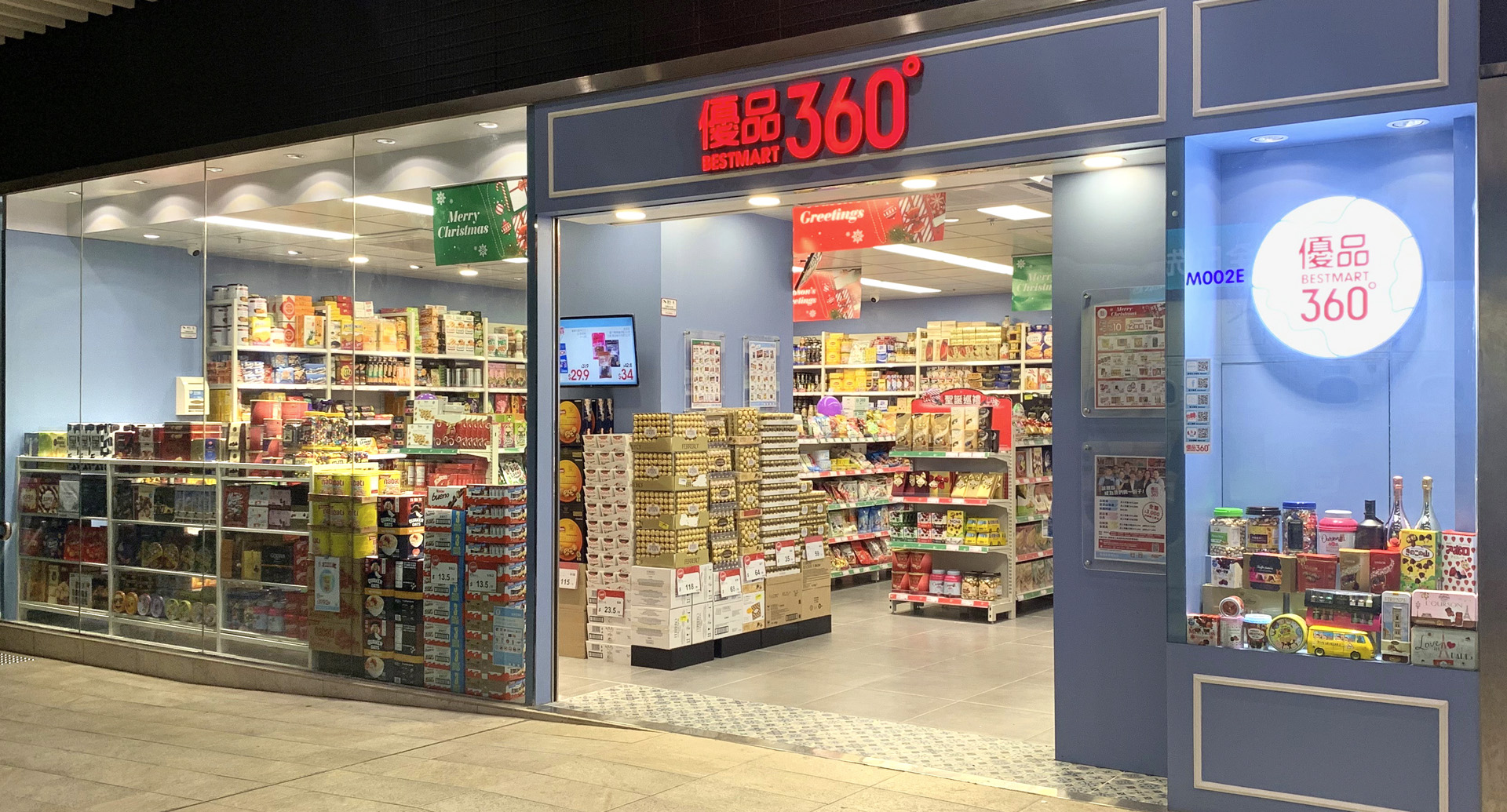
    Hong Kong snack retailer Best Mart 360 Holdings reported a 1.0 per cent rise in revenue to HK$1.45 billion for the six months ended 30 June 2026. Profit attributable to owners reached HK$116.2 million, supported by steady store-level demand for imported packaged food and household staples.

    Gross profit edged up 0.1 per cent to HK$518.8 million, translating to a gross profit margin of 35.8 per cent. The board declared an interim dividend of HK11.0 cents per share on basic earnings of HK11.6 cents.

    Private labels drive margin defence

    Sales from in-house private labels generated HK$277.2 million, up 10.3 per cent from HK$251.2 million a year earlier. These proprietary lines now represent 19.1 per cent of total turnover, spanning 12 private labels and 272 stock-keeping units across dried fruits, canned seafood delicacies, cereals, honey, and personal care items.

    Total store count reached 190 outlets at the end of June 2026, comprising 184 locations in Hong Kong and six in Macau. Cash-basis rental expenses absorbed 9.7 per cent of sales revenue during the period, while staff costs accounted for 9.6 per cent across an operational workforce of 1,257 employees.

    Expanding the FoodVille footprint

    The company continues to run a dual-banner model, deploying eight premium specialty shops under the FoodVille brand alongside its core chain. FoodVille targets mid-to-high-end consumers with selections of imported wine, chocolates, cheeses, and Western condiments. Across its entire business, the group catalogued over 3,054 stock-keeping units from 1,045 global brands.

    Hong Kong packaged food retailers face mounting headwinds as mainland Chinese e-commerce platforms expand cross-border grocery deliveries into the territory. At the same time, weekend outbound travel to Shenzhen continues to divert discretionary retail spending away from local neighborhood shopping malls. Best Mart 360 has countered this pressure by deepening promotions through its foodpanda mall delivery channel and expanding its direct-procurement supply base.

    Customer membership reached 2.47 million registered accounts by mid-year, including 1.37 million app users. Management is now negotiating lease renewals across high-density residential clusters while testing automated workflow tools to trim store-level administrative costs before the peak year-end retail season.

  • Woolworths to Drop Tasmanian Beef Sourcing in 2027 over Rising Freight Costs

    Woolworths to Drop Tasmanian Beef Sourcing in 2027 over Rising Freight Costs

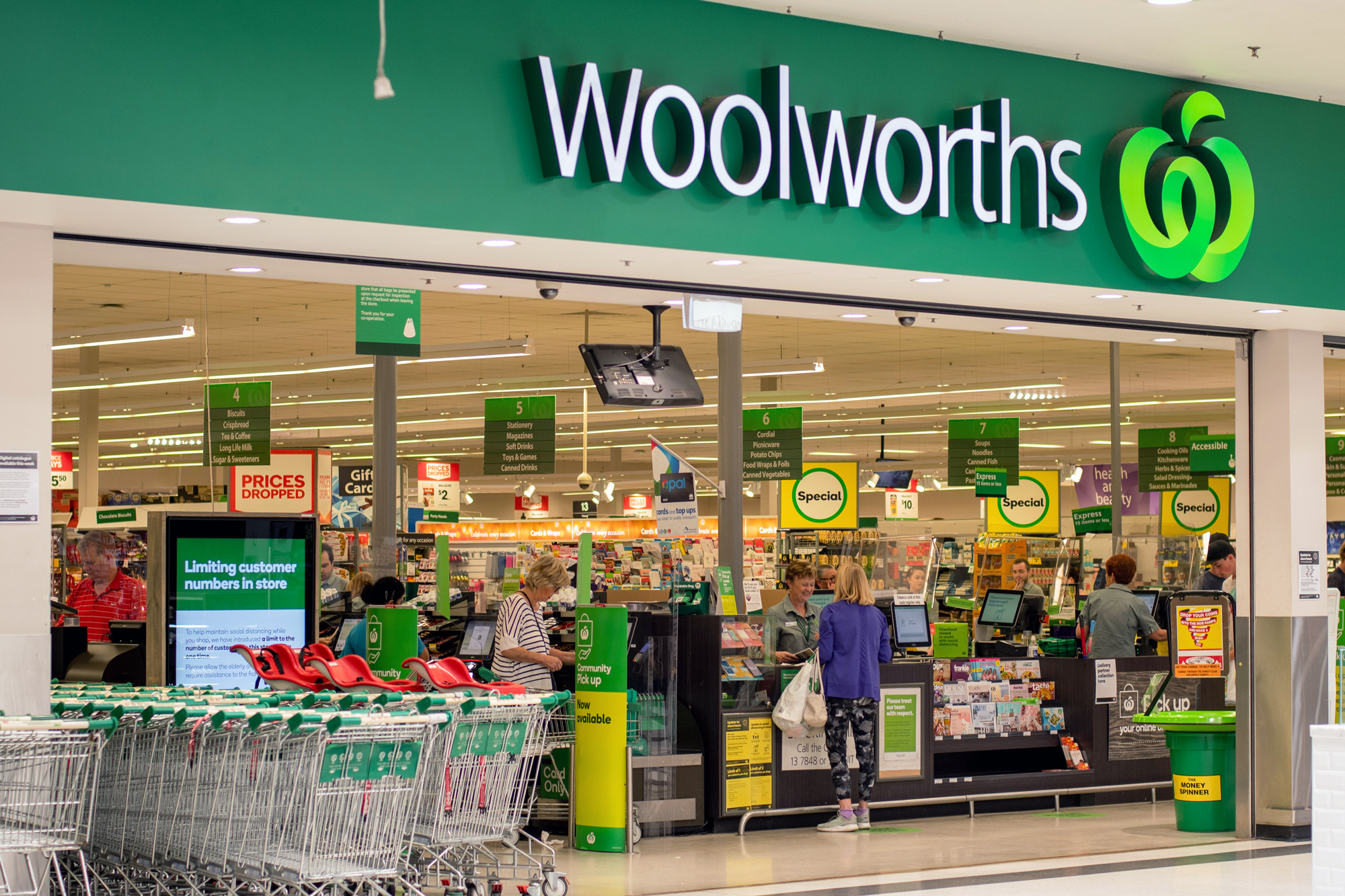
    Woolworths will stop selling Tasmanian beef across its supermarket network from 2027, ending a supply pipeline of 80 cattle per week. The Australian grocer is cutting ties with meat processor JBS Foods and its Longford abattoir after shipping expenses across Bass Strait made island sourcing unviable.

    Rising production expenses and maritime freight rates prompted the decision to consolidate beef procurement on the mainland. Tasmanian beef producers, including long-term suppliers such as farmer Jerrod Nichols, now face finding alternative buyers in an increasingly volatile livestock market.

    Freight Pressures Across Bass Strait

    Transporting livestock and processed meat across Bass Strait requires dedicated cold-chain shipping that adds fixed overheads to wholesale purchasing costs. Supermarket operators have faced mounting transport inflation across island supply chains over the past three years. Woolworths concluded those logistics costs could no longer be absorbed without passing price increases directly to shelf prices.

    The exit shows how major retailers across Asia-Pacific are rationalizing local sourcing contracts in favour of centralized, lower-cost mainland processing hubs. When transport costs spike, regional supply arrangements often become the first casualty in margin defense strategies.

    Supply Pipeline Until 2027

    Local farmers will continue to supply the supermarket giant for the remainder of the current agreement. Woolworths confirmed it will maintain its regular weekly intake through the end of 2026 before shifting volume to its existing mainland abattoir partners.

  • Malaysia to Impose Registration Rules on E-Commerce Platforms After 1,964 Complaints

    Malaysia to Impose Registration Rules on E-Commerce Platforms After 1,964 Complaints

    Malaysia will impose mandatory registration and product compliance rules on e-commerce platforms after regulators logged 1,964 consumer complaints over defective items, scams and misleading halal claims.

    The regime forces online marketplaces to verify that all electrical appliances meet domestic SIRIM safety benchmarks before listing.

    Communications Minister Datuk Seri Fahmi Fadzil said the government will not block or shut down e-commerce operators. The policy instead targets platform accountability, requiring marketplaces to filter out uncertified inventory and fraudulent merchants.

    Enforcing standards and registration

    Data from the Malaysian Communications and Multimedia Commission (MCMC) shows 1,964 platform-related complaints recorded through Aug. 25, with 118 cases still under active investigation. Electrical and electronic products triggered 191 reports, while four complaints involved fraudulent halal certification labels.

    Regulators plan to adapt the oversight framework recently rolled out for social media networks to police online shopping portals. This will include platform registration rules designed to hold operators liable for counterfeit goods and non-compliant hardware.

    Marketplace liability across Southeast Asia

    The policy mirrors a wider regional push to rein in marketplace imports and protect consumer safety. Platforms such as Shopee, Lazada and TikTok Shop have faced heightened regulatory scrutiny across Southeast Asian markets over unverified merchant listings and cheap, uncertified cross-border electronics.

    MCMC is currently drafting the operational guidelines for the e-commerce framework, with compliance timelines to be announced once agency reviews conclude.

  • Aptar Beauty Shifts Focus to India and Southeast Asia as Market Hits 4% Growth

    Aptar Beauty Shifts Focus to India and Southeast Asia as Market Hits 4% Growth

    Aptar Beauty is shifting its product development and manufacturing footprint toward India and Southeast Asia as global beauty demand stabilises at 4 per cent annual growth.

    The dispensing systems supplier developed its Nouvelle airless dispenser specifically in India to capture surging demand for premium skincare before exporting the design across the region. Aptar plans to roll out the Indian-made packaging line into Thailand and Indonesia, tapping markets where consumer adoption is rising alongside trading up to higher-end product formats.

    Localising production across India and Southeast Asia

    International beauty brands in China face softer sales while domestic players gain ground, prompting packaging suppliers to diversify their regional revenue base. To support Asian fragrance demand, Aptar took a stake in Chinese manufacturer Goldrain to produce perfume pumps tailored to local price points and design preferences.

    Regional production sites in India, Thailand, and China also insulate the company against trade barriers and US tariffs. Operating plants across seven countries allows the group to supply multinational brands locally rather than shipping components across borders.

    For retailers and beauty brands across the Asia-Pacific region, packaging suppliers are moving away from adapting Western designs for Asian shelves. Aptar, like competitors Berry and Silgan, is now engineering packaging in Asia for local climate conditions, viscous formulations, and regional cost targets before distributing those formats globally.

    Engineering pumps for new cosmetic formulas

    Formulation changes are forcing mechanical redesigns across beauty dispensers. Skincare brands are replacing silicones with short-chain alkanes, which cause standard polyolefin plastics to swell and jam pump mechanisms.

    Fragrance houses are also introducing water-based, alcohol-free sprays that standard pumps cannot atomise properly. Aptar developed customised dispensing hardware for formulations like Guerlain’s Aqua Allegoria Perle skincare fragrance, while engineering its GSA platform for high-viscosity creams and expanding refillable systems such as its Gaïa airless line used by Clarins.

    The supplier is now eliminating polyoxymethylene and per- and polyfluoroalkyl substances across its catalogue ahead of the enforcement of the European Union’s Packaging and Packaging Waste Regulation.

  • Bandai Namco to Open Australia’s First Gundam Base and Tamashii Nations in Sydney

    Bandai Namco to Open Australia’s First Gundam Base and Tamashii Nations in Sydney

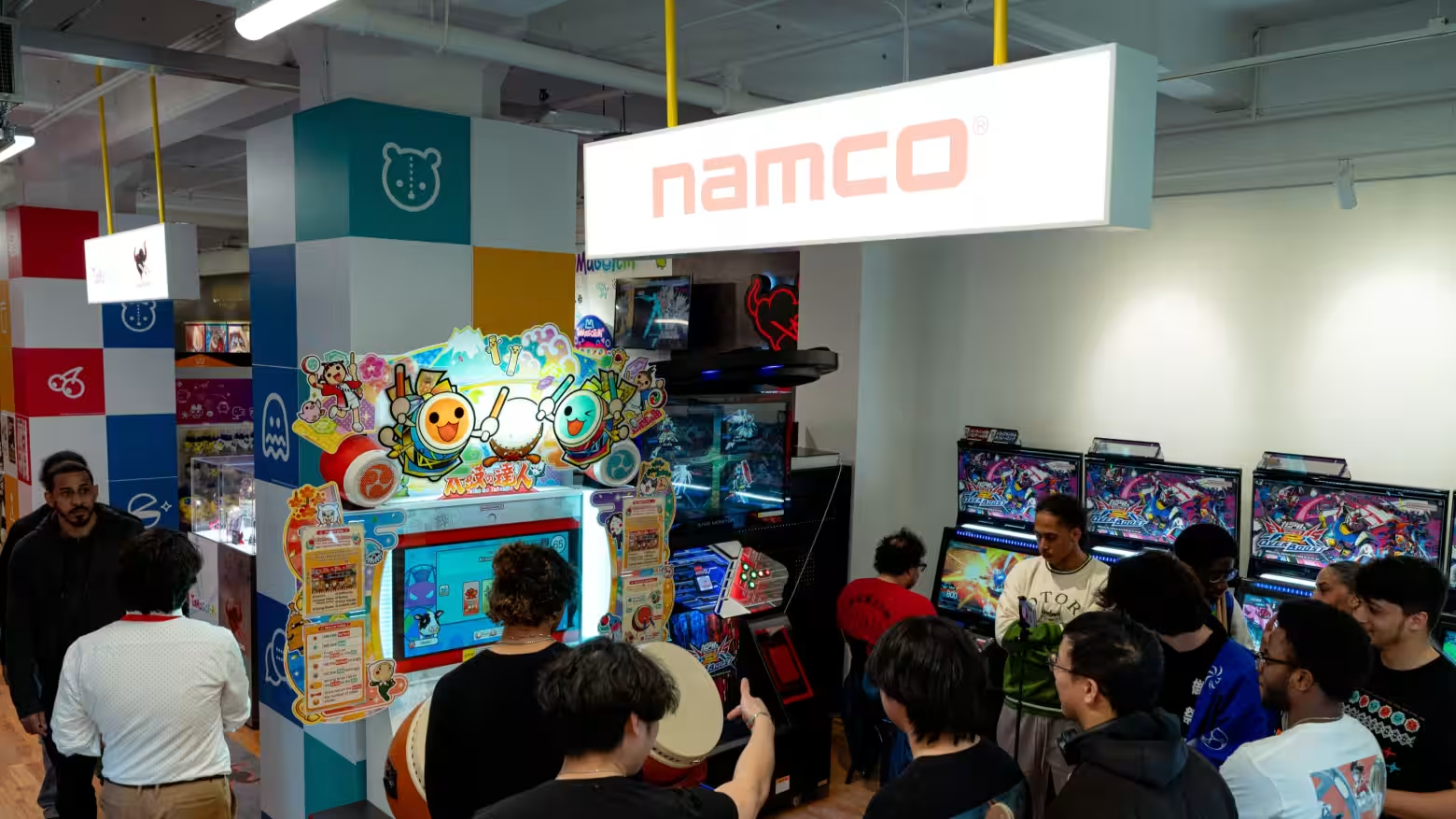
    Bandai Namco Asia will open Australia’s first The Gundam Base store at Broadway Sydney in November 2026. The location will also house one of only four Tamashii Nations flagships worldwide.

    Both permanent shops will sit on level one of the retail complex. They follow a trial pop-up tour at the Mirvac-owned centre last year.

    Expanding Japanese IP Across Asia-Pacific

    The Gundam Base serves as Bandai’s dedicated retail brand for Mobile Suit Gundam ‘Gunpla’ model kits. The Sydney site will sell kits, apparel, and exclusive releases unavailable through standard wholesale channels.

    Next door, Tamashii Nations will stock finished collector figurines. That store focuses on high-end robot models and licensed merchandise from anime franchises such as Dragon Ball, One Piece, and Demon Slayer.

    Bandai Namco Asia president Hiroyuki Fujita said the Sydney destination will run prototype shows, immersive displays, and regional fan events alongside standard retail sales.

    Building Out Physical Collector Hubs

    Japanese entertainment companies are rolling out direct-to-consumer flagships across Asia-Pacific to secure higher margins and cultivate collector communities. Bandai opened a flagship in Hong Kong in December, testing regional appetite before committing capital to Australia.

    Landlord Mirvac relies on fandom-driven concepts to pull foot traffic into Broadway Sydney. Fit-outs for both stores will finish ahead of the November 2026 launch.

  • DFI Retail Group Names Kshitij Mulay as Chief Digital and Yuu Rewards Officer

    DFI Retail Group Names Kshitij Mulay as Chief Digital and Yuu Rewards Officer

    DFI Retail Group has named Kshitij Mulay as its new Group Chief Digital and yuu Rewards Officer across its network of 7,659 outlets. The appointment takes effect on 17 September 2026, placing Mulay in charge of the group’s digital commerce, loyalty operations, customer analytics and retail media units.

    Based in Hong Kong, Mulay will sit on the group management committee and report directly to Group Chief Executive Scott Price. He succeeds Wee Lee Loh, who is stepping down after three years with the business to return to Singapore.

    From Sephora to pan-Asian retail networks

    Mulay joins DFI from Sephora Asia, where he served as Chief Information Officer overseeing digital and technology operations across multiple Asian markets. His background covers more than 25 years in retail and consumer technology, including senior roles at Procter & Gamble and Sephora focused on cloud migration, omnichannel commerce and artificial intelligence deployments.

    At DFI, his brief covers a sprawling multi-format retail footprint spanning 12 markets and more than 81,000 employees as of June 2026. The portfolio includes convenience chain 7-Eleven, health and beauty banner Mannings, grocery brands Wellcome and MarketPlace, as well as home furnishings and restaurant operations.

    Scaling digital operations and retail media

    Loh steps down after steering the group’s digital ecosystem through an aggressive build-out since 2023. During his tenure, DFI expanded the yuu loyalty programme to millions of active members and scaled daily online order fulfilment to more than 100,000 transactions across its operating territories.

    Regional retail conglomerates are leaning hard into retail media networks and unified loyalty schemes to generate higher-margin income from grocery and convenience footfall. For operators running thousands of physical checkouts, monetising first-party shopper data through targeted digital advertising has shifted from an experiment into a core balance-sheet priority.

    Mulay begins his role following a handover period with Loh in mid-September, with the group targeting further expansion of its retail media business and automated fulfilment systems heading into the final quarter of the year.

  • Thailand Luxury Market Outpaces Singapore as Gen Z and Pop Culture Drive Sales

    Thailand Luxury Market Outpaces Singapore as Gen Z and Pop Culture Drive Sales

    Thailand has overtaken Singapore as Southeast Asia’s fastest-growing luxury market, led by surging demand from domestic Gen Z consumers and entertainment partnerships.

    High-end fashion houses are shifting resources and marketing budgets toward Bangkok as spending by younger Thai demographics outpaces historic regional benchmarks.

    Pop Culture Powers Store Footfall

    Luxury labels have accelerated brand ambassador appointments across both Korean and Thai entertainment industries. Global houses such as Dior, Gucci and Prada now regularly sign Thai actors and musicians, commonly grouped as T-pop talent, alongside established K-pop idols to front regional campaigns.

    These endorsements convert directly into store traffic across Bangkok’s prime shopping corridors. Flagship boutiques in malls such as Siam Paragon, IconSiam and EmSphere report elevated sales of ready-to-wear lines, leather goods and fine jewellery purchased by shoppers under 30.

    Regional Retail Balances Shift to Bangkok

    Singapore long served as the default gateway for luxury groups entering Southeast Asia, relying heavily on international business travellers and high-income expatriates. Bangkok, by contrast, combines resilient domestic demand with a rapid rebound in regional tourist arrivals from across Asia.

    Major European luxury groups are now expanding floor space in central Bangkok developments and revamping VIP salons rather than relying solely on Singaporean outposts. The shift marks a broader recalibration toward markets where pop culture fandom directly drives retail transaction volumes.

    Luxury brands will monitor upcoming mall completions along Bangkok’s Sukhumvit and Ploenchit corridors through 2024 to determine whether new retail square footage matches high-end consumer absorption rates.

  • Indian Quick Commerce Expands to 477 Cities as Dark Store Networks Multiply

    Indian Quick Commerce Expands to 477 Cities as Dark Store Networks Multiply

    India’s quick commerce platforms now operate dark stores across 477 cities, pushing 10-minute grocery and essentials delivery well past the country’s primary metropolitan hubs.

    A study by brokerage CLSA shows 3,536 dark stores active across India’s top 10 cities alone, excluding operations run by Amazon and JioMart. Blinkit holds the largest footprint with 969 locations, followed by Zepto with 828, Flipkart Minutes with 627, Swiggy Instamart with 615 and BigBasket with 497.

    Blinkit Extends National Lead

    Blinkit accounts for 30 per cent of all dark stores across the top 10 metropolitan markets and more than 34 per cent nationwide. The platform maintains the top store count in six of those 10 urban centres, while operating without direct rival competition in more than 180 smaller cities.

    Newer entrants are setting up smaller dark store footprints in secondary markets to evaluate unit economics and local basket sizes before committing capital. Established operators plan to enter those same territories later, capitalising on initial consumer habits built by early movers without absorbing early customer acquisition costs.

    Rivalry Shifts in Tier-1 Metros

    Competition among the largest platforms is recalibrating inside major cities. Flipkart Minutes has overtaken Swiggy Instamart in dark store numbers and postal code coverage across the top 10 urban markets.

    Swiggy countered by opening the highest number of dark stores among the top three operators over the past month to increase neighborhood density. Denser hubs reduce delivery times, widen product assortment and improve courier route efficiency.

    The race among Indian delivery platforms mirrors previous logistics turf wars in Southeast Asia and mainland China, where early land grabs in top-tier cities eventually gave way to a contest over suburban route efficiency and average order values. While platforms in China folded rapid delivery into broad e-commerce ecosystems, Indian operators are building standalone micro-warehouses to defend grocery margins.

    Network additions by the top three operators have trailed overall sector expansions in new pincodes, leaving smaller regional platforms to test untapped territories before the next wave of consolidation begins.

  • Star Leap Overhauls Beauty Sourcing as Global Markets Fragment

    Star Leap Overhauls Beauty Sourcing as Global Markets Fragment

    Hong Kong supply chain distributor Star Leap has revamped its cosmetics procurement model to target regional divergences across Southeast Asian, European, and American beauty retail markets.

    The company confirmed that global demand patterns no longer align across key consumer territories, forcing wholesalers to match stock directly to local channel mechanics rather than relying on global brand awareness.

    Shifting Channel Demands Across Regions

    Market dynamics are splitting along regional lines. In Vietnam and across wider Southeast Asia, multinational cosmetics labels face stiff competition from domestic brands, producing a price-sensitive consumer base with distinct SKU preferences.

    Western territories show different retail drivers. United States retailers are tying physical store sales directly to artificial intelligence tools and virtual testing setups, while European buyers are shifting purchasing budgets toward South Korean and Japanese beauty imports at the expense of traditional domestic lines.

    Matching Inventory to Local Channels

    Distributors must balance unit costs against shelf-life constraints and regional stock velocity. Star Leap tracks purchasing costs, batch codes, and SKU assortments against specific distribution channels to prevent unsold stock sitting in secondary markets.

    Cross-border beauty logistics across Asia Pacific historically relied on moving excess inventory between territories when domestic demand slowed. Rising import compliance standards and the rapid growth of domestic Southeast Asian brands have largely closed those secondary arbitrage routes.

    Procurement teams are now locking in smaller, localized batch orders as retailers prepare their mid-year stock allocations across Asian department stores and regional e-commerce platforms.

  • MILO Partners Malaysian Sports Ministry Ahead of SEA Games 2027

    MILO Partners Malaysian Sports Ministry Ahead of SEA Games 2027

    MILO partnered with Malaysia’s Ministry of Youth and Sports in Putrajaya to distribute more than 100,000 cups of malt beverage during national day celebrations.

    The sampling initiative tied the chocolate malt brand directly to state-backed athletic programs ahead of the 2027 Southeast Asian Games. Grassroots sports alignment remains central to Nestlé’s commercial strategy for the brand across Southeast Asia.

    Sampling and Sports Alignment

    Field teams deployed distribution vans across Putrajaya on 31 August 2026 during Malaysia’s 69th Independence Day gathering. Officials from the Ministry of Youth and Sports joined the event, linking the brand’s school sports outreach to national youth athletic development.

    Sports partnerships have anchored MILO’s market share in Malaysia for decades, insulating the brand from newer ready-to-drink beverage competitors. Rivals in the dairy and malt category rely heavily on supermarket retail promotions, while Nestlé uses institutional sporting ties and on-ground school van activations to secure early brand loyalty.

    Preparation for Regional Games

    Both parties structured the collaboration around youth athletic readiness ahead of Malaysia hosting the SEA Games in 2027. The ministry plans to use existing youth development tracks to identify talent across primary and secondary schools nationwide over the next 12 months.