Category: General

Retail News Asia is committed to providing both local and global retailers with the latest General Retail news throughout the Asian market. This on a daily base.

  • Japan’s convenience stores catering more to elderly as demographics shift

    Japan’s convenience stores catering more to elderly as demographics shift

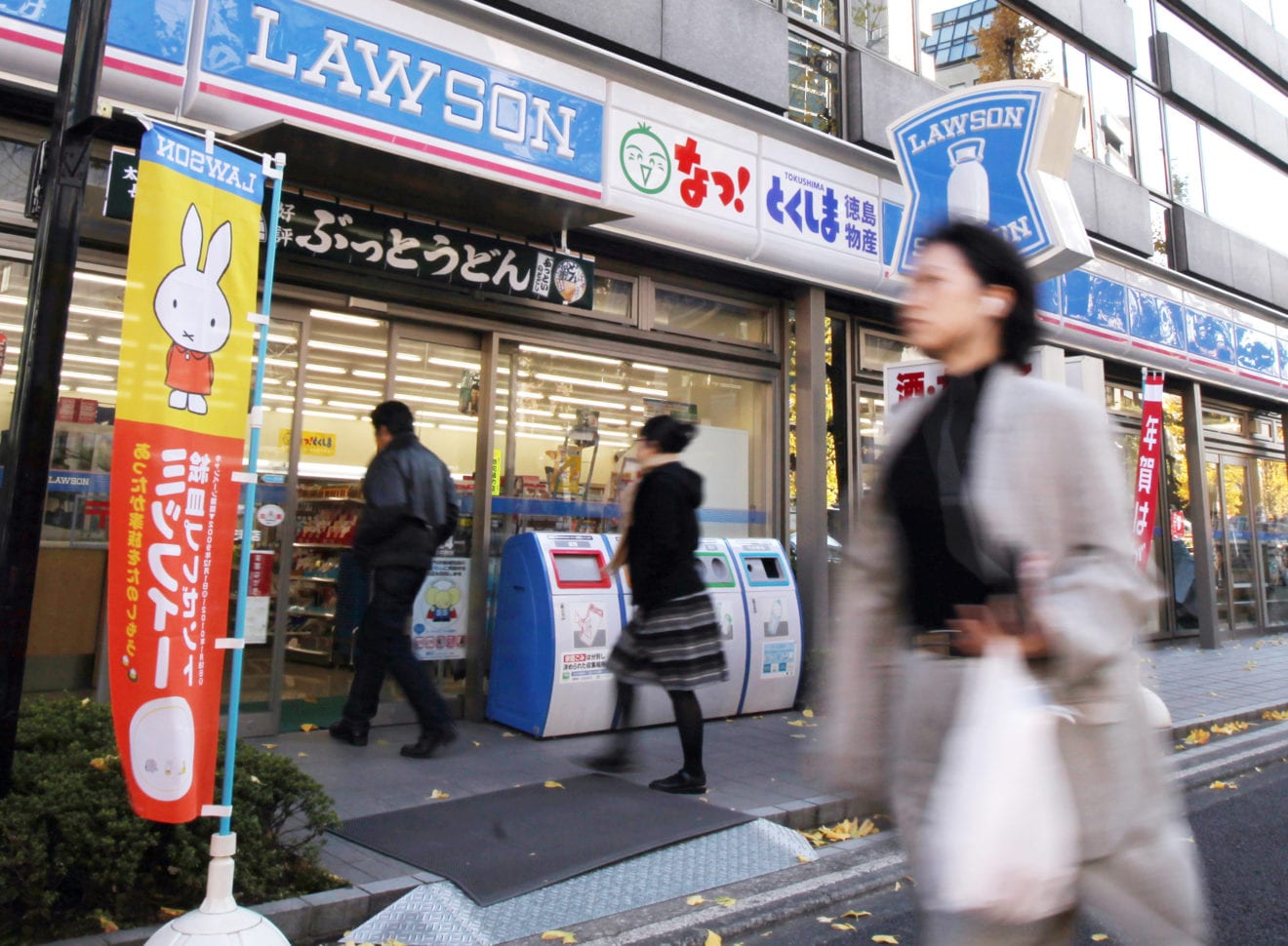
    The nation’s convenience stores are changing with the times, shedding their image as places for young shoppers keen on fast food, concert tickets and comic books, and increasingly catering to older clientele.

    As the population grays and people live longer, the small, near-ubiquitous stores are revising their offerings to suit the tastes and needs of seniors by introducing home delivery, healthy bento boxed meals and a one-stop shop where pharmacies share floor space.

    Some are setting up elderly care support counters, and in a stab at becoming social meeting spots, are offering seating and even karaoke boxes.

    In a move symbolizing the change, second-ranking Lawson Inc. on April 3 opened its first outlet with a nursing care consultation desk in Kawaguchi, Saitama Prefecture. The outlet will have managers and advisers available for consultation all day, every day of the week. The company plans to launch another one in the prefecture by summer.

    In fiscal 1989, people aged 29 and younger at 7-Eleven convenience stores accounted for 63 percent of daily customers. That declined to about 29 percent in fiscal 2013, according to recent statistics from Seven & i Holdings Co.

    Customers 50 or older, who previously represented only 9 percent of all customers, rose to 30 percent in the same period, representing the age bracket with the largest share, according to the statistics.

    FamilyMart Co. says people 50 and older account for about 30 percent of its customers, too.

    Convenience stores specifically targeting the elderly are changing the image of the sector as a testing ground for marketing to teenagers. And while the Lawson outlet may be an extreme example and experimental in nature, others in the industry, while not going that far, have quietly shifted their marketing tack in recent years to focus further on seniors.

    Operators are increasingly changing their food lineups to appeal to older shoppers. They seek, for example, quality, known-to-be-safe products, including higher-end foodstuffs, rather than the cheap, filling bento meals preferred by young shoppers.

    A notable change is their bento and other ready-to eat foods offered under their respective house brands, where the companies are competing with each other to offer healthy ingredients and those that are either locally sourced or from a renowned region.

    Leading the way in this area is Seven-Eleven Japan Co., the top industry player with more than 17,000 outlets and sales totaling ¥4.82 trillion for the year ended in February. The Seven & i Holdings subsidiary’s Seven Premium product lineup generated ¥800 billion in revenue that year, featuring foods consumed at home.

    While its self-service coffee and doughnuts, fried chicken and other fast food offerings remain a key sales driver, the shift is slowly underway. The company aims to boost sales of the products to ¥1 trillion this year.

    Masayuki Kubota, chief strategist at Rakuten Securities Economic Research Institute, said the main focus of convenience stores is not the elderly per se, but the overall shift from young to older shoppers, which is reflected in the food on offer.

    “Until maybe a decade ago, the image of convenience stores was of a place where young people away from home could pick up food of their preference, like fast food restaurants,” said Kubota.

    “At that point, strategies targeting males in their 20s was important. . . . But now female customers in their 40s and 50s are increasing.”

    More conspicuous changes toward a higher customer age range, too, are underway. The top three players — including third-ranking FamilyMart and Lawson — all have introduced home delivery services, stocking meals and cooking ingredients aimed at meeting the demands of health- and quality-conscious seniors who prefer to eat at home.

    The services also target orders for daily necessities ranging from toilet paper and detergent to light bulbs.

    FamilyMart acquired Senior Life Create Co. and launched a home delivery service in December 2012, taking advantage of the latter’s Takuhai Cook 123 bento meal delivery for aged residents. The service is offered in seven districts, including two in Tokyo.

    “A key area that convenience store operators like us need to address is how to close the so-called ‘last mile,’ ” to reach out to residents at home, said Shinsuke Otsuki, manager of FamilyMart’s corporate planning division.

    A Seven-Eleven Japan spokesman said the company’s Seven Meal delivery service is the result of “trying to offer a broad range of services to meet the needs of an aging society.” Of the service, which is offered at some 13,200 outlets nationwide, about 60 percent of the users are over 60, he said.

    Because of the nature of the shift, taking place slowly as customer profiles change to higher age ranges, the changes in marketing remain inconspicuous, at least for now.

    But examples abound. FamilyMart’s Otsuki said the increase in larger bathrooms with grab rails at its outlets are targeted at older customers in general, not only the disabled.

    The company has also set eat-in areas as a standard feature for new outlets — floor space permitting — providing a place for the elderly to gather to chat, especially in rural areas where there are few such facilities.

    FamilyMart is experimenting with over 30 combination outlets that share space with drug stores through a tie-up with Saitama Prefecture-based Drug Ace and Osaka’s Higuchi Yakkyoku drug store chains.

    “We’ve even opened a combination store with a karaoke box in the Kamata district” of Tokyo, said Otsuki. “This may prove a senior-targeting outlet because many senior customers come here in the daytime to practice singing.”

    “I think convenience stores will continue to change as the nation’s demography changes, rather than under management initiatives,” said Rakuten’s Kubota.

    “Currently, food is the main merchandise, but the customer profile is changing to a higher age group, and so I would think demand for food will decline and they may begin to sell more products other than food.”

    He added, convenience stores’ main offerings may shift from goods to services, “because in an economic structural change, there’s the tendency for services to increase. Convenience stores in the future could be centered on services rather than goods.”


  • China’s Alibaba names Daniel Zhang new CEO

    China’s Alibaba names Daniel Zhang new CEO

    China’s e-commerce giant Alibaba Group on Thursday named Daniel Zhang, currently Chief Operating Officer, CEO of the group, effective on 10 May 2015.

    Current CEO Jonathan Lu will remain on the board of directors of Alibaba Group as Vice Chairman. He will work with Daniel to ensure a successful transition in the coming months.

    “In this capacity Jonathan will play an important role in developing future leaders of Alibaba Group. This role is especially important as Alibaba Group continues to build the necessary talent to enable the company to grow and thrive in a rapidly changing environment,” the Chinese largest e-commerce company said in a statement.

    Daniel Zhang has been with the company for eight years and has held top management positions across the organization. He is also one of the founding members of the Alibaba Partnership. Zhang has been Alibaba’s chief operating officer since September 2013. In his role as COO, he oversaw the operations of all Alibaba Group businesses in China and internationally.

    Zhang first joined the company as Chief Financial Officer of Taobao Marketplace in August 2007. In 2008, he was appointed Chief Operating Officer of Taobao Marketplace and general manager of Taobao Mall.

    Under his leadership, Taobao Mall rapidly became one of Alibaba’s most important businesses and was highly recognized by consumers and brands in China and around the world. In 2011, he was named president when it first became an independent business unit, Tmall.com, which has become one of world’s largest online B2C platforms. Zhang was also a key architect of the 11 November Shopping Festival, and led it to become the world’s largest online shopping event.

  • Garuda and LOT Polish Airlines Agree on New Jakarta-Warsaw Flight Route

    Garuda and LOT Polish Airlines Agree on New Jakarta-Warsaw Flight Route

    Garuda Indonesia and LOT Polish Airlines, flag carriers of Indonesia and Poland respectively, have agreed to open a new route connecting Jakarta and Warsaw.

    Garuda Indonesia President Director M. Arif Wibowo said opening a new route to Poland will help Garuda better connect with Eastern and Central Europe. Garuda currently flies to London in the United Kingdom and Amsterdam in the Netherlands.

    “Poland, like Indonesia, is a destination with potentials,” Arif said on Tuesday, as quoted by state-owned news agency Antara. “That’s why Garuda is ready to sign a Special Priority Agreement with LOT Polish Airlines.”

    Sebastian Mikosz, chief executive officer of LOT Polish Airlines, welcomed the plan, adding the agreement was a first step towards better cooperation.

  • S Korea’s E.Land to optimise provide chain operation by implementing Manhattan’s know-how

    S Korea’s E.Land to optimise provide chain operation by implementing Manhattan’s know-how

    E.Land World Ltd, the most important attire model in South Korea and the core attire subsidiary of worldwide retail group E.Land, is implementing Manhattan’s Provide Chain Commerce Options to assist fulfil on its service promise to clients and allow future enterprise progress.

    With Manhattan’s know-how, E.Land World will have the ability to present a speedy and constant fulfilment expertise to its clients. The answer deployment is already underway on the firm’s Cheonan distribution centre (DC) in South Korea, a newly constructed 1 million sq. ft. facility using 300 individuals and dealing with 340,000 stock-keeping models.

    The implementation is being carried out by a joint workforce from Manhattan Associates, E.Land IT subsidiary E.Land Techniques Ltd. and native Manhattan associate Worth Chain Consulting & Applied sciences.

    “As a market-leading style model, it’s crucial that E.Land World is supported by an environment friendly, strong and agile provide chain infrastructure,” defined Choon Woo Leem, vice chairman of Logistics at E.Land World. “The Manhattan options will assist us optimise our provide chain operation and provides us a extremely versatile fulfilment functionality, making certain we will meet the more and more refined necessities of our clients.”

    Whereas the primary part of the challenge is focussed on the South Korean distribution centre supporting the attire retail subsidiary, dad or mum firm E.Land plans to roll out the Manhattan know-how to different group companies in a number of geographies. E.Land expects the second part of the challenge to begin with deployments at distribution centres supporting its retail enterprise in China.

    E.Land’s retail operations span a number of markets all over the world together with China, Japan, Sri Lanka, UK, US and Vietnam. It operates companies within the restaurant, leisure, grocery, e-business and development sectors. The attire division of the group boasts 60 totally different style manufacturers and group annual turnover exceeds USD7 billion. In recent times, it has acquired the worldwide advertising rights for Okay-Swiss, the worldwide tennis shoe model and launched the SPAO and MIXXO style manufacturers in Japan.

  • Hong Kong’s retail gross sales down 2.9 pct in March

    Hong Kong’s retail gross sales down 2.9 pct in March

    Hong Kong’s worth of complete retail gross sales fell 2.9 % year-on-year to 38.four billion HK dollars ( about four.9 billion U.S. dollars) in March, 2015, the statistics division stated right here on Tuesday.

    The worth of gross sales of jewellery, watches and clocks, and priceless presents misplaced 18.6 % in March from a yr in the past, adopted by gross sales of fuels 16.four %, footwear, allied merchandise and different clothes equipment 11.7 %, Chinese language medicine and herbs eight.four % and optical outlets 5.three %.

    Then again, the worth of gross sales of meals, alcoholic drinks and tobacco rose four.zero %, adopted by gross sales of electrical items and photographic gear 2.eight %, and books, newspapers, stationery and presents 2.three %.

    A authorities spokesman stated the efficiency of retail gross sales remained sluggish in March, with most forms of shops recording year-on-year declines in gross sales, conceivably reflecting the slowdown in inbound tourism.

    The retail gross sales efficiency within the close to time period is more likely to be constrained by the weaker efficiency of inbound tourism, though the secure labor market circumstances ought to nonetheless render help to native shopper sentiment, the spokesman stated.

  • Malls anticipated to submit robust gross sales in April

    Malls anticipated to submit robust gross sales in April

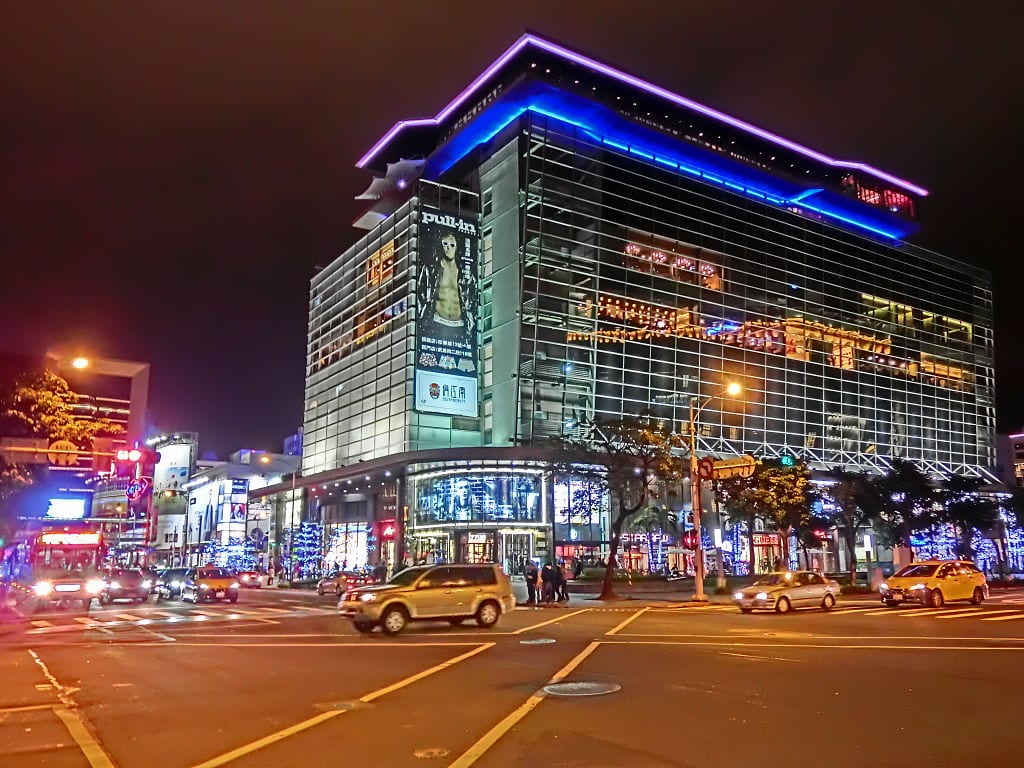
    Malls in Taiwan are anticipated to report robust positive aspects in gross sales in April from the earlier month due to aggressive promotional campaigns forward of Mom’s Day, the Ministry of Financial Affairs (MOEA) stated Friday.

    The MOEA estimated division retailer gross sales in April at NT$25.5 billion (US$83.06 billion), about 23 % greater than a month earlier.

    The gross sales would reverse a 27.5 % month-on month fall recorded in March, which noticed sluggish gross sales as a result of it got here after the Lunar New Yr vacation in February.

    Ought to division retailer gross sales hit NT$25.5 billion in April, it might be the very best quantity ever recorded for the month.

    Expectations that division retailer income rose additionally mirrored the positive factors posted by Taiwan’s inventory market and wage will increase, which left shoppers extra prepared to spend, the MOEA stated.

    In April, the weighted index on the Taiwan Inventory Trade gained 233.61 factors, or about 2.44 %, to shut at 9,820.05 on Thursday, the final buying and selling session of the month.

    In late April, the market’s benchmark index even breached the 10,000-point mark a number of occasions for the primary time in 15 years earlier than falling again under the edge earlier than periods closed.

    The typical nominal wage in Taiwan rose greater than 6 % within the first two months of the yr from a yr earlier with the assistance of larger year-end bonuses, in accordance with Directorate Common of Price range, Accounting and Statistics figures.

    The positive factors constructed by buyers within the inventory market and better wages prompted many shoppers to leap on gross sales promotion campaigns for such items as style gadgets, jewellery and meals providers for Mom’s Day, which falls on Might 10 this yr, the MOEA stated.

    In consequence, main division retailer chains in Taiwan noticed gross sales rise 20-30 % in April, serving to their companies get well from March’s doldrums, the ministry stated.

    Within the first quarter, division retailer gross sales rose 5.eight % from a yr earlier to NT$72.2 billion, which accounted for 26.2 % of all retail gross sales in Taiwan. The expansion topped the 1.eight % year-on-year improve in gross sales posted by Taiwan’s retail sector as an entire.

    The MOEA stated gross sales generated by malls listed here are anticipated to hit a report excessive of about NT$320 billion this yr, up from NT$306.1 billion recorded a yr earlier.

  • Open Sesame? Jack Ma’s Alibaba loses $US70b in market worth as progress disappoints

    Open Sesame? Jack Ma’s Alibaba loses $US70b in market worth as progress disappoints

    After Alibaba Group raised a document $US25 billion ($31 billion) final yr, founder Jack Ma stated the Chinese language e-commerce firm confronted the hazard of excessive expectations. He is perhaps proper.

    About $US70 billion of market worth has evaporated since Ma made that assertion in November as buyers fear about slowing progress. Alibaba’s dominance at residence as a market for consumers and sellers of products is being undermined by a Chinese language financial system projected to develop on the slowest tempo since 1990 and a shopper shift to cellular buying that crimps promoting income.

    Ma’s push outdoors China additionally has but to realize traction — its presence within the US and far of Europe stays negligible. Outcomes due Thursday are anticipated to point out that the tempo of Alibaba’s income enlargement fell under the typical of the earlier seven quarters. Shares of Alibaba closed Tuesday at $US79.54 in New York, a 3rd under their November peak and the bottom because the Hangzhou-based firm bought inventory at $US68 apiece in its preliminary public providing in September.

    “With the general Chinese language financial system slowing down and the market saturating in giant cities, abroad enlargement appears much more essential,” stated Cao Lei, director of the China E-Commerce Analysis Middle in Hangzhou

    Alibaba’s success in China made it the nation’s largest e- commerce operator, with every little thing from garments and meals to jets and automobiles being bought throughout its platforms.

    Russia, Brazil

    Ma needs to duplicate that all over the world, setting a objective of producing half of gross sales and servicing greater than 10 million small companies outdoors China. However whereas the corporate has made inroads into Russia and Brazil, Alibaba at present will get lower than 5 per cent of its income from outdoors China, Ma stated in March on an organization Twitter account.

    Alibaba’s gross sales in all probability rose 41 per cent within the fourth quarter to 16.9 billion yuan ($three.four billion), in line with the typical of 23 estimates compiled by Bloomberg. That compares with a mean of about 50 per cent in the course of the previous seven quarters.

    The corporate’s technique of increasing in under-served areas of China and abroad is driving up advertising prices as extra shoppers store on cellular units, the place advertisements sometimes generate much less income than these on desktop computer systems. Working revenue will in all probability shrink 18 per cent to four.5 billion yuan, based on the estimates.

    ‘Credibility disaster’

    “They’ve confronted hurdles and difficulties that they should overcome to succeed in the subsequent degree of progress,” stated Matthew Kwok, chief strategist at China Yinsheng Asset Administration in Hong Kong. “It has reached such success in China, it will make sense for them to duplicate that enterprise mannequin abroad.”

    Alibaba declined to remark in an e-mail, citing quiet interval restrictions forward of the earnings launch.

    Including to considerations round Alibaba’s progress outlook is the resurfacing of allegations that the corporate’s platforms, together with Taobao Market and Tmall.com, are a haven for counterfeiters. The Chinese language authorities this yr stated Alibaba faces a “credibility disaster” for failing to crack down on shady retailers, pretend items and deceptive promotions.

    Whereas buyers have punished Alibaba, an index of US- traded Chinese language corporations has jumped by 17 per cent this yr. Rival e-commerce operators have additionally surged with JD.com rising 46 per cent in New York and Tencent Holdings gaining 40 per cent in Hong Kong by means of Tuesday.

    The 2 corporations have joined forces to compete towards Alibaba. Tencent is making an attempt to drive the 1 billion customers of its WeChat and QQ chat apps to JD.com, which lately began a service to hurry imports to Chinese language consumers.

    As JD.com, China’s second-biggest e-commerce firm, “ups its recreation,” stated Mark Tanner, founding father of China Skinny, a Shanghai-based analysis and advertising company, Alibaba’s earlier progress “appears unsustainable within the medium time period.”

  • Matahari Putra Prima’s Q1 Revenue Rises 60% on Larger Gross sales

    Matahari Putra Prima’s Q1 Revenue Rises 60% on Larger Gross sales

    Matahari Putra Prima — the operator of Hypermart, Foodmart and the Boston Well being & Magnificence retail chain — posted 60 % achieve in revenue within the first quarter, because of regular progress in gross sales.

    Internet revenue rose to Rp 81.6 billion ($6.three million) within the January-March interval from Rp 51.zero billion in the identical quarter final yr, the corporate stated in a press release final week. Internet gross sales rose 7.1 % to Rp three.35 trillion.

    “We’re happy with our internet revenue leads to the primary quarter regardless of a really difficult gross sales surroundings. our enterprise benefited from the productiveness measures taken and realization of expense saving packages initiated in mid-2015 by the administration staff,” stated MPP chief government officer Noel Trinder.

    MPP’s same-store gross sales progress, nevertheless, was 1.eight % decrease because of weak financial progress and aggressive setting amongst present shops in operation, the corporate stated.

    In the course of the quarter, MPP opened 14 new shops together with two for Hypermart, one Foodmart grocery store, 9 Foodmart Categorical and two Boston shops.

    These added to MPP’s 267 shops (107 Hypermart, 58 Foodmart and 102 Boston) in 67 cities throughout Indonesia as of Dec. 31 2014.

  • Indonesia’s Unemployment Fee Will increase as Financial system Slows

    Indonesia’s Unemployment Fee Will increase as Financial system Slows

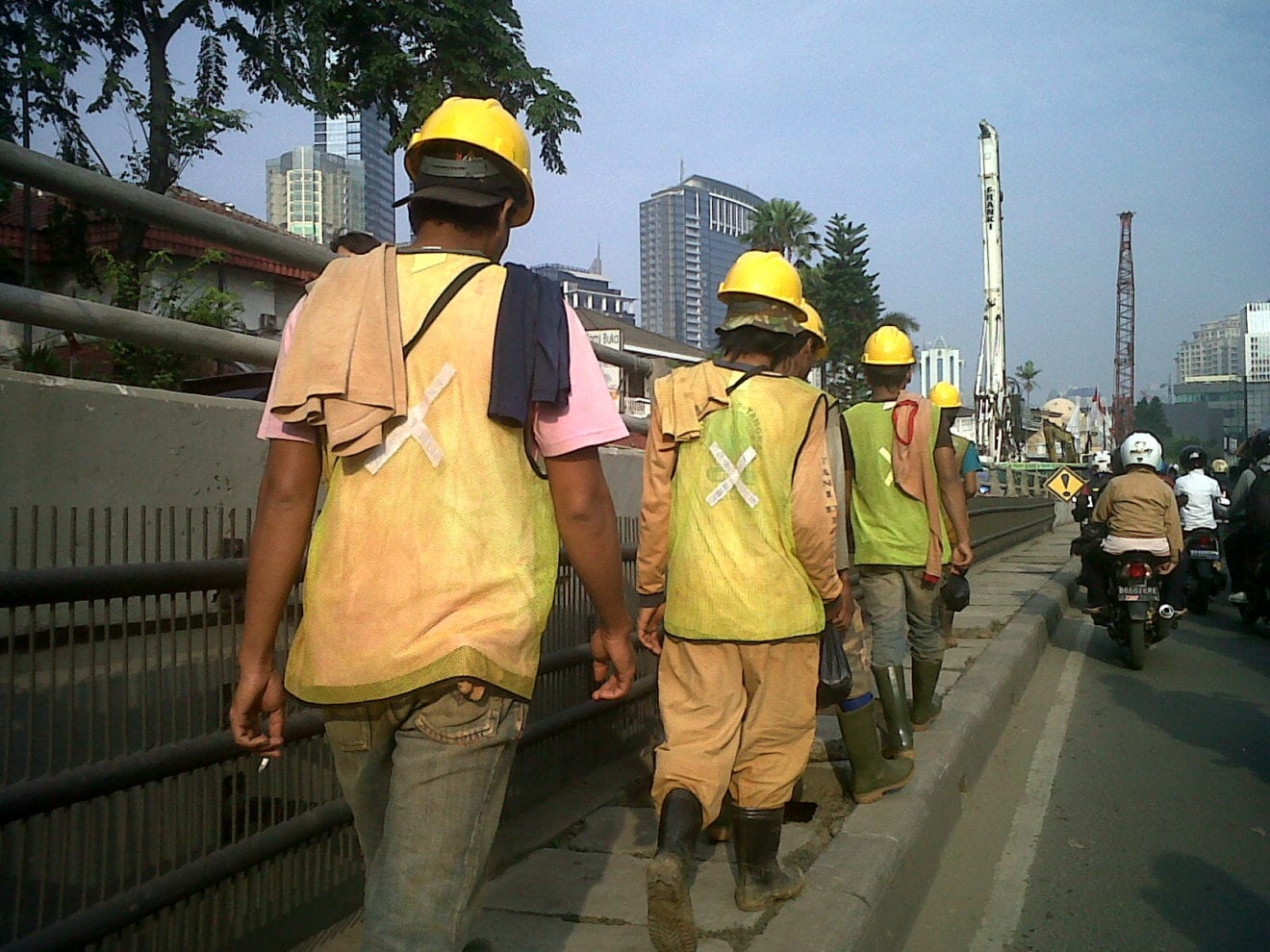
    Indonesia’s unemployment price elevated in February, in response to the newest knowledge from the Central Statistics Company, or BPS, amid slower financial progress.

    BPS’s February 2015 knowledge, launched on Tuesday, confirmed there have been 7.45 million unemployed individuals out of the full workforce of 128.three million within the nation. Because of this the unemployment price stands at 5.81 %.

    As compared, in February final yr the variety of unemployed individuals stood at 7.15 million, representing 5.7 % of the whole 125.32 million workforce.

    Nevertheless, in comparison with the earlier knowledge acquired in August 2014, the unemployment fee declined, though the actual numbers have been nonetheless on the rise.

    In August 2014, 7.24 million individuals have been recognized as unemployed, representing a 5.94 % of the whole 121.87 million individuals.

    BPS additionally launched knowledge that confirmed Indonesia’s financial progress slowed to four.71 %, the weakest it has been in additional than 5 years.

    “Therefore, within the absence of forthright stimulus from each financial and monetary fronts, for Indonesia to regain some progress mojo, there isn’t a different approach than for it to imbibe the bitter drugs of reforms,” stated Wellian Wiranto, an economist at OCBC Financial institution in Singapore.

    “From slicing bureaucratic purple tape to liberating up of land for infrastructure tasks in addition to boosting labor productiveness, there are a lot on the record of issues the Jokowi administration should do to inch nearer to the 7 % goal it has in thoughts,” he stated.

    Franky Sibarani, the chief of the Funding Coordinating Board (BKPM), stated the federal government would keep on with its weapons with a goal to create as much as two million new jobs this yr. “We’ll push for extra job availability,” he stated.

    Nonetheless, knowledge from BKPM confirmed that though complete funding elevated by 16.9 % year-on-year to Rp 124.6 trillion ($9.55 billion) within the first quarter, job absorption declined. Direct funding within the nation absorbed 315,229 staff within the first three months of this yr, a decline from 470,510 within the fourth quarter of final yr.

  • Mainland companies ease hiring employees in Q1

    Mainland companies ease hiring employees in Q1

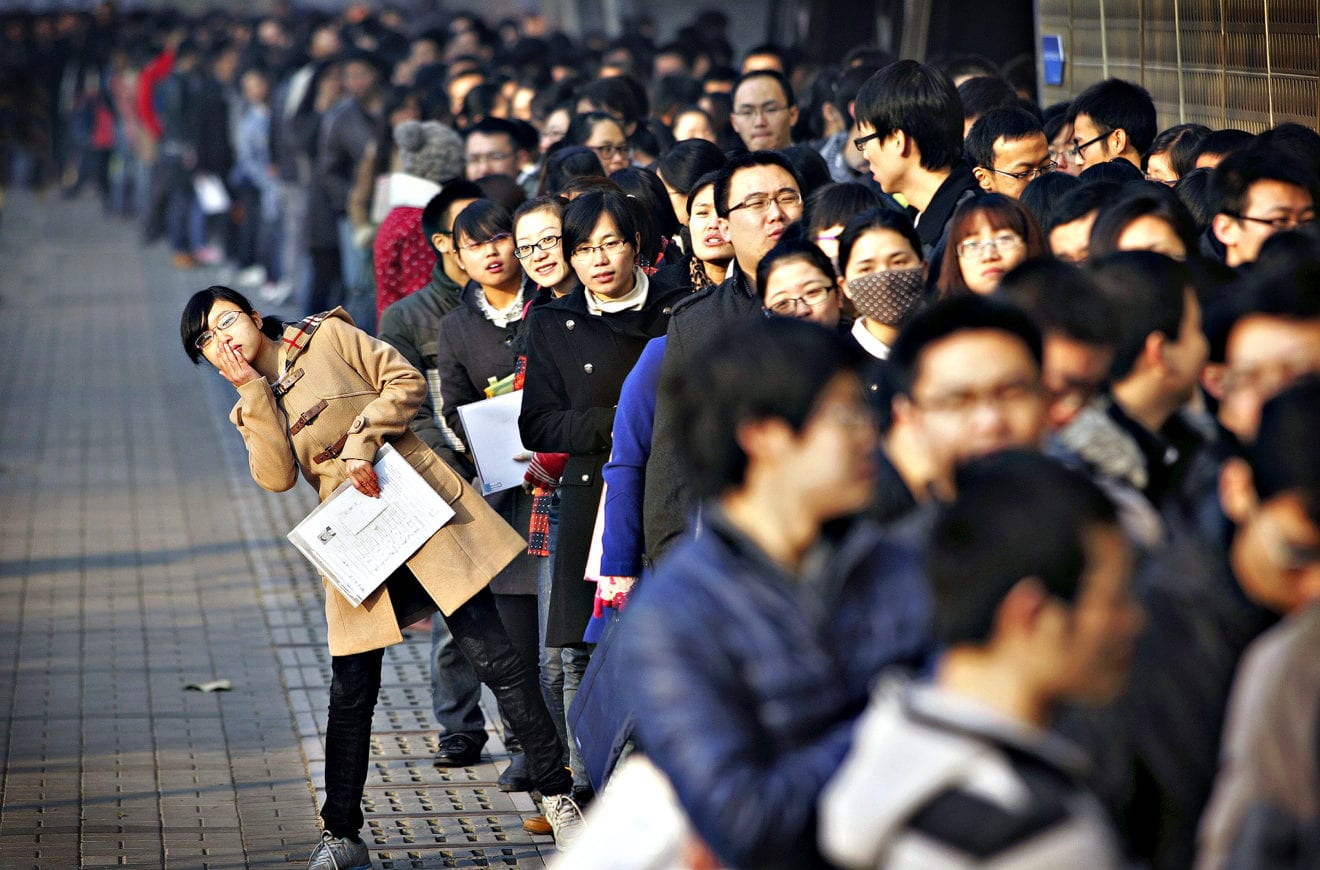
    Employers on China’s mainland have been much less lively in hiring employees within the first quarter, recruitment consultancy Robert Walters stated in a report yesterday.

    The variety of job ads within the mainland print media and main on-line job boards jumped 16 % within the first quarter yr on yr, 9 proportion factors down from the survey carried out in the identical interval of final yr, Robert Walters stated within the report which coated six main economies in Asia.

    However the mainland rose a spot to develop into the second-quickest rising job market after Japan, which surged 33 % pushed by the federal government’s proactive financial insurance policies, the report stated.

    “With the Chinese language authorities setting its GDP goal at 7 % this yr, the job market will possible develop at a secure tempo,” stated Arthur Wang, managing director, Robert Walters China.

    As China shifts its financial system towards consumption-led, “we anticipate to see the creation of extra high-paying jobs inside the shopper and providers sectors so as to encourage spending,” Wang stated.

    The report discovered IT a scorching sector on the mainland because the variety of job ads jumped 53 % yr on yr.

    Advertisements for accounting and finance jobs adopted with a progress of 19 %.

  • Overseas grocers wrestle in fast-moving China retail market

    From quick meals to smartphones, from luxurious items to groceries, the best way China outlets — and what mainland consumers need to purchase — is altering quickly. The modifications are leaving overseas grocery store and hypermarket chains struggling to maintain up by revamping retailer codecs and promoting extra groceries on-line, retail analysts say.

    On Wednesday Walmart introduced a plan to show spherical its declining gross sales in China by boosting retailer numbers by greater than 25 per cent, renovating present outlets and introducing a brand new on-line buying app.

    The U.S. chain has been hit by meals security scandals in China, together with quickly intensifying competitors from different massive hypermarket chains and from new on-line grocers.

    However Walmart is way from the one overseas grocer that has struggled in China in recent times: Tesco, the U.Okay. chain, did not make it alone on the mainland regardless of an formidable program of constructing so-called “way of life malls” in China, anchored by a Tesco retailer.

    From quick meals to smartphones, from luxurious items to groceries, the best way China outlets — and what mainland consumers need to purchase — is altering quickly. The modifications are leaving overseas grocery store and hypermarket chains struggling to maintain up by revamping retailer codecs and promoting extra groceries on-line, retail analysts say.

    On Wednesday Walmart introduced a plan to show spherical its declining gross sales in China by boosting retailer numbers by greater than 25 per cent, renovating present outlets and introducing a brand new on-line buying app.

    The U.S. chain has been hit by meals security scandals in China, together with quickly intensifying competitors from different huge hypermarket chains and from new on-line grocers.

    However Walmart is way from the one overseas grocer that has struggled in China in recent times: Tesco, the U.Okay. chain, did not make it alone on the mainland regardless of an formidable program of constructing so-called “way of life malls” in China, anchored by a Tesco retailer.

    That gamble failed, largely as a result of Tesco didn’t have the experience to compete as a property developer within the troublesome mainland property market, retail analysts say. Tesco was pressured right into a three way partnership with one of many mainland’s main retailers, China Assets Enterprise.

    However turning spherical Tesco’s mainland enterprise has not proved straightforward for CRE both, and the corporate final week bought its loss-making non-beer (together with grocery) companies to its dad or mum, China Assets Holdings.

    The sector’s woes are usually not restricted to overseas manufacturers both. A brand new report by OC&C technique consultants finds that “almost all the most important gamers amongst China’s big-box grocers … have skilled near-consistent unfavourable progress since 2010.” Progress throughout that interval has come virtually totally from new retailer openings, OC&C stated.

    Competitors from on-line grocers is likely one of the largest threats to brick and mortar gross sales at chains akin to Walmart, Carrefour and Auchan’s SunArt Retail, retail analysts say. Shopper tastes in China change extra quickly than in lots of established markets, and up to now yr or two, on-line grocery gross sales have exploded.

    OC&C says on-line gross sales rose almost 50 per cent in 2014, yr on yr, in contrast with a paltry 6.7 per cent for hypermarkets and grocery store gross sales (together with new retailer openings). Many shoppers are shifting their shopping for to comfort shops too, retail analyst say, prompting grocers together with Walmart and Carrefour to attempt new, smaller codecs for his or her shops in massive cities.

    “In China, older individuals do not have a variety of leisure so purchasing (even in grocery shops) is leisure for them, however our youthful era has grown up with a pc at their aspect and they also want to entertain themselves by travelling, not purchasing in bodily shops,” says Huang Aizhu, head of Tmall’s meals enterprise. The enterprise, a part of the Alibaba group, is rising yearly within the “triple digits”, she says.

    “The mixture of on-line and offline is the best way of the longer term,” she provides. Gross sales of recent meals like fruit, greens and seafood — historically the protect of brick and mortar shops or conventional moist markets — are rising quicker on-line than different grocery gadgets, Ms Huang says.

    Walmart already has one of many strongest e-commerce presences in China, via its 51 per cent stake in Yihaodian, the favored on-line grocer.

    Tesco is experimenting with on-line grocery purchasing in Shanghai, and its digital expertise have been one of many parts that attracted CRE to the three way partnership with the retailer. Nevertheless, in the meanwhile, the emphasis is on integrating Tesco and CRE’s retail companies in China, in accordance with individuals accustomed to the state of affairs.

    Doug McMillon, Walmart international chief government, informed a press convention in Beijing on Wednesday that the corporate plans to increase each on-line and offline. “We need to assist clients store in a approach that’s most handy for them. For some comfort is purchasing on-line and having merchandise delivered to their houses, for others it’s purchasing on-line and choosing up at a retailer and for others it is the expertise of being in a retailer, seeing and dealing with merchandise that they purchase … new methods are being invented each week.”

    “Shopper spending energy in China is rising at about 10 per cent per yr and tastes are altering quickly. Maintaining with that for retailers is hard, and there’s more and more competitors with one another. A number of chains are having to shut present shops and reopen and redevelop new codecs,” says Matthew Crabbe, China retail analyst at Mintel.

    Fixing the chilly chain logistics drawback is vital for on-line meals retailers, he says. JD.com, a pacesetter mainland ecommerce firm, has struck a deal to distribute recent, chilled and frozen merchandise by way of comfort shops that both maintain them for buyer assortment or ship to their houses.

    “They’re leapfrogging the large chains, which should reply in variety to compete,” he provides, noting that Walmart and Tesco have been “creating their shops to be extra like supply depots”.

  • President Hooks Up Papua to Fiber-Optic Spine

    President Hooks Up Papua to Fiber-Optic Spine

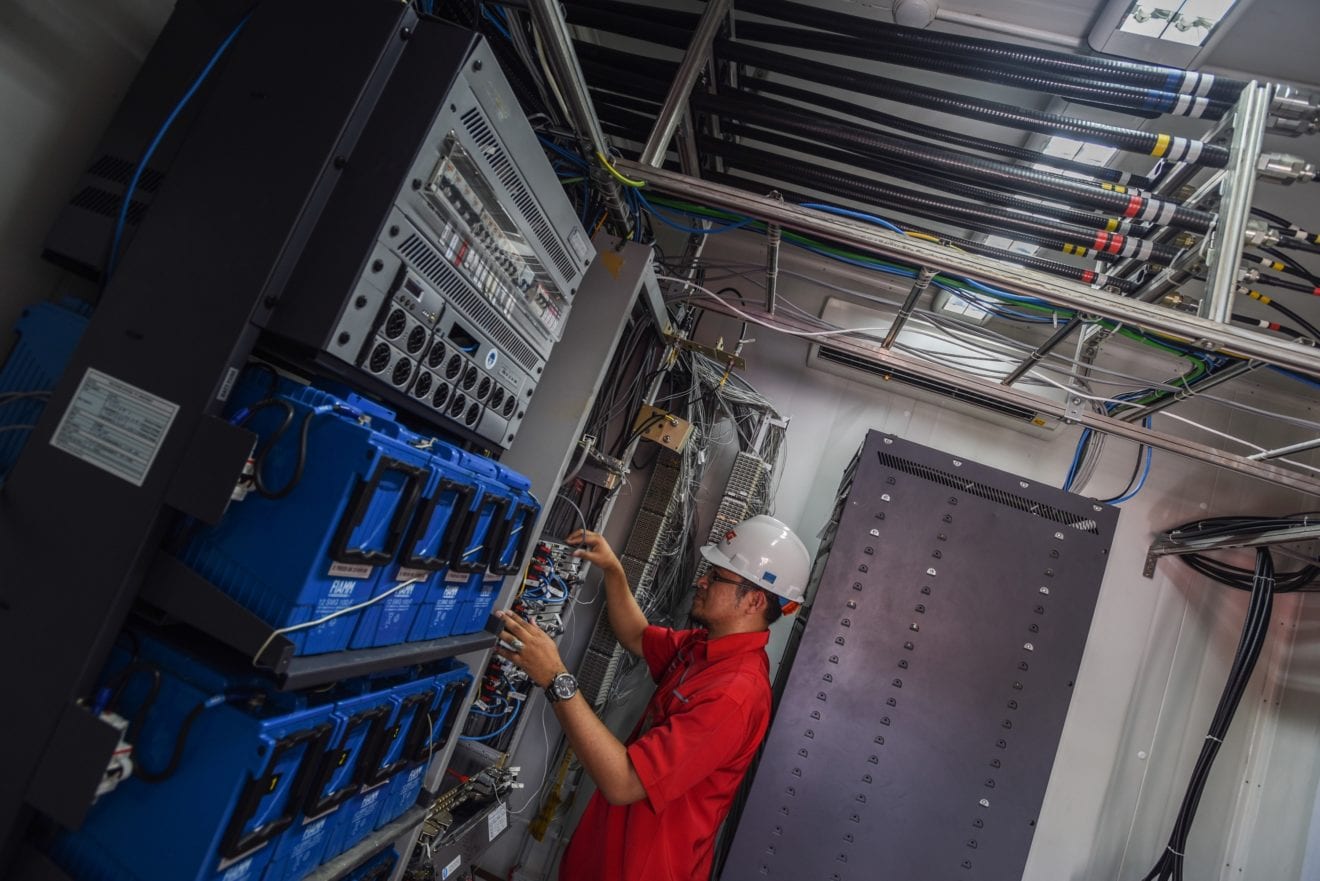
    President Joko Widodo on Sunday inaugurated the Rp three.6 trillion ($275 million) Sulawesi, Maluku and Papua Cable System (SMPCS), a fiber-optic community meant to enhance Japanese Indonesia’s telecommunications connectivity.

    The cable system is part of the state-owned telecommunication agency Telekomunikasi Indonesia (Telkom)’s plans to attach the whole archipelago with fiber-optic know-how by the top of this yr.The SMPCS stretches for eight,772 kilometers throughout 34 districts in North Sulawesi, Southeast Sulawesi, South Sulawesi, North Maluku, Maluku, East Nusa Tenggara, West Papua and Papua. Thus far, Telkom has put in 6,193 kilometers of fiber-optic cable and it plans to complete the rest by September.

    The japanese community is a part of the 76,727-kilometer fiber-optic cable infrastructure that stretches from Sabang within the northwest of Indonesia to Merauke within the southeast.

    “The SMPCS will broaden the connectivity and increase knowledge service capability in areas which have by no means been served nicely earlier than,” Telkom president director Alex J. Sinaga stated.Nonetheless, the cable system is “solely a spine community and Indonesia nonetheless wants the entry [at the consumer level],” Communications and IT Minister Rudiantara advised these current on the inauguration of the community by video-call from Jakarta.

    “To raise the entry high quality, we should migrate and rearrange the frequency at 1,800 megahertz for 4G know-how,” the minister stated. “This has been accomplished in Maluku and North Maluku. We’ll begin doing this in Papua from Tuesday, in Kalimantan and Sumatra on the finish of June and will probably be completed in Jakarta in November.”

    4G Lengthy Time period Evolution (LTE), or the fourth-generation know-how product that gives tremendous quick knowledge switch for cellular units, gives improved obtain speeds in comparison with present 3G know-how provided by many cellular operators.

  • Buyers favor trendy retail codecs

    Buyers favor trendy retail codecs

    One-third of the Vietnamese shoppers (34 per cent) love purchasing at hypermarkets, supermarkets, and different trendy channels, based on the newest Way forward for Grocery Report ready by Nielsen.

    The report is predicated on a web-based survey of greater than 30,000 respondents throughout 60 nations in Asia-Pacific, Europe, Latin America, the Center East, in addition to Africa and North America. The survey was held to look at how trendy and digital purchasing channels have been altering the retail market scene.

    In response to the report, 42 per cent shoppers within the Philippines have made purchases at supermarkets extra typically up to now 12 months.

    The report additionally highlights the rising significance of comfort shops as one other trendy retail format for shoppers to purchase meals and groceries. Multiple-fourth of the shoppers within the Philippines shopped for meals and groceries at comfort shops extra typically final yr. The figures in different areas are: 22 per cent in Viet Nam, 21 per cent in Thailand, 15 per cent in Indonesia, and 14 per cent globally.

    Kaushal Upadhyay, Nielsen’s government director of shopper service in Southeast Asia, North Asia, and Pacific, stated supermarkets and hypermarkets have already been dominant in developed nations and can appeal to extra shoppers in creating nations in Southeast Asia. Nevertheless, smaller shops have additionally gained a substantial market share, he famous.

    He added that it means producers ought to perceive the place and what shoppers are purchasing. Producers ought to think about items distribution based mostly on the mixture of each channels.

    As well as, the report additionally revealed that on-line purchasing has been an essential approach for retailers to combine digital channels with buying expertise. Some 28 per cent of the Vietnamese shoppers shopped on-line, whereas the worldwide determine for a similar was 25 per cent.

    Merchandise comparable to physique wash, shampoos, and conditioners have been common gadgets shopped on-line by Vietnamese shoppers, based on the survey that was carried out between August 13 and September 5 final yr.

    Vu Vinh Phu, chairman of Ha Noi’s Grocery store Affiliation, advised on-line newspaper vnexpress that smaller shops nonetheless have their benefits as clients could make a fast purchase due to their proximity.

    Phu remarked that these shops can compete with trendy buying channels by providing skilled providers and good high quality merchandise at aggressive costs.

    Some 80 per cent of the time, the way forward for these shops depends upon their house owners, who should develop their very own model names and providers.

    Statistics from the Ministry of Business and Commerce exhibits that by the center of 2014, the nation had 724 supermarkets, 132 business centres, greater than 400 comfort shops and 1 million small outlets. Trendy retail channels accounted for 25 per cent of the market share, a lot decrease than that in different nations within the area.

    The nation is predicted to have 1,200 to 1,300 supermarkets and 337 business centres by 2020.

  • Consumption’s ‘sleeping giants’ about to wake up

    Consumption’s ‘sleeping giants’ about to wake up

    Consumers in Southeast Asia are “sleeping giants” who will wake up to their full potential over the next 5-10 years, recent reports show.

    Robust consumption fueled by rising income levels and urbanization are expected to generate an additional $770 billion as 60 million people join the region’s consuming class or move into more affluent consumer segments by 2020, according to a study this month by Accenture involving more than 1,800 people in the region.

    The formation of the Asean Economic Community (AEC), scheduled to take effect this year, will also enhance the attractiveness of Southeast Asia’s consumer markets by making it easier for companies to do business across borders. By 2020, the region could become a $3 trillion economy, making its mark as the world’s sixth biggest, Accenture noted.

    “The spectacular growth of the Southeast Asian economy represents one of the biggest opportunities for consumer goods companies today,” said Dwight Hutchins, managing director in Accenture Strategy, Asia-Pacific.

    Emerging hotspots

    While the region’s “megacities” like Singapore are set to grow further, smaller emerging cities and rural areas are where the potential lie, according to a report released Monday by marketing research firm Nielsen.

    Describing Southeast Asia’s consumers as “sleeping giants of the next decade,” Nielsen said the fastest growth is set to occur in mixed-density cities that have 1-5 million people, like Malaysia’s Johor Bahru and Cebu in the Philippines. Population in these cities are forecast to skyrocket 51 percent by 2025 to a combined 52.6 million people, compared with the 32 percent growth to 69 million expected in megacities.

    Industrial cities, defined as areas with population of 500,000, are also forecast to be consumption hotspots. The size of the already-large cluster could increase 18 percent to 231.8 million over the next decade, accounting for nearly 63 percent of Southeast Asia’s total population, Nielsen said.

    “As costs in bigger cities like Bangkok and Jakarta rise, businesses are going into second-tier cities with cheaper land and labor. This move has created clusters of industrial estates, especially in the smaller provinces of Philippines, like Lipa and Yogyakarta, which has a knock-on effect of stimulating local economies,” Regan Leggett, Southeast Asia, North Asia and Pacific regional director of client services at Nielsen, told CNBC.

    The development of Southeast Asia’s smaller cities drive healthy demographic growth and a rising middle class, which transform consumer spending and offer “considerable rewards,” Nielsen added.

    Challenges

    Wooing Southeast Asian consumers, however, can be a challenge. According to Accenture, the region’s highly-connected consumers have minimal brand loyalty, with almost two-thirds of respondents open to switching brands. Meanwhile, a physically and culturally-fragmented landscape make Southeast Asia difficult to navigate.

    Still, it’s not impossible for businesses to map out strategies applicable across the region.

    For one, many rural consumers in the region are “at the very beginning of their relationships with packaged and branding goods,” and “finding commonalities across cities can be done,” Legget said.

    Businesses must be ready to offer affordable pricing, smaller product sizes or single-use portions for these first-time consumers, he added.

  • Alfaria to Raise Rp 2.5t From Bonds, Private Placement

    Alfaria to Raise Rp 2.5t From Bonds, Private Placement

    Sumber Alfaria Trijaya — the operator of Alfamart, Alfamidi, Alfa Express, and Lawson minimarkets — plans to raise Rp 2.5 trillion ($193 million) from selling bonds to the public and from the sale of new shares to affiliated companies, in order to pay back bank loans.

    The company will sell 3-year and 5-year bonds on May 4 and May 5, eying to raise Rp 1 trillion from the proceeds, Alfa said in a statement on Thursday. BCA Sekuritas, HSBC Securities Indonesia, and Mandiri Sekuritas act as the underwriter for the bonds, which rated AA- by global rating agency Fitch Ratings.

    Alfaria will also sell 2.91 billion new shares, or 7.5 percent of paid-up capital, at Rp 510 apiece to Sigmantara Alfindo, currently the largest Alfaria shareholder, and to an affiliate Amanda Cipta Persada.

    The company will use proceeds from the bond sales and private placement to pay back loans, including those from private lender Bank Central Asia and state-owned lender Bank Mandiri, Indonesia’s largest lender. Alfaria has Rp 1.45 trillion in debt outstanding to BCA, and Rp 1 trillion debt to Bank Mandiri, according to the company’s latest financial statement. Both loans have a 10 percent annual interest.

    “[The proceeds are] expected to reduce the company’s liability and risks against third-party creditors. In turn, the company can expand its business,” Alfaria said.