Category: General

Retail News Asia is committed to providing both local and global retailers with the latest General Retail news throughout the Asian market. This on a daily base.

  • South Korea Retail Investor Deposits Drop Below 100 Trillion Won

    South Korea Retail Investor Deposits Drop Below 100 Trillion Won

    South Korean retail investor deposits fell below 100 trillion won ($72.4 billion) as individual stock traders increasingly turned to borrowed money to finance equity purchases in Seoul.

    Deposits held by individual investors reached 98.92 trillion won on Wednesday, shedding 3.62 trillion won in a single session, according to data from the Korea Financial Investment Association. The contraction marks the first drop below the 100 trillion won threshold since Aug. 12, reversing a brief rebound that peaked at 106.58 trillion won on Aug. 19.

    Margin Debt Climbs for Seven Sessions

    While cash balances shrank, margin debt climbed to 33.1 trillion won, adding 254 billion won on the day. The figure crossed the 33 trillion won mark for the first time in nearly a month, following an upward run across seven consecutive trading sessions that started Aug. 18. Outstanding margin balances had dropped to 27.4 trillion won on Aug. 4 before reversing course.

    Retail market participants offloaded a net 2.25 trillion won worth of shares on the benchmark Kospi on Aug. 26. The combination of falling cash deposits and persistent net equity sales indicates that individuals are pulling direct liquidity out of their trading accounts even as debt-financed exposure expands.

    Credit Stress and Index Resistance

    Short-term credit transactions climbed to 1.15 trillion won, an increase of 146.9 billion won from the previous trading day. Forced liquidations triggered by unpaid credit, known as margin selling, reached 12.7 billion won, representing 1.3 per cent of total short-term credit balances outstanding.

    Across regional equity desks, high domestic retail use often amplifies market swings when local indices stall at major technical barriers. Individual retail flows in Seoul remain heavily sensitive to market momentum, and rapid debt accumulation during rangebound periods leaves trading portfolios exposed to sharp forced selling if share prices drop.

    Trading desks in Seoul are now tracking whether the Kospi can break past the 7,000-point level or if margin liquidations will expand beyond the current 12.7 billion won daily threshold.
  • FamilyMart Relaxes Dress Code to Allow Dyed Hair and Hijabs in Japan

    FamilyMart Relaxes Dress Code to Allow Dyed Hair and Hijabs in Japan

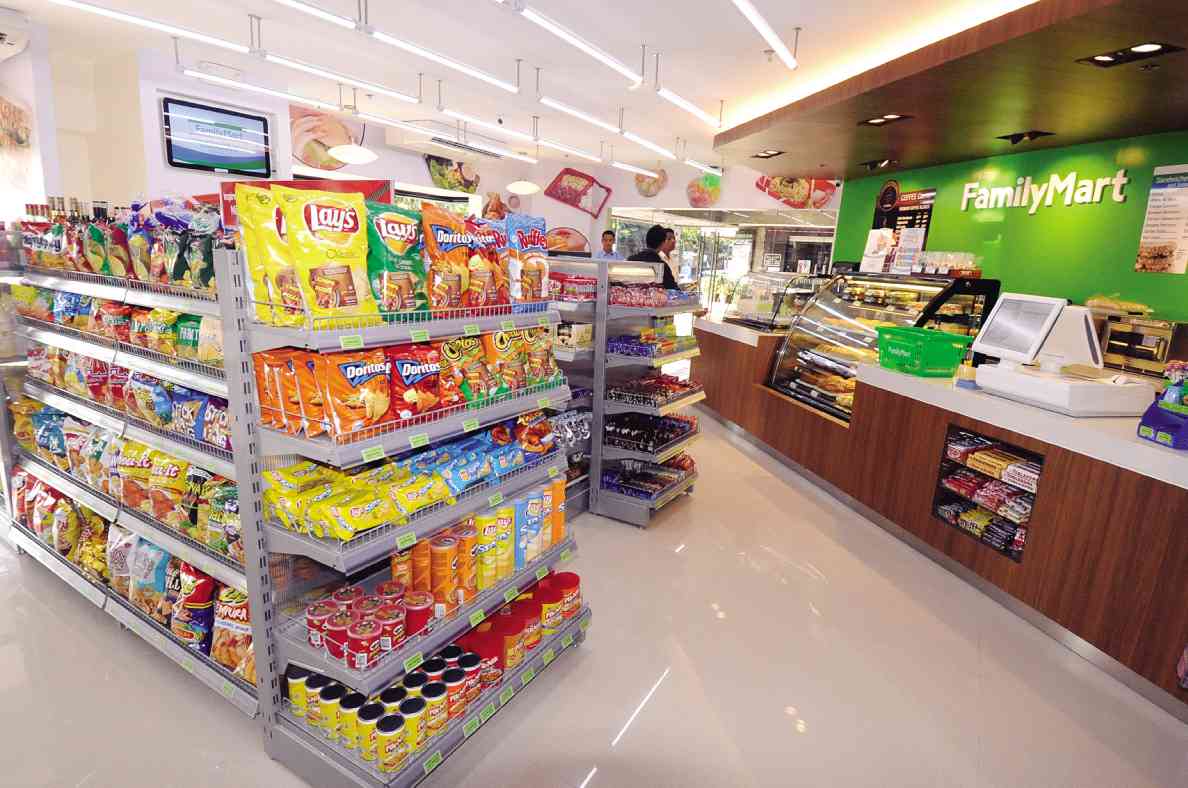
    FamilyMart will allow store staff in Japan to dye their hair and wear hijabs starting next Tuesday, easing strict appearance standards to widen its hiring pool.

    The policy overhaul comes alongside a complete uniform revamp, the chain’s first redesign in 10 years.

    New Uniforms and Digital Hiring

    Store clerks will have the option to choose any hair color, and Muslim female staff can wear hijabs on shift. The updated uniform line-up introduces a T-shirt design, a first for the Japanese convenience sector, alongside a standard long-sleeved alternative.

    Recruitment processes are also shifting to speed up hiring. Store operators will begin using recorded and online video interviews to screen candidates across the network.

    Convenience operators across Japan have faced mounting staffing pressures as demographic declines shrink the domestic labor supply. Rivals Seven-Eleven Japan and Lawson have similarly tested automated checkouts and relaxed employee rules over recent years to attract younger workers and foreign nationals, who make up an increasing share of night and weekend shifts in major metro areas.

    Expanding Private Label Lines

    Beyond workforce changes, FamilyMart is pushing deeper into non-food merchandise. The retailer plans to expand Convenience Wear, its proprietary apparel brand, and roll out pet products including dog leashes and collars.

    The new grooming rules and uniform options take effect on Tuesday across the chain’s nationwide network.

  • Lotte GRS to Re-Enter Indonesia with 10 Angel-in-Us Coffee Outlets

    Lotte GRS to Re-Enter Indonesia with 10 Angel-in-Us Coffee Outlets

    South Korean restaurant operator Lotte GRS will reintroduce its Angel-in-Us coffee brand to Indonesia through a master franchise agreement with Surabaya-based Bogajaya Group.

    Bogajaya plans to open 10 outlets across Indonesia over the next five years, starting with a debut location before the end of 2026.

    The agreement brings Angel-in-Us back to Southeast Asia’s largest economy after Lotte pulled its direct operations in 2020. Bogajaya Group, an Indonesian food and retail operator with nearly 50 years of operating history, specializes in travel retail and runs concessions across the country’s major airports.

    Airport operator takes the master franchise

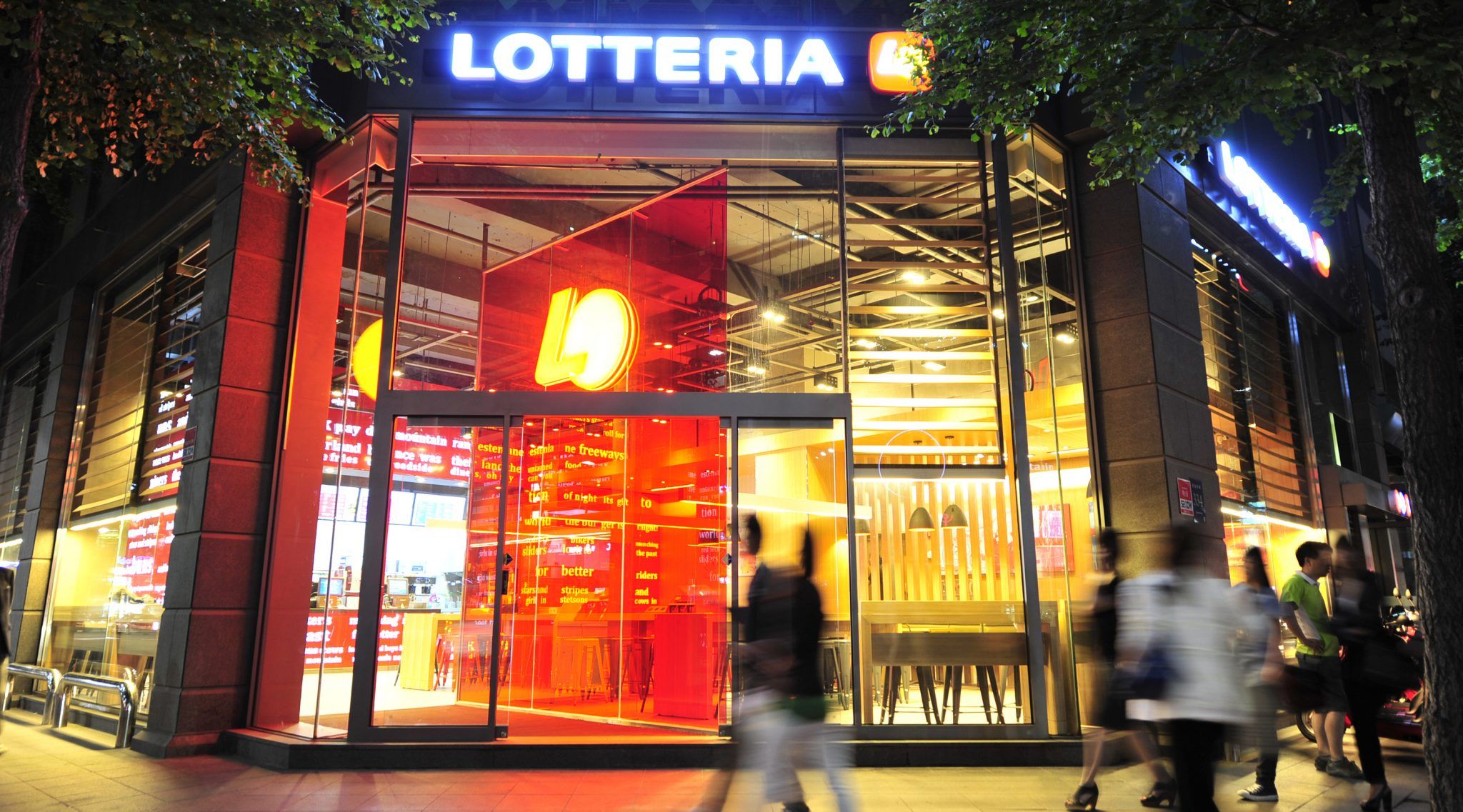
    Lotte GRS operates several consumer foodservice brands across Asia and the United States, including burger chain Lotteria, Krispy Kreme Doughnuts, Villa de Charlotte, and food hall concept Plating. Outside its home market in South Korea, the group runs locations in Vietnam, Malaysia, Singapore, and the US.

    Securing a local franchisee with established airport concessions allows foreign food groups to avoid the heavy capital commitments and real estate bottlenecks that often hamper direct store operations in Indonesia. South Korean food operators have increasingly favored asset-light franchise partnerships across Southeast Asia, shifting operational risk to domestic companies with existing commercial lease networks.

    Southeast Asian expansion targets

    The Indonesian rollout follows Lotte GRS’s push into neighboring markets earlier this year. The company introduced its Lotteria fast-food chain to Singapore in February with an opening at Jewel Changi Airport.

    Bogajaya will begin store buildouts immediately, targeting its first Angel-in-Us site launch before January 2027 as it starts the 10-unit rollout schedule.

  • Indonesia Targets 6 Percent Economic Growth Backed by E-Commerce

    Indonesia Targets 6 Percent Economic Growth Backed by E-Commerce

    Indonesia is relying on expanding e-commerce activity to push national economic growth to 6 percent by 2027, according to Coordinating Minister for the Economy Airlangga Hartarto. The country’s digital economy reached $100 billion in 2025 as consumer spending shifted increasingly online.

    Speaking at the Ministry of Trade in Jakarta, Airlangga said physical retail continues to account for the bulk of Indonesian commerce, but online transaction volumes are climbing quickly. Growth is concentrating in video commerce, which blends livestreaming and short-form video directly with checkouts.

    Video Commerce and Algorithm Shifts

    Video commerce transactions in Indonesia reached 2.6 billion, rising 90 percent year-on-year. That surge tracks a widening digital audience across the archipelago, where active social media users expanded 26 percent to 180 million.

    Airlangga called on merchants and platform operators to deploy artificial intelligence tools to refine trade algorithms. Sharper algorithmic matching helps online sellers connect products with targeted consumer segments across diverse regional markets.

    For retailers across Southeast Asia, Indonesia remains the primary testing ground for live shopping formats. Platforms operating in the country have spent two years restructuring merchant interfaces and integrating creator-led video tools to protect market share against pure-play marketplaces.

    Harbolnas Shopping Targets

    The government set a sales target of Rp40 trillion ($2.46 billion) for the upcoming National Shopping Day, known locally as Harbolnas. That goal represents a 10 percent increase over the Rp36.4 trillion generated during the event a year earlier.

    Harbolnas 2026 runs from December 10 to December 16, focusing on domestic merchandise, local services, hospitality bookings, and transport tickets.

  • Flight Centre Posts Record $25.7 Billion Transaction Value as Leisure Slips in Q4

    Flight Centre Posts Record $25.7 Billion Transaction Value as Leisure Slips in Q4

    Flight Centre Travel Group booked a record $25.7 billion in total transaction value for FY26, but fourth-quarter flight disruptions cut underlying pre-tax profit by 4 per cent to $278 million.

    Group revenue rose 2.5 per cent to $2.9 billion for the twelve months ended June 30. Statutory earnings before interest, tax, depreciation, and amortisation increased 8 per cent to $430.6 million, while underlying EBITDA climbed 3.9 per cent to $466 million.

    Middle East Flight Reductions Hit Leisure Bookings

    A $60 million earnings decline in the fourth quarter derailed what had been nine months of steady profit expansion. Managing director Graham Turner said the leisure business was tracking toward $200 million in pre-tax profit before conflict in the Middle East prompted airlines to trim flight schedules.

    Full-year leisure transaction value still rose 7.4 per cent to $12.6 billion, generating $1.4 billion in revenue. Early trading showed signs of recovery, with July transaction values setting a monthly record as seat capacity normalised on key routes connecting the Asia-Pacific region to Europe.

    Corporate Bookings Provide Buffer

    Corporate travel accounts insulated the broader business from sharper consumer pullbacks. Corporate transaction value rose 2.9 per cent to $12.7 billion and revenue gained 3.3 per cent to $1.2 billion, pushing the division’s underlying EBITDA up 24.4 per cent to $275 million.

    Small and medium business unit Corporate Traveller exceeded $5 billion in transaction value for the first time, while the group’s US operations turned in more than US$2 billion. Management is counting on its proprietary booking platforms and cost programmes to protect margins as capacity stabilises across the first half of FY27.

  • Over A Third of Asian Shoppers Would Let AI Switch Brands, Accenture Finds

    Over A Third of Asian Shoppers Would Let AI Switch Brands, Accenture Finds

    More than a third of consumers across Asia would let artificial intelligence switch their purchases to a competing brand if the algorithm found a better match, according to data from Accenture.

    The finding reveals that conventional customer loyalty offers little protection against automated shopping tools designed to optimize price and product fit.

    Shoppers who identify as loyal to specific labels are willing to delegate buying decisions to autonomous digital assistants. These systems evaluate alternative products in real time and execute switches without requiring consumers to compare catalogs manually.

    Automated choices challenge legacy loyalty

    Retailers across the Asia-Pacific region have invested heavily in points schemes, subscription tiers, and bespoke mobile apps to lock in repeat buyers. Autonomous software cuts through those incentives by prioritizing immediate utility over historical brand affinity.

    When an algorithm spots a cheaper alternative, faster delivery, or better specifications, consumer willingness to let the machine override personal habits leaves traditional retention strategies exposed.

    The change shifts power toward platforms that control the automated interface rather than the merchants producing the goods.

    Trust gaps determine adoption speed

    Consumer willingness to hand over purchasing authority depends directly on how much trust shoppers place in the underlying algorithms. Retailers operating in Asian markets must now compete not only on shelf presence and digital advertising, but on whether their product feeds are structured for automated evaluation by third-party AI agents.

    Brands that fail to provide clean, verifiable product specifications risk being bypassed entirely by autonomous recommendation engines.

    Enterprise retailers across the region are now reassessing product data infrastructure as agentic commerce tools move from experimental pilots into mainstream consumer applications across Asian digital storefronts.

  • Hong Kong Airport Opens Revamped Terminal 2 to Boost Passenger Capacity

    Hong Kong Airport Opens Revamped Terminal 2 to Boost Passenger Capacity

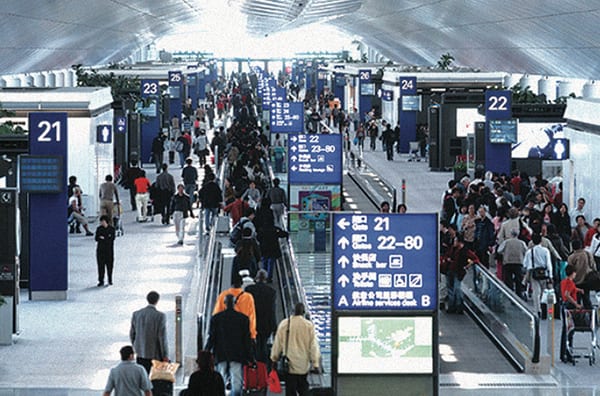
    Hong Kong International Airport has opened its revamped Terminal 2, shifting 15 regional airlines into the upgraded facility as part of a three-runway expansion targeting 120 million passengers annually.

    The three-runway system, which launched in November 2024, expands the hub’s overall passenger throughput by 50 per cent.

    Terminal 2 targets regional passenger traffic with 24-hour retail and dining outlets, five canopy-covered vehicle drop-off lanes, and automated processing systems. The Airport Authority Hong Kong designed proprietary self bag-drop kiosks fitted with 10 artificial intelligence cameras, cutting luggage check-in times to 45 seconds on ultra-low conveyor platforms.

    Automated Security and Regional Flight Routing

    Operational changes cut curb-to-gate transit times below 20 minutes. Facial recognition hardware replaces manual passport and boarding pass inspections at every security checkpoint, allowing carry-on passengers to pass from taxi drop-off to the restricted airside zone in two and a half minutes.

    Centering security gates in the departure hall keeps passenger flow direct, according to Steven Yiu Siu-chung, executive director of airport operations at Airport Authority Hong Kong. Architectural changes include a feather-shaped roof resting on slender inclined columns designed by engineering head Tommy Leung King-yin to maximize natural lighting over departure halls.

    Aviation Retail Footprint Across Greater Bay Area

    Airport operators across Asia are rebuilding commercial terminals to capture regional business travel and transit retail spend. Singapore Changi and Seoul Incheon have steadily expanded duty-free footprints and biometric automation, raising the benchmark for transit speed and non-aeronautical revenue generation across East Asian hubs.

    Hong Kong airport management is tracking passenger processing volumes across the 15 relocated carriers as flight frequencies ramp up toward the 120 million annual passenger threshold.

  • South Korea’s APR Targets W500b in Europe After First-Half Sales Surge

    South Korea’s APR Targets W500b in Europe After First-Half Sales Surge

    South Korean beauty company APR raised its full-year European sales target to 500 billion won ($358 million) after regional revenue jumped 363 per cent in the first half of 2026.

    European sales reached 228.9 billion won ($163.8 million) during the six-month period, accounting for roughly 17 per cent of the Seoul-based firm’s total revenue.

    Amazon Stores and Sephora Shelves

    Online momentum built quickly after APR launched official storefronts on Amazon in the UK, France, Germany, Italy and Spain late last year. Average monthly sales across those five country portals grew more than eightfold between January and June, lifted by demand during Amazon’s Prime Day event.

    Physical retail followed a parallel trajectory. APR secured shelf space at Sephora in March, driving its first-half offline revenue in Europe up more than ninefold compared with the same period a year earlier. To support the retail push, the company increased its available stock-keeping units in the region by more than five times.

    Korean Beauty Footprint Abroad

    The European push shows how quickly Asian beauty brands can convert digital traction into physical shelf space once regional distribution networks open up. While domestic Korean cosmetics demand remains steady, major operators in Seoul increasingly rely on Western department store chains and global e-commerce portals to absorb rising production volumes.

    APR is preparing to open dedicated Amazon storefronts in additional European countries while negotiating terms with regional department stores and specialty beauty chains to widen its physical distribution network before the end of the year.

  • Asahi Kasei Adds Wet-Process Battery Separator Line in North Carolina

    Asahi Kasei Adds Wet-Process Battery Separator Line in North Carolina

    Japanese chemical group Asahi Kasei opened a coating line for wet-process battery separators in Charlotte, North Carolina, expanding its manufacturing footprint outside Asia.

    Commercial production at the facility starts in the second half of fiscal 2026. The new coating capacity produces Hipore wet-process separators directly on the grounds of the existing Celgard plant, a site that has made dry-process separators for 40 years.

    Building regional supply for electric mobility

    The Charlotte line links with a separator factory currently under construction in Canada. Operating both sites gives the Tokyo-based supplier local capacity for two distinct separator technologies across North America, targeting electric vehicle cell makers and stationary energy storage operators.

    Separators serve as microporous plastic barriers between the cathode and anode inside lithium-ion cells, preventing electrical shorts while permitting lithium ions to pass through liquid electrolytes. Automakers building battery supply chains in North America have pushed component suppliers to localize membrane production to reduce shipping lead times and tariff exposure.

    Expanding beyond domestic plants

    Japanese materials suppliers historically kept advanced wet-process separator manufacturing concentrated in East Asia before customer localization requirements forced capital expenditure abroad. Asahi Kasei Battery Separator Corporation president Ryu Taniguchi said pairing the Charlotte coating operations with the planned Canadian factory will bring production closer to regional cell manufacturers as demand scales.

    The company is now preparing the Charlotte line for qualification runs ahead of its scheduled commercial ramp in late fiscal 2026.

  • Asia-Pacific Captures 42 Percent Share as Global Retail Hits 31.58 Trillion Dollars

    Asia-Pacific Captures 42 Percent Share as Global Retail Hits 31.58 Trillion Dollars

    Asia-Pacific accounted for 42 percent of the 31.58 trillion dollar global retail market in 2025, cementing the region as the primary revenue hub for consumer merchandise. The sector is expanding at an annual compound rate of 5.35 percent, heading toward 43.17 trillion dollars by 2031.

    Regional momentum stems from dense consumer populations, rapid formalization of modern store networks, strong manufacturing supply chains, and high mobile-commerce adoption across emerging markets. North America held the second spot globally, supported by higher household spending and established warehouse-club networks.

    Shifting Channel Mix and Digital Share

    Digital channels are taking a larger cut of total retail receipts. Global e-commerce penetration reached 23.5 percent in 2025, up from 18.0 percent in 2020, and projections put digital sales at 29.5 percent of the total market by 2031. Retailer-owned e-commerce and online marketplaces represent the fastest-growing routes to market, even as physical supermarkets and convenience formats retain volume dominance in food and grocery categories.

    Average global retail spending per person stood at 3,851 dollars in 2025, with that number forecast to climb to 5,026 dollars by 2031. Food and beverages remains the single largest product category worldwide, driven by everyday repeat demand that cushions operators against cyclical discretionary drops.

    Operational Pressure and Volume Recovery

    For store operators and digital merchants across Asia, top-line growth is shifting away from post-pandemic price inflation toward real merchandise volume gains. Real volume growth is forecast to accelerate from 2.8 percent in 2026 to 3.3 percent by 2030, putting sharper focus on store productivity, automated warehouse replenishment, and private-label margins.

    Global chains including Walmart, Amazon, Schwarz Group, Aldi, and Costco continue to recalibrate inventory to limit shrink and return costs. RetailNews Asia tracking shows regional operators are prioritizing membership ecosystems and in-house retail media networks to defend operational margins as logistics and wage bills rise.

    Merchants face an immediate baseline as global trade volumes, which expanded 4.6 percent in 2025, test supply visibility ahead of the projected 33.27 trillion dollar market turnover mark in 2026.

  • Australian Retailers Face Margin Squeeze as 59% of Shoppers Shun Full Price

    Australian Retailers Face Margin Squeeze as 59% of Shoppers Shun Full Price

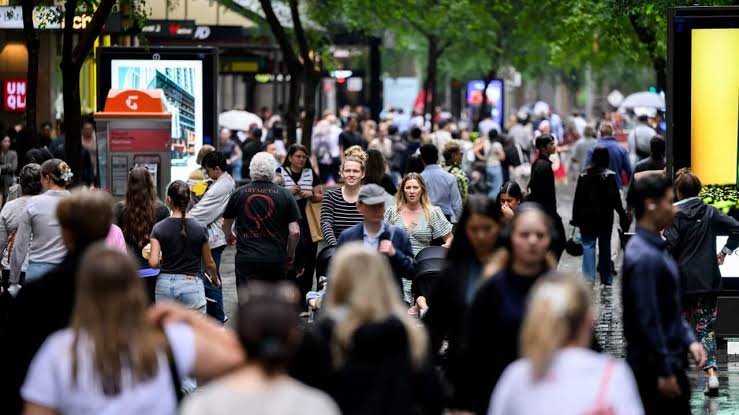
    Australian retailers must overhaul operational discipline as 59 per cent of shoppers now refuse to pay full price, according to Grant Thornton Australia’s 2026 Retail Dealtracker analysis.

    Data from Australia Post’s FY26 fourth-quarter e-commerce update shows 46 per cent of consumers will switch stores for a discount, while 32 per cent report increased price sensitivity.

    The advisory firm identified five interconnected capabilities required to protect margins: customer proposition, earnings quality, operating model, technology, and organizational capability. Mounting pressure on household budgets means customer retention, repeat visits, full-price sales ratios, and customer lifetime value now carry far more commercial weight than raw top-line revenue growth.

    Protecting Margins Beyond Top-Line Sales

    Converting sales into profit requires tighter control over inventory, customer acquisition costs, returns, and shrinkage. Tam Goldin, financial advisory partner at Grant Thornton Australia, noted that many merchants need to strengthen fundamental disciplines, including clearer pricing and operating models that scale without adding unnecessary overhead.

    Shrinkage remains a critical operational drain for large physical store networks, while changing wage settings require closer management of store labor deployment. Retailers must track where value is lost across working capital rather than relying solely on headline profit and loss statements.

    Restructuring Operations and Supply Chains

    Scaling businesses frequently outgrow founder-led workflows, creating operational bottlenecks across supply chains and merchandising. Kirsten Ridgway, management consulting partner and head of retail at Grant Thornton Australia, pointed out that the largest opportunities emerge when companies simplify decision-making and align capital spending with actual customer demand.

    Supply chain models require flexible sourcing and inventory visibility to handle fluctuating lead times and freight expenses. Technology investments must resolve specific operational problems, starting with foundational systems such as point-of-sale platforms, integrated inventory tracking, and clean customer data before deploying artificial intelligence for demand forecasting and pricing.

    Across Asia-Pacific markets, rising labor costs and deal-seeking consumer behavior have forced merchants to pivot away from rapid floor-space expansion toward customer lifetime value and strict loss prevention. Retailers now face the next reporting cycle with shrinkage rates, full-price sales percentages, and inventory turns serving as the decisive operational numbers to track.

  • Panpuri Opens First Mainland China Store in Shanghai in 16-Outlet Asian Push

    Panpuri Opens First Mainland China Store in Shanghai in 16-Outlet Asian Push

    Thai niche fragrance brand Panpuri opened its first Mainland China store at Shanghai’s HKRI Taikoo Hui shopping centre, anchoring a 16-store regional expansion across Asia this year.

    The Bangkok-based label is entering high-end retail developments in China and Japan to build scale outside Southeast Asia. At the Shanghai boutique, Panpuri is selling its full range of perfumes, home ambience goods and body care products, supported by custom fragrance blending and bespoke gift-wrapping stations.

    Expanding From Shanghai to Tokyo

    Thai entrepreneur Vorravit Siripark founded the business in 2003, pairing traditional Thai herbal and oil treatments with modern skincare formulations. The Shanghai debut follows an Asian expansion plan outlined in May that aims to establish footprint in prime shopping destinations.

    In China, Panpuri is focusing its initial store pipeline on Shanghai and Beijing. In Japan, the company plans to launch its first boutique in Tokyo before adding locations across other major metropolitan areas.

    Southeast Asian beauty and wellness operators have increasingly looked north to East Asian department stores and malls, where consumer spending on niche perfumery and premium personal care remains resilient. Entering prime properties such as Swire Properties’ HKRI Taikoo Hui places the Thai label in direct competition with established European and domestic Chinese fragrance houses fighting for department-store foot traffic.

    Targeting Top-Tier Asian Capitals

    Siripark stated that shoppers in both Japan and China place heavy value on product craftsmanship, atmospheric retail design and emotional brand resonance, making them natural priorities for international growth.

    Attention now turns to the delivery of the remaining pipeline locations across Beijing and Tokyo as the brand works to complete its 16-store regional target before year-end.

  • Pakistan Hires Wood Mackenzie to Study Strategic Fuel Reserves

    Pakistan Hires Wood Mackenzie to Study Strategic Fuel Reserves

    Pakistan launched a feasibility study with energy consultancy Wood Mackenzie in Islamabad on August 25 to develop the country’s first strategic petroleum reserves. The UK-based advisory firm won the mandate against three competing bids to evaluate options for crude and refined product storage across the country.

    Petroleum Minister Ali Pervaiz Malik chaired the kick-off meeting with Wood Mackenzie executives, including Vice President Christopher Darry and Senior Vice President Aamir Malik. Representatives from Attock Refinery Limited, Pakistan LNG Limited, Government Holdings (Private) Limited, the Ministry of Maritime Affairs, and the Pakistan Institute of Development Economics also joined the session.

    Scope of the storage plan

    Wood Mackenzie will assess existing industrial infrastructure, logistics networks, and potential sites for dedicated storage facilities. The assignment covers technical integrity, safety standards, regional benchmarks, and capital expenditure estimates for a phased rollout.

    Consultants will also map legal, financial, and regulatory frameworks, evaluating public-private partnership models to fund construction. The advisory team noted that shifting global energy dynamics make this the right moment for Islamabad to secure long-term physical fuel buffers.

    Supply risks and bonded terminals

    Pakistan currently holds no strategic crude reserves, leaving domestic transport networks and industrial supply chains vulnerable to tanker traffic disruptions through the Strait of Hormuz. Prime Minister Shehbaz Sharif instructed petroleum authorities in July to expedite reserve capacity alongside updates to the national oil refining policy.

    For consumer goods distributors, freight fleets, and retailers across South Asia, fuel availability dictates baseline operating margins. Unhedged supply bottlenecks in emerging markets quickly translate into freight surcharges and shelf-price inflation when international shipping lanes face sudden friction.

    The government recently approved rules allowing international fuel traders to construct bonded storage facilities at their own expense for domestic distribution and re-export. Malik directed state bodies to share operational data with Wood Mackenzie, while a newly formed steering committee will monitor study milestones ahead of final policy submissions.

  • Malaysia Targets $2 Billion in Cambodia Trade by 2027

    Malaysia Targets $2 Billion in Cambodia Trade by 2027

    Malaysia aims to increase bilateral trade with Cambodia to $2 billion by 2027, driven by consumer goods exports and new retail supply deals in Phnom Penh.

    Two-way trade reached approximately $800 million in the first half of 2026, putting full-year volumes on course to surpass $1.5 billion.

    The target follows an official trade delegation led by the Malaysia External Trade Development Corporation (MATRADE). The four-day mission secured 186 million ringgit ($45 million) in sales, beating its initial 100 million ringgit ($24 million) projection.

    Distribution Deals Across Supermarkets and Wholesalers

    Twenty-six Malaysian suppliers joined the Phnom Penh mission, representing fast-moving consumer goods, halal-certified packaged foods, personal care lines, palm oil products and agricultural supplies. MATRADE organised more than 260 commercial meetings between these exporters and Cambodian retail buyers, including Chip Mong Retail, DKSH Cambodia, Goodhill Enterprise and Westec Media.

    Cambodian Minister of Commerce Cham Nimul and MATRADE Chairman Reezal Merican Naina Merican also held talks to expand bilateral halal commerce. Reezal Merican told delegates that Malaysian suppliers must build permanent local partnerships and supply chains in Cambodia instead of relying on spot trading.

    Regional Expansion and Consumer Goods Demand

    Malaysian packaged food and personal care brands are pushing harder into frontier Southeast Asian markets to capture rising household spending. Cambodia offers a fast-growing modern grocery network and rising demand for certified imports, giving regional consumer brands an accessible market between larger distribution hubs in Thailand and Vietnam.

    Bilateral trade totaled $1.17 billion in 2025, according to data cited by the Malaysian Business Chamber in Cambodia. Trade officials will track whether full-year 2026 numbers clear the projected $1.5 billion threshold on the path to the 2027 deadline.

  • Asian Teams Secure Four of Six Finalist Spots in L’Oréal Brandstorm

    Asian Teams Secure Four of Six Finalist Spots in L’Oréal Brandstorm

    Asian teams took four of the six global finalist spots at the 34th L’Oréal Brandstorm competition at Vivatech, following pitches drawn from 400,000 proposals across 64 countries.

    The competition centered on luxury fragrance innovation, drawing record participation from Gen Z applicants across Asia who pitched formats ranging from artificial intelligence formulations to wearable scent patches.

    New Formats and Layering Concepts

    Contestants focused on shifting perfume away from standard alcohol spray bottles. Finalist entries incorporated primary packaging designed for fragrance layering, skin patch applicators, and AI tools built to reconstruct scent memories.

    Although the United States team won the overall competition with a melting patch concept called Capturé, Asian teams dominated the final stage. The trend reflects a broader consumer shift across Asian markets, where younger buyers are adopting fragrance wardrobes and personalized scent layering practices traditionally concentrated in the Middle East.

    Green Extraction and Sensory Tech

    L’Oréal used the Paris show to highlight Osmobloom, an air-capture extraction technology developed through a nine-year partnership with Cosmo International Fragrances. The solvent-free process extracts volatile scent molecules from flowers without heat or water, preserving delicate plant structures.

    The group also revealed 12 custom scents developed for the Dataland museum in Los Angeles, pairing algorithmic art with sensor-equipped diffusion necklaces that release fragrances based on visitor movement.

    For retailers and beauty operators across Asia-Pacific, the competition results point to where product pipelines are heading: portable application formats, waterless extraction, and customizable scent wardrobes built for first-time luxury fragrance buyers.