Category: General

Retail News Asia is committed to providing both local and global retailers with the latest General Retail news throughout the Asian market. This on a daily base.

  • Viva Energy Convenience Earnings Jump 86% in First Half

    Viva Energy Convenience Earnings Jump 86% in First Half

    Viva Energy lifted adjusted EBITDA in its convenience and mobility division by 86.4 per cent to $774.4 million in the first half ending June 30.

    The convenience and mobility arm contributed $138.7 million to underlying group earnings, supported by higher retail fuel margins and stronger customer footfall across its Australian service stations. Group EBITDA rose 154 per cent to $774.4 million, landing inside the company’s previously stated guidance range.

    Liberty Integration Adds Volume

    Acquisition volume drove a substantial share of the division’s gains. Viva Energy integrated the Liberty Convenience network in March, adding retail fuel throughput and boosting non-fuel convenience sales across company-operated sites.

    The group’s performance mirrors a broader trend across Asia-Pacific fuel retailing, where operators such as rival Ampol are pivoting heavily toward convenience store merchandising to offset volatile refining margins. Forecourt retailers across the region are redesigning site formats to capture higher-margin grocery and ready-to-eat food sales from commuter traffic.

    Network Optimization Continues

    Management continues to roll out convenience upgrades across the company’s retail footprint. The operational focus shifts to second-half store conversion targets and margin retention across the integrated Liberty and Shell-branded network.

  • SM Retail Revenue Hits 223.6 Billion Pesos as Network Expands Beyond Manila

    SM Retail Revenue Hits 223.6 Billion Pesos as Network Expands Beyond Manila

    SM Retail posted first-half 2026 revenues of 223.6 billion pesos ($3.7 billion), up 5.6 per cent from a year earlier. Regional consumer spending gathered pace across the Philippines.

    Net income rose 6.0 per cent to 8.9 billion pesos ($270 million). Same-store sales grew 2.9 per cent across a nationwide network of 4,837 stores.

    Food and Speciality Stores Drive Turnover

    Food retail generated roughly 60 per cent of total sales across 2,824 points of sale. It rose 6.1 per cent with same-store gains of 3.3 per cent. SM Store, the group’s 79-location department store chain, grew revenue 3.2 per cent. Speciality store sales expanded 5.9 per cent, even after the operator closed a net 73 outlets to trim marginal locations.

    The company relies on an asset-light format by leasing space within sister developer SM Prime’s commercial properties. Of the 490 physical stores opened over the past year, 80 per cent sit outside Greater Manila. These target provinces where modern retail still represents less than half of household shopping spend.

    Mall Developer Backs Bay Reclamation

    SM Prime lifted first-half revenue 5.3 per cent to 71.7 billion pesos ($1.2 billion). The developer operates 90 malls across the Philippines and nine in mainland China. Rental income provided more than 60 per cent of that total. Revenue from leisure facilities, including cinemas and ice-skating rinks, rose by more than 10 per cent during the same period.

    Expansion into secondary provinces mirrors retail decentralisation across Southeast Asia, where operators such as Central Group in Thailand and Vincom Retail in Vietnam build commercial centers ahead of rising provincial incomes. Remittances from overseas workers feed directly into these regional retail hubs. They underpin Philippine private consumption at 75 per cent of gross domestic product.

    Work continues on Pasay 360, a 360-hectare Manila Bay reclamation joint venture with local authorities. The project will expand the Mall of Asia complex with new commercial, hotel, and residential districts over multiple development phases.

  • The Warehouse Starts Turnaround Push Across 84 New Zealand Stores

    The Warehouse Starts Turnaround Push Across 84 New Zealand Stores

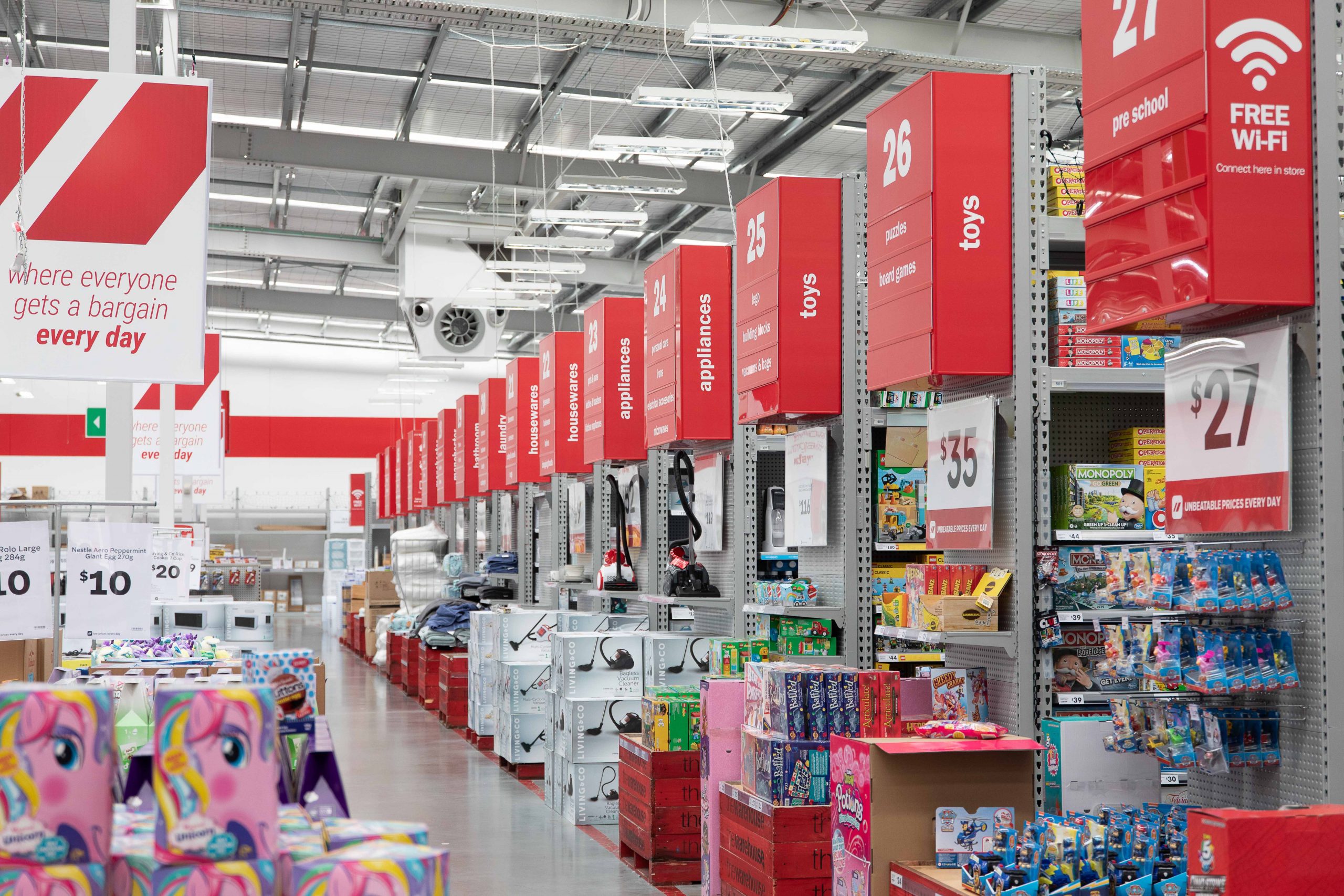
    The Warehouse rolled out a nationwide brand campaign across 84 stores in New Zealand on August 23, targeting market leadership through an operational turnaround.

    Created with advertising agency TBWA New Zealand, the campaign runs under the banner This Is Warehouse Country across television, digital channels, social media, outdoor billboards, and in-store displays.

    Rebuilding Market Position

    The push anchors a broader transformation program at the discount department store group. Content in the campaign draws on four decades of customer milestones and household memories to rebuild foot traffic and loyalty across the store network.

    Trading conditions across Australasia have forced discount operators to defend value credentials as supermarket chains and global online platforms squeeze general merchandise margins. The Warehouse previously relied on category expansion and price promotions to protect market share, but the latest shift centers on core brand equity.

    Execution Across Network

    All 84 branches are participating in the rollout, aligning physical merchandising with national broadcast assets. The group continues to recalibrate its wider store fleet and merchandising mix under the ongoing restructuring plan.

  • South Korea Tightens Regulatory Requirements for Foreign Food Facility Imports

    South Korea Tightens Regulatory Requirements for Foreign Food Facility Imports

    South Korea has strengthened its regulatory framework for food imports, imposing tighter requirements on overseas facilities that manufacture and process products bound for the domestic market.

    The updated measures target foreign food manufacturing plants and export facilities, increasing scrutiny on safety standards and compliance records before shipments clear customs.

    Stricter oversight for overseas facilities

    Under the enhanced framework, overseas food production sites supplying South Korean buyers must meet updated registration and safety verification rules. Importers and foreign operators must maintain verified documentation confirming compliance with national safety standards, reducing contamination risks across cross-border supply chains.

    Border authorities retain the mandate to audit and inspect overseas facilities directly when risk factors or compliance discrepancies arise during entry processing.

    Regional trade and compliance demands

    Regulators across East Asia continue to raise the bar for food safety governance, aligning import protocols with domestic manufacturing standards to protect consumers. Stricter facility requirements place heavier administrative obligations on international food brands and regional suppliers exporting packaged food, raw ingredients, and agricultural commodities to South Korea.

    Foreign suppliers and domestic importers must complete required registrations and facility filings ahead of scheduled shipping cycles to prevent port delays and product rejections.

  • Drugmakers Turn to Gyms and Metros to Drive China Weight-Loss Sales

    Drugmakers Turn to Gyms and Metros to Drive China Weight-Loss Sales

    Global and local drugmakers are plastering Chinese metro stations, gyms, and sports stadiums with obesity campaigns to capture a 30 billion yuan weight-loss market. China bans direct-to-consumer advertising for prescription medicines, forcing pharmaceutical companies to sell lifestyle interventions rather than brand names to a population where overweight rates could top 65 per cent by 2030.

    Eli Lilly, Novo Nordisk, Pfizer, and domestic group Innovent Biologics are vying for early dominance in once-weekly GLP-1 injections. In the second quarter, Lilly took the top spot in sales on Alibaba’s Tmall and JD.com, according to Jefferies data. To sustain demand, companies place unbranded warnings about sleep apnoea and fatty liver disease in high-traffic public transit hubs and fitness chains.

    Sidestepping the Ban on Drug Ads

    Regulations permit pharmaceutical brands to discuss disease symptoms publicly, provided they omit specific prescription product names. Lilly ran subway displays in Shanghai’s Jing’an district alerting commuters to the links between snoring and excess weight, while Innovent partnered with delivery giant Meituan on transit billboards highlighting fatty liver reversal. Innovent also promoted weight management messages during football matches in Suzhou and featured a mascot named Madudu, echoing the generic name of its mazdutide injection.

    Pfizer collaborated with gym chain Supermonkey on public workout events in Shanghai. State broadcaster CCTV worked with Novo Nordisk on a public health exhibit in Beijing featuring group dancing. These street campaigns drive consumers directly to hospital consultation rooms. Doctors at clinics in Shanghai and Guangzhou report that patients increasingly ask for specific treatments by name, shifting from Novo’s semaglutide to Lilly’s tirzepatide and Innovent’s mazdutide.

    The Race for a Four Billion Dollar Market

    China’s prescription weight-loss segment generates between 3 billion and 4 billion yuan today. JP Morgan projects that total will hit 30 billion yuan, or roughly $4 billion, within five to seven years. Novo Nordisk started the race with a late 2024 rollout, Lilly entered in January 2025, Pfizer issued its first prescriptions in April, and Innovent rolled out its drug in July 2025.

    RetailNews Asia notes that healthcare brands across East Asia have long used subtle educational pushes to bypass medical marketing restrictions, but the intensity in China now mirrors consumer FMCG marketing more than traditional clinical outreach. Competitors are actively adjusting their public phrasing to match consumer vocabulary, moving budget away from purely hospital-focused sales representatives.

    Regulators in the region are watching the grey area closely. Lilly paused an obesity awareness campaign in India earlier this year after local authorities raised concerns that public outreach coincided directly with the market launch of Mounjaro. In China, market regulators will determine whether mascot branding and metro displays cross into unlawful prescription drug promotion as rollout volumes climb through the end of 2026.

  • PDD Profit Falls 12% as Price Wars and Overseas Tariffs Bite

    PDD Profit Falls 12% as Price Wars and Overseas Tariffs Bite

    PDD Holdings posted a 12 per cent drop in second-quarter net profit to 27.2 billion yuan as domestic price discounting squeezed margins. Revenue at the Chinese e-commerce group rose 8 per cent to 112.36 billion yuan ($15.7 billion) in the three months ended June 30, missing the 116.35 billion yuan consensus collected by LSEG.

    Adjusted earnings per American depositary share reached 19.33 yuan, beating analyst expectations. Shares rose 2.3 per cent in early New York trading following the release.

    Domestic price wars and margin compression

    The company operates discount platform Pinduoduo in China, where it trades against Alibaba Group’s Taobao and Tmall, JD.com, and ByteDance’s Douyin. Weak consumer confidence, real estate market weakness, and persistent employment worries kept shoppers cautious through the peak ‘618’ shopping festival in June. Platform operators responded with direct subsidies, price-matching guarantees, and merchant incentives, pushing profitability down across the sector.

    Management told analysts that platform governance spending will increase as the fight for market share continues. PDD increased spending on logistics and merchant support programmes during the quarter to lower consumer prices and protect seller retention.

    For retailers across Asia, PDD’s slowing topline growth shows the limits of low-price customer acquisition when competitors match subsidies yuan for yuan. Alibaba and JD.com have reoriented their core marketplaces around low-price algorithms over the past year, stripping Pinduoduo of the uncontested cost advantage it held during its initial expansion.

    Cross-border tariff friction in Western markets

    Temu, the group’s international marketplace, confronts tightening import policies in its core Western territories. The platform built its market share by dispatching low-cost parcels directly from Chinese factories to consumers, using de minimis customs exemptions to bypass import duties.

    Policy changes in the United States have eliminated duty-free status for low-value Chinese parcels, while the European Union introduced a customs fee on small inbound packages in July. Rising shipping and compliance overheads have forced marketplace merchants to lift retail prices, slowing cross-border parcel volumes.

    “In the short term, cross-border orders in the affected markets will face slower fulfilment efficiency and higher costs which will have a considerable impact on those parts of our business,” said PDD co-chief executive Chen Lei.

    Investors now await third-quarter customs clearance data from European ports and the platform’s upcoming gross merchandise volume figures during the year-end holiday shopping cycle.

  • New Zealand Clears Kimberly-Clark Kenvue Deal with Feminine Hygiene Divestment

    New Zealand Clears Kimberly-Clark Kenvue Deal with Feminine Hygiene Divestment

    New Zealand’s Commerce Commission has approved Kimberly-Clark’s acquisition of Kenvue. Clearance requires the business to divest Kenvue’s feminine hygiene operations across New Zealand and Australia.

    This divestment covers regional rights to brands including Carefree and Stayfree. The condition aims to prevent excessive market concentration on supermarket shelves.

    Conditions for Clearance Across Australasia

    Kimberly-Clark is acquiring Kenvue, the consumer health spin-off from Johnson & Johnson, in a global takeover. Under an undertaking given to the regulator, Kimberly-Clark must sell the entire Kenvue feminine care unit in both countries to an approved independent buyer.

    Commerce Commission deputy chair Anne Callinan said the remedy protects competition across personal care aisles, where both suppliers held overlapping product lines.

    Supermarket Consolidation and Buyer Timelines

    Australasian retailers face tightening supplier networks as multinational consumer goods groups consolidate personal care portfolios. Selling Carefree and Stayfree keeps an independent supplier in play against Kimberly-Clark’s Kotex and U by Kotex lines.

    Attention now turns to the asset sale. Kimberly-Clark must secure a commission-approved buyer within a confidential, binding timeframe to finalize the broader merger clearance.

  • Pagcor Fines Gambling Firm P1 Million over Ivana Alawi iPhone Promotion

    Pagcor Fines Gambling Firm P1 Million over Ivana Alawi iPhone Promotion

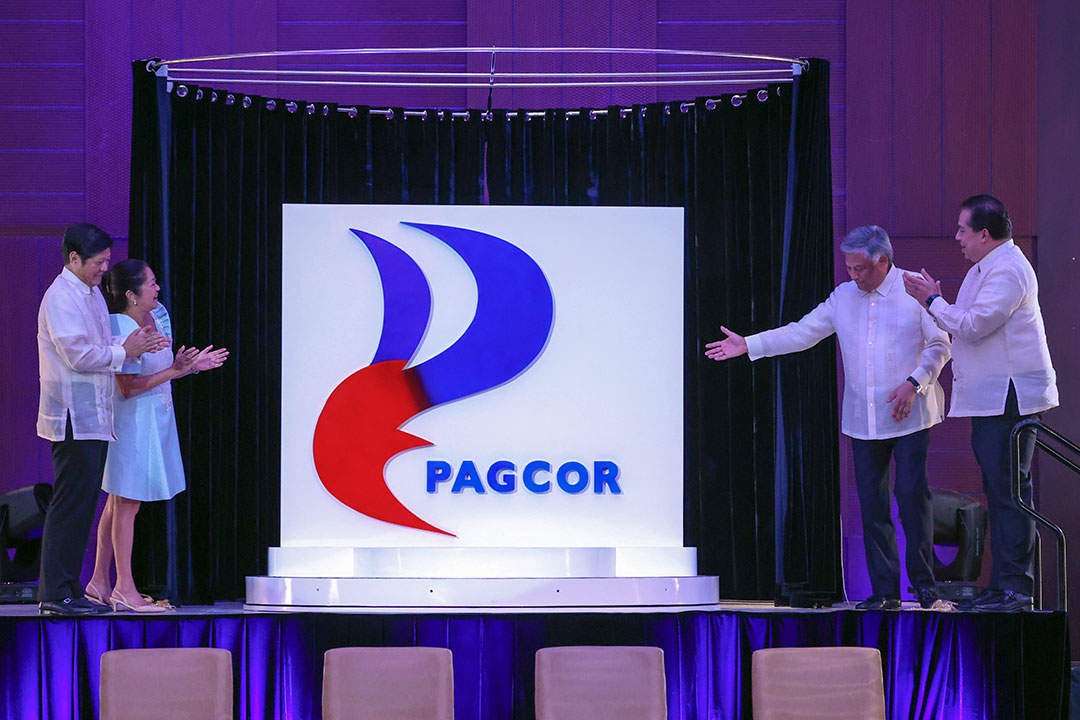
    Philippine gaming regulator Pagcor fined an online gambling operator 1 million pesos ($17,700) for running an unapproved 100-unit iPhone giveaway with celebrity influencer Ivana Alawi.

    The social media promotion involved 4.28 million pesos worth of iPhone 17 Pro Max handsets distributed across Alawi’s digital channels in July without regulatory clearance. Prospective winners had to follow her affiliated gaming group and leave comments on promotional posts to enter the draw.

    Unauthorised Promotions Draw Scrutiny

    Pagcor chairman and chief executive Alejandro Tengco disclosed the financial penalty during a 2027 House of Representatives budget hearing in Manila. Lawmakers raised concerns after Kamanggagawa party-list Representative Elijah Fernando questioned the expanding marketing ties between digital influencers and gambling operators.

    Alawi maintains an official brand ambassadorship with online operator Casino Plus. Tengco confirmed the fine was accompanied by an explicit warning that repeat infractions would trigger license suspensions and outright cancellations.

    Enforcement Across Digital Platforms

    Regulators estimate that illegal operators make up roughly 50 per cent of the country’s online gaming ecosystem, operating beyond state oversight and consumer protection rules. Pagcor works alongside the Department of Information and Communications Technology, the National Telecommunications Commission, and the Cybercrime Investigation and Coordinating Center to pursue cases against unlicensed platforms and their celebrity endorsers.

    For consumer brands and digital marketing agencies across Southeast Asia, the action shows tighter oversight of influencer-led giveaways and promotional sweepstakes. Regulators in Manila now require promotional campaigns tied to licensed gaming entities to secure prior clearances from both Pagcor and the Ad Standards Council.

    Several content creators have cancelled promotional contracts with unlicensed gambling entities following the initial enforcement drive. State agencies are preparing further takedown requests and legal filings against operators that continue running unregistered social promotions.

  • Pop Mart Overseas Revenue Falls 11% as Labubu Toy Craze Cools

    Pop Mart Overseas Revenue Falls 11% as Labubu Toy Craze Cools

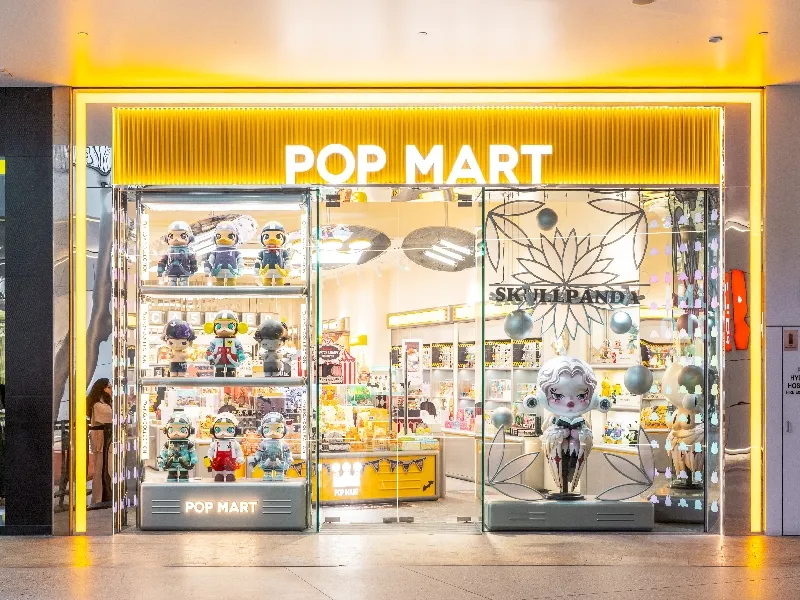
    Pop Mart International Group posted an 11.1 per cent decline in overseas revenue to RMB4.97 billion for the first half, hit by cooling international sales for its signature Labubu character.

    Shares in the Beijing-based toy maker fell more than 4 per cent in Hong Kong following the release, even as strong domestic sales lifted total group revenue 23.8 per cent to RMB17.17 billion ($2.55 billion). Profit attributable to shareholders rose 10.1 per cent to RMB5.04 billion, while operating profit gained 11.3 per cent. Revenue from Greater China jumped 47.3 per cent to RMB12.20 billion, now generating 71 per cent of group sales compared with 59.7 per cent a year earlier.

    Online sales slump outside China

    The international drop was sharpest across digital channels. Online sales fell 45.6 per cent in the Americas, 39.8 per cent in Asia Pacific excluding Greater China, and 59 per cent in Europe. The company’s own app and website sales in the Americas dropped 44.6 per cent.

    Physical stores showed resilience abroad. Offline sales grew 19.5 per cent in the Americas, 16.2 per cent in Asia Pacific, and 49.8 per cent in Europe. Yet store expansion failed to offset the online drop in the Americas, where regional sales fell 16.5 per cent despite the local store count jumping from 41 to 86 locations over the twelve-month period.

    Plush toys replaced vinyl figurines as Pop Mart’s primary sales driver, surging 60 per cent to RMB9.82 billion to account for 57.2 per cent of total turnover. Figurine sales remained flat with 0.3 per cent growth. Revenue from The Monsters series, which includes Labubu, contracted 7.5 per cent to RMB4.45 billion, marking its first recorded drop and shrinking its revenue share to 26 per cent. Twinkle Twinkle rose 580.6 per cent to RMB2.65 billion to become the second-largest intellectual property, while Crybaby, Dimoo, Skullpanda, and Hirono each surpassed the RMB1 billion mark.

    Rivals step up domestic pressure

    Domestic retail chains across Asia are accelerating their push into collectible toys to capitalize on the same customer demographic. Miniso has refiled to list its Top Toy business in Hong Kong, while rivals Kayou and 52Toys expand store networks across tier-one and tier-two Chinese cities. Frost & Sullivan projects China’s collectible toy market will reach RMB110 billion this year.

    Pop Mart is diversifying into location-based entertainment and hospitality through its Pop Land theme park, Pop Bakery food outlets, and a live-action Labubu feature film developed with Sony Pictures. Chief executive Wang Ning stated the company may fall short of its full-year 20 per cent revenue growth target as management executes operational adjustments across international distribution networks.

  • Pakistan Plans AI Trade Data Network Linking 55 Overseas Missions

    Pakistan Plans AI Trade Data Network Linking 55 Overseas Missions

    Pakistan’s Ministry of Commerce reviewed plans in Islamabad to build a sovereign cloud and artificial intelligence platform connecting commercial trade data across more than 55 overseas trade missions.

    Commerce Minister Jam Kamal Khan met with representatives from the Pakistan Digital Authority and data-centre operator Sky47 to draft the framework. The plan targets disparate datasets covering thousands of tariff codes, exporter registries, chambers of commerce, and the Trade Development Authority of Pakistan.

    Centralising Export Data And Sovereign Cloud

    The ministry aims to consolidate fragmented departmental databases into a unified national system. Officials reviewed data governance protocols that classify trade information into open, shared, restricted, and personally identifiable tiers while keeping data ownership within respective public agencies.

    Discussions centered on shifting trade analysis away from static reports toward predictive computing models. Khan directed departments to build direct digital feeds between domestic commercial bodies and trade attachés stationed abroad.

    Expanding Data Centre Capacity With Sky47

    Sky47 presented plans to expand its local data-centre footprint to support sovereign hosting, cybersecurity, disaster recovery, and the higher computing loads required by machine learning models. The company outlined facilities featuring energy-efficient cooling, intelligent data storage, and metadata management designed to replace small, departmental server setups.

    Government trade digitisation across South Asia has often stalled at the portal stage, leaving exporters reliant on manual clearance and disconnected trade attachés. Consolidating tariff analytics and real-time overseas market intelligence onto sovereign servers represents an effort to modernise export logistics that regional peers like India and Vietnam completed years earlier.

    The ministry and the Pakistan Digital Authority will next draft sector-specific roadmaps under a broader national digital master plan before opening integration to provincial agencies and private trade groups.

  • Pop Mart First-Half Revenue Rises 23.8% to RMB 17.17 Billion

    Pop Mart First-Half Revenue Rises 23.8% to RMB 17.17 Billion

    Pop Mart grew first-half revenue by 23.8 per cent to RMB 17.17 billion (US$2.4 billion) in Beijing as newer character lines diversified earnings beyond Labubu. Gross margin reached 69.7 per cent for the six-month period.

    The Monsters franchise, which includes Labubu, generated RMB 4.45 billion to remain the company’s largest intellectual property. Its share of total corporate revenue dropped to 26 per cent from 34.7 per cent a year earlier, reflecting faster gains in secondary product lines.

    Twinkle Twinkle Gains on The Monsters

    Twinkle Twinkle surged 580.6 per cent year on year to RMB 2.65 billion, making it the fastest-expanding property in the catalogue. Four other lines, Crybaby, Dimoo, SkullPanda and Hirono, each generated more than RMB 1 billion during the half.

    Product formats showed similar diversification away from standard vinyl blind boxes. Revenue from plush items climbed 60 per cent to RMB 9.82 billion as shoppers bought bag charms, soft figures and related lifestyle goods.

    Collectibles makers across Asia face rapid fad cycles once single characters peak on social media. By shifting production capacity toward plush accessories and scaling multiple character rosters simultaneously, Pop Mart is attempting to build a multi-franchise licensing business modeled on Sanrio rather than a single-hit novelty toy brand.

    Global Store Count Reaches 676 Locations

    Physical distribution expanded by 46 net new stores and 190 roboshops in the first six months of the year. That brought the global brick-and-mortar network to 676 physical outlets and 2,827 automated vending units.

    The Americas led store additions with 22 net openings to reach 86 sites. Asia-Pacific locations outside Greater China grew by five to 90, while Europe and other regions added nine stores to stand at 45.

    Food and beverage formats are also rolling out internationally. Following trial pop-ups across mainland China and a permanent venue in Aranya, the group opened its first overseas Pop Bakery site on Sentosa Island in Singapore, setting up the brand’s next wave of lifestyle retail openings.

  • Gas Shortage Shuts 80 Percent of Narsingdi Textile Mills in Bangladesh

    Gas Shortage Shuts 80 Percent of Narsingdi Textile Mills in Bangladesh

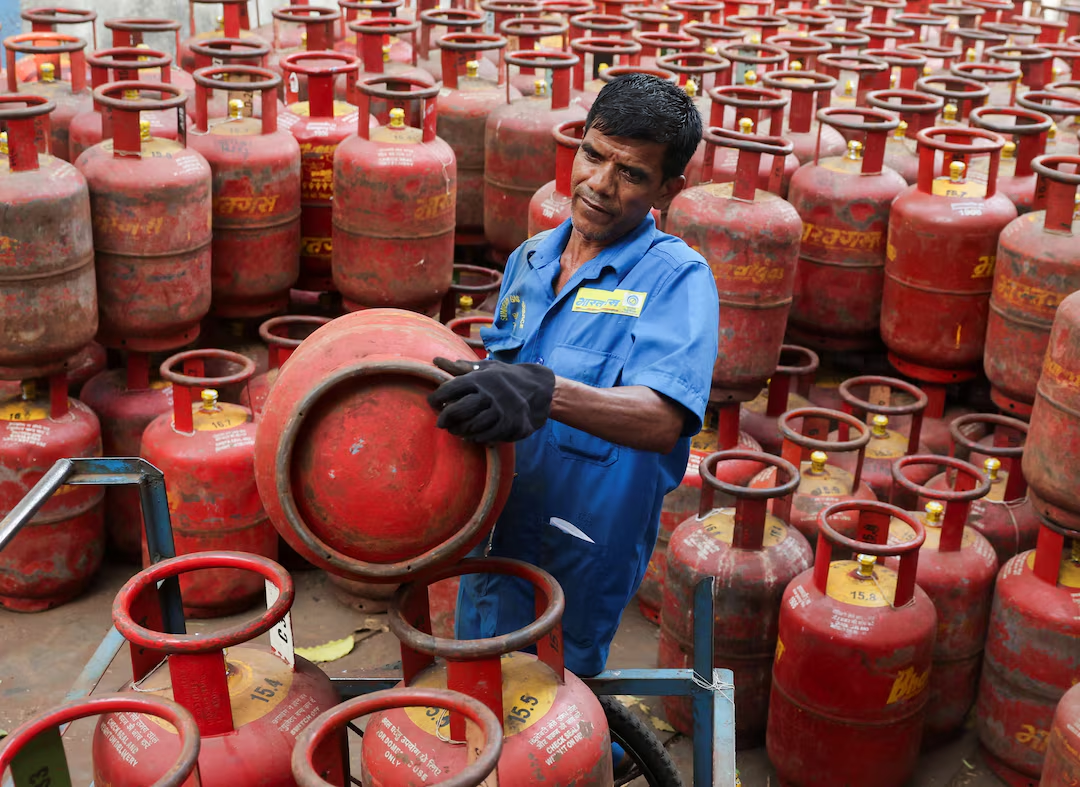
    A severe natural gas shortage has shut roughly 80 percent of textile and dyeing mills in Narsingdi, wiping out an estimated Tk 500 crore in daily output.

    The industrial hub supplies about 75 percent of domestic fabric demand in Bangladesh, leaving garment makers without essential materials as international buyers cancel orders.

    Rotting Fabric and Idled Boilers

    Narsingdi houses more than 3,000 production units, including 2,500 sizing, spinning, dyeing and weaving mills. About 400 of these operations rely on uninterrupted natural gas at 10 to 15 pounds per square inch to run steam boilers and drying machines. Gas pressure in key industrial pockets like Madhabdi and Chowala fell to zero for four straight days, leaving chemically treated fabric stranded mid-cycle. Fabric left wet beyond 16 hours rots and turns unusable.

    Local industry groups estimate between 10 million and 15 million yards of fabric have been ruined. At Tithi Textile in Madhabdi, 250,000 yards were damaged after generators and machinery stopped. Facing steep losses and wage deadlines, more than 100 mills closed indefinitely, sending workers home on unpaid leave. Others turned to burning wood in steam boilers at a cost of Tk 12,000 a day, skirting local environmental permits after the price of scrap fabric waste spiked.

    Supply Chain Bottlenecks Spread

    The disruption traces back to July 21, when a technical fault crippled an offshore floating liquefied natural gas terminal at Moheshkhali. National gas output plunged from 2,650 million cubic feet per day to 2,175 mmcfd against total demand of 3,800 mmcfd. State distributor Petrobangla lifted supply to 2,300 mmcfd on August 22, but state utility Titas Gas diverted high-pressure flows of 200 PSI to the Ghorashal-Palash fertiliser plant, starving private textile processors.

    Bangladesh remains the world’s second-largest apparel exporter, yet its supply chain faces recurring energy vulnerabilities that threaten delivery timelines for global fashion brands. While competing manufacturing hubs in Vietnam and India rely on more diversified power grids, Bangladeshi mills remain exposed to single-point infrastructure failures in offshore gas infrastructure, compounding margin pressure from rising domestic debt.

    Titas Gas engineers expect regional gas pressure to show initial signs of recovery next week as repair teams complete work on the Moheshkhali LNG terminal.

  • 12 Entertainment Options That Are Perfect for Long Weekends

    12 Entertainment Options That Are Perfect for Long Weekends

    No alarm set, no notifications buzzing before seven, just tricycles outside and coffee brewing slower than usual. That first stretch of a long weekend always feels like pure possibility, right up until you remember you did nothing with the last one either; the days blurred into errands, half-finished shows, and naps you didn’t plan on taking.

    A little variety changes that, and here are twelve activities to liven up a long weekend:

    1) Try a Cold Plunge or Ice Bath Session

    Three minutes in ice water is not really comfortable, and that is the entire point. Cold plunge studios have been popping up next to regular gyms, offering a different kind of reset than a hot shower ever could. Most people step out sharper and more awake than any coffee could manage.

    2) Try Digital and Online Gaming

    A few hours disappear fast with the right game queued up, whether that’s a mobile puzzle, a console title, or a multiplayer match. Online casino games offer a similar pull for some, with the table games, slots, and live dealer rooms that used to only exist inside a physical casino. Before you play casino online games, remember that a budget set before you start keeps things fun and stress-free.

    3) Visit a Themed Café or Quirky Local Spot

    Ever notice how the regular coffee run stops being interesting after a while? Plenty of cities now have cafés built around one specific idea: cats wandering between tables, shelves of board games, and décor stuck in a decade that isn’t this one. Suddenly, a craving will have turned into an outing.

    4) Try a Bookbinding or Journal-Making Workshop

    Fold, stitch, glue, repeat. By the end of the day, you’ve made something that you can actually use. Bookbinding classes have become one of the more satisfying slow crafts precisely because the result is immediate and tangible, something you’d genuinely pay for at a stationery shop.

    5) Try a Scent-Blending or Candle-Making Workshop

    There’s a difference between buying a candle and making one from scratch, testing scent after scent until one finally smells perfect. DIY perfume bars and candle studios ask for more attention than most weekend activities, but the finished product sticks around for months.

    6) Join a Plant Swap or Build a Terrarium
    Local plant swaps run on a simple trade: bring a cutting, leave with something new. They’ve become one of the better low-cost weekend outings, part social, part scavenger hunt for whatever rare leaf someone else is willing to trade away. For anyone who’d rather skip the trading, terrarium-building sessions offer the same slow, hands-on result.

    7) Try a Sound Bath or Float Therapy SessionThe bowls do most of the work; all that’s left is to lie down and let the sound, or the silence, take over. Sound baths and float tanks have become a go-to for deep rest without the pressure of a full spa day, no small talk required, no schedule to keep. Most people lose track of time before the hour’s up.

    8) Go on a Thrift or Ukay-Ukay Treasure Hunt

    What’s actually in the next rack? Nobody knows until they dig, and that uncertainty is half the appeal of a ukay-ukay run. Patience gets rewarded here in a way it rarely does at the mall, a few pesos and some digging turning up something better than retail ever would.

    9) Try Urban Sketching or a Photo Walk

    Ten small things, a stray cat mid-stretch, an odd doorway, late-afternoon light on a wall, are usually enough material for an hour of sketching or shooting. There’s no grading involved. It’s about noticing, not producing something polished.

    10) Host a Mahjong or Board Game Café Night

    Dinner and small talk only stretch so far. Board game cafés and mahjong nights give people something to focus on together instead, tiles clicking, strategy replacing awkward pauses, no dead air to fill. Three hours pass before anyone notices.

    11) Attempt a Paint-Your-Own Pottery Kit

    Here’s the entire setup: a pre-glazed mug or bowl, a few hours, and a set of colors to choose from, no wheel or kiln required. These studios have found an audience among people who want a hands-on result without learning an actual craft. What’s left at the end is an object, not a memory that fades by Tuesday.

    12) Try Analog Photography or Film Development

    No screen to check after each shot, just a loaded roll and a several-day wait to see what actually turned out. Digital cameras never demanded this kind of patience. The film gets developed by hand, and that one step turns the whole thing into something closer to a ritual than a hobby.

    Long weekends carry a strange kind of pressure to make them count, as if rest itself needs to be earned through activity. It doesn’t. The version of Monday you wake up to says more about how you spent the days off than any list ever could, whether that means a full itinerary or none at all.


     

  • Taiwan Consumer Confidence Dips Despite Strong Economic Forecasts Amid Inflation Fears

    Taiwan Consumer Confidence Dips Despite Strong Economic Forecasts Amid Inflation Fears

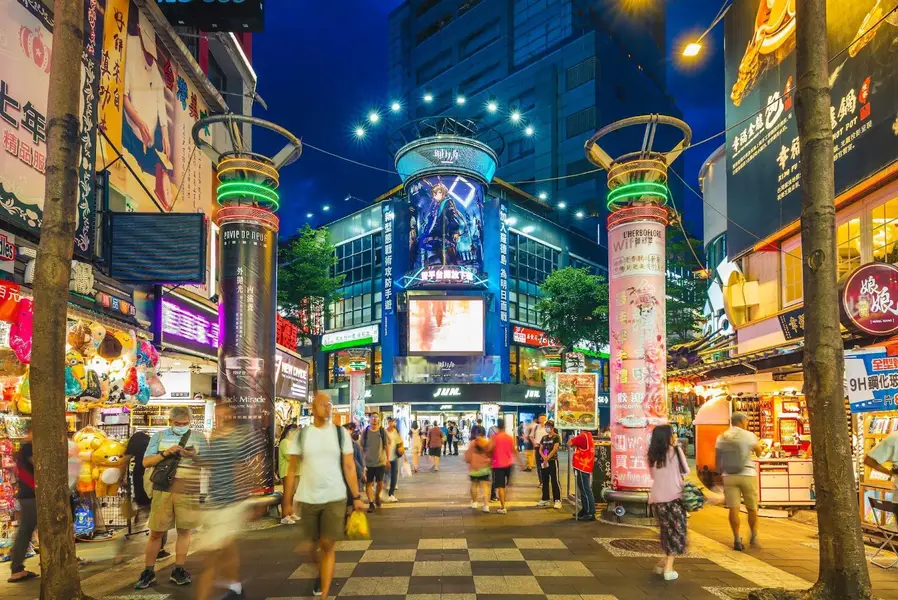
    Taiwanese consumer confidence has fallen, with sentiment regarding the economic outlook and spending weakening this month, despite official predictions of the strongest economic growth in decades. A recent survey by Cathay Financial Holding Co. Revealed that inflation concerns and volatility in financial markets are contributing to this cautious mood among consumers.

    The survey highlighted a drop in consumer optimism toward the local stock market and overall risk appetite following recent equity swings. Factors such as heightened tensions between the US and Iran, rising oil prices, and expectations for higher US interest rates have made investors more conservative. Frequent stock trading halts in South Korea and renewed questions about the sustainability of the artificial intelligence (AI) boom have fueled market volatility.

    Divergence in Economic Views

    Consumers now anticipate inflation to average 2.3 percent this year, surpassing the government’s estimate of 2.07 percent and the central bank’s 2 percent target. Their economic growth expectations also fall short of official projections, with consumers anticipating an 8.94 percent expansion this year on average, significantly lower than the government’s forecast of 11.05 percent, which would mark the fastest pace in nearly four decades. Only about one-quarter of respondents expect growth to exceed 10 percent.

    This divergence between official forecasts and household expectations suggests that the benefits of Taiwan’s AI-led economic expansion have not yet translated into stronger consumer confidence. Higher energy costs, inflation risks, and financial market swings are adding to uncertainty, which in turn has led to a weakened willingness among consumers to make major purchases. The index for durable-goods spending has consequently moved into negative territory.

    Investment Sentiment

    Despite the cautious consumer sentiment, Taiwanese equities remain the most preferred investment target for the next six months, selected by 57 percent of respondents. In comparison, 24 percent favored US stocks. For those planning to increase investments, confidence in Taiwanese companies’ ability to sustain earnings was the most frequently cited reason, followed by optimism regarding the economy’s overall strength.

    RetailNews Asia observes that similar patterns of economic growth failing to fully translate into consumer confidence have been seen across other Asian markets, particularly where global economic headwinds and local inflationary pressures create a disconnect between macro-indicators and household spending power. This trend often prompts retailers to adapt strategies to cater to more value-conscious consumers or focus on essential goods over discretionary purchases.

    The survey, conducted from August 1 to August 7, gathered 12,580 responses from customers and members of Cathay Life Insurance Co. And Cathay United Bank Co.

  • Asian Markets Mixed Amid US Economic Worries, Retail Sales Dip

    Asian Markets Mixed Amid US Economic Worries, Retail Sales Dip

    Asian stock markets exhibited mixed performance on Monday following a downturn on Wall Street. Investors are currently weighing new economic data that suggests a potential weakening in the world’s leading economy, thereby tempering expectations for an immediate US interest rate hike.

    Last week, anticipation that the Federal Reserve might not increase policy rates next month had bolstered equities, with the S&P 500 and Nasdaq reaching record highs. This sentiment was driven by reports indicating a softening labor market and easing inflation, despite it remaining above target levels. However, recent figures have raised questions about the economy’s underlying health, prompting market observers to advise caution.

    US Economic Concerns Shift Market Focus

    Retail sales in the US declined by 0.6 percent month-on-month in July, marking the poorest performance in over a year. Concurrently, consumer sentiment plummeted as households, grappling with the economic impact of President Donald Trump’s Iran conflict, curtailed spending and anticipated higher inflation. According to Fawad Razaqzada at Forex.com, payroll data earlier in the month, coupled with inflation figures, softer retail sales, and weaker consumer sentiment, collectively suggest a loss of momentum in the US economy. This reinforces expectations that the Federal Reserve might maintain current rates in September, with traders now assigning a one-in-four probability of a hike, down from 50:50 last week.

    This week, market attention will turn to the release of earnings reports from prominent retail companies such as Walmart, Home Depot, and Target. These results are expected to provide clearer insights into the prevailing consumer sentiment, which is critical for understanding future retail trends. For companies operating across Asia, tracking these shifts in consumer behavior and market confidence is essential for strategic planning and investment. RetailNews Asia has been monitoring how similar pressures on discretionary spending, whether from geopolitical events or inflationary environments, often ripple through regional markets, influencing consumer brand strategies and investment in the retail sector.

    Asian Tech Sector Resilient Amid Regional Swings

    Despite mounting worries about the US economy, investors in Asia are currently maintaining a more optimistic outlook, particularly with technology firms showing signs of recovery after July’s sell-off. Hong Kong saw gains driven by tech giants including Alibaba, Tencent, and JD.com, while Shanghai and Taipei also recorded increases. Tokyo’s market remained largely flat, though chipmaker Kioxia gained over five percent, and SoftBank, Advantest, and Tokyo Electron added between 1.3 and two percent. Japan’s economic growth falling short of forecasts in the second quarter appeared to have minimal immediate market reaction.

    Conversely, markets in Sydney, Singapore, Wellington, and Manila experienced slight declines. The US dollar continued to weaken against other currencies, extending losses from Friday, which were a direct consequence of the latest economic data. Meanwhile, oil prices extended their one-percent gains from Friday, fueled by ongoing tensions between the US and Iran over the Strait of Hormuz. The prolonged standoff suggests that elevated oil prices, potentially contributing to inflationary pressures, could persist.