Tag: Cambodia

  • Siem Reap Trade Fair Opens Commercial Pathways for Local Producers

    Siem Reap Trade Fair Opens Commercial Pathways for Local Producers

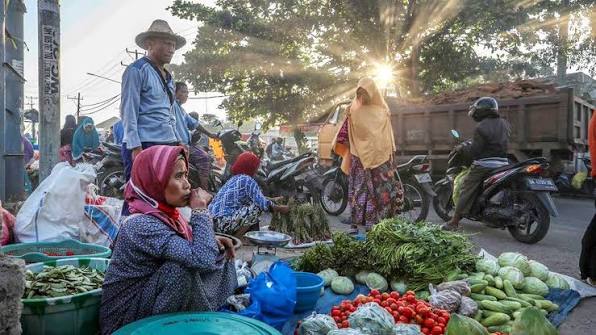
    A regional trade fair in Siem Reap opened commercial channels for provincial producers seeking access to wider consumer markets. The event connects makers of domestic goods directly with retailers, wholesalers and hospitality buyers across Cambodia.

    Producers presented packaged food, agricultural goods, textiles and handicrafts to commercial buyers seeking local inventory. Direct exhibition formats give regional enterprises access to store shelves and hospitality supply chains without intermediary distributor markups.

    Connecting Provincial Goods to Supermarket Shelves

    Organisers built the platform to address distribution bottlenecks that often keep provincial goods out of modern retail networks. Direct contact with procurement managers allows suppliers to negotiate order volumes, adjust packaging and meet quality standards required by national store chains.

    Similar trade exhibitions across secondary cities in Southeast Asia have helped regional craft and food producers secure stable supermarket listings. Modern grocery operators and hotel groups in Cambodia face persistent demand for verified local products from domestic shoppers and international visitors.

    Expanding Domestic Supply Chains

    Retail chains and hospitality buyers face higher logistics costs on imported packaged goods, accelerating demand for dependable domestic alternatives. Local suppliers use the exhibition platform to align barcoding, packaging durability and batch sizes with formal retail criteria.

    Participating vendors are now fulfilling wholesale orders secured during the event as provincial trade organisers prepare follow-up sourcing sessions for the coming retail quarters.
  • BVM Petroleum Partners with Intertek to Boost Fuel Quality in Cambodia

    BVM Petroleum Partners with Intertek to Boost Fuel Quality in Cambodia

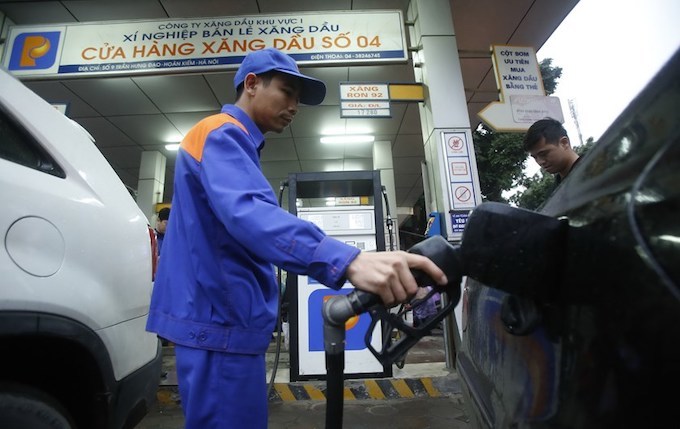
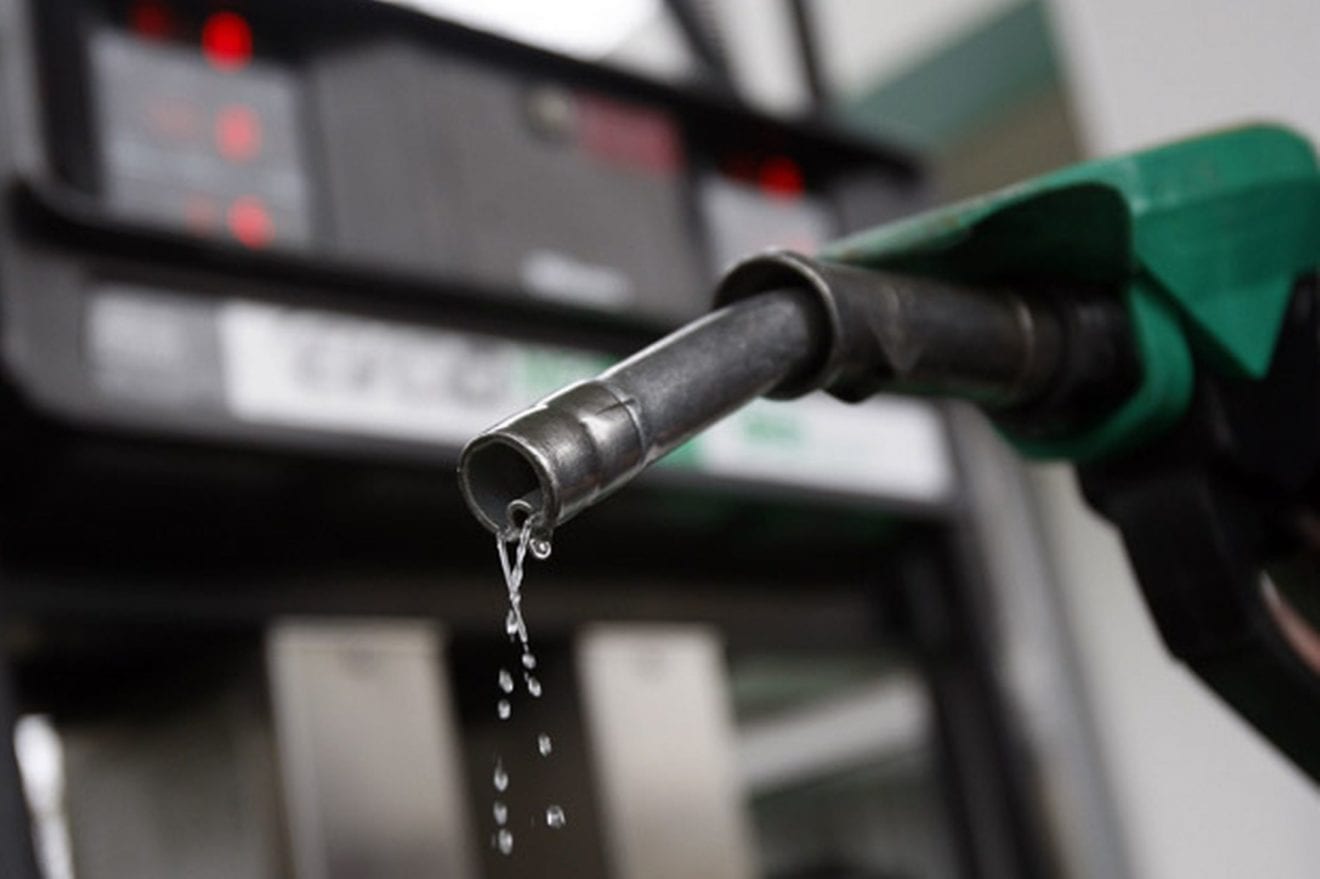
    Cambodian fuel distributor Bright Victory Mekong Petroleum signed an agreement with quality assurance firm Intertek on Friday to tighten fuel quality inspections across its domestic retail network.

    The partnership coincides with an expansion of BVM Petroleum’s storage capacity as Cambodian authorities enforce stricter quality standards and market compliance across downstream distribution.

    BVM Petroleum chief executive Sou Sophivann and Intertek regional managing director Chee Teck Ang signed the agreement at the Hyatt Regency Phnom Penh, witnessed by Commerce Minister Cham Nimul.

    Inspection Standards and Downstream Expansion

    Under the arrangement, Intertek will run independent testing and compliance audits across BVM Petroleum’s supply chain. The testing protocol verifies fuel specifications before shipments enter retail pumps and commercial supply lines.

    Sophivann said the testing regimen is necessary to build consumer confidence as the distributor expands fuel storage sites and broadens its wholesale reach. Cambodia relies entirely on refined petroleum imports, leaving downstream operators exposed to varying regional product grades.

    Chee Teck Ang said meeting strict technical specifications directly supports the country’s transport, industrial, and agricultural operations while safeguarding commercial equipment.

    Market Scrutiny and Retail Oversight

    Downstream petroleum operators across Southeast Asia face stricter scrutiny from regulators seeking to curb blended, out-of-specification fuels at retail stations. Independent testing partnerships have become a primary tool for local independent distributors competing against established international retail brands in the region.

    The Ministry of Commerce confirmed it is preparing an initiative to evaluate and recognize fuel companies that comply with trade standards and consumer protection rules.

    BVM Petroleum will now implement Intertek verification across its expanded storage depots before deploying standardized supply across its retail station network.

  • Malaysia Targets $2 Billion in Cambodia Trade by 2027

    Malaysia Targets $2 Billion in Cambodia Trade by 2027

    Malaysia aims to increase bilateral trade with Cambodia to $2 billion by 2027, driven by consumer goods exports and new retail supply deals in Phnom Penh.

    Two-way trade reached approximately $800 million in the first half of 2026, putting full-year volumes on course to surpass $1.5 billion.

    The target follows an official trade delegation led by the Malaysia External Trade Development Corporation (MATRADE). The four-day mission secured 186 million ringgit ($45 million) in sales, beating its initial 100 million ringgit ($24 million) projection.

    Distribution Deals Across Supermarkets and Wholesalers

    Twenty-six Malaysian suppliers joined the Phnom Penh mission, representing fast-moving consumer goods, halal-certified packaged foods, personal care lines, palm oil products and agricultural supplies. MATRADE organised more than 260 commercial meetings between these exporters and Cambodian retail buyers, including Chip Mong Retail, DKSH Cambodia, Goodhill Enterprise and Westec Media.

    Cambodian Minister of Commerce Cham Nimul and MATRADE Chairman Reezal Merican Naina Merican also held talks to expand bilateral halal commerce. Reezal Merican told delegates that Malaysian suppliers must build permanent local partnerships and supply chains in Cambodia instead of relying on spot trading.

    Regional Expansion and Consumer Goods Demand

    Malaysian packaged food and personal care brands are pushing harder into frontier Southeast Asian markets to capture rising household spending. Cambodia offers a fast-growing modern grocery network and rising demand for certified imports, giving regional consumer brands an accessible market between larger distribution hubs in Thailand and Vietnam.

    Bilateral trade totaled $1.17 billion in 2025, according to data cited by the Malaysian Business Chamber in Cambodia. Trade officials will track whether full-year 2026 numbers clear the projected $1.5 billion threshold on the path to the 2027 deadline.

  • Black Sea Tensions Threaten Asian Food Supply Chains, Embassy Warns

    Black Sea Tensions Threaten Asian Food Supply Chains, Embassy Warns

    Tensions in the Black Sea region are creating significant risks for global food security and supply chains, with direct implications for Asian markets, warned the Russian Embassy in Cambodia. The embassy issued a comment responding to an article on food security originally published by The Indian Express and reprinted by Khmer Times, stating that the “Kiev regime and its sponsors” are overlooked as main beneficiaries of supply chain disruption.

    According to the statement, Ukrainian forces have increased attacks on coastal transport, logistics infrastructure, and civilian vessels in the Sea of Azov and the Black Sea. These attacks, reportedly utilizing unmanned systems and intelligence from NATO and the EU, have targeted essential agricultural shipments such as grain and sunflower oil.

    Shipping Under Attack

    The embassy cited several incidents, including a June 5 drone attack by the Armed Forces of Ukraine (AFU) on dry cargo ships Natra and Zirkon in the Sea of Azov, which resulted in five fatalities and three injuries. In July, there were over 100 reported drone attacks by Ukrainian forces against private vessels transporting Russian agricultural products to the global market. An attack on July 18 targeted the commercial bulker MV OMORFI, which was sailing under the Marshall Islands flag and transporting grain, leading to the death of an Indian sailor.

    Further incidents included AFU attacks on the grain export terminal in Rostov-on-Don between July 25-27, followed by the seaport of Taman on July 30. Ukrainian drones also targeted the Nadezhda, a ship flagged by Cameroon and operated by a Turkish company, and the Turkish bulk carrier Yaşar on August 3. These actions, described by the embassy as militarily pointless, violate international law on civilian vessel safety and cause delays in deliveries of crucial commodities to international importers.

    Global Market Impact

    The embassy asserts that this military campaign by the Kiev regime aims to create chaos in the global food market, serving the interests of several Western countries. This strategy, combined with financial, economic, and energy restrictions, is contributing to a deficit in grain and fertilizers, pushing up global food prices. The statement emphasized that countries in the Global South and East are becoming hostage to these policies, facing increased costs.

    In response, the Russian Armed Forces are reportedly taking measures to ensure navigation safety, including precision strikes against Ukrainian facilities used to destabilize shipping and infrastructure involved in delivering Western military hardware to Ukraine. These operations will continue until security threats in the Sea of Azov and Black Sea are eliminated, and unimpeded agricultural product exports are guaranteed.

    For Asia-Pacific retailers and consumers, these ongoing disruptions translate to higher import costs and potential supply volatility for staple goods like grains and oils. The region, heavily reliant on international trade, is particularly vulnerable to such geopolitical pressures on global commodity flows. This dynamic aligns with broader concerns RetailNews Asia has tracked regarding global supply chain resilience and its impact on regional retail sectors.

  • Cambodia Boosts Food Safety and Export Potential with Singaporean Partnership

    Cambodia Boosts Food Safety and Export Potential with Singaporean Partnership

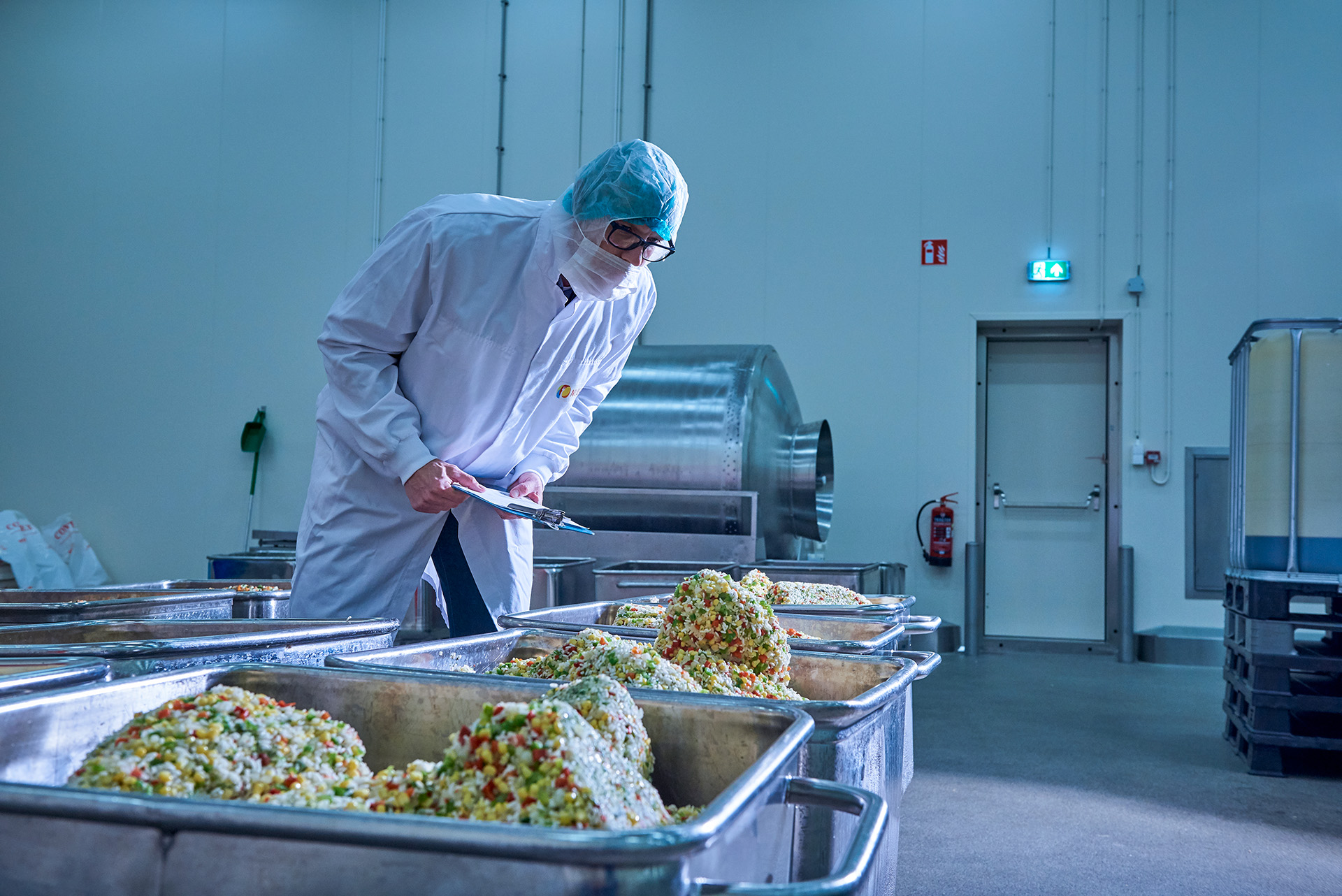
    Phnom Penh is taking significant steps to elevate its food safety and processing capabilities through a new collaborative training initiative. The Ministry of Industry, Science, Technology and Innovation (MISTI) in Cambodia, in partnership with the Embassy of Singapore, has commenced a five-day program designed to improve food safety, boost agro-processing, and help Cambodian businesses produce export-ready, high-quality goods.

    This initiative, held at the Cambodia-Singapore Cooperation Centre, provides specialized training for Cambodian officials. The curriculum focuses on essential areas such as food safety management, preservation techniques, value addition, and sustainable production practices, aiming to strengthen the country’s food sector from farm to market.

    Strengthening Consumer Trust And Market Competitiveness

    Minister of Industry, Science, Technology and Innovation Hem Vanndy emphasized that robust food safety systems are vital for protecting public health and fostering consumer confidence. Such improvements also play a crucial role in enhancing the competitiveness of both industrial players and small and medium-sized enterprises (SMEs) within the market. Vanndy noted that investing in food safety safeguards consumer well-being today and bolsters Cambodia’s long-term reputation and economic future.

    The minister highlighted key priorities, including reducing post-harvest losses, adopting modern processing and packaging technologies, adhering to international standards, and promoting resource-efficient production methods. These efforts are expected to support Cambodia’s economic transition from basic production towards higher-value manufacturing, opening new avenues for local producers to reach regional and international consumers.

    A New Phase of Bilateral Cooperation

    Steven Pang Chee Wee, the Ambassador of Singapore to Cambodia, stated that this training program was developed specifically to address MISTI’s priorities, marking a new chapter in bilateral capacity-building cooperation. This marks the first customized course under the Singapore Cooperation Programme to be hosted at the Cambodia-Singapore Cooperation Centre, setting a precedent for future tailored collaborations between the two nations.

    The ambassador acknowledged Cambodia’s abundant agricultural output, noting that it presents considerable opportunities for increased value creation through enhanced processing, preservation, and food safety protocols. The course also supports MISTI’s broader objective of strengthening Cambodia’s National Quality Infrastructure, encompassing standards, metrology, accreditation, and laboratory testing. This systematic approach will help local micro, small, and medium enterprises improve product quality, enabling them to better access regional and international markets. The Cambodia-Singapore Cooperation Centre, established in 2002 and upgraded in 2018, has already provided capacity-building programs to over 19,000 Cambodian government officials, underscoring the long-standing partnership.

    RetailNews Asia notes that improving food safety and processing capabilities is a common strategy across Southeast Asia to boost agricultural exports and strengthen domestic consumer confidence. Similar initiatives have been seen in Vietnam and Thailand, where robust standards are essential for tapping into high-value markets. For retailers and F&B businesses operating in Cambodia, this move promises a more reliable supply chain of locally sourced, higher-quality products, potentially reducing import reliance and supporting local producers.

  • Cambodia Strengthens Responsible Microfinance with 22 New Actions

    Cambodia Strengthens Responsible Microfinance with 22 New Actions

    Phnom Penh, Cambodia, The National Bank of Cambodia (NBC) and the United Nations (UN) have agreed to accelerate the implementation of 22 priority actions. These measures are designed to enhance consumer protection and promote responsible lending within Cambodia’s microfinance industry.

    The agreement follows a meeting in Phnom Penh between Chea Serey, Governor of the National Bank of Cambodia, and Vladanka Andreeva, the UN Resident Coordinator in Cambodia. The discussions focused on the progress made since the NBC-UN Multi-Stakeholder Consultation Process on Microfinance began, a collaborative effort tackling emerging challenges in the sector.

    Building a Transparent Financial Sector

    The 22 priority actions were adopted as part of previous consultations aimed at fostering a fair, transparent, and inclusive financial sector for all Cambodians. Governor Serey noted that this initiative builds on earlier progress, emphasizing responsible lending and consumer protection as core objectives.

    Key participants in the recent meeting included Deputy Governor Yim Leat and other senior officials from the National Bank of Cambodia. Both Governor Serey and UN Resident Coordinator Andreeva commended the commitment of various ministries, institutions, and stakeholders in advancing these actions.

    Continued Cooperation and Future Consultations

    The NBC and UN have committed to ongoing preparations for the Fourth High-Level Multi-Stakeholder Consultation on ‘Microfinance in Cambodia’. This upcoming forum will provide another opportunity for stakeholders to review achievements, address persistent challenges, and identify new strategies to further a transparent, responsible, and inclusive financial environment.

    The collaboration seeks to safeguard borrowers while ensuring the sustainable growth of Cambodia’s financial system. This focus on consumer welfare and regulatory oversight mirrors broader trends across Asia, where regulators are increasingly scrutinizing consumer lending practices to prevent over-indebtedness and promote financial stability, a development RetailNews Asia continues to monitor across the region’s diverse markets.

  • Cambodia’s Trade Flourishes: $44B Turnover in 7 Months Marks 21.3% YoY Growth

    Cambodia’s Trade Flourishes: $44B Turnover in 7 Months Marks 21.3% YoY Growth

    Cambodia’s trade activity demonstrated remarkable growth in the first seven months of 2026, with a 21.3% increase in year-on-year total trade, reaching $44.07 billion. This surge came alongside a widening trade gap of $2.44 billion, a rise from the previous year’s deficit of $1.99 billion.

    This surge is attributed to an uptick in both exports and imports, which rose by 21.3% and 21.4% respectively. According to recent data from Cambodia’s General Department of Customs and Excise (GDCE), exports amounted to $20.81 billion, while imports were slightly higher, totaling $23.26 billion.

    Cambodia’s Trade Relations

    The data further revealed that China remained Cambodia’s most valuable trading partner. Trade activities between the two nations escalated by 23.9%, amassing $13.63 billion. Exports to China saw a 24.2% increase, translating to $1.1 billion, which indicates a robust demand for Cambodian goods. On the other hand, imports from China also saw a boost, rising by 23.8% to reach $12.52 billion.

    Apart from China, Cambodia also enjoyed a profitable trade surplus with the United States. Bilateral trade with the U.S. soared by 32.2%, amounting to $9.42 billion. This surge was primarily driven by a 30.6% increase in Cambodian exports to the U.S., particularly in sectors such as garments, footwear, and other manufactured products, which totaled $9.05 billion. Simultaneously, imports from the U.S. more than doubled, showcasing an 87% rise and hinting towards an expansion of bilateral trade relations.

    Trade activity with Vietnam also saw an enhancement, growing by 8.2% to reach $5.35 billion. Exports to Vietnam rose by 12.4%, yielding $2.73 billion, while imports amounted to $2.62 billion, showing a 4.2% increase.

    Questions & Answers

    What is the total value of Cambodia’s trade in the first seven months of 2026?
    The total value of Cambodia’s trade in the first seven months of 2026 is $44.07 billion, marking a 21.3% increase from the previous year.

    Who are Cambodia’s main trading partners?
    Cambodia’s main trading partners are China, the United States, and Vietnam.

    What factors contributed to the surge in bilateral trade between Cambodia and the U.S.?
    The surge in bilateral trade between Cambodia and the U.S. is largely attributed to a significant increase in Cambodian exports, particularly in garments, footwear, and other manufactured products.

  • Digital Bridge Unveiled: China and Cambodia Debut Historic Subsea Cable System

    Digital Bridge Unveiled: China and Cambodia Debut Historic Subsea Cable System

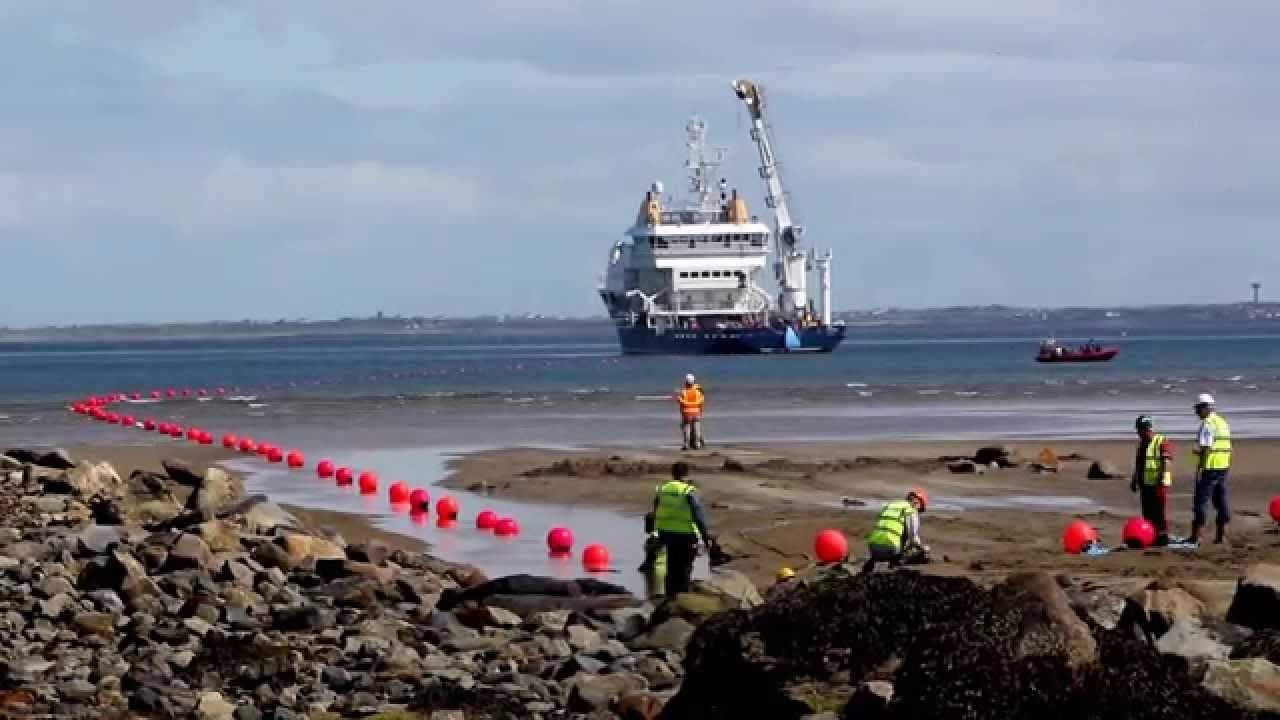
    China Unicom Global, in partnership with Cambodia’s Ministry of Posts and Telecommunications (MPT), has made significant strides in the global telecommunications arena with the successful landing and installation of the Sihanoukville-Hong Kong (SHV-HK) submarine cable system. This monumental achievement establishes a direct digital link from Sihanoukville, Cambodia to the Tseung Kwan O Industrial Estate in Hong Kong SAR.

    First State-Owned International Submarine Fiber-Optic System in Cambodia

    The collaborative venture between the MPT and China Unicom Global has produced the inaugural state-owned international submarine fiber-optic system in Cambodia. Produced and deployed by HMN Tech, this significant investment, costing an estimated USD 165 million, is set to enhance high-capacity optical transport across the South China Sea.

    The SHV-HK subsea system spans an impressive 2,938 kilometers and features a main trunk with two additional stub cables, paving the way for potential expansions in the future. Boasting a design capacity of a whopping 80 Terabits per second across four fiber pairs, this cable has the capacity to support over 3.2 million simultaneous streams of 4K ultra-high-definition video or manage massive enterprise cloud transfers.

    Hong Kong’s Role in the Ambitious Project

    China Unicom Global is managing the Hong Kong segment of this ambitious project. The cable reaches the shore at a Beach Manhole (BMH) specifically located in the Tseung Kwan O Industrial Estate. Supplementing the overall infrastructure are the Power Feeding Equipment (PFE) and Submarine Line Terminal Equipment (SLTE) located at China Unicom Global’s global center and cable landing station in the Tseung Kwan O Industrial Estate. These installations will guide traffic effectively into the major local carrier-neutral data centers.

    Questions & Answers

    What is the length of the SHV-HK submarine cable system?
    The SHV-HK submarine cable system stretches for approximately 2,938 kilometers.

    What capacity does the SHV-HK submarine cable system hold?
    The cable system has a design capacity of up to 80 Terabits per second, which can support over 3.2 million simultaneous streams of 4K ultra-high-definition video or extensive enterprise cloud transfers.

    Who are the key players involved in this project?
    China Unicom Global and Cambodia’s Ministry of Posts and Telecommunications (MPT) have partnered to complete this project, with HMN Tech manufacturing and deploying the cable system.

  • Riding the Durian Express: Cambodia Boosts Exports to China with 5,700 Tons of Fresh Fruit

    Riding the Durian Express: Cambodia Boosts Exports to China with 5,700 Tons of Fresh Fruit

    In the first seven months of 2026, Cambodia managed to export a significant amount of fresh durians to China. Specifically, 5,738 metric tons of the fruit were exported, largely due to improvements in overland logistics. This advancement has been credited to the Ministry of Agriculture, Forestry and Fisheries, with the undersecretary of state, Khim Finan, highlighting the opening of a new overland route from Cambodia to China via Laos as a key factor.

    Boosting Trade via Overland Route

    The implementation of this new land route has not only opened fresh avenues of trade but also significantly reduced transit times. As Mr. Finan pointed out, the duration has been slashed from 15-20 days by sea to just 5 days overland. This route was officially inaugurated in late June and serves as a convenient channel for transporting a range of Cambodian agricultural products to China.

    The list of approved commodities for transport through this route includes bananas, mangoes, rice, Pailin longan, cassava starch, and durian. Each of these products has received official approval for shipment, boosting Cambodia’s export potential.

    Chinese Market’s Fondness for Durian

    China holds the distinction of being the world’s largest market for durian. In the previous year, China purchased an impressive 1.87 million tons of the fruit, amounting to a total worth of US$7.49 billion.

    The first half of this year has already seen an import of 1.07 million tons. Thailand remains the largest supplier, accounting for 81% of the total durian delivered to China. Vietnam follows close behind, contributing 18% to the supplies, while the remaining stocks are provided by Malaysia and the Philippines.

    Cambodia’s fresh durian exports to China have been on a sharp incline since July of the previous year. This was when the first shipment was sent after Chinese authorities granted approval to over 100 durian farms and 30 packaging facilities in Cambodia.

    Durian is the fifth fresh fruit from Cambodia to be given direct access to the Chinese market. It joined the ranks of bananas, mangoes, longans, and coconuts that have been enjoying this privilege.

    It was reported that Cambodia has more than 11,000 hectares devoted to durian cultivation, which yields an estimated 120,000 tons of the fruit annually.

    Questions & Answers

    What led to Cambodia’s significant export of fresh durians to China?
    The exports were largely facilitated by the opening of a new overland route from Cambodia to China through Laos, reducing transit times considerably.

    What are the other agricultural products Cambodia exports to China via this route?
    In addition to durian, Cambodia also exports bananas, mangoes, rice, Pailin longan, and cassava starch to China through this route.

    What is the significance of durian in the Chinese market?
    China is the world’s largest market for durian, having purchased 1.87 million tons of the fruit worth US$7.49 billion in the previous year.

  • Cambodia Adjusts 2026 Growth Forecast Down to 4.2% Amid Global Crises and Climate Change Impacts

    Cambodia Adjusts 2026 Growth Forecast Down to 4.2% Amid Global Crises and Climate Change Impacts

    The Cambodian Government has revised its economic growth expectation for 2026, dropping it from an earlier prediction of 5% to a more conservative 4.2%. Prime Minister Hun Manet, in the recently published medium-term fiscal framework for 2027-2029, cited a number of global crises as the reasons for this adjustment.

    Challenging Global Crises

    The Prime Minister indicated that Cambodia is undergoing a transition in the midst of prolonged global difficulties. This includes the rise in protectionism, trade conflicts, geopolitical and geoeconomic strife, and escalating impacts from climate change and natural disasters.

    The report also highlighted three consecutive storms that struck Cambodia in the past two years, causing significant damage. Additional challenges noted include the reciprocal tariff policies rolled out during former US President Donald Trump’s tenure, the ongoing border dispute between Cambodia and Thailand, and the turmoil in the Middle East which has led to an energy crisis.

    Future Economic Forecast

    Amid these struggles, the growth forecast for 2027 has also been decreased from 5.5% to 5%, as the economic drag from 2026 is anticipated to carry over into the following year. However, the government remains optimistic that growth will bounce back to an average of approximately 5.5% between 2028 and 2029. This projection is based on the expectation that socio-economic activities will gradually recover to pre-crisis levels.

    Questions & Answers

    **What is Cambodia’s revised economic growth forecast for 2026?**
    The Cambodian Government has reduced its economic growth forecast for 2026 to 4.2%, down from an initial projection of 5%.

    **What are some of the global crises affecting Cambodia’s economy?**
    Cambodia’s economy is being impacted by a series of global crises, including escalating protectionism, trade wars, geopolitical and geoeconomic tensions, and the increasing effects of climate change and natural disasters.

    **What is the anticipated economic growth for Cambodia beyond 2026?**
    Despite lower forecasts for 2026 and 2027, the Cambodian Government expects that economic growth will rebound to an average of around 5.5% from 2028 to 2029 as socio-economic activities gradually return to pre-crisis conditions.

  • Cambodia Slashes Import Duties on EV’s, Solar Devices, and Electric Stoves to Counter Rising Fuel Prices

    Cambodia Slashes Import Duties on EV’s, Solar Devices, and Electric Stoves to Counter Rising Fuel Prices

    In a bid to alleviate the repercussions of escalating global fuel costs resulting from the Middle East conflict, Cambodia has chosen to diminish import duties on electric vehicles (EVs), electric stoves, and solar-powered appliances.

    Curtailing Import Duties

    On March 29, the General Department of Customs and Excise disclosed that the government has resolved to slash import duties from an initial 35% to zero on passenger EVs, electric stoves, and toasters.

    The government further resolved to decrease import duties from 35% to a mere 7% on passenger plug-in hybrid electric vehicles (PHEVs).

    In addition, import duties on chargers for EV batteries, electric rice cookers, and solar lamps have been reduced from 7% to zero.

    New Tariffs from April

    The fresh tariff rates are set to commence on April 1.

    These measures are a response to the dramatic acceleration of fuel prices since the beginning of the Middle East conflict. The government hopes that by reducing import duties on these items, it will encourage more people to switch to using energy-efficient and eco-friendly products, therefore, decreasing the country’s reliance on imported fuels.

    Questions & Answers

    Why is Cambodia reducing import duties on these specific items?
    The government is encouraging the use of energy-efficient and eco-friendly products to lessen the country’s reliance on imported fuels, whose prices have soared due to the Middle East conflict.

    What are the new import duty rates for these items?
    Import duties have been reduced from 35% to zero for passenger EVs, electric stoves, and toasters. For passenger PHEVs, the rate has been reduced to 7% from 35%. Meanwhile, import duties for EV battery chargers, electric rice cookers, and solar lamps have been reduced to zero from a previous rate of 7%.

    When will these new tariff rates take effect?
    The new tariff rates are set to go into effect from April 1.

  • Cambodia Ramps Up Fuel Imports from Singapore and Malaysia Amid Middle East Conflict

    Cambodia Ramps Up Fuel Imports from Singapore and Malaysia Amid Middle East Conflict

    Cambodia has been increasing its fuel imports from Singapore and Malaysia in a bid to compensate for supply shortages caused by ongoing conflict in the Middle East, which continues to hamper global fuel supply chains. The Minister of Mines and Energy for Cambodia, Keo Rottanak, communicated this on Wednesday.

    Fuel Stations and Supply

    Last week, Rottanak reported, approximately one-third of the nation’s 6,300 fuel stations were temporarily closed due to worries about the conflict’s effect on fuel prices. However, the situation has since improved, and now only 5.77% of stations still remain closed.

    Rottanak also pointed out that Cambodia is augmenting its fuel imports from Singapore and Malaysia, while its usual suppliers are making every effort to keep exports steady amid increasingly strained supply conditions.

    Increasing Imports

    Figures from Kpler indicate that during the first 18 days of the current month, gasoline and diesel exports from Singapore and Malaysia to Cambodia have risen by 25% compared to the same period in 2025. However, this is a 40% decrease compared to the last 18 days of February.

    Fuel Reserves and Energy Security

    According to the minister, the fuel reserves of Cambodia are presently at levels similar to earlier periods. The country lacks a domestic oil refinery and usually keeps stocks of diesel, jet fuel, liquefied petroleum gas, and gasoline that suffice for less than one month under standard conditions.

    The Cambodian government is taking steps to bolster its energy security and lessen geopolitical risks. Preliminary discussions have been held this month with Woodside Energy, an Australian company, in an attempt to secure liquefied natural gas (LNG) supplies for a planned 900MW power plant that is expected to start operations in 2027.

    Renewable Energy and Future Plans

    Rottanak added that the shock from the Middle East has been partially mitigated in Cambodia thanks to the swift growth of renewable energy in the country. Overall fuel imports have remained relatively stable compared to the levels in 2022, bolstered by increased electrification from renewable sources. He underlined that the conflict underscores the pressing need to speed up the development of cross-border power grid connectivity among ASEAN nations.

    Questions & Answers

    What steps is Cambodia taking to address fuel supply shortages?
    Cambodia is increasing its fuel imports from Singapore and Malaysia. Its traditional suppliers are also working hard to maintain exports in spite of tough supply conditions.

    What is the current status of Cambodia’s fuel reserves?
    Cambodia’s fuel reserves are currently at levels similar to previous periods. The country typically maintains diesel, jet fuel, liquefied petroleum gas and gasoline stocks sufficient for less than one month under normal circumstances.

    What measures is Cambodia taking for energy security?
    The Cambodian government is enhancing its energy security by holding talks with Australia’s Woodside Energy to secure LNG supplies for a planned 900MW power plant. The government is also accelerating the development of cross-border power grid connectivity among ASEAN countries.

  • Cambodia Tightens Grip on Retail Fuel Sales to Ensure Safety and Stability

    Cambodia Tightens Grip on Retail Fuel Sales to Ensure Safety and Stability

    The Ministry of Commerce in Cambodia has sent out a public appeal to all citizens and fuel station owners to desist from hoarding fuel in an attempt to maintain a stable supply chain throughout the country. The public notice, issued on the 6th of March, further implores strict adherence to safety standards when selling and storing petroleum products, as a measure to mitigate any potential safety hazards.

    Emphasizing Risk Management in Fuel Trade

    The Ministry stressed on the importance of risk management in the processes of buying, selling, and storing fuel. This is deemed critical to protect consumers and preempt any accidents that could potentially result from unsafe storage practices. It also highlighted that improper or excessive storage of fuel can lead to severe risks, such as fire hazards that could pose a threat to properties and community safety.

    Appeal for Responsible Fuel Usage

    In the public notice, the Ministry further urged the citizenry to use fuel responsibly and refrain from panic buying or unnecessary stockpiling of fuel. The notice cautions that excessive storage could lead to unwarranted safety challenges.

    Continual Inspections by Regulatory Officials

    Simultaneously, officials from the Ministry’s General Department of Consumer Protection, Competition and Fraud Repression, in collaboration with provincial and municipal commerce departments and local offices of the Ministry of Mines and Energy, are conducting regular inspections of fuel stations across the country. These checks aim to ensure that the stations are in compliance with technical standards, maintain fair practices in fuel sales and proactively prevent any cases of opportunistic price manipulation or irregular price hikes.

    Questions & Answers

    What measures are being taken by the Cambodian Ministry of Commerce to ensure a stable fuel supply?
    The Ministry has issued a public notice urging the citizens and fuel station operators to avoid hoarding fuel and to adhere to safety standards when selling and storing petroleum products.

    What is the importance of risk management in the fuel trade as highlighted by the Ministry?
    The Ministry emphasizes that proper risk management in buying, selling, and storing fuel is critical to protect consumers and prevent accidents arising from unsafe storage practices.

    What is the purpose of continual inspections of fuel stations?
    The ongoing inspections by ministry officials aim to ensure that fuel stations comply with technical standards, maintain fair practices in fuel sales, and prevent opportunistic price manipulation or irregular price increases.

  • Hong Kong and Cambodia Unite to Crush Spam Communications: A Victory for Cross-Border Collaboration

    Hong Kong and Cambodia Unite to Crush Spam Communications: A Victory for Cross-Border Collaboration

    The Hong Kong Office of the Communications Authority (OFCA) and the Telecommunication Regulator of Cambodia (TRC) have agreed to a memorandum of understanding (MoU) aimed at bolstering their collaborative efforts in the fight against scam calls, scam messages, and other forms of spam communication.

    Strengthening Regulatory Cooperation

    The MoU was signed on January 26th during a bilateral meeting between Mr. Chaucer Leung, the Director-General of Communications for Hong Kong, and Mr. Chenda Thong, the Chairman of Cambodia’s TRC. This agreement sets out a comprehensive framework that will facilitate closer cooperation and a more streamlined exchange of information between the two regulatory bodies.

    The outlined areas of focus include regulatory practices, public awareness campaigns, and the development of technological practices specifically designed to mitigate the impact of scam and spam communications, such as voice calls and SMS messages.

    Shared Commitment to Tackling Scam and Spam Communications

    Commenting on the significance of the MoU, Mr. Chaucer Leung noted its importance in facilitating the sharing of expertise and experiences in battling scam and spam communications. He elaborated that it would also encourage the timely sharing of insights regarding emerging market trends and developments, allowing both regulators to identify and effectively tackle evolving scams and spam threats in Hong Kong and Cambodia. The MoU, according to Mr. Leung, is a clear demonstration of their joint commitment to devising and improving measures to effectively handle scam and spam communications.

    Measures in Place in Hong Kong

    In Hong Kong, the OFCA has been collaborating closely with telecommunications service providers and government departments to maintain the integrity of its communications network. These efforts have seen the implementation of key measures such as requiring operators to block suspected fraudulent phone numbers and websites, barring suspicious inbound calls that attempt to spoof the +852 Hong Kong prefix, the introduction of the SMS Sender Registration Scheme, and the enforcement of the Real-Name Registration Program for SIM cards.

    Questions & Answers

    What is the main focus of the MoU signed between the Hong Kong OFCA and the Cambodian TRC?
    The MoU provides a framework for cooperation and information sharing between the two regulators, aimed at combating scam and spam communications. This includes voice calls and SMS messages.

    Who signed the MoU on behalf of the two countries?
    The MoU was signed by Mr. Chaucer Leung, the Director-General of Communications for Hong Kong, and Mr. Chenda Thong, the Chairman of Cambodia’s Telecommunication Regulator.

    What measures have been implemented in Hong Kong to tackle scam and spam communications?
    In Hong Kong, various measures have been put in place. These include requiring operators to block suspected fraudulent phone numbers and websites, barring suspicious inbound calls spoofing the +852 Hong Kong prefix, implementing the SMS Sender Registration Scheme, and enforcing the Real-Name Registration Program for SIM cards.

  • Cambodia Ushers in Digital Transformation with Nationwide 5G Launch in 2026

    Cambodia Ushers in Digital Transformation with Nationwide 5G Launch in 2026

    Cambodia is preparing to introduce 5G mobile services as of January 1, 2026, as reported by the Ministry of Post and Telecommunications. The three major mobile operators in the region, Cellcard (CamGSM), Metfone (Viettel Cambodia), and Smart (Smart Axiata), have already constructed telecommunications antenna stations and equipped these locations with the necessary 5G network infrastructure.

    5G Services Rollout

    Coinciding with New Year’s Day celebrations, customers across the three mobile operators will gain access to 5G services right from 12:01 a.m. on January 1, 2026. The initial phase of the rollout will see 5G services made available in key areas including the capital city, Phnom Penh, and various regions in Siem Reap, Kandal, Svay Rieng, Kampong Speu, Takeo, Kampong Cham, Kampong Thom, Prey Veng, Kratie, Kampong Chhnang, Pursat, Preah Sihanouk, Stung Treng, and Kampot.

    There are plans for subsequent phases to extend the coverage of 5G services throughout the other provinces of the Southeast Asian country.

    The Impact of 5G Services

    The launch of 5G services is anticipated to significantly propel digital evolution across the economic and societal landscape. Key benefits include faster internet speeds compared to the existing 4G, the simultaneous connection of multiple devices, reduced latency, and augmented efficiency in delivering digital public services.

    The new 5G services represent more than just enhanced internet speed. They symbolize an essential digital infrastructure underpinning Cambodia’s digital future. This development is expected to foster innovation and spawn new opportunities.

    As per data from the Ministry of Post and Telecommunications, Cambodia has approximately 19.6 million internet subscribers and around 20.6 million mobile phone users. These figures exceed the country’s total population of 17 million, owing to some individuals subscribing to multiple internet or phone services.

    Questions & Answers

    When will 5G services be launched in Cambodia?
    5G services are set to be launched in Cambodia on January 1, 2026.

    What are some benefits of 5G services?
    Key benefits of 5G services include faster internet speeds, the ability to connect multiple devices simultaneously, low latency, and enhanced efficiency in delivering digital public services.

    What does the introduction of 5G services signify for Cambodia?
    The introduction of 5G services indicates a significant step toward a digital future for Cambodia, expected to foster innovation and create new opportunities.