Tag: Cambodia

  • Growth plan for Starbucks Vietnam and Cambodia

    Growth plan for Starbucks Vietnam and Cambodia

    Dairy Farm Group says it plans to expand its Starbucks Hong Kong and Vietnam networks.

    Last year, Dairy Farm opened six new Starbucks Vietnam cafes and its first in Cambodia – in the capital city Phnom Penh last December.

    “This new market offers significant opportunities as there is no dominant market player,” said CEO Graham Allan. “The group is currently working to fully understand local tastes and preferences.”

    In Vietnam, the company says it will continue – for now – to focus expansion in the main cities of Ho Chi Minh and Hanoi.

    Starbucks operations in Vietnam, Cambodia and Hong Kong – where the network is also set to be expanded this year – is operated by Dairy Farm’s restaurant subsidiary Maxim’s.

    “Maxim’s delivered another year of solid results,” Allan said in the company’s annual operational review.

    “Expansion of its Chinese casual dining restaurants and Japanese restaurants continue in Mainland China.”

    Maxim’s opened 44 net new outlets during the year, including six in Mainland China and the new Starbucks outlets.

    Dairy Farm’s restaurants division reported US$1.9 billion in total sales, representing an increase of 8 per cent year-on-year, while the profit contribution increased by 9 per cent as the business delivered another year of record earnings.

    “Looking ahead, the macro economy and local business environments are expected to be challenging in 2016, with continued currency volatility and fragile consumer confidence,” said Allan.

    “The group sees exciting prospects, however, with a number of establishments opening at the Shanghai Disney Resort in June 2016, including the staff canteen, The Cheesecake Factory and Japanese chain concepts Ippudo and Dondonya.”

    He said besides expanding in Vietnam and Cambodia, Maxim’s will continue to explore further opportunities for acquisitions and/or franchising throughout Asia.

  • SHB new Club sponsor in Vietnam, Laos & Cambodia

    SHB new Club sponsor in Vietnam, Laos & Cambodia

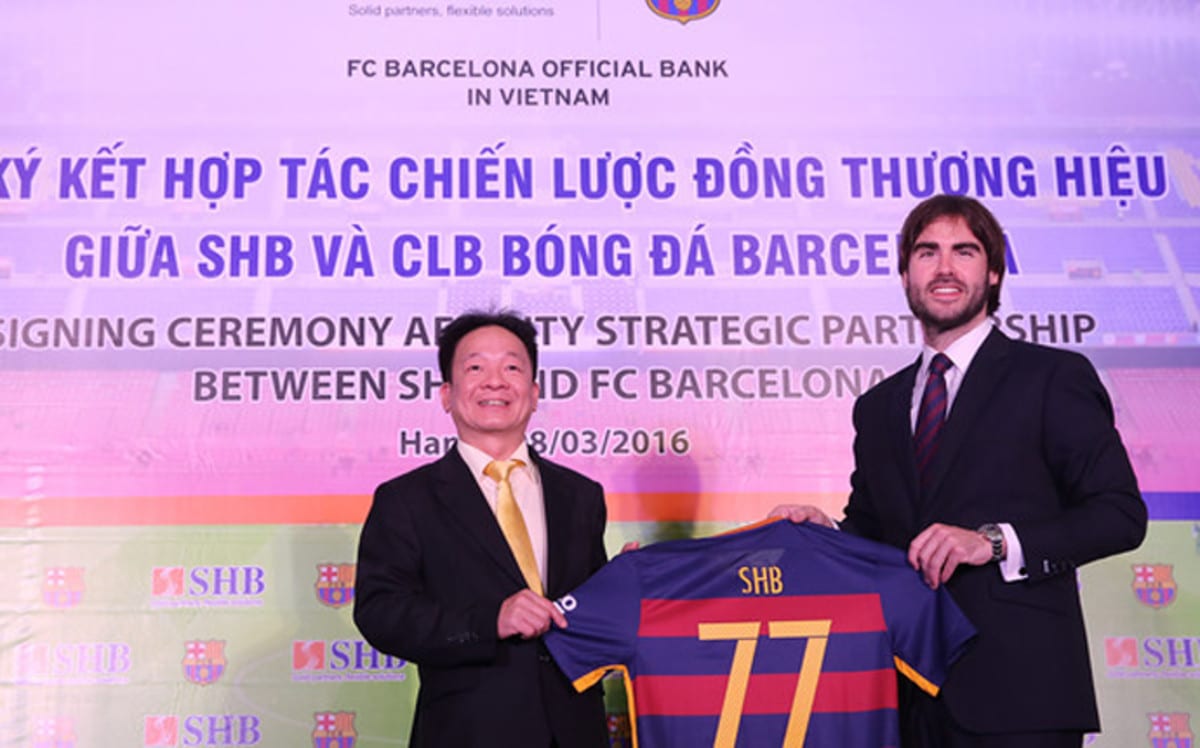
    On 8 March 2016 in Hanoi, FC Barcelona unveiled a sponsorship agreement with Saigon – Hanoi Commercial Joint Stock Bank (known as SHB), the top 5 Private Commercial Banks in Vietnam. This agreement will make SHB the first and only banking partner of FC Barcelona in Vietnam, Laos and Cambodia and enable SHB to open various business opportunities in retail sector in the territories, and bring the club closer to the Vietnamese Barça fans.

    A signing ceremony was held in Melia Hanoi Hotel today. Xavier Asensi, Asia-Pacific Managing Director, attended the event in representation of FC Barcelona, while SHB was represented by Chairman Do Quang Hien and CEO Nguyen Van Le. The ceremony also received the participation of the Representative of Vietnam Football Federation (VFF) – Mr. Tran Quoc Tuan, Vice President, Mr. Nguyen Xuan Gu, Vice President, as well as the coach of local football team SHB Da Nang Football Club, Mr. Le Huynh Duc.

    Strategic partnership for SHB and FC Barcelona

    With this partnership begins, SHB and FCB will cooperate to expand the Barça fan base in Vietnam, Laos and Cambodia. SHB also aims at opening up great business opportunities in retail sector through the development of co-branded cards in the territories. In the time to come, SHB will organize exchange and fan activities in the territories as well as bringing the local Barça fans to Camp Nou, contributing to build the foundation of culture, tradition and Barça spirit we found in millions of our fans.

    Statement by Manel Arroyo, FC Barcelona Vice president, Marketing and Communication department

    “The signing of this new regional sponsorship deal reaffirms our interest in increasing our presence in this continent and also reflects how our Club is gaining notable levels of popularity in this strategic zone, which is encouraging us to continue focusing our presence in Southeast Asia. The agreement with SHB also means a partnership with a highly prestigious entity and will be the vehicle for the name and colours of FC Barcelona to spread to Vietnam, Laos and Cambodia. FC Barcelona’s experience shows that football is a driver that generates cooperation and success, and hand in hand with SHB, we hope to achieve major social objectives.”

    Statement by Xavier Asensi, FC Barcelona Asia Pacific Managing Director:

    “We are so happy to have SHB as our first ever bank partner in Vietnam, Laos and Cambodia. Through partnering with SHB, we will be closer to the 90 million Vietnamese, including a growing fan community. SHB is young and taking up the leading part in the industry; while FCB is deep-rooted and has been successful in defending the glory. I do believe that the collaboration between these two different but yet, similar entities will create a huge buzz and synergy.”

    SHB, a dynamic bank

    SHB has become one of the leading urban banks in Vietnam with the image of a dynamic, modern, and efficient bank after establishment from 23 years ago. By the end of 2015, SHB total assets reached more than VND 205,000 billion, charter capital of nearly VND 9,500 billion with 7,000 employees and transaction network of more than 500 points all over Vietnam and overseas. Not only having an extensive presence in Vietnam, SHB is currently the second Vietnamese private Bank which opened a 100% foreign capital Bank in Laos in January 2016. Along with 4 branches operating in Cambodia, the reputation and financial capacity of SHB have been appreciated in Indochina. SHB has always actively participated in social and charity activities making great contributions to the development of the community, especially sports.

    Statement by Do Quang Hien, Chairman of SHB:

    “The partnership between SHB and FC Barcelona may be considered a perfect cooperation of the leaders. SHB and FC Barcelona share the commons in brand and development philosophy on the road to success, the objective of sustainable development and the desire of devoting to fans and customers. SHB is proud to be the first and only partner bank of FC Barcelona in Vietnam, Laos and Cambodia. This is not only a business opportunity for SHB but firstly it is for a large number of football fans in particular, sports fans in general. Customers are now able to see, feel, and more easily access to their idols daily, hourly … when using and enjoying benefits of Barça – SHB co-branded card and banking products. Moreover, this is also an opportunity for SHB to contribute to the promotion of a beautiful, peaceful, hospitable, dynamic and deeply imbued with the culture Vietnam all over the world.”

  • Pernod Ricard Asia troubles parent

    Pernod Ricard Asia troubles parent

    Despite difficulties in Asian travel retail, particularly in Korea, liquor supplier Pernod Ricard reports solid first-half 2015/2016 results totalling €5b ($5.7b) and organic growth of 3 per cent.

    It says the results represent a continued gradual improvement apart from difficulties for the Chivasbrand in the pernod Ricard Asia portfolio.

    There was a negative mix driven by geography – growth in India vs. a decline in China. Overall in Asia, the company had 5 per cent growth (or 4 per cent, taking into account the changing dates of the Chinese New Year) with double-digit growth in India. However, China declined by 2 per cent (down 8 per cent adjusting for Chinese New Year).

    “Our half-year results are solid, delivering a continued improvement in sales,” says chairman and CEO Alexandre Ricard. “Our strategy has remained consistent and is driving results, in particular in terms of innovation.”

    He says the company plans to continue improving its performance and will continue to support priority markets, brands and innovations.

    Pernod Ricard includes Cambodia, China, India, Indonesia, Malaysia, Sri Lanka, Thailand, The Philippines and Vietnam in its emerging markets, and lists its top 14 brands for organic growth as Absolut, Ballantine’s, Beefeater, Chivas Regal, Havana Club, Jameson, Kahlua, Malibu, Martell, Mumm, Perrier-Jouët, Ricard, Royal Salute and The Glenlivet.

    Formed in 1975 by the merger of Ricard and Pernod, the company has a workforce of about 18,000 people. Its decentralised organisation has six brand companies and 80 market companies in each key market.

  • Brioni Cambodia opens in Phnom Penh

    Brioni Cambodia opens in Phnom Penh

    Italian luxury menswear brand Brioni has opened its first boutique in Cambodia, at the luxury Vattanac Capital Mall in the heart of Phnom Penh’s emerging business and financial district.

    It was launched with a private cocktail event featuring evening jackets from the Brioni archive and representing seven decades of the brand’s history.

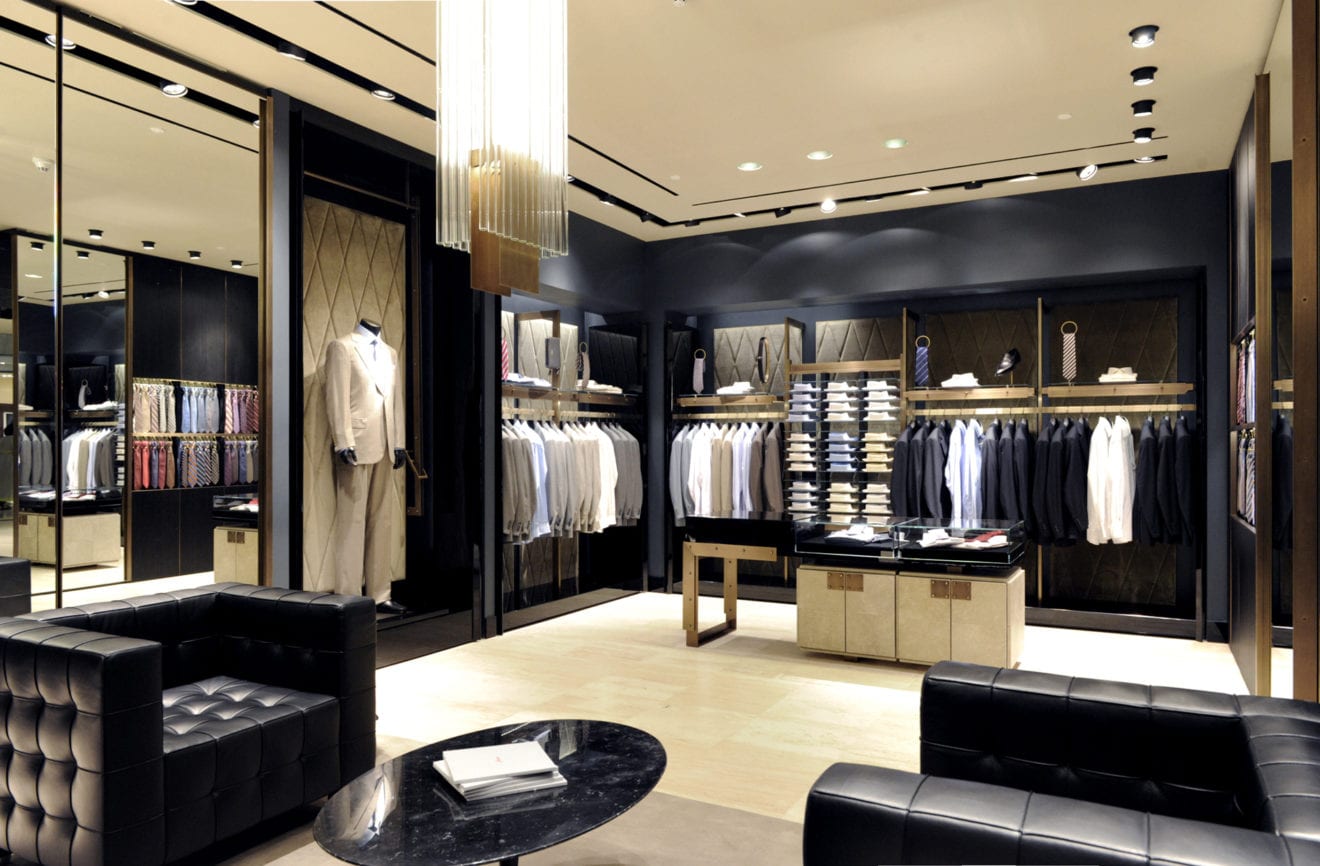
    Covering 100 sqm, the inaugural Brioni Cambodia boutique offers formalwear, leisurewear and accessories in an atmosphere that is described as melding the masculinity of a gentleman’s club with the elegance of a private “dressing room”. Both traditional and contemporary in approach, it features glass surfaces and bronzed brass, Eramosa marble, bahia wood with brass inserts, Navona travertine floors, and ceilings enriched with a sophisticated lighting system.

    “The economy in this market is seeing robust growth and we believe in its potential,” says Brioni CEO Gianluca Flore.

    Founded in Rome in 1945, Brioni designs, develops and manufactures exclusive Su Misura garments and ready-to-wear collections as well as leather goods (handbags, small leather goods and luggage), shoes, eyewear and fragrance. The house of Brioni is part of global luxury and sport and lifestyle group Kering.

  • Mobile World crossing borders

    Mobile World crossing borders

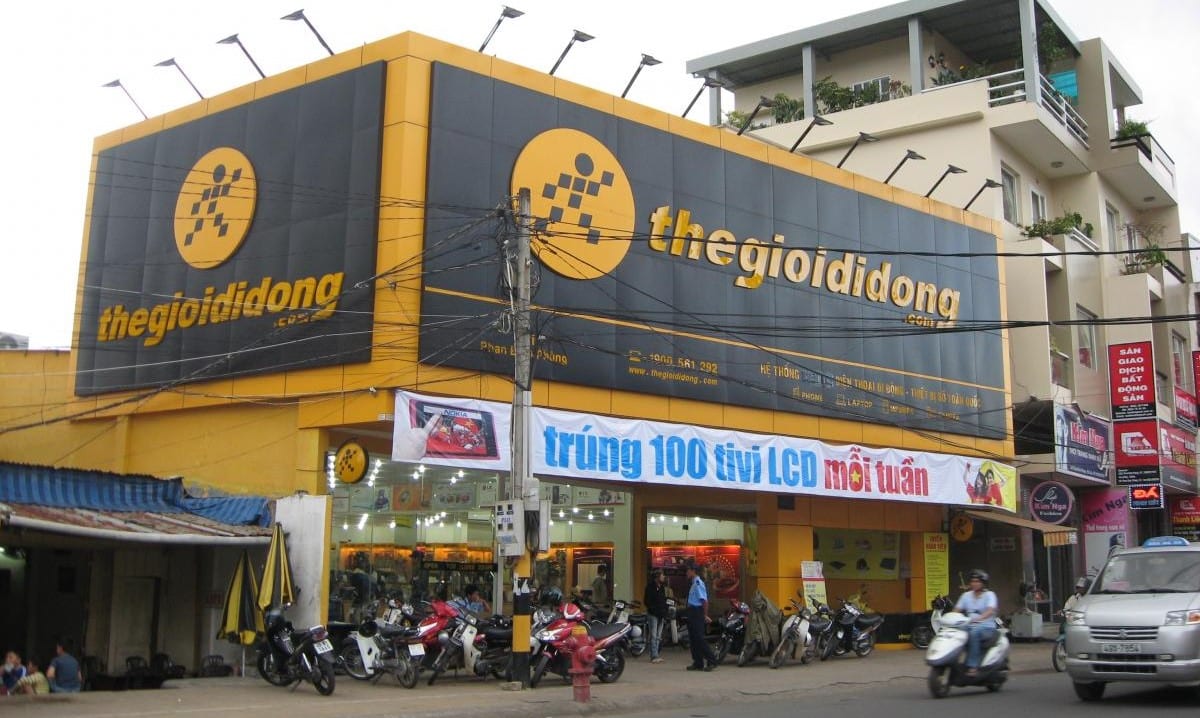
    As well as electronics and mobile phones, its usual products, Vietnamese chain Mobile World is planning to distribute groceries in its first stores in Cambodia, Laos and Myanmar.

    CEO Tran Kinh Doanh says the stores will open early next year.

    Meanwhile, he has revealed two goals – to become one of the biggest eCommerce firms in Vietnam, and to bring in revenue of about VND34,000 billion (US$1.51 billion) this year. This would provide an after-tax profit of VND1400 billion – up VND400 billion on the past financial year.

    With 70 stores and a distribution network covering 42 provinces and cities, Mobile World last year earned VND25,000 billion, giving an after-tax profit of VND1000 billion. Both revenue and profit grew by 60 to 70 per cent. Online sales contributed less than 10 per cent of total revenue.

    Mobile World opened more than 200 cellphone stores last year, taking its total to 550, and this year it plans to expand its network to all 63 provinces and cities in Vietnam to become the second-largest electronic and mobile phone retail chain in the nation.

    It decision to join the food market with 13 stores was announced late last year. The corporation has 17,000 employees, expecting to grow this to about 26,000 people.

  • Aeon booms despite ‘harsh’ retail conditions

    Aeon booms despite ‘harsh’ retail conditions

    Against a background of rising consumer prices, harsh retail conditions and increased competition in the shopping centre industry, Japanese developer Aeon opened four new malls in its home country last year and expanded regionally.

    It also renovated existing malls in Japan, and set up promotional programs to stimulate the market.

    Overseas, the company has been working to establish a business foundation with the aim of attracting customers to its malls in China and the ASEAN region, which it reports have been performing well. It has also added three malls in China, opened its first mall in Indonesia and launched its third in Vietnam. It has also announced plans to build a new luxury mall in Bangkok.

    Aeon’s operating revenue for the three quarters totalled 167,704 million yen ($1.4 billion), which is a 113.4 per cent year-on-year increase.

    However, because of expansion, operating costs rose 116.8 per cent year on year to 120,848 million yen, resulting in a gross profit of 46,856 million year (up 105.6 per cent).

    But in an extraordinary loss, the company incurred expenses of 1838 million yen when it closed Aeon Mall Neyagawa and Aeon Mall Fujidera, both in Osaka. This led to a decline in net income to 14,944 million yen (83.8 per cent).

    Several new malls were opened, including, in March, Aeon Mall Asahikawa Ekimae in Hokkaido, which is directly connected to a railway station; in April, Aeon Mall Okinawa Rycom, which has the concept of being a fully fledged resort mall; and in July, Aeon Mall Tonami, Toyama. As the Hokkaido and Okinawa malls are in leading tourist spots, their services were bolstered for foreigners. Meanwhile, the Okinawa mall has started accepting group tours in co-operation with nine travel agencies.

    Replacing Aeon Tonami Store, which closed in 2013, Aeon Mall Tonami opened in an area undergoing urban development, and in October opened Aeon Mall Shijonawate in Osaka, which has one of the largest food offerings in the region.

    Aeon also renewed five malls in the third quarter in addition to the six malls upgraded during the first half, including Aeon Lake Town in Koshigaya City. This comprises three individual malls – Kaze urban mall, Mori lifestyle mall and the Lake Town Outlet – making the complex one of the largest shoppings malls in Japan.

    Overseas, Aeon saw its revenue rise to 7795 million yen (up 186.4 per cent) in China, with an operating loss of 2994 million yen. Openings included Aeon Mall Suzhou Yuanqu Hudong, its second mall in Jiangsu Province, in May; Aeon Mall Beijing Fengtai, its second mall in the capital, in September; and Aeon Mall Hangzhou Liangzhu Xincheng, its first mall in Zhejiang Province, in November. This brings its number of malls in China to nine.

    A series of explosions on August 12 damaged part of Aeon Mall Tianjin Teda. Business was suspended, but general merchandise store Aeon resumed selling food and daily necessities on September. Business resumed for the rest of the mall on November 1.

    ASEAN business saw a revenue rise of 493.1 per cent to 2617 million yen, with an operating loss of 729 million yen. In October, Aeon Mall Long Bien became its first outlet in the Hanoi area and the third in Vietnam.

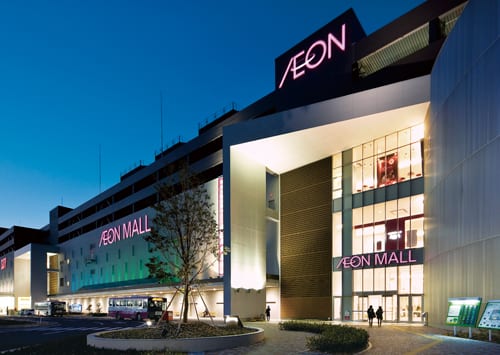
    Aeon Mall Phnom Penh opened in June 2014 as the company’s first mall in Cambodia, attracting more than 15 million customers in its first year. In Indonesia, BSD City in Tangerang, Banten Province, which opened in May as the first Aeon mall in Indonesia, also performed strongly.

    In its fiscal statement, the company says overseas business is considered as the driver of future growth, but is still at the stage of upfront investment and has yet to contribute to profits.

    In its information on its operating forecast, the company talks about its development plans for the Aeon Mall Tokoname in Japan, which opened in December. There was also an extension to the Aeon Mall Chikushino in the Fukuoka Prefecture, plus a revamp.

    Meanwhile, the company aims to cut costs through improved operations using the economies of scale with more than 140 malls in Japan.

    In China, also in December, the company opened Aeon Mall Wuhan Jingkai as its second property in Hubei Province, and Aeon Mall Guangzhou Panyu Square as its first mall in Guangdong Province. This month it is opening its third mall in Jiangsu, Aeon Mall Suzhou Xinqu, and plans to roll out dominant stores in Beijing-Tianjin, Jiangsu Province-Zhejiang Province, Hubei Province and Guangdong Province.

    In the ASEAN region, construction work has started on Aeon Mall Jakarta Garden City with another mall planned to open in Bogor, West Java Province, in October. New malls are also planned for Vietnam and Cambodia.
  • Fashion brands targeted in Cambodian minimum wage push

    Fashion brands targeted in Cambodian minimum wage push

    Lobby group the Clean Clothes Campaign aims to shame the world’s large fashion brands into supporting a Cambodian minimum wage rise.

    The CCC says it is lobbying on behalf of a coalition of Cambodian unions that the multinational brands must ensure a minimum wage of US $177. Thousands of women and men in Cambodia and around the world, have worn stickers saying “brands must provide a living wage for workers!” in factories which produce apparel for major global brands such as H&M, Inditex, Levi’s and Gap.

    The campaign is co-ordinating ongoing action in Asia, the US and Europe.

    In October, the Labour Advisory Council (LAC), a tripartite wage-setting body, voted to approve a new minimum wage of $140, to be implemented in January 2016 for Cambodia’s 700,000 garment workers, despite objections from a number of unions.

    “This insufficient $12 wage increase is a slap in the face to workers who have been organising for over a year to demand a fair minimum wage of $177,” said the CCC.

    A coalition of Cambodian unions are joining together to demand that the brands immediately ensure a minimum wage of US $177 is paid in their Cambodian suppliers and negotiate directly with Cambodian unions a binding agreement to achieve living wages, decent purchasing practices, stable employment, and union rights for the long-term.

    “Some brands, such as H&M and Adidas, have made public statements that they support a living wage for workers in their supply chains. However, these assertions ring hollow to workers who often work excessive overtime and still cannot provide for the basic needs of themselves and their families.”

    Athit Kong, VP of C.CAWDU, an independent union in Cambodia, says the $12 increase does not reflect the real basic needs of the workers, “especially in light of the enormous profits of multinational brands”.

    “It is clear that the only solution to poverty wages in the garment industry is genuine collective bargaining between brands, as the principal employers, and the garment unions.”

    A Global Action Day is planned for December 10, International Human Rights Day. Workers and campaigners from all over the world will show support to the Cambodian workers with workplace actions, fashion mobs, catwalks, and other store actions.

    Mirjam van Heugten from CCC, says brands sourcing from Cambodia cannot expect the women and men working in their factories to accept “these bread crumbs”.

    “The workers effectively slave themselves at factories, only for the brands to make huge profits. The targeted brands such as H&M and Inditex must put their leadership claims into practice by making sure all garment workers receive a living wage.”

  • Parkson expands into food to stem losses

    Parkson expands into food to stem losses

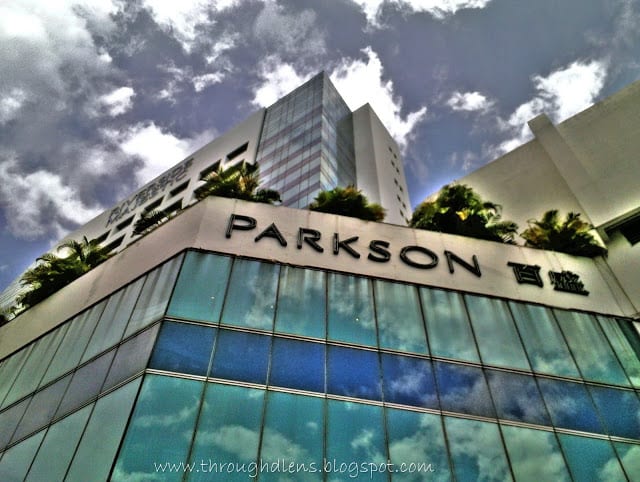
    Hit with a 15 per cent sales slump since the introduction of GST in Malaysia, embattled department store operator Parkson is set to enter new categories – gourmet food, supermarkets, beauty  – and import new fast fashion brands.

    The company has invested RM100 million (US$22.8 million) into a rebranding and repositioning project.

    It will also introduce variations of its reform into other countries where it operates: Vietnam, Indonesia, China, Myanmar and Cambodia.

    Parkson Retail Asia director Datuk Magic Lee said in a media briefing that the group expected sales to fall as much as 15 per cent after GST came into effect and that the company has also been hit by a heavy devaluation of the ringgit.

    “We will keep doing this. Retail needs to keep changing or it will get boring. We will continue investing in new businesses, bringing in new brands, even in food and beverage. We plan to bring in a bakery in the future.”

    Parkson plans to launch three “affordable” fast fashion brands from Korea into Malaysia soon, targeting about RM60 million in annual sales from the stores in stores. Those brands are Spao, Mixxo and Who.A.U. The first concessions will open on November 27.

    Lee says the company plans to build a portfolio of about 100 brands in its apparel offer and will also continue to open new stores throughout the region.

    “At the moment, we are very aggressive in South-East Asia. In Malaysia, we open three or four new outlets each year, and in Indonesia between three and five outlets,” he said.

    “In Southeast Asia, we are still fairly competitive. Competition here [in Malaysia] is not so severe. Many strong brands have not come to Southeast Asia yet, so we can bring these brands in.”

    Lee says while the company expects the weak consumer sentiment in Malaysia to continue, the company plans to remain proactive “so when the market is ready, we are ready too”.

    He hopes the rebranding campaign will fuel at least a 50 per cent rise in sales year on year.

  • Worldhotels Expands the Frontier of Luxury with Sokha Phnom Penh Hotel & Residence

    Worldhotels Expands the Frontier of Luxury with Sokha Phnom Penh Hotel & Residence

    Occupying a luscious spot on the confluence of the Mekong, the Bassac and TonléSap, Phnom Penh is a city that has witnessed extreme ups and downs. Discover an enigmatic kingdom of fabled pagodas, thriving local markets, sweeping French boulevards and eclectic natural beauty with Sokha Phnom Penh Hotel & Residence, the newest addition to Worldhotels’ exclusive collection of 450 independent hotels worldwide.

    Strategically located on Chroy Changvar peninsula opposite the Royal Palace and an estimated 13km from Phnom Penh International Airport, Sokha Phnom Penh Hotel & Residence is an antidote to the chaotic cacophony of the city. With a host of top-notch amenities and exemplary service standards that expand the frontier of luxury, the hotel represents a new standard for five-star hospitality in Cambodia’s capital city. 

    Doorway to a bygone era

    Opportunities for cultural and historical discovery await travellers on Phnom Penh’s centuries-old attraction sites where strains of history combine in a vivid montage of French and Cambodian influences.

    Nearby sites of interest include Wat Phnom, the main temple perched on a grassy hilltop that marks the legendary founding place of Phnom Penh, accessible via a six-minute drive from the hotel. A resplendent symbol of the Kingdom, Phnom Penh’s Royal Palace is a nine-minute drive away. Located just north of the Royal Palace is the National Museum which houses the world’s earliest and rarest archaeological, religious and artistic Khmer artefacts from the fourth to the 13th century.

    From traditional souvenirs to fresh produces, shoppers can purchase a diverse range of merchandise at Phsar Thmey, or Central Market, a unique colonial-style building just a stone’s throw from the hotel. Guests may also embark on historical sunset cruises along the riverfront and contemplate the footprints of different generations that shaped Phnom Penh’s colonial era.

    Commodious accommodations fit for royalty

    Contemporary and bright; airy and inviting, guests will feel perfectly at ease in one of 523 tastefully appointed guest rooms and suites offered across eight categories, including the largest Deluxe room in Phnom Penh. The luxury of space extends to an expansive bathroom with freestanding bathtub and a separate walk-in rain shower.

    Bedecked in a soothing palette of cream and warm tones, most guest rooms afford views of the spectacular Chaktomuk River, or verdant greens that invigorate the senses. Each of these spacious havens features hardwood floors and elegant period furnishings that evoke a timeless refinement, replete with contemporary conveniences including Wi-Fi access, Japanese high-tech washlet, and flat screen LCD TV with international satellite channels. 

    Top-class meeting venues and recreational amenities

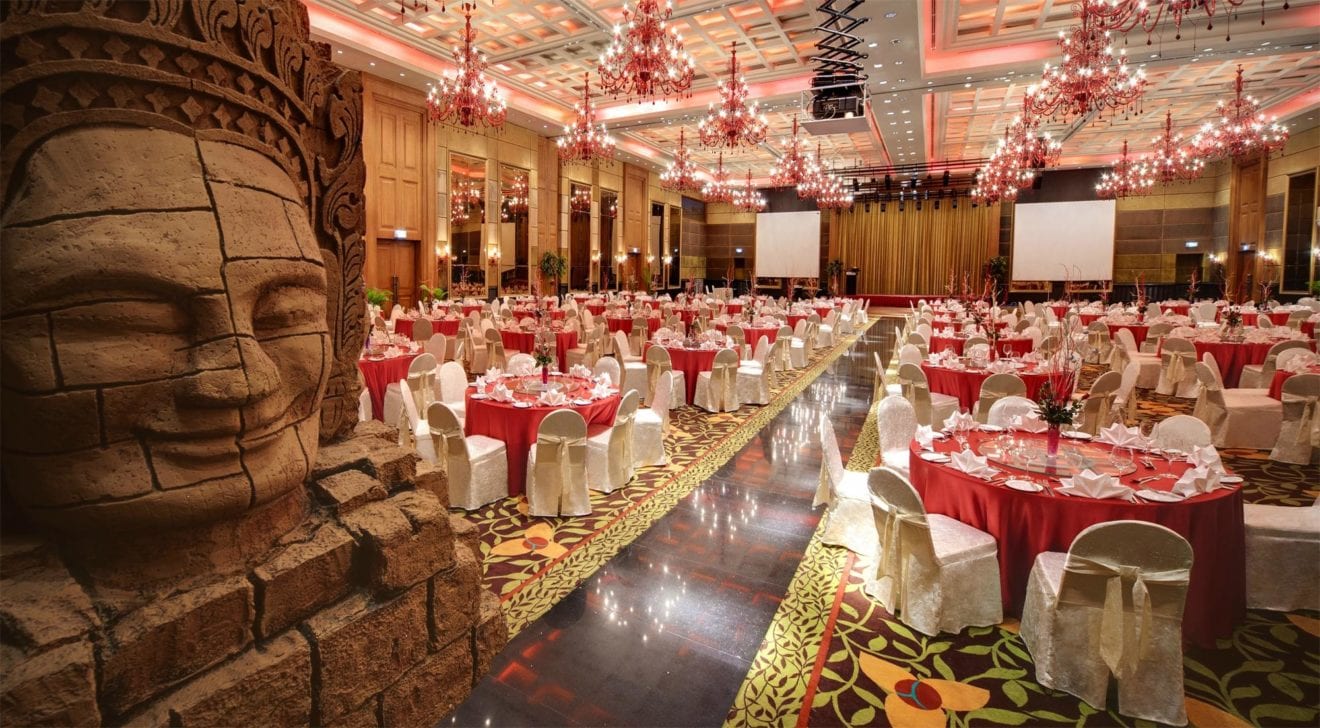
    An excellent venue for hosting a year-round calendar of conferences, meetings, private functions and dream weddings, Sokha Phnom Penh Hotel & Residence offers an extensive range of event spaces and meeting facilities including a 2,728 square-metre grand ballroom with a capacity of 3,100, arguably the kingdom’s largest ballroom.

    Eight highly-versatile function rooms – a combination of close to 900 square metres – can accommodate up to a total of 1,050 attendees. Coupled with leading edge audiovisual and modern translation equipment as well as high-speed internet access, the hotel prides itself on putting together events that engage and inspire.

    Sized at 1,650 square metres, the hotel also houses thelargest swimming pool in Phnom Penh that provides stunning views of the river. Among other offerings is a KTV Studio featuring 36 private karaoke rooms and an established night club on the 19th floor overlooking Tonlé Sap and Mekong River, perfect for a sundowner or after-dark entertainment.

    Guests may pick from a complete range of therapies and treatments at Jasmine’s Spawith 17 private treatment rooms for hours of uninterrupted escapism.

    An eclectic mix of international dining

    Sokha Phnom Penh Hotel & Residence invites guests to embark on a diverse gastronomic journey.

    Lotus is an all-day dining restaurant offering a selection of international buffet amidst scenic river views. The China House presents regional Chinese specialties from Guangdong, Sichuan, Hunan and Beijing; while The Bel Cibofeatures culinary presentations inspired by Tuscany and the northern regions in Italy. Also perched on the 19th floor is Takezono, the only “sky-high” Japanese restaurant in Phnom Penh that dishes up authentically prepared and immaculately presented signature Japanese favourites.

    “We are truly honoured to be represented by yet another outstanding property in Sokha Phnom Penh Hotel & Residence. This affiliation will reaffirm the positioning of Worldhotels at the forefront of curating some of the world’s finest hotels and underscore the commitment to growing our portfolio in the Indochina market with surging international interest,” remarks Roland Jegge, Worldhotels Executive Vice President Asia Pacific.

    “We look forward to harnessing our in-depth market knowledge and stellar reputation to win over more travellers with the quality accommodation and personalised service that our collection of hotels have become trusted to deliver – and Sokha Phnom Penh being the answer to the rising demand of today’s travellers’ desire for alluring luxury travel experience.”

  • Olympia Plaza mall planned for Phnom Penh

    Olympia Plaza mall planned for Phnom Penh

    A new US$60 million, seven-story shopping centre is to be built in downtown Phnom Penh, the capital city of Cambodia.

    Olympia Plaza will be built by Overseas Cambodia Investment Corporation (OCIC), to be located inside its mixed-use Olympia City project in central Phnom Penh.

    “We will invest $60 million in construction costs alone to build Olympia Plaza,” said Touch Samnang, deputy director-general of OCIC.

    “If there are no changes in the plans, [the mall] will be finished by the middle of 2017.”

    The centre will have 100,000 sqm of retail space for lease. Anchors and details of property management, have yet to be revealed.

    Construction has already commenced.

  • Ascend expands its Asean reach

    Ascend expands its Asean reach

    “The move is to drive Ascend, both iTrueMart and Weloveshopping, to be the e-commerce market leader in the AEC by 2018,” Punnamas Vichikulwongsa, president of Ascend Group, said yesterday.

    According to Euromonitor 2015, the report of Euromonitor International, a business-intelligence research house, the business-to-consumer e-commerce market in the AEC will grow by 20 per cent per year to US$7 billion (Bt249 billion) in 2017 from nearly $5 billion this year.

    Thailand’s e-commerce market is worth about Bt42 billion with annual growth of 20 per cent.

    The company will engage in operating, fulfilment including warehousing and logistics, and marketing actives in seven countries in the AEC – the Philippines, Indonesia, Malaysia, Vietnam, Singapore, Myanmar and Cambodia.

    It will start with the Philippines by the end of this year and follow with the other six countries in 2016.

    The AEC market should help double its sales to Bt6 billion next year from Bt3 billion this year, which all comes from the Thai market.

    E-commerce in Thailand and the AEC has high potential since it now accounts for only 1 per cent of total retail shopping. In five years, it will be about 7-8 per cent of the retail industry in Thailand.

    E-commerce makes up 9 per cent in the United States and 13 per cent in the United Kingdom.

    “E-commerce is a market for the big boys, since it needs huge capital. In each market, there are only one or two e-commerce players dominating the market. We want to be ‘top of mind’ in the e-commerce business in the region,” he said.

    The business model of iTrueMart is different from Weloveshopping. iTrueMart acts as an online shopping department while Weloveshopping serves as a e-commerce marketplace.

    Ascend claims itself as the e-commerce leader in Thailand with 14,000 orders per day, split evenly between the two websites.

    Seubsakol Sakolsatayadorm, general manager of the iTrueMart division at Ascend Commerce, said iTrueMart’s conversion rate of 4.2 per cent of visits was higher than the market average of only 2 per cent.

    At iTrueMart, information-technology gadgets and accessories are still the largest contributor at 70 per cent. Orders have gone up fivefold this year since product categories were diversified from hard lines to soft lines, such as personal care and beauty products, and home lines such as household appliances.

    “The latest is a mum-and-kids category, since it is one of the largest in e-commerce in many countries,” he said. ITrueMart has invested heavily in fulfilment, warehouses and logistics. It has more than a million products, or more than 20,000 stock-keeping units, stored in its warehouse. The company delivers products through its own distribution system in Greater Bangkok with a 20-vehicle fleet and outsourcing to logistics partners.

  • Cold Stone Creamery Cambodia plans 13 stores

    Cold Stone Creamery Cambodia plans 13 stores

    Kahala Brands has appointed a master franchisee for Cold Stone Creamery Cambodia, with the first store set to open in six months.

    Over the next five years, 13 Cold Stone Creamery locations will open in Cambodia, the first scheduled for the capital city Phnom Penh sometime during the next six months.

    TH Group has won the master franchise rights to open locations throughout Cambodia.

    TH Group is a leader in the automotive market, with over 20 years of experience in Cambodia. It holds 35 per cent of the auto market share in the country, making it the largest importer/wholesaler of US automobiles in Cambodia, selling new and used luxury cars.

    “Our economic growth here in Cambodia has risen and to us, that implies that the standard of living is improving here,” said Hav Norm, MD of TH F&B Co.

    “Therefore, the people of Cambodia are looking for premium, high-quality brands that they can indulge in and trust. Cold Stone Creamery is a super-premium brand that will be a perfect fit in our market.”

    “We are extremely confident in TH Group as they have more than 20 years of experience in Cambodia and have great in-depth and comprehensive knowledge of the marketplace,” said Eddy Jimenez, senior VP of international operations and development at Kahala.

    “TH Group understands consumer demands, preferences and perceptions, making it a business leader in its country.”

    Cold Stone Creamery has continued to make strong key moves into the international market over the last decade. Today, Cold Stone Creamery stores are operating in over 300 international locations and in 26 countries abroad, including Japan, the Philippines, Kuwait, Qatar, Trinidad, Nigeria, Egypt and Indonesia. Kahala signed up a master franchisee in Vietnam in June.

  • Japan’s Owndays to enter Thailand, Cambodia

    Japan’s Owndays to enter Thailand, Cambodia

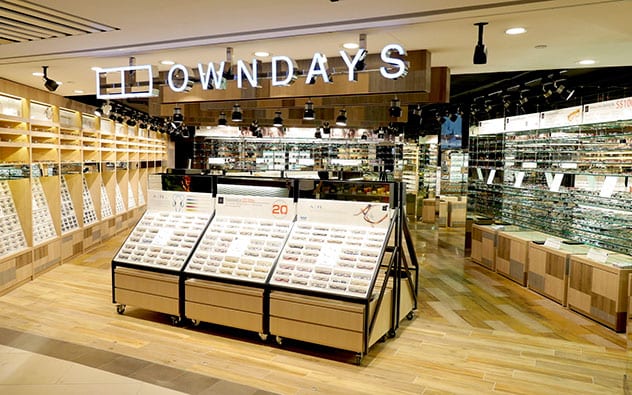
    Tokyo-headquartered Owndays will open its first stores in Thailand and Cambodia in October.

    The retailer, which produces and sells fashionable and trendy eyewear, already operates 130 shops in Japan, Singapore, Taiwan and China. It plans to open 100 new stores in Southeast Asia during the next five years.

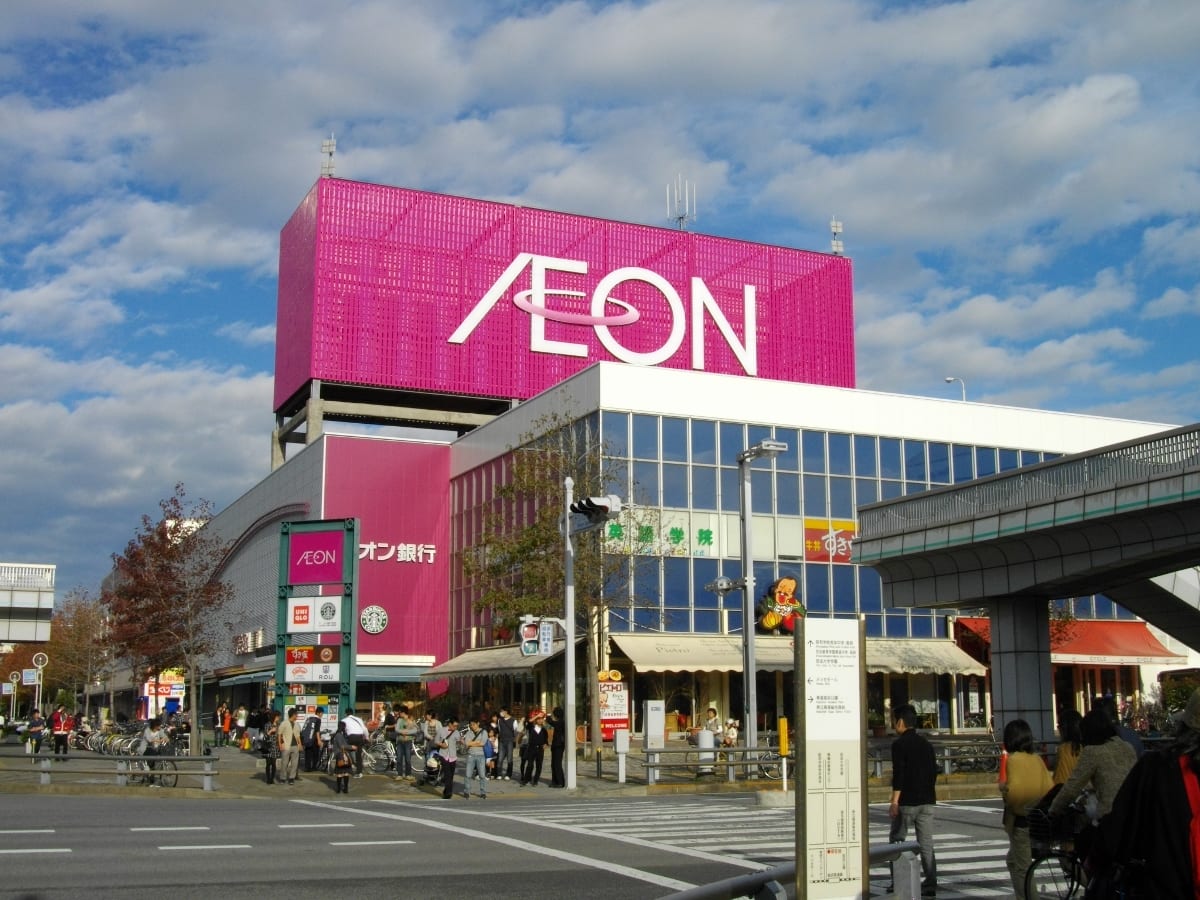
    The first Thai store will open in Bangkok’s Mega Bangna shopping centre, the first Cambodian store in Aeon Mall, Phnom Penh.

    Owndays believes its pricing structure and speedy turnaround will set it apart from local eyewear retailers.

    Where most optical shops charge customers for frames and lenses separately, and require high optional charges depending on types of lenses, making pricing systems complicated and difficult to understand, Owndays keeps its pricing system simple. It has eliminated additional charges for all single-vision lenses and offers all glasses at set prices indicated on its frames – there’s no additional charges for lenses no matter what customer-required lenses are.

    “This is a very unique and very customer-friendly pricing system in the eyeglass industries of the region,” said a spokesperson.

    Every Owndays shop has a wide range of and large number of stock lenses, enabling staff to provide customers with spectacles in as little as 20 minutes after the payment.

    Owndays launched its business operations in Southeast Asia in July 2013, and now operates 14 shops in Singapore and six shops in Taiwan.

    The company has established its own overseas business model through its independent pricing system and services and is rapidly expanding its business activities.

  • Starbucks to open first store in Cambodia

    Starbucks to open first store in Cambodia

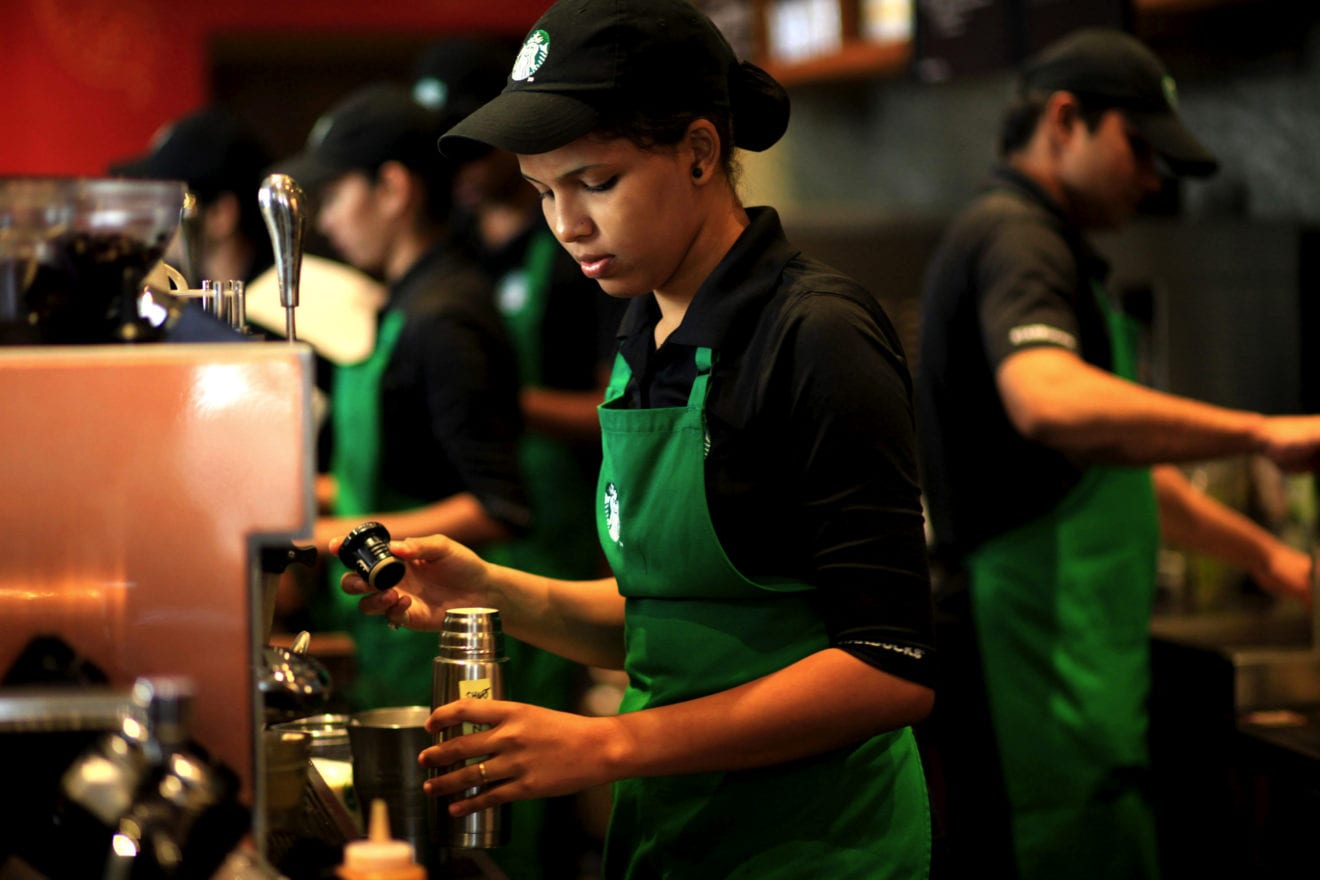
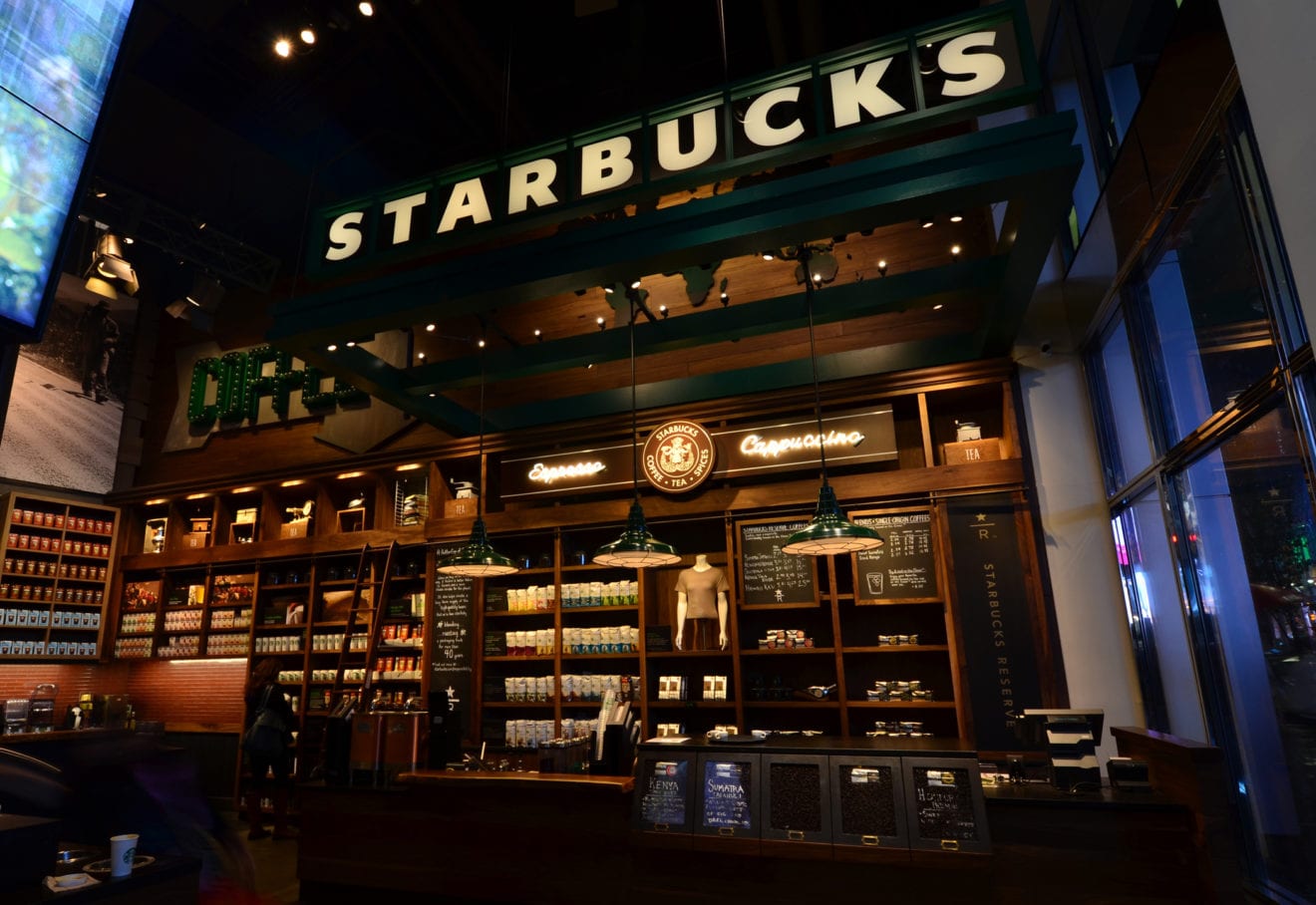
    Starbucks Coffee Company is set to open its first location in Cambodia by the end of 2015, making the country its 16th market in the fast-growing China/Asia-Pacific (CAP) region.

    The store opening is made possible through its licensing agreement with Coffee Concepts (Cambodia) Limited, which is part of Hong Kong Maxim’s Group.

    The first location will open at the newly expanded Phnom Penh International Airport and will be followed by the second store opening in early 2016 in downtown Phnom Penh.

    “Cambodia is a vibrant country with a rich cultural heritage, and we are proud to bring the  Starbucks Experience to this market,” said John Culver, group president, China/Asia Pacific, Channel Development and Emerging Brands, Starbucks Coffee Company.

    Starbucks currently operates more than 5,200 stores and employs more than 80,000 employees in the CAP region. It operates more than 150 stores in Hong Kong and Macau and 15 stores in Vietnam through Viet Idea Food and Beverages Limited, a sub-licensee of Coffee Concepts (Vietnam) Limited, also a subsidiary of Hong Kong Maxim’s Group.

    “We look forward to becoming a part of Cambodia’s local coffee culture, embracing its traditions and sharing our deep passion and knowledge of the best coffees from around the world,” Culver added.

  • Aeon Cambodia to build second mall

    Aeon Cambodia to build second mall

    Japan’s Aeon is to build a second shopping mall in Cambodia’s capital city Phnom Penh.

    The news was revealed on the first birthday of Aeon’s first Cambodia mall, which it says has attracted 15 million visitors.

    The new mall will be built about 10km north of Phnom Penh’s CBD in the Pong Peay City, a new residential and commercial development by the LYP Group on the city’s north side.  LYP is owned by prominent local businessman and ruling party senator Ly Yong Phat.

    With a 151,000 sqm footprint it will be significantly larger than the first mall, which is 108,000 sqm. The gross leasable area will be 70,500 sqm.

    Like all of Aeon’s malls in Asia, the centre will be anchored by an Aeon supermarket. Supporting retailers will include Japanese brands who partner with Aeon in new developing markets and international brands such as Puma, Adidas and Levi’s.

    Aeon Asia MD Washizawa Shinobu said his company is confident Cambodia’s emerging middle class will make the new centre a success, aiming to attract 10 million visitors in its first year.

    “I am sure Cambodian people will be richer with economic growth like that, which means they will buy more products,” he said.