Tag: Cambodia

  • Mongolian Hot Pot Coming to Phnom Phen

    Mongolian Hot Pot Coming to Phnom Phen

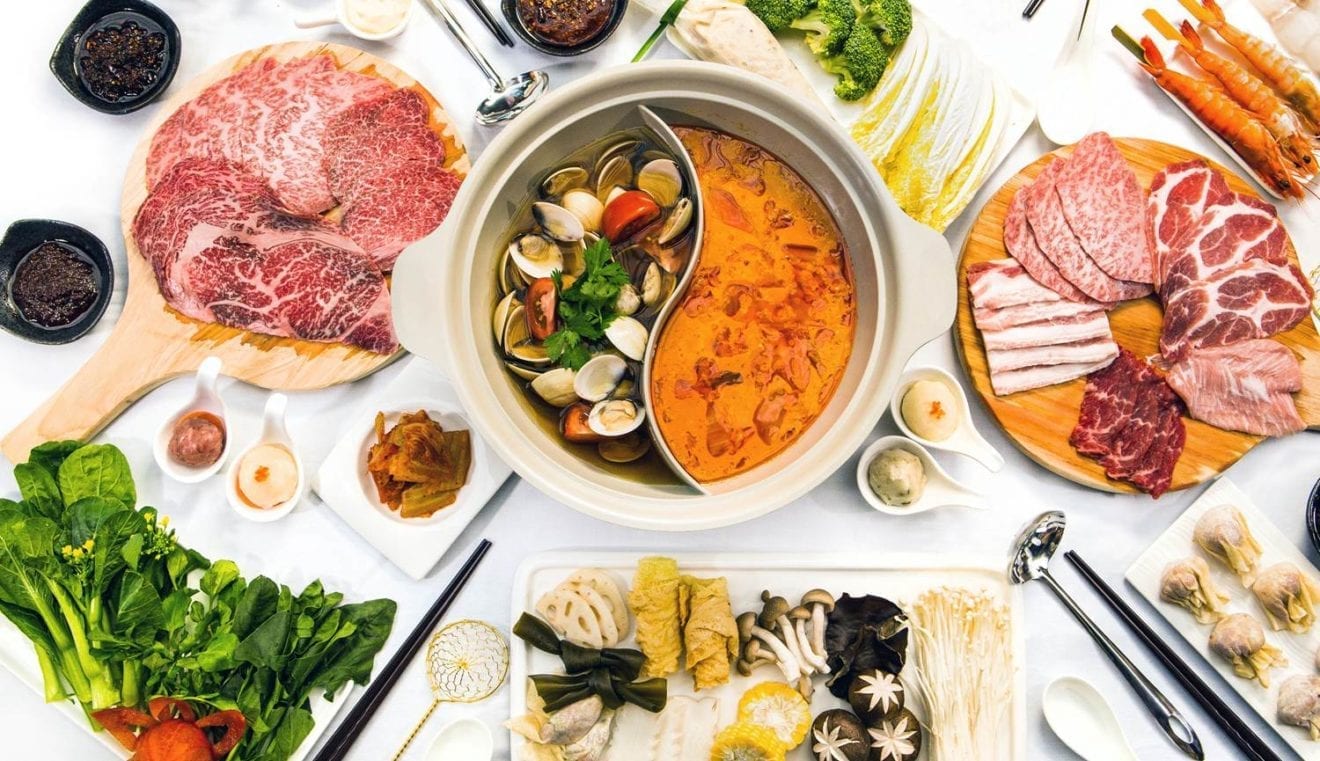
    Little Sheep Hot Pot, a Yum Brands Inc. company, yesterday signed a partnership agreement with HGB Food Industry Co. Ltd. to bring its Mongolian hot pot restaurant to Cambodia.

    HGB Food Industry is a subsidiary of private local investment company HGB Group, which focuses on the domestic automobile industry, food and retail goods.

    Little Sheep’s director of field operations Aileen Wu said the company would bring good quality food to the Kingdom through its cooperation with HGB Food Industry.

    “The partnership between Little Sheep Hot Pot with HGB Food Industry Co., Ltd. to step into the Cambodian market with branches of new restaurants is aimed at bringing fun and the delicious hot pot of Mongolia to Cambodia with many new branches,” she said, adding that they would be located in downtown Phnom Penh.

    HGB Food Industry representative Austin Tan said that the restaurant would bring healthy food to Cambodian people.

    “The market here shows high potential for the demand of healthy food. That’s why we are preparing to enter the market,” he said.

    Little Sheep Hot Pot began operations in 1999 with its first restaurant in Mongolia. In the past 17 years, the company has expanded to 300 branches in 110 countries. Yum Brands, which owns KFC, Taco Bell and Pizza Hut, bought the Mongolian hot pot chain in 2012.

    HGB Group is the sole-appointed distributor in Cambodia for Rolls-Royce Motor Cars, Bentley Motors, Mazda, Kia, Kawasaki and Harley-Davidson motorcycles.

    HGB Food Industry Co., Ltd. is a leading food and beverage distributor and retailer of quality imported food and beverages. The company has been operational in this field for eight years and is a preferred supplier of beverages to hotels and resorts, restaurants, cafes and retail stores in Cambodia.

  • Smart Axiata deploys SMS spam filtering suite

    Smart Axiata deploys SMS spam filtering suite

    Cambodia’s Smart Axiata announced it has deployed an SMS spam filtering and A2P SMS monetization platform from 365squared for its more than 8 million customers.

    The operator is using the 365secure service to continuously monitor and filer SMS traffic from any source on a round-the-clock basis. The service is designed to detect and block fraudulent SMS messages delivered through gray routes.

    Smart will also be able to use the service’s proprietary 365analytics software to conduct detailed traffic analysis and reporting. The implementation was conducted by 365squared last month.

    “Spam messages are disliked by everyone. The partnership with 365squared stands on our desire to strengthen customer relationships based on trust,” Smart Axiata CEO Thomas Hundt said.

    “By filtering intrusive and uninvited messages we provide to our customers peace of mind and therewith step up our customer experience efforts further.”

    Smart Axiata launched LTE services in January 2014, and has now expanded the network to cover 25 key provincial capitals as well as other key cities. The company’s combined 2G, 2.5G, 3G, 3.75G and 4G mobile network covers more than 98% of the Cambodian population.

  • Starbucks in Cambodia: From Coffee Beans to Housing Dreams?

    Starbucks in Cambodia: From Coffee Beans to Housing Dreams?

    There’s nothing particularly new with coffee places opening in Phnom Penh. There is a different brand of coffee shop at just about every corner.

    But the recent launching of the Starbucks Reserve brand in Phnom Penh seems to mean something significantly more for both the international F&B franchise sector, and local urbanite Phnom Penh citizens.

    Been There, Done That

    With 45 years of experience in the coffee industry, Starbucks has managed to open around 22,519 stores worldwide (as of June 28, 2015). The brand has become one of the world’s most recognized, through intensive advertising campaigns and aggressive product placement.

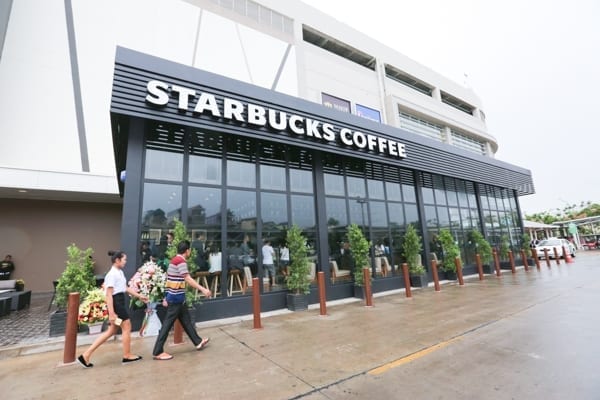
    Fast-forward to October of 2016, another branch just opened to serve the Cambodian public in Phnom Penh’s BKK1 district. It was launched under the high-end “Reserve” brand of the company.

    If the market can prove profitable for Starbucks, other international F&B and consumer goods franchises may look to enter the Cambodian market place as well

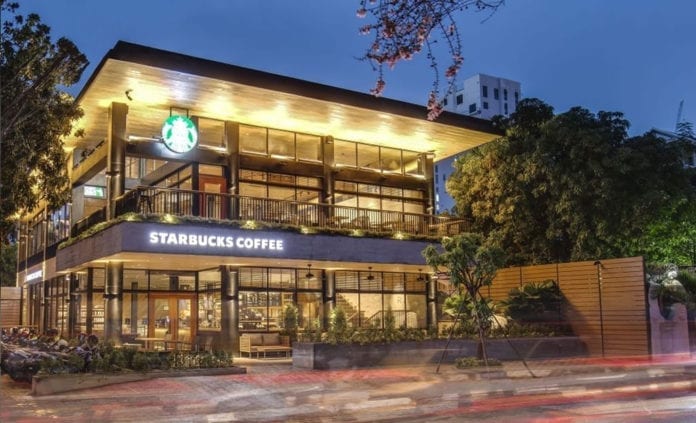
    The new branch features two floors and 650 square meters filled with local craftsmanship, including a mural centerpiece depicting the Cambodian Folklore of Sovann Maccha.

    Starbucks Cambodia has partnered up with a local NGO – Cambodian Children’s Fund – as part of its long-term community investment. They said, “We take a thoughtful, disciplined approach to growth in Cambodia that is locally relevant and in line with our company’s values. Our growth story is not just about expanding our store count in the market.”

    Something Brewing:

    Yet Starbucks’ opening of another high-end coffee place doesn’t only signal a positive outlook for the F&B industry…

    It also transcends into real estate. A few months back, the World Bank declared Cambodia a lower-middle income country – where Cambodians currently have an average yearly income of between $1,026 and $4,035.

    So, locals are now able to afford items that have a higher price tag, according to the Bank.

    With this rise in consumers’ expendable incomes, Starbucks isn’t worried about the huge difference in price of their coffee compared to local ones. The local coffee costs about $0.74 (and sometimes as cheap as $0.25), while a small latte from Starbucks is $2.95.

    If a cup of coffee is any indication of rising incomes, then sectors like real estate might follow a similar trend. Investors may be getting closer to a market in which the local population can afford resale units and higher rental rates. The current lack of a secondary market, resale and rental, for new development units is proving one of the biggest risks of the Cambodian market for pure investors.

    Furthermore, if the market can prove profitable for Starbucks, other international F&B and consumer goods franchises may look to enter the Cambodian market place as well – spurred by this signal of consumer confidence and affluence.

    So while Starbucks opening in BKK1 has been warmly welcomed by local cafe enthusiasts keen to try an international flavor, its significance for investors may have longer lasting influence.

  • Cambodia Properties Shine in Asean

    Cambodia Properties Shine in Asean

    Asean property markets are promising, with Cambodia offering the most attractive prospects due to strong demand and limited supply, notably in Phnom Penh.

    Aliwassa Pathnadabutr, managing director of property consultant CBRE Thailand, said prime residential property for rent in the Cambodian capital has posted the highest yield among all sectors at eight percent per year. Selling prices remain relatively low, but rents are high.

    “Demand for rental in Phnom Penh is driven by expatriates working for multinational companies set up in the city,” she said. “Asking rents are high as those companies are willing to spend on good accommodation for their staff.”

    With strong demand and a limited supply of only 5,500 units, the apartment sector has an occupancy rate of between 80 to 90 percent while rent per square meter is 700 to 1,000 baht (about $20 to $28).

    Rent for a one-bedroom serviced apartment is around 40,000 to 50,000 baht per month ($1,141 to $1,426), the same rate for a unit in Bangkok.

    But the average selling price for a high-end unit is only 110,000 baht per square meter, lower than Bangkok’s 200,000-300,000 baht.

    She said the selling price per square meter for a high-end residential unit in Phnom Penh is lower than that in Bangkok due to lower land costs. Construction costs, however, are close to those in Bangkok as most of the construction materials are imported from Thailand.

    For the high-end segment, the average selling price is 110,000 to 170,000 baht per square meter. For middle-end condos it is 93,000 baht and 24,000 baht on average for the affordable segment.

    The foreign ownership quota in Cambodia’s residential sector is higher than Thailand’s, with up to 70 percent of total units at a project. But foreigners are not allowed to buy ground-floor or basement units. Foreigners are also allowed to set up a company with 100 percent ownership.

    However, Thai investors should be cautious if they want to jump on the bandwagon as Phnom Penh’s residential supply will reach 25,000 units in 2018 from only 5,000 units this year, Ms. Aliwassa said.

    Investing in a condo for rent in Phnom Penh is attractive for individual investors. The major investment buyers in the city are Taiwanese, Chinese, Singaporean, South Korean and Japanese.

    “If Thais want to get in on the act, they should do so now or at the beginning of the boom as there will be a large volume of new supply being completed in the next two years,” added Ms. Aliwassa.

    She said office and retail spaces in Phnom Penh are limited but demand is strong so the occupancy rate is quite good. The city’s office supply totals around 280,000 square meters, compared with 8.4 million square meters in Bangkok.

    For C-grade office space, occupancy is as high as 90 percent due to a lower monthly rent of $10 to $15 per square meter. Rent for B-grade office space is $16 to $25 with an occupancy rate of 85 percent while A-grade rent stands at $28 with an occupancy rate of only 40 percent, compared with $30 in Bangkok.

    Another attractive investment in Phnom Penh is retail, as Thai brands are very popular among Cambodian consumers. Successful Thai retailers in Phnom Penh now include Major Cineplex, Fuji and S&P restaurants.

    Nonetheless, the retail property market in Phnom Penh is quite small compared with Bangkok. The current retail space in Phnom Penh totals 680,000 square meters, which accounts for less than 10 percent of Bangkok’s total retail area of seven to eight million square meters.

    Despite limited supply, the monthly rent for prime malls remains low at only 1,200 baht per square meter, compared with 3,000 to 4,000 baht in Bangkok.

    Although Phnom Penh’s luxury segment has a limited supply, it might be too soon to enter the market as the segment is very small and Cambodian consumers are not ready to accept luxury prices, said the consultant.

    “Besides checking local regulations, investors should consider the balance of costs, prices and returns. If one of them is too high, the rest will fall down just like in Myanmar where land costs are very high,” added Ms. Aliwassa.

    Tony Picon, managing director of property consultant Colliers International Myanmar, said all commercial properties in Yangon are attractive with high occupancy rates since supply is limited and demand is strong.

    “New supply is difficult to enter as regulations are unclear and land costs are steep,” he said. “But opportunities in Myanmar are high as its GDP is the highest in the region at 8.3 percent. The country also boasts abundant resources.”

    Suphin Mechuchep, managing director of property consultant JLL Thailand, said Vietnam is an interesting investment destination as its economy is picking up, purchasing power is strong and the government is spending on infrastructure projects.

    “All segments in Vietnam’s property market have bottomed out in the past two years as middle-income earners prefer spending on IT, mobile and technology,” she said.

  • Siam Makro buys four food companies

    Siam Makro buys four food companies

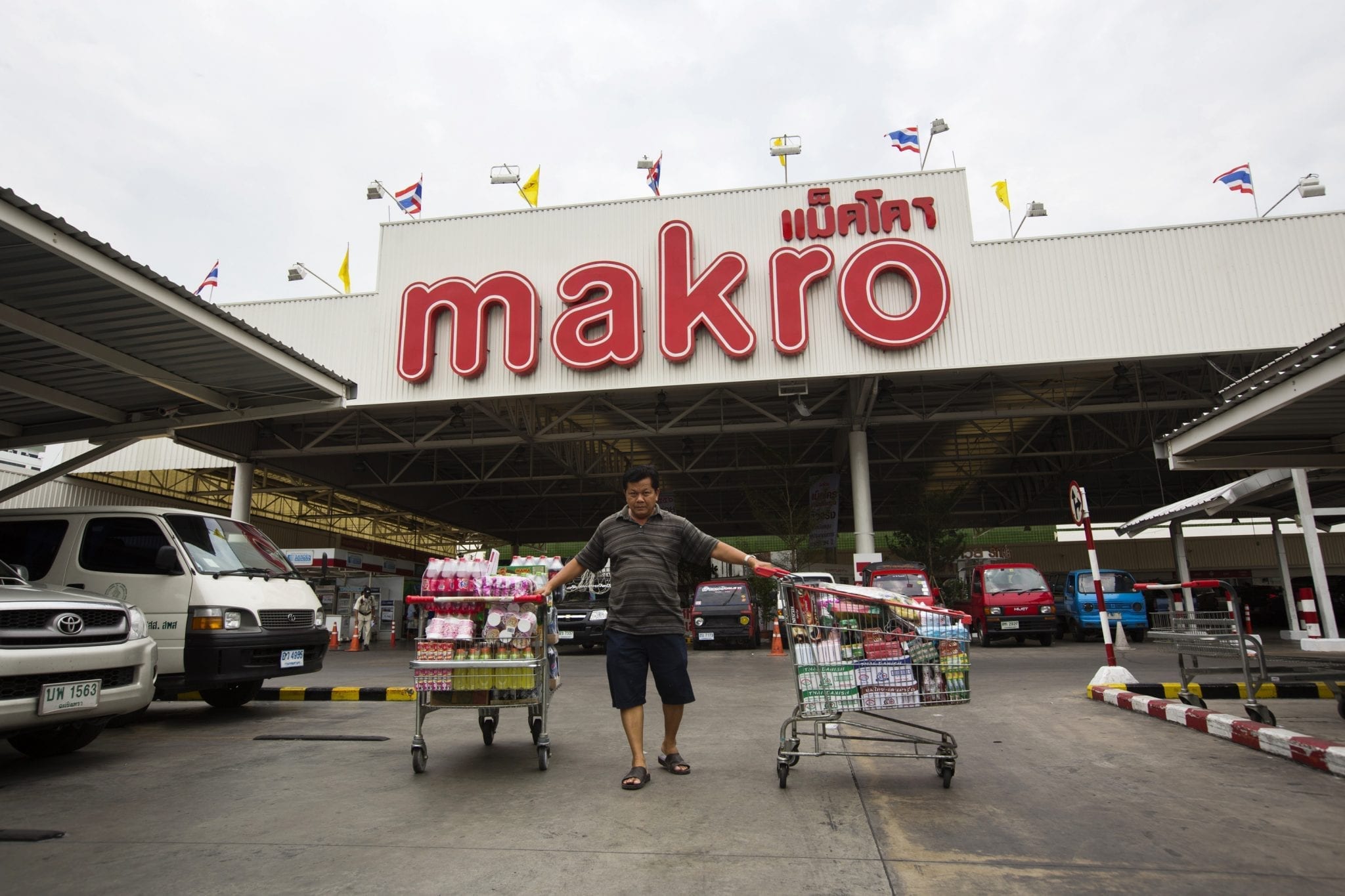
    Siam Makro, which runs the Makro cash-and-carry store chain, has clinched a 3-billion-baht (US$85.75 million) deal to acquire four food companies.

    Through its wholly owned subsidiary Siam Food Services, Siam Makro has entered into an agreement to acquire an 80 per cent stake in each of Indoguna (Singapore), a listed firm on the Singapore Exchange, Indoguna Dubai, Lordly and Just Meat. Indoguna is listed on the Singapore exchange, while Lordly and Just Meat are Hong Kong listed.

    The funds will come from Siam Makro’s cash flow and bank loans.

    Siam Makro’s major shareholder, Charoen Pokphand Group (CP), has its strength in the food and agricultural businesses. CP acquired a 64 per cent stake in the cash-and-carry chain from the Dutch trading company SHV Holdings for $6.6 billion in 2013.

    Siam Makro has partnered with with local companies to take its Makro cash-and-carry chain to Cambodia. The JV is 70 per cent owned by Makro ROH, a wholly owned subsidiary of Siam Makro, and the balance by Cambodian investors, with $2 million in initial registered capital.

    Siam Makro plans to open 10 stores in Thailand this year, bringing its total outlets to 108 nationwide. During the first half, Siam Makro posted a net profit of 2.38 billion baht on revenue totalling 85.7 billion.

  • KFC Malaysia parent plans IPO

    KFC Malaysia parent plans IPO

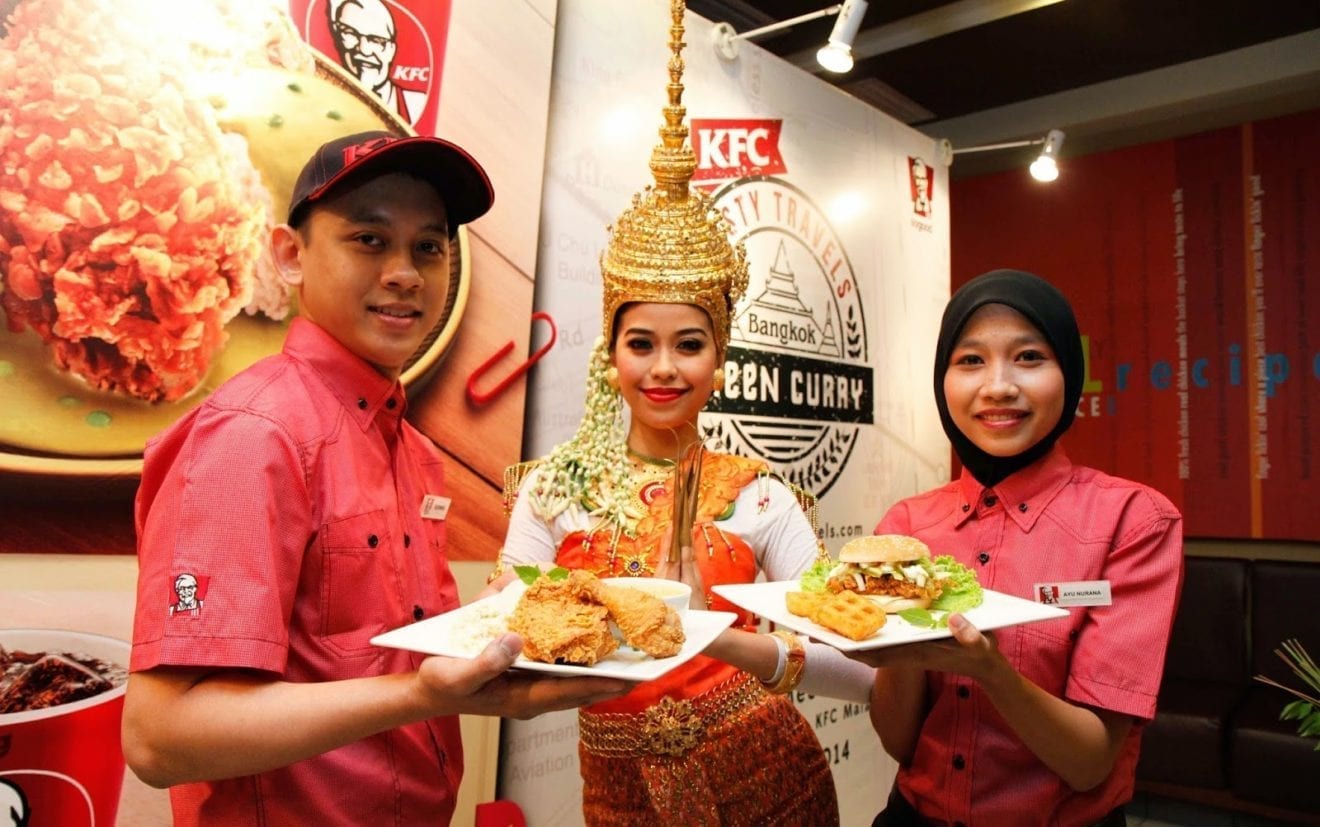
    KFC Malaysia parent QSR Brands (M) Holdings, is arranging an IPO next year expected to raise about US$500 million.

    The company, which has both KFC and Pizza Hut restaurant concessions in Southeast Asia,

    Citigroup, Credit Suisse Group and Malayan Banking will lead the offering. QSR has also chosen CIMB Group Holdings and RHB Bank to work on the share sale, reports the Business Times.

    The Kuala Lumpur-based company is seeking a listing after first-time share sales raised US$270 million this year.

    CVC, Employees Provident Fund and Johor Corp took QSR Brands private in 2013. It manages more than 730 KFC restaurants in Brunei, Cambodia, India, Malaysia and Singapore, as well as more than 450 Pizza Hut outlets in Malaysia and Singapore.

  • Carl’s Jr Cambodia opens first drive-through

    Carl’s Jr Cambodia opens first drive-through

    Cambodia has its first quick-service drive-through restaurant with the opening of a Carl’s Jr burger outlet in Phnom Penh, being run by TH F&B Co.

    Carl’s Jr Cambodia has been franchised by California-based CKE Restaurants Holdings, the parent company of Carl’s Jr and Hardee’s.

    “We’ve been experiencing phenomenal international growth this year,” says CKE international president Ned Lyerly. “In fact, Cambodia comes on the heels of successful openings in Australia, Japan and Kenya, and marks the 40th country CKE International has entered.

    “This is an important market for our overall expansion strategy, and we plan to open 15 restaurants in Cambodia.”

    Carl’s Jr Cambodia store

    As well as burgers, the Carl’s Jr brand offers chicken sandwiches, all made fresh to order. Its burgers feature chargrilled Australian beef. Also on the menus are ice-cream shakes.

    “We’re confident that Cambodia, with its large youthful population and increased awareness and desire for western brands, is going to love having this global burger chain,” says TH F&B MD Hav Norm.

    On the corner of Street 51 and Street 310 in Phnom Penh, the restaurant is open 12 hours daily, offering partial table service, an “all you can drink” beverage bar and complimentary Wi-Fi.

    Carl’s Jr Cambodia

    A privately held company headquartered in Carpinteria, California, CKE had its beginnings with Carl Karcher’s hot-dog cart in the 1940s. It now has 3729 franchised or company-run Carl’s Jr Restaurants and Hardee’s outlets in 44 states and 40 countries.

    Awarded with the master franchise and the exclusive rights to run Carl’s Jr in Cambodia, TH F&B Co has a portfolio including Cold Stone Creamery and Gyu-Kaku Japanese BBQ.

  • Tourists boost Central Group revenue

    Tourists boost Central Group revenue

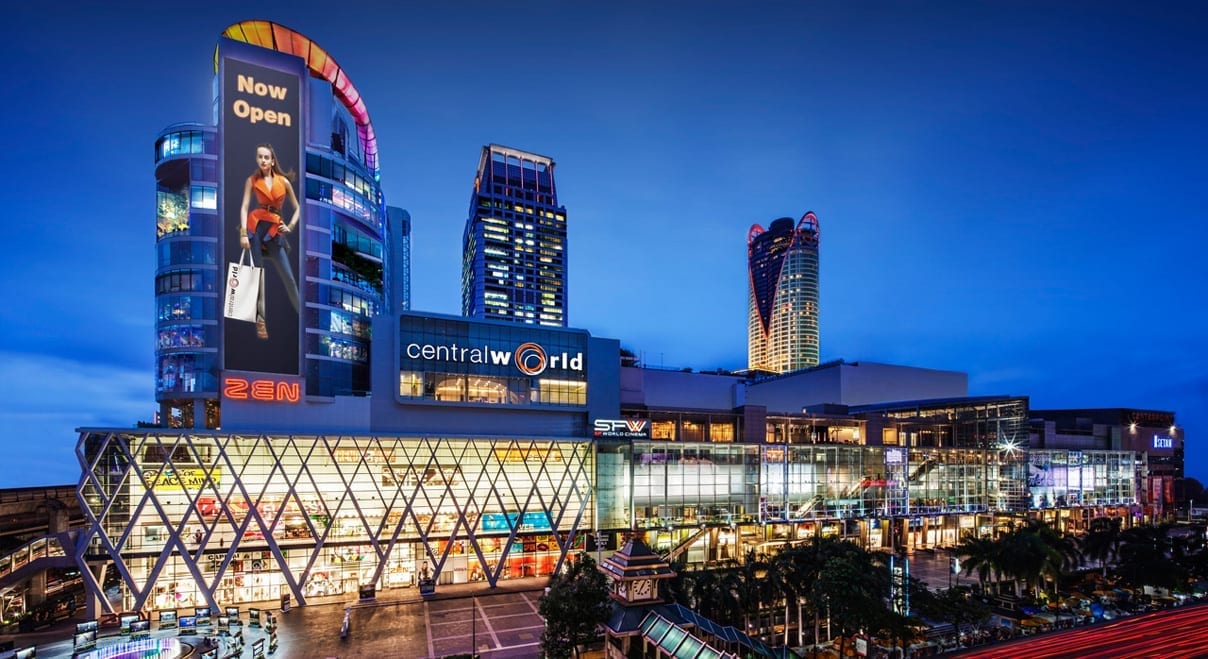
    Thai retailer Central Group expects revenue to rise 21 per cent to Bt320 billion ($9.17 billion) this year following strong growth in overseas business plus tourist spending.

    Controlled by Thailand’s Chirathivat family, Central is seeking to expand in Southeast Asia, says CEO Tos Chirathivat, citing Cambodia, Laos, Myanmar and Vietnam.

    He expects overseas revenue to account for 40 per cent of total in the next five years from 30 per cent now.
    Central bought superstore chain Big C‘s Vietnam business from French retailer Casino in April, comprising 43 stores and 30 malls. Vietnam is Southeast Asia’s fastest-growing market for Central, and the company expects sales to reach Bt37 billion this year.

    Central has also benefited from rising tourist numbers in Thailand, with sales up 15 per cent this year versus 5 per cent for Thai customers, says Tos.

    The group, whose interests include shopping mall developer Central Pattana, Robinson Department Store and Central Hotel Plaza, plans to spend more on its online retail business, which currently accounts for just 1 per cent of revenue.

    Central bought fashion-focused eCommerce site Zalora in April as part of a push to win back shoppers who increasingly prefer internet shopping.

  • Axiata has no plans to downsize regional operations

    Axiata has no plans to downsize regional operations

    Axiata Group has no plans to downsize its operations in any of its eight markets, according to CEO Jamaludin Ibrahim.

    Last months, reports suggested that the company is considering selling stakes in its Indonesian, Cambodian and Sri Lankan operations, leading to speculation that the company may seek to exit the markets.

    But Kamaludin said Axiata Group is a long-term investor in each of its operating countries, the Khmer Times reported. Regardless of if the company does plan to reduce its stakes in the regional operations, the group will maintain majority ownership.

    He also told  that if the company does decide to reduce its 83.3% stake in Sri Lanka’s Dialog Axiata, money raised will be reinvested back into Sri Lanka for another venture.

    We quote Axiata’s group chief strategy officer repeating the same sentiment for funds raised through any divestment of Cambodia’s Smart Axiata.

    According to last month’s reports, Axiata was said to be seeking buyers for stakes worth up to $700 million in the regional subsidiaries. The reports indicated that the potential sales are part of efforts to reduce the group’s debt, although Axiata executives are declining to comment on this aspect.

    But Kamaludin said Axiata Group invests around $600 million to $700 million per year in expanding its regional operations.

  • Inside Starbucks Cambodia flagship

    Inside Starbucks Cambodia flagship

    Starbucks Cambodia has opened a new flagship store in Phnom Penh, in partnership with regional partner Maxim’s Group of Hong Kong.

    Cambodia is Starbucks 16th market in the China/Asia Pacific region, where it has more than 6200 stores. This is the third store in the country. Last month, Starbucks celebrated 20 years since the opening of its first store outside North America – in Japan.

    Starbucks BKK

    The Starbucks Cambodia Phnom Penh flagship, in the Boeung Keng Kang neighbourhood, will introduce Starbucks Reserve coffees to Cambodia, says Starbucks Asia Pacific president Mark Ring. An interactive coffee bar will allow customers to experience a range of brewing techniques including siphon, cold brew, pour-over, coffee press and espresso machine.

    Starbucks BKK

    Inspired by Starbucks’ 45-year history, the flagship store features not only the brand’s core menu but also rare, small-lot coffees. For the store opening, baristas handcrafted two small-lot Starbucks Reserve coffees, Colombia La Union 16 and Papua New Guinea Luoka. Over time, the store will showcase a variety of coffees from small-lot coffee farmers in various countries. All Starbucks Reserve coffee is roasted in Seattle.

    Starbucks BKK

    Starbucks BKK

    Through its licensed partner Coffee Concepts (Cambodia), a subsidiary of Hong Kong Maxim’s Group, Starbucks entered the Cambodian market in December 2015. It has two stores at Aeon Mall and Phnom Penh International Airport.

    Photo: Nick Sells at www.SoShootMeStudio.com

    It latest store covers 650 sqm over two levels and features local craftsmanship as well as iconic global images, including a hand-carved Cambodian sandstone siren, an illustration of Starbucks first store on a textured rattan canvas, a coffee landscape tapestry made of fabric woven on a rattan frame, and a metal sculpture over the bar.

    Starbucks BKK

    The centerpiece is a hand-painted mural over the stairs to the second floor, illustrating the Cambodian folklore of Sovann Maccha, the siren princess with a tail that is transformed into two Naga dragons.

    Starbucks BKK

    Starbucks is working with Cambodian Children’s Fund, a non-government organisation that works with children in one of the most underserved areas of Phnom Penh.

  • Starbucks Coffee Company opened the doors to its store in Phnom Penh, Cambodia

    Starbucks Coffee Company opened the doors to its store in Phnom Penh, Cambodia

    Starbucks Coffee Company last week opened the doors to its newest flagship store in Asia, located in Phnom Penh, Cambodia, building on its long-term relationship with Hong Kong Maxim’s Group. Cambodia is Starbucks 16th market in the China and Asia Pacific region. In September, Starbucks celebrated 20 years since the opening of its first store outside North America in Japan and today, the company has more than 6,200 stores across the China and Asia Pacific Region.

    “We are proud to bring an elevated experience to Cambodia with the introduction of our Starbucks Reserve™ coffees,” said Mark Ring, president, Starbucks Asia Pacific. “Our new flagship store in Phnom Penh’s vibrant Boeung Keng Kang neighborhood will excite Cambodian customers with a unique coffee experience that showcases our deep passion for some of the finest coffees from around the world, while honoring the country’s rich heritage and culture.”

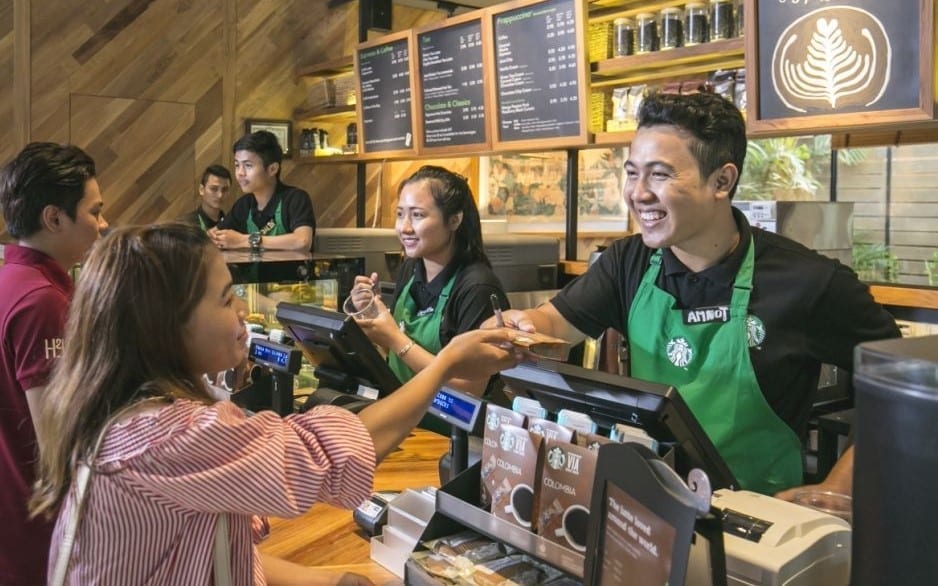
    At the flagship store, customers can discover exceptional coffees, engage with Starbucks partners (employees) and form a deeper connection with Starbucks coffee heritage. With an atmosphere that invites customers to explore the tastes and flavors of coffees from around the world, they can sit at the interactive coffee bar and experience a range of brewing techniques including Siphon, Cold Brew, Pour-over, Coffee Press and the state-of-the-art Black Eagle espresso machine. In the hands of Starbucks skilled baristas, the Black Eagle espresso machine delivers a smooth quality and consistent taste profile that complements Starbucks® signature handcrafted beverages.

    Inspired by Starbucks 45-year history of sourcing, roasting and serving some of the world’s finest coffees, the flagship store features Starbucks core menu in addition to rare small-lot coffees through its exclusive Starbucks Reserve™ coffee program. For the store opening, baristas are handcrafting two small lot Starbucks Reserve™ coffees: Colombia La Unión 16 and Papua New Guinea Luoka. Over time, the store will showcase a rich variety of coffees that draw on Starbucks relationships with small lot coffee farmers from the world’s coffee growing regions. All Starbucks Reserve™ coffee is roasted at the Starbucks Reserve™ Roastery and Tasting Room in Seattle.

    To further elevate the coffee experience for customers, select partners at the store are Starbucks Coffee Masters. The Coffee Master program recognizes their expertise with the special designation of the black apron after they pass written and taste tests.

    Through its licensed partner Coffee Concepts (Cambodia) Limited, a subsidiary of Hong Kong Maxim’s Group, Starbucks entered the Cambodian market in December 2015 and currently operates two stores at Aeon Mall and the Phnom Penh International Airport.

    “We are pleased to further strengthen the partnership between Maxim’s and Starbucks in Asia and look forward to continuing to deliver the unique Starbucks Experience through coffee leadership, high-quality products, exceptional service and engaging baristas in a welcoming environment to customers across Cambodia,” said Michael Wu, Chairman and Managing Director, Hong Kong Maxim’s Group.

    A Perfect Blend of Cultures

    The design of the new two-story, 650 square-meter (7,000 square-feet) store features local craftsmanship and iconic global images, including a hand-carved Siren made of Cambodian sandstone, an illustration of Starbucks first store at the Pike Place market on a textured rattan canvas, a coffee landscape inspired tapestry made of fabric tightly woven on a rattan frame, and a metal sculpture hanging over the bar inspired by the coffee aroma.

    The centerpiece is a hand-painted mural over the staircase to the second floor, and illustrates the popular Cambodian folklore of Sovann Maccha, the siren princess with a tail that is transformed into two majestic Naga dragons. Illustrated by prominent local urban artists Peap Tarr and Lisa Mam, the artist highlights the distinct beauty and characteristics of urban Khmer art.

    Long-term Community Investments
    As Starbucks continues to expand its store footprint in Cambodia, it is deeply committed to being an active member of the community and a catalyst for positive change. Currently, Starbucks is working with Cambodian Children’s Fund, a non-government organization that works with children in one of the most underserved areas of Phnom Penh. The Cambodian Children’s Fund aims to transform the country’s most impoverished children into future leaders, by delivering education, family support and social development programs to the local community.


  • Cambodia sets final deadline for SIM registration

    Cambodia sets final deadline for SIM registration

    The Telecom Regulator of Cambodia (TRC) has given operators until the start of next month to register all customers’ SIM cards or disconnect any remaining unregistered SIMs.

    Operators will need to alert customers at least seven times within seven days before deactivation, the Phnom Penh Post reported.

    The TRC gave the order after data submitted by Cambodia’s mobile operators showed that despite the yearlong campaign to crack down on unregistered SIMs, around 1.5 million of the nation’s 19.3 million active SIMs are not properly registered.

    The government also plans to take a more active role in monitoring operators’ databases to ensure they are not allowing unregistered SIMs to be sold, by using an online management system. The TRC has indicated there will be more enforcement activity in the future once this system is in place.

    According to the report, despite the crackdown, unregistered SIMs can still be found in most Phnom Penh markets selling for as little as $0.50. SIM card sales at legitimate outlets have also declined in rsponse to the anticipated crackdown, as customers prefer the convenience of unregistered cards.

    Cambodia has presented the crackdown on unregistered SIMs as an effort to protect national security and reduce crime.

  • Owndays Europe marks first foray outside Asia-Pacific

    Owndays Europe marks first foray outside Asia-Pacific

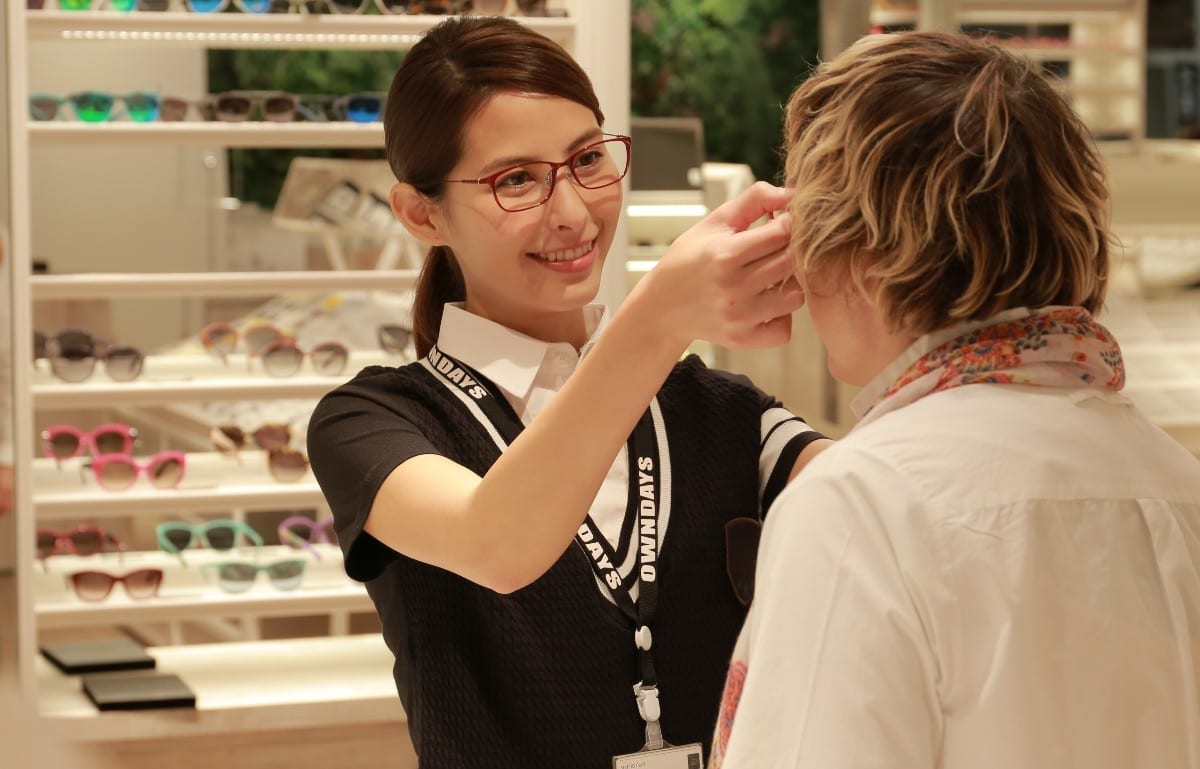
    After rapidly building a network of stores across Asia, Japanese eyewear retailer Owndays has made its European debut.

    Owndays Europe has opened its first store in the Netherlands, the design largely true to its Asian format and its simple pricing model seamlessly converted into local currency with frames and lenses paired at between 98 euros and 198 euros.  A 20-minute “quick processing” promise is also included in its in-store marketing, two two promises being the eyewear chain’s unique selling points.

    Owndays Netherlands 1


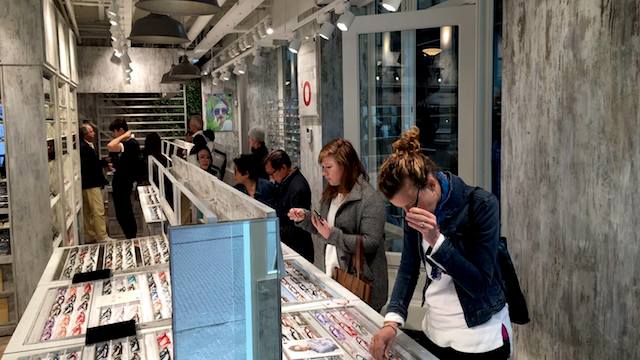
    The 80 sqm Dutch store opened last week in a traditional street-front location, rather than a shopping mall, where most of its stores are located in Asia; at Passage in The Hague, a trendy area bustling with retail and food & beverages establishments.

    Owndays Europe plans to open 30 stores in the Netherlands in the next three years.

    The brand began its international expansion just three years ago and is already trading in Singapore, the Philippines, Australia, Vietnam, Taiwan, Thailand, Cambodia and Malaysia, making the Netherlands its 10th market.

    owndays-netherlands

    Owndays Europe stores carry more than 1500 designs of frames ranging from basic and functional to stylish and fashion-forward so customers can pick the right pairs of glasses to suit their lifestyles or to match occasions and functions. With a team of in-house designers based in Japan, the brand regularly adds new designs to its existing collections so customers always see something new each time they visit the shop.

    Owndays already has more than 170 shops in Asia-Pacific and sells more than 1.5 million pairs of glasses a year. It is one of the few optical retailers internationally which has adopted an entirely private label system, managing the entire process from design and manufacturing to inventory management and retail.

  • DHL Opens Link between Bangkok and Phnom Phen

    DHL Opens Link between Bangkok and Phnom Phen

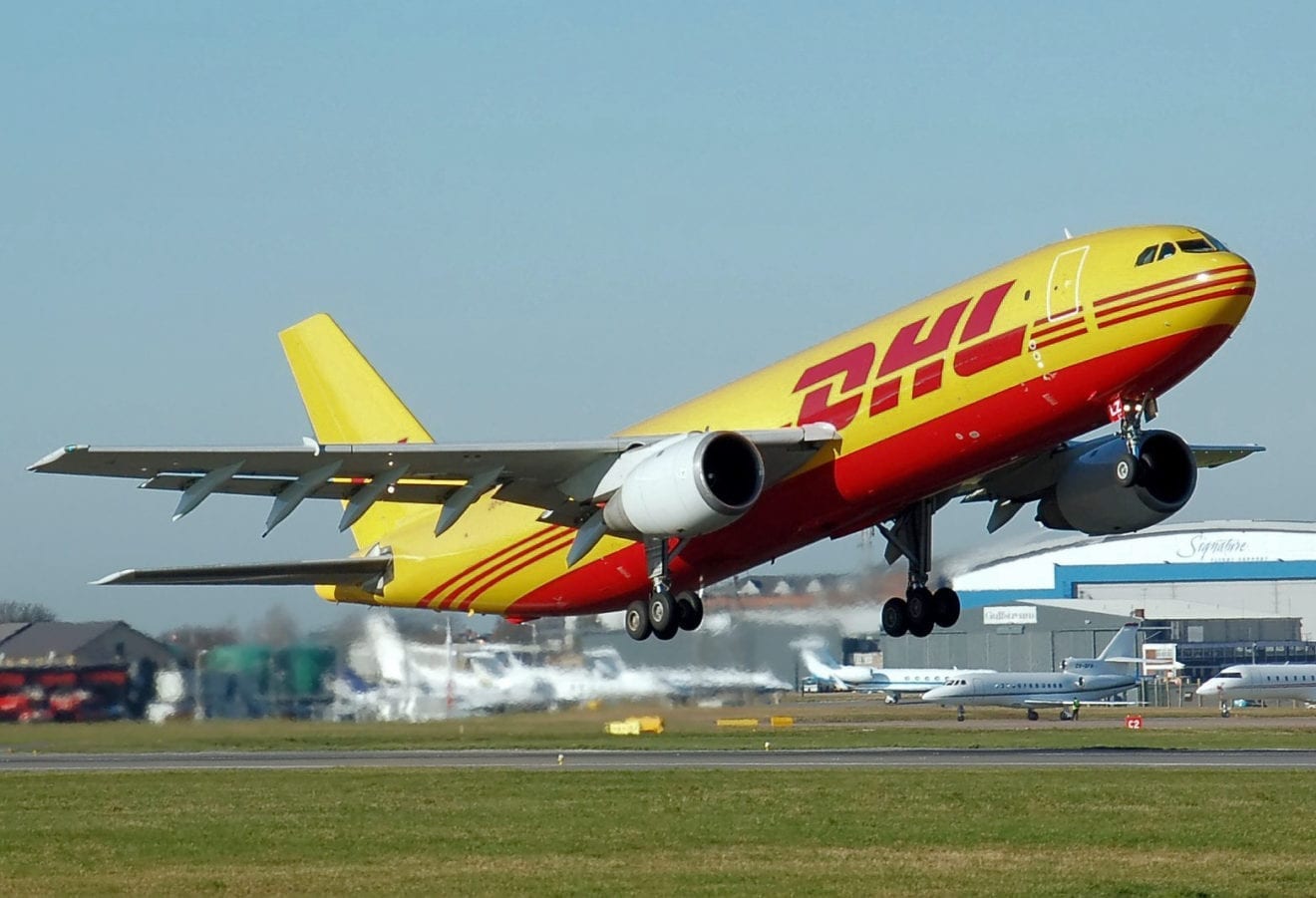
    DHL Express has launched a flight connection between its Bangkok hub and Phnom Penh. According to DHL, the new flight is operated five times a week by K-Mile Air using a Boeing 737-400F, which offers a gross payload of 19 tons. The service is aimed at the growing import and export demands of industries such as garments and construction.

    “This new flight is another step towards unlocking Cambodia’s vast potential for trade in Southeast Asia,” said Ken Lee, CEO of DHL Express Asia Pacific. “Trade between Cambodia and Thailand reached US$5.1 billion in 2015, and the country also imported US$1.05 billion worth of goods from Singapore in 2014. By improving inbound and outbound capacities from markets like Thailand and Singapore where our hubs are located, we are confident that this new flight will further develop Cambodia’s market. With our extensive air network, this dedicated service will enhance the country’s global connectivity and trade relations.”

    Sean Wall, executive vice president of network operations and aviation at DHL Express Asia Pacific, said that the demand for movement of goods will grow further as Cambodia increasingly becomes an important trading player in Southeast Asia.

    “Our latest service is good news for businesses in Cambodia, offering them the capacity, frequency, and seamless export capabilities they need to reach more customers in new markets,” he said. “It also underscores our ongoing commitment to continuously strengthen our network and connectivity to provide more efficient routes for customers.”

  • Yusen opens cold storage facility in Cambodia

    Yusen opens cold storage facility in Cambodia

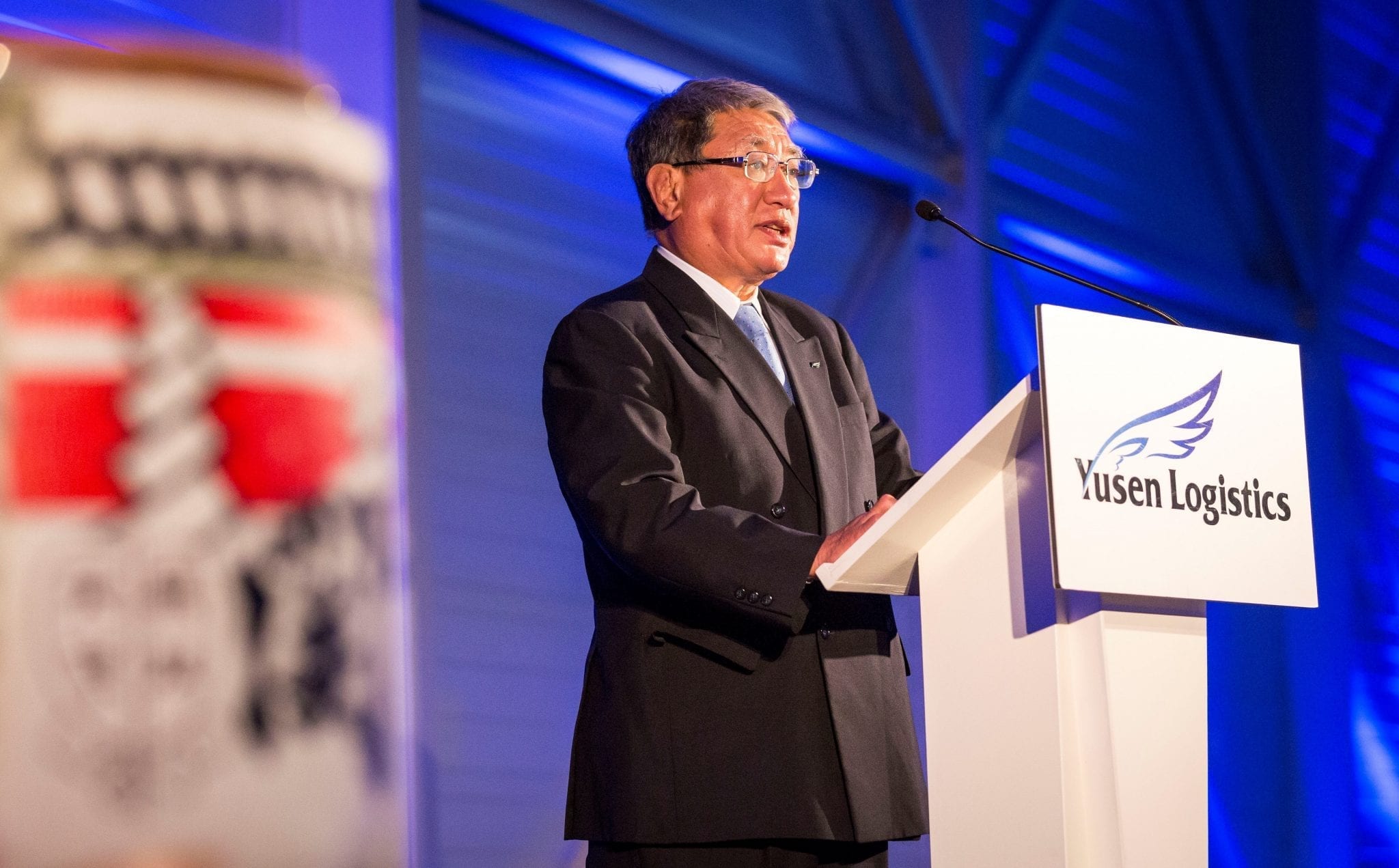
    Yusen Logistics is establishing a temperature-controlled distribution center in Phnom Penh, Cambodia.

    It is one of Cambodia’s largest cold storage facilities. The facility strengthens Yusen Logistics distribution network in Asia and will support Cambodia’s growing demand for warehouse storage for imported general consumer goods and chilled and frozen goods.

    In addition, the company will be offering Cambodia’s first consolidated delivery service in Phnom Penh for retailers and wholesalers.

    The new facility has about 3,000 -square-meter, almost double the capacity of the existing warehouse which included the 120 -cubic-meter temperature-controlled storage area. The expansion will enable the company to handle the storage, processing and distribution of chilled and frozen goods with quality assurance and compliance.

    The consolidated delivery service will be available to customers in Phnom Penh on a daily basis, excluding weekends. Yusen Logistics will also provide the same service for chilled and frozen goods using cold-storage boxes and will ensure product quality is maintained up to the point of delivery.

    The group’s Medium-Term Business Plan, “GO FORWARD, Yusen Logistics – Next Challenges”, positions the ASEAN region as a critical region. The Cambodia subsidiary, which began operations in 2013, has provided a diverse and varied range of logistic services, including ocean and air freight forwarding, customs clearance, domestic delivery, and cross border transportation.

    It has contributed to the smooth supply of goods to Cambodia’s domestic market with the knowledge it has built up in the import of a wide range of goods, especially foods, as well as everyday items. The company is striving to meet the logistics needs of its customers in Cambodia by blending a diverse range of services with the capabilities of new facilities.