Tag: Cambodia

  • Au Bon Pain bakery bound for Cambodia

    Au Bon Pain bakery bound for Cambodia

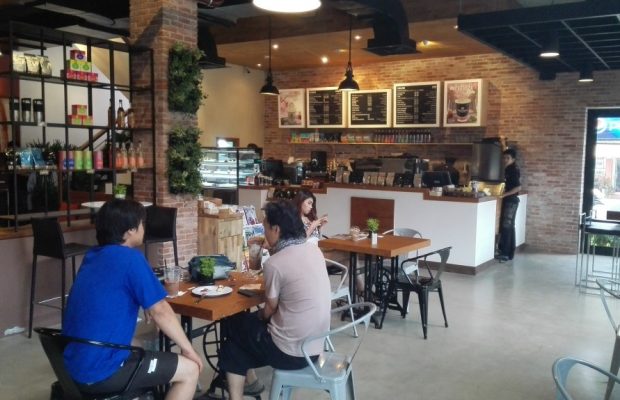
    The Au Bon Pain bakery chain is to expand into Cambodia, Laos, Myanmar and Vietnam by the end of the year, to serve growing middle classes in the region.

    The expansion was announced by Mudman Plc, the authorised Thai franchisee of the Au Bon Pain bakery chain, and international retail food brands including Baskin Robbins and Dunkin’ Donuts. The firm said the development is intended to capitalise on increasing consumer purchasing power and the strong economies in the Cambodia, Laos, Myanmar and Vietnam (CLMV) market.

    Nadim Xavier Salhani, chief executive of Mudman, was quoted in the Bangkok Post as saying the company recently won rights from ABP Corporation, the owner of Au Bon Pain in the US, to open branches of the bakery in the CLMV market.

    “The company is considering forming a joint venture with local partners or investing on its own in CLMV. The investment model will be finalised by year-end, while the expansion of Au Bon Pain bakery chain into the CLMV market reflects the market’s potential.” said Salhani. “Mudman expects to open the first Au Bon Pain branch in Cambodia or Vietnam by the end of this year or next.”

    Express Food Group general manager Virak Tep told Khmer Times there is plenty of room for coffee and bakery chains to expand into the Cambodian market. He added that many international brands are entering into Cambodia, with the notable exception of McDonald’s. “I think Au Bon Pain is a good brand and with strong potential for a franchiser who wishes to bring it to Cambodia,” said Virak.

    Salhani said purchasing power is increasing due to economic stability and growth in the CLMV, while international brands are popular among younger people.

    Sales volumes in the food and beverage sector in Cambodia is rising at about 10 percent year-on-year, attracting many international franchises, according to Virak.

    “Cambodian consumer trends show increasing preference for international brands from Thailand, Korea, Vietnam, Singapore, Malaysia and the US. As long as the taste of the food or drink meets their expectations, they will go for those brands,” said Virak. He added his company will open another outlet of the chain restaurant Bar B Q Plaza in Cambodia by the end of this year.

    Hem Samnang, area manager of BreadTalk Cambodia, a franchise brand from Singapore, agreed that coffee and bakery chains have room to grow in Cambodia. He said consumer awareness of international brands has been getting better over the past decade, as peoples’ incomes have gone up.

    “Purchasing power in cafes and bakeries is rising day by day, both among youths, middle-aged people and families,” said Samnang said. “Cambodia still has more opportunities for international brands to enter the market as the country’s GDP is rising. I cannot say Au Bon Pain will be my competitor until I see their products.”

  • AirAsia Cambodia to debut soon

    AirAsia Cambodia to debut soon

    Asia’s largest budget airline AirAsia, headquartered in Kuala Lumpur, plans to open a subsidiary company in Cambodia to handle an anticipated increase in the number of passengers travelling to Phnom Penh, Siem Reap and Sihanoukville from Malaysia.

    The subsidiary, said the Minister of Public Works and Transport Sun Chanthol yesterday, would be named AirAsia Cambodia.

    “The purpose of forming AirAsia Cambodia was brought up by AirAsia CEO Tony Fernandes in his meeting with Prime Minister Hun Sen last week at the sidelines of the World Economic Forum on Asean,” said Mr Chanthol.

    “Mr Fernandes told the prime minister that AirAsia Cambodia, as AirAsia’s new subsidiary company, would be needed to handle an increasing number of air travelers from Malaysia to Phnom Penh, Siem Reap and Sihanoukville,” he added.

    “The prime minister, in turn, replied that he was behind Mr Fernandes’s decision 100 percent.”

    Mr Chanthol said AirAsia’s decision to start a new subsidiary company in Cambodia reflected the aviation industry’s confidence in the country’s open skies policy.

    “Cambodia’s open skies policy promotes Asean connectivity and this in turn allows more goods to be transported and more people to travel to other countries,” he said.

    When asked by reporters when AirAsia Cambodia would start up in the country, Mr Chanthol said the proposal was now with the Council of Ministers for approval.

    The decision to form AirAsia Cambodia came after Mr Fernandes announced at a press conference on Thursday that his airline plans to launch a new service from Kuala Lumpur to Sihanoukville city.

    “There will be four AirAsia flights a week from Kuala Lumpur International Airport 2 to Sihanouk International Airport on the Airbus 320,” he said. The first flight is scheduled for August 9.

    Mr Fernandes said he recognised the potential of Cambodia’s international airports to handle an increased number of arrivals from overseas.

    “We think the Cambodian air travel market could be lucrative and the timing to expand our routes is perfect,” he said.

    AirAsia currently flies daily from Kuala Lumpur to Phnom Penh and Siem Reap.

    “We hope in time to come that people may come to Phnom Penh and then go to Sihanoukville,” Mr Fernandes said.

    “We are about to invest for the long term and see huge potential in these airports.

    “It is about connectivity and I think one of the most important aspects is for the people of Sihanoukville to have another option to fly.

    It is not just about tourism. We also hope small businesses can benefit by expanding their businesses into Asean.”

  • Launch of inaugural Café Cambodia 2017 and Franchise & Licensing Cambodia 2017

    Launch of inaugural Café Cambodia 2017 and Franchise & Licensing Cambodia 2017

    Phnom Penh took center stage as the host for the inaugural Café Cambodia 2017 and Franchise & Licensing Cambodia 2017. The exhibitions mark one of largest gathering of visitors from the local business community and the region and members of the coffee industry including baristas, café and coffee purveyors, coffee roasters, equipment distributors and members of the public. Malaysia is the shows’

    Official Country Partner, supported by Perbadanan Nasional Berhad (PNS). The inaugural shows were officially opened by His Excellency Cham Prasidh, Senior Minister, Ministry of Industry and Handicraft, Cambodia. The official opening this morning was also graced by the presence of Yang Berhormat Dato’ Henry Sum Agong, Deputy Minister, Ministry of Domestic Trade, Co-operatives and Consumerism (MDTCC),Malaysia, Dato’ Sri Hasan Malek, Malaysia Ambassador to Cambodia, Yang Berbahagia Dato’ Sri Jamil bin Salleh, Secretary General, Ministry of Domestic Trade, Co-operatives and Consumerism, Malaysia and His Excellency, Mr Pak Sokhom, Secretary of State, Ministry of Tourism, Cambodia.

    Franchise and Licensing Cambodia 2017 and Café Cambodia 2017 offer exhibitors and participants a hub and a B2B platform for key decision makers to source for new business opportunities and explore new collaborations. Franchise & Licensing Cambodia 2017 will showcase well known Asian and international brands in various industries such as F&B as well as the educational and services sectors.

    This hub also serves the industry as a source for café supplies and equipment to cater to the demands of the rising number of specialty coffee drinkers. The show will gather coffee and tea industry players showcasing products such as coffee beans, specialty coffee, specialty tea and beverages, juices, coffee machine, roasting machines and equipment.

    Cambodia has enjoyed steady economic growth in the last two decades. This growth, the favourable investment climate, supportive infrastructure, the presence of established banking and financial institutions and a large domestic consumer market of 16 million population are important reasons why the two shows are timely and will be well received as Cambodia has been attracting an increasing number of international franchise brands and operators especially those in the food and beverage business.

    Café Cambodia plays host to the Cambodia National Barista Championship (CNBC) presented by Gourmet Beverage Solutions (GBS). This inaugural championship brings together Cambodia’s top baristas to showcase their talents and compete for the coveted title of National Champion. The competition focuses on promoting excellence in coffee and seeks to advance the barista profession regionally and globally.

    Positioned as the perfect place to meet coffee professionals of Cambodia and the ASEAN region and to understand the growth of Asia’s franchise, licensing and coffee industries under one roof, the shows boast of a comprehensive programme for visitors who can look forward to learn from franchising and licensing experts, attend an exciting line-up including live presentations, demonstrations and workshops on every aspect of the coffee, tea, gelato and baked goods industries. There is also an extensive range of specialty coffees and teas from around the world to sample. The 3-day exhibition will also be teeming with networking and business opportunities for trade visitors who are looking to elevate their business aspirations. Franchise & Licensing Cambodia exposition offers abundant opportunities for entrepreneurs and prospective franchisees to meet face to face with representatives of international brand concepts across various industries.

    Café Cambodia and Franchise & Licensing Cambodia are co-organized by Conference and Exhibitions Management Services (CEMS) with CamGlobe Business & Investment Consultancy, and are supported by the Cambodia’s Ministry of Commerce, the Ministry of Industry & Handicraft, and the Ministry of Tourism.

    Franchise and Licensing Cambodia is supported by Asiawide Franchise, Cambodia Franchise Association and World Franchise Associates. The Cambodia National Barista Championship is presented by Gourmet Beverage Solutions.

  • Bold bid for expansion by Food Capitals

    Bold bid for expansion by Food Capitals

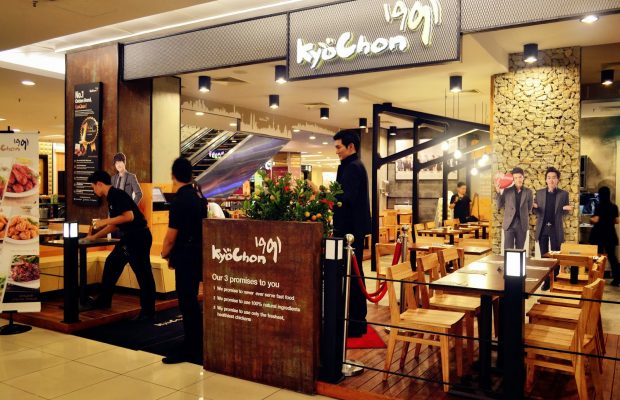
    Food Capitals, Thailand’s franchisee for Domino’s Pizza and South Korean fried-chicken restaurant chain Kyochon, has acquired two companies for THB400 million (US$11.6 million) in a bid to expand both domestically and overseas.

    It has spent THB289 million to acquire Osha Group’s food business in the US, with the remaining THB121 million for its takeover of Bangkok-based G Enterprise.

    California-based Osha has five restaurant brands – After Osha, Lao Table, Osha Express, Osha Thai and Osha Thai 3rd Street – while G Enterprise’s four restaurant brands are Chingcha Chalee, Moom Muum Park, Pirate Chambre and Umami Falabella.

    Food Capitals CEO Tanakorn Angpubate expects the acquisitions to boost the group’s revenue by more than 50 per cent from THB714 million last year – following five years of red ink.

    The company has also set aside THB200 million to open two restaurants in Thailand and another two in the US.

    Food Capitals’ brands include Domino’s Pizza in Thailand and Cambodia, Kyochon in Thailand, and Red Planet Hotels across Asia.

  • Thailand’s Central Group set to build mall in Cambodia

    Thailand’s Central Group set to build mall in Cambodia

    Thai ambassador to Cambodia Nuttavudh Photisaro says Central representatives have already studied the proposed site, not yet revealed publicly.

    “By investing in a shopping mall, they hope the trade volume between the two countries will increase,” says Nuttavudh.

    CBRE Cambodia associate director Ann Sothida says shopping malls still have a chance to grow in Cambodia because the market has increased purchasing power and has only a limited number of shopping malls of international standard.

    Trade between Thailand and Cambodia eased by 6 per cent last year to US$5.6 billion. Cambodian exports to Thailand amounted to $936 million, while the country’s imports from Thailand amounted to $4.7 billion.

    Phnom Penh’s shopping centres comprise Aeon Mall, which is building a second outlet in the city, City Mall, Parkson and Soriya Mall.

  • Malaysia-Cambodia-Thailand subsea cable launches

    Malaysia-Cambodia-Thailand subsea cable launches

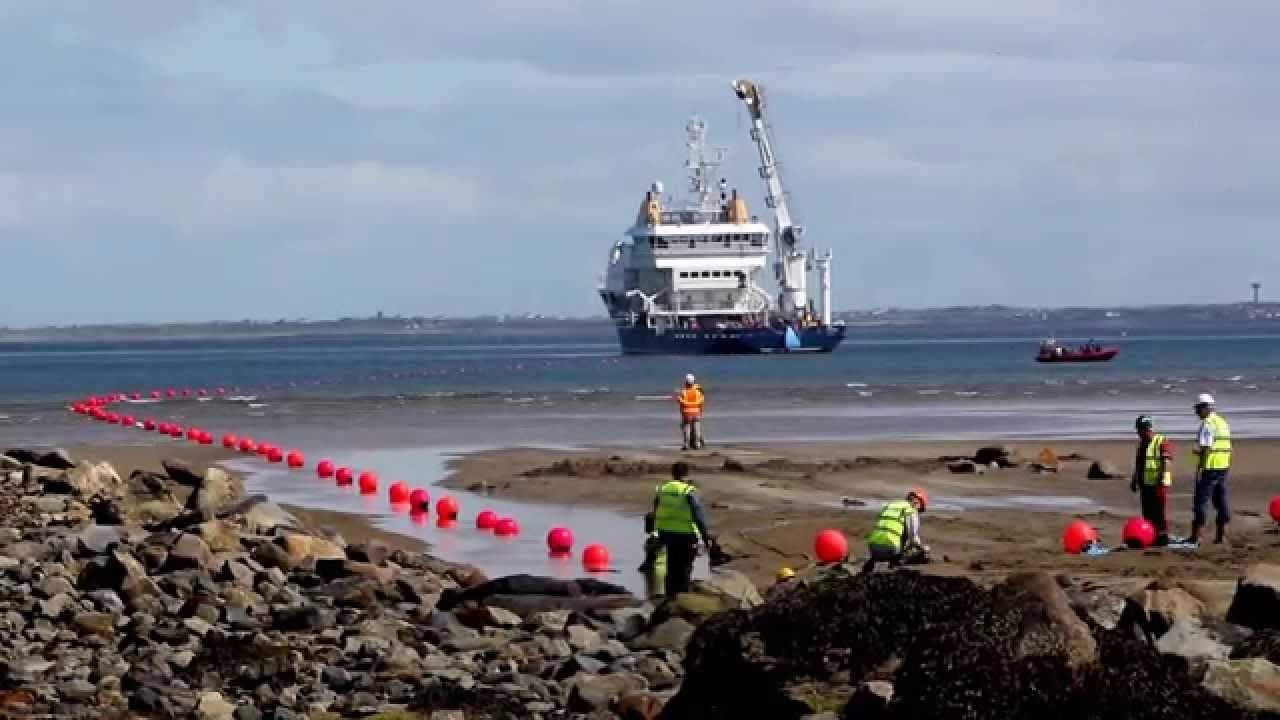
    A new subsea cable connecting Malaysia, Cambodia and Thailand has been launched in Cambodia, adding at least 30Tbps of regional capacity.

    The Malaysia-Cambodia-Thailand (MCT) cable system was designed and deployed by Huawei Marine for Cambodia’s EZECOM, Telekom Malaysia and Symphony Communication of Thailand.

    The 1,300km cable system uses 100Gbps technology, and will connect to other submarie cable systems, including the Asia-America Gateway (AAG).

    Speaking at the launch of the system, EZECOM CEO Paul Blanche-Horgan said the launch is the culmination of six years of work. He said the launch of the cable will improve the security of Cambodia’s connection to the internet.

    “With this cable, we are now directly connected POP to POP, which means a much more secure connection for Cambodia. This is of great importance, as [Cambodian deputy prime minister and minister of interior] Samdech Krolahom does understand, for the context of national security as well as certain key sectors like banking.”

    Samdech Krolahom himself said that with the new cable, “Cambodia now has faster, more reliable, more affordable and, most importantly, a more secure internet connection for all.”

  • Warehouses coming to Laos, Cambodia gates

    Warehouses coming to Laos, Cambodia gates

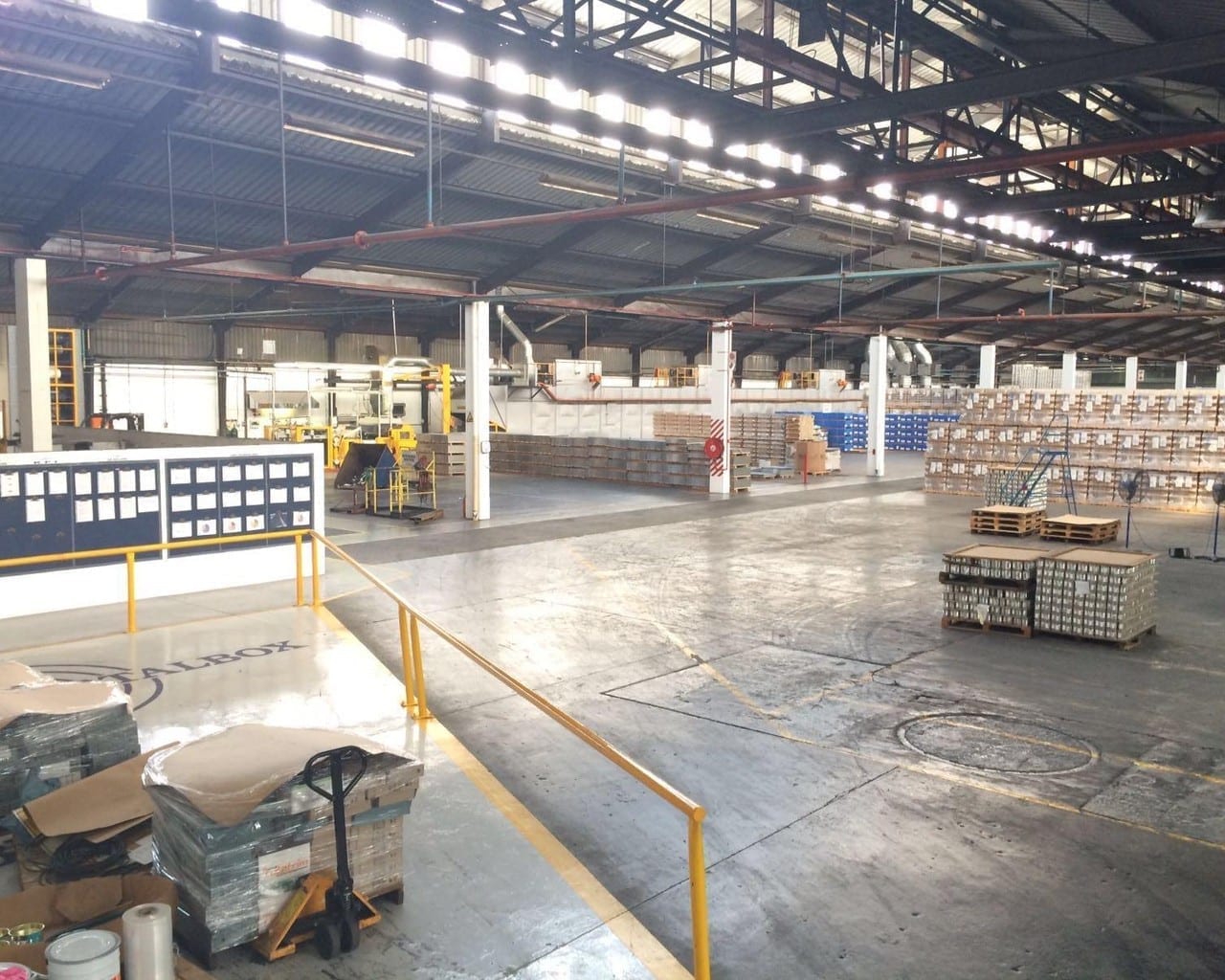
    Viet Nam will have some 116 warehouses at the border gates with Laos and Cambodia by 2035, according to the Ministry of Industry and Trade.

    Under Decision 229/QD-BCT issued on January 23, the ministry said it would develop professional and modern warehouses with enough logistics services to keep import and export goods at these border gates.

    The warehousing system will promote sustainable development of import and export activities along the border lines, especially exports at border gates along border lines between Viet Nam and the two countries.

    According to specific targets of the plan, by 2025, the warehousing system will meet all demand of the area and have enough capacity to store import and export goods at the border gate regions.

    Eighty per cent of the warehouses will be required to provide important and necessary logistics services, such as storage, handling, inspection and implementation of customs procedures for import and export goods.

    The plan includes the upgrade or building of at least one warehouse at an international border gate region or a major border gate to meet the demand of import and export goods. All goods under the warehousing system will be inspected for quality, food hygiene, safety and other related standards.

    The ministry expected the plan to ensure stability and step-by-step promote growth of imports and exports at border gates along border lines between Viet Nam and the two countries.

    By 2035, all border gates along those border lines will have a completed warehousing system, including 116 existing and newly-built warehouses, to meet all warehousing demand for import and export goods and provide synchronous logistics services for promoting rapid and sustainable development of import and export activities, the ministry said.

  • KBank unveils capital branch

    KBank unveils capital branch

    Kasikornbank (KBank), one of the largest banks in Thailand, officially unveiled its first branch in Phnom Penh with the aim of offering financial services to local businesses as well as corporate and retail customers.

    KBank entered the Cambodian financial market in November and initially, the branch’s objective was to facilitate Thai businesses in Cambodia in the area of corporate finance and fund mobilization for investment in infrastructure projects towards the production of garments and processed food.

    KBank services are available in Thai baht, US dollars and Cambodian riel for bilateral trade activities and other transaction services.

    KBank president Predee Daochai said the bank’s first injection of investment capital into Cambodia was $50 million and it will increase, based on bank performance and demand.

    Mr. Predee said recently that KBank’s loan portfolio was $2 million with a small amount of deposits. However, the bank expects to expand its loan portfolio to about 1.5 billion baht ($43 million) to corporate customers, local businesses and retail customers, both Thai and Cambodian, in the next three to five years.

    “We have to grow in terms of loans and deposits. Our loan portfolio is $2 million, but we have targeted that within the next three to five years, it should rise to two billion baht [$57 million] and we aim to have 800 million baht [$22.8 million] in deposits,” he said.

    “We can grow faster than that because there are many big Thai customers here since they came here many years ago. Most of them use our services in Bangkok so they are pleased to use our services here.”

    Mr. Predee said that KBank is not only looking to serve the financial sector in Cambodia, but also wants to help boost investment and trade between Cambodia and Thailand.

    He said if the first branch performs well, the bank will look to open a second branch in the country.

    Nattavudh Photisaro, Thai ambassador to Cambodia, said that KBank opened its representative office in Cambodia in February 2015, and had a soft opening of its Phnom Penh branch in November.

    He added that although KBank just officially unveiled its branch, it was no stranger to the Thai embassy in Phnom Penh as the bank had worked closely and has strong ties with the Thai diplomatic staff in Cambodia for the past couple years.

    “With KBank, Thailand has a total of four banks in Cambodia including Bangkok Bank, Krungthai Bank and Cambodian Commercial Bank. Now KBank has brought another Thai business to Cambodia,” he said.

    Mr. Nattavudh added that bilateral trade between Thailand and Cambodia reached $5.6 billion last year. He said several Thai companies have expanded their operations in Cambodia and more will follow.

    “I have always encouraged Thai businesses here to operate on three principles: mutual trust, mutual respect and mutual benefit. I think that Kasikornbank has taken these principles to implement here,” he said.

  • Cellcard aims for nationwide LTE by April

    Cellcard aims for nationwide LTE by April

    Cambodia’s Cellcard reportedly plans to roll out nationwide LTE services by April, becoming first past the post in the race to deploy 4G services covering the whole country.

    The operator recently contracted Nokia to expand and modernize its 3G and LTE networks, including by deploying around 1,500 new cell sites.

    Now Cellcard aims to achieve nationwide coverage by April. The operator has reportedly invested around $150 million in the 4G expansion project.

    Cellcard’s main rivals Smart and Metfone are also investing heavily to expand their 3G and 4G presence. According to the report, Smart has to date rolled out 4G coverage to areas in all 25 provinces of the country and has upgraded around 65% of its roughly 2,100 base stations to 4G.

    The company now plans to invest around $80 million towards upgrading around 80% of its base stations to 4G by the end of the year.

    Metfone meanwhile aims to cover nearly the whole country with 3G and 4G coverage, with a goal of having 3,000 base stations supporting both technologies, but has not disclosed a timeline for meeting this target.

    According to data from the Telecommunication Regulator of Cambodia, mobile internet subscriptions reached nearly 7.5 million in November, compared to a total mobile subscription base of around 19.5 million.

  • Nike Cambodia opens official outlet

    Nike Cambodia opens official outlet

    American sporting goods giant Nike Cambodia has opened its first dedicated retail store.

    The shop, store in central Phnom Penh, is the country’s first official outlet for Nike goods such as sport shoes and apparel, including items produced at local factories.

    Market commentators say Nike’s choice to open a flagship store at along Preah Monivong Boulevard rather than in a shopping centre such as Aeon Mall or neighbourhood like Boeung Keng Kang could signify the brand is testing the market.

  • Cambodia’s Cellcard to expand and modernize networks

    Cambodia’s Cellcard to expand and modernize networks

    Cambodia’s Cellcard has engaged Nokia to expand and modernize the operator’s 3G and LTE networks to help meet surging mobile broadband demand.

    As part of the agreement, Nokia will deploy around 1,500 new cell sites to expand the operator’s mobile broadband reach. Cellcard first launched LTE in Phnom Penh in 2015 and has since been expanding the network to other areas.

    Nokia will also provide its global services and Single RAN technology to allow Cellcard to host simultaneous 2G, 3G and 4G operations on a single platform, as well as IP edge routers to modernize the network in preparation for the arrival of 5G and the IoT.

    Cellcard will also use a Nokia microwave packet radio platform to help transform its legacy microwave transport network to keep up with Cambodia’s booming data consumption. The operator will meanwhile migrate its billing platform to Nokia’s convergent charging and billing solution SurePay.

    “We are proud to work with Nokia in our initiative to offer the best LTE coverage and services to our subscribers,” Cellcard CEO Ian Watson said.

    “The expansion of our state-of-the-art mobile broadband network will play a critical role in helping the government enable Cambodians to take advantage of mobile broadband. Nokia’s proven expertise will enable us to provide better coverage and quality of services to our subscribers.”

  • AirAsia to open Cambodia office

    AirAsia to open Cambodia office

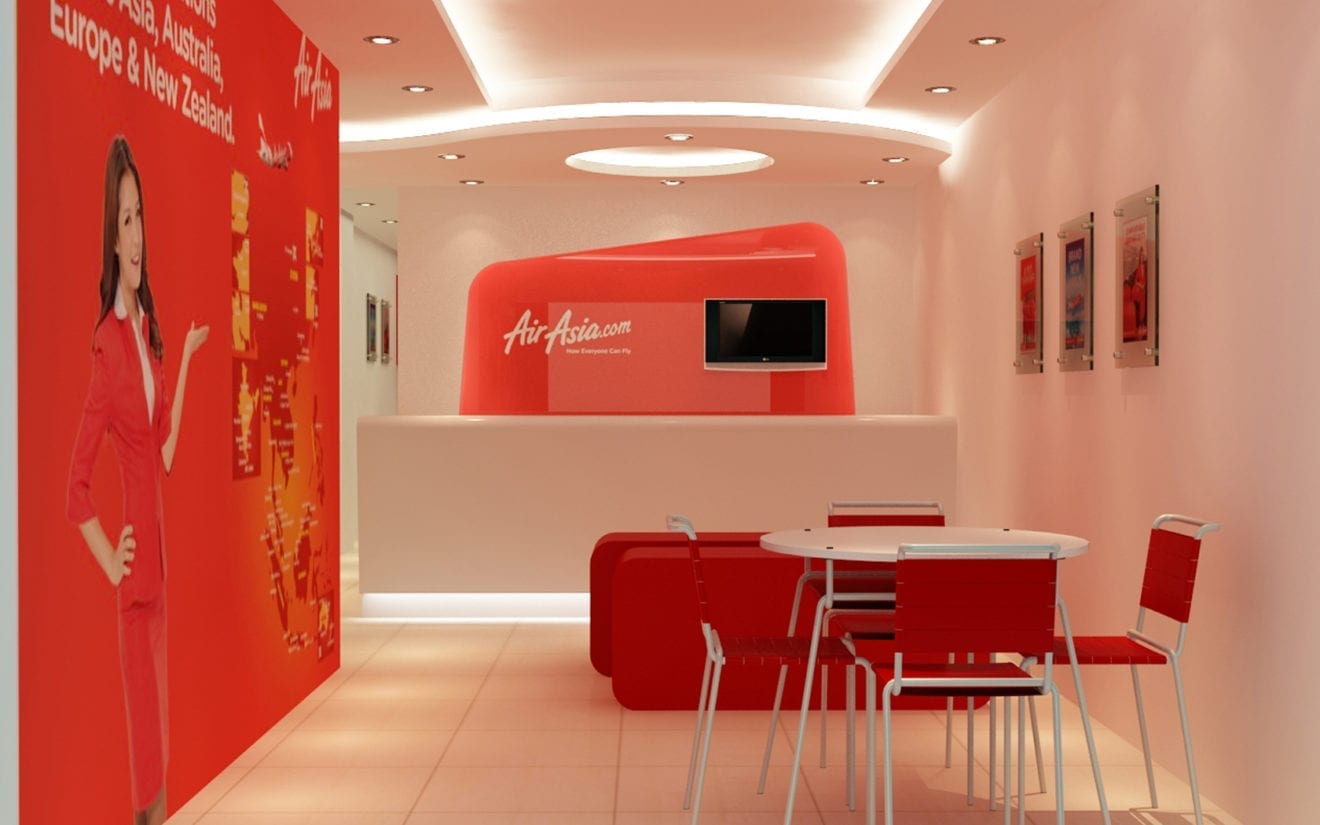
    AirAsia, the Malaysia-based low-cost airline, will soon have an office in Cambodia to boost the number of tourist arrivals to the kingdom.

    The airline’s office will open soon, said AirAsia CEO Anthony Fernandes, after holding a meeting with Prime Minister Hun Sen in Switzerland on the sidelines of the World Economic Forum.

    Mr. Hun Sen said AirAsia’s presence would bring more tourists to Cambodia, adding that the airline has helped transport tourists to Cambodia from all over the world.

    Keo Sivorn, director general of the State Secretariat of Civil Aviation, said AirAsia’s decision to open an office in Cambodia was in response to the current demand of passengers and cargo to the kingdom.

    “It will help the company provide additional satisfied service to its passengers,” said Mr. Sivorn.

    “AirAsia has existing flight service operations to Cambodia. It will open an office here soon because it sees the demand of the aviation sector in Cambodia increasing thanks to the country’s high economic growth.”

    The new office is also in response to the number of local airlines operating in the kingdom, Mr. Sivorn said.

    Ho Vandy, secretary-general of Cambodia’s National Tourism Alliance, said AirAsia would bring more people from all corners of the world to Cambodia because of its popularity offering low fares.

    “It’s a reflection of the airline market. It will serve the high demand of passengers and tourists traveling by plane and it will meet the government’s ‘Open Sky’ policy,” he said.

    Two local airlines, which are expected to get off the ground this year, will push the total number of local airlines to six, according to Mr. Sivorn. The four now operating are Cambodia Angkor Air, Bassaka Air, Cambodia Bayon Airlines and Sky Angkor Airlines.

    “By this year, the two airline companies will hopefully start providing service. Due to economic growth and stable politics, the number of airlines is increasing,” he said.

    AirAsia is currently operating 67 flights per week out of Phnom Penh and Siem Reap international airports, according to Mr. Fernandes.

    AirAsia swung to a profit in the third quarter of 2016 from a net loss a year earlier. Net profit for the three months ended September 30 was 353.9 million ringgit ($79.62 million), versus a net loss of 405.7 million ringgit a year earlier. Revenue rose 11.2 percent to 1.69 million ringgit, the company said.

  • Nike aims for traction in Cambodia with first retail store

    Nike aims for traction in Cambodia with first retail store

    American sporting goods giant Nike has opened its first dedicated retail store in Cambodia in what observers have described as another sign the Kingdom’s strong economy and rising incomes had not gone unnoticed by international retail giants.

    The opening of the outlet store in central Phnom Penh marks the first time that Nike goods such as sport shoes and apparel – including items produced at local factories – can be purchased from a dedicated brand outlet.

    According to Julie Chung, Charge d’ Affaires at the US Embassy in Phnom Penh, Nike’s retail launch underscores the Kingdom’s economic development and its ability to attract major name-brand American products and investment.

    “This is a testament to the economic transformation that is taking place here a transformation we hope the United States and American companies can continue to help support,” she said at the store opening on Saturday.

    Ronald Marvin, executive director of the American Chamber of Commerce, said the Nike store’s arrival was a positive sign that American businesses have confidence in the Cambodian market.

    However, on a retail level, some analysts said the choice of opening a flagship store on Monivong Boulevard, rather than in an upscale mall or neighbourhood such as Aeon Mall or Boeung Keng Kang 1, could signify that Nike was still testing the market before going all in.

    “The fact that they are not opening a flagship store in a more prime location could be because they just want to establish a presence in Cambodia for the meantime,” said Sofia Perez of property consultancy advisory Knight Frank Cambodia.

    She said that while Nike’s brand-name appeal would certainly help business, it should not be relied on as the sole marketing tool.

    “The choice in location and the store size will definitely affect brand image, which is important for consumers because for a higher price, they would also expect a more exclusive shopping experience among other added benefits,” Perez said.

    She added, however, that if Nike can develop an effective marketing strategy with added consumer benefits, “they could definitely increase the pressure on their competitors”.

  • Cambodia’s new airline prepares to launch

    Cambodia’s new airline prepares to launch

    JC International Airlines expects to take delivery of its first aircraft in the coming weeks, ahead of the start of commercial operations from Phnom Penh in February 2017. The carrier has acquired two Airbus A320s from airberlin.

    Part-owned by China’s Yunnan Jingcheng Group, which also operates Kunming-based Ruili Airlines, JC International Airlines is planning to serve domestic and international routes to countries including Malaysia, Singapore and China.

    Cambodia was without an airline for several years until the launch of Cambodia Angkor Air in 2009. Since then a further four airlines have started operating in the country, including Apsara International Air, Bassaka Air, Cambodia Bayon Airlines and Sky Angkor Airlines.

    As such, JC International Airlines will become Cambodia’s sixth commercial airline.

  • Cambodia’s property market continues to trend upwards

    Cambodia’s property market continues to trend upwards

    Cambodia’s property market has developed at an increasingly fast pace over recent years which has provided foreign investors with a range of opportunities. Some insight from Simon Griffiths, the senior associate director for CBRE Cambodia, to see what lays ahead for property and foreign investment in 2017.

    2015 saw a spike in foreign direct investment (FDI), and the property sector was a big benefactor of these investments both in terms of headline investments in new development projects, and also from foreign individuals investing in one or numerous condos, SoHo units or strata office.

    2016 saw the physical manifestation of this wave of development investment in the form of large-scale buildings rising out of the ground across Phnom Penh. However, there was also a slowdown in foreign private individual sales and/or investments.
    This led to developers and individual investors to be more cautious in 2016 as everyone took stock of the market.

    Nevertheless, a palpable appetite for further development still existed with developers actively seeking out opportunities away from the ubiquitous condo template by innovating on residential design or looking at new sectors and geographies all together.

    There was evidence that private individual foreigners were still buying real estate in Cambodia late in 2016 and that private investors were particularly attracted to guaranteed yields, developers with strong reputations and new or innovate products/design.  Consequently, FDI in property/real estate remained strong in 2016 but not equal to 2015’s.

    Looking ahead for 2017, it is likely FDI will remain high but not in the same sectors or geographies as experienced in 2015 and 2016.

    If Phnom Penh is a cup, then that cup is brimming with development. That does not mean there will not be further foreign investment in Phnom Penh in 2017, but expect to see foreign investment move towards entertainment, hotels, condo-hotels and retail in 2017 rather than in 2015 and 2016 where the focus was largely on the residential sector.

    For 2017, as a foreign private investor, it is an interesting time. 

    With greater competition, developers shall increasingly offer better guaranteed yields and deals to foreign (and local) buyers.  Against the back-drop of stagnant low interest rates in developed economies, guaranteed yields of five percent and above represent ways to appreciate wealth rather than in real terms losing it as it sits in the bank – but crucially only if the private foreign investors trust the developer and the investment holds its value.

    That brings me to another sector and geography that shall +see significant FDI, and that is Sihanoukville.  Traditionally, only low-scale, low-rise tourism expect big announcements about mega resorts above 1,000 hectares and significant foreign FDI in this province.

    Whether or not all the FDI will be in 2017 is difficult to predict, but it is looking likely the next real estate boom may well be in Sihanoukville.  Expect more tourism, hospitality and entertainment investment but also residential investment, and, interestingly, that residential foreign investment may not just be in condos but also on the ground.

    The details are not known but there is a possibility Sihanoukville may gain a ‘Special Status’ and this special status may permit foreigners to buy land within specially licensed areas within the province.

    Whether this would apply to industrial units such as the Thai Special Economic Zone model or include holiday homes for foreigners is not yet clear, but either or both will lead to significant FDI in the province and be an engine for growth and investment should such a status come to fruition.