Tag: Cambodia

  • Cambodia to Build the World’s Tallest Twin Towers

    Cambodia to Build the World’s Tallest Twin Towers

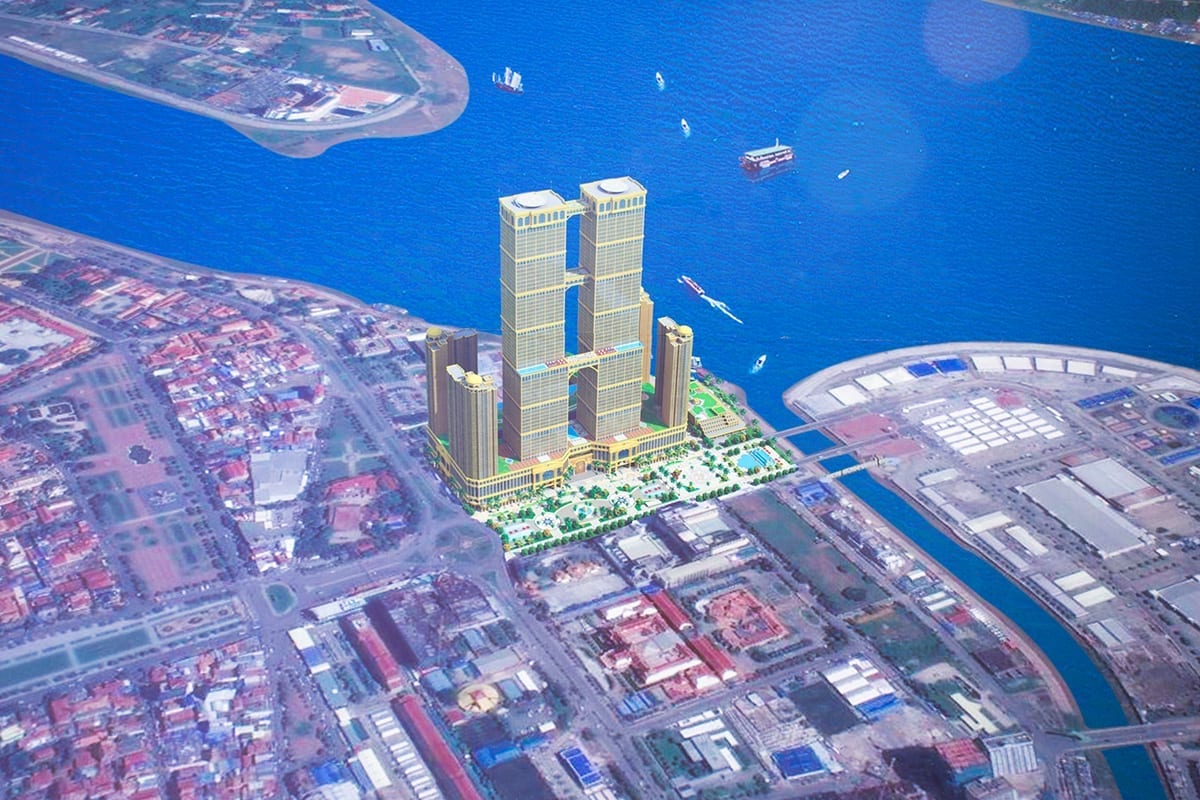
    The world’s tallest twin towers will be built in Cambodia’s capital of Phnom Penh but doubts about the building’s commercial viability are casting a pall on its prospects this early in the game.

    The “Thai Boon Roong Twin Tower Trade Center” is being jointly developed by Cambodian firm, Thai Boon Roong and Chinese contractor, the Kia Nip Group.

    The mixed-used tower complex will be 560 meters high and include 133 floors. It will be worth over $1 billion. Thai Boon Roong Twin Trade Center will become Asia’s tallest tower, and a new icon for Phnom Penh, said the company.

    It will be located on the five-hectare Dream Land plot in the Tonle Bassac commune in Phnom Penh. It will feature a hotel, commercial office spaces, a cultural center, retail and shopping centers, entertainment facilities, residential areas, exhibition halls and a four-floor underground parking lot.

    A consortium led by Sino Great Wall International Engineering won a $2.7 billion contract last week to build Thai Boon Roong Twin Tower Trade Center. Sino Great Wall said construction is expected to take some 60 months.

    Sino Great Wall International Engineering is a leading Chinese property construction contractor and a subsidiary of Sino Great Wall.

    The project will begin once the consortium of Sino Great Wall International and another Chinese company, Wuchang Shipbuilding Industry, finalize the funding.

    The current tallest twin towers in the world are the Petronas Towers in Kuala Lumpur, Malaysia. Petronas has 88 floors and is 452 meters high.

    Doubts over the financial future of the project stems from the Thai Boon Roong Group being owned by “trigger happy” Chinese-Khmer businessman Teng Bunma. The hot-headed Teng is notorious for pointing guns at his opponents during disputes.

    He’s also banned from entering the United States for being a suspected international drug smuggler.

    Thai Boon Roong also owns Cambodia’s tallest building (the 39-storey Vattanac Capital Building), which has had huge occupancy problems. Vattanac Capital had an occupancy rate of only 30 percent by mid-2016.

    The fortunes of this building do not bode well for the future of Asia’s tallest twin towers — which might well become a “White Elephant” — despite the rapid growth of office, retail and condominium projects in Phnom Penh.

  • Fuel prices increase at pumps in Cambodia

    Fuel prices increase at pumps in Cambodia

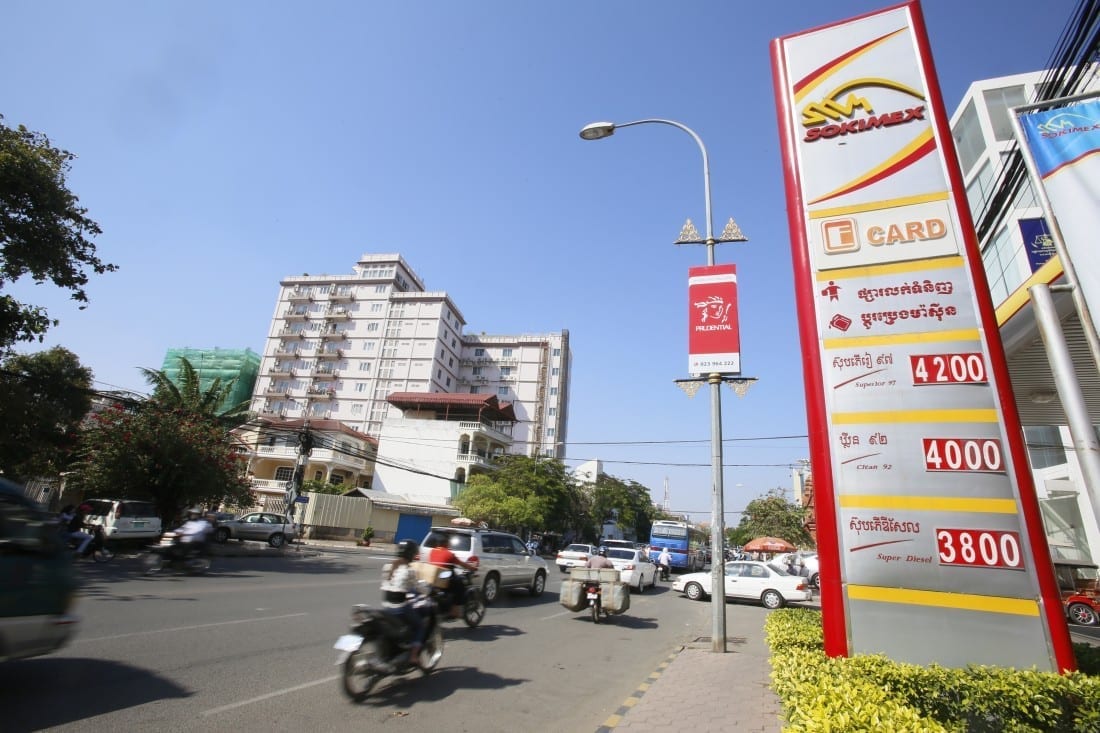
    Road users can expect to pay up to 500 riel ($0.12) more per liter of fuel due to the increase in global crude oil prices after the government last March pegged local prices to that of the international market, a Commerce Ministry official said yesterday.

    From today until January 21, drivers can expect to pay 3,850 riel ($0.95) per liter for Gasoline 95, up 500 riel ($0.12), 3,750 riel ($0.93) per liter for Gasoline 92, up 450 riel ($0.11), and 3,450 riel ($0.85) per liter for diesel, up 450 riel ($0.11).

    “Please understand that the mechanism is just to prevent gas prices from increasing higher than that of the global gas price or when global gas prices go down, all local retail gas stations in Cambodia are also compelled to bring down the prices,” Commerce Ministry spokesperson Soeng Sophary said.

    “This formula is not intended to keep gas prices in Cambodia low even when global gas prices are on the rise.

    “We just want to prevent retailers from increasing their prices beyond that of global prices. We will follow the global market price,” she explained.

    Gas prices have been steadily increasing since November last year.

    The government last March announced that it would be standardizing retail gas prices in Cambodia by pegging them to world oil prices in the wake of the plunging global crude oil price the year before.

    The Commerce Ministry was tasked with releasing updated prices to all retail stations every 10 days, on the first, 11th and 21st of each month.

    Ms. Sophary attempted to quell dissatisfaction over the increase in prices by explaining that the new mechanism of calculating prices made Cambodia susceptible to world oil prices, which fluctuate according to global markets.

    “We are easily affected if there is any issues going on within those larger economies,” she said. “We cannot ask to lower gas prices when the global economic system is always changing since we have to follow the global situation.

    “The price could go down after US President-elect Donald Trump takes office later this month or it could increase if there are any issues in the EU or if there is ongoing terrorism in Turkey,” she said, adding that Cambodia would only be able to experience consistently low gas prices if it could produce its own refined product.

    PTT (Cambodia) deputy managing director Bin Many Mialia told yesterday that he understood the price hike given the new pricing mechanism, but remained optimistic as given the uncertainty of the global political climate, world oil prices could see a reduction next month.

    “The price for gas in Cambodia goes up and down since we are solely, 100 percent dependent on international gas prices. We cannot adjust the price, increase it or lower it, we cannot predict what the gas price will be. It’s up to the international market price,” Mr. Many Mialia said.

    “Now we see the trend of the oil price being high, but we will wait and see next month whether it continues to increase or if it will fall. All the countries don’t know what the US policy will be like or what the regional situation will be,” he added.

    According to a report from the Cambodia Import-Export Inspection and Fraud Repression Directorate-General, oil imports to Cambodia increased by one percent in the first 11 months of 2016, while the value of oil imported dropped by about 28 percent.

    The report showed that from January to November 2016, Cambodia imported 1.5 million tons of oil, compared with 1.49 million during the same period in 2015.

    Gas prices decreased by 16 percent, while diesel and petroleum prices dropped 19 percent and 28 percent respectively.

    The value of the oil imported throughout those 11 months last year stood at $615 million compared with $858 million the year before.

  • Vietnam telecom giant to scrap roaming fees with Laos, Cambodia from 2017

    Vietnam telecom giant to scrap roaming fees with Laos, Cambodia from 2017

    The company expects to lose $1 million a month but hopes to boost connections in Indochina. Vietnam’s biggest telecom firm Viettel has announced it will abolish roaming charges between Vietnam and neighboring Cambodia and Laos, where it has also developed strong networks.

    Nguyen Manh Hung, general director of the company, said that starting from next year its subscribers in the three countries will be able to phone each other at domestic call rates, local media reported. Viettel has developed the Metfone network in Cambodia and Unitel in Laos.

    Hung said the initiative is to facilitate cultural and trade connections in Indochina, but the company will lose around $1 million a month.

    In October last year, members of the European parliament also voted to scrap mobile roaming charges from mid-2017 to save holidaymakers among member countries from racking up massive phone bills.

    ASEAN ministers of communications raised the idea of abolishing roaming fees thoughout the bloc back in 2013, but no agreement was finalized.

    Besides Vietnam, Viettel operates mobile networks in ten countries in Southeast Asia, South America and Africa.

    Its brand value has been estimated at $973 million by UK-based intangible asset valuation consultancy organization Brand Finance. It is ranked seventh in Southeast Asia and 93rd globally.

  • Viettel pioneers free roaming in Cambodia, Laos, Vietnam

    Viettel pioneers free roaming in Cambodia, Laos, Vietnam

    Vietnam’s state-owned telecom Viettel will eliminate overseas roaming charges between its operators in Vietnam, Laos, and Cambodia from January 2017.

    “Users of Metfone in Cambodia, Unitel in Laos and Viettel in Vietnam will be charged at the local mobile fee when they make cross-border calls to each other,” said Nguyen Manh Hung, Viettel’s managing director, who regards the three countries as an economic and cultural bloc.

    Discussions about free roaming services started years ago in Australia, Europe, and New Zealand, but without bearing fruit. Free roaming within the Association of Southeast Asian Nations has also been discussed by regional ministers since 2013.

    Viettel has well-established infrastructure in the three countries, and is the first telecom to launch such a service within a regional economic bloc, promising cheaper cross-border rates for calls and data.

    In a statement released on Thursday, Viettel said it expected its individual operators to lose some revenue initially with the reduced charges, but provided no figures. The figure could be 2% according to one Europe model in 2013. Viettel expects users to become more active when they travel if they can continue paying domestic rates.

    Military-run Viettel posted revenue of $9.7 billion in 2015 with 13% year-on-year growth, and profits up 8% to $2 billion.

    As of September 2016, Viettel had 90 million customers, of which 26 million were in nine overseas markets: Burundi, Cambodia, Cameroon, Haiti, Laos, Mozambique, Peru, Tanzania, and Timor Leste. Viettel has targeted 25 countries by 2020.

    Cambodia and Laos were Viettel’s first foreign ventures, and remain its most profitable. By August, Unitel in Laos had $1 billion in accumulated revenue over seven years and aggregate profit of $300 million. Unitel has a brand value of $132 million, making it one of the 30 most valuable in the region and top in Laos, according to a report by UK-based Brand Finance in April. The company currently has more than 2.5 million customers. It accounts for 47% of Laos’s mobile market and 35% of the broadband market.

    Metfone in Cambodia has a brand value of $94 million and is the leading mobile service provider in the country with 5.5 million customers and 37% market share. It recorded $256 million in revenue last year.

    Viettel already operates in East Timor, and is about to launch in Myanmar with a $1.5 billion commitment and two local partnerships. It is also believed to be negotiating its entry into Indonesia.

  • Cambodia’s Grand Lion Group to Open Marriott Branded Hotel in Siem Reap

    Cambodia’s Grand Lion Group to Open Marriott Branded Hotel in Siem Reap

    Preparations are under way for Cambodian-based Grand Lion Group to open the very first Marriott International branded hotel in Cambodia, a 233-room Courtyard by Marriott Siem Reap Resort in April 2017.

    The Courtyard by Marriott Siem Reap Resort is strategically sited 15 minutes away from the UNESCO World Heritage site of Angkor Archaeological Park, one of the world’s renowned tourist sites which drew over two million global visitors in 2015. In June this year, the European Council on Tourism and Trade (ECTT) announced Cambodia as the ‘World’s Best Tourist Destination’ for 2016, out of 29 candidate countries. Simultaneously, Cambodia was also declared the ‘Favourite Cultural Destination’. The top three source markets to Cambodia are Asia, Europe and the Americas.

    Courtyard by Marriott Siem Reap

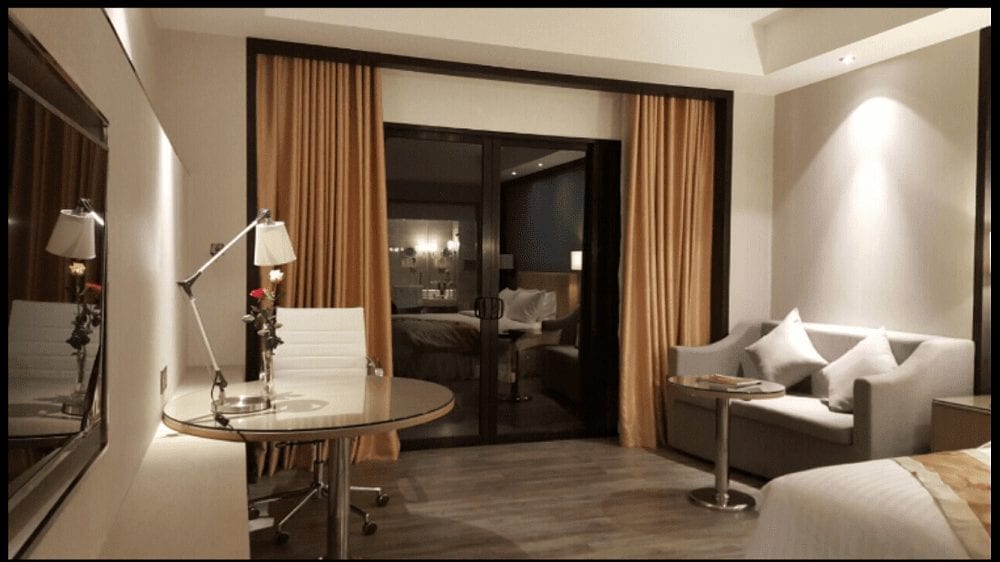
    The Courtyard by Marriott Siem Reap Resort will feature 233 stylishly-designed guestrooms with four-fixture bathrooms. In-room amenities will include Marriott’s famous plush bed and bath linen and amenities, high-definition flat-screen television, high-speed internet access, mini-bar and safe. Dining and entertainment options include a casual, all-day dining restaurant, a rooftop bar called The View with stunning views of Angkor Wat, a grand ballroom and a lobby lounge. Recreational facilities will include an outdoor swimming pool and a fitness centre as well as a full-service spa including a relaxation lounge and a foot reflexology area.

    The property will also feature approximately 600 sq m of function space and is expected to create over 200 employment opportunities.

    The Grand Lion Group also plans to open a 250-room resort Marriott branded resort in Cambodia’s beachside playground of Sihanoukville adjacent to a 688-unit residence and a retail mall. Slated to break ground in the 4th quarter of 2017, the sleek USD160 million project designed by Blink Architects, is dramatically designed to change the skyline of Sihanoukville and inject real luxury into this region. Sited four hours by road from Phnom Penh in the south west of Cambodia, the Resort is scheduled to open in 2020.

  • PPCBank set for more digital and retail growth in 2017

    PPCBank set for more digital and retail growth in 2017

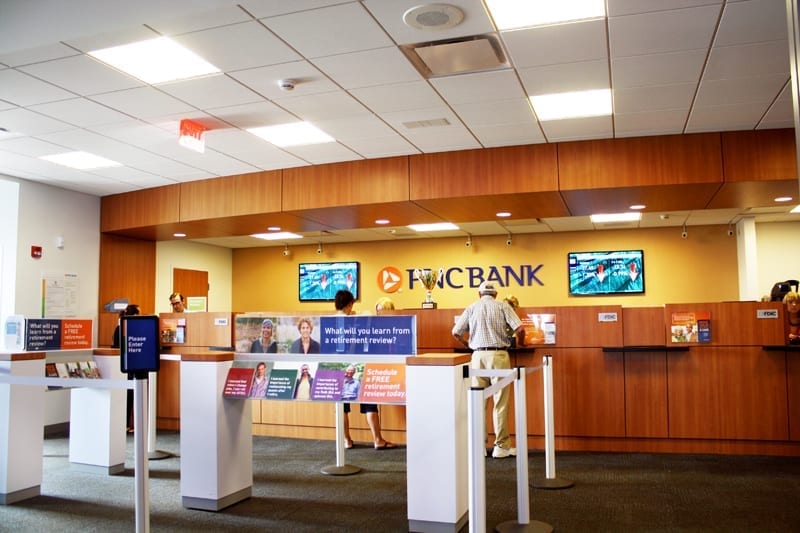
    When new Korean shareholders boosted Phnom Penh Commercial Bank (PPCBank) with a $20 million capital increase this year, they had placed the commercial bank, then already among Cambodia’s largest, on a path primed for further growth and pioneering developments.

    As a result of Korean banking know-how and increased capital, PPCBank has been able to further its ambitions in the Cambodian market. Shin Chang Moo, President of PPCBank and an industry veteran with more than 30 years of finance experience in Korea and other countries, said, “The Korean financial industry has come a long way, from emerging to being developed. This gives us the honour of knowing what developments the Cambodian banking industry is facing now and in the future.”

    Understanding banking market evolutions, PPCBank, headed by Shin, has defined priorities for the bank’s business operations in Cambodia’s developing financial industry.To become a leading retail bank in Cambodia and Southeast Asia, PPCB will boost its retail business and focus on promoting digital banking and building up human resources, according to Shin.

    In a first step, the $20 million capital increase has enabled the bank to expand and diversify their loan portfolio with a strong focus on small and medium enterprises (SMEs) – the economic backbone of the economy, Shin said.

    To effectively reach retail customers with their new loan products, Shin said PPCBank was set to open more branches where clients were met with “strong consultations and more financing options through combined and customized products and services.”

    Other than increasing clientele and improving services for Cambodian customers face-to-face in new branches, PPCBank aims to put a strong focus on mobile and digital banking; adding convenience for customers through social network, providing top-up through mobile and transfers to non account holders.

    Lining out their digital and mobile payment strategy, the president explained PPCBank was promoting its “Open Banking System”.“To promote synergies and nationwide networks for the benefit of our customers we aim for collaborations with financial technology companies and utilize third party payment providers to expand banking services to even more people,” Shin explained, adding that he also plans to adapt to customers’ data analytics and integrate services with the third party to serve customers even better.

    Shin said speed, convenience and quality of service and attractive overseas remittance options, especially from Korea to Cambodia, were among other customer benefits.

    Looking to continue the path of success from 2016 into 2017, president Shin said that he and PPCBank’s staff are excited to further the mobile growth, offer even more products and services and improve business efficiency – all for the benefit of the customers.

    “The energy we put in won’t be to generate greater business profits but to give our banking service the love, confidence and trust from all customers we serve,” Shin said.

  • Cambodia to Open Ports to Laos Exports

    Cambodia to Open Ports to Laos Exports

    Cambodia will soon open both its roads and ports for Laos to use in exporting goods abroad, according to an announcement posted on Prime Minister Hun Sen’s Facebook page on Sunday.

    The announcement followed a meeting between Mr. Hun Sen and Laotian President Pany Yathotou in Phnom Penh on Saturday, during which the two discussed strengthening ties.

    The Facebook post did not specify when ports would be open to Laotian exports, or which ports these would be, and the Ministry of Foreign Affairs could not be reached on Sunday for comment.

    Soeung Sophary, a spokeswoman for the Ministry of Commerce, said opening Cambodia’s roads and ports to exports from Laos had been raised during diplomatic meetings in the past, but never agreed upon.

    “As Laos is a landlocked country, this is the first time for Cambodia to let Laos export through us,” she said, adding that she did not know the details of the agreement.

    Hun Sen’s meeting with Ms. Yathotou follows a meeting between the leaders of Cambodia, Laos and Vietnam in Siem Reap last week, during which the prime minister denied that the Don Sahong dam had any downstream effects on Cambodian villagers and warmly agreed to Laos’ offer to sell Cambodia cheap hydropower.

    Laos’s main export is timber, with U.N. Comtrade putting it at 40 percent of the nation’s exports. An internal WWF report leaked late last year asserts, however, that illegal logging in Laos is rampant, and the actual volume of timber leaving the country is poorly documented.

    Denis Smirnov, a consultant for environmental group WWF focusing on the timber trade in Southeast Asia, said it’s unlikely that any illegal exports will find their way through Cambodia, owing to an ongoing crackdown on the trade.

    “The Lao government in May started to enforce the export ban on unprocessed wood for the first time,” he said, adding that it was uncertain whether it would last past the end of the rainy season.

  • KB duplicates its success in global markets

    KB duplicates its success in global markets

    KB Kookmin Bank, one of the country’s leading lenders, is striving to duplicate its notable success here in the global market through briskly tapping into lucrative businesses across the world.

    Such efforts have started to bear fruit and the most recent example is its work of jointly arranging a 750 billion won ($660 million) project financing deal for a power plant in the United States.

    Earlier this month, the Seoul-based lender said that it joined forces with global banks Mitsubishi and ING Bank to finance the 790 megawatt gas-fired power plant construction.

    They attracted investors who purchased senior debt worth $660 million and of that amount, KB Kookmin arranged $200 million that is composed of a direct investment of $50 million and $150 million from other Korean firms.

    In overseas project financing in which Korean constructors are not directly involved, domestic financial firms have played limited roles. But the recent feats showcase KB’s capacity, according to experts.

    In retail banking, KB Kookmin has also been a pioneer in making a foray into offshore markets. As of the end of last year, it had 12 subsidiaries, branches and offices outside the country.

    One of its latest initiatives in the overseas retail market took place in Cambodia where KB Kookmin opened a mobile-oriented bank, Liiv KB Cambodia, this September.

    The digital bank offers various services such as account transfers, cross-border remittances and mobile payment services as well as various non-banking features like letting people top up their handsets.

    A KB Kookmin official said that the new-concept bank has been accepted well and for further growth momentum, it plans to enable its customers to withdraw money at automatic teller machines by forming business alliances with Cambodia’s top-tier banks.

    Observers point out that many successful firms tend to forget about management principles such as putting existing customers first and respecting business ethics but KB Kookmin appears to be different.

    Its CEO Yoon Jong-kyoo has stressed globalization to secure new cash cows for the lender, but at the same time he reiterates that the bank should stick to principles.

    “In an effort to become the most respected bank in the nation and to solidify its role as the leader of the Korean financial services industry, KB Kookmin Bank is committed to paying close attention to every one of our customers while providing the best customer-oriented services,” Yoon said.

    “Upholding high moral standards and work ethics as bankers, KB Kookmin Bank’s entire staff and management will keep striving to fulfill our responsibilities to our customers and society, making it the most dependable and socially responsible bank.”

  • Mongolian Hot Pot Coming to Phnom Phen

    Mongolian Hot Pot Coming to Phnom Phen

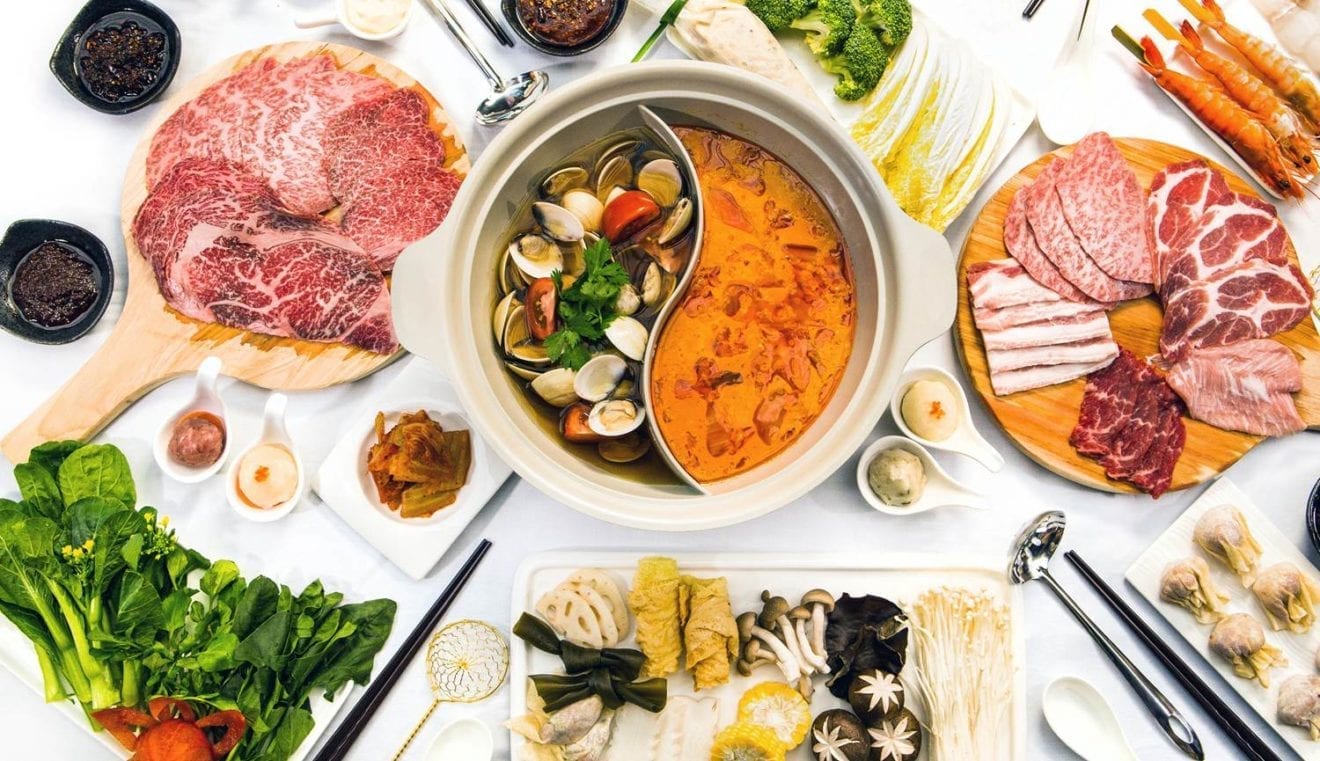
    Little Sheep Hot Pot, a Yum Brands Inc. company, yesterday signed a partnership agreement with HGB Food Industry Co. Ltd. to bring its Mongolian hot pot restaurant to Cambodia.

    HGB Food Industry is a subsidiary of private local investment company HGB Group, which focuses on the domestic automobile industry, food and retail goods.

    Little Sheep’s director of field operations Aileen Wu said the company would bring good quality food to the Kingdom through its cooperation with HGB Food Industry.

    “The partnership between Little Sheep Hot Pot with HGB Food Industry Co., Ltd. to step into the Cambodian market with branches of new restaurants is aimed at bringing fun and the delicious hot pot of Mongolia to Cambodia with many new branches,” she said, adding that they would be located in downtown Phnom Penh.

    HGB Food Industry representative Austin Tan said that the restaurant would bring healthy food to Cambodian people.

    “The market here shows high potential for the demand of healthy food. That’s why we are preparing to enter the market,” he said.

    Little Sheep Hot Pot began operations in 1999 with its first restaurant in Mongolia. In the past 17 years, the company has expanded to 300 branches in 110 countries. Yum Brands, which owns KFC, Taco Bell and Pizza Hut, bought the Mongolian hot pot chain in 2012.

    HGB Group is the sole-appointed distributor in Cambodia for Rolls-Royce Motor Cars, Bentley Motors, Mazda, Kia, Kawasaki and Harley-Davidson motorcycles.

    HGB Food Industry Co., Ltd. is a leading food and beverage distributor and retailer of quality imported food and beverages. The company has been operational in this field for eight years and is a preferred supplier of beverages to hotels and resorts, restaurants, cafes and retail stores in Cambodia.

  • Smart Axiata deploys SMS spam filtering suite

    Smart Axiata deploys SMS spam filtering suite

    Cambodia’s Smart Axiata announced it has deployed an SMS spam filtering and A2P SMS monetization platform from 365squared for its more than 8 million customers.

    The operator is using the 365secure service to continuously monitor and filer SMS traffic from any source on a round-the-clock basis. The service is designed to detect and block fraudulent SMS messages delivered through gray routes.

    Smart will also be able to use the service’s proprietary 365analytics software to conduct detailed traffic analysis and reporting. The implementation was conducted by 365squared last month.

    “Spam messages are disliked by everyone. The partnership with 365squared stands on our desire to strengthen customer relationships based on trust,” Smart Axiata CEO Thomas Hundt said.

    “By filtering intrusive and uninvited messages we provide to our customers peace of mind and therewith step up our customer experience efforts further.”

    Smart Axiata launched LTE services in January 2014, and has now expanded the network to cover 25 key provincial capitals as well as other key cities. The company’s combined 2G, 2.5G, 3G, 3.75G and 4G mobile network covers more than 98% of the Cambodian population.

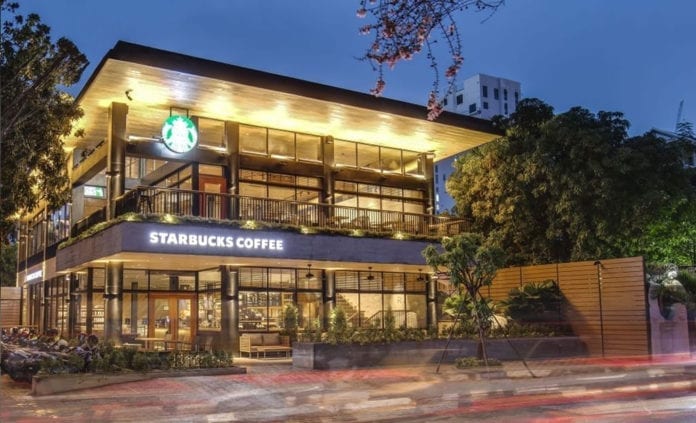
  • Starbucks in Cambodia: From Coffee Beans to Housing Dreams?

    Starbucks in Cambodia: From Coffee Beans to Housing Dreams?

    There’s nothing particularly new with coffee places opening in Phnom Penh. There is a different brand of coffee shop at just about every corner.

    But the recent launching of the Starbucks Reserve brand in Phnom Penh seems to mean something significantly more for both the international F&B franchise sector, and local urbanite Phnom Penh citizens.

    Been There, Done That

    With 45 years of experience in the coffee industry, Starbucks has managed to open around 22,519 stores worldwide (as of June 28, 2015). The brand has become one of the world’s most recognized, through intensive advertising campaigns and aggressive product placement.

    Fast-forward to October of 2016, another branch just opened to serve the Cambodian public in Phnom Penh’s BKK1 district. It was launched under the high-end “Reserve” brand of the company.

    If the market can prove profitable for Starbucks, other international F&B and consumer goods franchises may look to enter the Cambodian market place as well

    The new branch features two floors and 650 square meters filled with local craftsmanship, including a mural centerpiece depicting the Cambodian Folklore of Sovann Maccha.

    Starbucks Cambodia has partnered up with a local NGO – Cambodian Children’s Fund – as part of its long-term community investment. They said, “We take a thoughtful, disciplined approach to growth in Cambodia that is locally relevant and in line with our company’s values. Our growth story is not just about expanding our store count in the market.”

    Something Brewing:

    Yet Starbucks’ opening of another high-end coffee place doesn’t only signal a positive outlook for the F&B industry…

    It also transcends into real estate. A few months back, the World Bank declared Cambodia a lower-middle income country – where Cambodians currently have an average yearly income of between $1,026 and $4,035.

    So, locals are now able to afford items that have a higher price tag, according to the Bank.

    With this rise in consumers’ expendable incomes, Starbucks isn’t worried about the huge difference in price of their coffee compared to local ones. The local coffee costs about $0.74 (and sometimes as cheap as $0.25), while a small latte from Starbucks is $2.95.

    If a cup of coffee is any indication of rising incomes, then sectors like real estate might follow a similar trend. Investors may be getting closer to a market in which the local population can afford resale units and higher rental rates. The current lack of a secondary market, resale and rental, for new development units is proving one of the biggest risks of the Cambodian market for pure investors.

    Furthermore, if the market can prove profitable for Starbucks, other international F&B and consumer goods franchises may look to enter the Cambodian market place as well – spurred by this signal of consumer confidence and affluence.

    So while Starbucks opening in BKK1 has been warmly welcomed by local cafe enthusiasts keen to try an international flavor, its significance for investors may have longer lasting influence.

  • Cambodia Properties Shine in Asean

    Cambodia Properties Shine in Asean

    Asean property markets are promising, with Cambodia offering the most attractive prospects due to strong demand and limited supply, notably in Phnom Penh.

    Aliwassa Pathnadabutr, managing director of property consultant CBRE Thailand, said prime residential property for rent in the Cambodian capital has posted the highest yield among all sectors at eight percent per year. Selling prices remain relatively low, but rents are high.

    “Demand for rental in Phnom Penh is driven by expatriates working for multinational companies set up in the city,” she said. “Asking rents are high as those companies are willing to spend on good accommodation for their staff.”

    With strong demand and a limited supply of only 5,500 units, the apartment sector has an occupancy rate of between 80 to 90 percent while rent per square meter is 700 to 1,000 baht (about $20 to $28).

    Rent for a one-bedroom serviced apartment is around 40,000 to 50,000 baht per month ($1,141 to $1,426), the same rate for a unit in Bangkok.

    But the average selling price for a high-end unit is only 110,000 baht per square meter, lower than Bangkok’s 200,000-300,000 baht.

    She said the selling price per square meter for a high-end residential unit in Phnom Penh is lower than that in Bangkok due to lower land costs. Construction costs, however, are close to those in Bangkok as most of the construction materials are imported from Thailand.

    For the high-end segment, the average selling price is 110,000 to 170,000 baht per square meter. For middle-end condos it is 93,000 baht and 24,000 baht on average for the affordable segment.

    The foreign ownership quota in Cambodia’s residential sector is higher than Thailand’s, with up to 70 percent of total units at a project. But foreigners are not allowed to buy ground-floor or basement units. Foreigners are also allowed to set up a company with 100 percent ownership.

    However, Thai investors should be cautious if they want to jump on the bandwagon as Phnom Penh’s residential supply will reach 25,000 units in 2018 from only 5,000 units this year, Ms. Aliwassa said.

    Investing in a condo for rent in Phnom Penh is attractive for individual investors. The major investment buyers in the city are Taiwanese, Chinese, Singaporean, South Korean and Japanese.

    “If Thais want to get in on the act, they should do so now or at the beginning of the boom as there will be a large volume of new supply being completed in the next two years,” added Ms. Aliwassa.

    She said office and retail spaces in Phnom Penh are limited but demand is strong so the occupancy rate is quite good. The city’s office supply totals around 280,000 square meters, compared with 8.4 million square meters in Bangkok.

    For C-grade office space, occupancy is as high as 90 percent due to a lower monthly rent of $10 to $15 per square meter. Rent for B-grade office space is $16 to $25 with an occupancy rate of 85 percent while A-grade rent stands at $28 with an occupancy rate of only 40 percent, compared with $30 in Bangkok.

    Another attractive investment in Phnom Penh is retail, as Thai brands are very popular among Cambodian consumers. Successful Thai retailers in Phnom Penh now include Major Cineplex, Fuji and S&P restaurants.

    Nonetheless, the retail property market in Phnom Penh is quite small compared with Bangkok. The current retail space in Phnom Penh totals 680,000 square meters, which accounts for less than 10 percent of Bangkok’s total retail area of seven to eight million square meters.

    Despite limited supply, the monthly rent for prime malls remains low at only 1,200 baht per square meter, compared with 3,000 to 4,000 baht in Bangkok.

    Although Phnom Penh’s luxury segment has a limited supply, it might be too soon to enter the market as the segment is very small and Cambodian consumers are not ready to accept luxury prices, said the consultant.

    “Besides checking local regulations, investors should consider the balance of costs, prices and returns. If one of them is too high, the rest will fall down just like in Myanmar where land costs are very high,” added Ms. Aliwassa.

    Tony Picon, managing director of property consultant Colliers International Myanmar, said all commercial properties in Yangon are attractive with high occupancy rates since supply is limited and demand is strong.

    “New supply is difficult to enter as regulations are unclear and land costs are steep,” he said. “But opportunities in Myanmar are high as its GDP is the highest in the region at 8.3 percent. The country also boasts abundant resources.”

    Suphin Mechuchep, managing director of property consultant JLL Thailand, said Vietnam is an interesting investment destination as its economy is picking up, purchasing power is strong and the government is spending on infrastructure projects.

    “All segments in Vietnam’s property market have bottomed out in the past two years as middle-income earners prefer spending on IT, mobile and technology,” she said.
  • Siam Makro buys four food companies

    Siam Makro buys four food companies

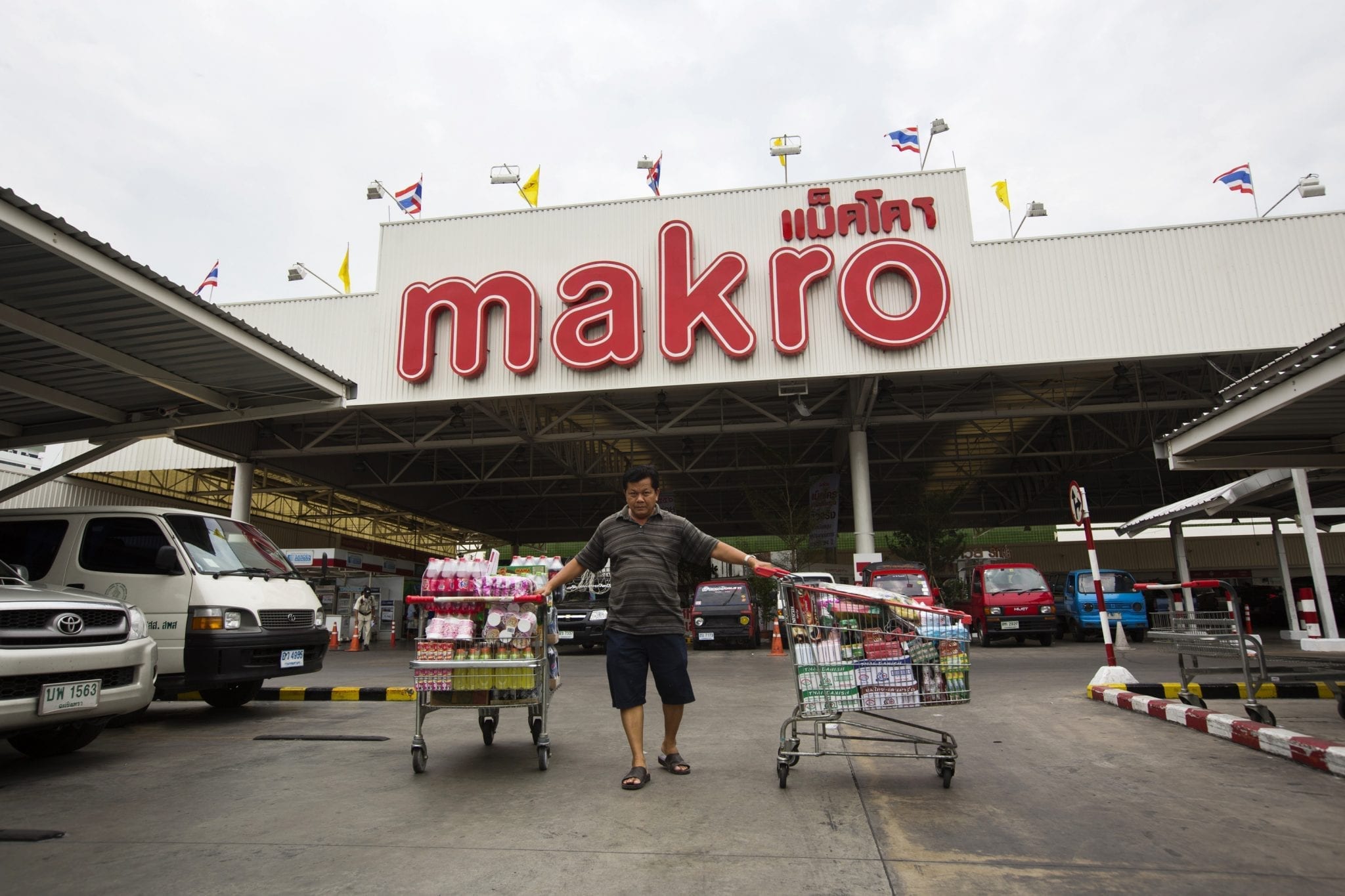
    Siam Makro, which runs the Makro cash-and-carry store chain, has clinched a 3-billion-baht (US$85.75 million) deal to acquire four food companies.

    Through its wholly owned subsidiary Siam Food Services, Siam Makro has entered into an agreement to acquire an 80 per cent stake in each of Indoguna (Singapore), a listed firm on the Singapore Exchange, Indoguna Dubai, Lordly and Just Meat. Indoguna is listed on the Singapore exchange, while Lordly and Just Meat are Hong Kong listed.

    The funds will come from Siam Makro’s cash flow and bank loans.

    Siam Makro’s major shareholder, Charoen Pokphand Group (CP), has its strength in the food and agricultural businesses. CP acquired a 64 per cent stake in the cash-and-carry chain from the Dutch trading company SHV Holdings for $6.6 billion in 2013.

    Siam Makro has partnered with with local companies to take its Makro cash-and-carry chain to Cambodia. The JV is 70 per cent owned by Makro ROH, a wholly owned subsidiary of Siam Makro, and the balance by Cambodian investors, with $2 million in initial registered capital.

    Siam Makro plans to open 10 stores in Thailand this year, bringing its total outlets to 108 nationwide. During the first half, Siam Makro posted a net profit of 2.38 billion baht on revenue totalling 85.7 billion.

  • KFC Malaysia parent plans IPO

    KFC Malaysia parent plans IPO

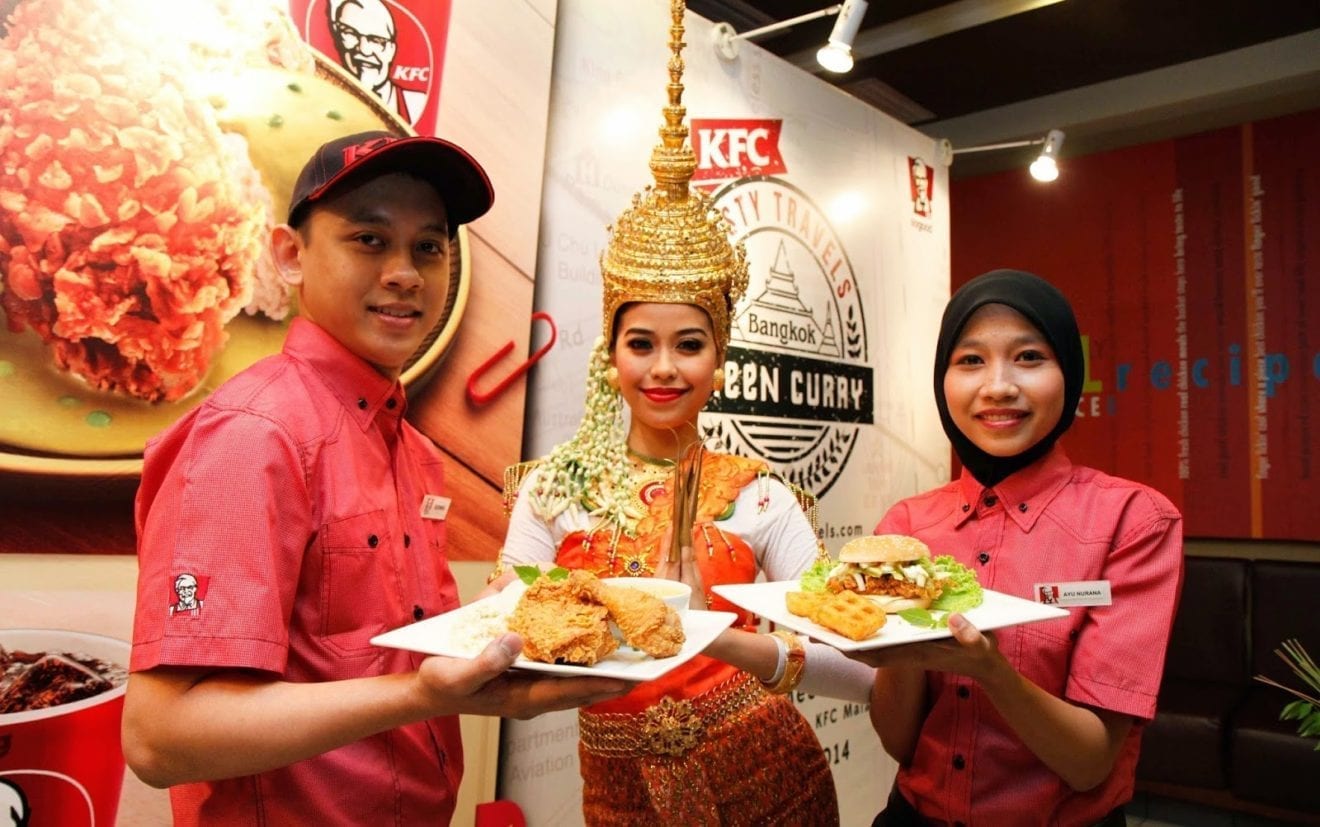
    KFC Malaysia parent QSR Brands (M) Holdings, is arranging an IPO next year expected to raise about US$500 million.

    The company, which has both KFC and Pizza Hut restaurant concessions in Southeast Asia,

    Citigroup, Credit Suisse Group and Malayan Banking will lead the offering. QSR has also chosen CIMB Group Holdings and RHB Bank to work on the share sale, reports the Business Times.

    The Kuala Lumpur-based company is seeking a listing after first-time share sales raised US$270 million this year.

    CVC, Employees Provident Fund and Johor Corp took QSR Brands private in 2013. It manages more than 730 KFC restaurants in Brunei, Cambodia, India, Malaysia and Singapore, as well as more than 450 Pizza Hut outlets in Malaysia and Singapore.

  • Carl’s Jr Cambodia opens first drive-through

    Carl’s Jr Cambodia opens first drive-through

    Cambodia has its first quick-service drive-through restaurant with the opening of a Carl’s Jr burger outlet in Phnom Penh, being run by TH F&B Co.

    Carl’s Jr Cambodia has been franchised by California-based CKE Restaurants Holdings, the parent company of Carl’s Jr and Hardee’s.

    “We’ve been experiencing phenomenal international growth this year,” says CKE international president Ned Lyerly. “In fact, Cambodia comes on the heels of successful openings in Australia, Japan and Kenya, and marks the 40th country CKE International has entered.

    “This is an important market for our overall expansion strategy, and we plan to open 15 restaurants in Cambodia.”

    Carl’s Jr Cambodia store

    As well as burgers, the Carl’s Jr brand offers chicken sandwiches, all made fresh to order. Its burgers feature chargrilled Australian beef. Also on the menus are ice-cream shakes.

    “We’re confident that Cambodia, with its large youthful population and increased awareness and desire for western brands, is going to love having this global burger chain,” says TH F&B MD Hav Norm.

    On the corner of Street 51 and Street 310 in Phnom Penh, the restaurant is open 12 hours daily, offering partial table service, an “all you can drink” beverage bar and complimentary Wi-Fi.

    Carl’s Jr Cambodia

    A privately held company headquartered in Carpinteria, California, CKE had its beginnings with Carl Karcher’s hot-dog cart in the 1940s. It now has 3729 franchised or company-run Carl’s Jr Restaurants and Hardee’s outlets in 44 states and 40 countries.

    Awarded with the master franchise and the exclusive rights to run Carl’s Jr in Cambodia, TH F&B Co has a portfolio including Cold Stone Creamery and Gyu-Kaku Japanese BBQ.