Tag: Cambodia

  • LVMH hits up record revenue in 2017

    LVMH hits up record revenue in 2017

    It has been another record year for luxury products group LVMH Moet Hennessy Louis Vuitton.

    Revenue increased by 13 per cent year on year to reach €42.6 billion (US$52.9 billion), while organic revenue growth was 12 per cent.

    All business groups recorded double-digit organic growth with the exception of wines and spirits, where second-half growth was hit by supply constraints.

    Profit from recurring operations reached €8.2 billion, up 18 per cent. Operating margin reached 19.5 per cent, while the group share of net profit was €5.1 billion, growth of 29 per cent.

    Describing the performance as “excellent”, LVMH chairman/CEO Bernard Arnault says the record year was partly because of a buoyant environment but above all a result of the creative strength of the group’s brands “and their ability to constantly reinvent themselves”.

    Key highlights of last year listed by the group include:

    ● Record revenue and profit from recurring operations.

    ● Growth in Asia, Europe and the US.

    ● The success of both iconic and new products at Louis Vuitton, “whose profitability remains at an exceptional level”.

    ● The acquisition of Christian Dior Couture.

    ● Growth at Fendi and Loro Piana.

    ● The first year of integration of Rimowa luggage.

    ● Strong momentum at Parfums Christian Dior, driven by product innovation.

    ● An excellent year for Bulgari and good progress at Hublot and Tag Heuer.

    ● Growth at Sephora.

    ● Free cashflow of €4.7 billion, up 20 per cent.

    “Significant” growth in China helped Hennessy cognac volumes grow by 8 per cent, with 7.5 million cases shipped despite the second-half supply constraints.

    In fashion and leather goods, key events of the year were products arising from collaborations with artist Jeff Koons as well as the Supreme brand, the launch of the brand’s first smartwatch and the inauguration of the Maison Louis Vuitton Vendome in Paris.

    There was rapid growth in Asia for the perfumes and cosmetics segment, and growth was particularly strong in Asia for Bulgari. Asia again shone in the selective retailing group with Sephora continuing to gain market share.

    LVMH says the year was a positive turning point for DFS, with new stores in Cambodia and Italy continuing to grow sales.

    Despite unfavourable currencies and geopolitical uncertainties, LVMH says it is well equipped to continue its growth momentum across all business groups this year.
  • Korea’s Caffe Bene sees the end

    Korea’s Caffe Bene sees the end

    Korean coffee chain Caffe Bene has collapsed, filing for a court-led restructuring scheme on Friday.

    Yonhap news service reports the court will soon decide whether to put the ailing coffee chain under its receivership or commence liquidation.

    The legal move follows a protracted slump and mounting losses, the company said. In 2016, the company lost about US$32 million on sales of $73 million, down 32 per cent on the previous year. At that time it operated 800 stores in Korea, a figure it said would shrink as it restructured, and about 50 in the US.

    Launched in 2008, Caffe Bene expanded to become one of South Korea’s largest coffee franchises, opening more than 1000 stores in five years, but lost ground in the saturated coffee market. While its US website claims it has opened 1600 stores worldwide, the exact number still trading is difficult to ascertain. It has opened in Vietnam, the US, China, Canada, Brunei, Singapore, Japan, Indonesia, the Philippines, Saudi Arabia, Malaysia, Cambodia and Mongolia.

    But the international foray has met with mixed success. The Cambodian store has already closed and the last Facebook post by the Singapore cafe is dated February last year. In Vietnam several stores have opened and closed, including its downtown flagship which drew huge queues when it opened in 2014. Three outlets remain trading there, but it is not clear if they are franchised or company-owned.

    The company also appears to have exited the Canadian market.

    While rapid growth in the consumption of brewed coffee drove up the Korean coffee industry’s overall expansion, Caffe Bene was unable to match the growth rate at home.

  • Luk Fook expands into Cambodia

    Luk Fook expands into Cambodia

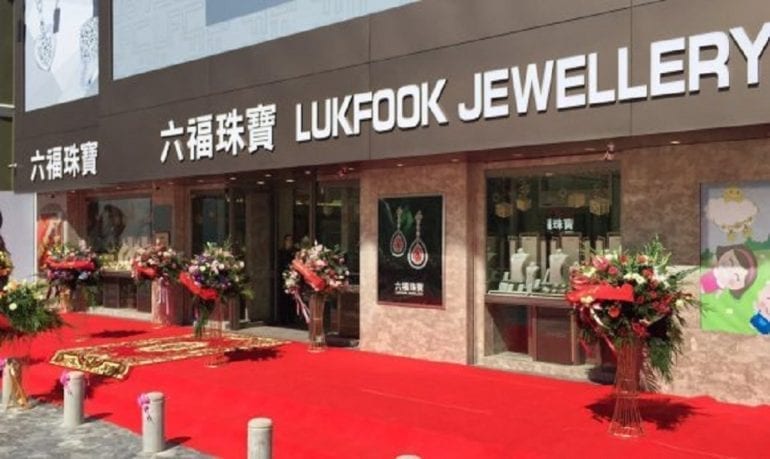
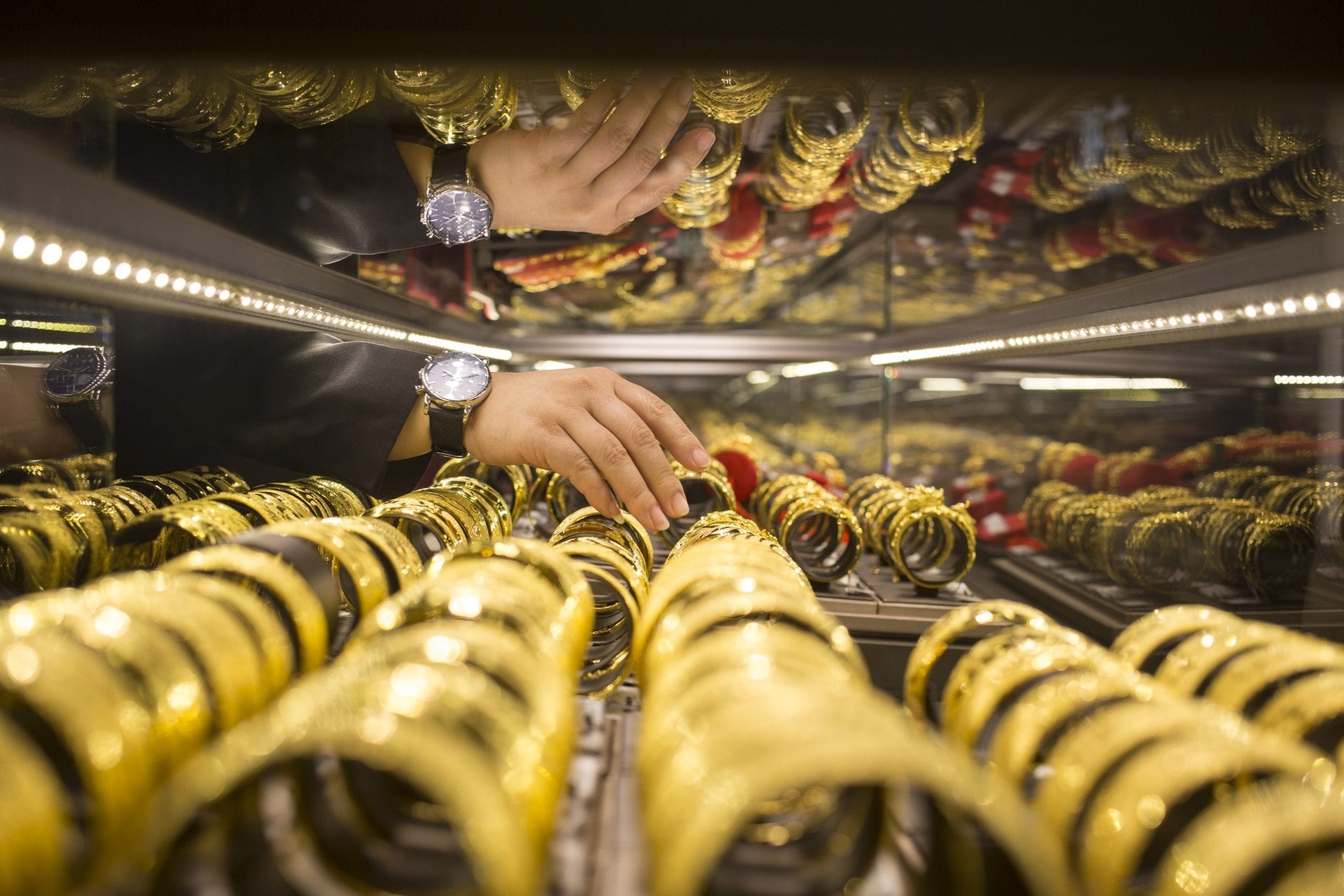
    Luk Fook Holdings (International) Limited has announced its foray into the Cambodian market with the grand opening of a flagship store in its capital city, Phnom Penh, marking the expansion of the Group’s retail network to 10 countries and regions globally.

    Mr. Wong Wai Sheung, Chairman and Chief Executive of the Group said: “Adhering to the corporate vision of ‘Brand of Hong Kong, Sparkling the World’, the Group has been seeking new business opportunities in the international market to expand our footprint.”

    He continued: “With the launch of the Belt and Road Initiative, the Group is optimistic about the prospects of the Southeast Asian market. Following our entry into Malaysia with opening of two shops last year, the Group now establishes a flagship store in Cambodia, with a view to introducing our quality jewellery and professional, caring services to the market. With over 1,610 shops globally, the Group will continue our efforts in providing unparalleled shopping experience for customers worldwide, so as to ensure that Lukfook Jewellery remains a premier jewellery brand for consumers everywhere.”

    The flagship store in Phnom Penh covers an area of over 5,600 square feet and is adjacent to a tourist hotspot with high tourist traffic and great potential.

    Phnom Penh, the capital of Cambodia, is a developing city as well as the country’s political, economic, industrial, cultural and tourist centre with considerable room for development. With the opening of this new shop, the Group expects to further expand its retail network in Southeast Asia.

  • NBA Teams for Online Stores in APAC

    NBA Teams for Online Stores in APAC

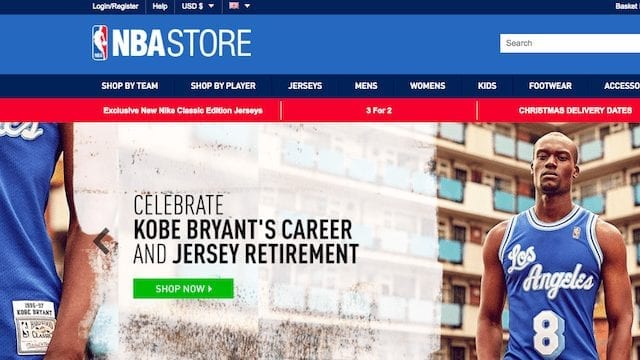
    In partnership with the US National Basketball Association (NBA), sports merchandise e-commerce company Fanatics has launched official NBA online stores across Asia Pacific.

    Fanatics already runs the flagship NBA Store in New York City, the league’s global e-commerce site and its official online store for Europe.

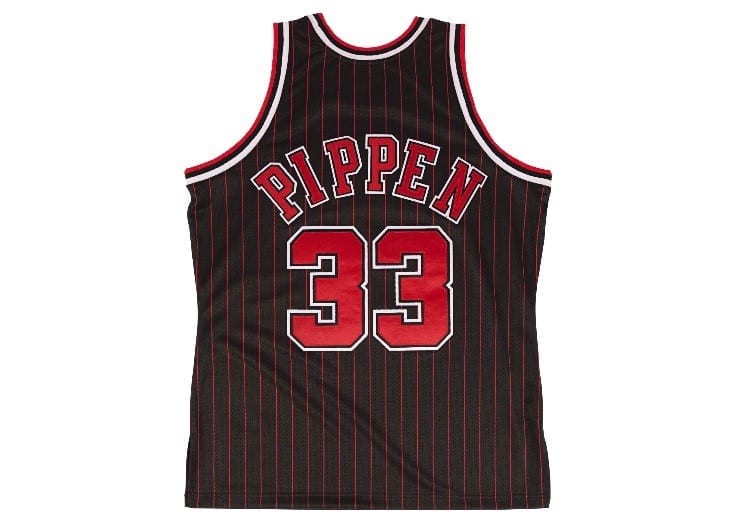
    It has now opened official online stores in Cambodia, Japan, Laos, Malaysia, Singapore, Thailand and Vietnam, as well as Australia and New Zealand. These offer a range of men’s, women’s and youth products from all 30 NBA teams, including oncourt apparel from official outfitter Nike and products from a range of NBA merchandise partners including Mitchell & Ness and New Era.

    There are also exclusive products, including personalised team jerseys.

    As well as paying in local currency, online shoppers will benefit from quicker deliveries and cheaper shipping thanks to Fanatics’ centralised distribution point in Asia.

    “The NBA is becoming an increasingly global league, and we’ve seen a significant uptick in fandom across several regions throughout Asia,” says Fanatics International president Steve Davis.

    With the launch of the new online stores, the league now has 20 international e-commerce sites.

  • Safilo signs distribution deal for Thailand and Cambodia

    Safilo signs distribution deal for Thailand and Cambodia

    Safilo continues to expand internationally, boosting its presence in Asia.

    The Italian eyewear manufacturer has signed an exclusive distribution agreement for Thailandand Cambodia, adding to its international distribution network, now extending to 42 countries.

    Safilo, which is controlled by Dutch investment fund Hal, issued a press release announcing the signing of the deal with Supreme Eyewear, a major local distributor with a 40-year presence in the business. The term of the agreement was not indicated.

    “The distribution agreement for Thailand and Cambodia marks a further step in the development of the Asia Pacific region. It supports the acceleration in the growth of Safilo’s Emerging Markets unit, as per Safilo’s 2020 Strategy,” wrote the group, which hopes as a result to earn “significant market share in highly interesting countries.”

    Supreme Eyewear will distribute all of the brands featured in Safilo’s portfolio – more than 30 labels – from the most accessible ones, like Polaroid and Havaianas, to premium names such as Elie Saab, Dior, Fendi, Jimmy Choo, Givenchy and soon also Moschino.

    Through this geographic redeployment, Safilo is seeking to compensate for the loss of the Gucci license, which still weighs heavily on its financial performance, as shown by the third quarter 2017 , which recorded a revenue of €245.1 million, equivalent to a 14.9% shortfall (-12.3% at constant exchange rates) compared to the same period a year earlier.

  • Dairy Farm sales stagnate

    Dairy Farm sales stagnate

    Dairy Farm sales were described as “flat” in the third quarter to September 30.

    The Hong Kong-headquartered company said improved performances in health and beauty, Ikea, restaurants and Yonghui were offset by lower sales in the food and grocery division.

    “The lower food division sales, together with new store pre-opening costs in home furnishings, (Ikea) led to underlying profits being marginally below the same period in the prior year,” the company said in a statement issued in London, where it has a secondary listing. “Similar trading conditions are expected to continue for the remainder of the year.”

    Dairy Farm said the weakness seen in food and grocery sales was principally driven by difficult trading for the hypermarket and supermarket operations in Southeast Asia, where it operates Giant hypermarkets and Cold Storage supermarkets. It says reviews of “a number of the businesses” are being undertaken.

    The results from greater China (including its Hong Kong Wellcome supermarkets) showed improvement over the same period last year. Convenience store operations (including 7-Eleven stores in Hong Kong and Singapore) produced improved sales and profitability.

    Yonghui reported a strong 20 per cent  growth in revenue and 131 per cent increase in profit in the quarter.

    Improved sales in the health and beauty division (Manning’s, Guardian and Rose Pharmacy) were driven principally by a strong performance in Hong Kong and Macau. Home Furnishings (Dairy Farm has the Ikea franchises in Hong Kong and Taiwan) traded well, although profitability was reduced due to pre-opening expenses for the new store in Hong Kong.

    Maxim’s (which also includes Starbucks operations in Hong Kong, Vietnam and Cambodia) had a seasonally strong quarter in both sales and profit, benefiting from record mooncake sales during the Mid-Autumn Festival period. In September, Maxim’s acquired the existing business and exclusive rights to operate and develop Starbucks franchise stores in Singapore.

    In August, the group completed the acquisition of the remaining 34 per cent interest in Rustan’s in the Philippines from its joint venture partner.

  • Cambodia aims to launch its first satellite in 3 years

    Cambodia aims to launch its first satellite in 3 years

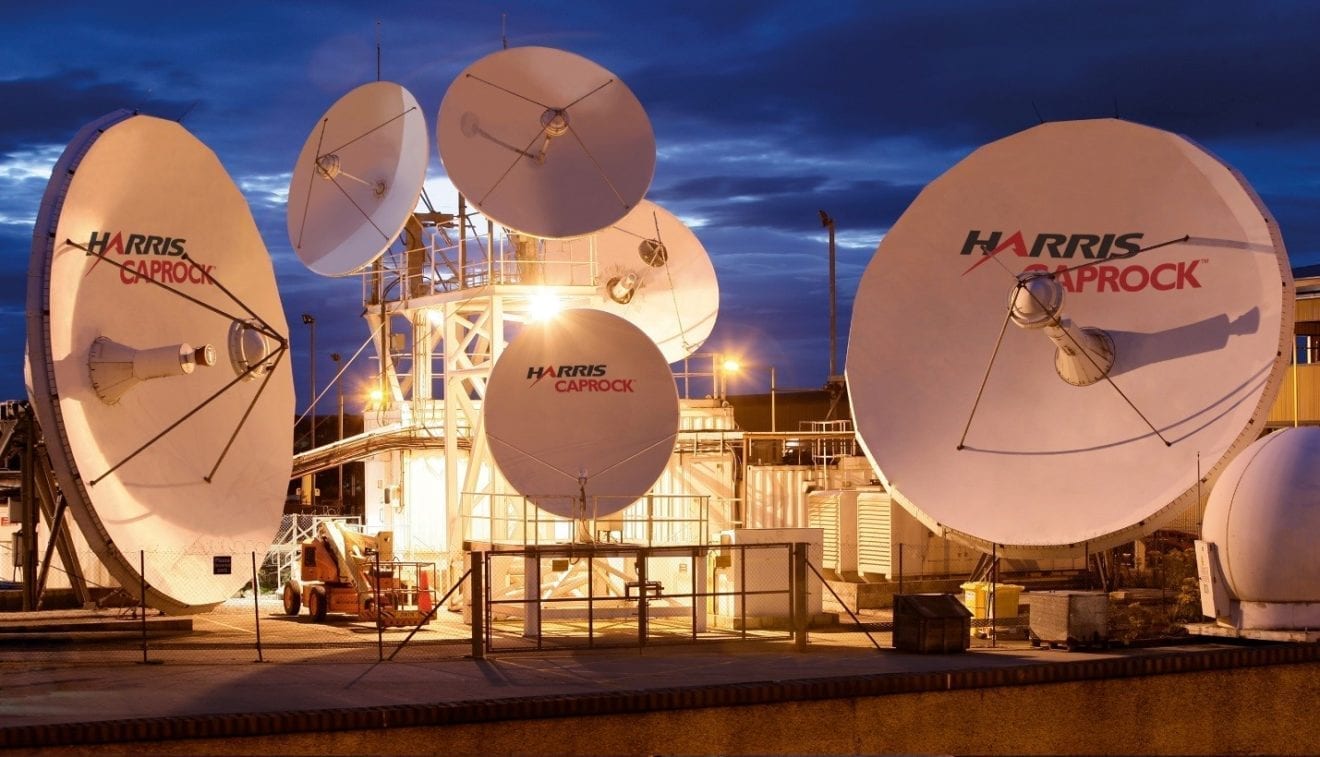
    The Cambodian government plans to launch its first communications satellite by as early as 2021, and will conduct a feasibility study within a year.

    The satellite project is projected to cost around $150 million and the satellite will have a lifespan of seven years, the Bangkok Post reported, citing comments from an official at the Telecom Regulator of Cambodia (TRC).

    TRC and the Ministry of Post and Telecom have partnered with Royal Blue Skies and Beijing-based China Great Wall Industry Corporation, and these partnerships are expected to allow Cambodia to launch a satellite within three years, compared to the standard of seven, the official said.

    China Great Wall Industry Corporation already has experience launching a satellite in Laos and will be able to take this experience to the Cambodian project.

    The feasibility study will be used to gauge the potential demand for satellite services and determine how much the government should invest in the project.

    In March, a new subsea cable was launched connecting Cambodia with Malaysia and Thailand. The 1,300km Malaysia-Cambodia-Thailand (MCT) cable system was built by a joint venture between Cambodia’s EZECOM, Telekom Malaysia and Symphony Communication of Thailand.

  • Levi’s Cambodia makes Siem Reap debut

    Levi’s Cambodia makes Siem Reap debut

    Levi’s Cambodia has opened its first store in downtown Siem Reap.

    The US denim-focused fashion brand now operates six official stores in the country, with four in Phnom Penh and one at Siem Reap international airport.

    Levi’s Cambodia has been operated by DKSH, the brand’s sole franchisee and distributor, since 2010.

    “We are optimistic about the prospects of Cambodia’s retail environment,” said Peter Hornby, VP for fashion apparel with DKSH Thailand.

    “In particular we have seen strong growth and demand for Levi’s branded products among Cambodia customers, and we plan to continue our retail expansion to 10 or more stores by the end of 2018.”

    The downtown store is also the first stand-alone outlet for the brand, with the other five in centre developments.

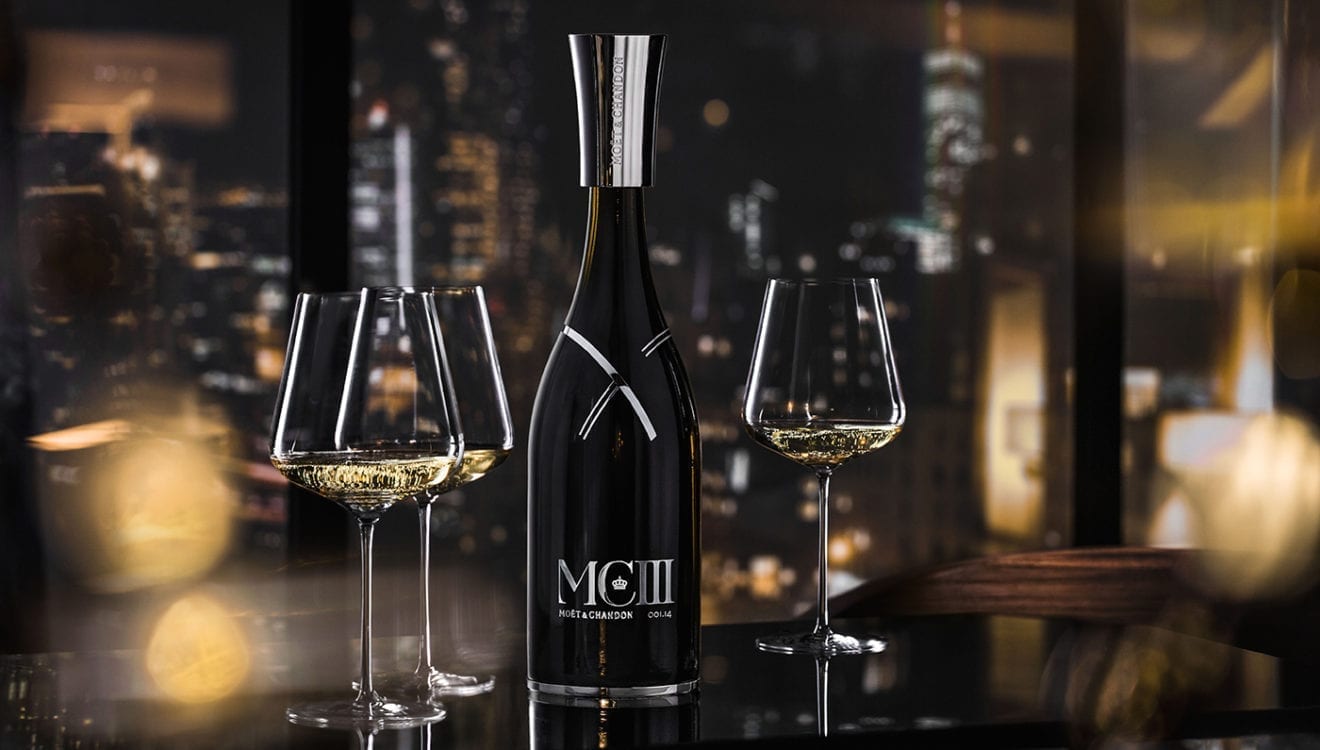
  • Wines and spirits contribution to LVMH luxury business

    Wines and spirits contribution to LVMH luxury business

    It has been a bubbly nine months for the LVMH luxury business – with the exception of its wines and spirits division, which was hampered by supply constraints.

    Revenue grew by 14 per cent for the period to reach €30.1 billion (US$35.4 billion).

    With organic revenue growth of 12 per cent, the third quarter continues the trend for the year, says the group. The revenue increase was despite a negative currency impact of 5 per cent and a positive structural impact of 7 per cent, reflecting the integration of Christian Dior Couture.

    All business groups recorded double-digit organic growth, with the exception of wines and spirits where growth was 8 per cent. Champagne volumes were up 4 per cent, with particularly strong demand in Europe and Japan. Hennessy cognac had a volume increase of 9 per cent despite a third-quarter decline related to limited supply.

    LVMH’s selective retailing business group had organic revenue growth of 12 per cent. Online sales grew at a steady pace, and DFS had sustained growth, particularly in Hong Kong and Macau. The T Galleria store in Cambodia has also developed well, says the group.

    Organic growth of 14 per cent was recorded by the fashion and leather goods business group. It attributes this to innovation, such as the launch of Louis Vuitton’s first smartwatch.

    “The qualitative development of the distribution network continues, as illustrated by the opening of the Maison Louis Vuitton Vendome in Paris, which brings together under one roof all the savoir-faire of the maison,” says the group.

    Highlights during the period included Fendi opening stores in the US and Rimowa being consolidated. Donna Karan was sold at the end of last year.

    There was also 14 per organic growth in perfumes and cosmetics. Perfumes benefitted from the launch of the eau de parfum Miss Dior. Guerlain rolled out Mon Guerlain fragrance internationally, and Fenty Beauty by Rihanna had an “exceptional” start.

    Watches and jewellery had 13 per cent organic revenue growth, with Bulgari achieving “a remarkable performance” with the rapid growth of its signature jewellery collections Serpenti, Diva and B.Zero1.

  • Vietnamese retailers look to foreign retail markets

    Vietnamese retailers look to foreign retail markets


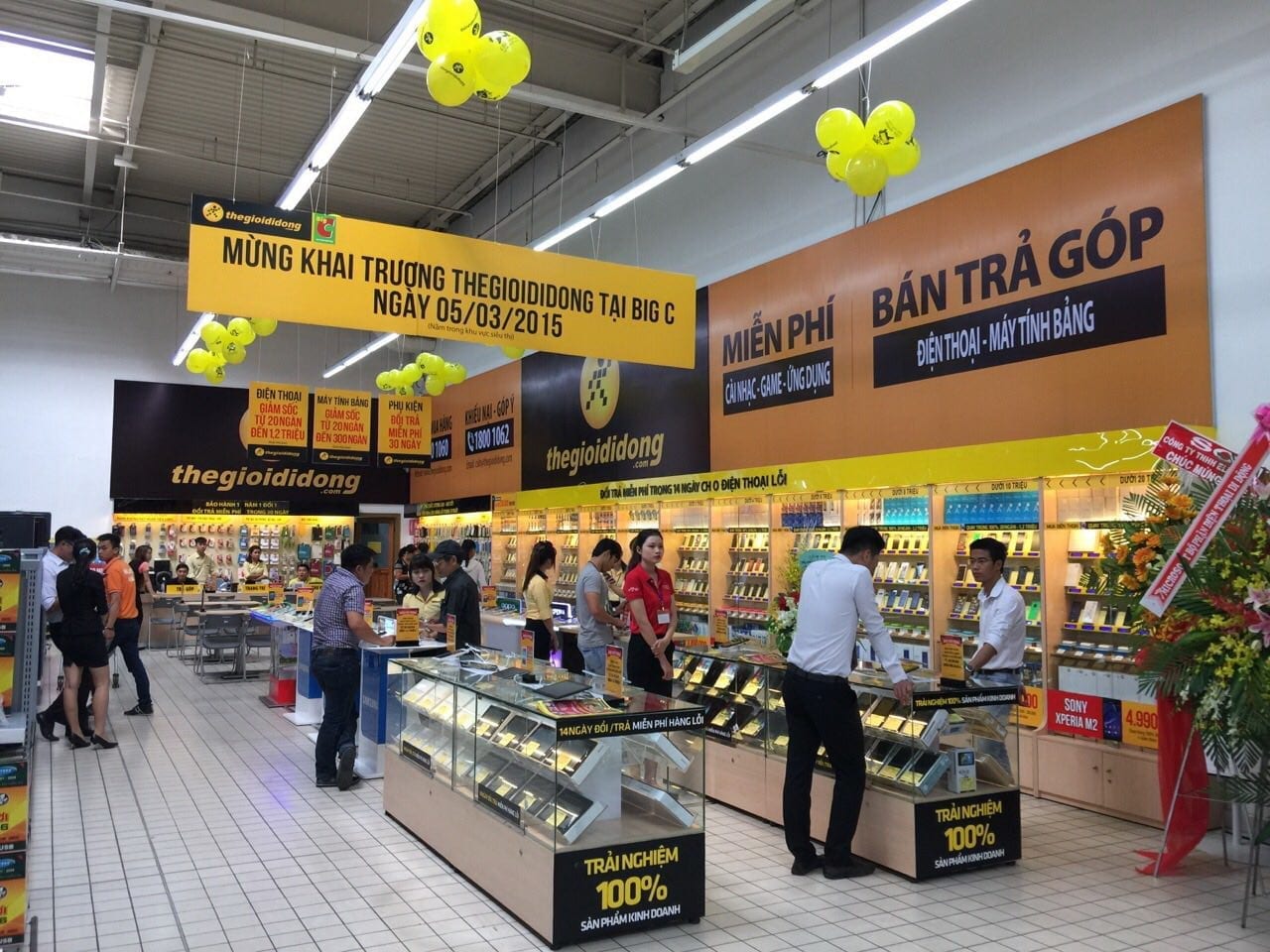
    In late June, The Gioi Di Dong JSC, which owns the largest mobile phone distribution chain in Vietnam, opened its first shop in Phnom Penh, Cambodia. The shop in Cambodia is named BigPhone, but it has a brand identity like The Gioi Di Dong shops in Vietnam.

    The Gioi Di Dong hopes it can earn $100,000 a month from the first shop, and plans to open 10-15 shops in Cambodia this year.

    A senior executive of Pico, a home appliance distribution chain, in early 2016 told the press that the chain was considering penetrating markets like Myanmar, Laos and Cambodia. Of the neighboring markets, Myanmar is the first choice because of favorable conditions of the market: it is easy to find retail premises, and there is less competition.

    Nguyen Ngoc Hoa, when he was chair of Saigon Co-op, affirmed the importance of foreign markets for Saigon Co-op, saying that the retail chain targets Laos and Cambodia for its plan to expand the network.

    “The most important thing in implementing the expansion plan is that Saigon Co-op find reliable partners in doing business overseas,” he said.

    A senior executive of Pico said he can see that there would be both economic and non-economic barriers in the Cambodia and Myanmar markets. He said it would take time to learn about the consumption habits, local culture, the laws and economic factors of the target markets.

    Ho Viet Dong, CEO of The Gioi Di Dong in Cambodia, said though the retail chain has good relations with mobile phone manufacturers, it still faces difficulties in doing business in Cambodia.

    “The mobile phone market here is very complicated,” he said. “Besides, the training of the labor force for long-term business plan also needs consideration.”

    Meanwhile, according to Saigon Co-op’s CEO Nguyen Thanh Nhan, the plan to open a supermarket in Cambodia has been delayed because of the change of the Cambodian partner.


  • Cambodia’s Smart Axiata launches 4.5G

    Cambodia’s Smart Axiata launches 4.5G

    Cambodia’s Smart Axiata has launched 4.5G mobile connectivity in the country in collaboration with Huawei.

    The launch supports speeds 10 times faster than those available over normal 4G, the companies said.

    Smart Axiata will also potentially be able to use the technology to introduce new services including wireless home broadband and IoT services for residential and business customers. The deployment also marks part of Smart Axiata’s evolution to 5G.

    “I’m very pleased that together with Smart, we are able to build a better connected Cambodia through accelerating the mobile broadband development,” Huawei Cambodia CEO Margaret Hu said.

    “With increasing demand for personalized and diversified services, emerging markets represent tremendous new opportunities for the telecom operators. Huawei is committed to supporting operators seize new opportunities by driving sustainable development in emerging markets.”

    Smart Axiata is Cambodia’s top mobile operator with a market share of an estimated 57% as of last year. The company recently secured a $66 million investment from Japanese conglomerate Mitsui & Co and an affiliate, which secured a 10% stake in return. But Smart Axiata’s parent company Axiata Group has committed to maintaining a majority stake in the venture.

  • Tim Ho Wan Cambodia launches in Aeon Mall

    Tim Ho Wan Cambodia launches in Aeon Mall

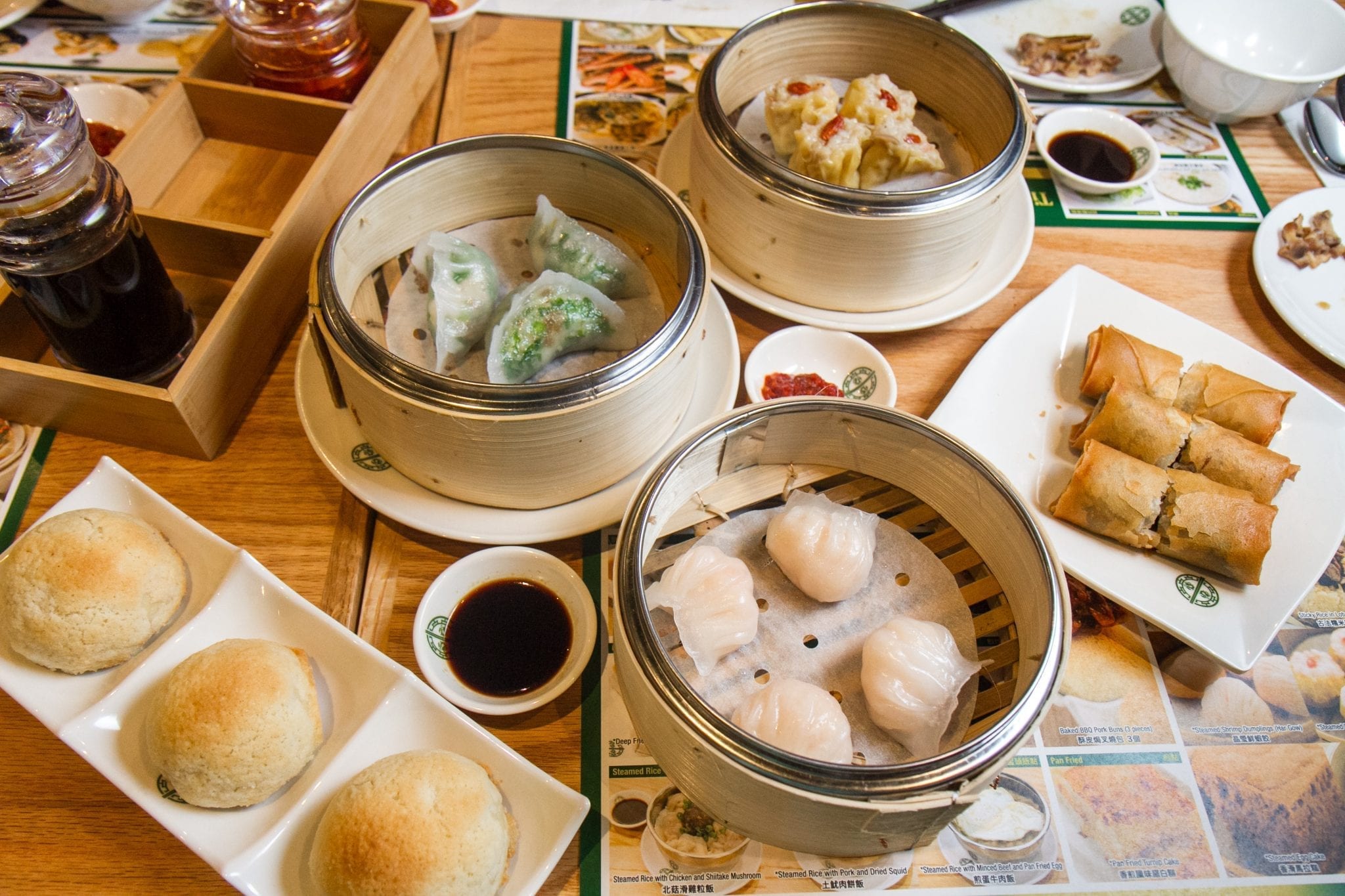
    Tim Ho Wan Cambodia has launched its first Hong Kong dim sum outlet at Aeon Mall Phnom Penh, drawing on the brand’s roots as the “world’s cheapest Michelin-starred restaurant”.

    Its officially launch follows a five-day soft opening that attracted about 700 diners a day, according to Tim Ho Wan Cambodia GM Chum Phirun.

    Starting as a hole-in-the-wall eatery in Hong Kong’s Mong Kok district in 2009, Tim Ho Wan earned a Michelin Star in 2010, being the least expensive restaurant on the planet at the time for the French dining guide.

    With this reputation, the outlet soon became a chain, expanding to 45 locations in Asia, Australia and the US. Despite this success, the restaurant failed to catch on in Malaysia.

    Openings in Singapore and New York attracted queues, with customers waiting up to three hours for a table. However, Phirun says few Cambodians are aware of the dim sum chain’s fame or the significance of a Michelin Guide rating.

    “The income of Phnom Penh residents is growing rapidly, and many people are now seeking hygienic, high-quality food, so we want to educate them on the advantage of a Michelin-starred restaurant like Tim Ho Wan.”

    While two Hong Kong branches of the chain have a Michelin Star, the 33-table restaurant in Phnom Penh does not. It serves 24 varieties of dim sum, and Phirun says there are plans to open two more branches in the city next year.

    Founders Mak Kwai Pui and Leung Fai Keung were brought to the official launch by Tim Ho Wan Cambodia director Seak Guech.

  • AirAsia now flies direct to Sihanoukville

    AirAsia now flies direct to Sihanoukville

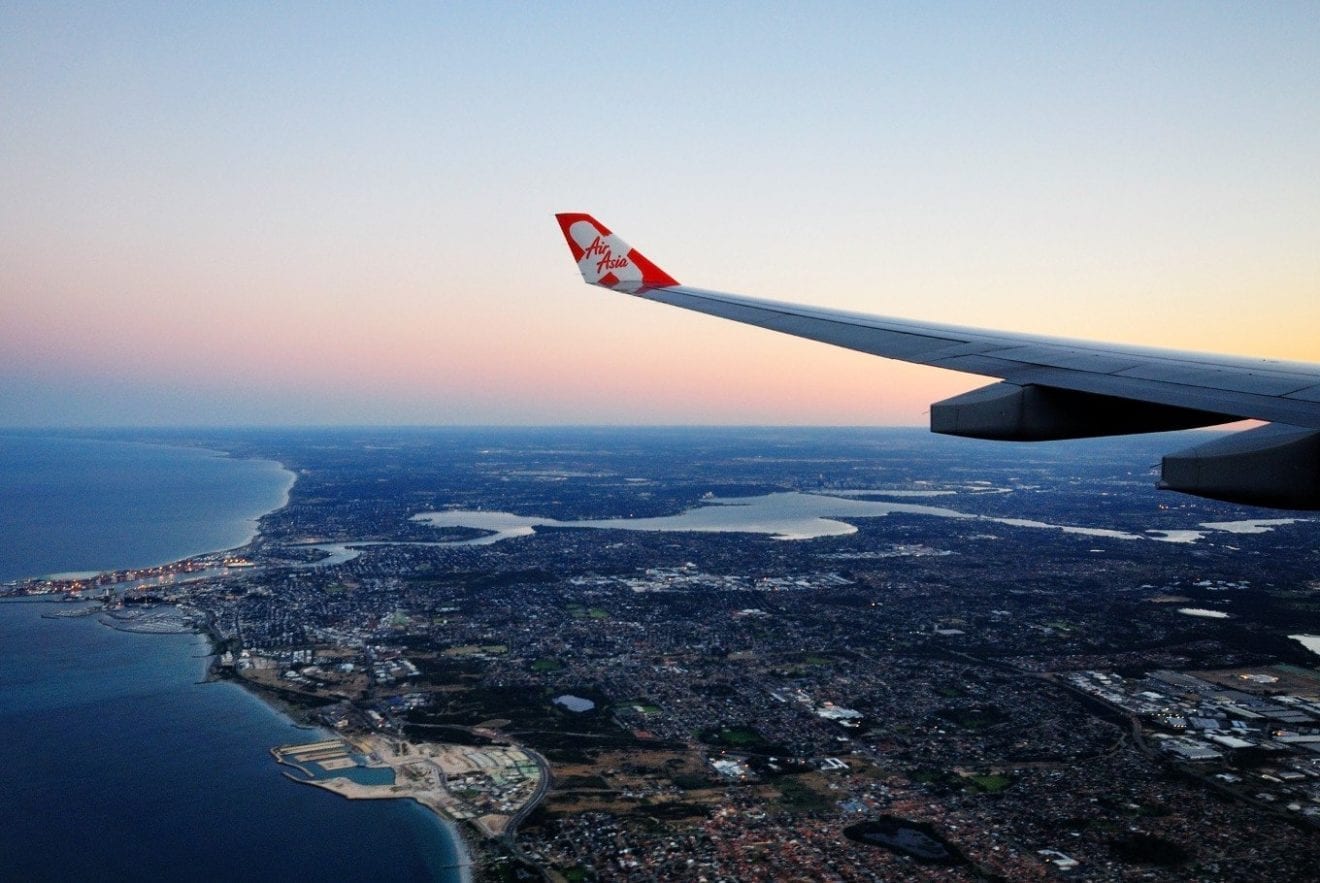
    Malaysia-based  low cost carrier AirAsia officially launched its first direct flight from Kuala Lumpur to Sihanoukville International Airport yesterday to cater to the increasing number of tourists keen to visit Cambodia’s coastal areas and enjoy its beaches.

    The inaugural AirAsia flight, with 180 passengers onboard, landed at 1:00 PM and returned back to Kuala Lumpur 40 minutes later, according to a Cambodia Airports press release.

    AirAsia’s four times weekly flights from Kuala Lumpur to Sihanoukville is its third route into Cambodia, with the airline flying daily to Phnom Penh and Siem Reap.

    Spencer Lee, commercial head at AirAsia, said that with the expansion of the airline’s services to Cambodia, AirAsia has become one of the key players in the kingdom’s tourism sector.

    “We are thrilled that our first flight to Sihanoukville marked a milestone with a successful full flight for our 50th unique route. As a truly Asean airline, it is our commitment to drive tourism efforts to all countries that we operate in – especially within the region,” said Mr Lee. 

    “This coastal city in Cambodia presents great potential and dynamic opportunities in terms of tourism, trade and economy. We are happy to be a part of this journey to develop Sihanoukville further,” he added.

    “Our footprint in Cambodia to date would not be possible without the help from local parties and we would like to thank the Cambodian airport authorities for their tremendous support.

    “With Sihanoukville added into our extensive network map of over 120 destinations, we hope to enable this city to be a popular tourist destination that enables travellers from the region to experience a hidden side of Asean that has yet to be discovered.”

    Mr Lee said AirAsia aims to develop Sihanoukville to become a tourist hotspot like how it has introduced unique destinations such as Luang Prabang in Laos, Indonesia’s Banda Aceh and Bhubaneswar in India.

    “Travellers looking to bask in the sun and enjoy the waters can look to the unspoiled tropical island of Koh Rong Samloem for beautiful sandy beaches, jungle mountains, mangrove and marine life. While the most popular beach in Sihanoukville, Ochheuteal Beach, boasts a late night scene with restaurants and bars.”

    Eric Delobel, CEO of Cambodia Airports, said that AirAsia’s direct flights to Sihanoukville would better facilitate Cambodia’s connectivity to all parts of the world.

    “Our successful partnership with AirAsia is moving up another step and it is a key driver in connecting Cambodia to the world,” he added.

    Mr Delobel said Cambodia Airports was keen to attract more airlines to Sihanoukville and for that reason it would inaugurate in early 2018 a new airport terminal and at the same time renovate the airport runway to cater to bigger aircraft.

    Taing Sochet Krisna, director of Sihanoukville provincial tourism department, said that AirAsia will help to promote the image of the country’s coastal area and attract more tourists, investment and trade.

    “Now tourists will be able to fly directly to my province,” he said.

  • Axiata, iflix sign non-binding MoU

    Axiata, iflix sign non-binding MoU

    Axiata Group and iflix, a subscription video on demand service provider, have inked a non-binding Memorandum of Understanding (MoU) relating to the expansion of their strategic collaboration to provide entertainment to Axiata’s more than 125 million customers in six countries.

    In a statement, Axiata said from two existing successful partnerships with Celcom in Malaysia and Dialog in Sri Lanka, the regional collaboration is intended to extend to Axiata’s customers at XL in Indonesia, Smart in Cambodia, Robi in Bangaldesh and Ncell in Nepal.

    “Axiata has always demonstrated a strong focus on customer experience and innovation, as we strengthen our position in new sources of value, specifically in digital entertainment products and digital content distribution platforms across the region.

    “The expansion of our collaboration with iflix is a testament to that commitment. We are thrilled to make iflix’s world-class service and content available to over 125 million customers in Malaysia, Indonesia, Bangladesh, Cambodia, Nepal and Sri Lanka,” Axiata group chief strategy and marketing officer Dominic Arena said.

    Axiata said the collaboration would further strengthen the group’s leading regional telecommunications position.

    Meanwhile, iflix group chief executive officer Mark Britt said it was committed to provide all Axiata customers with unlimited access to the world’s best TV shows and movies through an exceptional user experience and unparalleled service, already enjoyed by Celcom and Dialog customers.

    “Together with Axiata’s highly innovative and award winning Mobile Internet Fulfilment Exchange application platform and music service Yonder, we look forward to working with Axiata to further redefine media and entertainment for Axiata’s customers in Malaysia, Sri Lanka, Indonesia, Cambodia, Bangladesh and Nepal, over the coming months,” he said.

  • Aeon to open second Cambodia mall in 2018

    Aeon to open second Cambodia mall in 2018

    Japanese group Aeon is expanding its presence in Cambodia with a new location, Aeon 2, announced for 2018.

    Covering 70,500 square metres of retail space, it will be the second Aeon Mall in Cambodia. The exact location has not been disclosed, nor has a date been given for completion.

    According to local media, Cambodian retailers are hailing the entrance of Aeon in 2014 as a huge success, saying its “high standards” are having a positive impact on the Kingdom’s retail sector.

    “Aeon is the first international mall operator and developer in Phnom Penh, and they have set an industry standard and expectations for other such malls in Cambodia,” said Cambo-Sia CEO, Daniel Li.

    “The demand for entry into Aeon is very high, and there is a waiting list for brands wanting to make a debut in the mall.”

    Aeon Mall, the first large-scale modern shopping mall in Cambodia, recently celebrated its third year of operation in the Kingdom.

    CBRE’s first-quarter real-estate report said prime retail rents for malls have dropped by 0.9 per cent compared to the previous quarter, averaging US$31.1 a square metre per month. Prices gained 1 per cent year-on-year.

    The second half of last year, prime rental prices in Cambodia ranged from $32 to $70 a square metre per month, according to a Frank Knight report. The upscale Vattanac Capital mall held highest priced leases for its 5000 square metres of retail space, said the report.

    Looking forward, the retail sector in Cambodia is set to further evolve over the next three years as the total modern retail space could surge from the current 212,000 square metres to 582,000 square metres.