Thai AirAsia CEO Santisuk Klongchaiya said the airline has devoted great importance to adding routes to its regional flight bases, looking to build a strong network of destinations that provide the opportunity to add even further routes, providing ever greater convenience to travellers who will no longer need to stop over in Bangkok, said a release today (April 1) announcing the new flights.
“Phuket is a very important strategic flight base for AirAsia that has grown steadily along with the addition of direct flights to CLMV (Cambodia, Laos, Myanmar, Vietnam) cities such as Siem Reap.
“With the positive response we have received from international travellers, we decided to add Phuket-Phnom Penh, connecting the resort town to Cambodia’s capital. The route should well serve tourists as well as members of the business community of both countries,” Mr Santisuk added.
The flights will operate on Monday, Tuesday, Friday and Saturday.
Thai AirAsia operates nine international routes out of Phuket: Phuket-Wuhan, Phuket-Kunming, Phuket-Hong Kong, Phuket-Macau, Phuket-Siem Reap, Phuket-Singapore, Phuket-Kuala Lumpur (Code AK), Phuket-Penang (Code AK) and the latest addition Phuket-Phnom Penh starting June 1.
Cambodia’s largest enterprise-focused ISP SINET has selected Nokia to support its expansion into the residential market with FTTH services.
Under the agreement, Nokia will roll out a nationwide access network starting in major housing apartments and gated communities – known as borey – in Phnom Penh and Siem Reap.
SINET plans to deliver broadband services targeted at residents living in newly built gated areas and apartment buildings using Nokia’s Gigabit capable GPON Mini optical line terminal solution.
SINET CEO Meta Sy said the company plans to use the high speeds and qualities available with GPON technologies to stand out from the crowd and gain a competitive foothold in the residential market.
“The Cambodia market is crowded with low-quality residential broadband services available at low prices using many off-the-shelf access equipment with little consideration to long term quality and reliability,” he said.
“When we decided to deploy GPON in borey and housing apartments, we wanted a quality-based and future-proof offering that would set us apart from the competitions. That means the service has to be on-par with international broadband standard in terms of speed, reliability, efficiency and ease of troubleshooting which are key criteria why we selected Nokia.”
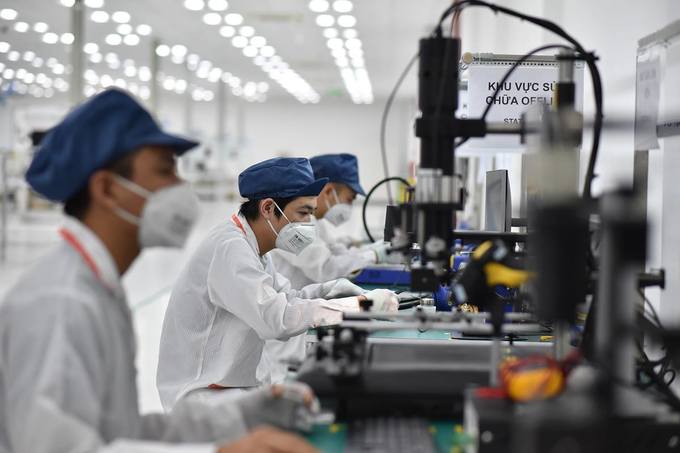
Vietnam has for the first time entered the Bloomberg Innovation Index of the world’s 60 most innovative economies. It scored 45.92 out of 100 in the 2019 index. Other new entrants include India, Mexico and Saudi Arabia. Bloomberg said: “The index analyzes dozens of criteria using seven metrics, including research and development spending, manufacturing capability and concentration of high-tech public companies.”
Vietnam’s highest rankings were 34th in high-tech density and 39th in patent activity. It ranked a lowly 59th in productivity.
Its productivity in 2017 was among the lowest in Asia despite growth, according to the Vietnam Annual Economic Report released by the Vietnam Institute for Economic and Policy last year.
An average Vietnamese worker made VND60.73 million ($2,600), lower than the rate for Cambodia, Indonesia Malaysia, the Philippines, and Thailand, it said.
In the Bloomberg index, South Korea retained its top place from last year and was followed by Germany, Finland, Switzerland, and Israel.
Other Southeast Asian countries were Singapore in sixth place, Malaysia (26th) and Thailand (40th).
BBK Electronics’ budget smartphone brand Realme is eyeing expansion into Southeast Asia, Africa and Europe. The company’s online distribution strategy has brought it success in the Indian market and makes broader expansion possible, according to Realme global CEO Sky Li Bingzhong. “The company’s asset-light operations and focus on online sales allow it to keep costs low. That way, more young consumers can afford its products, which makes the brand more competitive in the market,” said Li.
Realme launched in India in May last year with handsets priced at INR8,990 (US$129) – becoming the second top-selling smartphone brand during the Diwali festival season from October to November. The brand has joined a number of Chinese phone manufacturers seeking to build strength in the Indian market as they challenge more established international competitors in more saturated markets.
BBK also owns the Oppo, Vivo and OnePlus brands, selling mid- to high-end models. Independent Realme runs its own R&D operations, but partners with Oppo in smartphone production. Its expansion moves are indicative of Chinese phone manufacturers’ larger strategy to deploy varying brands that each target specific markets globally.
International pizza franchise Pezzo has launched in Brunei Darussalam. The brand, operating under Satami Group of Companies, features a “Grab & Go” kiosk serving pizza by the slice for immediate purchase, and a “mix and match” pizza purchase option, whereby customers can collate their own pizza out of 12 different flavours. The brand stakes its reputation on generous toppings with shredded mozzarella cheese.
Pezzo, best-known for its circus-themed design, is exclusively using ingredients certified under the Brunei Halal procedure in the store.
In May of this year, Pezzo launched in Cambodia. The company now boasts more than 120 kiosk outlets, mainly in China, Indonesia, Malaysia, Myanmar, Philippines, Singapore and Thailand.
Vietnam’s first private airport near the world-renowned Ha Long Bay is getting finishing touches for a Christmas day opening. The 325-hectare (803 acres) airport at Van Don District, northern Quang Ninh Province cost VND7.7 trillion (more than $330 million) and can handle 2.5 million passengers a year and 1,250 per hour.
It is expected to focus on services to Northeast Asian destinations such as South Korea, Japan, Taiwan, and China and also Southeast Asian ones like Thailand, Malaysia, Singapore and Cambodia.
Domestically, flights will mostly be to southern and central regions.
Dinh Viet Thang, head of the Civil Aviation Authority of Vietnam (CAAV), said the airport could handle the largest of aircraft.
Construction had begun in 2015.
Real estate conglomerate Sun Group, who owns it, is completing licensing procedures now so that the first flight can land on December 25.
It now has gates for four aircraft and the number will be increased to seven by 2030.
According to the CAAV, the private airport will have to follow all regulations in terms of aviation safety and security like all other airports in the country.
Airlines served almost 80 million passengers in the country in the first nine months of this year, up 12.1 percent from a year ago.
The number is expected to cross 100 million for the very first time this year.
Cambodia’s SingMeng Telemedia has announced plans to acquire and merge with Digi to create an operator with a range of services including internet, entertainment, voice, and enterprise solutions.
The planned merger is expected to complete in October, the companies announced this week.
SingMeng offers triple play and smart TV services, a well as broadband, mobile TV and VoIP services businesses. The company operates over 6,000km of fiber across Cambodia.
Digi is the market leader of Cambodia’s residential internet market, operating a FTTH network in the nation. SingMeng will be able to leverage Digi’s market footprint to expand the addressable market for its triple play and media offerings.
“The acquisition of Digi will not only bring SingMeng entertainment and Triple Play service to Digi customers, but it will also allow us to offer more options to Cambodians,” SingMeng CEO Sarah Xiaohua Wang said.
“SingMeng is committed to invest on innovation and bringing international service standard to the local market. Unlike other transactions that are premised on excessive cost cuts, this merger is about growth, which will create more opportunities for employees as we will serve more people in more places.”
As the trend to keep and display exotic animals in cafes in the Cambodian capital grows in popularity, wildlife experts have warned that the animal trade is largely unregulated and could be putting creatures at risk.
Reptile Cafe, one of the city’s recent openings, is located on a quiet corner of Street 448 in Phnom Penh. Inside, a few cages filled with iguanas are displayed at the front door. On the left is a cage for a large red parrot, while further in, several other glass enclosures are filled with orange corn snakes, geckos and spiders.
They are unlikely and unconventional coffee mates, but all of them have been brought into the country to spark the curiosity of customers, according to owner Chea Raty, 32.
“Seeing the growing market for coffee shops, I had an idea and wanted to open a small cafe and show off the species that I love,” he said. He now has more than ten different species on show, which guests can freely interact with. And he plans to introduce more.
“As some customers sip their coffee, they’ll see that others dare to hold these animals. And they too would want to try and touch them.”
None of these animals, however, has proper documentation. Instead, they were registered as pets by the Ministry of Agriculture, Forestry and Fisheries.
Similar to Raty, Nay Sokhondara, 25, said he started his Zoo Cafe four months ago after seeing the potential of combining coffee and animals.
The species he keeps in his busy establishment include marmosets, guinea pigs, a chinchilla and a raccoon.
“Many young people don’t know these animals, so I want to introduce them,” he said.
Most of them were bought from a farm in Thailand, and some he brought back from Vietnam. He has no formal documents to bring them across the border and admitted to taking a risk in doing so.
“I have some people there. I know them, so I can trust them. Then sometimes, I paid them also,” Sokhondara said. “I need to spend one day to transfer my pets individually.”
None of the species, he added, is endangered and he too has registered them as house pets with a five-year licence. His next plan: To source a small kangaroo from Thailand and create a breeding farm.
Sarah Brook, a technical adviser to Wildlife Conservation Society (WCS), said the trend of exhibiting wild animals is a worrying one.
“Wild animals do not make good pets, so it not good to encourage this practice,” she said.
“Even when bred in captivity they need a lot of care, a good diet and an environment similar to their natural habitat, and free of disturbance and stress.
“I don’t think a cafe in Phnom Penh can provide that.”
She added that Cambodia needs to take stronger legal action and implement better enforcement to prevent the illegal wildlife trade from thriving.
“It is a very big problem in this region, for pets, meat, medicines and other products,” she said.
However, Keo Omaliss, Director of Forestry Administration, played down the concerns and said these types of cases were inconsequential.
“For Cambodia, I think there is not much cross-border illegal trade of wildlife. It is so little,” he said.
He said there was no problem with the animals being registered inside Cambodia and put on display in captivity as long as they were not on the endangered species list, and that the purpose was to educate the general public.
“Whether this activity affects the number of wild animals in the natural forest or not, this is something important we need to focus on. But if their activities are just to make people love animals, it’s a good thing,” he said.
However, Nick Marx, Wildlife Alliance’s director of wildlife rescue and care, said these animals should be sent back to their natural habitats.
“Keeping wild animals in small cages is unkind,” said Marx.
“This kind of practice serves no benefit for conservation. It is clearly for entertainment to attract customers.”
While Wildlife Alliance is working to combat the illegal trade of Cambodian wildlife within the country, he believed that these particular species were not indigenous to Cambodia and therefore not within his organisation’s jurisdiction to act and confiscate them.
“It should be the job of the Cambodian government to make sure all these animals are kept properly and all these shop are acting legally.”
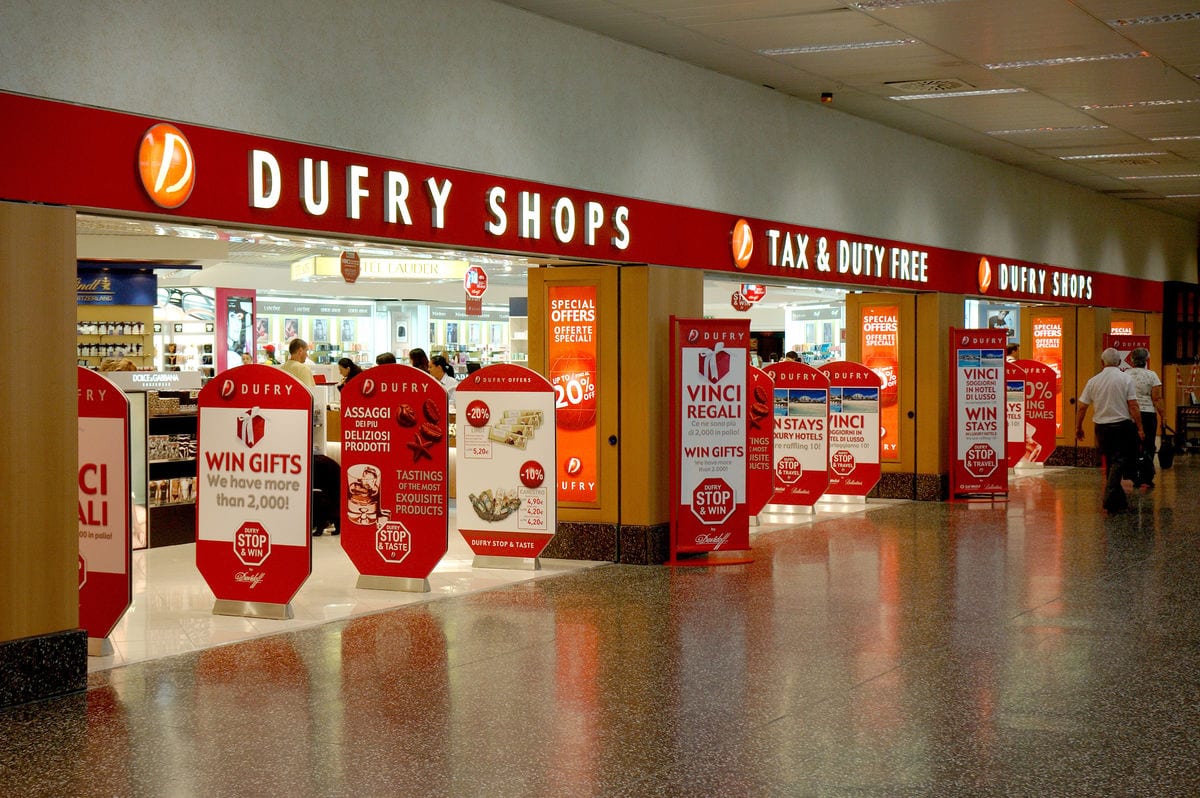
Asia “continued to boom” for travel retailer Dufry in the first half of this year.
Bali, Cambodia, Indonesia, Macau and South Korea all achieved double-digit sales growth during the half year, with Chinese tourists credited for much of that growth. Australia also achieved “strong double-digit performance” after the full renovation of Dufry’s stores there.
“Eastern Europe, Middle East, Asia and Australia continued to outperform, driven by a growing number of Chinese passengers,” the company said in an earnings statement. Organic growth across Eastern Europe, Middle East, Asia and Australia rose 22.1 per cent.
Globally, the Swiss company’s turnover grew by 7.2 per cent to CHF 4.097 billion (US$4.112 billion). Earnings before interest and tax grew 38.4 per cent to CHF 124.6 million.
Dufry says its organic sales growth rose by 5.5 per cent thanks to an expansion and refurbishment program across the group.
In the first half of this year, it expanded and opened 13,200sqm of gross retail space, which included new operations aboard 12 cruise ships, totalling 3500sqm across 38 stores. A further 22,400sqm of refurbishments are planned during the second half year, including the implementation of its new generation store concept at Heathrow Airport’s T3.
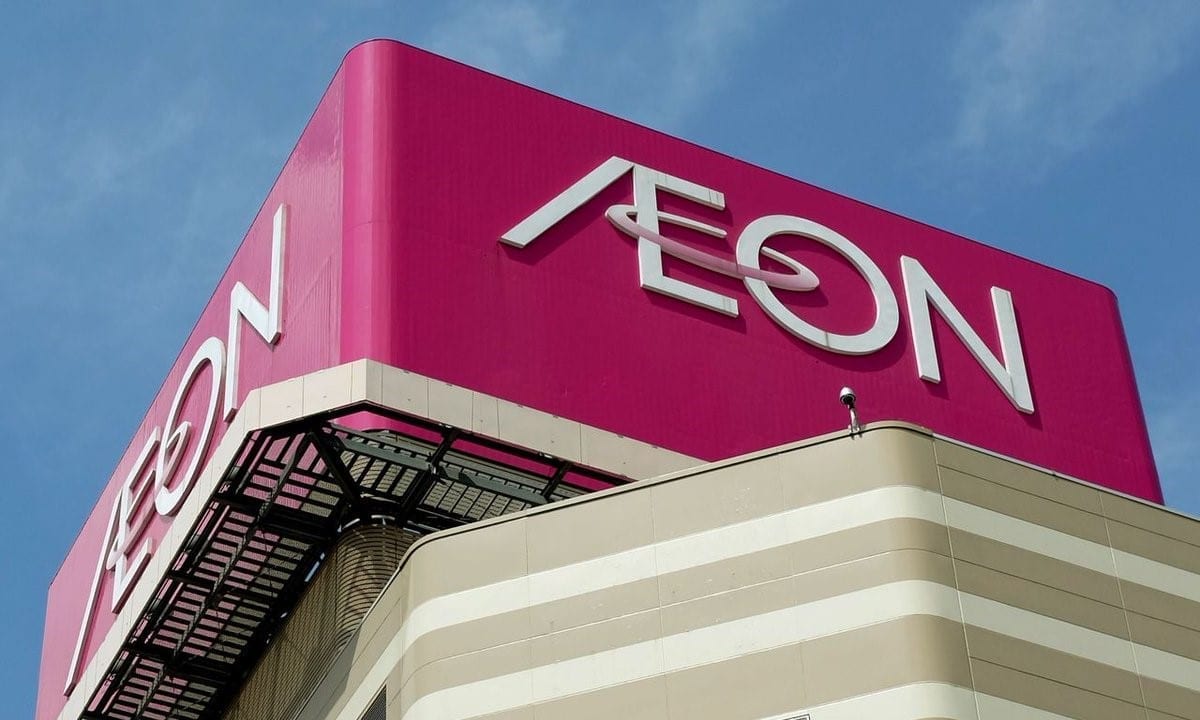
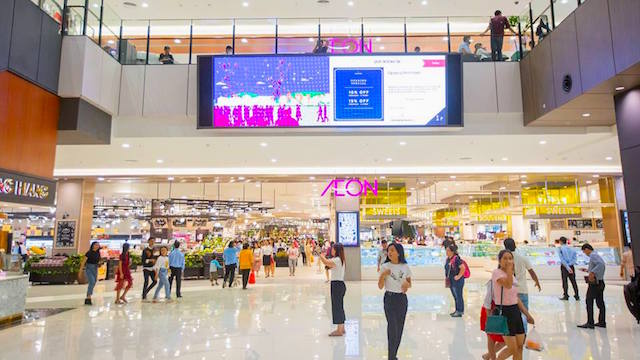
Japanese retailer and mall operator Aeon has opened Cambodia’s largest shopping mall in Phnom Penh.
It is the second Aeon Mall to open in the Cambodian capital.
MD Seiichi Chiba said at the opening that Aeon Cambodia’s first Phnom Penh mall has been well-received by Cambodian shoppers, attracting more than 18 million people since opening in 2014, prompting the development of the second mall.
While the new property has been constructed in a relatively low-priced location, its larger scale has involved similar building costs to the city’s first Aeon, which reportedly cost around US$205 million. Sources close to Chiba have disclosed that Aeon Cambodia may have been scouting for further potential sites for a third mall that could be built in the city’s southern districts.
In July last year, market research firm Euromonitor named Aeon Group the best-performing APEC retailer in terms of total sales, number of outlets, sales area and sales per square metres.
Singaporean pizza chain Pezzo Pizza will officially open its first-ever by-the-slice kiosk in the upcoming Aeon Mall 2 in Phnom Penh on May 30.
Run by Star Food Enterprise, Pezzo Pizza Cambodia will be offering pizza made with dough prepared using blended flour from Europe. Pezzo Pizza uses American mozzarella cheese from Leprino Food.
Star Food Enterprise MD Tech Sombo says the store will showcase an open kitchen, and local chefs will devise Khmer toppings. The company also runs Big Apple Donuts & Coffee Cambodia.
Pezzo Pizza has more than 120 kiosk outlets, mainly in China, Indonesia, Malaysia, Myanmar, Philippines, Singapore and Thailand.
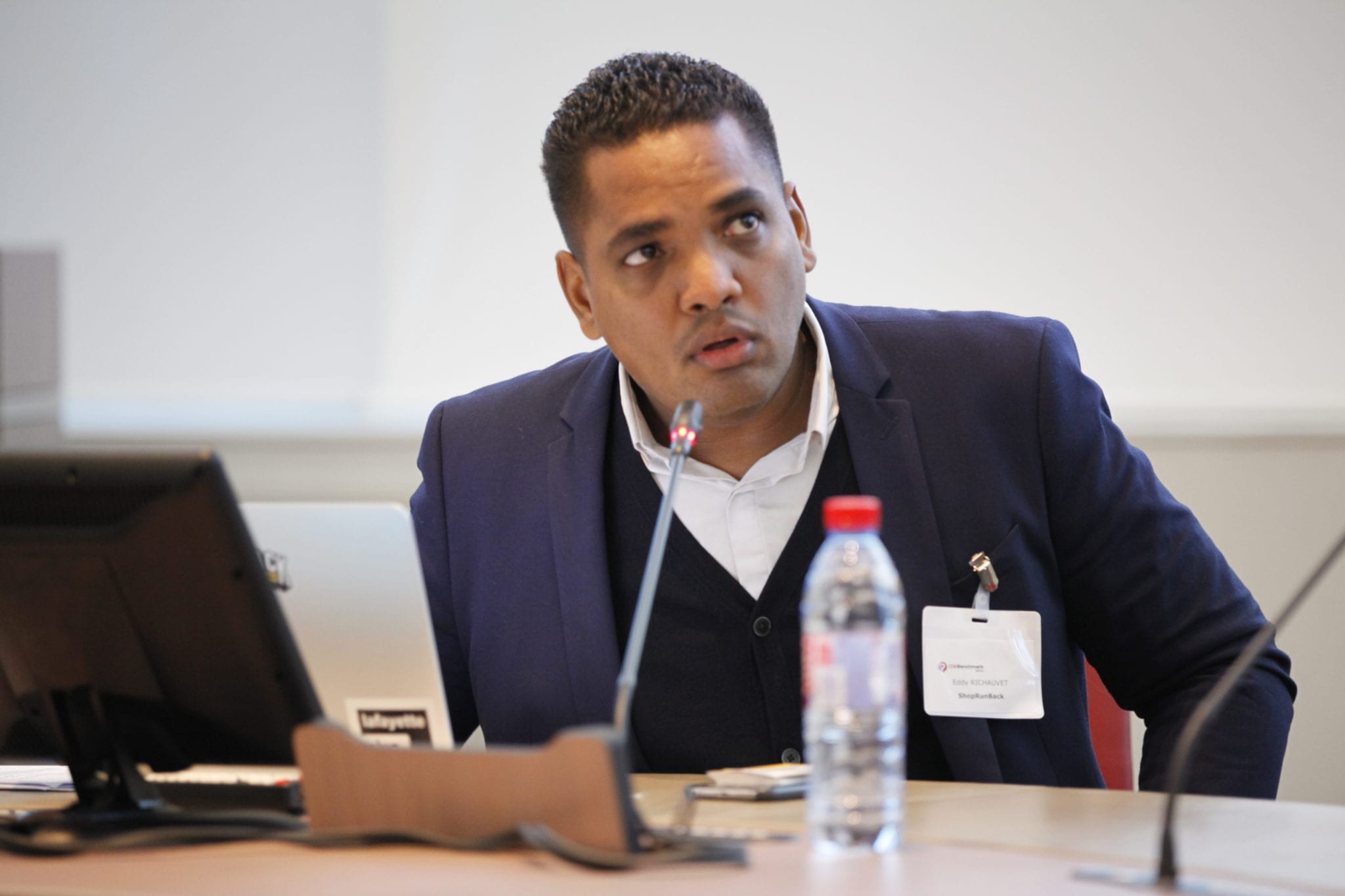
Paris-based French and Cambodian startup ShopRunBack was launched in 2014 and has been revolutionising returns management for e-merchants and retailers, it is established by a group of experts in e-commerce, supply chain and the latest web technologies. ShopRunBack is looking to expand into Asia, especially Southeast Asia, and Cambodia is the starting point for a new branch to be opened this year.
The company is finalising its cooperation model with 4PX, which is partially owned by Alibaba Group and by SingPost and is part of Alibaba Cainiao Logistics, to seek ways to use Cambodia as a regional hub for e-commerce in Southeast Asia. Eddy Richauvet, CEO of ShopRunBack, spoke to us about e-commerce, business expansion and the introduction of the 4PX Group to Cambodia.
RN: ShopRunBack was established a few years ago in France. You and your wife both graduated in both logistics for e-commerce and web technologies. Why France? How are you progressing?
Eddy: I have spent the last 20 years in Paris in logistics and supply chain management and we started our company ShopRunBack five years ago, specialising in reverse logistics solutions for e-commerce and retail.
Why France? Because, it is strategically located within Europe where one can easily span out one’s services throughout the other European countries. That is why our first company was established in Paris.
So far, we have been doing very well because we focused over the last five years on a nice segment which is reverse logistics for e-commerce.
The objective is to improve customers’ experience during and post-shopping, that is after-sales services.
E-commerce is not only a process to deliver goods ordered online but it also involves shipping goods to customers who may also seek to return goods due to manufacturing faults or wrong orders.
Hence, ShopRunBack built its platform and expertise in after-sales service to meet customers’ satisfaction and merchants’ obligations.
We were the first one to embrace that niche service five years ago, which was an innovating model since most service providers mainly focus on delivery, including the last-mile option.
Thus our business growth is satisfactory and we are developing and improving the platform as well the markets. To date, our services stretch to 70 countries worldwide.
RN: What sort of products have you been dealing with primarily?
Eddy: Well, on a global scale, cross-border e-commerce transactions mainly involve clothing, electronics and furniture. But throughout the years, we can see that e-commerce transacted items have varied from small to big items. Today, all types of products are offered and transacted online.
RN: Does your company have any operations in Cambodia? And if not, why?
Eddy: We built our logistics network first in Europe and America and have been looking into Asia since 2017, especially Southeast Asia.
We are starting with Cambodia first. We have operations in China and Hong Kong through our partners and Southeast Asia is our natural expansion in the region.
We intend to use Cambodia as a springboard and offer to train Cambodian SMEs to sell their products online to global customers as well as introduce global merchants’ products into the Cambodian market.
We are in the process of customising our platform for Southeast Asia with our tech team.
RN: The government announced its intention to have Cambodia become a digital economy by 2023. How do you view the trend of tech business now? How may this be relevant to your business?
Eddy: I think the government’s intention to embrace the digital economy within the next five years is a very good strategic move.
In Europe for instance, we have seen transformations in the traditional business to business (B2B) and business to customer (B2C) models.
Digital technology is the enabling medium to improve people’s standard of living by facilitating trade and extending connectivity and collaboration with each other.
Therefore, we are happy to contribute our expertise to the government vision and strategy to integrate further with the region, that is Asean.
RN: Since Cambodia doesn’t have e-commerce legislation in place yet, do you view it as a constraint to start your business here?
Eddy: We understand that the law is being finalised and should be passed soon, probably right after the elections at the end of July.
We would need such legislation to facilitate and regulate e-commerce transactions. Just like back in Europe, over a decade ago they initiated similar legislation.
No one was familiar at that time with e-commerce, consumer protection and online business, but they improved the legislation as time went on and regulators gained more experience.
RN: Logistics cost is one of the major constraints in Cambodia that hamper the flow of foreign direct investment. Since you are involved in that domain, how do you think Cambodia can improve its logistics costs?
Eddy: This is indeed a crucial matter. We started our business in traditional logistics and B2B, which is not solely about networks but also about collaboration.
Of course, logistics providers will compete with each other but they also need to cooperate with each other to improve connectivity and smoother functioning of the supply chain network.
As far as Cambodia is concerned right now, we are at the gestation phase of an e-commerce logistics base and platform.
We need to enhance the regional and domestic network by establishing more hub-and-spoke networks because in logistics, consolidation through better distribution and last-mile services enable cost reduction.
Eddy Richauvet says Cambodian special economic zones are being established successfully. KT/Mai Vireak
In this market, I see many service providers competing with each other instead of collaborating with each other. In Europe and elsewhere, businesses embrace the “competition collaboration” modus operandi.
Sure, you have businesses competing but cost-effective and efficient logistics is about collaborating.
Cambodian infrastructure has been gradually improving over the last decade as we see better roads and bridges, and lower electricity costs thanks to the many hydropower schemes built with Chinese funding and to the many special economic zones being established successfully.
Our ports and airports are continuously being upgraded to augment their capacity and this has improved the hard aspects.
However, the soft part such as cross-border goods clearance. Trade-facilitation wise, still need more work to facilitate faster transit times.
RN: Last December, the government approved the establishment of the National Logistics Council to deal with logistics in a holistic and cohesive manner. Do you think this can work out well?
Eddy: From my understanding, the NLC aims to improve efficiency and inter-ministerial collaboration.
As said earlier, logistics is about connection, collaboration, communication, and anything related to supply chains across multiple businesses from different sectors and across countries.
Therefore, establishing the NLC does make sense as the government seeks to better comprehend this complex topic and enhance logistics efficiency.
The government should conduct more stakeholder consultation or dialogue with the private sector, the real business practitioners, to better assess businesses’ needs and how they may contribute better inputs.
RN: Earlier last month, you met the Minister of Public Works and Transport with 4PX, part of the Alibaba Cainiao Logistics arm. Are you going to cooperate with them to set up operations in Cambodia? If so, when will that happen?
Eddy: 4PX is a Shenzhen-based Chinese firm and is one of the largest logistic players for cross-border e-commerce in China and they also have worldwide branches.
They are already our strategic partner in Europe and in the US. As you mentioned, they are part of the Alibaba Cainiao Group.
Together with Singpost, they are a 45 percent equity holder in 4PX. 4PX is presently handling a million packages daily for Ali-Express in Southern China with a capacity of two million packages daily.
Cainiao Network is a 100 percent owned subsidiary of Alibaba Group and basically their logistics arm.
Its business is operating a logistics network for all Alibaba’s market places. 4PX is the only one doing cross-border logistics among companies invested by Alibaba Cainiao.
The reason they invested into 4PX was because 4PX has been in cross-border e-commerce logistics for more than 14 years and was considered a market leader in this field.
When we discussed with them about how to carry out the 4PX’s objectives, we shared with them the strategy and vision on how to train local SMEs to use the platform to sell from Cambodia to customers around the world and for make it easier for international merchants to sell to Cambodia.
We also told them Cambodia was a very strategic location as a possible regional hub for Southeast Asia. So the 4PX chairman and his team came for the first time on a fact-finding visit to Cambodia and appreciated the opportunities.
So yes, we will cooperate with 4PX in Cambodia. We will bring together our experience, the technological platform and our existing trained human capital to provide professional e-commerce services.
Most importantly, together with 4PX, we will transfer knowledge to Cambodians to beef up domestic expertise.
The online shopping experience will be improved much more than before. So the primary goal is to bring new high-tech, professional technology to Cambodia, create job opportunities and provide better services.
Though the market size is small, Cambodia possesses a high percentage of tech-savvy young people which makes it an ideal place for more innovation.
Our partner 4PX is a company skilled in innovation. They have to be, since e-commerce is a very fast-growing and fast-moving sector.
Three years ago, 4PX’s revenue was about $450 million but this increased to about $900 million last year.
As a very young market, we could bring many innovations without confronting much historical luggage or impediments.
Think about how the Americans used new technology to nurture the development boom during the second industrial revolution.
Now, it is time for us to leverage e-commerce and the digital economy to help Cambodian people leapfrog and improve their living standards.
Logistics is always a business of support and collaboration. As a pioneer of this industry, our friend and partner, Kevin Li, the founder and group CEO of 4PX, is always scouting for investments in new markets. We should become operational in Cambodia soon enough within the second half of 2018.
Mobile payments platform Alipay is expanding its cross-border footprint with new outposts Cambodia, Myanmar, Laos and the Philippines.
The deployment is aimed at connecting merchants with an estimated 520 million active users in China through its Alipay’s in-app marketing platform while they are traveling overseas.
The company says Alipay is now accepted in Phnom Penh, Siem Reap and Sihanoukville across shopping, F&B, entertainment and hospitality sectors. Notable merchants include Sajibumi, which operates the food and beverage concessions at Siem Reap International Airport and Phnom Penh International Airport, Sokimex petrol kiosks, and Legend cinemas.
Alipay will also be rolled out in duty free stores managed by DUFRY at Phnom Penh International Airport, Siem Reap International Airport, and NagaWorld, the largest entertainment complex in Cambodia.
Mobile payment is gaining momentum among Chinese travelers overseas. According to the recent Nielsen report, 65% of Chinese tourists used mobile payment platforms during their overseas travels, more than six times in comparison to non-Chinese tourists (11%).
Over 90% of Chinese tourists would consider using mobile payments when traveling overseas if more overseas merchants accepted it.
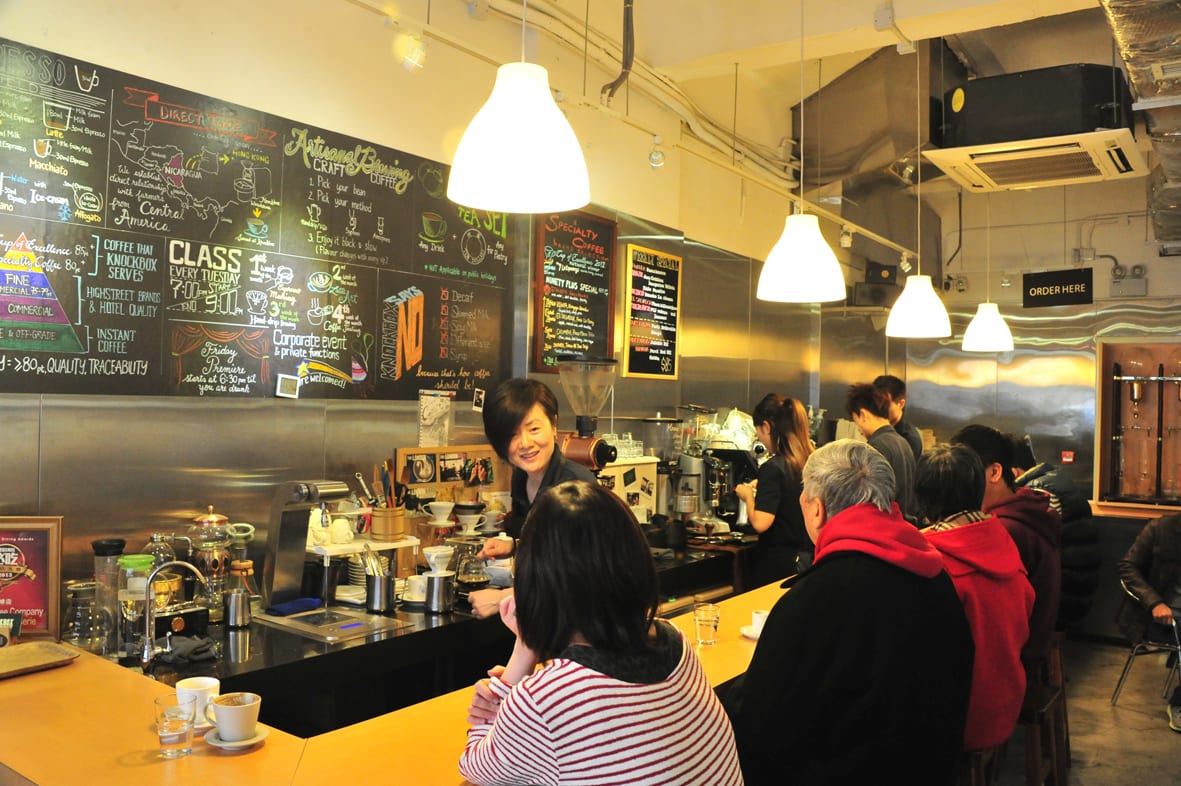
Thailand’s Inthanin coffee brand will roll out in Cambodia following the signing of a memorandum of understanding between RCG Retail (Cambodia) and Bangchak Retail.
RCG plans to open more than 100 Inthanin cafes in Cambodia from next month until 2022.
It will start with a flagship branch in Phnom Penh, followed by a second flagship in Siem Reap in April, says president Jiranun Wongmongkol.
She says the company will then seek franchisees, with the average cost of applying for a licence and opening a branch being around US$200,000 (THB6.2 million). Each location will have about 20 staff members.
Bangchak Retail MD Viboon Wongsakul says the Inthanin deal for Cambodia is part of its business plan to expand its business in CLMV countries (Cambodia, Laos, Myanmar and Vietnam).
He says targeted average sales for Cambodia will be 300 cups of coffee a day for the first year. The company will supply coffee from Thailand directly to franchisees in Cambodia. As master franchisee, RCG Retail will source baked goods and other food to distribute through the coffee outlets.
Jiranun says RCG Retail has already contracted with 20 Cambodian producers to distribute their products at Inthanin branches.
Thai coffee firm Amazon Coffee, owned by PTT, has already expanded its franchise business into Cambodia.
Bilateral trade between Việt Nam and Cambodia last year surged 29.7 per cent against the previous year to nearly US$3.8 billion, the General Department of Customs reported.
Of the total, Việt Nam’s export turnover to this market was $2.77 billion, rising 26.1 per cent against the previous year. Vietnamese key export goods to Cambodia last year included steel and iron products ($521 million, up 69.7 per cent year-on-year) and oil and petrol ($375 million, up 30 per cent year-on-year).
Meanwhile, Việt Nam’s imports from Cambodia reached $1 billion, a year-on-year increase of 40.6 per cent, mainly with timber and wood products ($214 million, up 16.9 per cent), cashews ($168 million, up 46 per cent) and rubber ($138 million, up 64 per cent).
The leaders of Việt Nam and Cambodia have agreed to enhance the comprehensive co-operation between the two nations and raise the bilateral trade value to $5 billion. Việt Nam is currently the third largest trade partner and the fifth largest foreign investor in Cambodia.
According to the Asia-Pacific Market Department, under the Ministry of Industry and Trade, trade across the border of the two nations has become easier, contributing to making Cambodia the 16th largest export market of Việt Nam.
In recent years, the economic co-operation between the two nations has seen strong development. Statistics showed that the two-way trade between Việt Nam and Cambodia jumped from only $184 million in 2001 to $3 billion in 2016.
Major export products of Việt Nam to Cambodia included steel, fertilisers, garments, machinery and plastic products.
The two countries also expect to soon sign agreements on avoidance of double taxation, border trade and labour co-operation along with a memorandum of understanding on transport cooperation strategy for 2017-25 with a vision to 2030, which will help advance the trade relationship between the two sides to higher levels.