Tag: Cambodia

  • Thailand’s Big C buys Cambodian retailer Kiwi Mart

    Thailand’s Big C buys Cambodian retailer Kiwi Mart

    Big C Supercenter Plc, a leading retail operator in Thailand, has acquired Kiwi Mart — a convenience store chain in Cambodia — via its Cambodian subsidiary to strengthen its retail business in the neighbouring country.

    According to Gary Hardy, an adviser of Big C Supercenter, Big C Supercenter (Cambodia) reached an agreement to acquire Kiwi Mart in Cambodia last week.

    The acquisition was effective as of May 17, but the value of the deal has not been disclosed.

    “The acquisition of Kiwi Mart is an important opportunity for both Big C and its parent firm, Berli Jucker Plc, to expand business in the Asean region, including Cambodia,” he said.

    The deal allows Big C to own 18 Kiwi Mart stores in Cambodia, 17 of which are in Phnom Penh, with the other branch located in Kampot province.

    Big C has had a presence in Cambodia since 2019, with the first Big C hypermarket opening in Poipet, with a total space of 8,000 square metres.

    Currently, Big C operates two branches in Cambodia — one branch of Big C Mini and one branch of Big C hypermarket.

    Kiwi Mart was established in 2017 as a 24-hour convenience store, selling a variety of products, including French, Thai and local brands, targeting domestic and foreign customers.

    “Big C realised an opportunity to expand our business to cover all areas of Cambodia via online and offline platforms, making our products easy to access and come closer to Cambodian consumers,” he said.

    Aswin Techachareonvikul, chief executive of Big C Supercenter, said Big C plans to continuously expand its branches in Cambodia to tap into the country’s consumers whose purchasing power keeps increasing.

    The company expects its business expansion in Cambodia to be able to create job opportunities for up to 1,200 local people over the next few years.

    In March, Big C’s parent company Berli Jucker unveiled plans to spend 60-70 billion baht under a five-year business plan running from 2022 to 2026 to double the size of its modern retail business across Southeast Asia with an anticipated doubling of sales to 270 billion baht.

    Some 12-14 billion baht will be earmarked annually for the next five years as it plans to expand its business and develop an Asean trading platform, customer data platform, supplier management platform and product and service development platform to sustain its sales and profits.

    Of the total, 70% of the budget will support retail business, while 30% is slated for packaging, consumer products and healthcare business.

    The firm will open 2,091 modern retail stores across Southeast Asia during this period, increasing the number of its modern retail stores to 3,739 stores from 1,648 at present.
  • Vietnam Airline sells stake in Cambodian carrier

    Vietnam Airline sells stake in Cambodian carrier

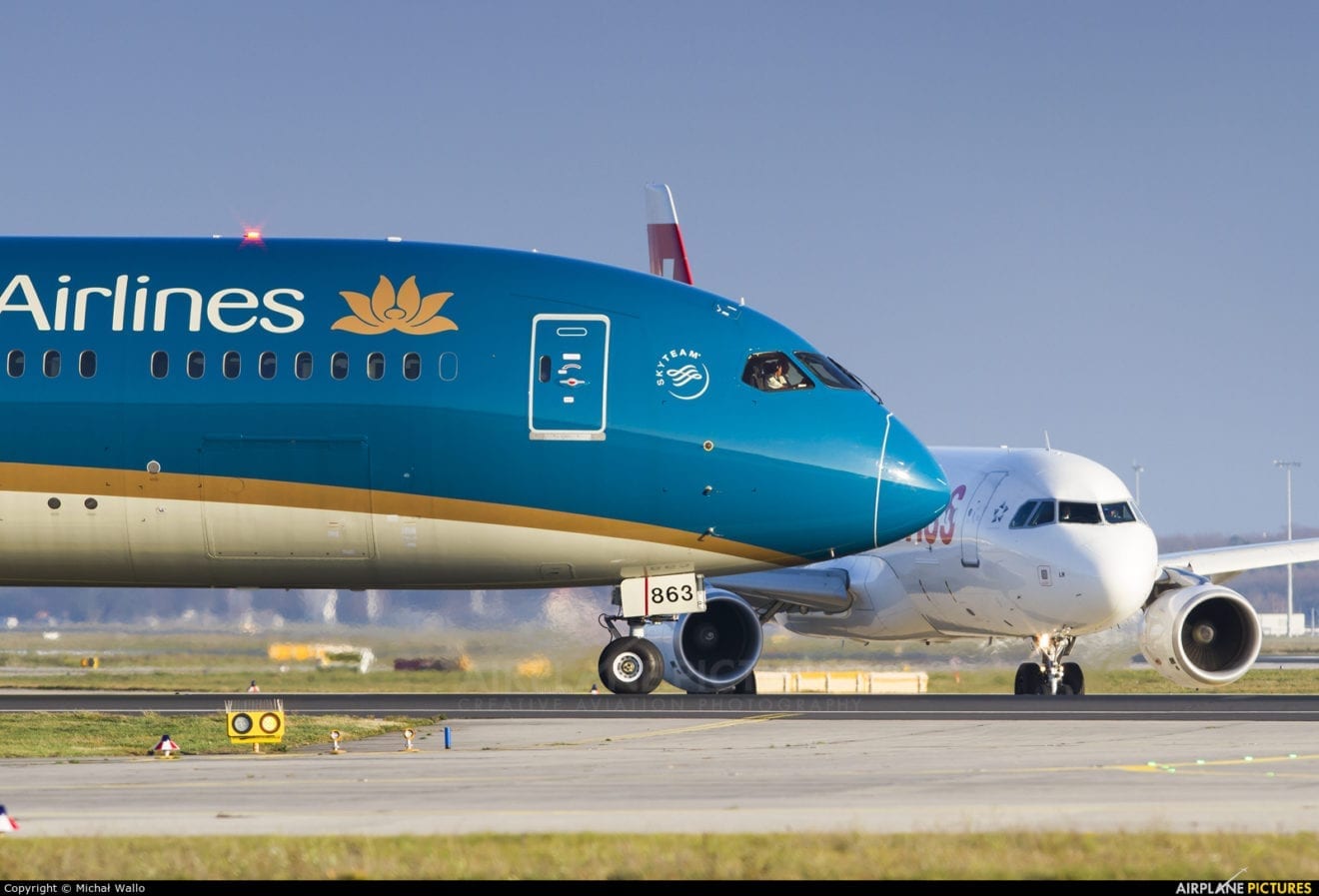
    Vietnam Airlines has sold a 35 percent stake in Cambodia Angkor Air for US$35 million.

    It had bought a 49 percent stake in the Cambodian carrier in 2009 and promised to help it expand.

    But in 2020 it had expressed its intention to sell of its stake due to Covid-19. It is now set to divest the remaining 14 percent in by the end of this year.

    Vietnam Airlines’ accumulated losses climbed to VND21.98 trillion ($955.6 million) last year, roughly the same as its charter capital.

  • AirAsia Resumes Flights Between Kuala Lumpur and Siem Reap, Cambodia

    AirAsia Resumes Flights Between Kuala Lumpur and Siem Reap, Cambodia

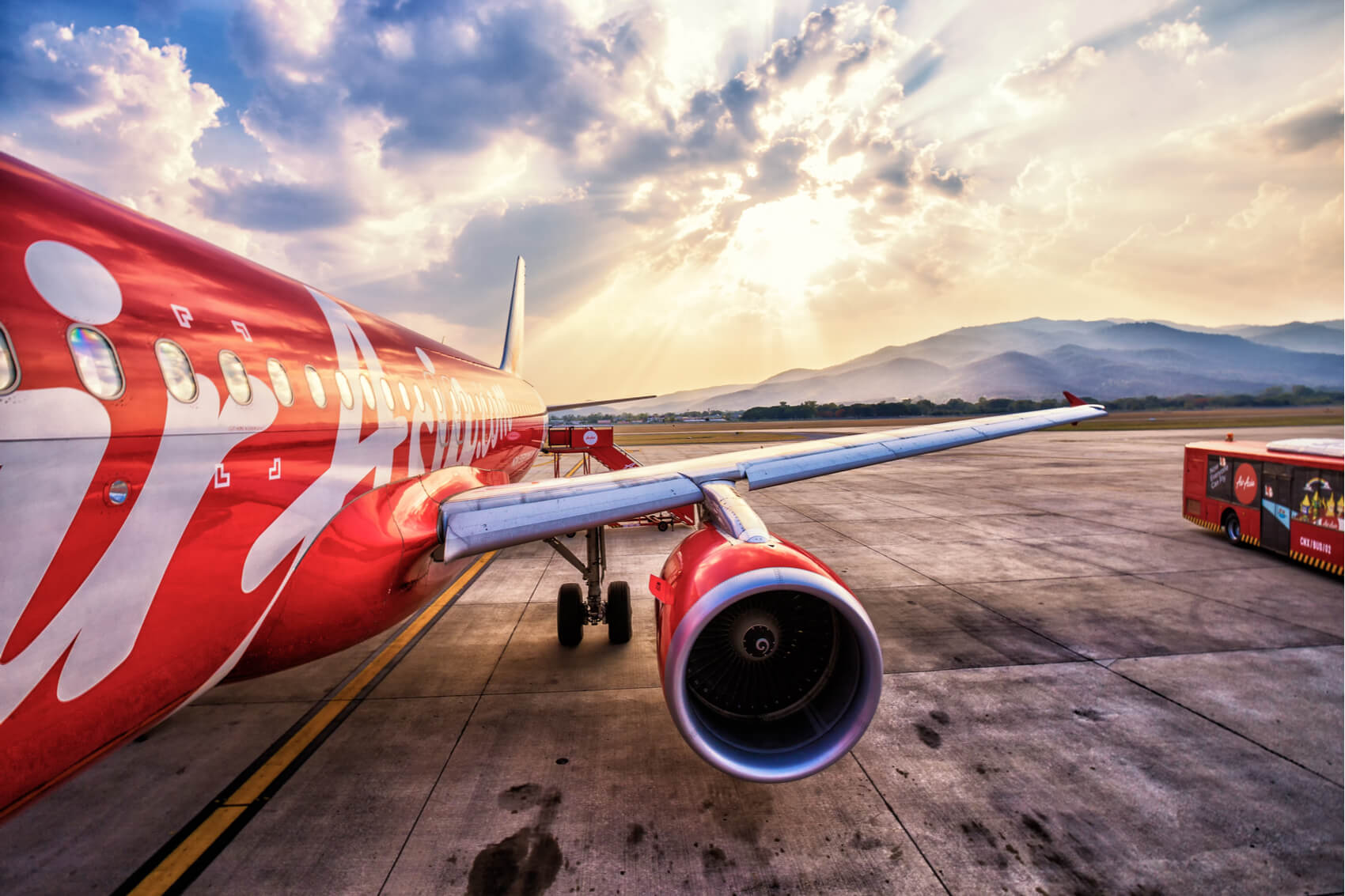
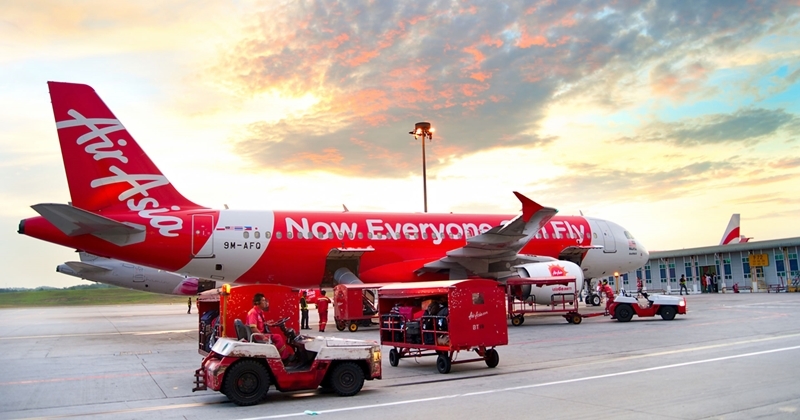
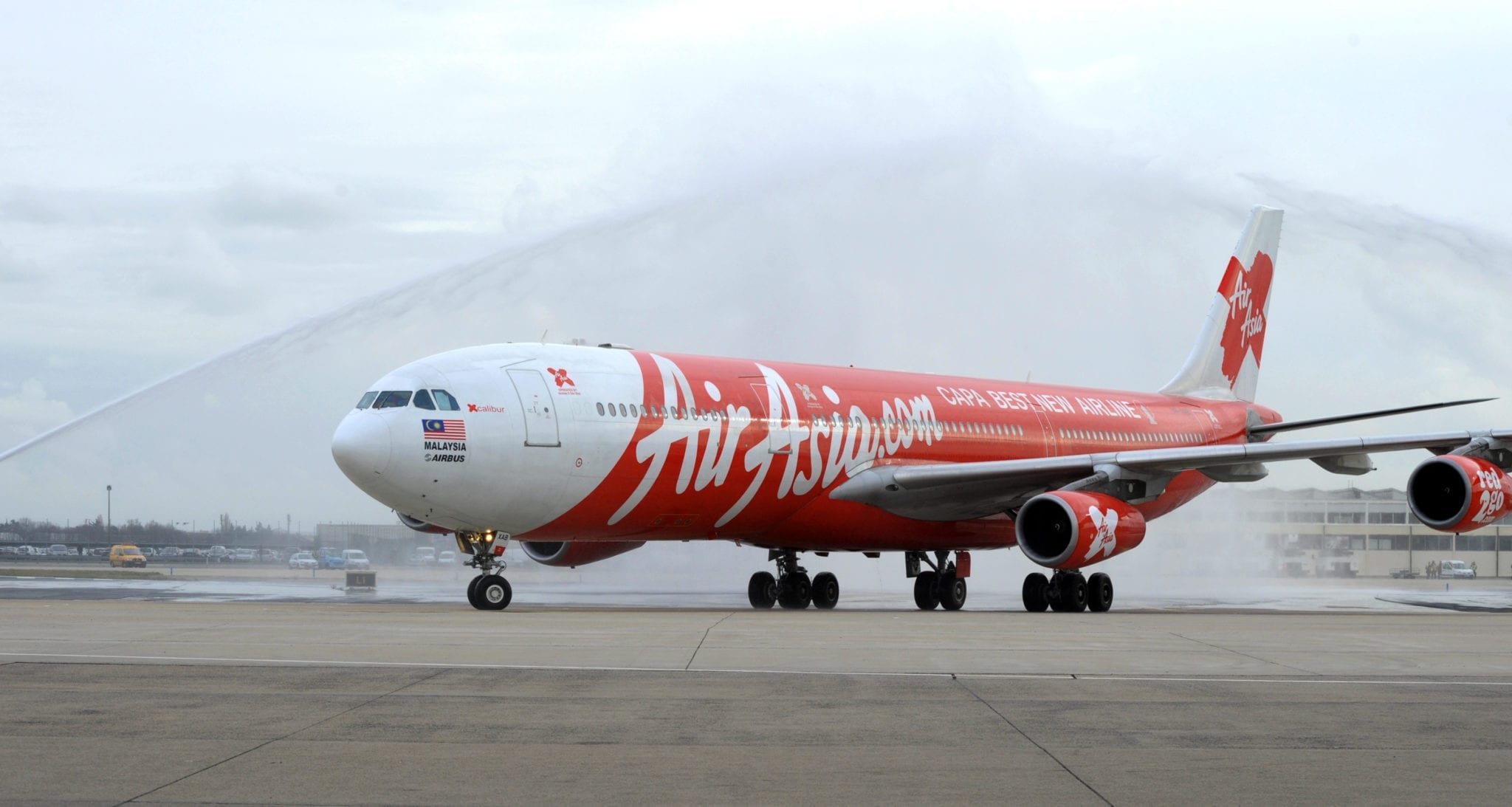
    AirAsia has resumed flights between Kuala Lumpur and Siem Reap, Cambodia. The airline will operate the route with two flights per week on Mondays and Fridays. Flight AK540 is scheduled to depart from Kuala Lumpur International Airport 2 (klia2) at 13:05, arriving in Siem Reap at 14.20. The return flight, AK541, is timed to leave Siem Reap at 14:55, arriving back in Kuala Lumpur at 18:10.

    Cambodia was one of the first countries in the region to relax its entry requirements for foreign travel, reopening the Kingdom to fully vaccinated international travellers without the need for quarantine or COVID19 testing at all international gateways and checkpoints in November 2021.

    HE Thong Khon, Minister of Tourism, Cambodia, said, “Cambodia is now truly open for all vaccinated tourists and we welcome AirAsia guests back to our great country with open arms. Tourism is a significant driver of our economy and social development, we thank AirAsia for their continued support to stimulate and grow air travel to our key leisure destinations. Cambodia, the Kingdom of Wonder, invites travellers from all walks of life to feel its warmth, safely and hygienically.”

    The Siem Reap flights follow AirAsia’s resumption of flights between Kuala Lumpur and Phnom Penh, the Kingdom’s capital city, in January.

    “Prior to COVID19, Siem Reap was one of the most popular destinations in ASEAN as a key tourist hub for globetrotters from all over the world,” said Riad Asmat, CEO AirAsia Malaysia. “AirAsia started the route in 2018 and flew close to 170,000 passengers in 2019. We are confident that these new services will continue to be very popular in the future. In response to strong demand, we are also planning more flights and destinations in Cambodia with services to Sihanoukville scheduled to take flight on 2 June. AirAsia welcomes the initiatives taken by the Cambodian government to ease travel restrictions to allow more seamless travel to Cambodia. We look forward to flying more leisure seekers from near and far to the country soon.”

    For entry into Malaysia, all international tourists and travellers are required to take a pre-departure COVID19 test within 2 days of departure and purchase COVID19 travel insurance (for short-term foreign visitors). Unvaccinated or partially vaccinated travellers are required to spend 5 days in quarantine.

    For entry into Cambodia, there are no pre-departure, post-arrival COVID19 tests or quarantine requirements for fully vaccinated travellers. Travellers are only required to show proof of being fully vaccinated. Fully vaccinated travellers from Malaysia who wish to travel to Cambodia must meet the requirements set by the Cambodian Government prior to purchasing their flights and upon arrival.

  • Vietnam buys 80 pct of Cambodia’s agriculture exports

    Vietnam buys 80 pct of Cambodia’s agriculture exports

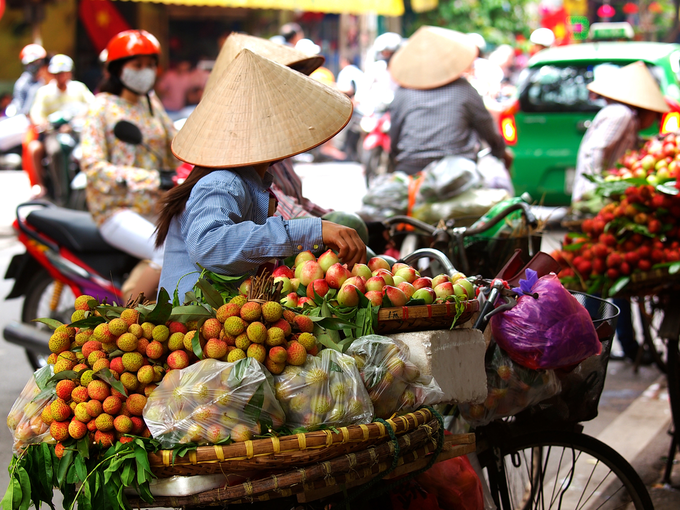
    Vietnam bought nearly 80 percent of Cambodia’s nearly $5 billion worth of agriculture exports last year. It bought 96-99 percent of Cambodia’s cashew, pepper and mung bean exports, according to a report by Cambodia’s Ministry of Agriculture, Forestry and Fisheries.

    Exports of Cambodia cashew to Vietnam grew 4.6 times from 2020, and that of pepper and mung bean surged four times. Other produce that Vietnam bought in large amounts from its neighbor were rice, grapefruit, bananas, and mangoes. Cambodian Agriculture Minister Veng Sakhom told Vietnam’s President Nguyen Xuan Phuc during the latter’s recent visit that Vietnam was Cambodia’s biggest importer among 70 countries and territories last year.

    Vietnamese companies had also harvested $200 million worth of latex in the first 11 months last year, he added.

    “Rubber farming has created jobs for around 33,000 locals. Vietnamese companies also contributed to over 50 percent of Cambodia’s banana exports, creating jobs for around 14,000 workers.”

    Insiders say the surge in Cambodia’s exports of agricultural produce to Vietnam came as many Vietnamese companies have invested in Cambodian farming.

    Agriculture expert Vo Tong Xuan ascribed the trend to Vietnamese businesses and individuals taking advantage of Cambodia’s affordable land fund as well as lower labor costs.

    “The yield is then exported back to Vietnam.”

    In the first 11 months last year, trade value between Vietnam and Cambodia rose 84 percent year-on-year to $8.6 billion, according to Vietnam Customs. Cambodia’s exports to Vietnam rose 337 percent in the period.

  • MB selects strategic partner for commercial joint venture bank in Cambodia

    MB selects strategic partner for commercial joint venture bank in Cambodia

    MB and Shinsei Bank signed a master agreement on the establishment of a commercial joint venture bank in Cambodia on Dec. 2.

    Both parties agreed that after obtaining the approval of the state agency on the establishment of a commercial bank in Cambodia with a minimum charter capital of $75 million, MB would transfer up to 49 percent of shares to a strategic partner and launch Vietnam’s first joint venture bank abroad.

    Military Commercial Joint Stock Bank (MB) is known for its rich experience in developing digital banking in Vietnam, along with its solid business foundation and market understanding during 10 years of operating in Cambodia as a branch.

    Shinsei Bank, Ltd. (Shinsei Bank) has more than 50 years of banking experience in Japan with outstanding achievements in retail banking and consumer finance.

    The joint venture bank built on the collaboration of these two financial groups is expected to become a leading digital – retail bank in Cambodia.

    Both parties agreed to invest substantially and systematically in resources and nominate high-quality personnel to build outstanding business strategies, models and solutions to enter the dynamic financial and banking market in Cambodia.

    MB and Shinsei Bank have gained experience in implementing a joint venture at MB Shinsei Finance Limited Liability Company (Mcredit). After five years of cooperation, Mcredit is currently a consumer finance company with the top 4 best outstanding loans in Vietnam, with ROE performance of up to about 30 percent.

    The joint venture between MB and Shinsei Bank in Cambodia marks a milestone in the cooperative relationship between the two financial groups of Vietnam and Japan. The joint venture in a third country – Cambodia – also demonstrates the two groups’ willingness for long-term cooperation.

    “This also indicates MB’s strategic vision and great expectations to gradually improve its position and foster business development

  • AirAsia CEO ‘bullish’ on beating Omicron as airline announces resumption of Phnom Penh flights

    AirAsia CEO ‘bullish’ on beating Omicron as airline announces resumption of Phnom Penh flights

    AirAsia Group chief executive Tony Fernandes has urged governments to stop “overreacting” to the emergence of the new Omicron variant of Covid-19 and focus on reducing the cost of PCR testing instead.

    “It’s a huge overreaction. We don’t know anything about this variant yet. Let’s wait and see before we jump the gun,” Mr. Fernandes said at a virtual address at Bangkok Post’s International Forum 2021 dubbed “Unleashing the Future: A Glimpse into 2022 and Beyond” on Thursday.

    Air Asia has also hinted that Cambodia is one potential market for new ventures. Current group president for airlines Bo Lingam says: “We will continue to review new markets to operate from in the future, like Cambodia for example when we can connect Southeast Asia once again with the best value fares and lifestyle offerings.”

    The chief executive of the low-cost carrier said the world is more equipped and better prepared to deal with Omicron — first detected in South Africa — than previous strains.

    Air Asia is also reportedly looking at resuming Kuala Lumpur-Phnom Penh flights in January 26 to take advantage of Chinese New Year travelers. During its heydays prior to COVID-19, it used to mount three flights a day.

    “There are Merck pills, and Pfizer pills are coming out. We are vaccinated. There are boosters available. I’m feeling much more bullish, and I am not doom and gloom,” he said.

    “Governments need to use common sense and see what is needed. I think travel restrictions and such measures are temporary, and the world is global. No matter how much we close the borders, the viruses will travel.”

    He criticized the pricing and frequency of the PCR tests required by many governments, including Thailand, when travelers enter their borders. He said this risks deterring passengers from taking a vacation despite the pent-up demand to venture overseas.

    “No government has looked at the cost of the PCR test. PCR tests in Southeast Asia are extremely [expensive]. It’s unfair for passengers to pay that kind of cost. Of course, we want to be safe, but make it as simple as possible.”

    He praised Thailand for planning to reduce some of these charges and procedures.

    “Thailand is ahead of the rest of ASEAN, which are still quite draconian,” he said, referring to the Association of Southeast Asian Nations.

    “In Malaysia, we have a seven-day quarantine. It’s a start. At least we are opening up borders, but there’s a long way to go before we get to where we used to be.”

    As for AirAsia’s operations and outlook for 2022, Mr. Fernandes said he had restructured the company and pivoted to more digital businesses.

    So far, the low-cost carrier has launched three logistics businesses — a food delivery super-app, online bank BigPay, and parcel delivery service Teleport. The company has no plans to cut routes yet, it said.

    The group CEO was optimistic about the future of the aviation industry. He said he expects low-cost carriers to bounce back faster than full-service airlines as most passengers prefer to travel short distances. Moreover, business travelers are getting used to attending meetings virtually instead of in person, he said.

  • AirAsia to resume Bangkok-Phnom Penh flights following Cambodia’s reopening

    AirAsia to resume Bangkok-Phnom Penh flights following Cambodia’s reopening

    AirAsia is resuming flights from Bangkok to Cambodia’s capital Phnom Penh starting December 22. The Southeast Asian country recently lifted restrictions to allow fully vaccinated foreign travelers to enter without undergoing quarantine.

    Next month, flights from Bangkok’s Don Mueang International Airport to Phnom Penh will take off on Wednesdays, Fridays, and Sundays. Travelers who are considered fully vaccinated under the World Health Organisation requirements within 14 days of departure will be allowed to enter under the quarantine-free travel scheme.

    Visitors will also need to test negative in a RT-PCR Covid-19 test at least 72 hours before departure and take a rapid antigen test on arrival. Those who have not been fully vaccinated will need to undergo a 14 day quarantine.

    For AirAisa BIG members, tickets start at 1,690 baht per trip with pre-booking from November 18 to 28 for flights from December 22 to March 25.

  • Cambodia’s exports to Vietnam quadruple

    Cambodia’s exports to Vietnam quadruple

    Cambodia’s exports to Vietnam nearly quadrupled to $3.7 billion in the first nine months of this year, according to statistics from the General Department of Vietnam Customs.

    Cambodia increased its exports of vegetables and fruits by 61 percent, cashew by 595 percent, soybeans by 549 percent, and rubber by 391 percent.

    Exports of wood products, fabric, scrap, and other goods grew by 5-300 percent.

    Trade between Cambodia and Vietnam increased by 90.9 percent year-on-year in the first nine months of this year to US$7.2 billion.

    According to the Cambodian Ministry of Agriculture, Forestry and Fisheries, the country exported agricultural products to 90 countries and territories though Vietnam (64.11 percent), Thailand (21.49 percent) and China (9.69 percent) accounted for most of it with all others accounting for only 4.71 percent.

  • AirAsia Group reorganises airline units; eyes Cambodia airline venture

    AirAsia Group reorganises airline units; eyes Cambodia airline venture

    AirAsia Group has formed a new holding company for its four airline units, in a group-wide business reorganization to better distinguish its airline and digital ventures.

    The group says its four airlines — in Malaysia, Philippines, Thailand and Indonesia — will now come under the AirAsia Aviation Limited holding company.

    Current group president for airlines Bo Lingam will helm the company as its chief executive.

    AirAsia Aviation will be one of the eight “digital portfolio companies” in the group’s stable — the other companies include cargo and logistics venture Teleport, MRO unit Asia Digital Engineering, as well as its AirAsia “Super App”.

    AirAsia Group chief Tony Fernandes said in August that “a split” between the group’s core airline business and its digital ventures is inevitable “at some point”.

    The group doubled down on its digital offerings amid the coronavirus crisis, which has pummelled its airline business. It first launched AirAsia Digital in September 2020, comprising five portfolio companies in areas such as payment services, logistics, food and travel.

    In the latest announcement, Lingam says the “structural change” will help “facilitate strong projected growth” across the group’s offerings.

    “The AirAsia Aviation Limited entity holds our existing airline investments and paves the way for new airline ventures to be formed in due course,” he says.

    Lingam hinted at Cambodia as one potential market for such a venture. He says: “We will continue to review new markets to operate from in the future, like Cambodia for example, when we can connect [Southeast Asia] once again with the best value fares and lifestyle offerings.”

    AirAsia in November 2020 said it was “actively exploring” opportunities for a local airline presence in the Indochina region, though it did not elaborate further.

    Separately, AirAsia Aviation has also set up a consulting division, which Lingam says is “tasked at reviewing new airline partnerships and franchise opportunities”.

    He remains hopeful of an imminent recovery, helped by a ramp-up in vaccinations in its key operating markets. For instance, Malaysia, where the group is based, has recently eased interstate travel restrictions.

    “Pleasing progress is also underway in our other airlines in Thailand, Indonesia and the Philippines as services are resuming in line with accelerated vaccination rates and the easing of travel restrictions in our key markets,” he adds.

  • Coffee buyers face losses as Colombia farmers fail to deliver

    Coffee buyers face losses as Colombia farmers fail to deliver

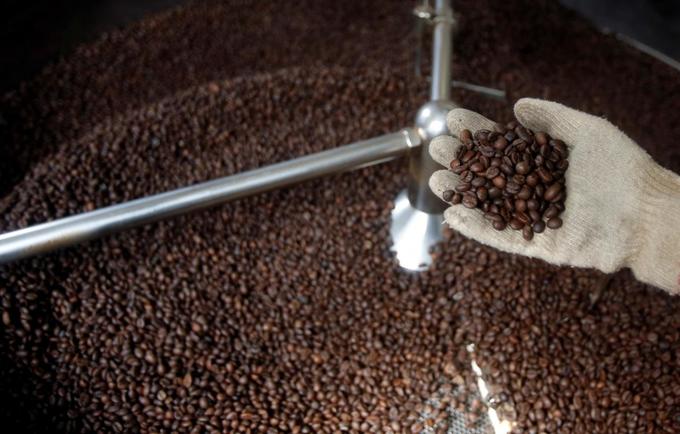
    Coffee farmers in Colombia, the world’s No. 2 arabica producer, have failed to deliver up to 1 million bags of beans this year or nearly 10% of the country’s crop, leaving exporters, traders, and roasters facing steep losses, industry sources said.

    World coffee prices have soared 55% this year, mainly due to adverse weather in top producer Brazil, prompting Colombian farmers to default on sales clinched when prices were much lower in order to re-sell the coffee at higher rates.

    “Traders are getting defaulted on, it’s a mess. If the drought continues (in Brazil), 300 cents (per lb of coffee) is possible. It’s going to be mayhem,” said a dealer at a global agricultural commodities trade house.

    He said leading global roasters are planning to change the branding on their ‘single-origin Colombia’ coffees due to sourcing problems.

    Delivery defaults in a major producer like Colombia can exacerbate price spikes on world markets, although these would be temporary because the coffee ultimately exists and will weigh on markets once it is re-sold.

    Colombian farmers say they will deliver the coffee later this year or next but buyers are unconvinced.

    Many are opting to see losses now and write the purchases off as defaults rather than wait and risk even bigger losses if farmers still don’t deliver next year and prices rise further, according to a senior trader at another global trade house.

    He said several global trade houses are looking at losses of $8-10 million each on undelivered coffee, while Colombia’s coffee growers federation FNC, which represents farmers but also accounts for 20% of the country’s 12.5 million bags of annual coffee exports, faces higher losses.

    “There was easily 1 million bags of forwarding (Colombian coffee sales) done before the market started rallying mid-May,” said the senior trader. “If you work for a multinational (trade house) your boss will say come on, we have to take the hit.”

    Delivery defaults in a rallying coffee market are a huge issue for commodity exporters and traders who often hedge physical purchases by taking short positions in the futures market, causing them to sustain steep losses as prices rise.

    Usually, traders would be able to sell the physical coffee they are owed at current lofty rates in order to offset their futures market loss, but in the case of a default, they can’t.

    Defaults can also force traders to purchase supplies pre-sold to roasters at a loss in the pricey spot market.

    FNC head Roberto Velez confirmed that Colombia is facing widespread defaults.

    “I can tell you there are few Colombian exporters not suffering (from defaults). All the major trade houses and also the federation as a major exporter, we’re all suffering (losses),” he said.

    “When a grower doesn’t deliver, the whole chain gets stuck losing money,” he added.

    Traders said the federation has given Colombian farmers at least another year to deliver the coffee – a move that could force the industry body to approach the government for bail-out funds if the farmers still don’t deliver in time.

    A senior Columbia-based coffee trader with Louis Dreyfus Company (LDC) left the company in the wake of losses, two sources with knowledge of the matter said.

    LDC said it does not comment on organizational changes except in relation to executives.

    “Companies will be in trouble with (the scale of the losses), big guys will change their team, but smaller guys will go bankrupt,” said a senior trader.

    He added major local Colombian exporter La Meseta has been hard hit by farmer defaults and is struggling to make good on its supply deals with international roasters, leaving them exposed to losses.

    Selling coffee forward in Colombia has become popular in the last few years, but up until this year, the move had mostly worked out in favour of farmers as world prices drifted lower so farmers received better prices for their coffee on delivery, not worse.

    About 550,000 Colombian families make their living growing coffee and the Andean country is the largest producer of the washed arabica grade on which benchmark futures contracts on the ICE exchange are based.

  • Italian brand Frette opens doors in Singapore

    Italian brand Frette opens doors in Singapore

    Italian home accessories and lifestyle brand, Frette, has expanded its footprint in Singapore with its first boutique in Marina Bay Sands.

    The store also marks the brand’s first mono-brand boutique in the territory. Designed by Milan-based architecture studio Archibrando, the new Frette store features elements used in the brand’s global flagship boutique on Milan’s Via Manzoni and custom furnishings crafted from natural Afara wood, “encapsulating the luxurious ambience and timeless elegance and essence of the brand”.

    Frette Singapore occupies a 65sqm area of the shopping centre, offering crafted linens and decorative home accessories, ranging from embroidery bedding, bath towels, to men’s and women’s loungewear. The Marina Bay Sands boutique also offers custom embroidery and personalisation, bedroom styling as well as installation.

    The 160-year-old brand is known for its “chic, original designs and inimitable finish and feel”. Frette operates nine retail locations in the US and 25 in Asia. The brand has flagship stores in China, South Korea, Taiwan, Vietnam and Cambodia.

  • Cambodia’s newest mall opens in Phnom Penh

    Cambodia’s newest mall opens in Phnom Penh

    The One Mall, a Chinese-backed three-storey shopping mall project in Phnom Penh, is expected to be completed in the second quarter of this year, after missing its scheduled December opening.

    In August, The One Mall Management (Cambodia) Co Ltd, which is a subsidiary of Chinese firm Ming Sheung International Investment Co Ltd and the developer of the project, announced that the mall would be officially opened in December.

    “It will be complete around April this year. Construction is moving along well. Workers are on the job day and night. Around 70 per cent has been completed so far,” a source close to the project told The Post on Wednesday.

    However, the source declined to comment when asked about the project’s delay.

    The project is constructed on a 12,000sqm plot at the site of the former container night market and near The Bridge building in Phnom Penh’s Tonle Bassac commune.

    The value of the firm’s investment has not been disclosed.

    In August, The One Mall Management announced that The One Mall will comprise of shops, a kid’s zone, a fitness centre, restaurants and clothing stores. The project’s construction began in June last year.

    Century 21 Mekong CEO Chrek Soknim told The Post on Wednesday that the retail market is very popular among the Kingdom’s middle-income earners.

    However, demand currently outstrips supply, he said. “Retail is currently making a strong foray into Cambodia – targeting Cambodians with good income and a need for better goods.

    “Mall construction [projects] has not yet met the demand, and it will lead to more retail construction,” he said.

    In August, The One Mall Management chairman Chris Wong said economic growth in the Kingdom prompted the company to invest in a large retail mall in the heart of Phnom Penh.

    He said The One Mall will play host to many local and international brands.

    “To date, we are heartened that The One Mall has received support from long-standing retail brands in the Kingdom.

    “The One Mall has a clear focus on offering different exposure to a social space where people spend their time experiencing, discovering and shopping,” Wong said.

    The company also announced a new mall in Sihanoukville to attract Chinese clientele there.

    A CBRE Cambodia report said there were a total of 19 buildings in Phnom Penh providing 314,000sqm of retail space as of the end of last year.

    At the end of 2018, there were 14 buildings in the capital providing 282,580sqm of retail space, it said.

    This year, CBRE Cambodia expects an additional 261,746sqm in retail space supply, bringing the total in Phnom Penh to 575,700sqm.

  • Vietnam biggest buyer of Cambodia’s mangoes

    Vietnam biggest buyer of Cambodia’s mangoes

    Cambodia exported 140,000 tons of fresh mangos, or 86.8 percent of its total exports of the fruit, to Vietnam in the first seven months of this year.

    Citing data from the Cambodian Ministry of Agriculture, Forestry and Fisheries, the Vietnam Trade Office said the nation exported 161,228 tons of mangos between January and July, a year-on-year surge of 248 percent.

    Besides fresh mangos, Cambodia exported nearly 13,525 tons of mango jam, including 77 tons to Vietnam, 1,000 tons to Thailand and 11,000 tons to China in the seven-month period.

    Cambodia, which cultivates mangoes on 126,668 hectares at present, exported 845,274 tons of mangos worth over $473.2 million last year, mostly to Vietnam, Thailand, China, South Korea, Singapore, Russia and France.

  • H&M to open first store in Cambodia next year

    H&M to open first store in Cambodia next year

    Swedish multinational clothing retail company Hennes & Mauritz AB (H&M) has announced the opening of its first store in Cambodia next year, according to a press release issued in early July.

    The firm, however, did not disclose the specific date and location of this first store.

    H&M already has a large presence in the region with 11 stores in Vietnam and 43 in Thailand.

    The decision to expand its stores to Cambodia was made after the company assessed the potential of Cambodia given the gradual increase of local purchasing power.

    The firm has been manufacturing its products in Cambodia since the 1990s.

  • Paris Baguette enters Cambodia

    Paris Baguette enters Cambodia

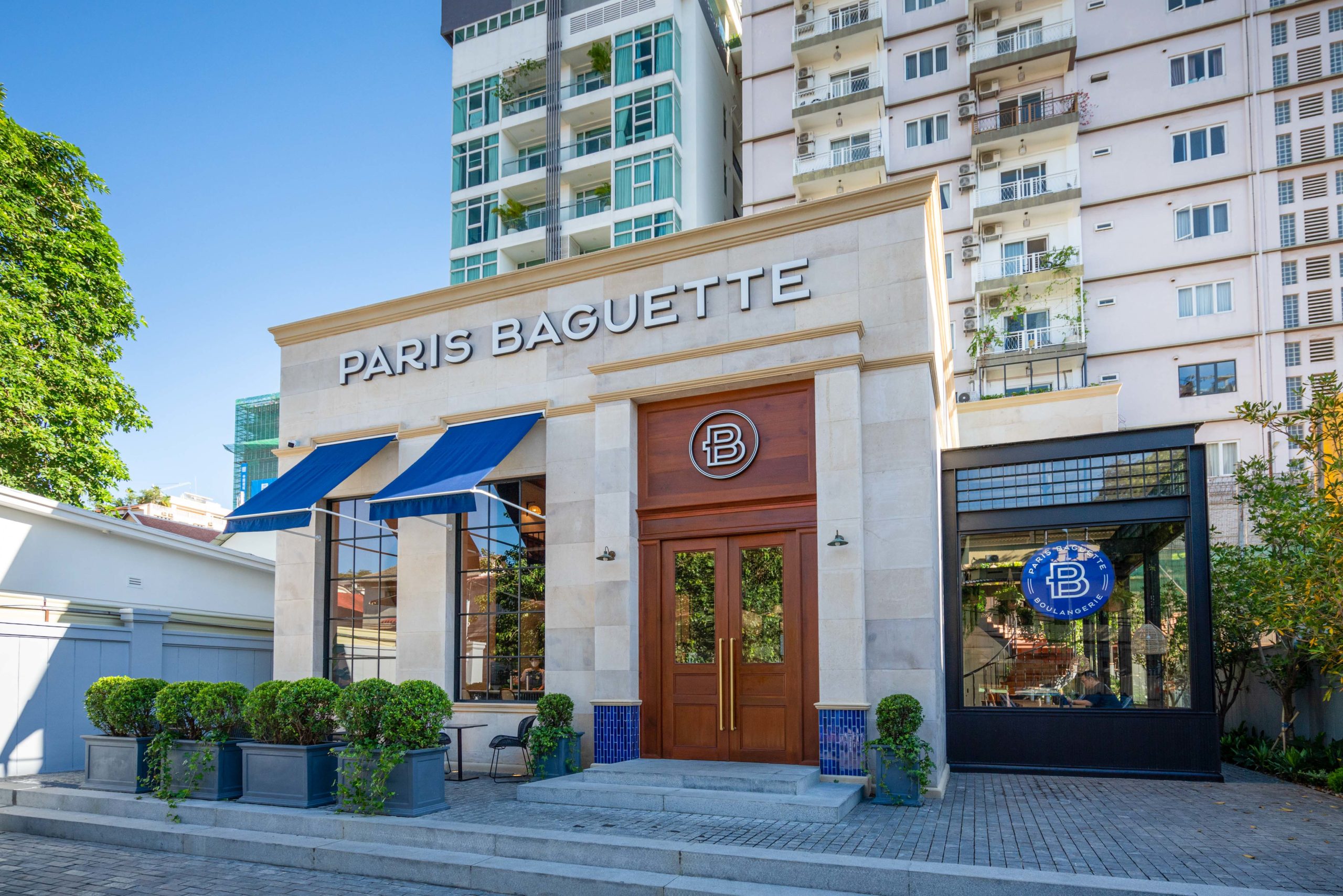
    SPC Group is launching the Paris Baguette bakery franchise in Cambodia, opening the first branch in the country‘s capital city, the company said Wednesday.

    According to SPC Group, the Korean firm behind bakery brand Paris Baguette, it forged ties with Cambodia’s HSC Group to open the first Paris Baguette store in Phnom Penh.

    Cambodia is the sixth country in which Paris Baguette has launched, and it is the first time the bakery operator has formed a joint venture for its overseas business, SPC Group said.

    For the business partnership, Paris Baguette’s affiliate in Singapore established a joint venture, dubbed H.SPC, with HSC Food&Beverages, an affiliate of the Cambodian conglomerate, SPC Group said.

    With the launch of Paris Baguette in Cambodia, SPC Group aims to penetrate into the Southeast Asian market.

    “SPC Group is committed to expanding business in Southeast Asia,” an SPC Group official said.

    “We recently met with a Malaysian senior minister to discuss establishing a halal-certified food factory there, and we are reviewing plans to tap into Indonesia, which has the biggest market in the region. We also plan to enter the Middle East market in the future.”

    The first Paris Baguette store in Cambodia is located in the central area of Boeung Keng Kang in the capital city, occupying the entire space of a three-story building.

    SPC Group operates about 430 Paris Baguette stores overseas in six countries — China, the United States, France, Vietnam, Singapore and Cambodia.