Tag: Cambodia

  • Riding the Durian Express: Cambodia Boosts Exports to China with 5,700 Tons of Fresh Fruit

    Riding the Durian Express: Cambodia Boosts Exports to China with 5,700 Tons of Fresh Fruit

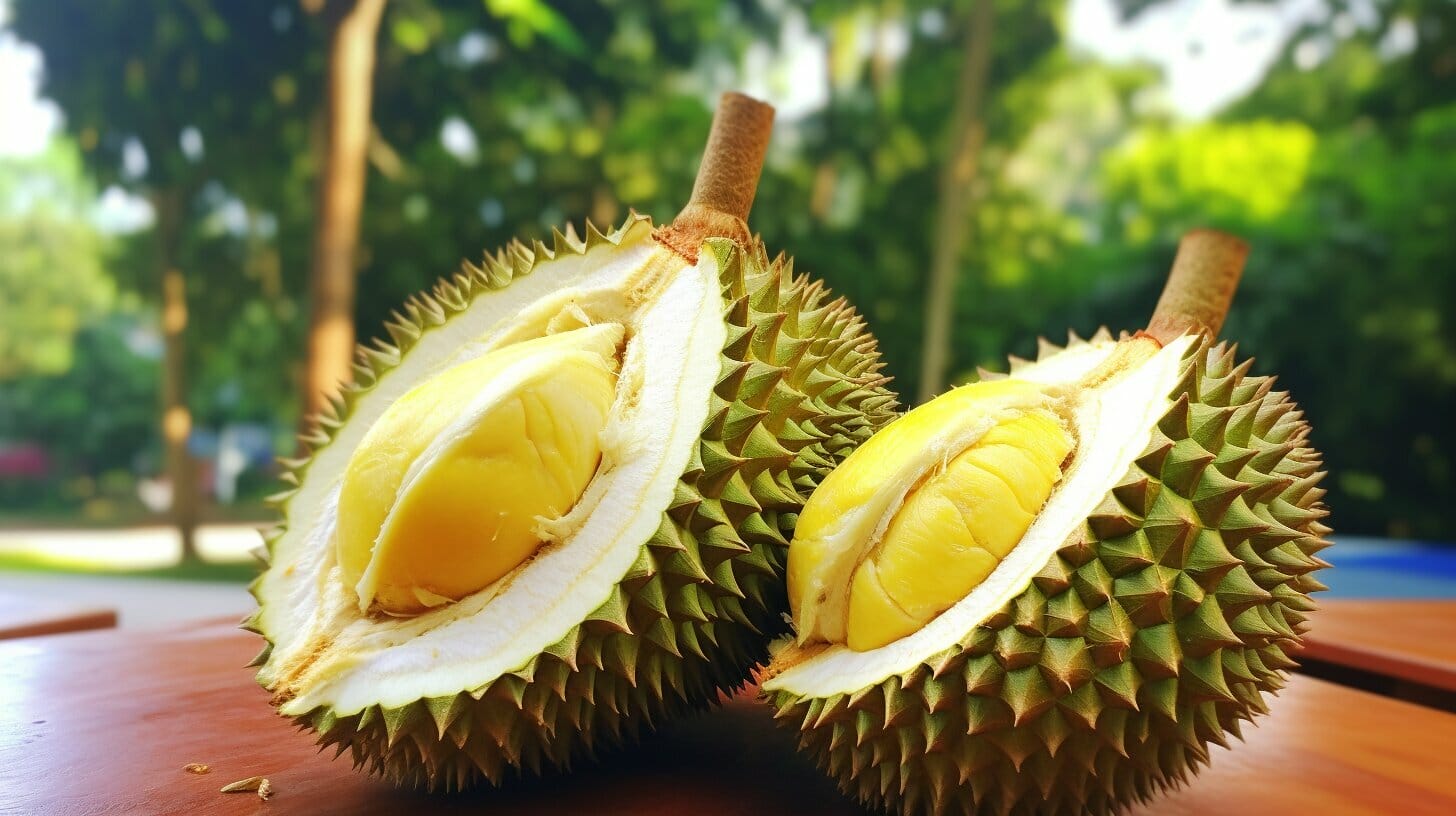
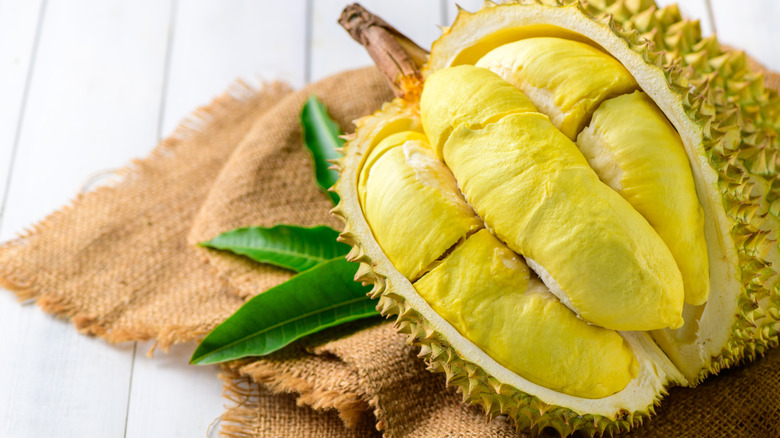
    In the first seven months of 2026, Cambodia managed to export a significant amount of fresh durians to China. Specifically, 5,738 metric tons of the fruit were exported, largely due to improvements in overland logistics. This advancement has been credited to the Ministry of Agriculture, Forestry and Fisheries, with the undersecretary of state, Khim Finan, highlighting the opening of a new overland route from Cambodia to China via Laos as a key factor.

    Boosting Trade via Overland Route

    The implementation of this new land route has not only opened fresh avenues of trade but also significantly reduced transit times. As Mr. Finan pointed out, the duration has been slashed from 15-20 days by sea to just 5 days overland. This route was officially inaugurated in late June and serves as a convenient channel for transporting a range of Cambodian agricultural products to China.

    The list of approved commodities for transport through this route includes bananas, mangoes, rice, Pailin longan, cassava starch, and durian. Each of these products has received official approval for shipment, boosting Cambodia’s export potential.

    Chinese Market’s Fondness for Durian

    China holds the distinction of being the world’s largest market for durian. In the previous year, China purchased an impressive 1.87 million tons of the fruit, amounting to a total worth of US$7.49 billion.

    The first half of this year has already seen an import of 1.07 million tons. Thailand remains the largest supplier, accounting for 81% of the total durian delivered to China. Vietnam follows close behind, contributing 18% to the supplies, while the remaining stocks are provided by Malaysia and the Philippines.

    Cambodia’s fresh durian exports to China have been on a sharp incline since July of the previous year. This was when the first shipment was sent after Chinese authorities granted approval to over 100 durian farms and 30 packaging facilities in Cambodia.

    Durian is the fifth fresh fruit from Cambodia to be given direct access to the Chinese market. It joined the ranks of bananas, mangoes, longans, and coconuts that have been enjoying this privilege.

    It was reported that Cambodia has more than 11,000 hectares devoted to durian cultivation, which yields an estimated 120,000 tons of the fruit annually.

    Questions & Answers

    What led to Cambodia’s significant export of fresh durians to China?
    The exports were largely facilitated by the opening of a new overland route from Cambodia to China through Laos, reducing transit times considerably.

    What are the other agricultural products Cambodia exports to China via this route?
    In addition to durian, Cambodia also exports bananas, mangoes, rice, Pailin longan, and cassava starch to China through this route.

    What is the significance of durian in the Chinese market?
    China is the world’s largest market for durian, having purchased 1.87 million tons of the fruit worth US$7.49 billion in the previous year.


  • Cambodia Adjusts 2026 Growth Forecast Down to 4.2% Amid Global Crises and Climate Change Impacts

    Cambodia Adjusts 2026 Growth Forecast Down to 4.2% Amid Global Crises and Climate Change Impacts

    The Cambodian Government has revised its economic growth expectation for 2026, dropping it from an earlier prediction of 5% to a more conservative 4.2%. Prime Minister Hun Manet, in the recently published medium-term fiscal framework for 2027-2029, cited a number of global crises as the reasons for this adjustment.

    Challenging Global Crises

    The Prime Minister indicated that Cambodia is undergoing a transition in the midst of prolonged global difficulties. This includes the rise in protectionism, trade conflicts, geopolitical and geoeconomic strife, and escalating impacts from climate change and natural disasters.

    The report also highlighted three consecutive storms that struck Cambodia in the past two years, causing significant damage. Additional challenges noted include the reciprocal tariff policies rolled out during former US President Donald Trump’s tenure, the ongoing border dispute between Cambodia and Thailand, and the turmoil in the Middle East which has led to an energy crisis.

    Future Economic Forecast

    Amid these struggles, the growth forecast for 2027 has also been decreased from 5.5% to 5%, as the economic drag from 2026 is anticipated to carry over into the following year. However, the government remains optimistic that growth will bounce back to an average of approximately 5.5% between 2028 and 2029. This projection is based on the expectation that socio-economic activities will gradually recover to pre-crisis levels.

    Questions & Answers

    **What is Cambodia’s revised economic growth forecast for 2026?**
    The Cambodian Government has reduced its economic growth forecast for 2026 to 4.2%, down from an initial projection of 5%.

    **What are some of the global crises affecting Cambodia’s economy?**
    Cambodia’s economy is being impacted by a series of global crises, including escalating protectionism, trade wars, geopolitical and geoeconomic tensions, and the increasing effects of climate change and natural disasters.

    **What is the anticipated economic growth for Cambodia beyond 2026?**
    Despite lower forecasts for 2026 and 2027, the Cambodian Government expects that economic growth will rebound to an average of around 5.5% from 2028 to 2029 as socio-economic activities gradually return to pre-crisis conditions.

  • Cambodia Slashes Import Duties on EV’s, Solar Devices, and Electric Stoves to Counter Rising Fuel Prices

    Cambodia Slashes Import Duties on EV’s, Solar Devices, and Electric Stoves to Counter Rising Fuel Prices

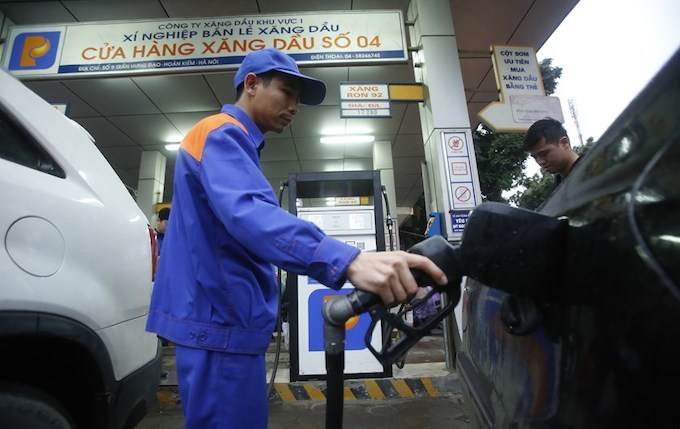
    In a bid to alleviate the repercussions of escalating global fuel costs resulting from the Middle East conflict, Cambodia has chosen to diminish import duties on electric vehicles (EVs), electric stoves, and solar-powered appliances.

    Curtailing Import Duties

    On March 29, the General Department of Customs and Excise disclosed that the government has resolved to slash import duties from an initial 35% to zero on passenger EVs, electric stoves, and toasters.

    The government further resolved to decrease import duties from 35% to a mere 7% on passenger plug-in hybrid electric vehicles (PHEVs).

    In addition, import duties on chargers for EV batteries, electric rice cookers, and solar lamps have been reduced from 7% to zero.

    New Tariffs from April

    The fresh tariff rates are set to commence on April 1.

    These measures are a response to the dramatic acceleration of fuel prices since the beginning of the Middle East conflict. The government hopes that by reducing import duties on these items, it will encourage more people to switch to using energy-efficient and eco-friendly products, therefore, decreasing the country’s reliance on imported fuels.

    Questions & Answers

    Why is Cambodia reducing import duties on these specific items?
    The government is encouraging the use of energy-efficient and eco-friendly products to lessen the country’s reliance on imported fuels, whose prices have soared due to the Middle East conflict.

    What are the new import duty rates for these items?
    Import duties have been reduced from 35% to zero for passenger EVs, electric stoves, and toasters. For passenger PHEVs, the rate has been reduced to 7% from 35%. Meanwhile, import duties for EV battery chargers, electric rice cookers, and solar lamps have been reduced to zero from a previous rate of 7%.

    When will these new tariff rates take effect?
    The new tariff rates are set to go into effect from April 1.

  • Cambodia Ramps Up Fuel Imports from Singapore and Malaysia Amid Middle East Conflict

    Cambodia Ramps Up Fuel Imports from Singapore and Malaysia Amid Middle East Conflict

    Cambodia has been increasing its fuel imports from Singapore and Malaysia in a bid to compensate for supply shortages caused by ongoing conflict in the Middle East, which continues to hamper global fuel supply chains. The Minister of Mines and Energy for Cambodia, Keo Rottanak, communicated this on Wednesday.

    Fuel Stations and Supply

    Last week, Rottanak reported, approximately one-third of the nation’s 6,300 fuel stations were temporarily closed due to worries about the conflict’s effect on fuel prices. However, the situation has since improved, and now only 5.77% of stations still remain closed.

    Rottanak also pointed out that Cambodia is augmenting its fuel imports from Singapore and Malaysia, while its usual suppliers are making every effort to keep exports steady amid increasingly strained supply conditions.

    Increasing Imports

    Figures from Kpler indicate that during the first 18 days of the current month, gasoline and diesel exports from Singapore and Malaysia to Cambodia have risen by 25% compared to the same period in 2025. However, this is a 40% decrease compared to the last 18 days of February.

    Fuel Reserves and Energy Security

    According to the minister, the fuel reserves of Cambodia are presently at levels similar to earlier periods. The country lacks a domestic oil refinery and usually keeps stocks of diesel, jet fuel, liquefied petroleum gas, and gasoline that suffice for less than one month under standard conditions.

    The Cambodian government is taking steps to bolster its energy security and lessen geopolitical risks. Preliminary discussions have been held this month with Woodside Energy, an Australian company, in an attempt to secure liquefied natural gas (LNG) supplies for a planned 900MW power plant that is expected to start operations in 2027.

    Renewable Energy and Future Plans

    Rottanak added that the shock from the Middle East has been partially mitigated in Cambodia thanks to the swift growth of renewable energy in the country. Overall fuel imports have remained relatively stable compared to the levels in 2022, bolstered by increased electrification from renewable sources. He underlined that the conflict underscores the pressing need to speed up the development of cross-border power grid connectivity among ASEAN nations.

    Questions & Answers

    What steps is Cambodia taking to address fuel supply shortages?
    Cambodia is increasing its fuel imports from Singapore and Malaysia. Its traditional suppliers are also working hard to maintain exports in spite of tough supply conditions.

    What is the current status of Cambodia’s fuel reserves?
    Cambodia’s fuel reserves are currently at levels similar to previous periods. The country typically maintains diesel, jet fuel, liquefied petroleum gas and gasoline stocks sufficient for less than one month under normal circumstances.

    What measures is Cambodia taking for energy security?
    The Cambodian government is enhancing its energy security by holding talks with Australia’s Woodside Energy to secure LNG supplies for a planned 900MW power plant. The government is also accelerating the development of cross-border power grid connectivity among ASEAN countries.

  • Cambodia Tightens Grip on Retail Fuel Sales to Ensure Safety and Stability

    Cambodia Tightens Grip on Retail Fuel Sales to Ensure Safety and Stability

    The Ministry of Commerce in Cambodia has sent out a public appeal to all citizens and fuel station owners to desist from hoarding fuel in an attempt to maintain a stable supply chain throughout the country. The public notice, issued on the 6th of March, further implores strict adherence to safety standards when selling and storing petroleum products, as a measure to mitigate any potential safety hazards.

    Emphasizing Risk Management in Fuel Trade

    The Ministry stressed on the importance of risk management in the processes of buying, selling, and storing fuel. This is deemed critical to protect consumers and preempt any accidents that could potentially result from unsafe storage practices. It also highlighted that improper or excessive storage of fuel can lead to severe risks, such as fire hazards that could pose a threat to properties and community safety.

    Appeal for Responsible Fuel Usage

    In the public notice, the Ministry further urged the citizenry to use fuel responsibly and refrain from panic buying or unnecessary stockpiling of fuel. The notice cautions that excessive storage could lead to unwarranted safety challenges.

    Continual Inspections by Regulatory Officials

    Simultaneously, officials from the Ministry’s General Department of Consumer Protection, Competition and Fraud Repression, in collaboration with provincial and municipal commerce departments and local offices of the Ministry of Mines and Energy, are conducting regular inspections of fuel stations across the country. These checks aim to ensure that the stations are in compliance with technical standards, maintain fair practices in fuel sales and proactively prevent any cases of opportunistic price manipulation or irregular price hikes.

    Questions & Answers

    What measures are being taken by the Cambodian Ministry of Commerce to ensure a stable fuel supply?
    The Ministry has issued a public notice urging the citizens and fuel station operators to avoid hoarding fuel and to adhere to safety standards when selling and storing petroleum products.

    What is the importance of risk management in the fuel trade as highlighted by the Ministry?
    The Ministry emphasizes that proper risk management in buying, selling, and storing fuel is critical to protect consumers and prevent accidents arising from unsafe storage practices.

    What is the purpose of continual inspections of fuel stations?
    The ongoing inspections by ministry officials aim to ensure that fuel stations comply with technical standards, maintain fair practices in fuel sales, and prevent opportunistic price manipulation or irregular price increases.

  • Hong Kong and Cambodia Unite to Crush Spam Communications: A Victory for Cross-Border Collaboration

    Hong Kong and Cambodia Unite to Crush Spam Communications: A Victory for Cross-Border Collaboration

    The Hong Kong Office of the Communications Authority (OFCA) and the Telecommunication Regulator of Cambodia (TRC) have agreed to a memorandum of understanding (MoU) aimed at bolstering their collaborative efforts in the fight against scam calls, scam messages, and other forms of spam communication.

    Strengthening Regulatory Cooperation

    The MoU was signed on January 26th during a bilateral meeting between Mr. Chaucer Leung, the Director-General of Communications for Hong Kong, and Mr. Chenda Thong, the Chairman of Cambodia’s TRC. This agreement sets out a comprehensive framework that will facilitate closer cooperation and a more streamlined exchange of information between the two regulatory bodies.

    The outlined areas of focus include regulatory practices, public awareness campaigns, and the development of technological practices specifically designed to mitigate the impact of scam and spam communications, such as voice calls and SMS messages.

    Shared Commitment to Tackling Scam and Spam Communications

    Commenting on the significance of the MoU, Mr. Chaucer Leung noted its importance in facilitating the sharing of expertise and experiences in battling scam and spam communications. He elaborated that it would also encourage the timely sharing of insights regarding emerging market trends and developments, allowing both regulators to identify and effectively tackle evolving scams and spam threats in Hong Kong and Cambodia. The MoU, according to Mr. Leung, is a clear demonstration of their joint commitment to devising and improving measures to effectively handle scam and spam communications.

    Measures in Place in Hong Kong

    In Hong Kong, the OFCA has been collaborating closely with telecommunications service providers and government departments to maintain the integrity of its communications network. These efforts have seen the implementation of key measures such as requiring operators to block suspected fraudulent phone numbers and websites, barring suspicious inbound calls that attempt to spoof the +852 Hong Kong prefix, the introduction of the SMS Sender Registration Scheme, and the enforcement of the Real-Name Registration Program for SIM cards.

    Questions & Answers

    What is the main focus of the MoU signed between the Hong Kong OFCA and the Cambodian TRC?
    The MoU provides a framework for cooperation and information sharing between the two regulators, aimed at combating scam and spam communications. This includes voice calls and SMS messages.

    Who signed the MoU on behalf of the two countries?
    The MoU was signed by Mr. Chaucer Leung, the Director-General of Communications for Hong Kong, and Mr. Chenda Thong, the Chairman of Cambodia’s Telecommunication Regulator.

    What measures have been implemented in Hong Kong to tackle scam and spam communications?
    In Hong Kong, various measures have been put in place. These include requiring operators to block suspected fraudulent phone numbers and websites, barring suspicious inbound calls spoofing the +852 Hong Kong prefix, implementing the SMS Sender Registration Scheme, and enforcing the Real-Name Registration Program for SIM cards.

  • Cambodia Ushers in Digital Transformation with Nationwide 5G Launch in 2026

    Cambodia Ushers in Digital Transformation with Nationwide 5G Launch in 2026

    Cambodia is preparing to introduce 5G mobile services as of January 1, 2026, as reported by the Ministry of Post and Telecommunications. The three major mobile operators in the region, Cellcard (CamGSM), Metfone (Viettel Cambodia), and Smart (Smart Axiata), have already constructed telecommunications antenna stations and equipped these locations with the necessary 5G network infrastructure.

    5G Services Rollout

    Coinciding with New Year’s Day celebrations, customers across the three mobile operators will gain access to 5G services right from 12:01 a.m. on January 1, 2026. The initial phase of the rollout will see 5G services made available in key areas including the capital city, Phnom Penh, and various regions in Siem Reap, Kandal, Svay Rieng, Kampong Speu, Takeo, Kampong Cham, Kampong Thom, Prey Veng, Kratie, Kampong Chhnang, Pursat, Preah Sihanouk, Stung Treng, and Kampot.

    There are plans for subsequent phases to extend the coverage of 5G services throughout the other provinces of the Southeast Asian country.

    The Impact of 5G Services

    The launch of 5G services is anticipated to significantly propel digital evolution across the economic and societal landscape. Key benefits include faster internet speeds compared to the existing 4G, the simultaneous connection of multiple devices, reduced latency, and augmented efficiency in delivering digital public services.

    The new 5G services represent more than just enhanced internet speed. They symbolize an essential digital infrastructure underpinning Cambodia’s digital future. This development is expected to foster innovation and spawn new opportunities.

    As per data from the Ministry of Post and Telecommunications, Cambodia has approximately 19.6 million internet subscribers and around 20.6 million mobile phone users. These figures exceed the country’s total population of 17 million, owing to some individuals subscribing to multiple internet or phone services.

    Questions & Answers

    When will 5G services be launched in Cambodia?
    5G services are set to be launched in Cambodia on January 1, 2026.

    What are some benefits of 5G services?
    Key benefits of 5G services include faster internet speeds, the ability to connect multiple devices simultaneously, low latency, and enhanced efficiency in delivering digital public services.

    What does the introduction of 5G services signify for Cambodia?
    The introduction of 5G services indicates a significant step toward a digital future for Cambodia, expected to foster innovation and create new opportunities.

  • Panic withdrawals hit Cambodia’s Prince Bank after owner Chen Zhi accused of running Southeast Asian cybercrime empire

    Panic withdrawals hit Cambodia’s Prince Bank after owner Chen Zhi accused of running Southeast Asian cybercrime empire

    Following allegations of operating a multinational scam and money laundering network, Prince Bank owner Chen Zhi has elicited panic among customers in Cambodia. There has been a significant surge in account holders rushing to withdraw their funds from the embattled bank.

    Mass Withdrawals and Public Discontent

    On Saturday morning, throngs of account holders crowded outside Prince Bank’s main branch in Phnom Penh to retrieve their savings. Transactions were temporarily suspended at several other branches due to inadequate funds. Increasing public frustration was evident when customers found themselves unable to access Prince Bank’s website and mobile application.

    Hoping to assuage their customers’ fears, the bank issued a statement encouraging patience, assuring that their services were functioning normally despite facing a barrage of public complaints.

    The bank statement read, “The measures from the U.S. Treasury’s Office of Foreign Assets Control will not impact the bank’s operational ability. We continue to manage all our customer relationships with sincerity and transparency.”

    International Sanctions Trigger Panic

    The catalyst for the wave of withdrawals was an announcement on October 14 stating that sanctions had been imposed on Prince Holding Group (the parent company of Prince Bank) and its founder and chairman, Chen Zhi. These sanctions were implemented by the U.S. Department of Justice, the U.S. Department of the Treasury, and the British government.

    Chen has been charged with fraud and money laundering by the U.S. government, which resulted in seizing more than US$15 billion in Bitcoin, allegedly laundered by Chen and Prince Holding Group. This is a landmark case, representing the largest asset forfeiture in the history of the Department of Justice. If Chen is found guilty, he could face a prison sentence of up to 40 years.

    Additionally, the U.K. government imposed sanctions on Golden Fortune Resort World, which operates the Prince Compound near Phnom Penh. It also added the Jinbei Group, which is linked to Prince Holding Group via its hotels and casinos, and the digital currency platform Byex Exchange to its sanctions list.

    Both governments have accused Chen of leading a transnational criminal network, swindling victims worldwide, and exploiting trafficked workers across Southeast Asia.

    National Bank of Cambodia Reassures Depositors

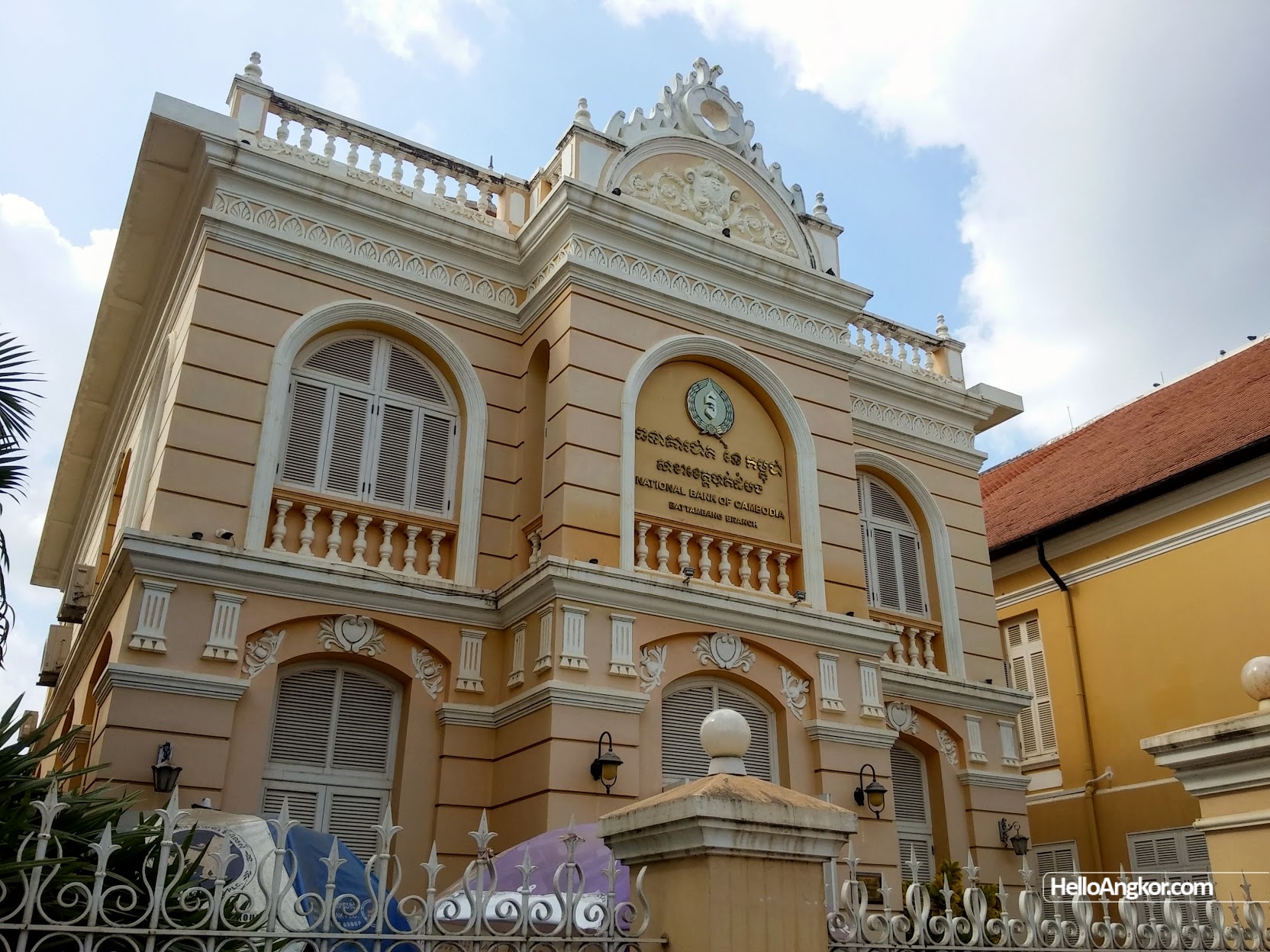
    In an effort to alleviate depositor anxiety, the National Bank of Cambodia assured that customer accounts are functioning normally and remain secure. It emphasized that banks are legally mandated to maintain sufficient liquidity to meet depositors’ demands.

    Questions & Answers

    What prompted the rush to withdraw money from Prince Bank?
    The rush was triggered by allegations against the bank’s owner, Chen Zhi, accusing him of running a transnational scam and money laundering network.

    What actions have been taken against Chen Zhi and Prince Holding Group?
    The U.S. and U.K. governments have imposed sanctions on Prince Holding Group and its founder, Chen Zhi. The U.S. government has also charged him with fraud and money laundering, seizing over US$15 billion in Bitcoin that Chen and Prince Holding Group allegedly laundered.

    How has the National Bank of Cambodia responded to the situation?
    The National Bank of Cambodia has reassured depositors that customer accounts are functioning normally and remain secure. It also emphasized that banks are legally obligated to maintain sufficient liquidity to meet depositors’ demands.

  • AIS and Thaicom Boost Border Connectivity, Navigating Thai-Cambodian Tensions with Strategic Collaboration

    AIS and Thaicom Boost Border Connectivity, Navigating Thai-Cambodian Tensions with Strategic Collaboration

    Amid escalating tensions at the Thai-Cambodian border, leading Thai telecom providers AIS and Thaicom are stepping up to bolster support for security forces by enhancing communication networks in critical areas. Aiming to improve border control measures, the two giants have ramped up connectivity in four strategically important provinces: Ubon Ratchathani, Surin, Si Sa Ket, and Buriram.

    In a concerted effort to facilitate seamless operations, AIS and Thaicom have rolled out enhanced 4G and 5G networks alongside temporary mobile base stations. These upgrades are crucial for ensuring uninterrupted communication and effective situational coordination among military units ion the ground. It’s not every day you see telecom operators going toe-to-toe with geopolitical challenges, but in this case, they’re stepping up the plate.

    Advanced Info Service (AIS), recognized as Thailand’s leading mobile operator, is actively reinforcing digital infrastructure to enable real-time monitoring and accelerate response times in border operations. Its commitment not only solidifies its market position but also plays a pivotal role in national security.

    Complementing AIS’s efforts, Thaicom, the nation’s premier satellite communications provider, is enhancing its service by ensuring high-speed internet access through satellite systems—especially in remote areas where conventional networks falter. Their connectivity solutions utilize both fixed satellite terminals for command centers and mobile terminals for operational units, enabling reliable communication even in the most isolated corners.

    Questions & Answers

    How are AIS and Thaicom enhancing communication for security forces?
    AIS and Thaicom are improving connectivity by deploying 4G and 5G network enhancements and temporary mobile base stations across key provinces, thus ensuring uninterrupted communication for military operations.

    What specific areas are affected by these telecom improvements?
    The telecom enhancements are being implemented in four provinces: Ubon Ratchathani, Surin, Si Sa Ket, and Buriram, all of which are vital for effective border control.

    Why is Thaicom’s satellite communication particularly important?
    Thaicom’s satellite communication is crucial for providing high-speed internet access in remote areas where traditional networks are unavailable, ensuring seamless communication for security forces operating in isolated regions.

  • Southeast Asia Emerges As Preferred Destination For Luxury Homebuyers, Boasting High Rental Yields

    Southeast Asia Emerges As Preferred Destination For Luxury Homebuyers, Boasting High Rental Yields

    Phnom Penh is rapidly emerging as a hotspot for the discerning investor, boasting impressive rental yields of 8% to 10%. In a telling shift, luxury homebuyers across Asia are increasingly looking closer to home, with a notable uptick in investments directed towards regional properties, particularly in Southeast Asia.

    Andrew Grimley, head of Global Distribution at International Property Alerts, shared insights during the Global Property Expo in Singapore, held from July 18 to 20. He noted, “While buyers are still purchasing homes in Europe, North America, and some parts of the Middle East, there’s a marked rise in investment activity for Southeast Asian real estate.”

    Among the standout markets in Southeast Asia are Cambodia, Thailand, the Philippines, and the picturesque island of Bali, Indonesia. Grimley enthusiastically described Cambodia as a captivating marketplace, thanks to its lack of capital gains tax, robust rental yields, and notable potential for capital appreciation.

    “Established markets like Thailand are still performing exceptionally well, and we’re witnessing significant growth in Bali, while the Philippines is drawing increasing interest,” he elaborated.

    Grimley highlighted that both Bali and Thailand are top picks for rental yield seekers, with Phnom Penh also making its mark as an emerging contender. Beyond Southeast Asia, he pointed to Sydney and Melbourne as reliable options for investors keen on solid rental income.

    For those considering property investments, Grimley emphasized the importance of collaborating with reputable management companies and focusing on capital appreciation alongside rental income. “It’s essential to pay attention to market growth—both from a tourism perspective and overall economic performance,” he advised.

    With Southeast Asia becoming a focal point for property investments, it seems the region is ready to not just attract attention, but to hold it, like the promise of a sunny beach day after a long week.

    Questions & Answers

    What is driving luxury homebuyers toward Southeast Asian real estate?
    Luxury homebuyers are drawn to Southeast Asian properties due to attractive factors such as high rental yields, capital appreciation potential, and favorable tax conditions like the absence of capital gains tax in markets like Cambodia.

    Which Southeast Asian countries are becoming popular among investors?
    Countries such as Cambodia, Thailand, the Philippines, and Indonesia—particularly Bali—are gaining traction among investors for their growth and investment prospects.

    What should investors prioritize when purchasing properties in these markets?
    Investors should seek reputable management companies and focus on both capital appreciation and rental yields, considering overall economic growth in addition to tourism growth in these regions.

  • Cambodian Banks Struggle Amid Real Estate Challenges and Sluggish Tourism Recovery

    Cambodian Banks Struggle Amid Real Estate Challenges and Sluggish Tourism Recovery

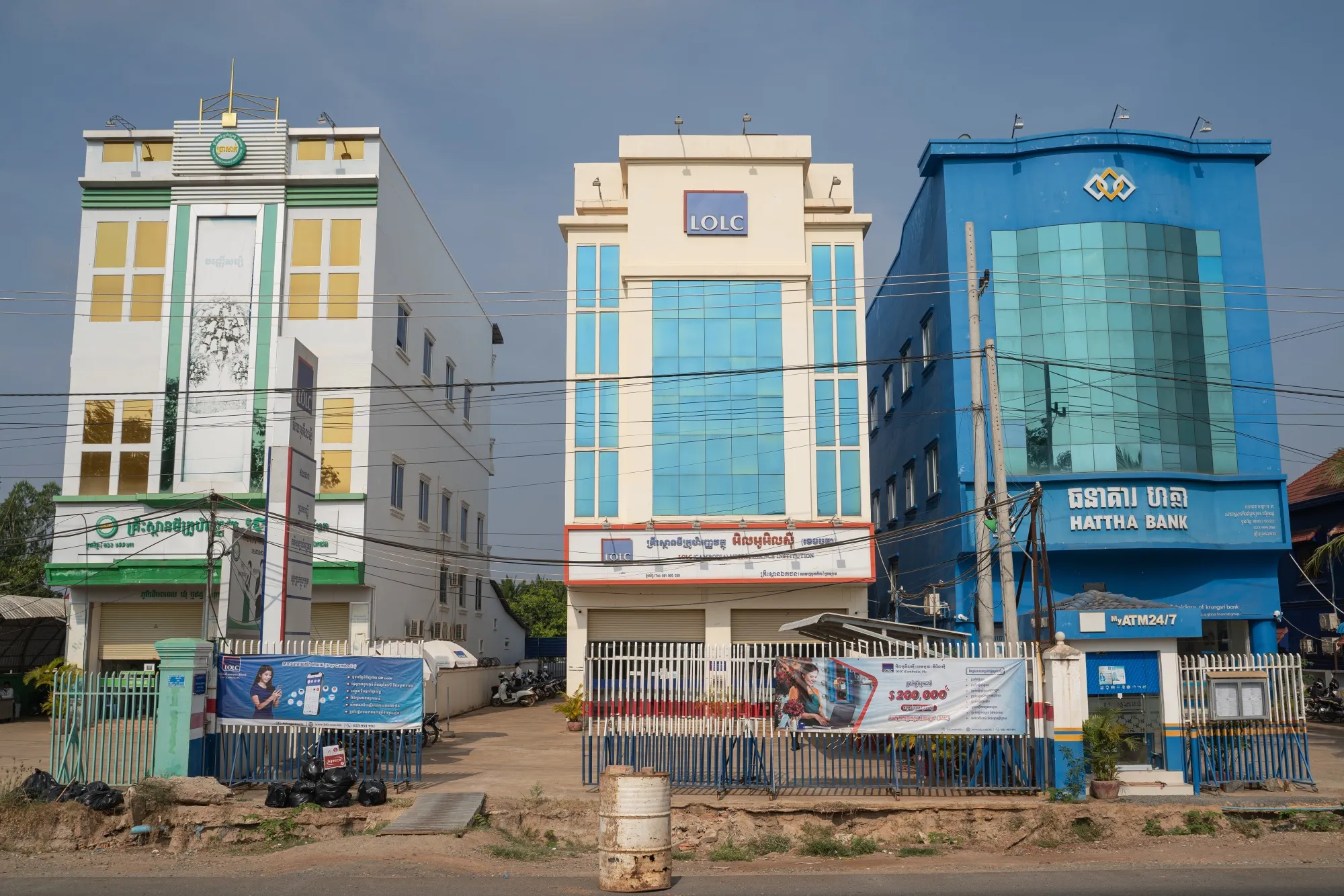
    Cambodia’s banking sector faces a challenging landscape as non-performing loans (NPLs) are projected to surge to between 9.5% and 10% of outstanding loans by 2026. S&P Global Ratings highlights a sluggish recovery in tourism and ongoing pressures in the real estate market as major contributors to this downturn.

    Struggling Profitability Amid Growing NPLs

    As NPLs climb, banks will be required to increase their provisioning levels, keeping profitability grim, according to Ruchika Malhotra, a primary credit analyst at S&P Global Ratings. She estimates that profitability will stagnate at around 0.3% in 2025 and 2026—just a slight improvement over an already dismal 2024. It’s a bit like trying to put a shiny coat of paint on a rickety old house; the underlying issues are hard to miss.

    External Pressures Complicate Recovery

    Additionally, the banking sector is grappling with the fallout of tariffs and significant exposure to the construction and real estate industries, which have been under severe stress. “Cambodia’s sizeable manufacturing exports to the U.S.—accounting for one-third of total exports—could face steep tariff hikes. This uncertainty inevitably casts a shadow on the economy,” Malhotra explained.

    A Stubborn Property Market

    Malhotra anticipates continued pressure on property prices and sales, attributing this to a persistent mismatch between supply and demand. With banks heavily invested in the construction and real estate sector—representing one-fifth of their total loans—banks could find themselves in a precarious position. “The absence of swift court settlement processes means banks may be left with substantial real estate collateral after foreclosures, which constitutes a considerable portion of their loan collateral,” she noted.

    Regulatory Relief on the Horizon?

    Given the dismal profit margins, regulatory bodies may be inclined to extend support measures. Malhotra suggests that this could involve prolonging the current restructuring schemes for distressed borrowers, especially if NPL levels continue to rise. The central bank might even consider delaying the normalization of prudential measures to provide banks with a much-needed lifeline.

    Questions & Answers

    What are the predicted levels of non-performing loans in Cambodia’s banking sector by 2026?
    Non-performing loans are expected to rise to between 9.5% and 10% of outstanding loans by 2026, according to S&P Global Ratings.

    How is the Cambodian banking sector’s profitability projected to change over the next few years?
    Profits are expected to remain bleak, with estimates at only 0.3% in 2025 and 2026, indicating a minor improvement over 2024.

    What measures might regulators consider in response to the rising non-performing loans?
    Regulators may extend restructuring schemes for distressed borrowers and delay the implementation of new prudential measures to help banks manage their challenges.

  • Cafe Amazon Drives Record-breaking Quarter For Thailand’s Ptt Oil And Retail Business

    Cafe Amazon Drives Record-breaking Quarter For Thailand’s Ptt Oil And Retail Business

    PTT Oil and Retail Business (OR), the lifestyle and retail subsidiary of Thailand’s PTT Group, has announced a record-breaking financial performance for the first quarter of this year. This success is largely attributable to its leading brand Cafe Amazon, which experienced a period of significant expansion throughout Southeast Asia.

    Noteworthy Performance

    Cafe Amazon sold over 112 million cups of coffee during the first quarter, emphasizing the strength of the brand. With 391 stores now in operation outside of Thailand, the cafe chain has become a key driver of OR’s earnings growth. The company’s total revenue hit an impressive US$5.6 billion, with net profits increasing by 46 per cent from the last quarter to approximately $134 million. This represents a 17.6 per cent growth year-on-year.

    ML Peekthong Thongyai, CEO of OR, credited the robust performance to the resilience of the business model. “Our strong performance this quarter underscores our long-term strategic direction. We are expanding with a clear purpose, delivering value for individuals, contributing to community prosperity and demonstrating our commitment to environmental responsibility.”

    Global Expansion

    Cafe Amazon’s reach extends to nine markets. These include Cambodia, Laos, Vietnam, the Philippines, Malaysia, Oman, Saudi Arabia, Bahrain, and Japan.

    The cafe chain is part of OR’s wider Global Business segment. This segment reported a 30.8 per cent year-on-year increase in sales volume together with an 81.5 per cent rise in EBITDA.

    Peekthong reiterated the company’s mission beyond monetary profit. “We’re not just about selling fuel or coffee. Our goal is to build platforms that strengthen local economies, encourage entrepreneurship, and facilitate long-term, sustainable growth.”

    OR oversees 415 PTT Stations and 391 Cafe Amazon outlets across Asia and the Middle East.

    Questions & Answers

    What factors contributed to OR’s record-breaking financial performance?
    The company attributes its success to the significant expansion of Cafe Amazon, which sold over 112 million cups of coffee in the first quarter.

    What markets does Cafe Amazon currently operate in?
    The cafe chain operates in nine markets, including Cambodia, Laos, Vietnam, the Philippines, Malaysia, Oman, Saudi Arabia, Bahrain, and Japan.

    What is OR’s greater mission beyond selling products?
    OR aims to build platforms that strengthen local economies, promote entrepreneurship, and facilitate sustainable, long-term growth.

  • Luk Fook sales drop 10 per cent in latest quarter

    Luk Fook sales drop 10 per cent in latest quarter

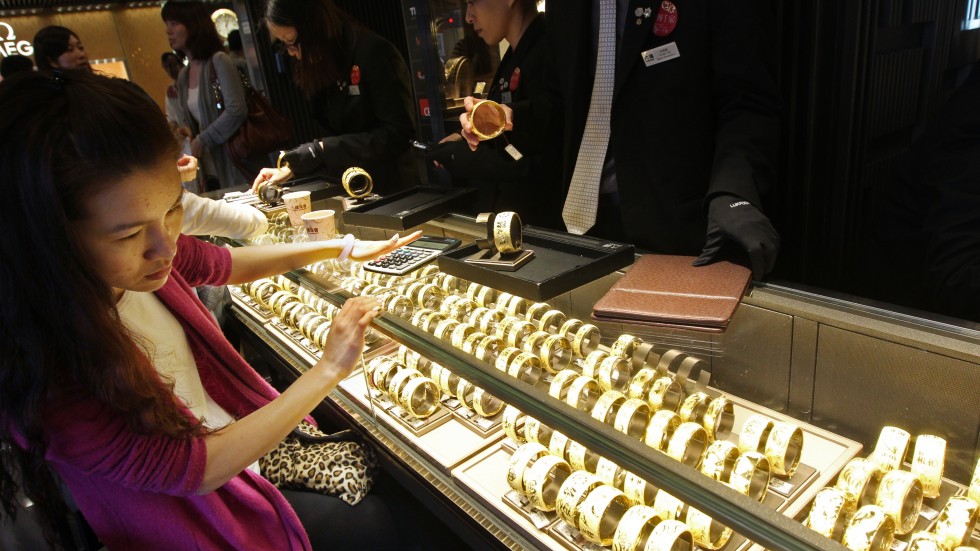
    Luk Fook sales in the third quarter fell 10 per cent on a same-store basis. “Recent market sentiment has been adversely impacted by the US-China trade war, the depreciation of Renminbi, and downward pressure in the stock and property markets,” said chairman Wai Sheung Wong ina  stock exchange filing. Luk Fook says same-store sales of gold products fell by 9 per cent and of gem-set jewellery by 8 per cent.

    The company’s disappointing figures come in the same week as rival jeweller Chow Tai Fook reported an 11 per cent decline in sales across Mainland China, Hong Kong and Macau.

    Wong said the Renminbi’s depreciation led to higher tendency for customers to purchase lower-value items, resulting in a double-digit drop in the average selling price of gem-set jewellery products.

    Same-store Luk Fook sales in Mainland China fell by 14 per cent, with gold products down 16 per cent and gem-set jewellery down 5 per cent.

    As at December 31 the company operated 221 of its own Lukfook stores, including 150 on the mainland, 49 in Hong Kong, 11 in Macau and 11 overseas. It supplied 1573 licensed shops on the mainland, one in Cambodia and one in the Philippines, making a total of 1796 worldwide.

  • Cambodia Enters China’s Booming Durian Market, Challenging Vietnam, Thailand, and Malaysia

    Cambodia Enters China’s Booming Durian Market, Challenging Vietnam, Thailand, and Malaysia

    China’s General Administration of Customs has recently opened doors for fresh durian shipments from Cambodia that comply with food safety standards, a significant development following the signing of a phytosanitary protocol between Cambodia’s Ministry of Agriculture, Forestry and Fisheries and Chinese authorities in late April. This newfound opportunity is poised to transform Cambodia’s durian industry and delight the palates of Chinese consumers who have long been enamored with the so-called “king of fruits.”

    Building a Path to Export

    Following the accord, Cambodia’s agriculture department has taken proactive steps, urging durian growers, farming communities, and processing facilities to register for exports to China. Plans are already underway to compile a list of fresh durian plantations and processing factories, set to be submitted to the Chinese side for evaluation and review in May 2025, as reported by the Khmer Times.

    Breaking into the Chinese Market

    As Cambodia seeks to make its mark, it faces the challenge of standing out in a marketplace that has already been saturated by competitors with established reputations. “It lacks the long-standing brand recognition of Thailand’s Monthong or Malaysia’s premium Musang King,” stated Lim Chin Khee, an adviser at Malaysia’s Durian Academy, highlighting the uphill battle for Cambodia’s emerging durian brand.

    Chinese consumers are currently spoiled for choice, with last year’s record durian imports amounting to an impressive US$6.99 billion, primarily driven by Thailand and Vietnam, which together accounted for nearly 99% of the market share. The competition isn’t stopping there; Indonesia is gearing up to export its own durians, while Laos is eyeing entry into this lucrative market.

    Can Cambodian Durian Compete?

    Despite this fierce competition, the unique Au Khak variety, predominantly grown in Cambodia’s Kampot and Kampong Cham provinces, is beginning to generate interest among discerning Chinese durian enthusiasts. Zhao Yu, a 38-year-old durian aficionado from Shanghai, expressed her curiosity but admitted she needed time to explore the Cambodian variety before adding it to her list of favorites.

    However, experts believe that Cambodian farmers hold significant potential. Lim assured that with the right investment and foreign technical support—especially from China—Cambodian durians could soon rival those from more established producers. The sentiment was echoed by Wang Wenbin, the Chinese ambassador to Cambodia, who expressed his enthusiasm during a recent visit to a durian farm in Kampot, proclaiming Au Khak to be “the best durian in the world.” He optimistically hinted at a future filled with Cambodian durians gracing the tables of Chinese consumers.

    In 2024, Cambodia exported over 12 million tons of agricultural products valued at $5.3 billion across 95 markets. The agriculture sector significantly contributes to the nation’s economy, accounting for approximately 16.7% of its GDP. Recent deals have also set the stage for other Cambodian products like swiftlet nests and crocodiles to enter the Chinese market, further diversifying Cambodia’s agricultural exports.

    Khim Finan, the undersecretary of state, views these efforts as vital in expanding Cambodia’s agricultural market, boosting farmers’ incomes, and fostering overall economic growth through agriculture.

    As Cambodia steps into this new era of durian exports, one can only wonder how the world will react. Will Cambodian durians become the next big sensation in China, or will they remain the fruity underdog in the kingdom of durians?

    Questions & Answers

    What recent development has allowed Cambodia to export durians to China?
    China’s General Administration of Customs started permitting fresh durian shipments from Cambodia after a phytosanitary protocol was signed with the Cambodian Ministry of Agriculture in late April.

    What challenges does Cambodia face in exporting durians to China?
    Cambodia lacks the brand recognition of established competitors like Thailand and Malaysia, which could hinder its ability to attract Chinese consumers who have a wide range of options available.

    What other agricultural products from Cambodia are set to enter the Chinese market?
    In addition to durians, Cambodia has signed protocols for the export of swiftlet nests and crocodiles, which could diversify its agricultural offerings in China.

  • US pizza chain Little Caesars makes Cambodian debut

    US pizza chain Little Caesars makes Cambodian debut

    US pizza chain Little Caesars will open its first Cambodian restaurant on Koh Pich this November 10, marking the 29th market the company has entered and part of a planned expansion into Southeast Asia.

    Located on Koh Pich, the new restaurant will create local jobs and provide additional dining options in the country.

    “Cambodia presents a dynamic and rapidly growing market,” said Paula Vissing, president of global retail at Little Caesars.

    The chain, known for its Hot-N-Ready pizzas, is expected to open a second restaurant in Phnom Penh in early 2025.