Tag: Japan

  • McDonald’s revives free smiles, launches month-to-month occasions

    McDonald’s revives free smiles, launches month-to-month occasions

    McDonald’s Holdings Co. (Japan) on Monday revived its “smile for zero yen” marketing campaign and stated it can designate the 25th day of every month as a “mac smile day.”

    On every “smile day” this yr, McDonalds will maintain occasions in its retailers aimed toward recovering buyer belief, broken by a collection of blunders, together with the invention of overseas objects in its merchandise.

    The corporate held ceremonies for its first smile day at six retailers throughout Japan, together with in Tokyo and Osaka. On the hamburger chain’s Nakano Central Park outlet in Nakano Ward, Tokyo, singers Might J. and Chris Hart carried out a music that includes smiles and have been named honorary store managers for the day.

    McDonald’s additionally revised its menu, providing clients salads as a part of its set menus.

  • Asian cities top rankings for global brands

    Asian cities top rankings for global brands

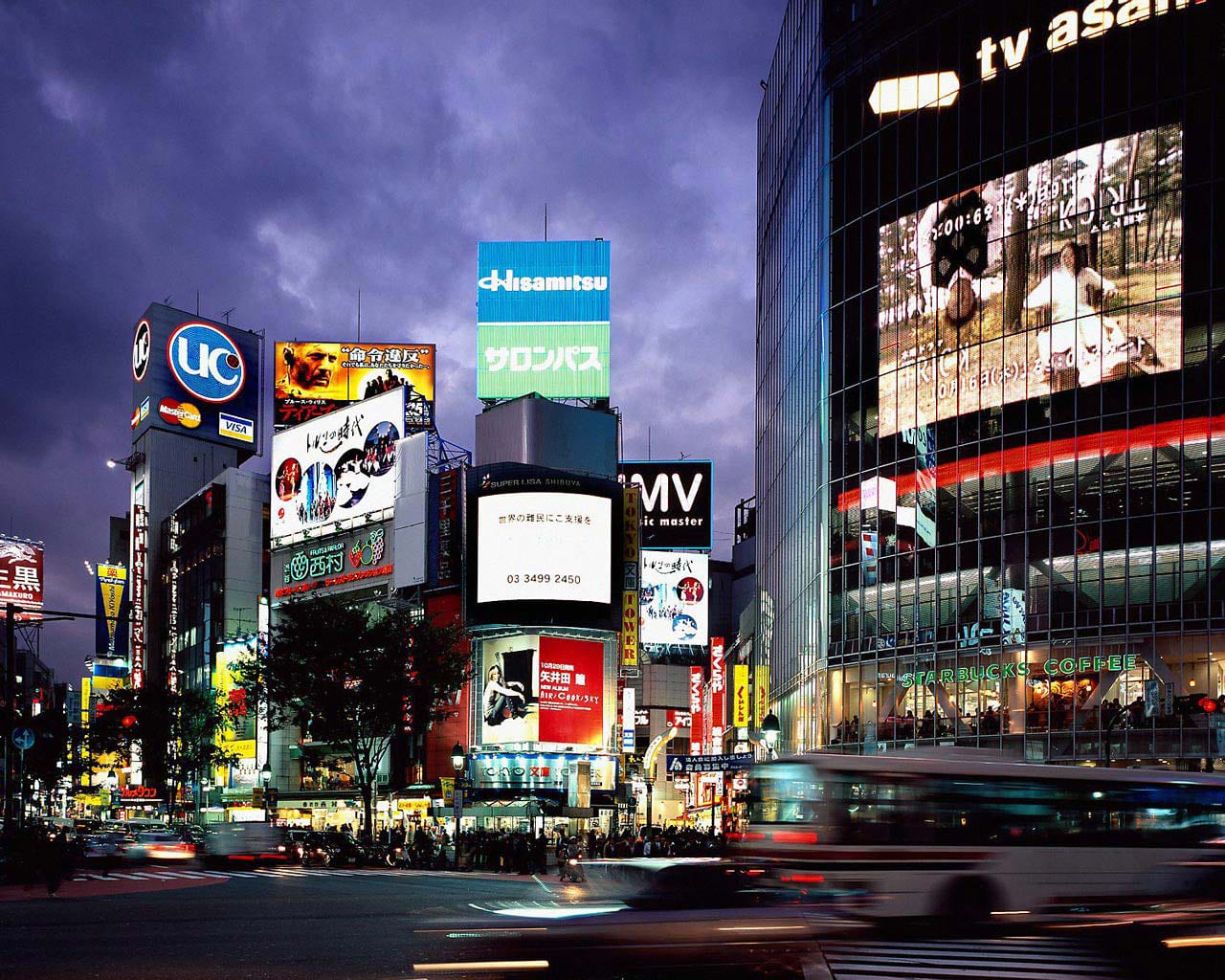
    Tokyo is the world’s hottest market for retail expansion, attracting 63 new global brands last year as leasing momentum in core areas remained strong.

    In a list dominated by Asia and Middle East cities, Singapore ranked second with 58 new entrants, outshining Hong Kong which tied for fifth with Dubai (45 each) in the CBRE Group’s report How Global is the Business of Retail?

    Singapore’s new entrant count was double the number of 2013 – with entrants largely in the food and beverage sector, with apparel and accessories chains a little further behind.

    While Hong Kong finished fifth equal with Dubai on the list, it was still a respectable showing given CBRE surveyed 164 cities in 50 countries. In between Singapore and Hong Kong came Abu Dhabi and Taipei.

    For foreign retailers entering Singapore for the first time, the Shoppes at Marina Bay Sands ranked as their top choice f destination, largely due to the steady flow of affluent customers streaming to and fro the connected casino facilities.

    Globally, mid-range fashion retailers are the most active category looking at new market expansion, accounting for 21 per cent of activity, just a little more than luxury brands at 21 per cent.

    In Asia, luxury and business fashion retailers drove 24 per cent of the region’s business expansion, followed by coffee and restaurant retailers at 22 per cent.

    Meanwhile, the report found that the primary expansion targets for America’s retailers are Asia (41 per cent) Europe (33 per cent), and the Middle East and Africa (12 per cent).

  • NZ Mad Group sure for Japan, US

    NZ Mad Group sure for Japan, US

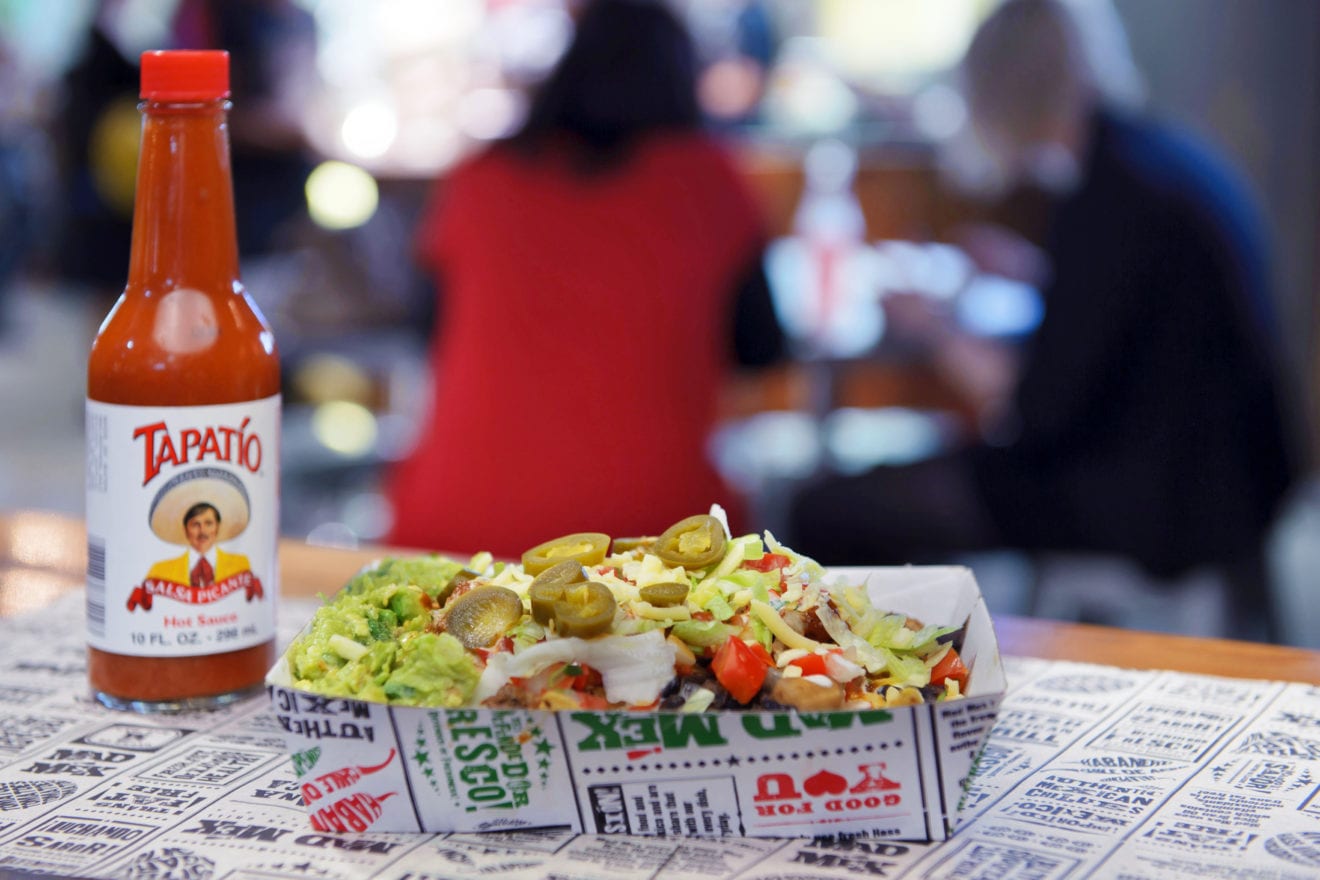
    New Zealand restaurant idea Mad Group, says it has signed Memorandums of Understanding to enter Japan and the US.

    Mad Group runs the Mad Mex Mexican fast service restaurant idea and Ordinary Repair, which specialises in wholesome wraps, salads, smoothies and juices.

    A 10-year Memorandum of Understanding (MoU) has been signed with an nameless American associate to launch 30 Ordinary Repair restaurant chains within the US beginning in Los Angeles in 2016. The deal is value over NZ$6 million in franchise royalties over the preliminary time period and could be renewed for an additional 10 years after the preliminary time period expires at a franchise royalty fee of greater than $1 million per yr. The corporate plans to have Ordinary Repair places in at the least 5 totally different US states inside 5 years.

    Mad Group has additionally signed a separate MoU with one other as but unidentified companion in Japan, however not but launched additional particulars about plans for that market..

    The enlargement of the wholesome consuming ideas follows a worldwide development towards more healthy consuming of high quality recent meals, for which Mad Group is famend. Only recently McDonald’s added kale to its menu to maintain up with altering dietary preferences.

    The corporate lately raised fairness in a crowdfunding marketing campaign to develop the Mad Mex enterprise regionally, rolling out each manufacturers round New Zealand and aiding within the gross sales and advertising of worldwide franchise licences for Ordinary Repair.

    Ordinary Repair eating places are to date situated in Auckland and Wellington and can doubtless quickly be coming to the South Island as properly.

  • Japan retail sales rebound

    Japan retail sales rebound

    Reported sales from Japanese department stores suggest a significant improvement in spending in April.

    Japan retail sales, based on department stores data, lept 13.7 per cent on a same store basis compared with the same month in 2014.

    The Japan Department Stores Association said a major part of the reason for the increase is that Japanese consumers restrained their spending last year following the increase of the national sales tax to eight per cent.

    Official figures for Japan retail sales in March showed a plunge of nearly 10 per cent, year-on-year. But when that data was released last month, analysts cautioned that in March 2014, sales were artificially high as Japanese brought forward spending to avoid a sales tax increase that took effect on April 1.

    That decrease was the worst March fall since 1998.

    This year, however, tourism is proving a boon to at least some of Japan’s retailers. Foreign tourists are spending more: their purcashes more than trebled for the third month in a row, the most popular items being cosmetics and luxury watches.

  • 4G, Asia lead smartphone sales rise

    4G, Asia lead smartphone sales rise

    Global smartphone sales rose by eight per cent in value terms in the first quarter of this year.

    Sales of larger screen devices (5″ and higher) continued to drive year-on-year growth according to data from GfK.

    But while handset demand increased seven per cent to 310 million units, a slowdown in demand in China and developed Asian nations dragged down growth, from 19 per cent year-on-year in the fourth quarter of 2014.

    GfK says 4G compatible phones are rapidly gaining share – surpassing 50 per cent of the global handset market for the first time. It predicts a 4G ramp-up in China in the second half of 2015 to drive incremental demand.

    Kevin Walsh, director of trends and forecasting at GfK, said the weakness in China was caused by a significant slowdown in 3G demand, which was not offset by 4G growth.

    “We forecast China to return to growth in the second half of the year, driven by a continued 4G ramp-up. In Developed Asia, the year-on-year decline was caused by tough comparisons with Q1 2014, when demand was pulled forward in Japan due to an upcoming VAT increase in April. We forecast unit demand in Developed Asia to grow by three per cent year-on-year in 2015, driven by Japan and South Korea, which are expected to return to growth in 2Q15.”
    Smartphone growth in India and Indonesia is also expected to be helped by an expanding 4G network. In Q1 2015, 4G share in both countries was well below the global average, at four per cent and seven per cent, respectively. GfK forecasts 4G unit share within smartphones to reach seven per cent in India and 10 per cent in Indonesia in 2015.

    Q1 2015 saw a continued shift towards larger screen sizes, with sales of 166 million units equating to 47 per cent of the global smartphone market, up from 32 per cent in Q1 2014. In China, where the 4G trend is particularly pronounced, the growth in share to 57 per cent – from 32 per cent in Q1 2014 – was driven by cheaper large screen models flooding into the market.

    GfK forecasts this screen size migration to continue in 2015, with global demand for large screen devices increasing by 30 per cent year-on-year to account for 69 per cent of total smartphone unit demand this year.

    Low-end smartphones – those priced in the region of $0-250 – increased share to 56 per cent, up from 52 per cent in Q4 2014, at the expense of the high-end models ($500+), whilst mid-range ($250-500) share remained stable.

    GfK forecasts low-end smartphones to gain further share in 2015, helped by continued price erosion in emerging markets.

    Walsh added: “GfK forecasts global smartphone unit demand to grow 10 per cent year-on-year in 2015, a slowdown from the 23 per cent growth experienced last year. Emerging Asia is forecast to be the fastest growing region, driven by India and Indonesia, where low smartphone penetration leaves plenty of room for growth.”

  • Maisen Tonkatsu heads to Philippines

    Maisen Tonkatsu heads to Philippines

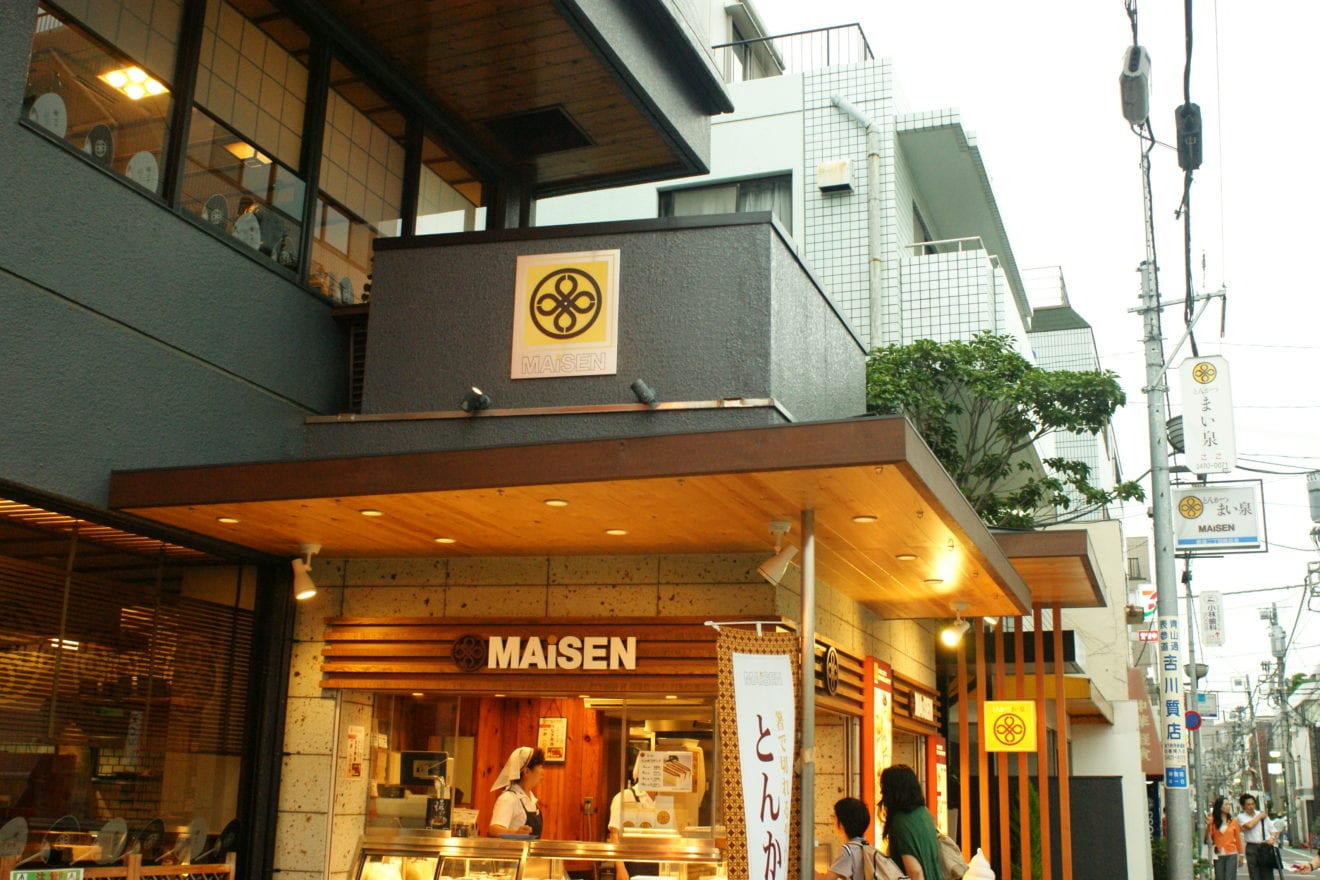
    Maisen Tonkatsu, described as Japan’s “greatest tonkatsu restaurant”, is to open a sequence of eating places within the Philippines.

    The primary restaurant, described as a flagship, will open at SM Megamall by the third quarter of 2015.

    Maisen Tonkatsu, based in 1965, will increase into the Philippines underneath Katsucuisine Inc, a subsidiary of its Japanese father or mother Suyen Company.

    Thought-about the market chief in its class in Tokyo, the restaurant model is steadily increasing in Asia. It has six branches in Bangkok, Thailand, a part of a community now numbering 1100 worldwide.

    Foodies and vacationers alike typically queue outdoors the Tokyo eating places whose profile has been boosted by in depth reward on social media and by skilled reviewers.

    The restaurant’s positioning slogan is: “Tender tonkatsu you’ll be able to minimize with chopsticks.”

  • Uniqlo companions with French style home

    Uniqlo companions with French style home

    Japanese quick style model Uniqlo and France’s Lemaire have introduced a worldwide collaboration.

    The 2 manufacturers will launch an unique vary branded ‘Uniqlo and Lemaire’, a model identify the 2 corporations say displays Uniqlo and Lemaire’s “real partnership and customary philosophy”.

    “The gathering represents merchandise that embody the lifewear idea – easy made higher – underlying each manufacturers. Each merchandise combines magnificence with average rest and luxury, for contemporary, superior wardrobe mainstays,” the businesses stated in a press release.

    “The collaboration showcases Uniqlo’s top quality supplies and uncompromising give attention to high quality on the good worth. Refined but accessible, it gives a timeless and targeted shade palette of greens, navies, whites, and reds.”

    The lads’s and ladies’s collections might be obtainable worldwide in Uniqlo shops, together with Uniqlo’s on-line retailer, from fall winter 2015.

    Uniqlo and Lemaire consider their collaboration gives “timeless magnificence to on a regular basis necessities” manufactured from rigorously chosen supplies.

    “The gathering brings a way of refined, but pleasant confidence to items you can put on daily on any event. That is lifewear elevated with fashion that absolutely respects the person.”

    Designers Christophe Lemaire and Sarah-Linh Tran stated the gathering is predicated on the philosophy of creating high-quality clothes for on a regular basis life.

    “We targeted not merely on enhancing design, however insisting on top quality within the supplies as nicely, with the purpose of making clothes that’s easy, lovely and cozy.

    “Every merchandise incorporates a number of concepts, and a single piece exhibits a unique side relying on how it’s worn. This assortment has been a worthwhile expertise for us because the designers, and an distinctive collaboration. We hope that this assortment shall be part of everybody’s life,” the pair stated.

  • Japanese to launch Singapore Asahi Bar

    Japanese to launch Singapore Asahi Bar

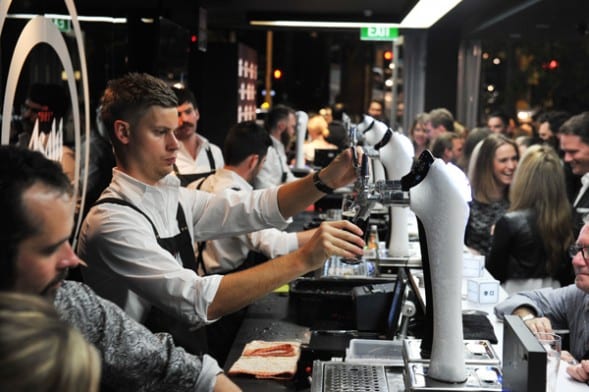
    A Japanese entrepreneur is elevating money to open the primary Asahi Tremendous Dry Additional Chilly Bar in Singapore by the yr’s finish.

    Seiki Takahashi, who has beforehand opened and managed greater than 50 eating places globally, is looking for to boost US$10 million to broaden Japanese restaurant and bar ideas into new markets.

    Final December, Takahashi launched the GP Asia Pacific Hospitality & Way of life LP fund, which owns the franchise rights to the ASahi bar idea, the place the Japanese brewer’s beer is served at under zero temperatures.

    The Singapore Asahi Bar is predicted to seek out comparable favour with clients as namesake bars in Japan and South Korea, in line with studies.

    Analysis carried out by the Japan Tourism Company exhibits foreigners rank consuming Japanese meals because the most-liked exercise within the Asian nation – forward of even sightseeing. Takahashi is one among a rising group of entrepreneurs who needs to take genuine Japanese eating and consuming experiences into different nations.

    “Japanese manufacturers are appreciated in Asia. We need to convey these valued meals and drinks as contents of way of life to different nations.”

    His fund will prolong past the Asahi idea. He informed Bloomberg in an interview that he would would spend money on “no less than 5 offers in Singapore, the US and Hong Kong”. One is the Miyabi Steak & Seafood Home a Teppanyaki type restaurant idea he’ll open in Denver, Colorado.

  • Cosme.com breaks out of Japan

    Cosme.com breaks out of Japan

    Cosme.com has launched an English language model of its web site, increasing the most important cosmetics and wonder portal in Japan to a broad overseas market.

    @cosme, a subsidiary of istyle Inc, has developed right into a full-scale cosmetics portal reaching overwhelmingly giant numbers of girls – one in each two ladies in Japan of their 20s and 30s store on cosme.com, making it the most important portal in Japan for cosmetics and wonder merchandise.

    Every month some 10 million shoppers go to the web site utilizing all varieties of units and racking up 270 million web page views. It boasts a database of 250,000 gadgets from 28,000 home and overseas manufacturers and comes with a perform for looking customers’ postings on merchandise analysis, and new product info.

    The annual rankings of cosmetics,@cosme Greatest Cosmetics Award, compiled primarily from the customers’ postings, attracts the shut consideration of the cosmetics and wonder industries.

    The brand new English-language Cosme.com, stocked with about as many gadgets of merchandise as with the Japanese website, guarantees an virtually equivalent buying expertise to the Japanese website.

    Overseas consumers can select from a variety of third celebration supply providers.

  • Philippines’ Emperador Says Seeks to Buy Cognac Firm From Japan’s Suntory

    Philippines’ Emperador Says Seeks to Buy Cognac Firm From Japan’s Suntory

    Philippine liquor firm Emperador said on Monday it has submitted a bid to buy French cognac maker Louis Royer from Japan’s Suntory Holdings, and could go to the debt market to fund the deal.

    The acquisition is unlikely to cost Emperador more than last year’s $700 million deal to buy the Whyte & Mackay whisky unit of India’s United Spirits, company director and spokesman Kingson Sian said.

    Sian declined to disclose Emperador’s offer citing a confidentiality agreement, and said he was not aware who the other bidders for Louis Royer were.

    “After the first round, there may be a second round … There may be a shortlist first, so it’s too early to say,” Sian said when asked when the bidding results were likely to be released.

    Suntory declined to comment on Emperador’s offer. “It is a company policy that Suntory does not make any comment on such reports,” a spokeswoman in Japan said.

    Suntory, one of Japan’s oldest companies, is looking to sell off its smaller assets to consolidate its portfolio and finance its acquisitions, Sian said.

    Suntory bought U.S. drinks firm Beam in a deal last year valued at about $15.7 billion. It was the third-biggest acquisition by a Japanese company.

    Emperador, mainly a brandy producer with a market value of $4 billion, bought Whyte & Mackay last year as part of a long-term strategy to expand its product portfolio and global reach.

    Shortly after its purchase of Whyte & Mackay, Emperador joined the Philippines’ benchmark stock index.

    “We want to continue the momentum and sustain the strong growth going forward,” Sian told reporters after the company’s annual stockholders’ meeting.

    “We’re going to hit all the major markets – China, Taiwan, Korea, Southeast Asia, Hong Kong – for our signature products,” Sian said.

  • Japan’s convenience stores catering more to elderly as demographics shift

    Japan’s convenience stores catering more to elderly as demographics shift

    The nation’s convenience stores are changing with the times, shedding their image as places for young shoppers keen on fast food, concert tickets and comic books, and increasingly catering to older clientele.

    As the population grays and people live longer, the small, near-ubiquitous stores are revising their offerings to suit the tastes and needs of seniors by introducing home delivery, healthy bento boxed meals and a one-stop shop where pharmacies share floor space.

    Some are setting up elderly care support counters, and in a stab at becoming social meeting spots, are offering seating and even karaoke boxes.

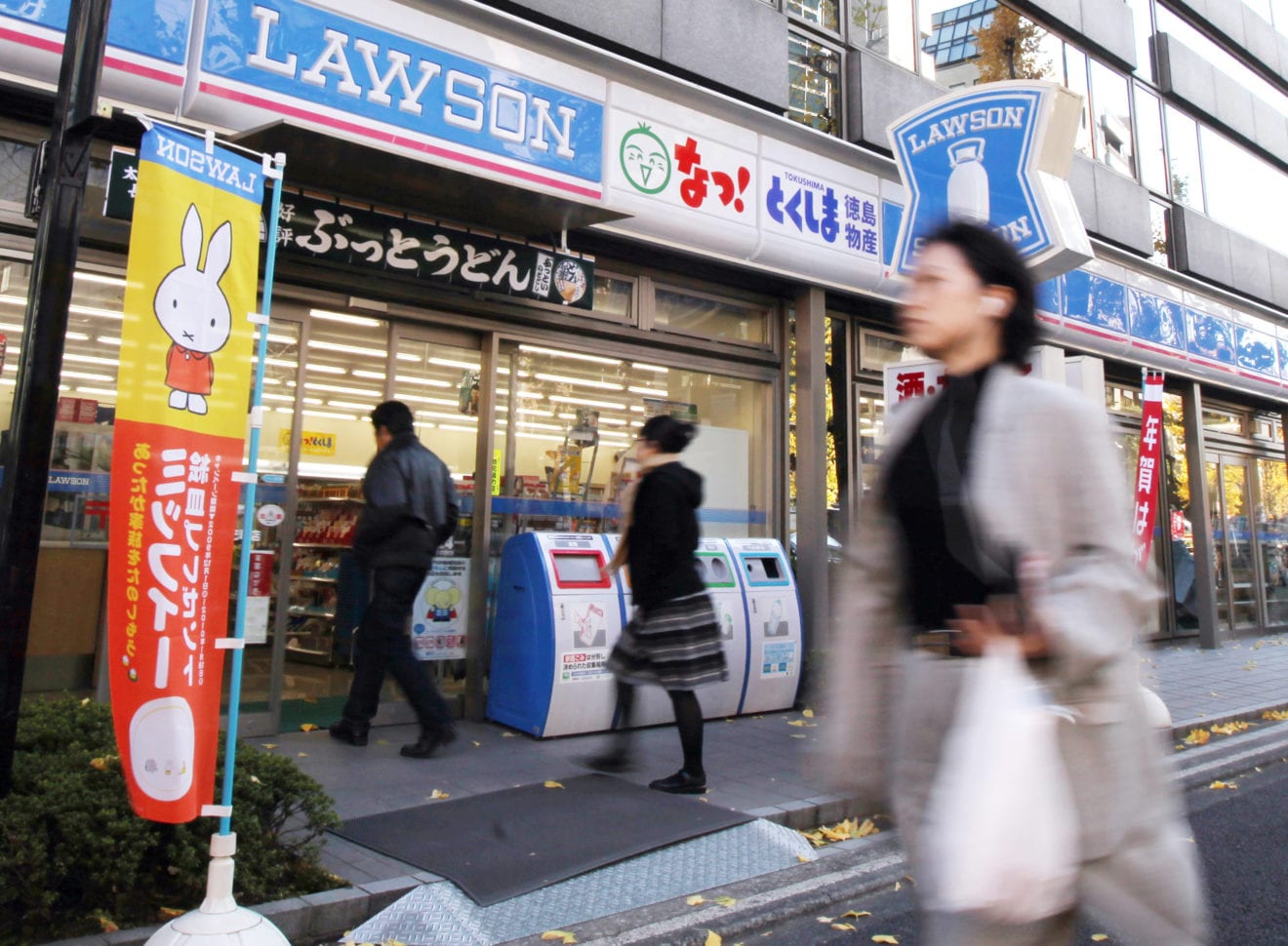
    In a move symbolizing the change, second-ranking Lawson Inc. on April 3 opened its first outlet with a nursing care consultation desk in Kawaguchi, Saitama Prefecture. The outlet will have managers and advisers available for consultation all day, every day of the week. The company plans to launch another one in the prefecture by summer.

    In fiscal 1989, people aged 29 and younger at 7-Eleven convenience stores accounted for 63 percent of daily customers. That declined to about 29 percent in fiscal 2013, according to recent statistics from Seven & i Holdings Co.

    Customers 50 or older, who previously represented only 9 percent of all customers, rose to 30 percent in the same period, representing the age bracket with the largest share, according to the statistics.

    FamilyMart Co. says people 50 and older account for about 30 percent of its customers, too.

    Convenience stores specifically targeting the elderly are changing the image of the sector as a testing ground for marketing to teenagers. And while the Lawson outlet may be an extreme example and experimental in nature, others in the industry, while not going that far, have quietly shifted their marketing tack in recent years to focus further on seniors.

    Operators are increasingly changing their food lineups to appeal to older shoppers. They seek, for example, quality, known-to-be-safe products, including higher-end foodstuffs, rather than the cheap, filling bento meals preferred by young shoppers.

    A notable change is their bento and other ready-to eat foods offered under their respective house brands, where the companies are competing with each other to offer healthy ingredients and those that are either locally sourced or from a renowned region.

    Leading the way in this area is Seven-Eleven Japan Co., the top industry player with more than 17,000 outlets and sales totaling ¥4.82 trillion for the year ended in February. The Seven & i Holdings subsidiary’s Seven Premium product lineup generated ¥800 billion in revenue that year, featuring foods consumed at home.

    While its self-service coffee and doughnuts, fried chicken and other fast food offerings remain a key sales driver, the shift is slowly underway. The company aims to boost sales of the products to ¥1 trillion this year.

    Masayuki Kubota, chief strategist at Rakuten Securities Economic Research Institute, said the main focus of convenience stores is not the elderly per se, but the overall shift from young to older shoppers, which is reflected in the food on offer.

    “Until maybe a decade ago, the image of convenience stores was of a place where young people away from home could pick up food of their preference, like fast food restaurants,” said Kubota.

    “At that point, strategies targeting males in their 20s was important. . . . But now female customers in their 40s and 50s are increasing.”

    More conspicuous changes toward a higher customer age range, too, are underway. The top three players — including third-ranking FamilyMart and Lawson — all have introduced home delivery services, stocking meals and cooking ingredients aimed at meeting the demands of health- and quality-conscious seniors who prefer to eat at home.

    The services also target orders for daily necessities ranging from toilet paper and detergent to light bulbs.

    FamilyMart acquired Senior Life Create Co. and launched a home delivery service in December 2012, taking advantage of the latter’s Takuhai Cook 123 bento meal delivery for aged residents. The service is offered in seven districts, including two in Tokyo.

    “A key area that convenience store operators like us need to address is how to close the so-called ‘last mile,’ ” to reach out to residents at home, said Shinsuke Otsuki, manager of FamilyMart’s corporate planning division.

    A Seven-Eleven Japan spokesman said the company’s Seven Meal delivery service is the result of “trying to offer a broad range of services to meet the needs of an aging society.” Of the service, which is offered at some 13,200 outlets nationwide, about 60 percent of the users are over 60, he said.

    Because of the nature of the shift, taking place slowly as customer profiles change to higher age ranges, the changes in marketing remain inconspicuous, at least for now.

    But examples abound. FamilyMart’s Otsuki said the increase in larger bathrooms with grab rails at its outlets are targeted at older customers in general, not only the disabled.

    The company has also set eat-in areas as a standard feature for new outlets — floor space permitting — providing a place for the elderly to gather to chat, especially in rural areas where there are few such facilities.

    FamilyMart is experimenting with over 30 combination outlets that share space with drug stores through a tie-up with Saitama Prefecture-based Drug Ace and Osaka’s Higuchi Yakkyoku drug store chains.

    “We’ve even opened a combination store with a karaoke box in the Kamata district” of Tokyo, said Otsuki. “This may prove a senior-targeting outlet because many senior customers come here in the daytime to practice singing.”

    “I think convenience stores will continue to change as the nation’s demography changes, rather than under management initiatives,” said Rakuten’s Kubota.

    “Currently, food is the main merchandise, but the customer profile is changing to a higher age group, and so I would think demand for food will decline and they may begin to sell more products other than food.”

    He added, convenience stores’ main offerings may shift from goods to services, “because in an economic structural change, there’s the tendency for services to increase. Convenience stores in the future could be centered on services rather than goods.”

  • ZTE faucets Japan to assist promote 60m handsets globally

    ZTE faucets Japan to assist promote 60m handsets globally

    ZTE Corp goals to increase gross sales in markets within the Asia-Pacific, particularly in Japan, to satisfy its international goal of promoting 60 million smartphones in 2015, China’s largest listed telecommunications gear maker stated yesterday.

    The worldwide gross sales determine for this yr marks a 25 % rise from final yr. Within the Asia-Pacific, it plans to promote 10 million models primarily by rising within the Japanese market.

    “Japan will grow to be our subsequent gross sales progress engine after China and the USA,” stated Zeng Xuezhong, chief government of ZTE’s cellular enterprise.

    In Japan, ZTE companions NTT Resonant to promote handsets. ZTE spends US$500 million on annual procurement in Japan from companies like Sony and Sharp.

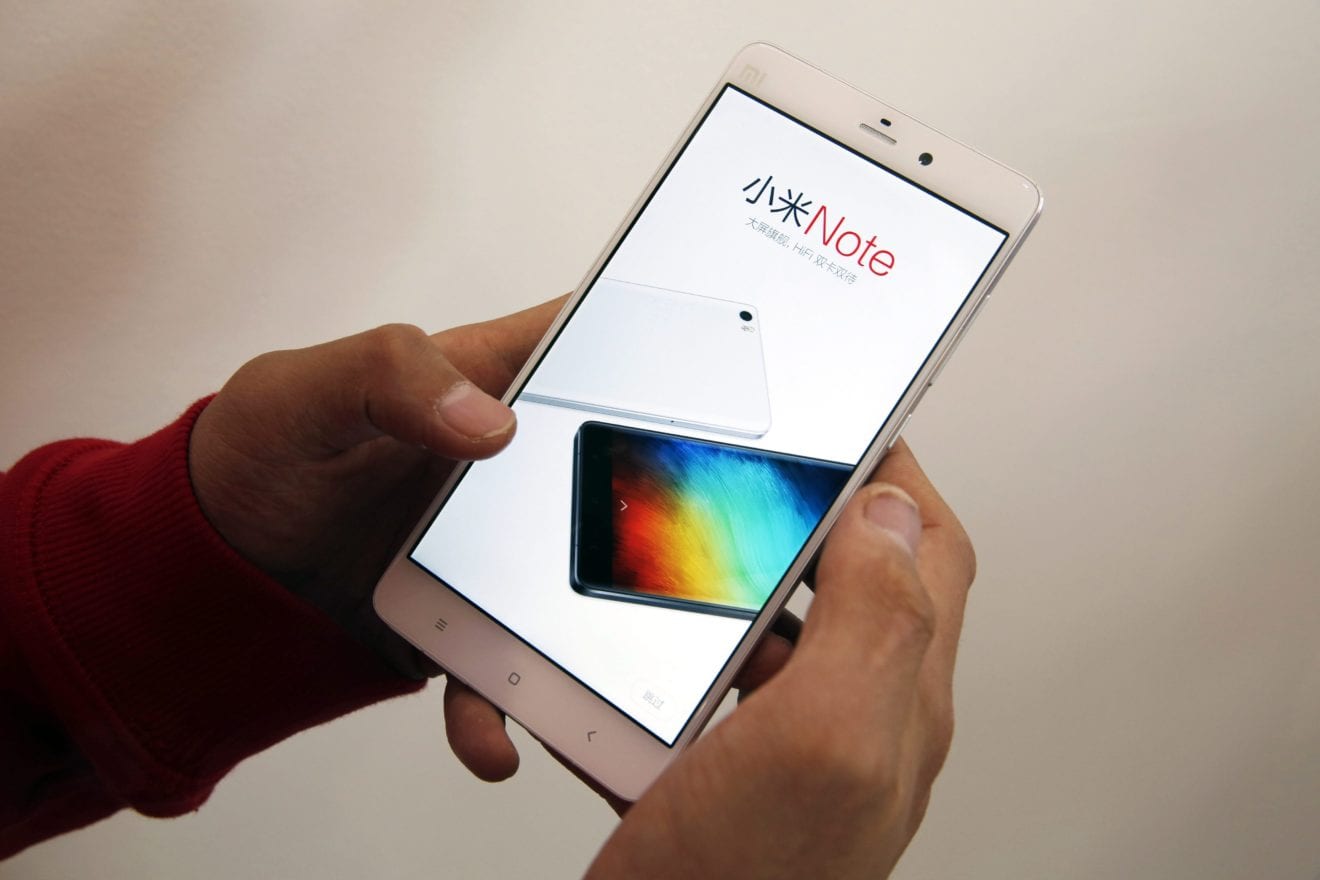
    The Shenzhen-listed agency launched a mid-end smartphone referred to as Blade in Japan priced from US$200 to US$300. The system options 5-inch show, 13-megapixel digital camera and ZTE-developed gesture management options.

    In 2014, ZTE’s internet revenue surged 94 % yr on yr because of rising demand for 4G community gear and excessive revenue margins from rising gross sales of smartphones abroad.

    The abroad smartphone markets present ZTE with greater revenue margins, in response to analysts.

  • Itochu, CP Group team up with Chinese companies to set up e-commerce venture in Shanghai FTZ

    Itochu, CP Group team up with Chinese companies to set up e-commerce venture in Shanghai FTZ

    Five companies from three nations are banding together to sell imported popular household products like diapers and milk powder in China.

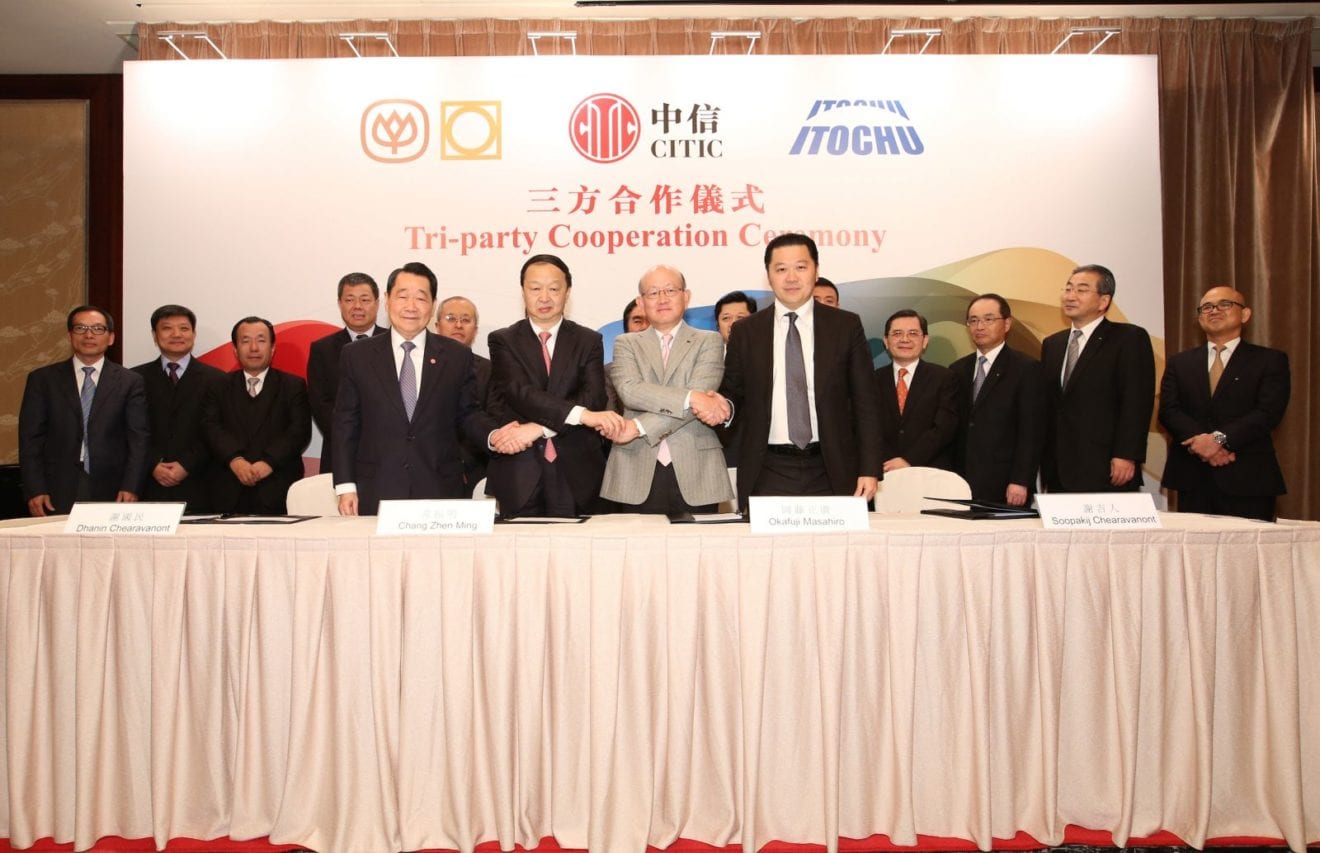
    The partners are Itochu, Japan’s third-largest trading house; Charoen Pokphand Group, Thailand’s biggest conglomerate; and Chinese companies CITIC, China Mobile and Shanghai Information Investment Inc.

    An agreement forming the venture, which will operate through a cross-border e-commerce website out of the Shanghai Free Trade Zone, was signed yesterday.

    The venture, which is named Face to Face Co., aims to tap a growing market in China for premium foreign products. Until now, most consumers accessed such products mainly through gray market channels, expensive offshore orders, overseas trips or limited online retailers in China.

    The new system will end long waiting times for deliveries, lower prices by up to 30 percent and ensure that products meet quality standards.

    The five partners are investing US$500 million, and the company will benefit from preferential policies offered by the Free Trade Zone.

    “We predict the scale of cross-border e-commerce in China will jump from nearly 76.7 billion yuan (US$12.4 billion) in 2013 to about 1 trillion yuan by 2018, Itochu said in a statement yesterday. “We see huge demand for premium products in the country.”

    The new company plans to buy an e-platform to run its operations. It will take over online shopping mall Kuajingtong, which was formerly run by state-owned Shanghai Orient Electronic Payment Co. The partnership will take advantage of China Mobile’s vast user base in promoting online orders for goods.

    Japan’s Nikkei Newspaper reported that the new company plans to accrue sales of US$666.7 billion by 2019 and plans to list in China in 2020. The report could not be immediately verified.

    Itochu said the platform will begin operation later this year, offering nearly 100,000 Japanese-made items, including household appliances, food, diapers milk powder and possibly clothing. Charoen Pokphand said it plans to sell Thai food products on the site.

    The Free Trade Zone, launched in 2013, is China’s pilot project for freer trade between the mainland and overseas. Flexible regulations will allow access for both Chinese and overseas companies to import and sell foreign goods domestically.

  • Horror quarter for McDonald’s Japan

    Horror quarter for McDonald’s Japan

    McDonald’s Japan had already warned investors it would be a nightmare year.

    Earlier this month it announced the closure of 131 stores, a menu revamp and refurbishment of 500 stores in a bid to stem a projected US$319 million loss.

    This week, McDonald’s Holdings Company (Japan) released its first quarter trading results: same-store sales plunged 32.3 per cent due largely to a 24.3 per cent drop in customers and total sales fell 39.9 billion yen (US$332 million) to 83 billion ($691 million).

    Sales were hampered by ongoing food safety issues relating to suppliers, and even a widely reported shortage of fries, which led to unprecedented rationing to customers.

    The result was an ordinary trading loss of 11.1 billion yen ($92.4 million) which after the first round of one-off restructuring costs grew to a total 14.5 billion ($121 million) loss for the three months to March 31.

    But the fast food company said same store sales are trending upwards – with expectation they will turn positive in the third quarter. Provisional figures for April show a drop of 21.5 per cent, nearly a third less than the first quarter.

    For now, the company says its focus is on executing the Business Revitalization plan in order to accelerate the business recovery, lay the foundations for future growth, and achieve mid- and long-term goals.

    “Going forward, regaining customer confidence will remain our number one priority. In addition, we aim to accelerate the pace of business recovery and lay the foundations for future growth through the flawless execution of our Four-pillar Business Revitalization Plan: “Customer Focused Initiatives”, “Accelerate Restaurant Revitalization”, “Localize Our Business Structure”, and “Improve Cost and Resource Efficiency”,” McDonald’s Japan said in its earnings statement.

    “Through these structural changes along with customer and community focused activities, we will strive to achieve our vision of becoming a Modern Burger Restaurant that Connects with Customers.”

  • Japan retail sales plunge

    Japan retail sales plunge

    Japan retail sales plunged nearly 10 per cent in March compared with a year ago.

    The sales slump – 9.7 per cent – was worse than expected, but despite the shock, analysts urged caution in the interpretation of the data. In March 2014, sales were artificially high as Japanese brought forward spending to avoid a sales tax increase that took effect on April 1.

    Analysts had expected a fall of close to seven per cent. February’s fall was just 1.8 per cent. Retail sales have been subdued since Japan raised the consumption tax to eight per cent last April.

    Marcel Thieliant, an economist at Capital Economics, said in a research note that the spending decline suggests private consumption may have fallen for the first time since the sales tax rose.

    “It was widely expected that consumption would benefit from the plunge in energy prices. However, households have chosen to save rather than spend the windfall from cheaper oil.”

    The decrease was the worst March fall since 1998.