Tag: China

  • Tripo AI Raises 3 Billion Yuan in Series B and B+ Rounds

    Tripo AI Raises 3 Billion Yuan in Series B and B+ Rounds

    Tripo AI has raised 3 billion yuan across combined Series B and Series B+ funding rounds this financial year to scale its generative 3D foundation models and commercial toolsets.

    This capital injection gives the company one of the largest war chests among Chinese artificial intelligence startups focused on automated spatial asset creation.

    Scaling 3D Asset Generation

    Users can convert text descriptions and two-dimensional images into production-ready 3D meshes within seconds. That speed cuts digital modeling time from days to minutes. It also directly lowers production expenses for game developers, virtual retail designers, and industrial visualization teams.

    Capital from the combined rounds will fund compute infrastructure and dataset acquisition. The money will also back larger engineering teams focused on multi-view reconstruction algorithms.

    Commercial Pressure on Digital Studios

    For consumer brands and e-commerce merchants building virtual storefronts, rapid 3D generation removes a persistent cost bottleneck. Traditional digital catalog creation requires manual sculpting and texture mapping for every stock keeping unit. Automated mesh generation shifts that workflow toward batch processing, forcing regional digital agencies and outsourced modeling studios to adjust their pricing structures.

    Adoption speed and export limits present the main risks. Consumer software platforms adopt synthetic assets quickly. Enterprise retail and manufacturing clients, however, demand strict geometric precision and clean topology that generative models still struggle to deliver without manual touch-ups.

    Prior Traction and Next Milestones

    Earlier funding rounds allowed Tripo AI to roll out browser-based generation tools and integrate application programming interfaces with major graphics engines. The platform processed millions of user queries over previous product cycles, building an initial base among independent creators and digital design shops.

    Looking ahead, management will focus on rolling out enterprise tier subscriptions and expanding direct integrations with global rendering pipelines before the end of the financial year.
  • China Luxury Label Icicle Hires Former Gucci Head Sabato De Sarno

    China Luxury Label Icicle Hires Former Gucci Head Sabato De Sarno

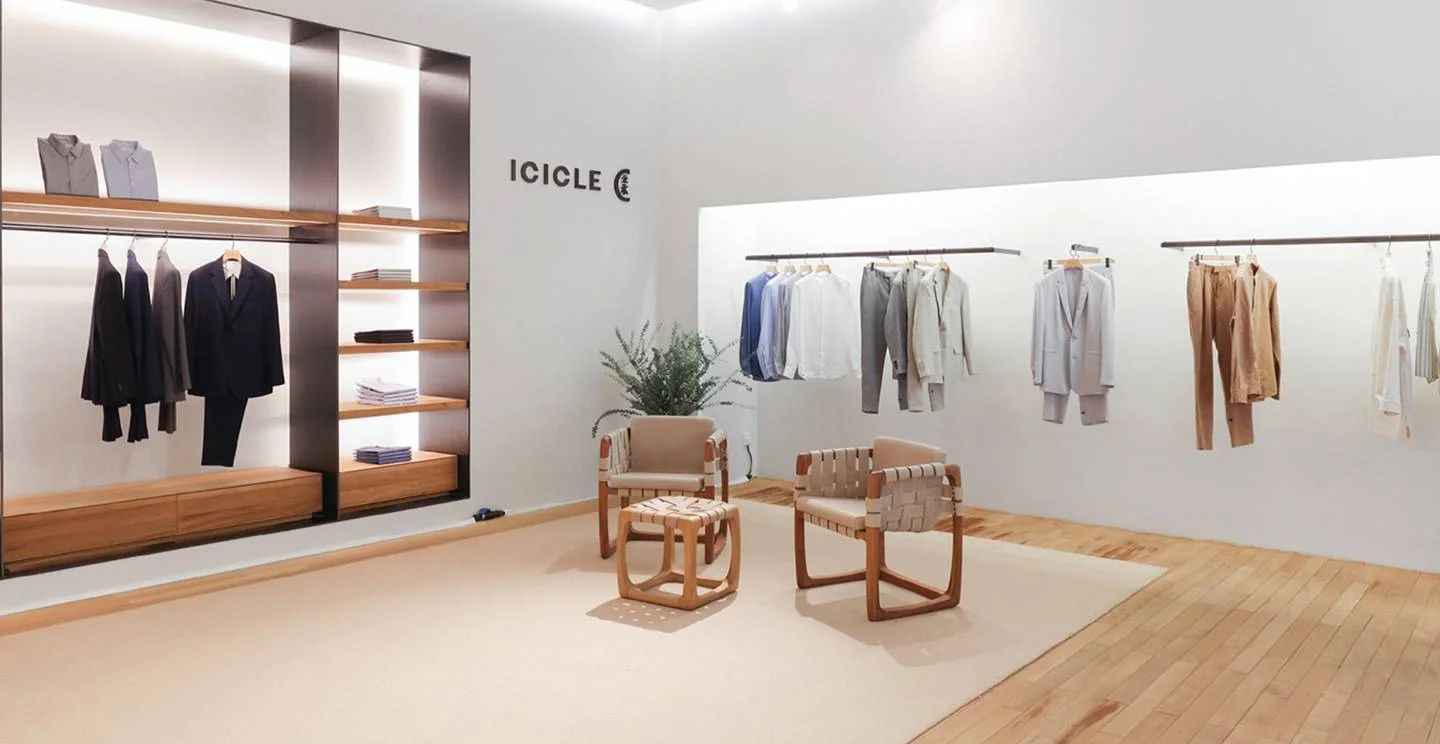
    China’s Icicle hired former Gucci creative director Sabato De Sarno on Monday to lead its design operations across ready-to-wear, accessories and eyewear.

    His debut collection for the Shanghai-based fashion house will arrive for the autumn/winter 2027-2028 season.

    The Kering connection and design scope

    De Sarno takes direct control of creative direction for both women’s and men’s lines. The Italian designer previously ran design at Gucci, the flagship label of French luxury group Kering.

    The appointment deepens ties between the two businesses. Kering took a minority stake in Icicle in April 2026, giving the Chinese brand financial backing and direct access to European luxury executive networks.

    Chinese brands buying European prestige

    Chinese fashion groups are increasingly hiring established European designers to push their brands upmarket and expand outside mainland China. Icicle built its domestic business on high-end natural fabrics and understated cuts, but matching European heritage houses requires international design pedigree.

    The approach carries clear execution risks. Integrating European creative directors into Chinese corporate structures has produced mixed commercial returns, requiring labels to balance Western aesthetic direction with a core domestic customer base that values different proportions and styling.

    Precedents across the domestic sector

    Down-jacket specialist Bosideng followed the same playbook in 2025 when it hired British designer Kim Jones to lead its luxury line, Areal. French luxury group Hermes took a similar path with Shang Xia, which hired London-based designer Yang Li in 2021.

    Icicle is now preparing its production pipeline and marketing rollout ahead of De Sarno’s first autumn/winter 2027-2028 show.

  • Informa Opens Restaurant, Bar & Café 2026 with 400 Brands in Hong Kong

    Informa Opens Restaurant, Bar & Café 2026 with 400 Brands in Hong Kong

    Informa Markets opened the 2026 edition of Restaurant, Bar & Café Hong Kong on September 1. More than 400 commercial brands across 11 countries and regions are taking part. The trade exhibition runs for three days at the Hong Kong Convention and Exhibition Centre. Organisers expect to draw over 9,000 commercial buyers, operators and hospitality suppliers.

    Eight commercial sectors are represented, spanning food and beverage, coffee, hospitality equipment, natural products and front-of-house technology. Informa co-located the show with the Retail Asia Conference and Expo. That pairing links traditional foodservice procurement directly to retail automation, point-of-sale software and artificial intelligence systems.

    Equipment Debuts and Dedicated Sourcing Zones

    Exhibitors are using the floor to debut equipment and raw ingredients in Asian commercial channels. Hardware displays include the FSWAAI automated packing and labelling scale, as well as robotic dispensing units from Tao Bin Smart Beverage Machine (HK) Limited. Food suppliers brought premium lines such as Marble King Full Blood Wagyu and Kochi Prefecture chicken from Japan. These items target upscale restaurant buyers looking for differentiated menus.

    Dedicated sourcing zones divide the floor to speed up buyer meetings. The Japan Sake & Spirits Pavilion groups regional distillers and brewers. Nearby, the Eco-Innovation Hub concentrates on biodegradable packaging and certified organic food products. The Specialty Coffee Corner features live demonstrations at a dedicated Brew Bar, connecting green coffee importers with independent café chains.

    Retail Technology and Automation Take the Floor

    Hong Kong restaurant operators face heavy margin pressure from high rents and kitchen staffing shortages. Automation is no longer optional. Dining chains must automate basic prep work, weighing, inventory control and beverage delivery to protect their margins. Suppliers displaying self-service beverage dispensers and automated packaging systems are pitching directly to quick-service operators seeking to trim back-of-house headcount.

    Landlords and food hall operators face equal pressure to refresh tenancies with destination dining concepts. Store layouts increasingly require digital ordering kiosks, automated inventory integration and rapid takeaway counters. The commercial risk falls hardest on small operators. Many face steep capital costs when adopting proprietary smart kitchen tech that takes years to deliver a return.

    Demographic Shifts Drive Sourcing Priorities

    Consumer demographic shifts across East Asia shape this year’s conference programme. Organised with KPMG, the Retail Asia Conference focuses on artificial intelligence adoption and younger consumer engagement. On the final day, the IFSA Food Safety Symposium addresses nutrition and texture formulations tailored specifically to an ageing population.

    Local trade shows are working to rebuild international exhibitor numbers following years of travel disruptions and tighter regional budgets. Earlier editions saw smaller regional turnouts. Drawing 11 exhibiting jurisdictions sets a benchmark for the city’s cross-border hospitality trade recovery.

    Events wrap up on September 3 with the Hong Kong Coffee Challenge finals, the Pairing Sensations Awards and the release of final verified trade buyer attendance figures.

  • Hisense Extends UEFA Partnership Through 2028 European Championship

    Hisense Extends UEFA Partnership Through 2028 European Championship

    Hisense extended its sports sponsorship portfolio on September 3, 2026, signing on as an official partner for the UEFA EURO 2028 tournament.

    The agreement secures the Chinese consumer electronics manufacturer its fourth consecutive European championship contract since its tournament debut in 2016.

    Announced during the IFA consumer technology trade show in Berlin, the agreement retains Hisense as UEFA’s dedicated display technology partner. The Chinese appliance maker has integrated display hardware across match operations and fan venues while operating marketing zones at European and global football events.

    Expanding Global Screen Presence

    Chinese television manufacturers continue to channel marketing budgets into high-profile athletic tournaments to dislodge South Korean and Japanese incumbents across Western retail channels. Hisense, which took the top global market share position in television sets sized 100 inches and above between 2023 and the first quarter of 2026 according to Omdia data, relies heavily on large-format sports broadcasts to move premium RGB MiniLED sets.

    Rival panel manufacturers TCL and Skyworth deploy similar sporting playbooks across basketball and regional leagues, but Hisense holds the most extensive European football footprint among Asian consumer electronics brands. The commercial payoff rests entirely on whether Western consumer demand for premium home theatre setups offsets the escalating rights fees charged by international sports federations.

    Sponsorship Track Record

    The company became the first Chinese brand to sponsor the UEFA EURO tournament during the 2016 event in France, subsequently renewing for the 2020 and 2024 competitions. Outside European continental football, Hisense backed the FIFA World Cup tournaments in Russia in 2018 and Qatar in 2022.

    As the first Chinese sponsor of the UEFA EURO, over the past decade we have grown beyond pure brand sponsorship to become UEFA’s dedicated display technology partner, progressing hand-in-hand.Catherine Fang, Vice President of Hisense Group and President of Hisense Global Commercial Center

    Football investments sit at the core of the group’s overseas expansion strategy, which now reaches retail channels across more than 180 countries. UEFA reinvests 97.5 per cent of its total commercial revenue back into football development, providing top-tier brand partners with year-round visibility across 55 national member associations.

    Hardware Deliveries for 2026

    Commercial execution now shifts to the FIFA World Cup 2026, where Hisense serves as an official sponsor ahead of the 2028 European tournament. Retail inventory planning across European retail chains for the company’s next-generation RGB MiniLED lineup begins in early 2027.

  • Geely Hosts CCC Digital Key Trials in Ningbo as China Penetration Hits 58%

    Geely Hosts CCC Digital Key Trials in Ningbo as China Penetration Hits 58%

    Geely Holding Group opened the Car Connectivity Consortium Plugfest in Ningbo on September 7, 2026, testing cross-device vehicle access specifications across global hardware makers.

    Digital keys reached 13.3 million passenger vehicles in China in 2025, taking factory installation rates to 58.1 per cent, according to ResearchInChina.

    The four-day event runs through September 10, bringing engineers from Apple, Volkswagen Group China, Leapmotor, and the China Academy of Information and Communications Technology together to validate CCC Digital Key Version 3 and Version 4 implementations. Testing focuses on Bluetooth Low Energy, Near Field Communications, remote keyless systems, and relay-server architectures built for Chinese mobile platforms.

    Standardizing Access Across Mobile Ecosystems

    Hardware and vehicle makers face a fragmented user base where device compatibility dictates owner satisfaction. Chinese electric vehicle makers built proprietary smartphone-to-car links early to differentiate their cabins, but scaling across export markets requires uniform global protocols. Aligning with CCC protocols reduces development friction for Chinese auto exporters targeting Europe and Southeast Asia, where multi-brand phone compatibility is mandatory.

    The technical risk sits in the handoff between mobile operating systems and vehicle transceivers. Proprietary app-based keys often suffer from background process throttling and latency on Android devices. Standardized Near Field Communication and Ultra-Wideband protocols shift authentication directly to device secure elements, eliminating reliance on third-party companion apps.

    Regional Expansion and Certification Pipeline

    Earlier in 2026, the consortium certified its first batch of Chinese vehicles across Geely brands including Volvo, Polestar, Zeekr, Lynk & Co, Smart, and Lotus, alongside standalone approvals for Nio and Xpeng. Regional momentum extended into India with Mahindra & Mahindra and South Korea through Hyundai Motor Company.

    Testing in Ningbo directly addresses local technical conditions, including cross-platform key sharing via relay servers. Test equipment suppliers including Comprion, Dekra, and Ellisys are running validation benches for Bluetooth sniffing and updated NFC test suites alongside software provider GosuncnWelink.

    “As digital key adoption grows, a common global standard is essential to ensuring interoperability across vehicles and devices,” said Alysia Johnson, President of the Car Connectivity Consortium.

    Testing China-Specific Architecture

    Participating laboratories are using authorized IDL hardware and Comprion validation software to check device compatibility against published automotive test cases before production rollouts. These trials will establish the technical criteria for the next round of device-to-car certifications across Asian component supply chains.

    Engineering teams conclude the Ningbo trials on September 10, 2026, with the validated test cases feeding into updated consortium validation tools as China’s passenger car digital key penetration passes 60 per cent before year-end.

  • Foreign Tech Investors Pay up to US$15,000 for Access to Chinese Factory Floors

    Foreign Tech Investors Pay up to US$15,000 for Access to Chinese Factory Floors

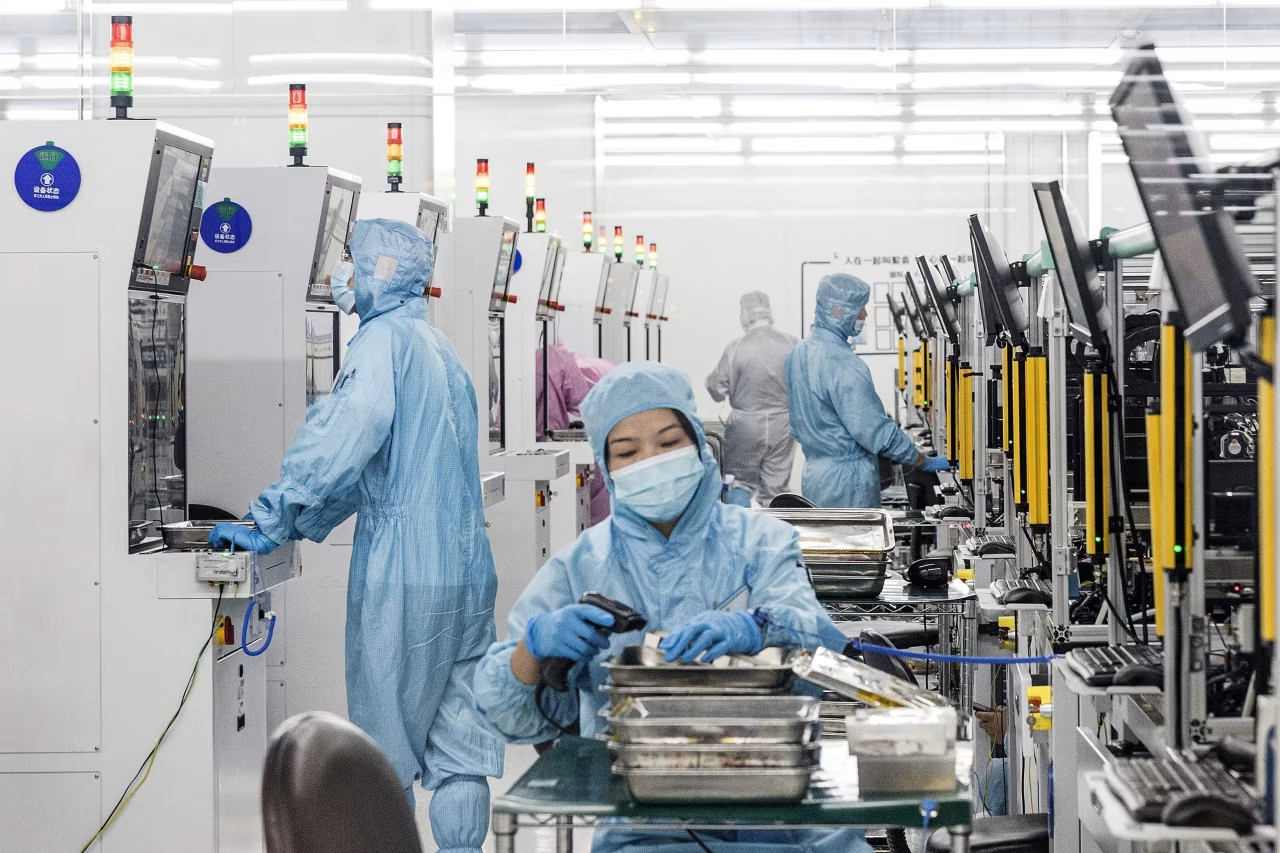
    Foreign investors and tech executives are paying up to US$15,000 each to tour Chinese manufacturing plants. The visits cover robotics, electric vehicle and artificial intelligence facilities across five industrial hubs.

    Western and regional boardrooms face pressure to see if Chinese automation has pulled ahead of global rivals. These paid delegations offer a direct look at mainland hardware supply chains.

    Programmes span Beijing, Shenzhen, Shanghai, Hangzhou and Hefei. Shanghai-based data research firm Baiguan charges up to US$15,000 for a five-day itinerary. Around half its participants come from Southeast Asia. Tech tour agency Glopen reported a 50 per cent jump in enquiries during 2026, mostly from European and Singaporean clients. It now operates more than 100 single-day corporate visits every month. Tech Buzz China founder Rui Ma has organised 11 delegations since 2019, including an April tour through three cities focusing on robotics.

    The Business Behind Factory Tourism

    State backing has turned industrial site visits into commercial business across the mainland. Beijing has designated more than 140 demonstration sites for industrial tourism. The sector generated US$17.8 billion last year and is projected to reach 300 billion yuan (US$44.6 billion) by 2029.

    Public rates for individual factory visits usually run around US$60, but premium access commands steep markups. Xiaomi’s electric vehicle assembly plant in Beijing has recorded more than 250,000 visitors since March 2024. Entry slots from Xiaomi’s official lottery system have been scalped on secondary platforms for up to 2,000 yuan (US$300), despite company rules barring transfers.

    Institutional investors have quietly joined the circuit. US firms Dimension, Capital Group and Thrive Capital have all sent representatives to inspect mainland production setups. European corporate delegations have also toured sites to study state-backed technology coordination.

    Hardware Dependence and Supply Realities

    Consumer hardware and robotics brands see that physical supply chains remain tethered to southern China. Geopolitical posturing has not changed that reality. Western developers still depend on mainland ecosystems for sensors, battery cells, structural frames and precision actuators. Replicating those supplier clusters outside the Pearl River Delta remains slow and capital intensive.

    Visitors risk mistaking demonstration speed for total commercial dominance. Non-Chinese technology firms still hold most global market share, high-margin software profits and core intellectual property. In sectors like autonomous robotaxis, Chinese domestic deployment continues to move cautiously. Regulators remain concerned about urban transport employment.

    Shenzhen Emerges as the Focal Point

    Years of infrastructure spending transformed Shenzhen from a contract assembly zone into an integrated hardware design centre. The current tour rush builds on that base. Foreign visitor arrivals in Shenzhen jumped 70 per cent last year and rose another 30 per cent in the first quarter. Total entries topped 5 million through August.

    Founders use 10-day visa-free entry policies to test prototypes directly with component suppliers. Local operators have opened communal hacker houses for visiting robotics and AI engineers. Informal network groups coordinate factory access across Shenzhen and Silicon Valley.

    Next up is the Asia-Pacific Economic Cooperation forum in November, which Shenzhen will host. Municipal officials plan to show automated assembly plants and urban drone networks to pitch the city’s hardware infrastructure to visiting regional trade delegations.

  • TCL Affiliate RayNeo Launches GT and iO Smart Glasses Across 40 Markets

    TCL Affiliate RayNeo Launches GT and iO Smart Glasses Across 40 Markets

    RayNeo launched its GT Series and iO smart glasses across 40 retail markets on September 4, 2026. Pricing ranges from US$329 to US$549.

    The Chinese hardware maker held a 23.7 per cent global market share in the first quarter of 2026. That made it the world’s largest consumer augmented reality vendor.

    Hardware Pricing and Regional Distribution

    Sales started immediately through Amazon and the company’s direct web store. Distribution spans 40 countries and territories, including Singapore, Malaysia, Thailand, Vietnam, Japan, Australia, New Zealand, Saudi Arabia, the United Arab Emirates, the United States, Canada, Mexico, the United Kingdom and the European Union.

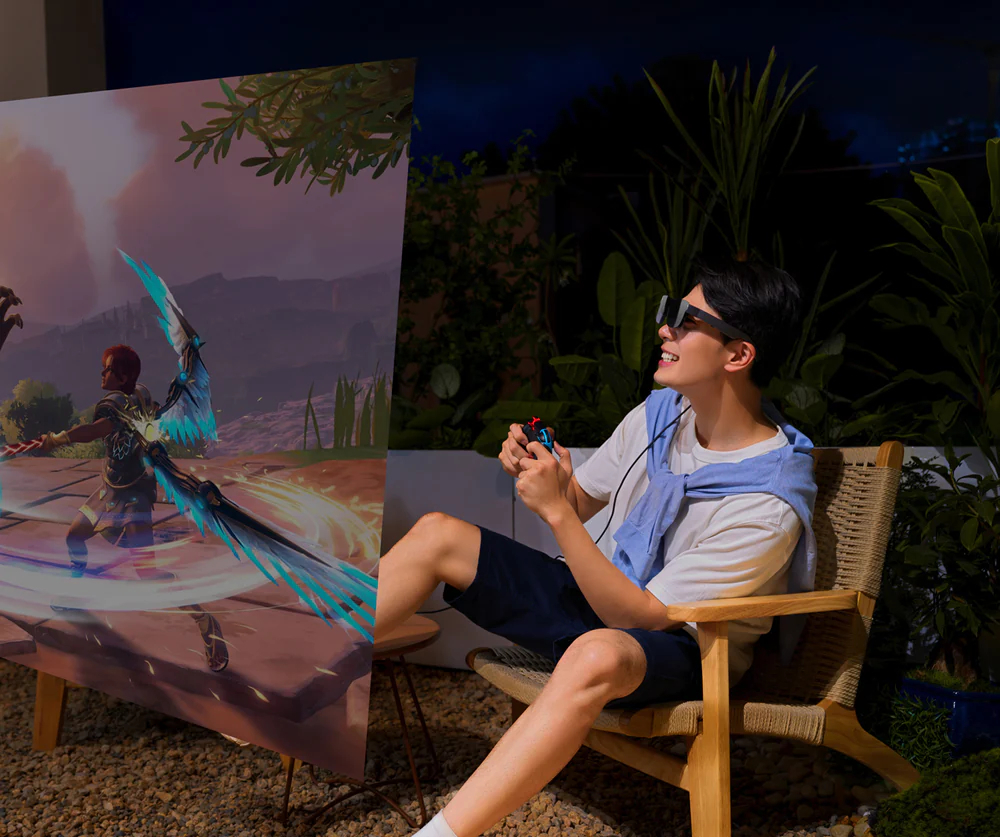
    Products fall into two distinct hardware tiers. The 33-gram RayNeo iO operates as a heads-up display for navigation, teleprompting, live translation and voice recording summaries. It costs US$499 with a standard case, or US$549 with a charging case bundle. For entertainment, the RayNeo GT retails at US$329, and the GT Max costs US$429. Both GT models feature audio co-tuned with Danish specialist Bang & Olufsen. They also support Dolby Vision playback when paired with the companion RayNeo Pocket TV Pro accessory.

    Competitive Shift in Consumer Wearables

    For electronics retailers and distributors in Southeast Asia, the rollout signals a shift from crowdfunding campaigns to volume consumer retail. At an entry price of US$329, the TCL-backed company takes direct aim at portable monitors and external displays rather than bulky mixed-reality headsets.

    Hardware margins in this segment stay tight. That puts pressure on companion accessories, such as the Pocket TV Pro and optical prescription inserts, to generate operating profit. Ecosystem lock-in presents the main commercial risk. Smart glasses still rely heavily on external host processing and content partnerships to attract buyers beyond early adopters.

    From Domestic Lead to Global Retail Footprint

    RayNeo built up to the Berlin release with several hardware announcements earlier in 2026. It debuted eSIM-enabled glasses at CES in January and introduced the Air 4 Pro at Mobile World Congress in March. Tracking databases from IDC, RUNTO, CINNO Research and AVC all ranked the company first for shipments in China.

    Demonstrations and executive interviews run through September 8 at Hall 21A at IFA 2026 in Berlin. Buyers can access introductory promotional discounts of US$30 during this opening sales window.

  • Xiaomi Launches 18 Fold Smartphone at 10,999 Yuan with Custom Silicon

    Xiaomi Launches 18 Fold Smartphone at 10,999 Yuan with Custom Silicon

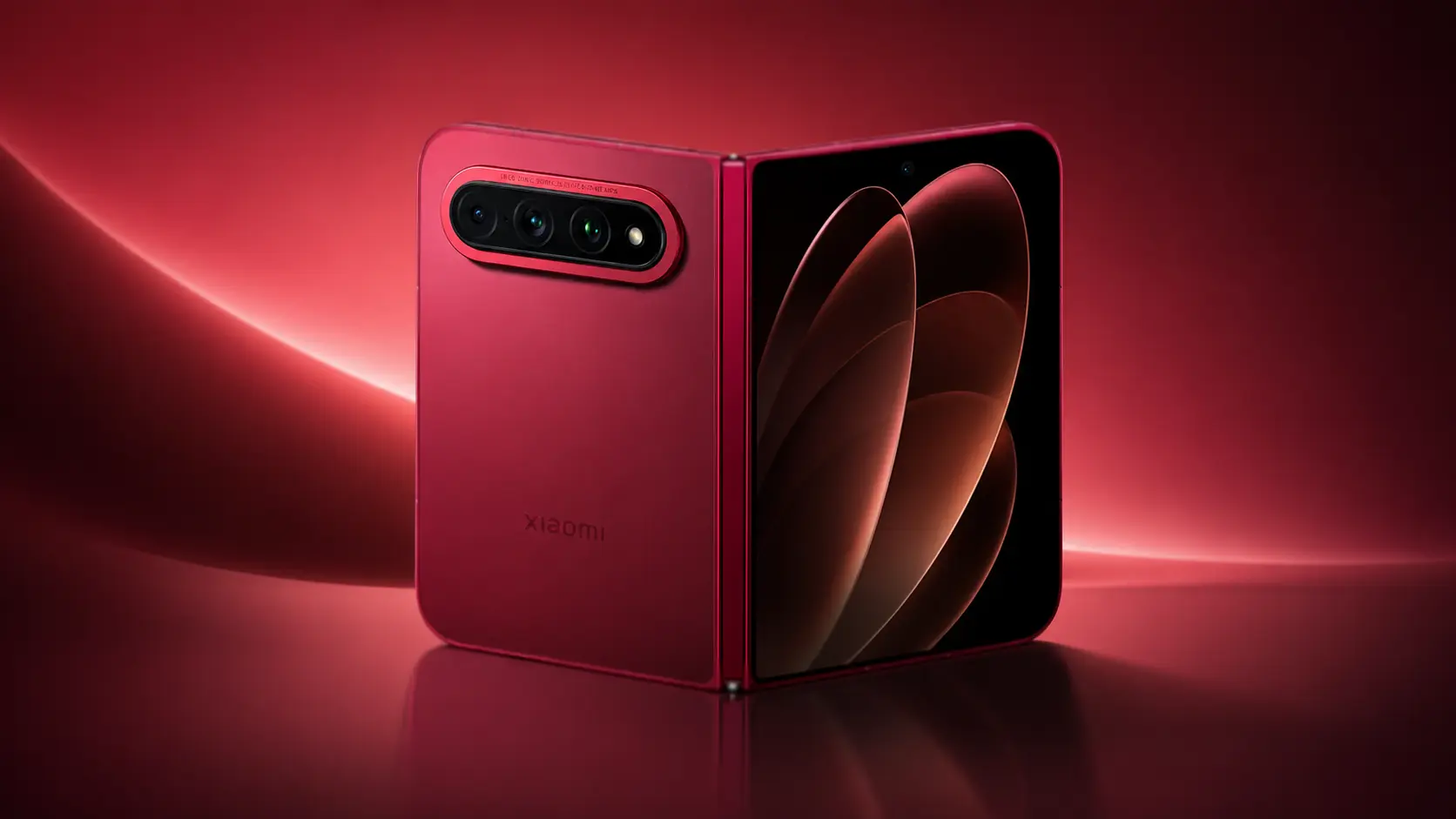
    Xiaomi launched its flagship 18 Fold smartphone in Beijing on Monday, pricing the device from 10,999 yuan (US$1,639) to compete directly with high-end foldables from Huawei and Apple.

    The phone carries Xiaomi’s proprietary Xring O3 processor and LPDDR6 memory from ChangXin Memory Technologies, with sales opening on Thursday at 10am across mainland retail channels.

    Founder and chief executive Lei Jun detailed the hardware specifications at the Beijing presentation. The device includes a 7.58-inch inner display, a reinforced hinge mechanism, an aluminium chassis, and strengthened cover glass. The 24-billion-transistor Xring O3 artificial intelligence processor raises central processor performance by 60 per cent over the prior Xring O1 generation while cutting energy consumption on select workloads by 25 per cent. Lei said Xiaomi has earmarked 50 billion yuan specifically for custom chip development, part of a wider 200 billion yuan research and development budget planned over the next five years.

    Silicon Independence and Electric Vehicle Pricing

    Alongside the phone, Xiaomi rolled out its Pad 9 Pro Max tablet starting at 4,799 yuan, also powered by the Xring O3, and priced its extended-range Skynomad sport utility vehicles. The five-seat N70 Pro SUV starts at 209,900 yuan, while the seven-seat N90 Max begins at 269,900 yuan. Both undercut Tesla’s Model Y L, which retails from 339,000 yuan in China. The extended-range powertrain uses an auxiliary petrol engine to charge the battery pack, delivering a driving range exceeding 1,000 kilometres on a single cycle.

    For consumer tech retailers and premium device vendors across Asia, Xiaomi’s dual offensive in mobile silicon and electric mobility tightens pricing pressure across two categories simultaneously. By pairing domestic memory from CXMT with proprietary processors, the company shields its bill of materials against international component shortages that are squeezing entry-level hardware margins. The aggressive SUV pricing also demonstrates that Xiaomi is treating hardware margins as secondary to ecosystem lock-in, forcing traditional carmakers and handset specialists to defend their retail territory on compressed margins.

    Premium Tier Resists Smartphone Downturn

    The product blitz lands during an intense competitive window in China. Huawei unveiled its Mate XT 2 trifold handset on Monday starting at 19,999 yuan, using its Kirin 9050 Pro processor. Richard Yu Chengdong, chairman of Huawei’s Consumer Business Group, confirmed that Huawei has sold more than 1 million trifold devices worldwide. Meanwhile, Apple is scheduled to present its product line-up on Wednesday in California, where analysts anticipate the launch of a foldable model priced above US$2,000.

    This surge in premium launches contrasts sharply with the broader consumer hardware environment. Counterpoint expects global smartphone shipments to contract 12.4 per cent this year, hit by surging memory costs and lengthening replacement cycles among budget consumers. Premium foldables remain an exception. Counterpoint projects cumulative worldwide foldable shipments will cross 100 million units by year-end, with annual category shipments set to expand 37 per cent in 2027.

    Xiaomi built up to this release after spending 105.5 billion yuan on research and development over the past five years and first previewing the Skynomad vehicle architecture in late July. The group had previously rolled out the first-generation Xring O1 chip last year to test its custom silicon pipeline in select devices.

    Market attention now shifts to Thursday morning retail sell-through figures for the 18 Fold, followed by initial delivery volumes for the Skynomad SUV series ahead of fourth-quarter earnings.

  • Furla Opens 75Sqm Boutique at the Venetian Macao

    Furla Opens 75Sqm Boutique at the Venetian Macao

    Italian accessories brand Furla has opened a boutique at Shoppes at The Venetian Macao in September 2026, adding more than 75 square metres of retail space to its Asia-Pacific network.

    It carries the brand’s full range of handbags, small leather goods, eyewear, textiles and charms under an updated store format.

    Modular Layout and Interior Fit-Out

    Inside, the boutique features dedicated product zones and a magnetic display wall for seasonal arrivals. The setup lets staff reconfigure floor layouts without structural work.

    Italian materials anchor the interior, mixing natural oak and painted metal with lacquered surfaces, tiles and light gold accents. A palette of ivory, latte, white, grey, burgundy and aqua green runs across the display fixtures and perimeter shelving.

    Casino Footfall and Regional Push

    Casino mall retail relies heavily on mainland tourist traffic. Leases demand steady transaction velocity from transient shoppers rather than local repeat footfall. In this corridor, premium leather goods makers face direct competition from heritage luxury houses upstairs and accessible fashion labels fighting for discretionary travel spend.

    A compact 75-square-metre footprint keeps operating costs down while the brand tests product turnover along high-density casino walkways. Success at The Venetian will depend on converting foot traffic during peak holiday windows when mainland visitor volumes surge.

    Greater Bay Footprint

    Founded in Bologna in 1927, the company expanded its retail presence earlier in the year with a refreshed store format in Hong Kong. That rollout introduced lighter fixtures and revised zoning across urban locations.

    The Macao opening extends that format across the Pearl River Delta, where retail performance tracks incoming visitor arrivals alongside cross-border ferry and bridge volume.

  • Laifen Adds Curling Iron and Smart Mirror to Challenge Dyson

    Laifen Adds Curling Iron and Smart Mirror to Challenge Dyson

    Personal care device maker Laifen launched three new hardware products on September 1, expanding beyond hair dryers. Its global household footprint now tops 30 million units across 60 countries.

    The lineup includes the Swift 4 high-speed dryer, the AutoCurl curling iron, and the Glowy vanity mirror. The rollout pushes the Shenzhen-founded hardware maker directly into multi-category personal care tech.

    Motor tech and sensor additions

    Positive and negative ion emitters in the Swift 4 dryer generate 470 million ions. A dedicated nozzle infuses bottled hair treatments directly into the airflow. It sells in platinum, titanium, and burgundy finishes through the company’s direct digital storefronts.

    The AutoCurl curling iron uses a micro-servo motor that detects rotational resistance in real time to stop snagging. An automated chamber feeds hair strands in either direction. This eliminates manual switching between left and right barrels.

    Bathroom fixtures mark the next hardware expansion with the Glowy Vanity Mirror, which goes on sale September 4. The 8.5-inch unit embeds a 24 GHz radar sensor. It activates full-spectrum LED illumination when a user steps in front of the glass and saves lighting preferences to internal memory.

    Hardware playbook outside China

    Laifen built its initial commercial success across Asia by undercutting Dyson on price while matching brushless motor speeds. Extending that playbook into curling wands and smart mirrors brings new competition. The brand now faces legacy salon suppliers and beauty gadget makers with entrenched shelf space in Western department stores.

    That shift exposes the business to different replacement cycles. Hair dryers are daily essentials with high purchase frequency. Lit vanity mirrors and curlers face slower replacement rates and tighter specialty demand. Margins will depend on whether direct online buyers buy into the broader three-piece routine.

    From motor engineering to retail shelves

    Founded in 2019, Laifen established its manufacturing base on proprietary brushless motors. It holds over 600 patents. The company broadened its catalog in May 2025 with the Wave Special electric toothbrush, followed by physical distribution expansion into US warehouse chain Costco in July 2026.

    Laifen will show all three devices at its first brand media presentation in New York City on September 17. Retail distribution agreements for brick-and-mortar storefronts are scheduled for presentation at the event.

  • Chinasquad Expands Global Cross-Border Sales with Curated Chinese Fashion

    Chinasquad Expands Global Cross-Border Sales with Curated Chinese Fashion

    Chinasquad is scaling international distribution for domestic apparel designers, offering direct deliveries across global markets with a free shipping threshold set at $99.

    The platform has accumulated more than 7,200 verified customer reviews while targeting shoppers seeking curated streetwear, statement dresses, and modern Hanfu-inspired collections.

    To address cross-border fulfillment friction, the operator provides optional DHL Express transport with delivery times between two and four days. Returns operate on a 14-day window supported by a checkout protection add-on that covers return handling and exchanges across multiple international territories.

    Sizing Standards and Cross-Border Logistics

    Cross-border apparel exporters from China routinely face high return rates tied to sizing discrepancies. Chinasquad produces its inventory to Asian sizing specifications, advising international buyers to size up on fitted garments and evaluate flat measurements across shoulders, bust, and waist. Flat garment measurements published on the site account for manual variations between one and three centimetres.

    Discounts on the storefront reach up to 90 percent on clearance lines. The merchandising mix focuses on structured trousers, outerwear, and dresses that emphasize tailored cuts rather than disposable basics.

    The Shift Toward Niche Chinese Aesthetics

    Direct-to-consumer fashion exporters in China are shifting away from pure low-cost volume to focus on distinctive regional aesthetics, including contemporary interpretations of traditional Hanfu tailoring. While mass-market players compete primarily on bottom-tier pricing, specialised curators seek higher basket sizes by pairing distinctive cuts with express air freight.

    Customer service operations and global return intake remain centred on managing cross-border garment fits as the platform tests overseas appetite for contemporary Chinese designer labels.

  • Voyah Opens Dream 9 MPV Pre-Sales in China from 429,900 Yuan

    Voyah Opens Dream 9 MPV Pre-Sales in China from 429,900 Yuan

    Dongfeng Motor subsidiary Voyah opened pre-sales for its Dream 9 luxury multi-purpose vehicle in China on Saturday. The flagship model starts at 429,900 yuan ($63,420).

    Buyers can choose across three trim levels spanning five variants, topping out at 529,900 yuan. Introductory sweeteners total up to 50,000 yuan. Dealership display units have arrived across mainland cities for test drives ahead of initial customer handovers.

    Hardware and Huawei Cockpit Software

    Powertrain options divide into three plug-in hybrid (PHEV) variants and two battery electric (BEV) editions. All models sit on an 800-volt electrical architecture. They run Huawei’s Qiankun ADS 5 driver-assistance suite alongside HarmonySpace 6 smart-cabin software.

    Sensor hardware includes 37 units covering urban streets and expressways. Voyah fitted an 896-channel dual-optical-path main LiDAR on the roof and three solid-state LiDAR units around the body. The cabin operating system uses a multimodal large language model with hundreds of billions of parameters to handle voice and in-car controls.

    Electric models carry a 120-kWh battery pack, the largest capacity fitted to any production MPV in China. That battery pairs with a 175-kW front motor and a 300-kW rear unit. The PHEV combines a 1.5-litre turbocharged petrol engine with twin electric motors for 555 kW of total output. It draws power from a 65-kWh pack that charges from 20 per cent to 80 per cent in 12 minutes.

    Chassis Tuning and Interior Layout

    Chassis hardware relies on triple-chamber air suspension, dual-valve electronic dampers and rear-wheel steering that turns up to 10 degrees. A coordinated domain controller manages torque distribution, braking force and suspension damping in real time.

    The body measures 5,325 mm in length and 1,998 mm in width on a 3,200 mm wheelbase. Inside the three-row cabin, second-row captain chairs feature rotation, sideways sliding, zero-gravity reclining and mechanical massage functions. Outside, smart projection headlights beam navigation arrows directly onto the road surface.

    Margin Pressure Behind the Premium Push

    Chinese automakers are crowding into executive vans. Private buyers and corporate fleets still pay cash premiums that mass-market sedans no longer command. Voyah skipped a conventional theatrical launch, putting metal straight into showrooms to secure non-refundable deposits.

    That pricing puts the Dream 9 in direct competition with established luxury nameplates from Denza and Zeekr. Voyah needs higher transaction prices to stop cash erosion after a brutal price war across China compressed earnings throughout the year.

    Deliveries expanded in the first half of 2026. The brand handed over 76,264 vehicles for a 35.9 per cent gain, lifting revenue 42.4 per cent to 18.16 billion yuan. Profitability swung the other way. Gross margin contracted to 17.7 per cent, pushing Voyah to a net loss of 389 million yuan compared with a 460 million yuan profit a year earlier.

    Official delivery dates and the final retail schedule for the Dream 9 lineup have not been published.

  • Kau Kee Opens First Retail Store in Hong Kong to Cut Out Middlemen

    Kau Kee Opens First Retail Store in Hong Kong to Cut Out Middlemen

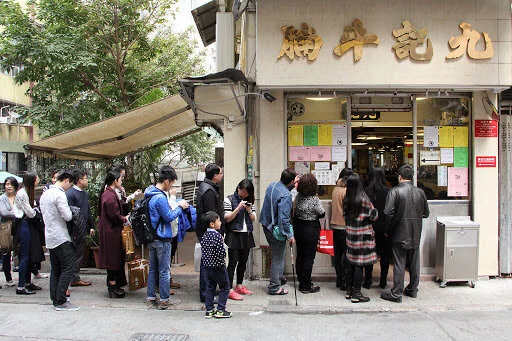
    Kau Kee Food Factory opened its first physical retail shop in Mong Kok, selling fish balls directly to shoppers at HK$10 for 10 pieces. The price sits at roughly half the prevailing rate across Hong Kong street stalls.

    The business spent 66 years operating exclusively as an upstream manufacturer, supplying processed fish balls to nearly 1,000 local eateries and food stands. The direct storefront bypasses those third-party vendors entirely.

    Factory Pricing on the Street

    Second-generation owner Anita Lee Yan-kwan took charge of the manufacturing operation after leaving the civil service during the pandemic. Sharp declines in wholesale volumes prompted the shift down the supply chain.

    By managing its own retail counter, the factory absorbs its own output and eliminates distributor margins. The Mong Kok unit relies on volume, selling street-formulated fish balls made with tuna to maintain texture in heated broth. Store design elements, including a 3D-printed display, have helped pull in foot traffic, with tourists now accounting for 30 per cent of daily sales.

    Wholesale Margins Under Squeeze

    Legacy food manufacturers across East Asia face tight wholesale margins as independent snack stalls close under commercial rent pressures. Upstream processors that rely purely on supply contracts risk losing their entire distribution network when mom-and-pop tenants exit urban centres.

    Opening proprietary counters gives suppliers a predictable floor for production volume and real-time sales data. The trade-off is operational complexity. Managing retail staffing, high-street lease commitments and counter service requires capabilities that industrial food processors rarely possess internally.

    The Direct-to-Consumer Shift

    The physical store follows an initial direct-to-consumer digital trial. Kau Kee launched its first e-commerce store in 2023 to test consumer appetite for factory-direct purchases after street restrictions hit wholesale orders.

    Lee is currently scouting locations for Kau Kee’s second retail storefront in Hong Kong.

  • Chelsea Stablecoin Shirt Deal Sparks Hong Kong Merchandising Regulatory Fears

    Chelsea Stablecoin Shirt Deal Sparks Hong Kong Merchandising Regulatory Fears

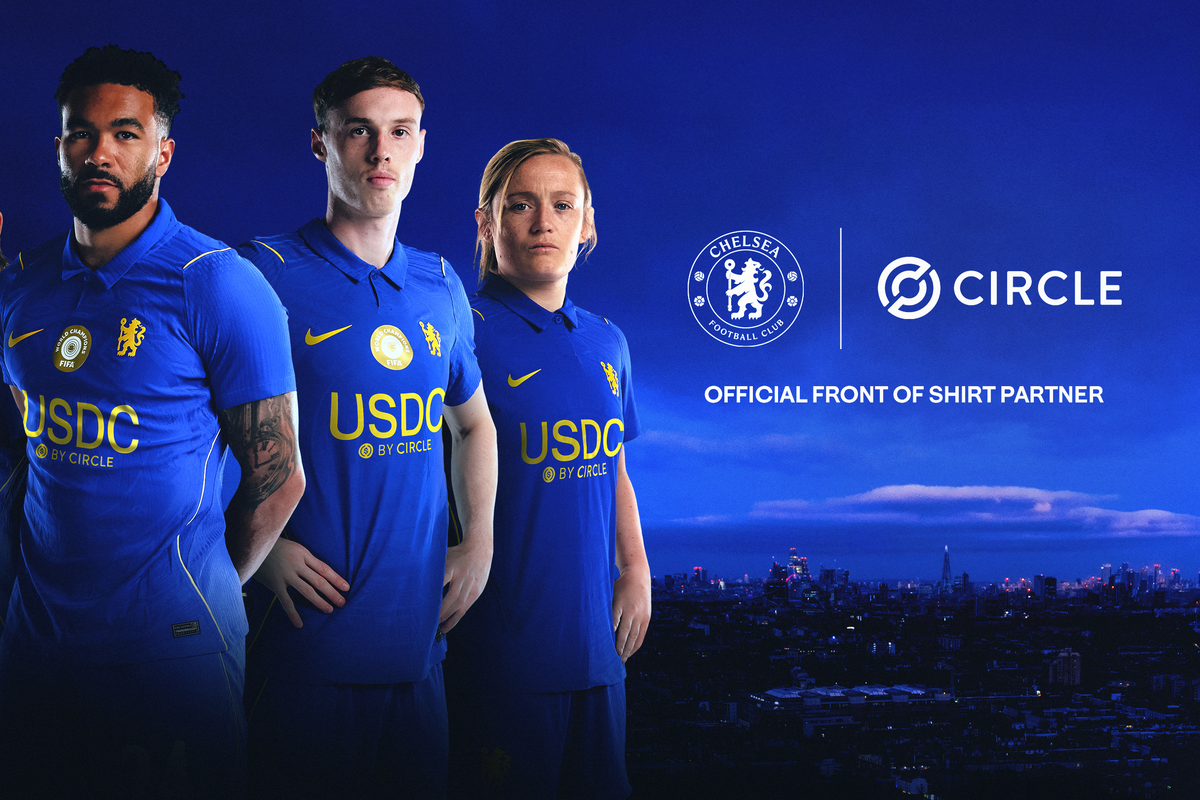
    English Premier League club Chelsea signed a front-of-shirt sponsorship deal with Circle in late August to display its USDC stablecoin logo across official jerseys for the 2026-27 season. The agreement has created immediate uncertainty for Hong Kong sports apparel retailers and consumers navigating the city’s strict digital asset marketing framework.

    Only two stablecoin issuers, Anchorpoint Financial Limited and HSBC, currently hold operating licences in Hong Kong. Circle’s USDC token is neither issued nor licensed under Hong Kong law, putting local replica jersey distributors in an uncertain regulatory position.

    Licensing Limits Under City Ordinance

    The legal friction stems from Hong Kong’s Stablecoins Ordinance, which took effect on August 1, 2025. Under guidelines issued by the Hong Kong Monetary Authority (HKMA), actively marketing unlicensed fiat-referenced stablecoins to the public is illegal.

    Regulators assess active marketing based on target audience, language, local domain usage, and whether an intentional promotional strategy exists. While the ordinance provides exemptions for live broadcast networks that do not control commercial content, it does not explicitly clarify whether physical apparel retail falls under promotional activity.

    Apparel stockists in major retail hubs are already weighing the commercial risk. Hammer Chung, owner of football apparel store DirectSoccer in Mong Kok, questioned whether stocking and retailing replica kits bearing unlicensed crypto logos exposes shop owners to regulatory enforcement.

    Retail Merchandising and Active Marketing Rules

    Supporter demand across Asia remains a vital revenue stream for European football merchandise, but grey areas in sports sponsorship compliance are multiplying. European teams continue to sign lucrative sponsorship contracts with global crypto firms, yet Asian jurisdictions are enforcing increasingly localised virtual asset licensing regimes to protect retail consumers.

    The UK Financial Conduct Authority warned Premier League clubs three months before the Chelsea deal about partnering with unregulated crypto platforms. In Hong Kong, consumer advocates and digital asset compliance specialists, including VerifyVASP, have called for clearer retail guidance and on-screen disclaimer requirements for televised fixtures.

    Retailers in the city are now waiting to see whether the HKMA issues formal enforcement guidance on replica sports merchandise before peak sales for the 2026-27 European football season get underway.

  • ByteDance Lines up $29.6 Billion Loan After Lenders Pile in

    ByteDance Lines up $29.6 Billion Loan After Lenders Pile in

    ByteDance has lined up a US$29.6 billion loan facility after attracting more than US$30 billion in orders from international and regional lenders. The TikTok owner initially sought a US$20 billion facility before expanding the total borrowing size to meet overwhelming interest from participating banks.

    Surplus demand prompted the company to upsize the transaction by nearly 50 per cent. The jumbo facility ranks among the largest corporate loans ever assembled for an Asian consumer technology company.

    Lender Demand Exceeds Target

    Lenders submitted orders exceeding US$30 billion during syndication, allowing the group to lock in substantial liquidity across its corporate structure. The scale of the order book gave the company room to lift the final allocation well above its opening target.

    Strong bank appetite reflects continued institutional confidence in the company’s core cash flows. Revenue from digital advertising, short-form video streaming, and rapid expansion into live social commerce across Southeast Asia and Western markets continues to anchor commercial performance.

    Financing Tech and Infrastructure Scale

    Large technology groups in Asia are securing deep pools of capital to fund computing capacity and product engineering. For ByteDance, managing data-intensive operations across TikTok and domestic platforms requires sustained capital expenditure in server networks and cloud infrastructure.

    The sizeable debt package also broadens the group’s financial headroom without diluting existing equity. Market participants are now monitoring final allocations and pricing details as syndication closes across global banking syndicates.