Tag: China

  • China ‘still the land of opportunity’

    China ‘still the land of opportunity’

    China deserves to remain on retailers’ radar says a new report from JLL.

    “China remains a compelling market for global retailers and continues to offer a plethora of untapped opportunities, despite a recent moderation of its GDP growth says Tom Gaffney, regional director, head of retail for JLL in Hong Kong.

    “However, the China market remains complex and diverse. We advise brands to carefully assess their strategic mix of corporate stores and franchises, and to define a strategy that allows them to present a multichannel brand capable of seamlessly merging the worlds of online and offline.”

    His comments come a day after Inside Retail Asia published an analysis of China’s economic growth, largely masked by the single GDP figure which many business leaders and economists focus on.

    JLL’S report, China’s Retail Market: within Reach, offers international food and beverage and fashion retailers’ latest insights on China market expansion strategies. It’s the latest in a series of reports from JLL on China retailing and it comes at a time when many retailers are reconsidering their China strategies to enable the most profitable growth over the long-term.

    At the same time, many foreign brands are planning their first foray into the increasingly maturing Chinese markets.

    Derek Chen, director of retail tenant representation in China, says brands are well advised to make Shanghai and Beijing their starting point and opt for a corporate structure in these markets.

    “Consumers in China’s alpha cities, Shanghai and Beijing, which are among the world’s top five dynamic cities according to JLL’s City Momentum Index, are much more retail-savvy and have high expectations towards customer service. Most importantly, you retain absolute brand protection, which is essential in the China market as you build your brand initially.

    “Due to misalignment of incentives between a franchise partner and the retailer, franchisees are less inclined to focus on building brand longevity even if this adversely impacts the brand’s future. For brands new brand to the market, a corporate structure makes a lot of sense and has many advantages.”

    However, in tier 1.5 markets, such as Tianjin and Nanjing, brands best develop these in a mixed strategy, if corporate control is not an option. These markets offer a level of demand depth and sales productivity potential that can justify corporate control within a few short years, argues JLL.

    “Retailers should only franchise these cities by applying a strategy that would enable them to incrementally regain control over the medium-term. Buying back the top-performing stores prevents the biggest revenue gains from being diluted, and gives the retailer more control over brand marketing in these markets,” the report advises.

    Discussing strategies for third-tier cities and beyond, Chen says third and fourth-tier cities are a new frontier for most international retail brands.

    “We suggest brands use franchises to penetrate these markets quickly over the short and medium term. As these markets lack the degree of sophistication found in major markets and consumers are less discerning, more forgiving and easier to please. [So] the risks of franchising are more contained and manageable, and are usually more cost-effective. In addition, local partners offer valuable local know-how and have a better sense of the psyche of local consumers.”

    Gaffney summarises: “Retailers should fix their China expansion strategy before entering the markets, which will greatly reduce risks down the road. Corporate ownership is advisable for key markets and to build their brands. However, franchises remain irreplaceable when it comes to simultaneously achieving both fast and vast penetration of markets, and to hedge risks.”


  • Greater China launch for Joseph

    Greater China launch for Joseph

    London label Joseph fashion will launch in Beijing later this month, the first step in a Greater China roll-out.

    While based in Great Britain, Joseph is owned by Japan’s Onward Kashiyama group, which bought the business in 2005. The brand’s founder Joseph Ettedgui died of cancer in 2010.

    “Like all our stores globally, our Beijing store will offer the foundations of a sophisticated wardrobe with our luxury essentials along with our catwalk pieces,” said Takehiro Shiraishi, Joseph MD.

    The China launch for Joseph in Beijing will be followed over the next five years by store openings in Hong Kong, Macau, Shenzhen and other cities.

    “After having seen a period of luxury market growth in China, we feel there is an expansion of sophisticated highly fashion-conscious consumers,” says Shiraishi, bullish about the brand’s prospects in China.

    “We feel the market is maturing and needs affordable products.”

    Joseph Ettedgui was credited with introducing the narrow-legged stretch pant in the 1990s, a line which remains a centrepiece of the the brands often androgynous range today.

    Louis Trotter, Joseph’s current creative director, whose past credits include Calvin Klein and Tommy Hilfiger, believes the range will appeal to Chinese consumers.

    “Our customer has a certain attitude, Joseph is not overtly branded, it is quite discreet and it takes a certain type of woman to appreciate our product.”

  • Benoy chosen for IFS China mall designs

    Benoy chosen for IFS China mall designs

    Benoy has been chosen to design two further International Finance Square (IFS) malls being developed by Hong Kong property company The Wharf Holdings (Wharf).

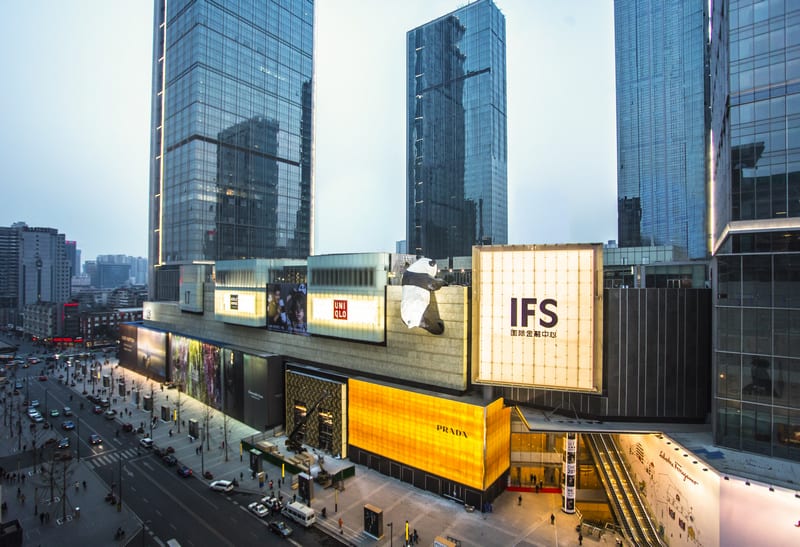
    Wharf has appointed Benoy for master planning, retail architecture, interior and graphic design for its IFS China developments in Chongqing and Changsha (picture above), following its success with the already completed Chengdu IFS.

    “Chengdu IFS has proven to be an extremely successful collaboration between our two companies, in terms of both design and commercial viability,” said Benoy director Ferdinand Cheung.

    “We are excited to continue creating architecture that speaks of its time while also developing exciting yet timeless spaces for the people of these cities.”

    The new IFS China malls are located in fast-growing cities as Wharf launches and grows its commercial portfolio in China. Like Chengdu IFS which established a diverse ‘City within a city’ commercial landmark in Western China, the developments in Chongqing and Changsha will look to set a new benchmark for their catchments.

    “These projects are challenging in both their size and scale, Changsha IFS being the largest of the three schemes. As the sector evolves, the complexity of the programs and connectivity within these mixed-use developments continues to increase,” explained Cheung.

    Covering a total development area of 1,026,000 sqm, Changsha IFS will be located in the Furong District’s Jiefang Rd in the core of the CBD. Ensuring ultimate connectivity and high footfalls, the scheme will be connected to the future underground interchange hub for metro lines 1 and 2. The mall will also act as an extension to one of the busiest pedestrian streets in China — Huang Xing Pedestrian Shopping Street — sitting opposite to the entrance of the well-known area.

    Changsha IFS will have a retail street frontage of more than 700 metres, forming the longest ‘Street’ experience in Wharf’s portfolio. The 230,000 sqm retail mall will have premium offers spanning entertainment, lifestyle, retail, culture and food & beverage. The podium will also interface with two towers soaring to 452 metres and 315 metres, each featuring a hotel, to create a diverse commercial destination.

    In Chongqing’s new CBD, where the Yangtze River meets the Jialing River, the site for Chongqing IFS is being developed as a joint venture between Wharf and China Overseas Land.

    Creating a highly efficient commercial footprint, the project combines four adjacent sites into one to form a stately and innovative masterplan. Two light railway lines are set to pass through the area with respective stations nearby, establishing excellent transportation links.

    The scheme sits adjacent to the Chongqing City Grand Theatre, the Chongqing Science Museum and the Central Park, to bring further diversity to the Jiangbei Commercial District. Flanked by a 300 metre landmark tower and four additional towers, the 102,000 sqm retail podium will unite retail, commercial offices and hospitality with panoramic views across the river.

    Positioned as a boutique retail mall, Chongqing IFS will showcase celebrated brands and a wide spectrum of fine dining and entertainment anchors including a cinema and ice rink.

    Chongqing IFS is due for full completion in 2016 and Changsha IFS will complete in phases starting from 2016.

  • Walmart China plans major expansion

    Walmart China plans major expansion

    The world’s biggest retailer Wal-Mart Stores believes the best way to achieve profitability in China is to open more stores and lure more customers.

    Walmart China will expand its store network by almost a third between now and 2017 according to CEO Doug McMillon.

    “Our aim is to become an integral part of China’s economy. China is a top priority,” McMillon told a press conference in Beijing.

    Faced with slowing growth in its mature home market, Walmart sees a massive opportunity in China’s rising middle class and booming tier 2 and 3 cities as a means to restoring growth and boosting profits. Cities like Shenzhen and Wuhan.

    But its experiences in China to date have been mixed. Sales declined 0.7 per cent in the quarter to January 31 and same store sales fell 2.3 per cent.

    At the end of January, Walmart had 411 stores in China – and after some underperforming stores are closed should end 2017 with a network exceeding 500.

    The company is also increasing its investment in its online business Yihaodian.com. Launched in 2011 with 18,000 SKUs the online store now boasts more than 8 million products. With more and more Chinese buying online – on both computers and mobile devices – the potential seems unlimited.

    Walmart’s Asian chief, Scott Price, said while the company had seen a softening in sales, it was not all bad news.

    “We’ve gained share in the hypermarket channel.”

  • House of Fraser China closer to debut

    House of Fraser China closer to debut

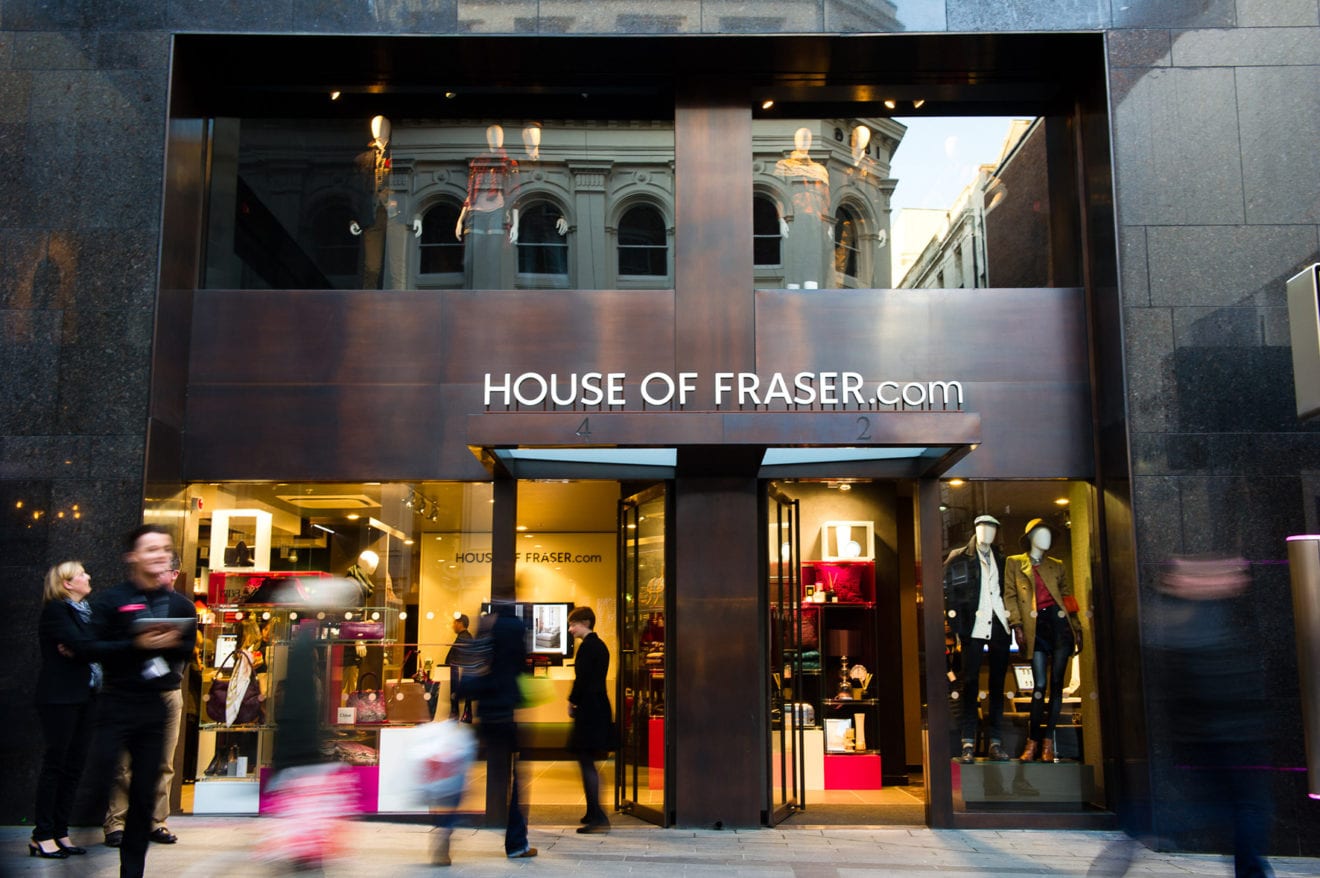
    UK department store retailer House of Fraser has confirmed it will open three stores in China.

    The first will be in Nanjing, the home of House of Fraser’s Chinese owners Sanpower after its £489 million buyout of 89 per cent last September.

    The second store will be in Chongqing and the third in Xuzhou, which is scheduled to open in 2017.

    A second franchised store is also planned for Abu Dhabi.

    House of Fraser revealed record annual profits this week, driven by a 32 per cent increase in online sales and like for like sales up 5.8 per cent to £1.3billion. It reported a record gross profit of £460.2 million. Own brand sales – for Linea and Army & Navy – rose 10 per cent.

    House of Fraser chief Nigel Oddy said the company is excited about its future prospects as it embarks on its next phase of growth internationally.

    Oddy joined House of Fraser in february after a career with Marks & Spencer which included a term as head of its retail operations in Hong Kong and involvement in buying, giving him extensive knowledge of greater China.

  • Gucci China blamed for Kering slowdown

    Gucci China blamed for Kering slowdown

    Falling sales by Gucci China have been blamed for a higher than expected drop in Gucci parent Kering’s first quarter global sales.

    Sales at Gucci’s own 502 retail stores fell four per cent in the quarter and overall sales, on alike-for-like basis, fell eight per cent.

    The worst performing region was Asia-Pacific, where sales slumped a full 10 per cent. Sales in Greater China “deteriorated compared to earlier in the year”, France-based Kering said in an earnings statement.

    Sales rose six per cent in Western Europe and remained stable in North America.

    Kering has responded with a promise to give its flagship Gucci brand, which accounts for 60 per cent of its sales, a revamp.

    “Our priority is to give Gucci new impetus,” Kering finance director Jean-Marc Duplaix said.

    The company blamed the sales drop off as part of a transition period, following its sacking of the brand’s CEO and design director last December. It has since split the roles, naming Marco Bizzarri as CEO and in-house designer Alessandro Michele as creative head. Bizzarri is credited for having turned around Bottega Veneta.

    Michele’s strategy is to improve its entry-level offer, including small leathergoods and handbags.

    Gucci will also continue to invest in building its online business.

    Bottega Veneta, Kering’s second brand, also experienced slowing sales in the first quarter, but maintained growth at 3.1 per cent on a same store basis.

    The company cited poor trading in Hong Kong and Macao for the drop, specifically a change in the demographic of mainland Chinese tourists. Hong Kong achieved 19 per cent of its sales in Hong Kong and Macau.

  • China fines Alibaba USD129,000 for pricing violations

    China fines Alibaba USD129,000 for pricing violations

    China’s e-commerce giant, Alibaba Group, has been fined CNY800,000 (USD129,000) by the price bureau in eastern Zhejiang province for violations by third-party sellers during promotions on its e-commerce platforms.

    Since Alibaba turned “Singles’ Day”, a November 11 Chinese response to Valentine’s Day, into an online shopping festival in 2009, the event has grown to similar proportions as Cyber Monday and Black Friday in the United States.

    Sales of more than USD9 billion were achieved at last year’s event, and the company has copyrighted the phrase “Double 11”, a reference to the date (11/11), which in turn, refers to the status of single people.

  • Rakuten invests in China online discounter

    Rakuten invests in China online discounter

    Japanese eCommerce titan Rakuten has taken a stake in Chinese online shopping discounts site Fanli.

    The stake, less than 10 per cent, comes in the form of an undisclosed amount of series C funding into the start-up. The announcement states that Fanli is now valued at approximately US$1 billion, making it China’s newest start-up unicorn.

    Fanli is a very minor player among the dozens of well-established eCommerce stores in China, but it claims to be the largest that focuses on rebate-based loyalty shopping. It connects shoppers with discounts on an array of third-party stores, such as Alibaba’s Taobao, JD.com, Ctrip, and the Apple online store.

    Rakuten said in a press release that the stake in Fanli is essentially a strategic way to tie the Chinese start-up to Rakuten’s duo of US-based discount stores, Ebates.cn and Extrabux. Rakuten acquired Ebates – which allows Chinese shoppers to buy things from US ecommerce sites with discounts – last September for US$1 billion.

    Kevin Johnson, CEO of Ebates, will join Fanli’s board of directors.

    “This investment in Fanli reflects Rakuten and Ebates’ ongoing interest in the rapidly evolving Chinese market,” said Johnson.

    “As the market continues to mature we believe consumers will demand world-class shopping experiences. Rakuten and Ebates hope to support Fanli’s vision of fulfilling this role and exploring potential collaborations in China and abroad.”

    Rakuten has long struggled to find a foothold in China up against homegrown rivals like Alibaba and JD. Rakuten’s own China joint-venture store with Baidu was shuttered in 2012.


  • Lazada brings new growth opportunity to crossborder sellers

    Lazada brings new growth opportunity to crossborder sellers

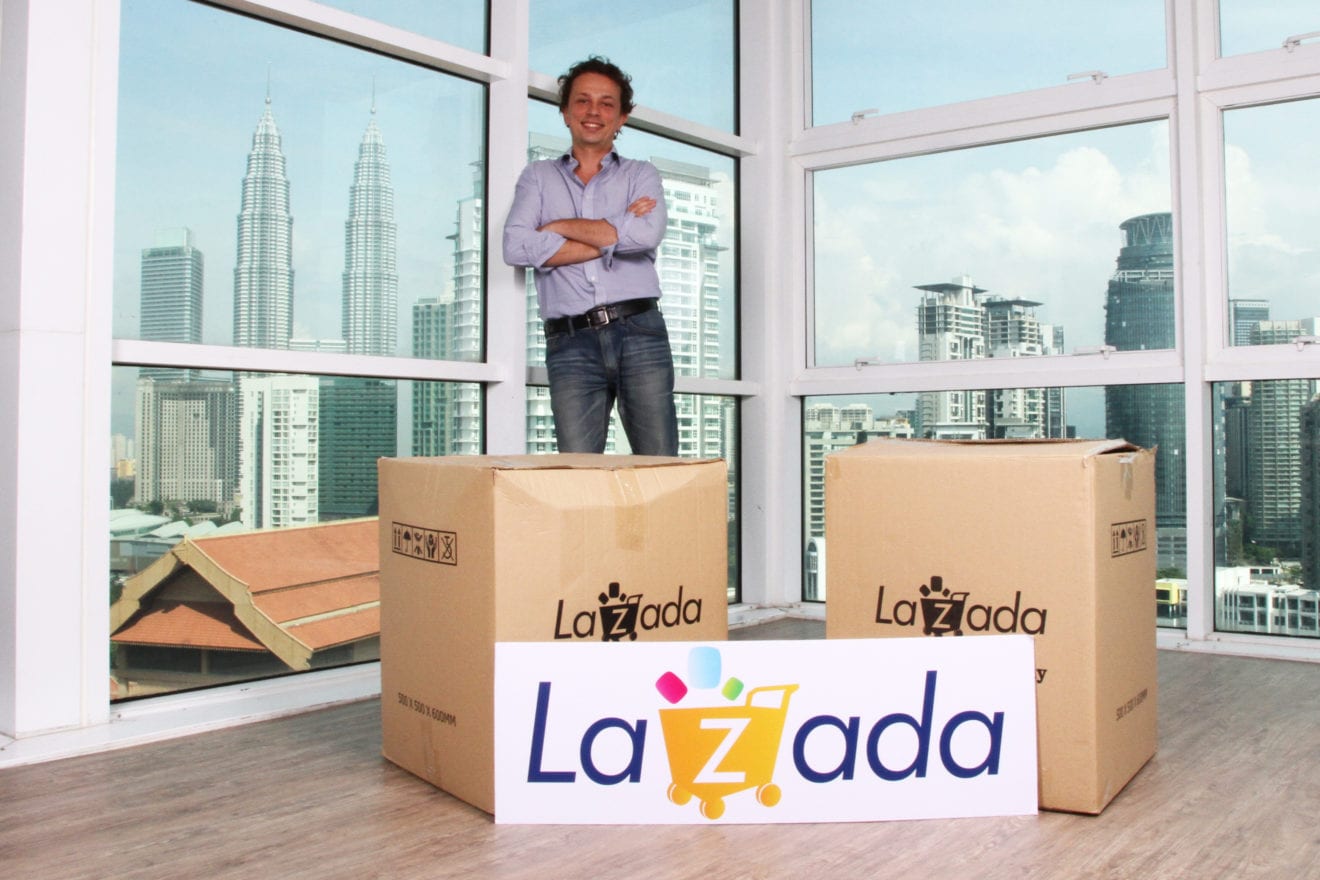
    Southeast Asia’s leading ecommerce player Lazada is offering Hong Kong and China-based brands and merchants the opportunity to expand their businesses to the fast-growing region. Launched in the first quarter of 2012, Lazada Group operates Lazada, the leading online shopping and selling destination for assorted merchandise in Southeast Asia, with presence in Indonesia, Malaysia, the Philippines, Singapore, Thailand and Vietnam. Its operations also extend to Hong Kong, which functions as a sourcing hub.

    The online shopping mall features an extensive product offering in categories ranging from consumer electronics to household goods, toys, fashion and sports equipment.

    Being active for three years, Lazada has rapidly grown to a reported USD1 billion of annualized gross merchandise value (GMV) in March 2015. Its shopping sites and mobile applications welcome over 4 million visits daily and 55 million unique visitors monthly.

    “We see tremendous potential in Southeast Asia as consumers continue to embrace online shopping largely facilitated by the rise of internet and increasing mobile penetration. As the leading ecommerce player, we offer brands and merchants in Hong Kong and China with the only single retail gateway to enter Southeast Asia,” Aimone Ripa di Meana, CEO Crossborder, Lazada Hong Kong said in a media briefing on Thursday.

    The AT Kearney report Lifting the Barriers to eCommerce in ASEAN published on February 2015 showed that ecommerce represents around 1 percent of total retail sales in Southeast Asia compared to 7.2 percent in China, highlighting the massive potential and room for growth in the coming years.

    Ever since its launch, Lazada Group has grown rapidly to include approximately 4,000 employees across Southeast Asia. The company has the largest Facebook following in Southeast Asia with over 12 million fans.

    The online retailer is pioneering ecommerce in the region by providing customers with an effortless shopping experience with multiple payment methods including cash-on-delivery, extensive customer care and free returns. Lazada provides brands and merchants with simple and direct access to approximately 550 million consumers in six countries through one retail channel. The e-commerce giant offers sellers a one-stop solution to Southeast Asia through its fully integrated online platform where they can manage product assortment, pricing, promotions and orders.

    “Prior to Lazada, there has never been a one-stop retail solution addressing local requirements across six diverse countries,” said Meana. “The opportunity for sellers in Hong Kong and China to capture the growth and build their future in Southeast Asia is now.”

  • JD.com opens world to Chinese shoppers

    JD.com opens world to Chinese shoppers

    JD.com, China’s online direct sales company, has unveiled JD Worldwide, its new cross-border eCommerce platform.

    JD Worldwide provides Chinese consumers with the most convenient way to purchase authentic imported products, including many not previously available in China, and enables international producers and suppliers to sell directly to Chinese consumers without requiring an established presence in China.

    Through the JD Worldwide platform, Chinese shoppers can order goods from hundreds of brands and sellers in overseas markets including Australia, France, Germany, Japan, South Korea, New Zealand, the UK and the US, among others, while enjoying JD.com’s industry-leading user experience.

    Fully integrated with the existing JD.com platform, JD Worldwide features both direct sales and marketplace channels. It currently hosts about 450 online shops, which offer over 150,000 SKUs of high-demand imported products from more than 1200 brands. Customers can place orders seamlessly through JD’s website and mobile applications and have purchases delivered directly to their homes or offices in China, without the typical inconveniences associated with international shipping, customs and language issues.

    The platform also enables international producers and sellers to sell directly to Chinese consumers without needing to establish a legal presence in China, significantly lowering the barriers to entering the China market for global brands. JD Worldwide will offer a range of support to retailers to enable them to take full advantage of the JD Worldwide platform, including support on marketing toJD.com’s nearly 100 million active users and access to JD.com’s extensive nationwide logistics network.

    As part of the JD Worldwide launch, the company also announced the launch of “Best of eBay Deals,” a pilot program on the new platform in partnership with eBay. Responding to growing demand from Chinese consumers seeking items from eBay’s global inventory, eBay’s channel on JD Worldwide will showcase a variety of top categories and popular brands at attractive prices from select, trusted eBay sellers from the US.

    “JD.com has once again raised the standard for integrated e-commerce solutions in China with the launch of JD Worldwide, the most convenient way for Chinese consumers to purchase imported products,” said Richard Liu, JD.com founder and CEO.

    “This new cross-border sales platform marks a major step forward in connecting Chinese consumers with international brands. By combining the advantages of China’s cross-border free trade zones, JD’s warehouses and unparalleled last-mile logistics network, and our experience developing winning marketing campaigns for our partners, JD Worldwide gives international sellers and brands the most comprehensive and effective solution available for reaching Chinese consumers.”

    Liu said that consistent with the company’s overall strategy, it is committed to growing JD Worldwide at a manageable pace to ensure the highest quality products and merchants, the best shopping experience for our customers, and strong sales results for its partners.

    When making purchases through JD Worldwide, consumers will enjoy the same guaranteed product authenticity, prices and reliable customer service they expect from JD.com. Supported by favorable trade policies in China’s e-commerce free trade zones, JD Worldwide employs bonded warehouses to ensure the fastest times for customs clearance and delivery to consumers.

    JD.com has established an exclusive customer service hotline and after-sales customer support team specifically dedicated to JD Worldwide, with live online support provided to international marketplace merchants. As across all of JD’s sales platforms, stringent controls have been implemented to ensure that only high-quality marketplace merchants and authentic products are permitted on JD Worldwide.

  • Stradivarius China launches on Tmall

    Stradivarius China launches on Tmall

    Inditex has launched another of its brands in China online.

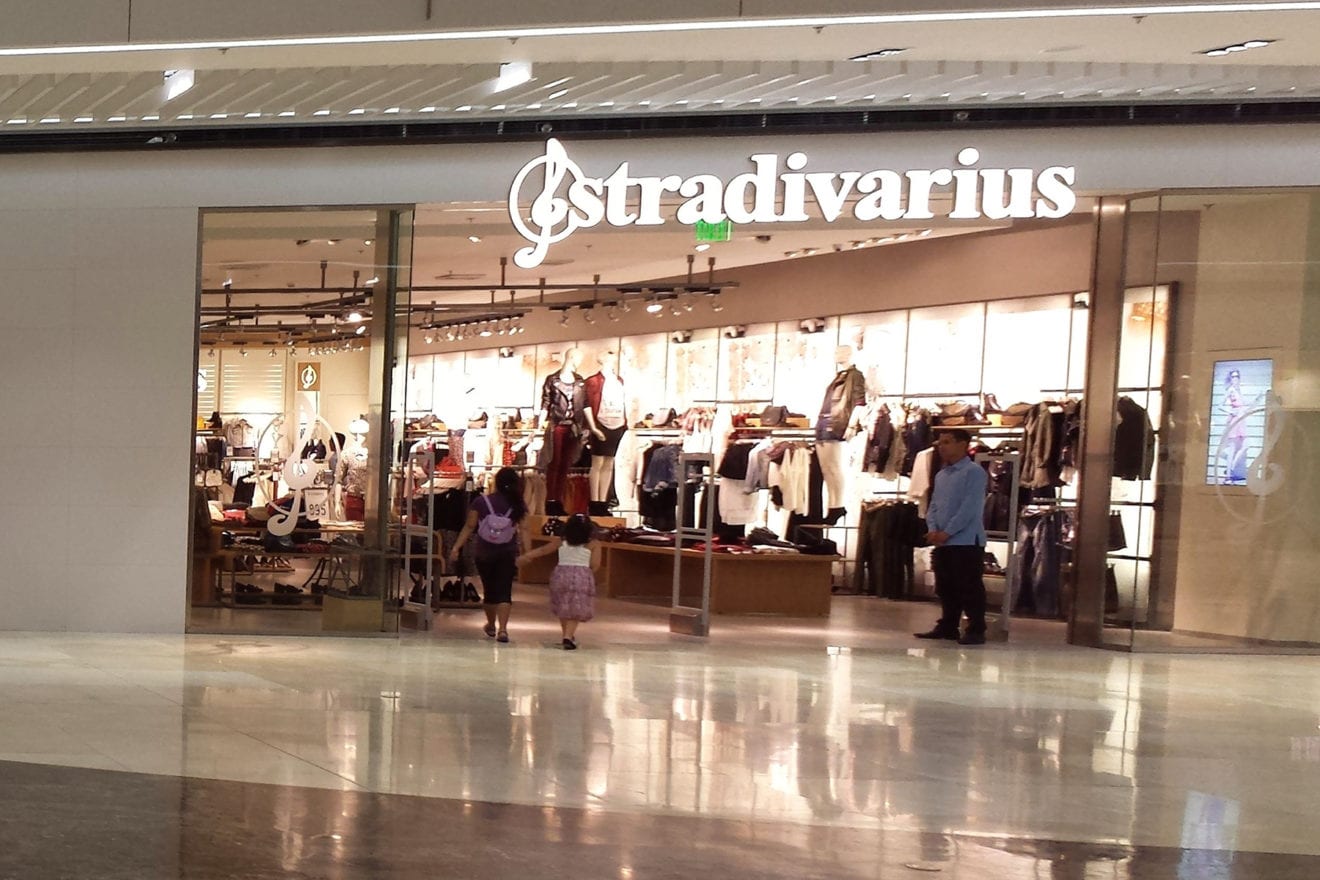
    The Spanish apparel maker has opened a Stradivarius China storefront on Tmall, the largest online sale platform in China.

    After launching in China in 2010, the junior cousin of Zara has built a network of 68 physical stores in more than 40 cities.

    The broader Inditex Group has 501 stores there.

    Inditex says at stradivarius.tmall.com, customers can find the entire fashion and accessories collection from the group’s feminine fashion brand.

  • Legoland Shanghai to anchor shopping mall

    Legoland Shanghai to anchor shopping mall

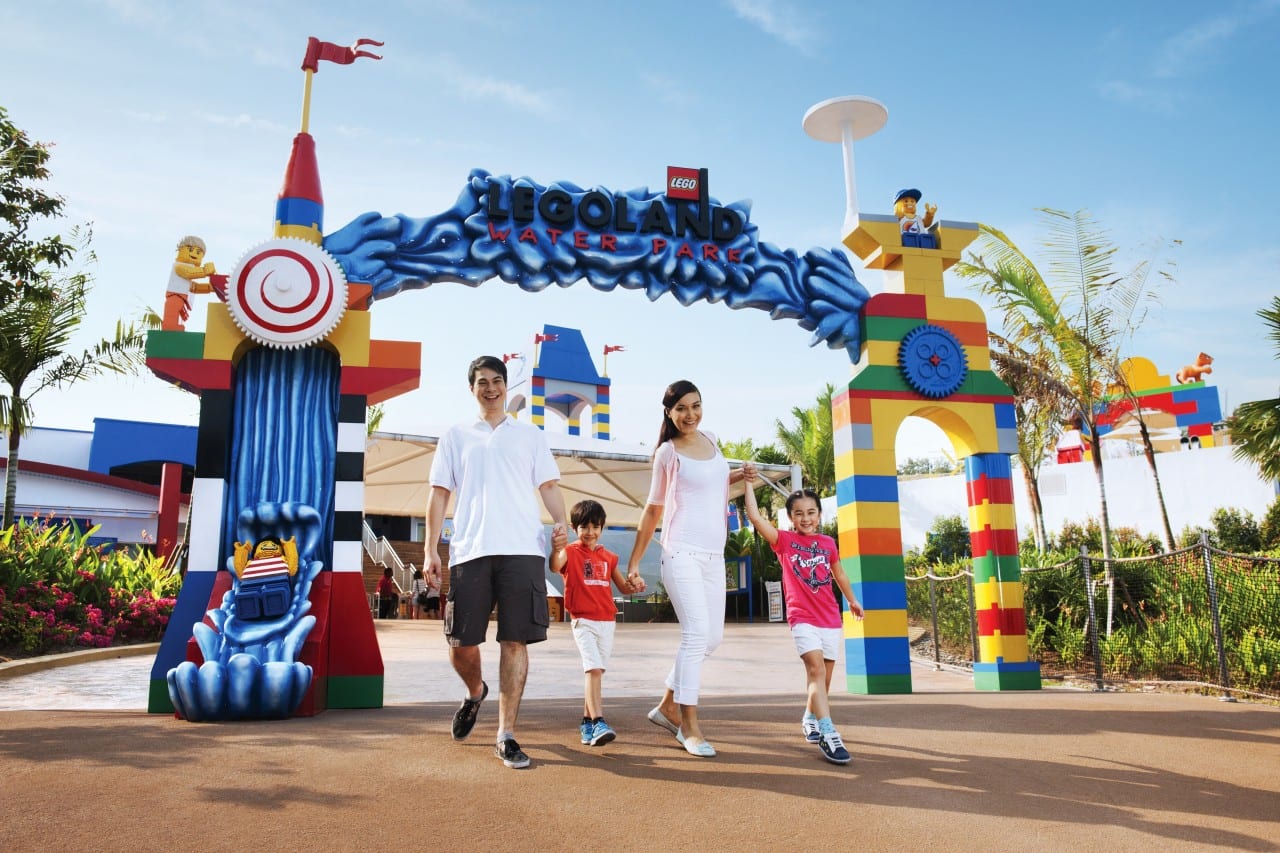
    Merlin Entertainments will open its first Legoland in China at Parkside Plaza shopping centre in Shanghai.

    Plans and designs are already in place for the 3000 sqm attraction and construction of Legoland Shanghai will start soon, with its opening scheduled for 2016.

    Owned by UK-based Grosvenor Fund Management, Parkside Plaza is located on the Suzhou Riverbank adjacent to the Changfeng Park. With a total floor area of 126,000 sqm, it is home to international brands including Tesco, H&M, Uniqlo and C&A and a variety of entertainment including HB Cinema, Vigor-100 KTV and Hani rock climbing space. And soon it will be home to Legoland Shanghai.

    The Legoland Discovery Center is a unique indoor attraction offering an interactive and educational two to three hour experience specifically designed for families with children aged three to 10. It consists of a range of Lego play areas including brick pool, Lego Factory Tour, Lego model car racing area, master classes from the Lego master model builder; party rooms, a Lego themed ride, a 4D cinema and Miniland – an exhibit featuring replicas of Shanghai landmarks made from Lego bricks.

    Parkside_Plaza_Shanghai.1-415

    James Raynor, GFM CEO, said the Legoland tenancy reaffirms the company’s strategy of making Parkside Plaza one of the region’s best family-oriented shopping destinations.

    “Legoland Discovery Center is a globally recognised family entertainment brand that will deliver a fantastic leisure experience for our visitors and add to the appeal of Parkside Plaza.”

    Glenn Earlam, MD of Merlin’s Midway Attractions Operating Group said the concept has been a huge success across the globe, particularly as part of a family day out which may also include shopping and eating out together.

    “Given the popularity of the Center in Tokyo which opened last year, we are confident people will also love the attraction in Shanghai.”

    Lego models for the Shanghai attraction will be made in Merlin’s specialist studios around the world and shipped in during construction.

    GFM currently has £3.2 billion of assets under management across Asia, North America and Europe. The retail sector is a strategic focus across these regions and 73 per cent of the international portfolio is retail assets. This includes Liverpool One in the UK, a portfolio of 31 historical buildings in the heart of Lyon, France and the recently acquired Skarholmen shopping centre in Stockholm, Sweden.

  • TNS paves way for UnionPay global growth

    TNS paves way for UnionPay global growth

    Retailers globally stand to benefit from a new alliance making its easier for Chinese to shop with their UnionPay cards.

    Transaction Network Services (TNS) has launched a new global card scheme gateway which will enable merchants and banks to quickly and easily connect with UnionPay for authorisation and processing of in-store payment transactions.

    Banks, processors and merchants wishing to accept UnionPay cards will be able to use the TNS Scheme Gateway to access UnionPay’s processing hub in Hong Kong, removing the need for self-managed complex and costly bespoke connections.

    Lisa Shipley, executive VP and MD of TNS’ Payment Network Solutions, said UnionPay is now a significant player within the card industry globally and merchants and banks have long recognised the importance of being able to accept payments made via its card.

    “In addition to being complex, setting up bespoke network links can prove extremely costly and time consuming both to establish and to maintain, and as a result many merchants have been simply unable to accept UnionPay transactions until now.

    “We are removing the need for organisations to make changes to backend systems and networks, and offering them a streamlined, efficient and cost-effective alternative which can be operational in as little as two weeks.”

    The TNS Scheme Gateway for UnionPay uses TNS’ Secure Payments Network which allows retailers and banks to handle customer card data in accordance with PCI DSS regulations and best in class visibility and monitoring which ensures maximum uptime and availability. The technology converts the local domestic message format into UnionPay’s preferred type and manages all clearing, dispute and reconciliation files. TNS also manages all card scheme updates and compliance requirements, allowing merchants, banks and processors to focus on their core business.

    Currency exchange provider Travelex has already tested and signed up for the new gateway, becoming one of TNS’ first customers.

    Damian Cecchi, Travelex GM, said the new gateway was easy to set up and is much simpler than managing the company;s own connection.

    UnionPay dominates China’s fledgling credit card industry with 4.3 billion UnionPay cards now issued. IN 2013, more than US$5.2 trillion was spent using UnionPay and the cards are now being issued outside China.

    James Yang, chief representative South Pacific from UnionPay International, said working with TNS is part of a global expansion plan.

    “As our customers seek to explore the world they live in they need a trusted form of payment which can travel with them and with TNS’ help their UnionPay card will be their perfect travel partner.

    “Since UnionPay was established in 2002, we have actively responded to the social and economic development of China and are proud to have driven the growth of China’s bankcard industry. This new partnership with TNS helps us to take the next step and cement our position in the global marketplace.”

  • Yum! China opens luxury restaurant

    Yum! China opens luxury restaurant

    US fast food giant Yum! Brands has opened a luxury restaurant overlooking Shanghai’s Bund to test menu concepts on locals.

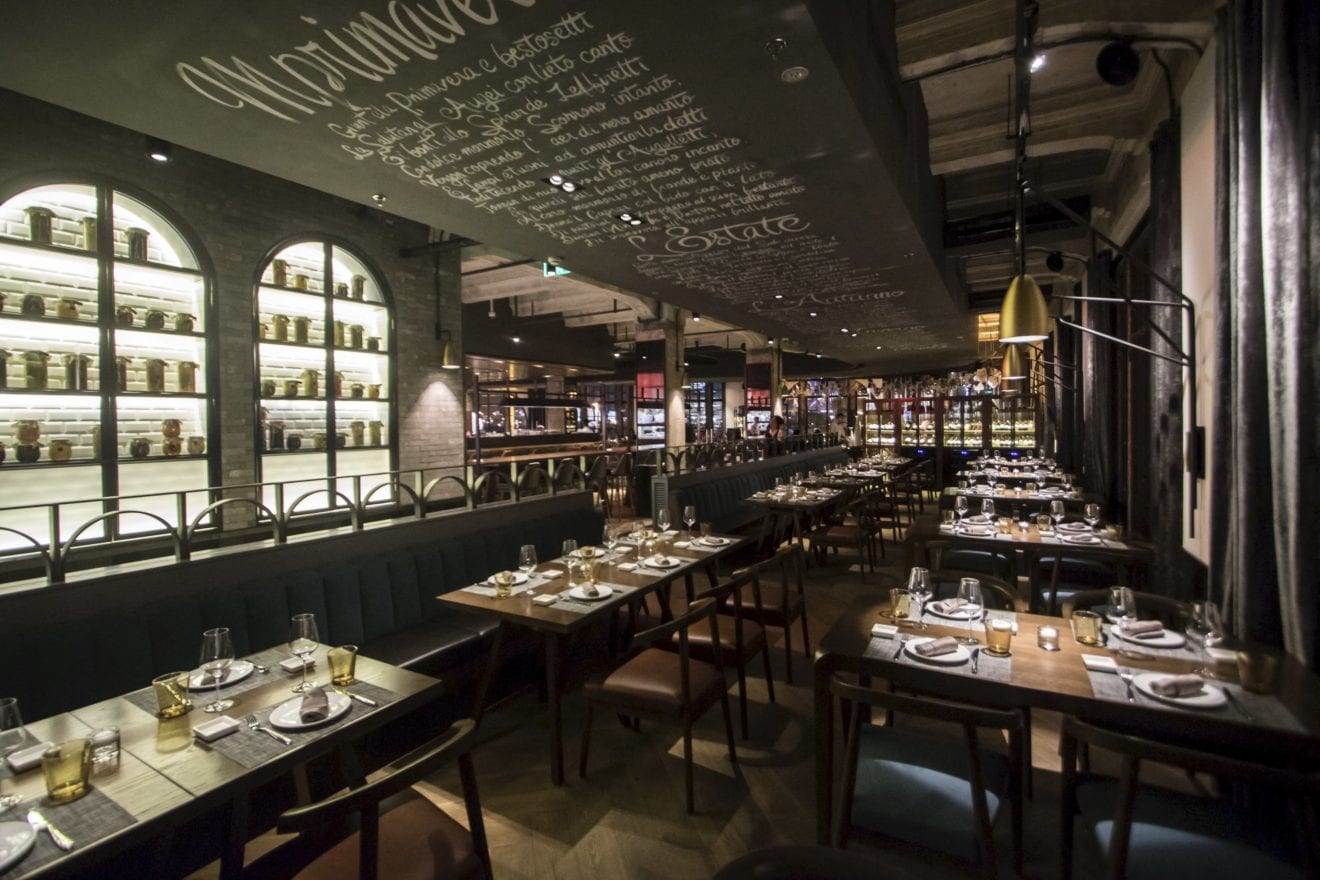
    Atto Primo, complete with its Italian name, is as far from the fast fried chicken concept of KFC or Pizza Hut as you could possibly get. The expansive restaurant is located in a historic building more than 100 years old. The decor is heavy on design and atmosphere, the dining environment with dim light, captivating wall murals, natural wooden furniture – and it has an expansive bar.

    Atto Primo 415

    “Atto Primo also houses a bar, and the design here stems from a puppet theatre concept,” wrote on Shanghai food blogger, seemingly unaware of the identity of the owner. “When diners make their order, bartenders, baristas, pizza and grill chefs leap into action, preparing cocktails and coffee, pizzas and meat, much like a puppet being pulled along by its strings, acting on the fancies of its masters.”

    Atto Primo The Bund interior

    So far from fast food is Atto Primo, Inside Retail Asia crossed checked multiple sources to be sure it was a Yum! Brands project. Sure enough, both Forbes and Reuters have reported on the concept, without going into any detail of how stunning the restaurant looks.

    To us, it’s as if Primark had suddenly unveiled a $5000 Vera Wang style wedding dress!

    Yum! China has apparently dubbed the venture a “lab” and while the investment has not been revealed, just the location and the decor, not to mention the sheer size of the venue, suggests a serious chunk of the R&D budget has gone into this experiment.

    “A high-end test kitchen will let Yum! test the waters with new menus and concepts and get feedback from more sophisticated diners – helpful if you want to go a bit upmarket,” Ben Cavender, a principal at China Market Research Group, told Reuters.

    Atto Primo The Bund wall mural

    Yum! China has been experiencing serious challenges in China, which started with, but are by no means all linked to, food safety scares when suppliers were outed using dodgy hygiene standards. The company has about 7000 QSR restaurants across the country, but its early-to-market advantage from being one of the first multinational food chains to enter China has been eroded by an increasingly sophisticated army of local chains more attuned to Chinese eating habits and tastes. Yum!’s same store sales slumped 16 per cent in the last quarter of 2014. Some analysts describe the company’s predicament as “brand fatigue”.

    In an email to Reuters, Yum! China spokesman Jonathan Blum described Atto Primo has “an innovation lab to help us learn more about the evolving tastes of Chinese consumers”.

    Atto Primo The Bund table

    Somehow, in an environment where diners can expect to splash $50 on a dinner, Yum! will learn recipes and dining solutions it can sell at the bottom end of the market over the counter of a KFC or Pizza Hut.

    English language blog Shanghai Wow describes Atto Primo as “a fine balance between classy, fashionable interiors and a good, authentic menu”, again with no obvious awareness it is a Yum! establishment.

    It has a heavy Italian theme, suggesting it may be more about developing menu solutions for Pizza Hut than KFC.

    Atto Primo  415

    Designer Lance Smith has blended modern design elements with the building’s historical architecture for an “east meets west” end result. Think wine red colours, turquoise green, heavy theming such as a giant mural of a bull (surely more Spanish than Italian).

    Atto Primo food pic 1

    The restaurant is divided into three main areas – Sonetto, Drama, and Satira.

    “The Drama section features Pirandello’s famous masks. It’s dynamic, jarring, very dramatic, almost like being seated on the stage of a grand Italian play,” writes Wow Shanghai.

    “The Sonetto area is located beside the building’s 100-year old floor-to-ceiling colonial windows. Overhead, Vivaldi’s quatrain lyrics that inspired his famous “Quattro Stagioni” concerts are etched across the ceiling.

    “The Satira area, where the main focal point is a large mural of a bull made up of different vegetables against a backdrop of red. The painting is inspired by the works of 16th century Italian painter Giuseppe Arcimboldo.”

    Atto Primo   1-415

    A Forbes columnist observed Yum! is calling the restaurant a lab for now, but “I suspect it could quickly expand the concept with new outlets if it proves popular”.

    • We doubt that very much, but we can see the potential in some of the images of food dishes shared by That’s Shanghai  for low cost versions suited to QSR restaurants.

    A trendy eatery being managed by a fast food specialist is a hard concept to embrace. But then one has to not-so-grudgingly admire any multinational brave enough to venture into such a costly and experiential form of research in order to understand a local market.

    KFC China is at the bleeding edge; Atto Primo is at the leading edge. Somewhere in the middle there surely has to be a compromise of convenience and innovation which could well lead to a profitable change of strategy for a business with such a large store network and reach.

  • Giant IFS malls sprout in China

    Giant IFS malls sprout in China

    Listed Hong Kong property developer The Wharf Holdings has two IFS malls under construction in fast-growing Chinese cities.

    The new malls are all located in high profile commercial developments and/or linked to metro lines, ensuring high footfalls.

    Changsha IFS, located in Furong District’s Jiefang Rd, is best-placed to be “the new landmark of the core CBD,” the group believes.

    Modelled on Harbour City in Hong Kong, Changsha IFS boasts a total development area of 1026 million sqm and has retail street frontage exceeding 700 metres. It will be linked underground to a future Wuyi Plaza Station (metro lines 1 and 2) and is in close proximity to one of the busiest pedestrian streets in China (Huang Xing).

    It is flanked by financial institutions including the People’s Bank of China on one side and a traditional shopping cluster on the other.

    “Such dual cluster can be aptly dubbed as a combination of Hong Kong’s Central CBD, Causeway Bay and Tsim Sha Tsui,” the The Wharf Holdings in a briefing document.

    The development features a 452-metre tower and a 315-metre tower above a mega mall of 230,000 sqm, offering upscale retail, Grade A offices and a premium hotel. Designed by Benoy, the retail mall will offer world-class lifestyle, retail, entertainment, and dining offering under one roof. The development will be completed in phases from 2016.

    Chongqing IFS is strategically located in Jiangbei District, Chongqing’s new CBD, where the Yangtze River meets the Jialing River.

    “Chongqing IFS enjoys a fabulous panoramic river view and convenient connectivity through three nearby bridges,” says The Wharf.

    With light railway lines 6 and 9 set to pass that area with respective stations nearby, the development is adjacent to the Chongqing City Grand Theatre, the Chongqing Science Museum and the Central Park. The 50:50 joint venture development (with China Overseas) features a 300-metre landmark tower and four other towers above a 102,000 sqm retail podium. The boutique-sized Harbour City, providing a wide and dynamic range of offerings, is positioned to be a one-stop shopping and entertainment hub.

    Retail leasing is progressing well with more than 50 per cent of the floor plates under offer. Key anchors and other international retailers across different categories are in negotiations. The office towers are gradually being completed with the entire development scheduled to be open in 2016.