Tag: China

  • Dairy Farm cleared to buy Yonghui stake

    Dairy Farm cleared to buy Yonghui stake

    Dairy Farm International has been given regulatory clearance to acquire its target 19.99 per cent stake in Shanghai-listed Yonghui Superstores.

    The deal, announced last August, was conditional on regulatory approvals. Dairy Farm has now confirmed it has received the final and unconditional approval of the China Securities Regulatory Commission, which was the final clearance required.

    The deal, worth RMB5.69 billion (US$908 million), will see the Hong Kong based retail giant take a cornerstone stake in one of China’s fifth largest hypermarket operator. Yonghui had 288 hypermarkets and supermarkets across 17 provinces in China as at the end of 2013.

    Dairy Farm has more than 6100 supermarkets, health and beauty stores, home furnishings shops and restaurants across Asia on its own or in joint ventures. It will collaborate with Yonghui in procurement, fresh food processing and store development.

    “Dairy Farm has for some time been looking for opportunities to participate in the large and high growth Chinese market,” Graham Allan, CEO of Dairy Farm, said in a statement at the time the deal was announced.

    “This strategic partnership with Yonghui provides an attractive way to do that.”

    With clearances now in hand, completion of the purchase is now expected to take place in April.

  • Chengdu IFS mall excels

    Chengdu IFS mall excels

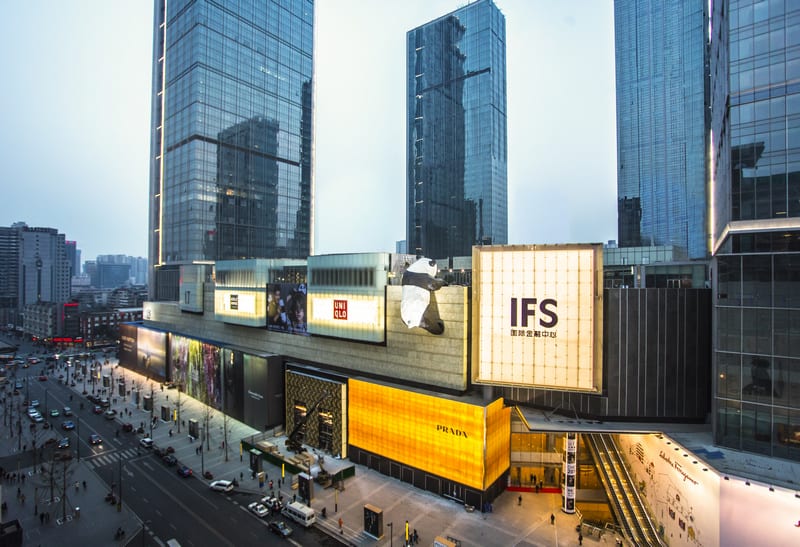
    The 206,000sqm Chengdu IFS mall which opened last year is trading 21 per cent ahead of budget.

    The mall’s success helped drive Hong Kong-based parent The Wharf Holdings’ Chinese revenues by 57 per cent to HK$1.984 billion in 2014. Operating profit in the market rose 30 per cent to HK$991 million.

    Located on the prime intersection of Hongxing Rd, Dacisi Rd and Beishamao St, Chengdu’s busiest pedestrian shopping area, the IFS (International Finance Square) mall is modelled on The Wharf’s Harbour City mall in Hong Kong.

    The total development area of 760,000 sqm features a mega shopping mall designed by Benoy, two premium-grade A office towers designed by Kohn Pederson Fox Associates, a luxurious residential tower and a premium hotel. The mall and the office towers were completed in 2014 and the full development will be completed this year.

    “Since its opening in early 2014, the mega mall has become a one-stop lifestyle shopping landmark in Western China, thanks to its unparalleled location, critical mass, world-class management and services,” said The Wharf in its 2014 profit announcement.

    “Its most comprehensive trade mix, lifestyle and entertainment offering fuels strong demand from the rising middle class. The presence of nearly 300 of the world’s most coveted brands (including over 100 debut stores of renowned brands in Western China) underlined retailers’ confidence in Wharf’s management expertise. With its 530 metre retail street frontage on par with Harbour City’s Canton Rd frontage, Chengdu IFS is comparable to Harbour City in terms of showcase effect and attraction power.”

    The mall is over 99 per cent leased, with 98 per cent of shops already trading. Since its opening, retail sales jumped 400 per cent and foot traffic by 250 per cent at year-end.

    The mall generated a revenue of RMB483 million in 2014, 21 per cent above target, and is expected to reap an annual retail revenue of RMB600 million at full operation.

    Further China success

    The Wharf’s other properties also enjoyed improved fortunes in 2014.

    Shanghai Times Square, located on Huaihai Rd, has been transformed into a high-end retail destination with the largest Lane Crawford store in China and a mega lifestyle specialty store City’Super, upon completion of its substantial renovation in 2013. The renewed mall alongside the new cluster on HuaiHai Rd and the new Lane Crawford complements one another and creates value. Shanghai Times Square was over 99 per cent occupied at year-end after the tenant mix was further refined with the addition of new brands, culinary and lifestyle tenants.

    The Wharf group is developing five IFSs in China, with a scale comparable to or surpassing that of Harbour City and Times Square in Hong Kong. These IFSs, upon full completion by 2017, will significantly enhance the group’s recurring income base in China and be a significant growth driver.

  • Jumei online sales soar on new focus

    Jumei online sales soar on new focus

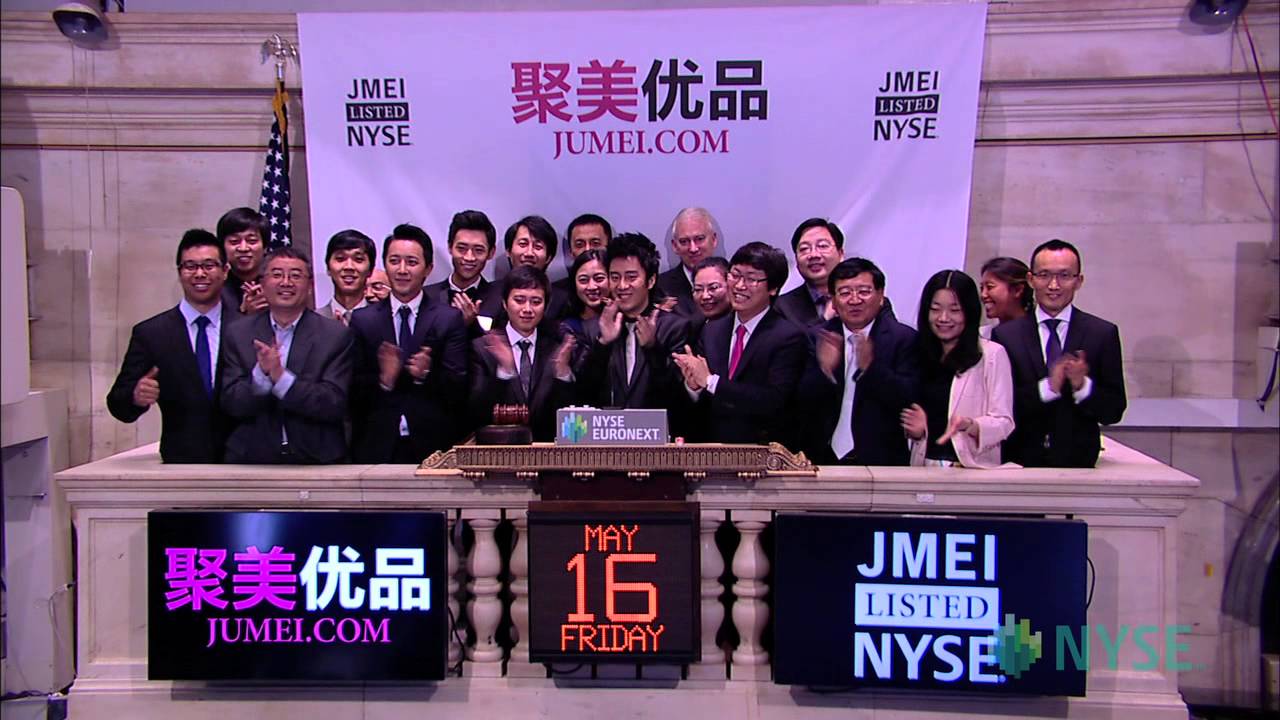
    Jumei International, the Chinese online retailer, says its 2014 net revenue increased by 31 per cent year-on-year to US$632.9 million.

    The increase reflects a change of focus away from its once core focus on own brand beauty products, to branded products and general merchandise categories and apparel.

    The total number of total orders increased 18.3 per cent year-on-year to 42.6 million, while the number of active customers increased by 26.7 per cent to 13.3 million.

    However in the last quarter of the year, Jumei online orders fell 5.9 per cent year-on-year to 9.6 million.

    For the full year, gross profit as a percentage of net revenues decreased to 39.5 per cent from 41.3 per cent in 2013. In the final quarter, it fell from 42.6 per cent to 30.4 per cent, primarily due to the company’s shift in strategy from beauty product marketplace sales to merchandise sales that started in September 2014.

    Gross profit increased by 25.3 per cent to US$250.2 million from US$199.7 million in 2013 and gross margin decreased slightly to 39.5 per cent from 41.3 per cent in the prior year.

    Jumei founder and CEO, Leo Chen, said the company had achieved “a solid recovery” of its business, recording its 11th consecutive quarter of profitability.

    “While fourth quarter 2014 was a full transitional quarter during which we no longer had beauty product marketplace business, we are very encouraged by the strong first quarter 2015 outlook.

    “The particularly strong sequential and year-on-year net revenue guidance indicates a strong recovery driven by Jumei Global which witnessed rapid growth from late December 2014. Not only were we able to fully replace former beauty product marketplace SKUs with Jumei Global, we were also able to achieve what we believe is best-in-class quality control and customer satisfaction.”

    By offering direct purchase from brand, competitive pricing and fast delivery speed, Jumei Global is now the largest cross border eCommerce platform in China, which is a crucial part of its growth strategy for 2015.

  • Apple Watch knock-offs hit China stores

    Apple Watch knock-offs hit China stores

    Apple’s new Watch range won’t be on sale until late next month.

    But Chinese consumers whose appetite for the wrist-mounted communications technology has been whetted by the high profile Apple Watch launch last week can already buy similar products at a fraction of the price.

    Apple Watch real and copy 315One is real, the other is a copy. Can you tell which is which? Answer at the end of the story.

    Knock-offs, copies, imitations, fakes – it’s hard to categorise the new breed of rival products hitting retail store shelves. For sure, some are blatant copies of the Apple Watch and their makers are likely to find themselves on the receiving end of litigation from Cupertino. But others fit into a large grey field of the retail landscape: conceptually they may be similar, they may even look alike (a watch is a watch, right?) but some operate on Google’s Android operating system making it extremely difficult to dub them fakes.

    The official Apple Watch goes on sale in three styles, ranging in price from US$350 to $17,000.

    But already Alibaba’s Taobao is selling a watch called the AW08 for $59 which can be connected to devices running Google Android and delivered within 24 hours. Other similar products cost as little as $39.

    According to tech news website Geekwire.com, other “knock-offs” branded D-Watch, Airwatch A8 and Ai Watch are also available on Taobao at prices substantially below the Apple Watch and “designed to look just like the Apple Watch”.

    Some commentators question whether the knock-off phase will damage Apple, in a nation where image and status is of growing importance, or if all the hoopla will actually help Apple’s brand and product awareness, driving sales of the ‘real McCoy’.

    “Most people who buy them will do so knowing they are not Apple’s real Watch,” Matthew Forney, president of the business consultancy Fathom China, told the BBC.

    “Apple products are very popular in China, and it’s possible that Chinese consumers will want to be seen to be the first person on their block to wear its Watch. However, I think most of those consumers are aware that there has been an issue with fakes and copycats on Taobao and would be highly suspicious of the devices.”

    Others are worried about the damage such businesses do to brands in general.

    “These guys are specialists,” Laurent Le Pan, founder and CEO of the Omate smartwatch maker told CNN Money.

    “The speed at which they can bring copies on the market is amazing. The hardware is not the big challenge – the hard part is on the software and the application side. In the end, you sometimes need to be an expert to tell the difference between real and fake.”

    For now, Apple might own the Watch space with the perception it is the first to market – other brands have already released smart watches of their own, but to date few if any connect to smartphones, their features largely limited to exercise measuring and physical fitness monitoring. But that won’t hold for too long, with Apple’s second wave of competition coming from established genuine brands rather than the armada of copycats.

    Swatch, the world’s largest watchmaker, plans to launch a smart watch to undercut Apple and other legitimate rivals featuring Near Field Communication (NFC) chips later this year, which will allow payments by watch, among other features.

    Rival manufacturers will have to be compatible with iOs or Android, so most will focus on Android given the likely barriers Apple will place on sanctioning direct competitors on its own OS.

  • JD’s new delivery app to boost online-to-offline business

    JD’s new delivery app to boost online-to-offline business

    JD Inc, one of China’s biggest e-commerce companies, has introduced a new delivery app for urban Chinese. Paidaojia allows users to place online orders for delivery from nearby merchants, whether convenience stores or restaurants, according to China Daily. JD guarantees delivery within 2 hours on orders from stores within 3 kilometers. JD CEO Liu Qiangdong said in a statement that the app is a strategic move to capture more of the online-to-offline market. Along with the company’s logistics and delivery system, JD plans to build Paidaojia into a “local life and service platform.

    ” The company has already tested the app with a pilot program in Beijing and Shanghai. By the end of March, Paidaojia is expected to serve communities within Beijing from the city center to the fourth ring road. From there, the service area will expand to other large Chinese cities, including Shanghai, Shenzhen, and Guangzhou.

  • Li-Ning retail revamp finally working

    Li-Ning retail revamp finally working

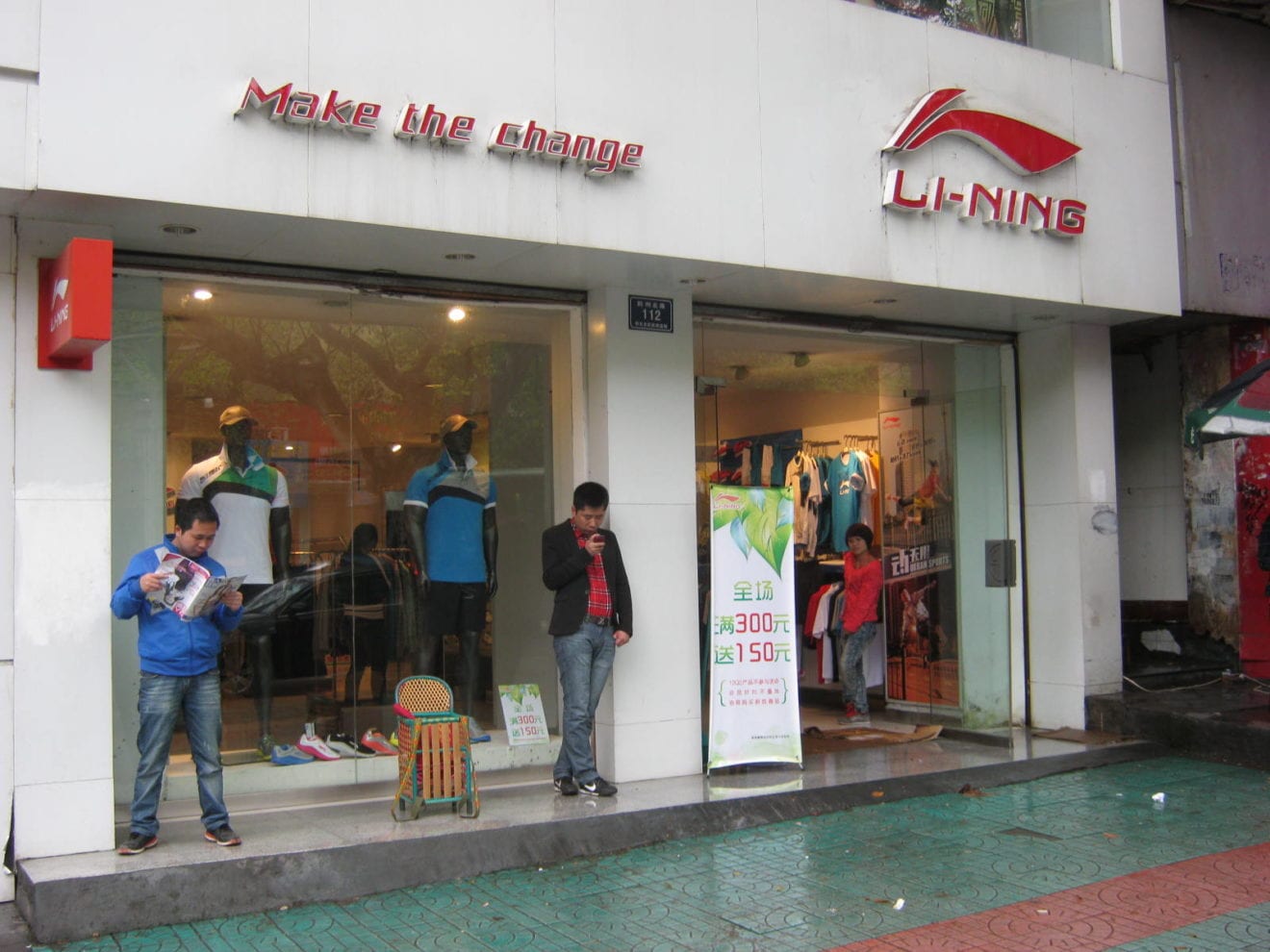
    Embattled Chinese sportswear brand Li-Ning is continuing to rebuild its massive Chinese store network as it works to return to profitability.

    The company ended the year with 5626 stores, a net decrease of 289. But it boosted its company-operated store network by nearly 30 per cent as it continued to cull franchisees across the nation.

    Li-Ning expanded its own network from 926 at the end of 2013 to 1201, and culled its franchisees by 565, or 11 per cent, 4424.

    “In 2014, we devoted our efforts in improving retail capability among all channels,” the company said in its earnings statement.

    “We focused on strengthening management on merchandising, retail execution, channel expansion and innovations. The higher overall efficiency as well as fast response to market and consumer appeals laid a solid ground for better retail results.”

    Li-Ning reported a net revenue growth of 16 per cent to RMB6,728 million (US$1.085 billion) for the full year, but said its second half revenue growth rate was a higher 23 per cent.

    It reported a pretax loss of RMB323 million ($52 million), although made a second half profit of RMB28 million ($4.5 million), suggesting the turnaround strategy is beginning to work at last.

    Much of the rebuilding effort is focused on its retail strategy in the sportswear market, a retail category which is saturated with international and local brands and an oversupply of retailers, a situation dating back to the national sports craze fuelled by the Beijing Olympics in 2008.

    Li-Ning says it has established a management team to standardise store opening and operations to ensure they become profitable within six to nine months.

    “In 2015, we will continue to review some of the markets we lost while seeking opportunities to open new stores. One of the challenges we are still facing today is that many of our sub-distributors are single-store operators with low productivity and poor retail operations. Many of them have an outdated inventory mix which makes the store look stale and affects its revenue-generating capability, resulting in the threat of operating loss and store closure. In 2014, we identified multiple approaches to address sub-distributor revival, which have made some preliminary positive results.”

    Behind the scenes, the Li-Ning retail revamp has seen a variety of processes implemented to improve store performance.

    Its sales department worked closely with its product category department and distributors to classify stores by attributes of consumer needs, in order to drive better store assortment planning, which has greatly improved its order accuracy and effectiveness.

    “We also started our efforts in making further segmentation and differentiation of commercial districts to align store assortment planning with product categories. Stores were grouped for management by city tier, commercial zone, consumer segments, sports/sports life relativity, etc. based on our product category strategy.”

    A new ‘Resources Management Platform’ monitors and optimises inventory resources, helping predict forward order matching and in identifying warehouses, distributors and subsidiaries which have inventory excesses or shortfalls. That enables decisions on order rebalancing, merchandise allocation, sales promotion and clearance to be more accurate.

    “We have been able to catch the opportunity to replenish the bestsellers since 2014 Q2 to distributors and sub-distributors with out-of-stock situation. Throughout the year, we also intentionally offloaded the seasonal slow- moving products to discount stores, to clear up the space in regular stores for the bestsellers.”

    Li-Ning’s sales promotion strategy has moved actual retail prices more in line with the market needs and authorisation for price changes has been delegated  to regional level to allow a more flexible response to competitors.

    “These reforms on retail operation resulted in strong growth of more than 18 per cent in our current season product sales in regular stores in 2014, with over 80 per cent of our sales driven by our current and prior season products. Retail discount was improved across the stores, which helped increase gross margin of stores and profitability of distributors. Driven by the improving retail efficiency, our same store growth turned positive in the second half of the year and recorded a high single-digit growth in the fourth quarter.”

    Li-Ning also focused on expanding its LNC (Li-Ning Collection) retail brand, which focuses on premium products in the sports life category to expand the middle and premium consumer market. The stores offer a mixture of cross-category products originated by Korean designers, with the endorsement of Jessica (a former member of the Korean pop group Girls’ Generation), which attracted fashion-minded consumers. More than 10 LNC stores have been opened which contributed sound results in the fashion mall channel, and more new stores are scheduled in 2015.

    Li-Ning also worked with Korean Visual Merchandising Display specialists ESPEC to revamp its store look and visual displays. The result is a seventh generation store format which highlights sports attributes and introduces more fashion elements.

    “Currently, we have four stores of the seventh generation in operation. We believe that, fuelled by the new store image, our retail results will be positioned for effective improvement and enhancement.”

    Li-Ning says its eCommerce business posted revenue growth of 48 per cent in 2014.

    “Our flagship stores on major eCommerce platforms such as Tmall and JD have more than doubled in size, with wider and better assortment and excellent operations.

    On the key November 11 trading day, Li-Ning recorded sales of RMB77 million ($12.4 million), ranking No. 2 in the sports/outdoor category and overtaking both Nike and Adidas.

    In 2015, the company plans to further enhance its presence in the fast growing mobile channel, strengthen its digital innovations, build up an ‘O2O’ eco-system and customer relationship management platform and “provide a world-class Omni-channel shopping experience for customers”.

  • UnionPay in giant duty free pact

    UnionPay in giant duty free pact

    UnionPay International has launched a privilege program featuring special discounts at 80 duty free shops in 70 airports by partnering with 16 world-renowned duty free groups.

    Holders of UnionPay cards with a number starting with 62 can receive discounts of at least five per cent during their international travels.

    “As China becomes the world’s second largest tourism source country, we’re keeping up with the trends that individual and in-depth tours have become more popular to continuously enrich our global cardholder privilege system,” said Dong Li, chief branding officer of UnionPay International.

    “Airport duty free shops are must-visit shopping sites for many during their travel, we wish to provide both domestic and overseas cardholders with better card-using experiences at airports around the world by rolling out the latest privilege program.”

    The program is an upgrade of the one of last year that features exclusive discounts at 60 airport duty free shops with many highlights.

    It covers a wide range of destinations inside Asia and beyond, including Hong Kong, Taiwan, Japan, South Korea, southeast Asia, Europe, North America, Australia, New Zealand and the Middle East. A total of 17 airports among the top 20 global ones in terms of passenger flow participate in the program.

    The promotion is focussed on the Labor Day and summer holiday vacation season during which Chinese tourists prefer to travel. But about 30 per cent of the duty free shops, including those in Paris Charles de Gaulle Airport, Toronto Pearson International Airport and Ngurah Rai International Airport, will extend the offers until the end of 2015.

    A large number of new merchants are involved. International airports in emerging tourist destinations including Russia, Italy, Qatar, South Africa, Finland, Belgium and Fiji participate for the first time. UnionPay International also offers privileges in 5 domestic airport duty free shops in Guangzhou, Hangzhou and Kunming to overseas UnionPay cardholders.

    Currently, the overseas UnionPay acceptance network has expanded to 150 countries and regions. UnionPay cards are accepted by 26 million merchants and 1.8 million ATMs worldwide. UnionPay has become the preferred payment service provider of Chinese outbound tourists. Since last year, UnionPay International has launched privilege programs featuring discounts at airport duty free shops, core business districts and tourist destinations.


  • Walmart China to add 30 stores

    Walmart China to add 30 stores

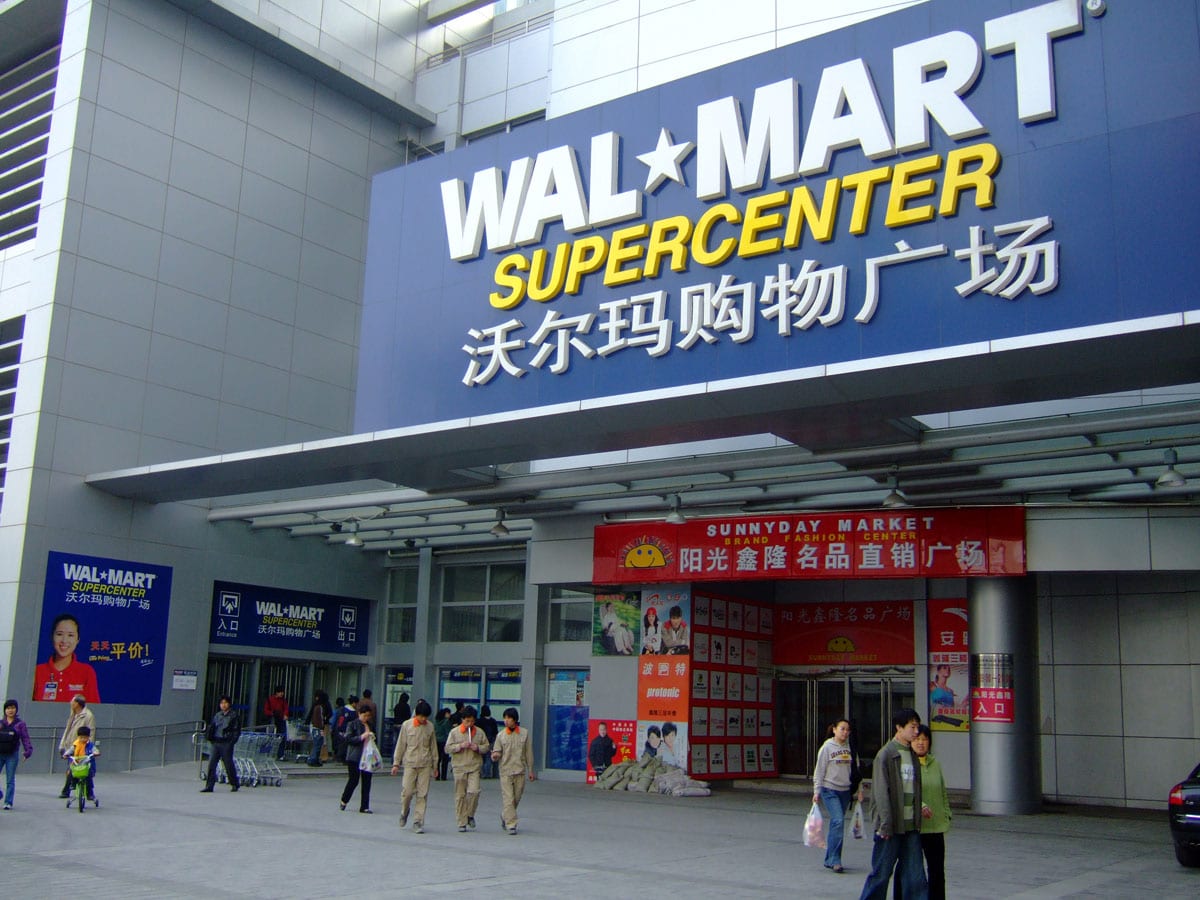
    Walmart China plans to open 30 new stores in China this year, according to media reports from China.

    In addition to the store openings, the US-based retail giant says it will invest US$59.11 million in upgrading about 50 existing stores to modernise them.

    According to a report in the Shenzhen Daily newspaper, five or six of the new hypermarkets will be located in the Guangdong province and two will open in undisclosed locations in Shenzhen. The company already has about 80 stores in Guangdong and four distribution centres.

    Walmart has struggled to gain traction in China despite its enormous buying power and the importance of the nation as a product source for its global store network.

    But it has still managed to build a 400-store strong network, despite intense competition from local rivals.

    The Shenzhen Daily said Walmart China had increased both its sales and profit last year.

    It reported the Sam’s Club in Shenzhen’s Futian District is the top-selling Walmart store worldwide.

  • Alibaba: Microsoft, Amazon are friends – not rivals

    Alibaba: Microsoft, Amazon are friends – not rivals

    Amazon and Microsoft are “friends” not rivals of Alibaba in the cloud computing space, a top exec at the Chinese e-commerce giant told CNBC.

    The comments come just a few days after Alibaba opened a data centre in Silicon Valley – its first on US turf in a cloud market dominated by Amazon, Google and Microsoft.

    But Ethan Yu, the international head of Alibaba’s cloud division, Aliyun, told CNBC that the company was not in competition with its US counterparts.

  • Pay by face: Jack Ma’s new frontier

    Pay by face: Jack Ma’s new frontier

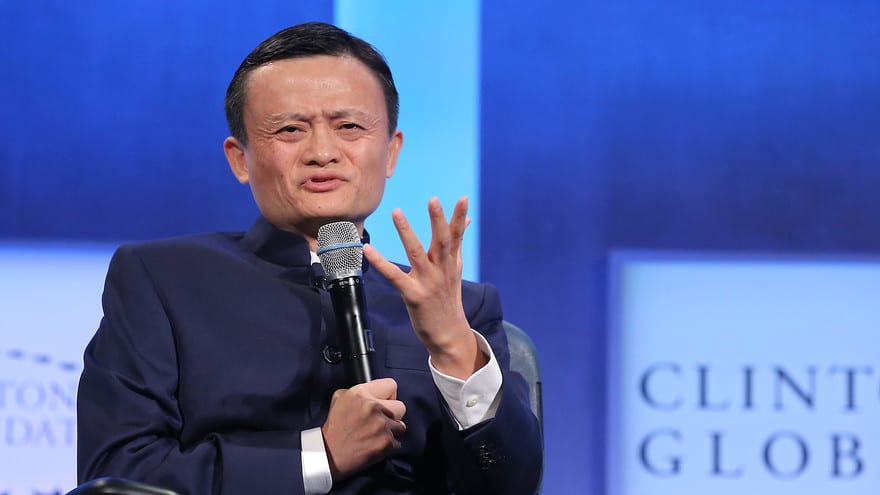
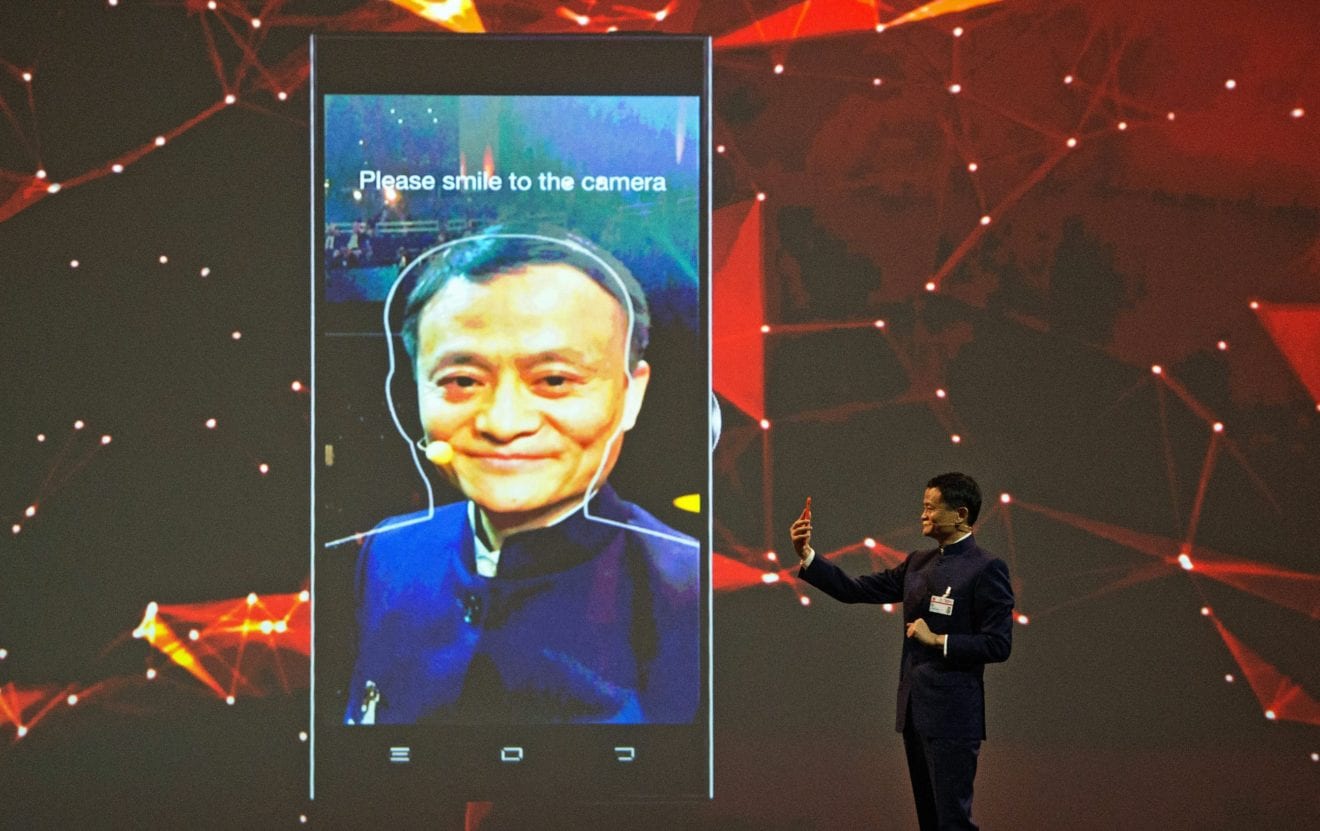
    Alibaba executive chairman Jack Ma has shocked the IT world by demonstrating technology allowing shoppers to ‘pay by face’.

    The concept is simple: using facial recognition technology consumers can have their face scanned to prove their identity and settle for goods they’ve purchased when shopping online on their smartphone.

    Alibaba news service Alizila describes the technology as “what might be a mobile-tech match made in heaven: selfies and online-payment security”.

    Ma unveiled the concept, still under development by Alibaba Group researchers, after a presentation at the opening ceremony for CeBIT, the annual IT and business expo in Hannover, Germany.

    The demonstration is included in this full length video of his presentation – fast forward to the 1:17:45 mark to watch the short pay by face section.

    As the smartphone increasingly becomes the digital tool of choice for the average Chinese, eCommerce giant Alibaba Group has been pushing the development of several technologies that make it easier and more secure to shop using mobile devices.

    “Online payment to buy things is always a big headache,” Ma said in a Steve Jobs-like “one more thing” moment following his keynote speech.

    “You forget your password, you worry about the securities… today we show you a new technology in the future how people can buy things online.”

    As yet, there is no word from Alibaba on when Ma’s beta version will be ready for prime time testing.

  • Iconix takes control in China

    Iconix takes control in China

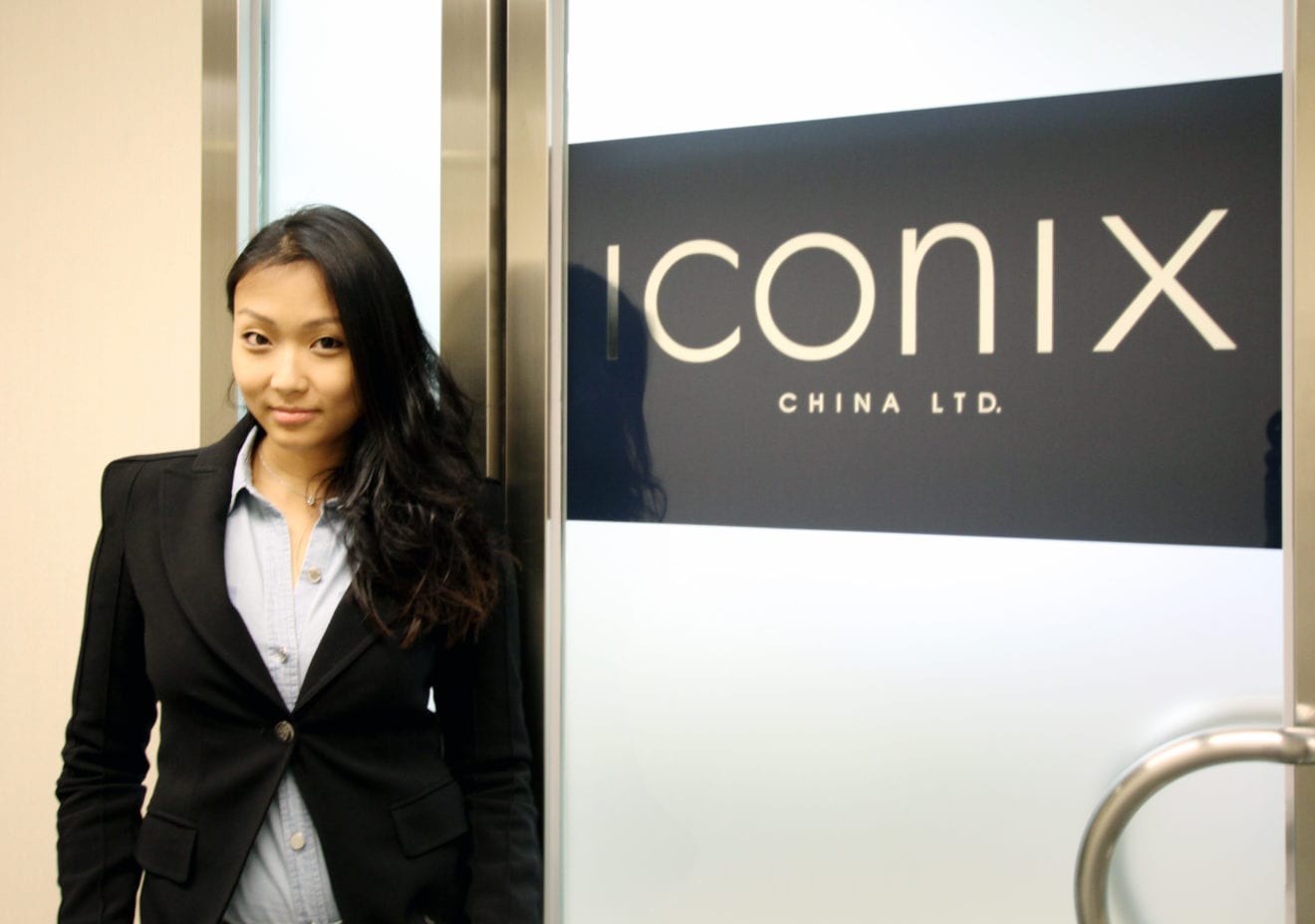
    Iconix Brand Group has bought the 50 per cent stake in its China joint venture from partner Novel Fashion Brands.

    Iconix paid Novel’s owners, the Chou family, $56.4 million for the share, of which $40.4 million was paid in cash and $16 million was paid in the company’s common stock.

    “We view China as a major growth opportunity. Through Silas and Veronica Chou’s expertise and relationships, Iconix China has successfully launched nine of our brands with more than 900 standalone stores, shop-in-shops and counters throughout China,” said Neil Cole, chairman and CEO of Iconix.

    “Now that our business has gained sufficient scale, we have decided to acquire management and control of the business, consistent with the next phase of our international growth strategy.”

    Iconix China was formed in September 2008 and to date has successfully launched Candie’s and Marc Ecko Cut & Sew with Shanghai La Chapelle Fashion; London Fog with China Outfitters; Material Girl with Ningbo Peacebird; Ed Hardy with Landmark International;  Ecko Unltd with Xi Ha Clothing; Badgley Mischka with Eve NY, Joe Boxer with Northeast Socks and Royal Velvet with Qingdao Hongfang.

    The company’s operating model, different from the US parent company’s traditional licensing model, has been to attract entrepreneurs and fast-growing local Chinese companies, providing them with an Iconix brand in which they invest through the build-out of stand-alone stores and shop-in-shops, and in return Iconix China receives an equity stake in the newly formed venture.

    The largest brand in the Iconix China joint venture is Candie’s, which partnered with Shanghai La Chapelle in 2010. The Candie’s business in China expanded to more than 700 stores and shop-in-shops by 2014 and is poised for continued growth.

    The company’s business platform in China also includes its three global brands of Peanuts, Umbro and Lee Cooper which have been managed outside of the joint venture.

    China has been one of the fastest growing territories for the Peanuts brand. Today, Peanuts has over 2000 points of distribution across China including 20 Charlie Brown Cafe’s, and significant growth potential with the highly anticipated launch of the Peanuts movie.

    Last year, Iconix partnered with Global Brands Group (a spin-off of Li & Fung) to build out the Lee Cooper and Umbro brands in China, both of which have strong brand recognition in the region.

    Willy Burkhardt, EVP, MD international, said the transaction will take the company closer to the Chinese market, which is strategically important to the business.

    “It will help us to identify potential brand acquisitions and develop new business opportunities for our unplaced brands.”

    This transaction provides Iconix with full control and ownership of Iconix China, which also includes equity stakes in an additional six retail ventures of which four have plans to go public in the next five years and control over a portfolio of 15 unplaced brands.

    Iconix Brand Group’s global portfolio also includes Rampage, Mudd, Mossimo, Ocean Pacific, Danskin, Rocawear, Charisma, Starter, Zoo York, Sharper Image, Strawberry Shortcake and partnerships in Billionaire Boys Club, Ice Cream, Buffalo, Nick Graham and Pony brands.

    In 2014, the company signed a joint venture with Global Brands Group and is experiencing solid gains in both the top line and equity earnings.

  • WeChat owner’s profit soars

    WeChat owner’s profit soars

    WeChat parent Tencent says its profit soared 54 per cent in the year to December.

    Tencent, which also owns instant messaging service QQ, says profit was boosted by breakthroughs in the technology behind online security and mobile payments.

    With Facebook banned in mainland China, WeChat is one of the most-used social networking services and has a growing role in providing retail chains with eCommerce and brand marketing touchpoints with consumers in China and beyond.

    Shenzhen-based Tencent reported a profit of 23.81 billion yuan (US$3.82 billion) on sales of 78.93 billion yuan, up 31 per cent year-on-year.

    Chairman Ma Huateng said its social platforms QQ and WeChat continued to “innovate and grow”. More than 500 million people used WeChat as at the end of 2014 – 41 per cent more than at the end of 2013 – an astonishing figure for an app launched only in 2011.

    Online game revenues rose 40 per cent to 44.76 billion yuan with social media revenue up 43 per cent to 18.56 billion yuan.

    WeChat users can book and pay for taxis, share text, photos, videos and voice messages and meet strangers by shaking phones or searching for people located close by.

    Last year, Tencent launched WeBank, an online bank which has no physical branches.

  • Jimmy Choo China plots expansion

    Jimmy Choo China plots expansion

    Jimmy Choo China plans more stores as Asia drives the newly-listed brand’s global growth.

    This week, Jimmy Choo posted its first results since floating on the London Stock Exchange last year – a small pre-tax loss, largely attributable to IPO costs.

    About half of the nine new stores the company opened In 2014 were in China. Now it plans to open up to 15 stores a year for the foreseeable future.

    “We are expanding in Asia and selected new markets where we are underpenetrated compared to our peers,” said CEO Pierre Denis in a statement.

    “This has been a year of great financial, strategic and operational progress for the company.

    With our unique DNA and experienced team we have continued to deliver products that resonate strongly with our clients. As a specialist brand we have invested to outperform in this attractive and complex category thus delivering operating leverage.”

    Jimmy Choo’s designs are clearly resonating with Asian consumers, particularly those in China. Asia is its strongest growth region and when it launched its IPO the company said funds raised would help its strategic focus on the market.

    Meanwhile, the company says men’s shoes and its Made to Order service helped drive a 5.7 per cent year-on-year sales increase in its retail operation to £192 million.

    “We remain focused on executing our growth strategy and pursuing growth without compromising our brand or its luxury position despite the more challenging macroeconomic environment,” said Denis.

  • Starbucks China expands in grocery

    Starbucks China expands in grocery

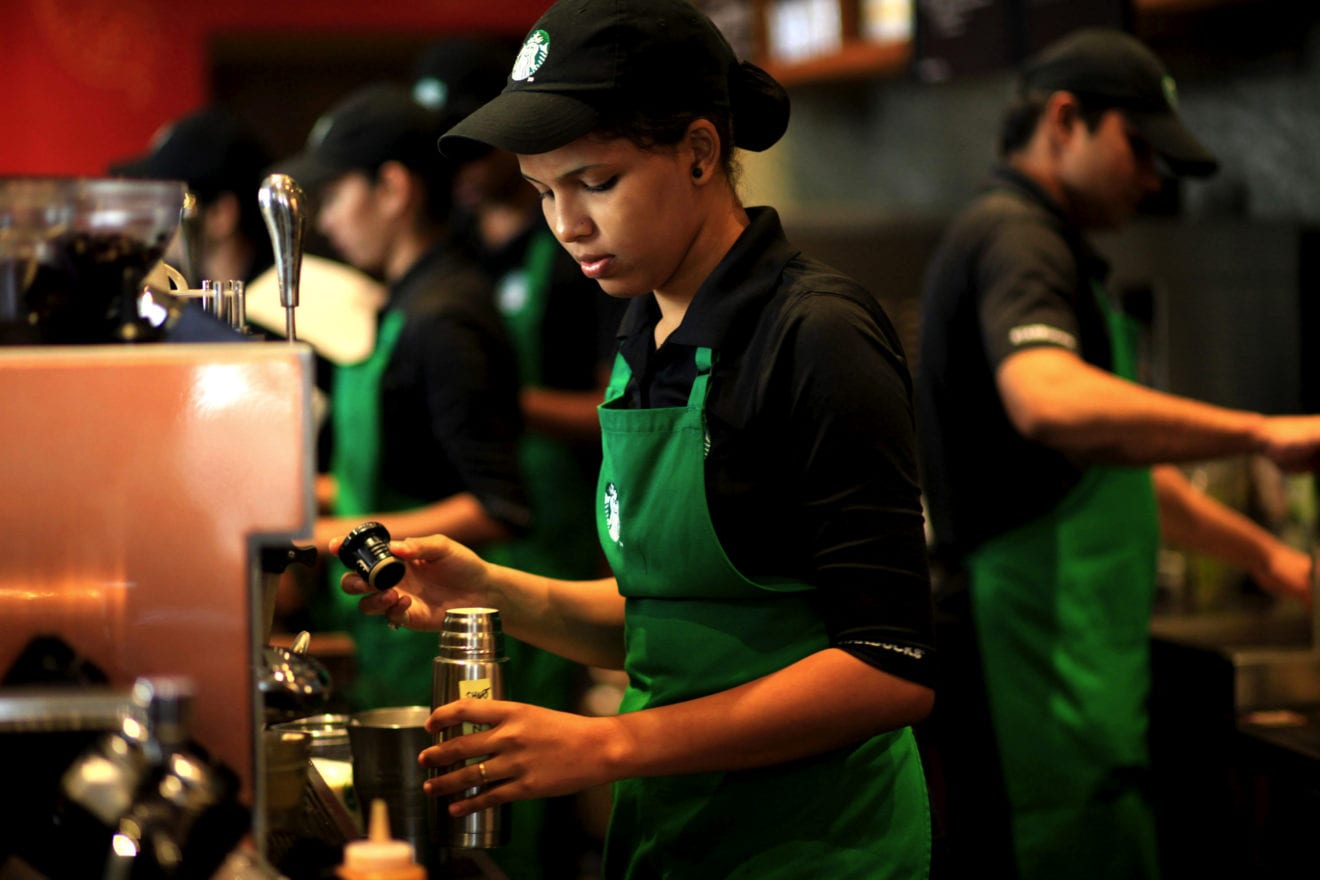
    US coffee retailer Starbucks has signed a joint venture in China to manufacture and distribute ready-to-drink beverages in the grocery channel.

    Starbucks China chose listed Chinese drinks company Tingyi Holding Corp, which trades as Master Kong, to make and sell the drinks in supermarkets and convenience stores.

    Starbucks will be responsible for providing coffee expertise, brand development and future product innovation, and Tingyi will manufacture and sell Starbucks RTD portfolio in China.

    China is already Starbucks’ fastest growing market worldwide with the chain already operating more than 1500 cafes in 90 cities. Now it wants to use its brand strength to gain its share of the coffee-on-the-go and home-consumption markets.

    The RTD coffee and energy category is a $6 billion business, and is projected to grow by 20% over the next three years, according to Euromonitor data.

    In a statement, Starbucks said the agreement leverages the respective strengths of Starbucks and Tingyi to bring the entire Starbucks RTD portfolio to customers in China as well as the ability to innovate specifically for the China market.

    Tingyi is a leading Chinese food and beverage producer which, after more than 20 years of development, boasts world-leading production facilities and management expertise with a broad spectrum of quality channel resources. Tingyi’s local manufacturing, sales and distribution expertise combined with Starbucks strong brand recognition and coffee expertise will unlock new market opportunities.

    “We are pleased to work with Tingyi, a leader in China’s RTD beverage category, to unlock the massive ready-to-drink market and grow local demand for Starbucks,” said John Culver, group president, Starbucks Coffee China and Asia Pacific, channel development and emerging brands.

    “Our agreement enables us to develop new categories and occasions to delight our customers and connect people outside of our stores to Starbucks where they live, work and play.”

    James Wei, CEO of Tingyi Holding Corp, said the China RTD market has a huge growth potential.

    “The agreement with Starbucks will further expand Tingyi’s beverage product portfolio and enables us to provide consumers with more high-quality and convenient product options and experiences. As part of this cooperation, Tingyi will leverage its strength in production and distribution to increase the market share of Starbucks’ RTD products in the Chinese market.”

    Today, customers in China can purchase Starbucks Bottled Frappuccino beverages in nearly 6000 locations including select Starbucks retail stores, grocery and convenience stores throughout mainland China. Through this agreement, Starbucks and Tingyi plan to bring new and existing Starbucks Bottled Frappuccino in the marketplace during 2016, which will be followed by innovation and an increased number of locations and cities for consumers to purchase Starbucks RTD products.

  • Amazon China to open Tmall shopfront

    Amazon China to open Tmall shopfront

    Amazon has shocked the online world by announcing a partnership with China archival Tmall.

    Amazon China will open a store on Tmall, the successful Alibaba subsidiary, in April. It will offer a “select range” of about 500 goods in what it stresses is a pilot program.

    Alibaba, with Tmall, Taobao and other portals, account for more than 70 per cent of the online market in China, a market in which Amazon has struggled since 2004 to gain any critical momentum.

    “We welcome Amazon to the Alibaba ecosystem and their presence will further broaden the selection of products and elevate the shopping experience for Chinese consumers on Tmall,” an Alibaba spokeswoman said in a statement.

    Chinese have an insatiable thirst for foreign made and marketed goods, but selling to them through eCommerce platforms other than local ones has proven a virtually impossible challenge for companies outside China. If you don’t open on Tmall, or a smaller rival site, it’s almost impossible to achieve a sustainable volume.

    That reality is well illustrated by the fact that Amazon is the fifth largest player in China’s eCommerce market, yet its market share is a miniscule 1.4 per cent.

    Analysts surmise Amazon’s move is intended to boost visitor numbers to its own site rather than any prelude to a merger, by increasing local brand awareness.

    “China’s e-commerce industry is fast growing and nobody wants to miss it,” said Yang Xiao of eCommerce service provider HC International. “Amazon wants to add an additional distribution channel in China.”

    He suggests the strategy may be aimed more at gaining traffic and volume away from JD.com, a smaller rival to Tmall with a similar business model to Amazon.

    “It’s simple game logic – an enemy’s enemy is a friend,” Yang said. “Amazon is more likely targeting JD.com and it’s a win win situation for Tmall.”