Tag: China

  • Country Style Cooking focuses on quality

    Country Style Cooking focuses on quality

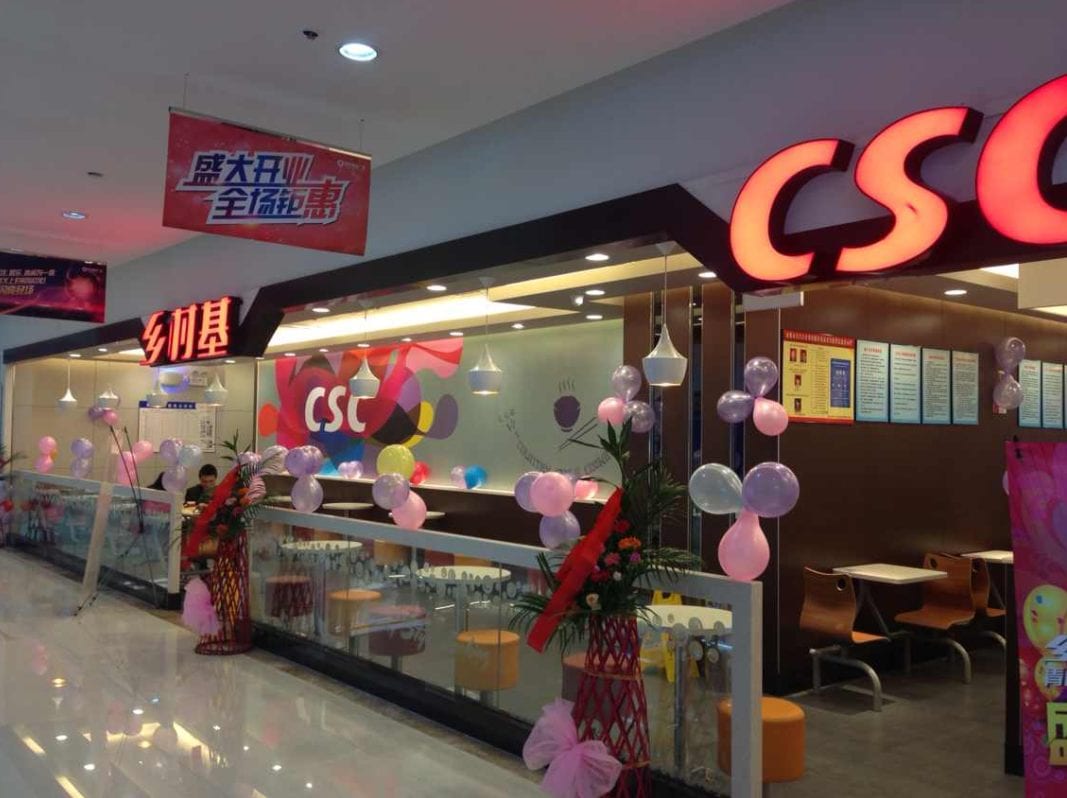
    Fast growing Chinese QSR operator Country Style Cooking Restaurant Chain has reported a decline in same-store sales as it focuses on quality rather than price.

    Total revenue in 2014 rose 7.5 per cent to RMB1.46 billion ($235.7 million), but comparable sales slid 5.3 per cent. The company’s restaurant network grew from 293 outlets to 337 year-on-year, but the same store comparison included 228.

    “The QSR (quick service restaurant) industry in China remains highly competitive and we continue to evaluate opportunities to further improve performance and customer loyalty,” said Xingqiang Zhang, Country Style Cooking CEO.

    “Instead of engaging in intense price wars, we have been focusing on training our cooks and staff, developing new dishes and combo meals, refining our online ordering experience and renovating some of our older stores, upgrading visual identification and interior decoration to improve brand recognition, customers’ dining experience and overall customer satisfaction.

    “We believe this commitment to invest in our future will differentiate us from our competitors and reinforce our leadership in China’s QSR industry, resulting in higher levels of long-term revenue and profit growth.”

    Country Style Cooking said its restaurant operating margin was 13.8 per cent in 2014, down 130 basis points from 2013. Income from operations decreased by 33.3 per cent to RMB22.6 million ($3.6 million). Net income in 2014 was RMB38.0 million ($6.1 million), compared to RMB39.6 million in 2013.

    Fourth quarter revenues rose 7.4%, while comparable restaurant sales decreased by 7.7 per cent, (with 252 restaurants in the comparison). It lost RMB700,000 ($100,000), compared to income from operations of RMB1.7 million in the same quarter of 2013.

    Xingqiang Zhang said the company met both its fourth quarter and full year 2014 financial forecast.

    “Our fourth quarter financial performance showed modest top line growth, primarily supported by our expanding restaurant network. As previously announced, during the fourth quarter of 2014, we signed a strategic cooperation agreement with an e-commerce company, Yimutian, to build a more efficient procurement model. We are firm believers in utilising the technology and leveraging the strengths of our business partners to enhance our operations.”
  • Isabel Marant to launch in China

    Isabel Marant to launch in China

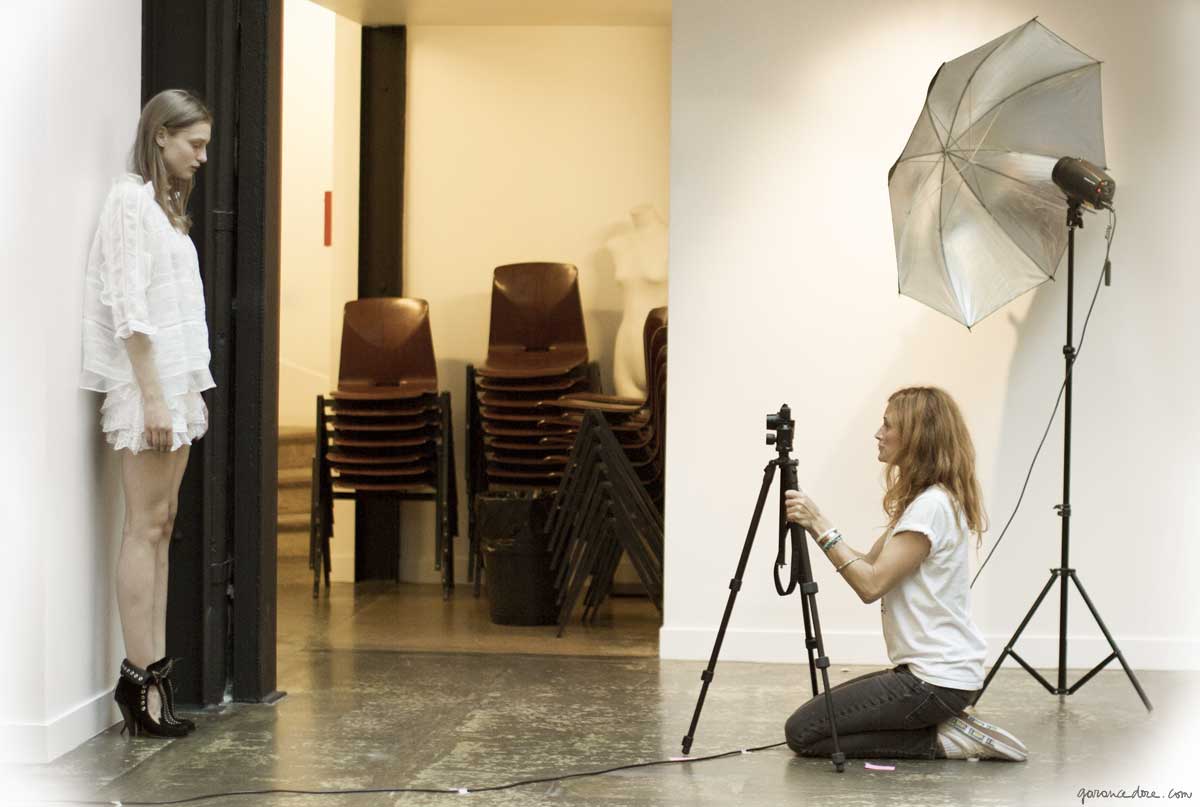
    Paris-based fashion brand Isabel Marant will expand across Greater China after entering into a partnership with Lane Crawford subsidiary ImagineX Group.

    The two companies have entered into an exclusive strategic partnership to develop the Isabel Marant brand as well as its second line, Isabel Marant Étoile, to open a 12 points of sale within five years.

    The first free-standing Isabel Marant boutique will be launched in Hong Kong at On Lan St in July 2015. Rollout plans include high profile stores in Hong Kong, Beijing, Shanghai, and Macau.

    Isabel Marant started designing jewellery and knitwear in 1990 and established her collection of ready-to-wear four years later. She opened her first store in Paris in 1998 and today her designs are located in 18 Isabel Marant boutiques and more than 800 luxury multi-brand retailers worldwide.

    Isabel Marant CEO Sophie Duruflé said Isabel has always remained true to her design DNA with each of her collections and has never compromised on her vision.

    “Our partnership with ImagineX is in line with this spirit and we have great confidence in their management of the brand, the collections and our growth in Greater China.”

    Since 1992 ImagineX has built a portfolio of 21 international luxury and contemporary fashion, beauty and lifestyle businesses in the region, including Salvatore Ferragamo, Marc Jacobs, Donna Karan, Paul & Shark, Paul Smith, DKNY, Tumi and Scotch & Soda.

    Executive director Alice Wong described the addition of Isabel Marant to its brand portfolio as “a coup”.

    “It is also strategic for our continued appeal to both luxury and contemporary consumers. Her eponymous brand, Isabel Marant caters for our luxury clientele and for those consumers seeking value, her diffusion line, Isabel Marant Étoile is ideal.

    “This fresh and effortless urban style is very appealing for the Chinese consumer who is looking for an inspirational look worn by many style icons such as Kate Moss or Gisele Bündchen. We just see the brand having enormous potential in this market due to its heritage of carefully constructed design and eclectic essence of Isabel herself,” she added.

  • China retail sales ‘sluggish’

    China’s retail sector is continuing to expand faster than in any other major market in the world – but the growth rate continues to slow.

    The National Bureau of Statistics said on Wednesday that China retail sales grew 10.7 per cent year on year to 4.8 trillion yuan (US$779 billion) in the first two months of 2015.

    That’s a full 1.3 percentage points slower than the annual growth rate for 2014.

    According to the bureau, the restaurant and catering sector achieved an 11.2 per cent year-on-year sales rise in revenue and sales of ‘other consumer products’ increased by 10.7 per cent.

    Online retail sales soared 44.6 per cent year on year to 475.1 billion yuan.

    Analysts attributed the slowing growth rate to sluggish property sales (reducing demand for housewares and furniture, etc) and the ongoing government clampdown on corruption and gift-giving, as well as general economic malaise.

    The growth rate was lower than the 11.7 per cent consensus of analysts prior to the bureau’s announcement.

  • Chow Tai Fook takes homeland hit

    Chow Tai Fook takes homeland hit

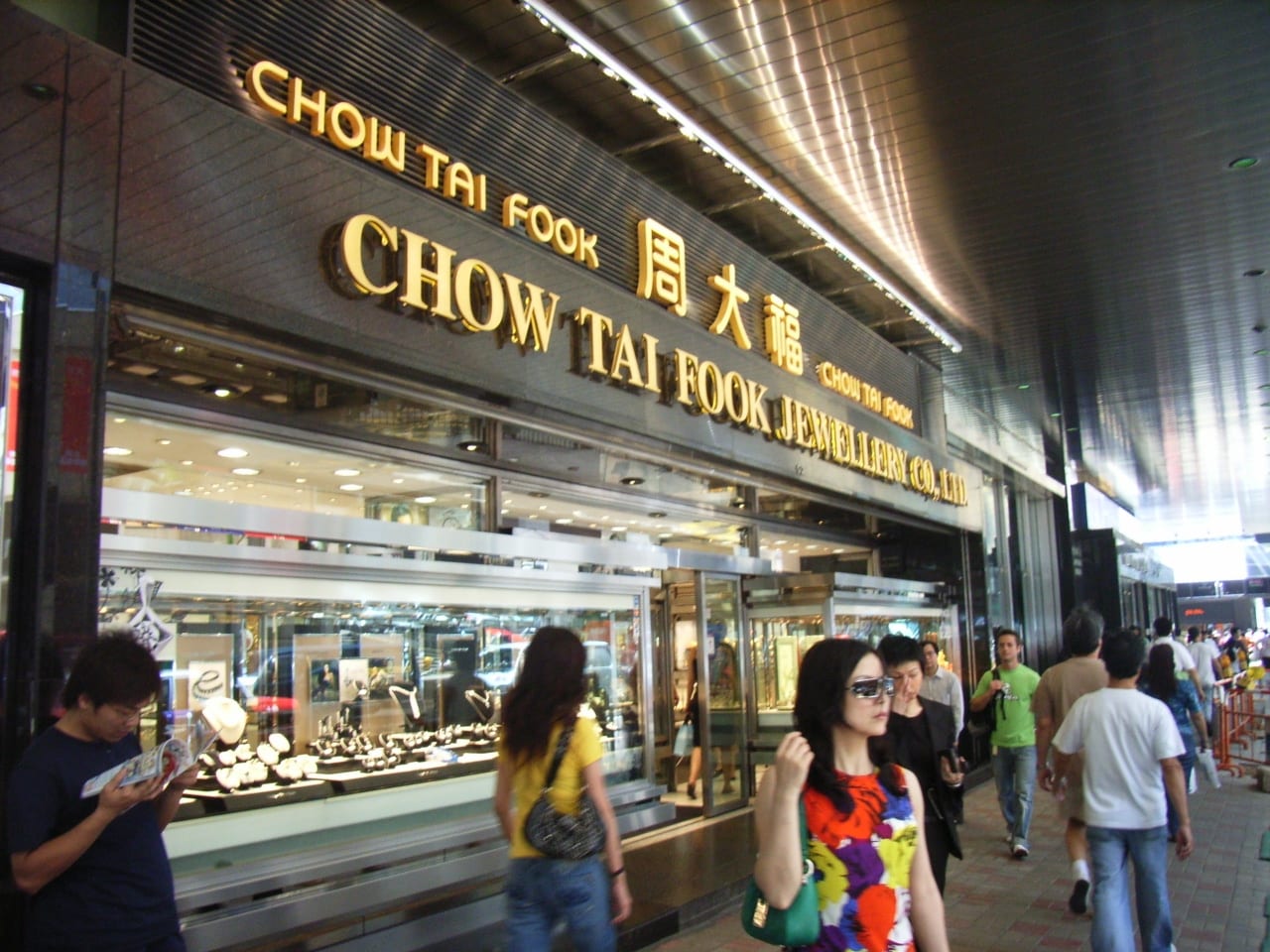
    Hong Kong based jeweller Chow Tai Fook says sales in its core Hong Kong market plunged 29 per cent over Lunar New Year.

    However an 11 per cent rise in mainland sales saw its total sales rise nine per cent during Lunar NY 2015 compared with the same season in 2014.

    In the mainland, same store sales of gem-set jewellery rose 62 per cent and of gold by two per cent. But in Hong Kong and Macau, gem-set sales fell 17 per cent and gold sales by 38 per cent – a rate even worse than the disappointing last quarter of 2014.

    In a statement, the company blamed weak consumer sentiment for a decline in sales of high-end products.

    Also a likely factor was the changing demographic of Chinese tourists into Hong Kong: in the past such visitors were usually cashed up and high spenders, but those tourists are now venturing further abroad into other Asian destinations and to Europe. Some have been spooked by the Occupy Central protests. The new mainland tourists into Hong Kong are of more modest means and often travelling for the first time.

  • Lower tier boost for Sun Art

    Lower tier boost for Sun Art

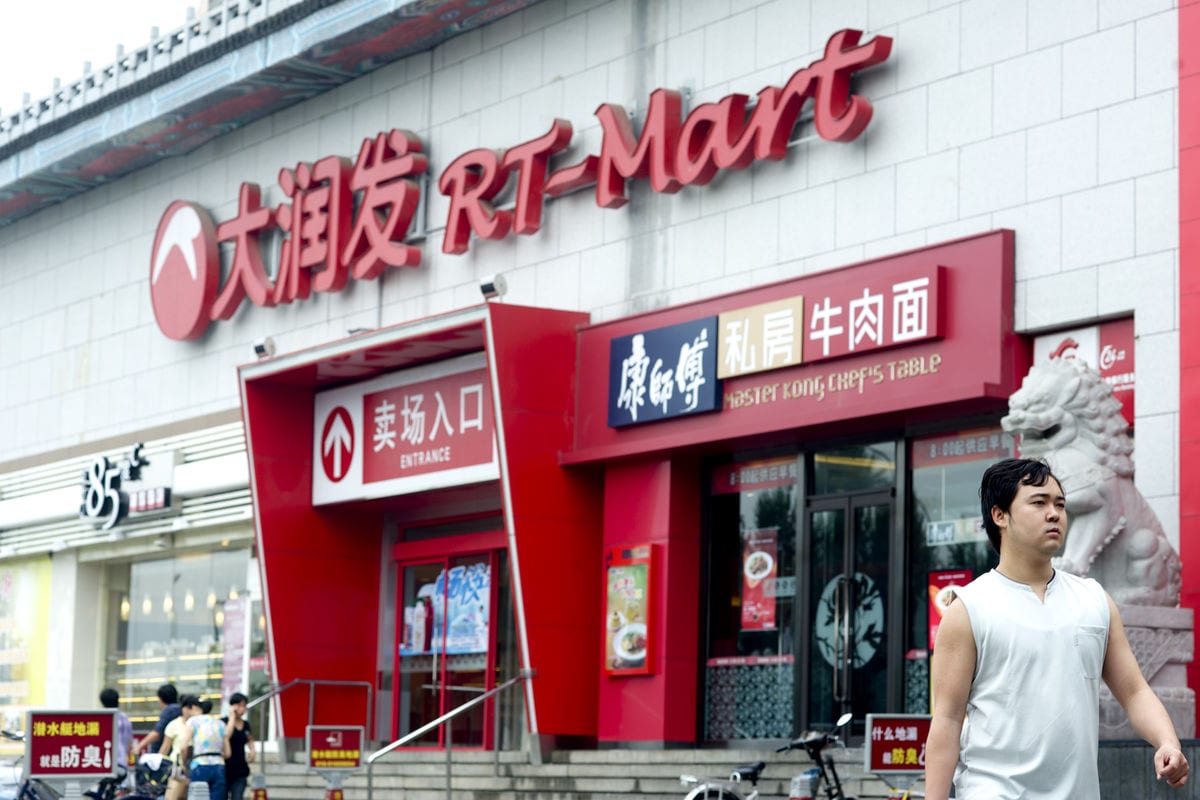
    Chinese hypermarket operator Sun Art Retail Group says a move into lower-tier cities is bearing dividends.

    The group, a joint venture between French retailer Groupe Auchan SA and Taiwan’s Ruentex Group, says its profit rose 4.8 per cent last calendar year.

    Sun Art, already China’s largest hypermarket operator despite intense competition from Tesco, Carrefour and Walmart, opened 49 new hypermarkets during 2014, expanding its chain to 372.

    On Sunday the retailer announced its profit for 2014 was 2.91 billion yuan ($464.15 million) compared with 2.78 billion yuan ($442.64 million) in 2013.

    Sales rose from 86.2 billion yuan to 91.9 billion and gross profit margin by 1.3 percentage points to 22.9 per cent.

    Same store sales slipped 1.6 per cent as consumers enjoyed wider choice in the market and consumer spending was largely subdued.

    In the year ahead, Sun Art says it will continue to open new hypermarkets in lower tier cities and increase sales in its eCommerce business.

  • Kingsdown China plans 500 stores

    Kingsdown China plans 500 stores

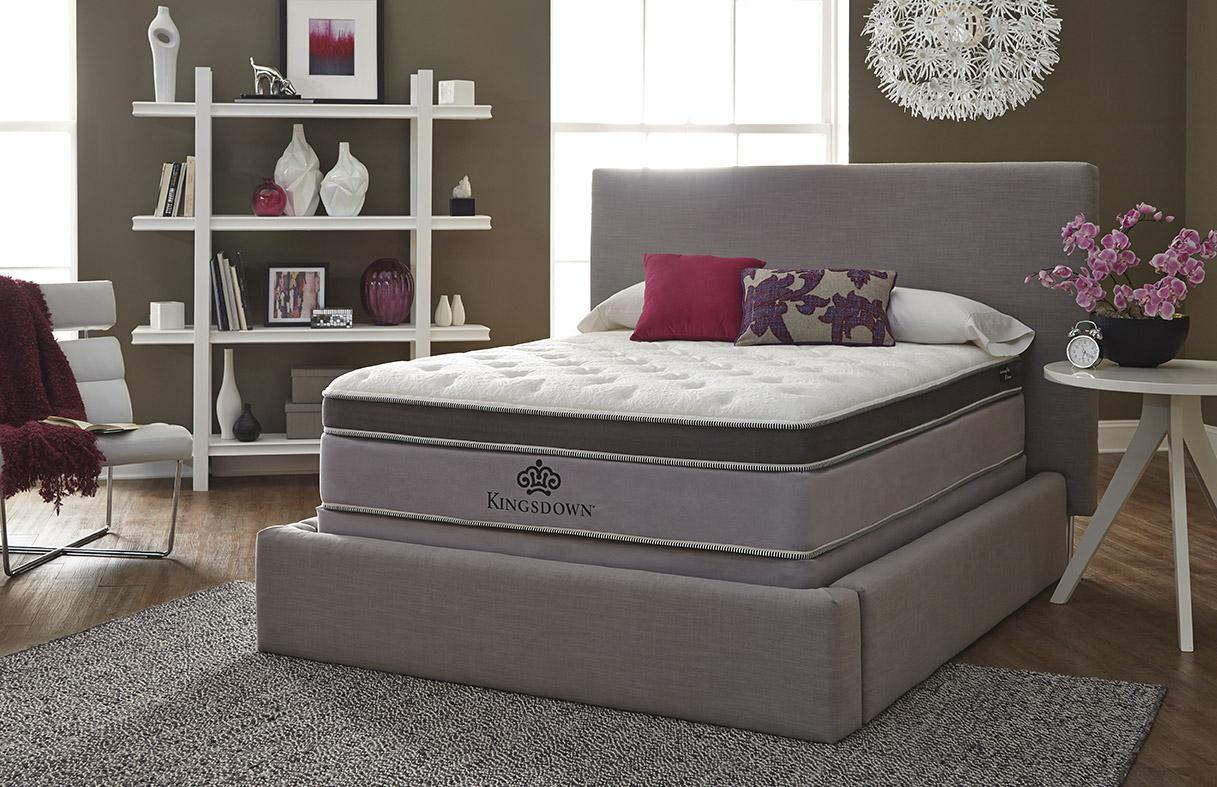
    Mattress maker Kingsdown has entered into a partnership which will see it open 500 new stores in China over the next five years.

    Kingsdown already operates more than 90 MySide / Sleep to Live retail outlets in China, through a licensee and franchise network.

    But its new partnership with Roth Bedding Technology will substantially expand its brand awareness and retail points of sale. Roth will manufacture the bedding and furniture products in China and they’ll be sold under the Kingsdown brand.

    About 65 stores will open initially this year, with two already trading. The roll-out will be ramped up from next year.

    “We have enjoyed a fantastic reception in China over the past few years but saw an even greater opportunity to really capture the country’s luxury consumer,” said Kingsdown president and CEO Frank Hood.

    “This partnership with Roth Bedding is the boldest relationship ever entered into by our company and we are thrilled to have found an organisation that enjoys an equally ideal reputation for their attention to detail, high quality and service.”

    Roth Bedding GM Jie Du says his company believes there is a big opportunity to sell high end bedding into the Chinese market.

    “The company’s focus on styling, quality and groundbreaking research to deliver a more luxurious night’s sleep is a differentiator that will be appreciated by our consumers.”

    North Carolina, US, based Kingsdown was founded in 1904 and besides his US home market, where it has two manufacturing bases, it sells into Australia, Brazil, Canada, China, England, Indonesia, Italy, Malaysia, Taiwan, Turkey and the UAE.

    “We are not the biggest mattress company in the world, nor do we have the loudest voice,” the company declares on its website. “While other companies are preoccupied with getting bigger and louder, we are hard at work holding true to our guiding principle: We make the smartest mattresses in the world.”

  • M&S China restructure

    M&S China restructure

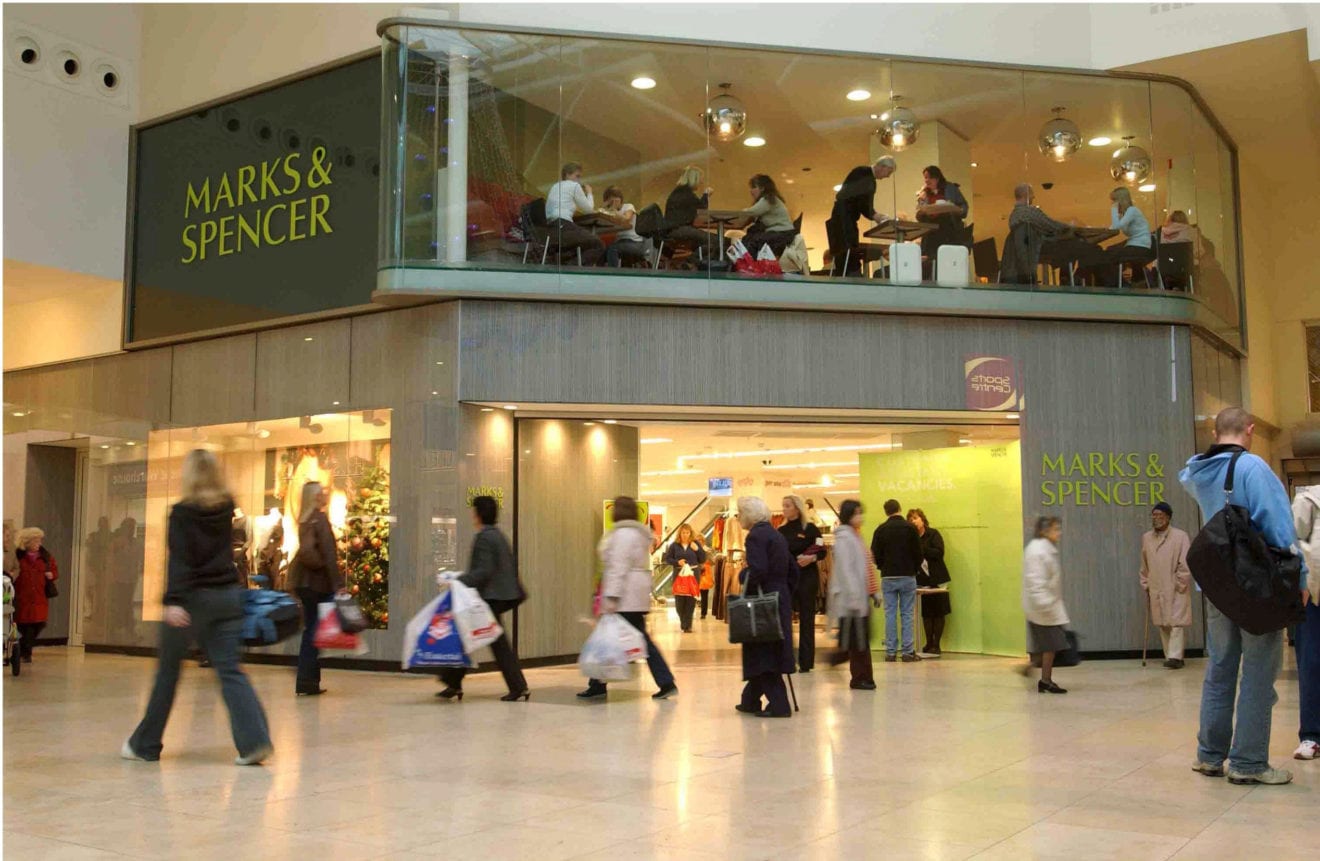
    UK department store Marks & Spencer (M&S) will close five stores in Shanghai.

    But the company says it remains committed to China as a market and will still proceed with opening new stores in Beijing and Guangzhou between now and the end of 2016.

    “As announced in April 2014, Marks & Spencer has reviewed the shape of its existing store portfolio to ensure its best aligned with its strategic growth plans,” the company said in a statement.

    “As a result, Marks & Spencer has taken the decision to close five of its supporting stores in the greater Shanghai region by August 2015. It has also reviewed its head office resource structure in line with growth plans.”

    M&S Changzhou Wanda Plaza, Changzhou and M&S Wuxi Jiangyin Wanda Plaza, Wuxi, will close next Monday, March 9. M&S Jiangqiao Wanda Plaza, Jiading, M&S Wenzhou, and M&S Changzhou InJoy City, Changzhou will close between March and August this year.

    Meanwhile, M&S China will continue with plans to modernise its flagship store on Shanghai’s West Nanjing Rd during the coming autumn.

    The company will also beef up its eCommerce business in China to strengthen its brand awareness and reach across the country.

    “Following the popularity of our online stores on China’s leading websites, which during the last quarter saw sales on TMall.com increase by 200 per cent over last year, Marks & Spencer launched a new dedicated kidswear store on TMall.com and a new clothing store on JD.com in January.”

    The company said it continues to search for a potential partner in China, as initially heralded back in April 2014.

    In Macau, M&S will open a new 1000 sqm store at the Venetian Macau in November, its second in the city. In Hong Kong, it will continue with plans to modernise its stores during the next two calendar years.

    “Marks & Spencer will expand its food store portfolio at convenient travel and city locations in Hong Kong during 2015-16. Since our update last year, Marks & Spencer has opened three food standalone stores in Hong Kong during 2014-15, which have seen sales per square foot in line with its best performing food stores in the UK.”

    Marks & Spencer opened its first Hong Kong store at the Ocean Centre shopping mall in May 1988 and now has 18 wholly-owned stores in Hong Kong. It opened its first Marks & Spencer Food store in Wanchai, Hong Kong, in 2010.

    Patrick Bousquet-Chavanne, Marks & Spencer’s executive director, marketing & international, set a positive tone to the announcement despite the revelation of store closures: “Last year, we reaffirmed our commitment to our Greater Chinese business and set out clear strategic plans. Today we can share more details of our continued investment across our priority markets of China, Hong Kong and Macau. This includes the modernisation of our flagship stores, entering new key cities, growing our Hong Kong Food store portfolio and expanding our reach across China through new sites on TMall.com and JD.com.”

    The British retailer entered China in 2008.

  • Royal Mail online in China

    Royal Mail online in China

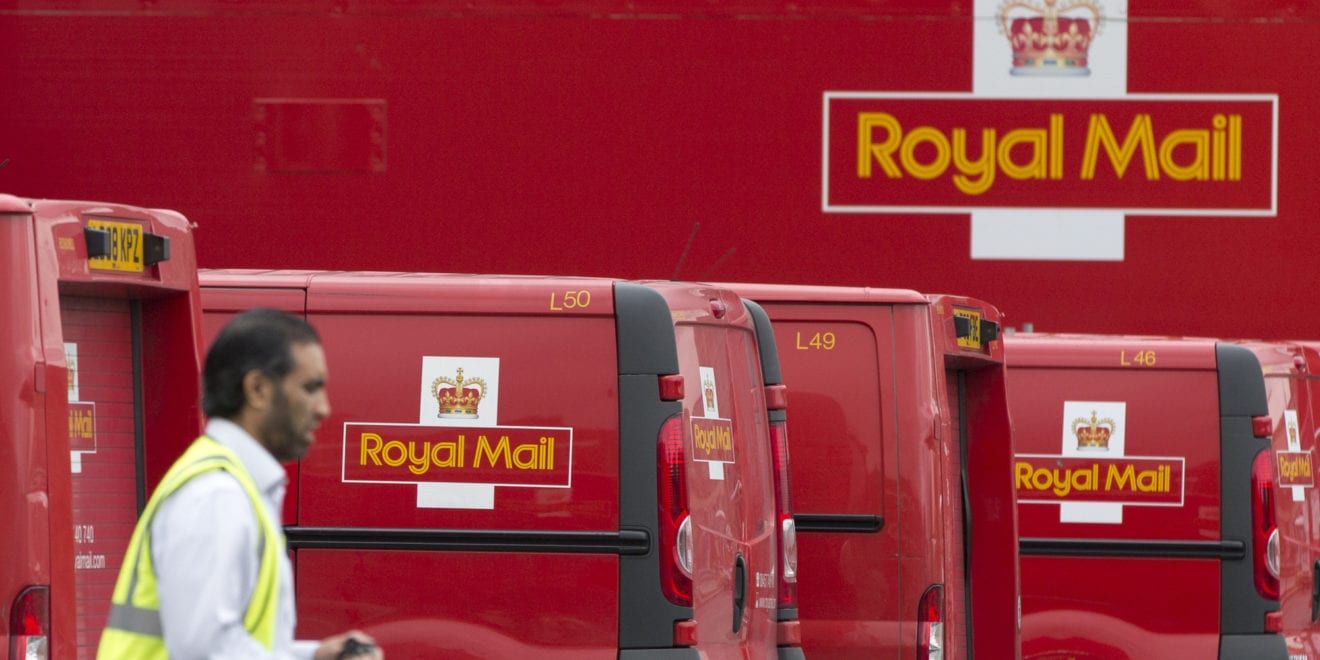
    Great Britain’s Royal Mail is to open an online store in China to sell British products to Chinese.

    Royal Mail will launch a shop front on Alibaba’s Tmall, providing Chinese consumers with “increased access to premium, authentic and high quality British products”.

    CEO Moya Greene unveiled the Royal Mail online initiative at the start of the three day Great Festival of Creativity in Shanghai, China.

    She said the store will offer British retailers and exporters an accelerated opportunity to access the China market when it goes live towards the end of March.

    “It will remove the challenges that many companies would otherwise face in getting their products into the hands of Chinese consumers, including promotion on Chinese e-commerce sites, local customer support service, customs duties, documentation, shipping and logistics,” she said.

    China is the largest economy by purchasing power parity and the biggest internet user base in the world, with 302 million online shoppers already, a figure which grows by the day.

    Almost half of the country’s internet users purchase goods online, with 75 per cent of online shoppers in China buying products every week. Online shopping now accounts for just over 10 per cent of total retail sales of consumer goods in China, with the overwhelming majority of these online purchases being made through e-marketplaces, like Tmall and Taobao.

    Among the goods soon to be sold on Royal Mail’s store are Brompton Bicycles, which Royal Mail will deliver to the purchaser’s doorstep.

    “Royal Mail’s new shop front will help support British retailers and exporters expanding into the China market, fulfilling the strong demand of Chinese consumers for authentic, high quality British goods.

    “Online shopping, and the connection it facilitates between retailers and consumers is a key channel to develop sustainable trade between China and Britain and we are excited at the prospect of offering UK companies a new and streamlined way to increase the accessibility of their products to Chinese consumers.”

    The rapid growth in online shopping has also mirrored the increased demand from Chinese consumers for authentic, high quality goods. Chinese consumers represent almost one third of the global market for personal luxury goods and spend three times more abroad on high quality, designer goods than they spend locally.

    Chinese consumers are also concerned about the source of luxury goods they purchase, meaning they will trust foreign vendors ahead of Chinese.

    Royal Mail says China is now the biggest overseas consumer of British products online, accounting for 25 per cent of overseas online shoppers purchasing goods from the UK.

    The Great Festival of Creativity in Shanghai is a UK Government-led initiative to showcase the innovative and creative edge that British businesses bring to markets across the globe.

    Royal Mail is also marking its Chinese foray with a special postmark, which will appear on items delivered to addresses across Britain from March 2 to 4.

  • Esquires takes back China

    Esquires takes back China

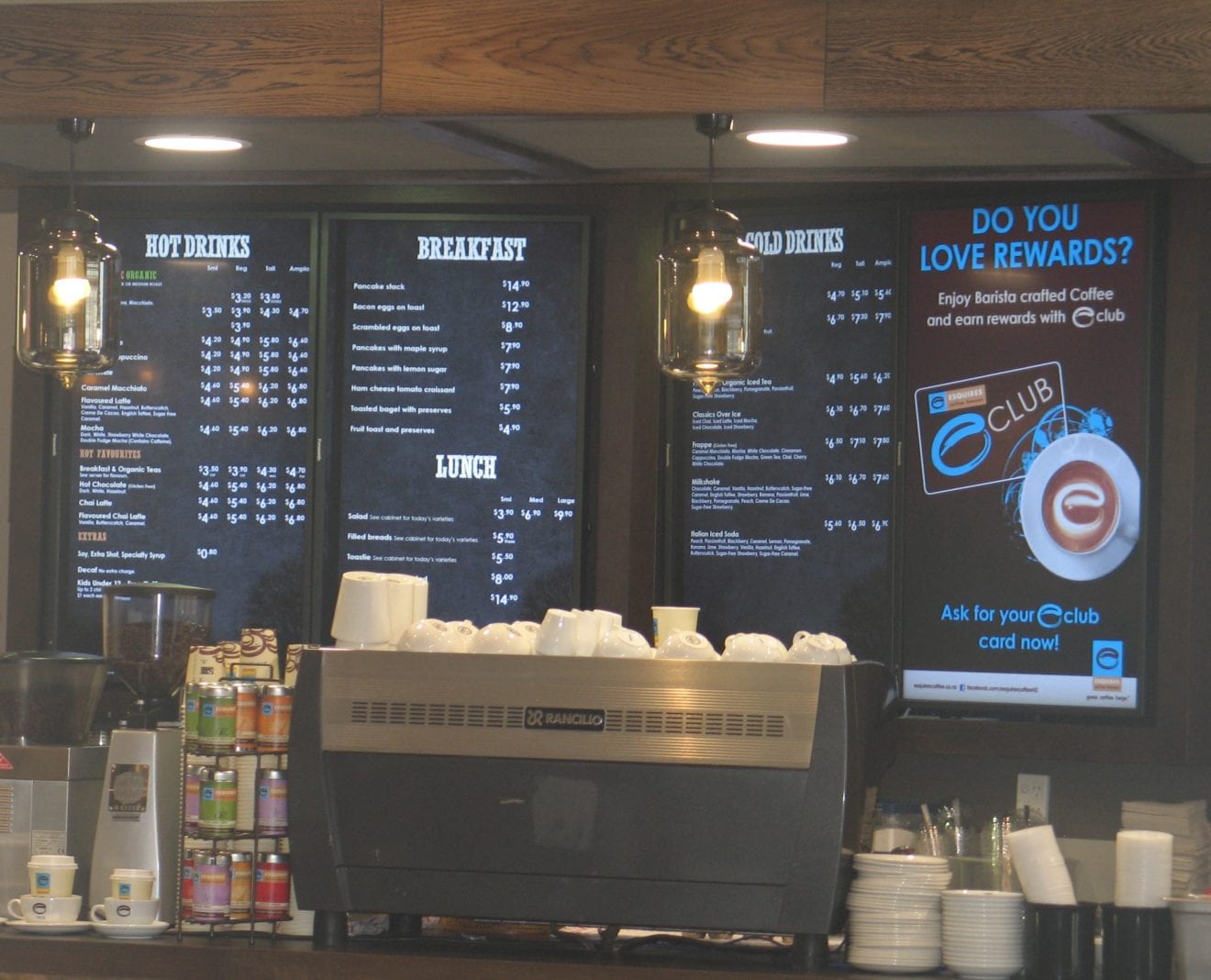
    Cooks Global Foods’ has successfully completed the purchase of the Esquires Coffee Houses master franchise in China.

    Cooks first signalled the purchase of Beijing Esquires Management Co (Esquires China) in September under an agreement where the Chinese master franchisee sold back the Chinese rights in return for a stake in Cooks.

    Esquires China was formerly owned by three shareholders, including Beijing Yunnan Building Hotel Co, wholly owned by Yunnan Metropolitan Investment Company (YMCI), which is in turn owned by the Yunnan Provincial Government. Yunnan is a province located in the southwest of China with a population of 46 million people.

    YMCI is now the second largest shareholder in Cooks, with a 15.8 per cent stake.

    Cooks Global Foods chairman, Keith Jackson, says the franchise purchase delivers a strong cornerstone shareholder to the listed company.

    “YMCI is a company with a capital value in excess of US$800 million and part of its assets are listed on the Shanghai Stock Exchange,” Jackson said.

    “The vendors remain very keen to be part of the growth of the Esquires brand and the coffee industry itself in China and internationally through the shareholding in the Esquires global business, that they now have through their Cooks shareholding.

    “We were able to come to an agreement to buy back the master franchise business for China and the vendors took a shareholding in Cooks. Effectively that provides Cooks with a more direct interest in China, the world’s fastest growing coffee market where branded coffee is in its infancy.

    “The big brands are in there and that’s great for us because it spreads the coffee gospel. Our aim is to accelerate the growth of the Esquires business in China through expansion in conjunction with both existing and new partners building on our core principles of Organic and Fairtrade coffee from New Zealand.”

    Jackson says there is a strong management team in China under Ellen Zhang, a former Esquires franchisee at the Auckland Quay Street café, part of the Countdown supermarket complex.

    “Ellen manages a very good team, many of whom have experience with international brands such as Starbucks. In fact, NZTE advised us that we are now New Zealand’s third largest employer in China, behind Fonterra and our government,” Jackson said.

    The aim is to have more than 200 stores operating in the Peoples’ Republic of China by 2020.

    Esquires Coffee Houses operate in Ireland, England, the Middle East, Canada, and China.

  • Estee Lauder’s China flagship

    Estee Lauder’s China flagship

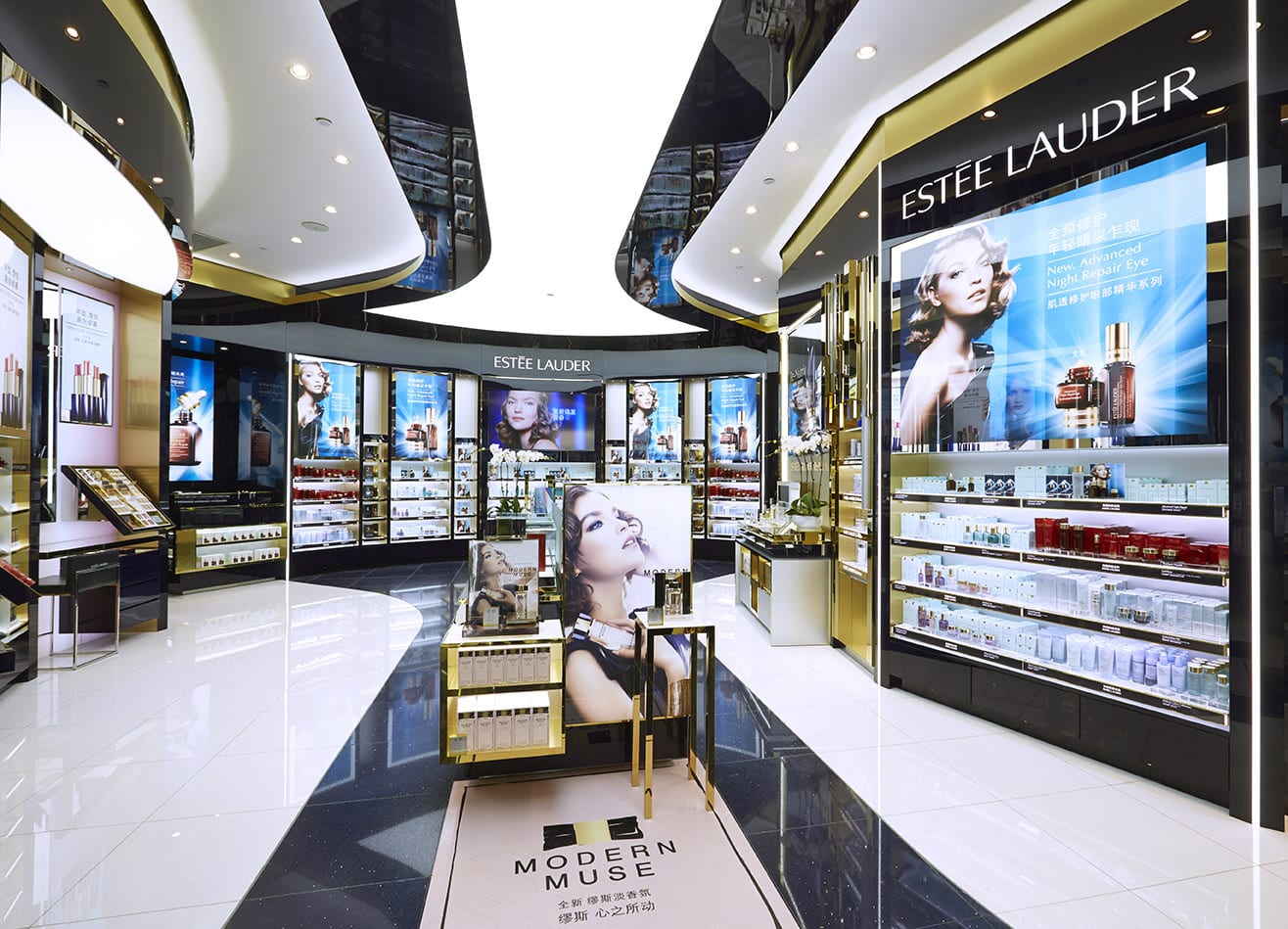
    Estée Lauder has revealed its largest store travel retail store yet – at Haitang Bay in Sanya, China.

    The  store, which opened its doors late last year, introduces what the brand describes as “a fresh, dynamic and welcoming environment for shoppers to immerse in the luxury and modern glamour of the brand”.

    The new store is designed as an expression of the Estée Lauder story, which represents the brand’s distinctive architecture through cohesive and complementary design elements.

    Estee lauder Haitang Bay 2 215

    The Haitang Bay store was designed with Chinese consumers in mind: local preferences have shaped what products, categories and services take centre stage in the uniquely branded environment.

    Estée Lauder’s “Re-Nutriv lounge” provides a semi-private area where its luxury skincare experts showcase the Re-Nutriv collection; the fusion of the latest technology breakthroughs and exquisite, rare and precious ingredients.

    Estee Lauder Haitang Bay 1 215

    The setting features transforming visuals to announce newness using LED monitors and backdrops and offers a wide range of experiences to engage the consumer from complete self-navigation to expert service. Shoppers are able to explore any brand’s skincare, colour or fragrance collections on their own around the perimeter of the store or can seek advice from a beauty advisor.

    A ‘decompression zone’ offers a more intimate and personalised interaction with beauty advisors. Estée Lauder’s proprietary “Beautiful Skin Studios” are equipped for a complete consultation, while the alternate side of the area is set-up for shorter, more impromptu service.

    Best sellers and a Beauty Express zone present key brand products at different price points. Each fixture displays multi-category products to encourage cross-selling as well as more variegated exploration for the consumer.


  • China Jo-Jo boosts sales

    China Jo-Jo boosts sales

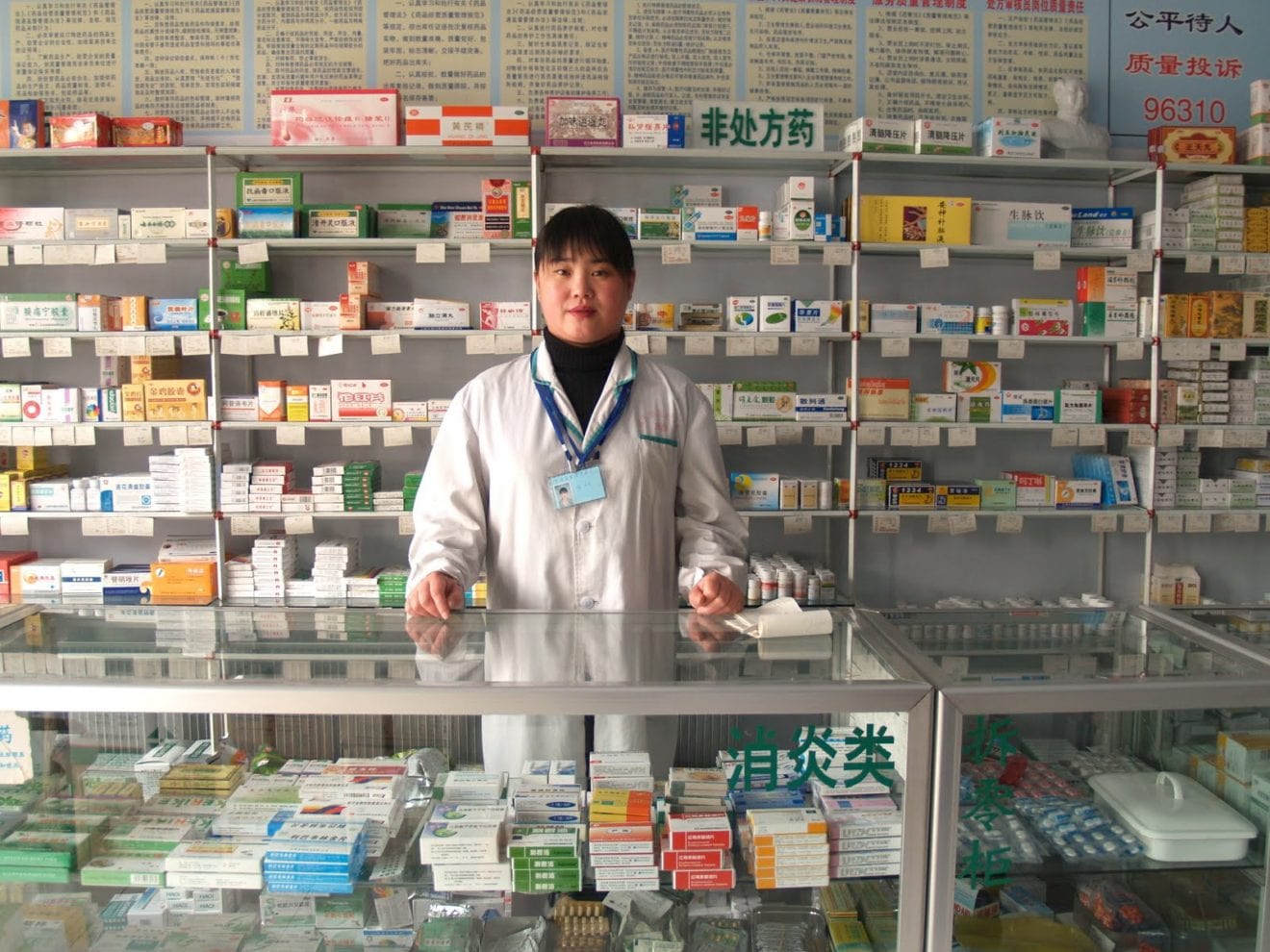
    China Jo-Jo Drugstores says its profits soared 19.5 per cent in the December quarter, with same store sales up 24.3 per cent

    The US-listed, China-based company which retails and wholesales pharmaceutical and health care products through its own online and retail pharmacies, said online sales jumped 110.6 per cent to $4.4 million. Retail drugstore sales rose $2.16 million.

    Gross profit rose by $3.003 million, or 1677 per cent year-on-year. It converted a net quarterly loss of $8.7 million in the December 2013 quarter to a modest profit of $127,525 last quarter.

    “Our retail drugstores sale growth rate is more than twice of the industry average,” the company said in a statement.

    “By acquiring Sanhao Pharmacy during the recent quarter, selecting products catering to local community and continuing to provide quality in-store service such as doctors’ in-store clinics service, we expect to further strengthen our competitive advantage in Hangzhou and Zhejiang Province.”

    The company said expanded cooperation with business-to-consumer online vendors, including Taobao, JD.com and Amazon.com had boosted its online performance.

    “In addition, we have signed a service agreement with Alipay (China) Internet Technology to launch an online payment service for its customers, which gives us a great opportunity to get access to Alipay’s over 300 million registered users. We expect online pharmacy sales will continue to grow fast in the future, especially considering the potential authorisation of the online sale of prescription drugs in 2015,” the statement said.

    Lei Liu, chairman and CEO said the company was heartened to have delivered a solid performance compared to last year’s large deficits.

    “What’s more exciting is the rapid increase in our eCommerce revenue, which greatly contributed to our total revenue. In the next two to three years, the online pharmacy sales will probably exceed our retail drugstore sales and make the company one of the leading online pharmacy stores in China.

    “Now is only a turning point. Going forward,  we will continue to focus our efforts on  developing eCommerce opportunities and drive our physical stores network and sales growth.”

    As of December 31, the company had 60 retail pharmacies in Hangzhou.

  • Tesco China stores rebranded

    Tesco China stores rebranded

    Tesco may well be a recognised brand name globally, but it doesn’t wash with Chinese consumers.

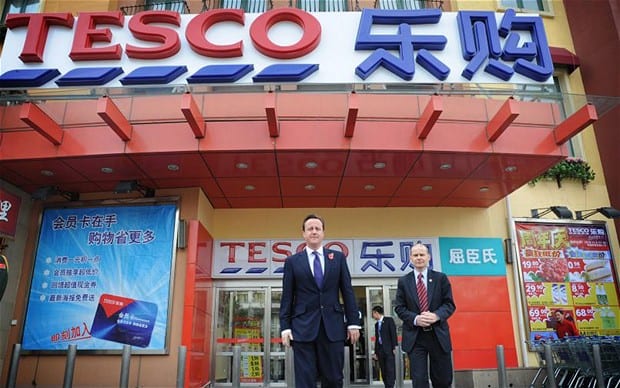
    Last year, Tesco sold a majority stake in its China retail business to local retailer China Resources Enterprises. This month, China Resources has revealed it is rebranding all 135 Tesco China stores under its Vanguard name.

    “The decision to change the brand was made based on the overall perception in the market,” CR Vanguard CEO Hong Jie said in an interview with China Business News.

    “Tesco is a globally recognised name, but Vanguard is better known and well-received in China,” he said.

    China Resources is aiming to turn around the troubled chains profitability within three years after merging the backroom operations into Vanguard’s.

    CR Vanguard owns more than 4100 stores in China and entered a joint venture with Tesco in May last year, leaving the British retailer with just 20 per cent of the business.

    While the Tesco brand name might be about to disappear, both parties see positive benefits from the continuing partnership. CR Vanguard acquired a usefully-sized bolt-on store network to build its critical mass in the market, which should surpass the combined sales of Walmart and Carrefour in China. It gained advanced FMCG business practices from Tesco.

    China remains a strategically important growth market for Tesco, with the joint venture combining Tesco’s ‘best in class’ retail practices, international sourcing and multi-channel capabilities with CRE’s strong local knowledge and brand.

    The two companies are in the process of merging their property businesses and plan to launch an eCommerce offer at the end of March.
    Vanguard will also sell 761 Tesco own-brand products with some Vanguard-branded lines joining Tesco’s shelves, as the two brand’s supply chain networks are integrated.

    Tesco also separately has its international sourcing headquarters based in Hong Kong, from where it sources more than 50 per cent of all clothing and 40 per cent of other non-food items. It buys about £2 billion worth of goods and services from China for the Tesco Group annually.

  • Apple standout winner in China’s luxury slowdown

    Apple standout winner in China’s luxury slowdown

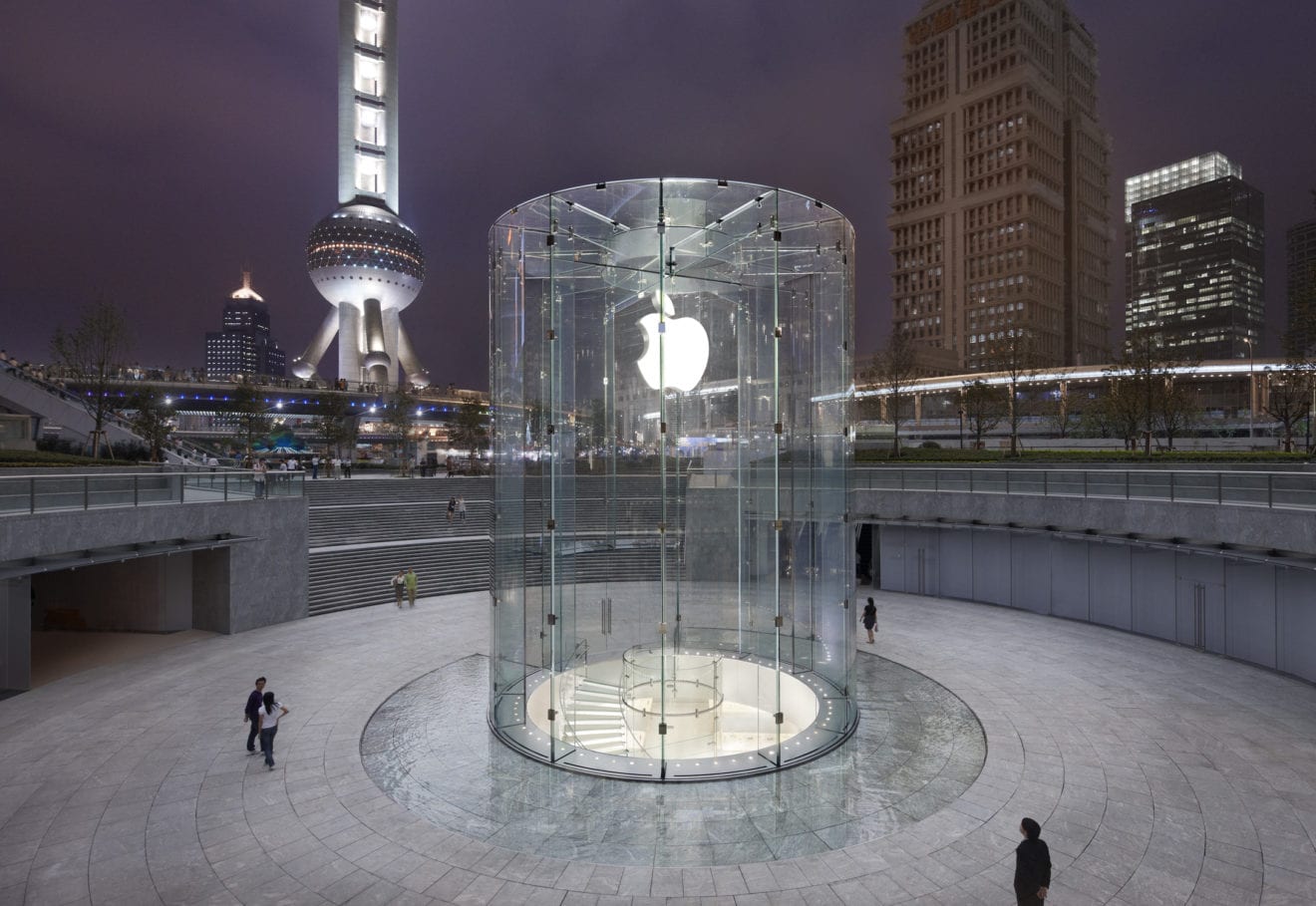
    Chinese corporates and wealthy consumers are taking gift-giving down a notch this Lunar New Year, opting for iPhones instead of Birkin bags or Louis Vuitton wallets.

    The annual holiday, which falls on February 19-20 this year, is a time of gift exchange between family, colleagues and business contacts.

    “The iPhone 6 has replaced luxury items as a key gift this Chinese New Year,” Shaun Rein, founder and managing director of the China Market Research Group told CNBC. “Corporates, for example, used to buy luxury products to give their high performing employees, now they are giving iPhones because they more reasonably priced and still considered premium enough,” he said.

  • China Fruits boosts retail network

    China Fruits boosts retail network

    Chinese fruit wholesaler and exporter China Fruits Corporation expanded its store network to 64 shops in 2014.

    The franchised network, built and operated by its subsidiary Taina International Fruits, stood at just 13 at the end of 2013. Now the company is set to expand the branded store network nationwide.

    CFC specialises in tangerines, which it grows, as well as wholesaling and exporting produce. But it is find retailing a lucrative arm of the business, catering to the increasing number of Chinese seeking fresh produce from reliable sources in the wake of a growing number of food safety scares in recent years.

    Besides its physical store network, China Fruits is selling on more than 10 well-known e-commerce platforms, including Tmall, JingDong mall, Taobao, yhd.com, Gome.com.cn – and has built its own official online store.

    In 2014, the Taina Fruits eCommerce generated approximately $1 million in revenue, representing a growth rate of 100 per cent every month. It has been rated number one in online sales of fresh fruit in Beijing area since its launch in August 2014.

    China Fruits says it achieved a Chinese eCommerce record last year, selling 218 tons of winter jujube fruit within just 39 days.

    “We plan to devote into developing e-commerce in 2015, which is going to be a significant component of our business expanding strategies,” said Quanlong Chen, chairman and CEO of the US-listed China Fruits Corporation.

    “Being a leading company of fruit e-commerce in China is always our goal and direction.” The company has raised capital internationally to strengthen its branded franchise fruit retail stores and plans to “dig deeply in this niche”.

  • Chic Outlet malls chase Chinese

    Chic Outlet malls chase Chinese

    European chain Chic Outlet Shopping Villages believes embracing the Lunar New Year festivities will boost engagement with Chinese tourists.

    The European-based network, which chose China for its 10th outlet centre and its first outside Europe, will celebrate Chinese New Year in partnership with China payment system UnionPay International throughout February.

    The nine Chic Outlet Shopping Villages in Europe will join the 10th – branded Village by Value Retail – in Suzhou Village in offering guests the chance to share wishes across the world, along with exceptional offers for Chinese guests.

    The Suzhou mall will also host a full calendar of Lunar New Year events, tailored to the local populace.

    The Chic Outlet Shopping Villages welcome thousands of Chinese guests every year, who are drawn to the Villages’ distinctive selection of brands, authentically European ambience, and exceptional value. In 2014, China accounted for 44 per cent of all tax-refunded (non-EU) sales in the Villages across Europe, with an increase in sales of 29 per cent year on year.* UnionPay International is now accepted at many boutiques in the Villages across Europe, making transactions easier than ever for international guests.

    Chinese guests of the European Villages can register their details online at ChicOutletShopping.com to receive a special Chinese New Year red envelope, which they can collect from the Welcome or Tourist Information Centre on arrival at their chosen Village. The envelope will include offers for participating boutiques in the Village, in addition to UnionPay International ‘wish’ tag for guests to add their very own wish to the Wishing Tree. These wishes will not stop at the Villages – they will travel the world via social media, as guests are invited to share their wishes and Wishing Tree photos with a dedicated hashtag for each Village.

    “A time for family, gift-giving, fireworks and festivities, Chinese New Year is celebrated by one in six people around the world,” the company said.

    “The festival is associated with the colour red and it is good luck to give and receive red packages during this time. Traditionally, those celebrating will cast red ribbons or tie wishes to a ‘Wishing Tree’, in the hope that their wish will come true and bring them good fortune in the coming year. The Villages in Europe each feature their own Wishing Tree for guests to cast their wishes for the coming year.”

    Suzhou Village in China is also helping make some of its visitors’ wishes come true with a lucky draw held in partnership with Suzhou TV. Guests will be invited to submit their wishes for the Year of the Ram while visiting the Village, and stay tuned for a film crew from the channel surprising them on their doorstep.  Each week, one lucky winner will receive 5000 RMB and 50 runners up will receive 500 RMB.

    A second Village by Value Retail China, Shanghai Village, will be located in the Shanghai International Tourism and Resorts Zone, which includes the Shanghai Disney Resort, and will open in the autumn of 2015.

    The existing 10 malls are home to more than 1000 boutiques of international fashion and luxury brands – all offering savings of up to 60 per cent on the recommended retail price.

    Chic Outlet Shopping is a unique concept in outlet shopping created by Value Retail, the only company to specialise in the development and operation of luxury outlet shopping destinations. The European malls are located within easy reach of some of Europe’s major gateway cities – London, Dublin, Paris, Madrid, Barcelona, Milan, Bologna, Brussels, Antwerp, Cologne, Frankfurt and Munich.