Tag: China

  • China buying more iPhones than US

    China buying more iPhones than US

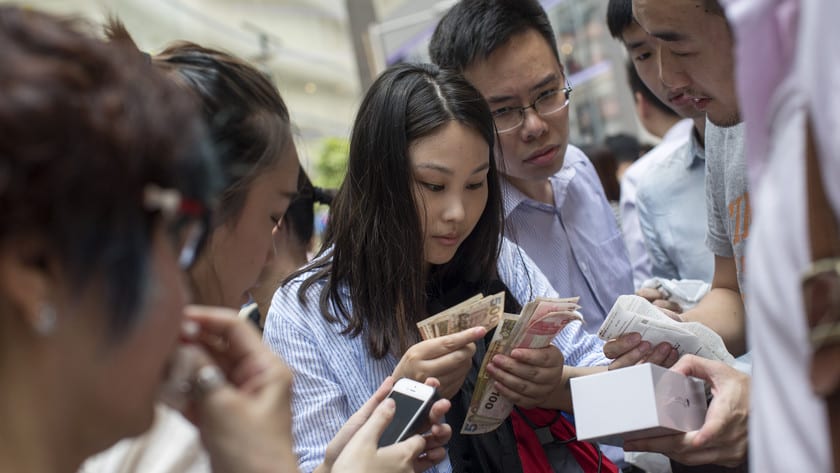
    Apple is expected to say this week that it has sold more iPhones in China than on its home turf in the US for the first time last year, highlighting the shifting power balance of the smartphone market.

    Analysts estimate that the US tech group reached the turning point in iPhone sales after expanding its presence in China last year via a deal with China Mobile, the country’s largest network operator, and after the release of the latest iPhone 6 in the country in October.

    The iPhone’s growing market share in China comes as Samsung, the global market leader by smartphone volumes, has stumbled and the region has seen the rapid rise of low-cost challenger Xiaomi.

  • Wedgwood plans China expansion

    Wedgwood plans China expansion

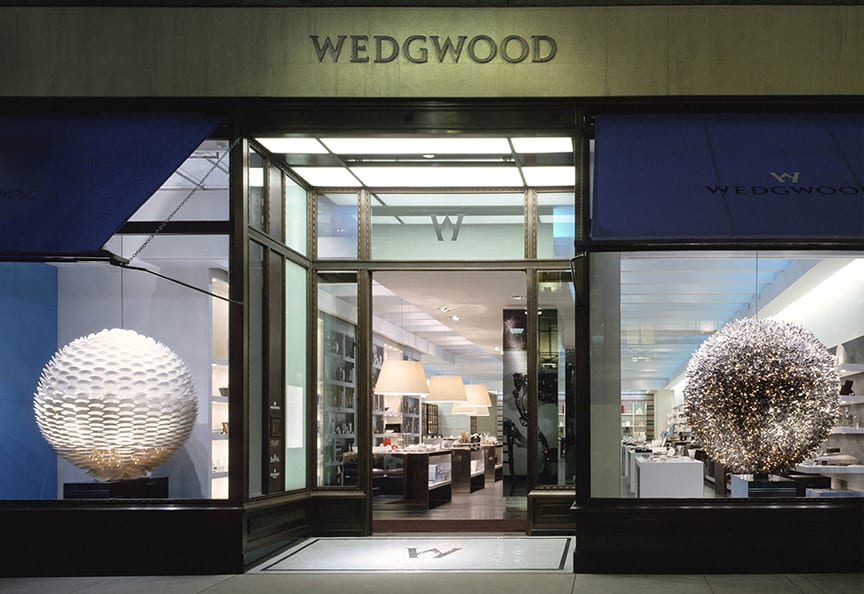
    Wedgwood, one of the world’s best known china brands, is now betting big on China.

    As news broke that Wedgwood’s parent company WWRD was being put on the market by its private equity owners, it emerged that the business is planning a “major” retail expansion in Hong Kong.

    WWRD owns Waterford (crystal), Wedgwood and Royal Doulton china brands. It has 35 stores in China including two flagships in Shanghai.

    Subsidiary Waterford Wedgwood Hong Kong is to buy the assets of its distributor Shanghai Balolong International Trade Co and through that process acquire a number of store leases.

    That move alone will expand the store network to 56.

    “The acquisition of a significant number of Waterford and Wedgwood retail stores from Baolong in China positions WWRD perfectly to engage and meet the needs of affluent Chinese consumers,” group VP Jim Harding said in a statement.

    “This announcement comes at the right time with 2015 set to mark a growing vision for our brands as we continue our commitment to developing the business globally as a leader in luxury goods.”

    WWRD, founded in 1759, was rescued by US private equity company KPS Capital back in 2009 when it collapsed beneath a massive € 800 million burden of debts and pension liabilities.

    Investment bank Goldman Sachs has been appointed to undertake an auction of the business which promises a substantial return on the £82 million it spent acquiring the assets. The business achieved annual sales of US$450 million last financial year and it posted a £36 million profit.

    The financial press tips significant interest in the bidding from Asian investors, given 40 per cent of the group’s revenues come from Asia. A significant number of the group’s products are now manufactured in Indonesia, although the company recently commissioned a new plant in the UK.

    In a statement WWRD said: “As a profitable and strongly performing global business under private equity ownership, options for the next phase of growth are constantly under review. KPS Capital Partners remains firmly committed to achieving the brightest possible future for the brands and employees of WWRD.”
  • Picky consumers spur growth in online fresh food sales in China

    Picky consumers spur growth in online fresh food sales in China

    China’s urban consumers, prodded perhaps by a series of food-safety scandals, are becoming much more picky about what they eat. They are increasingly willing to pay a premium for imported products and are being drawn in larger numbers to retailers that deliver fresh fruit and vegetables to the doorstep.

  • Alibaba, Tencent spend billions in race to be China’s one-stop online shop

    Alibaba, Tencent spend billions in race to be China’s one-stop online shop

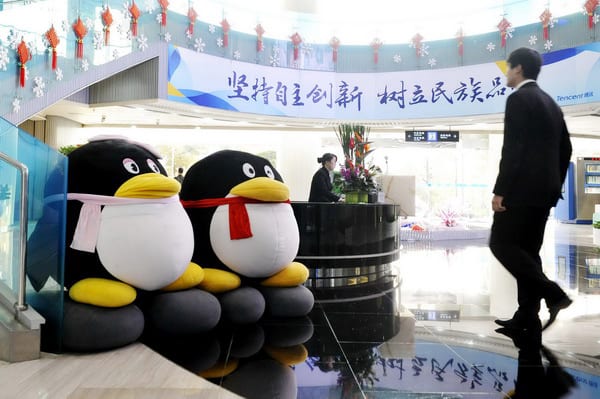
    Alibaba and Tencent spent more than USD8 billion last year alone backing often strikingly similar ventures, as the Chinese Internet giants race to create online one-stop-shops to win the digital loyalty of a tenth of the world’s population.

    Before China became the biggest smartphone market, there was little overlap between the businesses of e-commerce leader Alibaba Group Holding Ltd, social networking firm Tencent Holdings Ltd and search engine provider Baidu Inc.

    Now, as more and more Chinese use their phones for everything from shopping to booking restaurants, the three companies are increasingly stepping over each other – and investing in the same services – to attract the same users.

  • Spending on luxury falls on mainland China

    Spending on luxury falls on mainland China

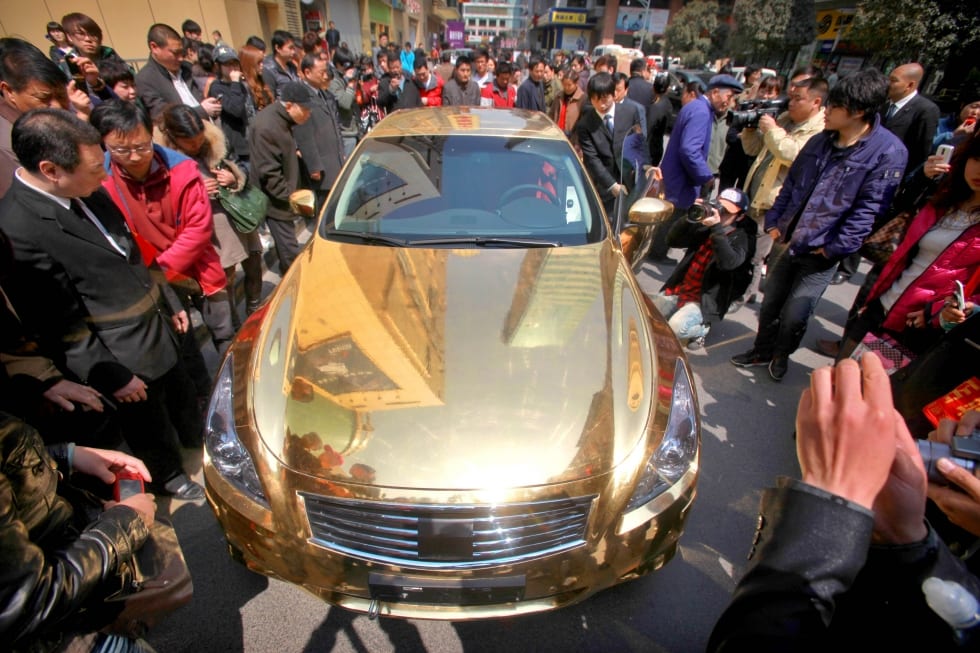
    China remained the world’s largest consumer of luxury products last year even though domestic sales fell for the first time due to the government’s anti-corruption campaign and increased spending overseas.

    Chinese spending on luxury goods increased 9 percent to CNY380 billion (USD61.3 billion) in 2014, accounting for 30 percent of global spending, according to Bain & Company’s 2014 China Luxury Market Study.

    However, sales of such products on the Chinese mainland fell 1 percent from a year earlier to CNY115 billion, the consulting firm said on Tuesday.

  • Apple will open 5 new stores in China before Chinese New Year

    Apple will open 5 new stores in China before Chinese New Year

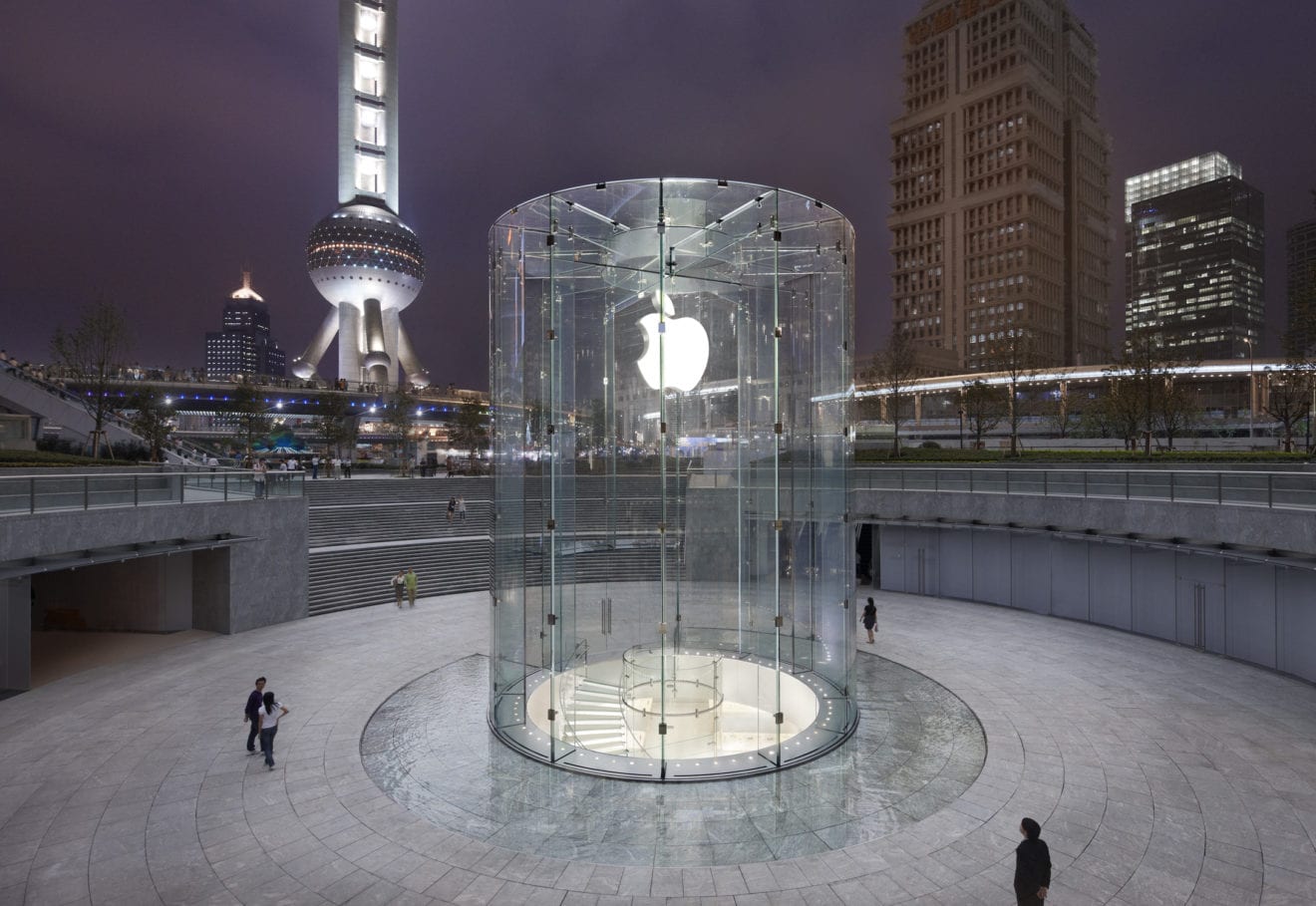
    Apple is continuing its aggressive retail expansion into the Middle Kingdom, with plans to open 5 new Apple stores in China in the early days of 2015. Prior to Spring Festival, the company has reportedly said it will open 5 new retail shops, including the new store in Zhengzhou that opened earlier this month. The next one on the list will be in Hangzhou, where doors will open at Apple’s new West Lake store on 24 January.

  • Wearable devices have bright future in China

    Wearable devices have bright future in China

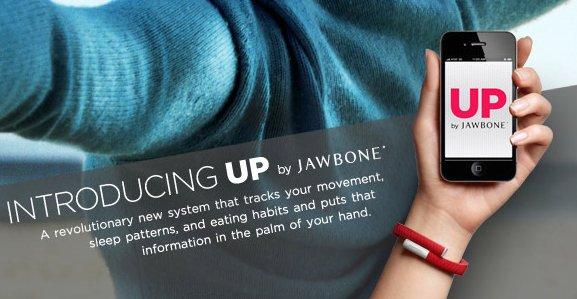
    A latest survey showed that wearable devices will become more popular in the Chinese market in the next five years.

    For wearable health devices, 39 percent of respondents worldwide plan to buy one by 2020, but 65 percent of Chinese consumers surveyed already have an interest in buying one, according to a survey filed to Xinhua Saturday by Accenture, a consulting and technology services company.

    As many as 67 percent of Chinese consumers are likely to buy wearable fitness monitors and 73 percent wants smart watches in the coming five years, more than doubled 32 percent and 27 percent in the United States.

  • Stranded online parcels claim ‘partly untrue’

    Stranded online parcels claim ‘partly untrue’

    China Post has said reports that thousands of parcels from overseas have been languishing at a Shanghai port for months because it owes millions of yuan in port fees are “partly untrue.” This follows online claims that 200 containers mostly containing haitao — goods bought online from overseas — brought by ship to the city are piled up at a Shanghai port. Items transported by air are unaffected. They are mainly said to be items bought from Japan between October and November — including diapers and other infant products ordered by parents. It has been claimed online that the delay is because the China Post Express Mail Service owes some 5 million yuan (US$817,730) to Shanghai International Port Group and has refused to pay.

  • Chinese luxury market trends for 2015

    Chinese luxury market trends for 2015

    The Chinese luxury market has gone through changes in 2014 driven by changes in consumer behavior and the government crackdown. What can we expect in 2015?

    The recent Ruder Finn and Ipsos’s China Luxury Forecast survey provides a glimpse into what we can expect in luxury consumer trends for 2015 in domestic retail, travel, duty free shopping, and e-commerce.

    Ruder Finn and Ipsos surveyed over 1,900 consumers in mainland China and Hong Kong from first, second, and third tier cities, reports Luxury Daily. The average annual household income for those surveyed was $125,000 for those on the mainland and HKD126,900 in Hong Kong.

  • Sheng Siong signs joint-venture deal to run supermarkets in China

    Sheng Siong signs joint-venture deal to run supermarkets in China

    Singapore-listed Sheng Siong Group has signed a conditional joint-venture (JV) agreement with Kunming LuChen Group Co Ltd to operate supermarkets in China.

    Under the conditional agreement, the proposed JV company will be incorporated under the laws of China with a registered capital of USD10 million.

  • Peugeot and China Changan Automotive in joint venture

    Peugeot and China Changan Automotive in joint venture

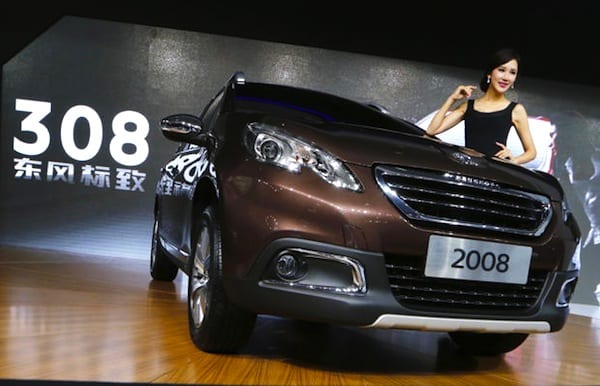
    French car giant Peugeot has agreed a new joint venture to manufacture light commercial vehicles and cars in China.

    Peugeot has signed an initial agreement with domestic carmaker China Changan Automotive Group. If it goes ahead, the deal will give Peugeot a bigger foothold in the fast-growing Chinese car market.

  • China’s JD.com vying with Alibaba to woo Western brands

    China’s JD.com vying with Alibaba to woo Western brands

    China’s JD.com Inc has partnered Gap Inc to sell the US clothing retailer’s apparel online in China, as the Beijing-based e-commerce company goes head to head with Alibaba Group Holding Ltd to woo big foreign fashion names.

    Alibaba and JD.com, China’s number one and two e-commerce companies respectively, are vying to ink deals with some of the world’s most recognised brands, which offer big boosts in both sales and image at home and overseas.

    By announcing its partnership with JD.com in a joint statement on Thursday, Gap, which already has a store on Alibaba’s Tmall website, would be the latest foreign company to sign with some of China’s biggest Internet firms, including Tencent Holdings Ltd.