Tag: China

  • Sandro Paris embraces China

    Sandro Paris embraces China

    French designer Sandro Paris is planning to make greater China a key retail market.

    To date, the Paris-based company has store in France, the UK and the US. But it is attracted to China by the growing desire amongst Chinese consumers for foreign brands and products.

    Already it has opened 15 stores in China, including Hong Kong; two of them last month. A further 10 are planned during the remainder of the year.

    A flagship store is in planning for Hong Kong’s Causeway Bay precinct, one of the territory’s fashion hubs.

    Sandro Paris 415-1

    Sandro Paris was created by husband and wife team Evelyne and Didier Chetrite.

    Growing up in Morocco, Evelyne was drawn to fashion and when her family moved to Paris as a teenager, she was inspired by the window displays of department stores near her home.

    Later she met Didier, a young entrepreneur who had launched a ready-to-wear business

    Their first successful collaboration was “a series of dresses in patterned patchwork with bubble sleeves that were bohemian chic, loose but with a real style and presence”.

    After that, Didier expanded his office and hired a designer to work with Evelyne. The Sandro brand was born in 1984 and opened its first boutique on Rue Vieille du Temple in the heart of the Marais. It has grown to be a label known for feminine, versatile dressing. Today, Sandro has 202 boutiques worldwide.

    Sandro Men first launched in the Marais and Saint Germain des Pres areas, its shops likened to a jewel box combined with simple and trendy features. The stores have herringbone floors, painted mirrors and more than 190 styles, along with a selection of art books and music, “providing the comfort of a British club, while offering it pieces of the season”, according to the company’s website.

  • Capistar loyalty scheme to broaden reach

    Capistar loyalty scheme to broaden reach

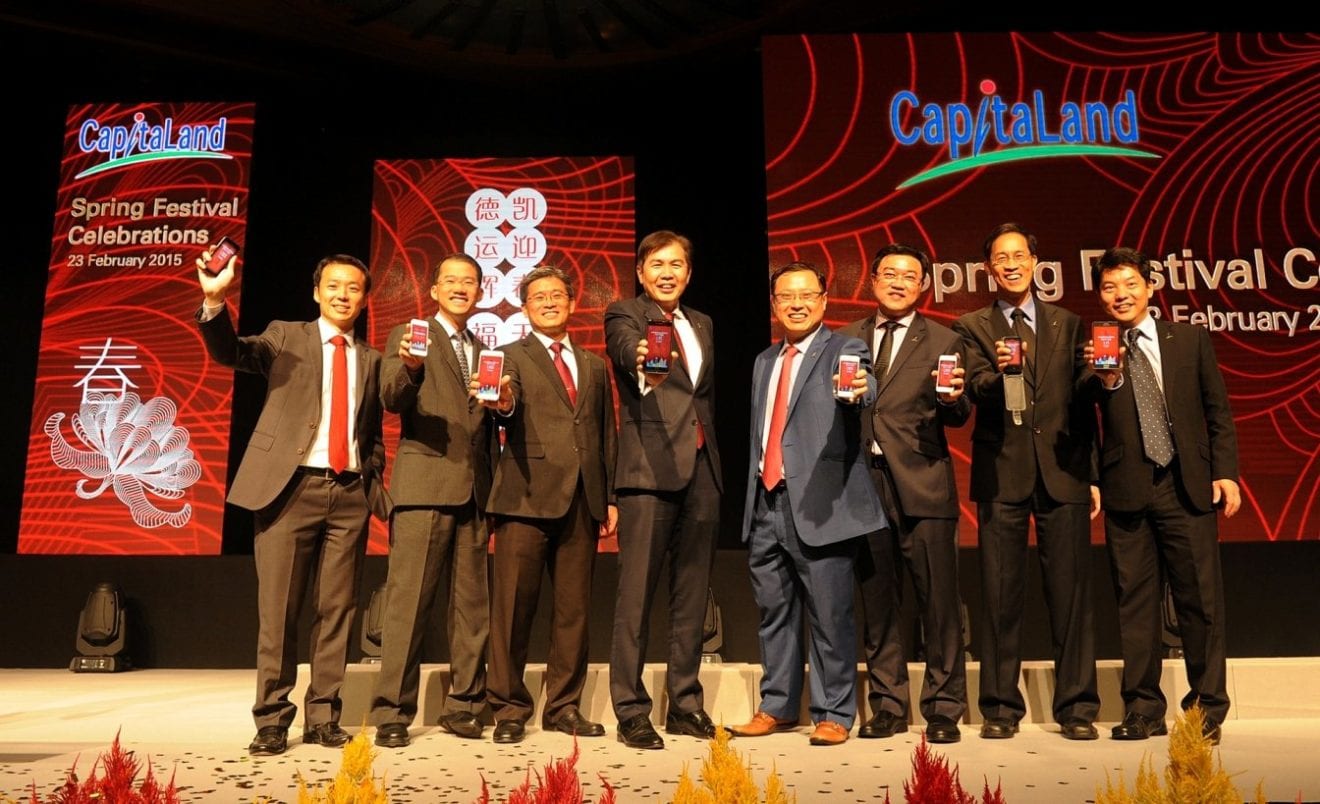
    CapitaLand is to expand its Capistar loyalty scheme into three more nations as the program’s membership surpasses 1.5 million.

    CapitaLand properties in Malaysia, Japan and India will be included by the end of this year.

    The Capitastar loyalty scheme is now benefitting 1.5 million members across 60 malls in Singapore and China where the program was launched in 2011 and 2013 respectively.

    In those two markets, more benefits will be offered to members from this year. From May, Capitastar members in China can exchange Star$ for credits on a prepaid card, ‘Expresspay Card’ issued by Bank of China, in addition to the current gift redemption benefits.

    The largest rewards programme by any mall manager in Singapore, Capitastar is available across 17 shopping malls in Singapore since 2011 and 43 malls in China since 2013. To date, shoppers in Singapore have redeemed more than S$1 million worth of CapitaVouchers through the Capitastar programme.

    Jason Leow, CEO of CapitaMalls Asia, CapitaLand’s wholly-owned shopping mall subsidiary, said tenant retailers have been supportive of Capitastar.

    “The rewards program is one way in which we add value to our tenants. It enables our tenants to better understand their customers through their purchase patterns and to tailor products to shoppers, who then get to enjoy more varied and customised experiences.

    “We currently have over 7000 tenants participating in Capitastar in Singapore and China,” he said.

  • Ex-Yahoo exec joins JD.com

    Ex-Yahoo exec joins JD.com

    JD.com, China’s largest online direct sales company, has appointed former Yahoo! executive Chen Zhang as senior VP.

    Zhang will head research & development for JD Mall, reporting to Haoyu Shen, JD Mall’s CEO.

    Zhang has been recruited to oversee JD Mall’s R&D staff, focusing on research that will enhance the company’s mobile applications, cloud computing and big data infrastructure. Daxue Li, who heads JD.com’s R&D team, will leave the company to pursue personal interests after a transitionary period but continue as an advisor to JD.com.

    At Yahoo, Zhang established and led the company’s Beijing Global Research & Development Center. In this role, he specialised in research related to personalisation, advertising, mobile and cloud computing technologies. During his 18 years at Yahoo, he held a number of other senior roles, and led the development of the hugely successful Yahoo Messenger product.

    “Chen is one of the most experienced executives in his field, not just in China, but globally,” said CEO Shen.

    “His breadth of experience has relevance right across our business, and we are confident he will have an immediate and lasting impact on our growth.”

    Zhang said he believes JD.com is one of the most innovative companies in the industry, led by a team that truly understands how technology can drive strategic success.

    JD.com, Inc. is a leading online direct sales company in China, with seven fulfillment centers and 123 warehouses in 40 cities and 3210 delivery and pick-up stations across China.

  • Nova LifeStyle boosts China focus

    Nova LifeStyle boosts China focus

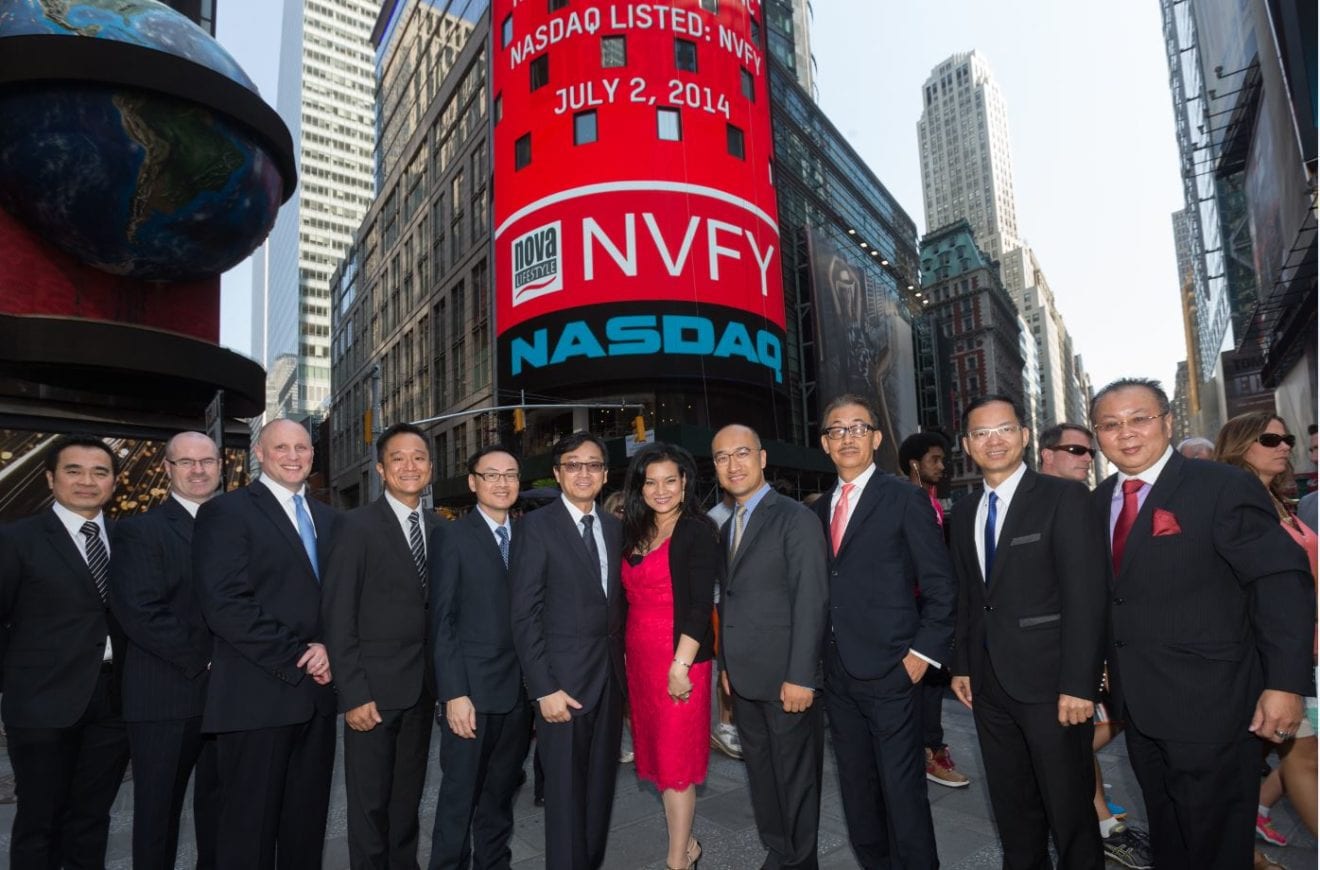
    US furniture designer, manufacturer and distributor Nova LifeStyle sees China as a key growth market as it feels a pinch in Europe.

    The company finished 2014 recording a 26 per cent year-on-year increase in net sales to US$98.7 million, with growth was primarily driven by a 46 per cent increase in sales in North America and 14 per cent in Asia Pacific, partially offset by a 20 per cent decline in Europe.

    Its gross profit was $19.4 million, also an increase of 26 per cent. Net income for the California-based, Nasdaq-listed company was $8.6 million.

    In China, overall sales increased by six per cent to $17 million, largely due to the opening of seven new franchised stores in the nation.

    “Throughout 2014, Nova LifeStyle implemented strategic initiatives to expand sales and distribution in China, a key growth market,” the company said in its earnings statement.

    Nova LifeStyle boosted sales on Alibaba’s B2C sites, TMall and JD.com and signed a franchise partnership with the Ablejoy Company of China, to provide Nova products to its 200-strong retail store network.

    Nova LifeStyle initiated shipping to Ablejoy in the third quarter of 2014 and will continue to supply current and future franchise stores. The company also successfully began manufacturing and shipping to Ikea China.

    Sales in other parts of Asia Pacific, including Hong Kong, Australia, and other countries, increased 46 per cent to $5.89 million in 2014.

    The company said it expects the China and US markets to contribute to top-line growth in the year ahead.

    “Sales in Asia increased significantly and we view the supply agreement with Ikea China as a testament to the quality of our products and manufacturing capabilities,” said CEO Jeffrey Wong.

    “We are witnessing the expansion of the retail furniture market in China as the growing middle class, increasing urbanisation and increased consumer spending fuel higher demand for household goods and furniture.

    “Due to our efforts in 2014, we believe that Nova LifeStyle is well positioned to take full advantage of any upturns in the global economy, both in Asia and in the domestic market,” concluded Wong.

    Nova’s products are made in the US, Europe, and Asia and include LifeStyle brands such as Diamond Sofa, Colorful World, Giorgio Mobili, Nova QwiK, and Bright Swallow International.

  • JD.com crowdfunding concept launched

    JD.com crowdfunding concept launched

    Chinese eCommerce company JD.com, has unveiled a series of initiatives to help finance, develop and promote the creation of start-ups in China.

    The new JD Equity Crowdfunding platform, which builds upon JD.com’s success in internet finance, is expected to be China’s largest equity crowdfunding platform upon its launch this week.

    “JD Equity Crowdfunding, which expands the range of offerings from JD Crowdfunding, will leverage JD.com’s nationwide brand and reputation for authenticity in the eCommerce space to give China’s entrepreneurs access to a broad set of potential early-stage investors,” the company said in a release.

    “The new platform will provide a unique range of training and support options for companies throughout the entire start-up lifecycle, giving entrepreneurs a greater chance at success.”

    JD.com says the initiatives, anchored by JD Equity Crowdfunding, will help to create an ecosystem supporting start-ups from the funding through the online sales stages of development. In addition to capital through crowdfunding, companies will have access new training courses provided by JD.com and seasoned investors and entrepreneurs, as well as to the company’s broader Internet financing tools. I

    And they will be able to sell their products through the company’s eCommerce platform, leveraging JD.com’s last-mile delivery network and reputation for trust and reliability.

    The first 11 companies to raise funds on the JD Equity Crowdfunding platform include Thunderobot, Fastwheel and WeBuzz, which respectively focus on the areas of gaming laptops, personal transportation devices and social media.

    “I know from personal experience how important it is for entrepreneurs to have access to knowledge and early funding,” said Richard Liu, founder and CEO of JD.com. “As the leader in Chinese e-commerce, JD.com is ideally positioned to create a premium platform to give China’s early-stage companies access to resources and seed capital from a broad range of investors. We look forward to creating innovation and value for investors, consumers and start-ups.”

    Under the JD Equity Crowdfunding model, each investment project will be led by a professional investment manager, from either a venture capital (VC) firm or from a company with similar experience, who will be responsible for working directly with the investee companies and ensuring clear and transparent communications with investors. Participating VCs who will help develop JD.com’s ecosystem for start-up companies include Capital Today, ZhenFund and Sequoia Capital. As part of the program, JD.com will take a small equity stake in the projects that successfully raise funding through JD Equity Crowdfunding.

  • Johnny Rockets China plan signed off

    Johnny Rockets China plan signed off

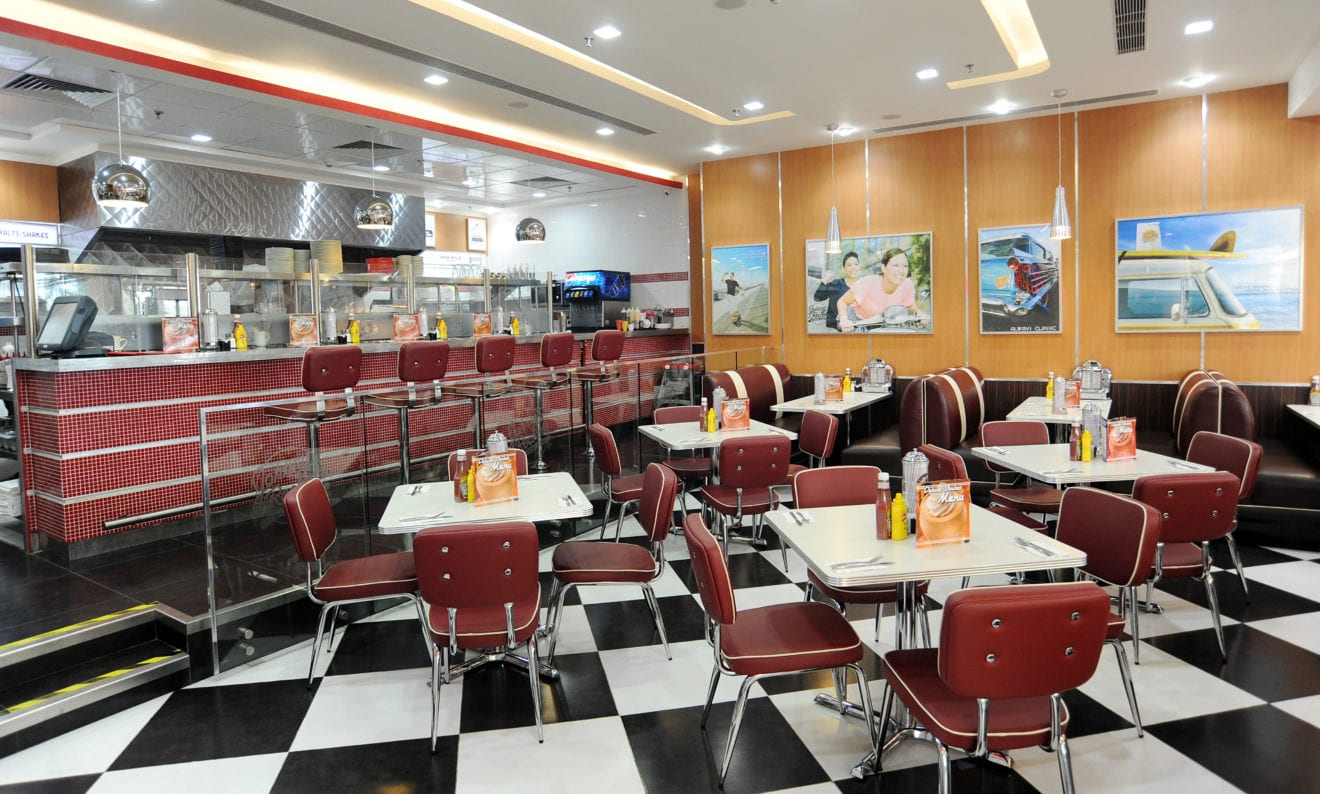
    Johnny Rockets has signed the largest development deal in its history: for 100 restaurants in China.

    Johnny Rockets has entered into a partnership with a joint venture between AUM Hospitality and its parent Parkson Retail Group.  The first restaurant will open in 2016. AUM Hospitality is a multi-brand food and beverage developer and currently works as franchise partner and operator for Johnny Rockets in Malaysia.  Parkson Retail Group is a member of a conglomerate based in Malaysia and a department store operator with an extensive network of more than 130 stores, including over 60 in the China market.

    The same companies are partnering in the rollout of 1500 Quiznos sandwich stores across China.

    The initial plan is to open stores within Parkson department store complexes, which will also likely feature Quiznos and other food brands as Parkson builds a food-anchored retail concept in China.

    Scott Chorna, SVP of international development for Johnny Rockets, said AUM Hospitality’s success in the food and beverage industry and Parkson Retail Group’s proven track record in operating major retail outlets, made for an ideal partnership for his company’s Chinese entry.

    “Moreover, there is a strong demand in China for American brands as well as a growing middle class population with more spending power. Our partners have a keen sense of consumer preferences and shopping habits.

    “While they will be showcasing Johnny Rockets all American menu including our world famous made-to-order hamburgers and hand-spun shakes as well as our unique signature guest experience that includes dancing servers, they will also be able to offer regional tastes and flavors to our extensive menu items,” Chorna said.

    Johnny Rockets has already launched successful development partnerships in the Philippines, Malaysia, Korea and Indonesia.

    Johnny Rockets’ franchise partners currently operate more than 125 restaurants outside the US and the brand’s global strategy is to double that number by 2017.

  • L’Oreal posts slower growth in China

    L’Oreal posts slower growth in China

    L’OREAL, the world’s largest cosmetics group, said growth in China slowed to 7.7 percent last year from that of 10.2 percent in 2013, as consumption growth slowed in China and globally.

    The French company’s total sales in China were 14.3 billion yuan (US$2.28 billion) last year, as the country remained its the third-largest market.

    Globally, like-for-like sales was up 3.7 percent under fixed exchange rate to 22.5 billion euros.

    “Moderate growth in the fast moving consumer goods sector is becoming a normal situation under China’s new economic scenario,” said Jason Yu, general manager of Kantar Worldpanel China.

    “Beauty market growth is boosted by trading up from a more sophisticated group of consumers, and we’ve seen high-end product lines growing at a much faster pace than mass market products,” he added.

    Alexis Perakis-Valat, L’Oreal Group Executive vice president for Asia Pacific and CEO of L’Oreal China, said future growth would come from more tailor-made products for local consumers and geographical expansion into lower tier cities, especially for luxury product division.

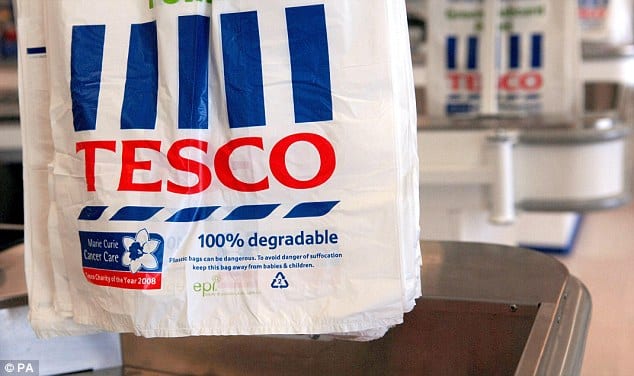
  • Tesco China drags down partner

    Tesco China drags down partner

    Tesco China has been blamed for dragging China Resources Enterprise into the red.

    CRE, which operates the Vanguard hypermarket chain in China, has reported its first annual loss in more than 20 years and blames the start-up costs for its venture with embattled Tesco for the red ink.

    CRE has effectively taken control of Tesco China when the latter effectively admitted defeat in Asia’s largest grocery market, unable to penetrate the domination of local brands and store networks.

    Now CRE has warned that it may take three to five years to turn the ailing Tesco business around.

    “Looking ahead, the group’s top priority in 2015 is to improve operational efficiency and reduce losses,” chairman Chen Lang said a statement.

    He warned profitability would remain volatile, with increased competition from eCommerce businesses and the Chinese government’s crackdown on gift-giving and graft affecting sales.

    CRE reported a net loss of HK$161 million (US$20.75 million) in 2014 – a massive turnaround from the HK$1.91 billion ($246.3 million) profit of 2013.

    Revenue from the 3000 supermarkets and hypermarkets CRE runs, rose 15.3 per cent to

    HK$168.86 billion ($21.8 billion).

    The Chinese retailer will be hoping its eCommerce venture, to be launched later this year, will help restore profitability, along with a change in focus of its store development program to smaller new stores, speciality stores and convenience stores rather than hypermarkets.

  • Zen retail: China’s new boom category

    Zen retail: China’s new boom category

    The unprecedented growth in the number of Buddhists on the Chinese mainland over the last 30 years has spurred strong demand for related merchandise.

    With China’s Buddhist population traditionally concentrated in the southern regions, the country’s first sizeable International Buddhist Items and Crafts Fair was held in the southeastern coastal city of Xiamen in 2006. Spurred by this initial success and, more importantly, by the continued growth in the number of the country’s Buddhists, several similar exhibitions have since been held across the country, reports the Hong Kong Trade Development Council.

    The first edition of the Xiamen fair attracted many exhibitors from neighbouring Taiwan, including Tso Chin-yung, a representative of Kuan Hong, a Taiwanese religious arts company, which is a regular exhibitor at the event. The inaugural fair was held in a 6000 sqm venue and attracted nearly 200 exhibitors. Today, the Xiamen fair has become the bellwether of the Buddhist merchandise industry, as well as the preferred specialist platform for the mainland market. It now claims to be the world’s leading Buddhist merchandise marketplace.

    At the ninth edition, held last autumn, the exhibition covered 90,000 sqm, featured 5000 international-standard booths, and attracted nearly 1000 exhibitors from 11 countries and regions – including Taiwan, Hong Kong, Malaysia, Japan and South Korea.

    The event also drew more than 200,000 local and overseas visitors, as well as several buying missions. Other Buddhist-themed exhibitions have since been held in other parts of the country, including major fairs in Guangzhou, Wuhan, Nanjing, Hangzhou, Jinan, Qingdao and Dalian in 2014.

    Perhaps most significantly, Beijing hosted its first such event last December. The China (Beijing) International Buddhist Items and Supplies Expo, staged with the approval of the China Council for the Promotion of International Trade and organised by the China Council for the Promotion of Buddhist Culture, was seen as marking national recognition for the sector. It also underscored demand for Buddhist items expanding well beyond the southern regions.

    An HKTDC Research visit to the inaugural Beijing event saw first-hand the scale of the fair. Covering 30,000 sqm of exhibition space and attracting some 500 exhibitors, the event showcased a variety of Buddhist statues, prayer beads, books, incense and vegetarian menus, musical instruments, Buddhist attire and decorative items, as well as temple construction and interior design equipment.

    Kuan Hong’s Mr Tso attended this event, along with about 20 other Taiwanese companies, which occupied about 50 exhibition stands. According to Tso, the trade mission included many key players in Taiwan’s Buddhism merchandise industry, many of whom have since established mainland affiliates.

    Tso, who launched his temple construction projects in China in 1992, believes religious and economic development in society tends to be mutually supportive. A weak economy, he said, leads people to focus only on immediate material needs. With China experiencing exponential economic growth, he sees people’s spiritual pursuits becoming more diversified and widespread, inevitably resulting in increased demand for religious items.

    Despite a history dating back some 2000 years, the last 30 years has seen the fastest growth in the number of Buddhists on the mainland. About 18 per cent of China’s population now claims to be followers of the religion – some 185 million people. Among those identifying themselves as non-Buddhists, 31 per cent accept at least one tenet of the religion or have participated in a Buddhist religious activity.

    Chen Yanni, founder of the Liu Wei Zen (“Six Flavour Zen”) brand of Buddhist merchandise, believes that China’s Buddhist population – and its associated industries – has experienced “explosive” growth over the past three years. Citing Beijing’s famous Lama temple, Yonghegong, as an example, Chen says its visitor level has grown by about 20 per cent a year. She estimates China’s Buddhist merchandise industry is worth more than Rmb100 billion.

    Seeing the size of this potential market, Chen founded Blooming Lotus, a cultural and arts development company, to produce high-end Buddhist merchandise. The Liu Wei Zen series, for instance, has been designed to correlate with the six sensors associated with Buddhism; namely the eyes, ears, nose, tongue, body and mind. Her company’s products range from books and paintings, Zen music and incense, to Zen tea, attire and Buddhist journals.Despite the high demand for Buddhist items on the mainland, she said that most products are still targeted at the low-end of the market. She now hopes to develop high-end Buddhist brands, something she sees as the future market trend in China.

    One Nepalese exhibitor also sees potential in the higher end of the market. Selling Buddhist items in China for more than two decades, the exhibitor last year sold US$1 million worth of glazed Buddha statues and Thang-ka canvas paintings to mainland buyers. He now believes Chinese consumers have higher expectations of product quality, while also having greater faith in Nepalese products than domestically-made items.

    This concern over the lack of quality associated with domestically-produced Buddhist items was echoed by Master Xuan Lin from Changchun. Speaking to HKTDC Research, he said that mainland items tend to be of poor quality, especially those manufactured in northern China.

    According to Master Xuan, items from Taiwan and Japan are well-received among mainland Buddhists. Despite this, many of the higher quality items are not widely available on the mainland, with the sales channels still relatively undeveloped.

  • Hengdeli shifts focus to mid market

    Hengdeli shifts focus to mid market

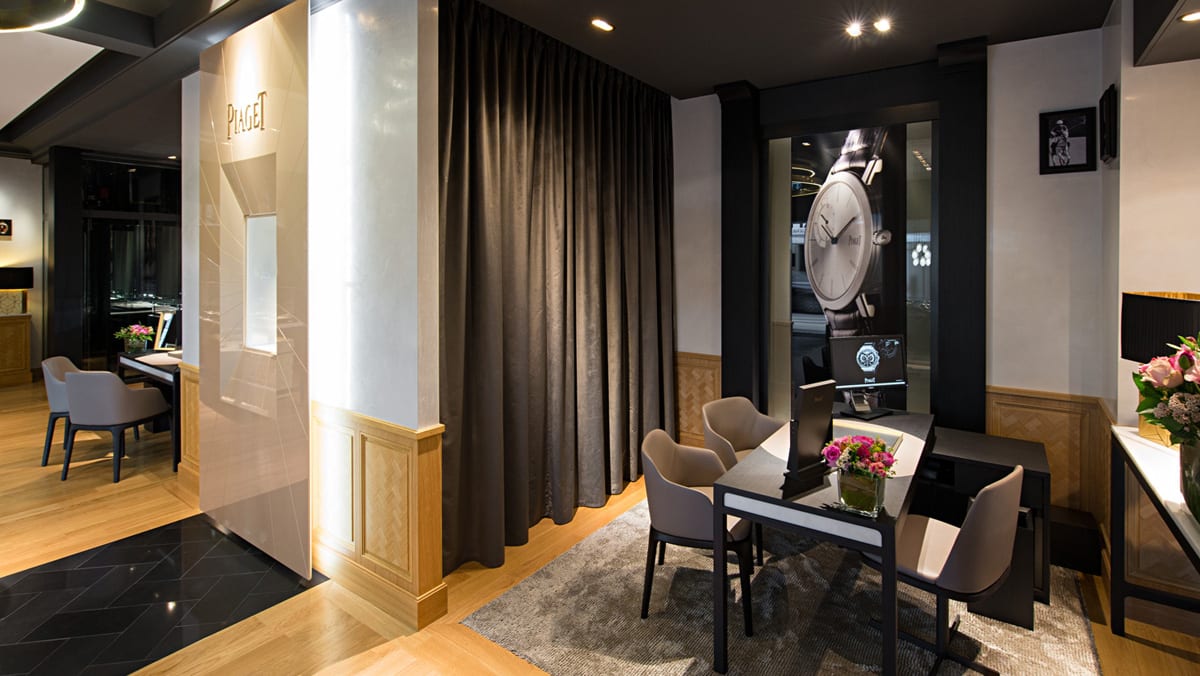
    Chinese watch retailer and wholesaler Hengdeli Holdings is to expand into the mid market as it mainland China business grows.

    Hong Kong-listed Hengdeli specialises in high end watch retailing in mainland China, Hong Kong and Taiwan and has relationships with major global suppliers including Swatch, both LVMH and Richemont, Rolex and Kering.

    As at December 2014, the company represented more than 50 international brands, including Breguet, Bulgari, Cartier, Girard-Perregaux, IWC, Jaeger-LeCoultre, Longines, Mido, Omega, Rolex, Scatola del Tempo, TAG Heuer, Tissot, Vacheron-Constantin, Van Cleef & Arpels and Zenith.

    Last year Hengdeli added Manufacture Royale, MB&F and Vulcain to its portfolio as it stepped up its efforts to “bring in and align mid-end, mid-to-high end and high-end brands across both Mainland China and Hong Kong”. The company said it believes optimising the brand portfolio will pave the way for long-term business development and increased sales.

    According to recently filed 2014 financials, Hengdeli recorded turnover of RMB 14,764,370,000 (US$2.379 billion); an increase of 10.4 per cent year-on-year. Retail sales amounted to RMB 10,608,804,000 ($1.71 billion), an increase of 6.3 per cent year-on-year. Of this figure, retail sales in mainland China posted a year-on-year increase of 11.6 per cent to reach RMB 6,248,240,000 ($1.007 billion), while Elegant Hong Kong’s retail sales experienced a year-on-year decrease of 17.7 per cent to RMB 2,593,388,000 ($418 million). Excluding the impact of foreign exchange gains and losses, the decrease was 16.6 per cent.

    Group sales remained at the same level as in 2013, indicating a slowing of expansion. “Growth of our total retail sales was mainly generated by domestic retail outlets and mid-end brands. While continuing weak sales of high-end watches had some impact on the total retail sales, the new normality of China’s economy and our strategy of aligning operations with market dynamics has paid off. As a result, the decline in sales of high-end watches in Mainland China began to slowdown.”

    The company says sales of mid-end brands remained favourable, posting a year- on-year growth of 16.1 per cent. Same-store sales of mid-end brands also grew by 2.2 per cent, which was above the group’s average growth for the year.

    The group recorded net profit of RMB 583,427,000 ($94 million); an increase of 24.4 per cent year-on-year.

    As well as focussing expansion on less high end brands, Hengdeli actively expanded into mainland China’s second, third, and fourth-tier cities while building market shares in first-tier cities, and establishing a multi-level sales system across Mainland China and Hong Kong.

    At year end, the Group operated 513 retail outlets in mainland China, Hong Kong, Macau and Taiwan.

    The Group’s retail network covers the Greater China Region, where retail stores mainly includes Prime Time/Hengdeli, Elegant as well as certain other single-brand boutiques. Prime Time/Hengdeli mainly sells mid-end and mid-to-high-end international brands, while Elegant focuses on top-end internationally renowned brands.

    Prime Time is the major retail outlet arm of the Group in Mainland China and mainly sells internationally renowned mid-end and mid-to-high-end branded watches.

    Hengdeli says in 2015, China’s economy looks likely to continue to evolve despite ongoing global economic uncertainties.

    “We believe that the resultant new normality will continue to create exciting fresh opportunities for the group.”

  • UnionPay joins hands with 80 airport duty free shops to expand cardholder privileges

    UnionPay joins hands with 80 airport duty free shops to expand cardholder privileges

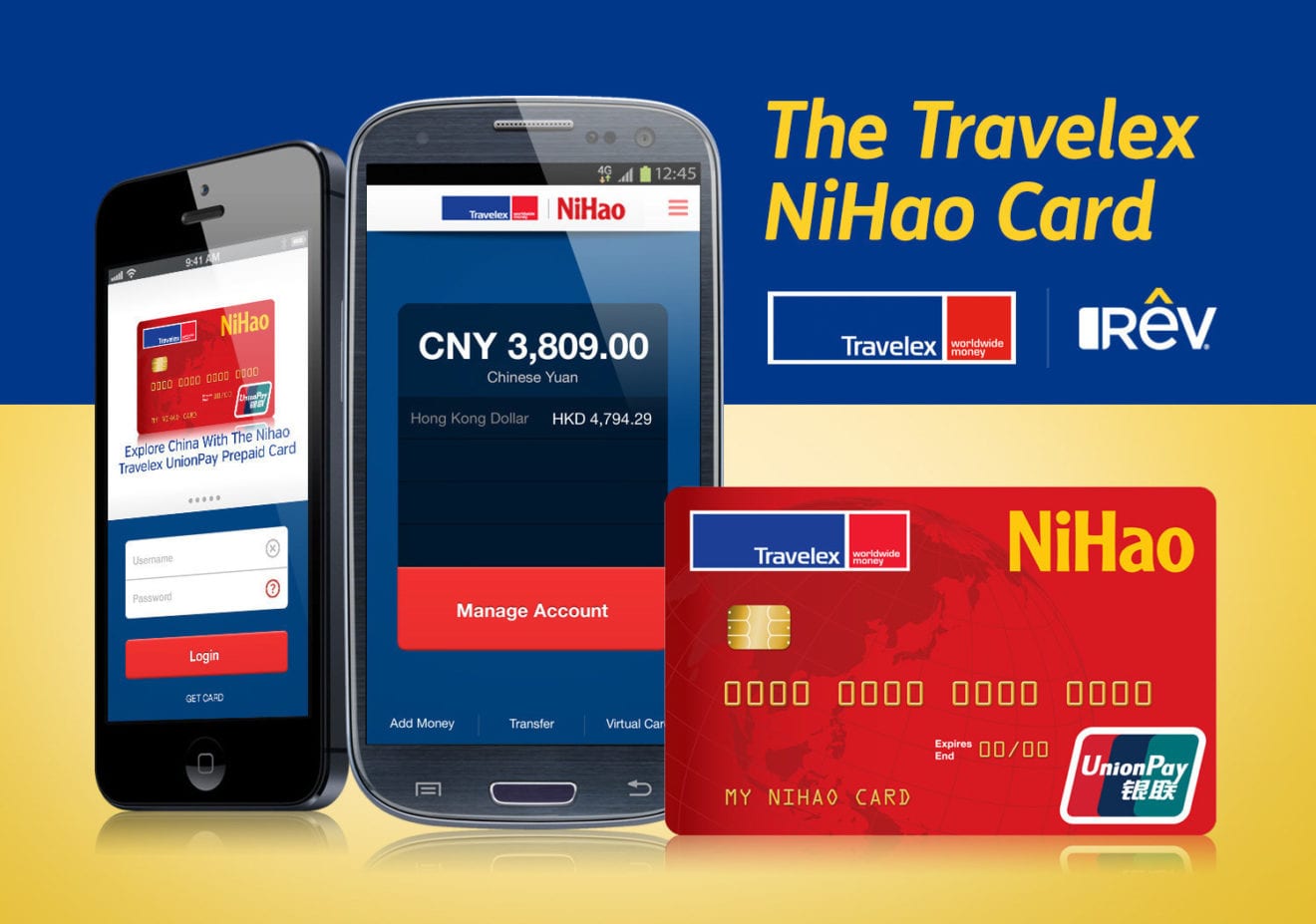
    UnionPay International, a unit of China UnionPay Co Ltd, said on Friday that it launched a new privilege program featuring special discounts at 80 duty free shops in 70 airports by partnering with 16 world-renowned duty free groups. Holders of UnionPay cards (card number starting with 62) are able to enjoy exclusive discounts of at least 5 percent while shopping at the airport.

    “As China becomes the world’s second largest tourism source country, we’re keeping up with the trends that individual and in-depth tours have become more popular to continuously enrich our global cardholder privilege system,” said Dong Li, Chief Branding Officer of UnionPay International.

    “Airport duty free shops are must-visit shopping sites for many during their travel, we wish to provide both domestic and overseas cardholders with better card-using experiences at airports around the world by rolling out the latest privilege program.”

    The program is an upgrade of the one of last year that features exclusive discounts at 60 airport duty free shops with many highlights.

    It covers a wide range including popular destinations such as Hong Kong, Taiwan, Japan, South Korea, Southeast Asia, Europe, North America, Australia, New Zealand and the Middle East. A total of 17 airports among the top 20 global ones in terms of passenger flow participate in the program.

    Cardholders can enjoy discounts of at least 5 percent. In the meantime, the program covers the Labour Day and the summer vacation during which Chinese tourists prefer to travel. Around 30 percent of the duty free shops, including those in Paris Charles de Gaulle Airport, Toronto Pearson International Airport and Ngurah Rai International Airport, will extend the offers to the end of 2015.

    A large number of new merchants are involved. International airports in emerging tourist destinations including Russia, Italy, Qatar, South Africa, Finland, Belgium and Fiji participate for the first time. UnionPay International also offers privileges in 5 domestic airport duty free shops in Guangzhou, Hangzhou and Kunming to overseas UnionPay cardholders.

    Currently, the overseas UnionPay acceptance network has expanded to 150 countries and regions. UnionPay cards are accepted by 26 million merchants and 1.8 million ATMs worldwide. UnionPay has become the preferred payment service provider of Chinese outbound tourists. Since last year, UnionPay International has launched privilege programs featuring discounts at airport duty free shops, core business districts and tourist destinations.

  • Rainbow stores continues expansion

    Rainbow stores continues expansion

    Shenzhen-headquartered Rainbow Department Stores is continuing to expand despite falling profit in 2014.

    According to stock exchange filings, Rainbow increased sales last year by 6.02 per cent to RMB 16.998 billion (US$2.7 billion). But its profit fell 11.84 per cent year-on-year to RMB 773 million ($124.5 million).

    Rainbow stores opened 12 new shops under its own brand and one new Dreams-on store, added five new Weiwo convenience stores and acquired a chain of 153 Q-mart c-stores.

    The company now has 62 Rainbow-branded stores and one franchised store with a combined trading area of more than 1.8 million sqm. Its Dreams-on owned chain now stands at four.

    At year end, Rainbow had expanded into Guangdong, Jiangxi, Hunan, Fujian, Jiangsu, Zhejiang, Beijing, and Sichuan.

    The company says in 2015 it will transform and restructure its internal business model to boost profitability.

    The company will focus on developing a mobile eCommerce channel and improve its supply chain capacity.

  • Chinese drive Europe outlet malls

    Chinese drive Europe outlet malls

    Chinese travellers are poised to become the biggest global spenders at McArthurGlen designer outlets in Europe.

    Fashion-conscious travellers from China and across Asia are spending big at McArthurGlen’s  20 Designer Outlet centres located across Europe, with Chinese visitors poised to become the most prolific spenders in 2015.

    The company, a joint venture with US property giant Simon, says total tax-free sales at McArthurGlen Designer Outlets reached a record high in 2014, reflecting a more than quadrupling of sales to international travellers over the past four years.

    “Impressive sales growth was seen from Chinese shoppers, up 36 per cent, and from Korean travellers, whose spending increased 32 per cent” the company said.

    The projections for future Chinese spending overseas are even more impressive. In 2014, 109 million Chinese tourists spent US$164 billion worldwide, while 174 million Chinese tourists are tipped to spend $264 billion annually by 2019, according to Bank of America Merrill Lynch.

    “These upward global spending figures are being reflected in sales at McArthurGlen’s Designer Outlets. In 2014, Chinese shoppers accounted for 25 per cent of total tax-free sales, ranking second overall behind Russian travelers (29 per cent). Korean visitors ranked third, with five per cent of total tax-free sales.

    “In 2015, Chinese visitors will likely overtake Russian tourists as the number one international spender.”

    McArthurGlen Designer Outlets is responding to the burgeoning Chinese interest by increasing its digital engagement with consumers in China. A dedicated page is about to be launched on social media channel WeChat, and McArthurGlen also re-launched its Sino-Weibo page. In addition, the McArthurGlen App and The Guide is available in 12 languages, including Chinese.

    Anthony Rippingale, McArthurGlen’s head of tourism, says the company’s sales to international shopping tourists are increasing twice as fast as for overall tax-free retail sales in Europe.

    “We are noticing particularly impressive growth from Korea and China, whose shoppers rank first and second for average transaction value for international visitors.”

    Across all international shopping markets, the most popular McArthurGlen Designer Outlets in 2014 for tax-free shopping were: Serravalle (near Milan, Italy), Roermond (near Düsseldorf, Germany), Parndorf (Vienna, Austria), Noventa di Piave (Venice, Italy) and Castel Romano (Rome, Italy).

    In June, McArthurGlen will open its first centre outside Europe, in Vancouver, Canada.

    “The latter will be of special interest to Chinese shoppers after the announcement of the new 10-year Canada visa plan for Chinese guests was announced in March,” the company said.

    McArthurGlen Group, Europe’s leading owner, developer and manager of designer outlets, was founded in Europe by Kaempfer Partners in 1993. Since then, the company has developed nearly 600,000 sqm of outlet space, with a current value of more than euro 3 billion, and manages 20 McArthurGlen Designer Outlets across eight countries: Austria, Belgium, France, Germany, Greece, Italy, the Netherlands and the UK.

    In 2013, McArthurGlen became a joint venture between the world’s largest retail developer, Simon Property Group, and Kaempfer Partners.

  • China sinks Prada profit

    China sinks Prada profit

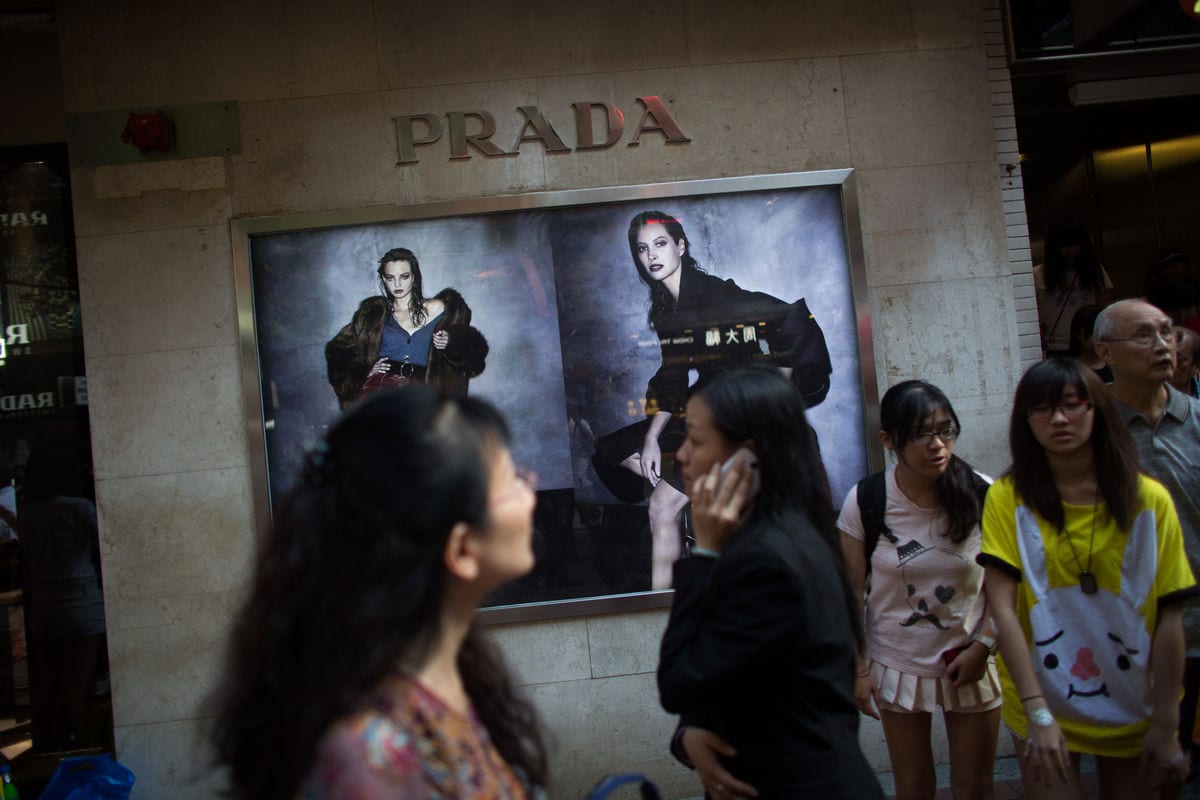
    Luxury retailer Prada Group has blamed China for a 28 per cent slump in profit last year.

    The Italian company says sales in its key Asia-Pacific market – which contributes 35.7 per cent of its global turnover – slid 3.1 per cent.

    This was largely due to the clampdown in corporate gift giving as China tries to reduce graft, and changing purchasing patterns in Hong Kong, which cashed up Chinese are spurning for other travel destinations.

    “Results in the region were hit by the negative performances recorded in Hong Kong and Macau. The Greater China area still benefited from growth on the [mainland] Chinese domestic market and ended the year with net sales of 774.1 million euros, a decrease of 6.3 per cent,” the company said.

    While Prada accounts for 81.2 per cent of the group’s sales, Miu Miu and Church’s both improved globally, while the smallest, Car Shoe, returned a sales drop of 11.9 per cent.

    Prada opened 21 new stores in Asia Pacific in the year to January 31 and closed three. Retail sales slid 5.5 per cent, but this was in part compensated for by a double digit growth in the wholesale division, largely due to increasing numbers of inbound tourists into South Korea. In the Americas, sales were up 0.9 per cent.

    In Europe, sales fell 4.9 per cent, but in Japan (which is not included in the Asia-Pacific figures) sales rose 7.9 per cent, despite store network rationalisation.   Prada said overall revenue for the year dipped by one per cent to 3.55 billion euros, while net income dropped to 450.7 million euros from 627.8 million euros a year earlier. Its operating margin was down from 31.9 per cent to 26.9 per cent, largely due to store openings.

  • Xiaomi to open new store in Taiwan this year

    Xiaomi to open new store in Taiwan this year

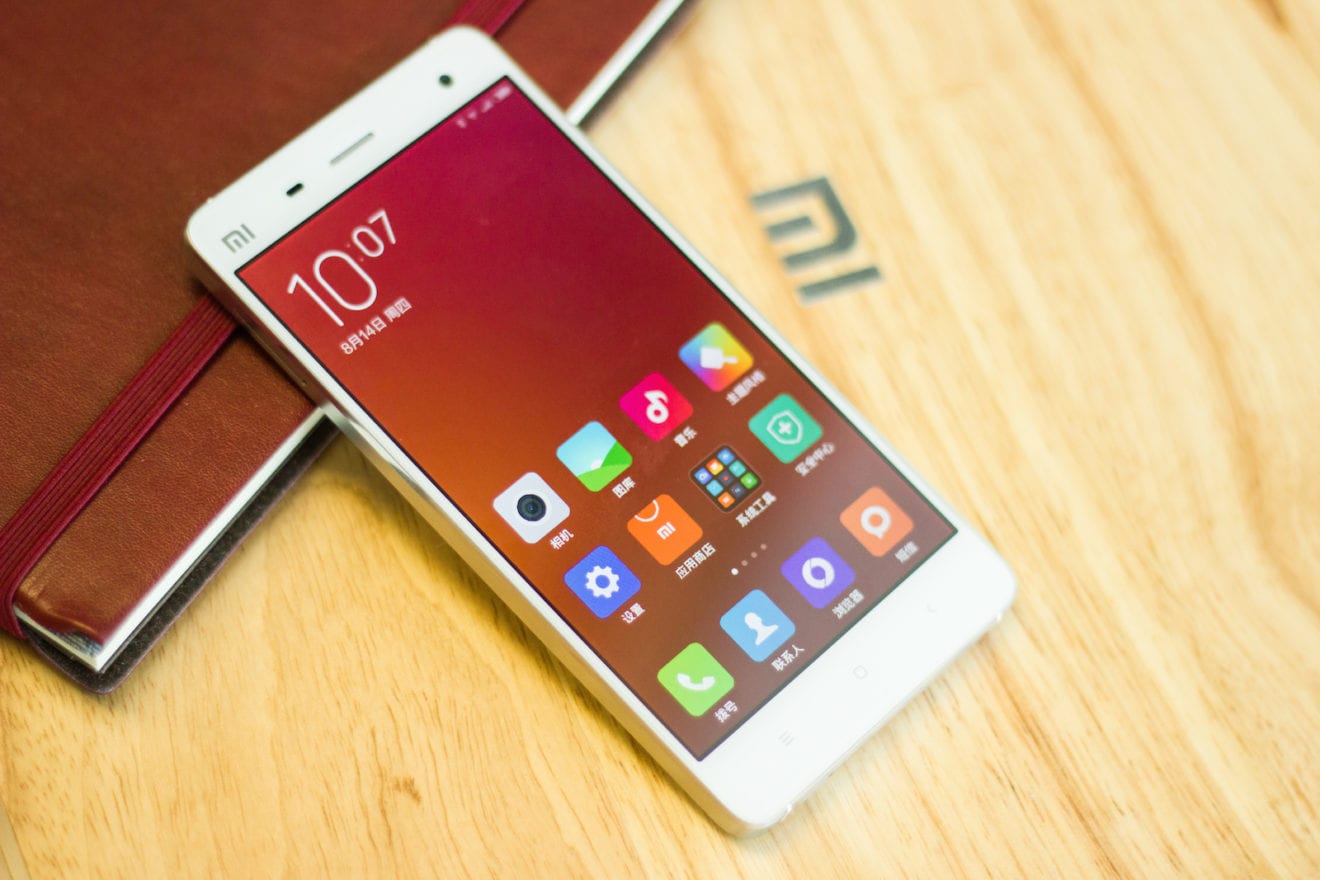
    Chinese smartphone maker Xiaomi Inc. said that it will open a facility in Taiwan in the next few months to showcase its products and provide better after-care service. Xiaomi, whose low-cost, feature-rich phones are sold largely online, previously planned to set up a store in Taiwan by the end of 2014, but the timetable was postponed because the company needed more time to find an appropriate location, said Bin Lin, Xiaomi’s co-founder and president.