Tag: China

  • Apple ranks No. 1 in luxury gift giving in China on hot streak

    Apple ranks No. 1 in luxury gift giving in China on hot streak

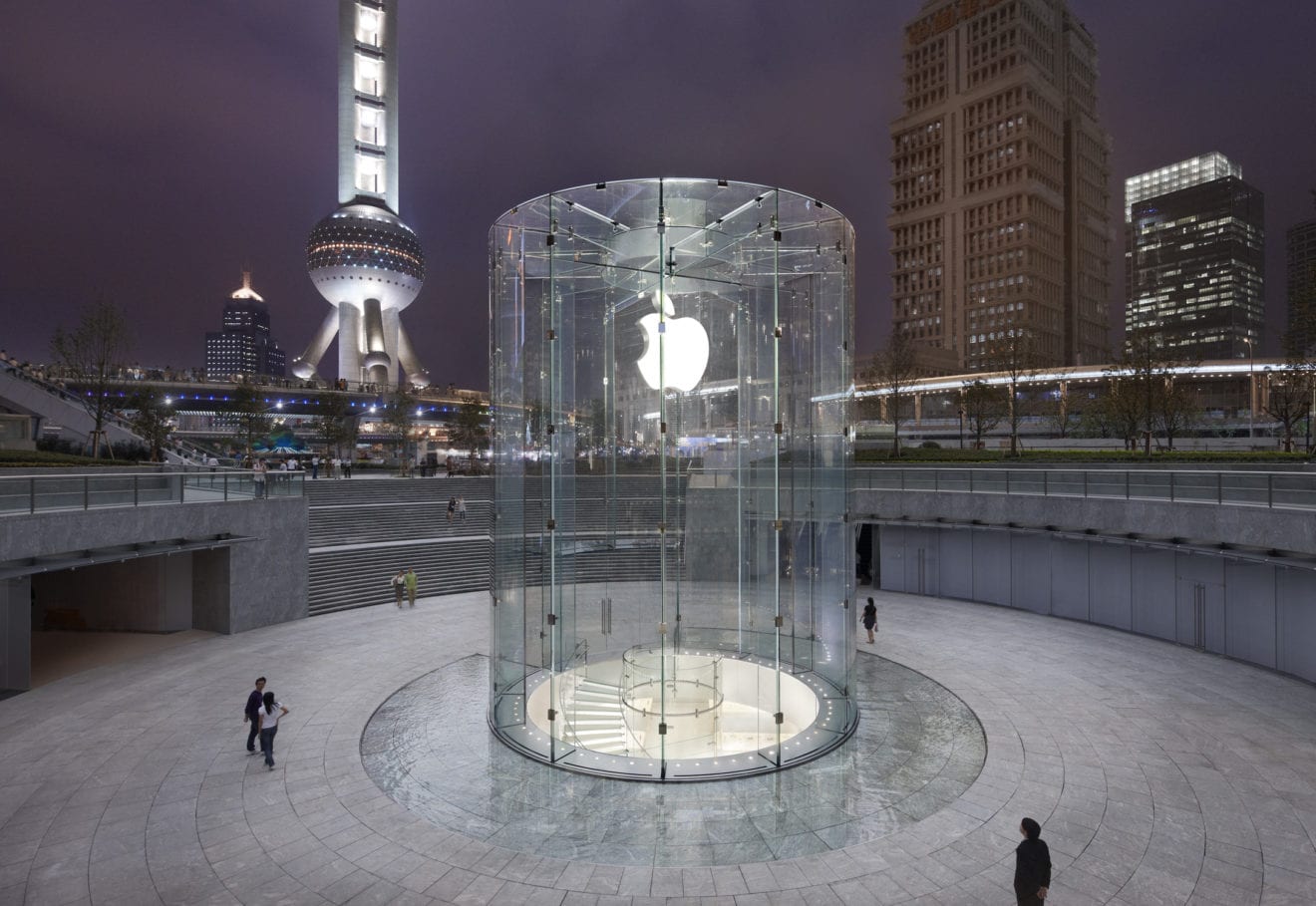
    Apple Inc has taken the number one luxury gifting spot in China from designer goods maker Hermes International SCA, according to a Hurun luxury report on Thursday, reflecting the iPhone maker’s recent hot streak in the country.

    The US tech firm’s focus on glitzy stores and high prices helped it post a 70 percent rise in sales in China in the last three months of 2014 and powered the company to the largest profit in corporate history.

    Spending on gift giving overall fell 5 percent in 2014, after a 25 percent drop the year before, according to the Hurun Chinese Luxury Consumer Survey. Beijing has been cracking down on corruption and luxury spending among public officials, weighing down sales of premium liquor to handbags.

  • CapitaLand China mall sales soar

    CapitaLand China mall sales soar

    CEO of CapitaRetail China Trust Management Limited (CRCT), Tony Tan said the growth was underpinned by the new contribution from CapitaMall Grand Canyon and rental growth from the other multi-tenanted malls.

    “Rental reversion was a robust 20.6 per cent, and portfolio occupancy as at December 31 was a healthy 95.9 per cent. Tenants’ sales and shopper traffic for 2014 increased year-on year by 16.2 per cent and 3.9 per cent respectively.”

    Singapore-based CRCT has 10 income-producing CapitaMall-branded shopping malls in greater China: Xizhimen, Wangjing, Grand Canyon, Shuangjing and Anzhen in Beijing; Qibao in Shanghai; Erqi in Zhengzhou, Henan Province; Saihan in Huhhot, Inner Mongolia; Wuhu in Wuhu, Anhui Province; and Minzhongleyuan in Wuhan, Hubei Province. Total assets are valued at about S$2.4 billion.

    All the malls are positioned as one-stop family-oriented shopping, dining and entertainment destinations for the sizeable population catchment areas in which they are located, and are accessible via major transportation routes or access points. A significant portion of the properties’ tenancies consists of major international and domestic retailers such as Beijing Hualian Group and Carrefour under master leases or long-term leases, which provide unitholders with stable and sustainable returns. Other tenants include KFC, Paris Baguette, Pizza Hut, Sephora, Uniqlo, Vero Moda, Watsons and Zara.

    “For 2014, CapitaMall Xizhimen and CapitaMall Wangjing – our largest revenue contributors – recorded growth of 16.4 per cent and 13.7 per cent in their net property income (NPI) respectively, after a series of tenant mix adjustments,” said Tan.

    “Over at CapitaMall Grand Canyon, new tenants such as Nanjing Impressions opened to strong sales, and plans for further reconfiguration of the mall’s layout to add more retail units are progressing well. CapitaMall Qibao, which achieved 17.5 per cent growth in NPI, strengthened its education and children-related trade offerings on its Level 4 with the introduction of C&S – an enrichment centre which offers baking classes to both adults and children and held well-received thematic marketing activities such as the Shanghai Animation Film Studio Exhibition.

    “The upgrading of the tenant mix at CapitaMall Saihan also showed positive results, with its NPI increasing by 19 per cent in 2014.”

    Tan said CapitaMall Wuhu is also currently undergoing tenant mix adjustments to achieve a stronger positioning and better trade mix.

    “In the short term, CapitaMall Minzhongleyuan’s NPI has been impacted by the road closure for subway construction works, but the mall will stand to benefit from increased shopper traffic when subway Line 6 linking Hankou and Hanyang becomes operational by end-2016. With the financial flexibility provided by our robust balance sheet, we continue to be on the lookout for acquisition opportunities to grow our portfolio further.”

    The trust achieved distributable income of S$20.5 million for the quarter, an increase of 15.6 per cent over the S$17.7 million for the fourth quarter of 2013.

    Chairman Victor Liew said China’s economy expanded by 7.4 per cent in 2014 and retail sales grew 12 per cent to RMB26.2 trillion.

    “The Chinese government has continued to place a strong emphasis on quality and sustainable growth, and we have seen an overall stability in the economy and the labour market in the past year. The country’s efforts at economic restructuring are seeing progress, and the services sector has developed into the largest pillar of China’s economy.

    “Moving forward, with the government’s focus on driving domestic consumption and maintaining long term stability, CRCT remains upbeat about China’s retail growth prospects,” said Liew.
  • Alibaba sales soar 40%

    Alibaba sales soar 40%

    Chinese eCommerce giant Alibabahas reported a 40 per cent increase in sales in the quarter to December.

    But its net profit for the period plunged 28 per cent to $US964 million impacted by a one off charge and higher taxes.

    Based in Hangzhou, Alibaba owns China’s most popular online trading platform, Taobao.

    Alibaba Group’s total sales for the quarter reached $US4.219 billion, and earnings per share rose 13 per cent to 81 US cents.

    The company executed the world’s biggest IPO when it listed on the New York Stock Exchange last September.

  • Kate Spade targets 100 stores in Greater China

    Kate Spade targets 100 stores in Greater China

    Kate Spade is to buy out its Chinese joint venture partner in favour of a new partnership with Lane Crawford Group.

    Walton Brown, the brand wholesaling and retailing subsidiary of Hong Kong-based department store operator Lane Crawford, will team with Kate Spade in a major expansion of the New York brand into mainland China, Hong Kong, Macau and Taiwan in a new joint venture announced overnight, targeting 100 stores long term.
    The newly formed partnership will leverage the expertise of Walton Brown, and the global demand for Kate Spade & Company products, to establish a strategic network of stores in key cities, enhanced by a robust organisational and marketing platform across China, Hong Kong, Macau and Taiwan.

    Kate Spade’s current Chinese JV partner is E-Land Fashion China Holdings which owns 60 per cent of KS China Co Ltd. Next month, Kate Spade will pay US$36 million to buy out E-Land’s 60 per cent share in KSC.

    The new partnership will align Kate Spade & Company’s existing businesses in China and Hong Kong, Macau and Taiwan under one combined structure, owned 50-50 by the two parties. Kate Spade & Company and Walton Brown will actively manage the business together. The partnership will have an initial term of 10 years.
    Kate Spade CEO Craig A Leavitt said the new partnership is a pivotal next step as Kate Spade continues to advance a key axis of its growth strategy – geographic expansion.

    “Walton Brown is the right strategic partner as we position Kate Spade & Company for sustainable growth, allowing us to take a holistic approach to expansion, influence consumers and leverage resources across the Greater China region. Walton Brown’s relationships, operations and marketing expertise will help us create a cohesive foundation of stores surrounded by a vibrant ecosystem to help deepen our connection with consumers in Asia.”
    Walton Brown president Thomson Cheng said Kate Spade already has strong appeal in the market, with strong growth potential.

    “Together, we will build upon this momentum to establish a broader foundation and fuel Kate Spade & Company’s scale in the region. Drawing upon our best-in-class expertise and network, we look forward to partnering with Kate Spade & Company to enhance its global presence during this exciting time in the company’s transformation.”
    Kate Spade’s distribution agreements with Valiram in Singapore, Malaysia, Indonesia and Australia and with AT Luxury in Thailand are not affected by these transactions.

  • Parkson in China food foray

    Malaysia’s Parkson has entered into a joint venture to develop a food retailing business in China as it transforms its department store portfolio into lifestyle centres.

    The company’s wholly-owned subsidiary Grand Parkson has teamed with fellow Malaysian company AUM Hospitality (AUMH) which it majority owns, to create Lion Food & Beverage Ventures Limited. Parkson will own 91 per cent of the business, AUMH the balance.

    In a stock exchange announcement, Parkson said the group is undergoing a business transformation in China from a traditional department store model into a lifestyle concept retail business.

    “Our aim is to enhance our customer experience by offering a quality shopping, catering and entertainment experience that encourages repeat customer patronage.

    “F&B is an important component to the shopping experience that the group is offering to its customers. Developing the F&B sector will provide synergies with the group’s existing retail business.”

    The partnership will allow Parkson to leverage AUMH’s expertise and brand resources in the F&B sector.

    “Introducing F&B services will be a major strategic move for the group.”

    AUMH operates restaurant chains in Malaysia under 12 self-owned and franchised brands, including Johnny Rockets, Quiznos and The Library Coffee Bar. It is 60 per cent owned by a subsidiary of Parkson.

    The company has 60 department stores in 36 cities in China.

  • Alibaba invests in AdChina

    Alibaba invests in AdChina

    Chinese e-commerce giant Alibaba will take a majority stake in AdChina, which calls itself China’s leading digital marketing platform, to develop online and mobile marketing, the internet powerhouse says.

    Alibaba had made a strategic investment in AdChina, it said in a statement, without giving the amount.

    An Alibaba spokeswoman said financial details were not disclosed.

    Alibaba, which listed on the New York Stock Exchange last year, said the deal would allow the company to grow its online and mobile marketing “ecosystem”.

    The two companies will also develop online marketing services and data marketing products for businesses, media clients and third party service providers, the statement said.

    Alibaba is often described as the Chinese version of eBay, and like the US company has its own payments system.

    It has no product stocks itself, instead connecting buyers and sellers.

    The company’s consumer to consumer platform, Taobao, is estimated to hold more than 90 per cent of the Chinese market with more than 800 million product listings and around 500 million registered users.

  • China buying more iPhones than US

    China buying more iPhones than US

    Apple is expected to say this week that it has sold more iPhones in China than on its home turf in the US for the first time last year, highlighting the shifting power balance of the smartphone market.

    Analysts estimate that the US tech group reached the turning point in iPhone sales after expanding its presence in China last year via a deal with China Mobile, the country’s largest network operator, and after the release of the latest iPhone 6 in the country in October.

    The iPhone’s growing market share in China comes as Samsung, the global market leader by smartphone volumes, has stumbled and the region has seen the rapid rise of low-cost challenger Xiaomi.

  • Wedgwood plans China expansion

    Wedgwood plans China expansion

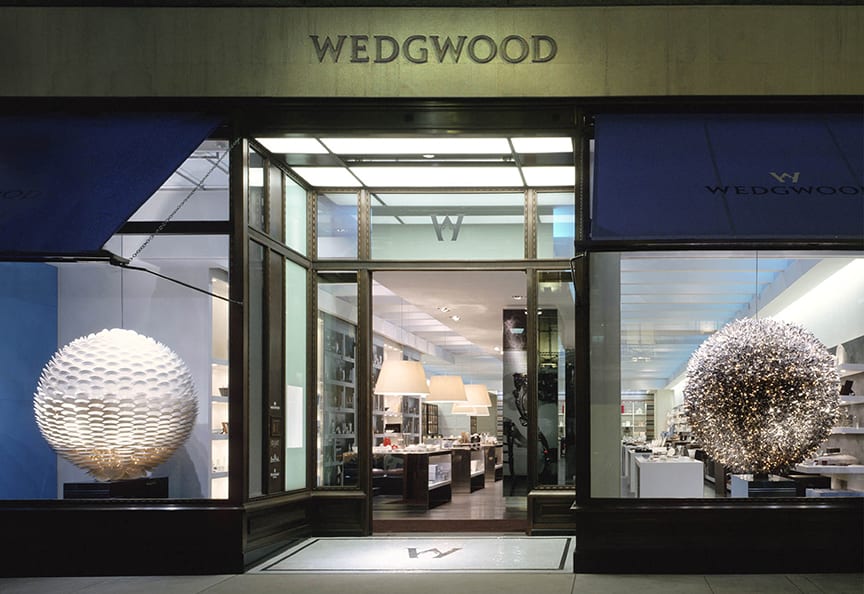
    Wedgwood, one of the world’s best known china brands, is now betting big on China.

    As news broke that Wedgwood’s parent company WWRD was being put on the market by its private equity owners, it emerged that the business is planning a “major” retail expansion in Hong Kong.

    WWRD owns Waterford (crystal), Wedgwood and Royal Doulton china brands. It has 35 stores in China including two flagships in Shanghai.

    Subsidiary Waterford Wedgwood Hong Kong is to buy the assets of its distributor Shanghai Balolong International Trade Co and through that process acquire a number of store leases.

    That move alone will expand the store network to 56.

    “The acquisition of a significant number of Waterford and Wedgwood retail stores from Baolong in China positions WWRD perfectly to engage and meet the needs of affluent Chinese consumers,” group VP Jim Harding said in a statement.

    “This announcement comes at the right time with 2015 set to mark a growing vision for our brands as we continue our commitment to developing the business globally as a leader in luxury goods.”

    WWRD, founded in 1759, was rescued by US private equity company KPS Capital back in 2009 when it collapsed beneath a massive € 800 million burden of debts and pension liabilities.

    Investment bank Goldman Sachs has been appointed to undertake an auction of the business which promises a substantial return on the £82 million it spent acquiring the assets. The business achieved annual sales of US$450 million last financial year and it posted a £36 million profit.

    The financial press tips significant interest in the bidding from Asian investors, given 40 per cent of the group’s revenues come from Asia. A significant number of the group’s products are now manufactured in Indonesia, although the company recently commissioned a new plant in the UK.

    In a statement WWRD said: “As a profitable and strongly performing global business under private equity ownership, options for the next phase of growth are constantly under review. KPS Capital Partners remains firmly committed to achieving the brightest possible future for the brands and employees of WWRD.”

  • Picky consumers spur growth in online fresh food sales in China

    Picky consumers spur growth in online fresh food sales in China

    China’s urban consumers, prodded perhaps by a series of food-safety scandals, are becoming much more picky about what they eat. They are increasingly willing to pay a premium for imported products and are being drawn in larger numbers to retailers that deliver fresh fruit and vegetables to the doorstep.

  • Alibaba, Tencent spend billions in race to be China’s one-stop online shop

    Alibaba, Tencent spend billions in race to be China’s one-stop online shop

    Alibaba and Tencent spent more than USD8 billion last year alone backing often strikingly similar ventures, as the Chinese Internet giants race to create online one-stop-shops to win the digital loyalty of a tenth of the world’s population.

    Before China became the biggest smartphone market, there was little overlap between the businesses of e-commerce leader Alibaba Group Holding Ltd, social networking firm Tencent Holdings Ltd and search engine provider Baidu Inc.

    Now, as more and more Chinese use their phones for everything from shopping to booking restaurants, the three companies are increasingly stepping over each other – and investing in the same services – to attract the same users.

  • Spending on luxury falls on mainland China

    Spending on luxury falls on mainland China

    China remained the world’s largest consumer of luxury products last year even though domestic sales fell for the first time due to the government’s anti-corruption campaign and increased spending overseas.

    Chinese spending on luxury goods increased 9 percent to CNY380 billion (USD61.3 billion) in 2014, accounting for 30 percent of global spending, according to Bain & Company’s 2014 China Luxury Market Study.

    However, sales of such products on the Chinese mainland fell 1 percent from a year earlier to CNY115 billion, the consulting firm said on Tuesday.

  • Apple will open 5 new stores in China before Chinese New Year

    Apple will open 5 new stores in China before Chinese New Year

    Apple is continuing its aggressive retail expansion into the Middle Kingdom, with plans to open 5 new Apple stores in China in the early days of 2015. Prior to Spring Festival, the company has reportedly said it will open 5 new retail shops, including the new store in Zhengzhou that opened earlier this month. The next one on the list will be in Hangzhou, where doors will open at Apple’s new West Lake store on 24 January.

  • Wearable devices have bright future in China

    Wearable devices have bright future in China

    A latest survey showed that wearable devices will become more popular in the Chinese market in the next five years.

    For wearable health devices, 39 percent of respondents worldwide plan to buy one by 2020, but 65 percent of Chinese consumers surveyed already have an interest in buying one, according to a survey filed to Xinhua Saturday by Accenture, a consulting and technology services company.

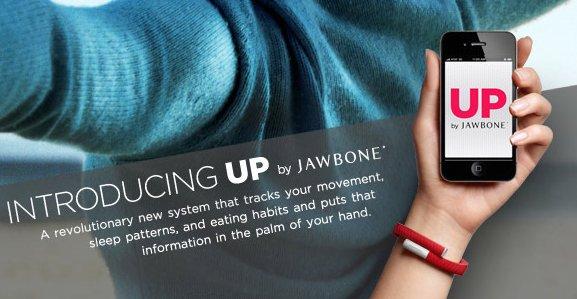
    As many as 67 percent of Chinese consumers are likely to buy wearable fitness monitors and 73 percent wants smart watches in the coming five years, more than doubled 32 percent and 27 percent in the United States.

  • Stranded online parcels claim ‘partly untrue’

    Stranded online parcels claim ‘partly untrue’

    China Post has said reports that thousands of parcels from overseas have been languishing at a Shanghai port for months because it owes millions of yuan in port fees are “partly untrue.” This follows online claims that 200 containers mostly containing haitao — goods bought online from overseas — brought by ship to the city are piled up at a Shanghai port. Items transported by air are unaffected. They are mainly said to be items bought from Japan between October and November — including diapers and other infant products ordered by parents. It has been claimed online that the delay is because the China Post Express Mail Service owes some 5 million yuan (US$817,730) to Shanghai International Port Group and has refused to pay.

  • Chinese luxury market trends for 2015

    Chinese luxury market trends for 2015

    The Chinese luxury market has gone through changes in 2014 driven by changes in consumer behavior and the government crackdown. What can we expect in 2015?

    The recent Ruder Finn and Ipsos’s China Luxury Forecast survey provides a glimpse into what we can expect in luxury consumer trends for 2015 in domestic retail, travel, duty free shopping, and e-commerce.

    Ruder Finn and Ipsos surveyed over 1,900 consumers in mainland China and Hong Kong from first, second, and third tier cities, reports Luxury Daily. The average annual household income for those surveyed was $125,000 for those on the mainland and HKD126,900 in Hong Kong.