Tag: China

  • Estee Lauder’s China flagship

    Estee Lauder’s China flagship

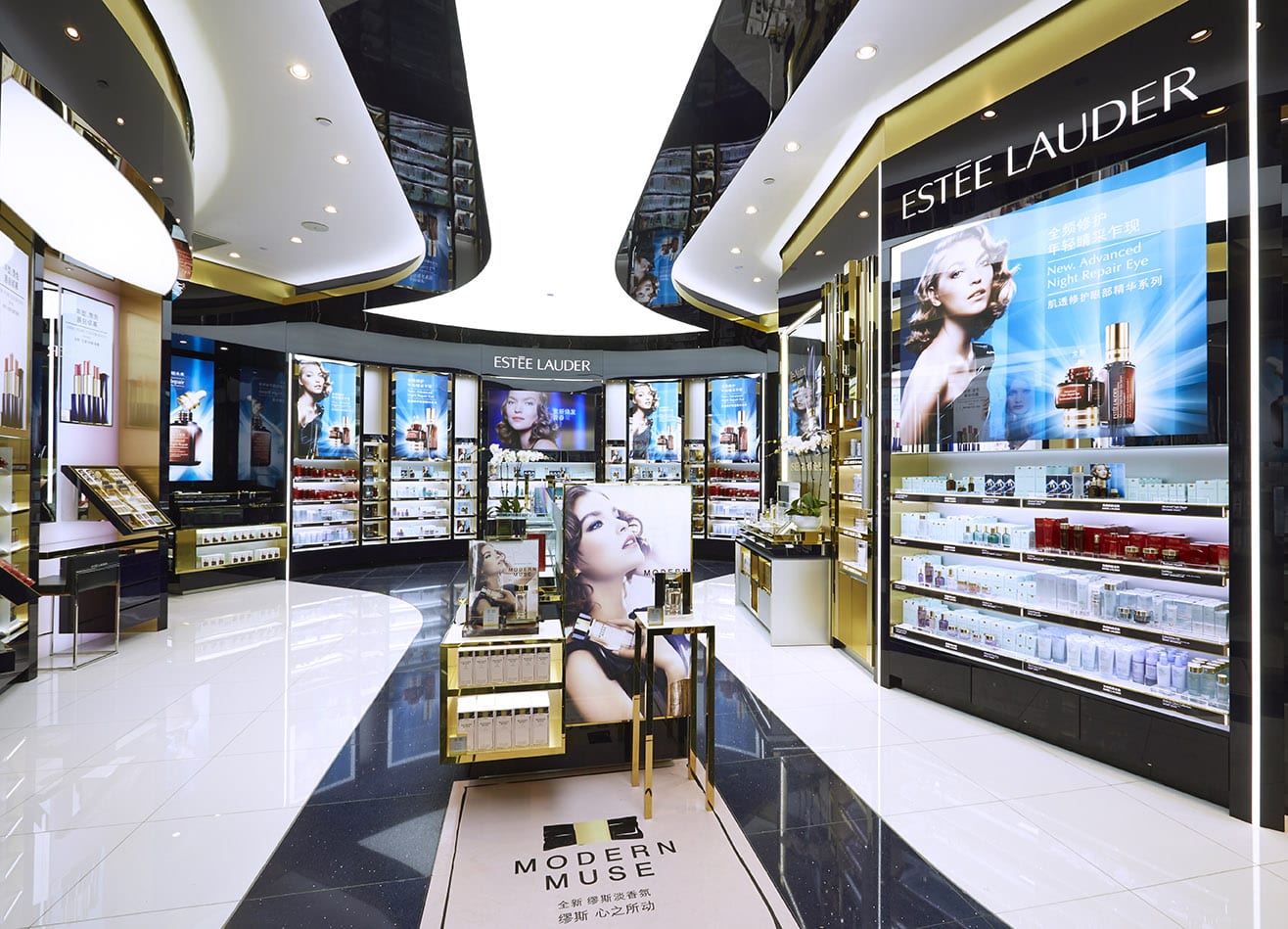
    Estée Lauder has revealed its largest store travel retail store yet – at Haitang Bay in Sanya, China.

    The  store, which opened its doors late last year, introduces what the brand describes as “a fresh, dynamic and welcoming environment for shoppers to immerse in the luxury and modern glamour of the brand”.

    The new store is designed as an expression of the Estée Lauder story, which represents the brand’s distinctive architecture through cohesive and complementary design elements.

    Estee lauder Haitang Bay 2 215

    The Haitang Bay store was designed with Chinese consumers in mind: local preferences have shaped what products, categories and services take centre stage in the uniquely branded environment.

    Estée Lauder’s “Re-Nutriv lounge” provides a semi-private area where its luxury skincare experts showcase the Re-Nutriv collection; the fusion of the latest technology breakthroughs and exquisite, rare and precious ingredients.

    Estee Lauder Haitang Bay 1 215

    The setting features transforming visuals to announce newness using LED monitors and backdrops and offers a wide range of experiences to engage the consumer from complete self-navigation to expert service. Shoppers are able to explore any brand’s skincare, colour or fragrance collections on their own around the perimeter of the store or can seek advice from a beauty advisor.

    A ‘decompression zone’ offers a more intimate and personalised interaction with beauty advisors. Estée Lauder’s proprietary “Beautiful Skin Studios” are equipped for a complete consultation, while the alternate side of the area is set-up for shorter, more impromptu service.

    Best sellers and a Beauty Express zone present key brand products at different price points. Each fixture displays multi-category products to encourage cross-selling as well as more variegated exploration for the consumer.


  • China Jo-Jo boosts sales

    China Jo-Jo boosts sales

    China Jo-Jo Drugstores says its profits soared 19.5 per cent in the December quarter, with same store sales up 24.3 per cent

    The US-listed, China-based company which retails and wholesales pharmaceutical and health care products through its own online and retail pharmacies, said online sales jumped 110.6 per cent to $4.4 million. Retail drugstore sales rose $2.16 million.

    Gross profit rose by $3.003 million, or 1677 per cent year-on-year. It converted a net quarterly loss of $8.7 million in the December 2013 quarter to a modest profit of $127,525 last quarter.

    “Our retail drugstores sale growth rate is more than twice of the industry average,” the company said in a statement.

    “By acquiring Sanhao Pharmacy during the recent quarter, selecting products catering to local community and continuing to provide quality in-store service such as doctors’ in-store clinics service, we expect to further strengthen our competitive advantage in Hangzhou and Zhejiang Province.”

    The company said expanded cooperation with business-to-consumer online vendors, including Taobao, JD.com and Amazon.com had boosted its online performance.

    “In addition, we have signed a service agreement with Alipay (China) Internet Technology to launch an online payment service for its customers, which gives us a great opportunity to get access to Alipay’s over 300 million registered users. We expect online pharmacy sales will continue to grow fast in the future, especially considering the potential authorisation of the online sale of prescription drugs in 2015,” the statement said.

    Lei Liu, chairman and CEO said the company was heartened to have delivered a solid performance compared to last year’s large deficits.

    “What’s more exciting is the rapid increase in our eCommerce revenue, which greatly contributed to our total revenue. In the next two to three years, the online pharmacy sales will probably exceed our retail drugstore sales and make the company one of the leading online pharmacy stores in China.

    “Now is only a turning point. Going forward,  we will continue to focus our efforts on  developing eCommerce opportunities and drive our physical stores network and sales growth.”

    As of December 31, the company had 60 retail pharmacies in Hangzhou.

  • Tesco China stores rebranded

    Tesco China stores rebranded

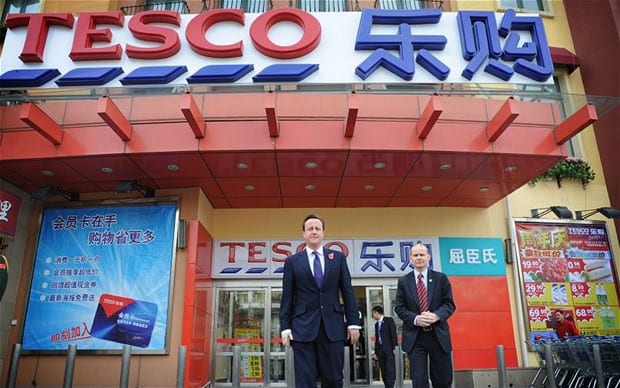
    Tesco may well be a recognised brand name globally, but it doesn’t wash with Chinese consumers.

    Last year, Tesco sold a majority stake in its China retail business to local retailer China Resources Enterprises. This month, China Resources has revealed it is rebranding all 135 Tesco China stores under its Vanguard name.

    “The decision to change the brand was made based on the overall perception in the market,” CR Vanguard CEO Hong Jie said in an interview with China Business News.

    “Tesco is a globally recognised name, but Vanguard is better known and well-received in China,” he said.

    China Resources is aiming to turn around the troubled chains profitability within three years after merging the backroom operations into Vanguard’s.

    CR Vanguard owns more than 4100 stores in China and entered a joint venture with Tesco in May last year, leaving the British retailer with just 20 per cent of the business.

    While the Tesco brand name might be about to disappear, both parties see positive benefits from the continuing partnership. CR Vanguard acquired a usefully-sized bolt-on store network to build its critical mass in the market, which should surpass the combined sales of Walmart and Carrefour in China. It gained advanced FMCG business practices from Tesco.

    China remains a strategically important growth market for Tesco, with the joint venture combining Tesco’s ‘best in class’ retail practices, international sourcing and multi-channel capabilities with CRE’s strong local knowledge and brand.

    The two companies are in the process of merging their property businesses and plan to launch an eCommerce offer at the end of March.
    Vanguard will also sell 761 Tesco own-brand products with some Vanguard-branded lines joining Tesco’s shelves, as the two brand’s supply chain networks are integrated.

    Tesco also separately has its international sourcing headquarters based in Hong Kong, from where it sources more than 50 per cent of all clothing and 40 per cent of other non-food items. It buys about £2 billion worth of goods and services from China for the Tesco Group annually.

  • Apple standout winner in China’s luxury slowdown

    Apple standout winner in China’s luxury slowdown

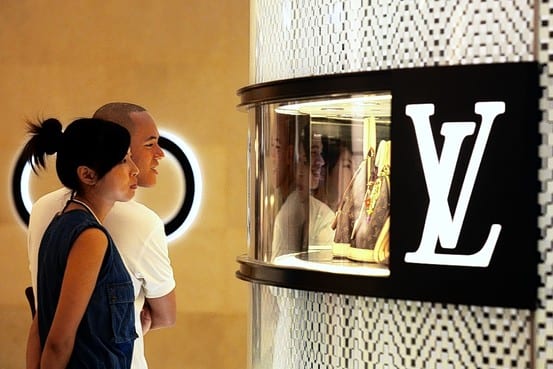
    Chinese corporates and wealthy consumers are taking gift-giving down a notch this Lunar New Year, opting for iPhones instead of Birkin bags or Louis Vuitton wallets.

    The annual holiday, which falls on February 19-20 this year, is a time of gift exchange between family, colleagues and business contacts.

    “The iPhone 6 has replaced luxury items as a key gift this Chinese New Year,” Shaun Rein, founder and managing director of the China Market Research Group told CNBC. “Corporates, for example, used to buy luxury products to give their high performing employees, now they are giving iPhones because they more reasonably priced and still considered premium enough,” he said.

  • China Fruits boosts retail network

    China Fruits boosts retail network

    Chinese fruit wholesaler and exporter China Fruits Corporation expanded its store network to 64 shops in 2014.

    The franchised network, built and operated by its subsidiary Taina International Fruits, stood at just 13 at the end of 2013. Now the company is set to expand the branded store network nationwide.

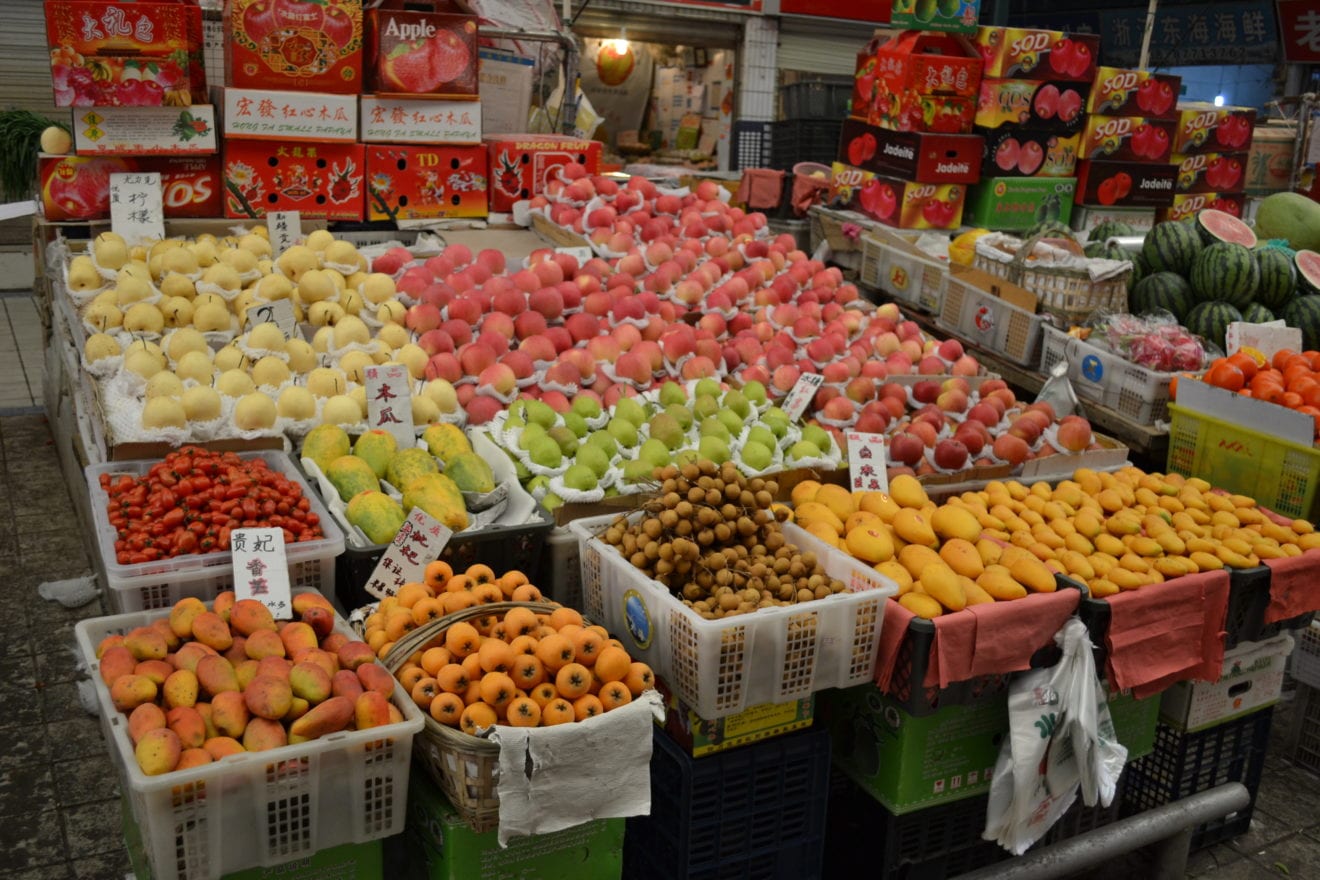
    CFC specialises in tangerines, which it grows, as well as wholesaling and exporting produce. But it is find retailing a lucrative arm of the business, catering to the increasing number of Chinese seeking fresh produce from reliable sources in the wake of a growing number of food safety scares in recent years.

    Besides its physical store network, China Fruits is selling on more than 10 well-known e-commerce platforms, including Tmall, JingDong mall, Taobao, yhd.com, Gome.com.cn – and has built its own official online store.

    In 2014, the Taina Fruits eCommerce generated approximately $1 million in revenue, representing a growth rate of 100 per cent every month. It has been rated number one in online sales of fresh fruit in Beijing area since its launch in August 2014.

    China Fruits says it achieved a Chinese eCommerce record last year, selling 218 tons of winter jujube fruit within just 39 days.

    “We plan to devote into developing e-commerce in 2015, which is going to be a significant component of our business expanding strategies,” said Quanlong Chen, chairman and CEO of the US-listed China Fruits Corporation.

    “Being a leading company of fruit e-commerce in China is always our goal and direction.” The company has raised capital internationally to strengthen its branded franchise fruit retail stores and plans to “dig deeply in this niche”.

  • Chic Outlet malls chase Chinese

    Chic Outlet malls chase Chinese

    European chain Chic Outlet Shopping Villages believes embracing the Lunar New Year festivities will boost engagement with Chinese tourists.

    The European-based network, which chose China for its 10th outlet centre and its first outside Europe, will celebrate Chinese New Year in partnership with China payment system UnionPay International throughout February.

    The nine Chic Outlet Shopping Villages in Europe will join the 10th – branded Village by Value Retail – in Suzhou Village in offering guests the chance to share wishes across the world, along with exceptional offers for Chinese guests.

    The Suzhou mall will also host a full calendar of Lunar New Year events, tailored to the local populace.

    The Chic Outlet Shopping Villages welcome thousands of Chinese guests every year, who are drawn to the Villages’ distinctive selection of brands, authentically European ambience, and exceptional value. In 2014, China accounted for 44 per cent of all tax-refunded (non-EU) sales in the Villages across Europe, with an increase in sales of 29 per cent year on year.* UnionPay International is now accepted at many boutiques in the Villages across Europe, making transactions easier than ever for international guests.

    Chinese guests of the European Villages can register their details online at ChicOutletShopping.com to receive a special Chinese New Year red envelope, which they can collect from the Welcome or Tourist Information Centre on arrival at their chosen Village. The envelope will include offers for participating boutiques in the Village, in addition to UnionPay International ‘wish’ tag for guests to add their very own wish to the Wishing Tree. These wishes will not stop at the Villages – they will travel the world via social media, as guests are invited to share their wishes and Wishing Tree photos with a dedicated hashtag for each Village.

    “A time for family, gift-giving, fireworks and festivities, Chinese New Year is celebrated by one in six people around the world,” the company said.

    “The festival is associated with the colour red and it is good luck to give and receive red packages during this time. Traditionally, those celebrating will cast red ribbons or tie wishes to a ‘Wishing Tree’, in the hope that their wish will come true and bring them good fortune in the coming year. The Villages in Europe each feature their own Wishing Tree for guests to cast their wishes for the coming year.”

    Suzhou Village in China is also helping make some of its visitors’ wishes come true with a lucky draw held in partnership with Suzhou TV. Guests will be invited to submit their wishes for the Year of the Ram while visiting the Village, and stay tuned for a film crew from the channel surprising them on their doorstep.  Each week, one lucky winner will receive 5000 RMB and 50 runners up will receive 500 RMB.

    A second Village by Value Retail China, Shanghai Village, will be located in the Shanghai International Tourism and Resorts Zone, which includes the Shanghai Disney Resort, and will open in the autumn of 2015.

    The existing 10 malls are home to more than 1000 boutiques of international fashion and luxury brands – all offering savings of up to 60 per cent on the recommended retail price.

    Chic Outlet Shopping is a unique concept in outlet shopping created by Value Retail, the only company to specialise in the development and operation of luxury outlet shopping destinations. The European malls are located within easy reach of some of Europe’s major gateway cities – London, Dublin, Paris, Madrid, Barcelona, Milan, Bologna, Brussels, Antwerp, Cologne, Frankfurt and Munich.

  • Atletico Madrid plans 200 China stores

    Atletico Madrid plans 200 China stores

    La Liga football league champions Atletico Madrid are set to cash in on growing Chinese fascination of European football by opening a retail store network in China.

    Atletico Madrid will open 200 retail outlets in China, according to Chinese news agency Xinhua.

    Such a network would be considerably larger than other football teams’ retail presence in China. Manchester United, Chelsea, Real, FC Barcelona and Arsenal all have a presence, on differing scales.

    The stores will be opened in Wanda Malls, owned by Chinese businessman Wang Jianlin, who took a 20 per cent stake in the Spanish club earlier this year.

    The club sees the stores as an important tool to broaden its brand awareness in Asia.

    Atletico already has a deal with Chinese football club Shanghai Shenhua and trains a number of Chinese youngsters as part of ‘Project Wanda’ to help develop young footballers.

    Atletico is expected to tour China between seasons.

  • China tops tax free shopping rankings

    China tops tax free shopping rankings

    The Chinese remain the world’s biggest spenders on tax free shopping according to new rankings released by Global Blue.

    Travellers originating from China spent 18 per cent more in 2014 than the previous year, extended their lead over Russians whose spending fell 17 per cent in wake of the rouble’s dramatic devaluation.

    Global Blue, a specialist in international tax free shopping, operating duty refund concessions, runs a research unit monitoring duty free spending trends around the world. The company says China and Russia are by far the most lucrative countries of origin for globe shoppers, with Chinese shoppers now accounting for one third of all tax free shopping spend globally. Chinese residents account for 30 per cent of spending and Russians 14 per cent. It’s a long way back to the US, which accounts for just four per cent (perhaps reflecting while the US economy is massive, its citizens rarely travel internationally).

    Indonesia is a surprising fourth accounting for three per cent, then Japan with two per cent.  Five of the top 10 nationalities increased their Tax Free Shopping spend by more than 15 per cent in 2014 – Taiwan, Hong Kong, China, Kuwait and Saudi Arabia.

    Almost half of purchases were related to fashion and clothing – by far the largest category globally – followed by watches and jewellery at 17 per cent.

    “Clearly we are entering a new normal in terms of Tax Free Shopping growth, however it is important to remember that for the seventh consecutive year Chinese globe shoppers are still the biggest spending nationality, spending on average 736 euros per transaction,” said David Baxby, Global Blue’s CEO.

    Top 10 Shopper Nations in 2014, with growth vs. 2013:

    1 China  +18%

    2 Russia -17%

    3 USA +8%

    4 Indonesia -10%

    5 Japan -12%

    6 Taiwan +29%

    7 Hong Hong +25%

    8 Thailand -10%

    9 Saudi Arabia +15%

    10 Kuwait +18%

    Exchange rates impact

    Fuelling the spending growth of residents of Taiwan, Hong Kong and China in 2014 was a good exchange rate against the euro, which continues to improve with little sign of a forecasted EU economic recovery.

    “Essentially residents of these countries are getting better and better value compared to shopping at home with every month that passes. In 2014, the number of Chinese transactions increased by a significant 38 per cent,” said the report.

    While spending by Russian residents may be down, there are always new nations emerging. Storming into sixth place, Taiwan recorded an enormous 29 per cent growth compared to 2013. The emergence of Taiwanese globe shoppers was not just felt in Asia – they also made their presence felt in Europe’s leading destinations.

    During October 2014 in Paris, Taiwanese were the fourth most valuable tourist nation growing their spending by 15 per cent year-on-year, while in November they grew their spending by 65 per cent.

    At this rate, Global Blue predicts their spending will overtake that of the Japanese in 2015.

    In Seoul, fast becoming the shopping honey pot of Southeast Asia, Taiwanese grew their spending by 25 per cent in October and were outspent only by the Chinese. In November they grew their spending in Seoul by 30 per cent and in December by 44 per cent.

    Meanwhile, Paris topped the list of cities for spending by all nationalities, ahead of London, with Singapore the highest placed Asian city in third. Seoul was sixth, the only other Asian destination in the top 10.

  • LVMH 2014 profit boosted by Hermès stake sale

    LVMH 2014 profit boosted by Hermès stake sale

    LVMH Moët Hennessy Louis Vuitton SA said on Tuesday that US consumers helped drive revenue gains last year, offsetting continued sluggish sales in China.

  • China online ad revenue soars

    China online ad revenue soars

    China’s online advertising revenues rose 40 per cent last year – to a record 154 billion Yuan.

    (US$24.6 billion), according to iResearch Consulting Group.

    The strong rise occurred despite slowing economic growth and subdued consumer spending. But it did come at a time online shopping rose by a similar rate.

    iResearch said in a report that the rise was slightly lower in percentage terms than the previous year, predicting the sector might now be entering a new “maturity age”.

    “Some traditional internet media faced slow growth… while some showed strong momentum driven by new advertising technology and emerging forms of advertising. Moreover, the brand advertisers’ spending flocked {from traditional media} to digital media.”

    According to iResearch, keyword search advertising made up 28.5 per cent of the total spend, the share up two per cent on 2013.

    China online ad revenues

    Next was eCommerce advertising with market share of 26 per cent, a slight fall compared with 2013. Brand graphic advertising occupied 21.2 per cent.

    Advertising on portals and social media increased, mainly due toTencent’s Guangdiantong advertising service and Sina’s Weibo.

    “It reflected that internet enterprises more efficiently match advertising demand with advertising sources via data analysis and technology in order to raise their advertising revenues.”

    In-video advertising revenues also maintained a high growth rate in China in 2014, due to widespread interest the World Cup in Brazil and popular variety shows such as I Am Singer II, Where are we going? Dad II, and Voice China III.

    “Moreover, well-known brand advertisers attached more importance to online video and their increasing online video advertising budget contributed to growth of in-video advertising revenues,” said iResearch.

    The biggest player in China’s online ad market remains Baidu’s, China’s equivalent of Google, which is blocked in the mainland. Baidu’s ad revenues surpassed 49 billion Yuan in 2014, increasing 53.5 per cent from 2013. Taobao gained 37.5 billion Yuan in revenues, ranking second. Together, Baidu and Taobao accounted for 56.2 per cent of the total online advertising market.

    iQiyi & PPS, Qihoo 360 and Tencent all posted good revenue growth. iQiyi & PPS increased their investment in exclusive broadcast of quality content and kept adding more user-generated content. Moreover, it managed to monetise its mobile business and increase its advertising revenue.

    Qihoo 360 raised brand awareness of its search business in 2014, increasing traffic, which boosted its market share. Search became the core contributor of Qihoo 360’s advertising revenue.

    iResearch predicts a broadening of WeChat’s advertising sources and development of Guangdiantong mobile advertising networks will push up Tencent’s ad revenue.

  • China retailers play poker in empty malls as shoppers go online

    Property developer Dalian Wanda, owned by China’s second richest man Wang Jianlin, plans to close 10 malls across the country and redesign another 25 to cut retail space, China Business Newsreported last month.
    Zong Qinghou, China’s fifth richest man with a beverage and chain-store conglomerate, said at a forum in August that online shopping businesses are “affecting China’s economic security” by suffocating stores that have to pay rents.

    Stores Close Li Ning Co., a sports-clothing maker, is expected to post losses for the third consecutive year and has closed more than a thousand retail outlets since 2012. Anta Sports Products Ltd., a maker of shoes, has also been shutting down stores partly due to competition from online shopping.

    The internet helps improve productivity and efficiency, but it can be quite painful for traditional businesses, according to Cao Lei, director of the China E-Commerce Research Centre. “Bookstores fail first, then clothing chains, then consumer electronics stores, then air-ticket booking offices, and in the future, bank branches and other traditional services facilities may fail.”

  • Yum’s China sales fall less than expected, shares rise

    Yum’s China sales fall less than expected, shares rise

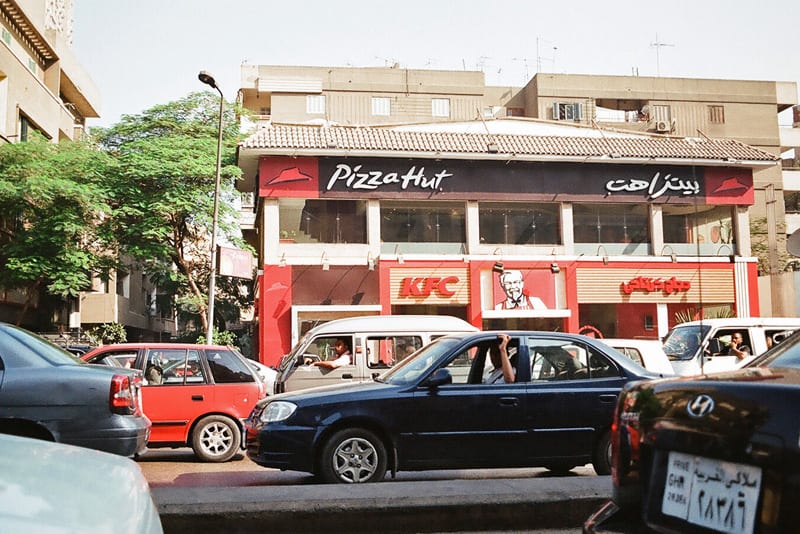
    Yum Brands Inc, owner of KFC and Pizza Hut, said on Wednesday that sales at established restaurants in its biggest market China fell less than feared in the fourth quarter as it fights to recover from a food scandal involving a minor supplier, and its shares jumped 2.1 percent.

    Same-restaurant sales in China, Yum’s number one market for revenue and profit, fell 16 percent for the quarter that ended on 27 December on continued fallout from allegations that a former supplier used expired meat.

    But the decline was less severe than the 19.4 percent drop expected by analysts polled by Consensus Metrix, and shares in Yum rose USD1.51 to USD75.16 in extended trading.

  • Cross-border eCommerce a boon for small retailers

    Cross-border eCommerce a boon for small retailers

    After years of tepid growth, sales at several Australian vitamins, minerals, and supplements companies suddenly shot up by 20, 30, or even 40 per cent in 2015.

    For those who know what happened in China in 2014, the source of this growth probably isn’t a big mystery: Regulators expanded a tax exemption to cross-border eCommerce.

    The resulting growth in trade has been dramatic, and for firms who have long eyed the big Chinese market but are too small to invest in finding a distribution partner or building a physical presence on their own, the boom of 2015 has delivered a revelation: They, too, can access the mainland market.

    eCommerce has of course been big in China for years, and in 2014 online retail sales totalled nearly US$430 billion, accounting for roughly 10 per cent of all retail sales.  (The same figures for the US were US$300 billion and 6.4 per cent, respectively.)  Until recently, however, this activity was nearly all domestic – i.e., goods produced in or already shipped to China being sold to Chinese consumers.

    That makes perfect sense in light of the retail explosion of recent years:  China has more than 300,000 pharmacies, more than 2000 mid-to-high end department stores, and supermarket catchment areas in urban areas are even smaller compared with the US because of smaller formats and the lack of parking (and, until recently, widespread car ownership). Within this rapidly-developing retail landscape, however, some factors are driving consumers to prefer foreign products, whether bought once in China or ordered from abroad.

    Driving demand

    Food scandals are well-known and heavily publicised, from the baby-killing melamine-laced formula scandal of 2008 to the discovery this year of decades-old “vampire” meat.  In September, fake rice made from tiny pieces of rolled-up paper was even uncovered in Guangdong.  In light of such underhanded tactics, it is understandable that consumers might perceive foreign brands as safer and of higher quality.

    Price pressures pushing up consumer prices is another key issue.  Commercial rents, especially in first-tier cities such as Shanghai and Beijing, rival those in developed nations. At the end of 2014, rents in Beijing’s Wangfujing averaged $480 per square foot per year vs $360 for Singapore’s Orchard Rd.  Wages, while still lower compared to western economies, are also rising quickly.

    Finally, Chinese consumers are becoming more sophisticated and better able to differentiate between local brands trying to pass themselves off as foreign and the real thing.  With travel increasing and the transparency in commerce that the internet can bring, tastes in products are becoming more global.

    Historic developments

    By as early as 2005, a Chinese consumer could order an album on Amazon and wait a few weeks for it to arrive—though naturally taxes and shipping often added to the price of the CD itself. But it wasn’t until the fourth quarter of 2014 that cross-border e-commerce really exploded. The impetus was the application of a previously obscure piece of the tax code to cross-border e-commerce, implemented in a number of pilot cities.

    The personal effects tax originally targeted Chinese travellers who had emigrated abroad and were bringing back gifts – such as small appliances – for relatives.  Small items were exempt, but the tax was set at 10 per cent for nearly everything else.  In late 2014, though, the government proclaimed that this personal effects tax also applied to cross-border eCommerce in certain pilot areas.  The effect was dramatic, as can be seen in the price differentials illustrated below.

    Obviously some costs, such as freight and insurance, are incurred whether selling through physical stores or cross-border eCommerce. However, the price differential can be observed in following key areas, demonstrated with VMS products as an example:

    The nuts and bolts

    Business models for cross-border eCommerce can be viewed across two main dimensions: Whether the site serves as a platform that aggregates multiple sellers or sells its own products, and whether delivery to the consumer is made from the source country or from a bonded warehouse.

    Each model has its own quirks (see graphic below), and it is not yet clear whether there is an obvious winner.  It is likely that multiple models will co-exist –for example, a self-run, bonded import model could work for goods with the highest turnover (such as diapers and infant formula), while direct shipment models might better suit the long tail of less-frequently ordered items.

    In terms of product flow, though, the bonded import model has the clear advantage in terms of speed. Consumers can receive product within days – sometimes only one or two – rather than weeks.

    With both models the seller can choose how much to take on internally, and how much to either outsource or hand over to a partner.  Hundreds of cross-border eCommerce companies have already sprung up in China, providing services that run the gamut from simple customs clearance all the way to a full consignment model.

    Local interests

    While eCommerce, including the cross-border variety, is here to stay, the advantages that it has over traditional imports may not last forever, depending on the product category.  In June of 2015, for example, China’s government lowered import duties on skin care products, which harmonised online and offline prices to an extent.  In 2016, import duties on additional products including handbags and suitcases are also slated to be slashed.

    Regulatory vacuums will likely be filled step-by-step as well.  For example, vitamin potency levels are regulated for products registered and sold in China, but currently these rules are not applied for cross-border eCommerce imports.  Local players are crying foul, and regulators will no doubt feel pressured to act.

    For now, though, cross-border eCommerce is helping to level the playing field by allowing smaller-scale companies to profitably access the vast China market while providing a huge boon in the form of savings and product diversity to Chinese consumers as well. Chalk one up for the little guys on both sides of the border.

    Editor: Hudson Lockett.
  • China’s commerce regulator meets Alibaba’s Ma Yun

    China’s commerce regulator meets Alibaba’s Ma Yun

    The head of China’s commerce regulator met with Alibaba’s chairman Ma Yun on Friday to exchange opinions on joint efforts to fight fake products.

    During the meeting, Zhang Mao, minister of the State Administration for Industry and Commerce (SAIC), reaffirmed Alibaba’s positive efforts in safeguarding consumer rights, purifying the business environment and promoting self-discipline.

    Meanwhile, there are currently some problems haunting online shopping platforms, Zhang said, adding that the SAIC should find new ways of supervision and set up a mechanism for communication and interaction in an effort to promote the healthy growth of internet economy.

  • Job ads cue more Apple stores in China

    Job ads cue more Apple stores in China

    Apple Inc, which just became China’s number one smartphone vendor, expects to open stores in another five cities based on advertisements that it placed for retail staff.

    It is hiring staff for its stores in Guangzhou, Shenyang, Tianjin, Nanjing and Dalian, where they currently don’t have outlets, Bloomberg News reported on Friday, citing advertisements posted on Apple’s website.

    Apple has 15 stores in the Chinese mainland and Hong Kong by 2014, and the firm plans to lift that to 25 soon.