Tag: China

  • Pay by face: Jack Ma’s new frontier

    Pay by face: Jack Ma’s new frontier

    Alibaba executive chairman Jack Ma has shocked the IT world by demonstrating technology allowing shoppers to ‘pay by face’.

    The concept is simple: using facial recognition technology consumers can have their face scanned to prove their identity and settle for goods they’ve purchased when shopping online on their smartphone.

    Alibaba news service Alizila describes the technology as “what might be a mobile-tech match made in heaven: selfies and online-payment security”.

    Ma unveiled the concept, still under development by Alibaba Group researchers, after a presentation at the opening ceremony for CeBIT, the annual IT and business expo in Hannover, Germany.

    The demonstration is included in this full length video of his presentation – fast forward to the 1:17:45 mark to watch the short pay by face section.

    As the smartphone increasingly becomes the digital tool of choice for the average Chinese, eCommerce giant Alibaba Group has been pushing the development of several technologies that make it easier and more secure to shop using mobile devices.

    “Online payment to buy things is always a big headache,” Ma said in a Steve Jobs-like “one more thing” moment following his keynote speech.

    “You forget your password, you worry about the securities… today we show you a new technology in the future how people can buy things online.”

    As yet, there is no word from Alibaba on when Ma’s beta version will be ready for prime time testing.

  • Iconix takes control in China

    Iconix takes control in China

    Iconix Brand Group has bought the 50 per cent stake in its China joint venture from partner Novel Fashion Brands.

    Iconix paid Novel’s owners, the Chou family, $56.4 million for the share, of which $40.4 million was paid in cash and $16 million was paid in the company’s common stock.

    “We view China as a major growth opportunity. Through Silas and Veronica Chou’s expertise and relationships, Iconix China has successfully launched nine of our brands with more than 900 standalone stores, shop-in-shops and counters throughout China,” said Neil Cole, chairman and CEO of Iconix.

    “Now that our business has gained sufficient scale, we have decided to acquire management and control of the business, consistent with the next phase of our international growth strategy.”

    Iconix China was formed in September 2008 and to date has successfully launched Candie’s and Marc Ecko Cut & Sew with Shanghai La Chapelle Fashion; London Fog with China Outfitters; Material Girl with Ningbo Peacebird; Ed Hardy with Landmark International;  Ecko Unltd with Xi Ha Clothing; Badgley Mischka with Eve NY, Joe Boxer with Northeast Socks and Royal Velvet with Qingdao Hongfang.

    The company’s operating model, different from the US parent company’s traditional licensing model, has been to attract entrepreneurs and fast-growing local Chinese companies, providing them with an Iconix brand in which they invest through the build-out of stand-alone stores and shop-in-shops, and in return Iconix China receives an equity stake in the newly formed venture.

    The largest brand in the Iconix China joint venture is Candie’s, which partnered with Shanghai La Chapelle in 2010. The Candie’s business in China expanded to more than 700 stores and shop-in-shops by 2014 and is poised for continued growth.

    The company’s business platform in China also includes its three global brands of Peanuts, Umbro and Lee Cooper which have been managed outside of the joint venture.

    China has been one of the fastest growing territories for the Peanuts brand. Today, Peanuts has over 2000 points of distribution across China including 20 Charlie Brown Cafe’s, and significant growth potential with the highly anticipated launch of the Peanuts movie.

    Last year, Iconix partnered with Global Brands Group (a spin-off of Li & Fung) to build out the Lee Cooper and Umbro brands in China, both of which have strong brand recognition in the region.

    Willy Burkhardt, EVP, MD international, said the transaction will take the company closer to the Chinese market, which is strategically important to the business.

    “It will help us to identify potential brand acquisitions and develop new business opportunities for our unplaced brands.”

    This transaction provides Iconix with full control and ownership of Iconix China, which also includes equity stakes in an additional six retail ventures of which four have plans to go public in the next five years and control over a portfolio of 15 unplaced brands.

    Iconix Brand Group’s global portfolio also includes Rampage, Mudd, Mossimo, Ocean Pacific, Danskin, Rocawear, Charisma, Starter, Zoo York, Sharper Image, Strawberry Shortcake and partnerships in Billionaire Boys Club, Ice Cream, Buffalo, Nick Graham and Pony brands.

    In 2014, the company signed a joint venture with Global Brands Group and is experiencing solid gains in both the top line and equity earnings.

  • WeChat owner’s profit soars

    WeChat owner’s profit soars

    WeChat parent Tencent says its profit soared 54 per cent in the year to December.

    Tencent, which also owns instant messaging service QQ, says profit was boosted by breakthroughs in the technology behind online security and mobile payments.

    With Facebook banned in mainland China, WeChat is one of the most-used social networking services and has a growing role in providing retail chains with eCommerce and brand marketing touchpoints with consumers in China and beyond.

    Shenzhen-based Tencent reported a profit of 23.81 billion yuan (US$3.82 billion) on sales of 78.93 billion yuan, up 31 per cent year-on-year.

    Chairman Ma Huateng said its social platforms QQ and WeChat continued to “innovate and grow”. More than 500 million people used WeChat as at the end of 2014 – 41 per cent more than at the end of 2013 – an astonishing figure for an app launched only in 2011.

    Online game revenues rose 40 per cent to 44.76 billion yuan with social media revenue up 43 per cent to 18.56 billion yuan.

    WeChat users can book and pay for taxis, share text, photos, videos and voice messages and meet strangers by shaking phones or searching for people located close by.

    Last year, Tencent launched WeBank, an online bank which has no physical branches.

  • Jimmy Choo China plots expansion

    Jimmy Choo China plots expansion

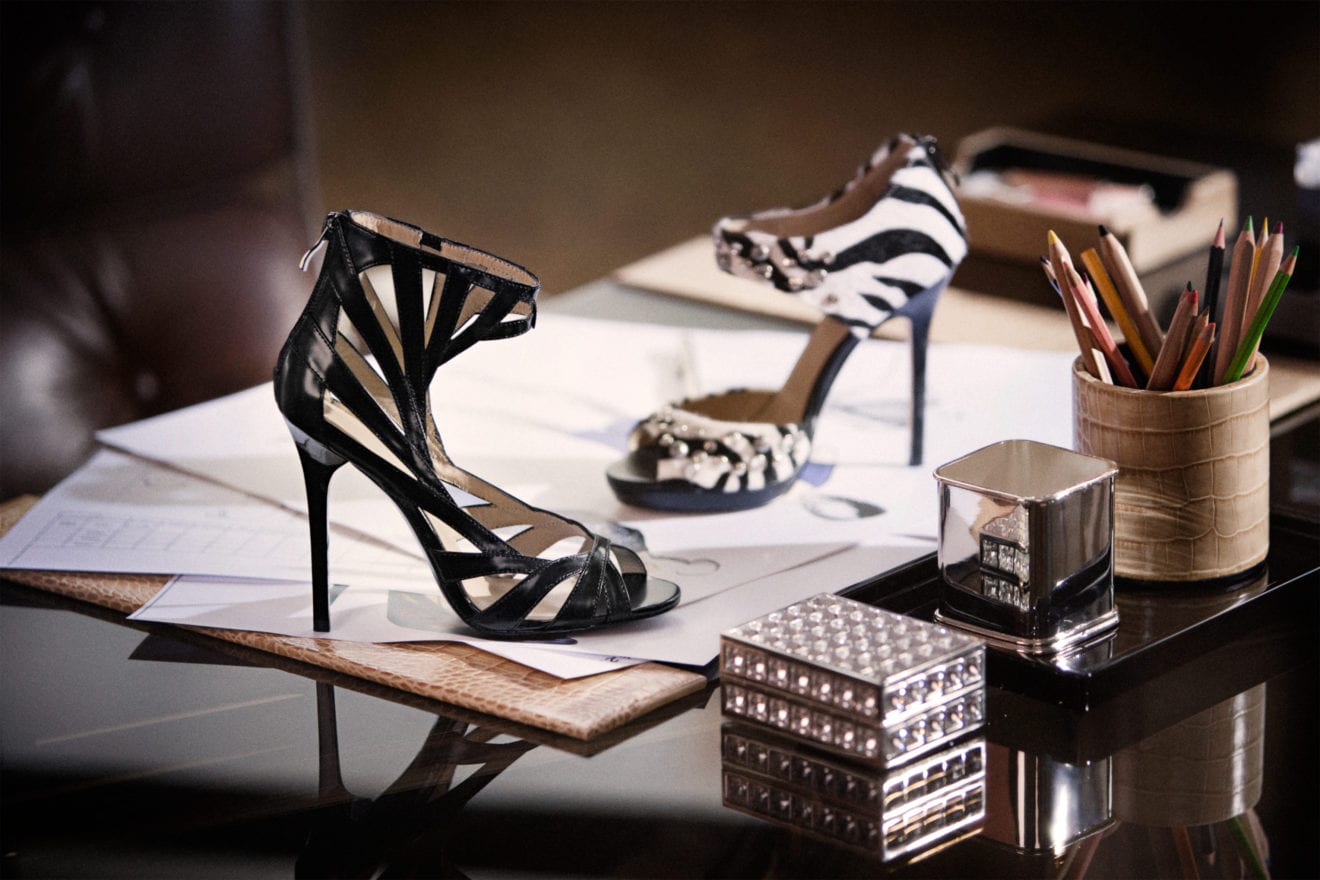
    Jimmy Choo China plans more stores as Asia drives the newly-listed brand’s global growth.

    This week, Jimmy Choo posted its first results since floating on the London Stock Exchange last year – a small pre-tax loss, largely attributable to IPO costs.

    About half of the nine new stores the company opened In 2014 were in China. Now it plans to open up to 15 stores a year for the foreseeable future.

    “We are expanding in Asia and selected new markets where we are underpenetrated compared to our peers,” said CEO Pierre Denis in a statement.

    “This has been a year of great financial, strategic and operational progress for the company.

    With our unique DNA and experienced team we have continued to deliver products that resonate strongly with our clients. As a specialist brand we have invested to outperform in this attractive and complex category thus delivering operating leverage.”

    Jimmy Choo’s designs are clearly resonating with Asian consumers, particularly those in China. Asia is its strongest growth region and when it launched its IPO the company said funds raised would help its strategic focus on the market.

    Meanwhile, the company says men’s shoes and its Made to Order service helped drive a 5.7 per cent year-on-year sales increase in its retail operation to £192 million.

    “We remain focused on executing our growth strategy and pursuing growth without compromising our brand or its luxury position despite the more challenging macroeconomic environment,” said Denis.

  • Starbucks China expands in grocery

    Starbucks China expands in grocery

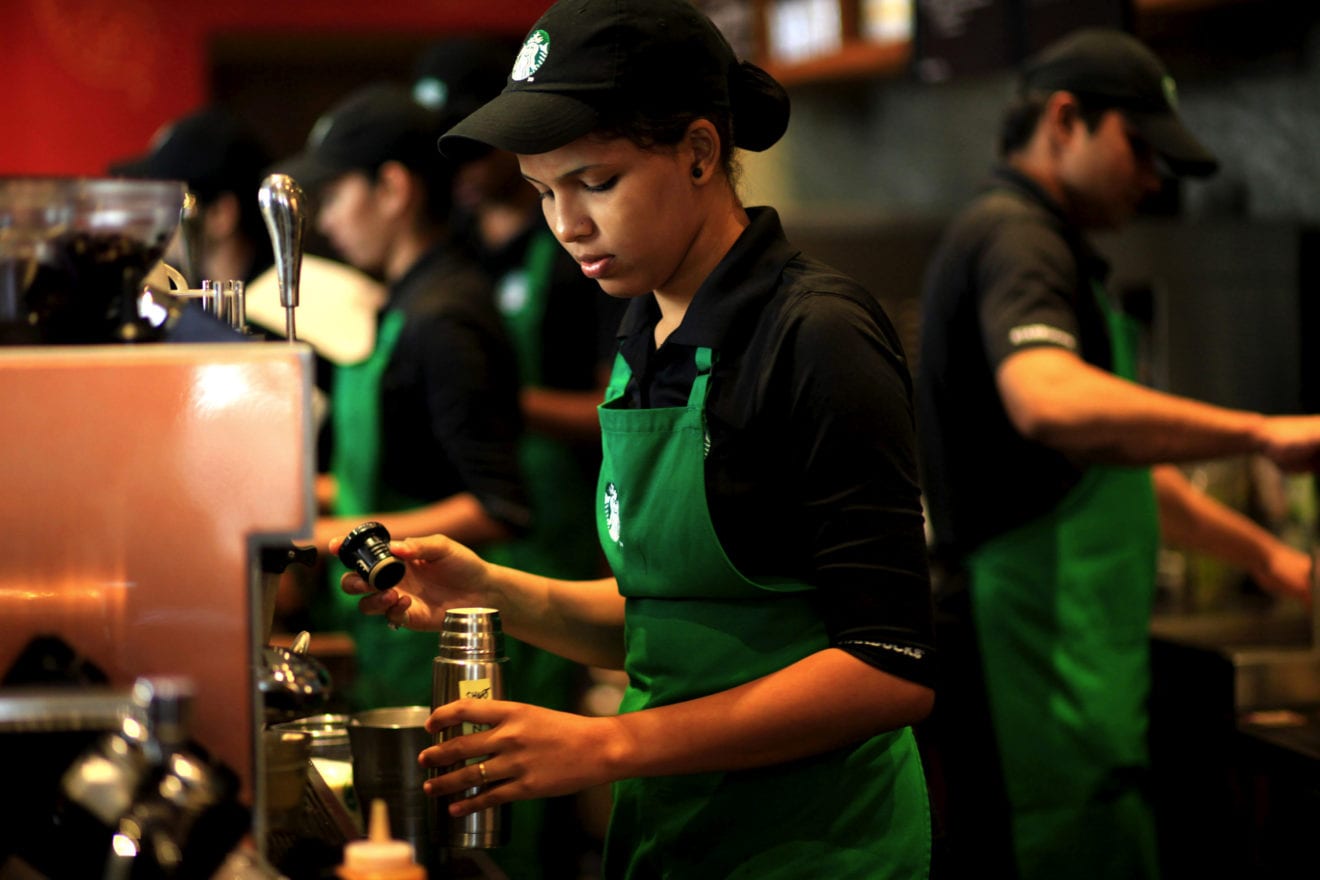
    US coffee retailer Starbucks has signed a joint venture in China to manufacture and distribute ready-to-drink beverages in the grocery channel.

    Starbucks China chose listed Chinese drinks company Tingyi Holding Corp, which trades as Master Kong, to make and sell the drinks in supermarkets and convenience stores.

    Starbucks will be responsible for providing coffee expertise, brand development and future product innovation, and Tingyi will manufacture and sell Starbucks RTD portfolio in China.

    China is already Starbucks’ fastest growing market worldwide with the chain already operating more than 1500 cafes in 90 cities. Now it wants to use its brand strength to gain its share of the coffee-on-the-go and home-consumption markets.

    The RTD coffee and energy category is a $6 billion business, and is projected to grow by 20% over the next three years, according to Euromonitor data.

    In a statement, Starbucks said the agreement leverages the respective strengths of Starbucks and Tingyi to bring the entire Starbucks RTD portfolio to customers in China as well as the ability to innovate specifically for the China market.

    Tingyi is a leading Chinese food and beverage producer which, after more than 20 years of development, boasts world-leading production facilities and management expertise with a broad spectrum of quality channel resources. Tingyi’s local manufacturing, sales and distribution expertise combined with Starbucks strong brand recognition and coffee expertise will unlock new market opportunities.

    “We are pleased to work with Tingyi, a leader in China’s RTD beverage category, to unlock the massive ready-to-drink market and grow local demand for Starbucks,” said John Culver, group president, Starbucks Coffee China and Asia Pacific, channel development and emerging brands.

    “Our agreement enables us to develop new categories and occasions to delight our customers and connect people outside of our stores to Starbucks where they live, work and play.”

    James Wei, CEO of Tingyi Holding Corp, said the China RTD market has a huge growth potential.

    “The agreement with Starbucks will further expand Tingyi’s beverage product portfolio and enables us to provide consumers with more high-quality and convenient product options and experiences. As part of this cooperation, Tingyi will leverage its strength in production and distribution to increase the market share of Starbucks’ RTD products in the Chinese market.”

    Today, customers in China can purchase Starbucks Bottled Frappuccino beverages in nearly 6000 locations including select Starbucks retail stores, grocery and convenience stores throughout mainland China. Through this agreement, Starbucks and Tingyi plan to bring new and existing Starbucks Bottled Frappuccino in the marketplace during 2016, which will be followed by innovation and an increased number of locations and cities for consumers to purchase Starbucks RTD products.

  • Amazon China to open Tmall shopfront

    Amazon China to open Tmall shopfront

    Amazon has shocked the online world by announcing a partnership with China archival Tmall.

    Amazon China will open a store on Tmall, the successful Alibaba subsidiary, in April. It will offer a “select range” of about 500 goods in what it stresses is a pilot program.

    Alibaba, with Tmall, Taobao and other portals, account for more than 70 per cent of the online market in China, a market in which Amazon has struggled since 2004 to gain any critical momentum.

    “We welcome Amazon to the Alibaba ecosystem and their presence will further broaden the selection of products and elevate the shopping experience for Chinese consumers on Tmall,” an Alibaba spokeswoman said in a statement.

    Chinese have an insatiable thirst for foreign made and marketed goods, but selling to them through eCommerce platforms other than local ones has proven a virtually impossible challenge for companies outside China. If you don’t open on Tmall, or a smaller rival site, it’s almost impossible to achieve a sustainable volume.

    That reality is well illustrated by the fact that Amazon is the fifth largest player in China’s eCommerce market, yet its market share is a miniscule 1.4 per cent.

    Analysts surmise Amazon’s move is intended to boost visitor numbers to its own site rather than any prelude to a merger, by increasing local brand awareness.

    “China’s e-commerce industry is fast growing and nobody wants to miss it,” said Yang Xiao of eCommerce service provider HC International. “Amazon wants to add an additional distribution channel in China.”

    He suggests the strategy may be aimed more at gaining traffic and volume away from JD.com, a smaller rival to Tmall with a similar business model to Amazon.

    “It’s simple game logic – an enemy’s enemy is a friend,” Yang said. “Amazon is more likely targeting JD.com and it’s a win win situation for Tmall.”

  • Country Style Cooking focuses on quality

    Country Style Cooking focuses on quality

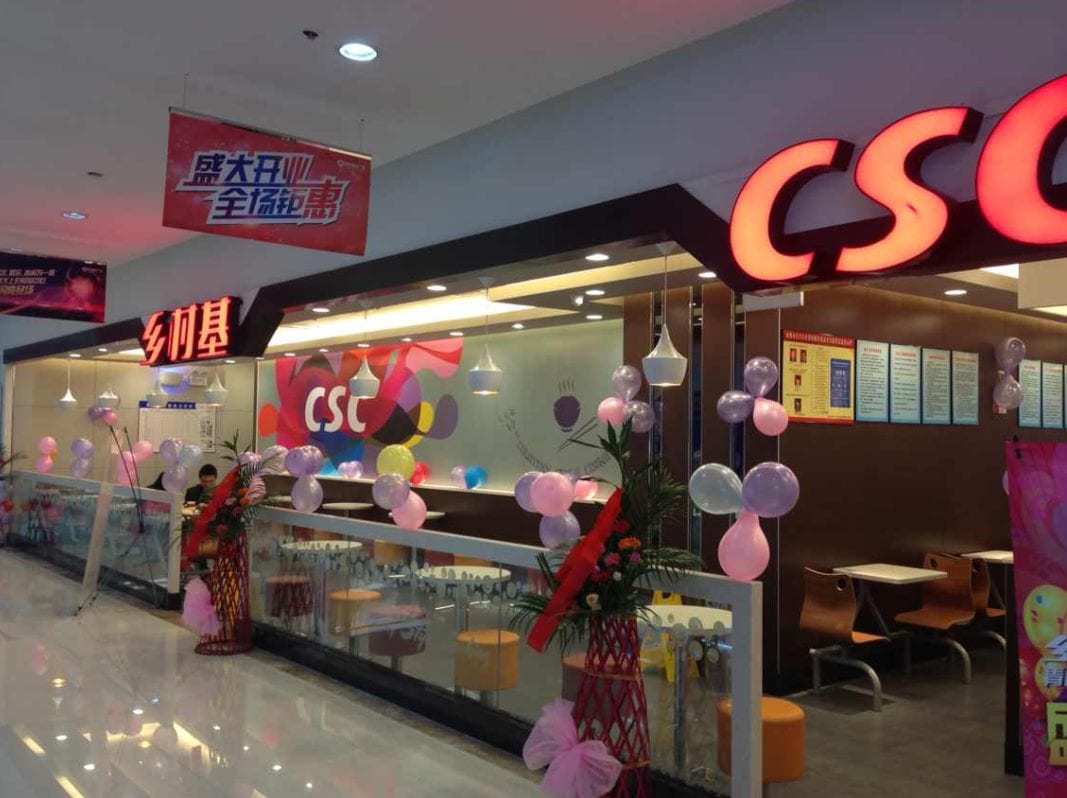
    Fast growing Chinese QSR operator Country Style Cooking Restaurant Chain has reported a decline in same-store sales as it focuses on quality rather than price.

    Total revenue in 2014 rose 7.5 per cent to RMB1.46 billion ($235.7 million), but comparable sales slid 5.3 per cent. The company’s restaurant network grew from 293 outlets to 337 year-on-year, but the same store comparison included 228.

    “The QSR (quick service restaurant) industry in China remains highly competitive and we continue to evaluate opportunities to further improve performance and customer loyalty,” said Xingqiang Zhang, Country Style Cooking CEO.

    “Instead of engaging in intense price wars, we have been focusing on training our cooks and staff, developing new dishes and combo meals, refining our online ordering experience and renovating some of our older stores, upgrading visual identification and interior decoration to improve brand recognition, customers’ dining experience and overall customer satisfaction.

    “We believe this commitment to invest in our future will differentiate us from our competitors and reinforce our leadership in China’s QSR industry, resulting in higher levels of long-term revenue and profit growth.”

    Country Style Cooking said its restaurant operating margin was 13.8 per cent in 2014, down 130 basis points from 2013. Income from operations decreased by 33.3 per cent to RMB22.6 million ($3.6 million). Net income in 2014 was RMB38.0 million ($6.1 million), compared to RMB39.6 million in 2013.

    Fourth quarter revenues rose 7.4%, while comparable restaurant sales decreased by 7.7 per cent, (with 252 restaurants in the comparison). It lost RMB700,000 ($100,000), compared to income from operations of RMB1.7 million in the same quarter of 2013.

    Xingqiang Zhang said the company met both its fourth quarter and full year 2014 financial forecast.

    “Our fourth quarter financial performance showed modest top line growth, primarily supported by our expanding restaurant network. As previously announced, during the fourth quarter of 2014, we signed a strategic cooperation agreement with an e-commerce company, Yimutian, to build a more efficient procurement model. We are firm believers in utilising the technology and leveraging the strengths of our business partners to enhance our operations.”

  • Isabel Marant to launch in China

    Isabel Marant to launch in China

    Paris-based fashion brand Isabel Marant will expand across Greater China after entering into a partnership with Lane Crawford subsidiary ImagineX Group.

    The two companies have entered into an exclusive strategic partnership to develop the Isabel Marant brand as well as its second line, Isabel Marant Étoile, to open a 12 points of sale within five years.

    The first free-standing Isabel Marant boutique will be launched in Hong Kong at On Lan St in July 2015. Rollout plans include high profile stores in Hong Kong, Beijing, Shanghai, and Macau.

    Isabel Marant started designing jewellery and knitwear in 1990 and established her collection of ready-to-wear four years later. She opened her first store in Paris in 1998 and today her designs are located in 18 Isabel Marant boutiques and more than 800 luxury multi-brand retailers worldwide.

    Isabel Marant CEO Sophie Duruflé said Isabel has always remained true to her design DNA with each of her collections and has never compromised on her vision.

    “Our partnership with ImagineX is in line with this spirit and we have great confidence in their management of the brand, the collections and our growth in Greater China.”

    Since 1992 ImagineX has built a portfolio of 21 international luxury and contemporary fashion, beauty and lifestyle businesses in the region, including Salvatore Ferragamo, Marc Jacobs, Donna Karan, Paul & Shark, Paul Smith, DKNY, Tumi and Scotch & Soda.

    Executive director Alice Wong described the addition of Isabel Marant to its brand portfolio as “a coup”.

    “It is also strategic for our continued appeal to both luxury and contemporary consumers. Her eponymous brand, Isabel Marant caters for our luxury clientele and for those consumers seeking value, her diffusion line, Isabel Marant Étoile is ideal.

    “This fresh and effortless urban style is very appealing for the Chinese consumer who is looking for an inspirational look worn by many style icons such as Kate Moss or Gisele Bündchen. We just see the brand having enormous potential in this market due to its heritage of carefully constructed design and eclectic essence of Isabel herself,” she added.

  • China retail sales ‘sluggish’

    China’s retail sector is continuing to expand faster than in any other major market in the world – but the growth rate continues to slow.

    The National Bureau of Statistics said on Wednesday that China retail sales grew 10.7 per cent year on year to 4.8 trillion yuan (US$779 billion) in the first two months of 2015.

    That’s a full 1.3 percentage points slower than the annual growth rate for 2014.

    According to the bureau, the restaurant and catering sector achieved an 11.2 per cent year-on-year sales rise in revenue and sales of ‘other consumer products’ increased by 10.7 per cent.

    Online retail sales soared 44.6 per cent year on year to 475.1 billion yuan.

    Analysts attributed the slowing growth rate to sluggish property sales (reducing demand for housewares and furniture, etc) and the ongoing government clampdown on corruption and gift-giving, as well as general economic malaise.

    The growth rate was lower than the 11.7 per cent consensus of analysts prior to the bureau’s announcement.

  • Chow Tai Fook takes homeland hit

    Chow Tai Fook takes homeland hit

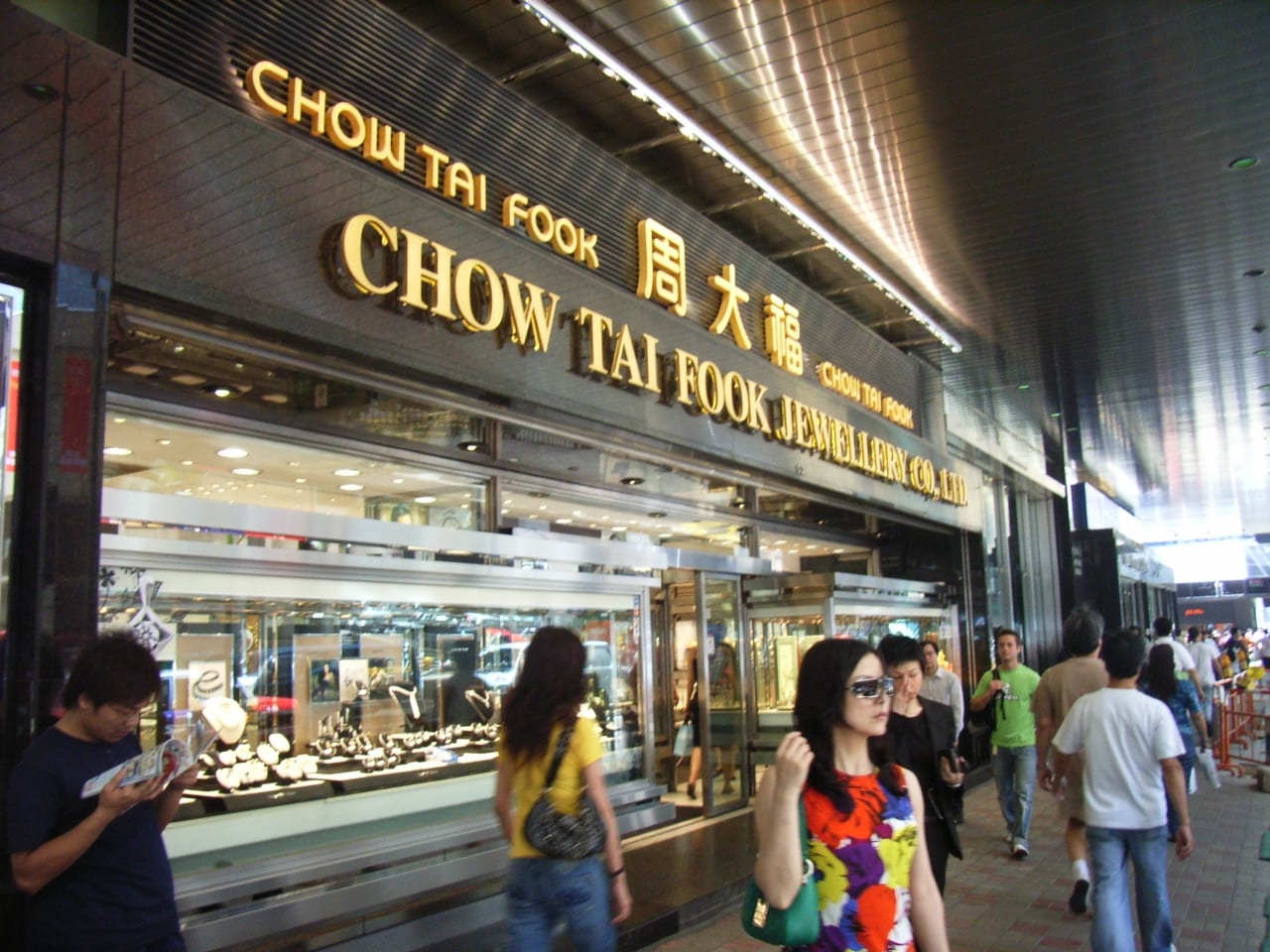
    Hong Kong based jeweller Chow Tai Fook says sales in its core Hong Kong market plunged 29 per cent over Lunar New Year.

    However an 11 per cent rise in mainland sales saw its total sales rise nine per cent during Lunar NY 2015 compared with the same season in 2014.

    In the mainland, same store sales of gem-set jewellery rose 62 per cent and of gold by two per cent. But in Hong Kong and Macau, gem-set sales fell 17 per cent and gold sales by 38 per cent – a rate even worse than the disappointing last quarter of 2014.

    In a statement, the company blamed weak consumer sentiment for a decline in sales of high-end products.

    Also a likely factor was the changing demographic of Chinese tourists into Hong Kong: in the past such visitors were usually cashed up and high spenders, but those tourists are now venturing further abroad into other Asian destinations and to Europe. Some have been spooked by the Occupy Central protests. The new mainland tourists into Hong Kong are of more modest means and often travelling for the first time.

  • Lower tier boost for Sun Art

    Lower tier boost for Sun Art

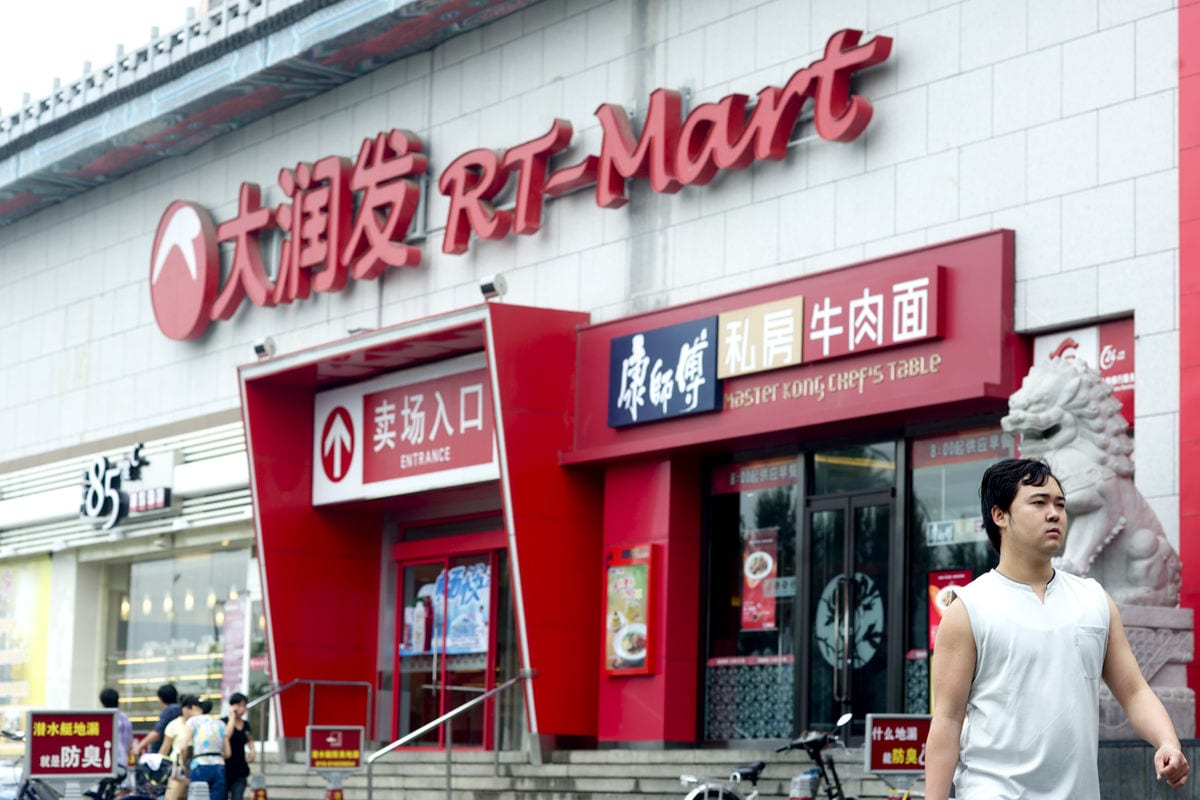
    Chinese hypermarket operator Sun Art Retail Group says a move into lower-tier cities is bearing dividends.

    The group, a joint venture between French retailer Groupe Auchan SA and Taiwan’s Ruentex Group, says its profit rose 4.8 per cent last calendar year.

    Sun Art, already China’s largest hypermarket operator despite intense competition from Tesco, Carrefour and Walmart, opened 49 new hypermarkets during 2014, expanding its chain to 372.

    On Sunday the retailer announced its profit for 2014 was 2.91 billion yuan ($464.15 million) compared with 2.78 billion yuan ($442.64 million) in 2013.

    Sales rose from 86.2 billion yuan to 91.9 billion and gross profit margin by 1.3 percentage points to 22.9 per cent.

    Same store sales slipped 1.6 per cent as consumers enjoyed wider choice in the market and consumer spending was largely subdued.

    In the year ahead, Sun Art says it will continue to open new hypermarkets in lower tier cities and increase sales in its eCommerce business.

  • Kingsdown China plans 500 stores

    Kingsdown China plans 500 stores

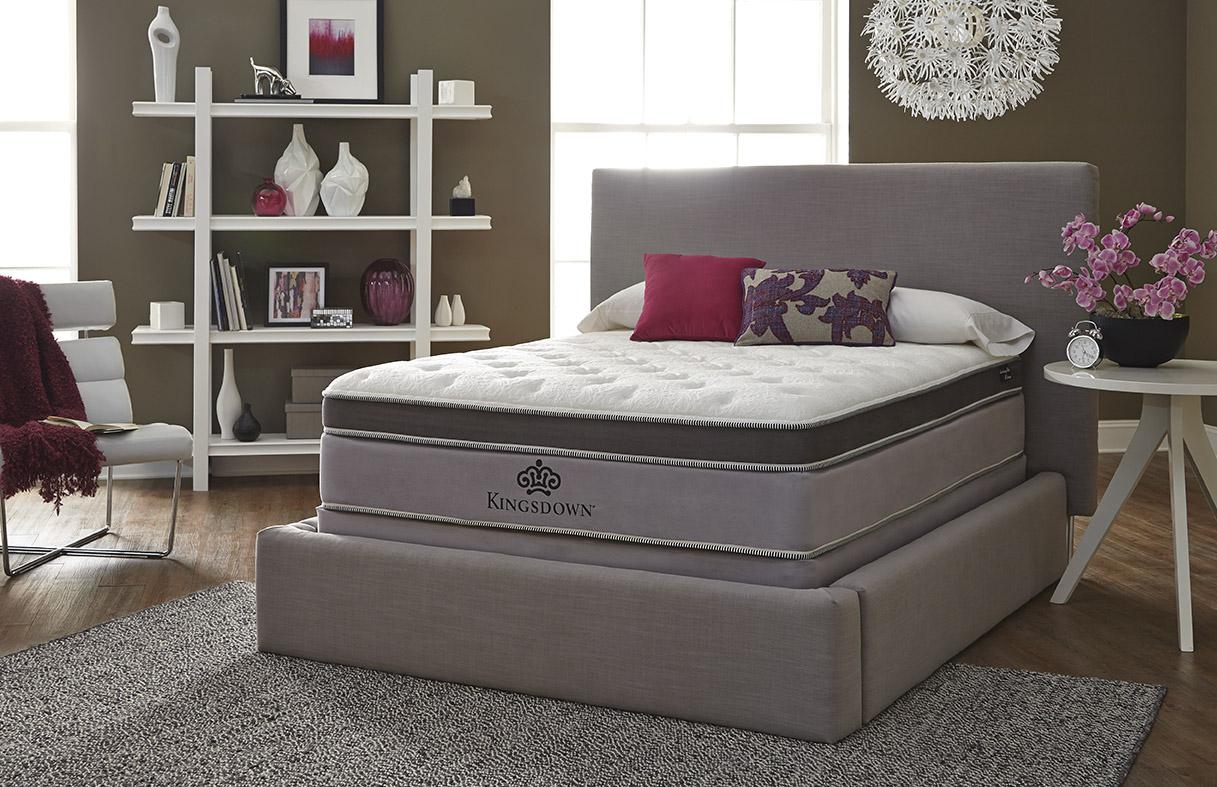
    Mattress maker Kingsdown has entered into a partnership which will see it open 500 new stores in China over the next five years.

    Kingsdown already operates more than 90 MySide / Sleep to Live retail outlets in China, through a licensee and franchise network.

    But its new partnership with Roth Bedding Technology will substantially expand its brand awareness and retail points of sale. Roth will manufacture the bedding and furniture products in China and they’ll be sold under the Kingsdown brand.

    About 65 stores will open initially this year, with two already trading. The roll-out will be ramped up from next year.

    “We have enjoyed a fantastic reception in China over the past few years but saw an even greater opportunity to really capture the country’s luxury consumer,” said Kingsdown president and CEO Frank Hood.

    “This partnership with Roth Bedding is the boldest relationship ever entered into by our company and we are thrilled to have found an organisation that enjoys an equally ideal reputation for their attention to detail, high quality and service.”

    Roth Bedding GM Jie Du says his company believes there is a big opportunity to sell high end bedding into the Chinese market.

    “The company’s focus on styling, quality and groundbreaking research to deliver a more luxurious night’s sleep is a differentiator that will be appreciated by our consumers.”

    North Carolina, US, based Kingsdown was founded in 1904 and besides his US home market, where it has two manufacturing bases, it sells into Australia, Brazil, Canada, China, England, Indonesia, Italy, Malaysia, Taiwan, Turkey and the UAE.

    “We are not the biggest mattress company in the world, nor do we have the loudest voice,” the company declares on its website. “While other companies are preoccupied with getting bigger and louder, we are hard at work holding true to our guiding principle: We make the smartest mattresses in the world.”

  • M&S China restructure

    M&S China restructure

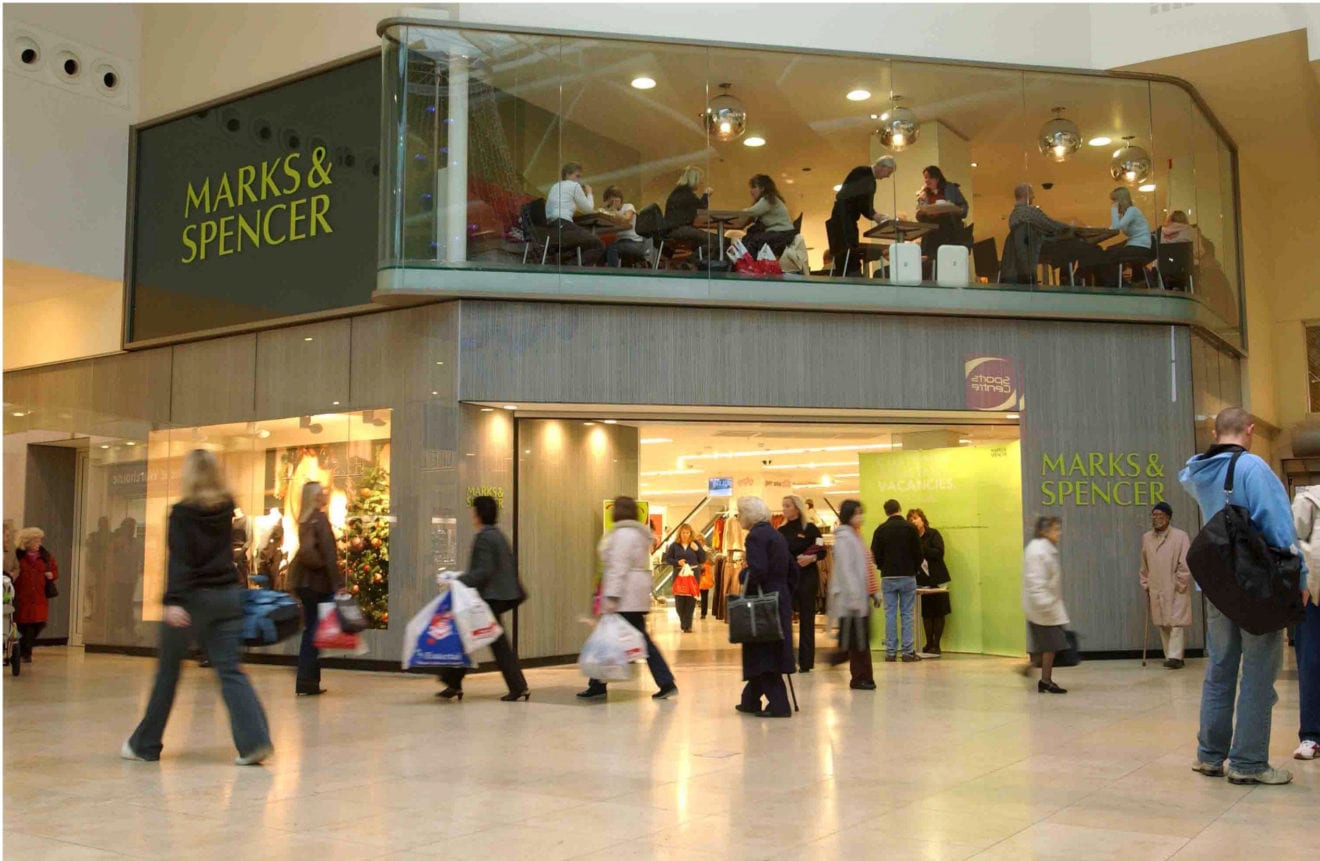
    UK department store Marks & Spencer (M&S) will close five stores in Shanghai.

    But the company says it remains committed to China as a market and will still proceed with opening new stores in Beijing and Guangzhou between now and the end of 2016.

    “As announced in April 2014, Marks & Spencer has reviewed the shape of its existing store portfolio to ensure its best aligned with its strategic growth plans,” the company said in a statement.

    “As a result, Marks & Spencer has taken the decision to close five of its supporting stores in the greater Shanghai region by August 2015. It has also reviewed its head office resource structure in line with growth plans.”

    M&S Changzhou Wanda Plaza, Changzhou and M&S Wuxi Jiangyin Wanda Plaza, Wuxi, will close next Monday, March 9. M&S Jiangqiao Wanda Plaza, Jiading, M&S Wenzhou, and M&S Changzhou InJoy City, Changzhou will close between March and August this year.

    Meanwhile, M&S China will continue with plans to modernise its flagship store on Shanghai’s West Nanjing Rd during the coming autumn.

    The company will also beef up its eCommerce business in China to strengthen its brand awareness and reach across the country.

    “Following the popularity of our online stores on China’s leading websites, which during the last quarter saw sales on TMall.com increase by 200 per cent over last year, Marks & Spencer launched a new dedicated kidswear store on TMall.com and a new clothing store on JD.com in January.”

    The company said it continues to search for a potential partner in China, as initially heralded back in April 2014.

    In Macau, M&S will open a new 1000 sqm store at the Venetian Macau in November, its second in the city. In Hong Kong, it will continue with plans to modernise its stores during the next two calendar years.

    “Marks & Spencer will expand its food store portfolio at convenient travel and city locations in Hong Kong during 2015-16. Since our update last year, Marks & Spencer has opened three food standalone stores in Hong Kong during 2014-15, which have seen sales per square foot in line with its best performing food stores in the UK.”

    Marks & Spencer opened its first Hong Kong store at the Ocean Centre shopping mall in May 1988 and now has 18 wholly-owned stores in Hong Kong. It opened its first Marks & Spencer Food store in Wanchai, Hong Kong, in 2010.

    Patrick Bousquet-Chavanne, Marks & Spencer’s executive director, marketing & international, set a positive tone to the announcement despite the revelation of store closures: “Last year, we reaffirmed our commitment to our Greater Chinese business and set out clear strategic plans. Today we can share more details of our continued investment across our priority markets of China, Hong Kong and Macau. This includes the modernisation of our flagship stores, entering new key cities, growing our Hong Kong Food store portfolio and expanding our reach across China through new sites on TMall.com and JD.com.”

    The British retailer entered China in 2008.

  • Royal Mail online in China

    Royal Mail online in China

    Great Britain’s Royal Mail is to open an online store in China to sell British products to Chinese.

    Royal Mail will launch a shop front on Alibaba’s Tmall, providing Chinese consumers with “increased access to premium, authentic and high quality British products”.

    CEO Moya Greene unveiled the Royal Mail online initiative at the start of the three day Great Festival of Creativity in Shanghai, China.

    She said the store will offer British retailers and exporters an accelerated opportunity to access the China market when it goes live towards the end of March.

    “It will remove the challenges that many companies would otherwise face in getting their products into the hands of Chinese consumers, including promotion on Chinese e-commerce sites, local customer support service, customs duties, documentation, shipping and logistics,” she said.

    China is the largest economy by purchasing power parity and the biggest internet user base in the world, with 302 million online shoppers already, a figure which grows by the day.

    Almost half of the country’s internet users purchase goods online, with 75 per cent of online shoppers in China buying products every week. Online shopping now accounts for just over 10 per cent of total retail sales of consumer goods in China, with the overwhelming majority of these online purchases being made through e-marketplaces, like Tmall and Taobao.

    Among the goods soon to be sold on Royal Mail’s store are Brompton Bicycles, which Royal Mail will deliver to the purchaser’s doorstep.

    “Royal Mail’s new shop front will help support British retailers and exporters expanding into the China market, fulfilling the strong demand of Chinese consumers for authentic, high quality British goods.

    “Online shopping, and the connection it facilitates between retailers and consumers is a key channel to develop sustainable trade between China and Britain and we are excited at the prospect of offering UK companies a new and streamlined way to increase the accessibility of their products to Chinese consumers.”

    The rapid growth in online shopping has also mirrored the increased demand from Chinese consumers for authentic, high quality goods. Chinese consumers represent almost one third of the global market for personal luxury goods and spend three times more abroad on high quality, designer goods than they spend locally.

    Chinese consumers are also concerned about the source of luxury goods they purchase, meaning they will trust foreign vendors ahead of Chinese.

    Royal Mail says China is now the biggest overseas consumer of British products online, accounting for 25 per cent of overseas online shoppers purchasing goods from the UK.

    The Great Festival of Creativity in Shanghai is a UK Government-led initiative to showcase the innovative and creative edge that British businesses bring to markets across the globe.

    Royal Mail is also marking its Chinese foray with a special postmark, which will appear on items delivered to addresses across Britain from March 2 to 4.

  • Esquires takes back China

    Esquires takes back China

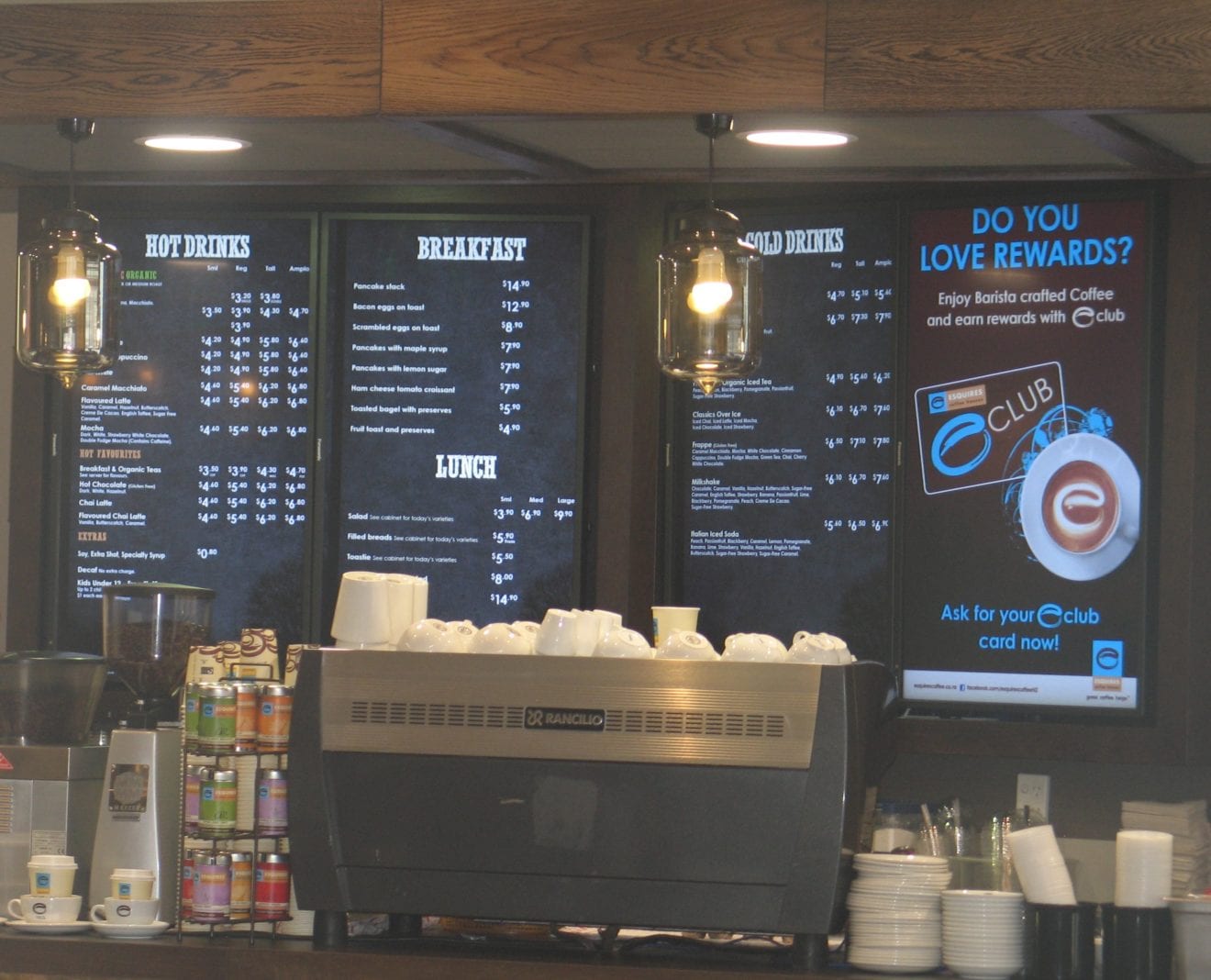
    Cooks Global Foods’ has successfully completed the purchase of the Esquires Coffee Houses master franchise in China.

    Cooks first signalled the purchase of Beijing Esquires Management Co (Esquires China) in September under an agreement where the Chinese master franchisee sold back the Chinese rights in return for a stake in Cooks.

    Esquires China was formerly owned by three shareholders, including Beijing Yunnan Building Hotel Co, wholly owned by Yunnan Metropolitan Investment Company (YMCI), which is in turn owned by the Yunnan Provincial Government. Yunnan is a province located in the southwest of China with a population of 46 million people.

    YMCI is now the second largest shareholder in Cooks, with a 15.8 per cent stake.

    Cooks Global Foods chairman, Keith Jackson, says the franchise purchase delivers a strong cornerstone shareholder to the listed company.

    “YMCI is a company with a capital value in excess of US$800 million and part of its assets are listed on the Shanghai Stock Exchange,” Jackson said.

    “The vendors remain very keen to be part of the growth of the Esquires brand and the coffee industry itself in China and internationally through the shareholding in the Esquires global business, that they now have through their Cooks shareholding.

    “We were able to come to an agreement to buy back the master franchise business for China and the vendors took a shareholding in Cooks. Effectively that provides Cooks with a more direct interest in China, the world’s fastest growing coffee market where branded coffee is in its infancy.

    “The big brands are in there and that’s great for us because it spreads the coffee gospel. Our aim is to accelerate the growth of the Esquires business in China through expansion in conjunction with both existing and new partners building on our core principles of Organic and Fairtrade coffee from New Zealand.”

    Jackson says there is a strong management team in China under Ellen Zhang, a former Esquires franchisee at the Auckland Quay Street café, part of the Countdown supermarket complex.

    “Ellen manages a very good team, many of whom have experience with international brands such as Starbucks. In fact, NZTE advised us that we are now New Zealand’s third largest employer in China, behind Fonterra and our government,” Jackson said.

    The aim is to have more than 200 stores operating in the Peoples’ Republic of China by 2020.

    Esquires Coffee Houses operate in Ireland, England, the Middle East, Canada, and China.