Tag: China

  • JD.com opens world to Chinese shoppers

    JD.com opens world to Chinese shoppers

    JD.com, China’s online direct sales company, has unveiled JD Worldwide, its new cross-border eCommerce platform.

    JD Worldwide provides Chinese consumers with the most convenient way to purchase authentic imported products, including many not previously available in China, and enables international producers and suppliers to sell directly to Chinese consumers without requiring an established presence in China.

    Through the JD Worldwide platform, Chinese shoppers can order goods from hundreds of brands and sellers in overseas markets including Australia, France, Germany, Japan, South Korea, New Zealand, the UK and the US, among others, while enjoying JD.com’s industry-leading user experience.

    Fully integrated with the existing JD.com platform, JD Worldwide features both direct sales and marketplace channels. It currently hosts about 450 online shops, which offer over 150,000 SKUs of high-demand imported products from more than 1200 brands. Customers can place orders seamlessly through JD’s website and mobile applications and have purchases delivered directly to their homes or offices in China, without the typical inconveniences associated with international shipping, customs and language issues.

    The platform also enables international producers and sellers to sell directly to Chinese consumers without needing to establish a legal presence in China, significantly lowering the barriers to entering the China market for global brands. JD Worldwide will offer a range of support to retailers to enable them to take full advantage of the JD Worldwide platform, including support on marketing toJD.com’s nearly 100 million active users and access to JD.com’s extensive nationwide logistics network.

    As part of the JD Worldwide launch, the company also announced the launch of “Best of eBay Deals,” a pilot program on the new platform in partnership with eBay. Responding to growing demand from Chinese consumers seeking items from eBay’s global inventory, eBay’s channel on JD Worldwide will showcase a variety of top categories and popular brands at attractive prices from select, trusted eBay sellers from the US.

    “JD.com has once again raised the standard for integrated e-commerce solutions in China with the launch of JD Worldwide, the most convenient way for Chinese consumers to purchase imported products,” said Richard Liu, JD.com founder and CEO.

    “This new cross-border sales platform marks a major step forward in connecting Chinese consumers with international brands. By combining the advantages of China’s cross-border free trade zones, JD’s warehouses and unparalleled last-mile logistics network, and our experience developing winning marketing campaigns for our partners, JD Worldwide gives international sellers and brands the most comprehensive and effective solution available for reaching Chinese consumers.”

    Liu said that consistent with the company’s overall strategy, it is committed to growing JD Worldwide at a manageable pace to ensure the highest quality products and merchants, the best shopping experience for our customers, and strong sales results for its partners.

    When making purchases through JD Worldwide, consumers will enjoy the same guaranteed product authenticity, prices and reliable customer service they expect from JD.com. Supported by favorable trade policies in China’s e-commerce free trade zones, JD Worldwide employs bonded warehouses to ensure the fastest times for customs clearance and delivery to consumers.

    JD.com has established an exclusive customer service hotline and after-sales customer support team specifically dedicated to JD Worldwide, with live online support provided to international marketplace merchants. As across all of JD’s sales platforms, stringent controls have been implemented to ensure that only high-quality marketplace merchants and authentic products are permitted on JD Worldwide.
  • Stradivarius China launches on Tmall

    Stradivarius China launches on Tmall

    Inditex has launched another of its brands in China online.

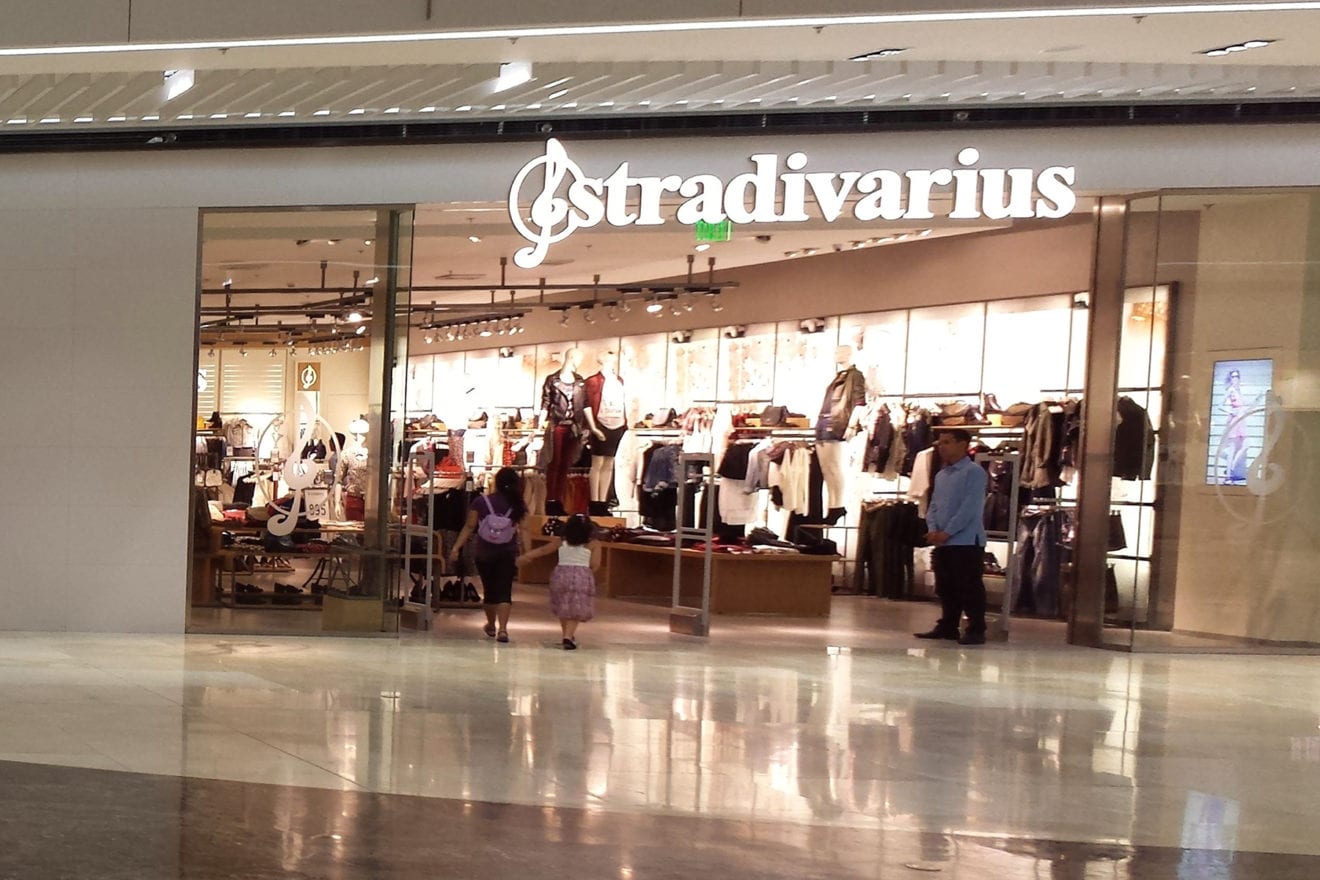
    The Spanish apparel maker has opened a Stradivarius China storefront on Tmall, the largest online sale platform in China.

    After launching in China in 2010, the junior cousin of Zara has built a network of 68 physical stores in more than 40 cities.

    The broader Inditex Group has 501 stores there.

    Inditex says at stradivarius.tmall.com, customers can find the entire fashion and accessories collection from the group’s feminine fashion brand.

  • Legoland Shanghai to anchor shopping mall

    Legoland Shanghai to anchor shopping mall

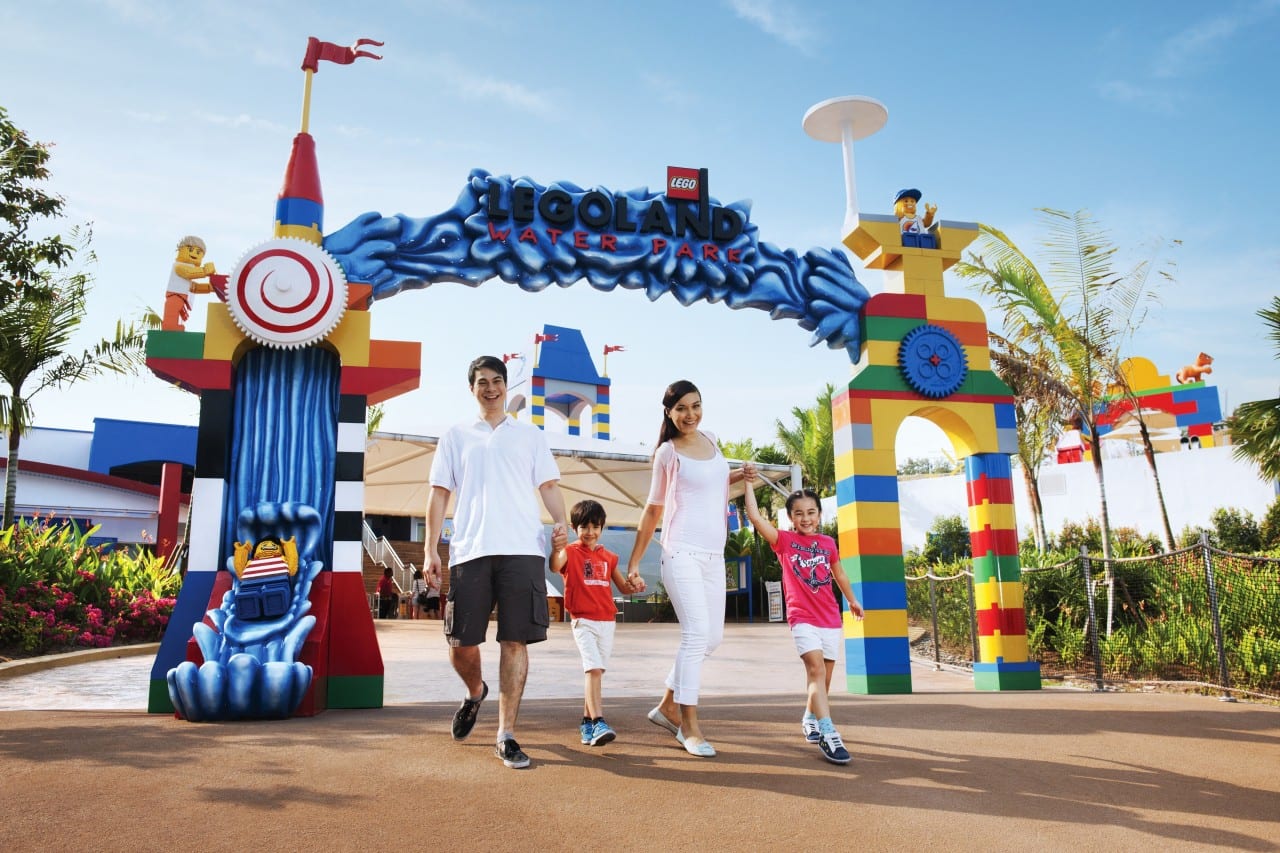
    Merlin Entertainments will open its first Legoland in China at Parkside Plaza shopping centre in Shanghai.

    Plans and designs are already in place for the 3000 sqm attraction and construction of Legoland Shanghai will start soon, with its opening scheduled for 2016.

    Owned by UK-based Grosvenor Fund Management, Parkside Plaza is located on the Suzhou Riverbank adjacent to the Changfeng Park. With a total floor area of 126,000 sqm, it is home to international brands including Tesco, H&M, Uniqlo and C&A and a variety of entertainment including HB Cinema, Vigor-100 KTV and Hani rock climbing space. And soon it will be home to Legoland Shanghai.

    The Legoland Discovery Center is a unique indoor attraction offering an interactive and educational two to three hour experience specifically designed for families with children aged three to 10. It consists of a range of Lego play areas including brick pool, Lego Factory Tour, Lego model car racing area, master classes from the Lego master model builder; party rooms, a Lego themed ride, a 4D cinema and Miniland – an exhibit featuring replicas of Shanghai landmarks made from Lego bricks.

    Parkside_Plaza_Shanghai.1-415

    James Raynor, GFM CEO, said the Legoland tenancy reaffirms the company’s strategy of making Parkside Plaza one of the region’s best family-oriented shopping destinations.

    “Legoland Discovery Center is a globally recognised family entertainment brand that will deliver a fantastic leisure experience for our visitors and add to the appeal of Parkside Plaza.”

    Glenn Earlam, MD of Merlin’s Midway Attractions Operating Group said the concept has been a huge success across the globe, particularly as part of a family day out which may also include shopping and eating out together.

    “Given the popularity of the Center in Tokyo which opened last year, we are confident people will also love the attraction in Shanghai.”

    Lego models for the Shanghai attraction will be made in Merlin’s specialist studios around the world and shipped in during construction.

    GFM currently has £3.2 billion of assets under management across Asia, North America and Europe. The retail sector is a strategic focus across these regions and 73 per cent of the international portfolio is retail assets. This includes Liverpool One in the UK, a portfolio of 31 historical buildings in the heart of Lyon, France and the recently acquired Skarholmen shopping centre in Stockholm, Sweden.

  • TNS paves way for UnionPay global growth

    TNS paves way for UnionPay global growth

    Retailers globally stand to benefit from a new alliance making its easier for Chinese to shop with their UnionPay cards.

    Transaction Network Services (TNS) has launched a new global card scheme gateway which will enable merchants and banks to quickly and easily connect with UnionPay for authorisation and processing of in-store payment transactions.

    Banks, processors and merchants wishing to accept UnionPay cards will be able to use the TNS Scheme Gateway to access UnionPay’s processing hub in Hong Kong, removing the need for self-managed complex and costly bespoke connections.

    Lisa Shipley, executive VP and MD of TNS’ Payment Network Solutions, said UnionPay is now a significant player within the card industry globally and merchants and banks have long recognised the importance of being able to accept payments made via its card.

    “In addition to being complex, setting up bespoke network links can prove extremely costly and time consuming both to establish and to maintain, and as a result many merchants have been simply unable to accept UnionPay transactions until now.

    “We are removing the need for organisations to make changes to backend systems and networks, and offering them a streamlined, efficient and cost-effective alternative which can be operational in as little as two weeks.”

    The TNS Scheme Gateway for UnionPay uses TNS’ Secure Payments Network which allows retailers and banks to handle customer card data in accordance with PCI DSS regulations and best in class visibility and monitoring which ensures maximum uptime and availability. The technology converts the local domestic message format into UnionPay’s preferred type and manages all clearing, dispute and reconciliation files. TNS also manages all card scheme updates and compliance requirements, allowing merchants, banks and processors to focus on their core business.

    Currency exchange provider Travelex has already tested and signed up for the new gateway, becoming one of TNS’ first customers.

    Damian Cecchi, Travelex GM, said the new gateway was easy to set up and is much simpler than managing the company;s own connection.

    UnionPay dominates China’s fledgling credit card industry with 4.3 billion UnionPay cards now issued. IN 2013, more than US$5.2 trillion was spent using UnionPay and the cards are now being issued outside China.

    James Yang, chief representative South Pacific from UnionPay International, said working with TNS is part of a global expansion plan.

    “As our customers seek to explore the world they live in they need a trusted form of payment which can travel with them and with TNS’ help their UnionPay card will be their perfect travel partner.

    “Since UnionPay was established in 2002, we have actively responded to the social and economic development of China and are proud to have driven the growth of China’s bankcard industry. This new partnership with TNS helps us to take the next step and cement our position in the global marketplace.”

  • Yum! China opens luxury restaurant

    Yum! China opens luxury restaurant

    US fast food giant Yum! Brands has opened a luxury restaurant overlooking Shanghai’s Bund to test menu concepts on locals.

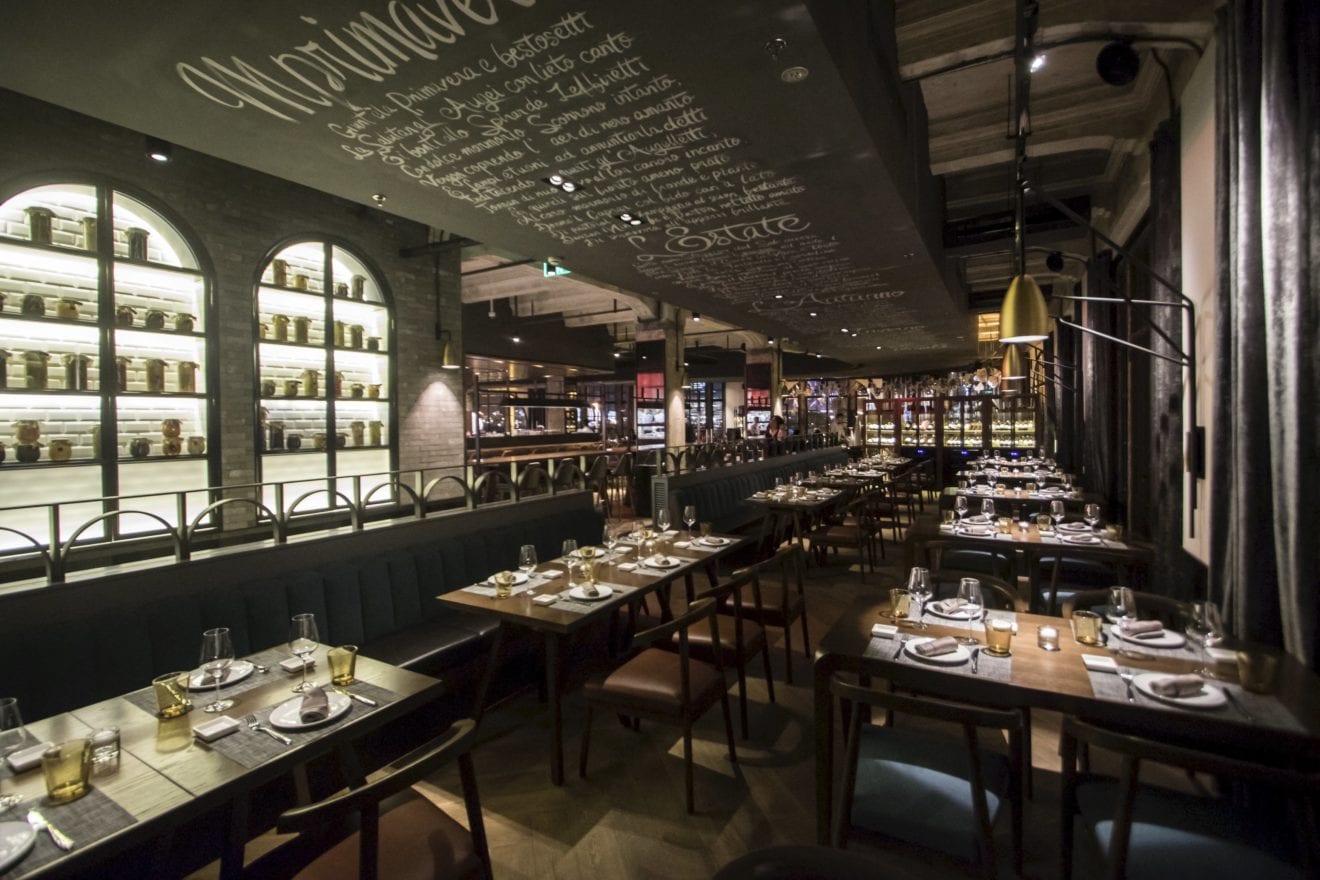
    Atto Primo, complete with its Italian name, is as far from the fast fried chicken concept of KFC or Pizza Hut as you could possibly get. The expansive restaurant is located in a historic building more than 100 years old. The decor is heavy on design and atmosphere, the dining environment with dim light, captivating wall murals, natural wooden furniture – and it has an expansive bar.

    Atto Primo 415

    “Atto Primo also houses a bar, and the design here stems from a puppet theatre concept,” wrote on Shanghai food blogger, seemingly unaware of the identity of the owner. “When diners make their order, bartenders, baristas, pizza and grill chefs leap into action, preparing cocktails and coffee, pizzas and meat, much like a puppet being pulled along by its strings, acting on the fancies of its masters.”

    Atto Primo The Bund interior

    So far from fast food is Atto Primo, Inside Retail Asia crossed checked multiple sources to be sure it was a Yum! Brands project. Sure enough, both Forbes and Reuters have reported on the concept, without going into any detail of how stunning the restaurant looks.

    To us, it’s as if Primark had suddenly unveiled a $5000 Vera Wang style wedding dress!

    Yum! China has apparently dubbed the venture a “lab” and while the investment has not been revealed, just the location and the decor, not to mention the sheer size of the venue, suggests a serious chunk of the R&D budget has gone into this experiment.

    “A high-end test kitchen will let Yum! test the waters with new menus and concepts and get feedback from more sophisticated diners – helpful if you want to go a bit upmarket,” Ben Cavender, a principal at China Market Research Group, told Reuters.

    Atto Primo The Bund wall mural

    Yum! China has been experiencing serious challenges in China, which started with, but are by no means all linked to, food safety scares when suppliers were outed using dodgy hygiene standards. The company has about 7000 QSR restaurants across the country, but its early-to-market advantage from being one of the first multinational food chains to enter China has been eroded by an increasingly sophisticated army of local chains more attuned to Chinese eating habits and tastes. Yum!’s same store sales slumped 16 per cent in the last quarter of 2014. Some analysts describe the company’s predicament as “brand fatigue”.

    In an email to Reuters, Yum! China spokesman Jonathan Blum described Atto Primo has “an innovation lab to help us learn more about the evolving tastes of Chinese consumers”.

    Atto Primo The Bund table

    Somehow, in an environment where diners can expect to splash $50 on a dinner, Yum! will learn recipes and dining solutions it can sell at the bottom end of the market over the counter of a KFC or Pizza Hut.

    English language blog Shanghai Wow describes Atto Primo as “a fine balance between classy, fashionable interiors and a good, authentic menu”, again with no obvious awareness it is a Yum! establishment.

    It has a heavy Italian theme, suggesting it may be more about developing menu solutions for Pizza Hut than KFC.

    Atto Primo  415

    Designer Lance Smith has blended modern design elements with the building’s historical architecture for an “east meets west” end result. Think wine red colours, turquoise green, heavy theming such as a giant mural of a bull (surely more Spanish than Italian).

    Atto Primo food pic 1

    The restaurant is divided into three main areas – Sonetto, Drama, and Satira.

    “The Drama section features Pirandello’s famous masks. It’s dynamic, jarring, very dramatic, almost like being seated on the stage of a grand Italian play,” writes Wow Shanghai.

    “The Sonetto area is located beside the building’s 100-year old floor-to-ceiling colonial windows. Overhead, Vivaldi’s quatrain lyrics that inspired his famous “Quattro Stagioni” concerts are etched across the ceiling.

    “The Satira area, where the main focal point is a large mural of a bull made up of different vegetables against a backdrop of red. The painting is inspired by the works of 16th century Italian painter Giuseppe Arcimboldo.”

    Atto Primo   1-415

    A Forbes columnist observed Yum! is calling the restaurant a lab for now, but “I suspect it could quickly expand the concept with new outlets if it proves popular”.

    • We doubt that very much, but we can see the potential in some of the images of food dishes shared by That’s Shanghai  for low cost versions suited to QSR restaurants.

    A trendy eatery being managed by a fast food specialist is a hard concept to embrace. But then one has to not-so-grudgingly admire any multinational brave enough to venture into such a costly and experiential form of research in order to understand a local market.

    KFC China is at the bleeding edge; Atto Primo is at the leading edge. Somewhere in the middle there surely has to be a compromise of convenience and innovation which could well lead to a profitable change of strategy for a business with such a large store network and reach.

  • Giant IFS malls sprout in China

    Giant IFS malls sprout in China

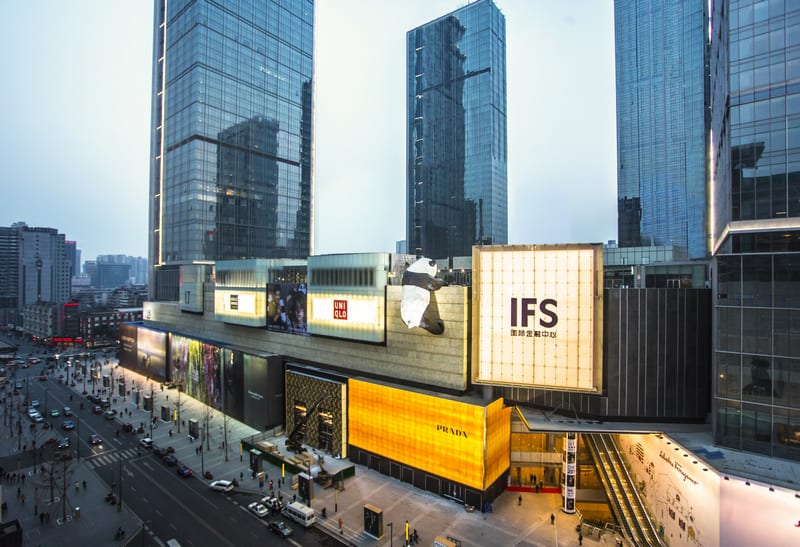
    Listed Hong Kong property developer The Wharf Holdings has two IFS malls under construction in fast-growing Chinese cities.

    The new malls are all located in high profile commercial developments and/or linked to metro lines, ensuring high footfalls.

    Changsha IFS, located in Furong District’s Jiefang Rd, is best-placed to be “the new landmark of the core CBD,” the group believes.

    Modelled on Harbour City in Hong Kong, Changsha IFS boasts a total development area of 1026 million sqm and has retail street frontage exceeding 700 metres. It will be linked underground to a future Wuyi Plaza Station (metro lines 1 and 2) and is in close proximity to one of the busiest pedestrian streets in China (Huang Xing).

    It is flanked by financial institutions including the People’s Bank of China on one side and a traditional shopping cluster on the other.

    “Such dual cluster can be aptly dubbed as a combination of Hong Kong’s Central CBD, Causeway Bay and Tsim Sha Tsui,” the The Wharf Holdings in a briefing document.

    The development features a 452-metre tower and a 315-metre tower above a mega mall of 230,000 sqm, offering upscale retail, Grade A offices and a premium hotel. Designed by Benoy, the retail mall will offer world-class lifestyle, retail, entertainment, and dining offering under one roof. The development will be completed in phases from 2016.

    Chongqing IFS is strategically located in Jiangbei District, Chongqing’s new CBD, where the Yangtze River meets the Jialing River.

    “Chongqing IFS enjoys a fabulous panoramic river view and convenient connectivity through three nearby bridges,” says The Wharf.

    With light railway lines 6 and 9 set to pass that area with respective stations nearby, the development is adjacent to the Chongqing City Grand Theatre, the Chongqing Science Museum and the Central Park. The 50:50 joint venture development (with China Overseas) features a 300-metre landmark tower and four other towers above a 102,000 sqm retail podium. The boutique-sized Harbour City, providing a wide and dynamic range of offerings, is positioned to be a one-stop shopping and entertainment hub.

    Retail leasing is progressing well with more than 50 per cent of the floor plates under offer. Key anchors and other international retailers across different categories are in negotiations. The office towers are gradually being completed with the entire development scheduled to be open in 2016.

  • Sandro Paris embraces China

    Sandro Paris embraces China

    French designer Sandro Paris is planning to make greater China a key retail market.

    To date, the Paris-based company has store in France, the UK and the US. But it is attracted to China by the growing desire amongst Chinese consumers for foreign brands and products.

    Already it has opened 15 stores in China, including Hong Kong; two of them last month. A further 10 are planned during the remainder of the year.

    A flagship store is in planning for Hong Kong’s Causeway Bay precinct, one of the territory’s fashion hubs.

    Sandro Paris 415-1

    Sandro Paris was created by husband and wife team Evelyne and Didier Chetrite.

    Growing up in Morocco, Evelyne was drawn to fashion and when her family moved to Paris as a teenager, she was inspired by the window displays of department stores near her home.

    Later she met Didier, a young entrepreneur who had launched a ready-to-wear business

    Their first successful collaboration was “a series of dresses in patterned patchwork with bubble sleeves that were bohemian chic, loose but with a real style and presence”.

    After that, Didier expanded his office and hired a designer to work with Evelyne. The Sandro brand was born in 1984 and opened its first boutique on Rue Vieille du Temple in the heart of the Marais. It has grown to be a label known for feminine, versatile dressing. Today, Sandro has 202 boutiques worldwide.

    Sandro Men first launched in the Marais and Saint Germain des Pres areas, its shops likened to a jewel box combined with simple and trendy features. The stores have herringbone floors, painted mirrors and more than 190 styles, along with a selection of art books and music, “providing the comfort of a British club, while offering it pieces of the season”, according to the company’s website.

  • Capistar loyalty scheme to broaden reach

    Capistar loyalty scheme to broaden reach

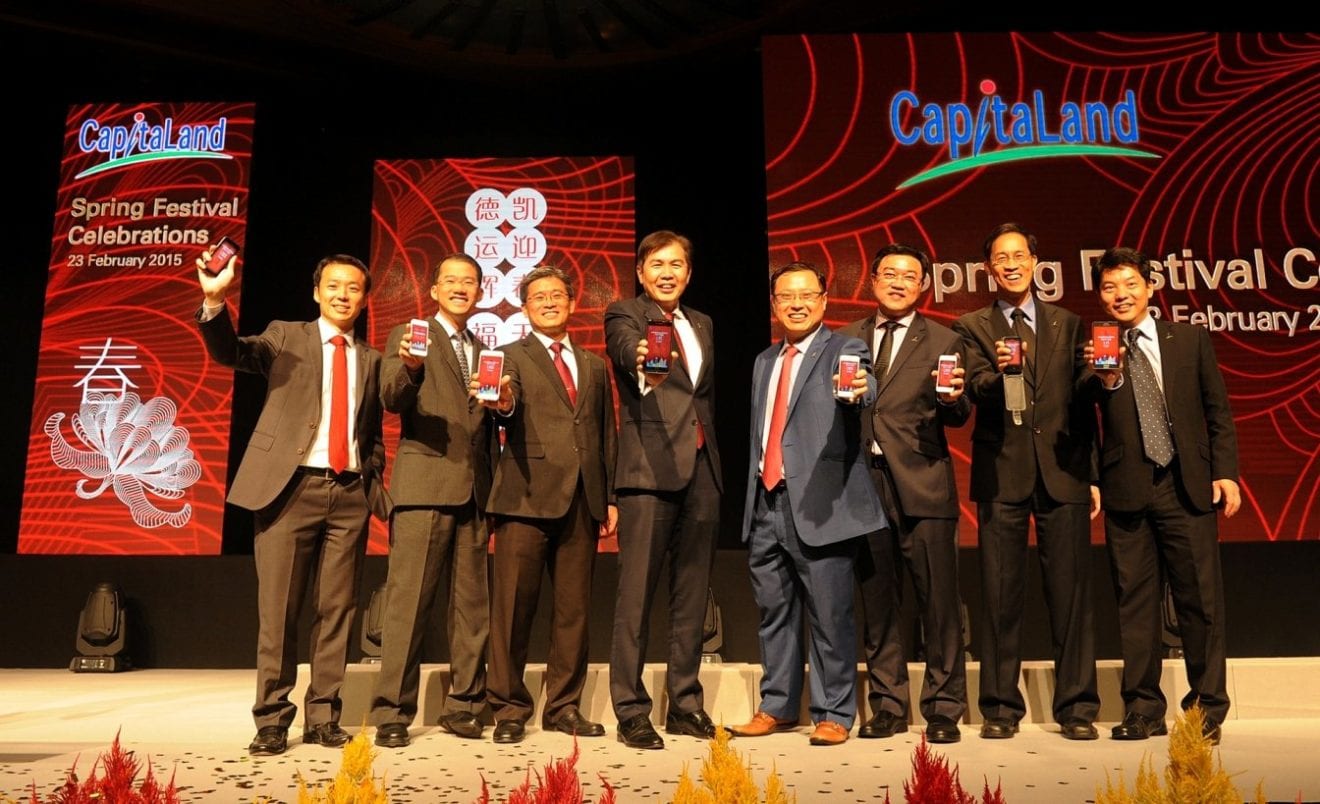
    CapitaLand is to expand its Capistar loyalty scheme into three more nations as the program’s membership surpasses 1.5 million.

    CapitaLand properties in Malaysia, Japan and India will be included by the end of this year.

    The Capitastar loyalty scheme is now benefitting 1.5 million members across 60 malls in Singapore and China where the program was launched in 2011 and 2013 respectively.

    In those two markets, more benefits will be offered to members from this year. From May, Capitastar members in China can exchange Star$ for credits on a prepaid card, ‘Expresspay Card’ issued by Bank of China, in addition to the current gift redemption benefits.

    The largest rewards programme by any mall manager in Singapore, Capitastar is available across 17 shopping malls in Singapore since 2011 and 43 malls in China since 2013. To date, shoppers in Singapore have redeemed more than S$1 million worth of CapitaVouchers through the Capitastar programme.

    Jason Leow, CEO of CapitaMalls Asia, CapitaLand’s wholly-owned shopping mall subsidiary, said tenant retailers have been supportive of Capitastar.

    “The rewards program is one way in which we add value to our tenants. It enables our tenants to better understand their customers through their purchase patterns and to tailor products to shoppers, who then get to enjoy more varied and customised experiences.

    “We currently have over 7000 tenants participating in Capitastar in Singapore and China,” he said.

  • Ex-Yahoo exec joins JD.com

    Ex-Yahoo exec joins JD.com

    JD.com, China’s largest online direct sales company, has appointed former Yahoo! executive Chen Zhang as senior VP.

    Zhang will head research & development for JD Mall, reporting to Haoyu Shen, JD Mall’s CEO.

    Zhang has been recruited to oversee JD Mall’s R&D staff, focusing on research that will enhance the company’s mobile applications, cloud computing and big data infrastructure. Daxue Li, who heads JD.com’s R&D team, will leave the company to pursue personal interests after a transitionary period but continue as an advisor to JD.com.

    At Yahoo, Zhang established and led the company’s Beijing Global Research & Development Center. In this role, he specialised in research related to personalisation, advertising, mobile and cloud computing technologies. During his 18 years at Yahoo, he held a number of other senior roles, and led the development of the hugely successful Yahoo Messenger product.

    “Chen is one of the most experienced executives in his field, not just in China, but globally,” said CEO Shen.

    “His breadth of experience has relevance right across our business, and we are confident he will have an immediate and lasting impact on our growth.”

    Zhang said he believes JD.com is one of the most innovative companies in the industry, led by a team that truly understands how technology can drive strategic success.

    JD.com, Inc. is a leading online direct sales company in China, with seven fulfillment centers and 123 warehouses in 40 cities and 3210 delivery and pick-up stations across China.

  • Nova LifeStyle boosts China focus

    Nova LifeStyle boosts China focus

    US furniture designer, manufacturer and distributor Nova LifeStyle sees China as a key growth market as it feels a pinch in Europe.

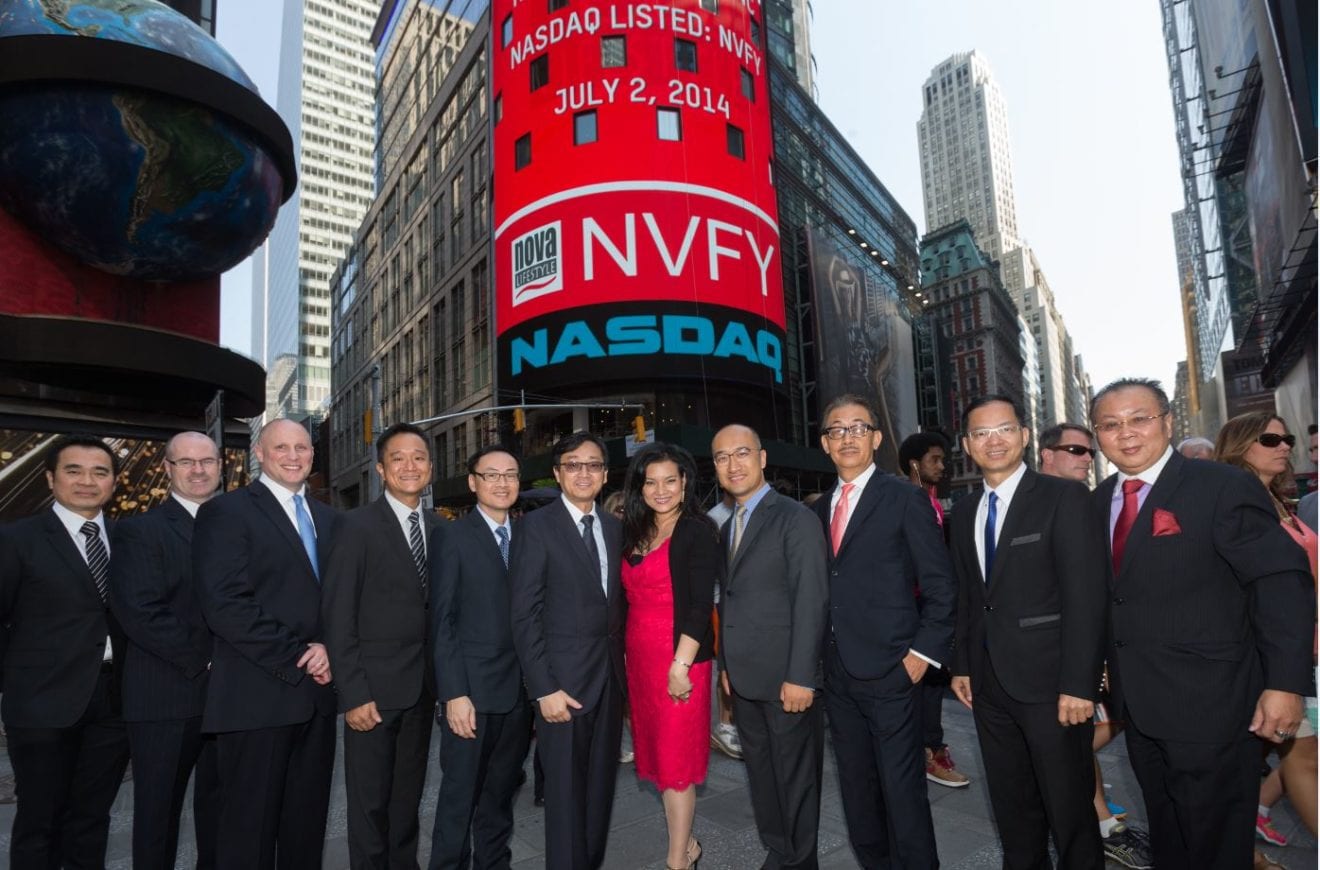
    The company finished 2014 recording a 26 per cent year-on-year increase in net sales to US$98.7 million, with growth was primarily driven by a 46 per cent increase in sales in North America and 14 per cent in Asia Pacific, partially offset by a 20 per cent decline in Europe.

    Its gross profit was $19.4 million, also an increase of 26 per cent. Net income for the California-based, Nasdaq-listed company was $8.6 million.

    In China, overall sales increased by six per cent to $17 million, largely due to the opening of seven new franchised stores in the nation.

    “Throughout 2014, Nova LifeStyle implemented strategic initiatives to expand sales and distribution in China, a key growth market,” the company said in its earnings statement.

    Nova LifeStyle boosted sales on Alibaba’s B2C sites, TMall and JD.com and signed a franchise partnership with the Ablejoy Company of China, to provide Nova products to its 200-strong retail store network.

    Nova LifeStyle initiated shipping to Ablejoy in the third quarter of 2014 and will continue to supply current and future franchise stores. The company also successfully began manufacturing and shipping to Ikea China.

    Sales in other parts of Asia Pacific, including Hong Kong, Australia, and other countries, increased 46 per cent to $5.89 million in 2014.

    The company said it expects the China and US markets to contribute to top-line growth in the year ahead.

    “Sales in Asia increased significantly and we view the supply agreement with Ikea China as a testament to the quality of our products and manufacturing capabilities,” said CEO Jeffrey Wong.

    “We are witnessing the expansion of the retail furniture market in China as the growing middle class, increasing urbanisation and increased consumer spending fuel higher demand for household goods and furniture.

    “Due to our efforts in 2014, we believe that Nova LifeStyle is well positioned to take full advantage of any upturns in the global economy, both in Asia and in the domestic market,” concluded Wong.

    Nova’s products are made in the US, Europe, and Asia and include LifeStyle brands such as Diamond Sofa, Colorful World, Giorgio Mobili, Nova QwiK, and Bright Swallow International.

  • JD.com crowdfunding concept launched

    JD.com crowdfunding concept launched

    Chinese eCommerce company JD.com, has unveiled a series of initiatives to help finance, develop and promote the creation of start-ups in China.

    The new JD Equity Crowdfunding platform, which builds upon JD.com’s success in internet finance, is expected to be China’s largest equity crowdfunding platform upon its launch this week.

    “JD Equity Crowdfunding, which expands the range of offerings from JD Crowdfunding, will leverage JD.com’s nationwide brand and reputation for authenticity in the eCommerce space to give China’s entrepreneurs access to a broad set of potential early-stage investors,” the company said in a release.

    “The new platform will provide a unique range of training and support options for companies throughout the entire start-up lifecycle, giving entrepreneurs a greater chance at success.”

    JD.com says the initiatives, anchored by JD Equity Crowdfunding, will help to create an ecosystem supporting start-ups from the funding through the online sales stages of development. In addition to capital through crowdfunding, companies will have access new training courses provided by JD.com and seasoned investors and entrepreneurs, as well as to the company’s broader Internet financing tools. I

    And they will be able to sell their products through the company’s eCommerce platform, leveraging JD.com’s last-mile delivery network and reputation for trust and reliability.

    The first 11 companies to raise funds on the JD Equity Crowdfunding platform include Thunderobot, Fastwheel and WeBuzz, which respectively focus on the areas of gaming laptops, personal transportation devices and social media.

    “I know from personal experience how important it is for entrepreneurs to have access to knowledge and early funding,” said Richard Liu, founder and CEO of JD.com. “As the leader in Chinese e-commerce, JD.com is ideally positioned to create a premium platform to give China’s early-stage companies access to resources and seed capital from a broad range of investors. We look forward to creating innovation and value for investors, consumers and start-ups.”

    Under the JD Equity Crowdfunding model, each investment project will be led by a professional investment manager, from either a venture capital (VC) firm or from a company with similar experience, who will be responsible for working directly with the investee companies and ensuring clear and transparent communications with investors. Participating VCs who will help develop JD.com’s ecosystem for start-up companies include Capital Today, ZhenFund and Sequoia Capital. As part of the program, JD.com will take a small equity stake in the projects that successfully raise funding through JD Equity Crowdfunding.

  • Johnny Rockets China plan signed off

    Johnny Rockets China plan signed off

    Johnny Rockets has signed the largest development deal in its history: for 100 restaurants in China.

    Johnny Rockets has entered into a partnership with a joint venture between AUM Hospitality and its parent Parkson Retail Group.  The first restaurant will open in 2016. AUM Hospitality is a multi-brand food and beverage developer and currently works as franchise partner and operator for Johnny Rockets in Malaysia.  Parkson Retail Group is a member of a conglomerate based in Malaysia and a department store operator with an extensive network of more than 130 stores, including over 60 in the China market.

    The same companies are partnering in the rollout of 1500 Quiznos sandwich stores across China.

    The initial plan is to open stores within Parkson department store complexes, which will also likely feature Quiznos and other food brands as Parkson builds a food-anchored retail concept in China.

    Scott Chorna, SVP of international development for Johnny Rockets, said AUM Hospitality’s success in the food and beverage industry and Parkson Retail Group’s proven track record in operating major retail outlets, made for an ideal partnership for his company’s Chinese entry.

    “Moreover, there is a strong demand in China for American brands as well as a growing middle class population with more spending power. Our partners have a keen sense of consumer preferences and shopping habits.

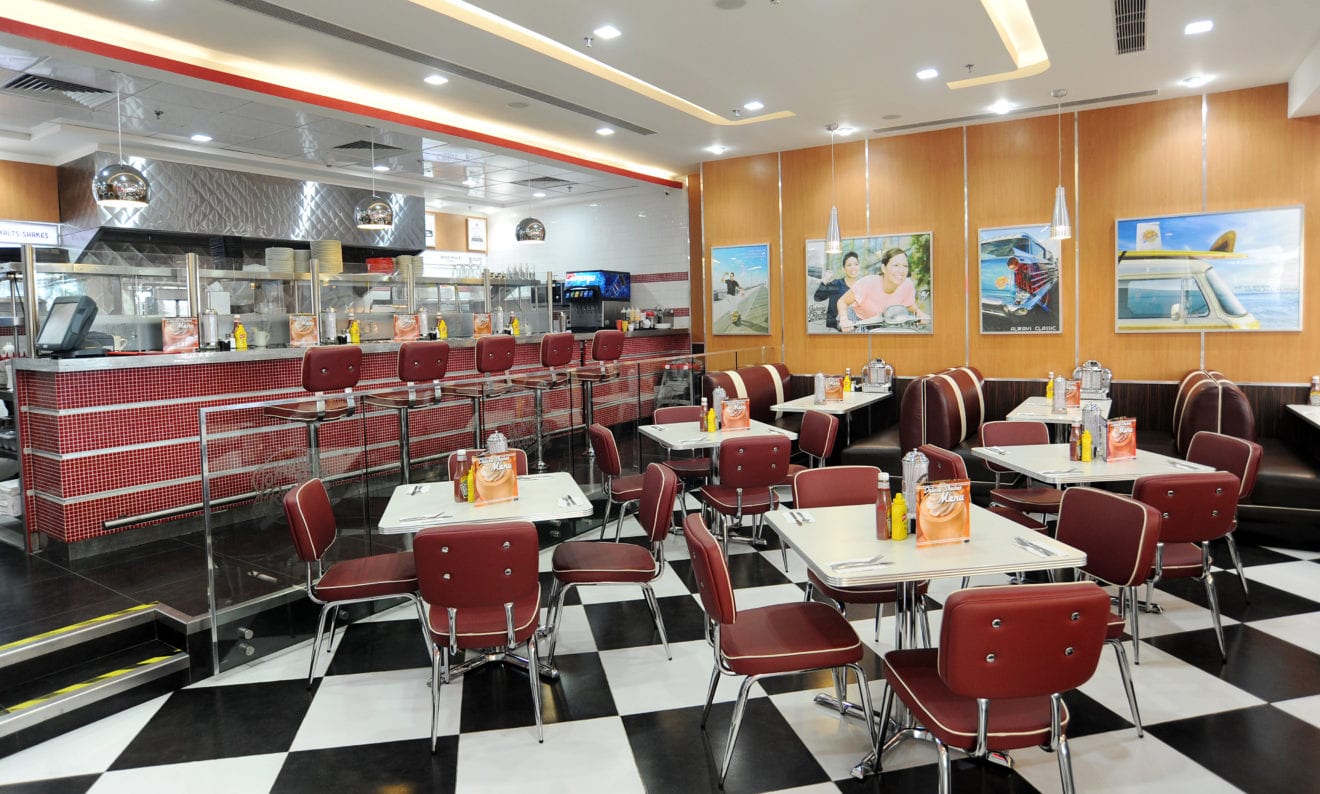
    “While they will be showcasing Johnny Rockets all American menu including our world famous made-to-order hamburgers and hand-spun shakes as well as our unique signature guest experience that includes dancing servers, they will also be able to offer regional tastes and flavors to our extensive menu items,” Chorna said.

    Johnny Rockets has already launched successful development partnerships in the Philippines, Malaysia, Korea and Indonesia.

    Johnny Rockets’ franchise partners currently operate more than 125 restaurants outside the US and the brand’s global strategy is to double that number by 2017.

  • L’Oreal posts slower growth in China

    L’Oreal posts slower growth in China

    L’OREAL, the world’s largest cosmetics group, said growth in China slowed to 7.7 percent last year from that of 10.2 percent in 2013, as consumption growth slowed in China and globally.

    The French company’s total sales in China were 14.3 billion yuan (US$2.28 billion) last year, as the country remained its the third-largest market.

    Globally, like-for-like sales was up 3.7 percent under fixed exchange rate to 22.5 billion euros.

    “Moderate growth in the fast moving consumer goods sector is becoming a normal situation under China’s new economic scenario,” said Jason Yu, general manager of Kantar Worldpanel China.

    “Beauty market growth is boosted by trading up from a more sophisticated group of consumers, and we’ve seen high-end product lines growing at a much faster pace than mass market products,” he added.

    Alexis Perakis-Valat, L’Oreal Group Executive vice president for Asia Pacific and CEO of L’Oreal China, said future growth would come from more tailor-made products for local consumers and geographical expansion into lower tier cities, especially for luxury product division.

  • Tesco China drags down partner

    Tesco China drags down partner

    Tesco China has been blamed for dragging China Resources Enterprise into the red.

    CRE, which operates the Vanguard hypermarket chain in China, has reported its first annual loss in more than 20 years and blames the start-up costs for its venture with embattled Tesco for the red ink.

    CRE has effectively taken control of Tesco China when the latter effectively admitted defeat in Asia’s largest grocery market, unable to penetrate the domination of local brands and store networks.

    Now CRE has warned that it may take three to five years to turn the ailing Tesco business around.

    “Looking ahead, the group’s top priority in 2015 is to improve operational efficiency and reduce losses,” chairman Chen Lang said a statement.

    He warned profitability would remain volatile, with increased competition from eCommerce businesses and the Chinese government’s crackdown on gift-giving and graft affecting sales.

    CRE reported a net loss of HK$161 million (US$20.75 million) in 2014 – a massive turnaround from the HK$1.91 billion ($246.3 million) profit of 2013.

    Revenue from the 3000 supermarkets and hypermarkets CRE runs, rose 15.3 per cent to

    HK$168.86 billion ($21.8 billion).

    The Chinese retailer will be hoping its eCommerce venture, to be launched later this year, will help restore profitability, along with a change in focus of its store development program to smaller new stores, speciality stores and convenience stores rather than hypermarkets.

  • Zen retail: China’s new boom category

    Zen retail: China’s new boom category

    The unprecedented growth in the number of Buddhists on the Chinese mainland over the last 30 years has spurred strong demand for related merchandise.

    With China’s Buddhist population traditionally concentrated in the southern regions, the country’s first sizeable International Buddhist Items and Crafts Fair was held in the southeastern coastal city of Xiamen in 2006. Spurred by this initial success and, more importantly, by the continued growth in the number of the country’s Buddhists, several similar exhibitions have since been held across the country, reports the Hong Kong Trade Development Council.

    The first edition of the Xiamen fair attracted many exhibitors from neighbouring Taiwan, including Tso Chin-yung, a representative of Kuan Hong, a Taiwanese religious arts company, which is a regular exhibitor at the event. The inaugural fair was held in a 6000 sqm venue and attracted nearly 200 exhibitors. Today, the Xiamen fair has become the bellwether of the Buddhist merchandise industry, as well as the preferred specialist platform for the mainland market. It now claims to be the world’s leading Buddhist merchandise marketplace.

    At the ninth edition, held last autumn, the exhibition covered 90,000 sqm, featured 5000 international-standard booths, and attracted nearly 1000 exhibitors from 11 countries and regions – including Taiwan, Hong Kong, Malaysia, Japan and South Korea.

    The event also drew more than 200,000 local and overseas visitors, as well as several buying missions. Other Buddhist-themed exhibitions have since been held in other parts of the country, including major fairs in Guangzhou, Wuhan, Nanjing, Hangzhou, Jinan, Qingdao and Dalian in 2014.

    Perhaps most significantly, Beijing hosted its first such event last December. The China (Beijing) International Buddhist Items and Supplies Expo, staged with the approval of the China Council for the Promotion of International Trade and organised by the China Council for the Promotion of Buddhist Culture, was seen as marking national recognition for the sector. It also underscored demand for Buddhist items expanding well beyond the southern regions.

    An HKTDC Research visit to the inaugural Beijing event saw first-hand the scale of the fair. Covering 30,000 sqm of exhibition space and attracting some 500 exhibitors, the event showcased a variety of Buddhist statues, prayer beads, books, incense and vegetarian menus, musical instruments, Buddhist attire and decorative items, as well as temple construction and interior design equipment.

    Kuan Hong’s Mr Tso attended this event, along with about 20 other Taiwanese companies, which occupied about 50 exhibition stands. According to Tso, the trade mission included many key players in Taiwan’s Buddhism merchandise industry, many of whom have since established mainland affiliates.

    Tso, who launched his temple construction projects in China in 1992, believes religious and economic development in society tends to be mutually supportive. A weak economy, he said, leads people to focus only on immediate material needs. With China experiencing exponential economic growth, he sees people’s spiritual pursuits becoming more diversified and widespread, inevitably resulting in increased demand for religious items.

    Despite a history dating back some 2000 years, the last 30 years has seen the fastest growth in the number of Buddhists on the mainland. About 18 per cent of China’s population now claims to be followers of the religion – some 185 million people. Among those identifying themselves as non-Buddhists, 31 per cent accept at least one tenet of the religion or have participated in a Buddhist religious activity.

    Chen Yanni, founder of the Liu Wei Zen (“Six Flavour Zen”) brand of Buddhist merchandise, believes that China’s Buddhist population – and its associated industries – has experienced “explosive” growth over the past three years. Citing Beijing’s famous Lama temple, Yonghegong, as an example, Chen says its visitor level has grown by about 20 per cent a year. She estimates China’s Buddhist merchandise industry is worth more than Rmb100 billion.

    Seeing the size of this potential market, Chen founded Blooming Lotus, a cultural and arts development company, to produce high-end Buddhist merchandise. The Liu Wei Zen series, for instance, has been designed to correlate with the six sensors associated with Buddhism; namely the eyes, ears, nose, tongue, body and mind. Her company’s products range from books and paintings, Zen music and incense, to Zen tea, attire and Buddhist journals.Despite the high demand for Buddhist items on the mainland, she said that most products are still targeted at the low-end of the market. She now hopes to develop high-end Buddhist brands, something she sees as the future market trend in China.

    One Nepalese exhibitor also sees potential in the higher end of the market. Selling Buddhist items in China for more than two decades, the exhibitor last year sold US$1 million worth of glazed Buddha statues and Thang-ka canvas paintings to mainland buyers. He now believes Chinese consumers have higher expectations of product quality, while also having greater faith in Nepalese products than domestically-made items.

    This concern over the lack of quality associated with domestically-produced Buddhist items was echoed by Master Xuan Lin from Changchun. Speaking to HKTDC Research, he said that mainland items tend to be of poor quality, especially those manufactured in northern China.

    According to Master Xuan, items from Taiwan and Japan are well-received among mainland Buddhists. Despite this, many of the higher quality items are not widely available on the mainland, with the sales channels still relatively undeveloped.