Tag: China

  • Lane Crawford named Tremendous Retailer of the Yr

    Lane Crawford named Tremendous Retailer of the Yr

    Hong Kong luxurious division retailer Lane Crawford has been named Tremendous Retailer of the Yr within the Hong Kong Retail Business Commerce Awards introduced this week.

    The awards have been introduced at a gala dinner through the three-day Retail Asia Expo 2015 the place greater than 10,000 retailing professionals gathered in Hong Kong this week to showcase progressive options and new concepts on excelling in Asia’s retail market. The 2015 Prime 10 eCommerce Web site Awards have been additionally introduced on the dinner, with the highest accolade going to Nike Hong Kong.

    Hong Kong Retail Business Commerce Awards

    HKRITA’S Business Tremendous Retailer of the Yr: Lane Crawford

    Based in 1850, Lane Crawford is recognised as an business benchmark for innovation and its authority on bodily and digital retailer setting to optimise buyer expertise. With its “Related Commerce” technique, it introduces an internet omnichannel luxurious way of life expertise for patrons in China. Therefore, it’s uncovered to all elements of China and clients, bringing broad choice of style and way of life merchandise to China.

    HKRITA’S Small Enterprise Retailers of the Yr: Museum Context

    With a spotlight of high quality pure supplies, Museum Context has been providing all kinds of merchandise that clients can’t discover elsewhere. Solely 4 years of expertise in Hong Kong, it had showcased its product choice in several places, the place native clients, overseas travellers and expats residents can expertise its story and worth behind.

    HKRITA’S Group Retailers Award: Banyan Tree Gallery

    As a advertising channel for conventional village handmade crafts in numerous of Asia, Banyan Tree Gallery does greater than showcasing craftsmanship. The gallery exhibits nice help to surroundings conservation by designing earth-friendly merchandise. It additionally helps to maintain the craftsmanship and livelihood of native artisan by means of gainful employment.

    China Every day Asia Pacific Retail Management Award: Bang & Olufsen

    Based in 1925, Danish shopper electronics firm Bang & Olufsen (B&O) opened an Asia Pacific Regional workplace in Singapore in 2003. The corporate has since then designed and manufactured a extremely distinctive and unique vary of televisions, music techniques, loudspeakers, telephones, and multimedia merchandise with a strategic concentrate on Asia.

    Stuart Bailey, GM of Diversified Communications Hong Kong, stated the success of the retail business in Hong Kong wouldn’t be potential with out revolutionary retailers.

    “These awards are a token of respect and recognition to those main practitioners for his or her excellent efforts and tireless dedication to the business. We’re glad to kick-start the three-day Expo with such this necessary second witnessed by business leaders, and we belief the Expo would function a useful platform for Asian retailers to know progressive instruments and applied sciences and embrace the worldwide tendencies.”

    The 2015 Prime 10 eCommerce Web site Awards

    The 2015 Prime 10 eCommerce Web site Awards went to (so as):

    1 Nike Hong Kong

    2 ParknShop

    three Canon Hong Kong

    four Bossini Enterprises

    5 Lane Crawford

    6 Lingsik King

    7 Pricerite.com.hk

    eight Sony Hong Kong

    9 Eprint Group

    10 Zuji.com.hk

    Organised collectively between GS1 Hong Kong and Retail Asia Expo, the 2015 Prime 10 eCommerce Web site Awards serve to recognise on-line platforms for delivering steady and exemplary requirements in selling consumer expertise and enterprise gross sales by way of digital portals or web sites.

  • Evergreen Line launches China-Surabaya service

    Evergreen Line launches China-Surabaya service

    In view of with the increasing market demand resulting from significant trade growth between China and the ASEAN countries, Evergreen Line is to partner with COSCO and China Shipping in launching a joint China-Surabaya Express (CSM) Service. This is Evergreen’s latest initiative to enhance its service on the Intra-Asian trade, the company said in its press release.

    The CSX service will employ four ships of 2,000-2,700 teu, including one each provided by Evergreen and CSCL and the remaining two by COSCO. The first sailing is planned to depart from Qingdao on the 20th of May, with the following the port rotation: Qingdao-Shanghai-Xiamen-Shekou-Pasir Gudang (Malysia)-Singapore-Surabaya (Indonesia)-Singapore-Qingdao.

    This weekly service covers major ports from China in the north to Malaysia and Indonesia in the south, providing regular and convenient links for regional trade and connecting to Evergreen’s global service network via Singapore.

    After the ASEAN-China Free Trade Area (ACFTA) was established in 2010, bilateral trade volumes have continued to rise. According to the statistics published by the Gerneral Administration of Customs in the PRC, its import and export trade with ASEAN grew by 8.3% to $480.4 billion in 2014. In addition, the ASEAN community has actively negotiated with China, Japan, South Korea, India, Australia and New Zealand to establish the Regional Comprehensive Economic Partnership (RCEP). It is believed that this significant development will further encourage free trade and have the effect of driving cargo growth within the Intra-Asia trade.

  • China’s mall growth

    China’s mall growth

    Over the subsequent three years, a staggering 40 million sqm of shopping center improvement is predicted throughout China.

    Of this, 55 new malls will probably be in Shanghai – a metropolis whose retail business has been turned on its head, actually, by the emergence of a mega metro system. Road degree shops nonetheless command the highest rents, however sub-terrain area is now extremely fascinating, particularly among the many footfall hungry fast-fashion manufacturers.

    “Shanghai metro has grown amazingly shortly, newly developed malls are popping up above or near the stations,” stated Rebecca Tibbott, head of retail leasing, JLL Shanghai.

    “Some manufacturers, Uniqlo for instance, can command prime degree one area however they’ll take basement one if there’s direct metro entry.”

    Till just lately, probably the most outstanding shops in any Chinese language mall have been the protect of the posh manufacturers however the luxurious market has grow to be saturated and that is, partially, answerable for a sizeable shift within the buying habits of the nation.

    Because the worthwhile millennial demographic demand extra selection at decrease costs, worldwide quick trend manufacturers are gaining a foothold. Zara, H&M and Perpetually 21 are a number of the western retail stalwarts giving prime tier luxurious names a run for his or her cash.

    “Quick style retailers are nonetheless very aggressive in China,” stated Tibbott. They’re all in search of prime excessive road area.

    “H&M has round 250 shops in China and it’s actively looking for area for 80 new shops this yr; Zara has its sights set on 60 new shops and Uniqlo plans one other 100, having already opened 100 final yr,” she added.

    New manufacturers are additionally rising. US-based Perpetually 21 has opened 9 shops and has plans for an extra 50, Hole has opened 32 shops since 2013 and Banana Republic is planning to enter the market in 2016, all contributing to China’s mall growth.

    “To get visitors into malls now, landlords want quick trend. In some instances they’re [landlords] asking quick style manufacturers and luxurious retailers to take a seat aspect by aspect.”

    Retail’s supporting position

    The place standalone buying facilities stood as beacons of Chinese language consumerism, ‘mixed-use developments’ at the moment are inspired with malls being only one element half. In future malls, retail will complement way of life, F&B and leisure.

    “Chinese language malls historically common at 80,000-100,000 sqm however, for instance, in Shanghai, the typical retail allocation is down to only 70,000-80,000 sqm,” stated Colin Dowall, head of retail asset administration, China.

    “Now when a improvement is proposed the Chinese language authorities needs to monetize it and more and more this requires making a improvement mixed-use and financially sustainable,” he added.

    “On the sale of land the federal government asks ‘what number of jobs will the event create?’”

    Authorities affect, it appears, is altering retail area in additional methods than one. A clamp down on ‘gifting’ – the follow of providing extravagant company favors – has curtailed luxurious purchases and prime tier retailers are struggling the fallout.

    “There’s been an enormous knock on impact on watches and jewelry particularly,” stated Tibbott.

    Meals and beverage is affected, too, as lavish lengthy lunches turn out to be a factor of the previous. “Earlier than the brand new guidelines, a Chinese language restaurant might have occupied a big 2000 sqm area, however they will’t justify that today,” she added.

    This altering shopper conduct has inspired landlords to put higher emphasis on expertise and idea shops. Additionally newly developed malls are dedicating more room to F&B and fewer to unbranded trend (as this phase has swiftly moved on-line). Landlords look internationally for solutions to offer higher buying environments and undertake know-how as a way of scrutinizing shopper habits. In lots of instances they discover themselves main the best way on this regard.

    With cellular penetration in China among the many highest on the earth, landlords are engaging smartphone savvy consumers via progressive promotions. In lots of malls, provides are projected on to screens and buyers are inspired to play video games to win prizes, which they will then redeem instore.

    This know-how adoption is spreading via e-commerce adoption. Current figures present on-line gross sales now account for 11 % of complete retail gross sales in China. Cellular know-how can also be serving to some landlords to measure footfall and document what clients are shopping for by means of their cellular pockets knowledge. Retailers may also profit from this knowledge as a way of monitoring inventory or they will use it to tailor promotions consistent with fashionable gadgets.

    Invaluable knowledge insights

    Knowledge wealthy insights similar to these are key, in accordance with Dowall.

    “Understanding the market is extra essential than ever. Once I first arrived I met a purchaser and a designer for H&M who had been right here 5 years simply making an attempt to know the market. Some manufacturers have entered too quick and located it onerous to adapt or have failed.”

    The event pipeline is encouraging for the way forward for the bodily retailer, regardless of competitors from growing on-line gross sales. Nevertheless, the query is what the Chinese language malls will present to outlive and what is going to they seem like in years to return?

    “Giant enclosed malls will develop into much less widespread and the price of operating these malls will form improvement; there will probably be some however the taste of the month is decentralisation that locations quick style alongside premium manufacturers.

    “Neighborhood purchasing facilities that replicate Western improvement cycles are arising and outlet malls on the peripheries are proving common.”

    Within the brief time period the most important change in Chinese language retail is the ever-increasing competitors between the landlords and tenants: “I all the time ask, ‘is it a landlord or a tenant market’, once we enter a brand new undertaking as a result of the technique will differ relying on the product they’re promoting.”

    Retailers undoubtedly have their work minimize out however landlords have to be smarter than ever about their tenant combine and purchasing expertise.

  • Singapore Metro revenue dives

    Singapore Metro revenue dives

    Singapore’s Metro Holdings has reported an 82.7 per cent fall in its internet revenue to S$7.6 million within the fourth quarter.

    Full yr earnings, nevertheless, rose 33.7 per cent to $142.9 million on income up four.78 per cent to $145.eight million.

    The property improvement group stated revenues within the final quarter rose 19.2 per cent on account of greater turnover in its retail operations following the opening of its new retailer at Metro Centrepoint within the third quarter.

    The corporate blamed the quarterly earnings decline on greater operational prices and overheads within the retail division, largely from the brand new retailer. The corporate additionally booked a writedown within the worth of plant and gear at Metro Centrepoint.

    Metro operates a sequence of department shops and specialty shops in Singapore and Indonesia.

    In Singapore, it has 4 department shops, 9 Monsoon Decorate and one M2 specialty shops. Metro Paragon, its flagship retailer situated on Orchard Rd is positioned on the excessive finish of the market, whereas Metro Woodlands and Metro Sengkang within the suburbs and Metro Metropolis Sq. on the town fringe are positioned as ‘family-friendly shops’.

  • Starbucks Asia ’s prime ‘restaurant’ model

    Starbucks Asia ’s prime ‘restaurant’ model

    Starbucks Asia has been ranked Asia’s 15th prime model – the very best rating of any quick meals retailer or restaurant.

    The highest 5 corporations on the record in Asia are Samsung, Sony, Nestle, Apple and Panasonic.

    Marketing campaign Asia-Pacific’s annual research of Asia’s Prime 1000 Manufacturers is predicated on a web-based survey developed by Marketing campaign Asia-Pacific and the Nielsen analysis firm. The survey requested clients to listing manufacturers by business sector they most trusted and felt had the perfect status. 4 hundred respondents have been polled in every market, apart from India and China, the place 800 and 1200 individuals have been polled respectively.

    Along with an general rating of probably the most favored manufacturers, the survey drills right down to the market degree with 13 country-specific rankings. Starbucks is the quantity 10 model in China, 12th in Hong Kong and Thailand, and 17th in Japan and Korea.

    “This necessary recognition is a mirrored image of our companions’ (staff) enthusiasm and keenness for delivering the Starbucks Expertise to clients throughout Asia,” stated John Culver, group president, Starbucks China and Asia Pacific, channel improvement and rising manufacturers.

    “We’re extraordinarily humbled by how our clients have embraced the Starbucks model, our top quality Arabica espresso and the genuine moments of connections we share.”

    Starbucks Asia expects that greater than half of its new retailer progress globally over the subsequent 5 years will come from the China Asia Pacific area, led by Japan and China. In 1996, Japan turned Starbucks first operational market outdoors of North America; Shanghai has extra Starbucks shops than some other metropolis on the earth.

  • How China And India Are Taking On Amazon

    How China And India Are Taking On Amazon

    China is no longer the Happy Meal toy making economy it used to be. It has a much bigger vision. And part of that vision includes taking what it’s learned from Western entrepreneurs and beating them at their own game. Few companies represent this better than Alibaba, which is teaming up with Indian start-ups to take on Amazon and the more established domestic e-commerce player Flipkart.

    Together, China and India tech will absolutely be a force to be reckoned with in the West.

    It all starts with Alibaba’s investment firm, Ant Financial, pumping $500 million for a 25% stake into five year old Indian e-commerce company Paytm. Paytm stands for Pay-through-Mobile. It’s run by Vijay Shekhar Sharma, the man who founded Paytm back in 2010. He and Alibaba’s founder Jack Ma, one of China’s richest men, met earlier last year and had a dream: take China’s e-commerce know-how and the Alibaba brand and go after rivals in India’s $20 billion online retail market.  That market is important to all e-commerce firms. India’s online retail business is likely to grow 15-fold to $300 billion by 2030, according to Goldman Sachs.

    The two entrepreneurs are not only symbolic of how India and China now have aligned economic interests, but also a sign of things to come. Asian entrepreneurs, led by the Chinese, are going to disrupt the status quo of many Western powers who were first to arrive on the scene. The new kids on the block are smart, ambitious, and numerous. Very, very numerous.

    Since February, executives from Paytm and Alibaba have been travelling between Hangzhou, China and Noida, India where Paytm is based. They’ve been busy developing synergies and strategies to take on Amazon and industry leader Flipkart. “It’s as if Jack Ma is conducting an executive MBA for Paytm executives,” says Vijay Shekhar Sharma, founder, One97 Communications which runs Paytm. “Ma tells us we should build a company that is worth a Nobel Prize,” he told The Economic Times on Tuesday.

    Alibaba is also sharing know-how on the challenges of “product discovery” on smartphones and the ability to handle complexity that scale brings. The ET likened relationship between Alibaba and Paytm to a military alliance, both preparing to take large chunks of market share in a rapidly changing industry where future disruptors are getting millions thrown at them in far away places — namely Silicon Valley.

    Paytm may be young and a somewhat late entrant to the e-commerce market in India, but industry insiders told the ET that Sharma is the real deal. ”Paytm is a dominant wallet in the country. It has the power to disrupt,” adds Rajesh Sawhney, founder, GSF Accelerator. “I can see Paytm becoming the biggest app in the world with about half-a-billion users.”

    Everyone already knows that Alibaba is no joke. It is Amazon’s biggest rival and Jeff Bezos, Amazon’s billionaire CEO knows it. He’s seen what Alibaba can do to other e-commerce players.

    In 2002, eBay had seven years of success under its belt in the U.S. and was now setting up shop in China. It was heady days of the commodity boom. China was growing by double digits. Chinese consumers were buying Prada shoes and smart phones, Buicks and apartment buildings. E-Bay looked unstoppable. It launched in China in 2003. By 2005, FORBES estimated that eBay had 50% of China’s puny $1 billion e-commerce market. ” A bunch of small competitors are nipping at our heels,”  said eBay CEO Meg Whitman at the time. Alibaba was one of them. It was being run by Ma in an apartment building. He was focused on business-to-business and launched the eBay rival Taobao to go after consumers. Here’s what’s happened since…

    Since the launching of Taobao, China’s e-commerce market has evolved into a vast ocean, writes the authors of the new book “No Ordinary Disruption: The Four Global Forces Breaking All Trends.”  They call Alibaba the great white shark at the top of the food chain. In 2006 , Taobao overtook eBay’s consumer-to-consumer market share and has doubled in size since. Buying a 25% stake in Paytm is par for the course, and a sign of what that shark will take a bite out of next. By the end of 2014, ALibaba’s market cap was $270 billion, four times that of eBay’s.

    India is becoming more important to Chinese entrepreneurs. There will be more such allegiances.

    As it is, Alibaba gets less than 16% of its revenue from outside China, while Amazon gets about 40% from outside North America. Both are trying to capture global market share and India is the easiest big market to stake a claim in. That’s because there is not one dominant player in the country yet. While Flipkart is the market leader, it still faces stiff competition from Amazon, eBay, Snapdeal and Paytm.

    Paytm has 50 million people using its digital wallet product. And it has Sharma running things. “I am a fan Vijay,” says Google’s managing director in India, Rajan Anandan. “He is an incredible entrepreneur with deep understanding of users, markets. He is persistent and has a lot of agility. He is trying to build a company like Alibaba.”

    Of course, Sharma won’t be the only Indian entrepreneur to set its sights on traditional rivals. Even though the next big product breakthrough will probably be made in California, India and China have an advantage. Although that advantage depends greatly on their home countries keeping the lid on any brain drain loss to the U.S., it is clear that the U.S. does not have the global skill set at home to do what it wants as easily as it would like, say the McKinsey Global Institute authors behind ”No Ordinary Disruption.” About 30% of U.S. companies say they haven’t exploited international opportunities because they don’t have enough people with the tech skills, let alone the international competencies.

    According to the National Science Foundation, using data from 2012, graduation rates in science in technology were three times higher in China than they are in the U.S., though it is worth noting that those numbers are arguably Chinese private schools in the tier one cities. If anyone is to truly believe that bulk of Chinese humanity living on a mere $10,000 a year is going to the equivalent of a U.S. public school in the midwest is probably an inaccuracy. Moreover, many wealthy Chinese and Indians are moving to Canada and the U.S. to study and work at start up and established tech firms.  Still, many of these elites will return to China and India simply because this is where the growth is. And there is no place like home…

    Indian companies have long surpassed the scale of their developed world counterparts. Indian telecom giant Bahrti Airtel has over 270 million wireless customers worldwide. AT&T, which has been at this business much longer and has better tech has under 120 million wireless customers globally, according to both companies annual reports. The Tata Group, the parent of the Tata companies from automotive to IT has over 580,000 employees worldwide. It is now one of the largest private sector employers in the U.K., employing over 50,000. Tata Consultancy Services has basically defeated IBM’s consultancy services and its biggest rivals now are mostly all Indian.

    China money, Indian start-ups, and a growing tech savvy consumer base in Asia is now a breeding ground for new entrepreneurs, and new brands, that will go head to head with the big boys. Who knows, a Chinese or Indian brand could one day take one of the existing players out of the market through acquisition, or other untimely exit.

  • Hasbro reveals new retail partnerships

    Hasbro reveals new retail partnerships

    Hasbro is about to reach at Licensing Expo 2015 to highlight its highly effective portfolio of worldwide franchises, together with Transformers, My Little Pony, Nerf, Monopoly and Jem and the Holograms.

    Lately named a prime 10 international licensor by license! International journal, hasbro continues to leverage its model tales throughout all leisure and advertising platforms and increase its portfolio of manufacturers throughout a number of shopper merchandise classes.

    “Hasbro has advanced right into a wealthy portfolio of numerous and extremely progressive segments related by one widespread objective: the activation of our franchises throughout each potential medium,” stated Simon Waters, GM, SVP of leisure and licensing with Hasbro.

    “2014 was the most effective yr in hasbro’s licensing historical past and we’re poised to proceed that momentum in 2015, main with an unimaginable story-driven leisure technique and immersive content material in a number of types and codecs to strengthen shopper engagement with our franchise manufacturers.”

    On the expo, Hasbro will unveil new international relationships throughout quite a lot of shopper classes, together with:

    Fyodor Golan

    The My Little Pony model continues to be a trendy favourite as UK designers Fyodor Golan introduce “Rainbow Wheel,” a colourful assortment of luxurious womenswear starting from quilted puffer jackets to beaded night robes. The road can be out there in main department shops all over the world, together with Selfridges within the UK, Lane Crawford in Hong Kong, Harvey Nichols in Kuwait, and Luisa By way of Roma in Italy, which can launch the gathering in retailer with a My Little Pony model takeover of its flagship location this summer time.

    Philipp Plein

    Acclaimed German designer Philipp Plein debuts eye-catching, excessive style Transformers branded shirts for males at Philipp Plein luxurious shops worldwide, taking the long-lasting autobot characters right into a recent new trend dimension.

    CNPC (China Nationwide Petroleum Company)

    In China, Transformers followers can gasoline up with branded fuel playing cards distributed via CNPC, which operates greater than 20,000 service stations all through the nation.

    Key properties on show on the present embrace Hasbro’s Transformers and My Little Pony manufacturers. The Transformers model continues to carve out its place in popular culture historical past with a complete model strategy that delivers merchandise and experiences for followers of all ages. Licensees throughout the globe have prolonged the blockbuster model with age-appropriate merchandise and retail packages spanning quite a lot of classes together with digital, trend, toys and video games, digital gaming, and publishing.

    The My Little Pony model has solidified its place as a worldwide perennial favourite, with a worldwide presence in 71 nations and throughout all main shopper merchandise and promotional classes. The wealthy storyline and forged of characters from the “My Little Pony: friendship is magic” animated collection, at present in its fifth season and airing on tv in over 180 territories, has expanded the model into an array of licensing classes, together with greater than 30 publishing companions, digital storybook apps, a well-liked comedian collection, wheeled items, magnificence merchandise and even couture with attire occasions and window shows at shops reminiscent of Selfridges division retailer (UK) and H&M. In 2015, H&A, the main youngsters’s licensed washing & bathing provider within the UK, is launching a variety of tub bubbles, tub equipment and present units for teenagers aged three to 6, based mostly on the My Little Pony model.

  • Symphony EYC strengthens Asian arm

    Symphony EYC strengthens Asian arm

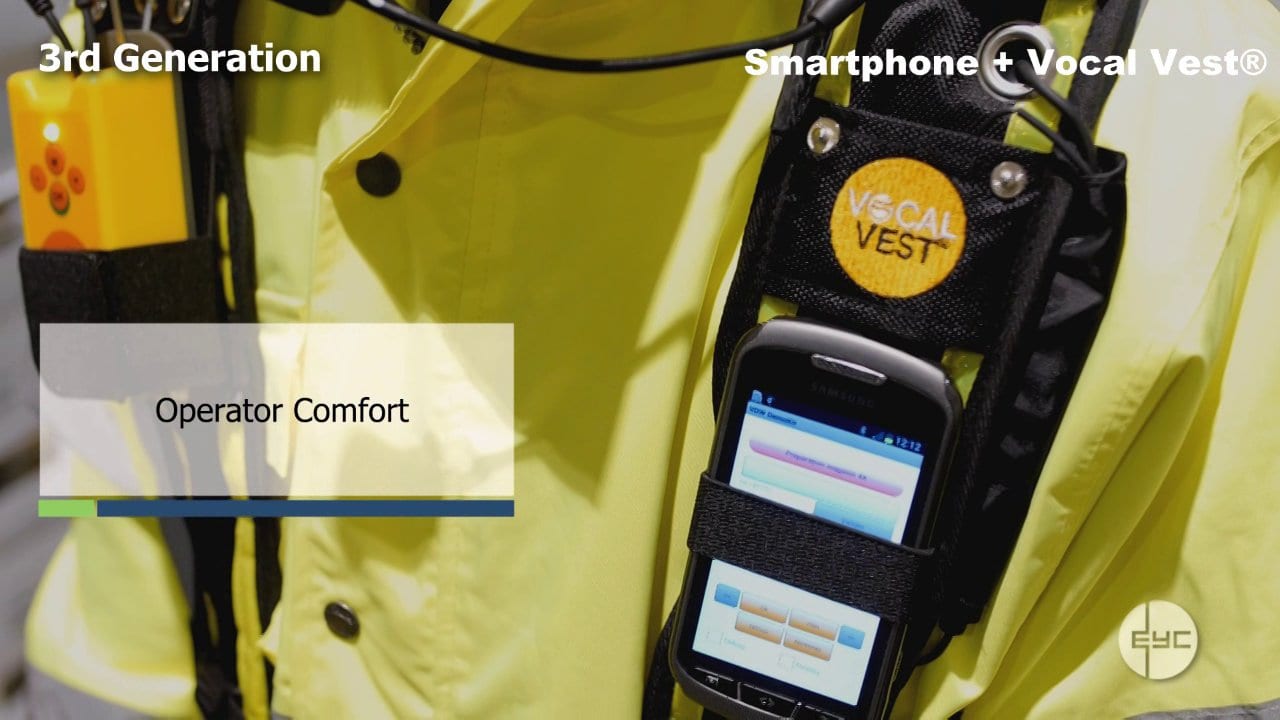
    Symphony EYC, which supplies software program and providers for greater than 1000 retailers, producers and wholesalers globally, has made two key Asian government appointments.

    Oscar Garcia-Velasco turns into VP Asia Pacific and Japan and Henry Chen GM of Higher China.

    “With Garcia-Velasco and Chen in place, Symphony EYC is properly positioned to satisfy demand for the G.O.L.D. Unified Retail Platform within the quickly rising Asia-Pacific markets,” the corporate stated in a press release.

    Garcia-Velasco shall be answerable for creating the Symphony EYC G.O.L.D. buyer base, becoming a member of the corporate from NET (internet), the place he was answerable for creating and increasing NET (internet)’s providers and market management in Asia, the Center East and Latin America. With greater than 25 years of IT business expertise, Garcia-Velasco has held government management positions with giant IT organizations, akin to IBM, SSA and Torex all through Europe, Latin America, Asia Pacific and Japan.

    Reporting to Garcia-Velasco, Chen will handle all Symphony EYC G.O.L.D. enterprise in Higher China, comprising Mainland China, Hong Kong, Macau and Taiwan. Chen has greater than 15 years’ expertise working with main distributors, akin to SSA International, Infor and Torex, in bringing retail, manufacturing and distribution options to the Chinese language market.

    “With Oscar Garcia-Velasco on the helm of our Asia-Pacific operations and Henry Chen supporting him in China, Symphony EYC enhances the management it must benefit from the elevated demand for omni-channel retailing in addition to the robust financial progress within the area,” stated Graeme Cooksley, president & MD, Symphony EYC G.O.L.D.

    “Each Garcia-Velasco and Chen are distinctive people with strong backgrounds and deep area experience in enterprise retail techniques.”

    Symphony EYC clients embrace 15 of the world’s 30 largest retailers, hundreds of retail manufacturers, and lots of of nationwide and regional chains.

  • Zara Xidan Pleasure Metropolis reopens

    Zara Xidan Pleasure Metropolis reopens

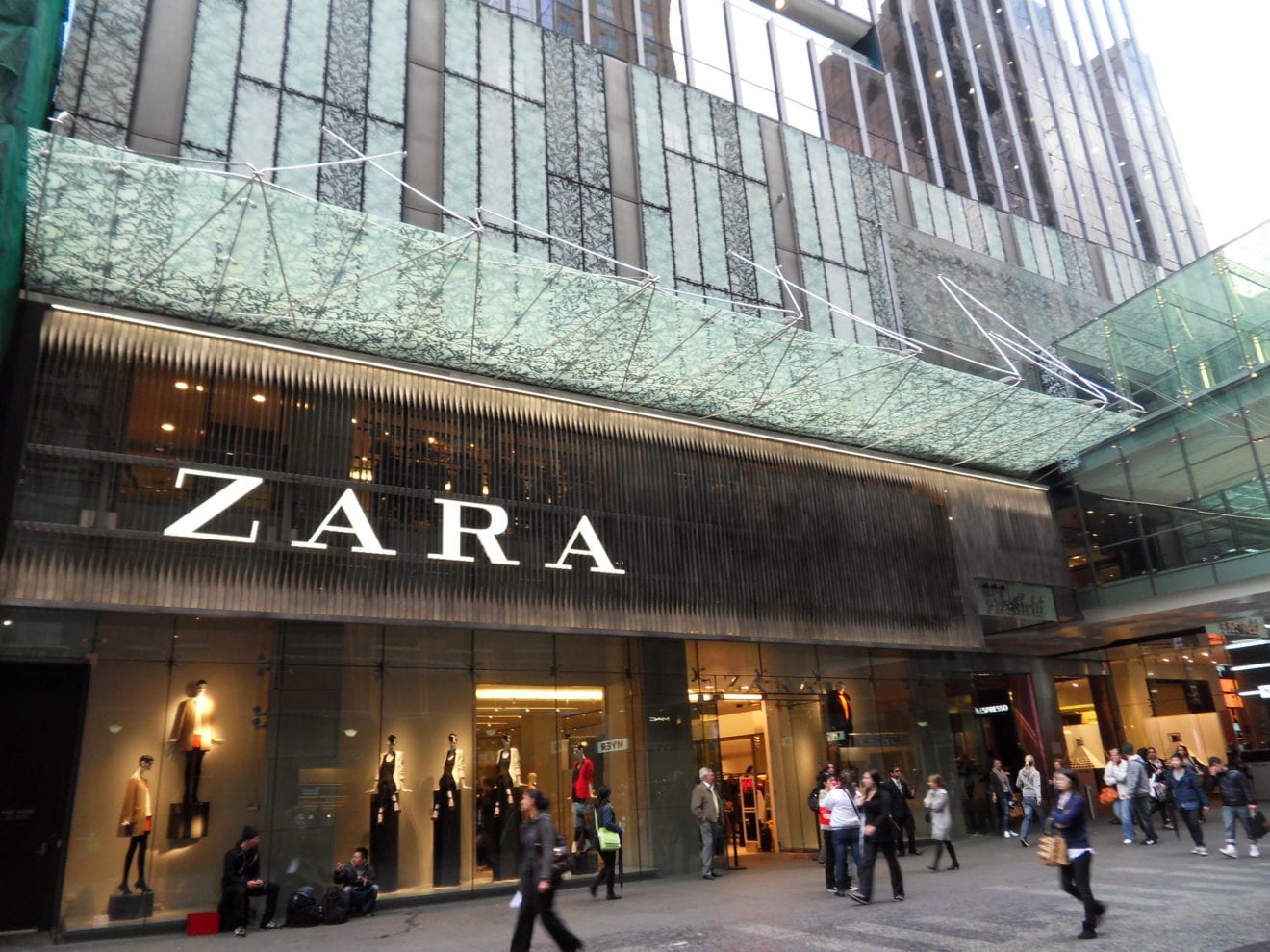
    Pleasure Metropolis Property says Zara, an anchor tenant in its Xidan Pleasure Metropolis mall, has reopened its renovated and expanded retailer.

    The brand new Zara Xidan Pleasure Metropolis retailer is 1800 sqm, 700 sqm than the earlier store.

    On its reopening day it set a brand new single-day gross sales report by a single retailer, with income of RMB 1.05 million. Pleasure Metropolis Property says this makes it Zara’s prime ranked retailer in Asia. Gross sales on the next day after the reopening nonetheless made the shop rank among the many greatest within the Asian markets.

    The renovated and expanded Zara Retailer has eye catching floor-to-ceiling show window and Pleasure Metropolis says the robust efficiency upon reopening is testimony to the property developer’s technique Boosting Foot Visitors, which enhances the retail shops’ advertising efforts for mutual advantages.

    It additionally marks a milestone that displays Zara father or mother Inditex Group’s dedication to sustainable improvement. In contrast with a standard shopping center, Xidan Pleasure Metropolis says it is ready to assist its tenants’ shops scale back energy consumption by 30 per cent with its environmental safety and energy-saving measures for sustainable improvement.

    Hong Kong listed Pleasure Metropolis Property operates motels and retail amenities in China.

  • Alibaba groups with Shanghai Media Group

    Alibaba groups with Shanghai Media Group

    Alibaba Group has signed a strategic settlement with Shanghai Media Group to leverage each corporations’ Web know-how and media assets to penetrate China’s monetary info providers business.

    As a part of the settlement, Alibaba Group intends to take a position RMB1.2 billion (US$193.6 million) into China Enterprise News (CBN), a number one Chinese language monetary media firm underneath SMG, to create a monetary knowledge and knowledge providers firm that may assist Chinese language small and medium enterprises faucet a wealthy mine of monetary knowledge.

    Through the use of Alibaba Group’s huge knowledge and cloud computing capabilities, each corporations will collectively develop a complete monetary knowledge and knowledge platform that may present customers with well timed monetary information and knowledge with a view to improve their funding and monetary decision-making capabilities.

    The goal of this platform is to boost the bar on enterprise effectivity in China by leveling the knowledge enjoying area. By giving a higher variety of Chinese language enterprises entry to valuable monetary knowledge that may be simply mined and analysed for actionable funding and enterprise selections, this platform is predicted to assist these enterprises scale and broaden their companies.

    At present, Alipay and CBN are collaborating to offer customers with inventory quote info and CBN’s wealth administration info product may even quickly launch on Cellular Taobao. Alipay is a part of Ant Monetary Providers Group, a associated get together of Alibaba Group. Alibaba Group and SMG may also work towards enhancing digital and conventional media convergence within the business via the launch of progressive new media merchandise for the market.

    “The period of Knowledge Know-how is right here and it’ll surpass the Info Know-how period. The DT period is about transparency, sharing of data and enabling others. Alibaba is happy concerning the prospects of the DT period and the way it can deliver worth to society,” stated Alibaba Group founder and government chairman Jack Ma.

    This strategic settlement with SMG is predicted to assist Alibaba Group develop DT-era services to complement the lives of Chinese language customers, be it in academia, enterprise or media sectors.

    Via this tie-up, CBN is well-poised to increase its monetary media info providers and proceed to innovate in China’s conventional monetary media business. CBN is China’s main monetary media group with quite a lot of media belongings, comparable to tv, radio, newspaper, journal and information businesses.

  • King Child China opens second retailer

    King Child China opens second retailer

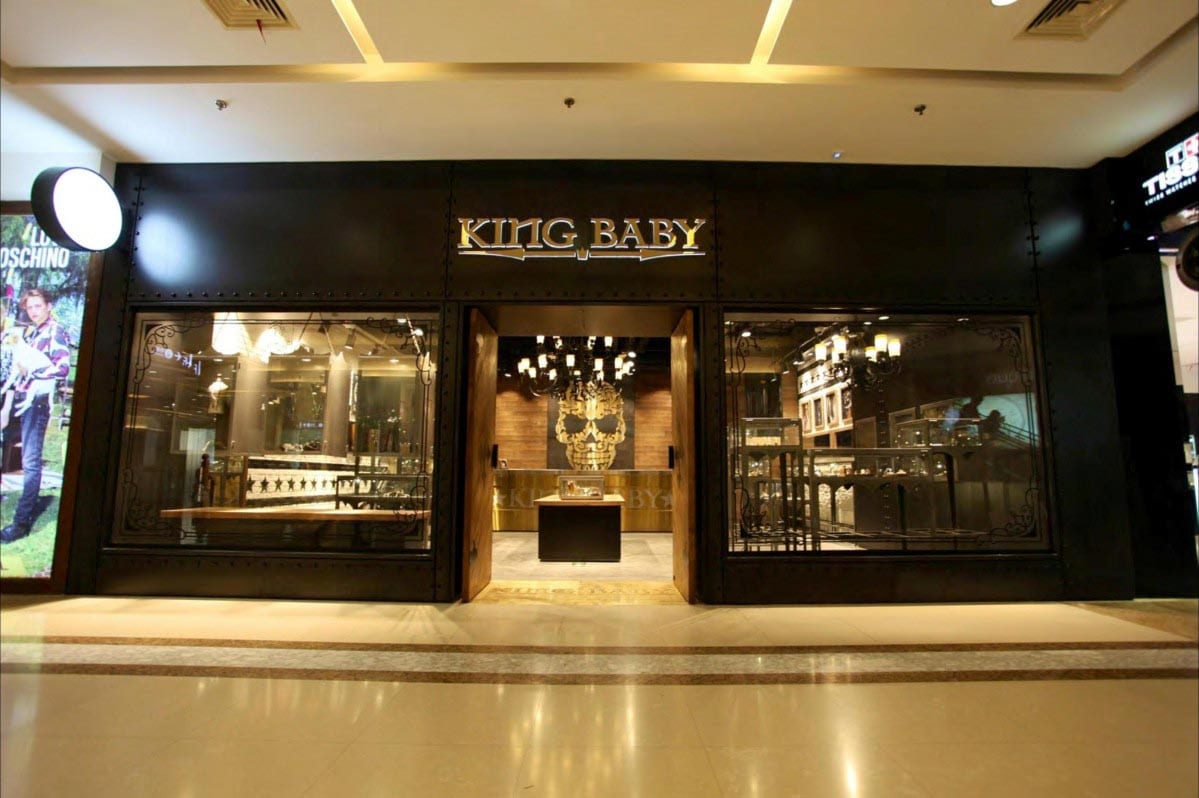
    Jeweller King Child has opened its second retailer in China, exporting ‘handmade within the USA’ merchandise to China.

    The brand new King Child China retailer, on the Village at Sanlitun in Beijing, is its second within the Chinese language Capital and was opened in partnership with The Retail Group, owned by Cy Ching.

    The Village at Sanlitun is an open-air 19-building purchasing complicated, totally different from the traditional enclosed air-conditioned business developments throughout Asia. With courtyards influenced by the Beijing of yesteryear, in addition to trendy items and designs by modern artists, the vibe attracts trendy Beijingers in addition to vacationers all over the world.

    King Child is situated proper subsequent door to Apple, guaranteeing excessive foot visitors previous the brand new area.

    “King Child believes in reworking the anticipated into one thing new, bringing distinctive particulars to artisan merchandise,” says founder Mitchell Binder.

    “We consider that high quality, custom, and ‘Made within the USA’ are value their weight in gold.”

    Binder describes Cy Ching as one of many few worldwide retailers that understands the significance of constructing a life-style model.

    “This partnership has opened quite a few avenues for us for to develop as an organization in lots of classes. There’s a want out there for ‘Made within the USA’ merchandise that mirror a life-style and may ship longevity within the worldwide retail market,” says Binder.

    The gathering captures the spirit of Americana with rock n’ roll intercourse attraction and consists of sterling silver pendants, beaded bracelets, earrings, and equipment detailed with fossilised mammoth ivory, regionally mined jet and turquoise.

    “This collaboration brings an genuine USA way of life model to the Chinese language shopper and new tendencies to the Chinese language jewellery market,” says The Retail Group .

    Los Angeles-based King Child designs, markets and sells premium artisan jewelry. The gathering consists of males’s and ladies’s sterling silver and gold pendants, bracelets, earrings, and equipment. The corporate has retail shops in Santa Monica, Nashville and Las Vegas and distributes merchandise to upmarket malls and boutiques, together with, Saks Fifth Avenue, Harvey Nichols, and Kitson.

    Outdoors the US, merchandise are bought instantly and thru distributors to raised department shops and boutiques in China, Japan, Canada, Germany, the UK France, Russia, Switzerland and Austria.

    The Retail Group has seven workplaces in China overseeing G Star Uncooked, with 200 retail shops, 60 self-operated shops in seven main cities, inlcuding a flagship at 344 Huai Huai Rd in Shanghai, in Occasions Sq. Hong Kong and at The Venetian Macau.

  • Hong Kong retail gross sales slide eases

    Hong Kong retail gross sales slide eases

    Hong Kong retail gross sales in April slipped 2.2 per cent on a yr on yr foundation, proof that the decline in retail spending is stabilising.

    The Census and Statistics Division (C&SD) says the entire worth of retail gross sales in April 2015 is provisionally estimated at $38 billion. For the primary 4 months of 2015 taken collectively, complete retail gross sales decreased by 2.three per cent in worth in contrast with the identical interval in 2014.

    And after netting out the impact of worth modifications over the identical interval, the quantity of complete retail gross sales in April 2015 elevated by 2.four per cent over a yr earlier. The revised estimate of the quantity of complete retail gross sales in March 2015 elevated by zero.eight per cent and for the primary 4 months of 2015 taken collectively, complete gross sales elevated by zero.5 per cent in quantity in contrast.

    Retail gross sales efficiency remained subdued in April, primarily dragged by the marked fall within the gross sales of jewelry, watches and clocks and helpful presents, largely reflecting weaker customer spending on big-ticket gadgets. A authorities spokesman stated many different gadgets additionally confirmed sluggish gross sales efficiency.

    “But, shops promoting sure shopper sturdy items continued to register notable progress in gross sales and offered some buffer, primarily helped by the launch of sure smartphone fashions,” he stated.

    “The near-term retail gross sales efficiency will proceed to hinge on inbound tourism progress, though the secure labour market circumstances ought to render help to native shopper sentiment. We have to monitor intently whether or not the current slowdown in retail enterprise, in addition to the varied uncertainties within the exterior surroundings, would have an effect on the native financial system and job creation down the street.

    Jewelry, watches and clocks, and worthwhile presents gross sales decreased by an enormous 19.5 per cent in April in comparison with April 2014.

    Different declining classes have been attire (down 5.9 per cent in worth); commodities in supermarkets (down zero.9 per cent); medicines and cosmetics (down three per cent); commodities in malls (down three.6 per cent); different shopper items, not elsewhere categorised (down three.7 per cent); fuels (down 12.eight per cent); footwear and equipment (down three per cent); Chinese language medicine and herbs (down 7.7 per cent); and optical outlets (down zero.eight per cent).

    In distinction, the worth of gross sales of meals, alcoholic drinks and tobacco elevated by four.2 per cent in April. This was adopted by gross sales of electrical items and photographic gear (up eight.6 per cent in worth); miscellaneous shopper sturdy items (up 97.9 per cent); books, newspapers, stationery and presents (up four.1 per cent); and furnishings and fixtures (up zero.7 per cent).

    (Notice: these classes are listed in descending order of complete worth of gross sales; IE: the dimensions of the class).

    Extra detailed statistics are given within the Report on Month-to-month Survey of Retail Gross sales which could be downloaded free on the C&SD web site.

  • China PE investor buys Ports

    China PE investor buys Ports

    Chinese language personal fairness firm Oriental Fortune has agreed to buy a 20 per cent stake in Hong Kong listed Ports HK.

    Ports HK is the subsidiary of Ports BVI which owns considerably all the group’s present trend and attire enterprise and is looking for to exit the attire and style enterprise.

    A Framework Settlement signed by each events offers for Oriental Fortune to introduce an unbiased third celebration purchaser to accumulate the remaining 80 per cent 90 days after the primary deal is settled.

    The 20 per cent stake will carry a money worth of HK$600 million (US$77.35 million).

    Ports plans to make use of the proceeds from the 20 per cent sale for funding in “associated sectors of the PRC financial system”.

    At this stage, no legally binding settlement has been reached relating to acquisitions, and Ports BVI says it’ll make additional bulletins referring to reinvestment later.

    Ports BVI is at present managed by personal fairness group Blackstone, CFS and PIEL who, mixed, maintain 79.three per cent, and have agreed to the sale.

    The seller says administration think about the longer term prospects of the normal style and attire enterprise are “troublesome and difficult”, mirrored within the downward development within the firm’s monetary efficiency over the previous few years.

    “The downward development has been brought on by numerous elements, together with shoppers’ transfer from conventional retailing to web purchases and the macro political surroundings within the PRC,” Ports BVI stated.

    The corporate says shareholders’ pursuits can be higher served by the corporate reinvesting in different areas of the PRC financial system which give shareholders with a greater return.

  • China’s Internet focus lifts online spending

    China’s Internet focus lifts online spending

    In a strategy known as ‘Internet Plus’, China is integrating the Internet, big data and other technologies with traditional industries, like retail. This is boosting China’s already vast e-commerce market further. As the government looks to use the Internet to create more spending – and jobs.

    Denny Liu returned to Beijing after graduating from Wharton Business School in the United States.

    Last year, he and his wife set up Le Chun – or Le Pur, in English – selling yogurt, using only natural ingredients.

    Before opening a physical store, they shared their story and mission online.

    “That story actually went viral for a little bit and that got us our first 5,000 seed users. Who are all yogurt lovers.We didn’t know any good milk sources around Beijing, so we threw it to our community and said ‘do you guys know any good milk source around’ and about 10 people gave us leads. When we designed our logo and picked out the store location, we asked our followers,” Liu said.

    With 40,000 followers on WeChat, the Internet has played a key part in Le Chun’s success.

    In less than a year, the startup is making a profit.

    Most of their sales are online. Thanks to word of mouth, from social media fans.

    Now, the government is backing them too. With 100,000 yuan or roughly 15,000 dollars in funding. No strings attached.

    China wants consumer spending to be a central part of the economy. But malls like this one don’t exist in every city. So it’s supporting online stores to get more Chinese shopping.

    “Clothes, computer stuff, food. I buy about 80 percent of my things online,” Student Quan Jiujiu said.

    Retail expert, Professor Xiangdong Liu, says official data shows that last year, China’s online sales hit 2.79 trillion yuan. Taking 10 percent of its total spending.  And overtaking America’s.

    He says the government’s Internet focus will encourage e-commerce further.

    “The government will invest more in Internet infrastructure, cutting costs for surfing online. It’s also setting up pilot projects, to make Internet companies better, as well as encouraging companies to open online services, by providing subsidies and lower taxes. The government’s approach is first to let them mature, then unveil more policies to manage them,” Professor Liu said.

    This is changing brick-and-mortar giants, like electronics retailer, GOME. It launched its online store in 2011. Now with a mobile platform and App.

    But while their online options give customers a bargain, it’s been tough business.

    “10 percent of our sales are online. We predict GOME’s online consumers will grow faster, to exceed 20 percent in three years. Online customers pay more attention to price, so goods online have simpler functions and are cheaper. But since prices online are cheaper, many online businesses are making a loss,” Wang Junzhou, president of GOME Electrical Appliances Holding Ltd., said.

    While keeping costs down for niche retailers, like Le Chun. The Internet is proving costly for mainstream players.

    That’s likely to test China’s e-tail industry, in the years ahead.

  • China beef processor launches online store

    China beef processor launches online store

    Speaking during last week’s inaugural Beef Festival in Chongqing, China’s largest metropolis, Feng Jiyu, general manager of Hengdou Agriculture Co, which operates a beef processor of the same name, said the company had been establishing a nationwide network of warehouses which would allow it to deliver nationwide once the company’s website was set up.

    Hengdou, said Feng, had established a marketing headquarters in Beijing and branch offices in all the country’s key population belts, including northerly Shenyang but also the populous central province of Henan and the wealthy southern cities of Guangzhou and Shenzhen.

    The announcement about an own-name online retail operation came after Hengdou, in March, launched nine new packaged meat products, such as cooked liver, tripe and brisket, prepared in various Chinese styles and frozen for quick cooking. The firm already sells a range of frozen steaks and dried jerkies. These are retailed via key Chinese online sites such as Taobao.com, Tianmao.com and Jingdong.com. Hengdou sells 150g packaged frozen steaks online for RMB22 with five-steak packs selling for RMB178 on Jingdong.com, a food-focused online retailer.

    The firm gives consumers instructions on how to cook beef such as steaks in ‘Western’ ways: Chinese cooking tends to emphasise the use of stir-fried cubes of beef as well as clay-pot cooking of variety/offal cuts.

    According to Feng, Hengdou is keen to maximise online sales both of gift boxes and convenience snack products. But it is also looking to sell wines, olive oils and other high-margin imported food products which it currently markets in marketing material to educate customers on how to consume beef.

    “We will increase both our online and our offline presence,” Feng told journalists in Chongqing. Notably, the firm last month opened a brand-name store in Beijing’s fashionable Wangjing district. “It is vital to use offline stores to build brand recognition,” said Feng. His retail clients include Walmart, RT-Mart and Carrefour outlets in China.

    Traceability is a key marketing point for Feng, who said online customers would be drawn to the company’s ability to trace meat – all of which, Feng said, came from the company’s own 300,000 herd of Simmental and Chinese-native Luxi cattle, fed in feed-lots adjacent to company slaughtering facilities in northern and south-western China.

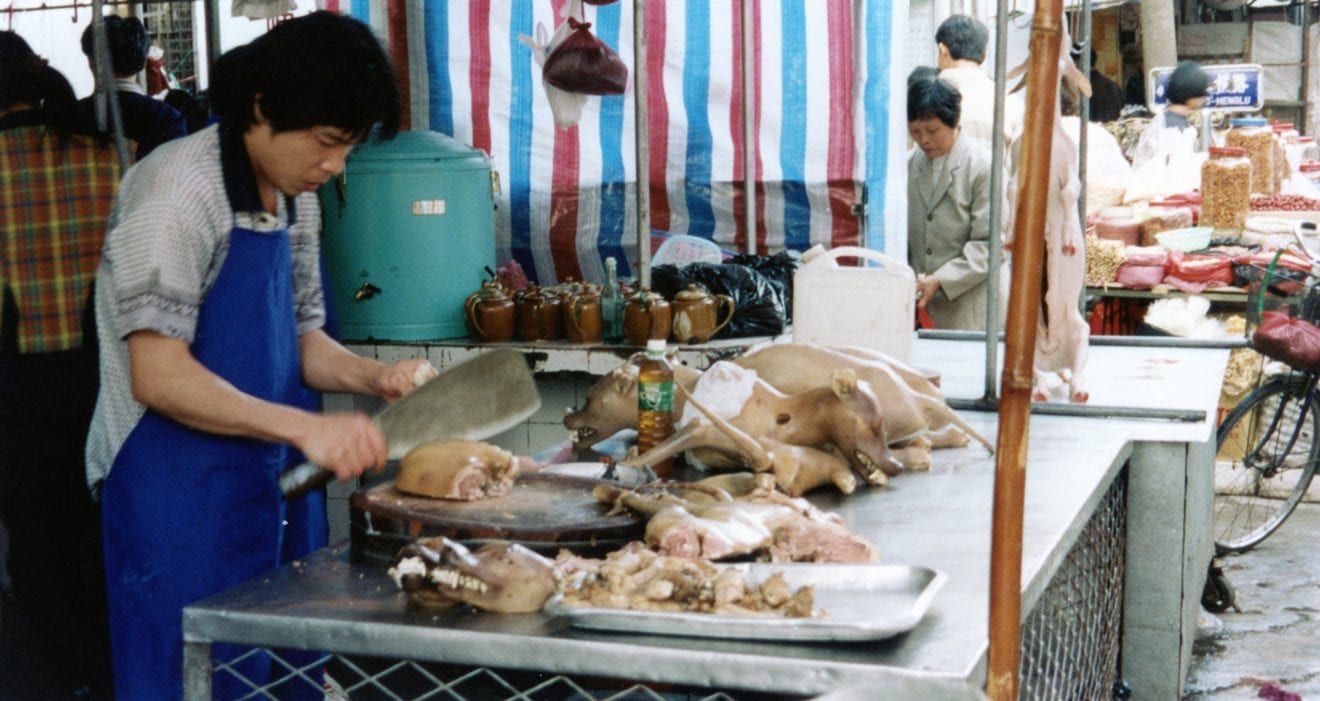
    Hengdou has seen online retail shake up China’s traditional retail market in the past few years, with consumers switching to frozen and convenience meals in a manner before unseen in China where wet markets – most without any refrigerated meat – and supermarkets have long dominated.

    Based in Sichuan, one of China’s fastest-growing regional economies, Hengdou stands to gain from rising beef consumption, according to Feng, who pointed to average per capita beef consumption of “5kg per capita in China compared to 45kg in developed countries”.

    Long-term, China has the potential to export branded beef products to Muslim and other countries, stated Liu Changde, head of the beef committee at the China Animal Husbandry Association (CAHA), a government body. CAHA and the Chongqing government teamed up with Hengdou to organise the Beef Festival, which saw demonstrations on how to cook beef as well as how to recognise “water-injected and fake beef” according to an invitation to the event sent to China-based journalists.