Tag: China

  • Bubble-burst in China to benefit Indian mart

    Bubble-burst in China to benefit Indian mart

    The crash in the Chinese stock market is likely to benefit India in terms of higher capital inflows in coming days.

    On Friday, Chinese shares plunged more than seven per cent amidst concerns of overvaluation after registering a 13.3 per cent loss last week.

    According to market experts, global investors are likely to allocate more funds to Indian equities, as the country is now one of the fastest growing economies in the emerging market universe.

    “India is now the best bet in the entire emerging market universe. India’s current account deficit (CAD) has come down, retail and wholesale price inflation is under control, monsoon is progressing well and interest rates are expected to come down in the medium term. So a combination of improving macro-economic factors coupled with the government’s effort to revive the investment cycle would help India attract higher capital inflows,” observed Ajay Bodke, chief executive officer (CEO), PMS, Prabhudas Lilladher.

    According to him, the rally in the Chinese equity markets was driven by an excessive exuberance on the part of retail investors.

    About four million retail investors in China had opened trading accounts in just the last one month, he said.

    Even after such a steep fall in the Chinese equities, analysts are still not convinced about the valuations.

    While asking its clients to refrain from buying Chinese shares, analysts at Morgan Stanley said, “Our stance on China ‘A’ shares is that this is probably not a dip to buy. In fact, we think the balance of probabilities is that the top for the cycle on Shanghai, Shenzhen and Chinext has now taken place”.

    According to them, increased equity supply, continued weak earnings growth in the context of economic deceleration, high valuations and high margin debt to free float market capitalisation are some of the major concerns for the Chinese equities.

    “During the last two months, global investors had pulled out money from the Indian markets to invest in Chinese equities. Some portion of that money will now come back to India,” said Ambareesh Baliga, a senior stock market analyst.

  • Sogo mum or dad plans retailer revamps

    Sogo mum or dad plans retailer revamps

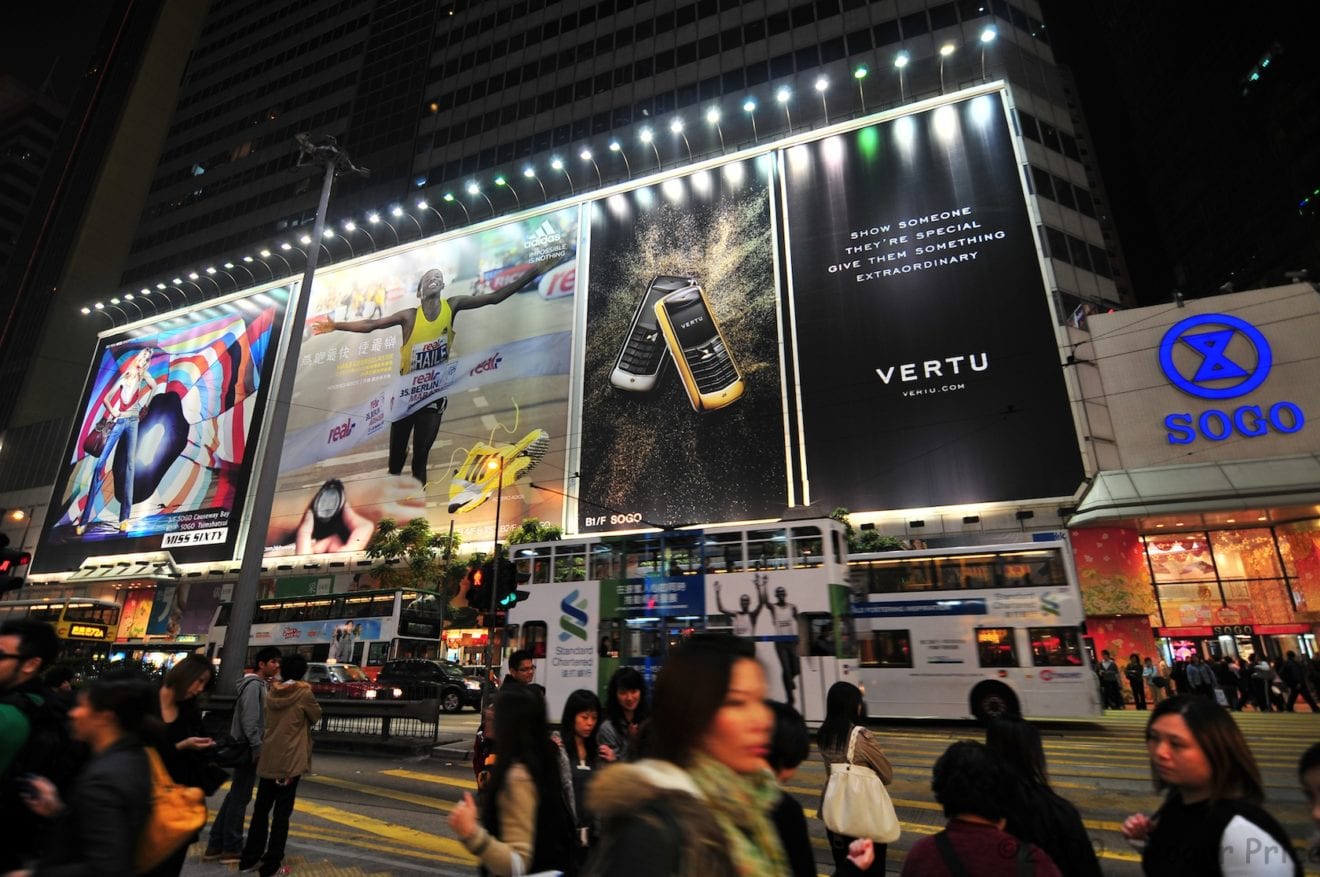
    Way of life Worldwide Holdings, the dad or mum of the Sogo division retailer in Hong Kong’s Causeway Bay, says it’s planning renovations and new department shops.

    Whereas it has not specified the place the revamps are deliberate, it’s probably to be in mainland China the place it at present has 4 shops.

    Way of life has secured US$300 million by means of the difficulty of 10 yr bonds which shall be used to repay financial institution financing and fund capital spending “referring to retailer renovation and new division retailer tasks sooner or later”.

    Hong Kong listed Way of life Worldwide has two Sogo shops in Hong Kong – the flagship in Causeway Bay near Occasions Sq., and one in Tsim Sha Tsui which was relocated and reopened late final yr.

    In mainland China, the corporate operates shops underneath the Jiuguang model. The Shanghai retailer was first established in 2004 with an analogous enterprise format to Sogo Causeway Bay. Additional shops opened in January and Might 2009 at Suzhou and Dalian

    Shenyang Jiuguang, Way of life’s fourth Jiuguang Retailer in mainland China, accomplished its first full buying and selling yr in 2014.

    The group’s business complicated challenge in Zhabei, Shanghai is presently underneath development and is preliminarily scheduled for completion in 2018, a part of a broader mainland China enlargement plan.

  • Trinity warns of looming loss

    Trinity warns of looming loss

    Menswear model Trinity has warned it expects to submit a loss within the half yr to June based mostly on preliminary buying and selling figures.

    The Hong Kong listed retailer and producer, majority owned by Li & Fung, says it has confronted challenges adapting to the weak retail market within the Chinese language mainland and a lower within the variety of mainlanders visiting Hong Kong and Macau.

    In a inventory trade submitting, the corporate stated it had incurred greater one time restructuring prices to mitigate these on-going unfavourable circumstances.

    “As well as, whereas unit gross sales remained comparatively secure, common promoting costs have been adjusted, putting strain on margins and mixed with the restructuring prices, the group’s efficiency was adversely affected.”

    In March, Trinity reported revenues of HK$2.6 billion (US$335.2 million) and a gross revenue of HK$1.9 billion ($244.95 million). The gross revenue margin was 74.1 per cent representing a 1.four proportion level decline as a consequence of liquidation of extra stock, a administration precedence within the second half.
    In Monday’s warning, Trinity stated administration is taking “vital actions” to enhance second half yr efficiency however expects the subdued retail market surroundings in Larger China will proceed.

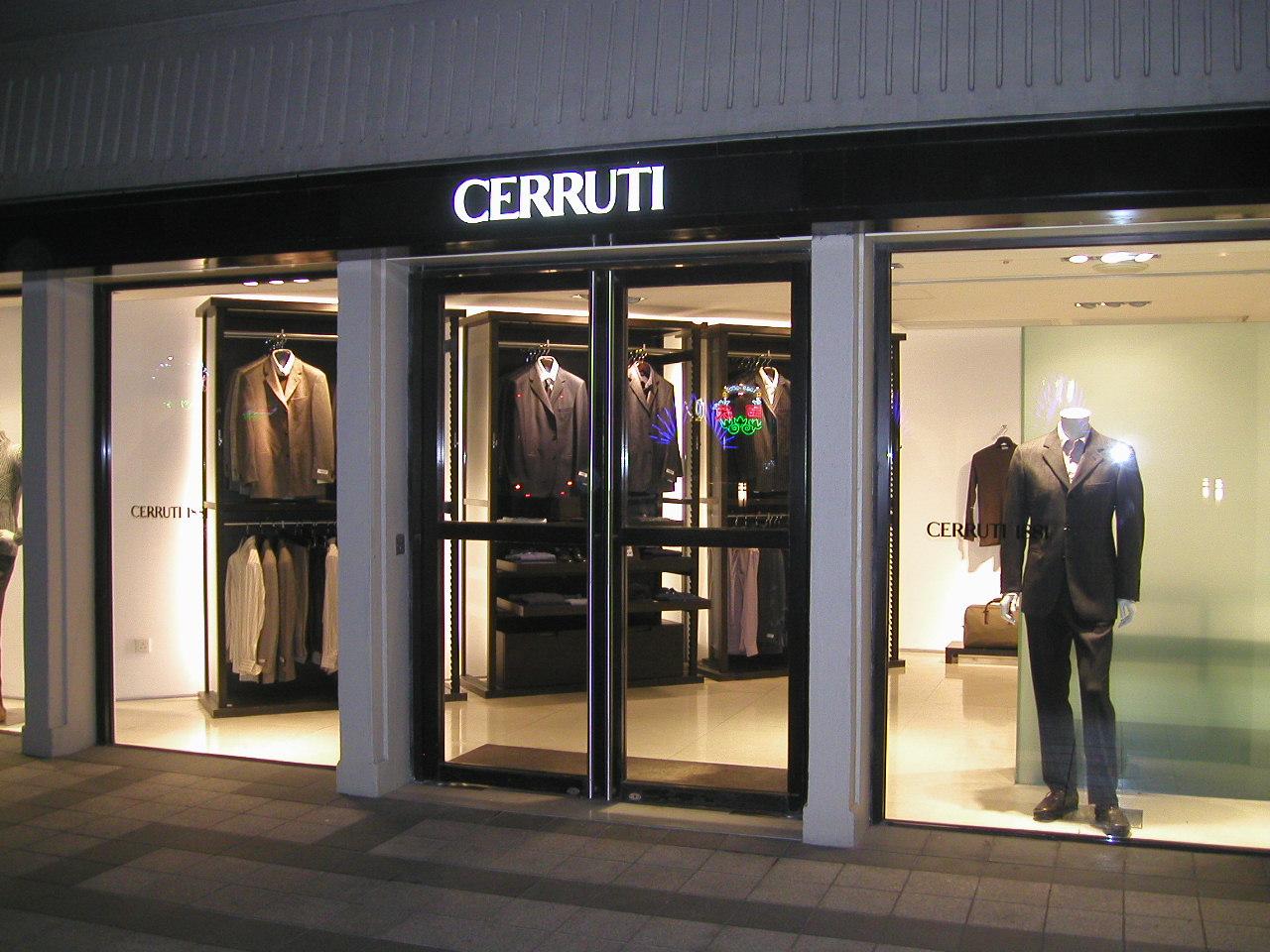
    Trinity retails high-end menswear in Larger China and Europe. Its manufacturers embrace D’City, Gieves & Hawkes, Cerruti 1881, Intermezzo and Kent&Curwen.

    In March, CEO Richard Cohen stated Trinity was on monitor with its medium-term technique.
    “We goal globally and assume regionally,” he stated. “We’re optimistic for the close to and medium-term, and stay assured about the long run potential for our enterprise.
    He stated the corporate was setting up “the best retail technique and construction” to ship constant, sustainable returns into the longer term.
    “We’ve considerably strengthened our groups up and down the organisation and proceed to enhance stock administration. Up to now six months we’ve got developed centralised shared providers throughout all departments and improved our provide chain to make it less expensive and versatile.”

  • China Jo-Jo WeChat retailer opens

    China Jo-Jo WeChat retailer opens

    China Jo-Jo Drugstores has opened a retailer on Tencent’s WeChat social media platform. The China Jo-Jo WeChat foray might be carried out by way of its subsidiary Hangzhou Jiuzhou Grand Pharmacy Chain. It’s the first Hangzhou based mostly pharmacy to launch shops on WeChat, which has greater than 500 million lively customers.

    China Jo-Jo says the transfer, following partnerships with Alipay and Ali-Well being, is a part of a broader technique to construct its personal On-line-to-Offline (O2O) ecosystem for its pharmaceutical and healthcare merchandise.

    In late 2014, Tencent unveiled its on-line service provider shops for small to medium measurement companies based mostly on its common WeChat platform, and it has shortly developed into an all-in-one cellular advertising service. WMS permits retailers the alternatives to interact with their clients in real-time and collect knowledge based mostly on shopper profiles and spending behaviors. Retailers may also use WMS to replace product info and handle stock and merchandising course of. WMS permits clients to pay by WeChat Pay, a handy cost technique just like Alipay. “As a well known cost technique that clients already belief, WeChat Pay can drastically improve on-line transaction movement for WeChat Retailers. By opening our pharmacy on WMS platform, China Jo-Jo hopes to draw a a lot bigger and constant shopper base by implementing higher knowledge mining, goal advertising and gross sales promotions corresponding to group-buy, present certificates, flash sale, coupons and loyalty program,” the corporate stated in a statemet.

    By integrating our in-store IT system with WMS’s highly effective cost, O2O and repair spine platform, we intend to rework our brick and mortar shops into “Clever Pharmacies”.

    China Jo-Jo President, Li Qi, added: “In a standard drugstore, there’s solely one-way interplay between the shop and its clients. Now in our O2O drugstores, we and our clients can simply talk with one another via WeChat platform anytime and anyplace. Shoppers can now take pleasure in customised service and acquired extra focused advantages reminiscent of coupons and member reductions. For us, we will now construct, monitor and analyse quite a few knowledge on buyer spending sample, which can be used to enhance the on-line buying expertise as an entire. O2O enterprise options will stay an integral a part of China Jo-Jo’s technique sooner or later.”

  • Lafayette Gourmand China opens first flagship

    Lafayette Gourmand China opens first flagship

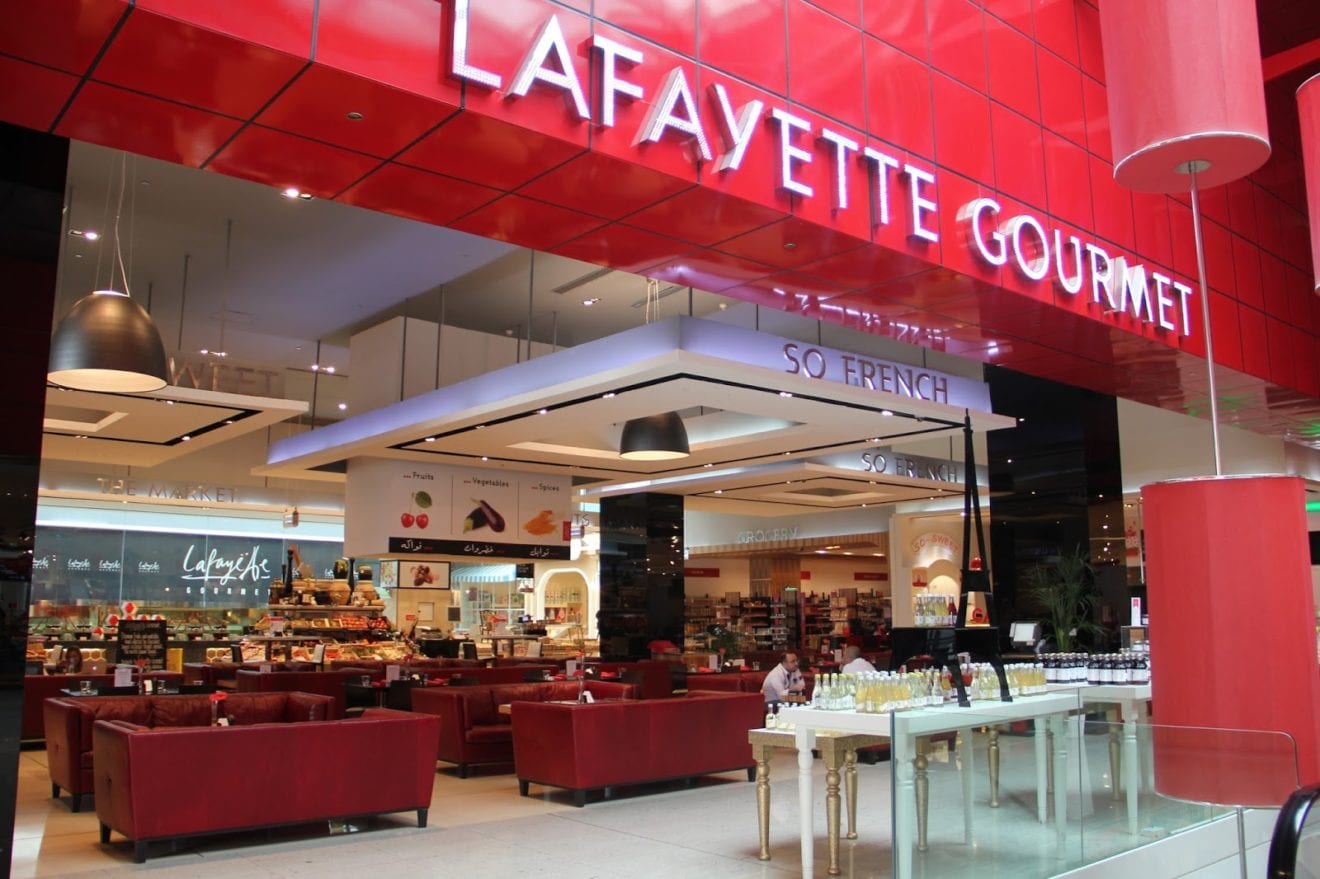
    French division retailer retailer Galeries Lafayette has opened its first Lafayette Gourmand China meals retailer – in Beijing.

    Lafayette Gourmand is actually a luxurious meals corridor serving meals to eat on website or take house.

    The flagship has a grocery store stocked with French gourmand meals and a 7000 sqm eating space that includes greater than 10 eating places serving worldwide cuisines. An estimated 80 per cent of the meals bought on website is imported from France.

    The shop is situated on the fifth flooring of the Galeries Lafayette division retailer, the corporate’s excessive profile debut property in China.

    Lafayette Group division retailer division government president Nicolas Houze just lately hosted a gap ceremony for the brand new foodie vacation spot.

    Based on China Retail News, the brand new gourmand retailer is the most important French imported meals specialty retailer within the Chinese language capital.

  • Homelegance China in retailer rollout

    Homelegance China in retailer rollout

    Homelegance China plans to confide in 30 shops a yr because the US model builds its Chinese language model consciousness.

    The corporate opened its first China retailer within the metropolis of Tianjin in Might and by the top of August may have six shops buying and selling in complete. By the top of October it expects to increase to 11 and from then on it plans between 20 and 30 new shops will open yearly.

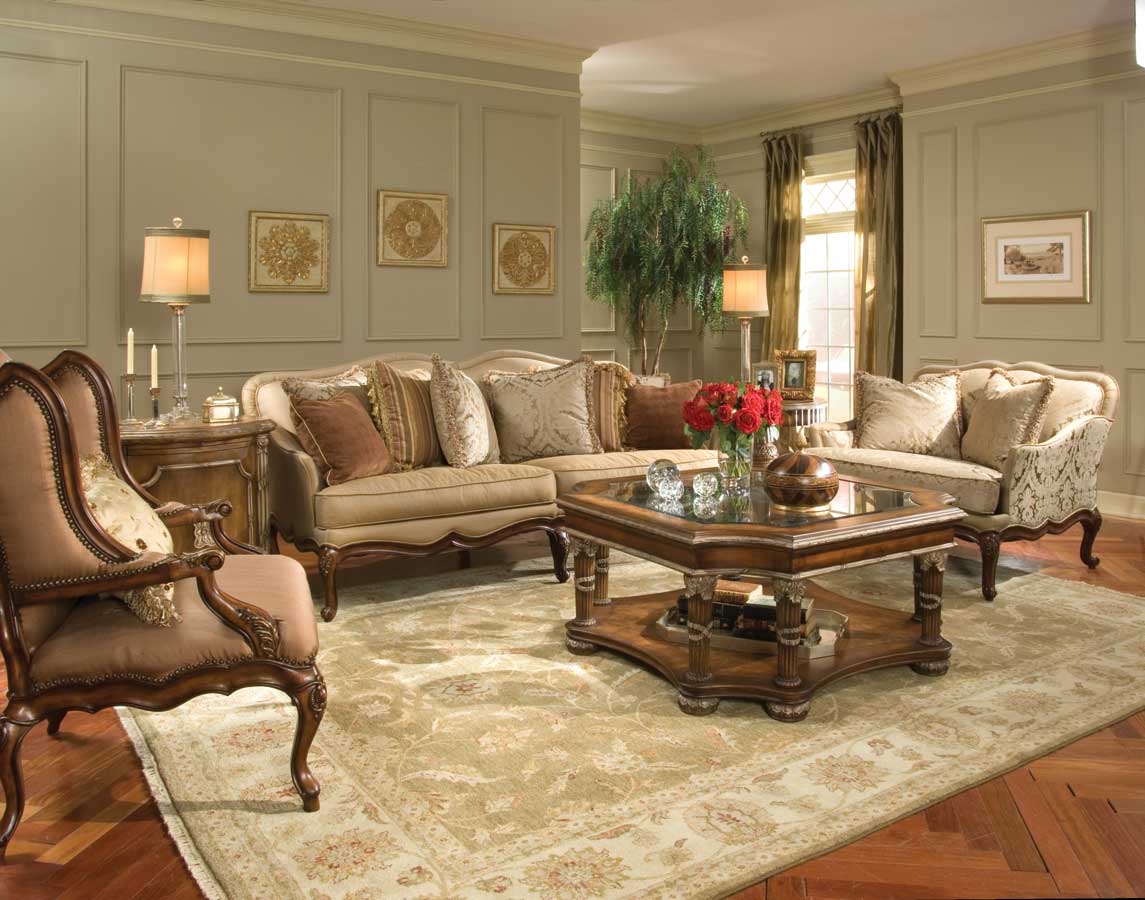
    Homelegance needs to focus on China’s center class with its assortment of predominantly picket bed room, dwelling, eating and workplace furnishings.

    The inaugural Tianjin retailer is a 30,000 sqft franchise opened in a specialist furnishings shopping center, Pink Star Macalline. It’s operated by Li ShiGuang. Tianjin is the situation of Homelegance’s 260,000 sqft warehouse which can provide shops within the rising community.

    Homelegance will licence shops in China to make sure it has native operators who perceive the native markets it enters.

    “We all know that to develop we should look past our conventional US borders to turn out to be the worldwide chief we all know we might be,” Jamie Collins, government VP of Homelegance USA, advised Furnishings At present.

    “There isn’t any higher place for us to focus our efforts than in China. Past constructing a model in China we all know that our new licensees in China will take pleasure in what our retail companions in North America have already skilled, worthwhile positive factors via the sale of Homelegance merchandise.”

    Collins stated the demand for American designs amongst Chinese language is rising yearly.

    “We’ll current Homelegance as a premier way of life model that represents the perfect of what the Chinese language shopper is on the lookout for.”

  • Oriental Watch profit plummets

    Oriental Watch profit plummets

    Listed retailer Oriental Watch Holdings says its net profit fell 78 per cent in the year to March.

    The company, which had issued a profit warning earlier in the year, has been hit by the slump in demand for luxury watches from mainland Chinese, in turn a result of the mainland government’s clampdown on gift giving.

    OWH says its net profit fell to HK$5 million, (US$641,000) on turnover down 11 per cent to around HK$3.11 billion.

    The company said luxury brand shoppers had changed preferences and attitudes and blamed slimmer margins on intense competition from watch retailers competing for a shrinking customer base.

    Oriental Watch has 68 stores in mainland China, 13 in Hong Kong, three in Macau and three in Taiwan.

  • Unilever Turns to Online Sales to Expand Presence in China

    Unilever Turns to Online Sales to Expand Presence in China

    Global consumer processed goods (CPG) behemoth Unilever is set to combat the slowdown in China head-on by strengthening its presence in the online market. The company announced last week that it will open a store on JD Worldwide, the cross-border platform of China’s largest online direct sales company.  The partnership with JD.com will allow Unilever to directly import its products into China instead of having to navigate the red tape involved in marketing and selling its products locally.

    Unilever already has a significant presence in China. It sells skincare brands like Dove, Ponds and Vaseline through JD.com’s direct sales website as well as Alibaba’s Tmall. According to The Wall Street Journal, Unilever’s sales on JD.com tripled over the last year and its total online sales in China reached $161 million. Now, the launch of its JD Worldwide store will add Unilever’s Lux haircare products for the first time to its Chinese product portfolio.

    Poor Economic Growth in China Dragged Down Sales in 2014

    Weak economic growth in China in 2014 was a cause of concern for global CPG giants like Unilever and Procter & Gamble (NYSE:PG). Nearly all emerging markets weakened in 2014, but China stood out as economic growth slowed down to a 24-year low of 7.4%. Consumer consumption is closely linked to economic growth, which in turn impacts the growth of CPG sales.

    Slower-than-expected economic growth in China dragged down sales of personal care products in 2014, forcing Unilever to undertake a large-scale destocking across the country. The impact of destocking was particularly severe in the third quarter of 2014 and caused a 70 to 80 basis points headwind on Unilever’s total revenue growth. The company does not report its revenues from China separately. However, the extent of the impact of China’s economic slowdown on the overall performance of the company indicates that China accounts for a significant portion of Unilever’s worldwide sales.

    Online Expansion Could Prop Up Volumes in China

    The economic slowdown in China may have heavily impacted brick and mortar sales in the country, but online sales are picking up steadily. Online sales are estimated to have expanded by over 40% year on year in every quarter since last year. In the first quarter of 2015, online shopping is estimated to have accounted for over 10% of total retail sales in China. []

    These statistics underscore the significant scope in online shopping in China. Considering that online sales expanded by over 40% in 2014, which suggests that online shopping was less susceptible to the economic slowing, as compared to traditional shopping. Therefore, Unilever’s decision to expand its presence in China’s online market could help it partially circumvent the slowdown in the country.

  • Li & Fung sets up China retail JV

    Li & Fung sets up China retail JV

    Global exporter Li & Fung Ltd has formed a joint venture with two Chinese department store operators, with the aim of setting up as many as 300 stores and developing its own private labels, the Hong Kong firm said on Tuesday.

    The firm will own 20 percent of the joint venture, while Beijing Wangfujing Department Store Group Co and Shanghai Bailian will each hold a 40 percent stake.

    The joint venture, which will be called BaiFuLi Co, may help Li & Fung to make up for some of the business it recently lost from US retail giant Wal-Mart Stores Inc.

    Li & Fung reported an 11.8 percent fall in 2014 net profit in March.

    BaiFuLi will have a registered capital of 48 million yuan ($7.7 million).

    Li & Fung said developing proprietary brands would help the joint venture differentiate from rivals “amid increasing competition in a fast-evolving retail landscape.”

    The venture aims to develop between one and three private labels and up to six licensed brands over a three-year period, said the company.

    This could see the venture opening up to 300 stores and pulling in up to 1 billion yuan ($161 million) in sales.

  • Gloves Off in China as Banks, Alibaba Invade Each Other’s Turf

    Gloves Off in China as Banks, Alibaba Invade Each Other’s Turf

    China is the scene of a growing rivalry: In one corner is billionaire Jack Ma’s Alibaba Group Holding Ltd., which holds the title as the country’s biggest online retailer. In the other are China’s biggest banks.

    This week, Alibaba is launching MYbank, an online lender that will tap into Chinese savers’ record $7.8 trillion of deposits and a banking revenue stream that’s forecast to double by 2020.

    Banks have been striking back by pushing into the business Ma pioneered in China, online malls. The moves are blurring the lines between banking and e-commerce as China’s government continues encouraging competition in the finance industry and as Chinese increasingly use computers and mobile phones to bank and shop.

    “China’s banks have woken up and realized that the challenge from Alibaba’s entry into banking is for real,” said David He, a Hong Kong-based partner and managing director at Boston Consulting Group Inc. “For them, doing e-commerce is a defense as well as a counterattack.”

    Industrial & Commercial Bank of China Ltd., which as the world’s most profitable company dwarfs Alibaba’s net income by more than 10 times, set up a platform allowing retailers to sell the bank’s customers wine, shampoo, appliances and more. China Construction Bank Corp., Agricultural Bank of China Ltd. and others are also getting into the action.

    ICBC’s site, called Easy to Buy, is forecasting sales of 300 billion yuan ($48 billion) this year, after tallying 130 billion yuan so far since January. By comparison at Alibaba, its Tmall logged 763 billion yuan in sales last year. JD.com ranked No. 2 at 260 billion yuan.

    No Branches

    The battle will play out entirely online: The banks aren’t planning any warehousing of inventory, leaving that to the merchants. MYbank and Tencent Holdings Ltd.’s online WeBank, which launched in December, plan no physical branches.

    WeBank started its consumer lending in May, where borrowers without collateral can get as much as 200,000 yuan at an annualized rate of 18 percent.

    MYbank is to begin operating on Thursday as part of Alibaba’s finance arm, Zhejiang Ant Small & Micro Financial Services Group Co. It’s one of a wave of new private banks being licensed by the government to target small loans and aims to use facial-recognition software to let users set up accounts. Alibaba already has expanded into e-finance, with its Alipay payments system and Yu’E Bao money-market fund.

    “The potential of web-based services, be it financial or retail, is huge in China, so it’s not too late to join the game,” said Wang Weidong, an analyst at Internet consultancy iResearch in Beijing.

    Fast Growth

    Construction Bank’s online mall saw a 67 percent surge in transactions last year, while Agricultural Bank had a 57 percent gain, faster than the 47 percent growth at Alibaba’s Tmall and Taobao sites. Bank of Communications Co.’s e-commerce platform sells merchandise and also allows customers to book air tickets and hotels. China Merchants Bank Co.’s online shop offers a 30 percent discount on Prada bags and zero interest and free shipping on purchases made on installments through its credit cards.

    “It’s not going to become a profit engine,” said BCG’s He. “But it offers invaluable support to their core business by extending their product line, increasing customer stickiness, getting more data and adapting to the digital era.”

    Customer Engagement

    ICBC’s mall lets customers also purchase wealth-management products, gold bars, luxury cars, travel packages and even apartments. Developers China Vanke Co. and Evergrande Real Estate Group are selling properties on the Beijing-based lender’s site. Customers can get an almost 10 percent discount on some homes and lower rates on mortgages from the bank. More than 1,000 apartments worth 1.1 billion yuan have been sold.

    “China is undergoing an experimental and revolutionary phase right now,” said Joe Ngai, Hong Kong-based head of McKinsey & Co. banking practice. “It’s fair game in China, where everyone is trying to improve on the consumer experience. This is a great thing for the consumer.”

    Revenue from online retailing is expected to reach 4 trillion yuan this year, according to the China e-Business Research Center. By year’s end, more than 850 million Chinese are expected to be online — more than the population of any other country except India, according to the Ministry of Industry and Information Technology.

    Retail banking revenues will double to 3.5 trillion yuan by 2020, BCG estimates show.

    Spokesmen for ICBC and Construction Bank declined to comment on the competition, and Alibaba and Tencent didn’t reply to e-mails.

    “The future of finance, including banking, no longer hinges on brick-and-mortar operations, but integration with the web, the mobile and serving customers anywhere 24/7,” said Chen Xingyu, a Shanghai-based analyst at Phillip Securities Research. “Chinese banks seemed to already have a leg up in finance 2.0 over many global rivals.”
  • Tangshan malls to open in spring

    LT Business Actual Property is in search of tenants for the buying malls of its large-scale business and residential complicated venture, Tangshan Lerthai Metropolis, within the Chinese language mainland metropolis of Tangshan.

    The Hong Kong based mostly developer says the department stores will open within the second quarter of 2016.

    LT is looking for well-known home and worldwide manufacturers as tenants to hitch Hong Kong Broadway, Baolongcang, Gome Electronics, Hai Di Lao Scorching Pot, Grandma’s Residence, Parkson division retailer and Xiabu.

    The primary part of Tangshan Lerthai challenge, which occupies a website space of roughly 157,000 sqm and has a gross flooring space of 680,000 sqm, has referred to as for a complete funding of RMB4 billion. LT Business holds purchasing malls there as funding properties which have a mixed gross flooring space of 180,000 sqm.

    Within the prime spot of the Fenghuang buying district in Tangshan, Tangshan Lerthai Metropolis is located east of Western Outer Ring Rd and north of Xinxibei Rd, and is positioned as a one-stop large-scale metropolis business complicated that includes a world purchasing centre, a tradition and leisure middle, a leisure and catering middle, a world enterprise middle, a world-class deluxe built-in challenge of economic and residential properties and a boutique house. The challenge goals to convey tradition, catering, leisure, leisure and buying underneath one roof, permitting individuals to expertise a multifaceted way of life and thus set the development for city dwelling.

  • Sa Sa to simply accept WeChat funds instore

    Sa Sa to simply accept WeChat funds instore

    Magnificence merchandise retailer Sa Sa is to simply accept Tencent’s WeChat funds in 100 Hong Kong shops.

    Sa Sa thus turns into the primary international retail companion of tencent’s new offline WeChat-based cross-border cost service, TenPay.

    WeChat’s Tenpay permits account holders, principally Chinese language mainlanders, to scan the QR Code on their cell phone utilizing the WeChat app, and shortly make a cost on-line. Now the service is being rolled out offline permitting funds to be made in bodily shops, by comparable means. Each WeChat account holder has a singular QR code inside the app – which may also be used to scan different QR codes to entry web pages, particular presents and an entire vary of different providers and knowledge.

    Sa Sa says the transfer to simply accept TenPay demonstrates its dedication to exploring on-line to offline (O2O) enterprise alternatives.

    “The pioneering act is predicted to show over a brand new leaf within the improvement of offline cellular cost,” Sa Sa stated in a press release.

    “The group has been dedicated to selling O2O enterprise within the final yr, with the purpose of offering clients with a extra complete buying expertise involving a number of channels and touchpoints. The launch of cross-border offline WeChat Cost doesn’t solely show the group’s dedication in enhancing the usual of its providers, but in addition lays a key milestone within the improvement of the group’s O2O enterprise. The group will proceed to introduce new O2O experiences which are handy to clients in order that the group will be capable of seize alternatives and increase its enterprise underneath progressive deployment of various O2O purchasing experiences,” stated Sa Sa.

    “We hope to offer mainland customers of WeChat with a extra handy cost technique for purchasing in Hong Kong by means of our partnership with Sa Sa. In the meantime, Sa Sa’s in depth retail community all through Hong Kong in addition to its numerous buyer base will allow us to successfully promote WeChat Cost, with the goal of extending such revolutionary cellular cost to different retailers and ultimately gaining reputation in Hong Kong. The appliance of WeChat Cost shall be expanded to the remainder of the world following the footprint of Chinese language vacationers. ”

    A Tencent spokesman stated the transfer would supply added comfort for mainland WeChat customers.  “In the meantime, Sa Sa’s in depth retail community all through Hong Kong in addition to its numerous buyer base will allow us to successfully promote WeChat Cost, with the goal of extending such revolutionary cellular cost to different retailers and ultimately gaining reputation in Hong Kong. The appliance of WeChat Cost shall be expanded to the remainder of the world following the footprint of Chinese language vacationers. ”

    Sa Sa launches its WeChat Cost acceptance by giving clients a WeChat Pink Envelope of RMB10 upon a purchase order of HK$100 settled by WeChat Cost on smartphones throughout a promotion interval.

    Stated Dr Man Look, CFO and government director of Sa Sa: “Making good use of know-how is the important thing for native retailers to successfully improve providers and meet the purchasing wants of consumers underneath the ever-changing development of Web and cellular communications know-how. As Tencent’s first companion in introducing cross-border offline WeChat Cost, we consider that extra clients will undertake this progressive cellular cost upon full launch of such service. Clients can take pleasure in a extra handy and nice purchasing expertise with out the necessity to carry money or bank cards.”

  • Dickson, Brooks Brothers to half

    Dickson, Brooks Brothers to half

    Hong Kong listed attire retailer Dickson Ideas says it won’t be renewing its licence to promote the US menswear model Brooks Brothers.

    Dickson, which has the licence for Hong Kong, Macau, China and “different designated territories in Asia” says the choice was reached “by mutual settlement”.

    Brooks Brothers Worldwide will enter into an settlement with Dickson to purchase the belongings and pay an quantity for goodwill when the licence expires on December 31.

    In a press release to the inventory trade Dickson stated it is going to “proceed the event of its different luxurious model identify companies and actively search new funding alternatives to additional improve its robust income and revenue streams”.

    Brooks Brothers has had a troublesome time gaining momentum in worldwide markets. The corporate is understood to be in discussions with Oroton Group over the way forward for its licence for Australia the place the model has did not ship revenue for the listed Australian retailer.

  • Sheinside in controversial rebrand

    Sheinside in controversial rebrand

    Chinese language on-line style retailer Sheinside admits its change of brand name identify to SheIn has drawn controversy within the on-line world.

    Sheinside lately adopted She In Shine Out as its new slogan, and dropped ‘aspect’, from the top of its web site URL and model identify. However promoting the idea was no ‘shoe in’…

    “It has sparked a quite heated dialogue amongst eCommerce friends,” conceded Chris Xu, the CEO.

    “Some may marvel why SheIn determined to vary its area identify at such a key second. As is understood to all, the area identify is sort of distinctive.”

    Xu says the change was aimed toward enhancing the consumer expertise of its on-line clients. It’s simpler to recollect, simpler to sort and simpler to look.

    “As soon as customers entry the web site, they’ll discover it a lot simpler to recollect the area identify.”

    The corporate additionally consider the brand new identify “cultivates, respects and strengthens shopper model loyalty”.

    “The start line of all modifications is to consolidate shopper loyalty and model consciousness. These are intangible belongings they usually play an indispensable half in company methods.

    In fact, altering a model identify gained’t change issues in a single day. SheIn has made infinite efforts to make the method a clean one.”

    SheIn went to the market to decide on its new slogan in a three-phase aggressive on-line ballot which noticed She In Shine Out adopted by an awesome majority. There was an analogous course of to undertake a brand new emblem.

    “SheIn is able to current a brand-new search for our clients and we see a shiny future for SheIn,” concluded  Xu.

  • Luxurious Qingdao MixC Mall a landmark

    Luxurious Qingdao MixC Mall a landmark

    The brand new Qingdao MixC Mall simply accomplished, is described as probably the most vital retail scheme but for proprietor China Assets Land.

    Occupying an space of 450,000 sqm, Qingdao’s MixC Mall is the most important of its type in China, establishing an thrilling landmark within the nation’s northeast.

    Its inside design was accomplished by Benoy, the worldwide studio of architects, masterplanners, inside and graphic designers.

    Built-in into the China Assets Centre, the broader mixed-use improvement is a outstanding business addition for the town. The scheme can also be an important element of the Metropolis Crossing improvement, the main landmark constructing group in Qingdao.

    “We’re proud to ship CRL’s new flagship for his or her high-end retail model. Because the sector continues to evolve, Benoy is happy to be on the forefront of designing the guts of those main mixed-use schemes. MixC Mall in Qingdao is a very built-in expertise which unites Retail and Leisure for the town,” commented Craig Menzies, director at Benoy.

    Masking seven ranges and three underground ranges, the retail-led podium has one of the in depth packages for purchasing centres within the nation; bringing collectively retail, meals and beverage, leisure, schooling and tradition. The event includes a roof backyard and sunken plazas, an Olympic-standard ice skating rink, a devoted youngsters’s space and the primary SEGA indoor theme park in China.

    Benoy’s Inside Design drew inspiration from Qingdao’s waterfront panorama with the inside areas formed by undulating, wave-like varieties. The curved flooring sample, function ceilings and essential atrium have all embodied parts of the ocean to offer hanging focal factors all through the design.

    “Qingdao has been described as one in every of China’s most habitable cities and so our design aimed to attach guests with the pure panorama. We celebrated the mall’s proximity to the outside by means of using pure stone, timbers, skylights and glass curtain partitions,” defined Emily WS Wong, Benoy senior affiliate director and venture design chief.

    Situated in Qingdao’s well-established business centre, the scheme offers the advantages of being a Transit Oriented Improvement, with seamless connectivity to 2 metro strains. Interested in the business benefits of the scheme’s location and wider integration, over 85 per cent of the event’s retail models have been rented by 2013, two years previous to the mall’s opening.

    MixC Malls are on the prime of the CRL retail portfolio. The distinguished schemes are already working in main cities comparable to Shenzhen, Chengdu, Hangzhou and Chongqing with Qingdao now the main improvement of the collection.