Tag: China

  • China cuts retail oil prices

    China cuts retail oil prices

    The prices of gasoline and diesel in China will respectively be cut by 110 yuan and 105 yuan (18 U.S. dollars) per tonne, the National Development and Reform Commission (NDRC), China’s top economic planner, said in a statement Monday.

    The adjustment will come into effect Tuesday. The benchmark retail price of gasoline will drop by 0.08 yuan per liter and that of diesel by 0.09 yuan.

    Prices of refined oil products in China are adjusted when international crude prices translate into a change of more than 50 yuan per tonne for 10 working days.

    Crude prices fell last week, weighed on concerns of oversupply after the Organization of the Petroleum Exporting Countries (OPEC) decided to keep its daily output at 30 million barrels for the next six months.

    The NDRC has reduced oil prices for four times and raised them five times this year, tracking changes in international crude oil prices.

  • Chow Tai Fook Quarterly Retail Sales Fall 6% on Hong Kong, Macau

    Chow Tai Fook Quarterly Retail Sales Fall 6% on Hong Kong, Macau

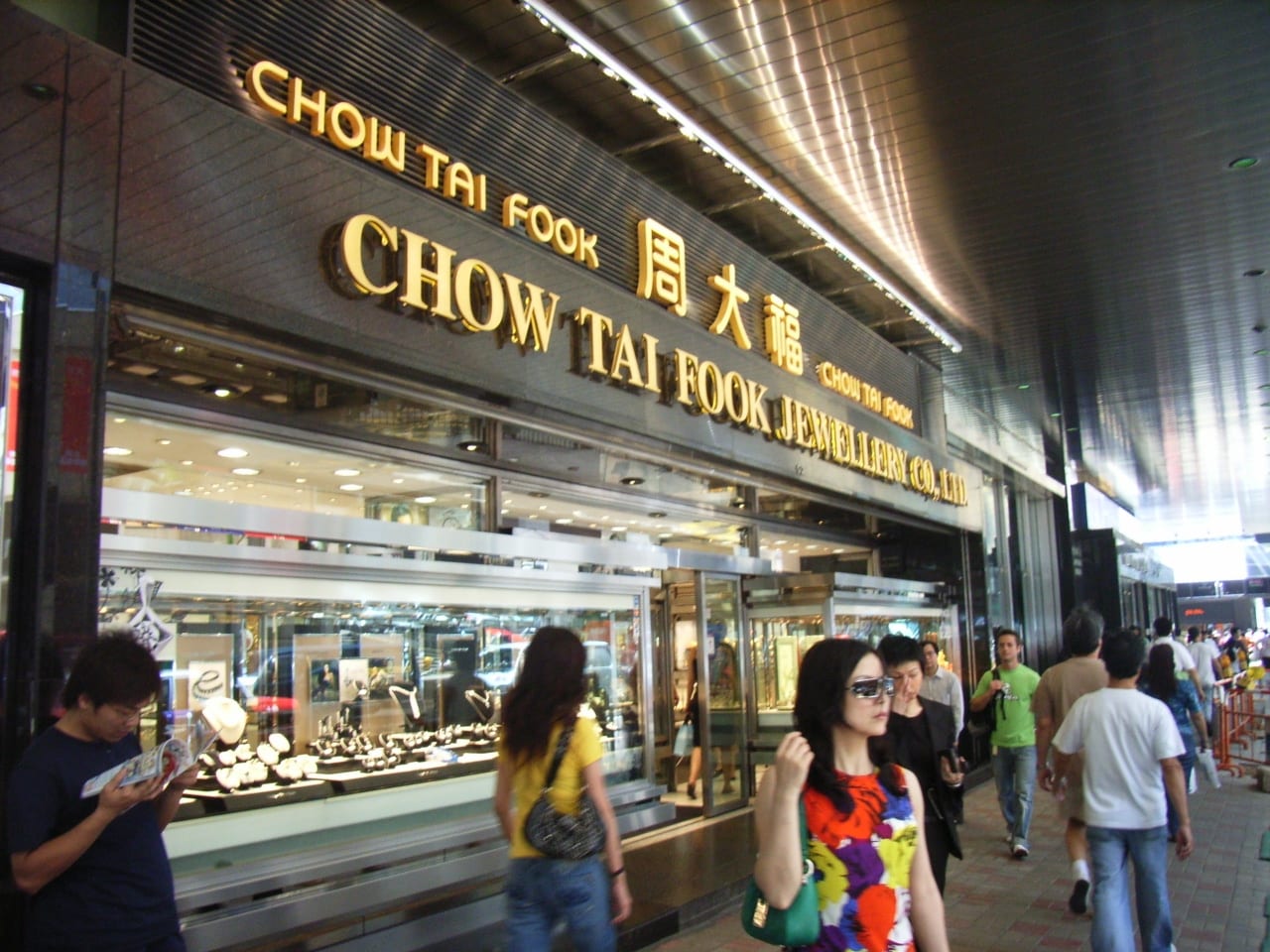
    Same-store sales fell by 7 percent in mainland China, and were down 24 percent in Hong Kong and Macau in the fiscal first quarter ending June, the jeweler said in a statement Thursday.

    Hong Kong-based Chow Tai Fook has been hurt by China’s slowing economic and a government-led austerity campaign, which prompted shoppers to cut back on luxury purchases. The jeweler saw net income plunge 25 percent for its fiscal year ending March as stores in mainland China, Hong Kong and Macau suffered.

    The jeweler had cut prices for some of its diamond-set products by as much as 30 percent in June, in a bid to reduce inventories bloated by weaker-than-expected sales in the city.

  • Perennial moves into China healthcare

    Perennial moves into China healthcare

    Perennial Real Estate Holdings is diversifying from real-estate business in China by riding on the country’s growing healthcare industry.

    On Thursday, mainboard-listed Perennial entered into a joint venture with Guangdong Boai Medical Group to develop and manage hospital and medical service businesses in the massive market.

    The real-estate developer, which has its headquarters in Singapore, will acquire a 40 per cent stake in the joint venture for 286.7 million yuan (S$62 million). Guangdong Boai Medical Group, a unit of one of China’s largest private hospital and medical services operators, China Boai Medical Group, will hold the remaining 60 per cent stake.

    Perennial chief executive Pua Seck Guan told the media yesterday that the collaboration would see both groups combining their skills and expertise to develop and manage between 30 and 50 hospitals in the next five to seven years.

    Boai, which owns 120 hospitals in China, is well established in the medical field, while Perennial has a portfolio of large-scale integrated developments in Chengdu, Xi’an, Beijing, Zhuhai and Shengyang.

    Mr Pua said: “China is trying to revamp its healthcare business. Last year, it allowed foreigners to own 100 per cent of the medical businesses in some of the provinces.”

    The Chinese government has noted the growing demand in healthcare and has allowed doctors from public hospitals to work in private hospitals, he added.

    With spending in medical services set to surge from US$357 billion (S$481.4 billion) in 2011 to US$1 trillion by 2020, Perennial saw a chance to diversify into healthcare, said Mr Pua. The joint venture with Boai would set the stage for Perennial’s strategic expansion.

    The joint venture will acquire its first operational medical business, Modern Hospital Guangzhou, a leading tumour and cancer hospitals in Guangzhou, from Boai.

    The collaboration will focus on eight core medical fields, comprising oncology, fertility, plastic surgery, aesthetic medicine, orthopaedics, paediatrics, and ear, nose, throat and eye speciality medicine.

    The others are dentistry and cardiology and cardiovascular surgery.

    To meet demand for healthcare services, Perennial Dongzhan Mall, part of the Chengdu East High-Speed Railway Integrated Development, now being built, will be repositioned from a retail mall to a medical and retail integrated hub.

    Dr Wong Weng Hong, who has over 20 years’ experience in setting up, acquiring and managing medical assets here and in China, will develop and scale up Perennial’s new engine of growth, said Mr Pua.

    Perennial’s assets here include Chijmes, TripleOne Somerset, Capitol Singapore and AXA Tower. In China, it has integrated developments with mainly retail, residential, office and hotel components.

    To meet demand for healthcare services, Perennial Dongzhan Mall, part of the Chengdu East High-Speed Railway Integrated Development, now being built, will be repositioned from a retail mall to a medical and retail integrated hub. The development will be renamed Perennial International Health and Medical Hub.

    Mr Pua said: “Within a travel distance of two hours, we can cover a population of 100 million… When a patient comes, they usually bring two to three relatives. Where do they stay? In our projects… we have service apartments and hotels. So it is a good synergy.”

    To meet demand for healthcare services, Perennial Dongzhan Mall, part of the Chengdu East High-Speed Railway Integrated Development, now being built, will be repositioned from a retail mall to a medical and retail integrated hub.
  • Stomachs flip by 40-year-old meat peddled by merchants

    Stomachs flip by 40-year-old meat peddled by merchants

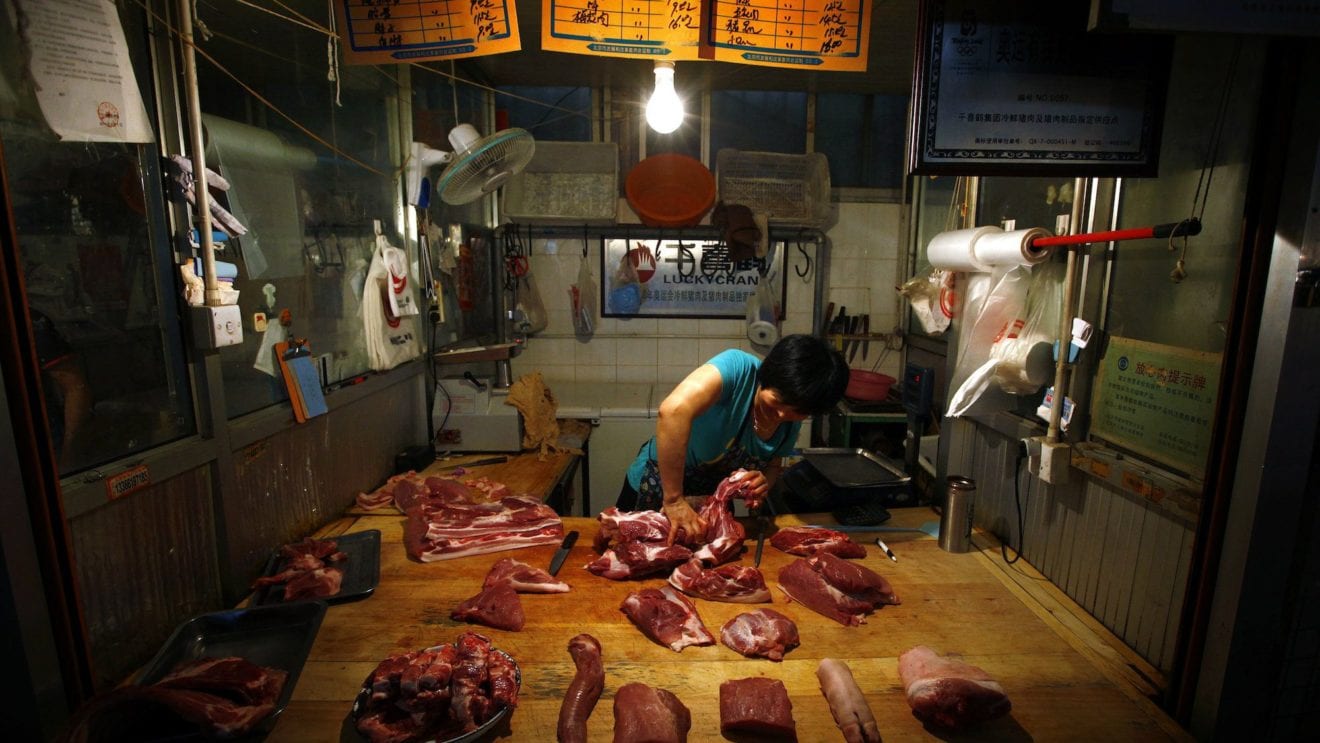
    From rat meat masquerading as lamb to tainted milk to exploding watermelons, Chinese language shoppers have turn into inured to stomach-churning meals scandals. However on Tuesday, numerous individuals have been pressured to ponder the advantages of vegetarianism after information stories emerged that unscrupulous meat merchants had been peddling tons of beef, pork and hen wings that in some instances had been frozen for 40 years.

    The Chinese language information media introduced that the authorities had seized almost half a billion dollars’ value of smuggled frozen meat this month throughout China, a few of it courting to the 1970s. The caches of beef, pork and hen wings, value as much as three billion renminbi, or $483 million, have been found in a nationwide crackdown that spanned 14 provinces and areas, the state information company Xinhua reported.

    Sometimes, the meat was shipped from overseas to Hong Kong after which delivered to Vietnam, the place merchants would smuggle the product throughout the Chinese language border with out declaring it to customs officers or going via required inspection and quarantine procedures. From there, criminals would typically transport the meat in unrefrigerated vans to save lots of prices and refreeze it a number of occasions earlier than it reached clients.

    “It was too smelly. A truck filled with it. I virtually threw up when the door opened,” Zhang Tao, a customs administration official in Changsha, the capital of central Hunan Province, was quoted as saying by Xinhua. The authorities in Changsha seized 800 tons of frozen meat on June 1 and arrested 20 suspected members of two gangs.

    In accordance with the Changsha Administration of Customs, one-third of the meat on sale on the largest wholesale market within the metropolis was discovered to be illegally imported. Whereas the origin of the smuggled meat was unclear, a report on the official Hunan propaganda division web site stated that the contraband had come from the border with Vietnam.

    Within the area of Guangxi, which borders Vietnam, customs officers discovered that a few of the smuggled frozen meat “was greater than 40 years previous,” based on The China Every day newspaper. Chinese language officers didn’t clarify the place the meat originated or the way it had been saved for nearly two generations. After being refrozen, the meat was bought to retailers, supermarkets and eating places throughout the nation. China Central Tv, the state broadcaster, confirmed staff within the southern metropolis of Shenzhen repackaging the imported meat with Chinese language labels, regardless that imported merchandise, if authorized, are typically extra worthwhile.

    A number of the meat was bought on the Web. Many meat retailers have arrange profiles on Taobao, the web buying web site owned byAlibaba, providing native and imported meat. Some declare to be promoting beef imported from the USA, although such beef has been barred from the Chinese language mainland since 2003, after outbreaks of bovine spongiform encephalopathy, or mad cow illness.

    Meals scandals are a politically delicate situation in China, the place tainted meals has sickened big numbers of individuals. In 2008, milk powder tainted with melamine, a poisonous industrial compound, made 300,000 infants sick and 6 died. Since then, the nation has encountered watermelons that exploded from the misuse of a progress accelerator chemical, pork soaked in a detergent additive, steamed buns tainted with pesticides, and 15,000 lifeless pigs drifting down the Huangpu River in Shanghai.

    However the information of 40-year-old frozen meat being bought to shoppers has left even probably the most seasoned specialists in shock. Bob Delmore, an professional on meat science at Colorado State College, stated that though it was attainable for meat to final that lengthy frozen, it might be coated by “an incredible quantity of freezer burn” because the product misplaced moisture and the flesh degraded. However as soon as it started to thaw, a shopper would instantly know one thing was incorrect. “The lifeless giveaway can be the odor and the style,” he stated.

    In China, individuals turned to social media to complain concerning the newest scandal, with some contemplating vegetarianism, or at the least a very good wine classic to make the danger go down simpler. “A bottle of 1982 Lafite plus a bit of 70s steak and a pair of 80s hen wings,” wrote one consumer on the Sina Weibo microblog. “Bon appétit!”

  • JD.com launches Australian Mall

    JD.com launches Australian Mall

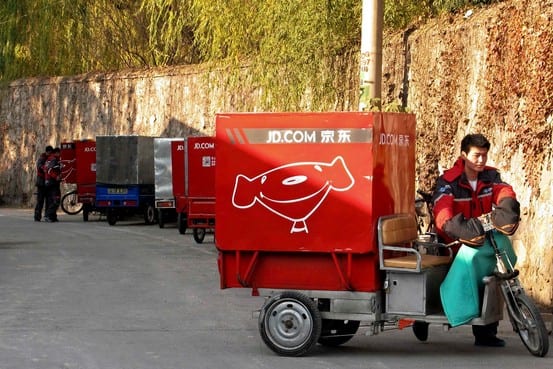
    Chinese language eCommerce gaint JD.com has launched an Australian Mall platform to convey “genuine, imported merchandise” to China.

    The Nasdaq-listed e-tailer says the brand new ‘mall’ might be a brand new channel on its JD Worldwide cross-border platform. The corporate additionally introduced cooperative agreements with Australia Submit and Treasury Wine Estates as a part of its Australia push.

    The corporate launched its Australian Mall at an occasion in Melbourne hosted by Richard Liu, founder and CEO of JD.com.

    Following the signing of China-Australia Free Commerce Settlement on June 17, the occasion additionally kicked off Genuine Australia Yr to advertise the eCommerce improvement between Chinese language and Australian enterprises.

    “Chinese language shoppers are more and more captivated with making an attempt, shopping for and utilizing merchandise from everywhere in the world, and Australian merchandise like milk and wine have lengthy been huge sellers on our platform,” stated Liu. “Now that our Australian Mall is out there, JD.com clients can additional fulfill their rising curiosity in recent Australian meals and high-quality merchandise, safe within the information they’re shopping for via China’s premier trusted supply of real merchandise.”

    The partnership with Australia Publish will make it simpler for corporations on JD Worldwide to leverage the postal service’s providers, together with package deal decide up, abroad warehousing, air and sea transportation, and small package deal junk mail from Australia to China, amongst different potential providers.

    Stated Andrew Walduck, EGM, info, digital & know-how (and CIO) of Australia Submit: “We’re additionally happy to play a number one position in connecting Chinese language shoppers with fabulous and premium Australian merchandise via JD.com.”

    The brand new Australian Mall builds on JD.com’s partnership with Austrade to advertise gross sales of Australian meals merchandise and in collaboration with Australian companions like Australia Publish and AustCham will supply a wider vary of meals together with recent milk, seafood, recent fruits and different gadgets in excessive demand amongst JD.com’s clients.

    JD.com’s Australian Mall may even function many well-known Australian manufacturers and merchandise masking numerous classes, together with healthcare, maternity, child, private care, cosmetics, sportswear and footwear.

    As a part of its Australian Mall launch, JD.com additionally introduced a brand new settlement with Treasury Wine Estates, certainly one of Australia’s premier wineries. Underneath the settlement, JD.com will start providing the corporate’s wines to its greater than 100 million lively clients.

    Because it does with its different worldwide channels on JD Worldwide, together with its lately launched on-line nation malls that provide genuine merchandise from France, South Korea and Japan, the corporate will join Australian suppliers and sellers with worldwide logistics companions, together with Australia Publish, to assist simplify cross-border transactions, thereby permitting clients in China to order and obtain the products they need in a seamless, speedy and worry-free method.

    “As a long-time associate of JD.com, we couldn’t be extra delighted to welcome Richard and his staff to Australia to additional increase their enterprise with corporations right here,” stated Phil Wohlsen GM Asia of The a2 Milk Firm.

    “As China and Australia launch a brand new period of elevated financial cooperation, I hope that extra Australians will use this chance to leverage the super assets of JD.com to faucet the large potential of Chinese language market as we now have.”

    Australian manufacturers serious about reaching JD.com’s 100 million-plus clients ought to contact JD Worldwide’s model administration group at: Worldwide@jd.com.

  • Chinese, South Koreans prefer online shopping to stores

    Chinese, South Koreans prefer online shopping to stores

    Online shopping has overtaken bricks and mortar retail as the most popular method of purchase in several Asian markets.

    That stunning revelation comes from a new report from real estate company CBRE How We Like to Shop Online which is based on responses from online consumer panels. CBRE warns the findings represent the emerging behavior of this important and fast-growing segment of all markets, but may not fully represent consumer behavior in markets with low online penetration.

    That said, the conclusions remain relevant to traditional retailers.

    “While 50 per cent of Asia Pacific consumers still physically visit a shop to make a purchase, findings show that in emerging markets such as China and India, the majority of respondents – 76 per cent and 68 per cent respectively – use online shopping as their most commonly used method of making purchases,” said CBRE in an overview of the report.

    “This is also the case in more developed markets of South Korea and Taiwan where 73 per cent and 55 per cent of consumers respectively, also said their primary method of making purchases is online.”

    “For emerging markets, given the lack of quality retail space – particularly in lower tier cities – advances in technology and logistics networks mean that online retail is often the most efficient way for retailers to reach their customers,” said Jonathan Hsu, head of occupier markets research, CBRE Asia Pacific.

    Along with convenience, pricing ranks as one of the top reasons why consumers shop online – 63 per cent of the total number of respondents surveyed identified this as their key deciding factor. These correspond to the same deciding factors when shopping at physical stores.

    “With 56 per cent of Asia Pacific consumers using their desktop or laptop to check prices of products online, price transparency is an important aspect for retailers to consider,” said Joel Stephen, senior director, head of retailer representation, CBRE Asia.

    “We recommend retailers review their regional pricing strategy, particularly in China and South Korea where more than two-thirds of consumers identified lower prices and better offers as the main reason behind their decision to shop online. In Asia Pacific, foreign brands – in particular luxury – are often more expensive than other regions due to import duties, exchange rates and the franchise model impacting the price. This may encourage consumers to consider alternative sales channels, such as overseas online markets, in search of better deals,” said Stephen.

    The ability to compare products without having to physically visit individual stores is another key factor for the region’s consumers when shopping online. This trend is more prominent in emerging markets such as Vietnam (64 per cent), China (61 per cent) and India (58 per cent) where quality shopping centers or shops are often located far from each other.

  • Cristina Re opens Chengdu tea salon

    Cristina Re opens Chengdu tea salon

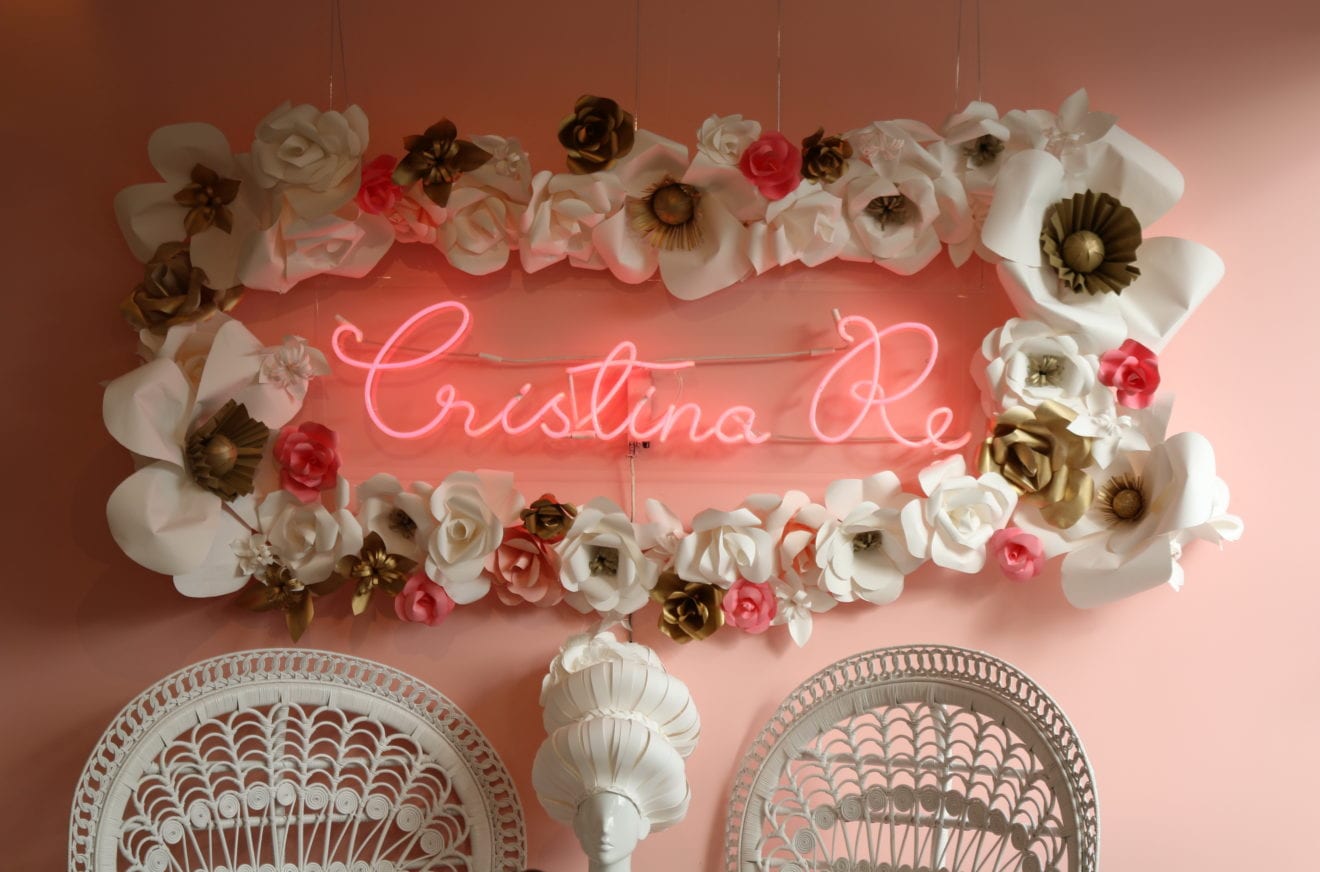
    Australian way of life model Cristina Re has opened its first stand alone Excessive Tea Salon and Boutique in Chengdu, China.

    The brand new retailer is situated on the just lately opened Taikoo Li retail complicated in Chengdu an opulent new mall which units a brand new commonplace in purchasing and eating within the metropolis.

    Taikoo Li presents a variety of luxurious manufacturers in a single luxurious complicated whereas sustaining the quaint really feel of a boutique lined aspect road. Luxurious tenants within the centre promise to impress with flagship shops from Gucci, Cartier, Hermès, and Jimmy Choo, amongst others. No expense has been spared within the complicated match out of Taikoo Li which targets the town’s rising center class.

    Cristina Re says she selected Chengdu for the tea salon idea’s debut as a result of it’s considered one of China’s quickest rising markets for luxurious items.

    “Residents of Chengdu have a robust want for western labels and to immerse themselves in  Western tradition.”

    The brand new retailer options the newest in excessive finish structure and inside design, the results of an in depth collaboration between Cristina Re and the designers who sought to create a sense of “atmosphere and splendor”.

    The salon options white marble flooring, bronze and copper fitouts, bespoke white leather-based furnishings and an opulent outside courtyard invoking a sensation of indoor/outside dwelling suited to the hotter local weather.

    Cristina’s trademark aesthetic of making an expensive and  indulgent excessive tea expertise has been prolonged inside the retailer to incorporate a full à la carte menu ready by a well-known worldwide chef from Hong Kong and that includes a fusion of Japanese and Western delicacies with natural produce sourced from around the globe.

    The model says an in depth cocktail and Champagne supply will attraction to the extremely social and classy Chengdu crowd.

    The Cristina Re retailer in Taikoo Li is the primary in a “multifaceted retail technique” the corporate is planning for China together with additional enlargement all through Asia within the  coming two years.

    In Australia, Cristina Re is understood for her signature and opulent trendy patterns and  female type executed throughout a various product vary from stationery to house decor in a mess of boutiques all over the world.

    Increasing the Cristina Re Model into China is a big transfer for the label that started over 20 years in the past and presently provides greater than 1000 wholesalers.

  • Chinese language thirst for funding wine insatiable

    Chinese language thirst for funding wine insatiable

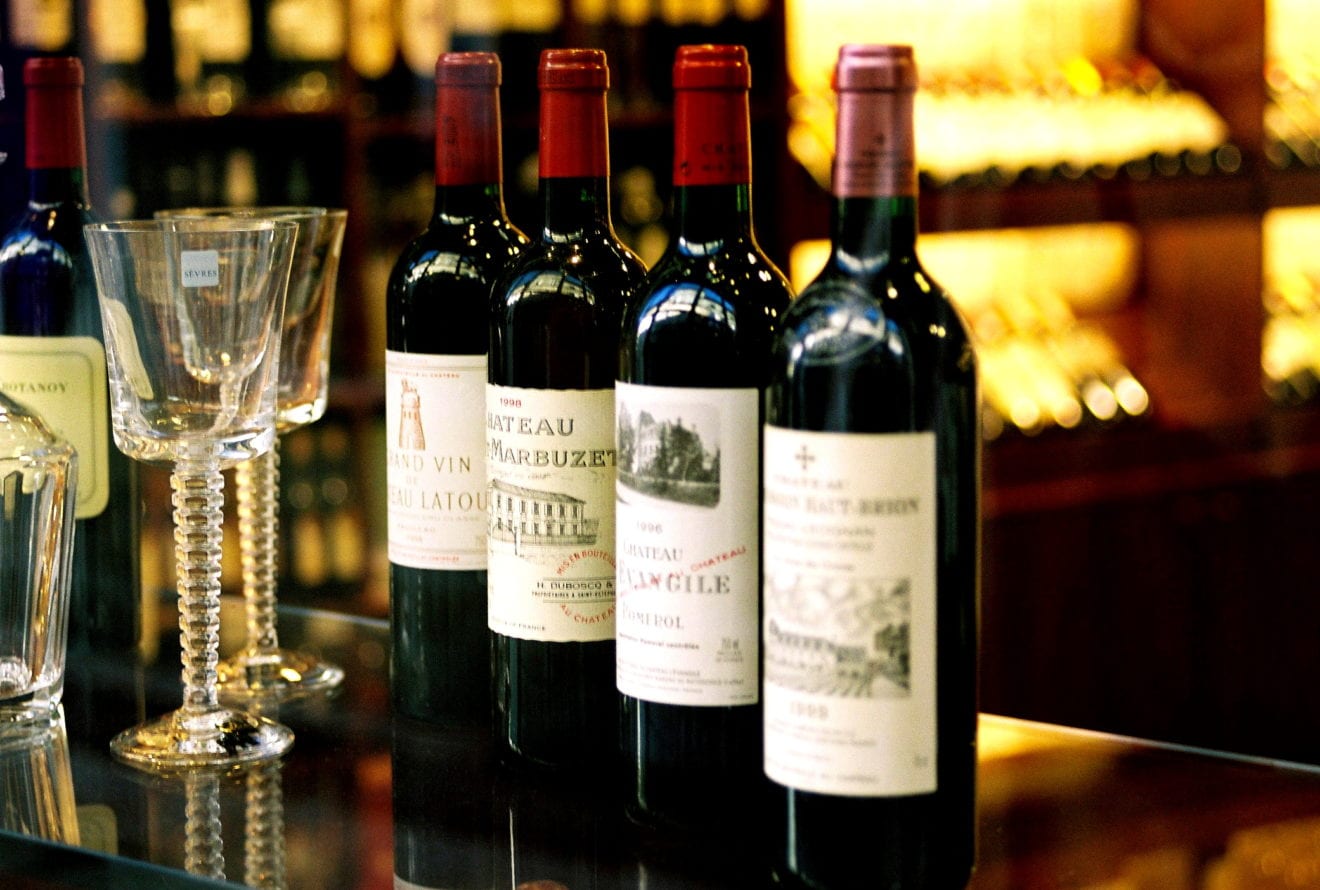
    Acker Merrall & Condit, the world’s largest wine auctioneer, says consumers from Hong Kong, China Macau and Taiwan accounted for greater than 48 per cent of worldwide gross sales by worth within the final yr.

    “Their urge for food for the best wines stays robust,” the corporate says.

    Acker Merrall has just lately developed a brand new format, ‘Connoisseur’s Membership’ reside public sale in Hong Kong, which is simulcast in Beijing, Shanghai and Taipei. It has additionally unveiled a brand new cellular App permitting clients to bid whereas on the transfer, and runs month-to-month internet-only auctions in Hong Kong.

    These improvements, squarely aimed toward Asian collectors, helped Acker Merrall shut the primary half of the 2015 wine public sale season with over US$40 million in income, setting 750 new world data, of which greater than two-thirds have been Burgundy.

    “What being primary once more in each the US and Hong Kong markets actually means is that the World’s Prime Collectors proceed to decide on Acker Merrall,” stated chairman John Kapon.

    “We work onerous, and we play onerous, too. We’re wine lovers initially, and we’re very grateful to share our love with probably the most passionate collectors all over the world, a world that continues to develop with every new day.”

    In tons, or quantity of wine moderately than worth, the US nonetheless accounts for 61 per cent of the corporate’s gross sales, and 41 per cent of the worth.

    “The web public sale enterprise skews the info a bit on the subject of the variety of tons, since that enterprise is rather more developed in America, and since we simply began them right here in Hong Kong,” stated Kapon.

    “However it does present that America is shopping for extra A to Z, accumulating extra wines and getting stronger usually. It additionally exhibits how a lot potential stays within the Far East. China continues to be actually in its improvement levels but continues to spend probably the most cash.

    “With 4 new stay auctions and month-to-month web auctions added this yr in Hong Kong, together with simulcasts in three new main (and thirsty) cities, Higher China stays an thrilling and critically necessary market.”

  • Hong Kong retail gross sales stabilise

    Hong Kong retail gross sales stabilise

    Authorities figures for Hong Kong retail gross sales in Might recommend the worst of the tumult seems to be over.

    The whole worth of retail gross sales in Might 2015, provisionally estimated at HK$39 billion, edged down by zero.1 per cent in contrast with the identical month in 2014. The revised estimate of the worth of complete retail gross sales in April 2015 decreased by 2.1 per cent in contrast with a yr earlier.

    For the primary 5 months of 2015, the worth of complete retail gross sales decreased by 1.eight per cent in contrast with the identical interval in 2014. As earlier reported, complete gross sales for the primary three months fell 2.three per cent.

    Higher but: After netting out the impact of worth modifications over the identical interval, the quantity of complete retail gross sales in Might 2015 elevated by four.6 per cent over a yr earlier. And for the primary 5 months of 2015, complete retail gross sales elevated by 1.three per cent.

    As anticipated, gross sales of jewelry, watches and clocks fell – by 14.9 per cent. Attire gross sales have been down simply 1.9 per cent.

    Division retailer gross sales rose 7.6 per cent and electrical items and photographic gear by 14.6 per cent.

    A authorities spokesman stated the figures confirmed relative enchancment in Might.

    “However, the drag from the slowdown in vacationer spending remained notable, because the gross sales of jewelry, watches and clocks, and helpful presents continued to register a double-digit yr on yr decline.

    “The near-term outlook for retail gross sales will nonetheless rely a lot on the efficiency of inbound tourism. But, the secure job and revenue circumstances ought to render some help to native shopper sentiment.”

  • Denmark’s Infinite Jewellery make Asian debut

    Denmark’s Infinite Jewellery make Asian debut

    Denmark’s Countless Jewellery has made its Asian debut, opening its first retailer in Taiwan.

    The opening marks Infinite Jewellery’s fourth continent and 23rd worldwide market. Earlier in June it opened its first retailer in Estonia.

    Its merchandise at the moment are out there in additional than 3500 shops worldwide.

    A grand opening occasion within the Taipei retailer was attended by invited friends from China, Hong Kong, Malaysia and Singapore – maybe giving an perception into the model’s subsequent Asian goal markets.

    Countless Jewellery founder Jesper Nielsen stated the opening week buzz surrounding the brand new Taipei retailer proves its designs and model really have international attraction.

    “Each single day we’ve seen a line of consumers inside and out of doors the shop, and regardless that our native administration anticipated this, it’s been a extremely constructive expertise for myself and the European group.”

    Infinite Jewellery plans 15 shops in Taiwan in “prime places in main cities”.

    CEO of Nice China area, Michael Thomsen, stated that given Infinite Jewellery is totally new to the market, it’s going to take time to construct the model consciousness there.

    “By opening with the attendance of principally all media within the area – in addition to a number of the major celebrities – we now have already come a great distance. I anticipate we’ll attain US$5 million in gross sales within the first yr, which shall be an excellent begin for our Asian enterprise.”

  • China Jo-Jo surges forward on on-line progress

    China Jo-Jo surges forward on on-line progress

    China Jo-Jo Drugstores, the China-based retail and wholesale distributor of pharmaceutical and well being care merchandise via its personal on-line and retail pharmacies, has reported a fourth quarter income increase of 30.1 per cent and a $three.34 million revenue – overturning a $1 million loss for a similar interval a yr earlier.

    For the complete yr, the corporate elevated income by 16.2 per cent: its on-line pharmacy gross sales soared 96.eight per cent and retail gross sales by 21.7 per cent. Gross revenue elevated $6.7 million, or by 117.2 per cent and gross margin doubled. China Jo-Jo says its on-line success was as a result of a collection of on-line advertising efforts, increasing its presence on eCommerce platforms, like Taobao, JD.com and Amazon.com. The corporate additionally signed a service settlement with Alipay (China) to include Alipay’s on-line cost service into its e-stores.

    Lei Liu, chairman and CEO, stated: “We’re thrilled to shut out fiscal yr 2015 with a stellar fourth quarter efficiency.  Our official on-line pharmacy, skilled greater than 3 times income progress yr over yr because of our strategic partnership with China’s main Pharmacy Profit Administration (PBM) supplier and insurance coverage corporations. After virtually two years of restructure of which our administration has shifted focuses and assets to larger progress and excessive margin market phase, we consider FY 2015 was a serious turning level for China Jo-Jo.

    “We not solely achieved chance after the final two years’ main losses, but in addition regained the belief of our loyal clients and shareholders.

    “As we speed up our progress into 2016 and past, we consider our eCommerce gross sales will at some point surpass the gross sales from our conventional offline pharmacy enterprise. By leveraging our on-line presence, China Jo-Jo goals to turn out to be a nationally recognised pharmacy chain and a number one participant within the on-line drugstore marketspace in China,” Lei Liu stated.

  • King Fook blames protesters for purple ink

    King Fook blames protesters for purple ink

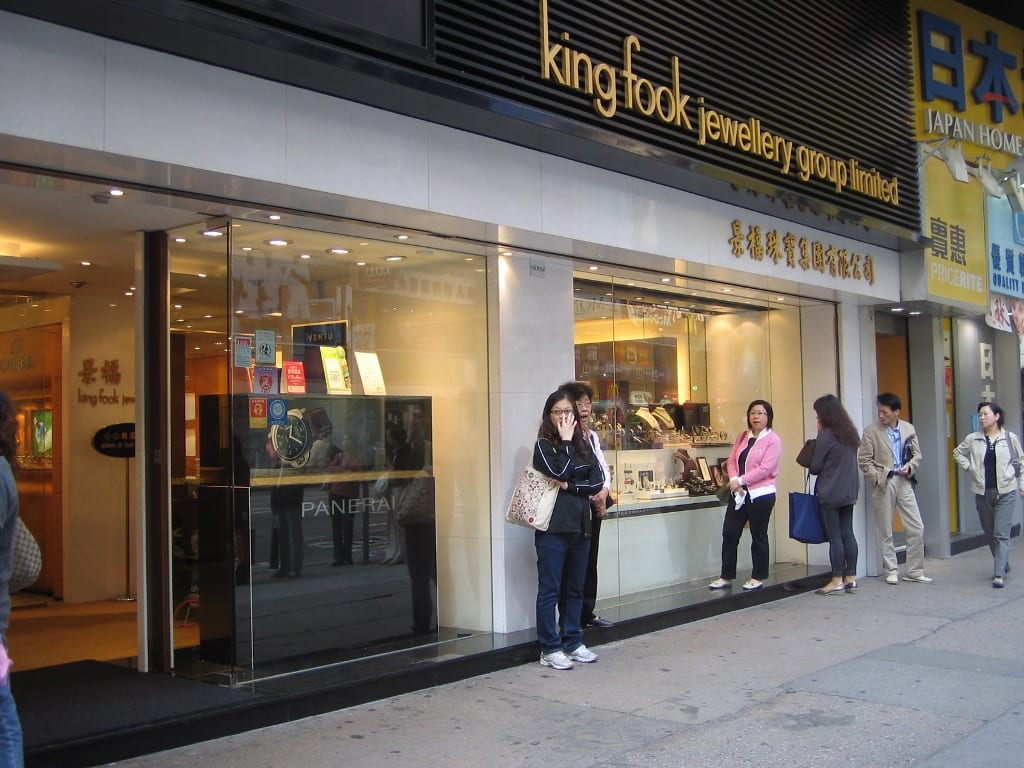
    Luxurious jeweller King Fook says it misplaced $149.25 million within the yr to March 31, blaming the Occupy Central protest motion and the decline in cashed up Mainland buyers.

    The group’s turnover from its retail enterprise plunged 27.eight per cent to $817.6 million (from $1.13 billion the earlier yr) “following the overall decline of the Hong Kong luxurious items retail market”.

    As the corporate discounted inventory to extend gross sales, its gross revenue margin fell from 23.7 per cent to 20.9 per cent.

    It closed or downsized 5 underperforming shops to consolidate its flooring area.

    In its submitting, King Fook stated the spending of vacationers from Mainland China was adversely affected by the Chinese language Authorities’s anti extravagance marketing campaign, which in flip critically affected the posh items retail market.

    “Furthermore, native consumption sentiment was negatively impacted by the outbreak of the Occupy Central protests through the interval from September to December 2014.

    “The Hong Kong luxurious items retail market has not recovered because the outbreak of Occupy Central and has additional deteriorated by weakened consumption patterns and deceased spending of vacationers from Mainland China. The group expects the sluggish market circumstances will proceed and the problem to the posh items retail market is extreme.”

    It says it can “improve its competitiveness by cautiously reviewing and adjusting its retailer places, working prices and product combine in order to raised tackle the altering vacationers’ wants and the native market”.

    The corporate expects lease reductions within the yr forward reflecting the slowdown of the posh items retail market.

    It should additionally develop a web-based platform in order to not miss out on the development in the direction of on-line buying. It hopes a web-based presence will direct web customers to go to the group’s bodily shops.

  • GigaMedia snaps up StrawberryNet.com

    GigaMedia snaps up StrawberryNet.com

    Taiwan’s GigaMedia, a web-based video games and computing providers supplier, is to purchase 70 per cent  of worldwide eCommerce cosmetics retailer Strawberry Cosmetics.

    Taipei-based, Singapore-listed GigaMedia can pay about US$93.1 million for the stake.

    Strawberry Cosmetics owns and operates the web site StrawberryNET.com and the associated cellular software. It has a complete gross sales and distribution community masking main nations worldwide, with growing enterprise in Asia, is translated into 38 languages and has a worldwide buyer base of greater than three million.

    Strawberry Cosmetics has additionally established a worldwide sourcing community of a complete vary of magnificence merchandise with greater than 700 manufacturers and 30,000 SKUs.

    During the last 4 years the web site has achieved annual gross sales exceeding $200 million, largely in Oceania, the US and Europe.

    GigaMedia believes Strawberrynet.com has vital progress potential in Asia.

    “As Strawberry Cosmetics is a longtime and confirmed eCommerce platform with an present buyer base, the corporate is of the view that the transaction would assist diversify the corporate’s general enterprise dangers and broaden the corporate’s enterprise portfolio within the web and know-how sector and permit the corporate to faucet into the quick rising magnificence and cosmetics eCommerce market,” GigaMedia stated in a press release.

    It sees potential vital synergies from leveraging its IT, on-line and offline advertising, in addition to its native connections in numerous Asian nations together with China, Japan and South Korea.

    GigaMedia’s on-line video games enterprise is an progressive chief in Asia with rising recreation improvement, distribution and operation capabilities, in addition to platform providers for video games; focus is on cellular video games and social on line casino video games. The Firm’s cloud computing enterprise is concentrated on offering enterprises in Higher China with essential communications providers and IT options that improve flexibility, effectivity and competitiveness.

  • Tonymoly China launch marks big’s subsequent international leap

    Tonymoly China launch marks big’s subsequent international leap

    South Korean beauty maker Tonymoly says it’ll increase its funding in China after a market debut subsequent month, to faucet deeper into the fast-growing magnificence market.

    Tonymoly, Korea’s seventh-largest beauty model by 2014 gross sales, has posted double-digit progress since its institution in 2006 and has about 1800 outlets in 20 nations, together with Hong Kong, the US and Russia.

    Buoyed by strong gross sales, Tonymoly China is getting ready for its debut on July 10, pledging to broaden funding in China driving the ‘Okay-beauty growth’.

    “China has an enormous progress potential. We’ll maximise the expansion potential by immediately getting into the Chinese language market, which has turn out to be the corporate’s second home market,” CFO Hong Hyun-ki stated in a briefing.

    “We’ll construct factories in China to supply quite a lot of beauty manufacturers and open model outlets throughout the nation utilizing the fund from the general public providing.”

    Tonymoly logged 305.2 billion gained (US$275.four million) in gross sales final yr, with 11.four per cent coming from obligation free outlets and shops in Myeongdong, which closely depend on Chinese language shoppers.

    Tonymoly has provided to promote its shares between 26,400 gained and 30,200 gained per share, which might increase between 77.6 billion gained and 88.eight billion.

    A rising variety of Korean beauty companies are eyeing the worldwide market because the home market has turn into saturated and progress has been slowed resulting from fierce competitors and rising advertising prices.

    Whereas native companies discover it more durable to enter European and American markets, they’ve gained big reputation amongst Chinese language shoppers who love Okay-pop stars and are wanting to mimic their types.

    China’s cosmetics market is the world’s third-biggest market value $26 billion a yr, international market researcher Euromonitor stated, anticipating it should develop eight per cent annually from now to 2017.

  • Sa Sa gross sales up, revenue trimmed

    Sa Sa gross sales up, revenue trimmed

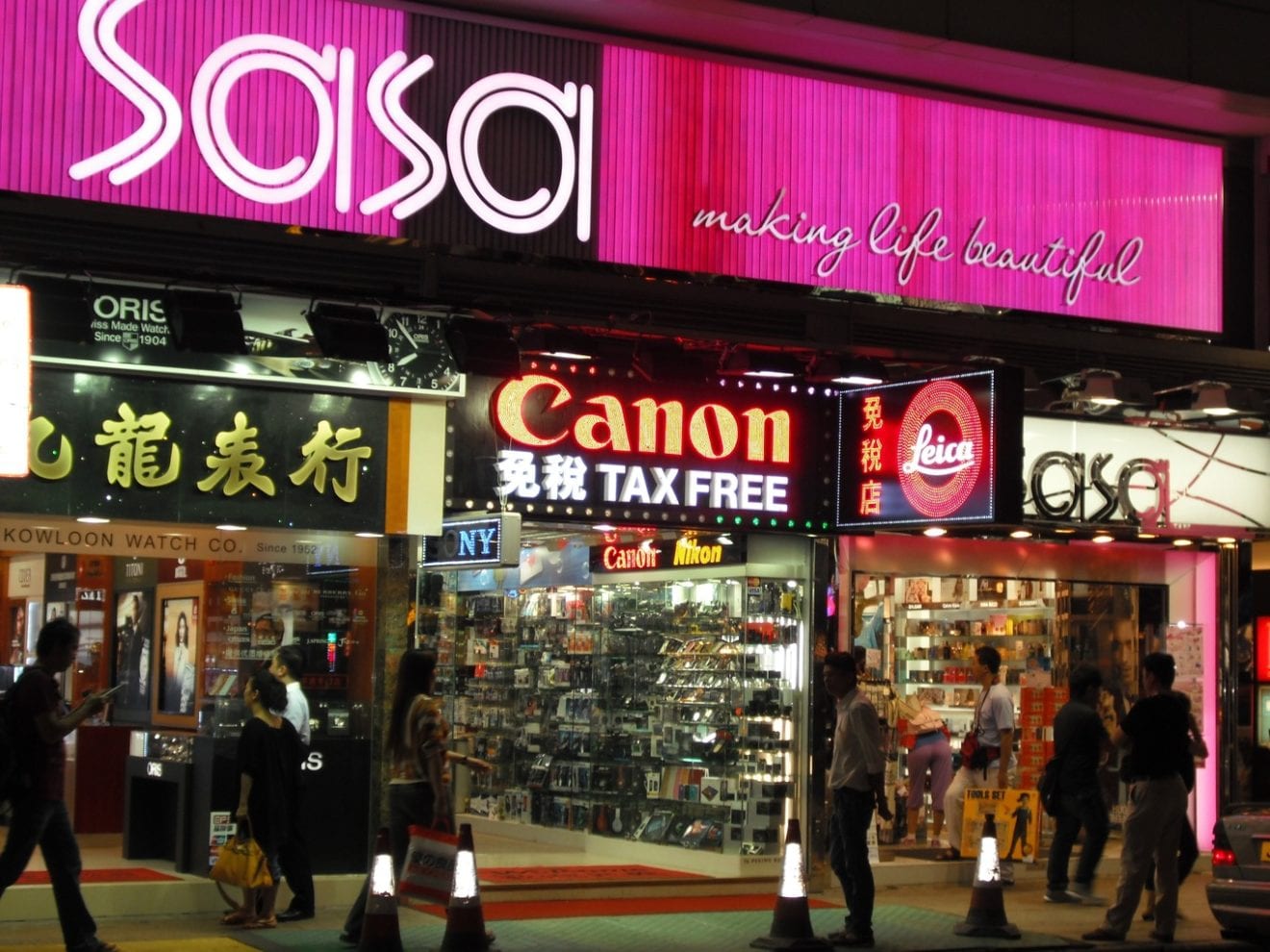
    Hong Kong-based magnificence merchandise retailer Sa Sa has elevated gross sales regardless of the home market challenges.

    The group’s complete turnover elevated by 2.7 per cent from HK$eight.756 billion to HK$eight.993 billion within the yr to March 31.

    Retail gross sales in Hong Kong and Macau elevated by three.three per cent to HK$7.259 billion. However revenue slipped 10.three per cent to HK$838.eight million.

    The high-profile chain added a internet seven shops through the yr taking its community to 287, including only one in Hong Kong.

    In a telling signal of the problem dealing with Hong Kong retailers, because the demographic profile of Mainland Chinese language guests modifications, the variety of transactions in Hong Kong and Macau shops rose by 6.eight per cent, however the common ticket worth fell three.three per cent.

    “To put these figures in context, the variety of transactions of Mainland China vacationers elevated by 17.four per cent, whereas common gross sales worth per ticket decreased by 11.three per cent,” Sa Sa stated in its annual outcome.

    “The variety of transactions by native shoppers declined barely by 2.four per cent with a mean spending improve of four.three per cent. Briefly, gross sales progress for as soon as lagged behind the market.”

    In 2014, Mainland vacationer arrivals rose by a gentle 16 per cent. Similar day customer arrivals have been nonetheless the main engine of progress with a rise of 19.1 per cent, elevating gross sales in non-tourist areas, notably within the New Territories close to the border with the remainder of China.

    “Nevertheless, this was offset by an 11.three per cent drop within the common ticket gross sales of Mainland vacationer clients, which in flip was attributable to the weaker buying energy of vacationers originating from decrease tier cities and having much less spending functionality. One other issue was the growing demand for lower cost level merchandise, similar to Korean merchandise, which nonetheless diluted gross sales progress though driving retailer visitors.”

    Sa Sa stated, as well as, there was a better gross sales combine from day trippers whose spending is usually decrease than in a single day vacationers.

    “The change in consumption patterns was additional exacerbated by the rise of cross border eCommerce, which facilitated a lot quicker market penetration of cheaper and quick to market Korean merchandise with ideas which might be nicely appreciated by Asians, and particularly the more and more prosperous Chinese language shoppers.”

    Whereas Sa Sa reported 10.2 per cent retail gross sales progress within the first half of the fiscal yr, gross sales have been dragged by weaker shopper sentiment within the second half. Gross sales progress slowed within the third quarter and additional deteriorated within the fourth quarter with March 2015 being particularly weak due to anti-parallel items merchants incidents in residential areas, turning an in any other case constructive January to February two months’ interval into destructive territory for the fourth quarter.

    “As well as, the appreciation of the US greenback and the relative power of the Renminbi and Hong

    Kong greenback inspired extra Mainland vacationers to journey to markets with weaker currencies resembling Europe and South Korea. The relief of visa insurance policies by different nations strengthened their

    attractiveness to Mainland vacationers, whereas robust outbound travelling led to weaker native spending.”

    Sa Sa stated the Occupy Motion and anti-parallel items merchants incidents in Hong Kong broken Hong Kong’s profile and discouraged vacationers whereas additionally inflicting a drop in gross sales to native clients.

    Sa Sa’s general gross revenue margin dropped from 46.6 per cent to 44.eight per cent resulting from extra promotions being launched to drive gross sales in a slower market.