Tag: China

  • Zara Xidan Pleasure Metropolis reopens

    Zara Xidan Pleasure Metropolis reopens

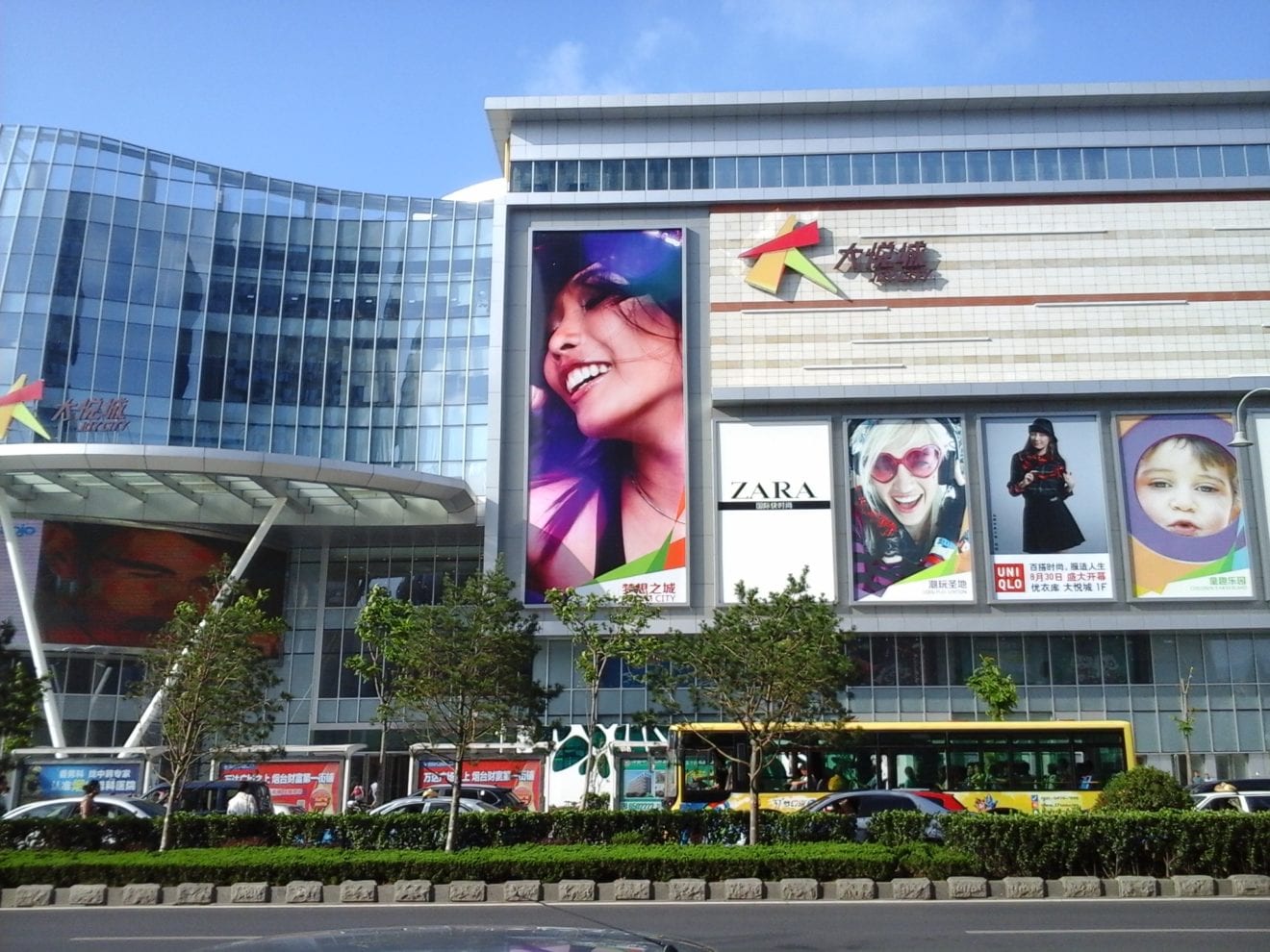
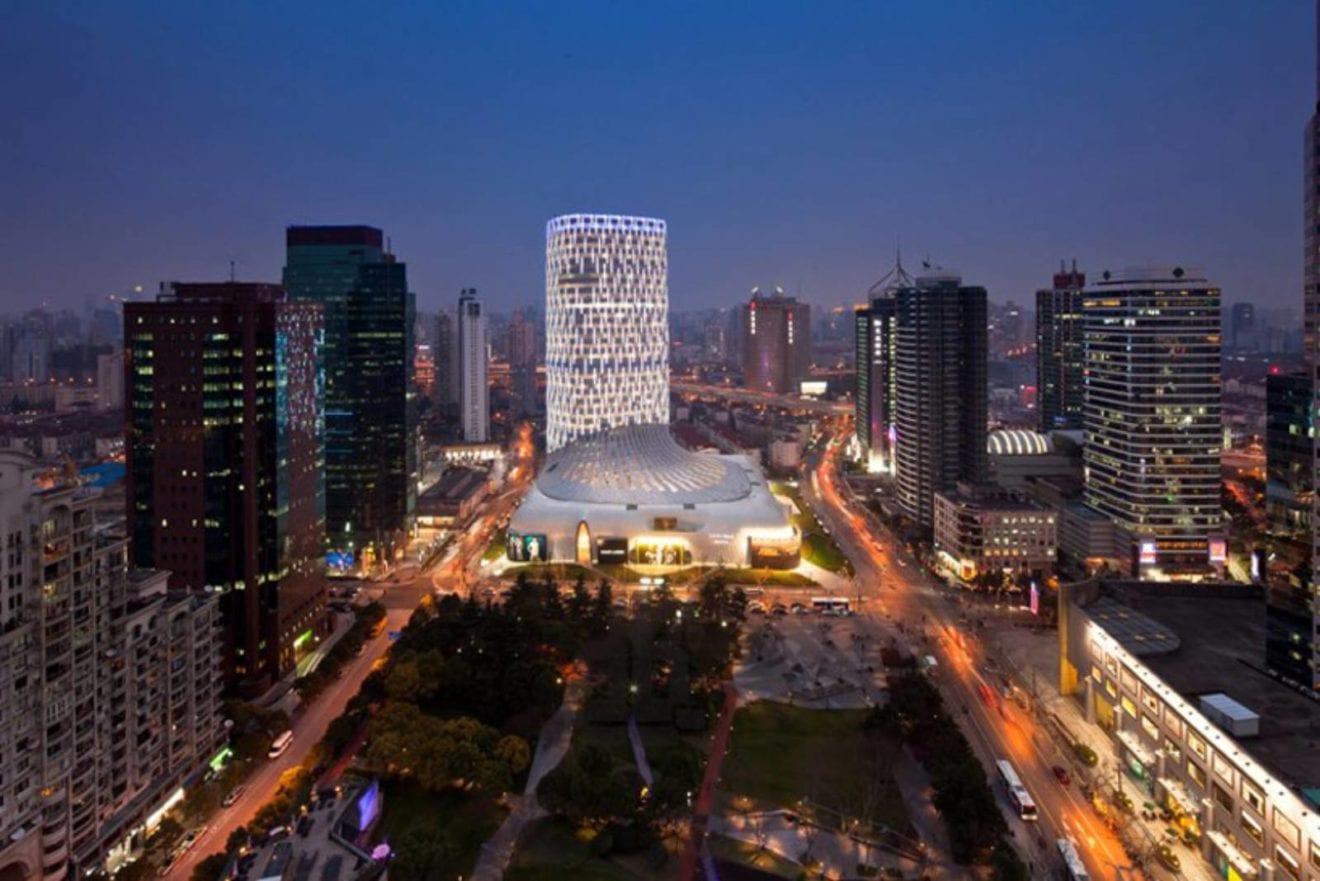
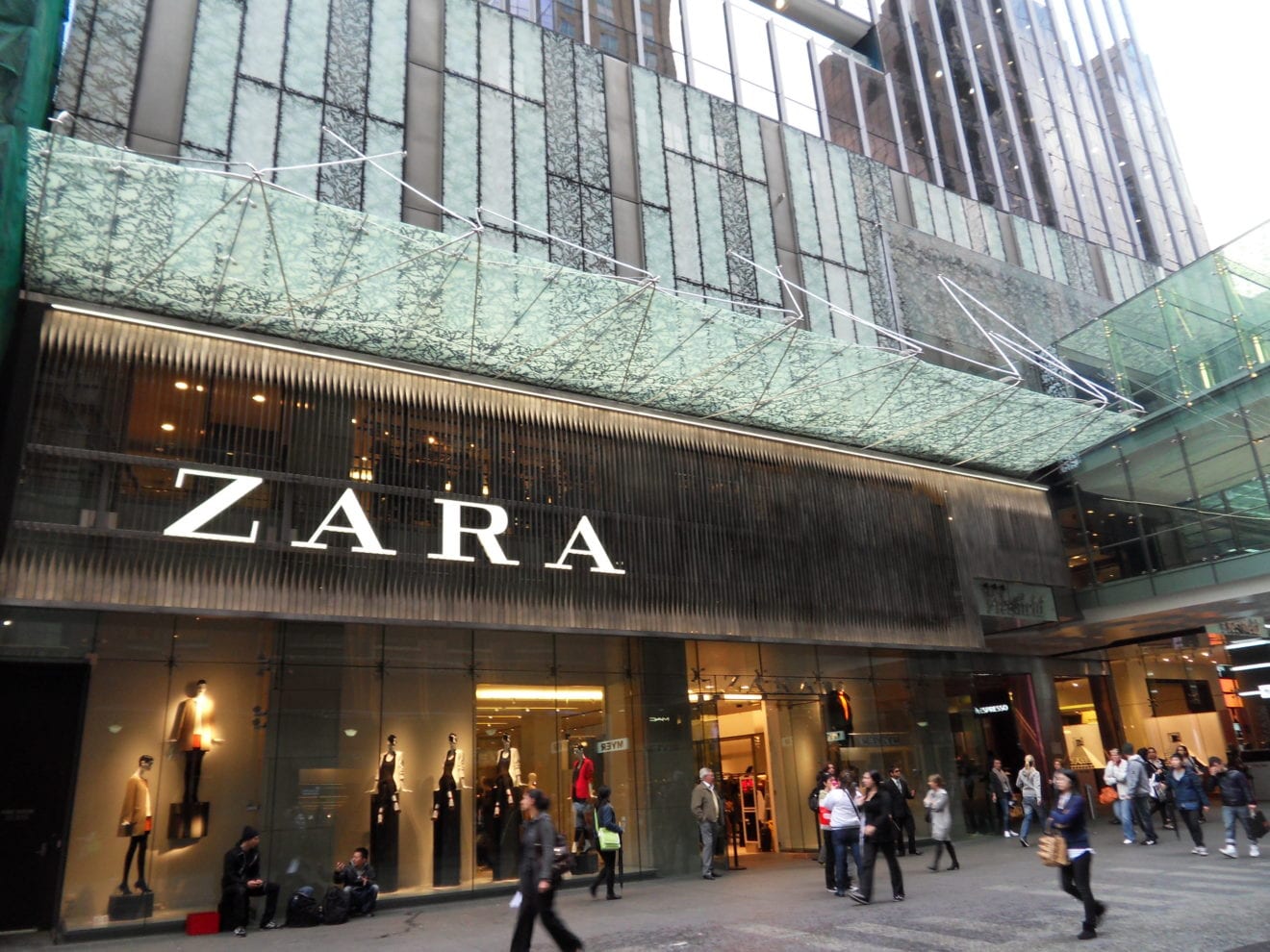
    Pleasure Metropolis Property says Zara, an anchor tenant in its Xidan Pleasure Metropolis mall, has reopened its renovated and expanded retailer.

    The brand new Zara Xidan Pleasure Metropolis retailer is 1800 sqm, 700 sqm than the earlier store.

    On its reopening day it set a brand new single-day gross sales report by a single retailer, with income of RMB 1.05 million. Pleasure Metropolis Property says this makes it Zara’s prime ranked retailer in Asia. Gross sales on the next day after the reopening nonetheless made the shop rank among the many greatest within the Asian markets.

    The renovated and expanded Zara Retailer has eye catching floor-to-ceiling show window and Pleasure Metropolis says the robust efficiency upon reopening is testimony to the property developer’s technique Boosting Foot Visitors, which enhances the retail shops’ advertising efforts for mutual advantages.

    It additionally marks a milestone that displays Zara father or mother Inditex Group’s dedication to sustainable improvement. In contrast with a standard shopping center, Xidan Pleasure Metropolis says it is ready to assist its tenants’ shops scale back energy consumption by 30 per cent with its environmental safety and energy-saving measures for sustainable improvement.

    Hong Kong listed Pleasure Metropolis Property operates motels and retail amenities in China.

  • Alibaba groups with Shanghai Media Group

    Alibaba groups with Shanghai Media Group

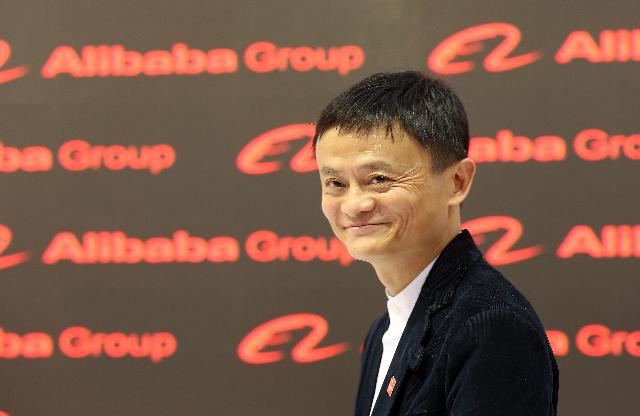
    Alibaba Group has signed a strategic settlement with Shanghai Media Group to leverage each corporations’ Web know-how and media assets to penetrate China’s monetary info providers business.

    As a part of the settlement, Alibaba Group intends to take a position RMB1.2 billion (US$193.6 million) into China Enterprise News (CBN), a number one Chinese language monetary media firm underneath SMG, to create a monetary knowledge and knowledge providers firm that may assist Chinese language small and medium enterprises faucet a wealthy mine of monetary knowledge.

    Through the use of Alibaba Group’s huge knowledge and cloud computing capabilities, each corporations will collectively develop a complete monetary knowledge and knowledge platform that may present customers with well timed monetary information and knowledge with a view to improve their funding and monetary decision-making capabilities.

    The goal of this platform is to boost the bar on enterprise effectivity in China by leveling the knowledge enjoying area. By giving a higher variety of Chinese language enterprises entry to valuable monetary knowledge that may be simply mined and analysed for actionable funding and enterprise selections, this platform is predicted to assist these enterprises scale and broaden their companies.

    At present, Alipay and CBN are collaborating to offer customers with inventory quote info and CBN’s wealth administration info product may even quickly launch on Cellular Taobao. Alipay is a part of Ant Monetary Providers Group, a associated get together of Alibaba Group. Alibaba Group and SMG may also work towards enhancing digital and conventional media convergence within the business via the launch of progressive new media merchandise for the market.

    “The period of Knowledge Know-how is right here and it’ll surpass the Info Know-how period. The DT period is about transparency, sharing of data and enabling others. Alibaba is happy concerning the prospects of the DT period and the way it can deliver worth to society,” stated Alibaba Group founder and government chairman Jack Ma.

    This strategic settlement with SMG is predicted to assist Alibaba Group develop DT-era services to complement the lives of Chinese language customers, be it in academia, enterprise or media sectors.

    Via this tie-up, CBN is well-poised to increase its monetary media info providers and proceed to innovate in China’s conventional monetary media business. CBN is China’s main monetary media group with quite a lot of media belongings, comparable to tv, radio, newspaper, journal and information businesses.

  • King Child China opens second retailer

    King Child China opens second retailer

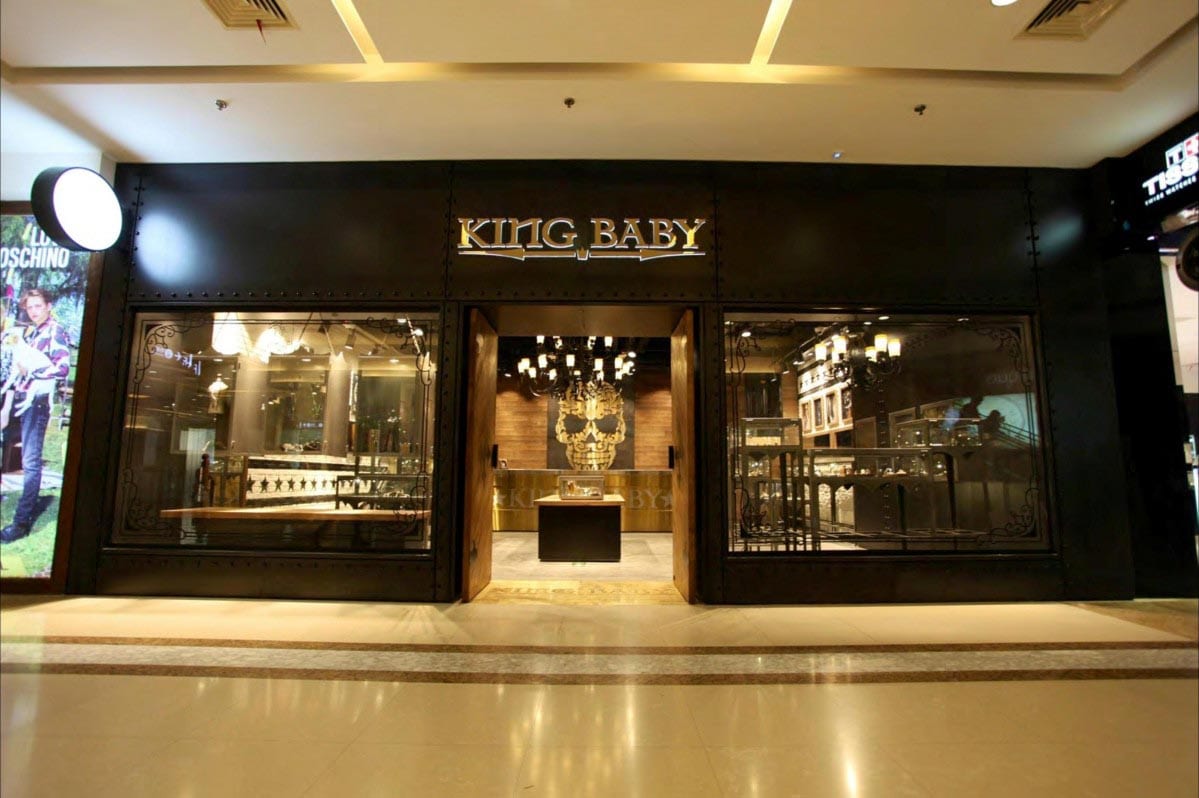
    Jeweller King Child has opened its second retailer in China, exporting ‘handmade within the USA’ merchandise to China.

    The brand new King Child China retailer, on the Village at Sanlitun in Beijing, is its second within the Chinese language Capital and was opened in partnership with The Retail Group, owned by Cy Ching.

    The Village at Sanlitun is an open-air 19-building purchasing complicated, totally different from the traditional enclosed air-conditioned business developments throughout Asia. With courtyards influenced by the Beijing of yesteryear, in addition to trendy items and designs by modern artists, the vibe attracts trendy Beijingers in addition to vacationers all over the world.

    King Child is situated proper subsequent door to Apple, guaranteeing excessive foot visitors previous the brand new area.

    “King Child believes in reworking the anticipated into one thing new, bringing distinctive particulars to artisan merchandise,” says founder Mitchell Binder.

    “We consider that high quality, custom, and ‘Made within the USA’ are value their weight in gold.”

    Binder describes Cy Ching as one of many few worldwide retailers that understands the significance of constructing a life-style model.

    “This partnership has opened quite a few avenues for us for to develop as an organization in lots of classes. There’s a want out there for ‘Made within the USA’ merchandise that mirror a life-style and may ship longevity within the worldwide retail market,” says Binder.

    The gathering captures the spirit of Americana with rock n’ roll intercourse attraction and consists of sterling silver pendants, beaded bracelets, earrings, and equipment detailed with fossilised mammoth ivory, regionally mined jet and turquoise.

    “This collaboration brings an genuine USA way of life model to the Chinese language shopper and new tendencies to the Chinese language jewellery market,” says The Retail Group .

    Los Angeles-based King Child designs, markets and sells premium artisan jewelry. The gathering consists of males’s and ladies’s sterling silver and gold pendants, bracelets, earrings, and equipment. The corporate has retail shops in Santa Monica, Nashville and Las Vegas and distributes merchandise to upmarket malls and boutiques, together with, Saks Fifth Avenue, Harvey Nichols, and Kitson.

    Outdoors the US, merchandise are bought instantly and thru distributors to raised department shops and boutiques in China, Japan, Canada, Germany, the UK France, Russia, Switzerland and Austria.

    The Retail Group has seven workplaces in China overseeing G Star Uncooked, with 200 retail shops, 60 self-operated shops in seven main cities, inlcuding a flagship at 344 Huai Huai Rd in Shanghai, in Occasions Sq. Hong Kong and at The Venetian Macau.

  • Hong Kong retail gross sales slide eases

    Hong Kong retail gross sales slide eases

    Hong Kong retail gross sales in April slipped 2.2 per cent on a yr on yr foundation, proof that the decline in retail spending is stabilising.

    The Census and Statistics Division (C&SD) says the entire worth of retail gross sales in April 2015 is provisionally estimated at $38 billion. For the primary 4 months of 2015 taken collectively, complete retail gross sales decreased by 2.three per cent in worth in contrast with the identical interval in 2014.

    And after netting out the impact of worth modifications over the identical interval, the quantity of complete retail gross sales in April 2015 elevated by 2.four per cent over a yr earlier. The revised estimate of the quantity of complete retail gross sales in March 2015 elevated by zero.eight per cent and for the primary 4 months of 2015 taken collectively, complete gross sales elevated by zero.5 per cent in quantity in contrast.

    Retail gross sales efficiency remained subdued in April, primarily dragged by the marked fall within the gross sales of jewelry, watches and clocks and helpful presents, largely reflecting weaker customer spending on big-ticket gadgets. A authorities spokesman stated many different gadgets additionally confirmed sluggish gross sales efficiency.

    “But, shops promoting sure shopper sturdy items continued to register notable progress in gross sales and offered some buffer, primarily helped by the launch of sure smartphone fashions,” he stated.

    “The near-term retail gross sales efficiency will proceed to hinge on inbound tourism progress, though the secure labour market circumstances ought to render help to native shopper sentiment. We have to monitor intently whether or not the current slowdown in retail enterprise, in addition to the varied uncertainties within the exterior surroundings, would have an effect on the native financial system and job creation down the street.

    Jewelry, watches and clocks, and worthwhile presents gross sales decreased by an enormous 19.5 per cent in April in comparison with April 2014.

    Different declining classes have been attire (down 5.9 per cent in worth); commodities in supermarkets (down zero.9 per cent); medicines and cosmetics (down three per cent); commodities in malls (down three.6 per cent); different shopper items, not elsewhere categorised (down three.7 per cent); fuels (down 12.eight per cent); footwear and equipment (down three per cent); Chinese language medicine and herbs (down 7.7 per cent); and optical outlets (down zero.eight per cent).

    In distinction, the worth of gross sales of meals, alcoholic drinks and tobacco elevated by four.2 per cent in April. This was adopted by gross sales of electrical items and photographic gear (up eight.6 per cent in worth); miscellaneous shopper sturdy items (up 97.9 per cent); books, newspapers, stationery and presents (up four.1 per cent); and furnishings and fixtures (up zero.7 per cent).

    (Notice: these classes are listed in descending order of complete worth of gross sales; IE: the dimensions of the class).

    Extra detailed statistics are given within the Report on Month-to-month Survey of Retail Gross sales which could be downloaded free on the C&SD web site.

  • China PE investor buys Ports

    China PE investor buys Ports

    Chinese language personal fairness firm Oriental Fortune has agreed to buy a 20 per cent stake in Hong Kong listed Ports HK.

    Ports HK is the subsidiary of Ports BVI which owns considerably all the group’s present trend and attire enterprise and is looking for to exit the attire and style enterprise.

    A Framework Settlement signed by each events offers for Oriental Fortune to introduce an unbiased third celebration purchaser to accumulate the remaining 80 per cent 90 days after the primary deal is settled.

    The 20 per cent stake will carry a money worth of HK$600 million (US$77.35 million).

    Ports plans to make use of the proceeds from the 20 per cent sale for funding in “associated sectors of the PRC financial system”.

    At this stage, no legally binding settlement has been reached relating to acquisitions, and Ports BVI says it’ll make additional bulletins referring to reinvestment later.

    Ports BVI is at present managed by personal fairness group Blackstone, CFS and PIEL who, mixed, maintain 79.three per cent, and have agreed to the sale.

    The seller says administration think about the longer term prospects of the normal style and attire enterprise are “troublesome and difficult”, mirrored within the downward development within the firm’s monetary efficiency over the previous few years.

    “The downward development has been brought on by numerous elements, together with shoppers’ transfer from conventional retailing to web purchases and the macro political surroundings within the PRC,” Ports BVI stated.

    The corporate says shareholders’ pursuits can be higher served by the corporate reinvesting in different areas of the PRC financial system which give shareholders with a greater return.

  • China’s Internet focus lifts online spending

    China’s Internet focus lifts online spending

    In a strategy known as ‘Internet Plus’, China is integrating the Internet, big data and other technologies with traditional industries, like retail. This is boosting China’s already vast e-commerce market further. As the government looks to use the Internet to create more spending – and jobs.

    Denny Liu returned to Beijing after graduating from Wharton Business School in the United States.

    Last year, he and his wife set up Le Chun – or Le Pur, in English – selling yogurt, using only natural ingredients.

    Before opening a physical store, they shared their story and mission online.

    “That story actually went viral for a little bit and that got us our first 5,000 seed users. Who are all yogurt lovers.We didn’t know any good milk sources around Beijing, so we threw it to our community and said ‘do you guys know any good milk source around’ and about 10 people gave us leads. When we designed our logo and picked out the store location, we asked our followers,” Liu said.

    With 40,000 followers on WeChat, the Internet has played a key part in Le Chun’s success.

    In less than a year, the startup is making a profit.

    Most of their sales are online. Thanks to word of mouth, from social media fans.

    Now, the government is backing them too. With 100,000 yuan or roughly 15,000 dollars in funding. No strings attached.

    China wants consumer spending to be a central part of the economy. But malls like this one don’t exist in every city. So it’s supporting online stores to get more Chinese shopping.

    “Clothes, computer stuff, food. I buy about 80 percent of my things online,” Student Quan Jiujiu said.

    Retail expert, Professor Xiangdong Liu, says official data shows that last year, China’s online sales hit 2.79 trillion yuan. Taking 10 percent of its total spending.  And overtaking America’s.

    He says the government’s Internet focus will encourage e-commerce further.

    “The government will invest more in Internet infrastructure, cutting costs for surfing online. It’s also setting up pilot projects, to make Internet companies better, as well as encouraging companies to open online services, by providing subsidies and lower taxes. The government’s approach is first to let them mature, then unveil more policies to manage them,” Professor Liu said.

    This is changing brick-and-mortar giants, like electronics retailer, GOME. It launched its online store in 2011. Now with a mobile platform and App.

    But while their online options give customers a bargain, it’s been tough business.

    “10 percent of our sales are online. We predict GOME’s online consumers will grow faster, to exceed 20 percent in three years. Online customers pay more attention to price, so goods online have simpler functions and are cheaper. But since prices online are cheaper, many online businesses are making a loss,” Wang Junzhou, president of GOME Electrical Appliances Holding Ltd., said.

    While keeping costs down for niche retailers, like Le Chun. The Internet is proving costly for mainstream players.

    That’s likely to test China’s e-tail industry, in the years ahead.

  • China beef processor launches online store

    China beef processor launches online store

    Speaking during last week’s inaugural Beef Festival in Chongqing, China’s largest metropolis, Feng Jiyu, general manager of Hengdou Agriculture Co, which operates a beef processor of the same name, said the company had been establishing a nationwide network of warehouses which would allow it to deliver nationwide once the company’s website was set up.

    Hengdou, said Feng, had established a marketing headquarters in Beijing and branch offices in all the country’s key population belts, including northerly Shenyang but also the populous central province of Henan and the wealthy southern cities of Guangzhou and Shenzhen.

    The announcement about an own-name online retail operation came after Hengdou, in March, launched nine new packaged meat products, such as cooked liver, tripe and brisket, prepared in various Chinese styles and frozen for quick cooking. The firm already sells a range of frozen steaks and dried jerkies. These are retailed via key Chinese online sites such as Taobao.com, Tianmao.com and Jingdong.com. Hengdou sells 150g packaged frozen steaks online for RMB22 with five-steak packs selling for RMB178 on Jingdong.com, a food-focused online retailer.

    The firm gives consumers instructions on how to cook beef such as steaks in ‘Western’ ways: Chinese cooking tends to emphasise the use of stir-fried cubes of beef as well as clay-pot cooking of variety/offal cuts.

    According to Feng, Hengdou is keen to maximise online sales both of gift boxes and convenience snack products. But it is also looking to sell wines, olive oils and other high-margin imported food products which it currently markets in marketing material to educate customers on how to consume beef.

    “We will increase both our online and our offline presence,” Feng told journalists in Chongqing. Notably, the firm last month opened a brand-name store in Beijing’s fashionable Wangjing district. “It is vital to use offline stores to build brand recognition,” said Feng. His retail clients include Walmart, RT-Mart and Carrefour outlets in China.

    Traceability is a key marketing point for Feng, who said online customers would be drawn to the company’s ability to trace meat – all of which, Feng said, came from the company’s own 300,000 herd of Simmental and Chinese-native Luxi cattle, fed in feed-lots adjacent to company slaughtering facilities in northern and south-western China.

    Hengdou has seen online retail shake up China’s traditional retail market in the past few years, with consumers switching to frozen and convenience meals in a manner before unseen in China where wet markets – most without any refrigerated meat – and supermarkets have long dominated.

    Based in Sichuan, one of China’s fastest-growing regional economies, Hengdou stands to gain from rising beef consumption, according to Feng, who pointed to average per capita beef consumption of “5kg per capita in China compared to 45kg in developed countries”.

    Long-term, China has the potential to export branded beef products to Muslim and other countries, stated Liu Changde, head of the beef committee at the China Animal Husbandry Association (CAHA), a government body. CAHA and the Chongqing government teamed up with Hengdou to organise the Beef Festival, which saw demonstrations on how to cook beef as well as how to recognise “water-injected and fake beef” according to an invitation to the event sent to China-based journalists.

  • Starbucks baristas in China and Japan

    Starbucks baristas in China and Japan

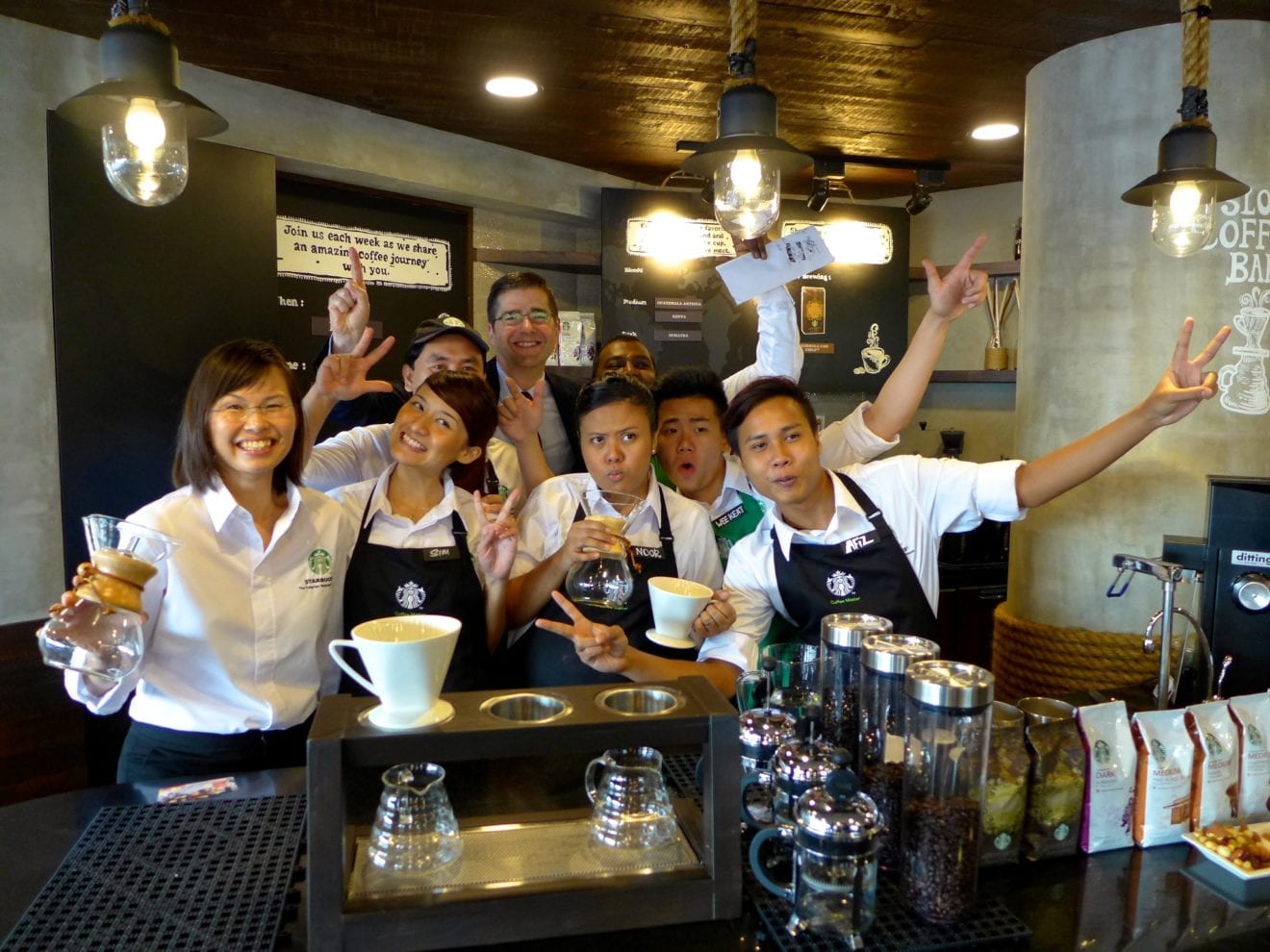
    From sourcing and roasting to crafting and innovating, Starbucks partners (employees) are passionate about brewing and handcrafting the world’s best coffee beverages. Starbucks baristas in China and Japan recently celebrated coffee artistry through competitions in pour-over brewing and latte art.

    The Starbucks coffee journey began in Asia nearly 20 years ago, with the company’s first store outside of North America opening in Tokyo in 1996, followed later in 1999 with the first store at the Beijing World Trade Centre. It started with the introduction of a cup of fresh-brewed coffee, followed by educating customers on the joy and indulgence of enjoying a handcrafted cup of espresso beverage, such as the Café Latte and Café Mocha.

    Today, customers in Japan and China have even more ways to enjoy their favorite cup of Starbucks coffee – through pour-over brewing or latte art – at more than 1,000 stores and more than 1,600 stores in Japan and China, respectively.

    Craftsmanship and Artistry in Each Cup of Starbucks Coffee

    “Every cup of Starbucks coffee, whether it’s our fresh brew or an espresso beverage, starts with sourcing the finest coffees from around the world. By extending our offerings to include the pour-over and latte art, we are showcasing these quality ingredients in a full-flavored coffee beverage,” said Belinda Wong, president, Starbucks China.  “More significantly, the craftsmanship and artistry that goes into each cup of Starbucks pour-over or latte art is highlighted in an exceptional way. We are excited to share this experience with our customers in China.”

    Most recently, Starbucks wrapped up the final event of its Starbuck China Third Annual Latte Art Throwdown Tour and Second Annual Pour-Over Competition, which covered six cities, including Shenzhen, Guangzhou, Xian, Beijing, Tianjin and Shanghai. A total of 79 Starbucks China baristas competed in the competitions.

    The idea of the tour and competitions began about three years ago as a way to build excitement and momentum around the launch of latte art as a standard offering in China.  Today, the tour and the competition leading up to these events has become a celebration of partners’ coffee artistry and genuine passion for coffee.

    “It was especially symbolic that while a group of our China partners were in Sumatra experiencing the ‘first 10 feet’ of the coffee bean journey, this competition was celebrating the work that our partners do every day to deliver the ‘last 10 feet’,” said Jeff Miller, vice president, retail and operations, Starbucks China. “I am certain that if the farmers could see how our baristas honor their work through the care they put into brewing these coffees, whether in a latte or a cup of pour-over, they would be as proud as we are.”

    The top four winners from each Starbucks China region will travel later this year to Chengdu to attend the Starbucks China National Latte Art and Pour-Over competitions.  These events will coincide with the China Coffee Ambassador Cup, where the winner will be crowned Starbucks China Coffee Ambassador, representing the pinnacle of coffee expertise.

    “As the leading coffee company in China, I am so excited to represent my North China region partners at this national competition. This is a dream come true for me and a firm demonstration of our dedication to only deliver the perfect Starbucks coffee beverage to our customers every time they visit our stores,” added Kevin Zhang from the Starbucks Beijing Kerry Center flagship store.

    Coffee Has Become an Important Part of ‘the Japanese way of life’

    In Japan, Starbucks partners also challenged each other and showcased their coffee passion and talent with the best baristas at the Starbucks Coffee Japan Annual Leadership Conference. As part of this gathering, Starbucks hosted the second “We Connect Cup” – a competition to demonstrate and highlight how Starbucks partners exercise the best services, operation, and connections with customers.

    “Since the opening of our first store in Ginza, coffee has become such an important part of the Japanese way of life,” said Jun Sekine, ceo, Starbucks Coffee Japan. “Over the past 19 years, our baristas have been pulling perfect espresso beverages for our customers, sharing our passion for the world’s most premium Starbucks Reserve coffee, and building individual moments of connections with customers. We want to continue to elevate their coffee experience whenever they come to a Starbucks store.”

    At the second We Connect Cup competition, Starbucks Coffee Japan partners from 13 regions pit their coffee skills and expertise in three categories – operational excellence, beverage routine and service basics.

    “It’s by perfecting these three combinations that will make Starbucks world class customer service vision a reality in Japan,” added Masayo Mameta, partner at the Starbucks Fukuoka University Hospital store.
  • Jaguar Land Rover profits down on slowing demand in China

    Jaguar Land Rover profits down on slowing demand in China

    Jaguar Land Rover became the latest casualty of a slowdown in Chinese auto demand, reporting its steepest drop in quarterly profit in two years after retail deliveries slumped in the world’s largest vehicle market.

    Profit fell 33 percent to 302 million pounds (US$465-million) in the three months ended March, the biggest decline since the quarter ended March 2013. That contributed to a worse-than-estimated drop in earnings at its parent, India’s Tata Motors, which also faced a prolonged slump in demand for commercial vehicles in its home market. Shares of Tata Motors declined.

    The result underscores the reliance of global automakers on China to drive profit growth and the extent of the slowdown in luxury demand after the government’s campaign to stamp out graft and extravagance. Jaguar Land Rover said the introduction of new models, and conditions in China and Russia, may lead to lower margins this year.

    “We see a certain slowdown in the market and we read that many competitors are going to reduce prices,” Ralf Speth, chief executive of Jaguar Land Rover, said on a call with investors. “I can assure you that we will not be the very first ones to reduce prices because we’re convinced we bring color to the Chinese market.”

    Jaguar Land Rover’s retail sales volume declined in the quarter, with deliveries in China falling 20 per cent. The company is seeing a changing Chinese market with more pricing pressure in more segments than in the past, Jaguar Land Rover chief financial officer Kenneth Gregor said on a separate call.

    China’s slowing economy has prompted BMW to cut production and prices in the country. Intense competition is putting pressure on prices, and the automaker doesn’t expect this trend to be reversed in the short term, Friedrich Eichiner, chief financial officer of BMW, said on May 6.

    General Motors cut its prices in China after reporting a decline in deliveries there last month, joining Volkswagen in stepping up discounts. Foreign automakers have also come under increasing pressure from local brands that are gaining market share by offering cheaper sport-utility vehicles.

    Besides discounts, foreign automakers are offering incentives such as subsidized insurance, zero down payment, interest-free financing and higher trade-in prices, according to Sanford C. Bernstein.

    Passenger-vehicle sales rose at the slowest pace in five months in April, with most of the expansion coming from local brands. Vehicle sales in China this year may rise by less than the 7 per cent projected in January, the China Association of Automobile Manufacturers said last month.

    Jaguar has said it plans to unveil 12 new products, including upgrades and variants, this year. A new version of its XF sedan will be introduced in 2015 and the F- PACE crossover in 2016, Speth said yesterday.

    “Jaguar Land Rover is more dependent on China than any other original equipment manufacturer, thanks to extraordinarily high pricing,” Max Warburton, an analyst at Sanford C. Bernstein in Singapore who rates the Tata Motors stock the equivalent of a hold, wrote in a note to clients today. “Slowing premium growth, deteriorating pricing, and falling dealer profitability in China are all issues.”

  • DHL providing E2E logistics for FC Bayern Munich’s online store

    DHL providing E2E logistics for FC Bayern Munich’s online store

    FC Bayern Munich is working with Alibaba’s Tmall Global and DHL eCommerce to launch an official FC Bayern Munich online flagship store for consumers in China.

    Through the new online store (https://fcb.tmall.hk), fans in China can now order a FC Bayern Munich jersey with their favourite player’s name and also purchase a variety of fan merchandise as well as “traditional German and Bavarian products”.

    Karl-Heinz Rummenigge, Executive Board Chairman of FC Bayern Munich, said: “Making our fan merchandise accessible is crucial to connect with our fans in China.”

    Jörg Wacker, Executive Board Member Internationalization and Strategy of FC Bayern Munich, added: “China continues to be our key focus market and plays an important role in our internationalization strategy. For our market entry in China, Tmall Global is the best platform since many of our fans already use the platform today. Together with our strategic partner DHL, we will ensure a fast delivery. This store is a big first step in expanding our touch points with our Chinese fan base and we will interact with our fans even more during our Audi Summer Tour China in July this year.“

    Jeff Zhang, President of China Retail Marketplaces of Alibaba Group, commented: “FC Bayern Munich, as one of the first football clubs launching their exclusive online flagship store on Tmall Global, will greatly reflect the diversity of brands and goods on the platform.”

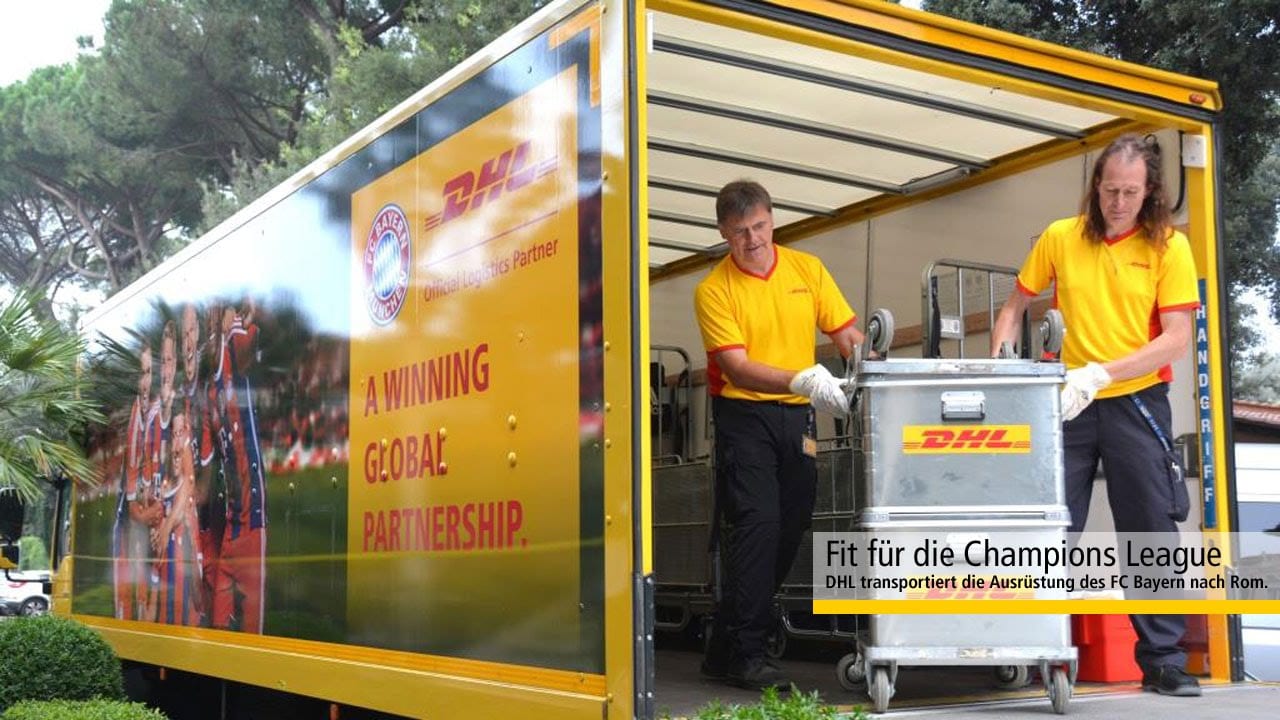
    The six-year partnership between DHL and FC Bayern Munich will see DHL acting as the club’s exclusive logistics partner and full service provider for international e-commerce starting in China in 2015 with a planned roll-out across the Asia-Pacific region. DHL eCommerce will manage many aspects of FC Bayern Munich’s merchandising in China – working with Tmall Global on product listing, order management, fulfillment of orders, local distribution and returns, local customer service and market entry support.

    Thomas Kipp, CEO of DHL eCommerce, said: “There couldn’t be a better opportunity to demonstrate our expertise in e-commerce such as fulfillment and end-to-end delivery than launching the online flagship store of the world’s biggest football club, FC Bayern Munich, on the world’s biggest marketplace in China. We also have the added bonus to work even more closely with Tmall Global, China’s leading online retail platform.”

    FC Bayern Munich are one of the world’s biggest football clubs with over 255,000 members. They are also one of the most successful, having won five Champions League Titles, three Club World Cup trophies as well as 25 national championships. FC Bayern Munich are planning to return to China for a summer tour in July, when they will play three games: in Beijing, Shanghai and Guangzhou.

  • Pleasure Metropolis opens indoor road in China mall

    Pleasure Metropolis opens indoor road in China mall

    Pleasure Metropolis Property has launched China’s first cultural and artistic industry-themed indoor pedestrian road in Tianjin  Pleasure Metropolis’s Cheer Market.

    The road can also be the primary of its sort within the nation to have been situated inside a buying centre. The distinctive and ‘avant-garde fashion’, Cheer Market has been held up as a mannequin that different purchasing malls have been following in recent times in an try and buck the development of homogeneity and the affect of e-commerce in addition to to shoulder the company social duty actively.

    Pleasure Metropolis’s goal clients, aged between 18 and 35, are able to creating and appreciating artworks, together with these designs that are above the mass market’s style. Particularly, Cheer Market caters for the preferences and needs of the ‘yuppies’.

    Positioned as “an artwork road in a purchasing centre”, Cheer Market consists of delivery containers during which entrepreneurs arrange outlets and are free to train their creativity and originality of their inside ornament and design.

    As well as, the low lease and enormous share of revenues loved by the companies in Cheer Market and the place’s distinctive inventive atmosphere have attracted numerous artistic younger individuals to make their marks there. The freewheeling environment has given delivery to such creative zones as “Shen Shou Si” (Temple of Auspicious Animals) and “Secret Publish Workplace” which have turn out to be magnets for patrons.

    “Younger individuals are imbued with many unique concepts, however often can’t put them into follow as they face many various sorts of constraints, together with a scarcity of capital”, stated a graduate who’s a younger entrepreneur.

    “Nevertheless, they will realise their goals in Cheer Market, which is a seedbed for brand spanking new companies began by the younger due to its beneficial circumstances.”

    Tianjin Pleasure Metropolis’s GM Wu Jing says: “A purchasing centre ought to be energetic as an alternative of being mundane.”

    Situated on the fifth flooring of Tianjin Pleasure Metropolis, Cheer Market has now turned what was as soon as an inaccessible quiet nook with a big space into an indoor business road with a robust character and the very best income generated per sq. metre.

    The business property challenge distinguishes itself from Nanluoguxiang (South Lane of Gongs and Drums) of Beijing and Tianzifang, which is an arts and crafts enclave of Shanghai, by recreating outside streets inside a constructing.

    The identify “Cheer Market” was impressed by the youngsters’s e-book Nils Holgersson’s fantastic journey throughout Sweden of the Nobel Prize-winning author Selma Lagerlöf. The novel illustrates the protagonist’s private improvement by means of a collection of fantasy adventures, and evokes individuals with a ardour for all times to be happy to reside out their goals.

    Says Wu: “The importance of Cheer Market lies in its functionality to set off individuals’s want for creativity with freedom. Their hands-on expertise with the fascinating actions on the outlets there result in consumption. Cheer Market will assist appeal to clients to Pleasure Metropolis. It has blazed a path within the industry by bringing outside streets indoor and by providing clients a stimulating buying setting.”

    Pleasure Metropolis Property’s government director and GM Han Shi says Pleasure Metropolis Property aspires to develop into an organization that may thrive for greater than a century, and innovation would be the key to that.” 

    “Pleasure Metropolis is far more than a purchasing centre. It’s a vibrant and stylish place for spreading tradition. Pleasure Metropolis will set the development for the younger individuals’s way of life. It is going to endeavor to realize this goal via fixed innovation and by main the industry in enterprise administration.”

    Hong Kong listed Pleasure Metropolis Property is a business property itemizing firm underneath COFCO Company, enterprise of which overlaying business property, residential property, lodge, tourism property and regional complete improvement.

  • Coca-Cola fosters Mama’s Houses to empower ladies in Sichuan communities

    Coca-Cola fosters Mama’s Houses to empower ladies in Sichuan communities

    QIN Guoying, Common Secretary of the China Ladies’s Improvement Fund, and Zhang Huaying, Vice President of Coca-Cola China and Korea, joined representatives from a number of native authorities businesses to collectively inaugurate two new Mama’s House facilities in Leshan Metropolis, Sichuan Province, yesterday.

    Mama’s Houses are group ladies’s empowerment facilities managed in partnership with native authorities, social organizations and companies. The primary aim of those facilities is to advertise household, group and financial improvement in areas affected by the 2008 Wenchuan earthquake.

    Up to now, 4 Mama’s Houses have opened their doorways. It’s estimated that these facilities profit 50,000 ladies annually by providing programs on enterprise subjects, housekeeping, cooking, nursing and handiwork. These facilities additionally assist arrange part-time jobs to serve native communities.

    Designed particularly for moms, these Mama’s Houses are outfitted with childcare areas the place ladies can depart their youngsters as they consider studying expertise or partaking in part-time employment.

    Qin has praised the achievements of the Mama’s Residence’s initiative. “Ladies are the core of households and communities. In contrast to different typical group sponsorship packages, Mama’s Residence pilots a win-win answer to a number of group wants by furthering ladies’s social and financial independence,” she stated.

    Mama’s Houses have loved a lot early success. Many ladies collaborating in this system say they’ve develop into extra assured and happier by serving to themselves and serving others of their native communities.

    Wei Rong, for example, went to Mama’s House day-after-day to attend shuxiu-style embroidery courses in her spare time. After six months of coaching, she bought one piece of handiwork for a number of thousand yuan. Now her dream is to turn out to be an embroidery grasp.

    In the meantime, Lily Wang studied enterprise administration with Mama’s House, and now the grocery retailer she runs brings in sufficient revenue to cowl her household’s every day bills. As an entrepreneur, she is now actively planning a shiny future for her daughter.

    As Zhang remarked, “Coca-Cola strongly believes that sustainable enterprise progress is constructed on the sustainable improvement of the communities the place we function. We’re proud to be a part of this significant program.”

    Additionally in line with Zhang, Mama’s Houses show the native relevancy and collaborative potential of Coca-Cola’s 5by20 packages, a worldwide initiative which goals to empower 5 million ladies by 2020 via Coca-Cola’s worth chain.

    Coca-Cola and the China Ladies’s Improvement Fund are absolutely dedicated to this program and plan to determine a complete of 20 Mama’s Residence facilities in Sichuan province over the subsequent two years, and to regularly broaden the Mama’s Residence program to different provinces throughout the nation.

  • Shopper confidence index exhibits fall in Might

    The buyer confidence index (CCI) dipped 1.29 factors to 91.64 in Might, whereas the inventory funding confidence sub-index noticed the most important fall, by 9.6 factors, based mostly on a report launched by the Nationwide Central College (中央大學, NCU) yesterday.

    Dachrahn Wu (吳大任), director of NCU’s Analysis Middle for Taiwan Financial Improvement, stated the arrogance for inventory funding tumbled largely as a result of the federal government tuned down this yr’s GDP progress forecast final week, and cash within the native inventory market had flown to China’s booming inventory market.

    The inventory funding confidence index registered at 100.1 factors.

    Simply final month, inventory funding confidence rose probably the most among the many six sub-indices, growing four.9 factors to succeed in all-time-high 109.70.

    Final month’s survey was carried out at a time when the inventory index was approaching the 10,000 mark, and when Beijing proposed a stock-connect platform between Taiwan and China. The prospects led to a rise in overseas capital and fueled investor confidence.

    Different Sub-indices Scores

    Beneath the CCI’s 200-point scale, an index that falls within the Zero-100 level zone displays pessimistic shopper confidence whereas a determine between 100 and 200 signifies optimism.

    Regarding the different indexes, the CCI for worth ranges and family finance climbed to 55.85 factors and 87.65 factors, respectively. The job market index stayed degree at 114.9.

    The CCI for home financial system and sturdy items purchases — principally actual property purchases — declined to 86.65 factors and 104.7 factors, respectively.

    J.P. Morgan’s Conflicting Discovering

    Whereas the native inventory market may need underperformed, buyers are nonetheless upbeat concerning the world financial system, based mostly on a report launched by J.P. Morgan lately.

    In accordance with J.P. Morgan’s report, the index for investor confidence reached 106.four within the second quarter, rising for the second consecutive quarter and reached the very best degree in three years.

    Though buyers are usually not assured concerning the native financial system, they confirmed nice optimism over the world financial system, believing it is going to end in wealth progress within the close to future, the survey discovered.

    Jerry Chu (邱亮士), an government from J.P. Morgan Asset Administration, stated the uncertainty relating to when the U.S. Fed will hike curiosity is definitely thought-about by buyers as a constructive.

    Different positives, in response to Chu, embrace larger profitability for corporations in Japan and Europe; a unfastened financial coverage in China that may increase enterprise incomes, which may then translate into greater wage ranges and better consumption.

    Main inventory markets within the globe have moved up prior to now three months. The Chinese language market soared almost 40 %, whereas Japan and European markets have surged about 10 %. The markets in Taiwan and the U.S. grew a comparatively low 5 %.

    Taiwan’s inventory market hit a brand new document final month, and the current retraction is taken into account by Chu as a traditional adjustment.

  • LVMH sells L’Avenue Shanghai stake

    LVMH sells L’Avenue Shanghai stake

    LVMH and Stanley Ho have reportedly bought their stakes in luxurious Chinese language shopping center L’Avenue Shanghai to non-public fairness investor Blackstone.

    In line with Chinese language media reviews over the weekend, Ho’s STDM enterprise, which owned 50 per cent of the retail and workplace tower, was dissatisfied with the return on its two yr previous funding.

    Shanghai-based on-line information service thepaper.cn final week reported the transaction value exceeded RMB5 billion (US$806 million). The event commenced in 2009 with an estimated worth of $500 million. It opened in 2013.

    Ho, the Macau playing tycoon, and L Actual Property, a part of the Louis Vuitton Moet Hennessey Group, purchased the land on which the event was constructed, promoting it in 2007 and taking a joint curiosity within the complicated.

    Some 20 retail tenancies within the buying a part of the complicated inventory LVMH manufacturers, together with Louis Vuitton, Dior and Fendi. However the mainland luxurious market has been affected by the federal government’s clampdown on graft and present giving.

    Neither Blackstone or LVMH Group have confirmed or denied the deal as but.

  • Nickelodeon seems to be to comply with Disney into China

    Nickelodeon seems to be to comply with Disney into China

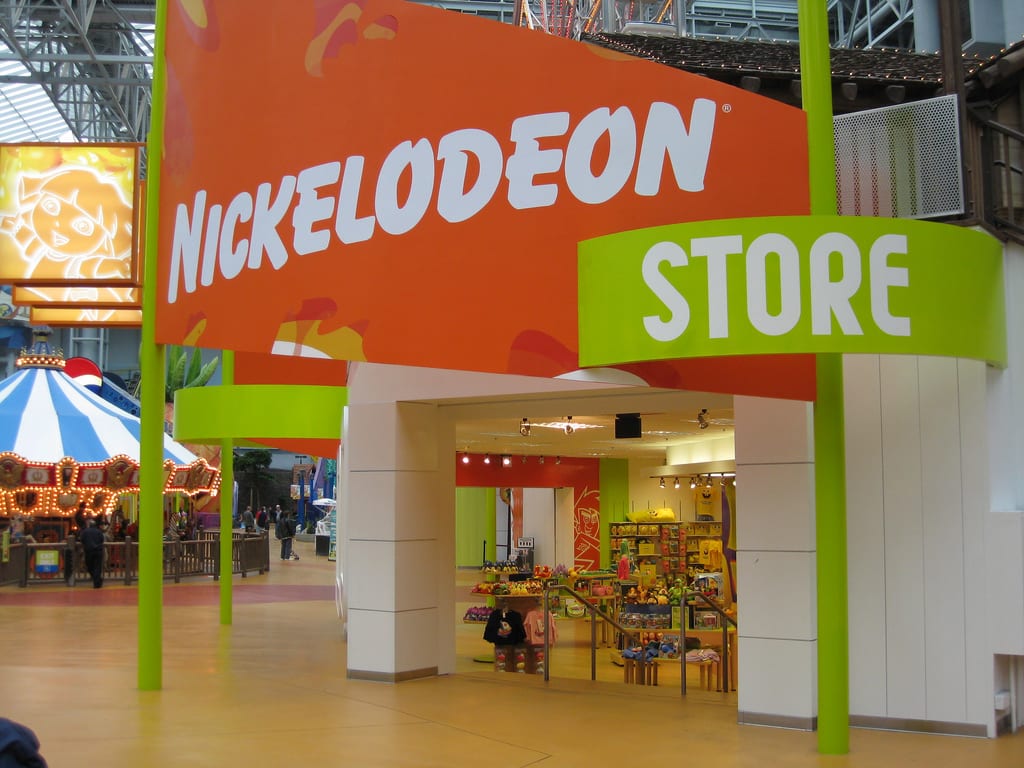
    Childrens’ TV channel Nickelodeon has revealed it might open one in every of its worldwide flagship shops in Shanghai.

    In that case, the US-based subsidiary of Viacom, can be following Disney into China’s business capital, Shanghai. Disney opened in Might and queues have shaped day by day outdoors the shop as consumers take pleasure in each the partaking setting and the merchandise impressed by cartoon characters.

    Nickelodeon owns the cartoon ideas SpongeBob Squarepants, Teenage Mutant Ninja Turtles, Ren & Stimpy and Dora the Explorer, amongst others.

    Subsequent week, Nickelodeon opens a flagship retailer in London’s Leicester Sq., (pictured above in an artist’s rendering) following profitable retail ventures in Riyadh, Honduras and Panama through the previous yr.

    In contrast to Disney, Nickelodeon works with a franchise companion fairly than run its retail operations immediately, nevertheless it stays closely concerned within the design, conceptualisation, match out and merchandising.

    Ron Johnson, government vp of shopper merchandise at Viacom Worldwide Media Networks, informed the Hollywood Reporter the London retailer was its first flagship.

    “That is our first retailer that may be a vacation spot retailer, together with nice shopper interplay on video screens, fixtures like Dora’s tree and a pineapple that’s from Bikini Backside,” stated. “We undoubtedly see flagship shops as a progress car and dealing for us in the proper markets the world over.”

    Three extra Nickelodeon shops are deliberate for 2015. Whereas no announcement has been made concerning the places of these, Johnson confirmed “we’re undoubtedly taking a look at locations like Dubai, Shanghai, Paris and Milan”.

    ‎The London retailer ranges London and UK-themed merchandise that includes the model’s characters – gadgets similar to a SpongeBob toy with a bearskin hat and a T-shirt that includes a SpongeBob-adaptation of The Beatles’ well-known Abbey Street album.

    Nickelodeon’s characters function in merchandise bought by many retailers within the Uk, together with grocery store big Tesco. However Johnson says 80 per cent of the flagship’s inventory might be unique.

    Leicester Sq. was chosen as a result of it has a footfall of greater than 35,000 pedestrians every day, a big proportion of them vacationers, permitting the model to succeed in markets aside from the UK. Such a choice may be an indicator of most popular places for the model in different retail markets like Shanghai.