Tag: China

  • International retailers show great interest in Hong Kong market

    International retailers show great interest in Hong Kong market

    Foreign retailers catering to Hong Kong’s mass retail market are eager to secure shops in Hong Kong, which they consider as a mature market, said Maureen Fung Sau-yim, a director of Sun Hung Kai Development (China), a unit of Sun Hung Kai Properties.

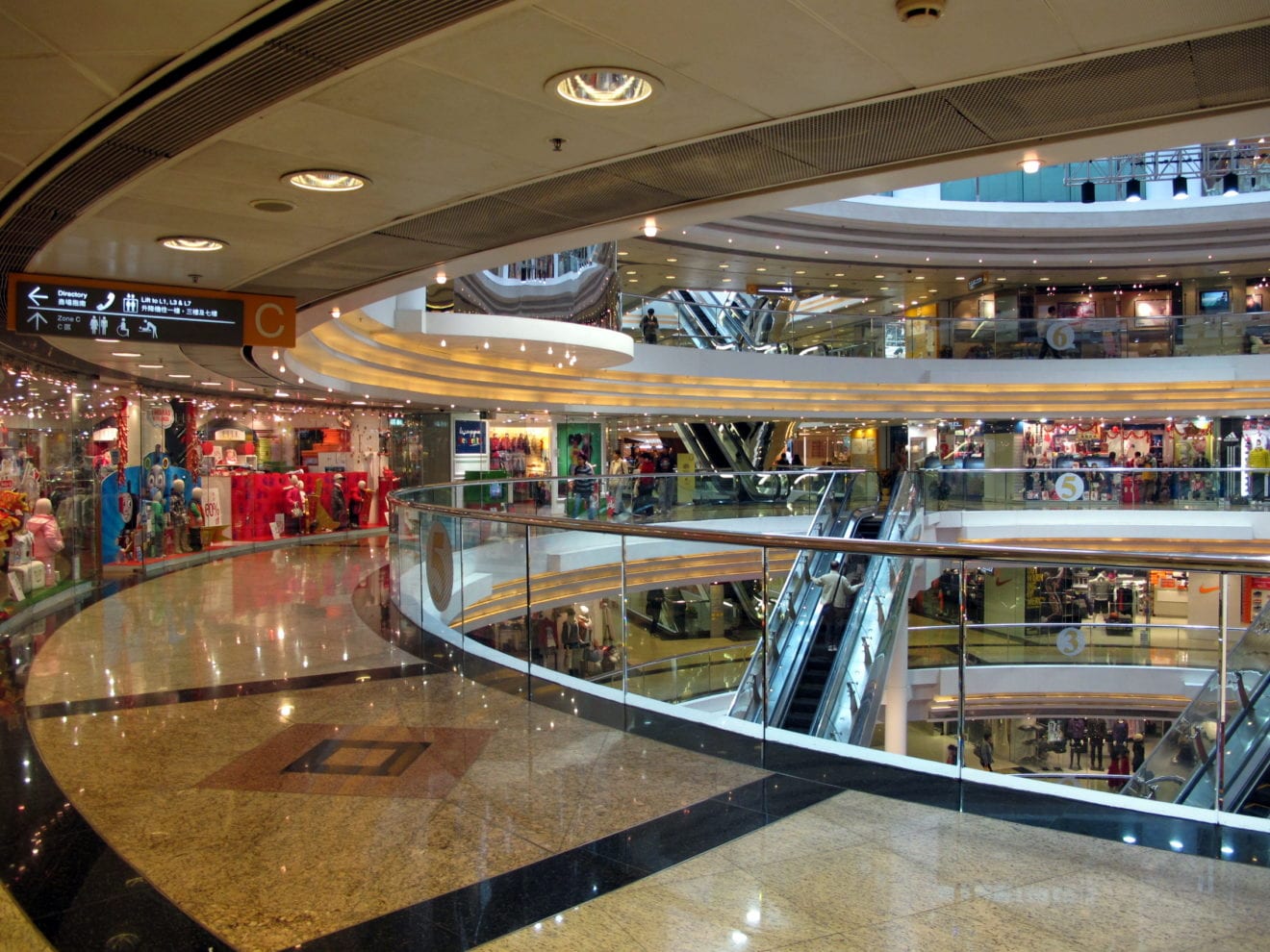
    According to Fung, the company has signed leasing contracts with 20 new international tenants this year at its APM shopping centre in Kwun Tong.

    “Those brands, such as French shoe brands Bensimon and Palladium, as well as Korean fashion brand Stylenanda, have come to Hong Kong for the first time,” said Fung.

    She said recently agreed rents in APM had risen 16 per cent to 20 per cent compared to leases signed one to three years ago.

    Total retail sales growth declined 1.8 per cent year on year in the first five months of this year, against average growth of 11 per cent per year over the past 10 years, constrained by weaker inbound tourism.

    Spending on jewellery and watches continued to fall, affected by the anti-corruption campaign in mainland China and the shifting pattern of mainland Chinese shoppers away from luxury goods and towards mass market products, according to property consultant JLL.

    But a survey by consultancy Arcadis showed that Hong Kong was still an attractive place for retailers.

    In its first report “Retail Operations Index: Where in the world could your retail portfolio thrive?” on Monday, Arcadis said Hong Kong was the most attractive location for retailers globally, followed by Singapore and Japan.

    Asian countries dominated, taking three of the top five spots, the survey showed. It identified the locations that were the most and least difficult to execute, scale and flex large retail programmes based on an in-depth analysis of the global retail market in 50 countries.

    SHKP plans to spend HK$150 million to upgrade the APM mall, which was established 10 years ago.

    The programme, which is due for completion in 2017, includes an upgrade of technology, common and leisure areas and other facilities.

    This article appeared in the South China Morning Post print edition as HK is top pick for foreign retailers

  • Swiss Skin Care Product K.Diamond Now Available in China

    Swiss Skin Care Product K.Diamond Now Available in China

    K.Diamond is a revolutionary skin care product that comes from the house of Swiss Lausanne Research and Development Center, which is a world leader in cell technology research. Recently, the Switzerland based lab decided to distribute and sell its products directly through its authorized agent in China. The product has reached China and it can be found in retail stores. The creators of the breakthrough skin care product have maintained that they have reinvented fundamentals of skin care that were used during ancient times.

    Swiss Lausanne Research and Development Center bears a 53 year old legacy of manufacturing skin care products. A lot of their skin care products are used in the five-star hotels of Switzerland. However, the manufacturers have always focused on research and innovation rather than marketing and promotion. In 2010, the research lab came up with a series of micro-plastic applicators that were introduced in the Chinese market. The creators have claimed that K.Diamond is a value-for-money product which is gradually picking up in popularity across Chinese mainland. The developers have claimed that the skin care products that are now being available in China can have miraculous effects.

    One of the senior researchers from Swiss Lausanne Research and Development Center recently met the press here in Beijing and he talked about the future plans and objectives of his lab at great length. He said, “We are more of a research and innovations lab than a skin care products manufacturer. We know consumers in China have always been waiting for a truly beneficial product like K.Diamond and we must say that the huge demand in Chinese market can now be successfully met by our China based general suppliers. All products are shipped directly from our Switzerland based lab and our local supply chain managers and distributors are doing a commendable job in taking the products to the Chinese retail market.” He also indicated that the K.Diamond product distributor network would be expanded in the near future.


  • David Morris to open second Hong Kong boutique

    David Morris to open second Hong Kong boutique

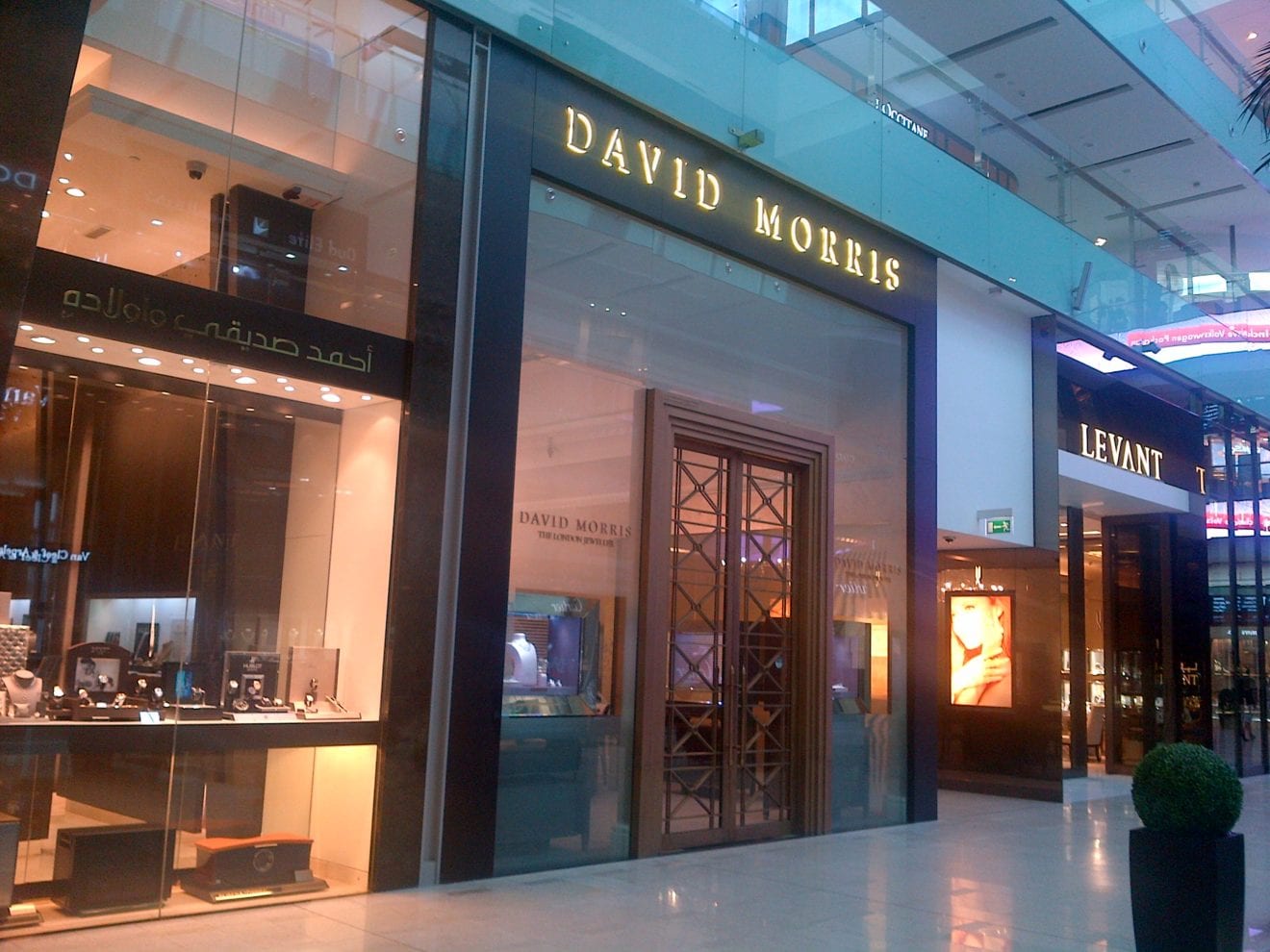
    British jewellery brand David Morris will open its second Hong King boutique at The Galleria on 9 Queen’s Road Central at the end of July.

    Jeremy Morris, son of founder David Morris and managing director of the eponymous brand, said: “Hong Kong has two markets; the local Hong Kong residents and the international market. To truly serve the local market it’s important to have a base in the Central District, where they are based.

    “Our designs are extremely sought-after by our locally based clients and our additional expansion in the area will enable us to enhance our service to our burgeoning international clientele.”

    Since Morris assumed the role of marketing director several years ago, he has expanded the brand’s presence to Dubai, Abu Dhabi, Moscow, Baku and Riyadh.

    The boutique joins the brand’s first flagship boutique, which opened at The Peninsula, Kowloon, in 2011.

    The family-run jewellers has served its clientele of royalty, including Princess Royals Margaret and Ann and the Eighth Earl Spencer and international collectors from its London flagship on Bond Street for more than 50 years.

    A further David Morris boutique is scheduled to open in Doha later this year.

  • Using WeChat to Grow Your Business in China

    Using WeChat to Grow Your Business in China

    In the world of mobile commerce, all eyes are on China.

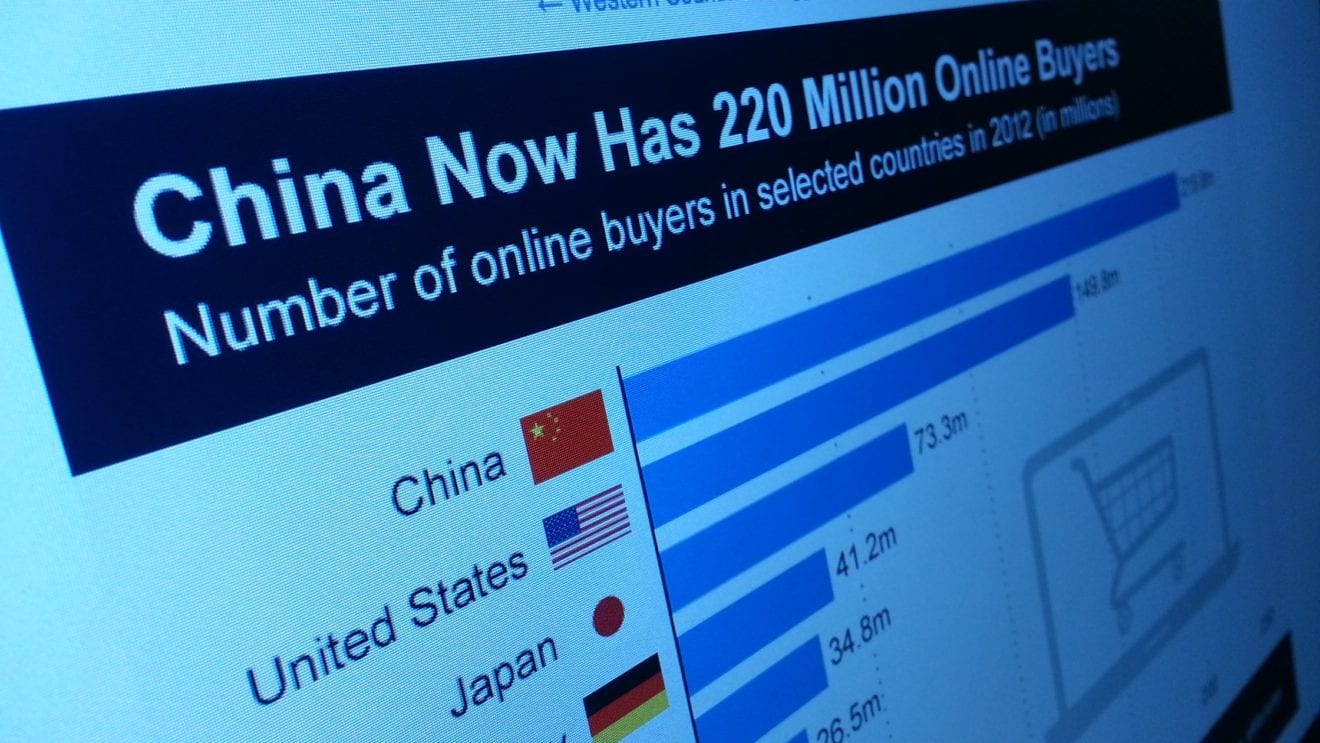
    Even as China’s economy and overall retail sales growth drops, business-to-consumer (B2C) online sales are growing by 25 per cent each year. Data gathered from iResearch in a March 2015 report states that China’s gross merchandise volume (GMV) of the mobile shopping market reached 929.71 billion RMB in 2014, increasing by 239.3 per cent from the previous year.

    The growth was significantly larger than that of the overall GMV of the online shopping market. China has the world’s largest digital marketplace, and is predicted to grow three times faster than overall retail. The industry is primed for growth not only in the first-tier cities, but also in the third-tier and lower cities with an estimated half of total online sales coming from the lower tier cities by 2018.

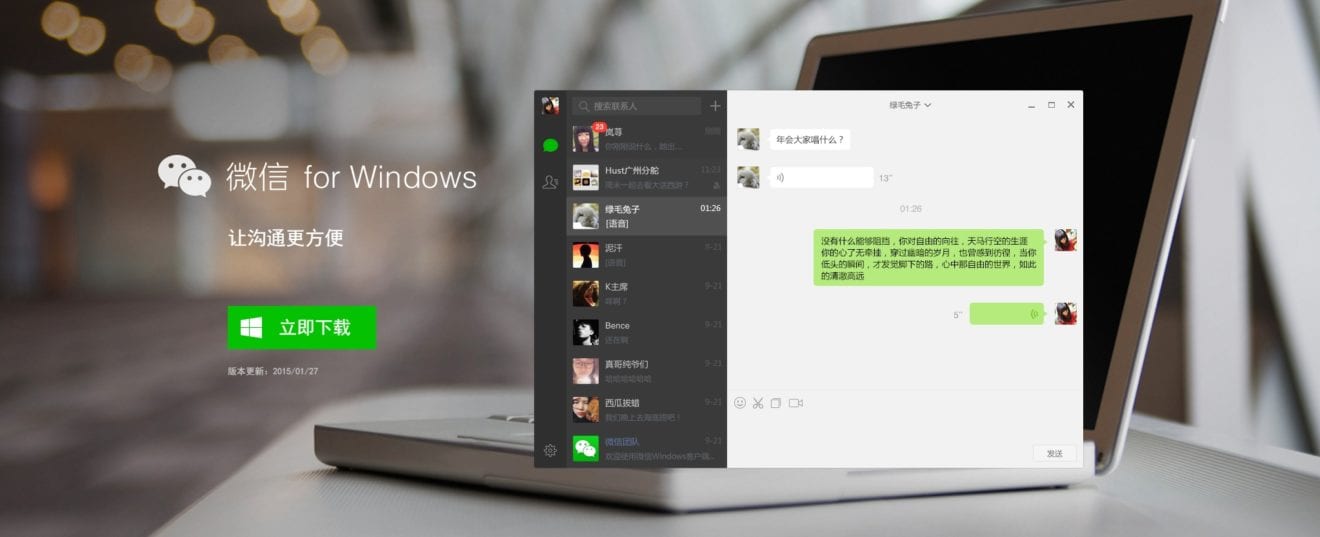
    When considering the mobile commerce industry in China, one name stands out: Tencent’s WeChat has long been impacting the lives of Chinese consumers, and with its move to digital payment systems it now has the ability to revolutionise the mobile commerce industry in China.

    WeChat has a massive scale, with over 468 million monthly active global users and 25 per cent of users checking WeChat over 30 times a day. Last year, users spent US$15.3 billion on mobile data using WeChat.  As the fastest growing social media platform in the world, and the primary source of interaction between brands and Chinese consumers, foreign investors looking to be successful in China should take note. Chinese consumers actively embrace mobile commerce due to its easy to use, cost-effective payment and delivery system.

    There is huge potential for foreign investors to take advantage of WeChat payment systems for their Chinese consumers and to maximise their profits. WeChat allows foreign investors to interact with their consumers in a way that has not reached the same scale in the Western world.

    Fewer than 20 per cent of internet users in the US have used their mobile phones to pay for services and goods while more than half of users in China have done so. Multiple incentives exist for Chinese consumers to make their purchases through WeChat; enabling businesses to use these schemes to generate profit. Loyalty cards, membership schemes and discounts for paying online all compel cost-effective shoppers to make a purchase.

    In addition to this, due to the convenience of paying through WeChat, there is a higher chance of impulse purchases. However, this ease does not simply apply to the consumer. Brands are able to bridge the gap between attracting new consumers and engaging with paying consumers, which has already begun to change the face of shopping and retailing worldwide. Businesses utilising WeChat payment systems are already experiencing huge profits, and Tencent has stated that several official accounts are now making over US$1 million.

    Not only can consumers purchase items, but can also purchase services inside WeChat. Businesses with service accounts can take advantage of WeChat’s online-to-offline (O2O) business model. Both online and offline purchases are available to consumers. Customers can either pay for services or items by scanning the QR codes of products provided by offline retailers, or pay on web pages inside the app.

    All vendors, from big name brands to small and medium-sized enterprises are able to create service accounts in WeChat. Big name companies like McDonalds, Starbucks, Xiaomi, Watsons, and Pacific Coffee have all created service accounts. WeChat allows all vendors the potential for success and the ability for SMEs to create accounts is an important aspect for foreign investors to capitalise on.

    Certain industries, such as food, beverage and retail, tend to generate more profit as they are more primed for mobile commerce. That being said, taxi companies, airlines, newspapers, government organisations, and pharmaceutical companies are all using WeChat payments to their advantage.

    Tencent has now enabled users to pay their utility bills through WeChat, and more and more businesses are finding a way to use WeChat mobile payments to grow their business and attain a competitive advantage.

    It is crucial for foreign businesses entering a new market to take advantage of domestic trends in order to be competitive in that marketplace. Mobile commerce in China is constantly evolving and businesses like WeChat are revolutionising how business is conducted. WeChat allows both big name brands and SMEs to compete in the same market space which has the ability to change the entire industry. Entering the Chinese market has its difficulties, but applications like WeChat make it easier for foreign investors to communicate effectively with their Chinese consumers.

  • Macau luxury slump projected

    Macau luxury retail sales are in free fall after the downturn in gambling.

    The Macau Importers and Exporters Association has estimated a slump in luxury retail sales of between 30 and 50 per cent in the first half of 2015.

    The association’s director, legislator Sio Chi Wai, told a media conference the fall was due to the downturn in visits to the territory for gaming, suggesting the vast majority of the downturn is from mainland Chinese spending less in stores.

    Sio did not estimate the value of first-half year luxury goods sales.

    But he did say he expected that the downturn would gradually level out.

  • Food fight! The next battle for China e-commerce

    Food fight! The next battle for China e-commerce

    A number of e-commerce firms in the mainland are inking deals to import foreign delicacies, reflecting growing consumer worries over a series of domestic food scandals.

    JD.com, the mainland’s largest online direct sales company, announced on Monday the launch of a new channel dedicated to selling a range of authentic Australian food products, including milk, meat and fruit, as well as wine from Treasury Wine Estates. Australia is the latest entrant to JD.com’s online ‘country malls’, which already include France, South Korea and Japan.

    “Chinese consumers are increasingly enthusiastic about trying, buying and using products from all over the world” said JD.com founder and CEO Richard Liu.

    Online supermarket Yihaodian opened a similar exclusive channel for Canadian seafood and meat earlier this month in an agreement with Agriculture and Agri-Food Canada (AAFC). Alibaba, meanwhile, already leads the way in terms of foreign food products. Last week, the e-commerce giant announced it added 11 more countries to its Tmall Global site, a platform dedicated to foreign brands. Food is Tmall’s most popular product category, according to Alibaba.

    The transaction volume of imported goods purchased online could reach $245 billion in five years, with more than 200 million Chinese consumers engaging in cross-border shopping, said a recent report from Accenture and AliResearch, Alibaba’s research arm.

    The taste for imports comes as no surprise given the country’s ongoing battle with food hygiene. Last week, authorities seized a batch of smuggled frozen meat that was 40 years old. Scandals like these explain why 75 percent of Chinese have no confidence in domestic food safety, a March survey by the China Food and Drug Administration (CFDA) showed.

    “Food safety issues, an increased focus on health and wellness, and a growing willingness to spend on children have made organic or fresh fruits, meats and vegetables, and baby-related products top spending priorities this year,” Boston Consulting Group (BCG) in a report on Monday.

    While JD.com was unable to share top-selling brands, it told CNBC that dairy and wine had traditionally been two of the biggest selling categories of Australian products.

    A two-speed market

    E-commerce trends are only a partial reflection of Chinese consumption, consulting firm BCG noted.

    China has a “two-speed consumer market,” where middle to upper-middle-class and affluent households, known as high-speed consumers, make up the bulk of digital shoppers, it said. Forty percent of these consumers shop online frequently-at least once a week-compared with 20 percent of less affluent households, i.e. the low-speed consumers.

    Wealth gaps account for the difference between the groups, BCG explained.

    “The average affluent household is expecting nearly 11 percent income growth; the average aspirant household, only 6 percent. This 5 percentage point difference, given the vast disparity in income levels between these two groups of consumers, translates into a 20-fold difference in actual earnings.”

  • DFS opens HK stand alone beauty store

    DFS opens HK stand alone beauty store

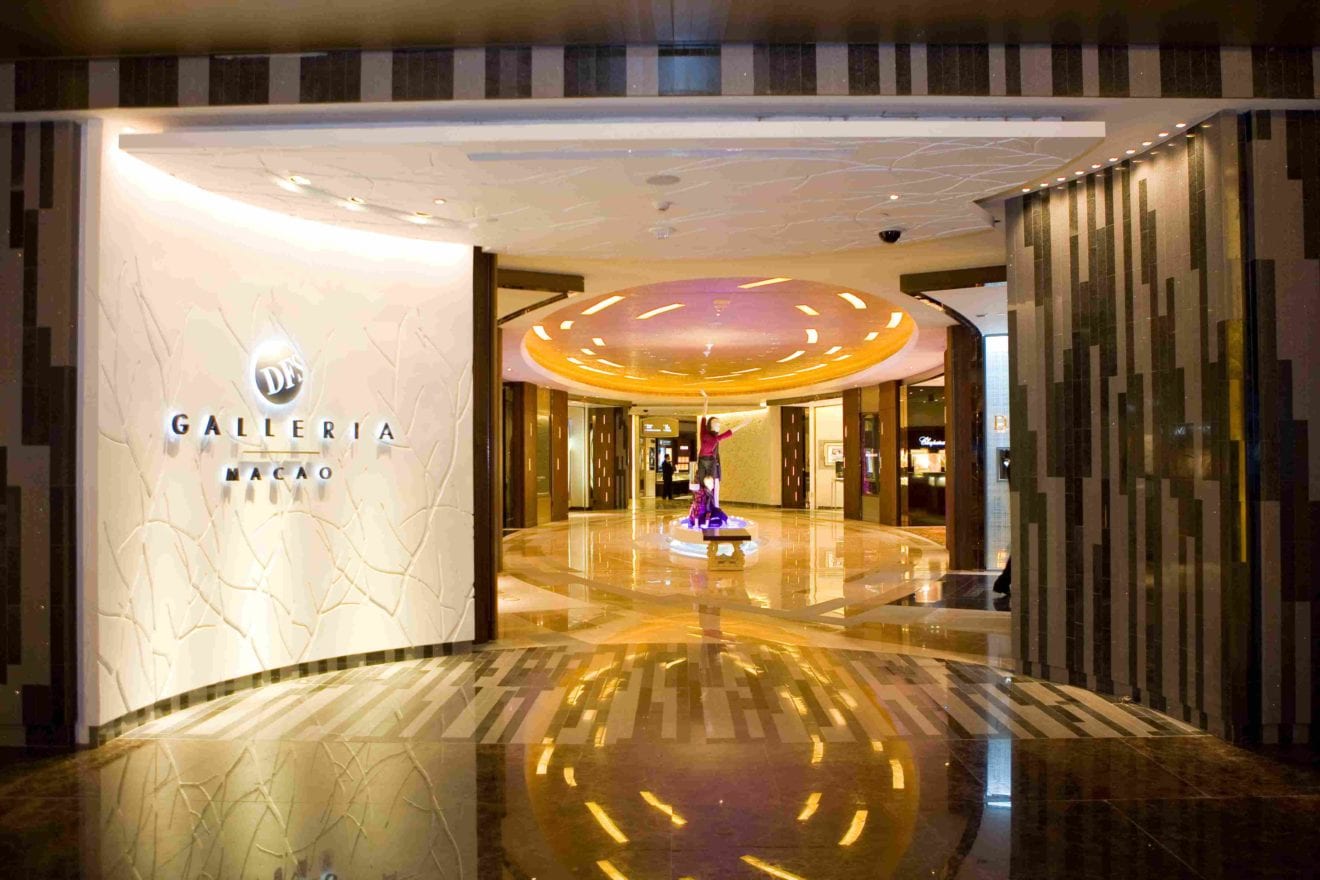
    DFS Group opened its second stand alone 18,000sq ft T Galleria Beauty by DFS store in Hysan Place, Causeway Bay at the end of June, following the earlier opening of its initial store at the Galaxy Macau Asian resort destination in May.

    The store is the first of its kind in Hong Kong concentrating solely on luxury cosmetics, skincare and fragrances, allowing customers interested mainly in personal beauty experiences to experience them in one prestigious location.

    Benjamin Vuchot, Region President, North Asia for DFS Group said: “With T Galleria Beauty by DFS, we’re breaking the beauty shopping mould to bring our customers a whole new level of choice, affordability and excitement.

    “Every element of the concept from the product selection to the store design was inspired by our customers and we’re confident that this innovative, personalized approach to the beauty shopping experience will make T Galleria Beauty the beauty connoisseur’s destination of choice in the heart of Causeway Bay.”

    DFS says the range of products includes more than 100 brands including Dior, Estée Lauder, Hermès, 3CE, Make Up Forever and Nars. It adds that DFS also takes ‘a holistic view of beauty’ through new or expanded product categories such as men’s, wellness, hair, body and nail, as well as a trend area featuring popular Korean brands.

    The retailer adds that T Galleria Beauty by DFS will also exclusively introduce popular trend cosmetic brands Nudestix, IOPE and Cargo Cosmetics in Hong Kong.

    Kitty Choy, Director, Retail, Hysan Development Company Limited said: “We’re thrilled that DFS Group has chosen Hysan Place as the location for its first T Galleria Beauty by DFS store in Hong Kong.

    “With its holistic and innovative approach to the beauty shopping experience, T Galleria Beauty by DFS will be a beauty anchor within Lee Gardens, providing customers with a personalized approach unrivalled in Causeway Bay.”

    DFS is also claiming a ‘first of its kind’ with its new 1,000sq ft Beauty Station which gives customers the opportunity to sample, mix and match products from a wide range in one location. Customers will also have access to the exclusive Beauty Concierge, a complimentary personalized beauty service that focuses on an individual customer’s preferences and personal needs.

    They will also be able to join DFS LOYAL T, which the retailer describes as the world’s most extensive global luxury rewards programme [covering more than 700 brands in 26 airports and T Galleria by DFS stores in 10 countries.

    Customers of T Galleria Beauty by DFS, Hong Kong, Causeway Bay, like all DFS customers around the world, are provided with a 100% Global Guarantee, ensuring that all merchandise is completely authentic and that after-sales service centres will refund, repair and accept the return of merchandise worldwide.

  • Apple Is Building A New Store In Hong Kong

    Apple Is Building A New Store In Hong Kong

    As part of a huge push to own the Chinese market, Apple is opening up a new store in Hong Kong.

    It will be located on Canton Road, which is known for shopping, on the Kowloon side of Hong Kong. The company has yet to announce an opening date, but work is already underway behind the barricade pictured above.

    Apple currently has 19 stores in China, and the Hong Kong location will be its 20th in the country, and the fourth in that region. Shanghai, Beijing, Tianjin, Chengdu, Wuxi, Hangzhou, Shenyang, Shenzhen, Zhengzhou, and Chongqing already have at least one Apple store.

    Hong Kong is one of the more shopping-focused markets in China, and Apple currently has three stores in the area. Canton Road, however, is one of the more highly trafficked shopping streets in China and the world, and the new store should prove to be one of the biggest on the island.

    Apple has been heavily focused on building out its presence in China.

    First quarter earnings in 2015 showed that China represented sales of $16.144 billion, which is an increase of 157 percent from the quarter before and 70 percent from the previous year. Retail is a huge part of that push, and a store in Hong Kong only makes sense.

    Apple has no word on when the store will open, but you can likely expect to see more and more of a retail push in China as Apple continues to climb the charts in that market.

  • Apple iPhone’s Implodes in China Stock Crash

    Apple iPhone’s Implodes in China Stock Crash

    Apple iPhone sales appear to be in big  trouble, despite iPhone being on track to post a 40 percent year-over-year unit sales gain through the second quarter.

    Having lost the top position in U.S. smartphones sales to Samsung in May, virtually all of Apple’s positive sales momentum has been coming from the China. But after losing $3 trillion in the markets, and with their wealth frozen, a hundred million Chinese no longer need an iPhone.

    Apple is reported to be growing about five times faster than Samsung, despite excellent reviews of Samsung’s new Galaxy S6/Edge. Analysts’ positive opinion of Apple was reaffirmed when Samsung reported in May that it only achieved a 15 percent rise in profit to $6.1 billion on a 2 percent quarter-to-quarter revenue growth, to $43 billion.

    A close look at Apple’s numbers show that first quarter revenue from “Greater China” grew by 71 percent year-over-year, to $16.8 billion. The iPhone sales growth in China accounted for over 56 percent of Apple’s total revenue growth for the quarter.

    Analysts expect Apple to post another extraordinary sales report for the second quarter ending June, with over 50 million iPhone unit sales and revenue of $48 billion.

    Kantar Worldpanel Com Tel’s Carolina Milanesi published a comment last week that after losing U.S. market leadership to Apple in the three-month period through April 2015, the latest data shows that Samsung was again number one in U.S. vendor rankings in the first full month of Galaxy S6 availability.

    The iPhone 6 remained the best-selling smartphone in the U.S., and the iPhone 6 Plus was the fifth-most-popular for the period ending May 30. But Samsung’s Galaxy S5 held the second spot, and the Galaxy S6 held third place. As a result, for the three months ending May, Apple’s U.S. iPhone sales U.S. actually declined by 5 percent from the previous year.

    Kantar also exposes Apple’s Iphone poor performance in India and the three big Latin America markets of Mexico, Brazil and Argentina. Apple’s best penetration of these rapidly growing markets is Mexico, with only a 6.4 percent market share.

    Such a shocking turnabout would be a disaster.

    For the three months ending in May, China unit sales were up by 46.26 percent.The Apple’s growing dominance in the “Red Dragon” has been due to a concerted effort by Apple’s management to make iOS and Mac OS X easier for Chinese language users. Many of the upgrades at this year’s Apple Worldwide Developers Conference 2015 were optimized specifically to target Chinese users, including new tools for developers to respond to the unique challenges associated with Chinese language.

    Apple has also won praise for the effectiveness of its retail stores and “Genius Bar” help desks in China. Apple’s’ head of retail stores, Angela Ahrendts, recently announced that the company opened 5 additional stores in February and is scheduled to expand from 15 to 40 stores over the next two years. Located in premium retail space, Apple’s retail stores in China are meant to distinguish the brand as aspirational.

    But all this good news for Apple was through the month of May, when the Chinese stock market was up over 150 percent for the year. Patriotically following China President Xi Jinping’s late 2013 call for “Silk Road” domestic reforms aimed at expanding consumption by taking public hundreds of state-owned-enterprises, the number of Chinese stock brokerage accounts for small individual investors exploded from 20 million to about 100 million. The ultimate sign of status became watching live stock prices on the iPhone 6.

    But after the Chinese stock markets lost $3 trillion in just 16 days of trading, the communist government on Thursday stepped in and suspended over half of the 2800 stocks in China for up to 6 months. Large holders are not allowed to sell stock and company insiders have been told to buy immediately.

    China’s stock market boom had been a wealth machine until it shockingly bankrupted tens of millions of Chinese in just a few weeks. With their capital frozen, demand for more iPhones to check suspended stocks seems ready to plummet.

  • Nuance wins 13 awards for ‘green’ HKIA stores

    Nuance wins 13 awards for ‘green’ HKIA stores

    Thirteen Nuance Group (HK) stores have been recognised for their environmental performance and commitment out of a total 23 at Hong Kong International Airport’s Environmental Management Recognition Scheme 2014/15.

    Essentially, the Airport Authority Hong Kong-backed scheme is aimed at encouraging retailers to adopt green initiatives and take active responsibilities for the environmental management of their stores. The scheme is co-organised by the Hong Kong Productivity Council (HKPC), which conducts on-site assessments of retail F&B premises at HKIA.

    Nuance is a wholly-owned subsidiary of Basel-based Dufry AG and the 13 stores which were recognised for their efforts this year include the following: (Silver awards) Sound & Vision store reference numbers 6E102, 6E150 and 6W520; Bally 6E125; Longchamp 6W544.

    Bronze awards went to the following Nuance stores: Taste & Delights 6W572; Amazing Grace 7E192; Bags Unlimited 5P084; Best of…Stores      5P103; Fortress 7T096 & 7T097; Fortress 5P028A; Scent & Beauty 5P065; and The Peninsula Boutique 7T040.

    Commenting on the initiative, Alessandra Piovesana, Regional Managing Director of Nuance Asia and Regional COO (ad int) Asia & Middle East of Dufry Group said: “My team and I are delighted for our 13 winning stores at the latest HKIA Environmental Management Recognition Scheme, underlining our widespread corporate commitment in environmental conservation and protection across all our stores as part of our mission of ‘Enriching Travel, Enriching Life’.

    “We believe that environmental management succeeds only through continuous engagements and stewardship with a consistent attitude acted on a united front. Since we took a lead in this area to kick off our first corporate green initiative ‘Save & Preserve’ to reduce the use of plastic bags as early as in 2007, we have continuously nurtured our staff to take ‘green’ as an everyday approach, making ‘green’ practices part of their daily working lives.

    “Every year, we organize different activities to optimize ‘green’ awareness among travellers at HKIA. Our on-going environmental management programmes reflect our passion for life and our will to demonstrate that performing business and environmental actions can surely co-exist. With our concerted efforts with the Airport Authority and other stakeholders, our team is determined to leverage our presence within the airport to continue raising travellers’ consciousness of the need for a sustainable future.”

    ENVIRONMENTAL MEASURES TAKEN BY NUANCE

    The retailer adds that its continuous efforts at environmentally sensible stewardship and customer engagement include the following: minimizing the environmental impact of shopping bags by choosing certified biodegradable materials and by administrative measures; having agreements with suppliers or service providers to reuse containers or materials in goods delivery; installing energy efficient lighting; regularly maintaining air-conditioning systems; establishing ; Green Procurement Policy; using of state-of-the-art sustainable technologies, such as paperless PO system, use of Radio Data Transfer for stock logistics, Electronic Business Process Management and Digital Filing, etc.

    Most importantly, Nuance management says it provides regular training in environmental management to its employees.

    THE SIX KEY CRITERIA USED FOR JUDGING

    The judging criteria for the HKIA Environmental Management Recognition Scheme was based on six aspects, i.e. waste management, energy efficiency, waste water management, air pollution control, noise pollution control and overall environmental management.

    The judging panel consisted of representatives from the Airport Authority Hong Kong, Environmental Protection Department, Hong Kong Waste Management Association, Friends of the Earth (HK) and Academia (Professor C.S. Poon of HK Polytechnic University).

    Nuance adds that in 2012 it received five Gold Awards in the first-ever HKIA Environmental Responsible Retail Recognition Scheme held by AAHK. The retailer also received a Green Management Bronze Award from the Green Council Hong Kong in 2011.

  • China’s e-Commerce market is 80 times larger than India

    China’s e-Commerce market is 80 times larger than India

    Retail e-commerce sales in India are expected to reach $17.5 billion (Rs 105,120 crore) by 2018, from $5.3 billion (Rs 31,800 crore) in 2014, according to data analysed by eMarketer, a digital-research firm, but only two of 10 internet users in India shop online.

    India’s e-commerce market is intensely competitive, with US giant Amazon establishing its presence in India in 2013 and Alibaba, the Chinese giant, planning to start selling by August this year. Flipkart, India’s largest e-commerce firm, recently raised $550 million (Rs 3,300 crore) at a valuation of $15 billion (Rs 90,000 crore).

    Despite having the third-largest internet user base in the world with 200 million users at the end of 2014, India does not feature in the top ten e-commerce markets in the world, according to an eMarketer report. The reasons centre on low Internet reach, slow internet speeds outside the metropolitan cities and poor customer services.

    India’s e-commerce sales in 2014 were $5.3 billion (Rs 31,800 crore), 1/80th the size of China’s $426.26 billion (Rs 2,557,760 crore) and 1/58th the size of the US’ $305.6 billion (Rs 1,833,900 crore).

    “If you look at Japan, China and US, e-commerce became popular as early as 2002-2003. It has taken them about 12-13 years to reach where they have reached.  E-commerce really took off in India only in 2012-13. It will take India also that much time to reach there,” Rajnish (he uses only one name), a technology expert, said.

    China: Number 1 in e-commerce with skyrocketing growth ahead

    China and the US accounted for more than 55% of global internet retail sales in 2014. China’s growth over the next five years will widen the gap between the two countries.

    China will likely exceed $1 trillion (Rs 6,000,000 crore) in retail ecommerce sales by 2018, accounting for more than 40% of the total worldwide.

    Globally, retail sales reached $22.492 trillion (Rs 134,952,000 crore) in 2014 but retail e-commerce sales stood at $1.316 trillion (Rs 7,896,000 crore, 5.9% of overall retail sales).

    E-commerce sales are expected to increase 89% to $2.489 trillion (Rs 14,934,000 crore, 8.8% of overall retail sales) in 2018.

    Digital-buyer penetration—a measure of digital reach—is a major factor in determining the success of retail e-commerce sales. India’s digital-buyer penetration was quite low at 24.4% in 2014 as compared to the global average of 41.6%.

    The UK leads the world with 88% penetration. Ironically, China with 55.2% and US with 74.4% penetration do not feature in the top five.

    Indian e-commerce has a long way to go

    “E-commerce in India still has a lot of friction,” Rajnish said. “Till that is solved, it will be hard for penetration to go beyond 30%. For example, India has very low credit-card penetration and the cash-on-delivery (COD) model is why Flipkart really took off.”

    People above 35 are not very comfortable using their debit card online. PayTm and others solve this problem but there is a lot of friction. “I use PayTm for Uber and it is still a process that has friction. In US, the return policy is very generous. I bought a coat from Amazon in the Bay area; it ended up being the wrong size. My experience of changing to the correct size was very seamless. When I bought a down jacket in Bangalore, and it ended up being the wrong size, getting the right size was really a painful experience,” said Rajnish.
    That view is echoed by Paritosh Sharma, an advisor to tech startups and an entrepreneur with PayUMoney, a digital-payment platform.

    “Digital buying has an attached expectation to it. I place the order and it should appear in front of me over the next two or three days. In many cases this does not happen. Also, in a lot of cases (especially in tier-2 and tier-3 cities) in India, if you get a product that is not of the exact quality that you ordered, returning it is a major problem. Most people, hence, prefer what’s available in a physical retail store,” Sharma said.

    There are two more reasons for low online sales, said Sharma.

    First, the internet infrastructure in India is poor. If one steps outside city limits, you automatically are shifted from 3G to an Edge (a lower-speed) connection, deterring buyers.

    Second, lack of good service and support. While most Indian e-commerce companies are sprucing up their support via phone and digital media, it’s quite haphazard. Most companies still lack processes to ensure customer satisfaction and trust.

  • Asia remit for new Tiffany exec

    Asia remit for new Tiffany exec

    Tiffany & Co has appointed Philippe Galtié to the position of senior VP – international.

    Galtie, who is currently with super luxury brand Cartier, will direct all of the sales channels for Greater China, Asia-Pacific, Japan and EMEA.

    He takes up the new post on August 17.

    Frédéric Cumenal, Tiffany & Co CEO, said, Galtie brings to Tiffany & Co a seasoned understanding of the global retail landscape.

    “This knowledge will have a significant impact on the oversight and management of our store design and strategic planning teams.”

    Galtié, 54, began his career with a range of general management and global marketing roles at Moët-Hennessy, Mars Inc, Eridania Beghin Say and the Nestlé Group. For the past 15 years he has worked at Cartier, where he served as country head or other senior positions throughout Japan, Greater China and the Asia Pacific regions. Most recently, Galtié held the role of Cartier’s international retail director.

    Tiffany is the internationally-renowned jeweler founded in New York in 1837. Through its subsidiaries, Tiffany & Co. manufactures products and operates Tiffany & Co retail stores worldwide, and also engages in direct selling through Internet, catalog and business gift operations.

  • Optical 88 reports strong Hong Kong sales

    Optical 88 reports strong Hong Kong sales

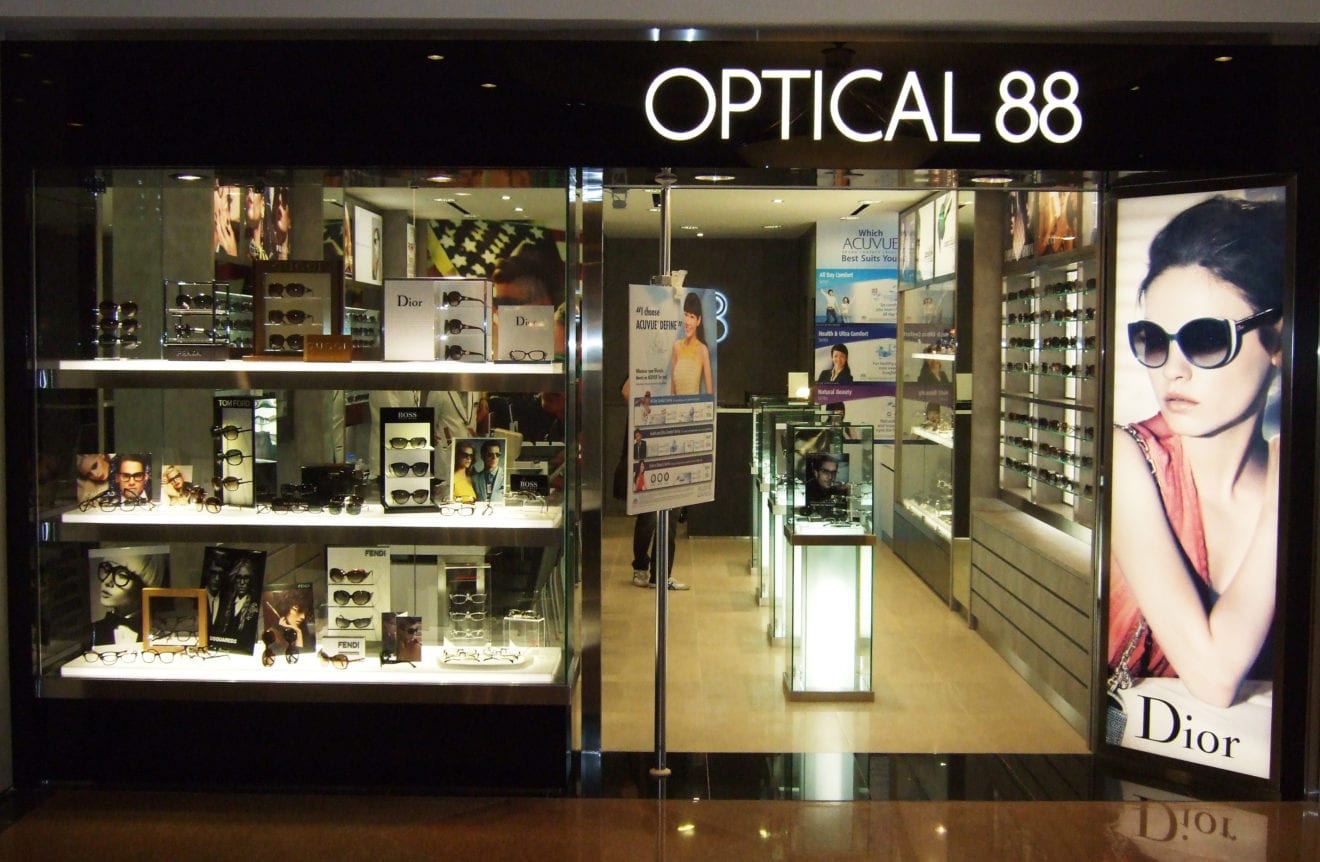
    Eyewear chain Optical 88 is narrowing its Mainland China losses as its sales improve.

    A subsidiary of Hong Kong-listed Stelux Holdings, Optical 88 has 227 stores in Hong Kong, Macau, Mainland China, Singapore, Malaysia and Thailand.

    Group sales rose just one per cent in the year to March 31, and its store network shrank by seven.

    Trading was mixed across the markets, with China and Malaysia standouts.

    China sales rose 4.7 per cent and the loss narrowed by 10 per cent to HK$27.5 million.

    “In line with our Greater China strategy, resources have been strengthened to accelerate shop opening in Southern and Southwestern China as we have relocated out from expensive cities, like Shanghai,” parent Stelux said in a stock exchange filing.

    “In addition, as we increasingly cater for the ageing demography and children, sales in progressive and functional lenses have improved whilst myopia control lenses have also been introduced.”

    In its home market of Hong Kong and Macau, the soft economy in Macau together with the accelerated slowdown in Hong Kong in the second half after a strong first six months, saw sales rise 3.9 per cent for the full year to $835.6 million.

    Profit rose 19.5 per cent to HK$95.4 million and gross margin improved to 64.2 per cent.

    “Though less affected by the decline in Mainland tourist spending, a cautious approach has nonetheless been adopted to review our store portfolio in key tourist locations.”

    Optical 88 recorded a loss for its Southeast Asian stores, but there were mixed results by market.

    Overall, Optical 88 lost $6.7 million in the three markets but on an exchange neutral basis, the loss was reduced to $1.4 million. Operating costs declined 2.2 per cent, with shop rentals falling 3.8 per cent.

    “In the second half of the year, a Hong Kong team was parachuted in to strengthen operational management and to improve operational efficiencies in all three regions. Initiatives were introduced to increase store productivity, improve gross margin and tighten procurement control. We will continue to see progressive improvements as a result of the above measures in the next year,” Stelux said.

    Singapore stores reported improved sales per shop as the brand focused on strengthening its customer base. Malaysian reported earnings of around $1.8 million, but excluding an

    exchange loss the profit would equate to $4.8 million.

    “In the medium term, we will be opening new stores to increase market coverage and to grow business scale.”

    The profit from Thai stores fell from $13.8 million to $8.6 million.

    “Given the poor economy and the unstable political situation, a cautious approach will be adopted towards shop leasing,” said Stalex.

    Optical 88’s total profit for the year rose 12.8 per cent to HK$61.2 million due to Hong Kong and Mainland China operations.

  • Superdry China launch confirmed

    Superdry China launch confirmed

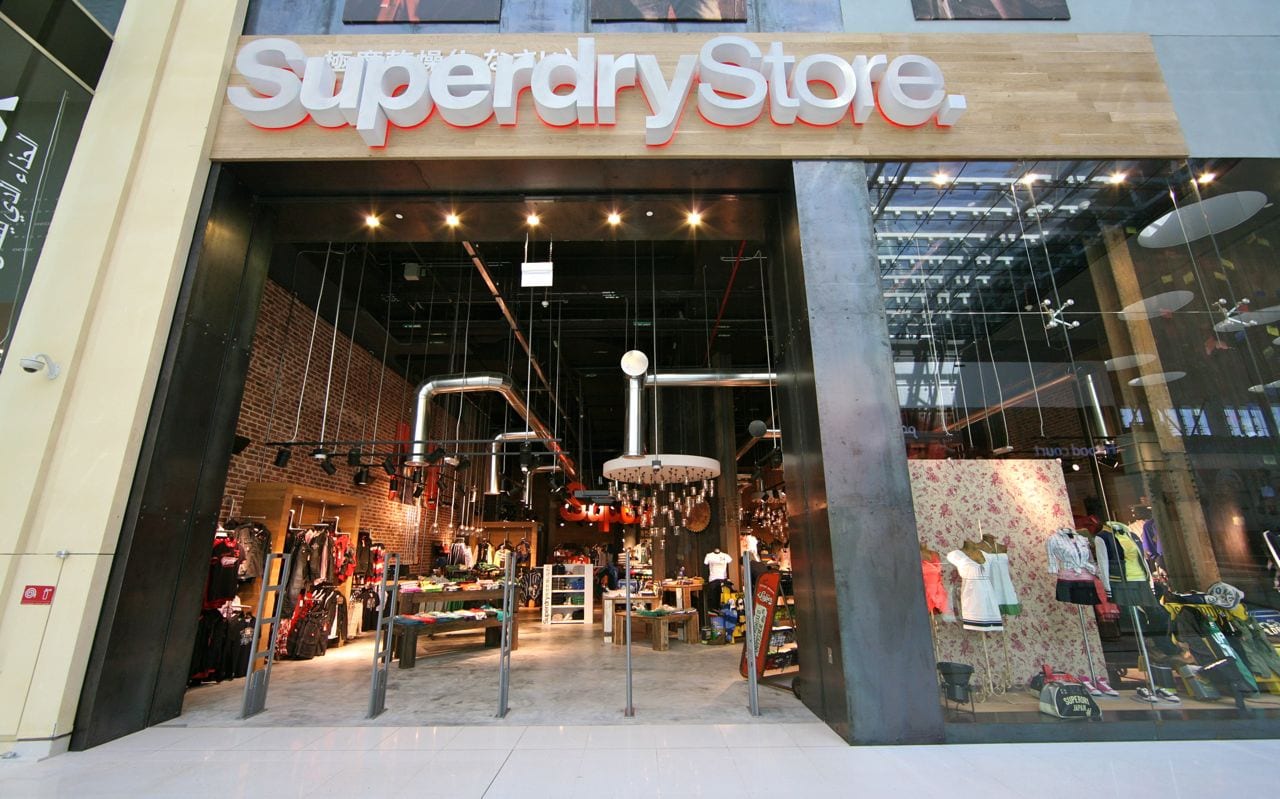
    SuperGroup, the parent of the hip casual fashion brand Superdry, has confirmed plans to enter China, as reported by Inside Retail Asia earlier this week.

    The Superdry China foray will be a 50:50 joint venture with local company Trendy International Group. SuperGroup will invest up to £18 million to kickstart the new market, but says it expects the JV to be self-funding within two years of launch.

    The group promises a “measured” roll-out program in China with Trendy managing the day-to-day business operations. SuperGroup will provide strategic brand support, design services and marketing.

    SuperGroup CEO Euan Sutherland said of the move: “The joint venture in China with Trendy International Group, together with an extensive pipeline of new stores in our targeted European markets and continued momentum in eCommerce, provides confidence of continued long-term growth.”

    The company announced a two per cent increase in net profit to £63.2 million in the year to April 25 April on revenue up 12.9 per cent to £486.6 million. Its retail revenue rose 17 per cent with same store sales growing 4.8 per cent.

  • Shangpin Home Collection to be listed in China

    Shangpin Home Collection to be listed in China

    The parent of Chinese furniture retailer Shangpin Home Collection has announced plans for an IPO to raise 2.5 billion yuan (US$402 million).

    Guangzhou Shangpin Home Collection Co Ltd will list on the Growth Enterprise Market of Shenzhen Stock Exchange, China’s version of the US Nasdaq exchange.

    Shangpin Home Collection operates 969 stores, 901 of them franchised, the balance self-run.

    The company makes customised furniture which it sells through Shangpin Home Collection stores and online, where it ranks 42nd in China’s top 500 internet retailers.

    The company was founded in 2004. It says it plans to use the funds to upgrade it manufacturing systems, online services and fulfilment centres.

    Last year, Shangpin Home Collection boosted profit by 63 per cent, the vast majority of that growth reportedly coming from its eCommerce business on its own site Homekoo.com and on Tmall and JD.com.

    Physical stores, however, currently still account for the majority of sales.