Retail News CRM

Tag: China

  • Zen retail: China’s new boom category

    Zen retail: China’s new boom category

    The unprecedented growth in the number of Buddhists on the Chinese mainland over the last 30 years has spurred strong demand for related merchandise.

    With China’s Buddhist population traditionally concentrated in the southern regions, the country’s first sizeable International Buddhist Items and Crafts Fair was held in the southeastern coastal city of Xiamen in 2006. Spurred by this initial success and, more importantly, by the continued growth in the number of the country’s Buddhists, several similar exhibitions have since been held across the country, reports the Hong Kong Trade Development Council.

    The first edition of the Xiamen fair attracted many exhibitors from neighbouring Taiwan, including Tso Chin-yung, a representative of Kuan Hong, a Taiwanese religious arts company, which is a regular exhibitor at the event. The inaugural fair was held in a 6000 sqm venue and attracted nearly 200 exhibitors. Today, the Xiamen fair has become the bellwether of the Buddhist merchandise industry, as well as the preferred specialist platform for the mainland market. It now claims to be the world’s leading Buddhist merchandise marketplace.

    At the ninth edition, held last autumn, the exhibition covered 90,000 sqm, featured 5000 international-standard booths, and attracted nearly 1000 exhibitors from 11 countries and regions – including Taiwan, Hong Kong, Malaysia, Japan and South Korea.

    The event also drew more than 200,000 local and overseas visitors, as well as several buying missions. Other Buddhist-themed exhibitions have since been held in other parts of the country, including major fairs in Guangzhou, Wuhan, Nanjing, Hangzhou, Jinan, Qingdao and Dalian in 2014.

    Perhaps most significantly, Beijing hosted its first such event last December. The China (Beijing) International Buddhist Items and Supplies Expo, staged with the approval of the China Council for the Promotion of International Trade and organised by the China Council for the Promotion of Buddhist Culture, was seen as marking national recognition for the sector. It also underscored demand for Buddhist items expanding well beyond the southern regions.

    An HKTDC Research visit to the inaugural Beijing event saw first-hand the scale of the fair. Covering 30,000 sqm of exhibition space and attracting some 500 exhibitors, the event showcased a variety of Buddhist statues, prayer beads, books, incense and vegetarian menus, musical instruments, Buddhist attire and decorative items, as well as temple construction and interior design equipment.

    Kuan Hong’s Mr Tso attended this event, along with about 20 other Taiwanese companies, which occupied about 50 exhibition stands. According to Tso, the trade mission included many key players in Taiwan’s Buddhism merchandise industry, many of whom have since established mainland affiliates.

    Tso, who launched his temple construction projects in China in 1992, believes religious and economic development in society tends to be mutually supportive. A weak economy, he said, leads people to focus only on immediate material needs. With China experiencing exponential economic growth, he sees people’s spiritual pursuits becoming more diversified and widespread, inevitably resulting in increased demand for religious items.

    Despite a history dating back some 2000 years, the last 30 years has seen the fastest growth in the number of Buddhists on the mainland. About 18 per cent of China’s population now claims to be followers of the religion – some 185 million people. Among those identifying themselves as non-Buddhists, 31 per cent accept at least one tenet of the religion or have participated in a Buddhist religious activity.

    Chen Yanni, founder of the Liu Wei Zen (“Six Flavour Zen”) brand of Buddhist merchandise, believes that China’s Buddhist population – and its associated industries – has experienced “explosive” growth over the past three years. Citing Beijing’s famous Lama temple, Yonghegong, as an example, Chen says its visitor level has grown by about 20 per cent a year. She estimates China’s Buddhist merchandise industry is worth more than Rmb100 billion.

    Seeing the size of this potential market, Chen founded Blooming Lotus, a cultural and arts development company, to produce high-end Buddhist merchandise. The Liu Wei Zen series, for instance, has been designed to correlate with the six sensors associated with Buddhism; namely the eyes, ears, nose, tongue, body and mind. Her company’s products range from books and paintings, Zen music and incense, to Zen tea, attire and Buddhist journals.Despite the high demand for Buddhist items on the mainland, she said that most products are still targeted at the low-end of the market. She now hopes to develop high-end Buddhist brands, something she sees as the future market trend in China.

    One Nepalese exhibitor also sees potential in the higher end of the market. Selling Buddhist items in China for more than two decades, the exhibitor last year sold US$1 million worth of glazed Buddha statues and Thang-ka canvas paintings to mainland buyers. He now believes Chinese consumers have higher expectations of product quality, while also having greater faith in Nepalese products than domestically-made items.

    This concern over the lack of quality associated with domestically-produced Buddhist items was echoed by Master Xuan Lin from Changchun. Speaking to HKTDC Research, he said that mainland items tend to be of poor quality, especially those manufactured in northern China.

    According to Master Xuan, items from Taiwan and Japan are well-received among mainland Buddhists. Despite this, many of the higher quality items are not widely available on the mainland, with the sales channels still relatively undeveloped.
  • Hengdeli shifts focus to mid market

    Hengdeli shifts focus to mid market

    Chinese watch retailer and wholesaler Hengdeli Holdings is to expand into the mid market as it mainland China business grows.

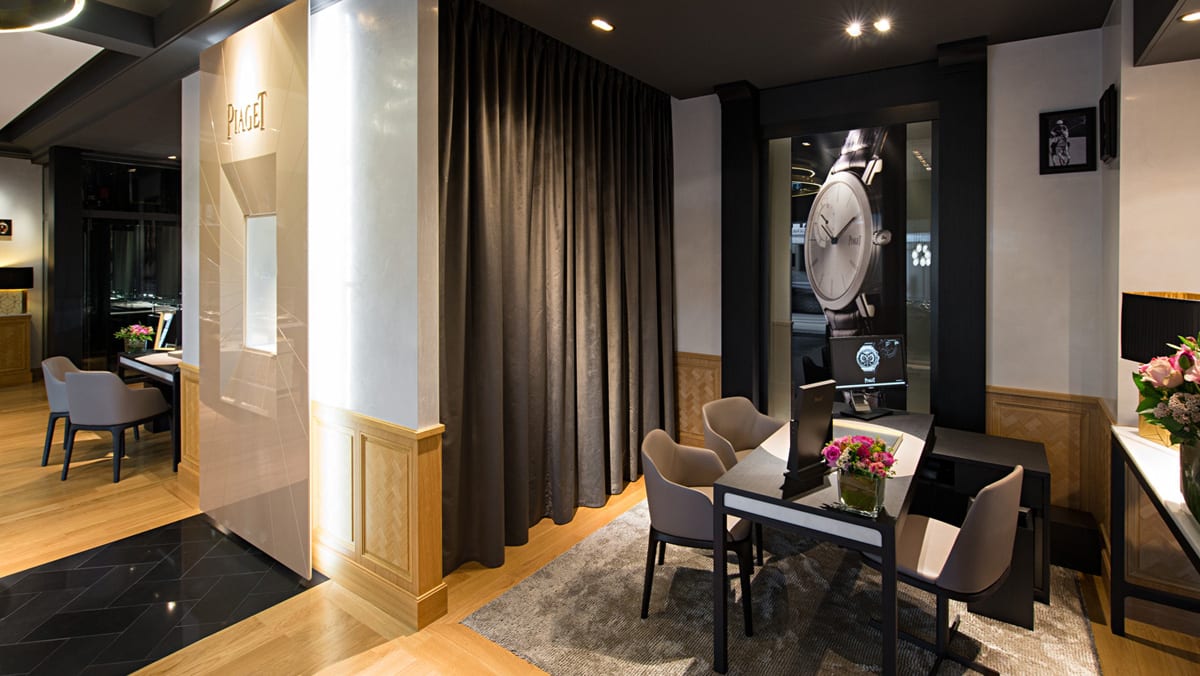
    Hong Kong-listed Hengdeli specialises in high end watch retailing in mainland China, Hong Kong and Taiwan and has relationships with major global suppliers including Swatch, both LVMH and Richemont, Rolex and Kering.

    As at December 2014, the company represented more than 50 international brands, including Breguet, Bulgari, Cartier, Girard-Perregaux, IWC, Jaeger-LeCoultre, Longines, Mido, Omega, Rolex, Scatola del Tempo, TAG Heuer, Tissot, Vacheron-Constantin, Van Cleef & Arpels and Zenith.

    Last year Hengdeli added Manufacture Royale, MB&F and Vulcain to its portfolio as it stepped up its efforts to “bring in and align mid-end, mid-to-high end and high-end brands across both Mainland China and Hong Kong”. The company said it believes optimising the brand portfolio will pave the way for long-term business development and increased sales.

    According to recently filed 2014 financials, Hengdeli recorded turnover of RMB 14,764,370,000 (US$2.379 billion); an increase of 10.4 per cent year-on-year. Retail sales amounted to RMB 10,608,804,000 ($1.71 billion), an increase of 6.3 per cent year-on-year. Of this figure, retail sales in mainland China posted a year-on-year increase of 11.6 per cent to reach RMB 6,248,240,000 ($1.007 billion), while Elegant Hong Kong’s retail sales experienced a year-on-year decrease of 17.7 per cent to RMB 2,593,388,000 ($418 million). Excluding the impact of foreign exchange gains and losses, the decrease was 16.6 per cent.

    Group sales remained at the same level as in 2013, indicating a slowing of expansion. “Growth of our total retail sales was mainly generated by domestic retail outlets and mid-end brands. While continuing weak sales of high-end watches had some impact on the total retail sales, the new normality of China’s economy and our strategy of aligning operations with market dynamics has paid off. As a result, the decline in sales of high-end watches in Mainland China began to slowdown.”

    The company says sales of mid-end brands remained favourable, posting a year- on-year growth of 16.1 per cent. Same-store sales of mid-end brands also grew by 2.2 per cent, which was above the group’s average growth for the year.

    The group recorded net profit of RMB 583,427,000 ($94 million); an increase of 24.4 per cent year-on-year.

    As well as focussing expansion on less high end brands, Hengdeli actively expanded into mainland China’s second, third, and fourth-tier cities while building market shares in first-tier cities, and establishing a multi-level sales system across Mainland China and Hong Kong.

    At year end, the Group operated 513 retail outlets in mainland China, Hong Kong, Macau and Taiwan.

    The Group’s retail network covers the Greater China Region, where retail stores mainly includes Prime Time/Hengdeli, Elegant as well as certain other single-brand boutiques. Prime Time/Hengdeli mainly sells mid-end and mid-to-high-end international brands, while Elegant focuses on top-end internationally renowned brands.

    Prime Time is the major retail outlet arm of the Group in Mainland China and mainly sells internationally renowned mid-end and mid-to-high-end branded watches.

    Hengdeli says in 2015, China’s economy looks likely to continue to evolve despite ongoing global economic uncertainties.

    “We believe that the resultant new normality will continue to create exciting fresh opportunities for the group.”

  • UnionPay joins hands with 80 airport duty free shops to expand cardholder privileges

    UnionPay joins hands with 80 airport duty free shops to expand cardholder privileges

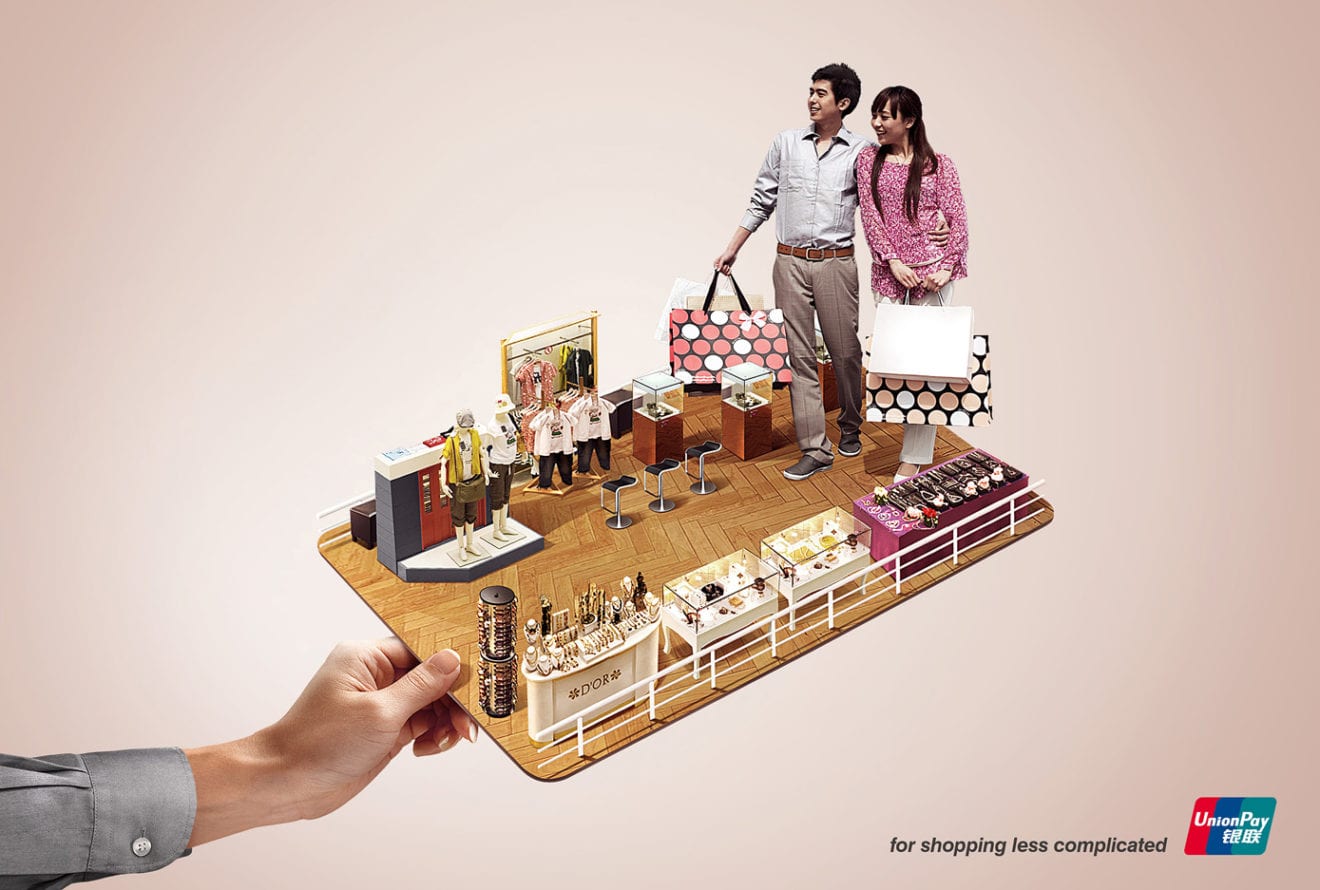
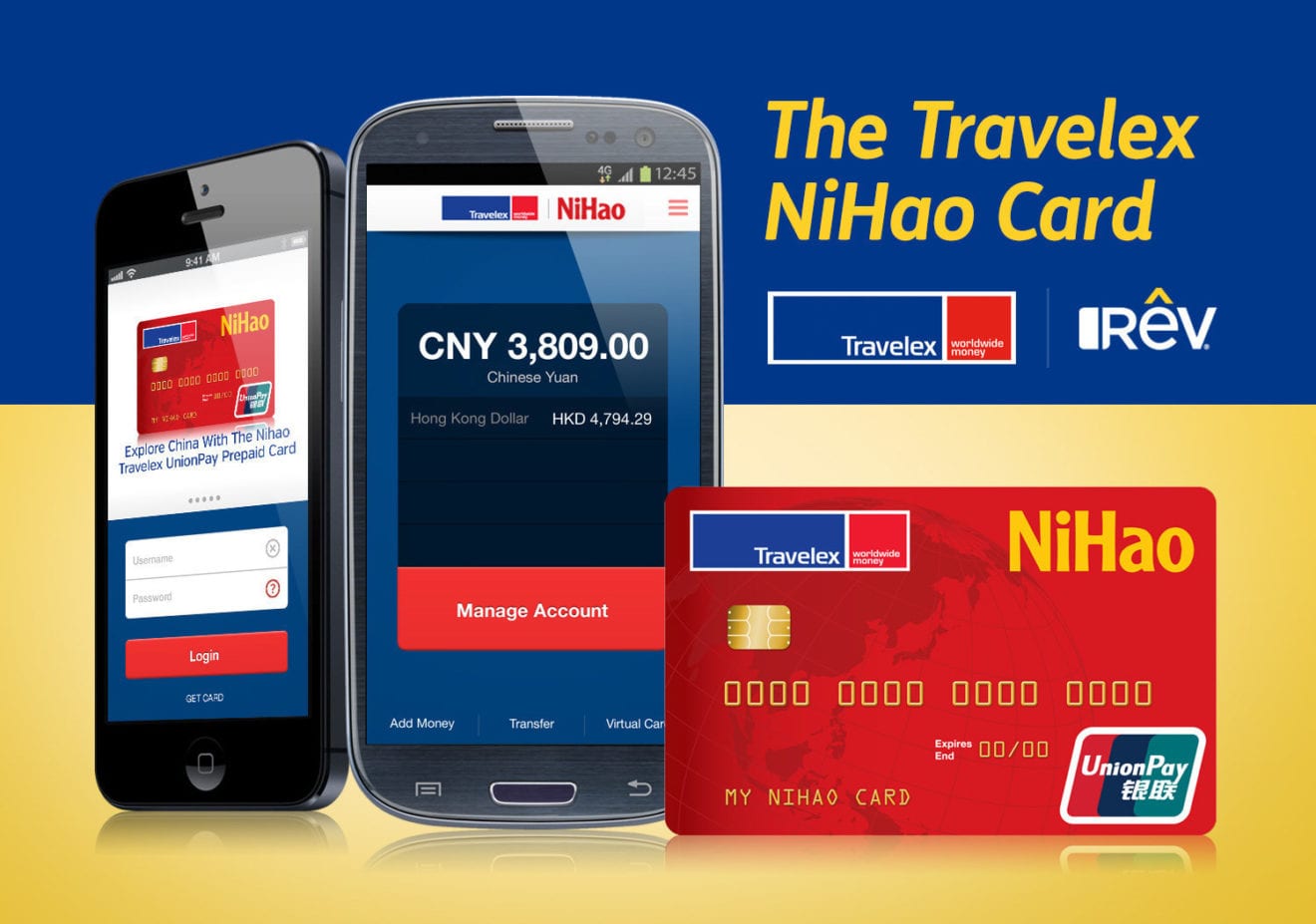
    UnionPay International, a unit of China UnionPay Co Ltd, said on Friday that it launched a new privilege program featuring special discounts at 80 duty free shops in 70 airports by partnering with 16 world-renowned duty free groups. Holders of UnionPay cards (card number starting with 62) are able to enjoy exclusive discounts of at least 5 percent while shopping at the airport.

    “As China becomes the world’s second largest tourism source country, we’re keeping up with the trends that individual and in-depth tours have become more popular to continuously enrich our global cardholder privilege system,” said Dong Li, Chief Branding Officer of UnionPay International.

    “Airport duty free shops are must-visit shopping sites for many during their travel, we wish to provide both domestic and overseas cardholders with better card-using experiences at airports around the world by rolling out the latest privilege program.”

    The program is an upgrade of the one of last year that features exclusive discounts at 60 airport duty free shops with many highlights.

    It covers a wide range including popular destinations such as Hong Kong, Taiwan, Japan, South Korea, Southeast Asia, Europe, North America, Australia, New Zealand and the Middle East. A total of 17 airports among the top 20 global ones in terms of passenger flow participate in the program.

    Cardholders can enjoy discounts of at least 5 percent. In the meantime, the program covers the Labour Day and the summer vacation during which Chinese tourists prefer to travel. Around 30 percent of the duty free shops, including those in Paris Charles de Gaulle Airport, Toronto Pearson International Airport and Ngurah Rai International Airport, will extend the offers to the end of 2015.

    A large number of new merchants are involved. International airports in emerging tourist destinations including Russia, Italy, Qatar, South Africa, Finland, Belgium and Fiji participate for the first time. UnionPay International also offers privileges in 5 domestic airport duty free shops in Guangzhou, Hangzhou and Kunming to overseas UnionPay cardholders.

    Currently, the overseas UnionPay acceptance network has expanded to 150 countries and regions. UnionPay cards are accepted by 26 million merchants and 1.8 million ATMs worldwide. UnionPay has become the preferred payment service provider of Chinese outbound tourists. Since last year, UnionPay International has launched privilege programs featuring discounts at airport duty free shops, core business districts and tourist destinations.

  • Rainbow stores continues expansion

    Rainbow stores continues expansion

    Shenzhen-headquartered Rainbow Department Stores is continuing to expand despite falling profit in 2014.

    According to stock exchange filings, Rainbow increased sales last year by 6.02 per cent to RMB 16.998 billion (US$2.7 billion). But its profit fell 11.84 per cent year-on-year to RMB 773 million ($124.5 million).

    Rainbow stores opened 12 new shops under its own brand and one new Dreams-on store, added five new Weiwo convenience stores and acquired a chain of 153 Q-mart c-stores.

    The company now has 62 Rainbow-branded stores and one franchised store with a combined trading area of more than 1.8 million sqm. Its Dreams-on owned chain now stands at four.

    At year end, Rainbow had expanded into Guangdong, Jiangxi, Hunan, Fujian, Jiangsu, Zhejiang, Beijing, and Sichuan.

    The company says in 2015 it will transform and restructure its internal business model to boost profitability.

    The company will focus on developing a mobile eCommerce channel and improve its supply chain capacity.

  • Chinese drive Europe outlet malls

    Chinese drive Europe outlet malls

    Chinese travellers are poised to become the biggest global spenders at McArthurGlen designer outlets in Europe.

    Fashion-conscious travellers from China and across Asia are spending big at McArthurGlen’s  20 Designer Outlet centres located across Europe, with Chinese visitors poised to become the most prolific spenders in 2015.

    The company, a joint venture with US property giant Simon, says total tax-free sales at McArthurGlen Designer Outlets reached a record high in 2014, reflecting a more than quadrupling of sales to international travellers over the past four years.

    “Impressive sales growth was seen from Chinese shoppers, up 36 per cent, and from Korean travellers, whose spending increased 32 per cent” the company said.

    The projections for future Chinese spending overseas are even more impressive. In 2014, 109 million Chinese tourists spent US$164 billion worldwide, while 174 million Chinese tourists are tipped to spend $264 billion annually by 2019, according to Bank of America Merrill Lynch.

    “These upward global spending figures are being reflected in sales at McArthurGlen’s Designer Outlets. In 2014, Chinese shoppers accounted for 25 per cent of total tax-free sales, ranking second overall behind Russian travelers (29 per cent). Korean visitors ranked third, with five per cent of total tax-free sales.

    “In 2015, Chinese visitors will likely overtake Russian tourists as the number one international spender.”

    McArthurGlen Designer Outlets is responding to the burgeoning Chinese interest by increasing its digital engagement with consumers in China. A dedicated page is about to be launched on social media channel WeChat, and McArthurGlen also re-launched its Sino-Weibo page. In addition, the McArthurGlen App and The Guide is available in 12 languages, including Chinese.

    Anthony Rippingale, McArthurGlen’s head of tourism, says the company’s sales to international shopping tourists are increasing twice as fast as for overall tax-free retail sales in Europe.

    “We are noticing particularly impressive growth from Korea and China, whose shoppers rank first and second for average transaction value for international visitors.”

    Across all international shopping markets, the most popular McArthurGlen Designer Outlets in 2014 for tax-free shopping were: Serravalle (near Milan, Italy), Roermond (near Düsseldorf, Germany), Parndorf (Vienna, Austria), Noventa di Piave (Venice, Italy) and Castel Romano (Rome, Italy).

    In June, McArthurGlen will open its first centre outside Europe, in Vancouver, Canada.

    “The latter will be of special interest to Chinese shoppers after the announcement of the new 10-year Canada visa plan for Chinese guests was announced in March,” the company said.

    McArthurGlen Group, Europe’s leading owner, developer and manager of designer outlets, was founded in Europe by Kaempfer Partners in 1993. Since then, the company has developed nearly 600,000 sqm of outlet space, with a current value of more than euro 3 billion, and manages 20 McArthurGlen Designer Outlets across eight countries: Austria, Belgium, France, Germany, Greece, Italy, the Netherlands and the UK.

    In 2013, McArthurGlen became a joint venture between the world’s largest retail developer, Simon Property Group, and Kaempfer Partners.

  • China sinks Prada profit

    China sinks Prada profit

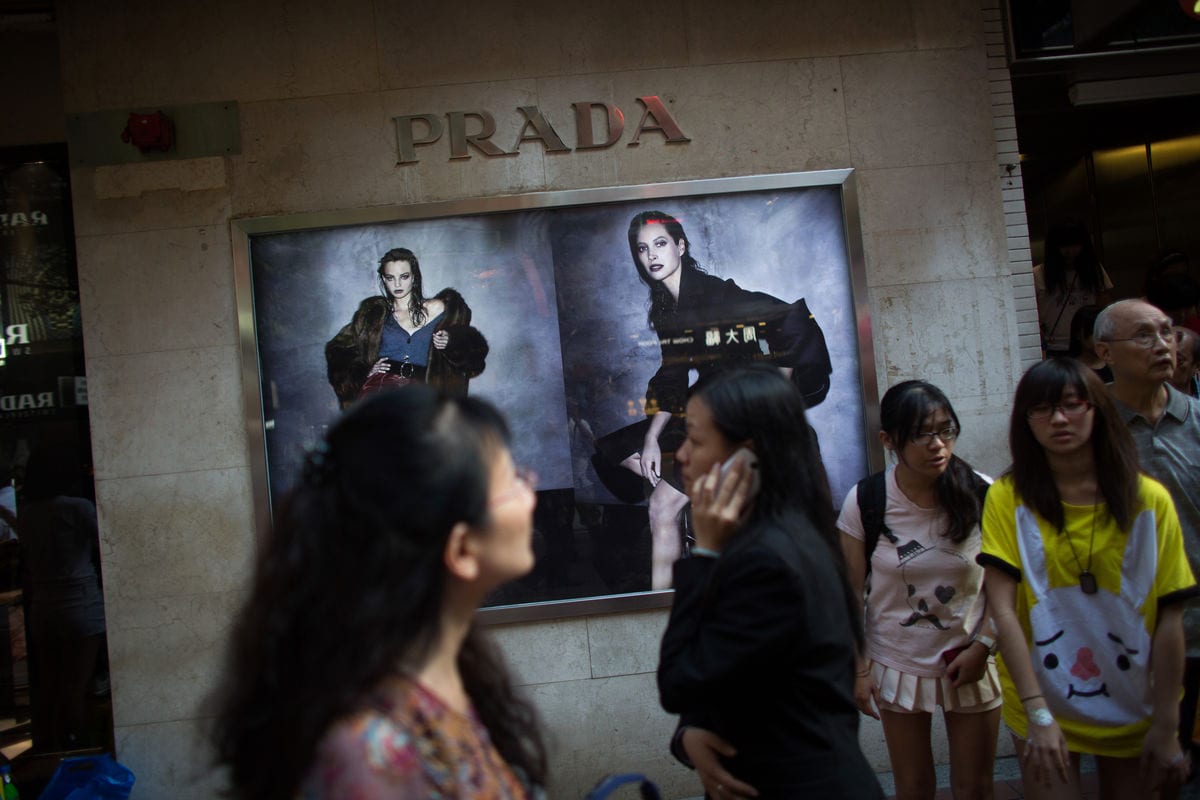
    Luxury retailer Prada Group has blamed China for a 28 per cent slump in profit last year.

    The Italian company says sales in its key Asia-Pacific market – which contributes 35.7 per cent of its global turnover – slid 3.1 per cent.

    This was largely due to the clampdown in corporate gift giving as China tries to reduce graft, and changing purchasing patterns in Hong Kong, which cashed up Chinese are spurning for other travel destinations.

    “Results in the region were hit by the negative performances recorded in Hong Kong and Macau. The Greater China area still benefited from growth on the [mainland] Chinese domestic market and ended the year with net sales of 774.1 million euros, a decrease of 6.3 per cent,” the company said.

    While Prada accounts for 81.2 per cent of the group’s sales, Miu Miu and Church’s both improved globally, while the smallest, Car Shoe, returned a sales drop of 11.9 per cent.

    Prada opened 21 new stores in Asia Pacific in the year to January 31 and closed three. Retail sales slid 5.5 per cent, but this was in part compensated for by a double digit growth in the wholesale division, largely due to increasing numbers of inbound tourists into South Korea. In the Americas, sales were up 0.9 per cent.

    In Europe, sales fell 4.9 per cent, but in Japan (which is not included in the Asia-Pacific figures) sales rose 7.9 per cent, despite store network rationalisation.   Prada said overall revenue for the year dipped by one per cent to 3.55 billion euros, while net income dropped to 450.7 million euros from 627.8 million euros a year earlier. Its operating margin was down from 31.9 per cent to 26.9 per cent, largely due to store openings.

  • Xiaomi to open new store in Taiwan this year

    Xiaomi to open new store in Taiwan this year

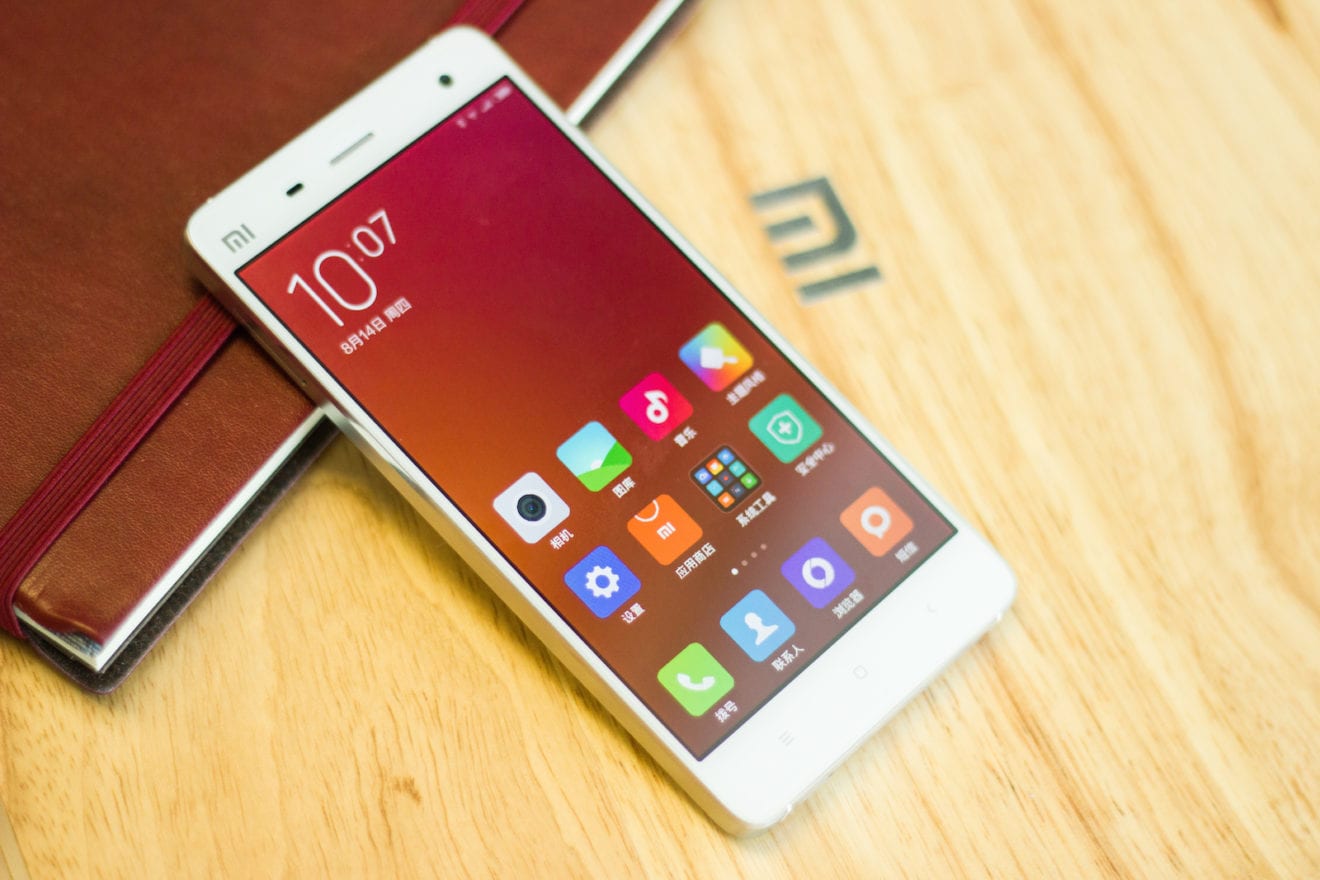
    Chinese smartphone maker Xiaomi Inc. said that it will open a facility in Taiwan in the next few months to showcase its products and provide better after-care service. Xiaomi, whose low-cost, feature-rich phones are sold largely online, previously planned to set up a store in Taiwan by the end of 2014, but the timetable was postponed because the company needed more time to find an appropriate location, said Bin Lin, Xiaomi’s co-founder and president.

  • Dairy Farm cleared to buy Yonghui stake

    Dairy Farm cleared to buy Yonghui stake

    Dairy Farm International has been given regulatory clearance to acquire its target 19.99 per cent stake in Shanghai-listed Yonghui Superstores.

    The deal, announced last August, was conditional on regulatory approvals. Dairy Farm has now confirmed it has received the final and unconditional approval of the China Securities Regulatory Commission, which was the final clearance required.

    The deal, worth RMB5.69 billion (US$908 million), will see the Hong Kong based retail giant take a cornerstone stake in one of China’s fifth largest hypermarket operator. Yonghui had 288 hypermarkets and supermarkets across 17 provinces in China as at the end of 2013.

    Dairy Farm has more than 6100 supermarkets, health and beauty stores, home furnishings shops and restaurants across Asia on its own or in joint ventures. It will collaborate with Yonghui in procurement, fresh food processing and store development.

    “Dairy Farm has for some time been looking for opportunities to participate in the large and high growth Chinese market,” Graham Allan, CEO of Dairy Farm, said in a statement at the time the deal was announced.

    “This strategic partnership with Yonghui provides an attractive way to do that.”

    With clearances now in hand, completion of the purchase is now expected to take place in April.

  • Chengdu IFS mall excels

    Chengdu IFS mall excels

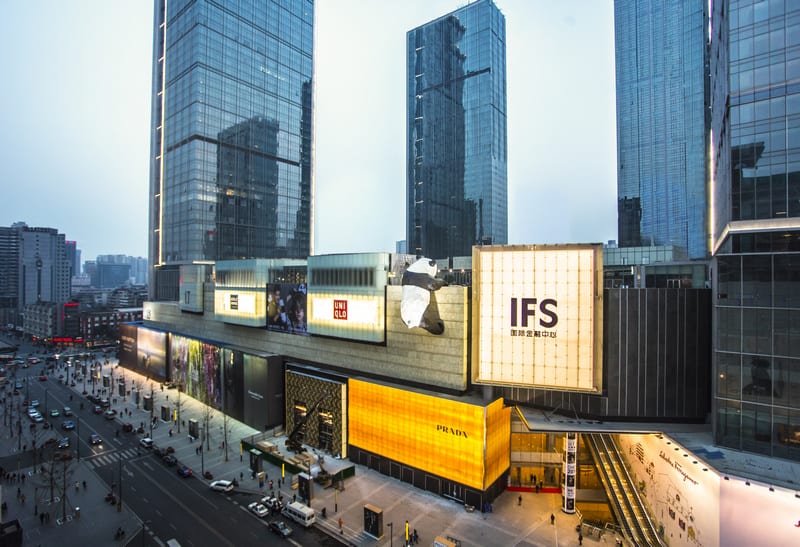
    The 206,000sqm Chengdu IFS mall which opened last year is trading 21 per cent ahead of budget.

    The mall’s success helped drive Hong Kong-based parent The Wharf Holdings’ Chinese revenues by 57 per cent to HK$1.984 billion in 2014. Operating profit in the market rose 30 per cent to HK$991 million.

    Located on the prime intersection of Hongxing Rd, Dacisi Rd and Beishamao St, Chengdu’s busiest pedestrian shopping area, the IFS (International Finance Square) mall is modelled on The Wharf’s Harbour City mall in Hong Kong.

    The total development area of 760,000 sqm features a mega shopping mall designed by Benoy, two premium-grade A office towers designed by Kohn Pederson Fox Associates, a luxurious residential tower and a premium hotel. The mall and the office towers were completed in 2014 and the full development will be completed this year.

    “Since its opening in early 2014, the mega mall has become a one-stop lifestyle shopping landmark in Western China, thanks to its unparalleled location, critical mass, world-class management and services,” said The Wharf in its 2014 profit announcement.

    “Its most comprehensive trade mix, lifestyle and entertainment offering fuels strong demand from the rising middle class. The presence of nearly 300 of the world’s most coveted brands (including over 100 debut stores of renowned brands in Western China) underlined retailers’ confidence in Wharf’s management expertise. With its 530 metre retail street frontage on par with Harbour City’s Canton Rd frontage, Chengdu IFS is comparable to Harbour City in terms of showcase effect and attraction power.”

    The mall is over 99 per cent leased, with 98 per cent of shops already trading. Since its opening, retail sales jumped 400 per cent and foot traffic by 250 per cent at year-end.

    The mall generated a revenue of RMB483 million in 2014, 21 per cent above target, and is expected to reap an annual retail revenue of RMB600 million at full operation.

    Further China success

    The Wharf’s other properties also enjoyed improved fortunes in 2014.

    Shanghai Times Square, located on Huaihai Rd, has been transformed into a high-end retail destination with the largest Lane Crawford store in China and a mega lifestyle specialty store City’Super, upon completion of its substantial renovation in 2013. The renewed mall alongside the new cluster on HuaiHai Rd and the new Lane Crawford complements one another and creates value. Shanghai Times Square was over 99 per cent occupied at year-end after the tenant mix was further refined with the addition of new brands, culinary and lifestyle tenants.

    The Wharf group is developing five IFSs in China, with a scale comparable to or surpassing that of Harbour City and Times Square in Hong Kong. These IFSs, upon full completion by 2017, will significantly enhance the group’s recurring income base in China and be a significant growth driver.

  • Jumei online sales soar on new focus

    Jumei online sales soar on new focus

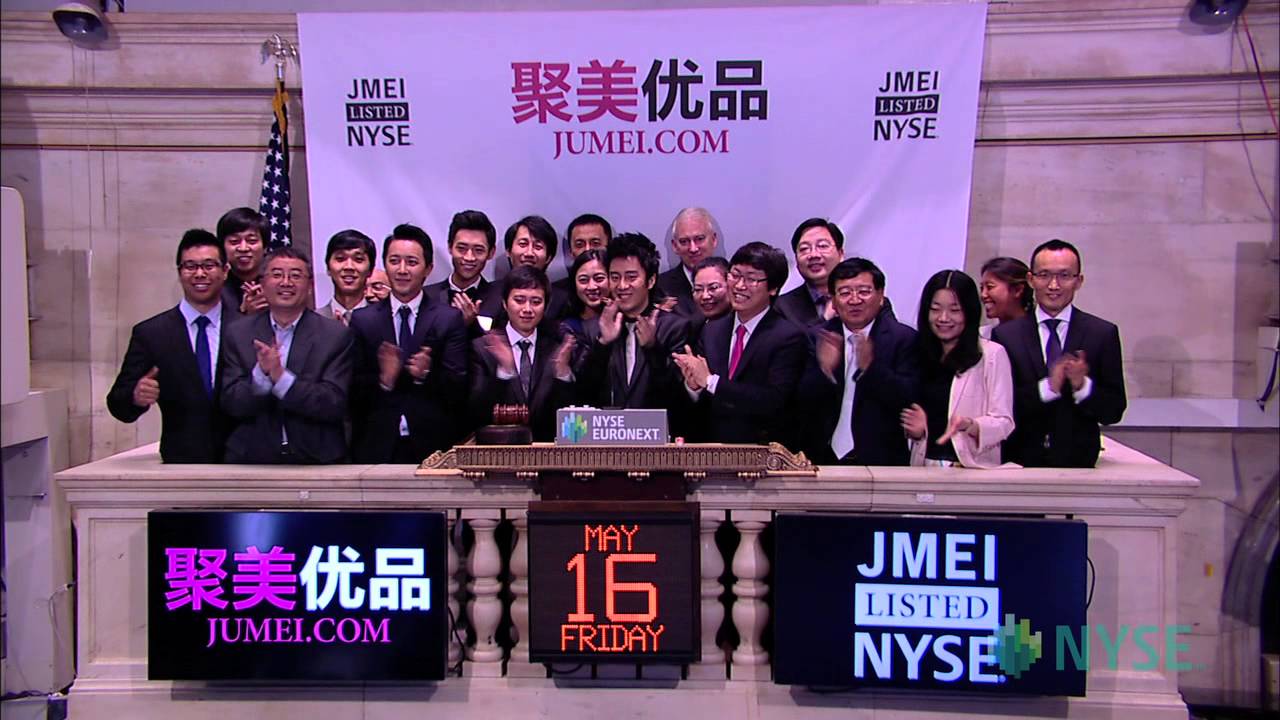
    Jumei International, the Chinese online retailer, says its 2014 net revenue increased by 31 per cent year-on-year to US$632.9 million.

    The increase reflects a change of focus away from its once core focus on own brand beauty products, to branded products and general merchandise categories and apparel.

    The total number of total orders increased 18.3 per cent year-on-year to 42.6 million, while the number of active customers increased by 26.7 per cent to 13.3 million.

    However in the last quarter of the year, Jumei online orders fell 5.9 per cent year-on-year to 9.6 million.

    For the full year, gross profit as a percentage of net revenues decreased to 39.5 per cent from 41.3 per cent in 2013. In the final quarter, it fell from 42.6 per cent to 30.4 per cent, primarily due to the company’s shift in strategy from beauty product marketplace sales to merchandise sales that started in September 2014.

    Gross profit increased by 25.3 per cent to US$250.2 million from US$199.7 million in 2013 and gross margin decreased slightly to 39.5 per cent from 41.3 per cent in the prior year.

    Jumei founder and CEO, Leo Chen, said the company had achieved “a solid recovery” of its business, recording its 11th consecutive quarter of profitability.

    “While fourth quarter 2014 was a full transitional quarter during which we no longer had beauty product marketplace business, we are very encouraged by the strong first quarter 2015 outlook.

    “The particularly strong sequential and year-on-year net revenue guidance indicates a strong recovery driven by Jumei Global which witnessed rapid growth from late December 2014. Not only were we able to fully replace former beauty product marketplace SKUs with Jumei Global, we were also able to achieve what we believe is best-in-class quality control and customer satisfaction.”

    By offering direct purchase from brand, competitive pricing and fast delivery speed, Jumei Global is now the largest cross border eCommerce platform in China, which is a crucial part of its growth strategy for 2015.

  • Apple Watch knock-offs hit China stores

    Apple Watch knock-offs hit China stores

    Apple’s new Watch range won’t be on sale until late next month.

    But Chinese consumers whose appetite for the wrist-mounted communications technology has been whetted by the high profile Apple Watch launch last week can already buy similar products at a fraction of the price.

    Apple Watch real and copy 315One is real, the other is a copy. Can you tell which is which? Answer at the end of the story.

    Knock-offs, copies, imitations, fakes – it’s hard to categorise the new breed of rival products hitting retail store shelves. For sure, some are blatant copies of the Apple Watch and their makers are likely to find themselves on the receiving end of litigation from Cupertino. But others fit into a large grey field of the retail landscape: conceptually they may be similar, they may even look alike (a watch is a watch, right?) but some operate on Google’s Android operating system making it extremely difficult to dub them fakes.

    The official Apple Watch goes on sale in three styles, ranging in price from US$350 to $17,000.

    But already Alibaba’s Taobao is selling a watch called the AW08 for $59 which can be connected to devices running Google Android and delivered within 24 hours. Other similar products cost as little as $39.

    According to tech news website Geekwire.com, other “knock-offs” branded D-Watch, Airwatch A8 and Ai Watch are also available on Taobao at prices substantially below the Apple Watch and “designed to look just like the Apple Watch”.

    Some commentators question whether the knock-off phase will damage Apple, in a nation where image and status is of growing importance, or if all the hoopla will actually help Apple’s brand and product awareness, driving sales of the ‘real McCoy’.

    “Most people who buy them will do so knowing they are not Apple’s real Watch,” Matthew Forney, president of the business consultancy Fathom China, told the BBC.

    “Apple products are very popular in China, and it’s possible that Chinese consumers will want to be seen to be the first person on their block to wear its Watch. However, I think most of those consumers are aware that there has been an issue with fakes and copycats on Taobao and would be highly suspicious of the devices.”

    Others are worried about the damage such businesses do to brands in general.

    “These guys are specialists,” Laurent Le Pan, founder and CEO of the Omate smartwatch maker told CNN Money.

    “The speed at which they can bring copies on the market is amazing. The hardware is not the big challenge – the hard part is on the software and the application side. In the end, you sometimes need to be an expert to tell the difference between real and fake.”

    For now, Apple might own the Watch space with the perception it is the first to market – other brands have already released smart watches of their own, but to date few if any connect to smartphones, their features largely limited to exercise measuring and physical fitness monitoring. But that won’t hold for too long, with Apple’s second wave of competition coming from established genuine brands rather than the armada of copycats.

    Swatch, the world’s largest watchmaker, plans to launch a smart watch to undercut Apple and other legitimate rivals featuring Near Field Communication (NFC) chips later this year, which will allow payments by watch, among other features.

    Rival manufacturers will have to be compatible with iOs or Android, so most will focus on Android given the likely barriers Apple will place on sanctioning direct competitors on its own OS.

  • JD’s new delivery app to boost online-to-offline business

    JD’s new delivery app to boost online-to-offline business

    JD Inc, one of China’s biggest e-commerce companies, has introduced a new delivery app for urban Chinese. Paidaojia allows users to place online orders for delivery from nearby merchants, whether convenience stores or restaurants, according to China Daily. JD guarantees delivery within 2 hours on orders from stores within 3 kilometers. JD CEO Liu Qiangdong said in a statement that the app is a strategic move to capture more of the online-to-offline market. Along with the company’s logistics and delivery system, JD plans to build Paidaojia into a “local life and service platform.

    ” The company has already tested the app with a pilot program in Beijing and Shanghai. By the end of March, Paidaojia is expected to serve communities within Beijing from the city center to the fourth ring road. From there, the service area will expand to other large Chinese cities, including Shanghai, Shenzhen, and Guangzhou.

  • Li-Ning retail revamp finally working

    Li-Ning retail revamp finally working

    Embattled Chinese sportswear brand Li-Ning is continuing to rebuild its massive Chinese store network as it works to return to profitability.

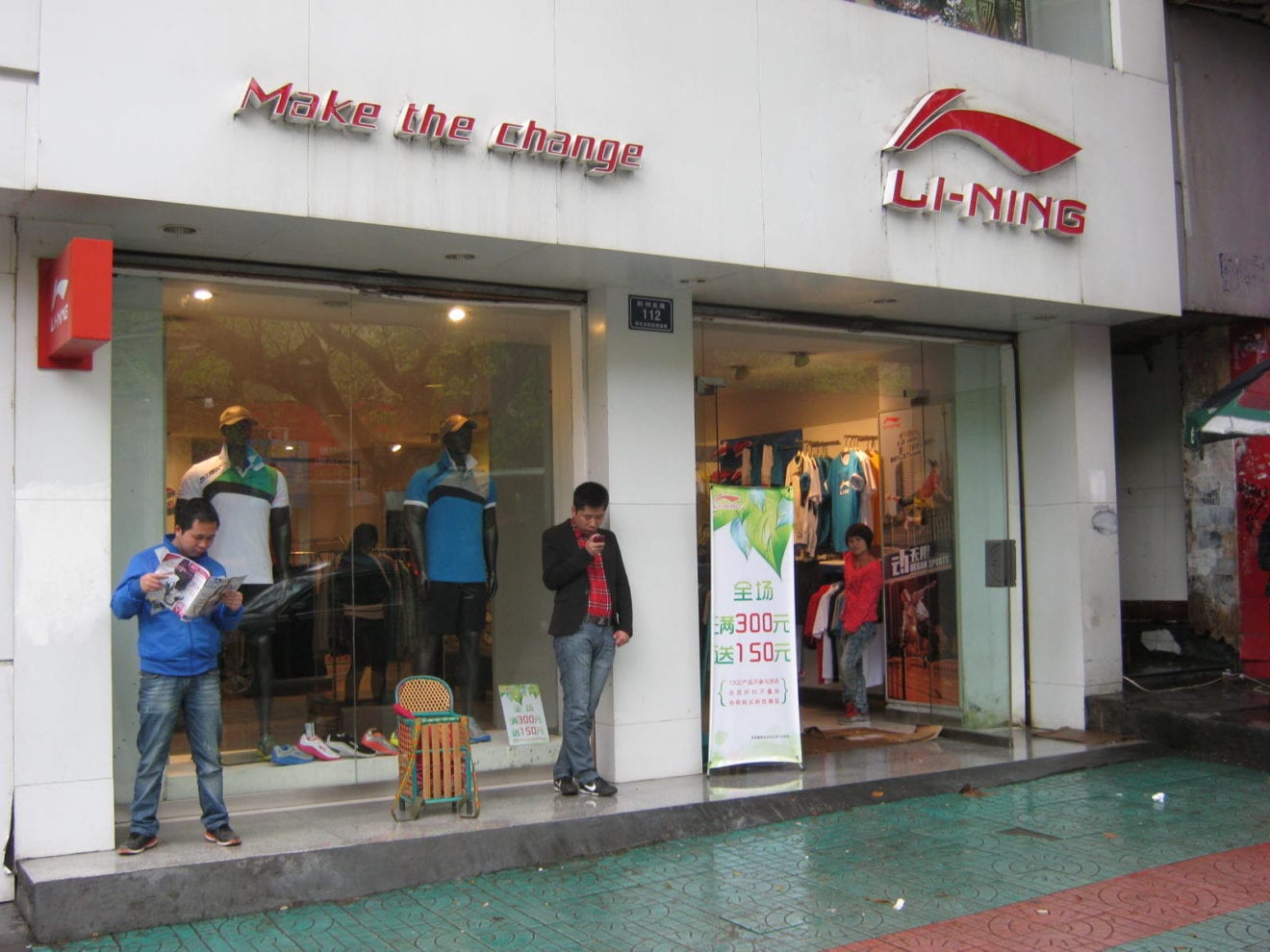
    The company ended the year with 5626 stores, a net decrease of 289. But it boosted its company-operated store network by nearly 30 per cent as it continued to cull franchisees across the nation.

    Li-Ning expanded its own network from 926 at the end of 2013 to 1201, and culled its franchisees by 565, or 11 per cent, 4424.

    “In 2014, we devoted our efforts in improving retail capability among all channels,” the company said in its earnings statement.

    “We focused on strengthening management on merchandising, retail execution, channel expansion and innovations. The higher overall efficiency as well as fast response to market and consumer appeals laid a solid ground for better retail results.”

    Li-Ning reported a net revenue growth of 16 per cent to RMB6,728 million (US$1.085 billion) for the full year, but said its second half revenue growth rate was a higher 23 per cent.

    It reported a pretax loss of RMB323 million ($52 million), although made a second half profit of RMB28 million ($4.5 million), suggesting the turnaround strategy is beginning to work at last.

    Much of the rebuilding effort is focused on its retail strategy in the sportswear market, a retail category which is saturated with international and local brands and an oversupply of retailers, a situation dating back to the national sports craze fuelled by the Beijing Olympics in 2008.

    Li-Ning says it has established a management team to standardise store opening and operations to ensure they become profitable within six to nine months.

    “In 2015, we will continue to review some of the markets we lost while seeking opportunities to open new stores. One of the challenges we are still facing today is that many of our sub-distributors are single-store operators with low productivity and poor retail operations. Many of them have an outdated inventory mix which makes the store look stale and affects its revenue-generating capability, resulting in the threat of operating loss and store closure. In 2014, we identified multiple approaches to address sub-distributor revival, which have made some preliminary positive results.”

    Behind the scenes, the Li-Ning retail revamp has seen a variety of processes implemented to improve store performance.

    Its sales department worked closely with its product category department and distributors to classify stores by attributes of consumer needs, in order to drive better store assortment planning, which has greatly improved its order accuracy and effectiveness.

    “We also started our efforts in making further segmentation and differentiation of commercial districts to align store assortment planning with product categories. Stores were grouped for management by city tier, commercial zone, consumer segments, sports/sports life relativity, etc. based on our product category strategy.”

    A new ‘Resources Management Platform’ monitors and optimises inventory resources, helping predict forward order matching and in identifying warehouses, distributors and subsidiaries which have inventory excesses or shortfalls. That enables decisions on order rebalancing, merchandise allocation, sales promotion and clearance to be more accurate.

    “We have been able to catch the opportunity to replenish the bestsellers since 2014 Q2 to distributors and sub-distributors with out-of-stock situation. Throughout the year, we also intentionally offloaded the seasonal slow- moving products to discount stores, to clear up the space in regular stores for the bestsellers.”

    Li-Ning’s sales promotion strategy has moved actual retail prices more in line with the market needs and authorisation for price changes has been delegated  to regional level to allow a more flexible response to competitors.

    “These reforms on retail operation resulted in strong growth of more than 18 per cent in our current season product sales in regular stores in 2014, with over 80 per cent of our sales driven by our current and prior season products. Retail discount was improved across the stores, which helped increase gross margin of stores and profitability of distributors. Driven by the improving retail efficiency, our same store growth turned positive in the second half of the year and recorded a high single-digit growth in the fourth quarter.”

    Li-Ning also focused on expanding its LNC (Li-Ning Collection) retail brand, which focuses on premium products in the sports life category to expand the middle and premium consumer market. The stores offer a mixture of cross-category products originated by Korean designers, with the endorsement of Jessica (a former member of the Korean pop group Girls’ Generation), which attracted fashion-minded consumers. More than 10 LNC stores have been opened which contributed sound results in the fashion mall channel, and more new stores are scheduled in 2015.

    Li-Ning also worked with Korean Visual Merchandising Display specialists ESPEC to revamp its store look and visual displays. The result is a seventh generation store format which highlights sports attributes and introduces more fashion elements.

    “Currently, we have four stores of the seventh generation in operation. We believe that, fuelled by the new store image, our retail results will be positioned for effective improvement and enhancement.”

    Li-Ning says its eCommerce business posted revenue growth of 48 per cent in 2014.

    “Our flagship stores on major eCommerce platforms such as Tmall and JD have more than doubled in size, with wider and better assortment and excellent operations.

    On the key November 11 trading day, Li-Ning recorded sales of RMB77 million ($12.4 million), ranking No. 2 in the sports/outdoor category and overtaking both Nike and Adidas.

    In 2015, the company plans to further enhance its presence in the fast growing mobile channel, strengthen its digital innovations, build up an ‘O2O’ eco-system and customer relationship management platform and “provide a world-class Omni-channel shopping experience for customers”.

  • UnionPay in giant duty free pact

    UnionPay in giant duty free pact

    UnionPay International has launched a privilege program featuring special discounts at 80 duty free shops in 70 airports by partnering with 16 world-renowned duty free groups.

    Holders of UnionPay cards with a number starting with 62 can receive discounts of at least five per cent during their international travels.

    “As China becomes the world’s second largest tourism source country, we’re keeping up with the trends that individual and in-depth tours have become more popular to continuously enrich our global cardholder privilege system,” said Dong Li, chief branding officer of UnionPay International.

    “Airport duty free shops are must-visit shopping sites for many during their travel, we wish to provide both domestic and overseas cardholders with better card-using experiences at airports around the world by rolling out the latest privilege program.”

    The program is an upgrade of the one of last year that features exclusive discounts at 60 airport duty free shops with many highlights.

    It covers a wide range of destinations inside Asia and beyond, including Hong Kong, Taiwan, Japan, South Korea, southeast Asia, Europe, North America, Australia, New Zealand and the Middle East. A total of 17 airports among the top 20 global ones in terms of passenger flow participate in the program.

    The promotion is focussed on the Labor Day and summer holiday vacation season during which Chinese tourists prefer to travel. But about 30 per cent of the duty free shops, including those in Paris Charles de Gaulle Airport, Toronto Pearson International Airport and Ngurah Rai International Airport, will extend the offers until the end of 2015.

    A large number of new merchants are involved. International airports in emerging tourist destinations including Russia, Italy, Qatar, South Africa, Finland, Belgium and Fiji participate for the first time. UnionPay International also offers privileges in 5 domestic airport duty free shops in Guangzhou, Hangzhou and Kunming to overseas UnionPay cardholders.

    Currently, the overseas UnionPay acceptance network has expanded to 150 countries and regions. UnionPay cards are accepted by 26 million merchants and 1.8 million ATMs worldwide. UnionPay has become the preferred payment service provider of Chinese outbound tourists. Since last year, UnionPay International has launched privilege programs featuring discounts at airport duty free shops, core business districts and tourist destinations.


  • Walmart China to add 30 stores

    Walmart China to add 30 stores

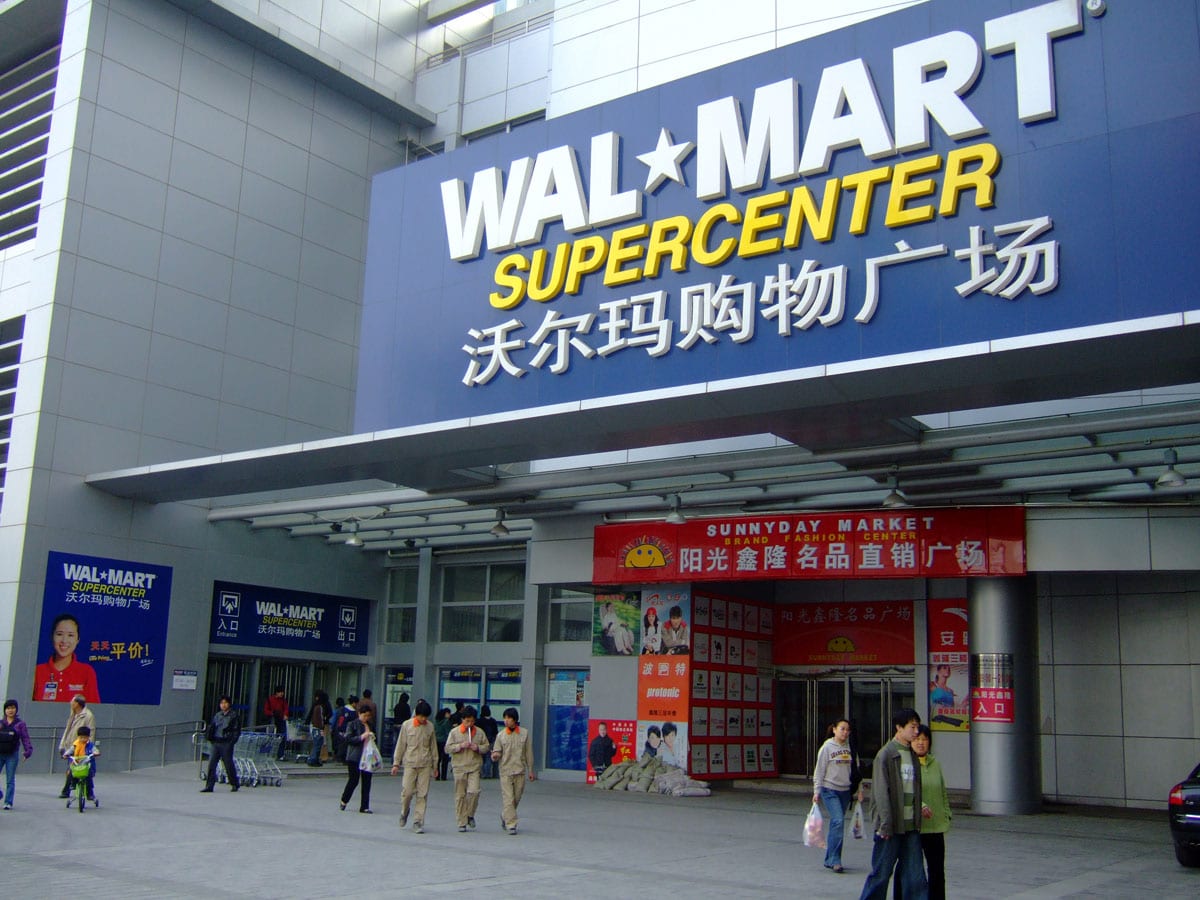
    Walmart China plans to open 30 new stores in China this year, according to media reports from China.

    In addition to the store openings, the US-based retail giant says it will invest US$59.11 million in upgrading about 50 existing stores to modernise them.

    According to a report in the Shenzhen Daily newspaper, five or six of the new hypermarkets will be located in the Guangdong province and two will open in undisclosed locations in Shenzhen. The company already has about 80 stores in Guangdong and four distribution centres.

    Walmart has struggled to gain traction in China despite its enormous buying power and the importance of the nation as a product source for its global store network.

    But it has still managed to build a 400-store strong network, despite intense competition from local rivals.

    The Shenzhen Daily said Walmart China had increased both its sales and profit last year.

    It reported the Sam’s Club in Shenzhen’s Futian District is the top-selling Walmart store worldwide.