Tag: China

  • Retailers remain pessimistic about industry prospects

    Retailers remain pessimistic about industry prospects

    Hong Kong’s retailers remain pessimistic about their industry prospects, with a survey from the Hong Kong Productivity Council suggesting that the sector’s business confidence is at three-year low.

    The Standard Chartered Hong Kong SME Leading Business Index showed the retail industry sub-index sliding to 43.1 for the third quarter from 49.9 in the preceding three months, marking the weakest level in three years.

    Meanwhile, the overall gauge of the SME Business Index stood at 49.6, up 0.6 point from the previous months but remaining below the 50 mark that separates positive and negative outlooks, the Hong Kong Economic Journal reported.

    The sub-index that reflects interest in hiring dropped below 50 to reach 48.5 for the first time, according to the survey which was conducted by the Hong Kong Productivity Council in association with Standard Chartered Bank Hong Kong.

    Kelvin Lau, senior economist for Asia at Standard Chartered, said slower growth in the number of mainland tourists and structural change in their consumption behavior have brought prolonged adverse impact on the city’s retail environment.

    He noted a 1.3 percent fall in mainland visitors as of the end of May this year, the largest decline since August 2009.

    However, DBS Bank Hong Kong economist Lily Lo said the actual impact is not so bad because 70 percent of retail sales in the city come from local consumers.

    Lo expects Hong Kong’s economy to expand at 2.5 percent rate this year, with retail sales likely to recover.

  • Hong Kong airport executes summer promotions

    Hong Kong airport executes summer promotions

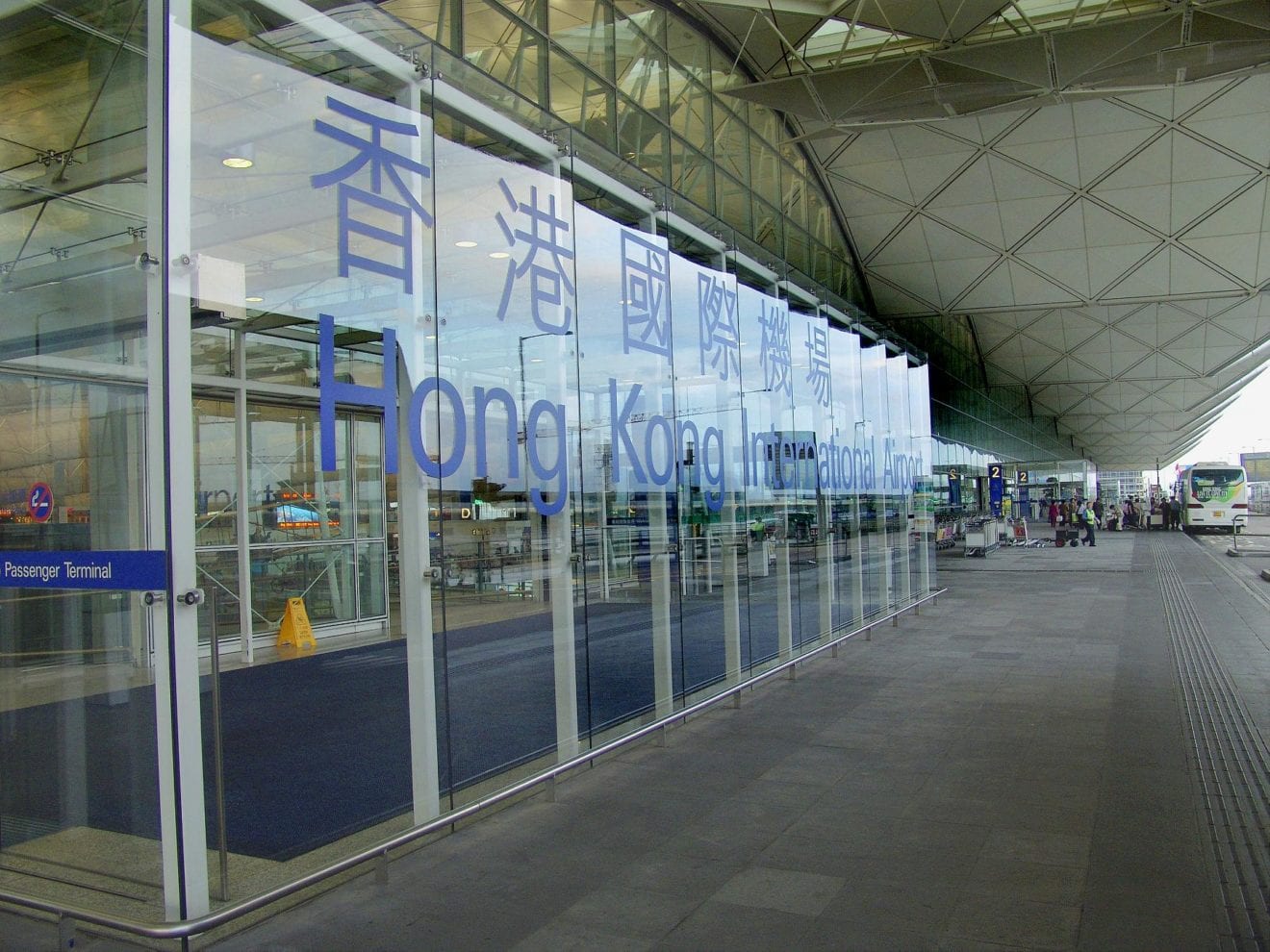
    Hong Kong International airport (HKIA) has welcomed the summer season with various promotions. These include special offers such as cash coupons with savings of up to HK$700 ($90) and complimentary local delivery service.

    From July 31 to August 11, travellers spending over HK$2,000, HK$5,000 and HK$10,000 by electronic payment can redeem HKIA cash coupons of HK$100, HK$200 and HK$600 respectively. Travellers using UnionPay cards to make purchases of over HK$5,000 and HK$10,000 can enjoy an extra HK$100 HKIA cash coupon.

    HKIA is also collaborating with retailers to provide travellers with exclusive shopping and dining offers and a selection of special complimentary gifts during the summer. Travellers spending with UnionPay cards can enjoy further offers. Details can be found by scanning QR codes on the promotional materials or by visiting https://www.hongkongairport.com/eng/shopping/special-offers.html.

    In addition, travellers spending over HK$1,000 in one single transaction at HKIA can enjoy complimentary local delivery service, while HKIA’s “Guaranteed Downtown Prices” mascot dresses up to welcome the summer and greet travellers. The mascot will make special appearances at terminal one and pose for instant photos with travellers and distribute  gifts. Travellers can also enjoy music performances while shopping in the Departures East Hall.

    HKIA has also teamed up with the Hong Kong Tourism Board as part of the Hong Kong Summer Fun campaign, providing travellers with two rounds of lucky draws. Travellers entering Hong Kong through HKIA can participate in the “Instant Mega Draw” until August 31. Before leaving Hong Kong, travellers can also enter the “Return to Hong Kong like a Millionaire” draw to win prizes, including a return-trip to Hong Kong.

  • Identifying Asia’s regional bank champions

    Identifying Asia’s regional bank champions

    Bank of China is seen as the strongest challenger for Asian leadership

    A swelling population, exponential economic growth and broad financial development are transforming Asia ex-Japan into a global finance hub.

    It is the opportunity to service retail and wealthy clients in Asia that has fired banks’ ambitions to extend their regional networks and boost their distribution power.

    But the odds are stacked against them. They have nowhere near the scale of the international players Citi, HSBC and Standard Chartered. This trio has resources, customer networks and relationships acquired from a century of operations in Asia.

    Asian banks, on the other hand, face constraints in their ability to expand cross-border, including fierce domestic competition and national protectionism.

    Nevertheless, they have become increasingly vocal about their regional ambitions, centred around expanding their wealth management businesses.

    Our leading contenders come from China, Malaysia and Singapore. Hong Kong banks appear content to focus on Greater China, where they will seek to be facilitators of trade flows rather than competitors in regional distribution.

    “From a geographical standpoint, the footprint of the Singaporean banks is wider,” said Michael Wu, senior equity analyst at Morningstar. “They might be in a better position to access Asia.”

    Bank of China is seen as the strongest challenger for Asian leadership. It has the balance sheet and is willing to suffer in the short term to expand, notes CLSA.

    BOC has a network of 11,514 offices, although 10,693 are onshore. Overseas, it has 628 offices in Hong Kong, Macau, Taiwan and in 37 other countries.

    It was first to offer private banking onshore in 2007 and now manages Rmb720 billion ($116 billion) for 74,000 private banking customers, with more than 7,000 wealth management centres and 34 private banking hubs. It has private banking operations in Singapore and Hong Kong and has ambitions to grow in Asia, including Australia, where it opened a branch in 2010.

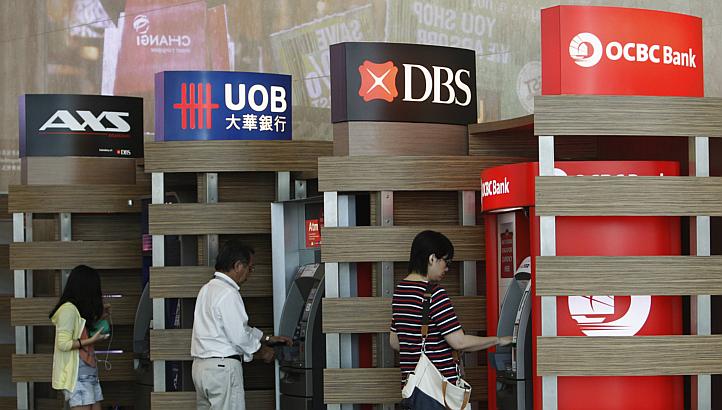
    Singapore’s largest lender, DBS, has 280 branches across 15 markets in Asia. But Singapore and Hong Kong remain its major markets, despite its attempts for regional leadership. As CLSA points out, its operations in the growth markets of China, India and Indonesia have remained sub-scale.

    DBS is building wealth management/private banking operations. Its private banking business was bolstered by its $220 billion acquisition of Société Générale’s private banking business in Asia last October, boosting its AUM 22% to S$133 billion ($97.4 billion) as of December 2014. DBS’s total wealth management AUM stood at S$141 billion and its private bank AUM at S$95 billion.

    Maybank was a late-comer to private banking, but has been building a solid Asean network. Its regional operation only started 18 months ago, with Singapore as its hub. But it has been hiring aggressively and expanding its proposition, including launching a discretionary portfolio management service.

    Steven Seow, Asia head of wealth management at Mercer, pointed out that Maybank has succeeded in converting long-time Asian corporate banking entrepreneurs to its wealth management business. In terms of private banking assets, Maybank has S$6 billion in overall AUM, having added S$2 billion in new assets over the past year.

    Historically OCBC has focused on Southeast Asia. It has a strong position in Singapore and is one of the largest foreign banks in Malaysia, providing conventional and Islamic finance. Last year it acquired Wing Hang Bank in Hong Kong for $5 billion.

    That increased OCBC’s branches in Greater China from 25 to 120 and deepened its operations in the Pearl River Delta, although it paid a high premium given Wing Hang’s operations in Hong Kong and China were marginal.

    In private banking and wealth management, OCBC’s 2009 acquisition of ING Private Banking (renamed Bank of Singapore) for $1.46 billion has given it the scale to compete with DBS and global banks. The acquisition trebled its private banking AUM to $23 billion.

    As of March this year that AUM had since doubled to $51 billion. It enjoyed 15% year-on-year growth in wealth management income in 2014.

    Among Singaporean banks, UOB’s focus is on Southeast Asia, with universal banking operations in Malaysia, Thailand and Indonesia. But outside of Singapore its strength in Malaysia – it has the largest foreign bank network in the country with 45 branches – is not replicated in Thailand and Indonesia.

    Without the help of an international acquisition, UOB has invested in building its wealth management and private banking capabilities out of Singapore.

    It saw the combined AUM of wealth management and private banking grow 67% to S$80 billion in the four years to 2014, during which time the profit contribution of wealth management doubled to 47%.

    But while it has plans to offer private banking outside of Singapore, its current proposition is acknowledged as behind city-state peers DBS and OCBC.

    The full article appears in the July 2015 edition of AsianInvestor magazine
  • Walmart to boost its e-commerce investment in China

    Walmart to boost its e-commerce investment in China

    China’s e-commerce market hasn’t been easy for Walmart to crack, but the U.S. shopping giant isn’t giving up. The company is investing even more in its e-commerce operations there, by taking full control of a Chinese online retailer.
    On Thursday, Walmart bought up the remaining shares of Yihaodian, after previously owning 51 percent in the Chinese company. Financial details were not announced, but the move will accelerate Walmart’s online expansion in China, the U.S. retail giant said.

    Walmart’s move was made possible by the Chinese government’s recent decision to open the e-commerce market to more foreign investment. Last month, a Chinese regulator removed restrictions that barred foreign investors from taking a 100 percent stake in any e-commerce operation in the country. Before that, foreign investors such as Walmart had to enter into joint ventures with local Chinese players.

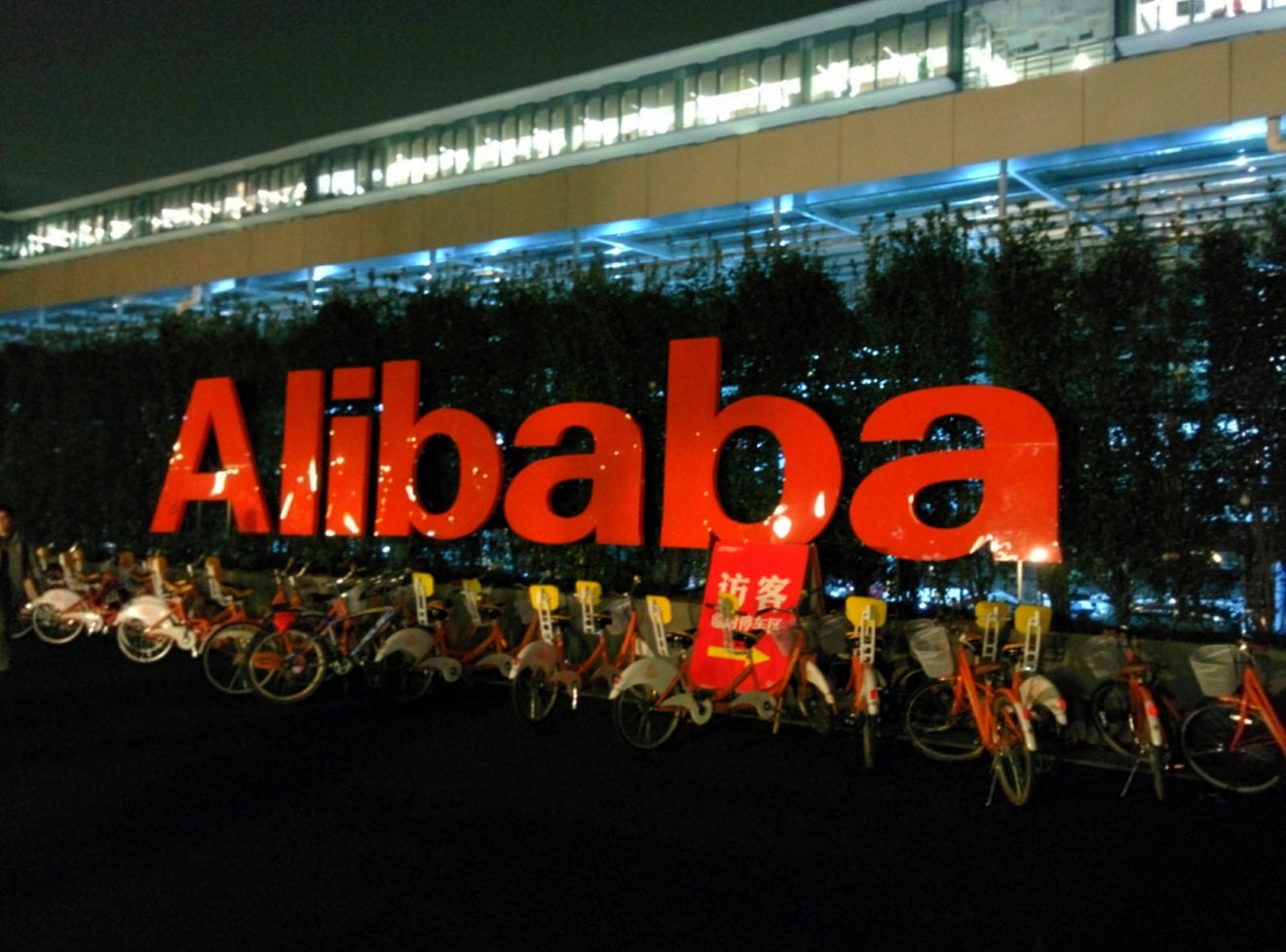
    Although Walmart’s move could help the U.S. company tap the vast Chinese market, gaining ground against the existing competition will be tough. Other U.S. e-commerce players such as Amazon.com and eBay have all struggled to compete with Alibaba Group, the country’s leading online retailer.

    In China, Alibaba’s Tmall.com site has a 60 percent market share, according to Beijing-based research firm Analysys International. Amazon and Walmart’s Yihaodian site, however, each have about a 1 percent share.

    In spite of Alibaba’s dominance, Walmart’s Yihaodian site has been making gradual progress. It now has 100 million registered users, up from only 4 million back in 2010. Walmart’s goal is to now integrate their physical stores with Yihaodian’s mobile and online services for a better shopping experience.

  • Grana Singapore pop up opens

    Grana Singapore pop up opens

    Fast-growing Hong Kong-based online fashion business Grana has opened a pop up store in Singapore.

    The Grana Singapore pop up is its second – and this one is located in the heart of the city’s retail zone, on Orchard Rd.

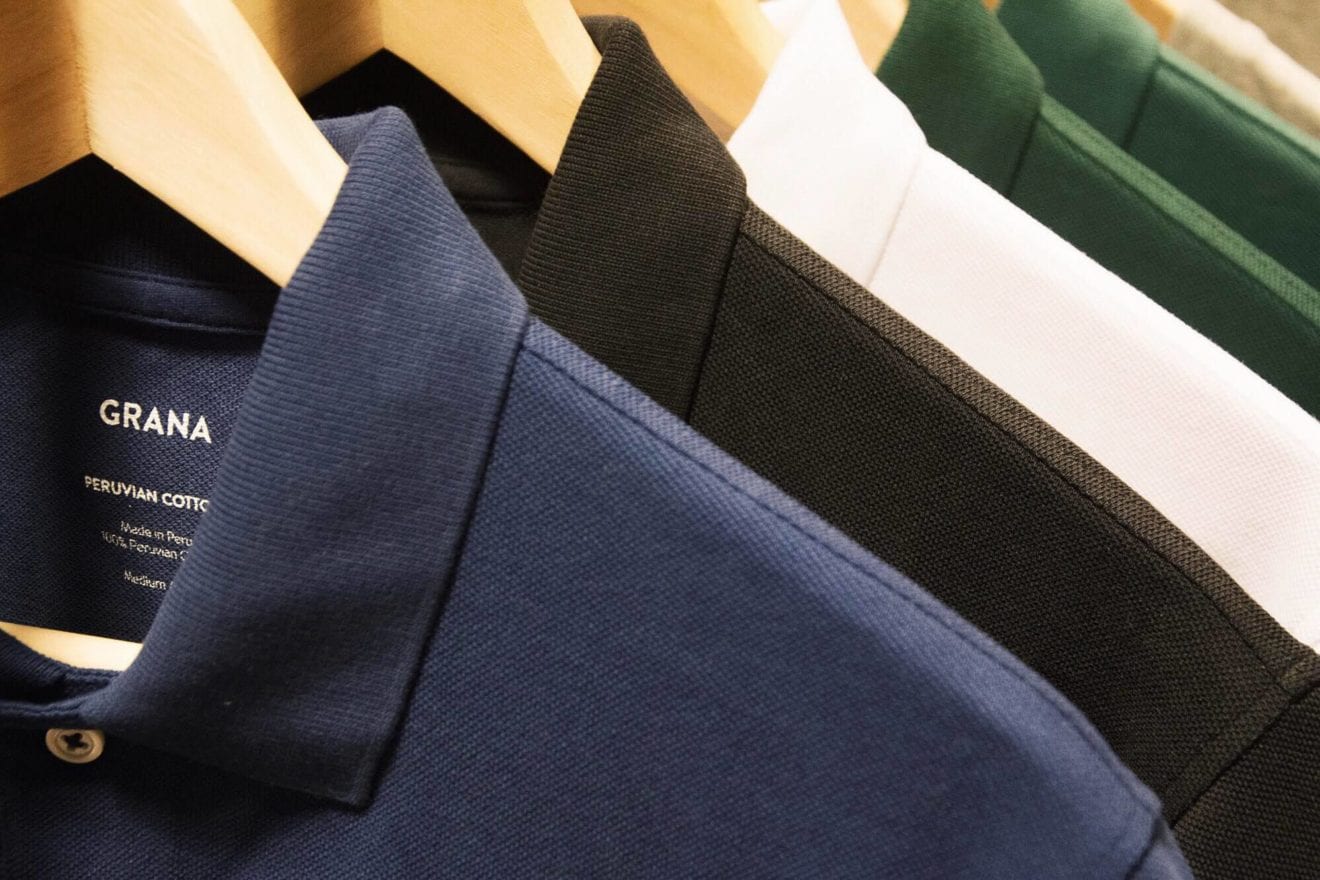
    Grana is the creation of Australian Luke Grana, who was inspired by the high quality of t-shirts he came across during a trip to Peru. The site was developed with a unique business model in mind – in Grana’s own words “high-quality fashion at disruptive prices”.

    Last week, Grana announced it had received US$1.5 million in fresh funding led by Golden Gate Ventures which would be invested in expanding the business and running more short term pop up stores in Asian markets to boost brand awareness.

    The Singapore Grana pop up is located on Level 1 of Orchard Central, and will trade until August 5 from 11am – 10pm daily.

    Grana’s business model is a little different to more high profile brand fashion chains.

    “We deal directly with fabric mills instead of going through distributors or agents. Also, by operating online, we don’t have to pay rent,” says founder Luke Grana.

    “So when fashion retailers put in mark-ups along the way, our pricing is really simple: each of our shirts cost US$6, we retail that for US$12; jeans are US$20, we sell that for US$40. It’s a really honest and transparent pricing model and I think that’s what our, Generation Y customers prefer.”

    Grana plans to triple its range of styles, expand its online marketing into more countries and open more pop-up stores, which have proven hugely successful in building brand awareness in Hong Kong.

    This year, Grana is expanding into China, Europe, Japan, South Korea and Dubai. It will also expand its range into new apparel categories: Mongolian cashmere sweaters, Irish linen shirts, French poplin shirts and US twill chinos.

  • Tmall.com launches massive grocery campaign

    Tmall.com launches massive grocery campaign

    Tmall.com has launched a RMB 1 billion (US$161 million) online grocery promotional campaign targeted at Beijing users.

    The Alibaba eCommerce subsidiary has teamed up with Cainiao, the logistics affiliate of Alibaba Group, to offer same-day delivery services to Beijing city residents.

    Online grocery shopping is a rapidly growing eCommerce segment and a strategic area of interest for Alibaba Group. The convenience of online grocery shopping has already drawn in millions of users. According to Kantar Worldpanel, China’s FMCG (fast moving consumer goods) eCommerce penetration rate was 36 per cent in 2014, while McKinsey says 40 percent of Chinese consumers have bought food online.

    Tmall Supermarket will run its promotion three times a day, allowing Beijing-based Internet users a chance to win ‘red packets’ that subsidise their grocery purchases. The promotion will end on July 31.

    Beijing residents who order from Tmall’s supermarket before 11 am will be eligible for same-day delivery service. In the future, Tmall Supermarket and Cainiao plan to roll-out same-day delivery services to Shanghai and other Chinese cities.

    Jeff Zhang, president of Alibaba Group’s China Retail Marketplaces, said Tmall Supermarket will draw on Alibaba Group’s complete eCommerce ecosystem – including Alibaba’s advantage in logistics, strength in online payments, big data and cloud computing, to bring consumers the most convenient and secure online shopping experience for quality products.

    Tmall Supermarket was established in 2012 and provides a one-stop shopping solution for Chinese users looking to purchase authentic food products, cosmetics, beverages, snacks and imported items. In the past year, Tmall Supermarket’s Beijing area GMV soared more than 700 per cent with 90 per cent of consumers shopping on their mobile phones.

  • Gome in $11.3bn bid for Artway

    Gome in $11.3bn bid for Artway

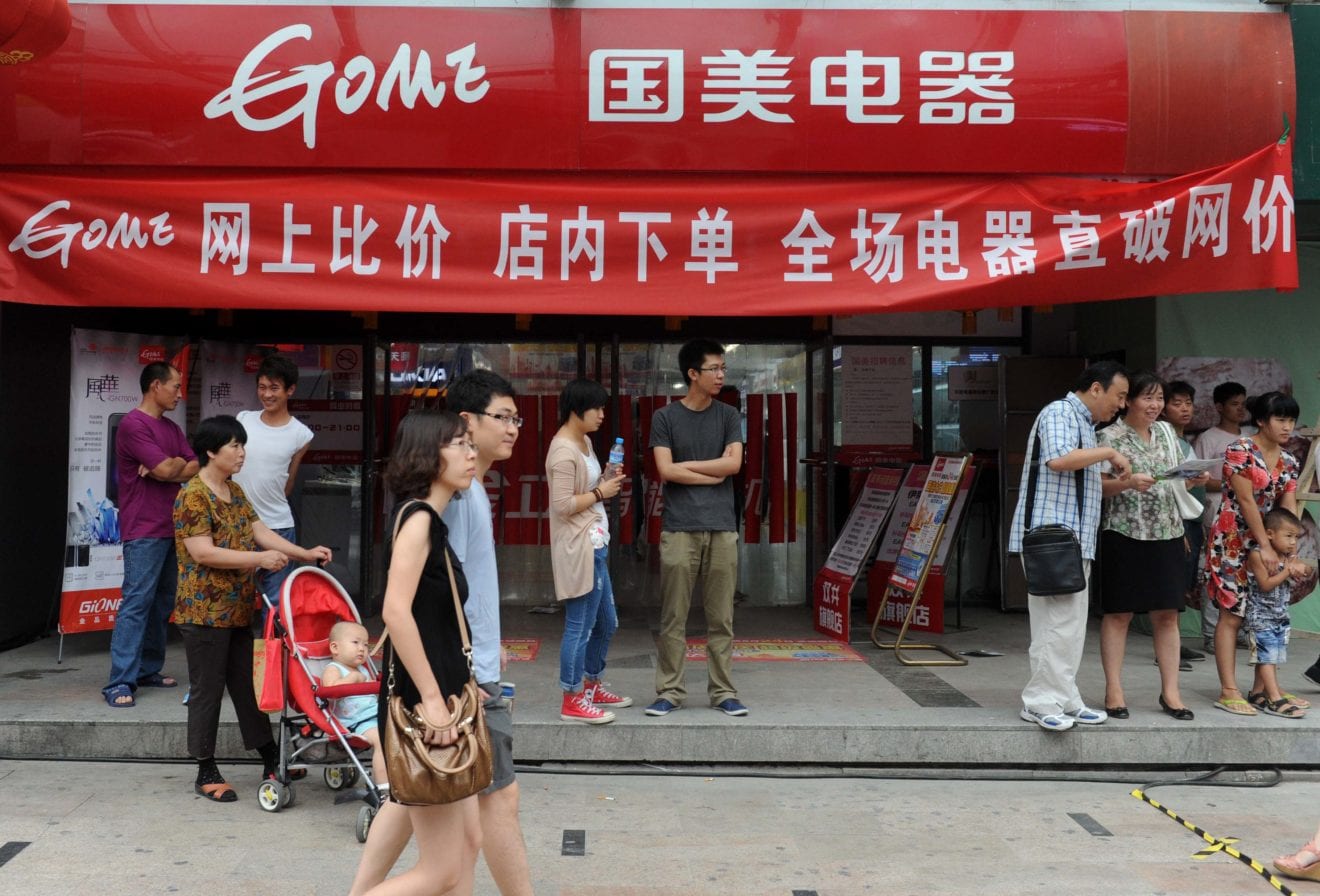
    Gome Electrical Appliances, the Hong Kong-listed Chinese electrical appliances retailer – is planning to spend $11.268 billion acquiring rival Artway Development.

    Buying Artway, wholly-owned by Gome’s controlling shareholder, will allow Gome to expand its presence from 269 cities to 436 cities across Mainland China.

    More importantly, it will significantly boost Gome’s distribution and supply chain operations and bolster its buying power with suppliers.

    Wang Junzhou, Gome’s CEO, said the acquisition will further strengthen Gome’s total retail value chain and fuel its expansion in second and third-tier markets, and eCommerce development in particular.

    In a statement, Gome said its leadership in the electrical appliances and consumer electronic products retail market in the PRC will be strengthened further upon the acquisition,” Gome said in a statement.

    “With the injection of quality retail stores and creation of synergies in supply chain, Gome will take advantage of the growth potential offered by both the online and offline platforms to bring forth a better total retail experience to consumers.”

    Gome says it expects the acquisition to reap synergies from the integration and sharing of resources in retail sales operations, procurement, logistics, after-sales services, warehousing, information technology infrastructure and human resources.

    “Other benefits include facilitating a more flexible fulfilment management, as well as cost savings in warehousing and distribution.”

    Gome says Artway’s stores are largely located in fast-growing second and third-tier cities, which are highly complementary to the group’s existing retail store network.

    “Concurrently, the empowerment of the retail store network will accelerate the Group’s eCommerce development, promoting full integration online and offline.”

    Artway has 578 stores in 181 Chinese cities. Most are located in Central and Western China, Bohai Bay and the Beijing-Tianjin-Hebei region forming part of China’s Economic Zones with significant governmental support. The latter includes the Silk Road Economic Belt, Greater Northeast Economic Area, Yangtze River Economic Belt and Beibu Gulf Economic Zone.

    The merger of the logistics networks will give the company full nationwide reach, a significant boost to its eCommerce potential.

    “The acquisition will enable Gome to upgrade its existing logistics network which covers 21 regional and 407 city distribution centers, by bringing together the listed and non-listed logistics arms. With the support of its 1714 retail stores, the group is poised to successfully complete its national logistics coverage deployment, forming a multi-dimensional logistics network with regional and city warehousing as well as national last-mile distribution coverage spanning more than 600 cities, 2500 counties and 45,000 towns that can enjoy localised distribution and installation,” Gome said.

  • China’s Multi-Level Marketing ban: a workaround?

    China’s Multi-Level Marketing ban: a workaround?

    Multi-Level Marketing (MLM), a type of Direct Selling System, is a marketing strategy where the company’s sales force is highly dependent on the salesmen they have hired in different tiers of selling.

    This is a marketing strategy in which the sales force is compensated not only for sales they generate, but also for the sales of the other salespeople that they recruit. This recruited sales force is referred to as the participant’s “down-line”, and can provide multiple levels of compensation.

    This type of organisational structure can be quite enticing as it has the opportunity to build up a big networking distribution without investing a considerable and consistent amount of money.

    The main features followed by Multi-Level Marketing organisations are:

    • Organisers, or operators, who take in new members calculate and pay salaries to a member on a different level according to the number of new members they have introduced either directly or indirectly, as well as the sales performance of the member.
    • Organisers request new members to hand in a sum of money as a precondition to joining.
    • The organisers, or the operators, encourage members to invite more people join, forming a multi-level relationship.
    • The salaries of members at a certain level are based on the sales of members at a lower level.

    The main factors that needed to be taken into account before setting up any networking and marketing plan for an enterprise are the size of the market, high quality products to sell and efficient internal training. The base concept of these activities is that the salesman’s gain is in proportion to the quantity and quality of the products that he, or she, is able to sell to potential clients.

    However, with the MLM Pyramidal Structure, the highest position always gets a percentage of the sales from those who are in the bottom positions. Some companies that wish to set up this type of structure want to incorporate a five or more level system.

    From our experience, a large number of foreign companies have expressed interest in entering into the Chinese market through this Multi-Level Marketing structure. However, they are going to be disappointed. In 2005, Chinese Government enacted a law called “Regulation of Direct Sales and Regulation on Prohibition of Chuanxiao” (where Chuanxiao stands for MLM). With this regulation China makes clear that while Direct Sales is permitted in the mainland, Multi-Level Marketing is not.

    Even if allowed, Direct Sales must follow several rules. The company is required to: have a business license, can only pay out one level of commission, the sellers have to follow an advanced training course offered by the company and by the end of the course they have to get a license and the direct sellers must wear a badge to prove their status.

    In addition, the personal seller’s commission it set at 30 per cent of the sales, including bonuses, commission, and other benefits. Because of the multi-level payment structure, the organisers and the members at top level obtain interest illegally and, according to the Chinese Government, disturb normal economic order, and affect social stability.

    On the contrary, in Taiwan and Hong Kong MLM is legal. It is common to see salesmen from these regions selling in the mainland using Taiwanese or Hong Kong addresses and banks to become sales reps in these jurisdictions while at all times living and working in China. The legality of this is questionable.

    Even after the application of “Regulation of Direct Sales and Regulation on Prohibition of Chuanxiao”, many companies are still operating under the MLM structure and this does not seem to be changing. Nu Skin Enterprise, for example, was under investigation for its illegal pyramid scheme. They were accused of relying more on signing up new salespeople than actually selling products to customers. Nonetheless they still play an important role in China’s marketplace.

    They are not the only company who is following this sales model, other such enterprises all act within the Chinese market with MLM structures.

  • Osim mulls ‘challenging’ quarter

    Osim mulls ‘challenging’ quarter

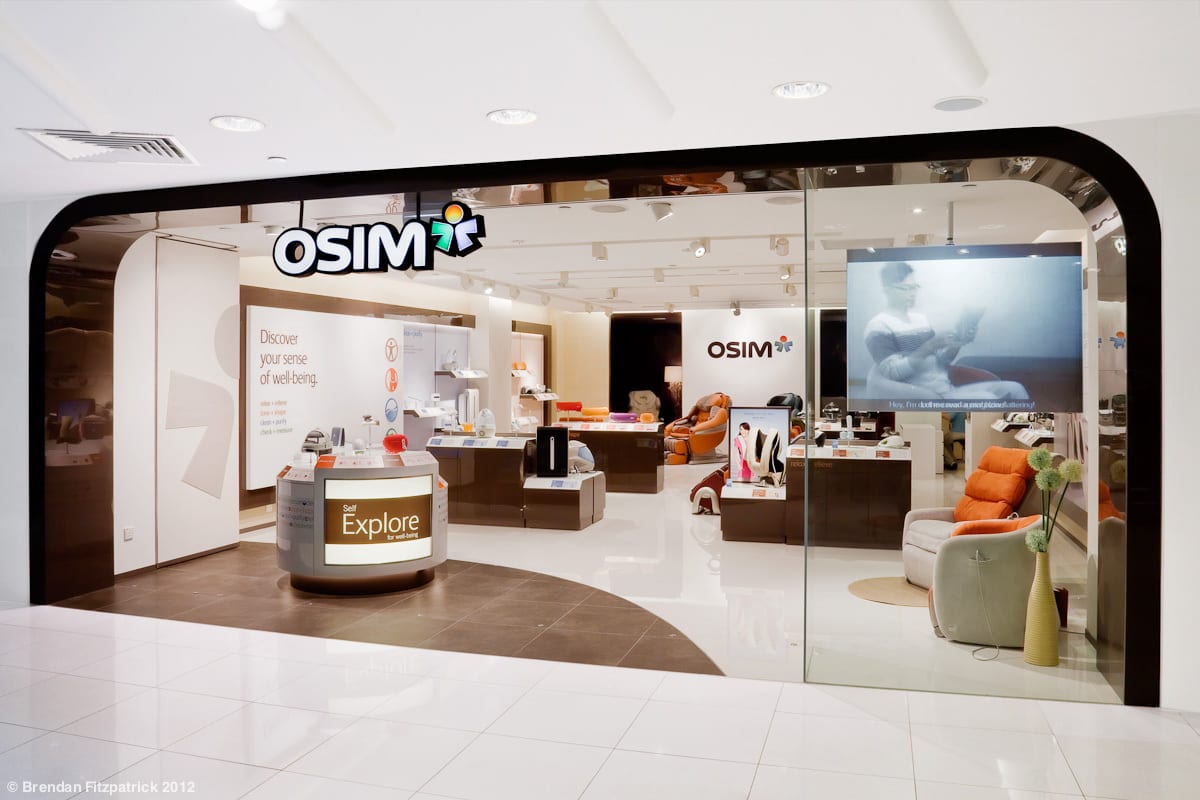
    Singapore based lifestyle products retailer Osim says trade across all its core markets were soft in the last three months.

    “This has been another challenging quarter,” the company said, declaring sales of SG$159 million and a profit of $29 million.

    “Despite these challenges, our dominant brand has enabled us to maintain a stable gross margin and cash generative business. We are continuing to invest for growth supported by a strong balance sheet.”

    Osim has 560 retail stores in 23 countries, with China maintaining its place as its largest market, where it has 251 stores in 45 cities.

    New products including uMagic, uInfinity Luxe, uDiva, uHip, uSqueez Air, uTrek and uShape Music helped sustain Osim’s dominant position in the category.

    “Our GNC outlets are doing well. We have a total of 220 GNC/RichLife outlets in ONI Global

    and we are growing our sales through new product launches,” the company said.

    Osim also operates 47 TWG Tea outlets, having opened four new ones in the quarter and with plans to open a further 11 in the second half of the year.

    “We remain optimistic on the prospects for the remainder of the year following launch of uMagic in key markets and upcoming planned product launches,” the company said in its stock exchange filing.

  • Daphne shutters stores as sales slide

    Daphne shutters stores as sales slide

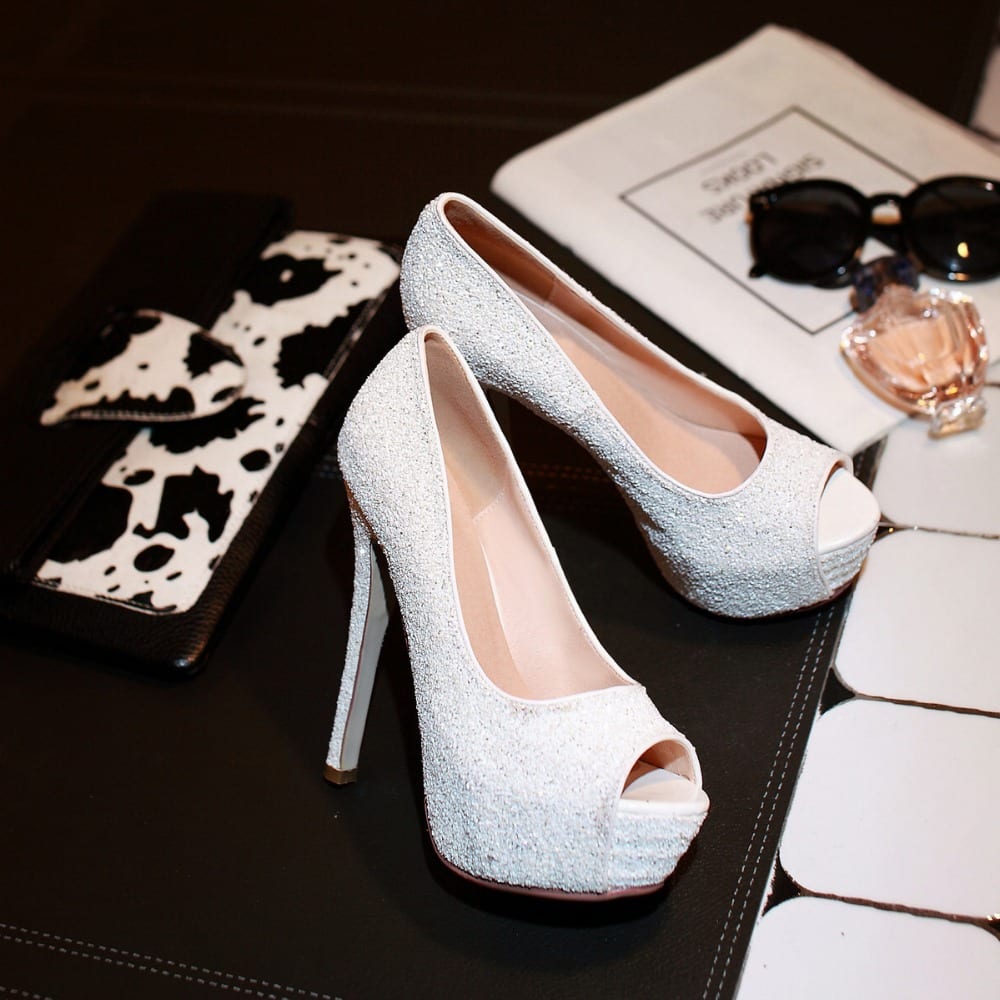
    Hong Kong-listed shoe retailer Daphne International Holdings has issued a profit warning as it shutters nearly 200 stores.

    Daphne operates the Daphne and Shoebox retail brands in Mainland China.

    The company has reported the year on year, same store sales fell 16.9 per cent in the first half of 2015, and by 17.7 per cent in the second quarter.

    In the first six months of the year, Daphne closed 181 stores – 117 directly-managed and 64 franchised stores, the majority in the second quarter. But it still has 6221 points of sale.

    “During the first half of the year, the consumer sentiment remained soft, yet the erratic weather with delayed spring and summer seasons further dampened the appetite for shopping. This led to intensified competition in the mass market segment for ladies’ shoes as some aggressive peers offered deep discounts much earlier,” the company said in its quarterly sales filing.

    “However, the group upheld its discounting policy until the adverse effect of the weather subsided.”

    Turnover of the Core Brands business recorded a decline of low-teens percentage year-on-year for the first half of the year, as a result of a negative same store sales growth performance and net store closures.

    “In an attempt of further market segmentation, the group refined Daphne product range into seven product series in this spring/summer season to broaden its appeal to customers and to increase its differentiation from the competitors.”

    Daphne International also added one of the top young actresses in Mainland China, Cecilia Lau, to its group of spokespersons (including the popular Korean actress, Jun Ji-Hyun, and pop singer and actor, Nicholas Tse) to endorse one of its core product lines – Cosmopolitan.

    “By increasing the association of the product lines with the spokespersons, it helped build a strong brand image, and improved the marketing efforts,” the company said.

    Gross profit margin expanded due to the improved sales mix during the first half of the year, however, the decrease in sales exerted significant pressure on operating margin and the inventory management.

    Shareholders were warned not to expect good news when the financial statements for the first half are released.

    “For the six months ended 30 June 2015, the group is expected to have a significant decline in profit. The decline in profit was mainly attributable to a decline in same-store sales, decreased sales and negative operating leverage which resulted from the high fixed-cost structure of the group’s retail operation.”

    The group will now focus on boosting sales, inventory management, expense control and accelerating its eCommerce growth and will step up its promotional activities for the remainder of the summer season.

    Daphne is also working on an expansion plan for its eCommerce business and will allocate more resources to fuel its growth and O2O initiatives, which will include deepening its collaboration with various eCommerce platforms.

    “While the performance for the first half is below expectations, the group endeavours to improve its performance for the second half of the year,” it said.

  • Walmart China takes full control of online JV

    Walmart China takes full control of online JV

    Walmart China has taken full ownership of its Chinese eCommerce joint venture Yihaodian.com, buying out the 49 per cent stake held by local owners.

    In addition to seeking a higher profile in eCommerce, Walmart said it plans to create a “seamless experience” for customers across online, mobile and stores.

    Three years ago Walmart China took control of Yihaodian by bumping up its stake to 51 per cent. While the company pales in size compared to local eCommerce rivals Alibaba and JD.com, the world’s biggest retailer has been building up its online business in the wake of mediocre sales in the US, in a direct challenge to online competitor, Amazon.

    The investment will help Walmart target China’s fast-growing online market at a time when largely bricks and mortar retailers are feeling the pinch of competition from online rivals and a slowing of the world’s second-largest economy.

    Wal-Mart’s Asia head, Scott Price, said earlier this year that online retail was important to help tap China’s younger generations and that the firm would increasingly look to weave together its online and offline presence in the market.

    Walmart, France’s Carrefour and Britain’s Tesco have all seen sales or sales growth slip over the past five years in China, losing market share to local rivals.

    Yihaodian will be headed by Wang Lu, president and CEO of Walmart Global eCommerce in Asia.

    Walmart’s move also comes after China said last month it will allow full foreign ownership of some eCommerce businesses, with the goal of encouraging foreign investment and the development and competitiveness of the sector.

    “Yihaodian has excelled as one of China’s top eCommerce businesses. We’re excited about the team at Yihaodian and their strong local e-commerce experience,” said Neil Ashe, president and CEO of Walmart Global eCommerce.

    “This local experience, combined with Walmart’s global sourcing and our strong local retail presence and supply chain will allow us to deliver low prices on the products customers need in new and exciting ways,” he said.

    “Our investment in Yihaodian is part of our long-term commitment to grow in China and we look forward to continuing to play a positive role in the development of the eCommerce industry,” said Ashe.

    Walmart China acquired the remaining shares from Ping An of China, a financial services group, and the co-founders, former Chairman Gang Yu and former CEO Junling Liu.

  • Alibaba.com reduces cross-border risk

    Alibaba.com reduces cross-border risk

    Alibaba.com has expanded a free service that offers refunds to disgruntled buyers who use the international wholesale trading platform to purchase goods from overseas suppliers.

    Under the B2B website’s upgraded Trade Assurance program, buyers who make purchases from participating Alibaba.com suppliers will be entitled to full refunds of their deposits, or if applicable the total value of their orders, if suppliers ship products late or if product quality does not meet contract specifications.

    Launched in May, the program initially included only Chinese suppliers with reliable track records of trading on Alibaba.com who volunteered to participate. Within a month, coverage will be expanded to all suppliers who volunteer and are qualified to participate regardless of home country. About 50,000 suppliers have joined the program, according to Alibaba.com, a subsidiary of Hangzhou, China-based Alibaba Group.

    Trade Assurance protects buyers by holding deposits or payments in escrow until they are satisfied that suppliers have lived up to the terms of their sales contracts. The program is designed to reduce risk and foster greater trust and trade among Alibaba.com buyers and suppliers, most of whom conduct business over the Internet and never meet in person. Alibaba.com sells no products itself; the company runs an online marketplace that hosts virtual stores of manufacturers, distributors and other sellers, the majority of them based in China.

    “By providing maximum trade protection, Alibaba.com aims to make cross-border trading easier, therefore empowering small-and medium-sized businesses to engage in global trading,” said Alibaba Group senior VP Wu Min Zhi.

    “By lessening concerns and building trust in international trade, we are committed to introducing more trade opportunities to Alibaba.com members,” Wu said in a statement.

    “As a result, small businesses will not miss out the benefits of international trading due to trust concerns over product quality or payment security.”

    Trade Assurance protection is available to all of Alibaba.com’s millions of global buyers, provided the supplier they want to do business with is approved for the program. To vet suppliers, Alibaba.com uses data analytics to assess past performance and trading histories over six-month periods. The program currently only covers payments made by telegraphic transfer (T/T), but other payment methods will be covered in the future, Alibaba.com said.

    To help make it easier for small businesses to identify reliable trading partners, Alibaba.com encourages suppliers who qualify for the Trade Assurance program to display a Trade Assurance icon on their Alibaba.com virtual storefronts. To further improve transparency, storefronts also display the total number of transactions and total value of deals the supplier has completed over the previous 12 months. In addition, Alibaba.com will show how often and how quickly qualified suppliers respond to customers.

    Meanwhile, Alibaba.com says its “e-Credit Line” service – which provides trade financing to small businesses using Alibaba.com – is now expanded into Australia.

    Through a partnership between Alibaba.com and Australian finance company AUSvance, Australia-based small businesses can apply for loans and lines of credit in under five minutes through a streamlined process and obtain a line of credit from AU$5000 to AU$300,000 to pay suppliers for purchases on Alibaba.com.

    A decision based on an automated credit scoring model will be made within 60 seconds, and full approval can be granted within 24 hours after verification of documentation from the applicants, according to Alibaba.com. The interest rate is as low as 1.15 per cent per month for Alibaba.com customers.

  • The Hotelier Awards China Returns

    The Hotelier Awards China Returns

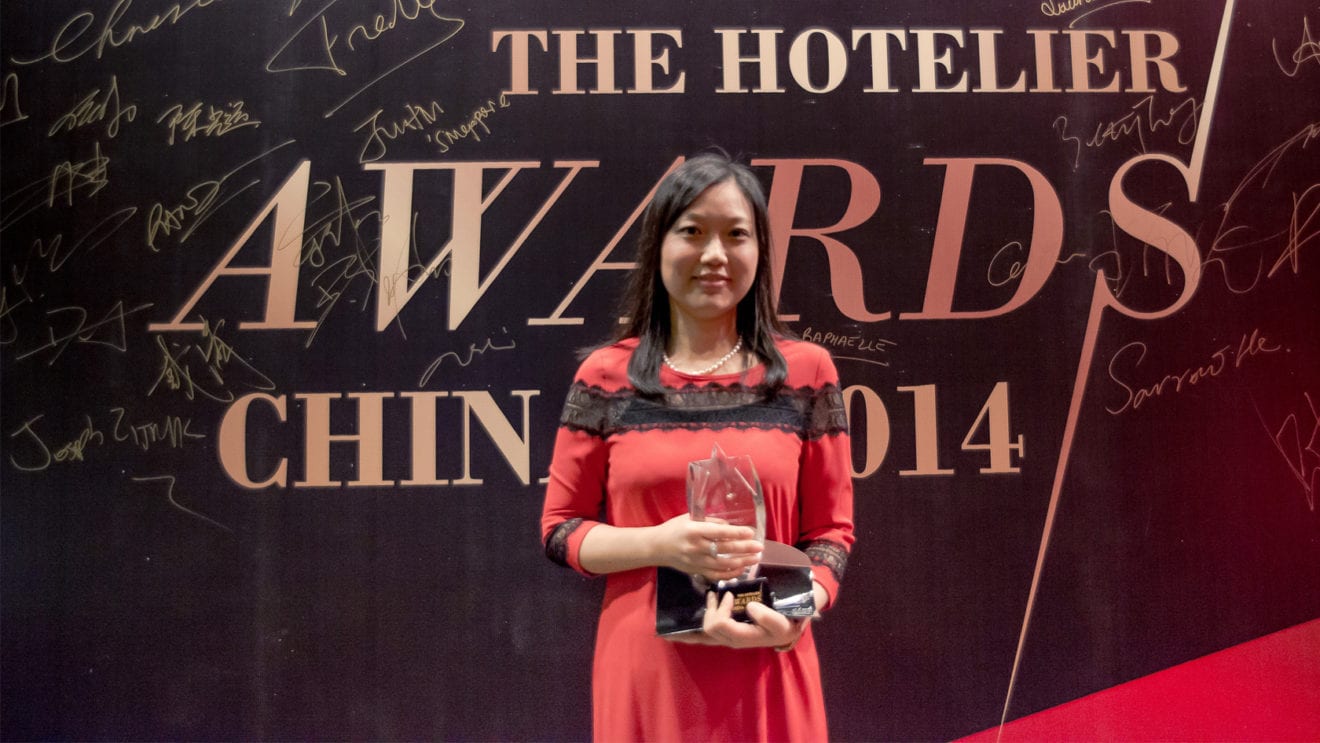
    The Hotelier Awards China 2015 is now accepting applications from hotels across mainland China, Hong Kong and Macau to celebrate their finest employees. The Awards, that took place for the first time in 2014 with over 300 applications from some 100 properties and 44 brands, are going from strength-to-strength with double the amount of applications expected in 2015.

    The Awards are unique in the fact that they are independently run, judged by an esteemed panel of global players from the industry and celebrate the individuals that make the booming Chinese hotel industry tick rather than just the hotel properties. It is an opportunity to celebrate the outstanding achievements of individuals who are the best in their field and often fly under the radar and may shy away from the limelight.

    Award categories cover the entire industry from Chef, Sales and Hotel Manager of the Year to IT, CSR and Spa Manager of the year. This year’s awards will see 19 separate categories in total with three categories added including Corporate Hotelier of the Year, Owner Representative of the Year and Engineering Hotelier of the Year.

    “The Hotelier Awards China is a celebration of brilliance – the pinnacle of appreciation of the people bringing life to a hotel,” says Stephane DeMontgros, Co-Founder of The Hotelier Awards China. “A hotel’s brilliance is not just attributed to a luxury interior; peel back the lavish fixtures and fittings and a group of people stand before you. It is these individuals who breathe life into a hotel.”

    “We launched the awards as China is experiencing explosive growth in the hospitality industry and this is set to continue unabated in the next few years. With the wide variety of luxury and boutique hotels, among some of the world’s finest, the Awards offer a fantastic opportunity to give something back to the people who are really making the industry boom.”

    Hotels nominate their finest staff and the nominations are then put to the global judging panel of five experts from the travel and hospitality industry. This year’s panel includes Yona He from Forbes Travel Guide, Alison Gilmore who heads the International Luxury Travel Market (ILTM) worldwide portfolio, the CEO and Board member of Edipresse Media Asia – Zita Ong, Sacha Stocklin from the hospitality college Les Roches Jinjiang, Shanghai, and Jingsheng Xu – the General Secretary of National Hotel Association, China.

    A shortlist of six candidates in each category will then be created by the end of September followed by phone interviews with all shortlisted nominees to help support the judges’ final decisions ahead of the big announcement in December. The final awards are announced among the glitz and the glamor of The Hotelier Awards China 2015 black tie dinner on December 10 with more than 300 of the Top Hoteliers from across the region in attendance.

    2014 winners include Brian Tan from Fairmont Yangcheng Lake as Hotel Manager of the Year, Apple Wang from The Portman Ritz-Carlton, Shanghai as Concierge of the Year, Ada leng Chio de la Cruz from Mandarin Oriental, Macau as Marketing & Communications Hotelier of the Year and Bahram Sepahi from Four Seasons Guangzhou as General Manager of the year.

    “I am honored to be given this award,” says Ada leng Chio de la Cruz from Mandarin Oriental, Macau. “It is great recognition to the past decade of commitment to my job… The process that I have gone through in the Hotelier Awards China application has made me even more proud as it is a very fair and detailed judgement from top professionals and influencers in tourism and hospitality industry.”

    “Receiving the title of ‘The General Manager of 2014’ at The Hotelier Awards China was a distinct honor. I feel tremendous pride to be given such an award and recognition,” says Bahram Sepahi from Four Seasons Guangzhou. “I would advise all hoteliers to be involved and consider their application… I believe it is truly the right thing to do and I encourage everyone to participate in The Hotelier Awards China program.”

    The application procedure is now open until August 21 2015 for all hotels across Mainland China, Hong Kong and Macau through www.hotelierawards.com/awards-2015/applications/.

  • Sands retail profits soar

    Sands retail profits soar

    Macao’s gambling downturn may be impacting on casino operators’ bottom lines – but retailing is on the rise.

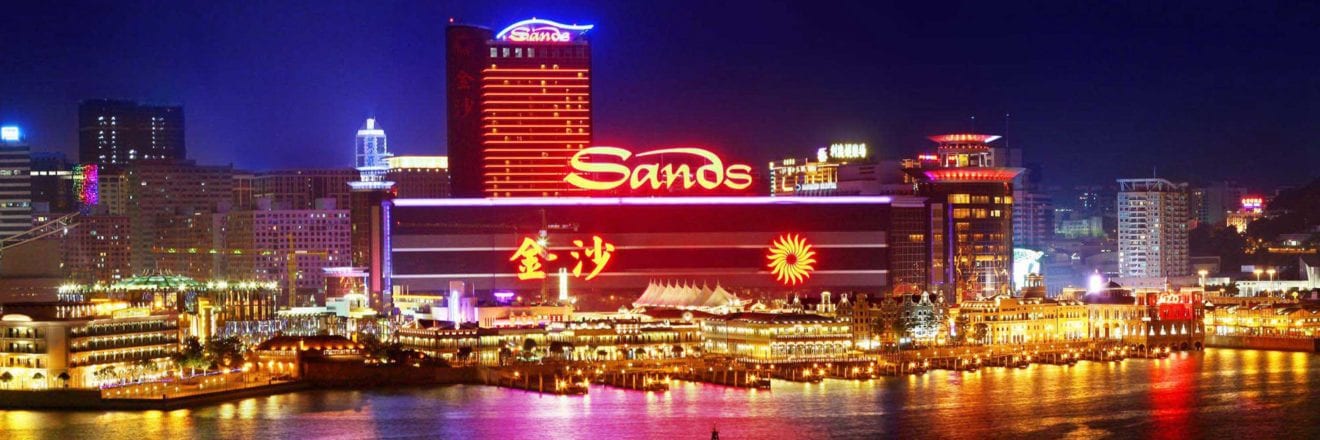
    Las Vegas Sands, which owns The Venetian Macao, Four Seasons Macao and Sands Cotai Central shopping malls in Macau – and the Marina Bay Sands in Singapore – has reported an 18.2 per cent lift in profits from its Asian retail operations year on year for the quarter to June 30.

    Gross revenue from tenants in the company’s malls on the Cotai Strip and at Marina Bay Sands, reached US$134.4 million for the second quarter of 2015, an increase of 13.6 per cent compared to the second quarter of 2014.

    “Operating profit derived from these retail mall assets increased 18.2 per cent for the quarter compared to the quarter one year ago, reaching $119.4 million,” the company said in its quarterly financial statements filed in the US.

    The company says that despite the softer gaming market in Macao, The Venetian Macao “continued to enjoy Macao market-leading visitation and financial performance”.

    “The property generated adjusted property EBITDA of $255 million in the second quarter with an EBITDA margin of 34.5 per cent.”

    Mall revenues of The Shoppes at the Venetian Macao increased 14.9 per cent during the quarter to reach $48.5 million.

    The Shoppes at Four Seasons – 100 per cent leased at the end of the quarter – brought in $31.1 million in gross revenue and turned an operating profit of $29.2 million, giving an operating profit margin of 93.9 per cent.

    The Shoppes at Cotai Central brought in $14.6 million and a profit of $12.6 million. That mall was 97.8 per cent leased.

    And in Singapore, The Shoppes at Marina Bay Sands, 93.6 per cent leased at period end, brought in $40.4 million of revenue for the quarter and a profit of $34.5 million, for an operating profit margin of 85.4 per cent.

    Tenant sales per square foot were $5589 in the luxury section of the Four Seasons property, $2646 in the non luxury section; at the Venetian Macao $1578, at Cotai Central $1004. Marina Bay, by comparison, reached $1393.

    The overall Asian retail operation achieved $1789 per square foot in the quarter to June 30.

  • Apple China sales double

    Apple China sales double

    Apple China sales doubled in the three months to June 27 – but that wasn’t enough to pacify analysts whose reactions drove the tech giant’s stocks downwards.

    Apple says its quarterly profit leapt 38 per cent to US$10.7 billion on surging iPhone sales as turnover jumped 33 per cent to US$49.6 billion. It now has a massive $203 billion in cash reserves.

    But those figures weren’t enough to please analysts. The company’s stock price fell six per cent after the figures were released. Doomsayers fear Apple’s iPhone sales will come under pressure in Mainland China as consumers there reel in their spending – this despite the almost undentable local passion for Apple as a brand.

    “We had an amazing quarter,” Apple CEO, Tim Cook, insisted, noting that iPhone revenue was up 59 per cent from the same period a year earlier.

    But analysts expected higher sales – and some latched on to rumours the Apple Watch sales have tanked after launch and the fact iPad sales fell for the sixth straight quarter, this time by 18 per cent to 10.9 million. Mac sales increased 9.5 per cent to 4.8 million.

    Apple sold 47.5 million iPhones in the quarter, with sales up 85 per cent in Greater China – Mainland, Taiwan, Hong Kong and Macau – where the company’s overall revenue more than doubled to US$13 billion, according to Apple CFO Luca Maestri.

    But further analysis shows Apple’s Greater China revenue fell 21 per cent quarter on quarter, to US$13.2 billion, down from US$16.8 billion.

    Apple did not detail specifics on sales of its newly-launched smartwatch, instead folding the figure into an “other” category that rose 49 per cent to US$2.64 billion.

    Cook said during an earnings call that sales of iPhone, iPad, Apple Watch and Macintosh computers “topped internal expectations”.

    Nearly three months after the launch of Apple’s fashionably smart wrist wear, some analysts say it’s not a mainstream hit. But others see promise in its popularity with internet-savvy younger people.

    A recent study by research firm Slice Intelligence suggested that, based on a large sampling of email receipts in the US, orders for Apple Watch have plunged 90 per cent since the week that the wearable computing gadget made its debut.