Retail News CRM

Tag: China

  • Overseas grocers wrestle in fast-moving China retail market

    From quick meals to smartphones, from luxurious items to groceries, the best way China outlets — and what mainland consumers need to purchase — is altering quickly. The modifications are leaving overseas grocery store and hypermarket chains struggling to maintain up by revamping retailer codecs and promoting extra groceries on-line, retail analysts say.

    On Wednesday Walmart introduced a plan to show spherical its declining gross sales in China by boosting retailer numbers by greater than 25 per cent, renovating present outlets and introducing a brand new on-line buying app.

    The U.S. chain has been hit by meals security scandals in China, together with quickly intensifying competitors from different massive hypermarket chains and from new on-line grocers.

    However Walmart is way from the one overseas grocer that has struggled in China in recent times: Tesco, the U.Okay. chain, did not make it alone on the mainland regardless of an formidable program of constructing so-called “way of life malls” in China, anchored by a Tesco retailer.

    From quick meals to smartphones, from luxurious items to groceries, the best way China outlets — and what mainland consumers need to purchase — is altering quickly. The modifications are leaving overseas grocery store and hypermarket chains struggling to maintain up by revamping retailer codecs and promoting extra groceries on-line, retail analysts say.

    On Wednesday Walmart introduced a plan to show spherical its declining gross sales in China by boosting retailer numbers by greater than 25 per cent, renovating present outlets and introducing a brand new on-line buying app.

    The U.S. chain has been hit by meals security scandals in China, together with quickly intensifying competitors from different huge hypermarket chains and from new on-line grocers.

    However Walmart is way from the one overseas grocer that has struggled in China in recent times: Tesco, the U.Okay. chain, did not make it alone on the mainland regardless of an formidable program of constructing so-called “way of life malls” in China, anchored by a Tesco retailer.

    That gamble failed, largely as a result of Tesco didn’t have the experience to compete as a property developer within the troublesome mainland property market, retail analysts say. Tesco was pressured right into a three way partnership with one of many mainland’s main retailers, China Assets Enterprise.

    However turning spherical Tesco’s mainland enterprise has not proved straightforward for CRE both, and the corporate final week bought its loss-making non-beer (together with grocery) companies to its dad or mum, China Assets Holdings.

    The sector’s woes are usually not restricted to overseas manufacturers both. A brand new report by OC&C technique consultants finds that “almost all the most important gamers amongst China’s big-box grocers … have skilled near-consistent unfavourable progress since 2010.” Progress throughout that interval has come virtually totally from new retailer openings, OC&C stated.

    Competitors from on-line grocers is likely one of the largest threats to brick and mortar gross sales at chains akin to Walmart, Carrefour and Auchan’s SunArt Retail, retail analysts say. Shopper tastes in China change extra quickly than in lots of established markets, and up to now yr or two, on-line grocery gross sales have exploded.

    OC&C says on-line gross sales rose almost 50 per cent in 2014, yr on yr, in contrast with a paltry 6.7 per cent for hypermarkets and grocery store gross sales (together with new retailer openings). Many shoppers are shifting their shopping for to comfort shops too, retail analyst say, prompting grocers together with Walmart and Carrefour to attempt new, smaller codecs for his or her shops in massive cities.

    “In China, older individuals do not have a variety of leisure so purchasing (even in grocery shops) is leisure for them, however our youthful era has grown up with a pc at their aspect and they also want to entertain themselves by travelling, not purchasing in bodily shops,” says Huang Aizhu, head of Tmall’s meals enterprise. The enterprise, a part of the Alibaba group, is rising yearly within the “triple digits”, she says.

    “The mixture of on-line and offline is the best way of the longer term,” she provides. Gross sales of recent meals like fruit, greens and seafood — historically the protect of brick and mortar shops or conventional moist markets — are rising quicker on-line than different grocery gadgets, Ms Huang says.

    Walmart already has one of many strongest e-commerce presences in China, via its 51 per cent stake in Yihaodian, the favored on-line grocer.

    Tesco is experimenting with on-line grocery purchasing in Shanghai, and its digital expertise have been one of many parts that attracted CRE to the three way partnership with the retailer. Nevertheless, in the meanwhile, the emphasis is on integrating Tesco and CRE’s retail companies in China, in accordance with individuals accustomed to the state of affairs.

    Doug McMillon, Walmart international chief government, informed a press convention in Beijing on Wednesday that the corporate plans to increase each on-line and offline. “We need to assist clients store in a approach that’s most handy for them. For some comfort is purchasing on-line and having merchandise delivered to their houses, for others it’s purchasing on-line and choosing up at a retailer and for others it is the expertise of being in a retailer, seeing and dealing with merchandise that they purchase … new methods are being invented each week.”

    “Shopper spending energy in China is rising at about 10 per cent per yr and tastes are altering quickly. Maintaining with that for retailers is hard, and there’s more and more competitors with one another. A number of chains are having to shut present shops and reopen and redevelop new codecs,” says Matthew Crabbe, China retail analyst at Mintel.

    Fixing the chilly chain logistics drawback is vital for on-line meals retailers, he says. JD.com, a pacesetter mainland ecommerce firm, has struck a deal to distribute recent, chilled and frozen merchandise by way of comfort shops that both maintain them for buyer assortment or ship to their houses.

    “They’re leapfrogging the large chains, which should reply in variety to compete,” he provides, noting that Walmart and Tesco have been “creating their shops to be extra like supply depots”.
  • Chinese cities make up half of the world’s top 20 shopping center markets

    Chinese cities make up half of the world’s top 20 shopping center markets

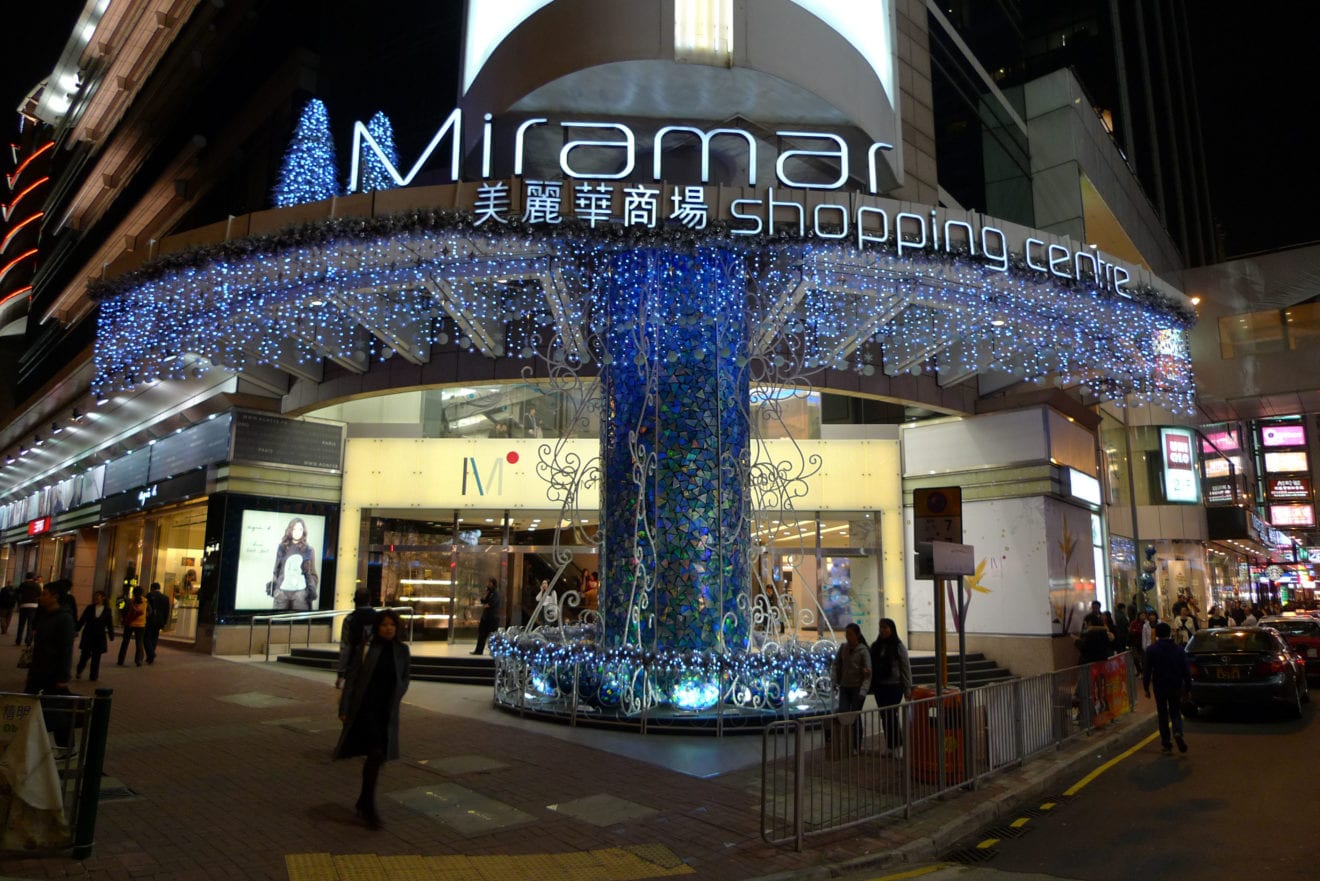
    Chinese cities account for half of the top 20 most active shopping center markets globally with a total of 5.7 million square meters of shopping center space completed last year, an industry report released today by CBRE has showed.

    Wuhan in central Hubei Province, among all, saw the largest volume of shopping center space delivered to market with nearly one million square meters spanning 8 projects, said the world’s largest commercial real estate services provider, which has tracked 171 cities globally and is focused on new centers of more than 20,000 square meters excluding retail warehousing and factory outlet centers.

    Chengdu, which topped the list in 2013 by development completions, remained highly active. It closely followed Wuhan with 981,000 square meters of development in 2014. Beijing, with 926,600 square meters, and Chongqing, with 776,000 square meters, are the third and fourth most active markets. Wuhan, Chengdu and Beijing altogether contributed half of the new completions in China last year.

    Globally, more than 39 million square meters of shopping center space were under construction at the end of 2014 with over 32 million square meters being located in Asia Pacific. China, in particular, accounts for over 60 percent of the region’s pipeline and takes 9 spots out of the Top 10 most active markets in the world.

    Shanghai tops the ranking for most new space under construction with 4.1 million square meters, followed by Shenzhen with 3.4 million square meters and Chengdu with 3 million square meters. Each of the three has more than 20 projects in the development pipeline, according to CBRE.

    Around the world, a total of 11.4 million square meters of new shopping center space was completed last year, compared to 10.6 million square meters in 2013.

  • Harman partners with TCL to boost retail, product collaboration

    Harman partners with TCL to boost retail, product collaboration

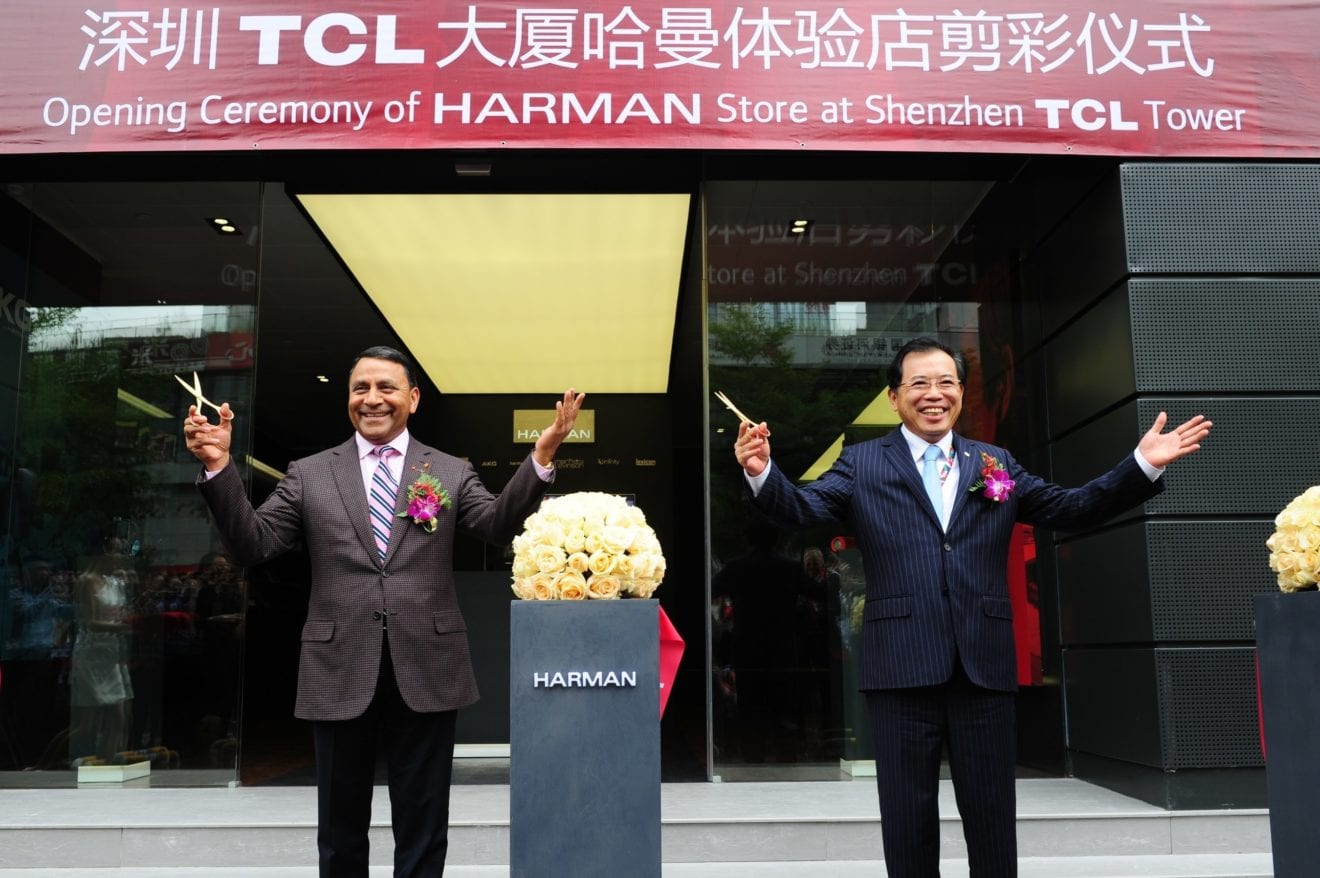
    Chinese audio and infotainment company Harman International opened its flagship store on 23 April at the TCL Tower in High-tech Industrial Park of Shenzhen. Its sister store, the TCL O2O flagship store was also set up the same day. TCL Corporation’s Chairman Li Dongsheng and Harman International’s Chairman Dinesh Paliwal attended the ceremony together, representing the start of a comprehensive partnership between the two corporations.

    Harman develops and produces professional audio electronic products and infotainment systems for various markets, ranging from auto markets, consumer markets, to professional audio markets. Over the past few years, Harman has already established a strong partnership with TCL Corporation, a global manufacturer of smart products and provider of internet application services. With the firm presence in TV and communications industries for years, TCL Corporation was the first TV manufacturer of China to engage in an all-round brand collaboration with Harman Kardon, a noted section of Harman International.

    The comprehensive partnership between TCL and Harman is mainly in the form of retail collaboration and product collaboration. Harman plans to create an online flagship store bearing its name on TCL’s e-commerce platform and identify TCL as its only e-commerce partner. Harman will also provide on-site product supports in 100 high-quality TCL stores. And in terms of product collaboration, Harman will provide diversified product customization services for TCL products.

    According to Li Dongsheng, the two corporations had always maintained a deep collaboration, with substantial progress being made between Harman and TCL’s four business areas including TV, cellphone, Tonly OEM, and O2O

  • McDonald’s supplier fined for pollution in China

    McDonald’s supplier fined for pollution in China

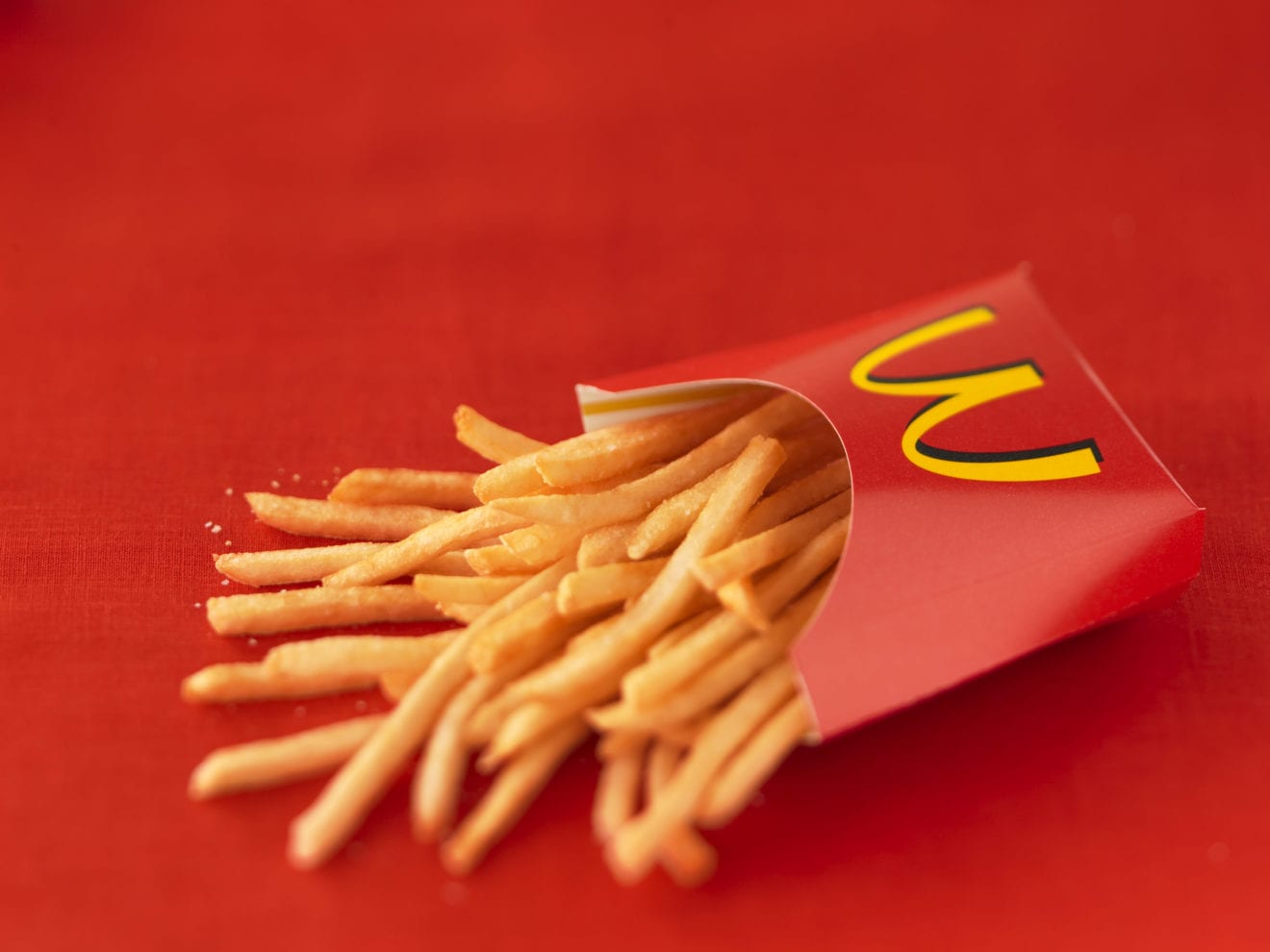
    A Chinese joint venture of U.S.-based J.R. Simplot, which supplies frozen french fries to McDonald’s, was fined 3.92 million yuan ($632,370) on Wednesday by the Beijing city government for water pollution, the official Xinhua news agency reported.

    The Beijing government found the venture had been discharging contaminated waste water that exceeded stipulated levels, according to Xinhua.

    Xinhua said the business was a joint venture between Simplot, a unit of McDonald’s, and a local firm. Reuters could not independently verify the relationship.

    Phone calls to Simplot in China were left unanswered.

    Simplot, headquartered in Idaho, is a global potato supplier for McDonald’s.

    “Simplot has assured us that they have implemented a corrective action plan, and we will continue to hold them accountable for implementation and enhanced procedures for compliance,” McDonald’s said in an emailed statement to Reuters, adding it took the infraction “very seriously.”The fine comes as China is strengthening its environmental regulations as public anger builds over worsening pollution.

    China will ban water-polluting paper mills, oil refineries, pesticide producers and other industrial plants by the end of 2016, as it moves to tackle severe pollution of the water supply which has left one-third of China’s major river basins and 60 percent of its underground water contaminated.

    Chinese sales at McDonald’s and Yum Brands’s KFC slumped last year after one of their suppliers, Shanghai Husi Food, was forced to suspend operations after an undercover Chinese media report showed workers using out-of-date meat and doctoring production dates.

    U.S-based meat supplier OSI Group is the parent company of Shanghai Husi.

  • China to cut consumer good tariffs

    China to cut consumer good tariffs

    China’s government says it will cut tariffs on consumer goods in a bid to get local Chinese to spend more in the mainland.

    The  move may well prove an additional blow to Hong Kong’s retail sector already reeling from reduced spending by mainland visitors.

    Reports from China’s mainland say tariffs on imported consumer goods will be cut “in parts of China” by the end of June. The move is aimed at increasing domestic consumption, shoring up economic growth and reducing the amount of money spent by mainlanders overseas.

    The decision was made last week at an executive meeting of the State Council, presided over by Premier Li Keqiang, who is concerned that mainlanders are now not only buying luxury goods overseas, but everyday items as well.

    The China Daily reports more duty-free stores will open at China’s borders and the individual allowances will be raised. The process of obtaining tax refunds will be eased – in tandem with a greater focus on catching smugglers.

    Chinese now account for an estimated 40 per cent of luxury good sales in France and for 35 per cent of luxury sales in Italy, according to data from the HSBC.

    Mainland retailers and travel specialists say it is difficult to predict the effect of the government’s move until a more detailed tariff schedule is released, along with duty free allowances and clarification on which product categories will be affected.

  • Tmall Global launches duty-free platform

    Tmall Global launches duty-free platform

    Alibaba’s Tmall Global is to launching a prepaid duty-free service for Chinese travellers going abroad in the hopes of boosting international eCommerce opportunities.

    Under the World Duty Free service, Chinese travellers can buy prepaid cards online before they go abroad, then purchase items from duty-free shops in the country they’re visiting. Tmall said the service will eventually allow customers to buy specific duty-free products online and pick them up at the airport.

    The service will launch with Thailand’s King Power duty free monopoly.

    Duty-free companies in South Korea, Japan and Europe are working with Tmall to open storefronts on the platform, Tmall says.

    “Cross-border e-commerce has great potential in China and Tmall Global will continue to help brands and retailers sell into China through innovative solutions, at the same time providing Chinese consumers a wide variety of product choice,” Tmall Global head Maggie Wu said in a release.

  • China powers Apple profit surge

    China powers Apple profit surge

    Apple’s China sales revenue soared 71 per cent to US$16.8 billion in the first three months of this year, putting Greater China ahead of Europe as the tech giant’s second largest market.

    It was the main driver of a sharp 33 per cent increase year-on-year in quarterly Apple profit – to a massive US$13.6 billion.

    In product terms, much of the growth came from the iPhone of which the company sold 61 million during the quarter – or roughly 678,000 phones every day. iPhone sales rose 40 per cent year-on-year.

    Apple’s total sales revenue increased 27 per cent to US$58.01 billion.

    CEO Tim Cook says the company was thrilled by the continued strength of the iPhone, Mac and App store especially.

    “We’re seeing a higher rate of people switching to iPhone than we’ve experienced in previous cycles, and we’re off to an exciting start to the June quarter with the launch of Apple Watch.”

    The massive profit has boosted Apple’s cash reserves to more than US$193 billion, prompting a ramping up of the share buy-back program and a 50 cent per share dividend to shareholders.

    The key to Apple’s improvement was the launch of the larger screen model which has helped lure sales back from Samsung and other brands.

    The only blemish, if you could call it one, was a 23 per cent drop in sales of the iPad to 12.6 million units, with revenues down 29 per cent.

  • China ‘still the land of opportunity’

    China ‘still the land of opportunity’

    China deserves to remain on retailers’ radar says a new report from JLL.

    “China remains a compelling market for global retailers and continues to offer a plethora of untapped opportunities, despite a recent moderation of its GDP growth says Tom Gaffney, regional director, head of retail for JLL in Hong Kong.

    “However, the China market remains complex and diverse. We advise brands to carefully assess their strategic mix of corporate stores and franchises, and to define a strategy that allows them to present a multichannel brand capable of seamlessly merging the worlds of online and offline.”

    His comments come a day after Inside Retail Asia published an analysis of China’s economic growth, largely masked by the single GDP figure which many business leaders and economists focus on.

    JLL’S report, China’s Retail Market: within Reach, offers international food and beverage and fashion retailers’ latest insights on China market expansion strategies. It’s the latest in a series of reports from JLL on China retailing and it comes at a time when many retailers are reconsidering their China strategies to enable the most profitable growth over the long-term.

    At the same time, many foreign brands are planning their first foray into the increasingly maturing Chinese markets.

    Derek Chen, director of retail tenant representation in China, says brands are well advised to make Shanghai and Beijing their starting point and opt for a corporate structure in these markets.

    “Consumers in China’s alpha cities, Shanghai and Beijing, which are among the world’s top five dynamic cities according to JLL’s City Momentum Index, are much more retail-savvy and have high expectations towards customer service. Most importantly, you retain absolute brand protection, which is essential in the China market as you build your brand initially.

    “Due to misalignment of incentives between a franchise partner and the retailer, franchisees are less inclined to focus on building brand longevity even if this adversely impacts the brand’s future. For brands new brand to the market, a corporate structure makes a lot of sense and has many advantages.”

    However, in tier 1.5 markets, such as Tianjin and Nanjing, brands best develop these in a mixed strategy, if corporate control is not an option. These markets offer a level of demand depth and sales productivity potential that can justify corporate control within a few short years, argues JLL.

    “Retailers should only franchise these cities by applying a strategy that would enable them to incrementally regain control over the medium-term. Buying back the top-performing stores prevents the biggest revenue gains from being diluted, and gives the retailer more control over brand marketing in these markets,” the report advises.

    Discussing strategies for third-tier cities and beyond, Chen says third and fourth-tier cities are a new frontier for most international retail brands.

    “We suggest brands use franchises to penetrate these markets quickly over the short and medium term. As these markets lack the degree of sophistication found in major markets and consumers are less discerning, more forgiving and easier to please. [So] the risks of franchising are more contained and manageable, and are usually more cost-effective. In addition, local partners offer valuable local know-how and have a better sense of the psyche of local consumers.”

    Gaffney summarises: “Retailers should fix their China expansion strategy before entering the markets, which will greatly reduce risks down the road. Corporate ownership is advisable for key markets and to build their brands. However, franchises remain irreplaceable when it comes to simultaneously achieving both fast and vast penetration of markets, and to hedge risks.”

  • Greater China launch for Joseph

    Greater China launch for Joseph

    London label Joseph fashion will launch in Beijing later this month, the first step in a Greater China roll-out.

    While based in Great Britain, Joseph is owned by Japan’s Onward Kashiyama group, which bought the business in 2005. The brand’s founder Joseph Ettedgui died of cancer in 2010.

    “Like all our stores globally, our Beijing store will offer the foundations of a sophisticated wardrobe with our luxury essentials along with our catwalk pieces,” said Takehiro Shiraishi, Joseph MD.

    The China launch for Joseph in Beijing will be followed over the next five years by store openings in Hong Kong, Macau, Shenzhen and other cities.

    “After having seen a period of luxury market growth in China, we feel there is an expansion of sophisticated highly fashion-conscious consumers,” says Shiraishi, bullish about the brand’s prospects in China.

    “We feel the market is maturing and needs affordable products.”

    Joseph Ettedgui was credited with introducing the narrow-legged stretch pant in the 1990s, a line which remains a centrepiece of the the brands often androgynous range today.

    Louis Trotter, Joseph’s current creative director, whose past credits include Calvin Klein and Tommy Hilfiger, believes the range will appeal to Chinese consumers.

    “Our customer has a certain attitude, Joseph is not overtly branded, it is quite discreet and it takes a certain type of woman to appreciate our product.”

  • Benoy chosen for IFS China mall designs

    Benoy chosen for IFS China mall designs

    Benoy has been chosen to design two further International Finance Square (IFS) malls being developed by Hong Kong property company The Wharf Holdings (Wharf).

    Wharf has appointed Benoy for master planning, retail architecture, interior and graphic design for its IFS China developments in Chongqing and Changsha (picture above), following its success with the already completed Chengdu IFS.

    “Chengdu IFS has proven to be an extremely successful collaboration between our two companies, in terms of both design and commercial viability,” said Benoy director Ferdinand Cheung.

    “We are excited to continue creating architecture that speaks of its time while also developing exciting yet timeless spaces for the people of these cities.”

    The new IFS China malls are located in fast-growing cities as Wharf launches and grows its commercial portfolio in China. Like Chengdu IFS which established a diverse ‘City within a city’ commercial landmark in Western China, the developments in Chongqing and Changsha will look to set a new benchmark for their catchments.

    “These projects are challenging in both their size and scale, Changsha IFS being the largest of the three schemes. As the sector evolves, the complexity of the programs and connectivity within these mixed-use developments continues to increase,” explained Cheung.

    Covering a total development area of 1,026,000 sqm, Changsha IFS will be located in the Furong District’s Jiefang Rd in the core of the CBD. Ensuring ultimate connectivity and high footfalls, the scheme will be connected to the future underground interchange hub for metro lines 1 and 2. The mall will also act as an extension to one of the busiest pedestrian streets in China — Huang Xing Pedestrian Shopping Street — sitting opposite to the entrance of the well-known area.

    Changsha IFS will have a retail street frontage of more than 700 metres, forming the longest ‘Street’ experience in Wharf’s portfolio. The 230,000 sqm retail mall will have premium offers spanning entertainment, lifestyle, retail, culture and food & beverage. The podium will also interface with two towers soaring to 452 metres and 315 metres, each featuring a hotel, to create a diverse commercial destination.

    In Chongqing’s new CBD, where the Yangtze River meets the Jialing River, the site for Chongqing IFS is being developed as a joint venture between Wharf and China Overseas Land.

    Creating a highly efficient commercial footprint, the project combines four adjacent sites into one to form a stately and innovative masterplan. Two light railway lines are set to pass through the area with respective stations nearby, establishing excellent transportation links.

    The scheme sits adjacent to the Chongqing City Grand Theatre, the Chongqing Science Museum and the Central Park, to bring further diversity to the Jiangbei Commercial District. Flanked by a 300 metre landmark tower and four additional towers, the 102,000 sqm retail podium will unite retail, commercial offices and hospitality with panoramic views across the river.

    Positioned as a boutique retail mall, Chongqing IFS will showcase celebrated brands and a wide spectrum of fine dining and entertainment anchors including a cinema and ice rink.

    Chongqing IFS is due for full completion in 2016 and Changsha IFS will complete in phases starting from 2016.

  • Walmart China plans major expansion

    Walmart China plans major expansion

    The world’s biggest retailer Wal-Mart Stores believes the best way to achieve profitability in China is to open more stores and lure more customers.

    Walmart China will expand its store network by almost a third between now and 2017 according to CEO Doug McMillon.

    “Our aim is to become an integral part of China’s economy. China is a top priority,” McMillon told a press conference in Beijing.

    Faced with slowing growth in its mature home market, Walmart sees a massive opportunity in China’s rising middle class and booming tier 2 and 3 cities as a means to restoring growth and boosting profits. Cities like Shenzhen and Wuhan.

    But its experiences in China to date have been mixed. Sales declined 0.7 per cent in the quarter to January 31 and same store sales fell 2.3 per cent.

    At the end of January, Walmart had 411 stores in China – and after some underperforming stores are closed should end 2017 with a network exceeding 500.

    The company is also increasing its investment in its online business Yihaodian.com. Launched in 2011 with 18,000 SKUs the online store now boasts more than 8 million products. With more and more Chinese buying online – on both computers and mobile devices – the potential seems unlimited.

    Walmart’s Asian chief, Scott Price, said while the company had seen a softening in sales, it was not all bad news.

    “We’ve gained share in the hypermarket channel.”

  • House of Fraser China closer to debut

    House of Fraser China closer to debut

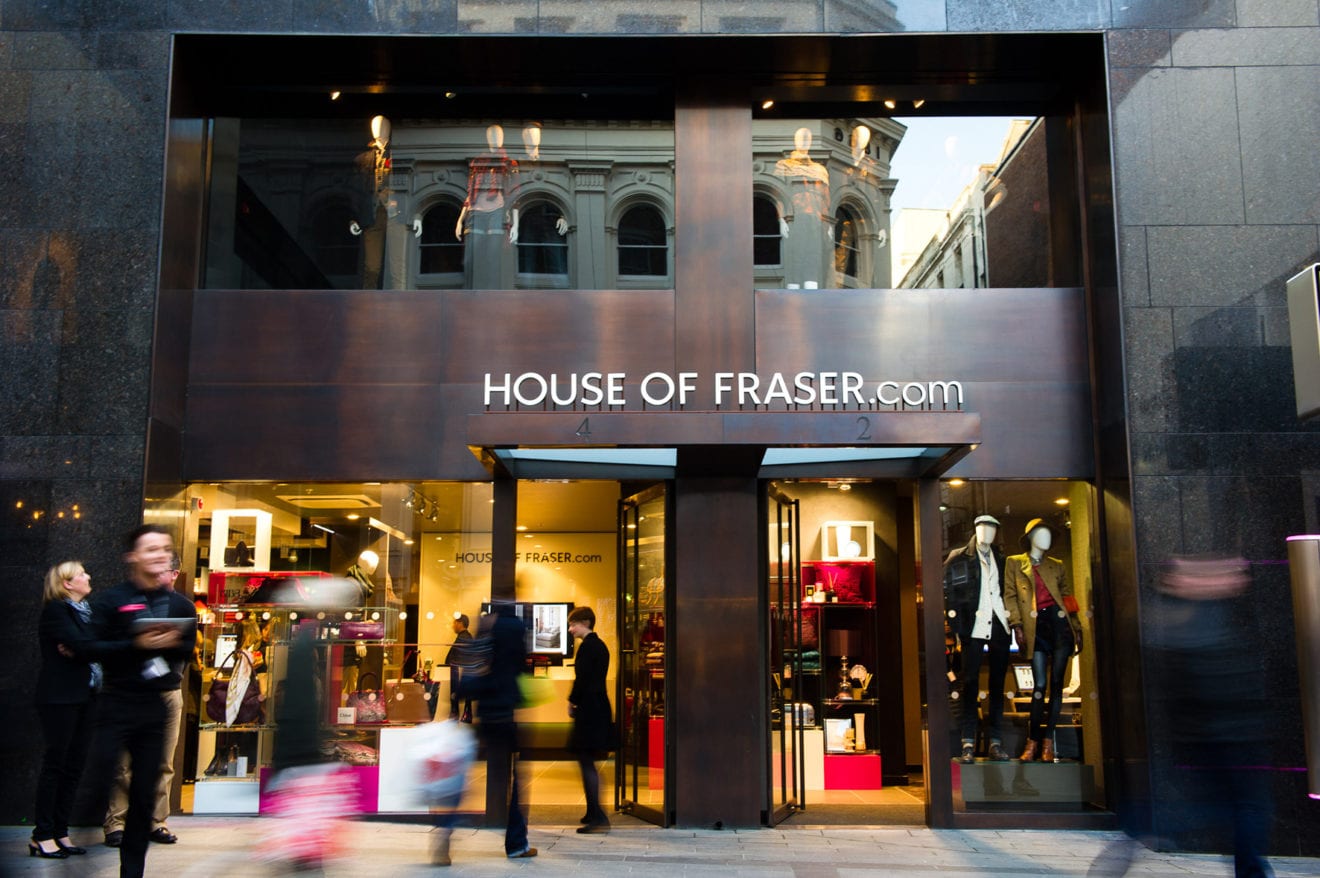
    UK department store retailer House of Fraser has confirmed it will open three stores in China.

    The first will be in Nanjing, the home of House of Fraser’s Chinese owners Sanpower after its £489 million buyout of 89 per cent last September.

    The second store will be in Chongqing and the third in Xuzhou, which is scheduled to open in 2017.

    A second franchised store is also planned for Abu Dhabi.

    House of Fraser revealed record annual profits this week, driven by a 32 per cent increase in online sales and like for like sales up 5.8 per cent to £1.3billion. It reported a record gross profit of £460.2 million. Own brand sales – for Linea and Army & Navy – rose 10 per cent.

    House of Fraser chief Nigel Oddy said the company is excited about its future prospects as it embarks on its next phase of growth internationally.

    Oddy joined House of Fraser in february after a career with Marks & Spencer which included a term as head of its retail operations in Hong Kong and involvement in buying, giving him extensive knowledge of greater China.

  • Gucci China blamed for Kering slowdown

    Gucci China blamed for Kering slowdown

    Falling sales by Gucci China have been blamed for a higher than expected drop in Gucci parent Kering’s first quarter global sales.

    Sales at Gucci’s own 502 retail stores fell four per cent in the quarter and overall sales, on alike-for-like basis, fell eight per cent.

    The worst performing region was Asia-Pacific, where sales slumped a full 10 per cent. Sales in Greater China “deteriorated compared to earlier in the year”, France-based Kering said in an earnings statement.

    Sales rose six per cent in Western Europe and remained stable in North America.

    Kering has responded with a promise to give its flagship Gucci brand, which accounts for 60 per cent of its sales, a revamp.

    “Our priority is to give Gucci new impetus,” Kering finance director Jean-Marc Duplaix said.

    The company blamed the sales drop off as part of a transition period, following its sacking of the brand’s CEO and design director last December. It has since split the roles, naming Marco Bizzarri as CEO and in-house designer Alessandro Michele as creative head. Bizzarri is credited for having turned around Bottega Veneta.

    Michele’s strategy is to improve its entry-level offer, including small leathergoods and handbags.

    Gucci will also continue to invest in building its online business.

    Bottega Veneta, Kering’s second brand, also experienced slowing sales in the first quarter, but maintained growth at 3.1 per cent on a same store basis.

    The company cited poor trading in Hong Kong and Macao for the drop, specifically a change in the demographic of mainland Chinese tourists. Hong Kong achieved 19 per cent of its sales in Hong Kong and Macau.

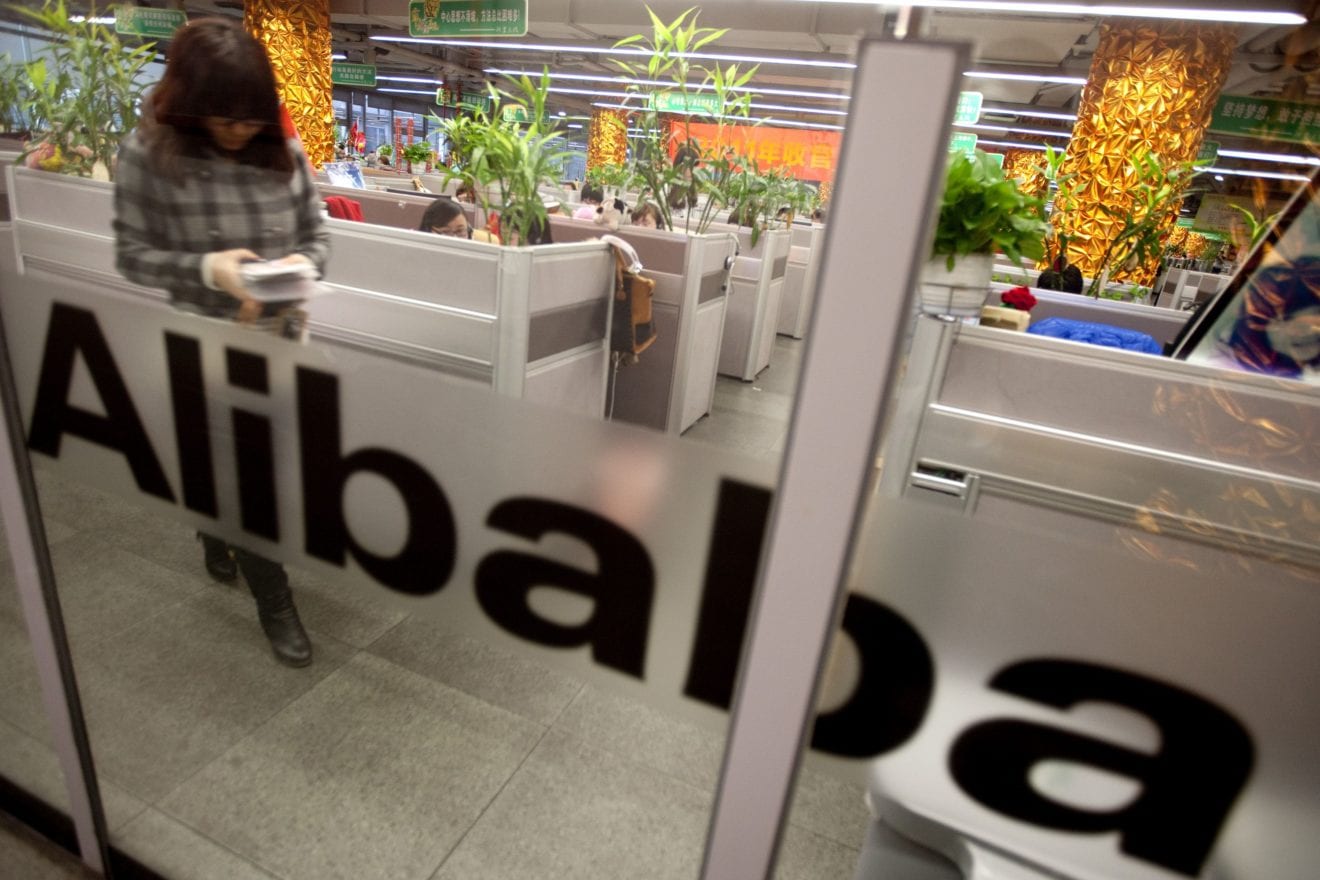
  • China fines Alibaba USD129,000 for pricing violations

    China fines Alibaba USD129,000 for pricing violations

    China’s e-commerce giant, Alibaba Group, has been fined CNY800,000 (USD129,000) by the price bureau in eastern Zhejiang province for violations by third-party sellers during promotions on its e-commerce platforms.

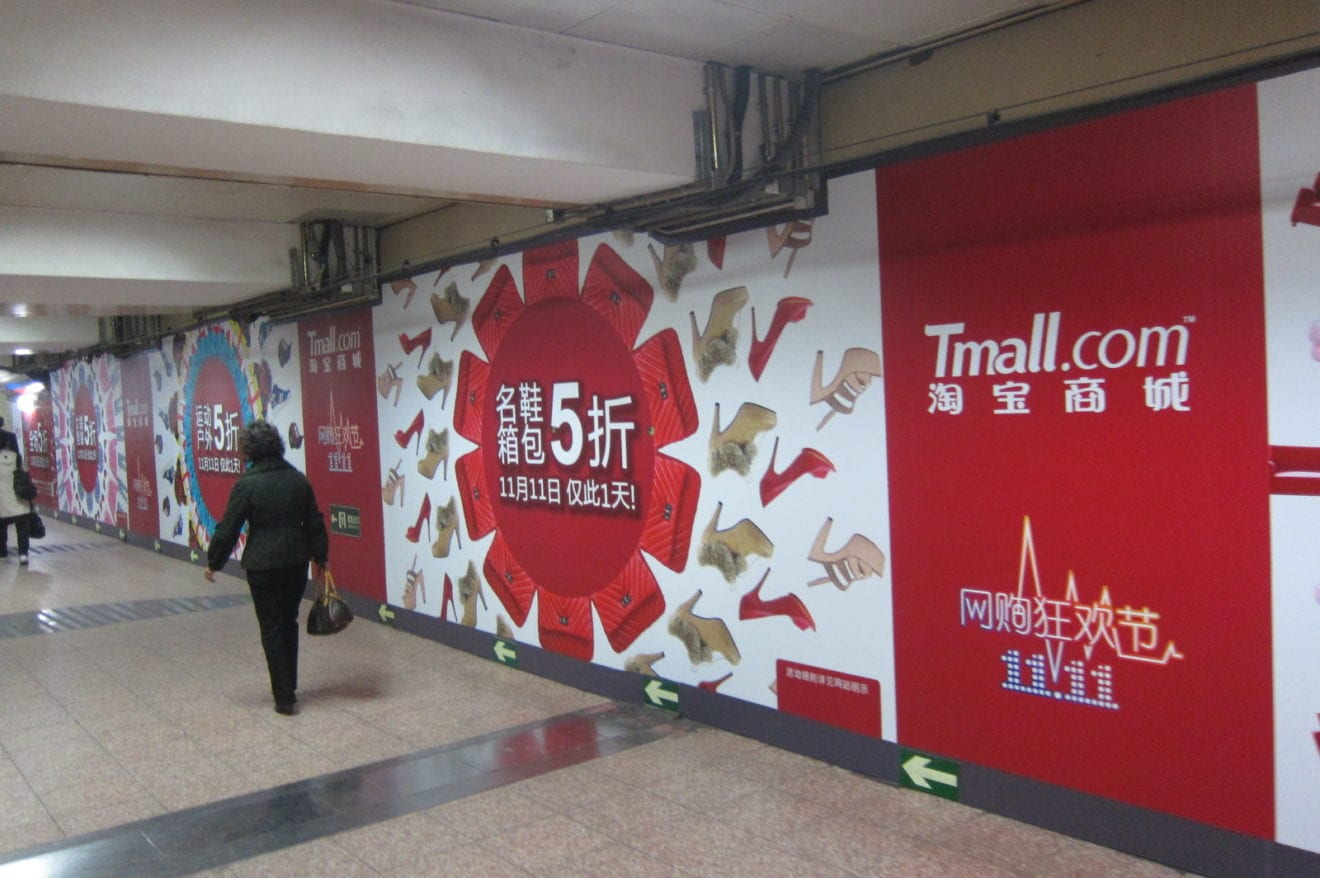
    Since Alibaba turned “Singles’ Day”, a November 11 Chinese response to Valentine’s Day, into an online shopping festival in 2009, the event has grown to similar proportions as Cyber Monday and Black Friday in the United States.

    Sales of more than USD9 billion were achieved at last year’s event, and the company has copyrighted the phrase “Double 11”, a reference to the date (11/11), which in turn, refers to the status of single people.

  • Rakuten invests in China online discounter

    Rakuten invests in China online discounter

    Japanese eCommerce titan Rakuten has taken a stake in Chinese online shopping discounts site Fanli.

    The stake, less than 10 per cent, comes in the form of an undisclosed amount of series C funding into the start-up. The announcement states that Fanli is now valued at approximately US$1 billion, making it China’s newest start-up unicorn.

    Fanli is a very minor player among the dozens of well-established eCommerce stores in China, but it claims to be the largest that focuses on rebate-based loyalty shopping. It connects shoppers with discounts on an array of third-party stores, such as Alibaba’s Taobao, JD.com, Ctrip, and the Apple online store.

    Rakuten said in a press release that the stake in Fanli is essentially a strategic way to tie the Chinese start-up to Rakuten’s duo of US-based discount stores, Ebates.cn and Extrabux. Rakuten acquired Ebates – which allows Chinese shoppers to buy things from US ecommerce sites with discounts – last September for US$1 billion.

    Kevin Johnson, CEO of Ebates, will join Fanli’s board of directors.

    “This investment in Fanli reflects Rakuten and Ebates’ ongoing interest in the rapidly evolving Chinese market,” said Johnson.

    “As the market continues to mature we believe consumers will demand world-class shopping experiences. Rakuten and Ebates hope to support Fanli’s vision of fulfilling this role and exploring potential collaborations in China and abroad.”

    Rakuten has long struggled to find a foothold in China up against homegrown rivals like Alibaba and JD. Rakuten’s own China joint-venture store with Baidu was shuttered in 2012.