Tag: China

  • Alibaba counterfeit guide launched

    Alibaba counterfeit guide launched

    Alibaba Group has launched an English-language version of its online system for reporting intellectual property (IP) infringements that occur on its giant Chinese e-shopping marketplaces Taobao.com and Tmall.com.

    The system, called TaoProtect, is designed to make it easier for companies to report merchants who are selling counterfeit products on the Taobao and Tmall platforms, facilitating the efficient removal of infringing product listings. Through TaoProtect, companies can also file complaints for other IP violations such as copyright infringement, patent infringement and unfair use of trademarks.

    TaoProtect is similar to another IP-complaint system operated by Alibaba called AliProtect that covers global wholesale marketplace Alibaba.com, global shopping website AliExpress and China wholesale marketplace 1688.com.

    The debut of the English version of TaoProtect will make the system more accessible to Western companies, said Xinghao Wang, Alibaba Group’s U.S.-based senior intellectual property protection manager. “Because the success and integrity of our marketplaces depend on consumer trust, we have comprehensive policies and practices in place to fight IP infringement,” Wang said, including the use of data-analysis technology to monitor the sites for counterfeit-product listings.

    Due to the sheer size of Taobao and Tmall – Alibaba’s China retail platforms host some 10 million active sellers – the company also works with rights holders to make its efforts more effective. That’s where TaoProtect comes in, Wang said. By providing an online system for alerting Alibaba to infringement on Taobao and Tmall, Alibaba is better able to identify suspicious listings that may be missed by the company’s internal countermeasures, he said.

    Wang noted that filing a complaint does not automatically result in takedowns. To safeguard the rights of all parties, the TaoProtect process is set up to determine whether complaints are legitimate, and to ensure that Taobao and Tmall merchants who abide by the platforms’ established rules are not unfairly penalised.

    The reporting system helps serve a larger purpose, too, he said: “Information received through TaoProtect and AliProtect is an essential part of the rule-making effort, and the data in the reporting system may also be used in the monitoring system.”

    In the video, the founder of a US maker of innovative cutting tools explains how he uses AliProtect to keep copycats at bay.

    “The more popular your products are, the higher the likelihood that someone is going to be copying you at some point, that form of flattery that no one really wants,” says TJ Scimone of Slice. By using AliProtect, he says he successfully got knock-offs of his products “shut down (and) off the site.”

  • Hong Kong police seize 30,000 fake bags

    Hong Kong police seize 30,000 fake bags

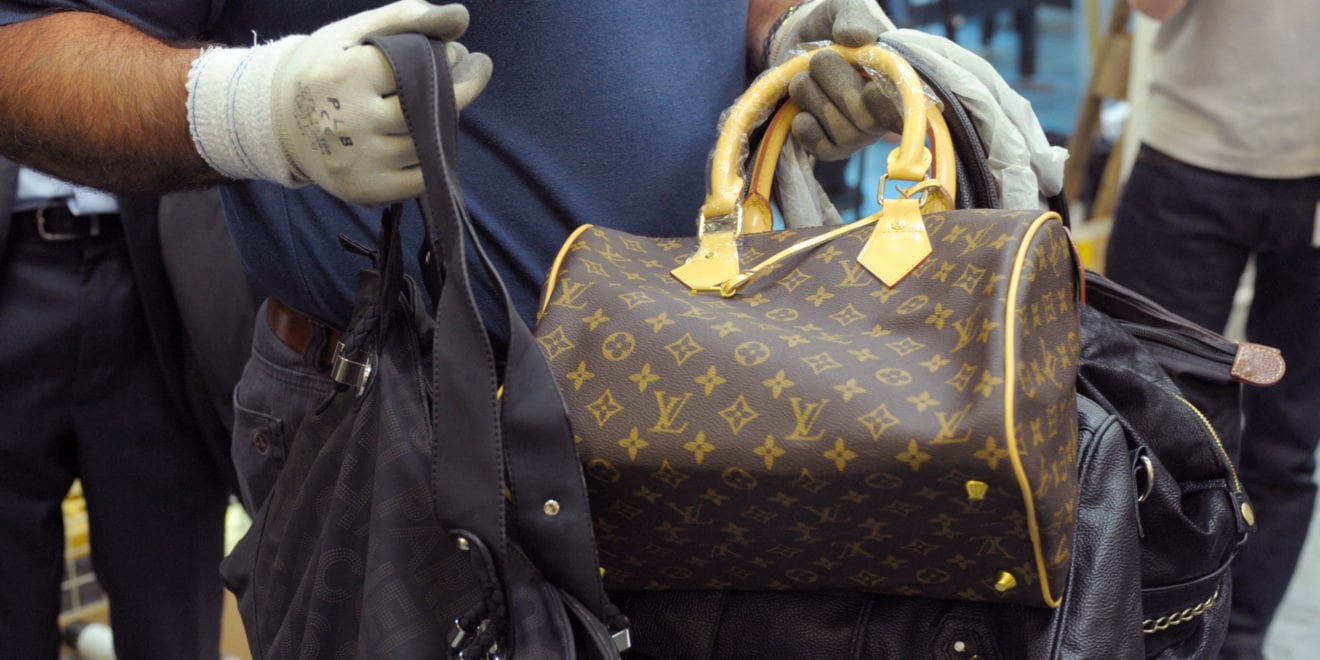
    Hong Kong police and customs officers have made the biggest seizure of counterfeit bags and accessories in a decade.

    The authorities say they netted 30,000 bags in a two day operation on July 28 and 29, details of which have only just been revealed.

    Customs and police say they successfully smashed a syndicate suspected of selling counterfeit goods by operating two upstairs showrooms and a storehouse in Tsim Sha Tsui and Tsuen Wan.

    The operation involved a record seizure in terms of quantity among similar cases in the past decade. The more than 30,000 suspected counterfeit products have an estimated street value of about $3 million, including leather goods, watches, apparel products, footwear, sunglasses and perfume, were seized.

    The syndicate was suspected of establishing a sales network with a membership scheme.

    A man thought to be the mastermind of the syndicate and two women, aged between 32 and 37, were arrested and released on bail pending further investigation.

    The Divisional Commander (Intellectual Property Transnational Investigation) of the Intellectual Property Investigation Bureau of Customs, Cheuk Tak-wai, and the Police assistant divisional commander (operations) of Tsim Sha Tsui Division, Ho Siu-tung, said at a press conference that Customs and the Police would continue to combat counterfeit activities with stringent joint enforcement actions. Customs also appealed to members of the public to shop at retail stores with a good reputation or at official brand stores.

    Under the Trade Descriptions Ordinance, any person who sells or possesses for sale any goods with any forged trademark commits an offence. Upon conviction, offenders are liable to a maximum fine of $500,000 and imprisonment of five years.

  • Amway China in online push

    Amway China in online push

    US direct selling retailer Amway is planning a major push in China where it sees potential with younger consumers.

    Globally, Amway sold US$10.8 billion worth of household goods last year, down eight per cent on 2013.

    In China it has spent a year testing online sales models, creating 10 WeChat accounts and 12 apps through which its sellers can interact with customers. Online already accounts for 30 per cent of its China sales – with mobile sales about one fifth of that and expected to grow to half within 10 years.

    Last week Amway held a digital strategy launch in Guangzhou where it revealed plans to allow consumers to shop through its online platforms and apps with Amway taking responsibilities for delivering the goods to purchasers. That marks a significant variation from its traditional model of having its sellers deliver goods personally.

    Chief marketing officer Frances Yu said the company knows its strength lies in a solid offline relationship it has with customers. “The same will be upgraded further when we move online.”

    Mobile eCommerce will potentially cut costs for Amway’s direct selling staff as they won’t have to rent physical store space, have capital tied up in inventory or cover delivery charges. Amway will assume responsibility for storage and distribution.

    “Our entrepreneurs will be able to spend more time with their clients,” said Yu.

    Amway has opened 10 ‘experience’ stores in China to link online with offline, display products to prospective customers and build brand awareness. Eight more are planned.

    Amway also wants to double its sales distributor network from 60,000 currently to 120,000 by 2025.

  • German giant buys Classic Fine Foods

    German giant buys Classic Fine Foods

    German retailer Metro AG has paid $290 million to buy Singapore restaurant supplier Classic Fine Foods Group from private equity owned EQT.

    CFF operates in 25 cities, including Singapore, Dubai, Hong Kong, Bangkok, Kuala Lumpur, London, Ho Chi Minh City and Jakarta. The deal will expand Metro Cash & Carry’s presence from 26 countries to 36.

    Metro said in a statement the acquisition would strengthen its wholesale subsidiary Metro Cash & Carry by bolting on an experienced food service distribution arm.

    “It provides access to growth and value creation potential in the attractive premium foodservice distribution markets. The transaction covers the operations and all fixed assets of CFF for an enterprise value of $290 million plus an earn-out of up to $38 million depending on the EBITDA performance in 2015 to 2017,” the company said.

    “Metro Cash & Carry aims to strongly expand its FSD operations. With the acquisition of CFF we strengthen our value proposition and enlarge our wholesale market presence fuelling future sales and earnings growth“, said Olaf Koch, chairman of Metro AG’s management board.

    Pieter Boone, CEO of Metro Cash & Carry, added: “With Classic Fine Foods, we found the perfect partner to expand in high growth Asian FSD markets. CFF has a strong market position and a unique exposure to Asian mega cities and Middle East. CFF partners with some of the world’s most sought after fine food producers and has excellent customer relationships in the high margin premium Hotels, Restaurants and Caterers (HoReCa) segment. The acquisition boosts our FSD capabilities widening the services for our HoReCa customers.”

    CFF, founded in 1999, has its own distribution and warehousing network in the cities in which it operates. Metro says post- acquisition, CFF will remain largely independent, maintaining its own sourcing base and distribution network.

  • Ffan: Wanda’s online store goes live

    Ffan: Wanda’s online store goes live

    Nearly a year after three giant Chinese companies teamed up to take on Alibaba, the newly-mintedeCommerce store finally and quietly launched this week.

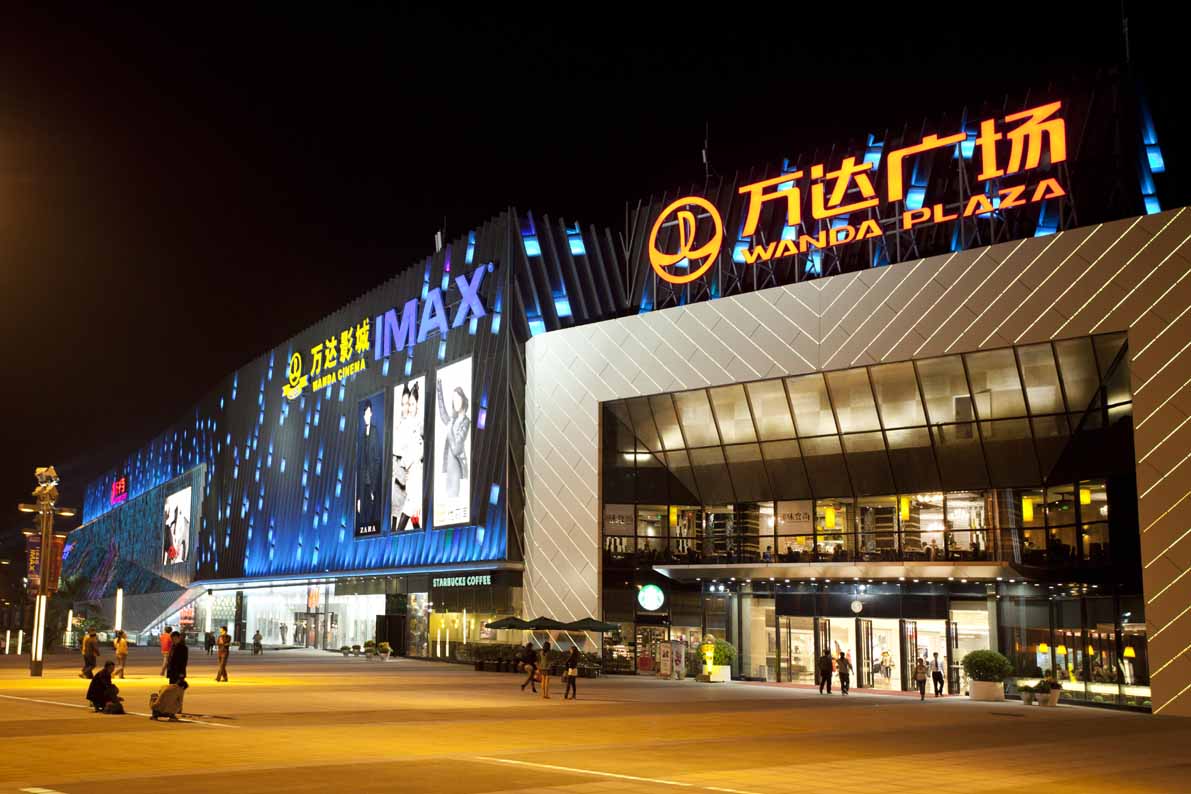
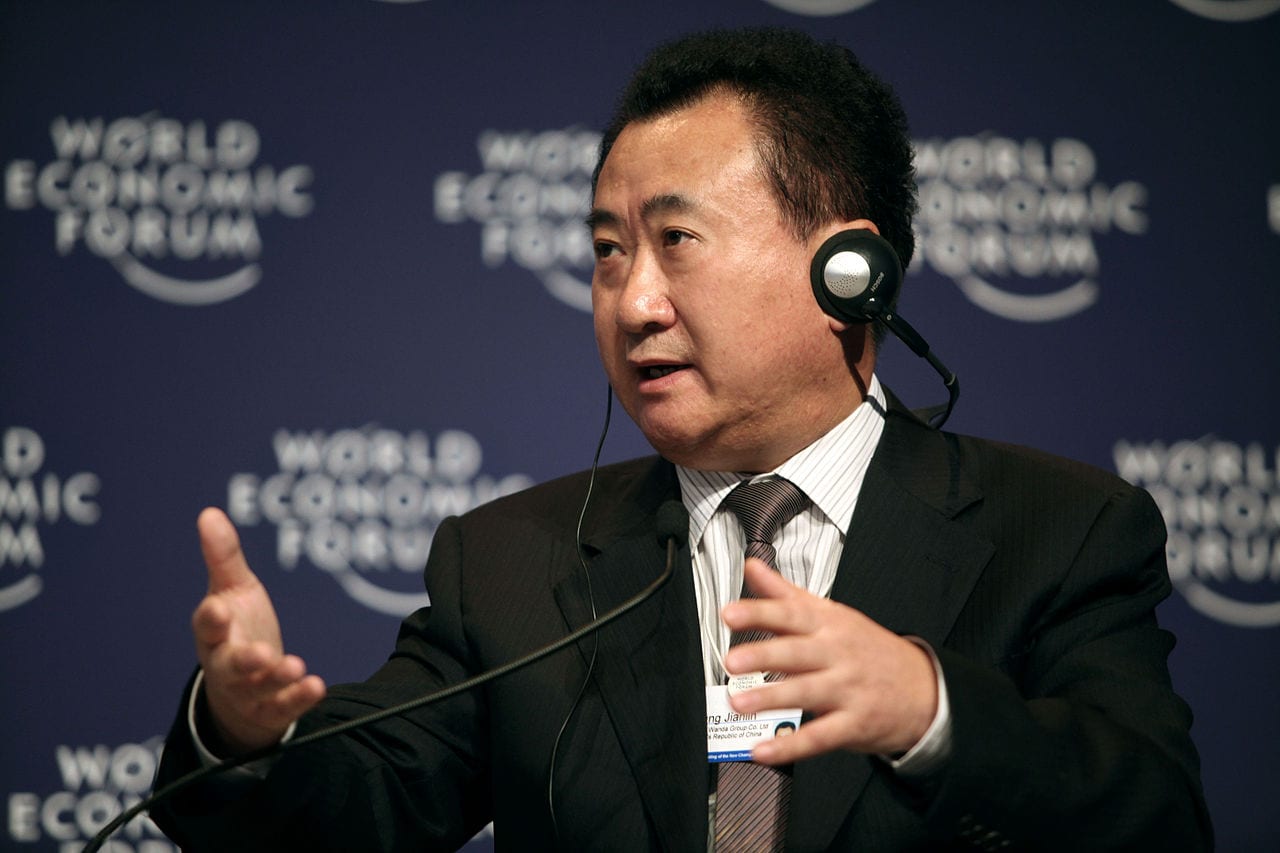
    The site, Ffan, is the result of a billion-dollar joint venture between Tencent, Baidu, and Wanda Group, a conglomerate best known for its chain of movie theatres and malls.

    The joint venture started with US$814 million in its pocket in August 2014, with Wanda holding a 70 per cent stake, and Tencent and Baidu splitting the remainder evenly. In January, it secured venture capital funding to the tune of US$161 million.

    Local commerce

    The new estore is designed to take on Alibaba’s eCommerce dominance, with a focus on helping people buy local products and services. That’s why visitors to Ffan can choose their city to see local deals.

    Baidu declined to comment on today’s launch and Tencent has yet to reply to Tech in Asia’s inquiry.

    At first glance, Ffan looks odd and rather bare. The only two product categories on the top navigation bar are “food” and “movie tickets.” Browsing through the city-specific food section reveals that most of the products are from retailers at Wanda’s shopping malls across the country. Indeed, users can browse through the Ffan site or accompanying mobile app according to their nearest mall.

    Wanda – a private company which boasted assets of RMB 534.1 billion yuan (US$85.6 billion) in 2014 – has reportedly been plotting a leap from offline retail to ecommerce for several years, but today’s launch doesn’t reveal much that should worry Alibaba or arch-rival JD right now. It’s not a general ecommerce store like Alibaba’s Tmall or JD, and the offerings are slim.

    Sill, Wanda has the reach – across malls, cinemas, hotels, resorts, theme parks, and several other areas – to challenge Alibaba in terms of the fast-growing interest on the web for local, on-demand products and services.

  • Hysan thrives in subdued market

    Hysan thrives in subdued market

    Hysan Development Co chairman Irene Yun Lien Lee says retail locations with proven shoppers’ traffic that have a bustling and unique surrounding atmosphere have become more sought after as retailers compete in an increasingly challenging market.

    That’s the core of the reason Hysan has thrived in the first half year while street-front shops have struggled and for lease signs have appeared in even the most popular shopping destinations, like Causeway Bay.

    “Hysan has always strived to work closely with and provide support as well as add value to our tenants, especially when shop owners are weathering market uncertainty,” said Lee in a half year report.

    “At Hysan’s portfolio in the first half of 2015, we hosted a number of high-profile customer engagement activities and experiences, including a successful dining programme in May in partnership with our food and beverage tenants and shoppers with HSBC credit cards. We also unveiled Leeisure rewards for shoppers, complemented by the inaugural Leeisure electronic and print magazines.”

    The company this week reported group turnover of HK$1.714 billion, up 7.4 per cent on the same period in 2014. And at the end of June, Hysan’s retail portfolio occupancy was 98 per cent, the office portfolio full, and residential portfolio at 95 per cent.

    Contrast that growth with the 2.1 per cent expansion of Hong Kong’s overall economy in the first quarter and the forecast for the year of between one and three per cent, and a drop in retail sales for the first half of 1.6 per cent.

    Lee said Hysan’s strategy in recent years has been to cluster its Lee Gardens portfolio of retail and office space in Causeway Bay.

    “Our iconic, well-recognised and quality Lee Gardens brand is powered by our ownership cluster. This area concentration magnifies our ability to extract synergies amongst our retail, food and beverage and office tenant mix. It also supports our active marketing and events programs to reinforce our brand, build our customer loyalty program, create a sense of community and ensure awareness as a must-visit destination,” said Lee.

    “This long-term vision has helped maintain a strong tenancy demand, an improved and broadened tenancy mix, active stakeholder engagement, and most of all, a well-regarded and sustainable brand.”

    To further emphasise the brand and highlight Lee Gardens’ heritage and distinct character, all buildings on the eastern half of Hysan’s property portfolio in Causeway Bay have been renamed under the Lee Gardens brand name from June 1.

    “We are proud of our long history and we understand our tenants also wish to be more closely associated with this brand,” said Lee.

    Hysan believes the retail market remains underpinned by “solid local support and demand”.

    “Furthermore, as retailers and landlords adapt to the changes in the shopping patterns, including that of the rising prominence of eCommerce, we are confident that the retail sector will be able to weather the market volatility,” Lee said.

    The group’s retail portfolio turnover grew 6.4 per cent to HK$950 million, including turnover rent of HK$50 million, (down $10 million).

    “Our results reflected positive rental reversions in rental renewals, reviews and new lettings across the portfolio, with an average rental increase of around 35 per cent. They also highlighted our strategy to increase the base rent while shifting the focus away from turnover rent. Around 80 per cent of retail leases expiring in 2015 have already been committed.

    The portfolio was 98 per cent occupied as at 30 June 2015, (down two percentage points from December 31st’s ‘no vacancy’ status).

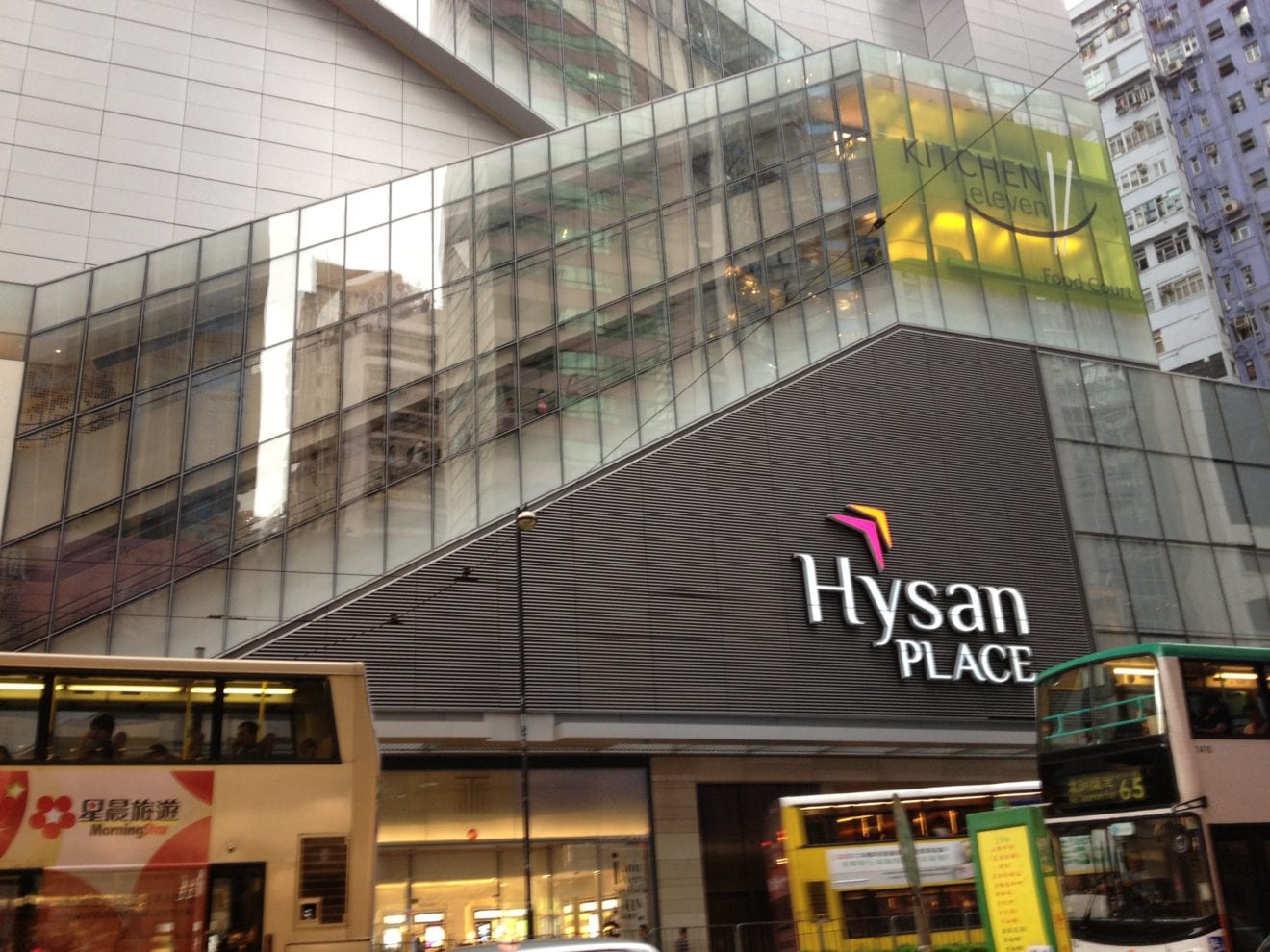
    Hysan Place, a hub for the younger, fashion-forward crowd, achieved around 80 per cent growth in estimated tenant sales. Hysan says this reflects its attractive retail offerings, including some popular digital products.

    “We have been further refining our tenant mix and focusing on more unisex sports and leisure offerings, which match Hong Kong’s growing demand for a healthier lifestyle. Lululemon, the trend-setting yoga apparel brand, for example, is opening its largest Hong Kong store on the first floor. Another popular sector is cosmetics, and DFS T-Galleria has revamped an entire floor to showcase its beauty offerings with a brand new experiential format and expanded product categories, including popular Korean brands.”

    The premium Lee Gardens hub experienced a drop in estimated tenant sales when compared to the first half of last year. The sales there were inevitably affected by the slowing down in tourist spending, but they were also partially attributable to the life cycle and distribution strategy of certain brands.

    Newcomers including Roger Vivier and Dolce and Gabbana Junior helped reinforce both our adult and children’s offerings, and reflected the ongoing demand for quality space by major brands at the Lee Gardens, the company said. The hub’s food and beverage outlets, from traditional Chinese to trendy Asian and Michelin-starred French cuisines, experienced double-digit percentage growth in sales.

    Lee Theatre hub, the urban fashion and lifestyle destination, achieved around 10 per cent growth in estimated tenant sales. The flagship stores at the lower levels of Lee Theatre Plaza, including Uniqlo, Muji and Aland, have proven popular with shopping families, and these shoppers also make good use of the food and beverage outlets on the upper floors of this Causeway Bay landmark.

    “Our curation of the Leighton Centre ground level as a “sports-themed street” has also been successful in creating a new home for sporty apparel and footwear, such as adidas Originals, Asics and Onitsuka Tiger.”
  • E-Mart calls time on closures

    E-Mart calls time on closures

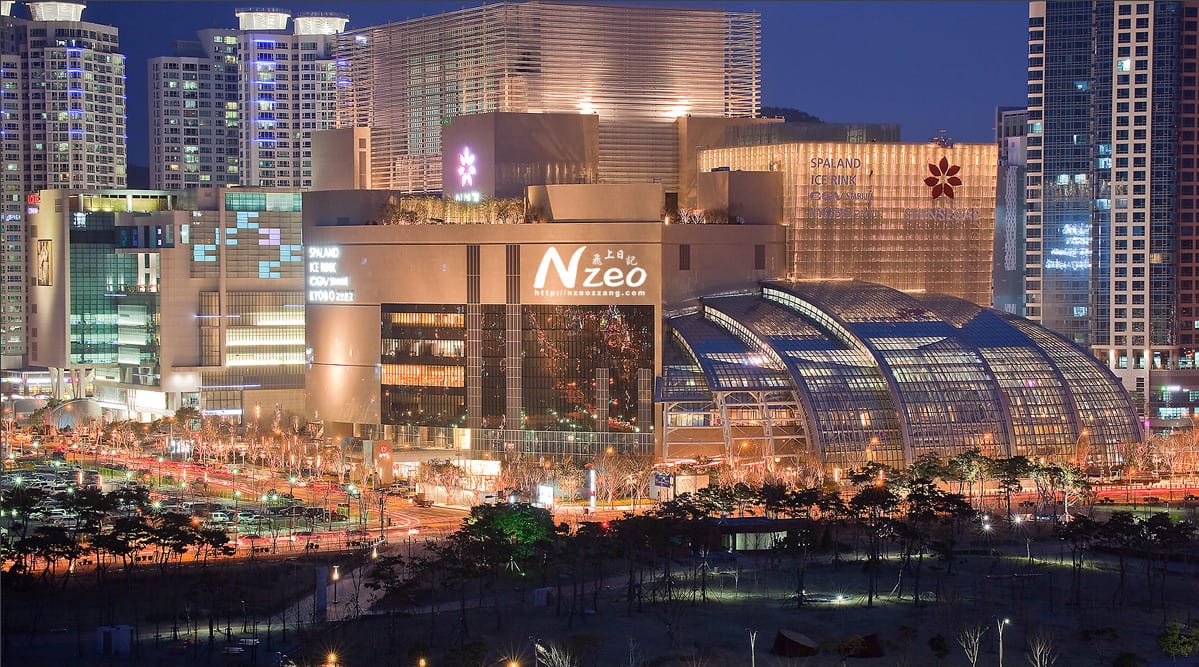
    South Korea’s largest discount supermarket operator E-mart says it is recommitting to the China market and will stop closing stores there.

    E-Mart once operated 27 discount grocery stores in the mainland, but for the last five years has been constantly returning its model and shutting down underperforming outlets.

    However this week, an E-mart executive signalled a change of course.

    “After the August 3 closure of a branch in Shanghai, there will be no additional shutdowns of the remaining eight branches in east China,” a media spokesperson said.

    E-Mart, part of the Shinsegae corporation, says the restructuring and closures will reduce its net loss by 35 per cent this year and a greater focus on eCommerce will help it approach a hitherto elusive profitability.

    “The region continues to be one of the most profitable regions and some of our branches there are even posting a profit. China is a market that we cannot give up,” the spokesperson said.

    In 2011, E-Mart lost US$95 million on its China operations. It has not made a profit there since and in the first three months of 2015 it reported a $10.4 million loss.

    Despite the company’s poor fortunes in China, E-Mart is planning to open its first store in Vietnam in December and is also targeting Mongolia.

  • Chinese bookstores rank among ‘world’s coolest’

    Chinese bookstores rank among ‘world’s coolest’

    Three Greater Chinese bookstores have been ranked amongst ‘the world’s coolest’ by US-based global news organisation CNN.

    In a newly-released selection posted online CNN observes that old or new, all of the stores round the world its editors selected for the “World’s Coolest” list have fascinating stories, serving as “historic sites, sanctuaries, salons of culture and must-visit entries in any travel itinerary”.

    The three Asian stores making the list are Eslite Bookstore in Taipei, Librairie Avant-Garde in Nanjing, China and 1200 Bookshop in Guangzhou, China.

    The 17,000 sqm Eslite store, which opened in 1999, trades 24-seven and stocks books and magazines in a multitude of languages. Its success has been followed with more stores in Taipei and another in Hong Kong’s Hysan Place.

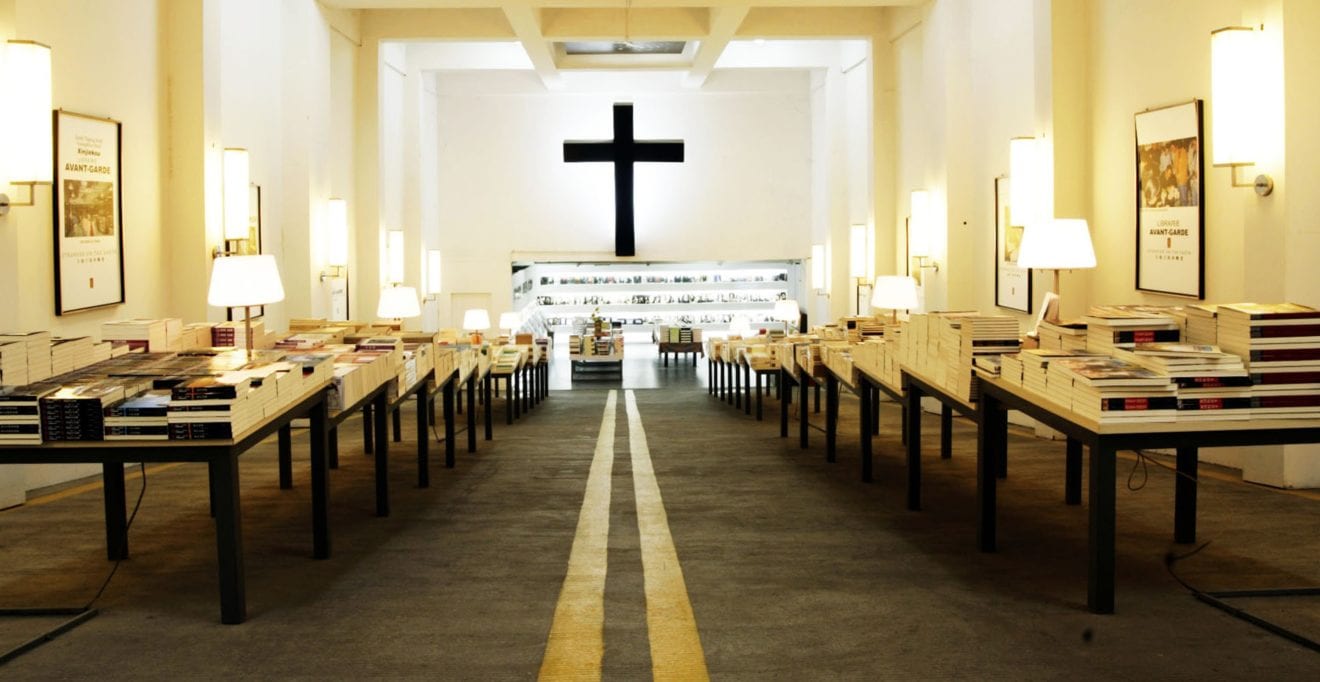
    The Librairie Avant-Garde is described by CNN as “China’s most beautiful bookstore”, located in a massive underground parking lot once used as a bomb shelter.

    “The 4000 sqm store’s unusual features include large crosses, a copy of Rodin’s ‘The Thinker’ and a checkout counter built out of thousands of old books,” writes CNN.

    “A good bookshop should provide space, vision and nurture the city with its humanitarian spirit,” owner Qian Xiaohua told CNN. “It’s a place for people to have dreams in the city.”

    And the 1200 Bookshop, which also trades around the clock, has earned a reputation for great books and coffee as well as a haven for travellers, with backpackers invited to stay in a private room in-store.

    “We are doing business at the store during daytime but making friends at night,” says founder Liu Erxi.


  • Shinsegae opens luxury bike shop

    Shinsegae opens luxury bike shop

    Shinsegae Department Store has opened a bicycle shop at its main store in Chungmuro, being the first department store in Korea that is home to a bicycle shop.

    The shop features classic models from Pedersen Bicycles, often called ‘the Bentley of Bicycles,’ multi-purposed ‘Cargo and Cruiser’ bikes from Johnny Loco, and stylish E-bikes from Mando Footloose.

    The shop’s wide range of bikes from classical to electric will satisfy the needs of many bike lovers. Several models featured in the shop are also of rarities hardly seen on the Korean streets. The shop is located on the first basement level of the Chungmuro store.

  • Dalian Wanda shutters stores

    Dalian Wanda shutters stores

    China’s Superstar days are over.

    Hong Kong listed retail group Dalian Wanda is to close down China’s largest karaoke chain Superstar, a victim of the mainland government’s mission to discourage excessive spending on entertainment and gifts.

    The company has also flagged the closure of an unspecified number of its department stores due to tough competition from online retailers, eating into store sales volumes.

    Some Chinese news media are reporting as many as half of the company’s 90 department stores could be shuttered, but the company remains vague.

    “China’s consumer behaviour is undergoing significant changes, inevitably hurting some large-scale retailers,” said Qu Dejun, president of Dalian Wanda subsidiary Dalian Wanda Commercial Properties.

    Before the Chinese government’s clampdown on entertainment expenses, karaoke parlours were popular destinations for government officials and businessmen entertaining clients and contacts.

    Qu said Superstar would close because the chain’s profits were now very thin due to “national policy”.

    Taiwan karaoke chain Cashbox Partyworld has already trimmed back its mainland karaoke network.

  • CapitaLand posts healthy quarter

    CapitaLand posts healthy quarter

    CapitaLand Limited has today announced a second half after tax group profit of S$464 million – 5.8 per cent up on the same period last year.

    The property giant, which derives 80 per cent of its revenue from Singapore and China, has a portfolio including shopping malls, serviced apartments, office blocks and hotels trading under a variety of banners.

    In a statement, CapitaLand said its operating profit was 87.6 per cent higher than the same quarter last year on account of gains from the change in the use of development properties for sale in China, namely The Paragon (Tower 5 & 6) and Raffles City Changning (Tower 3). These projects are at prime locations in Shanghai and the group has changed its business plans for these projects from strata-sale to leasing as investment properties.

    The result was impacted by an impairment for a development project in China.

    Revenue increased by 17.8 per cent on the back of higher contribution from development projects in China, partially offset by lower revenue from development projects in Singapore and Vietnam.

    The group says it recorded higher rental revenue from its shopping mall and serviced residence businesses during the quarter.

    Lim Ming Yan, president & group CEO, said CapitaLand’s well-balanced portfolio of investment properties and residential projects will continue to generate recurring income and trading profits for the group.

    “While CapitaLand remains focused on Singapore and China as core markets, it is exploring opportunities to expand in growth markets such as Vietnam, Indonesia and Malaysia. CapitaLand has built a significant scale across diversified asset classes and strong expertise in integrated developments, shopping malls, serviced residences and capital management. Coupled with its technology efforts, CapitaLand continues to strengthen its position for growth,” he said.

  • Burberry Beauty Box enters China

    Burberry Beauty Box enters China

    British luxury apparel brand Burberry has opened two more Beauty Box stores in greater China.

    It follows the opening of Beauty Box’s first Asian store in Korea last December in Seoul’s Coex Mall.

    Burberry Beauty Box concepts are now trading in Hong Kong and Shanghai.

    In Hong Kong, the store has opened in Times Square at Causeway Bay. The store closely follows the Burberry Beauty Box flagship in London’s Covent Garden.

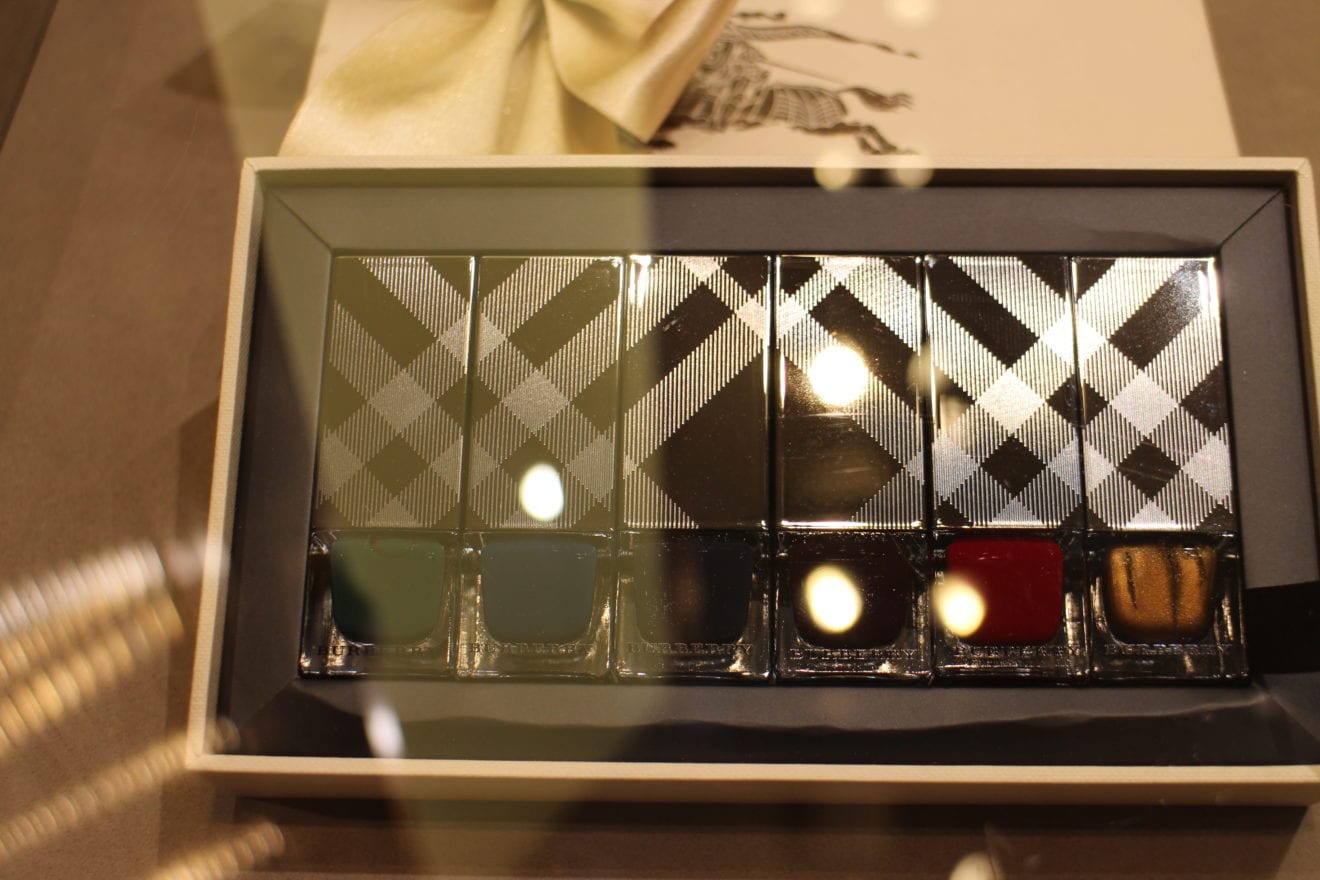
    The new Beauty Box concept focuses on make-up, including Burberry Eyes, Lips, Face and Nails lines, fragrances for men and women, including My Burberry, and assorted luxury accessories.

    It includes a digital Lip & Nail Bar, a 95 degree screen broadcasting Burberry catwalk shows, and the My Burberry Digital Experience that lets customers digitally interact with the brand.

    Customers can order in-store monogrammed labels for 90ml bottles of My Burberry Eau de Parfum and My Burberry Eau de Toilette to create an exclusive, customised gift.

  • Tag Heuer Hong Kong to close store

    Tag Heuer Hong Kong to close store

    Tag Heuer is to close one of its Hong Kong stores as it battles high rents and falling sales.

    Tag Heuer Hong Kong’s Causeway Bay store on Russell St will close soon, according to Jean-Claude Biver, the head of Tag Heuer’s parent LVMH’s watch unit.

    While local watch and jewellery retail chains have been adjusting their store networks in the wake of plummeting sales to Chinese tourists over the last 12 months, this is the first significant closure announced by a global luxury player. Rival luxury retail group Kering has hinted it may close some stores, but has not announced firm plans as yet.

    However, the Tag Heuer plan itself is vague.

    “I am not sure if the shop will be closed this year or next but for sure I want to close it because of high rental costs and a drop in traffic,” Jean-Claude Biver told Reuters.

    Local jewellery retailers like Luk Fook and Chow Tai Fook have been renegotiating rents as they come up for renewal, and reporting reductions  of between 10 per cent and 20 per cent.

  • Chow Tai Fook wins 40 per cent rent cut

    Chow Tai Fook wins 40 per cent rent cut

    Jeweller Chow Tai Fook has reportedly re-signed a retail shop rental lease at a 40 per cent reduction.

    It’s a rent reduction which will energise the retail sector, but not doubt send shivers through Hong Kong’s property community.

    Several listed luxury retailers have in recent months been openly discussing expectations of reduced rents when re-negotiating with landlords over lease renewals. Their expectations are grounded in falling sales of luxury goods resulting from Mainland China;s gift-giving crackdown and a reduction in the number of cashed up, big spending Chinese tourists hitting the territory.

    But the sort of reductions being discussed have ranged between 10 and 20 per cent.

    According to Ming Pao, Chow Tai Fook has renewed the lease on its Mong Kok Bank centre branch – shops 6 and 7, on the ground floor.

    The previous rent agreed was $1.3 million in 2012. The new rent rate is 40 per cent lower. Other terms, such as the lease term, have not been disclosed.

  • Sogo ‘resilient’ in tough market

    Sogo ‘resilient’ in tough market

    Department store operator Lifestyle International says its Sogo department stores in Causeway Bay and Tsim Sha Tsui helped it achieve a 15.1 per cent boost in first half year profit.

    In the six months to June 30, group turnover increased 6.6 per cent to HK$3.07 billion and profit attributable to owners of the company to $1.17 billion “The Sogo Causeway Bay store proved resilient,” the company said in its half year report.

    “It put in a steady and solid performance during the review period and delivered a healthy set of business results. The store generated HK$4.493 billion in total sales revenue, representing a slight decrease of 1.4 per cent from the same period last year, largely in line with the market as a whole. As with previous years, the store remained the biggest contributor to the group’s revenue, accounting for 64.4 per cent.”

    That trading result was achieved despite a renovation program and during a period of “relatively weak market sentiment”, which caused a decline in traffic footfall.

    “Notwithstanding the drop in traffic footfall, the store saw an increase in the stay-and-buy ratio that went up by 2.3 percentage points from the same period last year, which reflected customer loyalty for the store.”

    Across the harbour, the Sogo Tsim Sha Tsui store, which moved to a new location in November, has quickly attracted a significant amount of old and new customers, thus enabling it to grow steadily and deliver a better-than-expected performance, the company said.

    “The stay-and-buy ratio, average ticket size and the traffic footfall all performed well above the expectation of the management. During the period, continuous efforts had been made to adjust and refine the brand portfolio and merchandise of the boutique-style store, in reference to customers’ reception and the group’s market research. To enrich the product selection, SOGO TST opened in May the Freshmart in the previously unfilled area of the store, which houses a wine cellar and offers a vast array of food and confectionery items.”

    In Mainland China, Lifestyle’s operations delivered “encouraging results” in spite of the prevailing weak sentiment in the retail market.

    “The performance of operations in bigger cities was relatively more positive, as the decline in consumer confidence showed signs of bottoming out. The larger middle-class population with stronger spending power also enhanced the resilience of operations in big cities. Nonetheless, intensifying market competition remained a challenge. On balance, the generally healthy results of the mainland operations attest the Group’s core competency and its ability to drive operational efficiencies in good or bad times.”

    Shanghai Jiuguang performed strongly throughout the review period, with sales revenue up 9.7 per cent from the same period last year. The group said it had made an extensive effort to adjust the store’s brand and merchandise portfolio over the past years, which was now starting to pay off, and the store is now believed to own the strongest portfolio of cosmetic brands in its locality.

    “While Shanghai Jiuguang’s total traffic footfall fell 10 per cent during the period, the average ticket size was up 5.7 per cent and the stay-and-buy ratio improved by 6.2 percentage points, which again points to strong customer loyalty. In May, the store kicked off its renovation program, which is to be carried out in phases and is scheduled for completion in 2016.

    “Suzhou Jiuguang, which has established itself as a sought-after shopping destination in Suzhou, stayed firmly on a growth trajectory. It turned profitable in 2013 and has remained so since then. For the first half of the year, it reported a 5.1 per cent growth in sales revenue. The traffic footfall and ticket size was up 10.5 per cent and 1.7 per cent respectively, while the stay-and-buy ratio was largely stable at 38 per cent,” Lifestyle reported.

    “Of late, competition in the local department store sector has grown increasingly fierce. Being one of the first department stores to have secured a solid market position in the city, Suzhou Jiuguang enjoys first-mover advantage and has developed a loyal clientele that is still growing. Nevertheless, the group will continue to monitor closely the market situation in order to devise sound and sensible marketing and business strategies to respond promptly to new development in the market.”

    However, Dalian Jiuguang in Northeast China performed “largely in line with the local market situation”, recording a 13.2 per cent negative growth in sales revenue.

    “The results were within expectation of the management, in light of the fragile business environment and weak consumer sentiment of the city over the past few years. However, the group has been realigning the product range and tenant mix to widen the appeal of the store.”

    Shenyang Jiuguang, which opened in October 2013 as the Group’s fourth Jiuguang establishment in mainland China, continued to face a sluggish retail environment, with weak consumer sentiment and restrained economic activity.

    “With persistent efforts to enhance its product mix and to promote a wide range of local and imported products catering to a broad customer base, Shenyang Jiuguang managed to keep its business on a stable footing. For the first half of the year, sales revenue was stable when compared with the corresponding period in 2014. The traffic footfall showed signs of improvement, indicating the group’s marketing strategy is in the right direction. The management is aware that under the current economic climate, it would take notably more time for a young department store like Shenyang Jiuguang to turn profitable.”

    And Beiren Group, an established Shijiazhuang-based retailer in which the Group has strategic investment, continued to deliver “stable performance despite slack demand” in the highly competitive local market. For the first six months of the year, the investment contributed about HK$179.7 million in profit (including profit attributable to non-controlling interest) to Lifestyle International, compared with HK$142.7 million in the same period last year. The significant improvement in share of results was mainly due to the fact that its results in the previous year were negatively impacted by an audit adjustment.

    Beiren Group operates approximately 1.2 million sqm of retail space encompassing 17 department stores, 37 supermarkets and various outlets specialising in electrical appliances, consumer electronics and gold and jewellery. Most of the operations are located in Shijiazhuang.

    Nearly two years since its opening in July 2013, the group’s standalone “Freshmart” store in

    Changning, Shanghai, continued to deliver consistently and satisfactory results. Sales revenue for the first six months of the year saw a year-on-year growth of 11.6 per cent.