Tag: New Zealand

  • Woolworths to Shift 130 Support Roles from New Zealand to Australia

    Woolworths to Shift 130 Support Roles from New Zealand to Australia

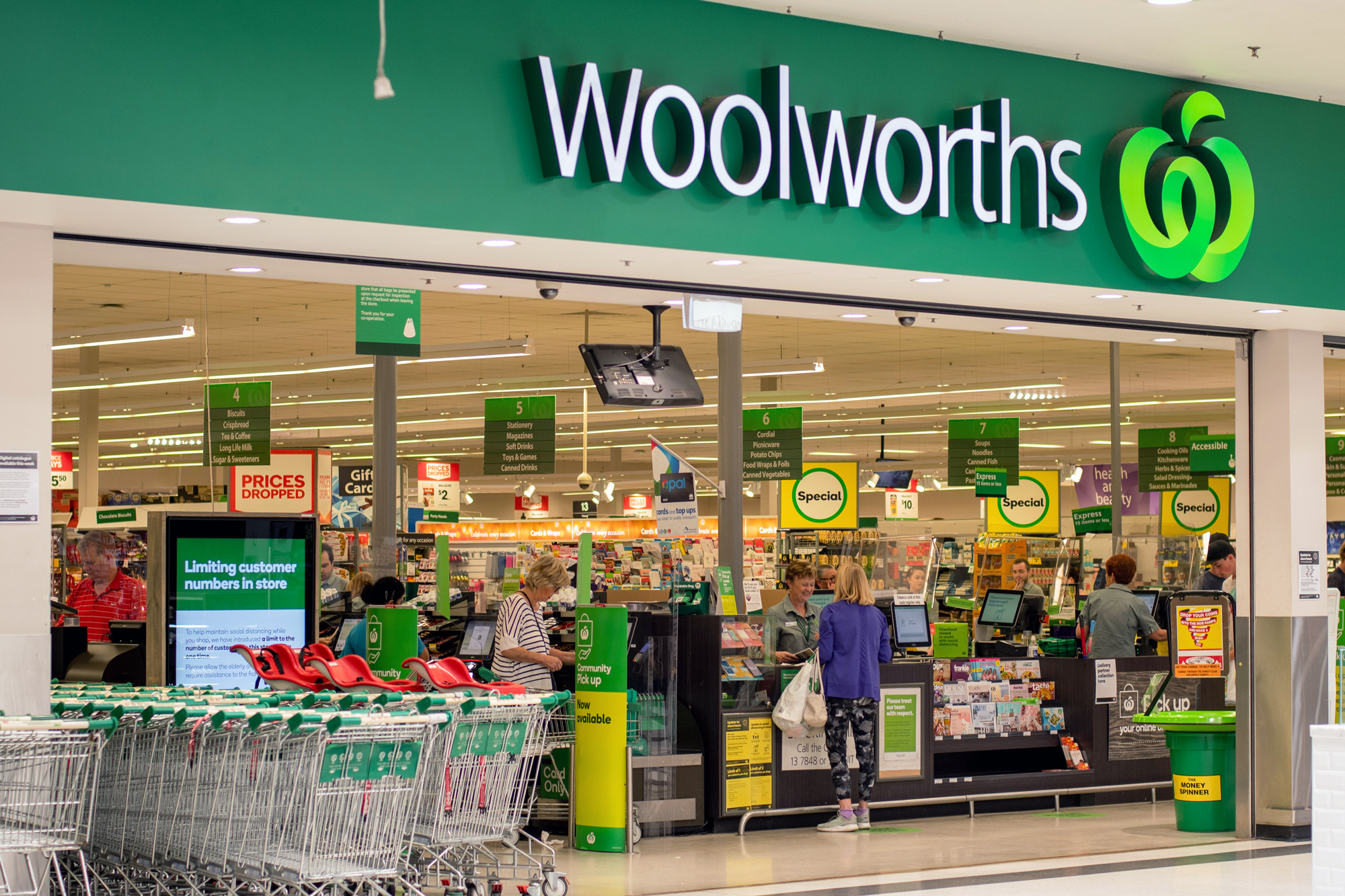
    Woolworths plans to shift roughly 130 customer support roles from New Zealand to Australia as part of a restructuring across the Tasman.

    The proposal includes shuttering the retailer’s dedicated customer care centre in New Zealand to streamline operations across its grocery division.

    Cost Cuts and Centralisation

    Closing the customer care facility will save the business $4.1 million by the 2029 financial year. Woolworths plans to absorb these contact functions into its Australian network rather than maintaining separate customer support centres across both countries.

    Union officials pushed back immediately against the announcement. The Workers First Union condemned the proposal as “corporate greed”, warning that local staff are paying the price for trans-Tasman cost rationalisation.

    Regional Margin Pressure

    Supermarket operators across Australasia face persistent margin pressure from elevated operating costs and cautious consumer spending. Consolidating back-office and contact centre functions allows major grocers to trim overheads, mirroring broader retail trends across the region where administrative operations are pooled into single hubs.

    Consultation over the proposed customer care shutdown remains underway ahead of the company’s 2029 financial milestone.

  • KDDI Expands Starlink Direct Satellite Access to the Philippines and New Zealand

    KDDI Expands Starlink Direct Satellite Access to the Philippines and New Zealand

    Japanese carrier KDDI and Okinawa Cellular expanded their au Starlink Direct satellite service on August 31 to cover the Philippines and New Zealand.

    The cross-border rollout adds two Asia-Pacific destinations to an international coverage footprint that previously included only the United States and Canada.

    Direct satellite links for travellers

    Subscribers to KDDI’s satellite service in Japan can now access low-Earth orbit connectivity in remote areas across both partner markets without paying extra fees or filing advance applications. The service links directly with Starlink Mobile technology when users have a clear view of the sky, enabling text messaging, location sharing, and supported light data applications in regions where terrestrial cellular networks do not reach.

    Local carriers Globe Telecom in Manila and Spark in Auckland are serving as the operational partners for the rollout. Philippine coverage targets remote island corridors and dive destinations such as El Nido on Palawan Island, while New Zealand access focuses on national parks and backcountry wilderness areas.

    “By enabling access to Starlink Mobile’s satellite-powered text and light data services when overseas, we’re helping travelers stay connected in places where traditional mobile coverage isn’t available,” Spark Chief Customer Officer Mark Beder said.

    Regional race for direct-to-cell coverage

    Mobile operators across the Asia-Pacific region are increasingly turning to low-Earth orbit satellite constellations to eliminate dead zones across archipelagos and rugged terrain without building expensive land towers. By routing signals directly between standard consumer smartphones and satellites in orbit, carriers can maintain emergency contact channels for inbound tourists and rural communities without requiring dedicated satellite handsets.

    Globe and Spark are working to expand two-way satellite roaming for their own domestic customers as Starlink prepares broader direct-to-cell capabilities across the wider region.

  • Comvita Swings to NZ$7.7 Million Annual Profit on Honey Reset

    Comvita Swings to NZ$7.7 Million Annual Profit on Honey Reset

    New Zealand Manuka honey producer Comvita swung to a net profit after tax of NZ$7.7 million for fiscal 2026, rebounding from a NZ$104.8 million loss a year earlier.

    Operating profit reached NZ$14 million for the twelve months ended June 30, reversing a NZ$29 million operating deficit booked during the previous financial year.

    Margin Recovery and Cost Discipline

    Gross profit climbed 38.8 per cent to NZ$114.8 million across the period. That performance expanded the group gross margin to 53.9 per cent as efficiency measures took hold across manufacturing and inventory handling.

    The return to the black follows an intensive reset programme that targeted operational costs after heavy inventory impairments and market softness damaged earnings in fiscal 2025.

    Asia Demand and Export Execution

    Comvita built its business on premium functional food demand across Greater China, Southeast Asia and North America. Premium specialty honey brands in the region spent the past two years battling cautious consumer spending, cross-border channel resets and distributor destocking across East Asian department stores and cross-border platforms.

    Market attention now turns to export volume trends in Asian retail channels over the first half of fiscal 2027 to verify whether the margin gains hold up in core consumer accounts.

  • New Zealand Children Food Brand Odi Launches Direct Sales in Australia

    New Zealand Children Food Brand Odi Launches Direct Sales in Australia

    New Zealand children’s food maker Odi entered Australia on August 28, 2026. The launch brings direct-to-consumer sales in the brand’s first international expansion outside its home market.

    Domestic retail distribution across New Zealand came first. Now, the company is targeting Australian shoppers through an online-first model.

    Direct Sales Before Supermarket Shelves

    Odi sells directly to households through its website during this initial launch. Later, it plans to secure distribution agreements with nationwide Australian grocery and food retailers.

    This export push tests whether New Zealand brand momentum translates across the Tasman without immediate supermarket placement. Direct shipping builds customer demand data first. That gives the brand use before it negotiates wholesale terms with major supermarket chains.

    Scrutiny on Infant Food Formulations

    Regulators in Australia are paying closer attention to packaged children’s food formulations. Government research found commercial infant and toddler products are major sources of dietary sugar. That finding puts pressure on established FMCG manufacturers to reformulate ranges.

    Retail buyers have responded by reviewing children’s food ranges, opening shelf space for newer independent labels. Direct sales offer New Zealand brands a fast entry point while buyers evaluate these category shifts.

    Odi will run direct fulfillment in Australia while it finalizes retail supply partnerships for a planned nationwide physical store rollout.

  • One New-Zealand and 2Degrees Form Joint Entity to Share Mobile RAN Infrastructure

    One New-Zealand and 2Degrees Form Joint Entity to Share Mobile RAN Infrastructure

    One New Zealand and rival operator 2degrees will merge their mobile radio access network infrastructure into a jointly owned venture, pooling physical assets across the country.

    The agreement consolidates towers, antennas and base station equipment from both carriers into a single operational entity while keeping retail operations and core networks separate.

    Pooling Capital and Network Sites

    Under the planned arrangement, the two carriers will run their shared radio access network (RAN) through the new entity to cut duplicate capital expenditure and accelerate the rollout of newer wireless standards. Combining site portfolios expands coverage reach and deepens network redundancy without requiring each carrier to build standalone duplicate towers across challenging topography.

    Shared infrastructure models have gained traction across Asia-Pacific as regional operators face elevated spectrum costs and heavy 5G capital requirements. In markets like Australia and Malaysia, regulators and telcos have turned to shared active networks and wholesale single networks to protect cash flow while meeting coverage mandates.

    Operational Focus and Regulatory Steps

    One NZ indicated the structural separation allows both operators to redirect capital toward customer-facing platforms, core network features and digital services rather than tower hardware. Both companies will continue to market their mobile plans independently and compete for subscriber share across consumer and enterprise segments.

    The transaction remains subject to formal regulatory reviews and commercial approvals in Wellington before the joint business begins operational integration.

  • The Warehouse Starts Turnaround Push Across 84 New Zealand Stores

    The Warehouse Starts Turnaround Push Across 84 New Zealand Stores

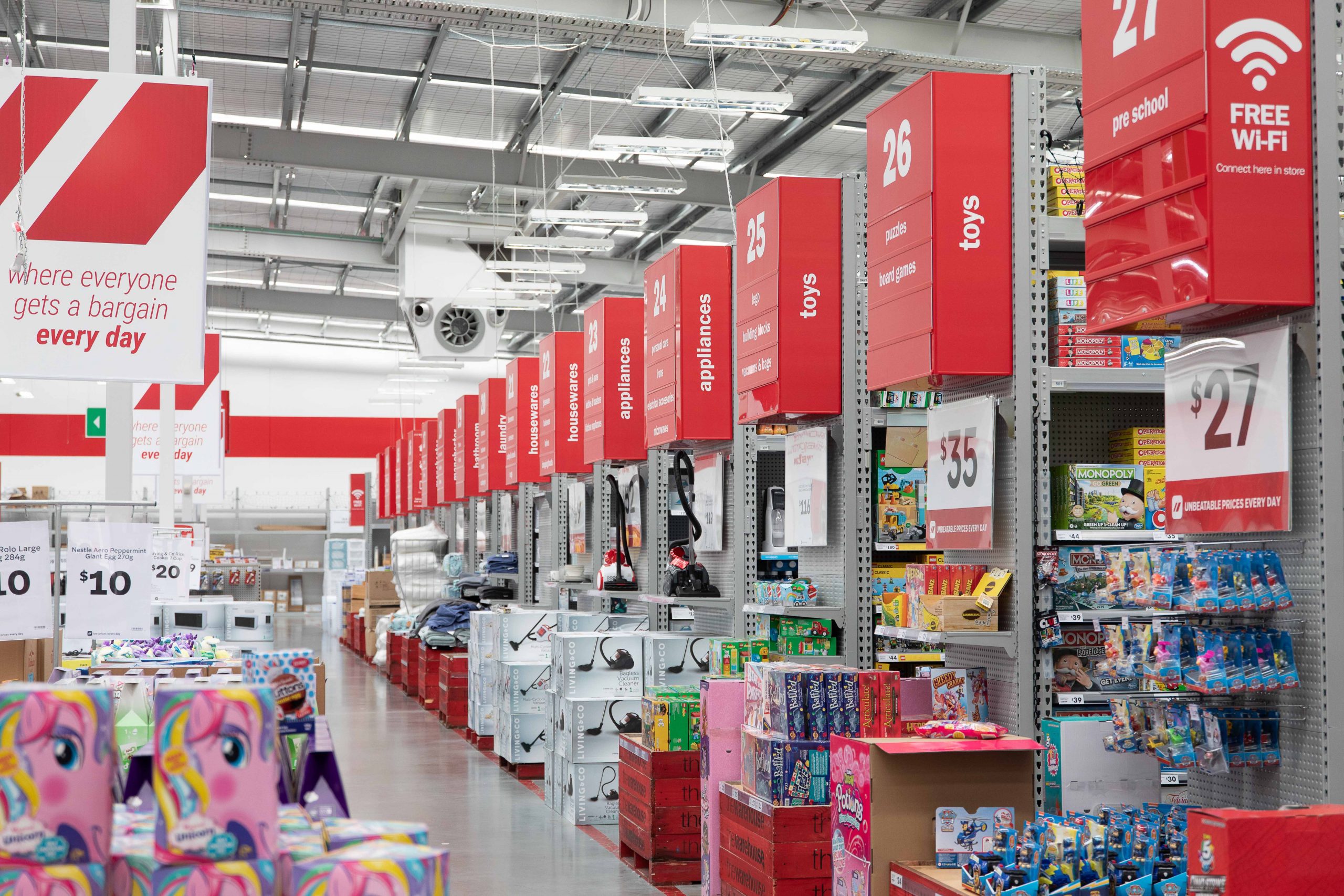
    The Warehouse rolled out a nationwide brand campaign across 84 stores in New Zealand on August 23, targeting market leadership through an operational turnaround.

    Created with advertising agency TBWA New Zealand, the campaign runs under the banner This Is Warehouse Country across television, digital channels, social media, outdoor billboards, and in-store displays.

    Rebuilding Market Position

    The push anchors a broader transformation program at the discount department store group. Content in the campaign draws on four decades of customer milestones and household memories to rebuild foot traffic and loyalty across the store network.

    Trading conditions across Australasia have forced discount operators to defend value credentials as supermarket chains and global online platforms squeeze general merchandise margins. The Warehouse previously relied on category expansion and price promotions to protect market share, but the latest shift centers on core brand equity.

    Execution Across Network

    All 84 branches are participating in the rollout, aligning physical merchandising with national broadcast assets. The group continues to recalibrate its wider store fleet and merchandising mix under the ongoing restructuring plan.

  • Scentre Group Lifts Full-Year Guidance to 23.79 Cents on High Mall Occupancy

    Scentre Group Lifts Full-Year Guidance to 23.79 Cents on High Mall Occupancy

    Scentre Group lifted its full-year earnings forecast after generating $612 million in first-half funds from operations across its Westfield shopping centres in Australia and New Zealand.

    The Sydney-headquartered landlord now projects full-year funds from operations to rise at least 4.25 per cent to 23.79 cents per security, with distributions tracking the same percentage increase. Operating earnings reached 11.73 cents per security during the six months to June 30, while distributions rose 4.9 per cent to $481 million.

    Sales and Footfall Gains

    Customer traffic across the portfolio rose 3.5 per cent to 347 million visits during the first half. Westfield membership expanded to 5.2 million users, supporting higher transaction volumes across managed retail space.

    Occupancy reached 99.8 per cent, gaining 10 basis points from the prior year and holding at its highest rate in more than a decade. Specialty retailer sales grew 5.1 per cent over the half, while total partner sales increased 3.7 per cent across the network.

    Property Valuations and Portfolio Value

    Statutory profit for the half finished at $975 million, supported by an unrealised property valuation increase of $478 million. Total portfolio assets stood at $33.7 billion at the close of June.

    The performance reflects solid rental retention across primary retail hubs, matching the previous year’s 4.9 per cent earnings growth when operating funds reached $1.18 billion. Chief Executive Elliott Rusanow confirmed the group will focus on expanding land-use yield and commercial partnerships across its existing properties through the remainder of the fiscal year.

  • New Zealand Clears Kimberly-Clark Kenvue Deal with Feminine Hygiene Divestment

    New Zealand Clears Kimberly-Clark Kenvue Deal with Feminine Hygiene Divestment

    New Zealand’s Commerce Commission has approved Kimberly-Clark’s acquisition of Kenvue. Clearance requires the business to divest Kenvue’s feminine hygiene operations across New Zealand and Australia.

    This divestment covers regional rights to brands including Carefree and Stayfree. The condition aims to prevent excessive market concentration on supermarket shelves.

    Conditions for Clearance Across Australasia

    Kimberly-Clark is acquiring Kenvue, the consumer health spin-off from Johnson & Johnson, in a global takeover. Under an undertaking given to the regulator, Kimberly-Clark must sell the entire Kenvue feminine care unit in both countries to an approved independent buyer.

    Commerce Commission deputy chair Anne Callinan said the remedy protects competition across personal care aisles, where both suppliers held overlapping product lines.

    Supermarket Consolidation and Buyer Timelines

    Australasian retailers face tightening supplier networks as multinational consumer goods groups consolidate personal care portfolios. Selling Carefree and Stayfree keeps an independent supplier in play against Kimberly-Clark’s Kotex and U by Kotex lines.

    Attention now turns to the asset sale. Kimberly-Clark must secure a commission-approved buyer within a confidential, binding timeframe to finalize the broader merger clearance.

  • Me Today Skincare Brand Boosts Earnings Outlook Amid Global Expansion Opportunities

    Me Today Skincare Brand Boosts Earnings Outlook Amid Global Expansion Opportunities

    New Zealand’s publicly traded skincare company, Me Today, is adjusting its earnings forecast upwards, spurred by promising growth and robust global prospects.

    Boosting Revenue and Slowing EBITDA Decline

    In advance of the company’s forthcoming disclosure of its annual financial results, Me Today has announced that it anticipates a significant increase in gross revenue. Furthermore, the EBITDA decline is projected to be less severe than previously estimated.

    The company’s accomplished performance in its home territory, New Zealand, has paved the way for possible international growth. The co-founders of Me Today have recently come back from trips to Southeast Asia and China, where they participated in events aimed at promoting their brand.

    Expansion into Asia and New Product Rollouts

    During a visit to Malaysia, Me Today was launched at the second anniversary celebration of its distributor. Michael Kerr and Stephen Sinclair, co-founders of the brand, shared the brand’s origin story and introduced the initial product range to an audience of over 600 influencers and reseller partners.

    Ahead of its official launch in Southeast Asia, the company has shipped its products to the region, with nine products now up for sale in that market. Additionally, Me Today had the opportunity to exhibit its brand to an estimated 100,000 purchasers at the Children, Baby, and Maternity Expo in Shanghai.

    Back home in New Zealand, Me Today is preparing to further expand its product portfolio. The company has plans to launch an additional 20 products before the year’s end.

    Questions & Answers

    What are Me Today’s plans for international expansion?
    According to the brand’s co-founders, Me Today is focusing on Southeast Asia and China for its international expansion. The company has already begun promoting its brand in these regions and has introduced its product range to hundreds of potential partners and influencers.

    How many products does Me Today plan to introduce by the end of the year?
    Me Today aims to introduce 20 new products in its home market, New Zealand, by the end of the year.

    What is the company’s revised earnings guidance?
    While the exact figures are yet to be released, Me Today anticipates a rise in gross revenue and a slower decline in EBITDA than previously predicted.

  • Air New Zealands Thrilling Reconnection: Direct Singapore-Christchurch Flights Launching this October

    Air New Zealands Thrilling Reconnection: Direct Singapore-Christchurch Flights Launching this October

    Air New Zealand is set to inaugurate a regular direct service connecting Singapore to Christchurch in New Zealand’s South Island from October 28. The airline has already started selling tickets for this service, which will operate thrice weekly. During the northern winter season, the airline anticipates that it will provide over 34,000 seats on this route, according to a statement released by the airline on Wednesday.

    The approximate flight time for this route is 10 hours, and it will be serviced by the airline’s refurbished Boeing 787 Dreamliner aircraft.

    Expansion of Services

    Air New Zealand indicated that the addition of this new route is a complementary extension to its existing Auckland-Singapore service. It also forms part of the airline’s overarching plan to increase capacity during the peak season, details of which will be revealed in late May.

    Additionally, the airline will introduce new services connecting Christchurch with Narita (Tokyo) and Perth (Australia) by the end of November.

    According to Air New Zealand CEO, Nikhil Ravishankar, the addition of these three new routes is a strategic move designed to directly re-link Christchurch with major global hubs in Asia, bolster connections with Australia, and revolutionize how the South Island connects with the rest of the world. This will effectively alter the arrival points for visitors and consequently, how they traverse the country.

    In the past, Air New Zealand has operated flights from Christchurch to Singapore in 2020, to Perth in 2019 and to Narita in 2015. Besides Air New Zealand, Singapore Airlines also offers direct flights between Singapore and Auckland.

    Questions & Answers

    When will Air New Zealand’s direct service from Singapore to Christchurch commence?
    The service will begin on October 28.

    What type of aircraft will be used for this service?
    The flights will be operated using the airline’s retrofitted Boeing 787 Dreamliner aircraft.

    What other new routes does Air New Zealand plan to introduce?
    New services connecting Christchurch with Narita (Tokyo) and Perth (Australia) will be introduced by the end of November.

  • New Zealand’s RubyRed Kiwifruit Takes Vietnam by Storm: Limited Edition, Natural Sweetness at a Premium Price

    New Zealand’s RubyRed Kiwifruit Takes Vietnam by Storm: Limited Edition, Natural Sweetness at a Premium Price

    New Zealand’s ruby-red kiwifruit has made its debut in Vietnam through formal imports, attracting high demand despite its price tag of approximately VND350,000 (US$13.29) per kilogram, which is 20% higher than the cost of gold kiwifruit. Retailers have been selling this vibrant fruit for the past fortnight, with its bold color, unique taste, and edible skin contributing to its popularity.

    Consumer Response

    Local consumers, accustomed to green or yellow kiwifruit, have expressed pleasant surprise at the fruit’s red flesh. A Ho Chi Minh City (HCMC) resident, Hoa, spent VND700,000 on two boxes of the fruit, citing its sweeter and more intense taste compared to other varieties.

    Formal imports involve the shipment of goods in large quantities, subject to strict customs regulations and inspections. Another HCMC inhabitant, Lan Anh, noted that in previous years, some vendors would sporadically hand-carry the fruit into the country, selling it for approximately VND500,000. However, with the initiation of formal, large-scale imports, the fruit’s price has dropped by around 30%.

    The RubyRed Kiwifruit

    The RubyRed kiwifruit, developed by Zespri, the world’s leading kiwifruit producer, through a natural breeding program in New Zealand, is described as boasting a rich sweetness and a striking red hue, a result of anthocyanins. These antioxidant compounds are frequently found in berries. However, the supply of this variety is limited, due to a short growing season spanning only 6-8 weeks, and it yields less fruit than the gold and green variants.

    Vo Thanh Loc, the co-founder of the retail chain Farmers’ Market, revealed that Zespri’s first RubyRed kiwifruit shipment arrived in Vietnam earlier this month. The fruit has quickly become the chain’s top-selling kiwifruit variety.

    Lu Minh Quang, import director of fruit distributor Biovegi Vietnam, disclosed that the company has ordered its first shipment of approximately 80 tons for distribution in Hanoi and HCMC. Quang added that sellers are still gauging the market’s response to the fruit.

    Questions & Answers

    What sets the RubyRed kiwifruit apart from other varieties?
    The distinct red flesh, sweeter taste, and rich antioxidants make the RubyRed kiwifruit stand out from other green or yellow variants.

    What challenges are associated with the supply of the RubyRed kiwifruit?
    The fruit’s short growing season and lower yield compared to other kiwifruit varieties limit its supply.

    What impact has the formal importation of the RubyRed kiwifruit had on its pricing?
    With the initiation of large-scale, formal imports, the price of the RubyRed kiwifruit has decreased by approximately 30% compared to when it was sporadically hand-carried into the country.

  • Final Countdown for Fonterra’s Multi-Billion Dollar Mainland Sale to Lactalis: Unconditional Deal Set for Imminent Closure

    Final Countdown for Fonterra’s Multi-Billion Dollar Mainland Sale to Lactalis: Unconditional Deal Set for Imminent Closure

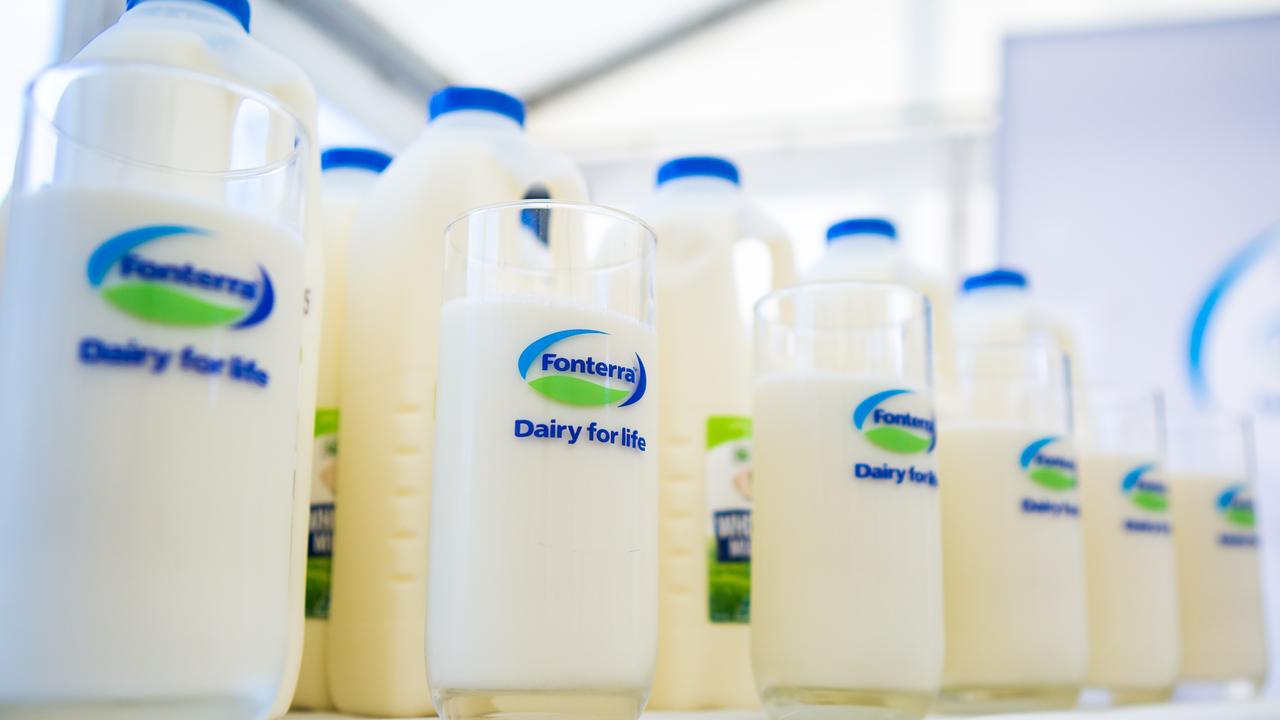
    Fonterra, the New Zealand-based co-operative, has announced that it is on the cusp of finalising the sale of its Mainland consumer business. As of now, the deal has met all the necessary conditions and is set to conclude within the current month.

    Regulatory Approvals Secured

    Fonterra has assured that all mandatory regulatory approvals have been obtained, paving the way for the successful separation of the business. The company initially disclosed plans to sell its global consumer and associated businesses, collectively known as the Mainland Group, to French dairy giant Lactalis in August of last year.

    The Mainland Group encompasses a range of popular brands, including Mainland, Anchor, Perfect Italiano, and Anmum.

    Price Adjustment

    Originally, the deal was valued at NZ$3.845 billion, but an agreement with the Bega Group to incorporate the Bega licences into the divestment process led to an increase in the price to $4.22 billion.

    The proposal met with approval from Fonterra’s farmer shareholders, who voted in favor of the transaction last October.

    Transaction Conclusion

    “With all terms of the sale fulfilled, Fonterra and Lactalis are set to finalise the transaction,” stated Fonterra. It anticipates the completion of the transaction by the end of the current month, with the record date for the capital return expected on April 9 and the payment date slated for April 14.

    Questions & Answers

    What is the Mainland Group?
    The Mainland Group refers to Fonterra’s global consumer and associated businesses. It includes brands such as Mainland, Anchor, Perfect Italiano, and Anmum.

    What led to the increase in the deal price from NZ$3.845 billion to $4.22 billion?
    The price of the deal was increased following an agreement with the Bega Group to include the Bega licences in the divestment, leading to a rise in the overall value of the transaction.

    When is the transaction expected to be finalised?
    Fonterra anticipates the completion of the transaction by the end of the current month. The record date for the capital return is expected to be April 9, followed by the payment date on April 14.

  • Farro Fresh Expands Footprint with Eighth Store in Newmarket: A New Hub for Gourmet Shopping & Dining

    Farro Fresh Expands Footprint with Eighth Store in Newmarket: A New Hub for Gourmet Shopping & Dining

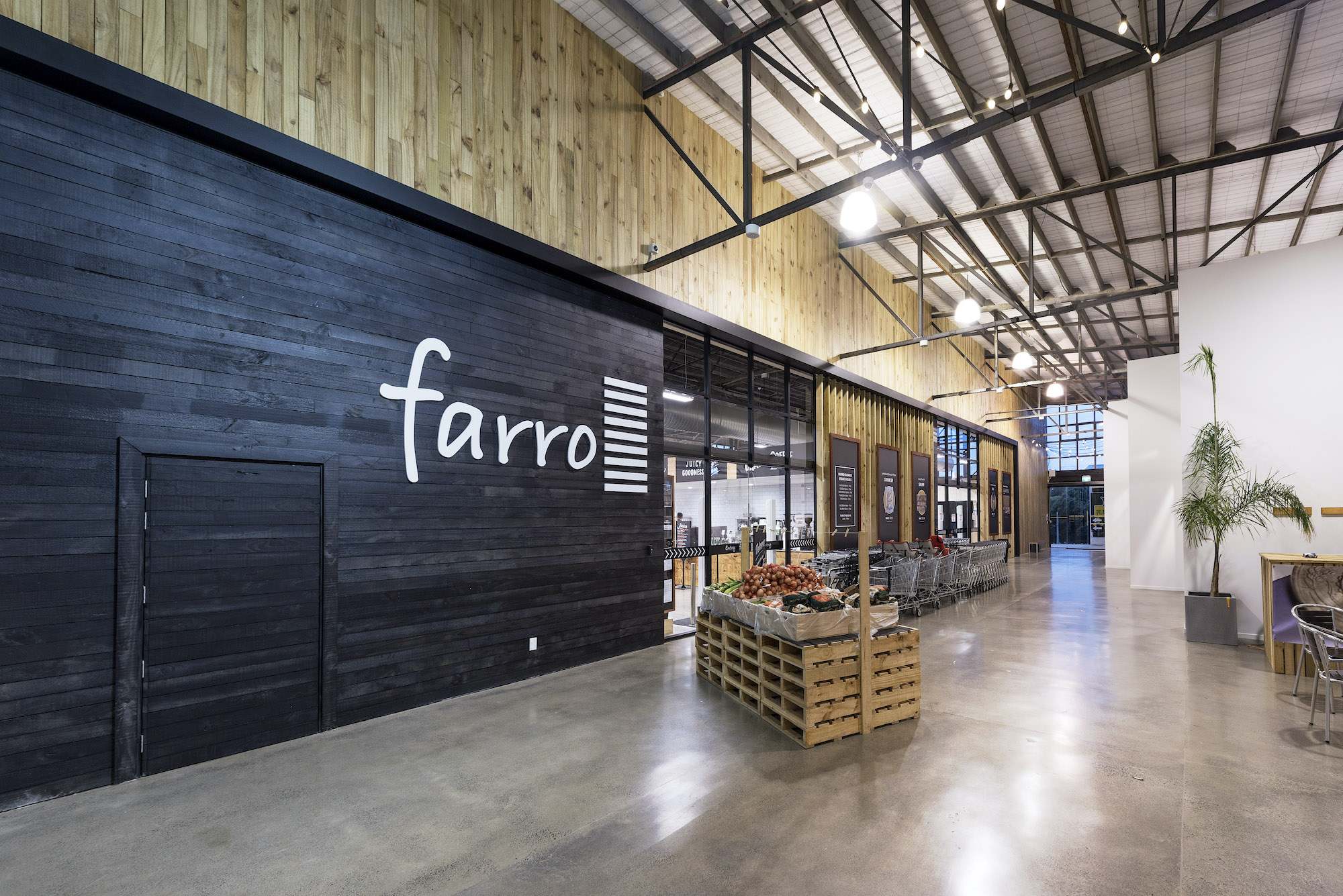
    The New Zealand-based food retail chain, Farro Fresh, has announced plans to launch its eighth store in Newmarket later this year. The new store will be located at 480 Broadway, a site formerly occupied by Liquorland.

    Store Details

    Farro Newmarket is expected to offer several attractive features for customers, including 70 on-site parking spaces, three separate entrances from Broadway and Mahuru Street, and easy access to both northern and southern motorway routes.

    CEO of Farro, Garth Sutherland, expressed his enthusiasm at the choice of location, citing the suitability of Newmarket as a bustling hub for shopping, dining and entertainment. He believes that the convenience of the Broadway location will be particularly appealing for local residents.

    Product Range and Suppliers

    Sutherland acknowledged Farro’s commitment to partnering with local independent producers to offer a range of specialist products to Auckland consumers. He stated that the expansion will provide enhanced distribution opportunities for their suppliers.

    Like its sister stores, Farro Newmarket will feature a wide variety of products, including fresh produce, prepared meals from Farro Kitchen, as well as in-house fishmonger and butcher services.

    Additional Offerings

    The new store will also house a central deli offering Allpress Espresso coffee, matcha, salads, freshly prepared sandwiches, and baked goods from local bakeries. Additionally, it will stock a selection of domestic and imported cheese and charcuterie. Farro sources its products from over 500 suppliers in New Zealand and abroad, including reputed brands and restaurants such as Daily Bread, House of Chocolate, Cassia and Gemmayze Street.

    Once the store opens, customers will also have access to the Friends of Farro loyalty program and various promotional activities.

    Questions & Answers

    Where will the new Farro Fresh store be located?
    The new store will be located at 480 Broadway, Newmarket.

    What type of products will Farro Newmarket offer?
    The store will offer a wide variety of products, including fresh produce, prepared meals, in-house fishmonger and butcher services, as well as a selection of domestic and imported cheese and charcuterie.

    Will the Friends of Farro loyalty program be available at the new store?
    Yes, the Friends of Farro loyalty program and various promotional activities will be available at the new store once it opens.

  • Revolutionizing the Beverage Industry: Kiwi Startup’s Innovative Tablet Drink Seeks to Curb Plastic Waste

    Revolutionizing the Beverage Industry: Kiwi Startup’s Innovative Tablet Drink Seeks to Curb Plastic Waste

    A New Zealand-based startup, Incrediballs, is set to introduce a tablet-based beverage product, with the aim of minimizing plastic usage in the beverage industry. The product represents the commercial exploitation of a research endeavor that spanned seven years.

    Incrediball’s Innovative Concept

    Incrediballs specializes in the production of non-plastic effervescent drink tablets. The development of these tablets was spearheaded by Brianne West, founder and ex-CEO of Ethique, a personal care company. West’s departure from Ethique saw her utilizing a co-crystal stabilization method, a technology birthed at the University of Bradford, UK.

    The conventional effervescent tablets are inherently unstable, necessitating the use of plastic or metal packaging for protection against moisture and air, West explained. On a commercial scale, stabilizing these tablets is a challenge that even pharmaceutical companies grapple with.

    “The chemistry may seem straightforward but controlling it is no easy feat,” she said. “Our patented system encapsulates active ingredients such as citric acid and sodium bicarbonate with compounds like nicotinamide and creatine. This prevents the reaction from taking place until the tablet is completely immersed in water.”

    Upon dissolution, each tablet generates a 350ml beverage with no added sugar. By eliminating the need for bottled drinks, this format presents an alternative within the global soft drink market. The market, estimated to be worth $1.42 trillion, is responsible for generating around 583 billion single-use plastic bottles annually, with only about 10% of these bottles being recovered by recycling systems.

    An Eco-friendly Alternative to Bottled Drinks

    West, referring to data from the United Nations, stated that manufacturers are capable of producing approximately 20,000 PET bottles every second. Furthermore, single-use drink containers account for roughly 45% of litter in urban areas.

    Incrediballs’ tablets are packaged in a paper-based material that is certified for home composting and devoid of plastic laminates. The packaging can be composted or recycled. The company uses water-based inks and is exploring options for algae-derived alternatives.

    The development of Incrediballs incorporated feedback from over 15,000 subscribers and social media followers who participated in product testing. The company plans to extend their product line to include functional beverage formats that utilize ingredients sourced from New Zealand such as manuka, kawakawa, and kiwifruit extracts.

    Revolutionizing the Beverage Industry

    Incrediballs’ goal is to revolutionize the drink manufacturing, transportation, and sales sectors. However, the company’s focus is not merely to position its product as an environmental alternative. It has set ambitious targets to prevent the production of 50 million plastic bottles by 2030 and 300 million by 2050.

    From a logistical standpoint, the non-liquid, non-plastic format of the product decreases transport volume by over 99%, enabling higher product density per shipment. According to West, this shift has the potential to transform export economics by reducing logistics costs.

    In terms of financial aspirations, the company aims for a revenue of $1 million by the 2027 fiscal year, with long-term plans to establish an export business boasting an annual turnover of $1 billion.

    The initial four flavors of the product will be available for online orders beginning February 16. The company has already garnered interest from supermarkets and FMCG retailers in Australia and New Zealand.

    At first, the company’s focus will be on direct-to-consumer sales to establish brand positioning and gain customer insights. They also plan on partnering with select independent retailers for trial runs. Feedback from these early stages will be used to fine-tune aspects such as flavor, packaging, and usage prior to wider FMCG and export distribution.

    “We’re not aiming to be a niche or a travel product,” West said. “We want our presence felt on every beverage aisle.”

    Questions & Answers

    What is Incrediballs?
    Incrediballs is a New Zealand-based startup that specializes in the production of non-plastic effervescent drink tablets aimed at reducing plastic waste in the beverage industry.

    How does the Incrediballs tablet work?
    The Incrediballs tablet, when fully immersed in water, dissolves to produce a 350ml beverage. This eliminates the need for single-use plastic bottles.

    What are Incrediballs’ future plans?
    Apart from aiming to prevent the production of 50 million plastic bottles by 2030, Incrediballs also plans on extending their product line to functional beverage formats using locally sourced ingredients. The company aims to establish a strong brand presence in all beverage aisles, not just as a niche or travel product.
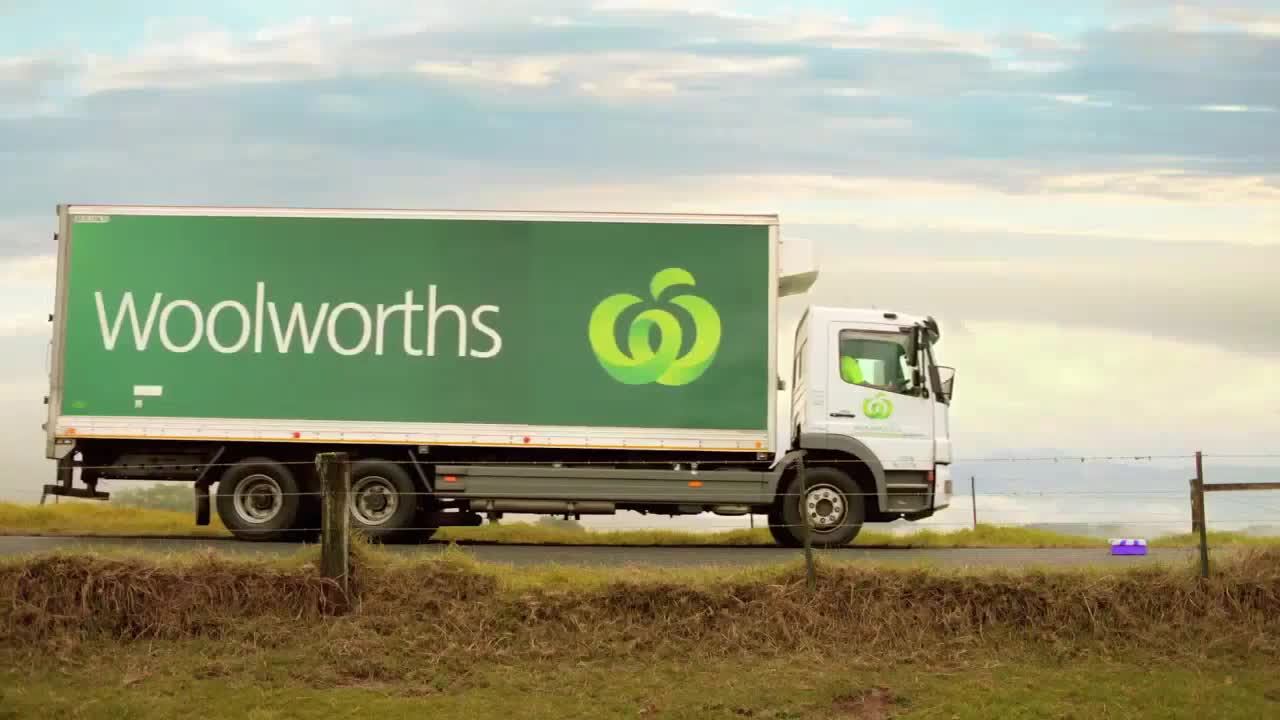

  • Woolworths Faces Potential New Zealand Regulatory Breach Amid Alleged Grocery Industry Competition Act Violations

    Woolworths Faces Potential New Zealand Regulatory Breach Amid Alleged Grocery Industry Competition Act Violations

    Woolworths, a prominent supermarket chain, has recently been cautioned about potentially violating the Grocery Industry Competition Act. This situation arose due to the delisting of certain products in its New Zealand branches.

    Grocery Industry Competition Act: Purpose and Management

    The Grocery Industry Competition Act is governed by the New Zealand Commerce Commission (NZCC). Its primary objective is to regulate the relationship between suppliers and supermarkets. By demanding greater transparency when products are delisted from store shelves, it seeks to protect the interests of smaller suppliers.

    The act, which was established in 2023, is expected to incorporate the Grocery Supply Code in May. Non-compliance with the code could lead to penalties, as per the statement from the commission.

    Investigation into Non-Compliance

    The NZCC has been scrutinizing the product-range review methods of leading supermarkets to ensure they are complying with the code.

    A spokesperson commented on the situation, saying, “Through this process, we identified and investigated situations where it appeared that Woolworths New Zealand might not be fulfilling its responsibilities.” Post investigation, Woolworths New Zealand was issued a warning for a probable breach of the Grocery Industry Competition Act. However, the spokesperson noted that only a court can establish whether an actual breach has occurred. Since the warning, Woolworths has amended its procedures to comply with the regulations.

    Impact on Groceries and Suppliers

    Alice Hume, the head of groceries at NZCC, stated that this action was taken in response to suppliers’ concerns. She highlighted the pressure on suppliers with the possibility of their products being delisted. This situation could further exacerbate the imbalance of power between major supermarkets and smaller suppliers.

    “The fear of losing market access can pressure suppliers into accepting unfavorable conditions and foster distrust towards supermarkets’ decision-making processes,” Hume explained. “The code is instrumental in equalizing the power dynamics between large supermarkets and smaller suppliers, so we treat compliance with the utmost seriousness.”

    Hume also mentioned that the NZCC continues to assess the product ranges available at supermarkets, inviting any worried suppliers to reach out to the commission.

    Questions & Answers

    What is the purpose of the Grocery Industry Competition Act?
    The Grocery Industry Competition Act is designed to govern the relationship between supermarkets and suppliers, with a demand for more transparency during product delisting to protect smaller suppliers.

    What are the consequences of breaching the Grocery Supply Code?
    Non-compliance with the Grocery Supply Code, which is part of the Grocery Industry Competition Act, can result in penalties.

    What are the concerns of the smaller suppliers?
    Smaller suppliers are concerned about potential product delisting, which could reinforce power imbalances with major supermarkets, pressurize them into accepting unfavorable conditions, and induce a lack of trust in supermarkets’ decision-making processes.