Tag: New Zealand

  • Moments Health Brand Makes Retail Debut In New Zealand’s Chemist Warehouse Stores

    Moments Health Brand Makes Retail Debut In New Zealand’s Chemist Warehouse Stores

    The health and wellness brand, Moments, has marked its debut in the physical retail market of New Zealand. The brand’s wide-ranging products, including adult toys, condoms, and lubricants, are now available in Chemist Warehouse stores across the country and online.

    Moments’ Debut in Physical Stores

    Nikhil Daftary, the MD and founder of Moments, shared that although the brand has been accessible in New Zealand since 2019, its products were previously exclusively sold online. The brand’s foray into a physical retail environment represents a new chapter in its growth. “New Zealand represents an exciting market for us due to its progressive and open-minded attitude towards sexual health,” said Daftary.

    By bringing Moments’ products to Chemist Warehouse outlets, the company aims to engage with more women, empowering them to purchase sexual health and wellness products with confidence.

    Range of Products

    The range of products that Moments offers at Chemist Warehouse includes five variants of condoms – the Mega Thin 0.03 and dual-lubricated types among them. The product line also includes two kinds of lubricants, one of which is bubble gum-flavored, and a complete range of pleasure toys such as Mood, CEO, Baddie, and Vibin’.

    Beyond its retail operations, Moments also supplies between eight and ten million condoms annually to the New Zealand government via its Pharmac contract.

    Brand’s History

    Since its inception in 2017, Moments has distributed over 60 million products across Australia and New Zealand. The brand has also donated in excess of 5 million condoms to charities that focus on women’s and sexual health.

    Questions & Answers

    What types of products does Moments offer at Chemist Warehouse stores?
    Moments offers a range of products including five condom variants, two kinds of lubricants, and a full line-up of pleasure toys.

    When did Moments first become available in New Zealand?
    Moments has been available in New Zealand since 2019, although initially, it was only available online.

    How many condoms does Moments supply to the New Zealand government each year?
    Moments supplies between eight and ten million condoms annually to the New Zealand government.
  • New Zealand Eases Property Ownership Rules for Foreign Investors: What It Means for the Market

    New Zealand Eases Property Ownership Rules for Foreign Investors: What It Means for the Market

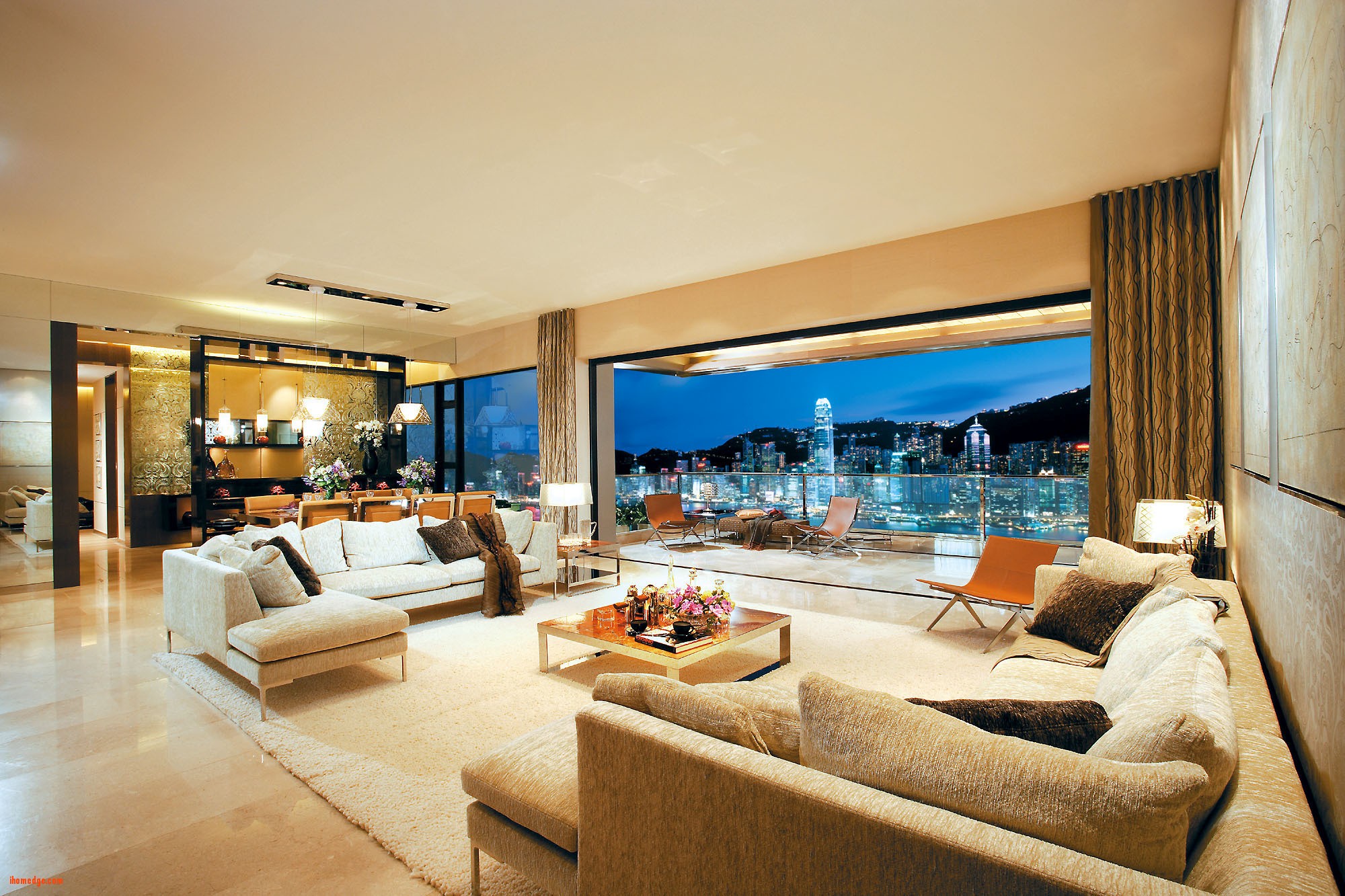
    In a significant policy shift, New Zealand is set to open its doors to affluent foreign property investors, marking the end of a seven-year ban. This ban was initially implemented by the center-left government of former Prime Minister Jacinda Ardern in 2018 to combat skyrocketing housing prices attributed to a surge in immigration and a pronounced lack of housing availability.

    While Australians and Singaporeans were exempt from the restrictions due to existing trade agreements, the newly unveiled regulations allow holders of the Active Investor Plus residency visa to purchase or build homes valued at NZ$5 million (approximately USD$2.95 million). This change is set to take effect by the end of the year and aims to strike a balance between those desiring to restrict foreign ownership and the ambition to attract wealthy investors.

    Prime Minister Christopher Luxon reported that since the visa’s launch in April, over 300 applications have been submitted, all requiring a minimum investment of NZ$5 million within three years. “The price threshold methodically navigates a path between those who do not want foreign ownership opened up and the desire to lure high-net-worth investors,” he explained.

    Interestingly, New Zealand’s geographical remoteness — once seen as a disadvantage — has transformed it into a coveted retreat for ultra-rich individuals seeking an exclusive escape. The tale of billionaire Peter Thiel, founder of Paypal and a U.S. President Donald Trump supporter, illustrates this allure. After becoming a citizen in 2011, Thiel planned an extravagant private estate but became embroiled in controversy when it emerged he had only spent a mere 12 days in the country.

    Despite a 30% surge in property prices in various regions during the pandemic, values have since declined over the past two years. Nonetheless, the housing supply remains constrained, leaving many New Zealanders struggling to secure home ownership.

    Questions & Answers

    What prompted New Zealand to relax its restrictions on foreign property ownership?
    The relaxation stems from a desire to attract wealthy foreign investors, balancing the interests of New Zealanders who support restrictions on foreign ownership with the potential economic benefits of attracting high-net-worth individuals.

    How much must foreign investors invest to qualify for the Active Investor Plus residency visa?
    Foreign investors need to invest at least NZ$5 million (roughly USD$2.95 million) over a span of three years to qualify for the visa, which allows them to purchase or build property in New Zealand.

    What has been the trend in New Zealand’s housing market recently?
    Following a significant price increase of over 30% during the pandemic, housing prices have fallen over the past two years, but the country continues to struggle with tight housing supply, making home ownership elusive for many locals.

  • Amazon Launches New AWS Cloud Region in Asia Pacific, Boosting New Zealand’s Tech Landscape

    Amazon Launches New AWS Cloud Region in Asia Pacific, Boosting New Zealand’s Tech Landscape

    Amazon’s announcement of the AWS Asia Pacific (New Zealand) Region marks a significant expansion of its global cloud framework, bringing new opportunities to developers, startups, enterprises, and nonprofits across various sectors including retail, education, and government. With the launch of this new location, users can now enjoy greater flexibility to run applications and engage their audiences through data centers firmly rooted in New Zealand.

    A Long-Term Investment in New Zealand’s Digital Future

    In a move that signals its long-standing commitment to New Zealand, Amazon plans to invest over NZD 7.5 billion into the construction, connection, operation, and upkeep of its data centers. Initial plans for the AWS Asia Pacific (New Zealand) Region include three Availability Zones, adding to a robust global tally of 120 Availability Zones across 38 regions, revealing a cloud network so extensive that even a flock of sheep might get lost in it — and that’s quite a feat in New Zealand!

    Enhancing AWS’s Role in Cloud Computing

    In addition to the new Kiwi expansion, AWS has ambitious plans to introduce ten more Availability Zones and establish three additional regions in Chile, Saudi Arabia, and its forthcoming European Sovereign Cloud. Designed with sovereignty at its core, the New Zealand region will provide secure and compliant cloud infrastructure, allowing customers to access a comprehensive suite of AWS services, including analytics, computing, content delivery, databases, generative AI (GenAI), machine learning (ML), networking, and storage.

    Empowering the Next Generation of Cloud Professionals

    To address the growing demand for cloud technology throughout the Asia Pacific, Amazon is also focusing on digital skills development, launching initiatives such as AWS Academy, AWS Educate, and AWS Skill Builder. Under a memorandum of understanding with the New Zealand government, AWS has pledged to train 100,000 individuals in cloud competencies, with over 50,000 already equipped with these essential skills. Moreover, AWS intends to hire and develop additional local talent to support this new region, further underscoring its dedication to New Zealand’s digital evolution and economic progress.

    Questions & Answers

    What are the key features of the AWS Asia Pacific (New Zealand) Region?
    The new AWS region will initially host three Availability Zones and will provide a wide range of services including analytics, computing, generative AI, and machine learning, tailored to secure and compliant cloud infrastructure.

    How much is Amazon investing in New Zealand’s cloud infrastructure?
    Amazon plans to invest over NZD 7.5 billion, focusing on the construction and operation of its data centers, reflecting a long-term commitment to the region.

    What initiatives is Amazon implementing to develop local cloud skills?
    Amazon has committed to training 100,000 individuals in cloud technology through programs like AWS Academy, with over 50,000 already trained, demonstrating a serious dedication to enhancing local expertise in the tech sector.

  • Immersive Retail Revolution: How Ar And Vr Are Transforming Asia’s Shopping Experience

    Immersive Retail Revolution: How Ar And Vr Are Transforming Asia’s Shopping Experience

    As the retail landscape in Asia continues to evolve, a new wave of technology is redefining how consumers engage with brands. A recent report from tech analysts reveals that immersive shopping experiences, powered by augmented reality (AR) and virtual reality (VR), are steadily gaining traction among retailers throughout the region. These tech innovations are not merely trendy; they are reshaping consumer expectations and offering a fresh perspective on the shopping journey.

    The Rise of Immersive Retail Experiences

    In the bustling marketplace of Asia, where traditional retail meets high-tech innovation, brands are tapping into immersive experiences to capture the attention of digital-savvy consumers. From virtual fitting rooms that allow shoppers to try on clothes without stepping into a store to interactive product displays that engage multiple senses, these technologies are providing a unique blend of convenience and excitement that online shopping has often lacked.

    Take, for instance, a leading fashion retailer that recently launched a VR experience, allowing customers to step into a virtual boutique filled with their latest collections. Shoppers can see how clothing fits in a lifelike manner and even receive personalized style suggestions based on their preferences. “It’s like having a personal stylist,” one enthusiastic shopper remarked after trying it out, capturing the mixture of practicality and novelty that immersive shopping offers.

    Consumer Adoption and Market Potential

    Surveys indicate that a significant portion of consumers in urban areas across Asia are open to using AR and VR technologies in their shopping habits. Nearly 65% of respondents expressed interest in experiencing products in augmented environments before making a decision. This growing interest points to a remarkable shift in consumer behavior, as shoppers increasingly lean towards experiences that blend the physical and digital realms.

    Retailers are paying attention. According to market experts, the global AR and VR market for retail is expected to reach a staggering USD 1.6 billion by 2025. Brands that leverage these technologies not only keep up with the competition but also position themselves as pioneers in customer experience transformation. Talk about a tech-savvy retail revolution ready to unfold!

    Challenges in Implementation

    Despite the promising outlook, integrating AR and VR into retail operations is not without its hurdles. High costs, technical constraints, and the need for consumer education pose significant challenges for brands. Retailers need skilled personnel to manage these technologies and ensure a seamless experience that resonates with users. The question remains: can these retailers effectively bridge the gap between innovative technology and practical execution?

    Nevertheless, the potential rewards are enticing enough to spur investment. Brands that master the art of immersive shopping can foster deeper emotional connections with consumers, bridging the transactional gap that many shoppers now experience.

    Transforming the Retail Landscape

    As Asia embraces the future of retail, the line between innovation and traditional practices continues to blur. With immersive experiences poised to redefine how consumers interact with brands, the retail sector stands on the brink of an exciting transformation. It seems even shopping is evolving, proving that what was once a tedious chore is now becoming an adventure. Now that’s a plot twist worth discussing!

    Questions & Answers

    What drives the interest in AR and VR shopping experiences in Asia?
    Consumer interest is largely driven by the desire for interactive and personalized shopping experiences that blend convenience with excitement, making the retail journey both enjoyable and efficient.

    What challenges do retailers face when adopting AR and VR technologies?
    Challenges include high implementation costs, technical constraints, and the need for consumer education to ensure a smooth and user-friendly experience.

    How significant is the market potential for AR and VR in retail?
    The AR and VR retail market is projected to reach USD 1.6 billion by 2025, indicating substantial growth potential as retailers continue to innovate and adapt to consumer expectations.

  • Kegstar Seeks Commerce Commission Approval To Acquire Liquidated Konvoy’s Assets

    Kegstar Seeks Commerce Commission Approval To Acquire Liquidated Konvoy’s Assets

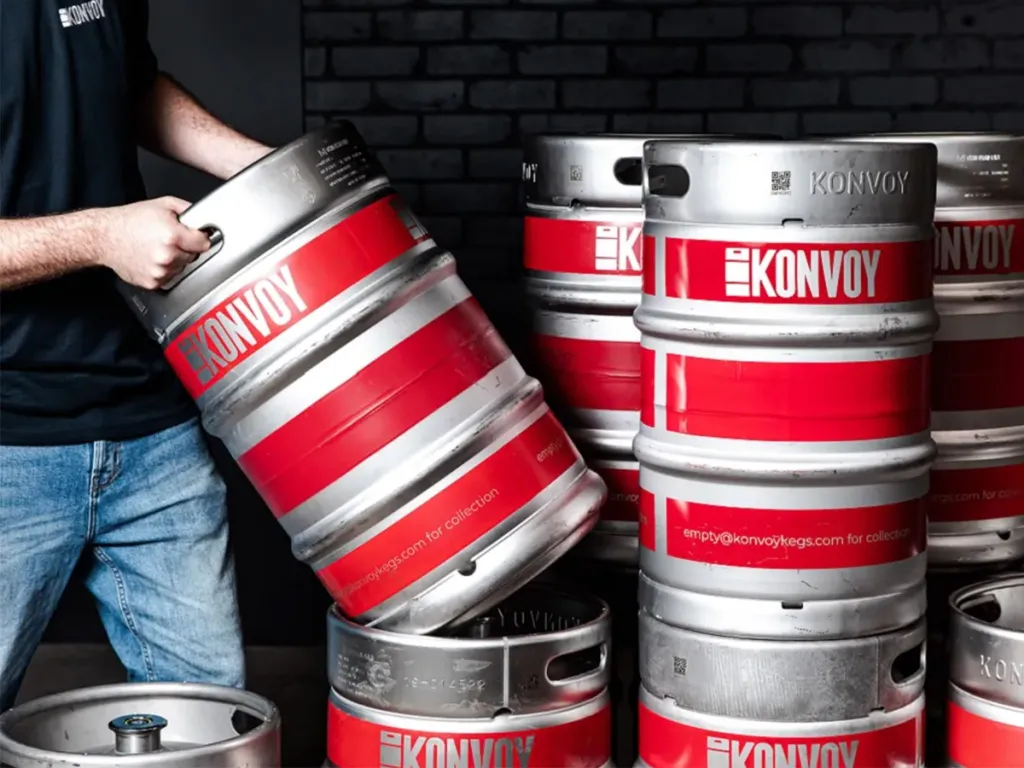
    Kegstar New Zealand is seeking approval from the Commerce Commission to acquire assets from the now-liquidated Konvoy New Zealand. The requested assets include kegs, beacons attached to these kegs or stored in inventory, and New Zealand keg records.

    The Background

    This acquisition proposal follows Konvoy’s financial struggles, which led to the company entering receivership in March and subsequent liquidation in May. Both Kegstar and Konvoy are suppliers of beer kegs to breweries on a rental basis, in addition to offering logistics services.

    Kegstar, owned by MicroStar Logistics, has a broader operational reach than Konvoy, with a presence in Australia, New Zealand, Europe, and the US. In comparison, Konvoy’s operations were limited to Australia and New Zealand.

    The Approval Process

    The Commerce Commission is set to publicize a version of the application on its website. The regulatory body will only grant clearance for the proposed acquisition if it deems that the transaction will not significantly impact market competition.

    Questions & Answers

    What is Kegstar New Zealand proposing?
    Kegstar New Zealand is seeking to acquire certain assets from Konvoy New Zealand. These include kegs, related beacons, and keg records.

    Why is Kegstar interested in Konvoy’s assets?
    Konvoy New Zealand recently entered receivership and was liquidated. The company’s assets are now up for acquisition, and Kegstar, also a keg supplier, is interested in expanding its inventory.

    What conditions must be met for the deal to proceed?
    The Commerce Commission must grant clearance for the acquisition to go forward. The primary condition is that the deal should not substantially lessen competition within the market.

  • Lee Kent Takes Reigns As Pepsico New Zealand’s GM Of Foods, Aiming To Amplify Brand’s Impact

    Lee Kent Takes Reigns As Pepsico New Zealand’s GM Of Foods, Aiming To Amplify Brand’s Impact

    PepsiCo New Zealand has announced the appointment of Lee Kent to the position of General Manager (GM) of Foods, effective from the 1st of August. He is set to succeed Michelle Cassettari in this role.

    Lee Kent’s New Role

    In his new position as GM of Foods, Kent will oversee operations, strategy, and management of the Bluebird brand, which is part of PepsiCo’s portfolio in New Zealand. Additionally, he will spearhead a cross-functional team with a primary focus on expanding the presence of PepsiCo within the country.

    Alexia Horley, the Chief Executive Officer (CEO) of PepsiCo Australia and New Zealand Foods, spoke highly of Kent’s abilities. She emphasized his bold strategic approach and his proficiency in establishing, managing, and executing business relationships. Horley believes that these skills will be a crucial differentiator in building effective leadership.

    Lee Kent’s Background

    Kent’s move to PepsiCo New Zealand comes after a notable tenure of more than 11 years at PepsiCo UK. In the UK, he held a number of senior commercial roles spanning organized trade, traditional trade, e-commerce, and value retail.

    In his most recent role, Kent served as the Senior Sales Director for PepsiCo’s Tesco business. He was an integral member of the UK sales leadership team. Additionally, Kent was responsible for leading cross-functional collaboration across marketing, supply, and finance sectors as the commercial lead for UK snacks.

    Questions & Answers

    Who is the new General Manager of Foods at PepsiCo New Zealand?
    Lee Kent has been appointed as the new General Manager of Foods at PepsiCo New Zealand, succeeding Michelle Cassettari.

    What will Kent’s responsibilities include in his new role?
    Kent will oversee operations, strategy, and management of the Bluebird brand, and lead a team aimed at expanding PepsiCo’s presence in New Zealand.

    What was Kent’s role at PepsiCo UK?
    Lee Kent served as the Senior Sales Director for PepsiCo’s Tesco business in the UK and was responsible for cross-functional collaboration across marketing, supply, and finance.

  • New Zealand’s Finery zero per cent cocktails launch in Australia

    New Zealand’s Finery zero per cent cocktails launch in Australia

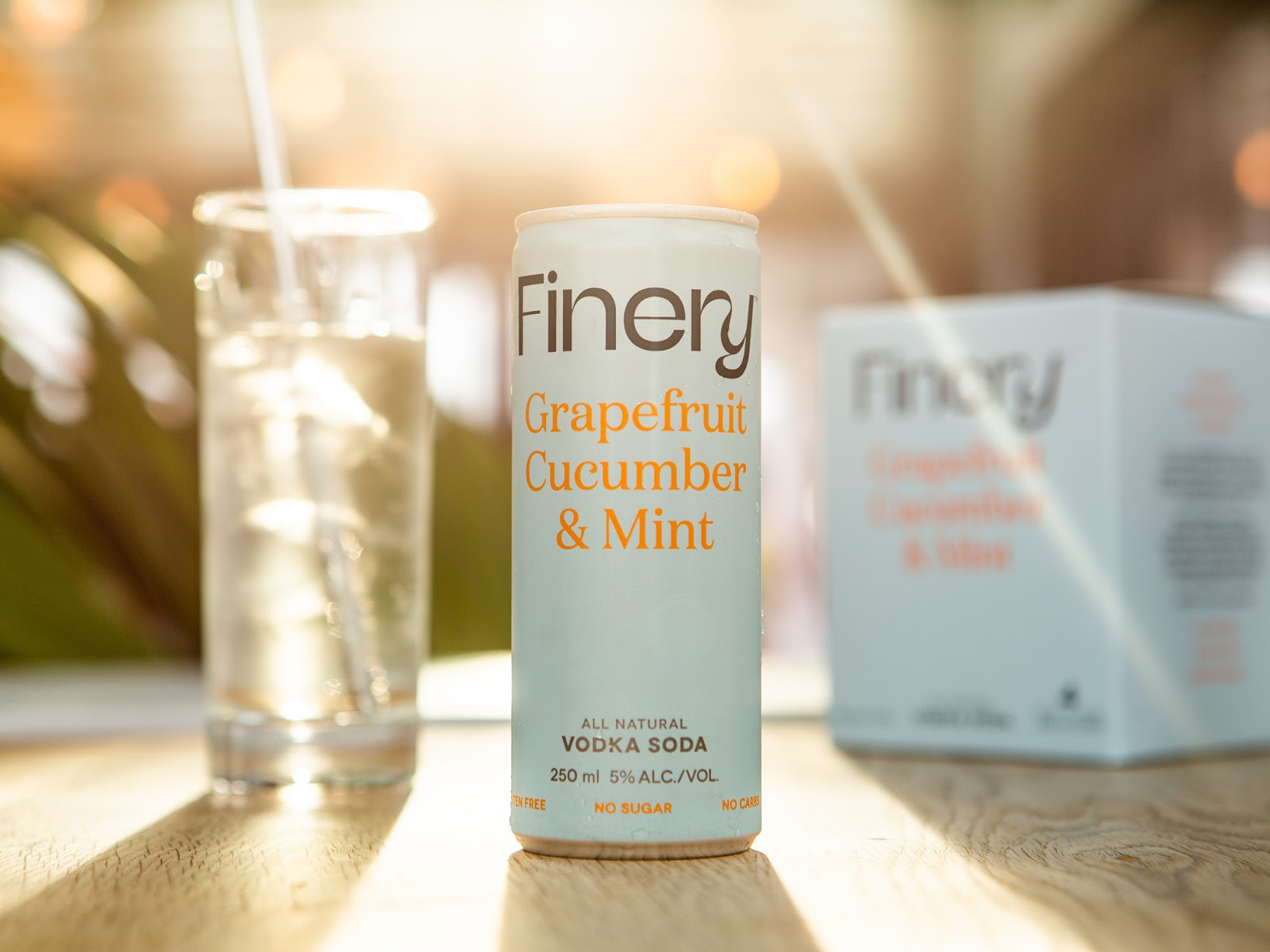
    Aussie consumers are to get more non-alcoholic choices as New Zealand’s cocktails brand Finery launches alcohol-free cocktails in Australia.

    Created by The Fine People, The Finery zero percent cocktails range consists of four flavors, using a blend of distilled extracts, tinctures, and natural flavors to deliver a collection of premium blend beverages, free from alcohol.

    The range is also free from sugar, carbohydrates, gluten, and preservatives, with vegan-friendly options.

    “With more people looking for non-alcoholic drink options than ever before, we wanted to offer a delicious drink without the sugary calories often associated with non-alcoholic drinks,” said Jane Allan, co-founder of The Fine People.

    “By removing the alcohol content we’ve made it even healthier than before, ensuring non-drinkers get to enjoy the taste of the original Finery, without the calories associated with alcohol.”

    Finery zero percent cocktails will be available across Dan Murphy’s stores across the country. The products are sold in packs of four with an RRP of AU$15.95.

  • BeeBio aims to sweeten travel retail’s skincare offer

    BeeBio aims to sweeten travel retail’s skincare offer

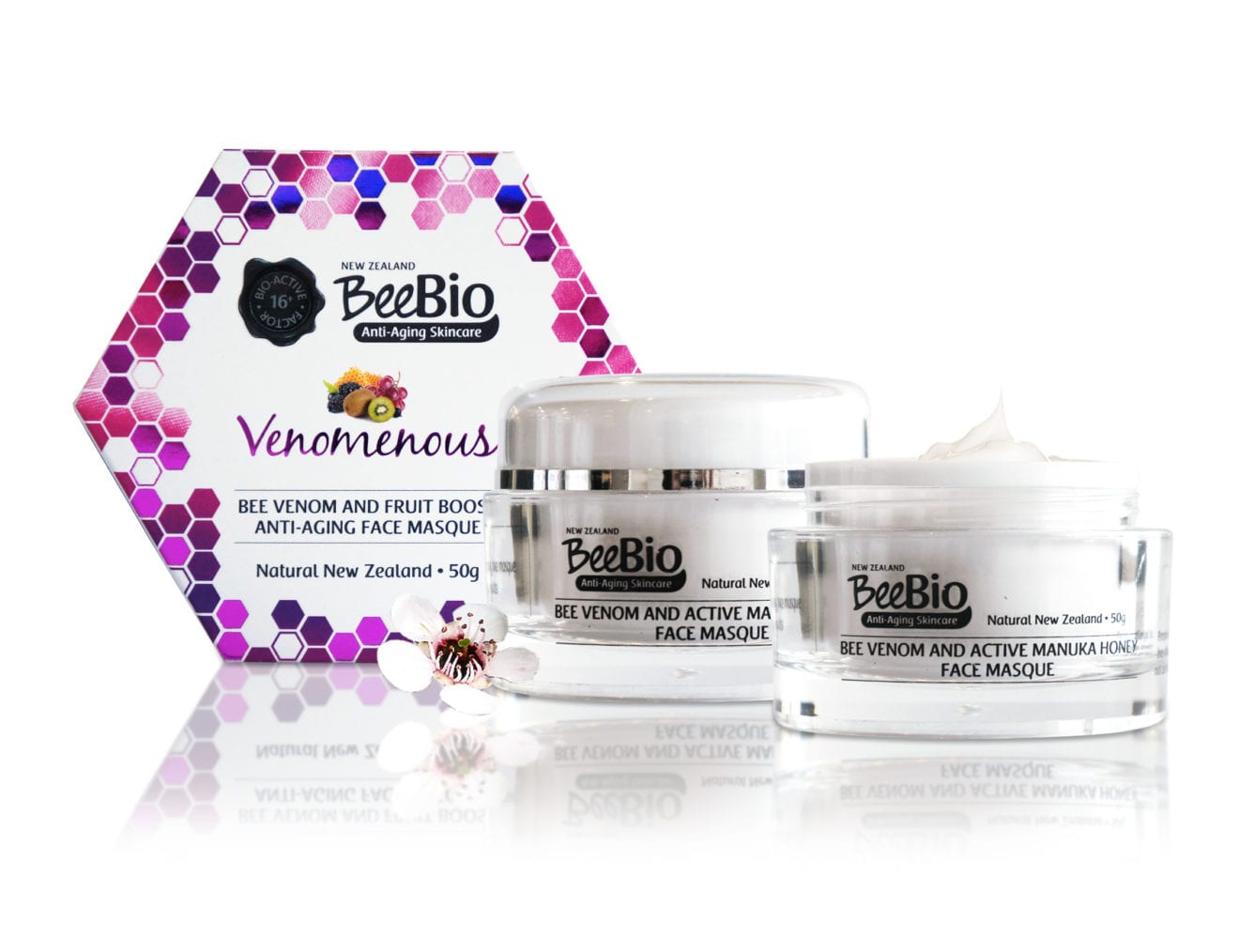
    Key ingredients within the range include active medical grade Manuka honey – known for its healing properties – natural bee products (bee venom, Royal Jelly) and anti-oxidant botanicals from New Zealand. The products regenerate new skin cells by 80%, according to research conducted by the brand.

    BeeBio is performing strongly on the Australian domestic market, and earlier this year entered the inflight travel retail sector, with listings onboard Singapore Airlines, Hong Kong Airlines and Cathay Pacific. The brand is targeting a presence onboard 15 airlines by the end of the year.

    The BeeBio portfolio includes cleansing, moisturising and treatment lines. Star products include the Venomenous Bee Venom and Active Manuka Honey Anti-Aging Face Masque, Active Manuka Honey Eye Crème with Bee Venom, Royal Jelly Facial Crème and Active Manuka Honey Day Crème with SPF15. Body and hand care products are also available, while an anti-ageing serum is in the pipeline.

    “We believe we have a premium offer and want to go global,” Sales Director Liz Kolovos told The Moodie Report. “We are targeting travel retail expansion, and have already created special travel packs and exclusives for the channel.”

  • New Zealand-based property group buys Entrada Shopping Centre

    New Zealand-based property group buys Entrada Shopping Centre

    New Zealand-based Cook Property Group has bought the Entrada Shopping Centre in the heart of Parramatta for $41.32 million, reflecting a yield of 5.7 per cent.

    The the 5,570sqm Coles-anchored centre, which was developed by Dyldam Developments in 2011, is located in a high profile corner position – and supported by a number of specialty retailers, medical centre and child care provider.

    The centre, which also includes 196 car parks, is underpinned by a 20-year lease to Coles and total weighted average lease expiry of 10 years.

    CBRE Retail Investments’ Justin Dowers, Nick Willis, Mark Wizel and Peter Vines negotiated the sale of the centre on behalf of Centennial Property Group.

    “The sale of Entrada Shopping Centre further highlights that the market is pricing strata retail investments at a similar level to freehold investments,” said Dowers.

    “This is related to the lack of freehold centres offered for sale, but also an increased level of confidence in how these centres perform and the acceptance of this retail platform from the customers.”

    Dowers said strata retail centres are generally developed in highly built up areas where major supermarkets have found it difficult to get a presence in.

    “The benefit for owners of these assets is that they generally provide consistent rental growth underwritten by population growth, and the competition risks are much less when compared to outer growth areas of major capital cities,” he said.

    Willis said the property’s position in Greater Western Sydney’s growth corridor underpinned strong buyer interest in the asset.

    “We received a lot of interest from interstate and international investors given their desire to obtain retail holdings in Sydney – and more specifically the western growth corridor, noting the forecasted population growth in this region,” Willis said.

    Ben Cook of Cook Property Group said the Entrada Shopping Centre is a good strategic fit for his Sydney portfolio.

    “The anchor tenant, Coles, is enjoying exceptional turnover growth as a result of the centre’s prime location,” Cook said. “The barrier to entry for a competing development is significant, Parramatta’s growth story is compelling and the income generated from the asset is mostly non-discretionary.”

    “This fits with my investment model of acquiring defensive assets in core Sydney locations, with excellent growth prospects,” he added.

    Willis said major growth precincts in Sydney’s west such as Parramatta and Westmead were benefitting from significant investment that was helping underpin demand for retail amenity.

    “Investors see this as an opportunity to gain exposure in Australia’s most exciting future cities,” Willis said.

    “With over $10 billion worth of development occurring including the Light Rail, Parramatta Stadium, Parramatta Square and the Westmead Hospital, coupled an estimated 30,000 new dwellings in the region, the future income potential of Western Sydney will continue to underpin investor confidence.”

  • Whittaker’s Unveils New Peanut & Caramel Brittle Chocolate: A Sustainable Delight Now Available In Australia

    Whittaker’s Unveils New Peanut & Caramel Brittle Chocolate: A Sustainable Delight Now Available In Australia

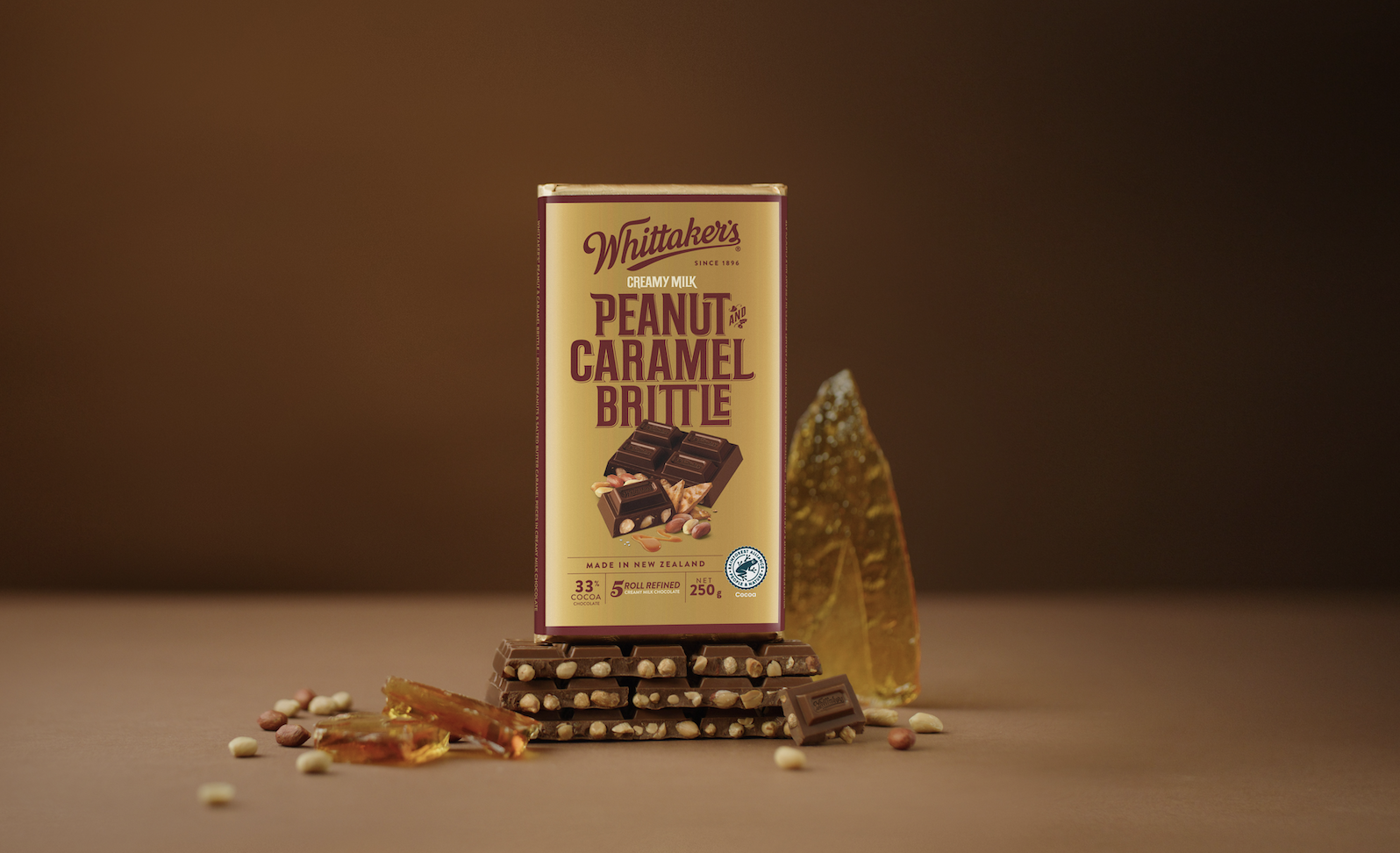
    Whittaker’s, the famed chocolatier, has introduced a new chocolate block called Peanut & Caramel Brittle. This delicious new concoction is produced exclusively in the company’s solitary factory situated in Porirua, New Zealand.

    A Delicious Symphony of Flavours and Textures

    Weighing in at 250g, the Peanut & Caramel Brittle chocolate block offers a unique blend of smooth milk chocolate, freshly roasted peanuts, and creamy salted caramel brittle. This combination results in an irresistible blend of various textures and flavours that is sure to delight any chocolate enthusiast.

    A Conscientious Approach to Chocolate Making

    Each Peanut & Caramel Brittle block is entirely free from palm oil. Additionally, the cocoa utilized in its creation is 100% certified by the Rainforest Alliance. This ensures that each mouthful not only delights your taste buds, but also supports sustainable cocoa farming practices.

    Holly Whittaker, the co-Chief Operating Officer at Whittaker’s, shared insights about the new product. She explained that the peanut-centric flavour was specifically developed to provide a balanced blend of sweet, salty, and crunchy elements.

    “We are eagerly anticipating the response from chocolate lovers. We believe this is something unique and we can’t wait to hear their feedback,” she stated.

    Availability

    The Peanut & Caramel Brittle is now available for purchase in Australia. You can find it at your local Coles and Woolworths stores, priced at $8 per block.

    Questions & Answers

    What is the main flavour in Whittaker’s new chocolate block?
    The main flavour in Whittaker’s new chocolate block is Peanut & Caramel Brittle.

    Is the Peanut & Caramel Brittle chocolate block free from palm oil?
    Yes, the Peanut & Caramel Brittle chocolate block is completely free from palm oil.

    Where can the new Whittaker’s chocolate block be purchased in Australia?
    The new Whittaker’s chocolate block can be bought at Coles and Woolworths stores across Australia.

  • New Zealand’s Boring Oat Milk to land in more than 1000 Woolworths stores

    New Zealand’s Boring Oat Milk to land in more than 1000 Woolworths stores

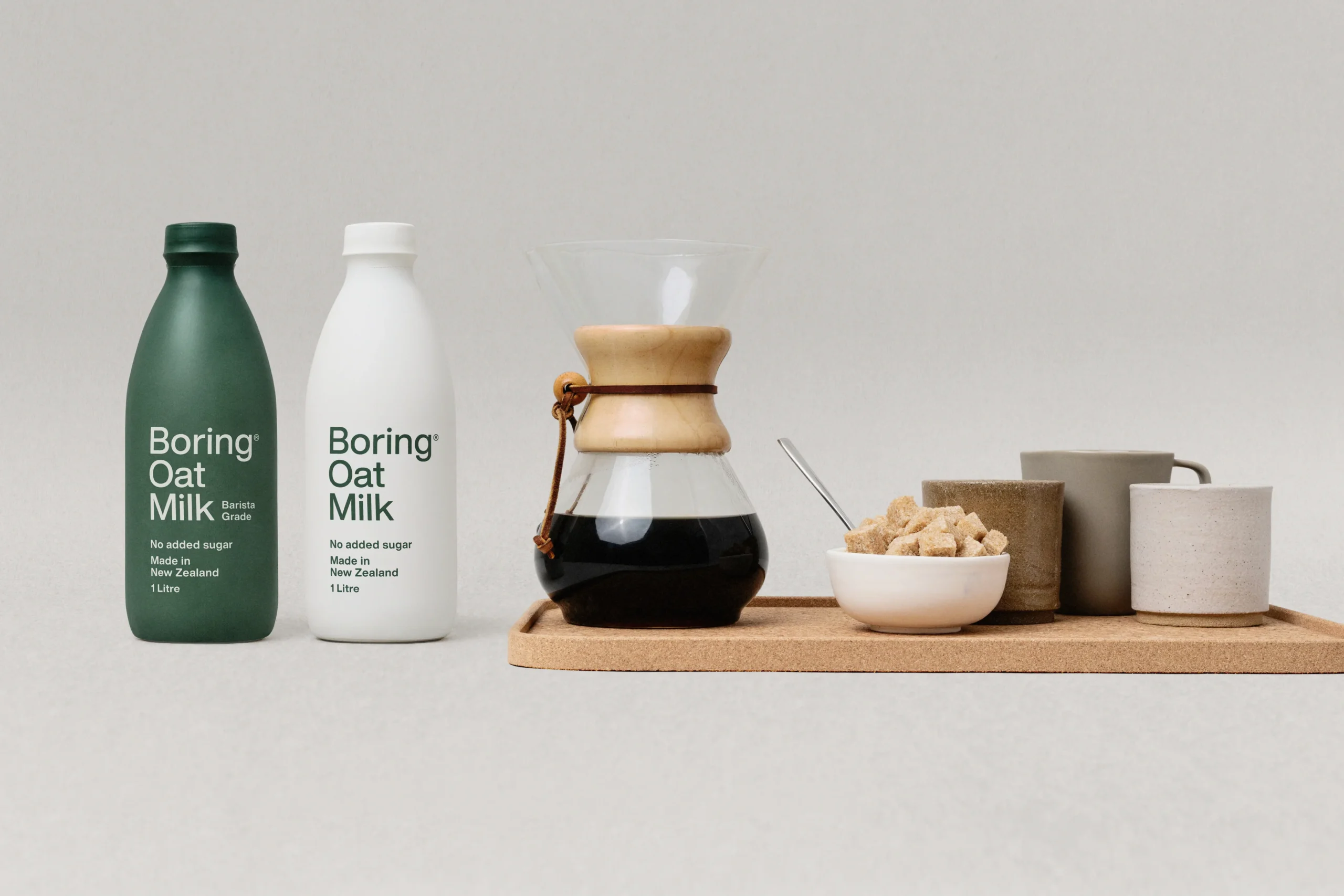
    Boring Oat Milk, a renowned plant-based milk brand from New Zealand, has made a significant stride in expanding its reach with the recent launch in over 1000 Woolworths stores throughout Australia. This denotes the company’s most extensive supermarket distribution thus far.

    Wide Distribution Across Woolworths Network

    Boring’s Original and Barista oat milk variations can now be found in 953 Woolworths supermarkets, which constitutes 95 percent of the company’s nationwide network. Additionally, the products are also available in 80 Woolworths Metro stores.

    First Major Entry into the Australian Retail Market

    This development represents Boring’s initial substantial foray into the Australian retail market. This follows their impressive growth trajectory through various grocers, cafes, and specialty outlets.

    Morgan Maw, the founder of Boring Oat Milk, expressed his enthusiasm regarding this significant move. He stated, “This advances our mission to deliver premium, locally-produced oat milk to more consumers, without any compromise on taste, sustainability, or quality.” Maw added that they recognize the increasing inclination of Australians towards premium plant-based products and Boring is fully prepared to cater to this growing demand with their simple, sustainable, and everyday-use suitable product.

    Progressive Growth and Future Expansion Plans

    With backing from The Apple Press, Boring Oat Milk was established in 2021 and began expanding internationally in 2024, starting with Vietnam. The company also has further plans to grow in the Asia-Pacific region.

    Moreover, in the previous year, New Zealand oat milk startups Otis and All Good collaborated to create a new plant-based company with the goal of increasing the array of sustainable beverage choices available to consumers.

    Questions & Answers

    What is the significance of Boring Oat Milk’s launch in Woolworths stores?
    This launch marks Boring Oat Milk’s largest supermarket distribution to date and their first major entry into the Australian retail market.

    What is Boring Oat Milk’s key mission?
    Boring Oat Milk aims to deliver premium, locally-produced oat milk to more consumers, without compromising on taste, sustainability, or quality.

    What are Boring Oat Milk’s future expansion plans?
    Boring Oat Milk, which began its international expansion in Vietnam, aims to further extend its reach across the Asia-Pacific region.

  • EatKinda eyes US growth as cauliflower ice cream gains traction

    EatKinda eyes US growth as cauliflower ice cream gains traction

    New Zealand-based company EatKinda, which has garnered attention for its innovative cauliflower ice cream, is ramping up its expansion efforts in the United States as part of its global operational scaling.

    Established in 2023, EatKinda has pioneered a unique method for creating frozen treats. The company upcycles cauliflowers that may not be visually perfect, transforming them into plant-based ice cream. The eco-friendly approach extends to its packaging as well, with EatKinda opting for 100 per cent home-compostable tubs for its product.

    Mrinali Kumar, Co-founder and CEO of EatKinda, sees this expansion not only as a personal feat but also as an opportunity to highlight the inventive products emerging from Aotearoa, New Zealand. He emphasized the potential of building with a clear purpose in mind.

    According to EatKinda, the company’s ice cream formulation, which is free from dairy, gluten, soy, and nuts, has found favor among consumers looking for inclusive, sustainable sweet treats.

    In a strategic move, EatKinda is curbing its domestic operations to concentrate on its expansion in the US, a decision backed by investors such as Massey Ventures, WNT Ventures, and Beder Bite Ventures.

    EatKinda has made significant environmental contributions since its inception. The company has successfully redirected over 2900 kilograms of cauliflower from landfills and eliminated the necessity for over 45,000 plastic tubs through its compostable packaging.

    Questions & Answers

    What is unique about EatKinda’s ice cream?
    EatKinda’s ice cream is unique because it’s made from cauliflower, particularly those that are not cosmetically perfect, and it is free from dairy, gluten, soy, and nuts.

    What environmentally-friendly steps has EatKinda taken as a company?
    EatKinda has taken several steps to be environmentally friendly. They have diverted over 2900 kilograms of cauliflower from landfills and switched to 100 per cent home-compostable tubs for their product, eliminating the need for over 45,000 plastic tubs.

    What is the company’s focus in terms of its business operations?
    EatKinda is currently focusing on expanding its operations in the United States while curtailing its domestic operations in New Zealand. This strategic decision is backed by its investors.

  • Normanby Fine Wine & Spirits debuts in Auckland with a twist on wine retail

    Normanby Fine Wine & Spirits debuts in Auckland with a twist on wine retail

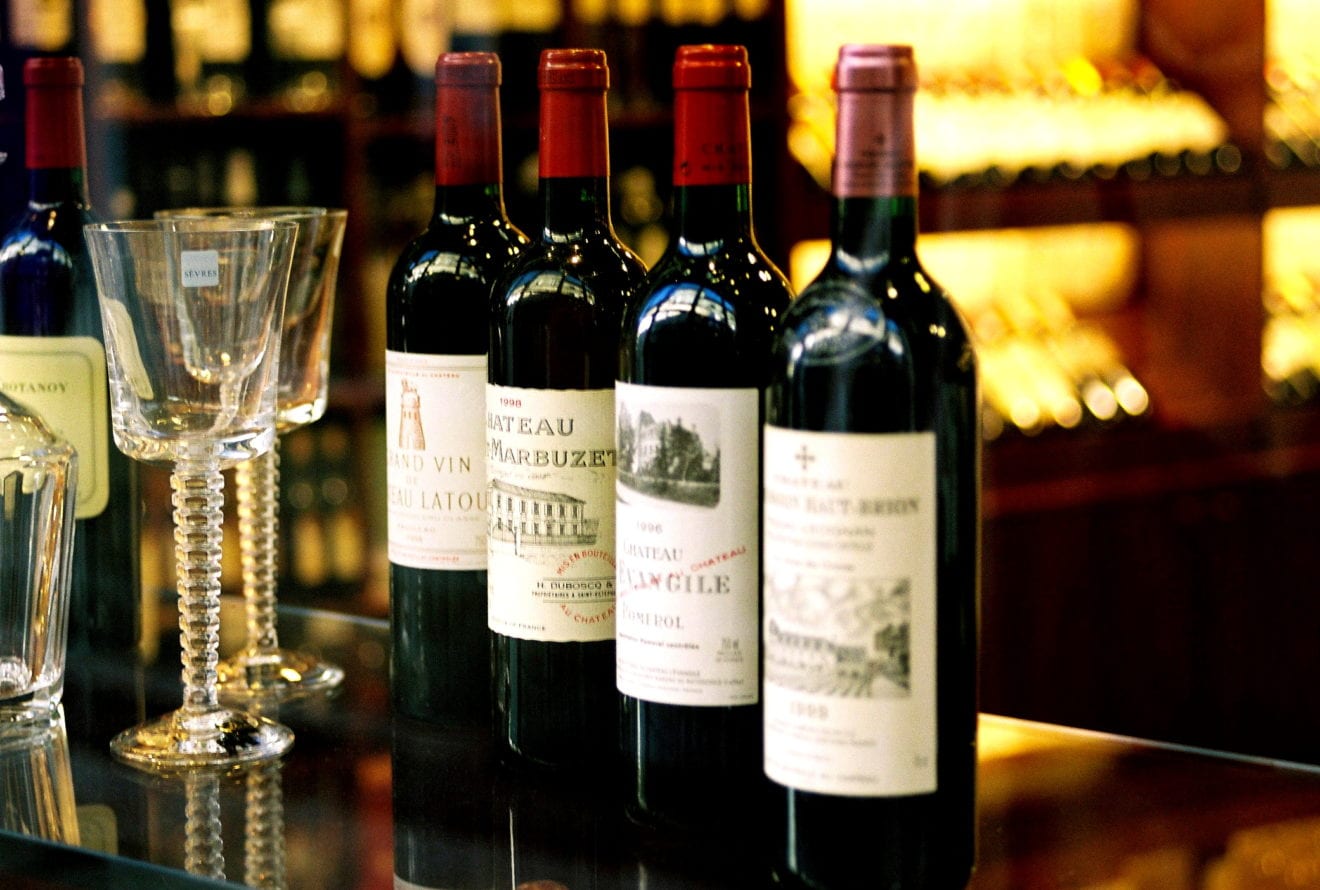
    Auckland recently welcomed the latest innovation in wine retailing, the Normanby Fine Wine & Spirits experience-driven concept store. Situated in Mount Eden, the store ushers in a new era of retail, reimagining the traditional wine and spirits shopping experience with the introduction of fresh food and beverages.

    The store has been masterminded by seasoned wine connoisseur Liz Wheadon, who has infused the space with a unique hybrid appeal. It operates as a retail store, wine bar, and café, supplemented with a private tasting room and an art gallery interior.

    At Normanby Fine Wine & Spirits, customers can browse a selection of over 1300 wines, spirits, sakes, and craft beers. Many of the items in their collection are exclusive to Normanby, a testament to the strong industry relationships they’ve cultivated with producers over the years.

    Liz Wheadon, who also doubles as the director of wine at Webb’s, shared the inspiration behind the store. She emphasized that the vision was to design a place that hadn’t previously existed, where choosing and buying wine, spirits, and sake could be an enjoyable, approachable, and genuinely intriguing experience, regardless of a customer’s taste or budget. She further echoed the team’s enthusiasm for introducing this innovative approach to fine wine and spirits retail.

    The store has been tastefully designed, complete with art pieces and furniture, all curated by The Estate at Webb’s and available for purchase. During the day, the café serves coffee, pastries, and light meals. In the evenings, the wine bar offers pre-batched cocktails crafted by Theo Tjandra, a past mixologist at Panacea.

    The private tasting room, named La Cave, can accommodate up to 15 guests and can be booked for intimate events, custom experiences, and private celebrations.

    Looking ahead, the brand plans to extend the unique retail concept of Normanby Fine Wine & Spirits to various regional locations throughout New Zealand.

    Questions & Answers

    What does Normanby Fine Wine & Spirits offer customers?
    They offer a unique retail experience, selling fine wines, spirits, sake, and craft beers. The concept store doubles as a café serving light meals, coffee, and pastries during the day, and in the evening it becomes a wine bar offering pre-batched cocktails.

    What are some unique features of the Normanby Fine Wine & Spirits store?
    The store operates as a café and wine bar, in addition to being a retail store. It also houses a private tasting room and an art gallery interior, offering curated art and furniture for purchase.

    What are the brand’s future expansion plans?
    The brand plans to extend the retail concept to various regional locations across New Zealand, introducing the Normanby Fine Wine & Spirits experience to a wider audience.

  • Fonterra to close milk powder packaging facility in New Zealand

    Fonterra to close milk powder packaging facility in New Zealand

    Fonterra will shut its Canpac packaging facility in New Zealand in July, impacting approximately 120 employees. The site primarily blends and packages milk powders. 

    Its closure forms part of Fonterra’s plan to divest its consumer business, which includes brands such as Anchor, Anlene, Chesdale, and Mainland.

    The consumer division accounts for about A$3.1 billion (NZ$3.4 billion) of the group’s invested capital.

    Canpac currently packs up to 4,000 mt of powder products annually, equivalent to less than 1 percent of Fonterra’s total product volume.

    COO Anna Palairet said the move follows ongoing economic challenges, including low product volumes and increased production complexities.

    “It’s been a tough day for all the team at the site,” she expressed. “Making decisions like this is never easy.”

    Palairet explained that the company will pivot towards higher-value ingredients, such as advanced proteins and medical nutrition.

    “Our strategy is about creating end-to-end value and growing total returns for our farmer shareholders,” she continued.

    “We believe the best way to achieve this is to focus on our strengths and scale in ingredients and food service, and we are prioritising our investment on the parts of our operations that are better suited to this.”

    The dairy cooperative will begin a consultation process to explore potential redeployment opportunities for affected staff as it winds down operations.

  • Costco and DoorDash to deliver groceries to the doors of Aucklanders

    Costco and DoorDash to deliver groceries to the doors of Aucklanders

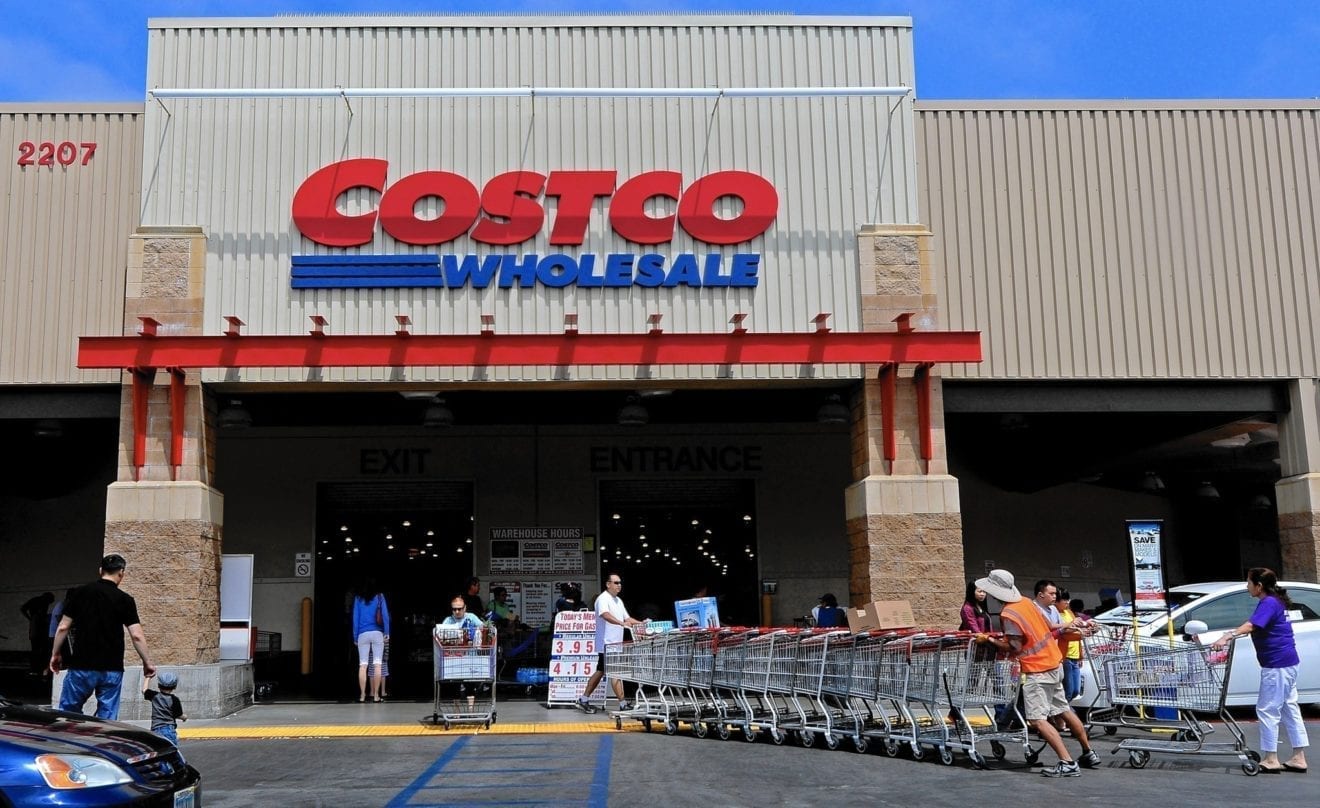
    Costco has teamed up with DoorDash to deliver its range of groceries and household essentials to homes in Auckland at bulk-saving rates.

    The partnership will enable Costco members and non-members to get everything from toilet paper to fresh fruits and vegetables or premium poultry and meat delivered to their homes.

    “We’re always looking for ways to make everyday shopping easier, and our partnership with Costco means Aucklanders can now get incredible value and quality delivered straight to their doorstep,” said DoorDash New Zealand GM Bradley Thomas.

    To launch the new partnership, New Zealand customers will receive NZ$20 off their first Costco order when they spend $150 or more.