Tag: New Zealand

  • E-commerce giant Carousell lays off 110 staff

    E-commerce giant Carousell lays off 110 staff

    Carousell, a Singaporean consumer-to-consumer (C2C) service platform operating across Southeast Asia, is letting go of about 110 employees, or 10% of its total headcount, to reduce costs amid a challenging market condition for the tech industry. 

    The announcement came from the company’s blog on Thursday, posted by co-founder and CEO of Carousell Siu Rui Quek, saying, “I take responsibility for the decisions that have led us here. Parting with teammates, whom we are grateful to for joining us on this mission, is a very difficult decision.” 

    Carousell did not specify which business units or regional offices would be affected by the layoffs. The Singapore-headquartered company operates in Malaysia, Indonesia, the Philippines, Cambodia, Taiwan, Hong Kong, Macau, Australia, New Zealand, and Canada. 

    In the statement, the company’s leaders had discussed finding ways, including moving to an inexpensive rental office and slashing co-founders and executives’ salaries voluntarily to save budgets without cutting staff. But that was “far from enough,” it said.  

    Quek also explained in the blog post that he “was too optimistic” about the recovery from the COVID pandemic and even doubled down on recruitment and investment for its business. “The reality is that we were quick to grow our expenses and hire, but the returns took longer than expected,” Quek wrote. “It is important to act swiftly, course correct, and right-size our investment levels to better align with this new reality.” 

    The affected workers will receive at least three months’ salary and be able to extend their medical benefits and insurance coverage through June next year. According to the statement, the company will also pay out all remaining time off balances and offer career counseling and job search support, letting those laid-off workers keep their office laptop and LinkedIn Learning membership until June 2023. 

    Founded in 2012, Carousell, backed by Sequoia Capital India, Naver, 500 Global and Rakuten Capital, has raised a total of $372.6 million since its inception.

  • Fonterra to retain Australia business, shares long-term strategies

    Fonterra to retain Australia business, shares long-term strategies

    New Zealand dairy giant Fonterra has decided to retain full ownership of its Australian business after a 12-month review, with chief executive Miles Hurrell saying the Australian consumer brands are important in the company’s strategy of moving higher up the value chain.

    Fonterra’s Australian business includes consumer brands Western Star butter, Perfect Italiano, and Mainland cheese. It also operates the Bega cheese brand under a long-standing license arrangement even though Bega Cheese is a rival dairy and food company.

    Mr Hurrell said in an investor briefing on Thursday that Fonterra did not get to the point of putting a value on its Australian business in the review after deciding that retaining full ownership was the best way of driving future growth and value creation.“We can do that on our own,” he said. “We looked at a raft of options.”

    Fonterra, a co-operative which is owned by 10,000 farmer shareholders, began the review a year ago. Among the options was a potential public float of the business or a sale of a partial stake. Analysts suggested the IPO could have been worth between $1 billion and $1.2 billion.

    It still intends to make a capital return to its shareholders by 2024, but it may not be as high as the previously foreshadowed return of about $NZ1 billion ($585 million).

    Fonterra is selling its Chilean business Soprole after an ill-timed expansion and has redirected its focus to being a big exporter from NZ.

    Mr Hurrell said the Australian operations were an important part of the group’s overall consumer brands strategy as it sought to move higher up the value chain. “The business is going well, and it will play a key role in helping us reach our 2030 strategic targets,” he said.

    Fonterra on Thursday reported its full-year results for the 12 months ended July 31, with normalized net profit up 1 percent to $NZ591 million. Total revenues were up 11 percent to $NZ23.4 billion.

    Mr Hurrell said inflationary pressures curbed profits. Fonterra paid out a record milk price to its farmers of $NZ9.30 per kilogram of milk solids. He said $NZ13.7 billion was injected into the NZ economy from milk price payments.

    The company has made a farmgate milk price forecast for 2022-23 of $NZ8.50 to $NZ10, with a mid-point of $NZ9.25. Mr Hurrell said milk prices appeared to have stabilised for now. “We’ve seen a little bit of stability,” he said

    In 2001, Fonterra Australia and Bega Cheese signed a 25-year exclusive trademark licensing agreement. Fonterra was able to use Bega’s name on natural and processed cheddar cheese, string cheese and butter products sold in Australia. In return, it paid Bega Cheese royalties based on retail sales of these products.

    The licence’s initial term ends in May 2026, but Fonterra has the right to renew as long as it sticks by the contractual rights, which include elements such as managing the Bega Cheese brand responsibly.

    Rich Lister and iron ore billionaire Andrew Forrest’s private family investment unit Tattarang in late July lifted its stake in Vegemite owner Bega Cheese to 11.5 per cent after buying an additional $15 million of shares.

  • Fonterra to retain Australia business, shares long-term strategies

    Fonterra to retain Australia business, shares long-term strategies

    New Zealand dairy giant Fonterra has decided to retain full ownership of its Australian business after a 12-month review, with chief executive Miles Hurrell saying the Australian consumer brands are important in the company’s strategy of moving higher up the value chain.

    Fonterra’s Australian business includes consumer brands Western Star butter, Perfect Italiano, and Mainland cheese. It also operates the Bega cheese brand under a long-standing license arrangement even though Bega Cheese is a rival dairy and food company.

    Mr Hurrell said in an investor briefing on Thursday that Fonterra did not get to the point of putting a value on its Australian business in the review after deciding that retaining full ownership was the best way of driving future growth and value creation.

    “We can do that on our own,” he said. “We looked at a raft of options.”

    Fonterra, a co-operative which is owned by 10,000 farmer shareholders, began the review a year ago. Among the options was a potential public float of the business or a sale of a partial stake. Analysts suggested the IPO could have been worth between $1 billion and $1.2 billion.

    It still intends to make a capital return to its shareholders by 2024, but it may not be as high as the previously foreshadowed return of about $NZ1 billion ($585 million).

    Fonterra is selling its Chilean business Soprole after an ill-timed expansion and has redirected its focus to being a big exporter from NZ.

    Mr Hurrell said the Australian operations were an important part of the group’s overall consumer brands strategy as it sought to move higher up the value chain.

    “The business is going well, and it will play a key role in helping us reach our 2030 strategic targets,” he said.

    Fonterra on Thursday reported its full-year results for the 12 months ended July 31, with normalized net profit up 1 percent to $NZ591 million. Total revenues were up 11 percent to $NZ23.4 billion.

    Mr Hurrell said inflationary pressures curbed profits. Fonterra paid out a record milk price to its farmers of $NZ9.30 per kilogram of milk solids. He said $NZ13.7 billion was injected into the NZ economy from milk price payments.

    The company has made a farmgate milk price forecast for 2022-23 of $NZ8.50 to $NZ10, with a mid-point of $NZ9.25. Mr Hurrell said milk prices appeared to have stabilised for now. “We’ve seen a little bit of stability,” he said

    In 2001, Fonterra Australia and Bega Cheese signed a 25-year exclusive trademark licensing agreement. Fonterra was able to use Bega’s name on natural and processed cheddar cheese, string cheese and butter products sold in Australia. In return, it paid Bega Cheese royalties based on retail sales of these products.

    The licence’s initial term ends in May 2026, but Fonterra has the right to renew as long as it sticks by the contractual rights, which include elements such as managing the Bega Cheese brand responsibly.

    Rich Lister and iron ore billionaire Andrew Forrest’s private family investment unit Tattarang in late July lifted its stake in Vegemite owner Bega Cheese to 11.5 per cent after buying an additional $15 million of shares.

  • New chicken welfare standards raised across Australia and New Zealand

    New chicken welfare standards raised across Australia and New Zealand

    Restaurants across Australia and New Zealand are being encouraged to sign on to a new set of standards that aims to provide better welfare for chickens raised for meat.

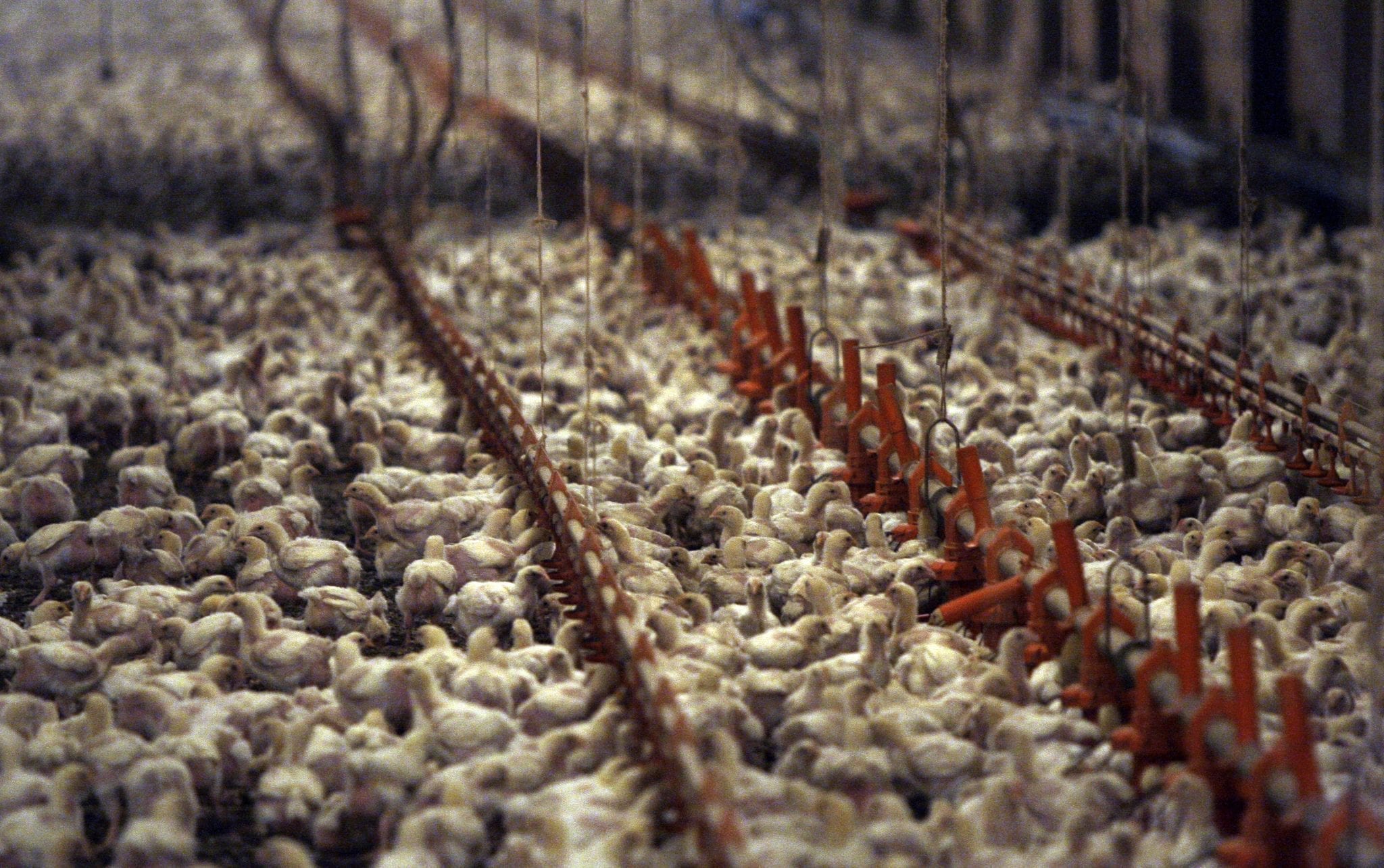
    The New Zealand Society for the Prevention of Cruelty to Animals (SPCE) has established The Better Chicken Commitment, a set of welfare standards prohibiting the use of abnormally fast-growing poultry breeds killed at just six weeks old in favour of healthier breeds that grow naturally. It also ensures that the chickens have more space, natural lights, enrichments, and “less suffering” at slaughter.

    SPCE consulted the non-profit global organisation, World Animal Protection (WAP), in developing the new chicken welfare standards, together with Animals Aotearoa and The Humane League, and is supported by nine national and global animal welfare organisations.

    Rochelle Flood, campaigns manager for WAP in Australia and New Zealand, said this is a huge opportunity for the region to step up and raise the bar for chicken welfare.

    “Right now, millions of chickens are suffering from chronic pain and organ failure, often unable to move freely, collapsing under the weight of their unnaturally large bodies,” she said

    “Compassionate consumers deserve a higher welfare choice at the checkout, and it’s time for the industry to align with consumer expectations.”

  • AirAsia X Eyes A Return To New Zealand

    AirAsia X Eyes A Return To New Zealand

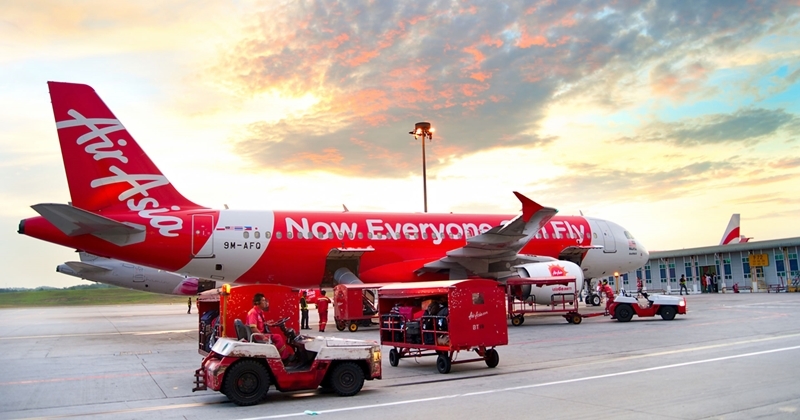
    AirAsia X, the medium to long-haul affiliate airline of AirAsia Aviation Group, is launching flights to Auckland, New Zealand, via Australia. The announcement is the latest from the Kuala Lumpur International (KUL) based airline, which will offer seats to several new destinations as it returns from a significant restructuring.

    The Malaysian airline resumed operations earlier this year and currently serves Seoul and New Delhi from its base in Kuala Lumpur.

    AirAsia X CEO Benyamin Ismail has confirmed that the carrier aims to restart flights to Australian destinations Melbourne and Perth, as well as a route to Auckland, New Zealand, via Australia.

    Adding a round-trip leg to New Zealand from Australia is quite a common practice. The flights are able to use fifth-freedom rights to carry on to New Zealand as opposed to parking the plane at an Australian airport for the day. Qatar Airways, for instance, flies to Auckland via Adelaide on one of the OneWorld carrier’s Boeing 777-300ERs. AirAsia X did not mention which airport would see the stopover service carry on to New Zealand.

    The airline previously operated flights to Auckland via Gold Coast Airport in Queensland but cut the Auckland leg of this service in February 2019. AirAsia X also launched direct flights to Christchurch in 2011 as the island was recovering from severe earthquake damage and donated a six-figure sum to help with restoration. The 11-hour flight lasted less than a year before being cut in early 2012.

    AirAsia X briefly restarted Sydney flights on Valentine’s Day of this year. The service only continued until April, however. Flights are now scheduled to resume in September of this year. The carrier previously flew from Kuala Lumpur to Sydney, carrying one million of some 2.4 passengers flying between the two countries in 2019.

    The airline has also now scheduled flights to resume to Tokyo Haneda on the 14th of July. The service will join the resumption of Osaka, also in Japan, in October. The Osaka flights will then continue to Honolulu before returning. Flights to Sapporo, the capital of the mountainous northern Japanese island of Hokkaido, will resume in December.

    The airline still has several next generation Airbus jets on order as it seeks to rebuild its network. Photo: AirAsia x

    AirAsia X also announced it intends to resume its London service, which will operate from Kuala Lumpur to London Gatwick via Dubai. The carrier initially launched the route to London Stansted Airport in 2009 using Airbus A340s before pulling it in January 2012. The service will include a layover in Dubai and launch in conjunction with a service to Istanbul.

    The airline’s fleet currently consists of twelve Airbus A330-300 aircraft, which seat 365 in economy class and 12 passengers in business class. AirAsia X currently has orders for twenty of the Airbus A321 family, alongside fifteen A330-900s for its upcoming long-haul service.

    Simple Flying previously reported that AirAsia X had canceled part of its sizeable outstanding order with Airbus. AirAsia X, the largest customer for the A330-900, has confirmed the cancellation of 63 A330neo orders, equaling a fifth of outstanding orders for the type. The airline also canceled ten A321neo aircraft orders, according to the latest available data from Airbus.

  • Nestle buys New Zealand honey brand

    Nestle buys New Zealand honey brand

    Nestlé has added to its portfolio of health-focused assets with the acquisition of New Zealand business The Better Health Company.

    Financial terms were not disclosed. The Better Health Company (TBHC) is the company behind the supplement brand Go Healthy, as well as Egmont Manuka honey.

    Nestlé acquired the business from China asset-management firm CDH Investments and TBHC’s founding shareholders. CDH Investments first backed TBHC in 2016 when it became its majority investor.

    Demand for gold as an investment has grown at an average annual rate of 15% since 2001, but what impact is an ever-sharper focus on sustainable investing having on this most robust of asset classes? Invesco’s Christopher Mellor discusses the efforts being made to ensure ethical and environmental provenance for those looking to incorporate responsible gold into their investment mix.

    Gold has always been a popular investment – and why not? Long viewed as a good hedge against inflation and economic turmoil, the metal’s price has often tracked counter to market swings.

    Yet amid the continued enthusiasm for the precious metal, investors are also increasingly conscious about its provenance, with investment strategies intrinsically linked to environmental, social and governance (ESG) goals. Traditionally, investors could only gain exposure to gold by physically buying bars and coins, entailing delivery, storage and insurance costs. A recent development is the rise of gold exchange-traded commodities (ETCs), which remove the costs of physical ownership, but also present potential issues around ensuring environmental and ethical merits.

    The deal is the latest acquisition made by the world’s largest food company as it looks to take on more businesses centred on health and wellness.

    Paul Bruhn, the head of the Oceania business for Nestlé’s Health arm, said the Go Healthy and Egmont brands “complement our global portfolio of active lifestyle and health-and-wellness nutrition brands very well”.

    The transaction also includes a manufacturing facility in Auckland for minerals and supplements.

    Jennifer Chappell, the CEO of Nestlé’s business in New Zealand, said: “This will strengthen our presence not just in New Zealand, but more broadly across the region, with the Go Healthy brand which is already present in Australia, China, Singapore, South Korea and Vietnam, and the globally-known Egmont brand.”

    Last month, the Swiss food giant snapped up Brazil-based health foods and supplements business Puravida.

    In February, Nestlé made an acquisition in the area of “nutrition products” with a majority stake in US-based Orgain, a supplier of protein powders, snack bars and shakes.

    Last year, the group snapped up the vitamins and supplement brands of US-based The Bountiful Company in a deal valued at US$5.75bn. That transaction included the Nature’s Bounty, Solgar, Osteo Bi-Flex and Puritan’s Pride lines, as well as Bountiful’s private-label business.

    In May last year, we reported on a document issued among Nestlé executives the publication said stated more than 60% of the company’s mainstream food and drinks could not be considered healthy under a “recognised definition of health”.

    According to the FT, the presentation excluded from its analysis products in sectors such as infant formula, pet food, coffee and medical nutrition. In response, Nestlé issued a statement to say it is “working on a company-wide project to update its pioneering nutrition and health strategy”.

  • Wendy’s New Zealand business up for sale after 34 years

    Wendy’s New Zealand business up for sale after 34 years

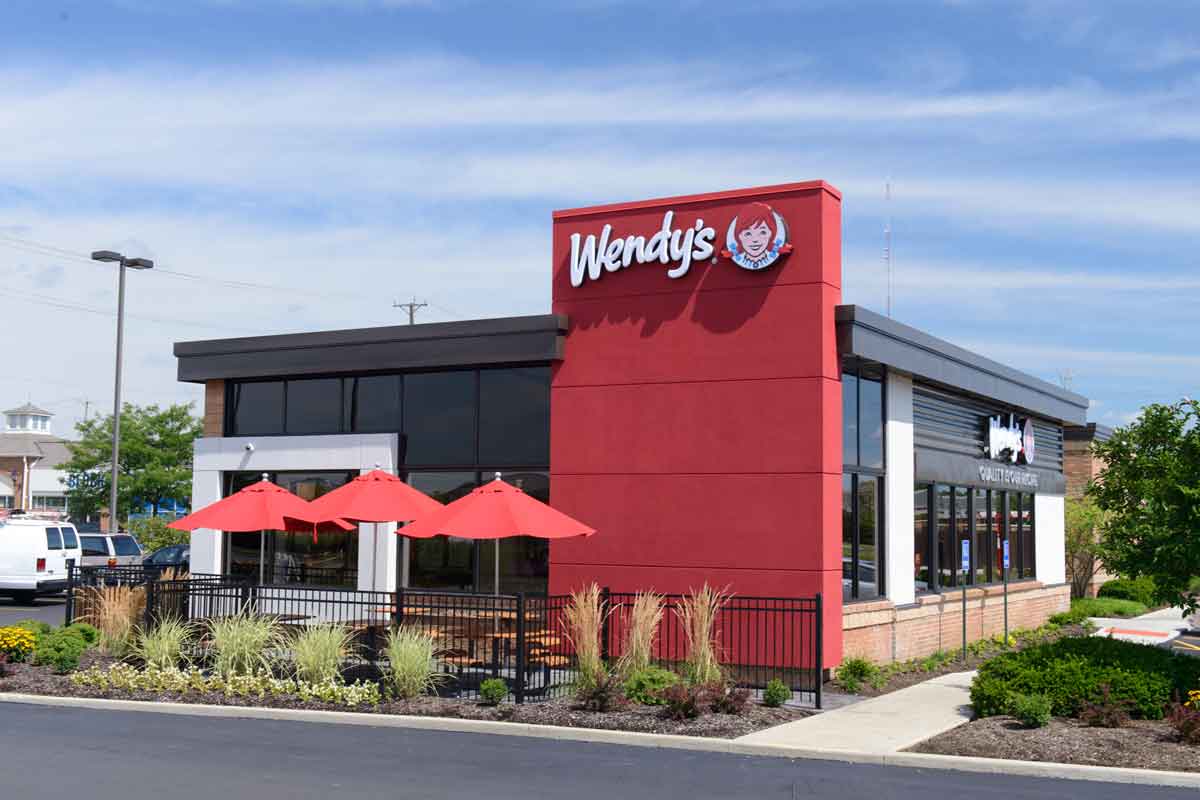
    Wendy’s NZ, the current master franchisee, owner and operator of all Wendy’s hamburger restaurants throughout New Zealand, is on the market for the first time in 34 years.

    The brand was brought here in 1988 when Danny and Dianne Lendich opened the first store in Te Atatu after a deal between the international franchisor and the original master licensee fell through. The Lendich family went on to develop 22 restaurants – 12 in Auckland, two in the South Island and eight throughout the North Island – all of which are company-owned and included in the sale. There are no sub-franchisees.

    With Danny and Dianne Lendich now in their 70s, their daughter and CEO of Wendy’s NZ Danielle Lendich, says business has never been better, but now is the right time for change.

    Internationally, the American burger brand has over 7,000 restaurants and is planning to accelerate global growth, opening over 90 new restaurants in the first quarter of 2022. The company says it is looking for a qualified franchisee who can help grow and scale the business throughout New Zealand. While sub-franchising is not specifically mentioned, it is a strategy Wendy’s uses in other countries.

    Traditionally, New Zealand has been an attractive market for international brands, with Carl’s Jr. and Wendy’s having both achieved world-record sales levels for opening weeks here. However, opportunities for franchisees have been limited, with both companies operating via national master licensees who have not sub-franchised. This has left the owner/operator burger market open to McDonald’s (which has over 170 restaurants here) and locally-developed gourmet burger franchises such as BurgerFuel and Burger Wisconsin.

    Record sales

    Danielle Lendich says that Wendy’s NZ is performing extremely well and is ready for growth.

    ‘Operations are strong across the country and we’re experiencing record sales. Even during the worst of Covid, there has been huge demand. Obviously there have been challenges, but it’s a testament to the team that we’ve been able to get though the disruption and emerge even stronger.’

    A family-owned business with deeply-rooted values and relationships, Wendy’s NZ has many staff and suppliers who have been with the company for decades, and suppliers of beef, sauces and fresh produce going back to year one,’ Danielle says.

    ‘We hope the new franchisee will operate with the same cores values and look after not just the business, but the wider Wendy’s family. The future is very bright at Wendy’s.’

    The sale of Wendy’s NZ / WendCo (NZ) Limited is being handled by Spencers Chartered Accountants & Advisers in New Zealand and internationally by partner Azure.

  • Cleanery, eco-cleaning start-up set for Australian launch

    Cleanery, eco-cleaning start-up set for Australian launch

    Cleanery, the innovative Kiwi eco-cleaning and personal care products company, has closed an oversubscribed Seed Round of $2.34 million.

    Kiwi eco-cleaning start-up attracts big name backers for Australasian growth

    Cleanery, the innovative Kiwi eco-cleaning and personal care products company, has closed an oversubscribed Seed Round of $2.34 million.

    The raise attracted significant interest from the New Zealand business community, including Peter Cullinane, Nicola O’Rourke, and Michael Stiassny (via their company Founders Advisory), Shane Bradley (formerly GrabOne), and Lance Wiggs, via the newly minted Climate Venture Capital Fund.

    The Climate Venture Capital Fund is the largest investor in this Seed Round. Also investing is Icehouse Ventures, Angel HQ, and friends and family who have supported the company from day one.

    “This is an exciting time for us,” says Cleanery co-founder Mark Sorensen. “The size of the investment is larger than we initially anticipated and the quality of the people backing us is incredible. To have the likes of Peter Cullinane who made such a success with Lewis Road Creamery, or the Climate VC Fund, which sees our emissions reduction potential, gives us real confidence.

    “The money raised will be used to deliver an exciting New Zealand and Australian marketing plan, a USA e-commerce pilot, and resourcing the business for rapid growth,” says Sorensen.

    After a successful launch supported by Farro in October 2021, the products are already loved by many New Zealanders, with a growing direct-to-consumer offer.

    Woolworth’s launch

    The successful Seed Round coincides with Cleanery’s launch into Australia with a national rollout in Woolworths supermarkets, starting this week.

    “We have great capacity in our Auckland factory – and so it’s all about growing market share. The products work exceptionally well, and we’ve been selling online and in select outlets since last year, so we know there’s demand. It’s now about getting scale, which Woolworths and other supermarkets will bring in spades.”

    Just add water!

    Cleanery’s patented technology is revolutionising the cleaning and personal care categories by removing the water and the plastic bottle and simply using a sachet.

    “There’s no point shipping water when we’ve all got perfectly good water in our taps at home. And we all know the problem caused by packaging waste – so let’s reuse what you’ve already got under the sink,” says co-founder Ellie Brade.

    Cleanery products come in a recyclable sachet that can be mixed with water in a bottle the company supplies – or one of your own.

    “We’ll even give you a sticker to put over the old label,” she says.

    Cleanery estimates its products reduce plastic by 99%. And by not shipping water Cleanery can fit the equivalent of over 200,000 bottles in one shipping container – up to 20 times more than traditional products and at a fraction of the weight.

    Cullinane likes the disruption

    The proposition was immediately attractive to Peter Cullinane, whose former company Lewis Road Creamery shook up the dairy aisle. “The cleaning and personal care products industry is very large and very much ready for a disruption,” he says. “Cleanery is such a simple proposition: it’s the cleaner we want, not the bottle. And it works. It really does.”

    Tests demonstrate how Cleanery’s products clean more effectively than other mainstream cleaning products – eco or otherwise – while still having a safe, natural, plant and mineral based formulation.

    “So you have a cleaner that works better than any other, has such an elegant packaging solution, costs less, and has impeccable environmental credentials. What’s not to like?” says Cullinane.

    Emissions saved

    Dr Jez Weston, a partner in the Climate VC Fund says Cleanery meets its strict criteria for emissions reductions.

    “Our mission is to fund high growth companies that deliver significant emissions reductions. Cleanery means you’re not making more single use plastic bottles and spray heads and it means you’re not hauling that weight of water around the world. Every household uses cleaning products, so the emissions savings are going to be substantial.”

    This is the second investment by Climate VC Fund. Rohan MacMahon, partner of the fund, says Cleanery’s environmental credibility is matched by a strong management team. “We have huge confidence in the technical and commercial talent that Mark has attracted.”

    Born on a beach

    The investment in Cleanery is sweet reward for Sorensen, whose journey to solving plastic pollution started aged 14.

    “When we launched the company, my mother dug out an old essay I’d written in Social Studies about the urgent need to address the problems with packaging. I’d forgotten I’d even written it. I got an A+ by the way.”

    The essay was forgotten but the sentiment remained and during a three-day tramp in New Zealand’s Far North in 2017, Sorensen was surprised to find plastic on the coastline. “Here I was on remote beaches in the most remote country on Earth and I was still finding plastic. I was really motivated to do something.”

    Having worked with many of New Zealand’s most exciting science and technology companies as an advisor, he was well placed to know how to start and who to call on. But the technical challenge proved immense. “it’s one thing to slap together something that looks and smells like a cleaner – to create something that actually does the job, and can truly replace mainstream products, is another thing altogether.”

    Through a series of collaborations and explorations, the initial chemistry was developed and the real work – scaling up a factory capable of producing these novel formulations – began.

    “The timing is right. Consumers want to address the problem. China has stopped taking our so-called ‘recycling’ and the government and industry realise they need to do something.

    “And Covid helped highlight the need for scalable, local, manufacturing. The decisions we made during early Covid lockdowns, when supply chains started looking dicey, are paying off as we are now in control of our destiny with our own plant based here in Auckland and can produce product at any volume.”

  • Cult skincare brand MooGoo launches into New Zealand

    Cult skincare brand MooGoo launches into New Zealand

    As of this month New Zealanders are now able to walk into pharmacies across the country and buy one of Australia’s most popular skincare lines, MooGoo, as the number of Kiwis with skin disorders is on the rise.

    New Zealand has one of the highest incidence of eczema in the world, with the skin condition now affecting one in three Kiwis, and around 15% of children.

    MooGoo CEO Melody Livingstone says the brand’s expansion into New Zealand was driven by strong interest from local customers.

    “Given the climate in New Zealand, with so many people suffering from skin conditions, we fast-tracked our entry,” says Ms Livingstone.

    “The climate is very similar to Ireland, which per capita is our biggest market outside of Australia,” she added.

    MooGoo has more than 45 natural products that help a range of skin problems, including eczema and psoriasis. All of them are now available online in New Zealand, and more than half the range will be stocked on shelves.

    In Australia demand for the products has skyrocketed, with the company seeing some 30% growth and it’s now stocked in just about every pharmacy across the country.

    “Consumers are becoming a lot more knowledgeable about product ingredients and are increasingly seeking natural and eco-friendly treatments and remedie,” explains Ms Livingstone.

    “There’s also been a lot of anxiety surrounding the pandemic, which seems to have caused an increase in eczema, psoriasis and other skin flare-ups.

    “We’re also hearing a lot of people talking about acne and perioral dermatitis, caused by heat, moisture, friction, trapped dirt and bacteria from wearing a mask for long periods of time and also suffering with painful cracked hands from continuous hand sanitising and washing.

    “The crazy weather conditions haven’t been helping either.”

    In Australia, MooGoo products are also used in neonatal, paediatric and oncology wards and in the UK the business is supported by the British equivalent of the Medicare – the NHS.

    “At MooGoo, our ingredient philosophy is simple – to make effective products with healthy ingredients for you, your loved ones and the environment,” adds Ms Livingstone.

    “We understand all consumption has an impact, and our goal has always been to minimise our impact on the environment.”

    MooGoo products can now be purchased at 58 New Zealand pharmacies and health stores, it is also available online at www.moogoo.com.au

  • Unilever’s new New Zealand chief finally takes his office

    Unilever’s new New Zealand chief finally takes his office

    Unilever New Zealand MD Cameron Heath will relocate to take up the new role with his team this month after nearly six months of managing the role remotely.

    His predecessor, Nick Bangs, will move to Sydney to take on the role of GM, home, beauty and personal care for Unilever Australia and New Zealand.

    Heath spent seven years working as GM Baltics with Unilever in Latvia and four years as marketing director food & beverages in Prague. Prior to that, he worked at Procter & Gamble for seven years, taking responsibility for customer development and category strategy roles, including time working in the New Zealand market.

    Heath said Unilever’s commitment aligns with his personal goal to care of the health of the planet and create a fairer, more diverse, and equitable world.

    “As one of the world’s largest producers of consumer goods, we have both a responsibility and an opportunity to do more good for our planet, not just less harm,” said Heath.

    With 15 years in the FMCG industry, Heath has experience in marketing and category management, so he understands and has awareness of the challenges that lie ahead for the consumer goods sector.

    “I understand first-hand the pressure retailers and consumers are facing as we deal with supply-chain disruption and increased cost of production across the board,” he added.

    Cameron Heath started his role remotely last November and will join his team in New Zealand this month.

  • Singapore sneaker reseller Ox Street to launch in Australia, NZ

    Singapore sneaker reseller Ox Street to launch in Australia, NZ

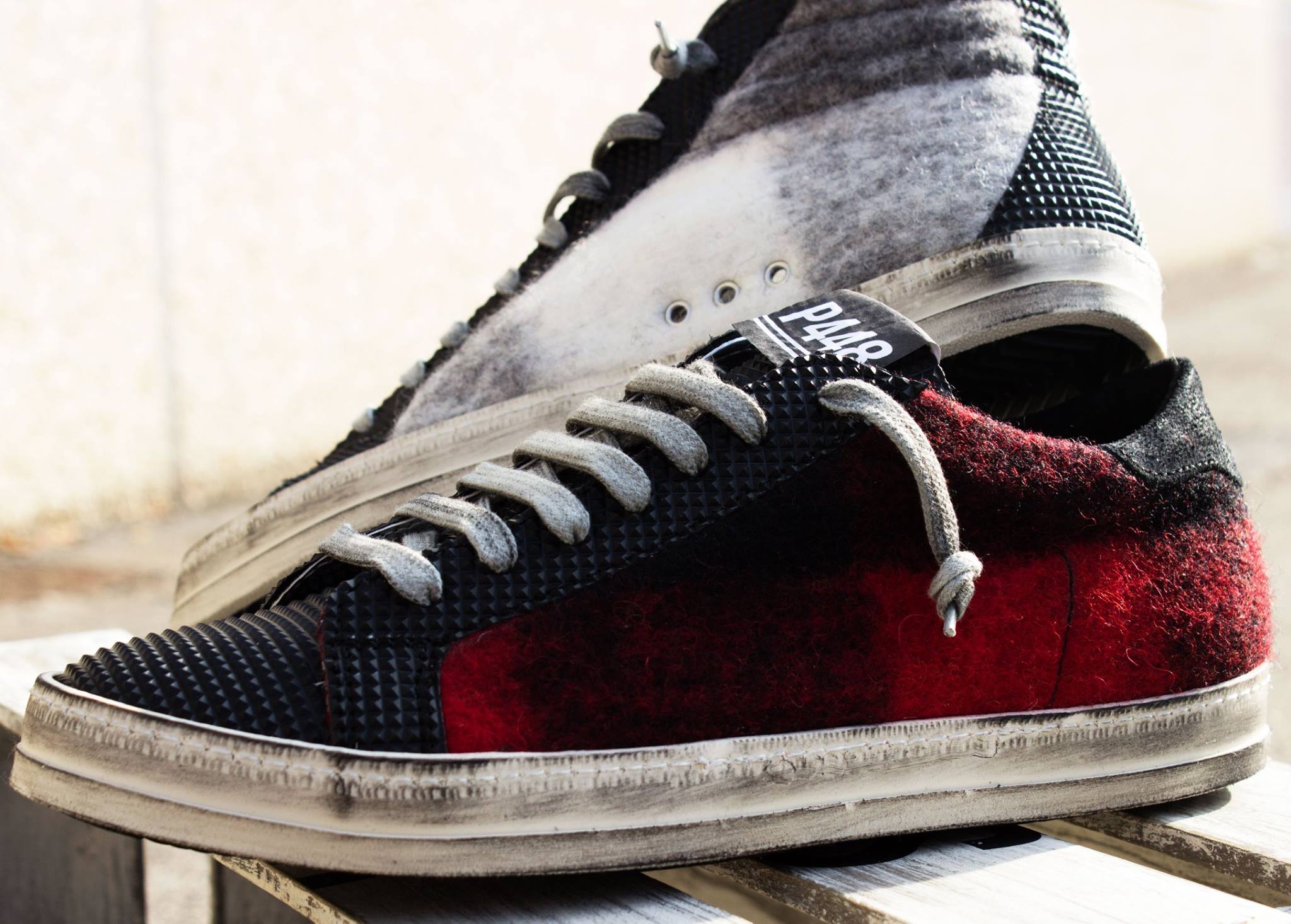
    Singapore-based online sneaker resale marketplace Ox Street is launching a trans-Tasman expansion, opening an e-commerce store in Australia.

    “Australia is a perfect fit for the community we want to build in the long-term,” said Gijs Verheijke, founder and CEO at Ox Street. “We see a big supply gap when it comes to Australian buyers having access to the most coveted sneakers, whether they’re hot new drops or all-time classics.”

    Verheijke said the company, which was acquired by Carousell last October, has already built a large network of resellers across Australia and New Zealand during the past few years. Ox Street said the emphasis is on enabling faster delivery times and greater access to supply in an industry dominated by US and European megabrands.

    The Australasian launch is part of Ox Street’s ambition to build a “global hub for sneakerheads,” Verheijke said. The company’s short term plan is to build brand equity and a large part of that is being trusted to robustly authenticate the products before they reach buyers.

    Founded in 2019, Ox Street operates across eight Southeast Asian countries, targeting Gen Y and Z investors, collectors and fashion-conscious consumers. The brand reported sales growth surging more than four-fold during the past year.

    As part of the Australia launch, Ox Street has partnered with Sneaker Freaker in an Instagram-based sneaker giveaway worth more than $2000.

  • Nestle opens $90 million pet food plant expansion at Blayney

    Nestle opens $90 million pet food plant expansion at Blayney

    With the last two years seeing more people adopting pets, the Purina factory is now set to meet the growing demand for wet cat food in Australia and beyond thanks to the newly installed state-of-the-art high-speed manufacturing technology.

    As well, the Purina team has expanded to meet the increased demand, with 20 new jobs now created on site, creating cat favorites such as Felix, Fancy Feast, Pro Plan and Purina One.

    Nestlé Blayney Factory Manager Charlene De Wit said the new facility is a testament to Nestlé’s commitment to local manufacturing and support for the Central West community.

    “We are proud to produce quality Purina pet food for our much-loved furry friends across Australia and around the region, right here in Blayney.

    “Our expanded facilities will allow us to scale up production of single-serve wet cat food by over 120% – as well as the dry cat and dog food we already produce,” Ms De Wit said.

    The opening brings Nestlé’s total investment in the factory to more than $200 million over the past 10 years, as the business has increased production and developed new capabilities. The wet cat food facility, opened in late 2014, was developed to create premium products with the taste profile cats prefer, and the simplicity their owners prefer.

    The expansion will position Nestlé Purina as a key regional supplier, with both wet and dry pet food exported from Blayney to New Zealand, Thailand and Japan.

    The new facilities will also see a significant quantity of local ingredients used in production. More than 85% of raw materials used at the Nestlé Blayney factory will be sourced locally, including meats and grains.

    Ms De Wit continued, “We have an incredibly dedicated and highly skilled team here at Blayney. By bringing leading technology to our factory and continuing to use high quality ingredients in our product, we are even more confident that we will continue to enrich the lives of pets and the people who love them for years to come.”

    The Nestlé factory in Blayney began operations in 1989, and now features world-class facilities to manufacture brands such as Felix, Fancy Feast, Pro Plan, Supercoat and Purina One.

  • Ferrero recalls some Kinder products in Australia, NZ ‘as a precaution’

    Ferrero recalls some Kinder products in Australia, NZ ‘as a precaution’

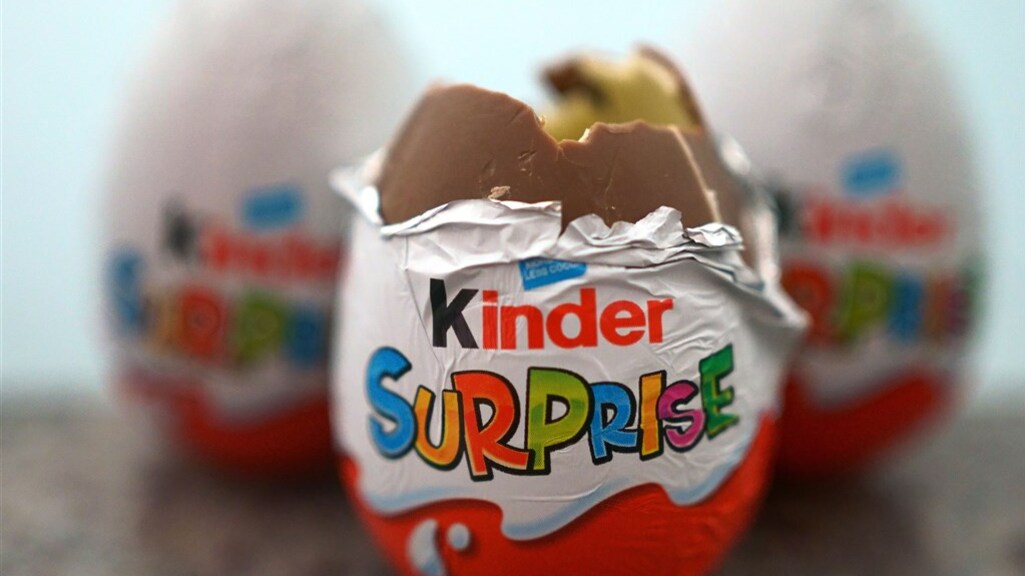
    Italian confectionery group Ferrero has recalled several children’s chocolate products in Australia, having already recalled products in multiple European countries earlier in the week. The recalled products could potentially be contaminated with salmonella, Food Standards Australia New Zealand (FSANZ) announced on Thursday. The chocolates, including some Kinder products, were sold in large supermarket chains such as Coles and Woolworths.

    “Consumers should not eat this product and should return the products to the place of purchase for a full refund,” the FSANZ said in a statement. Ferrero’s Australian arm is recalling Easter baskets and some Kinder chocolate eggs.

    The Kinder Surprise 20g single and three-pack eggs are not affected. The European Food Safety Authority (EFSA) and the European Centre for Disease Prevention and Control (ECDC) have launched investigations into the salmonella outbreak and plan to publish an assessment next week. So far, 105 confirmed cases and 29 suspected cases of salmonella, most of them in children under the age of 10, have been recorded in Europe, according to the authorities. Almost half of the salmonella infections were recorded in Britain, with the first case being detected as early as January 7.

    Other countries affected by the recall include Germany, Belgium, France, Ireland, Israel, Luxembourg, the Netherlands, Norway and Sweden.

  • Subway appoints new Australia and New Zealand chief

    Subway appoints new Australia and New Zealand chief

    He brings extensive experience from international companies to the new role.

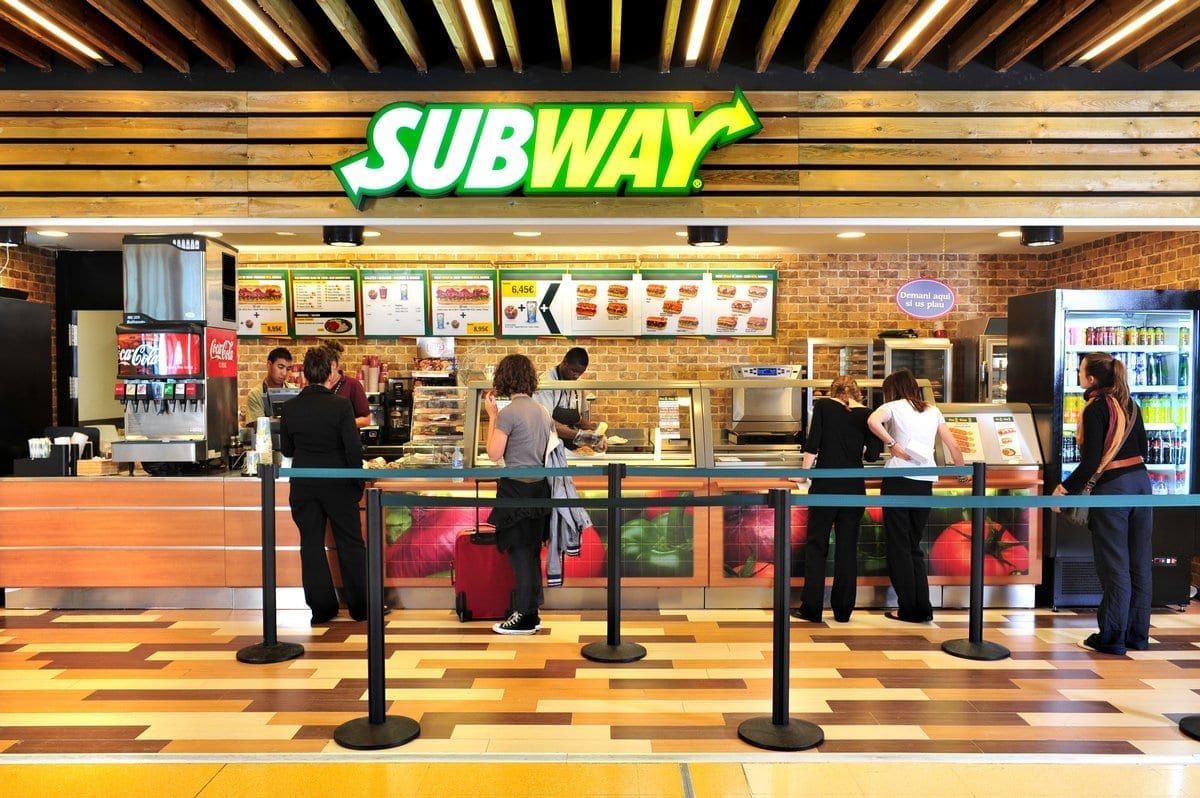
    Subway has announced that Geoff Cockerill will be their Country Director for Australia and New Zealand starting on June 4.

    Cockerill brings extensive experience to his new role from a number of international companies such as Diageo and Kirin, and some global brands including Johnnie Walker, Smirnoff, and Corona.

    His background also includes a range of CEO, Executive General Manager and Managing Director roles for high-profile sporting, not-for-profit, and listed retail and consumer brand organizations, including franchising.

    “I’ve admired the success of the Subway® brand for many years, and couldn’t be more excited to join the team. I’m looking forward to helping continue achieve the speed to market needed to drive the business forward,” Cockerill said.

    Subway Vice President of International Ian Martin notes Cockerill’s track record in organizational change and culture, strong leadership, stakeholder engagement, and delivery of agreed results.

    “I’m delighted that an experienced leader like Geoff is going to be leading one of our most important global markets,” Martin said.

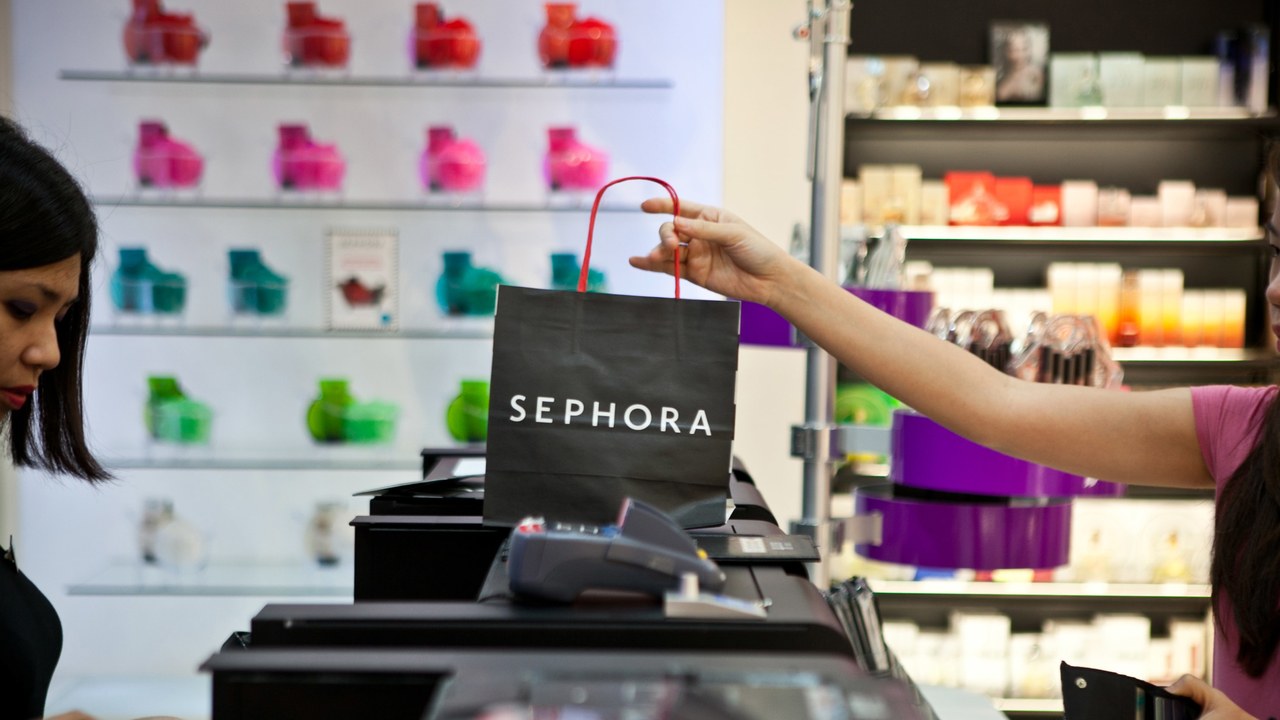
  • Sephora makes Vietnam debut

    Sephora makes Vietnam debut

    Beauty retailer Sephora has entered the Vietnamese market with a dedicated ecommerce store after an initial trial period of five months.

    Local customers can now buy directly from Sephora online, but there is no word yet on whether the global brand will open a physical store.

    About 90% of Vietnam’s cosmetics market is filled with foreign brands, led by South Korean products and followed by European and Japanese names. Market revenue, on the other hand, is pegged at US$514 million.

    Sephora enhanced its Asian presence in 2019 with debuts in South Korea, Hong Kong, and New Zealand. It now has 200 stores in 16 Asian countries.