Tag: New Zealand

  • Indonesia asks New Zealand to lower import duty

    Indonesia asks New Zealand to lower import duty

    Indonesia has asked New Zealand and Australia to lower import duties on two export products from Indonesia-herbicides and insecticides-from 5 percent to zero percent under the ASEAN-Australia New Zealand Free Trade Agreement (AANSFTA).

    “To increase trade with Indonesia, import duties for herbicide and insecticide, which are high at 5 percent need to be made zero percent,” said Industry Minister Airlangga Hartarto here on Thursday.

    Airlangga said this after holding a meeting with the Ambassador of New Zealand to Indonesia, Trevor Matheson at the Industry Ministry Building, Jakarta.

    Meanwhile, the Director General of Security and Development Access International Industry, Ministry of Industry, Harjanto explained, there are two ASEAN member countries that export herbicide and insecticide to New Zealand, namely Indonesia and Malaysia.

    Unfortunately, since the cooperation agreement has been in force, the import duty for Indonesian products is higher than for Malaysia, which is zero percent.

    This makes the products from Malaysia more competitive than the products from Indonesia.

    “Herbicide and insecticide is used by New Zealand for work on the farm. We hope products from Indonesia can be as competitive as from Malaysia through the liberalization of this market,” said Harjanto.

    Harjanto speculated that outside the AANZ FTA agreement, Malaysia and New Zealand have other agreements, which allow import duties for Malaysian products to be zero percent.

    According to data from the Industry Ministry, trade value between Indonesia and New Zealand reached US$1.07 billion, of which Indonesia is experiencing a deficit of US$200.8 million.

    Harjanto hoped that with zero percent import duty, the trade balance between Indonesia and New Zealand would become more balanced, so that cooperation between the two countries can be strengthened further.

  • New Zealand’s Ministry of Health approves MS cloud services

    New Zealand’s Ministry of Health approves MS cloud services

    New Zealand’s Ministry of Health has officially approved the use of cloud services for advancing the country’s electronic health service capabilities.

    Specifically, Microsoft’s core cloud services Azure, Office 365 and Dynamics CRM Online have been deemed to meet the ministry’s requirements for storage of personal health information.

    Barrie Sheers, Managing Director for Microsoft New Zealand, said the government’s decision to use Microsoft’s Trusted Public Cloud services will be transformative for the eHealth agenda in New Zealand.

    “New Zealand’s health tech industry is today worth $1.3 billion to the local economy, and our country significantly punches above its weight on the international stage with health tech innovation,” he said.

    “With leading exporters like Orion Health and more than a hundred other smaller independent software vendors, the health tech sector in New Zealand is one that continues to grow and provide a burgeoning opportunity for export to the fast growing global health market.”

    With the advent of personalized medicine, genomics, intelligent sensors, advanced diagnostics and laboratory tests, data usage by health organizations will also increase as the sector builds ever more advanced models of the human body, according to Gabe Rijpma, senior director of health and social services Asia at Microsoft.

    “Being able to process all this data, store it, analyze it and make intelligent predictions on the results will usher in a new era of healthcare that will radically transform the way care is both diagnosed and delivered,” he said.

    Rijpma who is based at Microsoft NZ’s Christchurch office, said the local health tech sector has already been rapidly adopting the public cloud to develop futuristic solutions, but they have not been able to sell those solutions in international markets until now.

    “Now the local health tech sector will be able to use New Zealand as a fertile ground for new innovation and also deliver their world firsts here, too,” he added.

  • Spark New Zealand opposes Vodafone-Sky merger

    Spark New Zealand opposes Vodafone-Sky merger

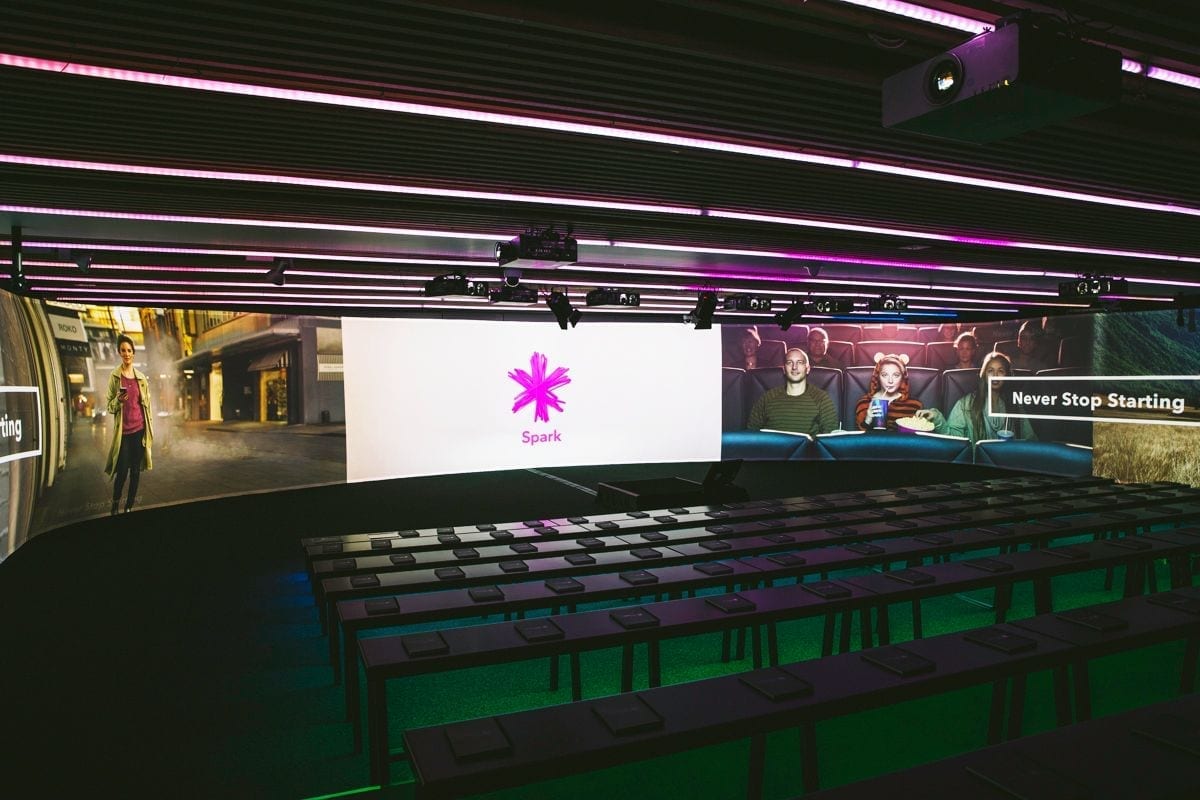
    Spark New Zealand has revealed it is formally opposing rival Vodafone New Zealand’s planned merger with Sky Network Television.

    The operator announced it has made a submission to competition regulator the Commerce Commission opposing the proposed merger on the grounds that Spark feels it is not in the best interest of consumers.

    Spark GM for regulation John Wesley-Smith said based on Sky’s current wholesale market arrangements for premium sports content, the company has told the Commerce Commission that the merger should not go ahead in its current form.

    “Sky has a monopoly on rights for premium ‘national sports’ in New Zealand. Given Kiwis’ love of these sports, they are ‘must have’ rights for media content providers,” he said.

    “Sky’s business model seems increasingly focused around sports, which underlines how effective their monopoly is in this space. The proposed merger with Vodafone is likely to entrench that monopoly, and that’s something all New Zealanders should be concerned about.”

    He said Spark has previously abandoned an earlier reselling deal with Sky three years ago because it was not financially viable, and it relied on an outdated distribution model involving reselling Sky boxes for pay TV services that no longer works for the operator’s customers.

    “We believe if the Commerce Commission blocked the proposed merger, Sky would be forced by commercial realities to make all of its sports content available online and on-demand – and via wholesale arrangements with lots of parties that help distribute this content to New Zealand consumers,” he said.

    Sky and Vodafone announced a proposed NZ$3.44 billion ($2.5 billion) reverse takeover deal in June involving Sky Network TV buying the operator in exchange for a 51% stake in the combined company.

  • NZ’s UFB network now reaches over 1m premises

    NZ’s UFB network now reaches over 1m premises

    More than one million premises in New Zealand, including households, businesses, schools, and hospitals, are now connected to the government’s Ultrafast Broadband (UFB) network.

    “This means 2.4 million New Zealanders are now able to connect to UFB, which is an outstanding achievement this far into the build,” said Communications Minister Amy Adams as she released the latest quarterly report on the UFB and the Rural Broadband Initiative (RBI) programs.

    The report noted that in the last quarter, approximately 240,000 users were connected to UFB, up 22.4% on last quarter. The uptake nationwide is at 23.9%, which covers 19 of 33 towns and cities.

    “There are now more than 830 new households and businesses connected to fiber every working day – more than one every minute – as New Zealanders realize the benefits of the government’s investment in high-speed broadband,” Adams said.

    “Internet connectivity has become an essential part of the day to day life, and access to faster broadband opens up opportunities across business, health, education and within the local community,” she added.

    The first phase of the UFB program aims to connect 75% of New Zealanders with fiber to the premise by end 2019. The network is capable of peak speeds of at least 100Mbps.

    Meanwhile, the government’s Rural Broadband Initiative (RBI) has also been completed and now benefiting 300,000 homes and businesses.

    The government has invested $300 million investment into the program to improve rural access to broadband connections.

    Adams said prior to the RBI build, only 20% of rural lines were capable of speeds around 5Mbps. With the completion of the first phase of the project, this has been increased to 90% of rural New Zealand households and businesses, with speeds well in excess of the 5Mbps threshold.

    The minister also reported that all New Zealand state and state-integrated schools are now able to connect under RBI or UFB, or the Remote Schools Broadband Initiative. Around 39 rural hospitals and integrated family, centers are able to access peak speeds of 100 Mbps under the RBI.

  • Alliance Group market-ready lamb packs to hit Chinese shelves

    Alliance Group market-ready lamb packs to hit Chinese shelves

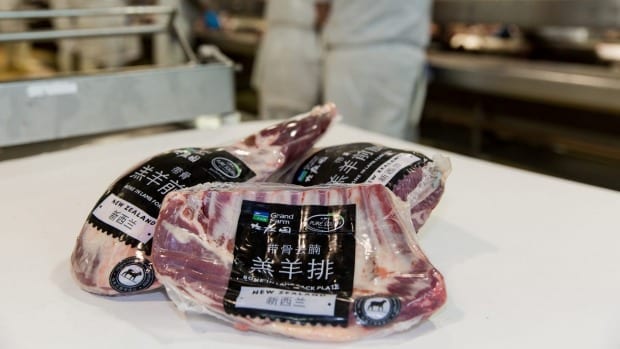
     Alliance Group’s lamb packs for the Chinese retail market.
    Alliance Group’s new lamb range of market-ready retail packs will be launching in China next month.

    The co-branded lamb range will land in China’s retail and food service sectors as the co-operative and its in-market partner Grand Farm strengthen their close ties.

    The initial focus  will be on the upper end of the Chinese market in Beijing, Shanghai, Guangzhou, Shenzhen and Harbin The lamb will be available from eight retail chains boasting 200 selected outlets before being rolled out to other parts of the country.

    Alliance chief executive David Surveyor said the New Zealand-packed lamb was designed for the Chinese market and co-branded Pure South and Grand Farm.

    “It marks a major milestone in our vision to create new product forms and ranges that will be either produced from source or further processed in the market to meet the growing demands of China’s food service sector.”

    The regions were selected based on the higher buying power of their consumers, concentration of foreigners and higher economic activity, he said.

    “This initiative will help us build a deeper understanding of the supply and value chains and eventually secure the added value we are seeking in this market with a ‘packed-at-origin’ offering.”

    Alliance’s focus in China was to obtain more market value for its 5000 farmer-shareholders by understanding consumer tastes and improving its matching of products and markets, as well as investing more in new products and packaging, he said.

    In April, the co-operative signed an agreement with Grand Farm at a ceremony in China. The agreement, which signals further strategic co-operation between the pair, sets out a  plan to improve the returns and add value to both businesses.

    Grand Farm is the best known distributor and marketer of top quality red meat in northern China. The company owns 96 meat shops, operates 260 branded meat counters in selected hypermarkets and supplies over 1000 hypermarkets in China.

    Alliance has been working in China since the mid-1990s and is now the country’s largest exporter of New Zealand lamb to the country.


  • New Zealand opens technology center in Vietnam

    New Zealand opens technology center in Vietnam

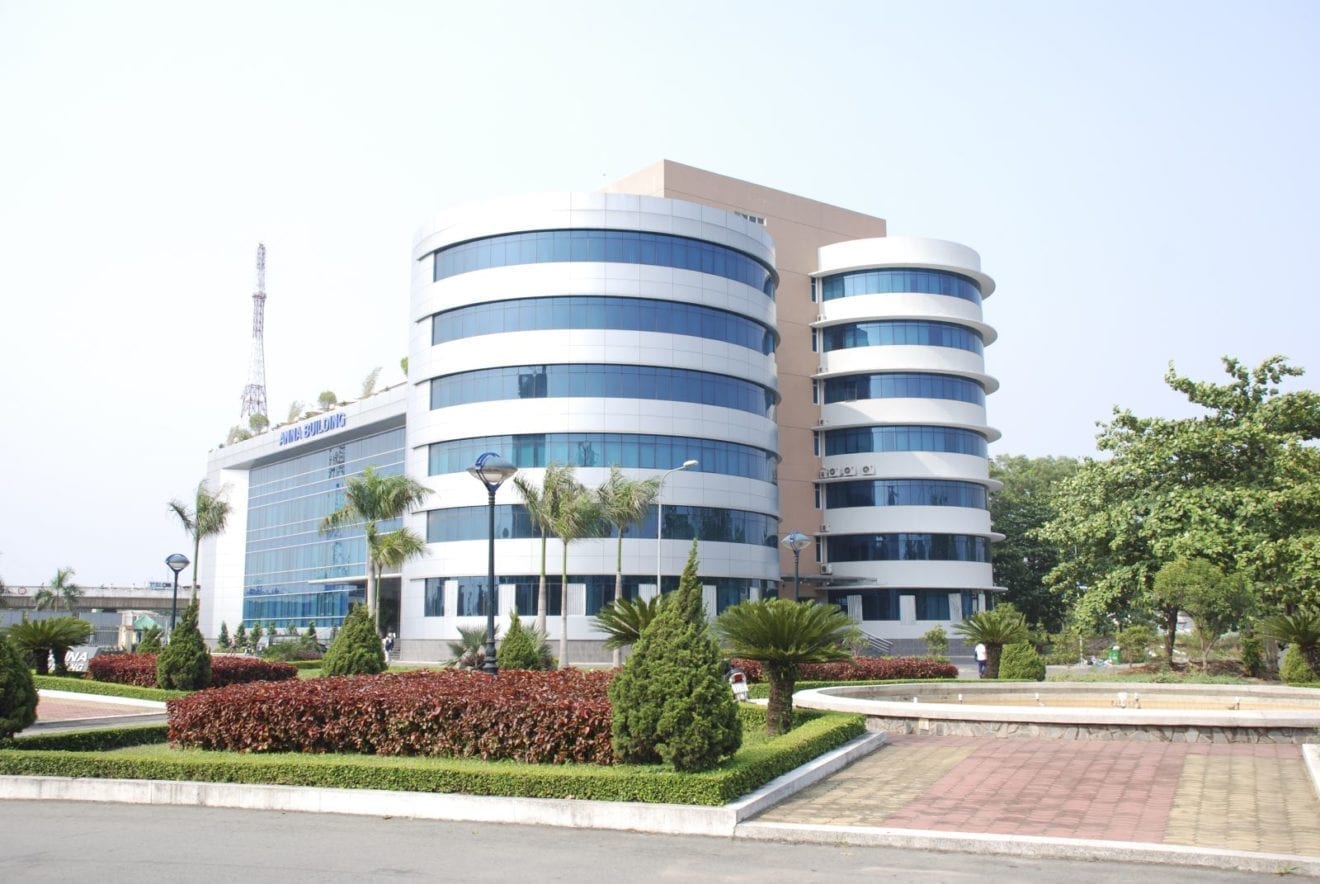
    New Zealand has opened a new technology center at Quang Tring Software City in Ho Chi Minh City.

    The Kiwi Technology Center is envisioned to be a hub for New Zealand tech companies investing and doing business in Vietnam and the ASEAN region.

    The first companies to set up shop in the center include software services business Augen Software Group which won the Vietnam IT Excellence award last year, healthcare technology companies Orion Health and HealthTech and apparel manufacturing optimization firm ShapeShifter.

    “This is a fantastic opportunity for New Zealand technology companies and I look forward to more of them utilizing the Kiwi Connection hub and meeting with businesses from around the region who want to work with New Zealand companies and use technology services from within ASEAN,” said New Zealand’s Economic Development Minister Steven Joyce in a statement.

    Joyce also announced last week a project to build a New Zealand-Vietnam friendship bridge in Ho Chi Minh City to celebrate the ties between the two countries.

    Vietnam is New Zealand’s fastest growing trade market in Southeast Asia, with merchandise exports reportedly doubling since 2007.

  • New Zealand’s Woosh Wireless enters administration

    New Zealand’s Woosh Wireless enters administration

    New Zealand wireless broadband provider Woosh Wireless has entered voluntary administration after burning through more than NZ$100 million ($67.7 million) in cash since it was founded.

    The operator has appointed local advisory and investment firm KordaMentha as administrators for the proceedings. The first meeting of creditors will be held early next month.

    Woosh was founded in 1999 and bought out by California-based Craig Wireless for $5 million in 2011.

    The company sold its fixed line network to rival Slingshot last year, and sold one of its three spectrum blocks – a 70 MHz lot of 2300-MHz spectrum – to Spark New Zealand for NZ$9 million in April.

    A KordaMentha partner said the company will be mindful of customers who rely on Woosh Wireless for their broadband services, particularly in remote areas in rural parts of Southland, where there is a strong concentration of subscribers.

  • Indonesian Embassy Introduces Ijen Coffee in New Zealand

    Indonesian Embassy Introduces Ijen Coffee in New Zealand

    The Indonesian Embassy in Wellington held the “Coffee Talk and Coffee Cupping” event to promote Indonesian coffee by brewing Java Arabica coffee from Mount Ijen, Banyuwangi.

    “The presence of Ijen Coffee will add more variety to coffees served in cafes in Wellington, which is known as the world’s capital of coffee,” said Jose Tavares, New Zealand Ambassador to Indonesia.

    Tavares added that Indonesians should be grateful because the country has numerous variety of specialty coffee from Aceh to Papua.

    The event was attended by representatives from several coffee companies in Wellington. They also provided with the chance to taste the flavor of Ijen Coffee during the coffee cupping event.

    The event is also expected to increase Indonesia’s coffee export to New Zealand, which reaches up to a monthly average of 60 tons in 2015.

  • New Zealand Eyes More Investment in Indonesia

    New Zealand Eyes More Investment in Indonesia

    Franky Sibarani, Chairman of the Indonesia Investment Coordinating Board (BKPM) met with Indonesian Ambassador to New Zealand Joze Tavares in Auckland last Wednesday, May 4, 2016. The meeting was held to coordinate New Zealand’s plan to increase its investment in Indonesia.

    “To attract more investment, the BKPM will [cooperate] with the Indonesian honorary consul in Auckland, which is also the President of the ASEAN Business Consul,” Franky said after the meeting.

    Franky added that the BKPM will continue to coordinate with Indonesian representative in New Zealand to follow up potential investments.

    Jose Tavarez welcomed the Indonesian government initiative to market possible investments in New Zealand.

    “New Zealand has large potential related to the development of renewable energy, specifically geothermal [energy],” Tavares said.

  • Major gains made in commercial meat export agreements with China

    Major gains made in commercial meat export agreements with China

    A multimillion dollar deal with a farming corporation in China will see New Zealand’s  Alliance Group become one of the largest exporters of meat in that market.

    The “grand alliance” between Alliance Group and Beijing Businesman Chen Xibin, who owns Grand Farms, will help to boost large volumes of valued-added sheep meat and venison products into the Chinese market

    The deal was signed at an event in Beijing, where Prime Minister John Key is leading a 40-strong trade delegation.

    Alliance chief executive David Surveyor said it shifted the relationship from a transactional one, to a value-added one, which included services and expertise training.

    But the deal is around the export of frozen meat only. Restrictions on chilled meats meant New Zealand could not export chilled meat to China, although Australia delivered its first shipment of chilled meat this year, under their FTA.

    Surveyor said he believed chilled meat exports were inevitable, but could be some time away.

    “These are matters for Government obviously to work through, but there’s a great usefulness to New Zealand and to Chinese consumers to see chilled happen.”

    Alliance Group is a co-operative owned by 5,000 farmer shareholders, headquartered in Invercargill, with eight plants across the country.

    It’s New Zealand’s largest sheepmeat processor, and it’s second largest meat exporter.

    Its in-market partner in China is Grand Farms, China’s single largest importer of sheepmeat. The company processes 70 per cent of the lamb supplied by Alliance Group into lamb rolls, kebabs and finished retail ready products.

    Volumes of exports to China have already increased by 35 per cent over the past five years.

    Alliance general manager marketing Murray Brown said the agreement was built on a 17-year relationship already established with Grand Farms.

    “We’re looking at more value in terms of retail packs of lamb and retail packs eventually of venison and beef under the Pure South brand to go to retail.

    “But basically [Chen] wants to be the largest importer of sheep meat, to support his investment in processing facilities in the market.

    “Largely through us, and it will reach a level at some stage where we won’t be able to service it so then the next stage after that, which is a discussion we’re yet to have, is do we source it on their behalf,” said Brown.

    Surveyor said Alliance used to be a much larger company than Grand Farm, but the rapid growth of Grand Farm was a testament to the scale of the Chinese market.

    “There is some prospect that at some moment in time, we won’t be able to meet all of their needs, and so I think that creates that opportunity for us to perhaps be able to work with some of the other players in the New Zealand industry.”

    Grand Farm owns 96 meat shops, operates 260 branded meat counters in selected hypermarkets and supplies to over 1000 hypermarkets in China.

    Surveyor would not comment on the value of the deal, but said Alliance put about 20 per cent of its total volume into China.

    “We’re about $1.5 billion in turnover, and by far the majority of that is through Grand Farm.”

  • Smiggle’s global expansion accelerates

    Smiggle’s global expansion accelerates

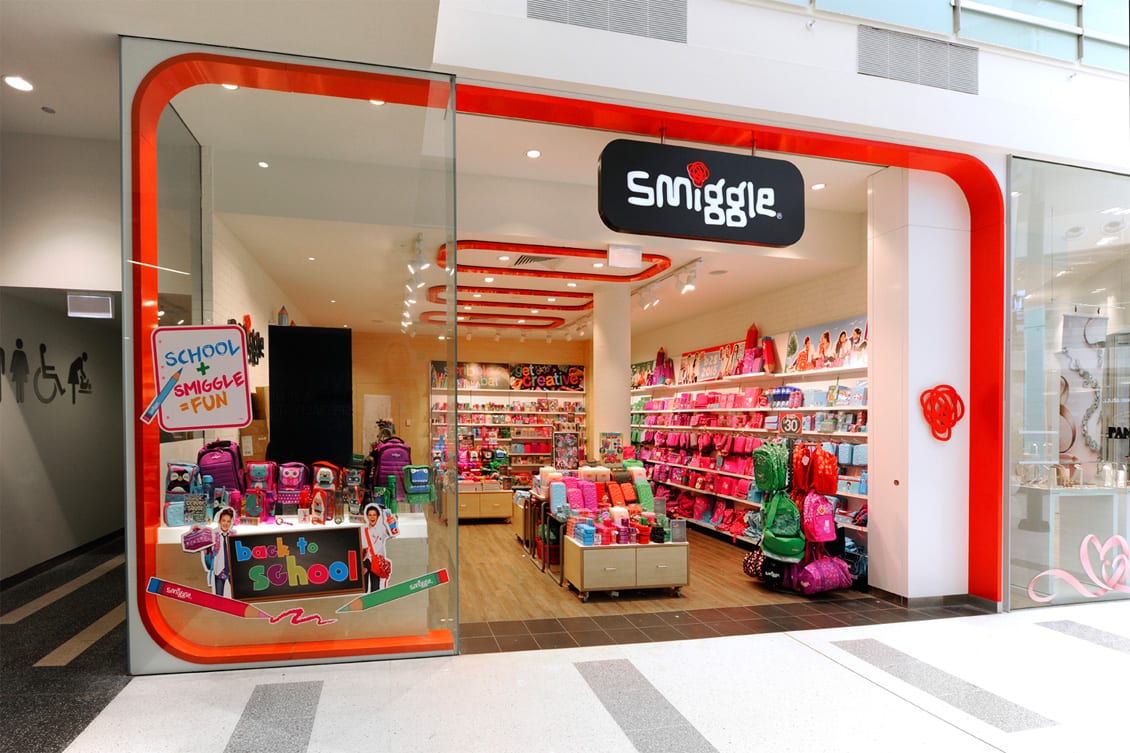
    Billionaire businessman Solomon Lew has unveiled a new target of 100 new Smiggle UK stores by Christmas.

    A further 40 to 60 of the popular stationery stores are planned to open in the UK each calendar year from 2017 to 2019.

    Smiggle is the highlight of Mr Lew’s retail investment arm Premier Investments which owns seven brands, including its other core brand, designer sleepwear Peter Alexander.

    Mr Lew, the chairman of Premier Investments, said he was confident Smiggle would conquer the world.

    “This brand will be successful in every country in the world where there are children,” he said.

    “This market is going to grow and grow and become a world brand.”

    Smiggle’s global sales rose 46.5 per cent in the six months to January 30 with strong like-for-like sales in all four countries it trades in, including Australia, New Zealand and Singapore.

    Mr Lew said the standout was Smiggle UK which continued to trade ahead of expectations.

    The UK business had 42 stores by the end of the half and is on track to achieve 200 stores and $200 million in sales within five years.

    Smiggle’s rollout in Asia is also on track with its first Malaysian store to open in April and its first Hong Kong store set to open in May.

    Malaysia and Hong Kong is expected to have a total of 50 stores in five years.

    All of Premier Investments’ brands, including Just Jeans, Dotti, Portmans, Jacqui-E and Jay-Jays, recorded like-for-like sales growth in the first half.

    Peter Alexander’s sales grew 22.5 per cent, with eight new store openings in Australia and New Zealand during the half.

    Total group sales rose 15.1 per cent to $565 million and net profit climbed 26 per cent to $71.5 million in the half.

    Mr Lew said the company’s balance sheet was strong and the group remained open to potential future acquisitions.

    Premier’s shares closed 60 cents, or 4.1 per cent, higher at $15.31.

    PREMIER’S PROFIT JUMPS ON STRONG SALES:

    * Net profit up 26pct to $71.5m

    * Revenue up 15.1pct to $565m

    * Fully franked interim dividend up two cents to 23 cents

    SMIGGLE STORE COUNT IN FIRST HALF:

    * 126 in Australia

    * 23 in NZ

    * 18 in Singapore

    * 42 in the UK

  • Refurbished building in Auckland’s ‘China Town’

    Refurbished building in Auckland’s ‘China Town’


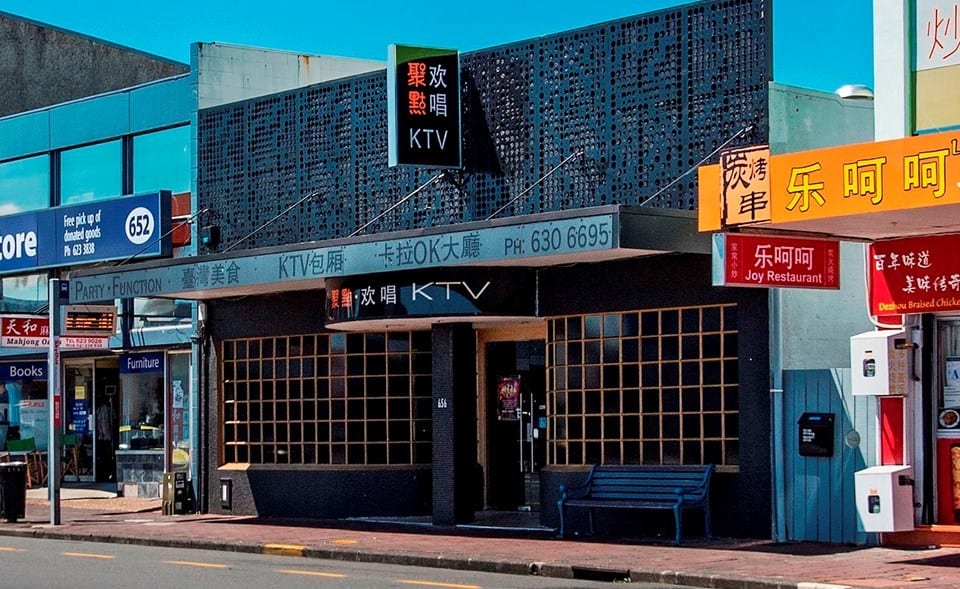
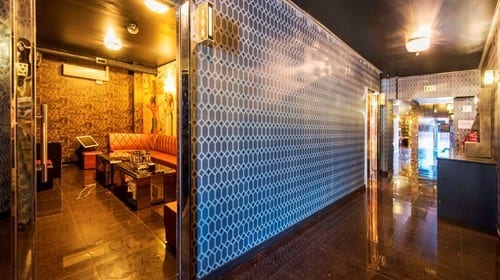
    A building in Mt Eden’s Dominion Rd, now leased to a karaoke and hospitality business, reflects the changing face of the area.

    The 500sq m premises comprising two inter-connected buildings, on 539sq m of land at 654-656 Dominion Rd, is being offered for sale with a new four-year lease to Base KTV Entertainment Ltd. It is producing net annual rental income of $96,000 plus GST.

    Featured in Bayleys’ Total Property portfolio, it is being marketed by Damien Bullick and Phil Haydock, Bayleys Auckland and is for sale by tender — closing on Tuesday, April 12 — unless sold prior by negotiation.

    “This is an excellent freehold investment opportunity in a popular commercial and residential location,” says Bullick. “It is centrally positioned in the bustling Balmoral retail strip, just south of Balmoral Rd, and benefits from a high-profile frontage to Dominion Rd as well as off-street parking for five cars at the rear, which can be accessed off Rocklands Ave.”

    TRUECOMM654 Dom Rd Interior.jpg

    The property is made up of two parts: the original single-level retail frontage on to Dominion Rd, believed to have been constructed in the 1950s, and a more modern two-level adjoining building which was built on the rear of the property in 1993.

    This adjoining building was designed by award winning Auckland architect Pip Cheshire and built by Haydn & Rollett Construction.

    In the mid 2000s the building was converted into a hospitality complex aimed at the local Chinese community with a pool hall, bar and restaurant at ground level, with karaoke rooms in the mezzanine level upstairs.

    China Town

    “This adaptation fitted in with the changing face of Dominion Rd which has become Auckland’s defacto “China Town”, and is now a thriving and eclectic mix of ethnic restaurants, entertainment venues and retail shops,” says Bullick.

    “The current occupant has shown a strong commitment to the property by investing a substantial amount on the refurbishment of the building’s interior to create an impressive, modern tenancy with upgraded kitchen and bathrooms facilities, additional mezzanine floor area and air-conditioning throughout.”

    TRUECOMM 654 Dom Rd another view.jpg

    Haydock says the property’s favourable zoning provides add-value potential. The Business 2 zoning and the Proposed Auckland Unitary Plan zoning of Business Local Centre both permit buildings of up to 12.5 metres (three levels). The proposed Local Centre zoning allows for commercial uses on the lower levels with residential above.

    “An increasing number of properties along Dominion and Mt Eden Roads now contain a mix of business and residential tenancies and there could be potential to further develop the site further down the track given its high profile city fringe location which offers handy access to public transport and is a short distance from Mt Eden Village and Auckland’s CBD. A thriving residential market in Balmoral /Mt Eden also adds to the long term desirability of this property.”

    Haydock says there is likely to be further significant development and rejuvenation in the surrounding area following the granting of a resource consent last year for The Warehouse to develop a 1.2ha site near the intersection of Balmoral Rd and Dominion Rd, also bordered by Rocklands Ave.

  • Tourism ministry promotes Wonderful Indonesia in Auckland Festival

    Tourism ministry promotes Wonderful Indonesia in Auckland Festival

    The Indonesian tourism ministry joined the Auckland International Cultural Festival to promote Wonderful Indonesia on March 20, I Gde Pitana, deputy tourism minister in charge of the international tourism market development, said here, Sunday.

    New Zealand is a potential tourism market that needs to be exploited optimally, according to him.

    The ministry will be more serious in exploiting market in New Zealand whose people have a high prosperity level, he stated.

    In the international festival, Indonesia would present cultural and art performances, he said.

    The Indonesian delegation to the festival is headed by Titik Lestari, head of a sub-department in charge of culinary and music, of the tourism ministry.

    The delegation includes members of the Sanggar Gea Asmara art group.

    “They will present traditional dances during the Auckland International Cultural Festival, such as Bajidor Kahot dance, Cendrawasih dance, Alusia dance, and Piring dance,” he said.
    (T.H016/Uu.F001)

  • Asian retail outlook: “more cautious”

    Asian retail outlook: “more cautious”

    High operating costs – particularly rents and labor in Asia – will ensure retailers are more cautious this year, concludes real estate specialist CBRE.

    In its annual Asian retail outlook, the company’s research department predicts many retailers will shift their strategic focus from expanding their store networks to rationalisation, improving in-store profitability and upgrading to better locations.

    That trend is expected across the broad Asia-pacific market, including Hong Kong.

    “Leasing activity will diverge across markets, with Australia, Japan and New Zealand the most upbeat, whereas Hong Kong and Singapore will continue to struggle,” CBRE concluded.

    “Driven by ongoing urbanisation and wage increases, Southeast Asia will also see solid leasing activity. Demand across the region will be led by food and beverage retailers, while affordable and niche luxury brands will also be active.”

    CBRE also warns the rise of online shopping will continue to force shopping malls to embrace ‘retail-tainment’ and adjust their trade mix to include more experience-oriented retailers to retain foot traffic. Around 63.8 million sqft of new shopping center supply is scheduled to be completed in 2016. Against the sluggish leasing demand and ample new supply, overall retail rents are forecast to experience a mild correction of below 1 per cent in 2016.

    In a broader property outlook, CBRE forecasts that due to Asia Pacific’s steady economic growth – which will continue to outpace the rest of the world in 2016 – investment activity in the region will remain solid, although activity will be limited by asset pricing and availability.

    “The region’s investment market will continue to see strong demand from real estate funds and institutional investors. Institutional investors will continue to invest in Asia Pacific to increase their exposure to real estate for strategic diversification,” said Dr Henry Chin, head of research, CBRE Asia Pacific.

    “That said, Asia Pacific will enter a period of slower growth in the commercial real estate market with activity likely to moderate over the course of the year as it becomes more challenging to source investable stock able to meet investors’ target returns. Interest rates will remain low in 2016 so yields are largely to remain stable across Asia Pacific. However, we are expecting to see a mild yield expansion in 2017 together with the rise in interest rates.”

    The economic slowdown in China – as well as higher-than-expected US interest hike rates, and currency volatility – will also remain a key concern for investors, given the scale of its impact across the whole region.

    “However, macro trends of urbanisation and the rise of the middle class remain largely unchanged and will continue to drive growth across Asia.

    “There are structural investment-themed opportunities for investors to focus on in 2016, such as the growth of e-commerce, regional tourism and demographic changes. Demographic changes will create opportunities in niche sectors such as self-storage facilities, senior and student housing, and data centers,” said Chin.

    “Regionally, active markets will continue to be led by Australia and Japan, whilst India expects to see a positive year following the relaxation of FDI norms at the end of last year.

    “China will also remain on the radar for most international investors although demand will be largely confined to tier I cities. Overall, the long-term outlook remains positive for the region,” he concluded.

    CBRE’s 2016 APAC Real Estate Market Outlook report can be downloaded here.

  • Lewis Road Creamery eyes China as potential export market

    Lewis Road Creamery eyes China as potential export market

    Lewis Road Creamery will make a final decision this year whether to export fresh organic milk into China’s Shanghai.

    The premium dairy brand company is also planning to release a number of product extensions and has already moved beyond dairy products into baked goods.

    Lewis Road had 340% growth in retail sales to $40 million of its butter, cream, organic milk, and flavoured milk products during 2015 – the year founder Peter Cullinane calls “the chocolate milk frenzy.”

    His big decisions this year include whether to get serious about exporting and how far to extend the product range beyond dairy. For the past couple of months the company has been trialling sales of Lewis Road Bakery premium kibbled grain bread in 12 Auckland retail outlets.

    Mr Cullinane says the company is exporting small amounts of butter to Australia and has been investigating a wider move, in particular fresh organic milk to Shanghai. Other markets under consideration include Australia, the UK, and the US, though he thinks the latter may be beyond the company’s current reach.

    One of the advantages of being a small operator under a majority owner is the company he founded in 2011 can make decisions more quickly than some of its larger rivals, Mr Cullinane says. “When we do [export], we will do it quickly.”

    But he thinks New Zealand companies are too focused on export, forgetting the local market.

    “We will export when we are doing New Zealand really well,” he says.

    The company’s phenomenal growth in chocolate milk sales, which on launch in 2014 saw queues in supermarkets and security guards overseeing allocation, has abated from 48% between the last quarter of 2014 and the first quarter of 2015 to more normal levels.

    “It was a once-in-a-blue-moon phenomenon,” he says. “But it was an extraordinary boost to the business.”

    Two million litres of chocolate milk were sold last year, with retail sales still a respectable $5.5 million in the fourth quarter of 2015. Discounted bottles have been spotted on sale of late, which Mr Cullinane attributes to an ordering glitch.

    Vanilla and coffee flavours were introduced when it extended flavoured milk into the South Island in October and he says other flavours will be added this year: think strawberry with real fruit.

    Other dairy brand extensions are planned in coming months, which Mr Cullinane prefers to keep under wraps for now but the cream range will have sour cream and crème fraiche added at some point.

    The company’s organic milk sales continue to grow despite increased competition, with Goodman Fielder releasing its own range of three premium organic milks under the Puhoi Valley brand last year and Fonterra launching Anchor Organic last May.

    At the time, Mr Cullinane labelled Goodman’s move “pathetic plagiarism” but has now mellowed to “all competition is good.”

    “The impact it will have is more a slowing down of growth,” he says. “It took us a long while to get well-established and others will struggle to catch up. We have a good head start.”

    Lewis Road holds half of the domestic organic dairy market, which has seen significant growth in the past two years, providing the bulk of increases in fresh milk sales.

    Problems with lack of supply during the dry season mid-2014 were avoided last year following the setting up of the Organic Dairy Hub farmer collective, which has long-term supply contracts at a premium price with the brand’s processor, Green Valley Dairies.

    Mr Cullinane says two key things he was mulling this year were “bringing the farmers market to the supermarket” with fresh premium products such as bread and honey, and meeting “customer demand for products that have more and better ingredients put back in.”

    He received a staff gift this Christmas – a bell that will sit on his desk. It’s an idea originating from the Guinness brewery company where staff ring the bell when things start going off track, he says.

    “Some products we will get wrong…that’s the price of experimentation, you just have to do it and hopefully nothing will be too wrong.”

    (BusinessDesk)