Tag: New Zealand

  • Flight Centre buys two New Zealand travel firms

    Flight Centre buys two New Zealand travel firms

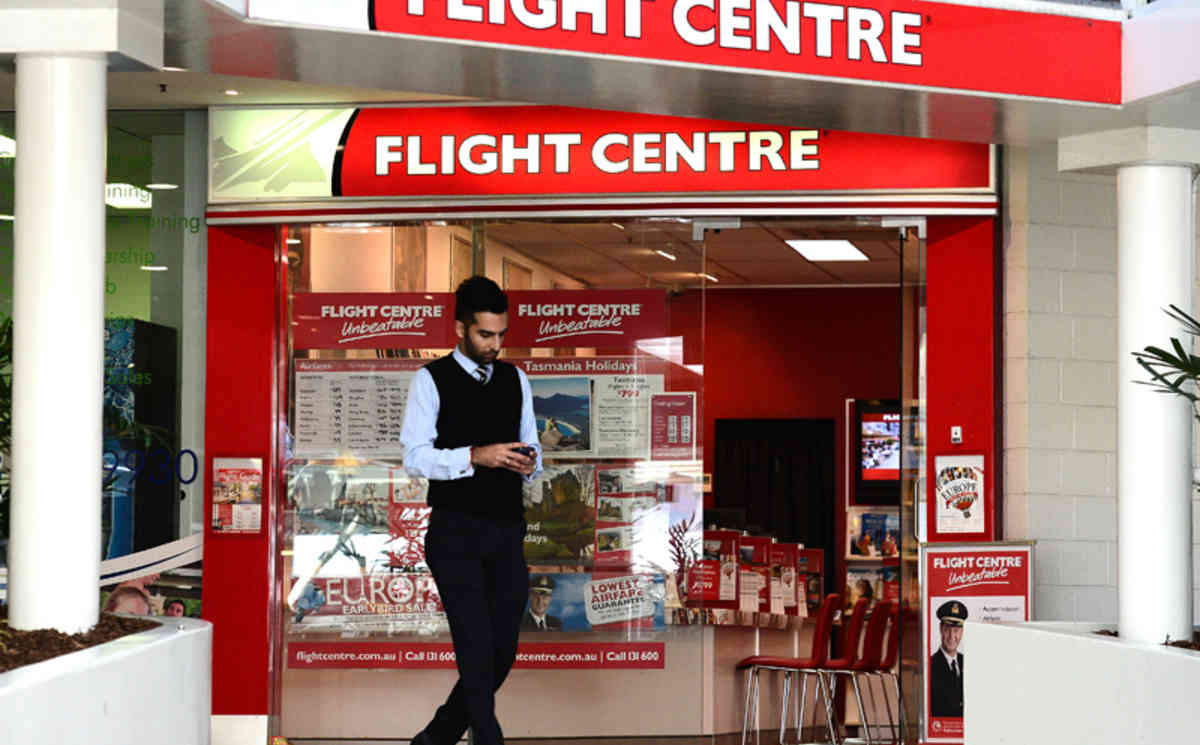
    ASX-listed Flight Centre Travel Group will buy two local travel firms for an undisclosed sum, expanding its footprint in New Zealand and making it one of the country’s biggest travel management groups.

    The Brisbane-based company on Monday said it had agreed to buy Travel Managers Group (TMG) and Executive Travel Group (ETG), without providing details of the transactions, making New Zealand the Australian firm’s fifth biggest business globally.

    The two businesses will add $3 million of annual earnings before interest, tax, depreciation and amortisation, and Flight Centre said their addition will boost the New Zealand business to almost $1.5 billion in annual sales in the 2018 financial year.

    “ETG will enhance our already strong corporate travel offering in New Zealand and will give the business additional scale and expertise,” Flight Centre managing director Graham Turner said in a statement to the ASX.

    TMG provides systems and support to a network of 180 travel brokers and operates a 22-shop franchise network including 12 TravelSmart shops and 10 other non-branded stores, while ETG is New Zealand’s biggest independent corporate travel manager.

    Former Flight Centre staffer Kevin Weston co-owns ETG, which was set up in 1978 and he and business partner Nicola Jamieson bought a 40 per cent stake in TMG in 2014.

    Weston, Jamieson and TMG shareholder David Wallace will keep running the two businesses, and report to Flight Centre New Zealand managing director David Coombes.

    Flight Centre will use company cash to pay for the acquisitions, which are expected to settle in the first quarter of the 2018 financial year. No price was disclosed, although Flight Centre said they were in line with normal multiples. The ETG purchase includes extra payments if certain earnings targets are met.

    The ASX-listed company’s shares last traded at $A43.50 ($NZ46.33) and have jumped 39 per cent so far this year.

  • New Zealands’s ComCom to review $2b mobile market

    New Zealands’s ComCom to review $2b mobile market

    New Zealand’s Commerce Commission has agreed to launch a review of the nation’s NZ$2.7 billion ($2 billion) mobile market in the coming year.

    The competition regulator has been asked by New Zealand telecommunications commissioner Simon Bridges to evaluate why there are relatively few MVNOs in the market.

    Bridges has encouraged the regulator to investigate whether competition in New Zealand’s mobile sector is working effectively.

    According to the report, the commission is currently considering the scope of the review, which will be determined in consultation with operators.

    While New Zealand has three mobile operators – Spark, Vodafone New Zealand and 2degrees – MVNOs form a less important part of the mobile ecosystem than in other markets, Bridges argued.

    But mobile operators have questioned the need for a review, stating that competition is already working effectively.

    The commission already conducts annual benchmarking of prices and services in the mobile market against international averages.

    The most recent report found that prices for bundled voice, SMS and data packages are below the average from other OECD countries, but data-only offerings are comparably expensive.

  • H&M continues New Zealand expansion

    H&M continues New Zealand expansion

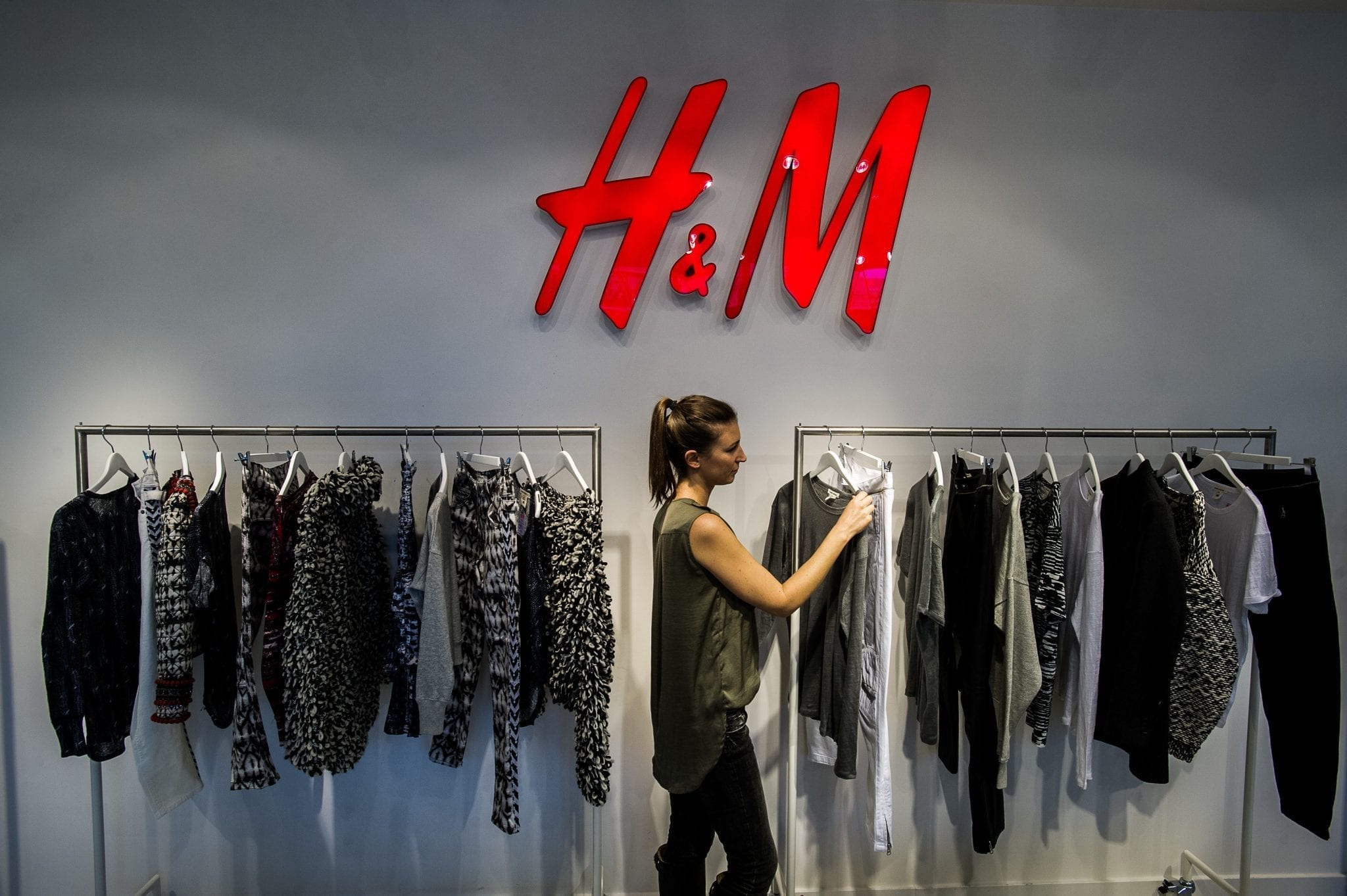
    Swedish fast fashion chain, Hennes & Mauritz AB (H&M), has confirmed its second store in New Zealand will open on September 9.

    Located at The Crossing in Christchurch’s CBD, the new location follows the opening of H&M at Sylvia Park Shopping Centre in Auckland last October.

    Spanning 2535 square metres and set over two levels; the Christchurch store will house apparel, underwear and accessories for men, women, kids and baby, as well as being the first H&M store in New Zealand to offer the Home concept.

    “We are also looking forward to introducing our H&M Home concept to our customers for the first time and cannot wait to see the response on opening day,” said Hans Andersson, Australia & New Zealand Country Manager for H&M.

    The global fashion chain entered the New Zealand market in 2016 with the opening of its first store in Sylvia Park Shopping Centre, Auckland, and will open its first store in Wellington at Queensgate Shopping Centre later this year.

    In its most recent results, H&M saw revenue including VAT increase by 7 per cent in local currencies during June compared to the same month the previous year.

    The total number of stores in the group amounted to 4,517 at the end of June compared to 4,095 the previous year.

    In its recent half-year results, sales, including VAT, grew by 9 per cent to SEK113.907 billion (US$13.4 billion) for its first half.

    Meanwhile, H&M said it will no longer publish monthly sales figures, instead opting to report its results on a quarterly basis and begin holding capital market days for company shareholders.

    Karl-Johan Persson, CEO of H&M, said that a month is “far too short a period over which to assess how sales are developing and in fact, a single month’s sales can actually be misleading, since calendar and weather effects – among other things – may significantly affect the outcome.”

  • Hawaiki commissions cable landing station in New Zealand

    Hawaiki commissions cable landing station in New Zealand

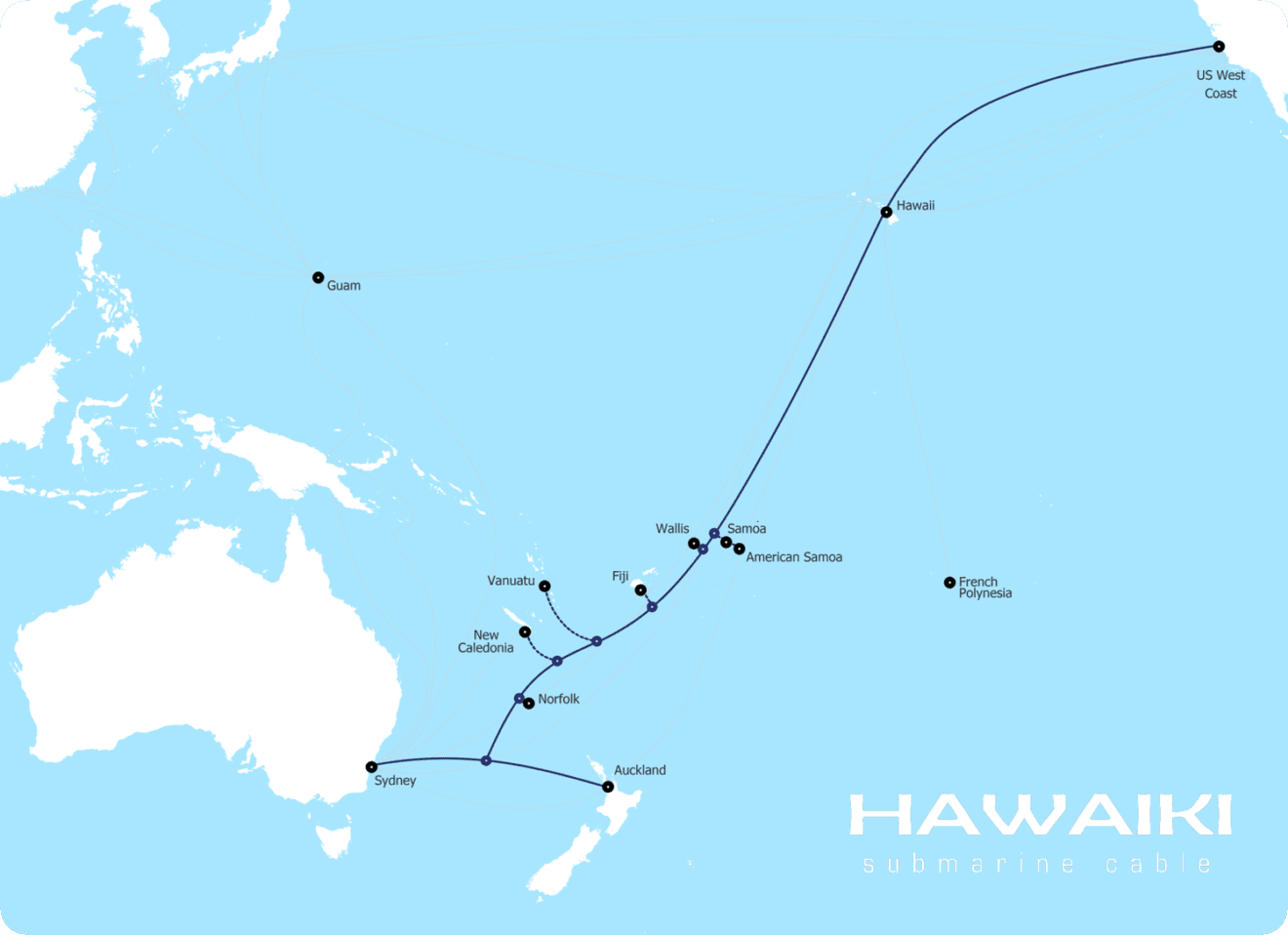
    Hawaiki Submarine Cable, the company building a subsea cable between Australia, New Zealand, Hawaii and the mainland US, has commissioned the construction of the New Zealand cable landing station.

    New Zealand electrical engineering and construction company McKay has been commissioned to construct a landing station at Mangawhai Heads on New Zealand’s North Island.

    The multi-million dollar contract covers the complete civil, building and electrical work, including standby generation and uninterruptible power supply systems.

    “This contract represents a key step forward for Hawaiki system deployment in New Zealand,” Hawaiki CEO Remi Galasso said.

    “We are proud to participate to the economic development of the Northland region and are confident that McKay will deliver this critical piece of infrastructure in the most efficient and timely manner.”

    The Hawaiki cable is scheduled to be ready for service by June next year. As well as the main route, the cable will have options to branch to several islands in the South Pacific, including Fiji, Tonga, New Caledonia and American Samoa.

    The cable will have a design capacity of 42Tbps, making it the highest cross-sectional capacity link between Australia, New Zealand and the US.

    In May, Hawaiki announced that manufacturing of the 14,000km cable is nearing completion.

  • Asics New Zealand launches in Auckland

    Asics New Zealand launches in Auckland

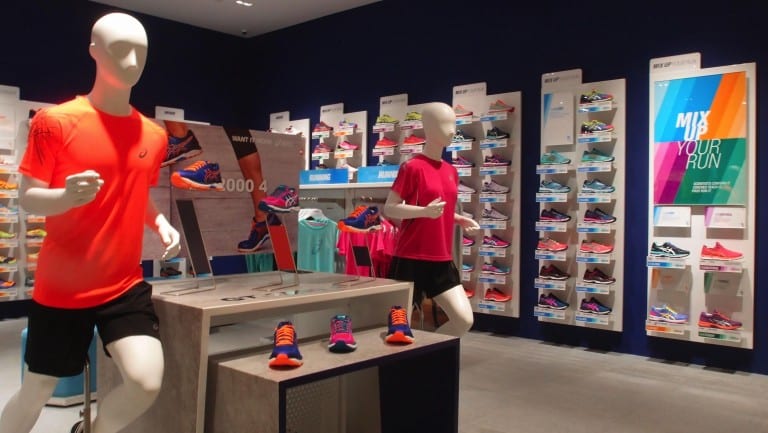
    Sneaker company Asics New Zealand has opened its first retail store in Auckland – one of only nine concept stores for the Japanese brand.

    Covering 203sqm over two levels, the store houses the nation’s only 3D foot-mapping system.

    “If you walk into the store in New York or New Zealand you have the same look and feel – it’s welcoming and comfortable. We are using a lot of wood, for example,” says Asics GM Greig Bramwell.

    “We are showcasing the full range of product, ‘head to toe’, with a focus on developing our apparel business.”

    He says the Shortland Street site is great. “It grabs your attention with big screens on the mezzanine.”

    It is only the second company-owned outlet in Australasia for Asics. It has a Family and Friends Outlet Store in New South Wales, with most of its stores being in Asia and Europe. Asics was founded in Japan in 1949 and has its head office in Kobe.

  • Queenstown retail centre’s first stage complete

    Queenstown retail centre’s first stage complete

    The first stage of the NZ$130 million Five Mile Retail Centre development at the gateway to Queenstown has opened, after the site’s conversion from an abandoned construction project into a state-of-the-art shopping precinct.

    The 14,000sqm site is now home to retailers including Countdown, Briscoes Homeware, Rebel Sport, Warehouse Stationery, Number One Shoes, Supercheap Auto, and ANZ Bank.

    The complex will also eventually accommodate 800 carparks (including 250 underground) food operators, offices, serviced apartments and a child care centre.

    Australasian design firm The Buchan Group was appointed by Queenstown Gateway Ltd in 2012 to complete architecture, master planning, interior and graphics works for the project, located beside Queenstown Airport.

    The site had been home to a 2.4ha hole created from a construction project that was abandoned when the previous developer was placed into receivership in 2008.

    The Buchan Group Principal David Thornton said the first stage of the Five Mile Retail Centre had finally created an inviting gateway to Queenstown from the eastern approach through to Frankton.

    “Our vision was to design a development befitting the region that reflected the unique characteristics of the stunning surrounding vistas,” he said.

    “This meant not only designing a modern retail centre that was appealing to locals and visitors, but also one that was suitably striking for one of the best locations in the Frankton and Shotover region.

    “The buildings also frame view shafts to Double Cone, Peninsula Hill, Cecil peak and Walter Peak, ensuring the development highlights these natural assets.”

  • Over 50 retailers eyeing New Zealand

    Over 50 retailers eyeing New Zealand

    International retailers are continuing to fuel a race for space in the Pacific region, with over 90 groups seeking to roll out stores in Australia and 50 retailers eyeing New Zealand, according to a new CBRE report.

    According to the property firms research, despite the pick-up in activity in recent years – international brand penetration rates in Australia and New Zealand remain low relative to other developed nations.

    The penetration rate in Australia is 28 per cent, which is low relative to other countries in the region including China, Singapore and Hong Kong, all of which have penetration rates in excess of 45 per cent.

    New Zealand’s penetration rate is even lower at 16 per cent, which CBRE said highlights significant catch-up potential in both countries.

    Alistair Palmer, national director of CBRE’s Retail Services Group, said the research also highlighted that international retailers were increasingly viewing the Pacific as one region.

    “Previously, international retailers focused on Australia followed by entry into New Zealand, usually after a few years,” Mr Palmer said.

    “Recent developments indicate that international retailers increasingly view the Pacific as one region, with an initial target of the three main gateway cities of Sydney, Melbourne and Auckland followed by secondary cities in both countries. This is evident by the international penetration rate of Auckland being on par with Brisbane but growing at a more significant pace, on par with Sydney, in the past year.”

    One of the downsides for domestic retailers has been a significant increase in competition for sites and a related increase in rents.

    However, CBRE said that displaced domestic retailers could increasingly seek secondary centres and this will have a positive impact on centres and locations that currently struggle as a result of low retailer demand.

    The report also tips that there will be a shift in the type of international retailers entering the region.

    The head of CBRE’s Pacific Retail Occupier team, Tim Starling, said luxury retailers were the largest group to enter Pacific last year and this trend was expected to continue for a further two to three years. However, a slow-down was then expected as these groups approach their store targets.

    “Over the next five years, we expect mid-range fashion and specialist clothing brands to show a rising contribution to brand entry rates in Australia and New Zealand,” Starling said.

    “These retailers will have a more wide-ranging impact than the luxury brands, as they tend to focus only on CBD or prime regional centre locations.”

    CBRE’s report highlights that the retail landscape in Australia and New Zealand has already undergone significant change, with the arrival of international brands having driven up CBD rents, leading to regional shopping centre redevelopments and the activation of new retail precincts in both countries.

    McNabb said a strong preference for international brands, food and beverage and retail-tainment from the younger demographic was supporting this change, as was an increase in tourist arrivals from China.

    Chinese tourist arrivals have tripled in Australia and quadrupled in New Zealand over the past decade, which is supporting retail trade, particularly in the major CBD markets.

    “Chinese tourists not only spend more per visit, but they also have a higher appetite for goods purchase to take home, as opposed to western tourists,” McNabb said.

    “Another market driver has been Australia and New Zealand’s consumption per capita, which has grown at twice the rate of the U.S. over the past decade. This has contributed to the sales productivity of some international brands being among the highest in the world which, coupled with low international brand penetration rates, is making this region highly attractive.”

  • New Zeeland among world’s technology elite

    New Zeeland among world’s technology elite

    New Zealand is among the world’s stand out digital economies, according to the Digital Evolution Index 2017 launched yesterday by The Fletcher School at Tufts University and Mastercard.

    The research tracks the progress countries have made in developing their digital economies and integrating connectivity into the lives of billions – and put New Zealand with a group of digital elites – characterised by high levels of digital development and a fast rate of digital evolution.

    “We all know technology can do more to improve economies and make our lives better, but growth is only achievable if everyone has confidence in the developing ecosystem,” said Ajay Bhalla, president, global enterprise risk & security, Mastercard. “In our pursuit of a truly connected world, trust and security are critical to successful digital development.”

    With nearly half of the world’s population online, the research examined the development of 60 countries, demonstrating their competitiveness and market potential for further digital economic growth. The Index measures four key drivers and 170 unique indicators to chart each country’s respective course:

    •         Supply (or internet access and infrastructure)
    •         Consumer demand for digital technologies
    •         Institutional environment (government policies/laws and resources)
    •         Innovation (investments into R&D and digital start-ups etc.)

    “Adoption, the quality of digital infrastructure and institutions, and innovation collectively shape a country’s digital competitiveness, but governments also play a key role,” said Bhaskar Chakravorti, senior associate dean of international business & finance at The Fletcher School at Tufts University. “The report also found that consumers’ trust in digital technologies correlates with digital competitiveness.”

    According to their overall digital evolution scores, Norway, Sweden, Switzerland, Denmark, Finland, Singapore, South Korea, the United Kingdom, Hong Kong, and the United States make the top ten list of advanced digital economies.

    The research found developed countries including in Western Europe, the Nordics, Australia and South Korea have a history of strong growth, but their momentum is slowing and are at risk of falling behind. Countries such as South Africa, Peru, Egypt, Greece and Pakistan face significant challenges, constrained both by low levels of digital advancement and a slow pace of growth.

  • Mecca Maxima to launch in Auckland

    Mecca Maxima to launch in Auckland

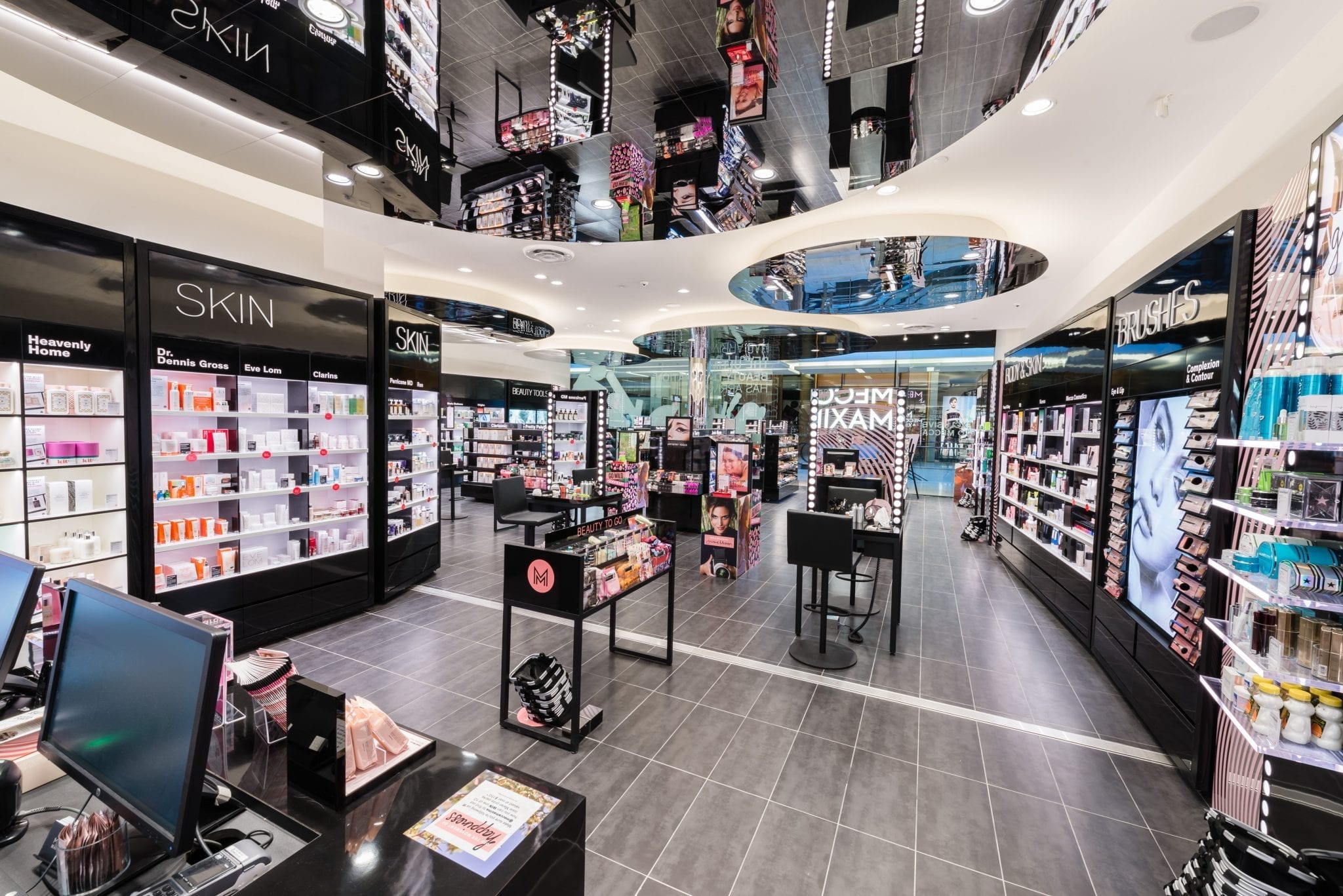
    Cosmetics brand, Mecca Maxima, will open its first Auckland store in the first week of August.

    The 263sqm beauty emporium will stock over 50 global brands in makeup, skin, hair and fragrance categories. It will have 12 stations for makeup applications and skin consultations.

    After first launching in Christchurch then Wellington, the Auckland store will be the first of many to open in the region.

    “New Zealand, you have embraced us with open arms,” said Jo Horgan, Mecca founder. “I have been nothing but humbled by your response to Mecca Maxima and I am very much looking forward to opening more of our stores in this beautiful part of the world and delivering more of our inimitable beauty experiences to you.”

    Mecca Maxima Auckland is the sixth in New Zealand’s Mecca store network of Cosmetica and Maxima beauty destinations, with the company planning on significantly expanding its footprint over the coming years.

  • New Zealand’s Trilogy sets up T-Mall flagship

    New Zealand’s Trilogy sets up T-Mall flagship

    New Zealand skincare company Trilogy has set up a cross-border e-commerce flagship store on Alibaba’s T-Mall platform.

    Trilogy has been exporting to eight countries across Asia, raking in NZ$4 million (US$2.9 million) in sales last year, almost double from the previous year’s $2.8 million.

    CEO Angela Buglass says the online store was set up after the company found a distributor in China.
    Buglass says the T-Mall store is a more formal route to market than the daigou channel, where products are shipped through Chinese personal shoppers recruited by consumers in China to buy and send goods individually.

    T-Mall’s platform means the business has control over the content, price and products being sold. Alibaba this year opened its Australia/New Zealand head office in Melbourne, and Trilogy’s T-mall manager is based there.

    While China is Trilogy’s oldest market in the region, Japan continues to be a strong focus, says Buglass. The Japanese beauty market was worth $84 billion last year, and it has been estimated that while Chinese consumers spend about $30 average a year on cosmetics, Japanese consumers spend about $234.

    Trilogy has also created bespoke products for its Japanese and South Korean customers that better suit humid climates, such as lighter formulations of its rosehip oil and face sprays.

    “You try to keep things as homogenised as possible, but the reality is that Japan needs something different to Korea and Vietnam,” says Buglass.

    She says Asian consumers are very suspicious of products because of counterfeit or fraudulency issues, but New Zealand’s reputation “puts us a step ahead”.

  • ANZ consumers prefer computers over smartphones

    ANZ consumers prefer computers over smartphones

    Consumers from Australia and New Zealand significantly prefer making purchases via desktop, despite browsing traffic continuing to move towards smartphones, according to the latest research from Adobe.

    In its latest report, the software multinational aggregated anonymous data from approximately 100 billion visits to 3,000+ websites across the region during the 2016 calendar year and found that while ANZ consumers are among those leading the shift from desktops (52.5 per cent share of browser traffic) to smartphones (37.7 per cent share of browser traffic), desktop conversion rates (2.9 per cent) were three times that of smartphones (0.8 per cent).

    Comparing data from Australia and New Zealand, Southeast Asia, India, Japan, Hong Kong, South Korea and the United States, the report found that the top 20 per cent of websites in ANZ, are widening the gap compared with average websites, seeing a 5.8 per cent desktop conversion rate versus the average of 2.9 per cent.  Along with Japan (5.8 per cent), ANZ’s best are achieving higher desktop rates than the United States (5.4 per cent).

    Becky Tasker, activity is shifting towards smartphones, consumers in Australia and New Zealand still prefer senior manager, Adobe Digital Insights, said showed that while browsing to make their final purchase via desktop.

    “Smartphone traffic and conversion rates are rising, but ANZ’s best marketers recognise that the desktop is still likely to be the final destination, even in a cohesive multi-device experience,” said Tasker.

    Adobe also said there has been evolution in the way consumers are engaging with the technology. While tech websites maintain one of the highest visit rates, the sector has also seen the time consumers spend during these visits decreasing – the customer journey now consists of interactions that are more numerous, but shorter.

    “With the customer journey now involving an increasing number of interactions across a range of devices, we need to keep pace with changing customer expectations,” said Danielle Uskovic, head of digital & social, Lenovo Asia Pacific.

  • H&M to open in Wellington, New Zealand

    H&M to open in Wellington, New Zealand

    Wellington’s fashion scene continues to grow as H&M (Hennes & Mauritz) opens in Queensgate Shopping Centre, Lower Hutt, later this year.

    The fashion retailer made waves in 2016 when it opened its first store in Sylvia Park shopping centre, drawing in crowds from all over Auckland.

    Now Wellington is getting a slice of the Swedish retailer with plans for the store to open late this year, with more information to be realised closer to the yet-to-be-confirmed opening date.

    Queensgate Shopping Centre was closed late 2016 after the Kaikoura-centred earthquake damaged the building’s infrastructure.

    The centre re-opened early April of this year after parts of the complex were redesigned with shock absorbent technology.

    At the time Diversified NZ Property Trust acquired the shopping centre late November of 2015, the centre was the largest enclosed shopping area in the lower North Island. It is managed by Stride.

    Stride’s general manager shopping centres, Roy Stansfield, says this announcement marks an important milestone in a large project, which has been a long time in the works.

    “We’re incredibly excited that a world-renowned brand like H&M has chosen Queensgate as the location for its first Wellington store. It’s testament to the standard of the centre and the opportunities in the region as a whole.

    “Customers and retailers alike have been curious about the works going on in the centre as we prepare for H&M’s opening, so we’re very happy to be able to finally confirm who this new tenant is,” he said.

    Leading up to the store’s launch, Stansfield says Stride will continue to share information through the company’s website, Facebook page and within Queensgate.

    “We’re very much looking forward to seeing the new store take shape.”

  • Spark taps Nokia to prepare network for 5G

    Spark taps Nokia to prepare network for 5G

    New Zealand’s Spark has contracted Nokia to upgrade the operator’s core infrastructure in preparation of 5G, ultra-fast broadband and the IoT.

    Spark will expand the capacity of its wireless network, which is primarily based on a Nokia IP/MPLS network, with a new router with terabit capacity.

    The three-year contract will see Nokia providing advanced IP and optical equipment and software for the Spark network. The agreement follows Spark’s recent launch of 200Gbps per wavelength fiber link using Nokia optical transport network technology.

    Spark general manager of partnering, procurement and vendor management Rajesh Singhh said the operator is committed to ensuring New Zealand is one of the first countries globally to be ready to adopt 5G. He said upgrading to 5G will help enable the government’s goal of improving broadband services in rural areas.

    “This strategic partnership is a key step for us to realize our vision of a data-driven future for New Zealand. Nokia is helping us to achieve worldwide leadership in preparing for 5G,” he said.

    “It will allow us to offer our customers the most advanced mobile and fixed broadband services anywhere, efficiently and securely.”

    “We are very pleased to continue our strategic partnership with Spark, which is committed to keeping New Zealanders at the cutting edge of technology,” added Kent Wong, head of Nokia’s Asia-Pacific IP business.

    “Spark’s investment will safely accommodate future growth as they benefit from Nokia’s global reach, expertise and agility. We are excited to help them be among the first customers to begin the move to 5G.”

  • New Zealand optimistic of reviving TPP trade deal

    New Zealand optimistic of reviving TPP trade deal

    New Zealand will be trying to win over other members this weekend when TPP ministers get together in Hanoi on the sidelines of an APEC meeting.

    New Zealand is increasingly optimistic that the 11 remaining countries of the Trans-Pacific Partnership (TPP) will move ahead with the trade deal despite the withdrawal of the United States, Trade Minister Todd McClay said.

    Alongside Japan, New Zealand will be trying to win over other members this weekend when TPP ministers get together in Hanoi on the sidelines of an Asia-Pacific Economic Cooperation (APEC) meeting.

    “I don’t think we should expect any big decision from that ministerial meeting, but certainly I would hope for a very clear direction as far as the process is concerned,” McClay told.

    U.S. President Donald Trump dumped membership of the TPP as one of his first acts in an “America First” policy aiming at bringing manufacturing jobs back to the United States.

    McClay said he thought the original timetable for members to ratify TPP by next March still made sense. So far, only Japan and New Zealand have ratified the deal, but McClay said he believed others would follow.

    “I’ve been talking to many of them and visiting a lot of countries. They all have said at this stage they’re interested in the process and want to stick with it,” he said.

    Among the biggest challenges is keeping Vietnam and Malaysia on board. Their main benefit from TPP would have been greater access to U.S. markets. Without that, there is less impetus for them to make tough reforms on everything from freeing labour rights to strengthening intellectual property protection.

    McClay visited both countries recently.

    “It certainly feels like there is greater interest in moving forward today then there was a couple of months ago,” McClay said.

  • Chorus commences stage two of UFB rollout

    Chorus commences stage two of UFB rollout

    New Zealand wholesale operator Chorus has commenced the second phase of the Ultra-Fast Broadband (UFB) initiative, which will involve the rollout of the national fiber network to 169 new areas including 18 towns.

    The build has commenced in the coastal town of Kokitika on the West Coast, and will be extended to other towns in the region including Westport, Reefton and Runanga.

    The state-led UFB program will deliver fiber broadband to around 1.3 million premises including households, businesses and schools, representing around 85% of the population – up from the initial target of 75%.

    Up to NZ$410 million ($280 million) in funding has been allocated for the second stage of the project. Chorus was selected as the main private partner for the rollout after agreeing to separate from what is now Spark as part of the break up of the former Telecom New Zealand’s wholesale and retail operations.

    The remaining areas of the country are receiving enhanced broadband under the concurrent Rural Broadband Initiative.

    “Today we’ve taken the first step toward bringing world-class connectivity to Hokitika,” Chorus general manager of infrastructure Ed Beattie said.

    “Fiber provides the broadband equivalent of an autobahn right to the door of homes and businesses, and it will future-proof Hokitika for the anticipated continued growth in data consumption for generations to come.”