Tag: New Zealand

  • New Zealand bans Huawei from 5G mobile network

    New Zealand bans Huawei from 5G mobile network

    From offering mobile payment services such as WePay and Alipay to hiring front-desk staff proficient in Mandarin, the New Zealand Chinese Travel and Tourism Association was not short of advice for Kiwi tourism operators on how to benefit from an influx of mainland Chinese visitors to New Zealand this year.

    “Chinese tourists enjoy spontaneous travel so there are a lot of last minute bookings. For businesses who’d like to attract Chinese tourists, this is the major challenge for them,” association chairman Simon Cheung said in a promotional video.

    But preparations for the 2019 China-New Zealand Year of Tourism – a campaign by both governments to strengthen economic and bilateral ties – were cast in doubt when China postponed the launch event, which was expected to take place in Wellington next week. Huawei is banned, but where is the backlash in New Zealand?

    New Zealand Prime Minister Jacinda Ardern on Tuesday acknowledged that the country’s relationship was complex and not without challenges, but dismissed talk there was a rift. But she revealed that dates for her first official trip to China, planned for the end of last year, still had not been finalised.

    “I have been issued with an invitation to visit China, that has not changed. We continue to find dates that would work,” she said.

    Her admission fuelled concerns from opposition parties and the media that ties, already tense after Ardern’s government blocked Chinese telecom giant Huawei from the nationwide roll-out of a 5G data network over “significant national security concerns”, were deteriorating further.

    Last weekend, an Air New Zealand flight en route to Shanghai was turned back to Auckland, with some reports suggesting it was due to how paperwork on board the plane had referred to Taiwan. According to Bloomberg, the airline said the Boeing 787-9 Dreamliner was not yet certified to fly to China, but had been “unfortunately assigned” the flight.

    The Civil Aviation Administration of China last year told foreign firms and airlines not to refer to Taiwan as anything other than a Chinese territory on their websites.

    Former New Zealand government trade consultant Robert Scollay said from the point of view of those in the country, China’s latest actions “raised the question of whether this is a temporary expression of displeasure or if it means something more significant”.

    After Wellington’s decision on Huawei, which it took in support of its fellow members in the Five Eyes intelligence alliance, there was a debate on whether it had finally chosen a side in its long-running balancing act between the United States and China – its two most important economic partners.

    But Chinese foreign ministry spokesman Geng Shuang on Friday dismissed the suggestion, saying both countries had a common interest in ensuring healthy and stable ties. “China is willing to work with New Zealand on the basis of mutual respect, equality and mutual benefit to promote the continued development of China-New Zealand relations,” Geng said.

    Noakes from the University of Auckland said he was not convinced ties had deteriorated, despite recent events. “The really unlucky thing is that the perceived souring of ties dovetails with commonly held misperceptions of what China is and what engagement with China means for New Zealanders.”

    Jason Young, director of New Zealand Contemporary China Research Centre at the Victoria University of Wellington, had a more ominous take.

    “This can become a self-fulfilling prophecy,” he said. “We talk ourselves into having a bad relationship with China, and that’s quite dangerous.”

  • Ikea to open first New Zealand store in Auckland

    Ikea to open first New Zealand store in Auckland

    Ikea will open a store New Zealand in the coming years, opting for the city of Auckland to bow its debut store. The Swedish firm, known for its buy-and-assemble furniture, will open up a pop-up shop in the coming months in the lead up to a fully-fledged flagship store, which would create 400 jobs in the city, according to local media reports With no an exact time frame for the megastore launch, Ikea’s New Zealand manager, Will Edwards, said that Ikea would open a pop-up shop in central Auckland, as a physical store would take a number of years to set up.

    “It does take time to build a truly big blue and yellow iconic Ikea store, it will take a number of years to get the full offer up and running but we don’t want to keep people waiting,” Edwards told media on Friday at a press conference, which also saw the attendance of Ikea’s global chief execute, Jesper Bodin.

    “It makes sense to be in Auckland where many people are living and also commuting in and out of. We’d like to give a piece of Ikea before the full meal comes along,” added Edwards.

    Ikea requires some 300 to 400 employees to run the Auckland store, as well as several hundred more staff to support logistics.

    Bodin said that New Zealand will get the “whole shebang”, with a product range of about 7000 items at least in the warehouse store.

    While price-points weren’t disclosed, Bodin said that “our ambition is always to be affordable for people and competitive with other retailers in New Zealand.”

    Ingka Group, Ikea’s largest franchisee and operator of Ikea stores in 30 markets around the world, was granted exclusive rights to explore options to expand into New Zealand.

    Founded in 1943 in Sweden, Ikea sells furniture and homewares to 1.2 billion customers around the world.

  • AuMake enters into agreement with JD Worldwide

    AuMake enters into agreement with JD Worldwide

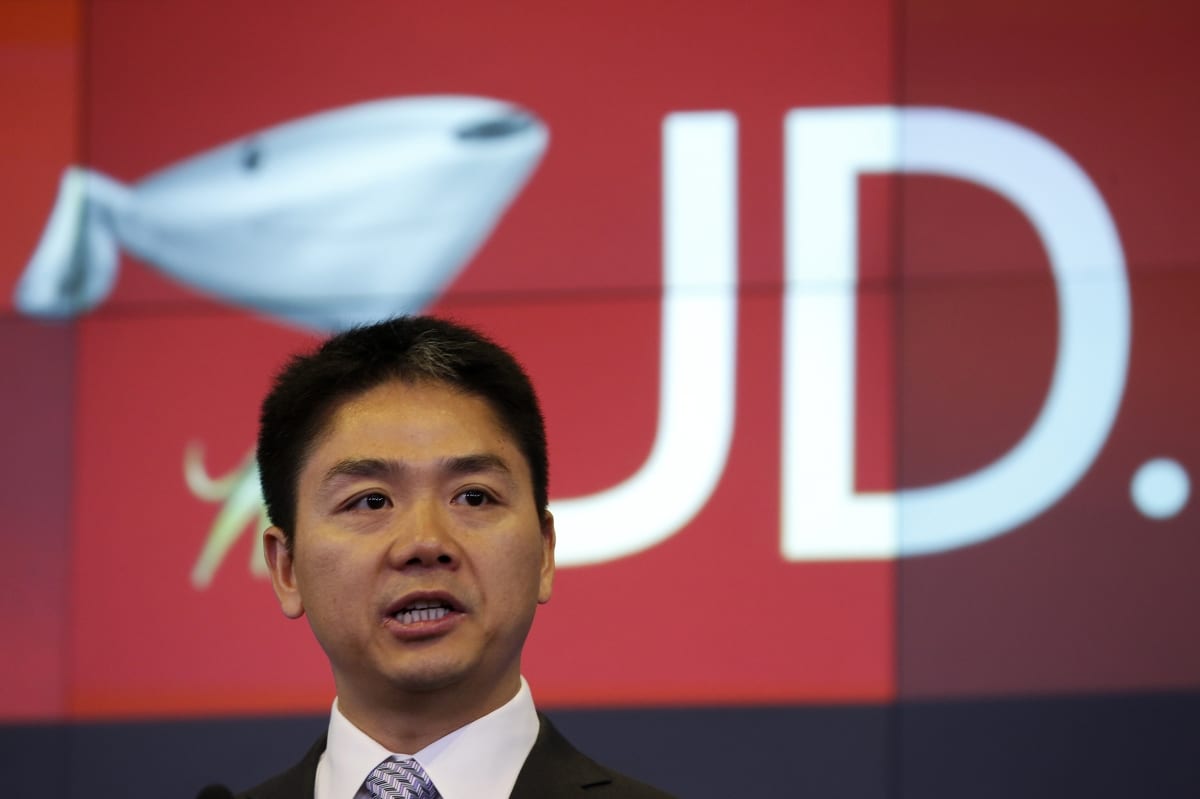
    AuMake International Limited has joined forces with JD Worldwide, a division of Chinese e-commerce giant JD.com, to create a new omnichannel platform for Australian and New Zealand brands to reach Chinese customers. The strategic agreement, which was signed in Sydney on Tuesday, will see JD combine its online and logistics capability in China with AuMake’s retail store and brand building capabilities in Australia.

    The partnership mirrors a similar agreement between Alibaba’s Tmall and Chemist Warehouse, the companies noted in a statement.

    The agreement builds on the booming daigou industry in Australia and New Zealand, where personal shoppers, often Chinese students or tourists, buy and ship products on behalf of family, friends and other clients in China.

    AuMake over the past two years has expanded its chain of retail stores catering to daigou shoppers with relevant products and services.

    Under the agreement, AuMake will become JD’s exclusive retail store partner in Australia and New Zealand and connect existing and future store customers to its online flagship on JD’s cross-border platform, JD Worldwide.

    JD, under the agreement, will fully support AuMake’s online flagship, with an initial sales target of 10 million RMB ($2 million) per month, and provide access to its warehouse and dispatch logistics network in China.

    The companies will also work together to incubate and develop new brands to be exclusively sold on the JD Worldwide platform and in AuMake retail stores.

    AuMake executive chairman Keong Chan called the agreement a “company-changing event”.

    “This is a company changing event for AuMake and confirms the value that we have created so far via our retail store distribution network in Sydney,” he said.

    “Under this collaboration with JD Worldwide, AuMake will now be able to reach hundreds of millions of customers in China with new brands and products, including brands and products owned by AuMake.”

    Keong added that he believes AuMake and JD together can fundamentally change the way in which Australian and New Zealand products reach the Chinese market.

  • Star at Xiaomi’s store opening in NZ

    Star at Xiaomi’s store opening in NZ

    The electric scooter craze has well and truly hit New Zealand. Within just hours of Chinese electronics giant Xiaomi, or “Mi” as many know it as, opening the doors to its first New Zealand store, the retailer sold more than $250,000 worth of electric scooters.

    In just seven hours it had clocked $257,750 in sales from the e-scooters, which are similar to the popular rentable Lime-branded ones sweeping Auckland and Christchurch.

    About 200 of the scooters priced at $599 were sold online in 30 minutes yesterday, causing the retailer’s website to crash.

    Meanwhile, at Sylvia Park in Mount Wellington, where Mi opened its store, about 1500 people queued – from one side of the mall to the other – waiting in line for a glimpse of the scooter.

    More than 400 Mi electric scooters were sold in-store.

    The scooters are said to now be sold out.

    The Mi e-scooter is popular overseas.

    Mi New Zealand spokesman Eric Chang said he believed the popularity of rentable electric scooters had driven significant demand and interest in consumers wanting their own.

    The scooters have a range of 29km and can travel up to 25km/h.

    Lime scooters were introduced to Auckland and Christchurch streets last month and have proven popular and been in the headlines since.

    Some riders have left a trail of mayhem, and injury claims from electric scooter-induced injuries have soared.

    Between October 14 and 31 there were 69 electric scooter claims lodged with ACC.

    Overseas there have been bans of the scooters and one recorded death. As of today, there has been a global recall of models made by Chinese manufacturer Okai.

    A spokeswoman for Lime said the company was working with the US Consumer Product Safety Commission and other international agencies following reports the scooters made by Okai could break apart while in use.

    Lime said it did not anticipate any disruptions to its service after the recall.

    Lime currently operates in a string of cities across the world, offering e-scooters and bikes for hire, including in Switzerland, Germany, France, Poland, Czech Republic, Spain, Portugal, Mexico, Canada, Austria and United States.

  • Spark launches flexible pricing broadband plan

    Spark launches flexible pricing broadband plan

    New Zealand operator Spark has moved to differentiate its broadband offerings by launching a new unlimited fiber broadband plan that offers consumers discounts on months they use less data.

    The company’s “Unplan” branded fiber broadband plan offers unlimited bandwidth for NZ$85 ($55.50) per month.

    But on months where consumers use less than 60GB of data this price reduces to NZ$65, and for months where 60GB to 120GB of data is consumed it reduced to NZ$75.

    An entertainment plan is also available for an additional NZ$10 per month that comes with 6 months of free Netflix and a subscription to the Spark-owned Lightbox SVOD service for the life of the plan.

    The offer is also available via Spark’s fixed wireless broadband service, but restrictions will apply on usage of over 300GB of data in a single month of regular usage of 180GB in an average month.

    “We think it’s a fairer way of offering broadband, as it reflects our customers’ needs. This is the first broadband plan in New Zealand that flexes to reflect customers’ data usage – and it has the potential to save our customers a lot of money,” Spark consumer lead Joe Goddard said.

    “It’s also the first plan that’s only available on new generation broadband options of wireless broadband and fiber.”

  • Spark switches on second IoT network

    Spark switches on second IoT network

    New Zealand incumbent carrier Spark switched on a low power wide area (LPWA) IoT network using LTE Cat-M1 technology on Monday.

    The network, running in the 700-MHz and 1800-MHz bands, is now available in major centers and will be rolled out across the rest of the country over the next six months.

    The LTE Cat-M1 network is Spark’s second IoT network. Spark already has a LoRaWAN network for IoT applications, which now provides coverage to over 120 cities across the country and all major urban centers.

    Spark said the rollout of the LTE Cat-M1 network will connect a wide variety of new and existing IoT solutions and services including wearables, smart appliances, electricity, gas and water meters, asset monitoring, and industrial automation.

    Specifically, LTE Cat-M1 is best suited for LPWAN applications like smart metering, in which only small amount of data transfer is required. The network rollout will also enable IoT technologies like smart cities and connected cars from overseas to be adopted in New Zealand, said Michael Stribling, Spark’s digital services lead.

    “LTE Cat-M1 is a secure, high-quality network, where sensors and devices are transferring data regularly and near real-time access to that data is critical,” he said.

    Spark said Landis+Gyr is using the new IoT network for a progressive rollout of smart metering services in New Zealand.

    Landis+Gyr was the first in Australia to develop and demonstrate smart metering over the NB-IoT network, which is being used in their smart meter and communication modules.

    The company already had smart metering solutions in New Zealand and opted to switch to Spark’s IoT network to take advantage of its broader coverage.

    Rodney Chaplin, Landis+Gyr’s general manager of Australia and New Zealand, said rolling out smart metering over the new network will provide a robust solution for customers.

    “Landis+Gyr meters fitted with our flexible and modular communication modules are perfectly suited to take advantage of 4G networks with LTE-Cat M1 technology,” Chaplin said. “This allows us to get to market quickly and provide utilities with a robust coverage to ensure the success of the smart metering rollout.”

    Stribling said Spark is also working with customers on a broad range of use cases for IoT applications, including vehicle telematics, smart health devices and smart cities applications such as lighting and environmental monitoring.

  • Air New Zealand and Singapore Airlines’  continuing their alliance for another five years

    Air New Zealand and Singapore Airlines’ continuing their alliance for another five years

    The New Zealand government has given the green light to Air New Zealand and Singapore Airlines’ (SIA) continuing their alliance for a further five years. Under the partnership, which began in 2015, the pair codeshares on routes between New Zealand and Europe, India and Southeast Asia via Singapore. The partnership also includes revenue sharing and coordination of capacity and pricing.

    New Zealand transport minister Phil Twyford said reauthorisation of the alliance would result in more benefits to passengers.

    “Reauthorisation of the alliance will result in more benefits to travellers. These benefits include a wider range of flight times, more seats and reciprocal frequent flyer schemes,” Twyford said in a statement on October 5.

    “The services the airlines provide through the alliance strengthens New Zealand’s ties with our close neighbours in South East Asia and with other emerging markets throughout Asia.

    When the alliance was first approved in late 2014, it paved the way for Air New Zealand to resume nonstop flights between Auckland and Singapore.

    There has been further capacity increases since then, with SIA starting Singapore-Canberra-Wellington flights in 2017 and adding extra flights on the Singapore-Christchurch route. In May 2018, SIA tweaked its Wellington services, switching the mid-point stopover from Canberra to Melbourne.

    Meanwhile, the pair has added more frequencies on the Auckland-Singapore route and will have three nonstop flights a day from October 28 2018.

    The two carriers said in a joint statement the alliance had increased seat capacity by more than 25 per cent between New Zealand and Singapore.

    Further, it noted there would be 35 return flights a week between the two countries in the peak months.

    “The decision to re-authorise the alliance reinforces the benefits it has delivered to the New Zealand market in its first four years,” SIA senior vice president for marketing and planning Tan Kai Ping said.

    “We look forward to continue working closely with our alliance partner Air New Zealand, to provide even more travel options for our customers.”

    Air New Zealand chief strategy, networks and alliances officer Nick Judd said the partnership with SIA had been “key to successfully growing Air New Zealand’s international network and delivering important benefits to our customers”.

    “Singapore Airlines has been a strong alliance partner and we are excited at the opportunities the re-authorisation provides our two airlines,” Judd said.

  • Apple gets warning for misleading consumers

    Apple gets warning for misleading consumers

    Tech giant Apple has been warned by the Commerce Commission of New Zealand after it likely misled customers, while online retailer NZSALE has pleaded guilty to four charges of failing to comply with product safety standards.

    In the Commission’s view, Apple is likely to have breached the Fair Trading Act in a number of ways, including telling consumers its products are only covered by a guarantee for two years, which is in direct violation of the Consumer Guarantees Act (CGA) in that they do not expire after a legally prescribed period of time.

    “Although businesses may form a view about how long a product should generally last, they must assess each reported fault on its own merits,” said Commissioner Anna Rawlings, “they should not base decisions solely on how long a consumer has owned a product. The reasonable lifespan of a product will depend very much on what the product is.”

    Apple was also warned for pushing customers to the manufacturer of non-Apple branded products when Apple is responsible, as a retailer, for all products it sells.

    “It is natural that many retailers may wish to liaise with manufacturers to assess and remedy product defects but they must not point blank refuse to address consumer complaints and refer consumers exclusively to manufacturers for attention,” Ms Rawlings said.

    Additionally, NZSALE has been charged with failing to comply with the product safety standard for children’s nightwear, after it was found that three types of nightwear and a sleep sack were made of material that was too flammable to be used, did not carry the right fire hazard label, or had no fire hazard labelling at all.

    The Commission’s investigation was sparked by a product recall of these products in Australia following an investigation by the Australian Competition and Consumer Commission. The products were publically recalled in New Zealand in December 2015.

    In New Zealand 73 units were sold – although only eight garments were returned through the recall and a further 15 were confirmed destroyed by consumers.

  • Global Savings Group is bringing Cuponation to New Zealand

    Global Savings Group is bringing Cuponation to New Zealand

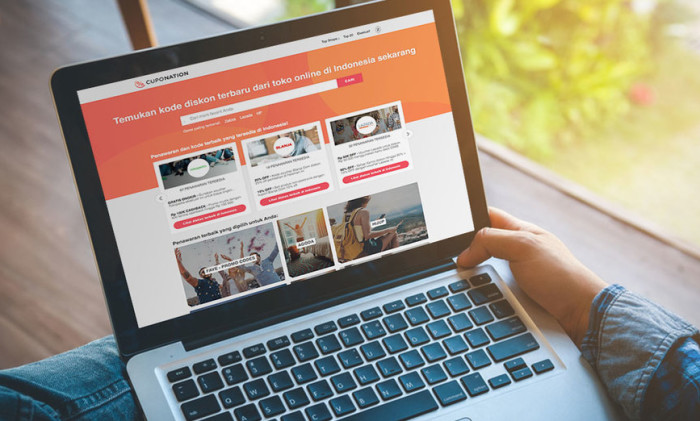
    The Global Savings Group (GSG), a leading global provider of Commerce Content Solutions, launches its premium discount code portal CupoNation in New Zealand.

    The Global Savings Group, founded in Munich in 2012, is currently operating over 100 digital portals and tools in 23 countries around the world. Its portals connect commerce to content, offering product discovery, recommendations, deals, and discounts, which, in turn, help consumers to make smarter shopping decisions by connecting them to relevant offerings, provided by their favorite retailers and brands.

    The CupoNation brand is already present in 20 markets around the globe. In Asia Pacific it has already been launched in Singapore (2013), Australia (2014), Malaysia (2016), and in Indonesia (2018). By launching in New Zealand, the GSG is continuing its growth strategy in Asia Pacific, Oceania, and beyond.

    Igor Shapiro, Managing Director Asia Pacific and Oceania, says “We are constantly exploring growth opportunities that allow us to offer savvy shoppers worldwide the best deals and discounts, helping them to save on purchases from their favourite retailers. New Zealand has a rapidly growing economy with a fast-growing e-commerce market. Thus bringing our service to New Zealand, and adding a globally proven commerce content solution to the local ecosystem, is a logical step for us.”

    The Google Consumer Barometer Survey shows that 86 percent of New Zealand’s population accesses the internet daily for private reasons, spending on average about 6 hours a day online via any device. Almost every tenth online shopper in New Zealand searched for coupons and promotions, helping to make their online purchase decision, the Google Consumer Barometer Survey reveals.

    Marko Stricevic, Operational Lead Asia Pacific and Oceania adds, “CupoNation is gaining popularity in the Pacific markets. We will not only bring value to the local online shoppers but also retailers and brands will profit. We see promising market potential and high spending potential. Our aim is to generate significant value by attracting savvy shoppers to their portals, thereby increasing consumer base and revenues. We are confident about becoming the leading discount code portal in New Zealand in the next months.”

    Although online shopping is still only a small proportion of the retail market, making up roughly 7.6 percent of total retail, online retail is growing rapidly in New Zealand. According to BNZ’s Online Retail Index, annual national online spending is estimated at $4.2 billion (excl GST) (US$ 2.96 billion). Last month New Zealanders spent about $200 million (US$ 140 million) on domestic retailers and $150 million (US$ 105 million) on international retailers.

    A recent survey of the International Post Corporation found that China (32%), USA (24%), and Australia (20%) are the leading countries for New Zealanders to purchase abroad. Spending on overseas sites was especially strong in November 2017, particularly in electronics, reflecting a greater awareness of international retail events like Black Friday and Singles Day, that are heavily penetrating local retail markets.

    Andreas Fruth, Managing Director and Co-Founder of the Global Savings Group, adds “We want to create connections to transform global digital commerce. Our aim is to help millions of consumers around the world to make better shopping decisions and advertisers to establish direct links to their consumers, by providing aggregated access to audiences across portals and markets. By launching CupoNation in New Zealand, we are strengthening our position in the Asian Pacific markets as well as further improving our position as a global leading provider of commerce content solutions.”

  • Singapore Airlines new Airbus service to begin out of Christchurch

    Singapore Airlines new Airbus service to begin out of Christchurch

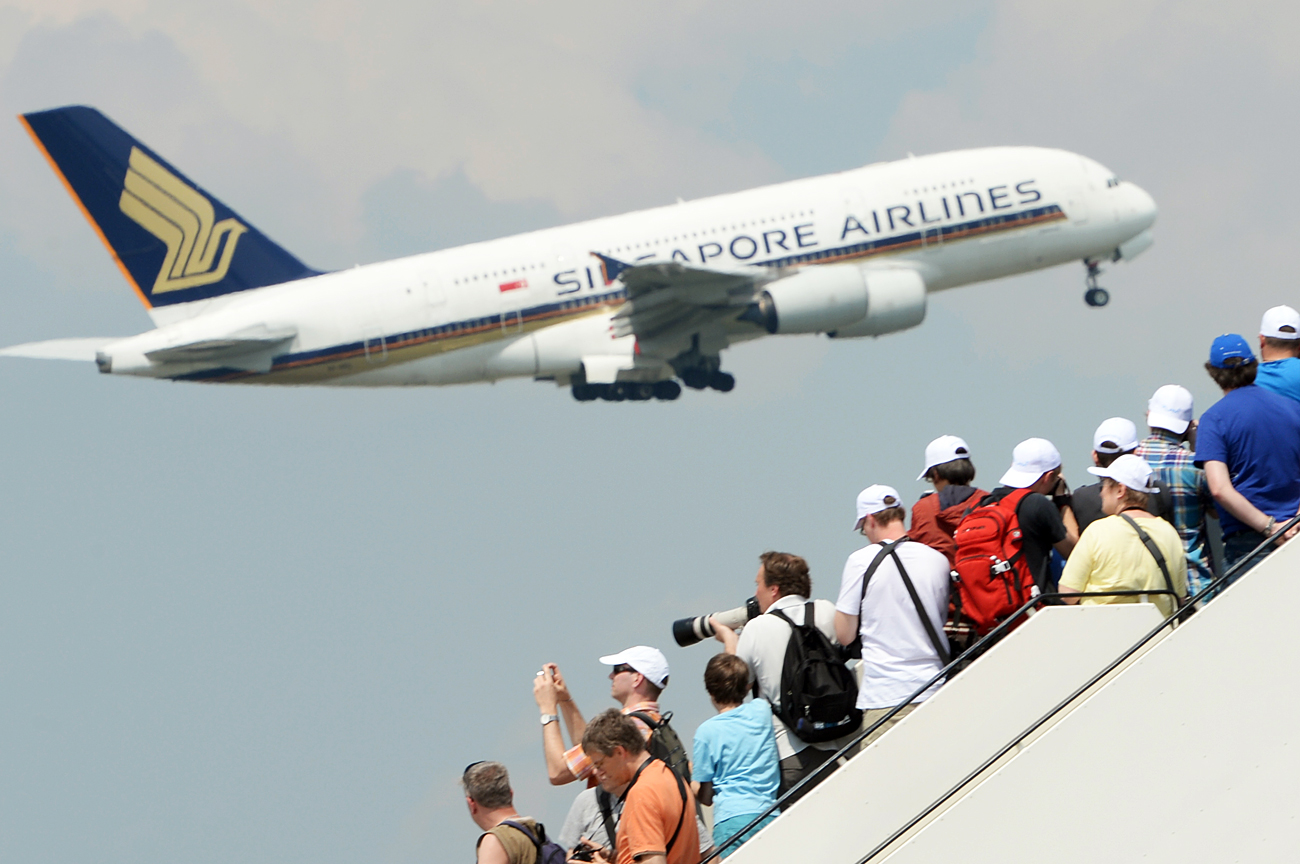
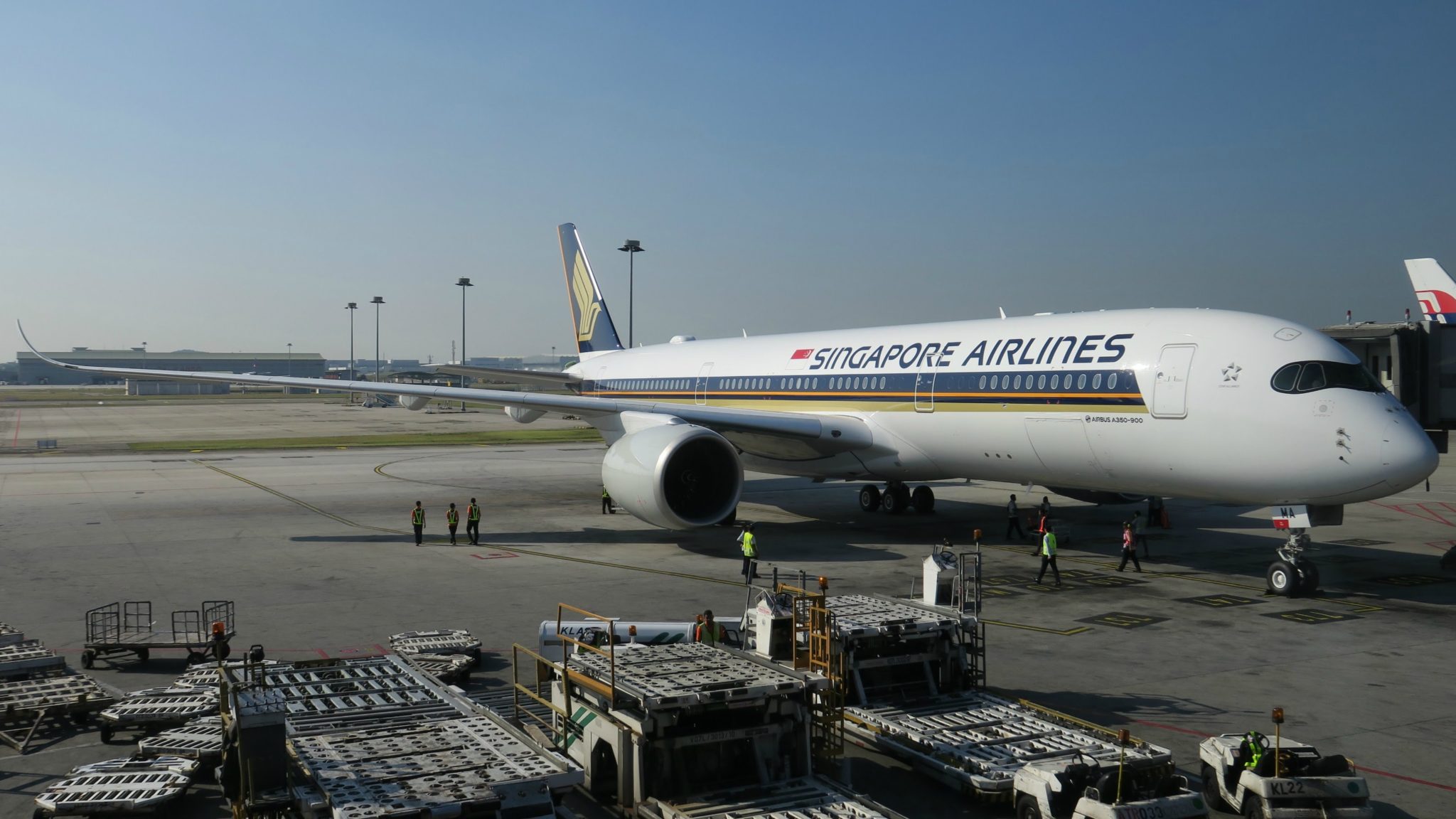
    New Zealanders travellers between Christchurch and Singapore will soon have the additional choice of a Singapore Airlines A350-900 aircraft.

    It follows the recent introduction of Singapore Airlines flights from Wellington to Singapore via Melbourne, Singapore Airlines general manager New Zealand, Simon Turcotte said.

    The Christchurch service will begin in January 2019 with the A350-900 Airbus which has higher ceilings, larger windows, and wider body.

     The new aircraft have fewer seats at 253 compared with the current Boeing 777-200ER which has 312 seats – but there are more premium class seats on offer to make the airline more money per flight.

    The new A350-900 has a standard seating pattern of 42 business class fully reclining seats ($5500 one-way), 24 in premium economy class with partly reclining seats ($3300), and 187 economy class standard seats $1550).

    By contrast the Boeing 777-200ER aircraft had fewer of the more expensive premium seats.

    All the seats on the new service are described as “next generation”.

    Turcotte said the company was introducing premium economy class on the route for the first time.

    It will allow customers to enjoy the seating from the South Island to destinations such as Paris, London, New Delhi, Johannesburg, Dubai, Barcelona, and Hong Kong.

    “The introduction of premium economy will make Singapore Airlines the only long haul carrier offering the cabin daily out of Christchurch on a year-round basis.”

    Premium economy class gives customers priority handling and boarding, a 2-4-2 seating arrangement, seats with greater width up to 49.5 centimetres including a calf-rest and footrest, reclining up to 20cms with a 96cms seat pitch. They also get a  33.7 cms touch screen monitor, noise cancelling headphones, and champagne throughout the 10 hour flight.

    The business class cabin is configured in a 1-2-1 layout giving every traveller direct aisle access, a 71cms wide seat converting into a 198cms fully-flat bed with cushioned headboard, plus spaces for laptops, and 45cms HD LCD screen and noise cancelling headphones.

    Economy class passengers are stacked in a 3-3-3 configuration, 45cms seat with backrest cushion and headrest, plus smaller touch screen.

    Singapore Airlines has 67 of the A350-900 aircraft on order and has taken delivery of 21 since the first aircraft entered the fleet in March 2016.

    Passengers will also be able to use the Singapore Airlines companion app, to control their in-flight entertainment.

  • New Zealand Consumer spending finished stronger in 2017

    New Zealand Consumer spending finished stronger in 2017

    Consumer spending growth accelerated to five per cent year-on-year in the three months to the end of December last year, with retail trade picking up momentum over the holidays, new National Australia Bank data has revealed.

    Up from three per cent growth y/y in the third quarter, NAB’s latest quarterly customer spending report, which measures around 2.7 million daily transactions through the bank’s facilities, has tracked spending increases across the entirety of metro and regional Australia.

    Retail trade increased 3.4 per cent y/y in Q417, up from 2.4 per cent in the third quarter, while accommodation and food services spending was 10.4 per cent, up 3 per cent.

    The Northern Territory was the strongest growth state for retail trade, up six per cent, offsetting a 0.6 per cent decline in Western Australia.

    Retail trade spending growth was 4.7 per cent in Victoria and 3.3 per cent in NSW. Across the entire economy Victoria was the strongest performer, while NSW and NT lagged.

    Average monthly customer spending during the quarter was up $166 to $2306 in metro areas and up by $104 to $2089 in regional areas.

  • Esprit to close down Australia and New Zealand stores

    Esprit to close down Australia and New Zealand stores

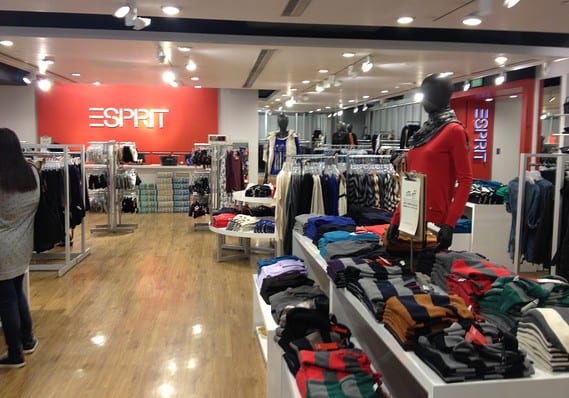
    Esprit is to close its Australian and New Zealand stores after years of mounting losses. The Esprit Australia and New Zealand network comprises 67 directly managed retail stores, including 38 concessions in department stores and 13 discount outlets.

    The announcement came just a few hours after the embattled fast-fashion retailer warned shareholders its third-quarter performance was “well below expectation” and several days after it announced it would not renew the lease on its Causeway Bay flagship store.

    In a statement to the Hong Kong Stock Exchange, Florence Ng Wai Yin, Esprit’s company secretary, said divesting the ANZ operations will allow management to concentrate efforts and resources in developing other markets in Asia, singling out China, Hong Kong, Taiwan, Singapore and Malaysia, “with profitable growth opportunities for the future” and avoid incurring further losses in Australasia.

    In the year to June 30 last year, Esprit Australia and New Zealand reported sales of HK$297 million, (US$37.8 million) which works out at a weekly per-store average of just US$10,850.

    It accounted for less than 2 per cent of the group’s total global revenue.

    Esprit says closing the stores down will cost between HK$150 million and HK$200 million.

    Executive director and group CFO of Esprit Holdings in Hong Kong, Thomas Tang, said the company had undertaken “intensive efforts” in past years to turn the Esprit Australasia business around, to no avail.

    Stephen Newnham, director of Esprit Australia and New Zealand described the group’s decision as “unfortunate but unavoidable”.

    The company expects to close all of its stores by the end of the year and will continue to honour gift cards until then.

    Strategy to be sped up

    The closure marks just one step in a promised acceleration of a strategic plan to improve top-line sales and reduce running expenses.

    “Given the challenging sales performance in the first nine months of the fiscal year, the group remains cautious about its expectations for the rest of the year,” said company secretary Florence Ng Wai Yin in a stock exchange filing.

    Group-wide sales in the nine months to March 31 were down 10.9 per cent year on year, to HK$11.8 billion (US$1.5 billion). The retail selling space was rationalised by 9.2 per cent over the same period.

    More worryingly, Esprit’s sales fell 13.8 per cent in the three months to March 31.

    Offline retail sales totalled HK$1.404 billion during the quarter, down 17.1 per cent, while online sales fell 11.4 per cent to $1.09 billion.

    Yin said the offline sales drop was the result of fewer sales points and unseasonably cold weather in Europe which aggravated the decline in customer traffic to stores.

    Online revenue in Asia Pacific declined due to management’s decision to reduce discounting in order to enhance profitability.

  • T-Mobile and Sprint announce merger plans

    T-Mobile and Sprint announce merger plans

    US operators T-Mobile US and Sprint have announced an agreement to merge in an all-stock combination. The combined company will be named T-Mobile, will initially serve some 127 million customers, and will be led by current T-Mobile US CEO John Legere.

    The deal is an important step toward 5G for both companies, which were facing some big capex bills if they tried to do it alone. While the integration of the two companies’ networks will be quite a task, the fact that they can combine their 5G buildout efforts at an earlier stage will surely help a lot.

    Well, it will if the deal gets approved relatively quickly. So now that the companies have made up their minds, all eyes will turn toward the Trump administration’s regulators and, umm, twitter. The last time T-Mobile US and Sprint were close to a deal, regulators threw ice water on the concept. There are reasons to expect the situation to be different this time, but there is plenty of uncertainty in just what the response will be.

    As for the deal, each Sprint shareholder will receive 0.10256 T-Mobile share per Sprint share, which puts the total enterprise value of the combined company at $146 billion. DT’s share of the company will be about 42%, while Japan’s Softbank would own 27%, the rest being publicly traded. Synergies of about $6 billion in annual cost savings are anticipated.

    One sector that probably would in some ways have preferred to not have a deal is the metro fiber infrastructure space, which would understandably like to build out four 5G backhaul networks rather than three. But on the other hand, what they might see is one effort start earlier with the funding to do it right rather than two efforts trailing the field and cutting corners.

  • Sephora creates long queues during new shop opening

    Sephora creates long queues during new shop opening

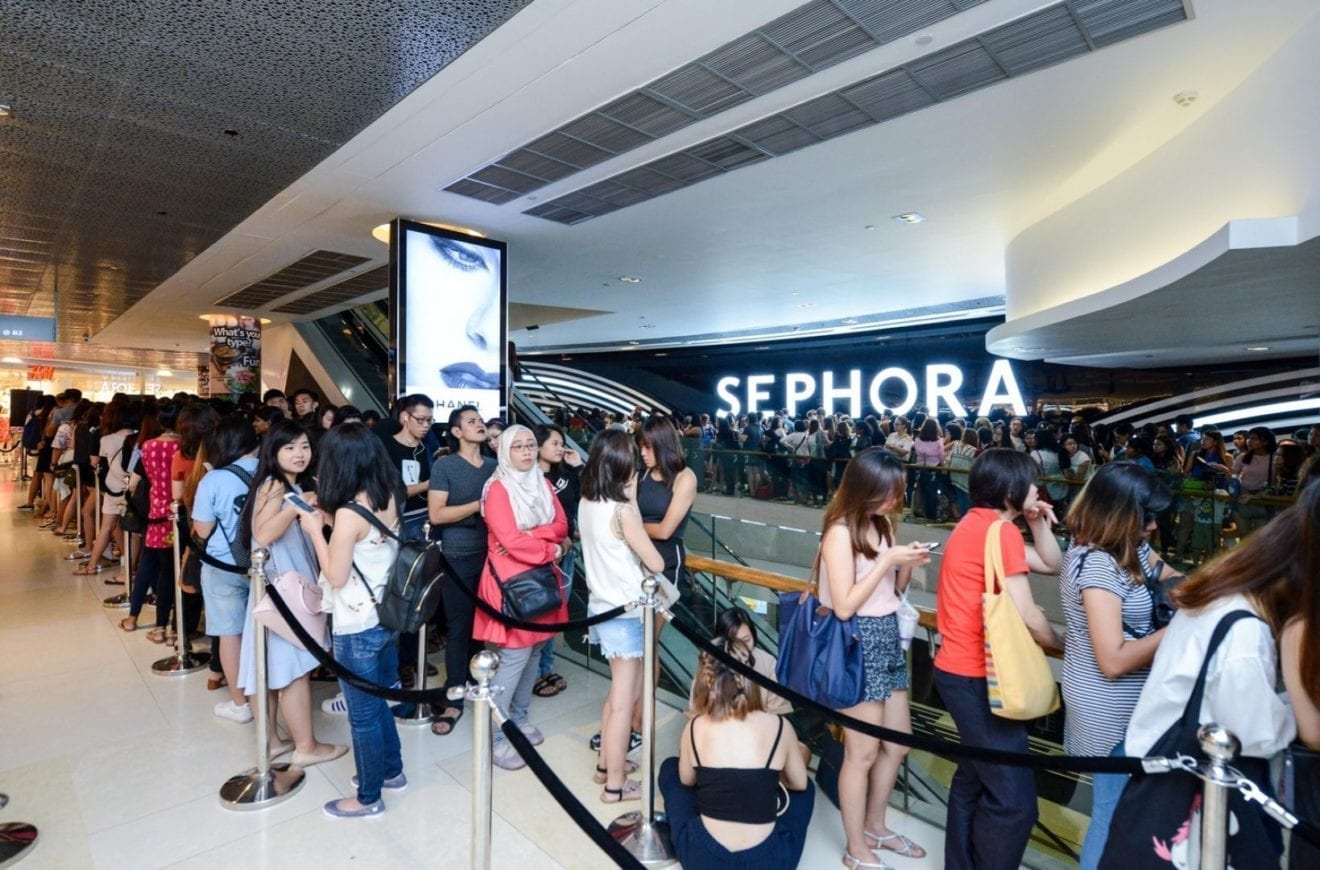
    Sephora has drawn a crowd to the opening of its first store of the year in Queensland, as shoppers queued overnight to access the international cosmetics giant’s new Robina Town Centre store.

    At one point on Thursday morning the line outside the new location was more than 300 metres long, snaking around to adjacent areas of the centre.

    The launch is a good start for the business, which expanded to Australia in 2015, after it announced last month that it would open the Gold Coast location, drawing in customers with new virtual artists that allow visitors to try on products virtually in-store.

    Its decidedly less positive for Sephora’s competitors though, of which there are many.

    Myer, David Jones, Priceline and L’Occitane all have stores in QIC’s Robina Town Centre, signalling yet another increase in competitive pressure in the beauty sector.

    “Sephora always generates great crowds because they are the undisputed global beauty leaders and people are always keen to try out and play with their wide selection of brands,” Savills’ Leighton Hunziker said of the opening.

    It’s not the first-time international entrants have drawn big crowds, when others like H&M, Zara and Forever 21 opened their stores in Sydney’s Pitt St Mall shoppers flocked, creating queues that lasted for days.

    But increasing competition and subdued consumer sentiment have put pressure on established beauty retailers in recent months, driving elevated levels of discounting in the sector that’s weighing on margins.

    Reporting its half-year financials last month, Priceline owner Australian Pharmaceuticals Industries said lacklustre beauty sales had driven a 1.7 per cent decline in comparable store sales in the first-half.

    “The amount of discounting and competition that has emerged inside the health and beauty sector has ramped up significantly,” API chief executive and managing director Richard Vincent said in April, revealing that price deflation was between 3-4 per cent in the half.

    For the likes of Myer and David Jones the growing influence of international competitors is particularly disruptive, given the already weakened statuses of both businesses.

    Louise Grimmer, a lecturer in marketing at the University of Tasmania, said customers are increasingly turning to specialists in the beauty category over department stores in search of education and personalisation.

    “Increasingly we are witnessing consumers abandoning department stores for specialist retailers such as Sephora,” Grimmer said.

    “If they weren’t already, department stores should be on notice that customers now demand much more than has been on offer. They want high levels of customer service, knowledgeable staff, specialist product offerings and a multichannel experience.”

    Robina Town Centre is Sephora’s 14th Australian store, and alongside the continued expansion of other international beauty brands such as Mecca and MAC, its unlikely competition will ease any time soon.

  • Adidas appoints new president

    Adidas appoints new president

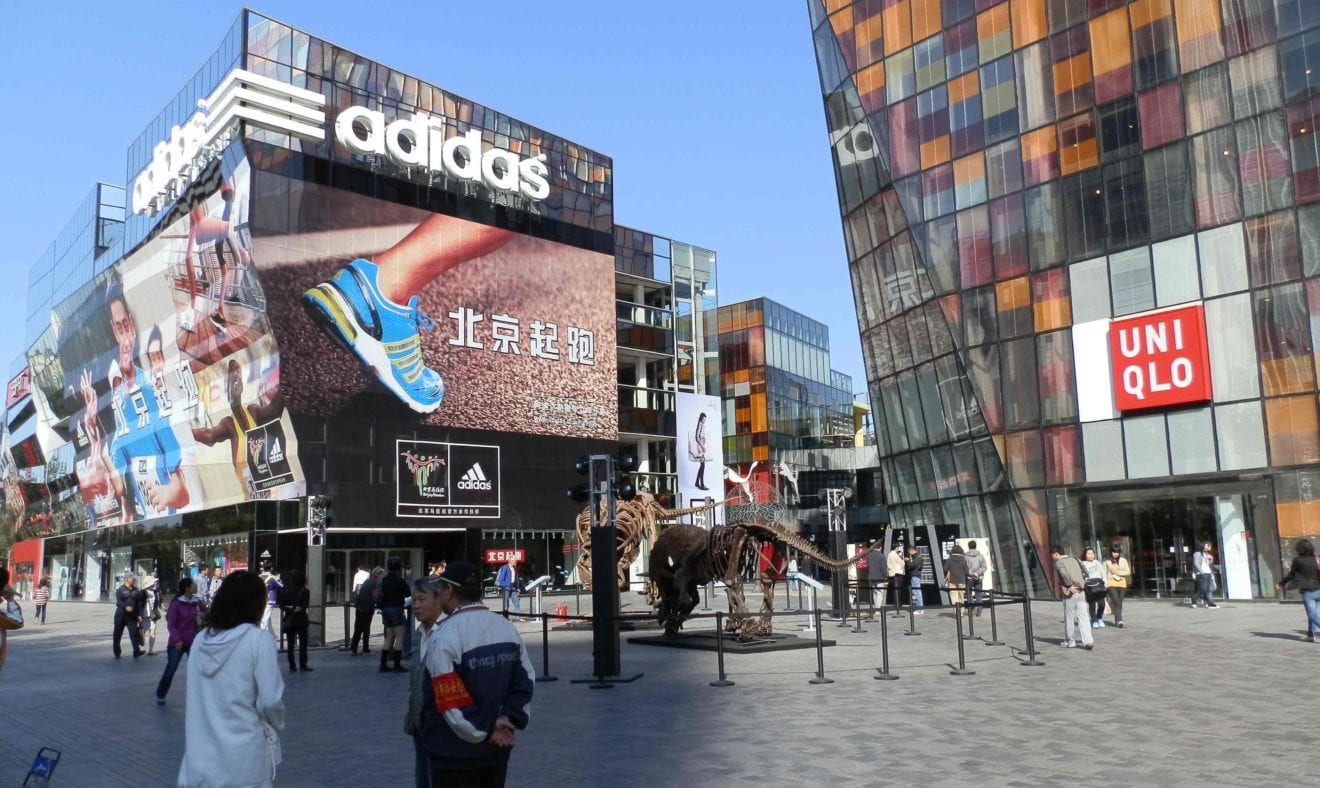
    Adidas has appointed a Kiwi as its new president of Adidas North America.

    Former Adidas New Zealand product manager Zion Armstrong will oversee American operations from 1 July, succeeding Mark King, who has decided to step down after a long career with the company.

    Armstrong, who has co-led Adidas North America as general manager together with King since June 2015, will be reporting directly to Roland Auschel, member of the executive board of Adidas AG, responsible for global sales.

    Armstrong first joined Adidas New Zealand as product manager for footwear in 1998 before moving to Adidas headquarters in Germany in 2002. From 2005 to 2014, the Kiwi held various leadership roles in Asia Pacific including managing director for Adidas South Korea.

    Armstrong has served as general manager of Adidas North America since 2015. He competed in the IAAF World Junior Championships and the Commonwealth Games and is a former New Zealand record holder for 400 meter hurdles.

    “We are very excited to promote Zion Armstrong to one of the most important roles in our company,” the sportswear retailer said. “We are convinced that Zion’s leadership will enable us to continue our successful journey in North America.”

    In the coming years, King will continue to serve Adidas North America as an advisor.