Tag: New Zealand

  • Sephora opening New Zealand Flagship Store

    Sephora opening New Zealand Flagship Store

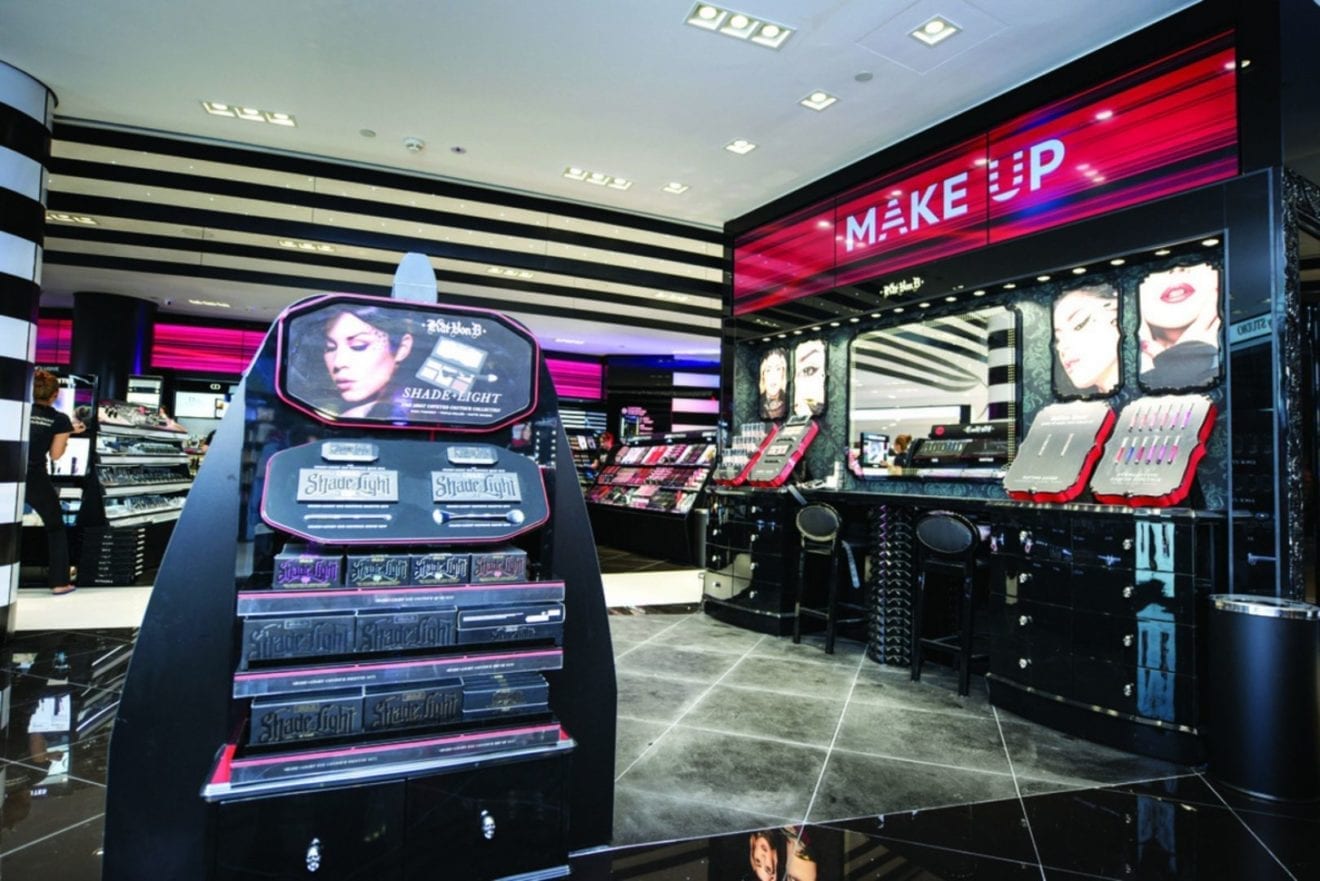
    Sephora is looking to fill a number of retail roles in Auckland, suggesting the beauty retailer is looking to open its first bricks-and-mortar store in New Zealand in the near future.

    Listings for assistant store manager, category coordinator, stockroom manager, supervisor, beauty and studio artists and retail assistants have been uploaded to job site Seek over the last month, claiming the retailer is opening its first New Zealand flagship store this year.

    The most recent listing notes that job seekers should be available and flexible to attend a recruitment event between May 7 and 8, pointing to a relatively quick opening window.

    The store will likely be located on Queen Street, Auckland, and is currently being fit out for the brand’s arrival. An internal elevator, lightning fixtures and elaborate signage are among the changes being made to the site.

    Sephora has been contacted for confirmation, but has not yet responded.

  • Westpac introduces Apple Pay in New Zealand

    Westpac introduces Apple Pay in New Zealand

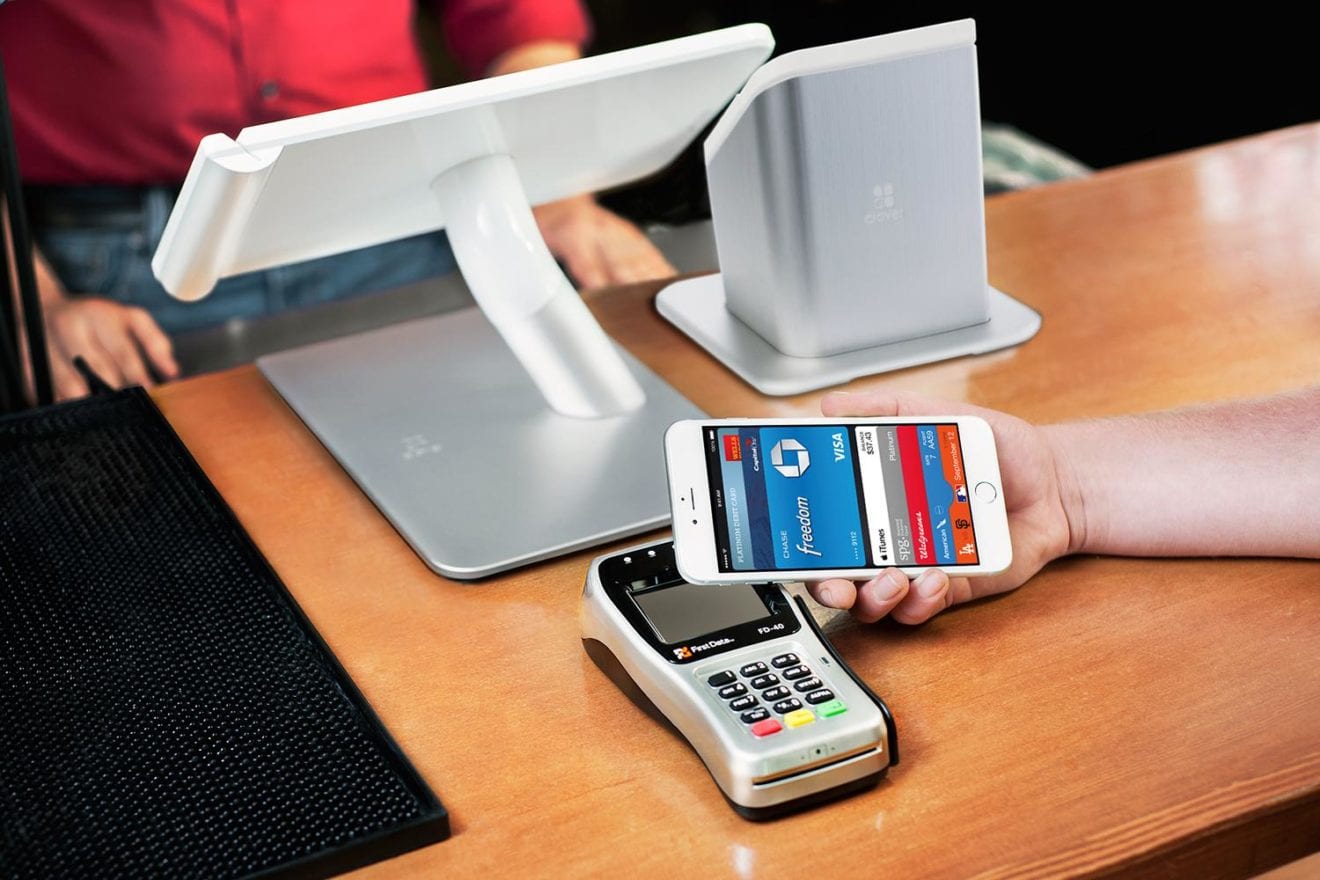
    Westpac New Zealand customers can now use Apple Pay wherever contactless payments are accepted.

    This reflects the findings of a recent study by Allied Market Research, which found that younger consumers appreciate the simplicity of mobile payments.

    The mobile payment market is expected to reach $4.5 trillion by 2023, according to the research firm, which also notes the market is growing with a “lightning-fast” rate in Asia-Pacific.

    However, even mobile payments are beginning to be superseded.

    The report noted that near field communication (NFC) and QR technology is fast becoming standard in various parts of Asia-Pacific, and various market players are already investing in this new technology.

    Westpac is celebrating the launch of Apple Pay by donating $2.50 for every customer who uses Apple Pay five times before May 2, 2019, to charity. Each customer will also receive a one-off payment of $10.

    “It is yet another reason for our customers to get excited about Apple Pay,” Shane Howell, Westpac’s chief experience officer, said.

    The four charities that will benefit from the initiative are the Mental Health Foundation, Shine, Sustainable Coastlines, and New Zealand’s rescue helicopter services.

  • Changing of guard at Spark

    Changing of guard at Spark

    New Zealand incumbent Spark announced that its managing director Simon Moutter (pictured) has resigned from the telco. Moutter will leave the positions of MD and a director of the company from July 1. Jolie Hodson, currently customer director at Spark, will take over as chief executive.

    Spark chair Justine Smyth said the company has been undertaken succession plan from within the business by giving potential internal candidates opportunities over time to demonstrate they have the right leadership capabilities.

    “Jolie is an accomplished leader with a strong record of delivering results and managing complex business units and to be able to appoint an executive of Jolie’s calibre and experience is a testament to the quality of the talent within the company,” she said.

    She has led major programmes related to Spark’s business transformation and has been a key driver of the company’s growth strategies in business cloud and IT services. Her most recent role has been customer director, with responsibilities across Spark’s consumer and retail operations, large corporate and government customers, and cloud services businesses.

    Previously, she was CEO of the former Spark Digital unit and chief financial officer.

    Smyth said Moutter became MD in 2012 and had done so in the expectation of a likely five- to seven-year tenure.

    “In almost every respect, Spark today is a vastly different company to the one that Simon re-joined in 2012. We are New Zealand’s leader in wireless communications, with a rejuvenated mobile business across both Spark and Skinny brands, a promising IoT business and a determination to be at the forefront of 5G,” she said.

    In 2014, Moutter led the transition of Spark changing its name from Telecom. He had helped the telco transform in many other ways including improving diversity and inclusion in the workplace, Smyth said.

    Moutter has also recently driven an “agile” restructure of Spark and an aggressive drive into sports content and streaming.

    This will be the second time Moutter has left the telco.

    Moutter served as chief operating officer between 2003 and 2008 before leaving to become chief executive of Auckland Airport.

    Moutter returned to Spark in 2012 to take the top job with the expectation that he help turn around the company after a demerger of Chorus in 2011.

    “I’ve given my absolute best to putting Spark onto a positive track over the last seven years, so the company can fully deliver on its purpose to ‘help all of New Zealand win big in a digital world,” he said.

    “I feel it’s the right time to pass the leadership baton on.”

    Moutter said he hadn’t made any decision about what he will do after he finish at Spark, other than spend the first couple of months with his family.

  • Subway strikes delivery deal with Uber Eats In New Zealand

    Subway strikes delivery deal with Uber Eats In New Zealand

    Subway has struck a deal with Uber Eats to offer delivery from more than 100 restaurants in select New Zealand cities. Chris Churchmichael, country director for Subway New Zealand, said the agreement would allow Subway restaurants to tap into the rapidly growing delivery market in New Zealand, at breakfast, lunch, dinner and anytime in between.

    “We know Kiwis want freshly-made and nutritious delivery choices, however, having their favorite Subway foot long meal delivered hasn’t been an option until now,” Churchmichael said.

    Church Michael said all the Subway favorites like meatball and pork riblet will be available for delivery along with fresh new choices like spicy buffalo chicken with blue cheese dressing and smashed falafel with tsatziki.

    “Searches for ‘nutritious’ options in the app are increasing and Subway is the perfect partner to help us respond to this demand and provide a greater selection of delicious meals to eaters whether they are at work, home or even the park,” said Andy Bowie, Uber Eats country manager for New Zealand.

    Subway recently unveiled a brand refresh to modernize its offerings and a new website that highlights key supplier stories and educates customers about the chain’s fresh ingredients.

    According to Subway, its new “Real Fresh” website aims to give guests a look behind the scenes at some local growers and suppliers who support the business from all over New Zealand.

    Ben Miles, senior manager for brand marketing at Subway, said the sandwich chain is a strong supporter of Kiwi produce. Some of their supply partners include local business Yarrows, which has supplied Subway New Zealand with their dough for more than 20 years and NZ brand Tegel, which has partnered with Subway since the brand opened its first restaurant in the country in 1995 and now supplies restaurants with a range of chicken and turkey products.

    “We estimate we’re one of the largest national purchasers of fresh produce in New Zealand and we’re committed to supporting farmers, growers and producers around the nation,” Miles said.

    “We wanted to shine a light on the incredible work they do, bringing the fresh factor to our restaurants multiple times a week.”

    Miles said many of the company’s customers are unaware that their fresh vegetables are sliced and prepared in-restaurant before serving, so this information is also shared on the site.

    “We also know it’s important to our guests that each ingredient in their sub is of the highest quality – for both freshness and taste,” he said. “We’ve been making considerable changes to our menu and we’re committed to ensuring as many of our ingredients as possible are locally sourced.”

    The Real Fresh website was recently awarded a Gold Ava Digital Award, an international competition reorganizing excellence in website design and creative.

  • Lotte Duty Free expands, Australia and New Zealand are next

    Lotte Duty Free expands, Australia and New Zealand are next

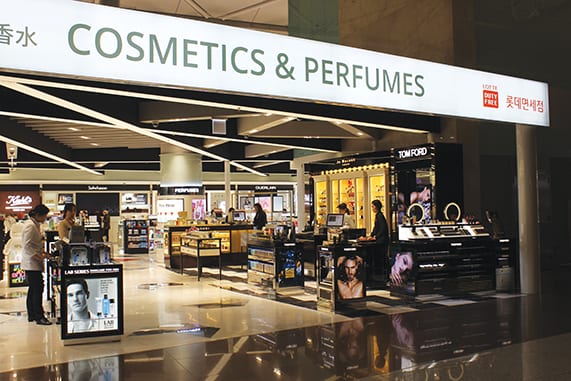
    South Korean travel retailer Lotte Duty Free is expanding into Oceania with the ambition to be the leading operator in Australia and New Zealand by 2023.

    The firm’s entry into the territory began with a grand opening ceremony at one of its new Australian stores at Brisbane Airport. The second biggest travel retailer in the world, Lotte Duty Free is targeting sales of US$200 million in the region during its first year.

    “Successfully entering Oceania is the next step in Lotte Duty Free becoming the world’s number one travel retailer and the most influential in the region,” said Lotte Duty Free CEO Kap Lee. “We have almost 40 years of retail excellence that is being introduced to Australia and New Zealand, working side-by-side with our local colleagues to better understand the unique wants and needs of people travelling through the region from all nationalities.”

    Australia has demonstrated significant growth of more than 10 per cent in incoming Chinese tourists – representing some of the biggest spenders globally – in recent years. The 2019 Spring Tourism Trend Forecast published by Ctrip, the largest online travel agency in China, states Australia is one of the most favorable international travel destinations for Chinese tourists during the New Year period.

    In response, Lotte Duty Free is acquiring five JR/Duty Free stores in the region; four in Australia and one in New Zealand.

    With this launch, Lotte Duty Free now operates in seven countries outside of Korea.

  • Kiwis confused about sustainability talks

    Kiwis confused about sustainability talks

    Despite the growing support for sustainable business practices in New Zealand, most Kiwis say the way businesses talk about their social and environmental commitments is confusing.

    That is the finding of the latest Colmar Brunton “Better Futures” survey, which asked 1000 consumers about their attitudes and behaviours around sustainability and environmental record.

    Eight-three per cent of respondents said the way businesses talked about their social and environmental commitments was confusing, which is 11 per cent more than the previous survey found.

    At the same time, there is still too much “greenwashing”, or companies jumping on the bandwagon to gain consumer support, without really being sustainable.

    “Those are two aspects of the same issue,” Francesca Lipscombe, New Zealand Ecolabelling Trust general manager, said.

    “On the one hand, companies get away with unsupported claims which may not breach the Fair Trading Act but they’re still misleading and unhelpful.

    “On the other hand, companies who are genuinely doing the right thing don’t promote their good works enough.”

    According to the survey, only two brands got more than 1 per cent recognition as being sustainable brand leaders: the Malcolm Rands-founded ecostore, named by 5 per cent of people, and Fonterra, which scored 3 per cent awareness.

    “New Zealand organisations do a much better job of communicating their sustainability efforts internally than they do of letting the public know,” Lipscombe said.

    At the same time, there is ample opportunity for sustainable brands to communicate their actions to consumers, since 86 per cent of Kiwis surveyed said it was important to work for a socially and environmentally responsible company, up from 72 per cent in 2018.

    “Even more tellingly, 90 per cent of respondents – up from 83 per cent last year – said they would stop buying a company’s products or services if they heard about the company being irresponsible or unethical,” said Lipscombe.

    Another strong finding from the survey was the emergence of plastic waste as the issue consumers are most concerned about.

    Nearly three-quarters (72 per cent) rated it the number one problem, compared with 63 per cent last year.

    The survey also found eight out of 10 Kiwis had dispensed with single-use plastic supermarket bags in favour of reusable options – a huge jump on last year’s figure – 30 per cent, while 85 per cent agreed that reducing disposable packaging in general was the right thing to do.

  • Superdry to open second New Zealand Store

    Superdry to open second New Zealand Store

    Sports fashion brand Superdry has revealed it will open another store in New Zealand in Queenstown. The date for the opening has not been disclosed, but brand general manager Antony Hampson said Brand Collective, which holds the licence for Superdry in Australia and New Zealand, is actively looking for locations in the area. According to Hampson, Superdry could roll out more stores in the country depending on how the market responds to the brand.

    “For now, it would just be Auckland and Queenstown so we have representation across both the North and South islands,” he said.

    Superdry announced earlier this month it will open its first store in New Zealand in April in the heart of Auckland’s Queen Street shopping district.

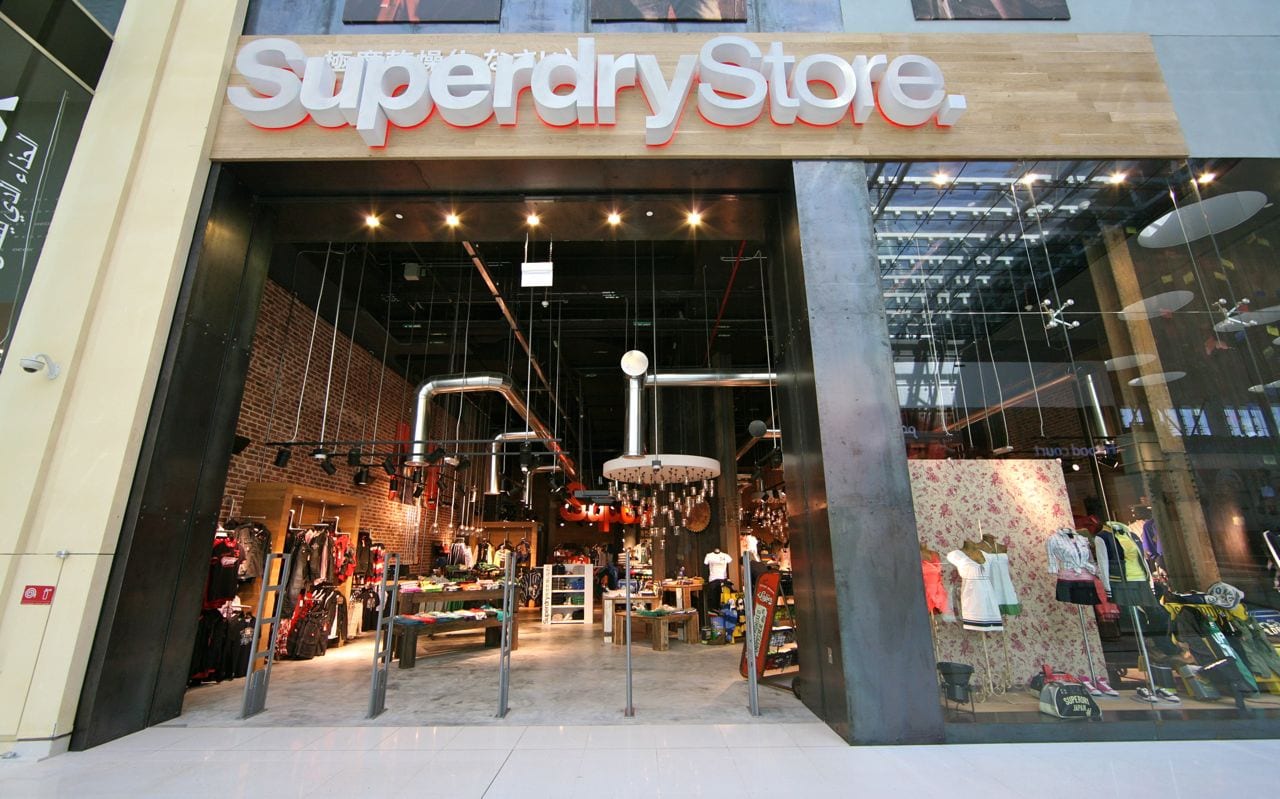
    The 193sqm store will be split into two levels, with the menswear department on the first level and a glass staircase leading consumers to the womenswear section on the second level. The Superdry Auckland store will also offer a selection of Superdry Snow, which features fashion forward, technical alternatives to traditional snow gear.

    “The store will incorporate the latest Superdry fit-out which involves a more digitised experience for our customer and clearer layout,” Hampson said.

    “There will also be a strong emphasis on our snow collection which is going from strength to strength and of course we will continue to ensure we present the product categories we are most renowned for: fleece, jackets and t-shirts.”

    Hampson said the brand is confident it will deliver strong sales, given the demographic there. He said the climate suits the brand as well.

    “The brand is not new to the market, we have a healthy wholesale business and strong partnerships with a number of key retail partners over the past 10 years,” he said.

    “We know there is demand for the brand and we feel that the opportunity is now to present the full collection of products to the customer base there which is what a concept store gives us the ability to do.”

    Superdry is also in the process of bringing over its e-commerce operation to run out of Melbourne to improve its speed of service. It is currently run out of the UK.

    “This will enable us to communicate consistently to our customer base both in Australia and New Zealand,” Hampson said.

    In a tussle for leadership of the company in the UK, former CEO and co-founder Julian Dunkerton and the board have each made disparaging remarks about the brand’s performance of late, alternately laying the blame for slowing sales on misguided strategy and undifferentiated product that no longer appeals to customers. But Hampson said it doesn’t directly affect Superdry stores in Australia and New Zealand.

    “Superdry is operated under Brand Collective Pty Ltd who has the license for Superdry within Australia and New Zealand, so this doesn’t directly affect us here.

    “UK retail has been tough in general with a much warmer than expected summer which has had an impact on high street sales, particularly in those winter product types which Superdry is synonymous with,” he said.

    “It is important to note that the brand is still very profitable and is continuing to stay true to its values around innovation, quality and design. The product is evolving for the better.”

    Superdry UK announced last December it may close or relocate some of its stores after its annual profits came in £30 million ($58.2 million) below expectations.
  • Afterpay starts cross-border payments

    Afterpay starts cross-border payments

    Buy now, pay later provider Afterpay is enabling shoppers to make cross-border payments through the service, following a successful trial.

    The feature means that businesses that offer Afterpay at checkout will now be able to offer the payment method to customers in other countries where Afterpay is active.

    The feature is initially limited to Australian and New Zealand businesses, where a combined 2.7 million people use Afterpay, but will eventually be extended to include businesses in the US and later the entire Afterpay network.

    “We are confident that [this] will add value to our retail partners, and open up the opportunity for them to seek and delight new customers from different countries,” Afterpay chief executive Nick Molnar said.

    “Customers will be able to pay directly in their currency and not be hit with any additional foreign exchange fees after the payment is processed.”

    The payment provider also will remove the complexity of foreign exchange, through a proprietary global payments solution that allows funds to be settled in their country of origin.

    Afterpay’s support for cross-border payments is expected to be a boon for online retailers looking to grow their sales outside of the domestic market.

  • AirAsia’s Tony Fernandes quits Facebook, citing social media ‘hate’

    AirAsia’s Tony Fernandes quits Facebook, citing social media ‘hate’

    AirAsia Group chief executive officer Tony Fernandes closed his Facebook account and said he may shut his Twitter page, citing “hate” being transmitted on the networks after the live-streaming of the terror attack on two mosques in New Zealand.

    “The amount of hate that goes on in social media sometimes outweighs the good,” Mr Fernandes said in a Twitter post on Sunday (March 17).

    “But on Twitter, I think the battle for me goes on.”

    Mr Fernandes said his Facebook account had 670,000 followers. He said in a Twitter post on Saturday that while he is “a big fan” of social media, he had to think hard about whether to remain on Facebook after Friday’s mass shooting that claimed 50 lives in New Zealand’s second-largest city of Christchurch.

    Mr Fernandes has about 1.29 million followers on Twitter and has tweeted more than 20,200 times since joining in 2008, commenting often on the performance of his companies and sports teams.

    He is the co-owner of English football club Queens Park Rangers. AirAsia is one of the region’s biggest discount carriers.

  • Countdown shares impact of family violence

    Countdown shares impact of family violence

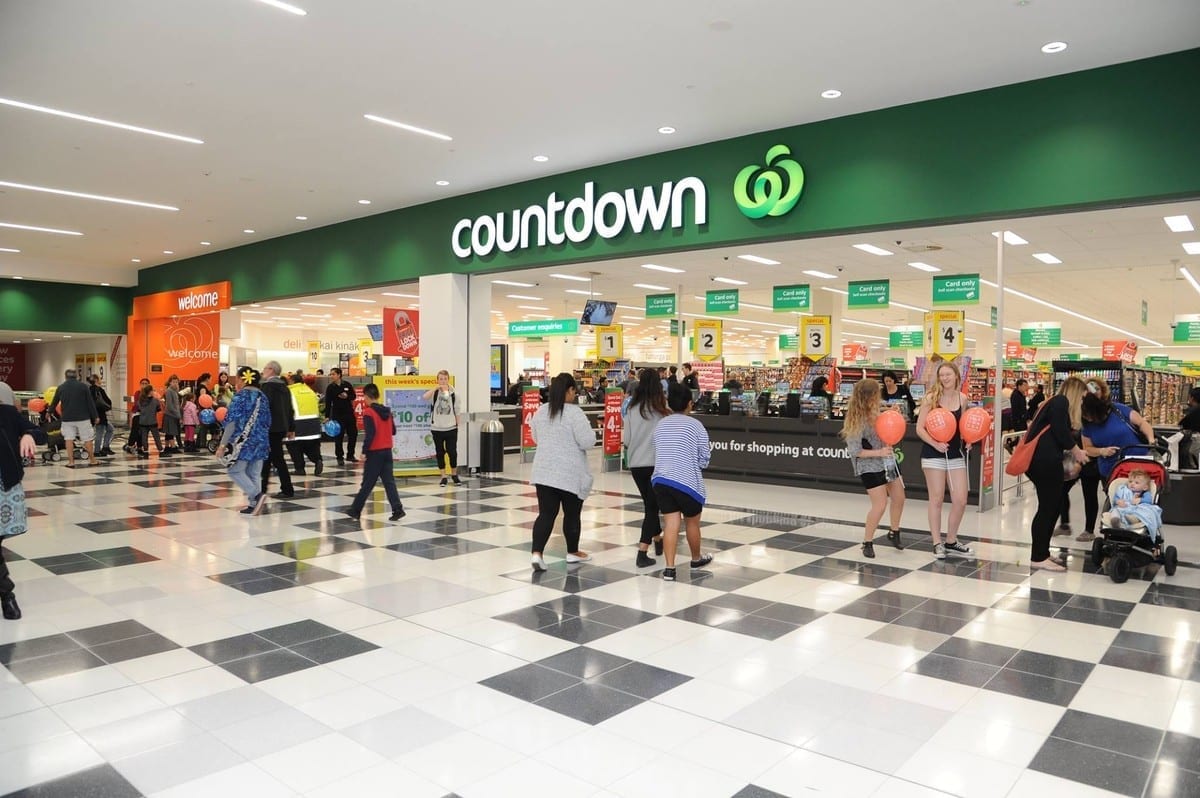
    Countdown was one of the first companies in New Zealand to adopt a family violence leave policy across its business, and it is encouraging other retailers to do the same by the sharing the positive impact its policy has had for employees since it was implemented in November 2016.

    Last week, Kiri Hannifin, the supermarket’s general manager of corporate affairs, safety and sustainability, revealed that Countdown has actively supported 28 team members impacted by family violence and provided more than 100 days of paid leave to team members through the policy. Eighty-six per cent of those seeking support have been female.

    Hannifin was speaking alongside the Minister for Workplace Relations and Safety, Hon Iain Lees-Galloway, Under-Secretary Jan Logie and representatives from Shine and the Human Rights Commission at Countdown’s Cable Car Lane store on Thursday last week, ahead of the government’s Domestic Violence – Victims’ Protection Act, which is coming into effect on April 1.

    “Countdown recognises what a significant issue family violence is and as a large employer we wanted to do something meaningful to support our team and show leadership on a really important issue,” Hannifin said.

    “We are committed to providing a safe and supportive workplace at Countdown, and we care about our team and their families – so implementing this policy was just the right thing to do.”

    The range of support Countdown has provided to date also includes free counselling sessions, including on-site; variations to hours; relocation; longer-term leave and facilitating where to seek extra support.

    The policy has also opened up the conversation about family violence across the business, according to Hannifin.

    “Through training, [we have] given our people skills on how to approach and talk to team members who are impacted by family violence,” she said.

    “The more openly our country’s leaders and businesses talk about family violence, the easier we make it for people to ask for our help.

    “That’s why the new Act is so important, not just because of the additional support it gives New Zealanders but because it sends a real signal to all of us that we each have a role to play.”

    Hannifin added that Countdown is very willing to share its knowledge and learnings from the implementing the policy over the last few years, and she encouraged other businesses to think strongly about what they can do to support their team who might be impacted by family violence.

  • H&M announces opening date of new Botany store

    H&M announces opening date of new Botany store

    H&M has announced the opening date of another bricks-and-mortar store in New Zealand, with the launch of Botany Town Centre location set for 2 May 2019.

    The retailer currently operates four stores in the country, with plans to open a 5th location at Tauranga Crossing on 4 April 2019, making the Botany store its 6th location.

    Last week, the fast fashion giant revealed there is already a 7th store in the works. It is set to open at Chartwell Shopping Centre this winter.

    The Botany Town Centre shop marks H&M’s third location in Auckland, following the opening of H&M at Sylvia Park Shopping Centre in October 2016 and Commercial Bay in 2018.

    Spanning approximately 2000sqm, the single-level store will showcase apparel and accessories for men, women, kids and baby.

    “We are thrilled to finally announce the opening date for our third Auckland store, and look forward to greeting our customers with an incredible fashion destination within a superb shopping centre” said Daniel Lattemann, country sales manager for H&M New Zealand.

    H&M entered the New Zealand market in 2016.

  • Employers are more trusted than government,

    Employers are more trusted than government,

    New Zealanders trust their employers significantly more than they trust the government, NGOs, business or the media, according to the 2019 Acumen Edelman Trust Barometer.

    According to the report, “my employer” was more trusted (74 per cent) than government (50 per cent), NGOs (48 per cent), business (47 per cent) and the media (34 per cent).

    This is the result of trust in other institutions remaining flat, while trust in employers is on the rise. The finding aligns with the trend of employees seeking out purpose in the their jobs and organisations shifting away from being ‘customer-first’ to being ‘employee-first’.

    Acumen Republic’s chief executive Adelle Keely said organisations should see this finding as an opportunity to play a more critical role in the lives of their employees, and reap the benefits of loyalty and productivity.

    “Employees are looking for trusted sources of information in a time of change and disruption and there is an opportunity for employers to provide education and useful insights that help them navigate the new world,” she said.

    Keely noted there is a growing expectation for business leaders to step up as change-makers, with three-quarters of employees wanting CEOs to take the lead on change instead of waiting for government to impose it. This is 15 points higher than last year, she said.

    “Employers need to lead on change, address workers’ concerns, provide information and equip employees for the future. They should demonstrate their relevance and contribute to the communities where they operate. This is particularly important for those not headquartered in New Zealand.”

    Interestingly, there is a gender divide in trust in institutions, with women being less trusting than men. Women trust only government, while men have trust in both business and NGOs.

    “Trust in business shows the biggest gender divide. This is likely the result of lack of female representation and reporting around pay equity and the #metoo movement,” Keely said.

  • H&M opening a Tauranga Crossing store

    H&M opening a Tauranga Crossing store

    Fast fashion retailer H&M announced it will open its fifth store in New Zealand on April 4 in Tauranga Crossing, Bay of Plenty. The new store, set in 1600sqm, will have two levels and will feature apparel and accessories for men, women, youth, kids and baby, and its home concept.

    “We are thrilled to finally be opening a store in the Bay of Plenty region and offer our customers an incredible fashion destination within a superb shopping centre” said Daniel Lattemann, country sales manager for H&M New Zealand.

    “We are also looking forward to introducing our H&M Home concept as we know it has been a customer favourite since making its New Zealand debut in 2017.”

    H&M entered the New Zealand market in 2016 and opened its first store at the Sylvia Park mall. The retailer’s other stores are located in Commercial Bay in Auckland, The Crossing in Christchurch and Queensgate in Wellington.

    The Swedish fashion retailer also announced recently it will open a third Auckland store which will be located at the Botany Town Centre and will be launched in autumn 2019.

    Last month, H&M posted a drop in profits for the year ending November 30, blaming the decline on its investment aimed at boosting its online business.

    The world’s second largest clothing retailer embarked on a transformation program last year, investing heavily in logistics and digital technology aiming to improve shopping experience and product selection. This includes an upgrade in its mobile app, faster deliveries and the rollout of click-and-collect.

    In the last three months of its financial year, the company spent around 450 million Swedish crowns on logistics and technology, including resolving problems it flagged earlier in 2018.

    H&M chief executive Karl-Johan Persson said the upgrade in their logistics systems inevitably resulted in increased costs but will lead to a range of improvements for their customers.

  • Adore Beauty to launch New Zealand before Summer

    Adore Beauty to launch New Zealand before Summer

    After putting international expansion plans on ice for the past few years to focus on growth in its home market of Australia, e-commerce business Adore Beauty is ready to go overseas again, and the first stop is New Zealand. According to Kate Morris, Adore Beauty’s founder and CEO, the Australian business will launch a localised website in New Zealand within the next six months. This will be accompanied by a local marketing campaign to increase awareness of the brand in the market.

    “The offering will be more competitive, and we’ll be looking to make ourselves a bit easier to find for New Zealand customers,” Morris told.

    Adore Beauty has shipped internationally since it launched in 1999, but in the past, the experience was less than ideal for overseas customers, since prices were in Australian dollars.

    In January 2017, the company partnered with Borderfree, a tech solution that enabled customers to see different currencies, payment methods and customs and taxes, depending on their location.

    This was always intended as a stop-gap solution to improve the international shopping experience until the business had capacity to think about international expansion again, according to Morris.

    “It wasn’t an area of focus; we weren’t spending any marketing dollars outside of our Australian consumers,” Morris said about international sales over the past few years.

    That has changed, as Adore Beauty recently completed a significant warehouse transformation project with HighJump, which saw its capacity triple to 4500sqm. This will enable the online beauty retailer to support its growing Australian business, while servicing new customers.

    “You’ve got to make sure you keep up your promises to the customers you already have before expanding out and trying to support new ones,” Morris said.

    “Part of our brand is the service level [we provide] and our reliability. Unless we can execute on that wherever we go, what’s our offering? We need to be consistent with our brand.”

    Morris said the New Zealand launch is just the first part of Adore Beauty’s expansion plans. It marks the “reopening of international generally”, she said.

  • Superdry opens the first New Zealand store

    Superdry opens the first New Zealand store

    Sports fashion brand Superdry will open its first store in New Zealand next month in the heart of Auckland’s Queen Street shopping district. The new store, which will feature Superdry’s iconic jackets, menswear, womenswear, accessories and snow gear categories, will be the 18th Superdry store opened by Brand Collective, which first secured the international licence in 2007.

    Coinciding with the store announcement, the brand on Wednesday launched an online offering in New Zealand, catering and shipping to local customers.

    Antony Hampson, brand general manager, said the expansion in New Zealand is a natural step for the brand.

    “With a population of 4.7 million, New Zealand offers a significant opportunity for the Superdry brand,” Hampson said.

    Superdry has over 500 stores worldwide in over 40 countries. New Zealand is the 47th country the brand has entered.