Tag: New Zealand

  • Helloworld expands New Zealand Activities

    Helloworld expands New Zealand Activities

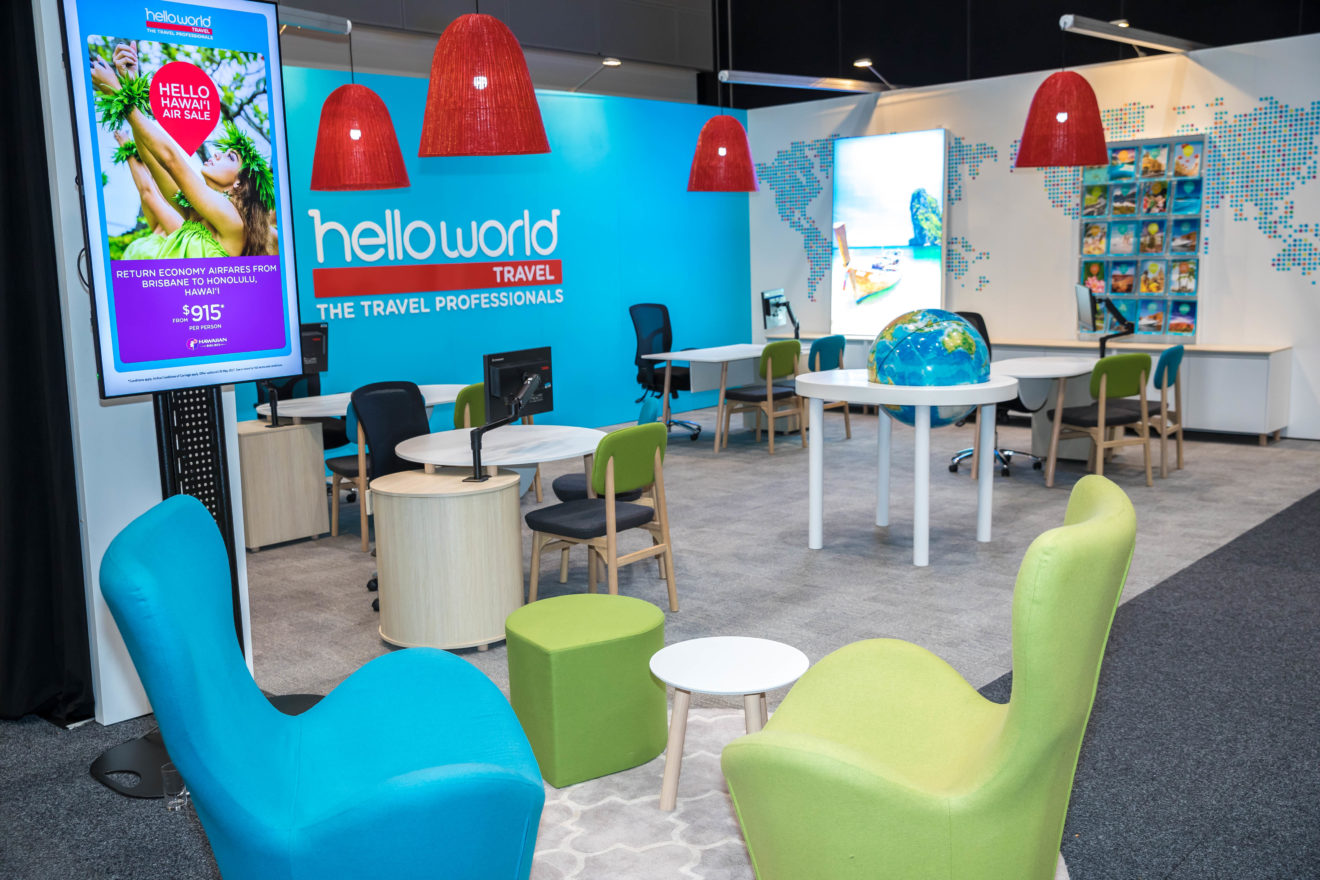
    Travel retailer Helloworld Travel has announced a number of new businesses have joined, or will join, its New Zealand retail network, broadening operations in the region.

    Agencies Gilpin Travel, Barlow Travel, and Atlas Corporation have joined the network with a combined total transaction value of $130 million.

    Additionally, the NZ Travel Brokers – which command a $125 million total transaction value – along with other “significant agencies” have committed to join from June 2019.

    “The New Zealand acquisitions and network expansion has given our NZ business the size and resulting economies of scale to assist the Group to achieve our targeted EBITDA to revenue of 25 per cent in FY20,” Helloworld Travel chief executive Andrew Burnes said.

    “The team in New Zealand has done an outstanding job of building a strong value proposition which in turn has attracted these new agencies to our networks.”

    The total annualised TTV added to the business is approximately $300 million, bringing the networks total size to 580 agency members in New Zealand – including 280 travel brokers.

    The travel business is continuing discussions with several other former members of First Travel Group.

    Helloworld also acquired sports travel retailer the Williment Travel Group recently, further broadening its offering.

    “The Williment team and their breadth of product and experience across a wide range of sporting codes and in event management adds a new dimension to our New Zealand business, and will allow us to open up the amazing offerings Williment has to the market via our Helloworld network members,” Burnes said.

  • Sephora New Zealand flagship opening in July

    Sephora New Zealand flagship opening in July

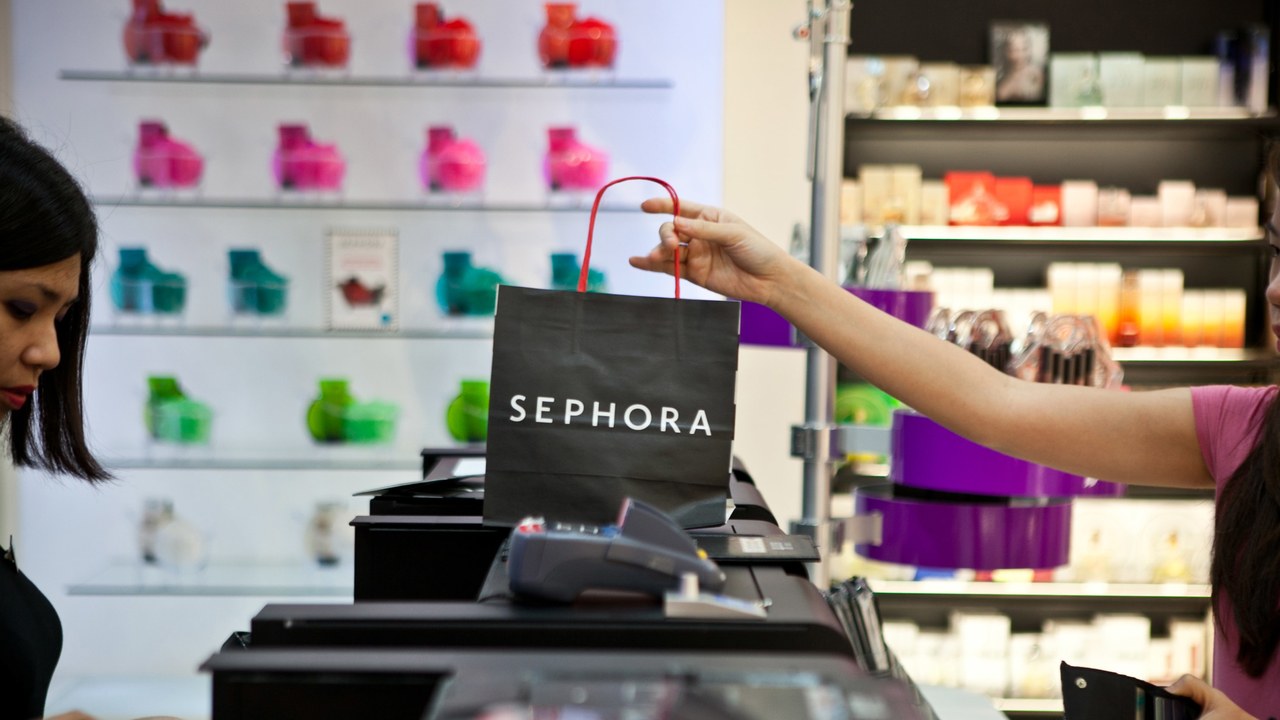
    Sephora has said its first New Zealand flagship store will be opened in July – though it stopped short of confirming an exact date.

    The beauty retailer revealed the detail on its social media channels on Wednesday morning, telling Kiwis to cancel their holiday plans in anticipation of the launch.

    Sephora has remained tight-lipped on details of the incoming Auckland store, although it is understood it will be located on Queen Street and is part of a larger push into Asia that will see Hong Kong and Korea added to the brand’s retail locations.

    Sephora managing director for Southeast Asia Alia Gogi also confirmed that the brand would be touring the New Zealand countryside by way of a ‘Beauty Bus’, giving Kiwis outside of Auckland an opportunity to interact with the brand.

    The bus will be touring across five cities including Auckland, though the other cities have not been decided.

    Sephora Asia president Benjamin Vuchot has earlier said New Zealand will be a key market in building the Sephora brand in Asia.

    “This expansion to a new market will allow Sephora to continue to amplify global beauty trends locally, elevate what our clients expect of the in-store experience and bring fresh, digital touch points to the retail environment,” Vuchot said.

  • Ecostore is New Zealand’s most valuable and trusted brand

    Ecostore is New Zealand’s most valuable and trusted brand

    Skincare brand ecostore has been crowned New Zealand’s most authentic brand according to research conducted by branding agency, Principals, and analytics firm The Navigators.

    The Brand Alpha 2019 Top 20 Most Authentic Brands report graded brands on four key drivers of authenticity – visibility, value, vitality, and virtue.

    “We are thrilled that consumers have chosen ecostore as the most authentic brand in the New Zealand market,” Jemma Whiten, ecostore’s director of marketing and digital, said in a statement.

    “We believe authenticity is key to growing a purpose-led brand in a highly competitive marketplace. Our purpose is to make the world a safer place, one person, one home at a time.

    “This sits firmly at the centre of our brand’s vision and informs every business decision.”

    Electric car manufacturer Tesla led the report in 2018, but after a year of negative press for both the brand and its founder, Elon Musk, the business saw the largest drop in the survey – falling from first to sixth place.

    Scooter brand Lime took second place, while clothing company Icebreaker rounded out the top three.

    Despite not having launched a single store in the country, furniture retailer Ikea was named in fourth place.

    Principals’ founder and planning director Wayde Bull noted that the results confirm the fragile nature of brand leadership in modern times.

    “Just three of last year’s top five brands retain their op tier status; ecostore, Icebreaker and Lewis Road Creamery,” Bull said.

    “Two new upstart brands, Lime and Ikea, join the top five, proving that perceived creativity and momentum now drive market cut-through as much as deep familiarity and a long and steady track record.

    “For Ikea to debut in the top five without yet being open for business locally demonstrates the critical importance of novelty and category-breaking thinking to cut through jaded customers today.”

    Bull noted that ecostore’s rise can be explained due to its growing visibility and sense of “winning momentum”, while maintaining its lead on virtue factors.

    “It’s a brand that feels in tune with our times, having a strong ethical strance, strong declared beliefs and a sense that it cares about more than just making money,” Bull said.

    “It’s a brand that enables caring Kiwis to act upon their environmental concerns in a practical, everyday way.”

  • Ziera closing stores as part of Restructuring Plan

    Ziera closing stores as part of Restructuring Plan

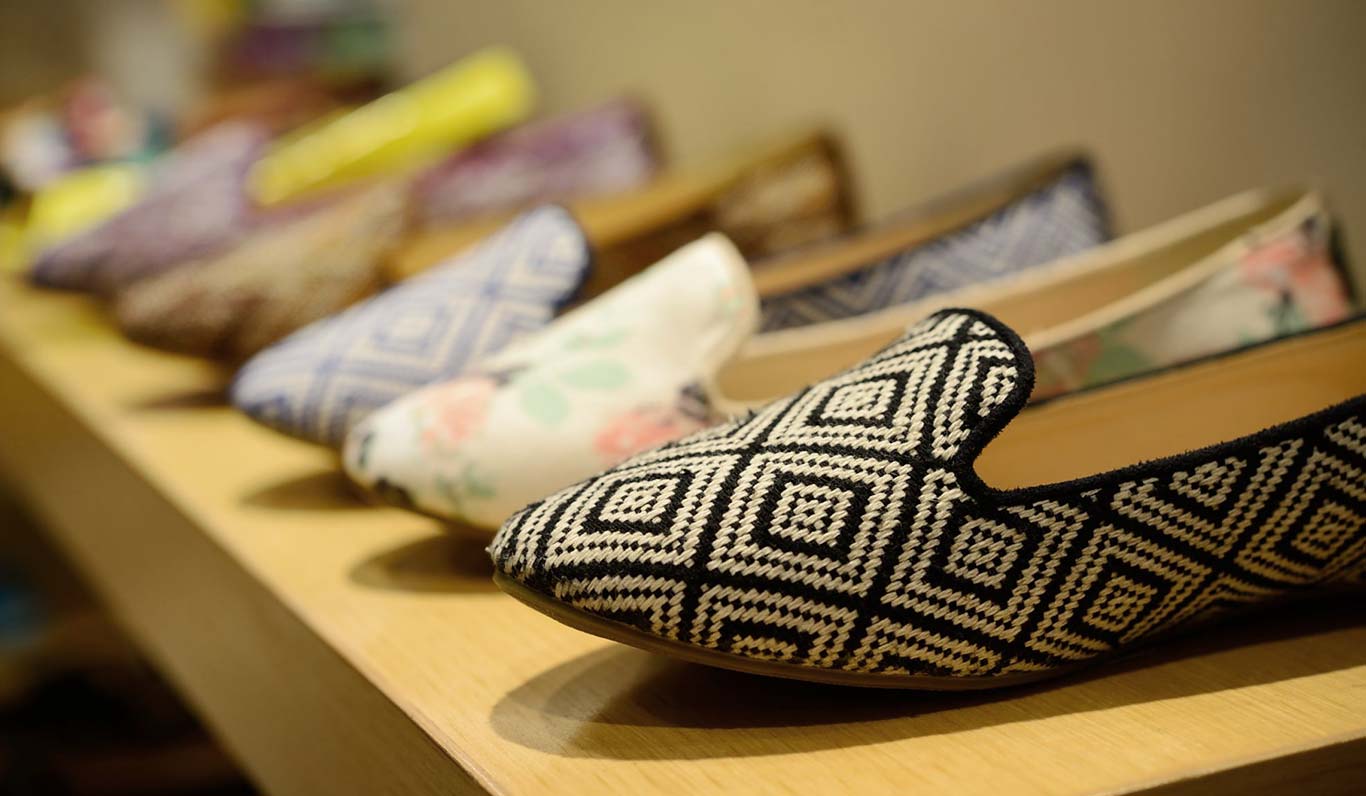
    New Zealand women’s shoe brand Ziera has appointed a new CEO and chairman to transform the business into a digital-first omnichannel retailer.

    Ziera has announced a new partnership with The Iconic to grow its e-commerce presence, which will make it less reliant physical locations. The retailer plans to have fewer high street stores but offers higher quality service in the top locations is retains.

    “We will always have flagship stores on the ground where customers can come in, check out the range and get fitted properly,” said Ziera chairman Andrew Robertson.

    “But, once we have customized their footprint, their details can be stored online and they can then also buy with confidence from one of our digital channels.”

    In addition to its partnership with The Iconic, Ziera has also forged an exclusive trading relationship with Foot Mechanics, a New Zealand-based podiatry business, which will offer a core Ziera range at its 17 clinics as well as online.

    This relationship will make Foot Mechanics one of Ziera’s largest wholesale partners in New Zealand.

    Additionally, three of the brand’s stores will close in July as a result of expiring leases – Bridge Road in Melbourne, Garden City in Brisbane, and Orange in New South Wales – further pushing the brand to embrace online capabilities.

    The retailer has appointed a new chairman in Robertson, a new chief executive in Martin Bremner, and a new head of product design in Rosie Jamieson.

    Bremner was previously chief executive of Super Liquor Holdings, and has helped businesses through similar transformational periods before. Since Bremner joined in 2018, Ziera’s online sales have grown by approximately 33 percent, and has become it’s biggest “store”.

    Jamieson has more than two decades of experience in footwear creation, having previously worked at Hush Puppies, Sacha London, and Hotton. According to the brand, her involvement has seen the “reinvention” of the Ziera range.

    “Exciting times lie ahead of Ziera as we transform our business into an omnichannel retailer that provides customers with a convenient and easy experience, allowing them to shop however and whenever they choose,” Robertson said.

  • Online Spending on local sites strengthens

    Online Spending on local sites strengthens

    Spending on local online sites has strengthened, helping boost the country’s total online retail sales over the three months to April by 7 percent over the previous corresponding period.

    Spending on New Zealand sites is continuing a recent strong run, seeing an 11 percent increase over the three months to April 30 compared to the previous corresponding period.

    Continued strong growth in the food, clothing, electronics and department store categories was seen as the driving force.

    “Growth in online spending on food is particularly strong and is emerging as a key reason for stronger growth rates at domestic sites versus international,” said Gary Baker, director of institutional research at Bank of New Zealand.

    Baker said the country is continuing to see softer growth rates for purchases from offshore sites, which over the last three months were only 2 percent higher than in the same period the previous year.

    “One influence is the NZ dollar, which is tracking around 7 percent lower versus the USD than it was a year ago, making offshore purchases more expensive for Kiwis,” Baker said.

    “This will reduce spending if a fall in purchase volumes more than offsets the effect of paying higher prices.”

    According to Baker, another influence on the softening growth rates from spending in offshore sites is the ongoing maturation of the online channel.

    “In recent years we have seen online growth rates ease from double-digit levels and slowly trend down,” he said. “Online growth rates still exceed those of physical stores, but the gap is reducing.”

    In some categories, however, purchases from offshore sites are continuing to grow very strongly, such as in computers and entertainment media.

    Total online retail spending over the three months to April 30 was 7 percent higher than the previous corresponding period.

    Annual online spending across the retail categories covered is running close to $4.6 billion, excluding GST.

  • Domino’s Pizza  invests in technology to improve quality

    Domino’s Pizza invests in technology to improve quality

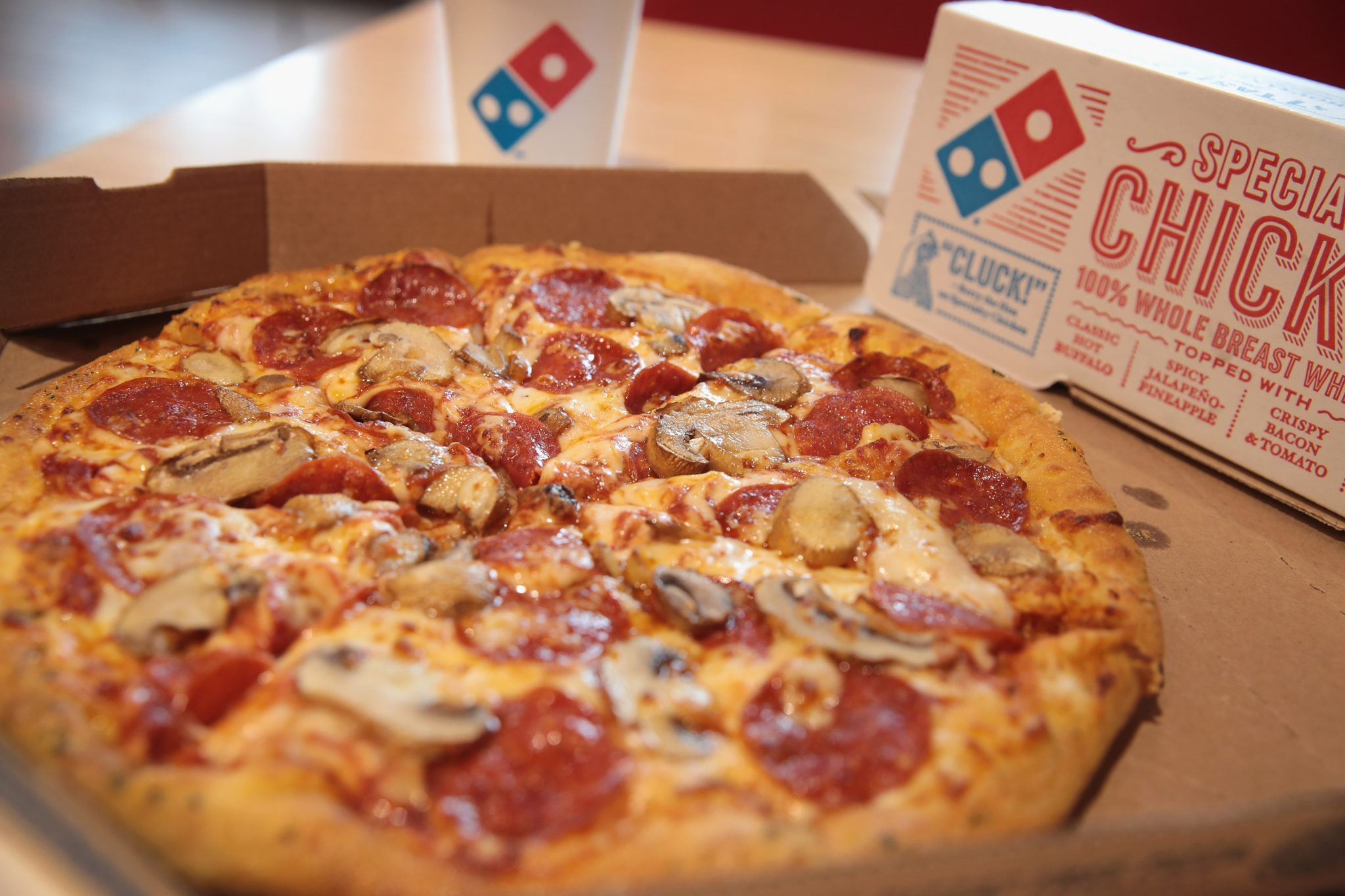
    Domino’s Pizza is taking on one of its customers most common complaints, that the ordered pizza “doesn’t look like it should”, with a nationwide roll-out of its Pizza Checker technology.

    The technology takes the form of a camera system that grades individual pizzas on certain qualities, such as the topping volume and spread, as well as the amount of cheese used, and it’s already showing results according to Domino’s Australia and New Zealand chief executive Nick Knight.

    “So far, it’s analysed more than one million pizzas, and there is a lot of learning that we’ve captured,” Knight told analysts during a briefing call last week.

    “It’s early days, but I’m really pleased with what we’re seeing. Team members are using this technology to put a much needed extra focus on product quality.”

    According to Knight, while customers so far can’t see or tell that the pizza they receive has been ‘checked’, customer metrics show that they are reacting positively to the results.

    “In my experience, when we’ve tackled one of the biggest customer tensions, like we did with GPS drivers, those things have flowed through to sales,” Knight told analysts.

    The technology uses artificial intelligence to grade pizzas, and will eventually allow customers to view a real-time image of their pizza on the cut bench, and will notify them if their pizza failed the process – resulting in a remake, though it’s possible this situation could lead to longer delivery times.

    The technology is now active across all Australian and New Zealand Domino’s stores.

    During the call last week, Knight also discussed Domino’s effort to improve the overall health of its franchise business through its Operations 360 initiative, which launched 18 months ago.

    The initiative provides franchisees with data on sales drivers at the store level, and gives the company’s operations team members an opportunity to provide advice and training in those areas where certain franchisees may be struggling.

    While this has helped some franchisees to improve, it has also led some franchisees to exit the business, Knight said.

    “Unfortunately, some franchisees don’t have the passion or capability to take their business to that level, and they aren’t able to run with us,” Knight told analysts.

    To help these franchisees in their exit, Domino’s has purchased some franchised stores back from franchisees and will, in the short term, run them as corporate stores.

    Knight said some franchisees who left may have been unhappy, and cautioned that they might lodge proceedings in an attempt to bargain with the business, or out of a genuine issue.

  • Countdown stores more accessible for New Zealanders

    Countdown stores more accessible for New Zealanders

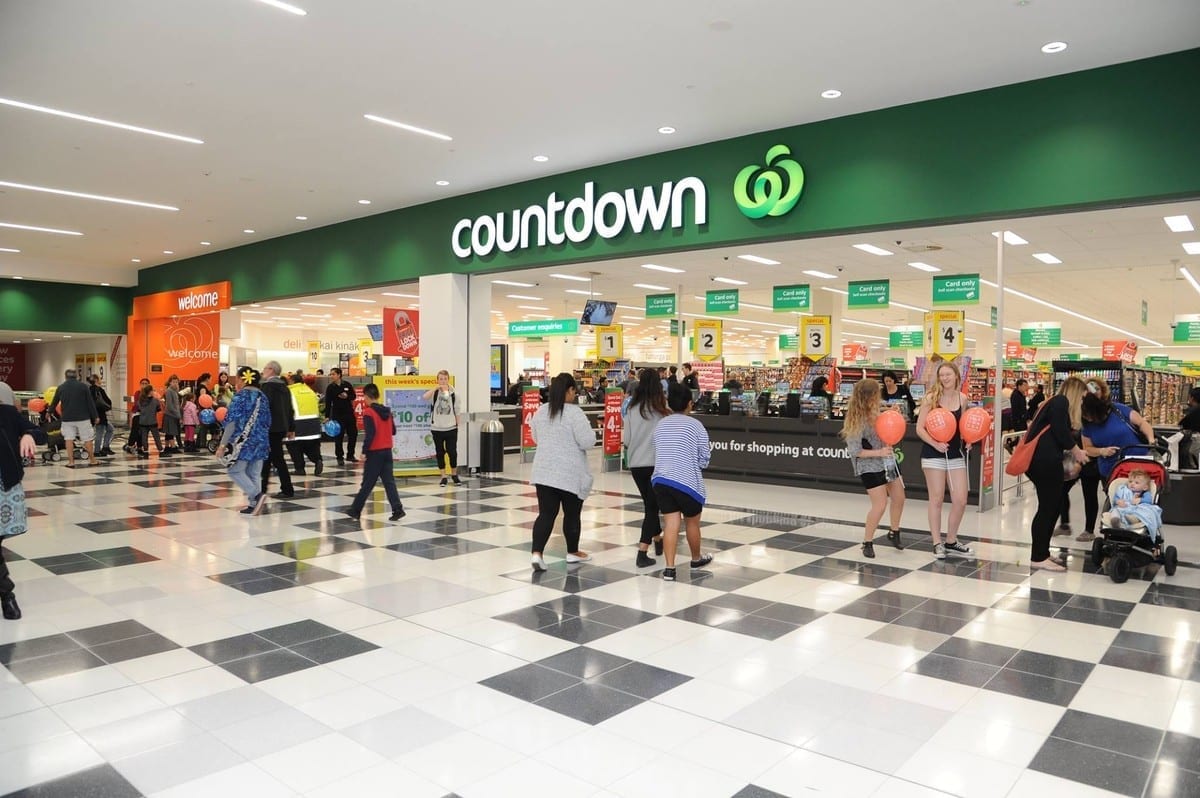
    Countdown is taking steps to make the supermarket chain more accessible to people with different needs, opening the doors to the country’s first accredited ‘Be. Accessible’ supermarket in Hawera, and testing a new car park monitoring app to ensure mobility car parks are kept free for the people who need them most.

    Reopening earlier this month after a significant refurbishment, Countdown’s Hawera store has a number of new features that make it more comfortable and accessible for people.

    They include a visual alarm system for emergencies, and an EVAC chair for wheelchairs at the emergency exit, contrasting colors for doors and reduced natural light in the entry area to avoid glare for visually impaired customers, wider aisles for wheelchairs, mobility scooters and prams and team areas that have been designed for people with a range of mobility needs, to name just a few.

    “Sometimes the smallest changes can make a huge difference, like light switches that aren’t too high to reach if you’re in a wheelchair or mobility scooter, or a fire alarm that flashes lights instead of just a siren so that hearing impaired customers know they need to exit,” Kiri Hannifin, Countdown’s general manager of corporate affairs, safety and sustainability, said in a statement at the time of the launch.

    “It’s really important to us that all New Zealanders feel welcome when they shop with us, and we’re proud to have worked alongside Be. Accessible to help guide us to make our Hawera store more user-friendly. We’ll now be taking these learnings to our future store designs.”

    Countdown is also planning to offer Quiet Hours in its Hawera store future, which will support a low-sensory shopping experience, beneficial to people with Autism in particular.

    The supermarket chain this month has also started trialing a new app at its Dunedin stores, which enables users to upload photos of cars parked in mobility car parks that don’t display a valid permit.

    The Access Aware app, from CCS Disability Action, alerts the relevant store team, which enables them to relay a message over the store’s PA to ask the car owner to move their vehicle to another spot.

    “Having mobility car parks as close to our store entrance as possible is incredibly important for any of our customers with mobility needs,” Hannifin said.

    “While the vast majority of New Zealanders are respectful of ensuring mobility parks are available for customers with the right permits, introducing the Access Aware app is an opportunity to reiterate that these car parks are there for a purpose, to help someone get in and out of our stores more easily,” says Kiri Hannifin.

    Countdown is trialing the app for three months in its four Dunedin stores – Dunedin Central, Dunedin South, Mailer Street and Andersons Bay – and will look at the customer and team feedback, as well as the number of reports,  received before it considers rolling out the technology across other stores.

    Countdown is also making its mobility car parks across the country wider, and revamping them with new blue, non-slip paint to make it easier for the customers who need them to use them.

    “Together with improving signage and road markings for mobility car parks across our network, we want to make it clear for any customer with mobility needs that these car parks are here for you,” Hannifin said.
  • Sephora confirms Auckland Flagship Opening This Year

    Sephora confirms Auckland Flagship Opening This Year

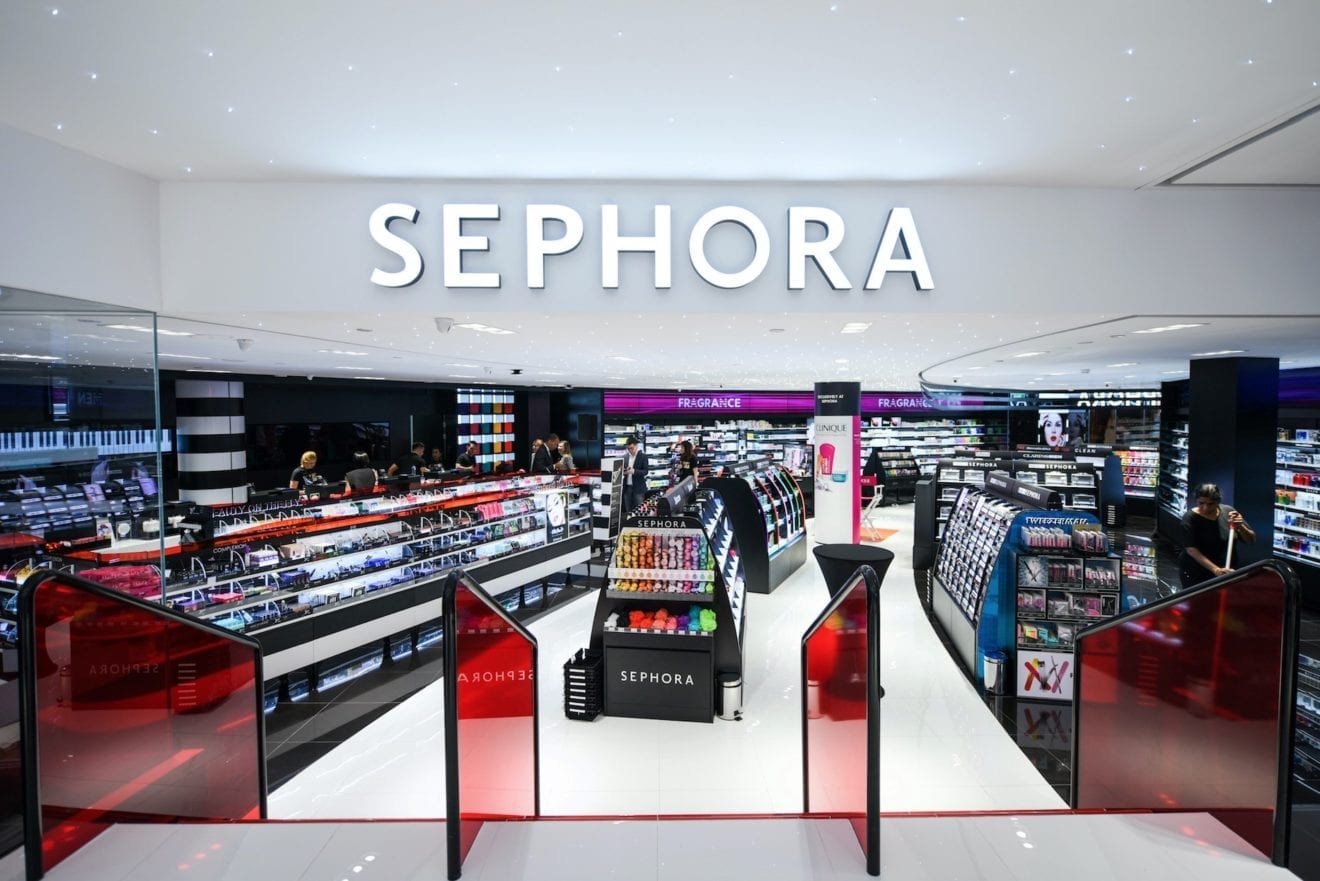
    Beauty retailer Sephora has confirmed long-standing rumors of an Auckland flagship set to open on Queen Street in 2019. While the retailer launched a local online offering in 2015, the bricks-and-mortar location will be Sephora’s first in New Zealand and is part of a larger push into Asia that will see Hong Kong and Korea added to the brand’s retail locations.

    “We believe that New Zealand will be a key market in building Sephora as the most loved beauty community in Asia, and the world,” said the president of Sephora Asia Benjamin Vuchot.

    “This expansion to a new market will allow Sephora to continue to amplify global beauty trends locally, elevate what our clients expect of the in-store experience and bring fresh, digital touch points to the retail environment to create a virtual, client-centric cycle.”

    Prior to its official announcement earlier this week, Sephora posted a series of job ads on Seek in April, looking for assistant store managers, category coordinators, stockroom managers and supervisors to fill out the Auckland flagship.

    The positions all indicated that prospective employees would need to be available for a recruitment event between May 7 and 8, pointing to an opening in the near future.

    Sephora interim general manager of Australia and New Zealand Pedro Coutinho said the store would be a beauty destination “like no other.”

    “We are so excited to introduce our renowned service offering, a suite of the most sought after beauty brands from around the world and a fun place for our clients to experience and explore their own beauty journey,” Coutinho said.

    “The Sephora client is the future – our customers are ahead of the trends, up to date with the latest brands and they want new products, now. We’ve listened to what our online clients want from Sephora, and this new Auckland location will help us deliver it.”

  • Vodafone to sell New Zealand subsidiary for $2.23b

    Vodafone to sell New Zealand subsidiary for $2.23b

    Vodafone Group has arranged to sell a 100% stake in Vodafone New Zealand to a consortium of investors for NZ$3.4 billion ($2.23 billion).

    The consortium comprising New Zealand infrastructure investment company Infratil and Canadian investment company Brookfield Asset Management have executed a conditional agreement to buy out Vodafone’s New Zealand subsidiary.

    Under the agreement, Infratil and Brookfield will each contribute NZ$1.03 billion towards the purchase price, with the remainder to be funded through debt reduction and equity conversion.

    Vodafone New Zealand is the market’s largest mobile operator and second largest retail fixed broadband provider, with over 1,500 mobile sites and over 10,000km of cabling nationwide. The operator generated revenue of NZ$2 billion for the financial year ending in March.

    Pending approvals from New Zealand’s Overseas Investment Office and Commerce Commission, the merger is expected to close by the end of August.

    Upon completion of the merger, Vodafone Group and the new owners of Vodafone NZ plan to enter a multi-year partnership that will cover arrangements such as preferential roaming deals.

    The partner agreement is also expected to give Vodafone NZ access to Vodafone Group’s global IoT platform and centralized procurement agreements.

    Vodafone NZ CEO Jason Paris described the agreement as to the “best of both worlds” for its customers.

    “We’ve got the backing of two new world-class and long-term investors plus we can continue to tap into Vodafone’s global expertise, including all the services our customers value such as global roaming, global procurement, and the world’s largest IoT platform,” he said.

    “The key things will stay the same – our strategy, our people, our management team, our brand, and our ability to tap into Vodafone’s global products and services. What changes is our owners, who back our ambitious plans for New Zealand and who share our views on the importance of creating sustainable, long-term profitability in order to reinvest in the future.”

  • AllGoods marketplace reaches 1 million listings

    AllGoods marketplace reaches 1 million listings

    AllGoods, a free marketplace for Kiwi buyers and sellers, has announced it has reached its one-millionth listing, 12 months after launching.

    The TradeMe competitor said it has maintained steady growth over the past few months. Its app has also become the top New Zealand shopping app since it was released late last year, it said.

    “We’ve worked extremely hard over the past year to get where we are today,” said Levi Fawcett, AllGoods CEO. “We’ve talked with thousands of our users to make sure the platform provides a truly amazing buying and selling experience. Plus, it’s free.”

    The Christchurch-based startup said it already supports over 700 New Zealand businesses who sell through the online website and app. The company said it is their vision to use e-commerce as a sustainable means to support local businesses and give back to the community.

    “We’re offering a fresh spin on the classic online marketplace and while we have only just begun this journey, we look forward to the years to come,” Fawcett said.

    With Trade Me’s recent sale to British equity firm Apax Partners, AllGoods is now considered the largest Kiwi-owned marketplace in New Zealand.

    In October last year, AllGoods launched a new app for iOS and Android mobile devices.

    Features of the new app include easy listings and browsing, allowing users to post items in less than 30 seconds, and a built-in chat tab to get faster answers to questions on the site.

    “The team has tried to keep the platform as easy to use as possible, for both the everyday Kiwi and the average New Zealand business,” Fawcett said. “I think this has been fundamental to our success.”

  • Government to recommend vaping as healthier

    Government to recommend vaping as healthier

    The New Zealand Government is set to publicly recommend that Kiwis seeking to quit tobacco could use vaping as a healthier alternative, with a media campaign set to begin in August.

    While the New Zealand Ministry for Health website notes it “does not have enough evidence to recommend vaping products confidently as a smoking-cessation tool”, a spokesperson confirmed that vaping is intended to be a safe gateway for those who wish to give up cigarettes.

    “There is a scientific consensus that vaping is significantly less harmful than smoking,” the spokesperson said.

    “It is likely vaping can also be used to stop smoking but the evidence is still emerging. A number of large studies are underway and more information will be available over the next year.”

    The campaign is also set to limit access to vaping devices for non-smokers, especially the under-age, while also focusing on Māori women – who have been shown to have the highest smoking rate in the country at 32.5 percent.

    The shift in thinking is likely to assist with the Government’s ‘Smoke-free 2025’ target.

  • Easter spending up 4.6 per cent over Last Year

    Easter spending up 4.6 per cent over Last Year

    While nationwide spending was down year-on-year over the week to Easter Monday, the holiday period performed better compared to its 2018 counterpart, according to nationwide spending data from Paymark.

    The seven days to Monday, April 22, 2019, saw spending increase by 4.6 per cent compared to the Easter week in 2018, which ran to April 2. This is down slightly from the 4.9 per cent year-on-year spending increase in 2018.

    Gisborne saw the strongest growth at 14.6 per cent, followed by Marlborough at 13.3 per cent, when comparing Easter periods.

    Spending was also up across clothing and footwear stores (13.8 per cent), and liquor retailers (9.9 per cent).

    Compared to the exact same week in 2018, rather than last year’s East period, spending in the Canterbury region was down 7 per cent, with Kiwis spending a total of $125.1 million in the region over the week.

    Wellington brought in $106.2 million, a 5.9 per cent drop, while Auckland brought in $454.1 million – a 6 per cent drop compared to the same period in 2018.

    Auckland made up about a third of the spending in the country, with Paymark recording $1.19 billion spent over the week (0.8 per cent down on 2018), though the region was far outstripped in terms of overall growth.

    The Bay of Plenty saw spending grow to $92.9 million – a 14.5 per cent increase year over year. Gisborne enjoyed 19.6 per cent spending growth to $11.7 million, while Otago brought in $76.6 million, or an increase of 7.1 per cent.

    According to Paymark, grocery, fuel and hospitality providers, drove almost all of the spending increase.

    “This year these merchants recorded $43 million more spending (up 15.7 per cent) outside of the three largest Paymark regions,” Paymark said.

  • NZ dollar slides Again

    NZ dollar slides Again

    The New Zealand dollar has fallen slightly against the US dollar Tuesday, trading at 66.70 US cents at 0750 in Wellington from 66.79 US cents at 1700 yesterday. The trade-weighted index was at 72.71 points from 72.82.

    The local currency was at 94.46 Australian cents from 94.85 and was at 51.54 British pence from 51.63.

    The kiwi was at 59.60 euro cents from 59.85, at 74.45 Japanese yen from 74.53 and at 4.4897 Chinese yuan from 4.4938.

  • Food brands team up on Tmall in New Zealand

    Food brands team up on Tmall in New Zealand

    Some of New Zealand’s most popular food and beverage brands now have direct access to Chinese customers through a new flagship on the online marketplace, Tmall.

    The online flagship, which opened last week, is the result of a joint venture between Tmall Fresh and New Zealand Food Basket Ltd, a consortium of 18 food and beverage brands.

    “It will significantly improve our reach and shorten the supply chain in a way that each brand couldn’t achieve alone,” Nicola O’Rourke, chairperson of the consortium, said.

    Nine brands were available for sale at launch – Babich, Vogel’s, Rockit, Future Cuisine, Pāmu, Zealong, Fiordland Lobster and Oha Honey – while the remaining nine brands are set to begin selling on the marketplace in June.

    They include Zespri, Sanford, Lewis Road Creamery, Kāpiti, Sealord, Alliance, Shott Beverages, Wild Catch and Cherri.

    Tmall is owned and operated by Alibaba, China’s biggest e-commerce company, with nearly 700 million monthly active users.

    The flagship store is expected to boost awareness of the brands in a market where demand for New Zealand products is high, but it can be difficult for even big companies to get cut-through.

    “Together, we want to help these brands deepen their engagement with the Chinese consumer, so shoppers in China can gain a greater appreciation of the premium high-quality products that New Zealand offers,” Maggie Zhou, Alibaba’s managing director for Australia and New Zealand, said at the signing ceremony in Shanghai last week.

    According to New Zealand’s official data agency, Stats NZ, in 2018, China was the country’s single-biggest export market, accounting for around one in every five dollars of sales of goods and services.

    At $16.6 billion, New Zealand’s export to China for the year ended September 30, 2018, was $2.6 billion more than Australia and nearly double the sales to the US.

  • Kiwis less likely to be brand “fans” than Aussies

    Kiwis less likely to be brand “fans” than Aussies

    Customers in New Zealand are less likely to be “fans” of brands, and are more likely to be “disappointed” by their shopping experience than customers in Australia.

    This is the finding of a recent comparison of New Zealand and Australian customer insights by TruRating, a customer feedback provider that launched in New Zealand this week.

    The company found that 64 per cent of Australian customers were “fans” of a brand after shopping with them. This means they gave the brand a rating of 8 or 9, which is correlated with loyalty and higher spending.

    But based on data from its nine-month soft launch in New Zealand with several local retailers, including Kathmandu and Bendon, only 54 per cent of Kiwis were “fans”.

    When it came to bad experiences, 18 per cent of Australian customers said they were “disappointed” and gave a business a rating of 0-3. This could impact average transaction value, TruRating said.

    In comparison, 24 per cent of customers in New Zealand gave a brand such a poor rating.

    The feedback company also noted a key difference in what drives customers to spend in New Zealand compared to Australia. While “overall in-store experience” was the most important factor in both countries, “product range” was the second-most important factor in New Zealand, while “service” was second-most important in Australia.

    “In Australia, customers are happiest on weekday mornings, and in New Zealand, Wednesday is the happiest day for shoppers,” TruRating said.

    “In general, New Zealand customers are least happy with their experience on Sundays, which is unfortunate as they are likely to spend more on this day.”