Tag: New Zealand

  • KFC New Zealand drives Restaurant Brands’ sales

    KFC New Zealand drives Restaurant Brands’ sales

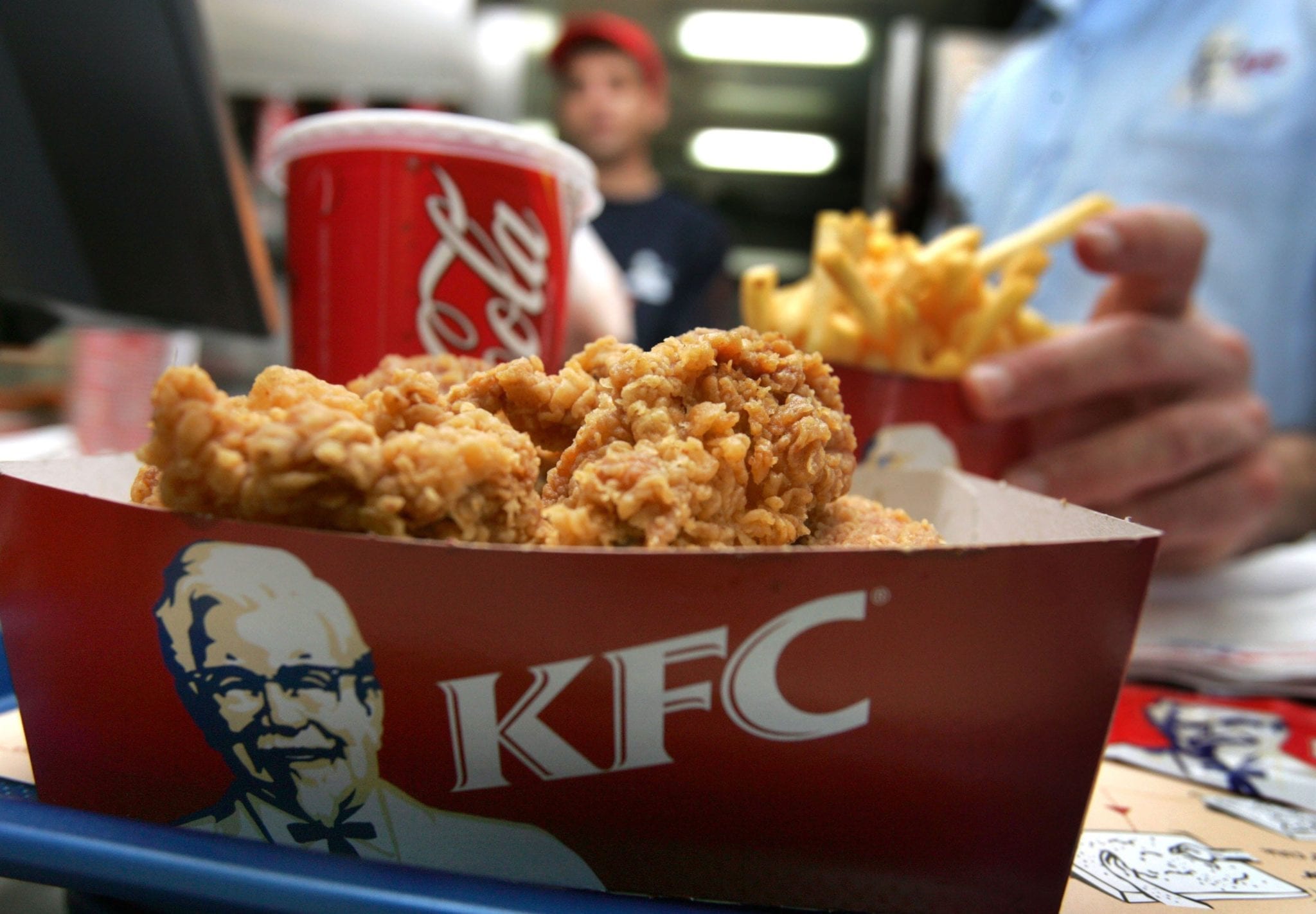
    Restaurant Brands total group sales grew 2.7 percent over during the first half of FY20, though net profit fell 2 per cent due to the adoption of a new leasing standard.

    Total group sales, which include KFC, Pizza Hut and Carl’s Jr. in New Zealand, as well as KFC operations in Australia, and Taco Bell and Pizza Hut in Hawaii, grew to $442.6 million – an increase of $11.6 million on the prior year.

    Net profit fell to $20 million, 2 percent lower than the $20.4 million seen during 1H19, due to the adoption of NZ IFRS 16, which knocked net profit down $2.9 million as a result of lease depreciation costs.

    The bulk of the sales improvement came from KFC’s New Zealand operations, which saw sales up 7.9 per cent to $193.5 million.

    Same-store sales grew 5.7 percent, while EBITDA totaled $41.8 million, driven by a further roll-out of the business’ delivery operations, as well as successful product promotions and the opening of three new stores.

    Pizza Hut saw a more difficult half, with total sales down 10.5 percent to $18.3 million despite the expansion of the chain’s store network. Same-store sales also fell 4.4 percent due to competitive pressure, the impact of launching new stores, as well as the appearance of new food delivery companies in the New Zealand market.

    Restaurant Brands also confirmed it would be opening its first New Zealand Taco Bell at LynnMall Shopping Centre in Auckland next month.

    “Initial planning and setup is well underway to bring this exciting new brand to the New Zealand market with the first new store in Auckland targeted to open in November,” the company said in a release.

    Restaurant Brands chief executive Russel Creedy said the group would launch up to 25 Taco Bells across New Zealand in the next five years.

    The group’s Australian results were adversely affected by a stronger New Zealand dollar, with KFC Australia seeing 4.2 percent total sales growth to $99.5 million. Restaurant Brands is also planning to open two Taco Bell stores in New South Wales, Australia in the calendar year.

    “The overall business continues to deliver solid results across all geographic markets and this strong performance is expected to continue in the second half of the year,” the group said.

    The directors believe that, not including further impact of NZ IFRS 16, Restaurant Brands will deliver an NPAT at least 10 per cent higher than FY19 – having previously stated they are expecting a net profit of $45 million for the FY20 period.

  • Vodafone NZ unveils agile and programmable network

    Vodafone NZ unveils agile and programmable network

    With an adaptive network, Vodafone can better support a growing enterprise customer base that requires high-capacity connectivity as business applications and workloads increasingly move to public cloud services (SaaS/IaaS) and cloud data centers both locally and internationally.

    Vodafone Technology Director Tony Baird says this deployment builds on a long-standing relationship. “Our long-standing collaboration with Ciena is a relationship we value greatly. The combination of top-echelon technology and impeccable customer service has put us in a winning position. As a result, we’re very comfortable in not only maintaining but growing our customer base, particularly those that require complex and unique network services.”

    Vodafone can also set customer-defined service policies and program its network to suggest the ideal capacity, hardware configuration and spectral placement for any channel, across any network path.

    Additionally, with Ciena’s Liquid Restoration capability, the operator can significantly improve service availability with flexible adjustment of deployed coherent optical capacity and route affected services across any available path in the network.

    “To respond to changes in end-user consumption and explosion in data usage, leading operators like Vodafone New Zealand must both automate and scale their networks,” said Rick Seeto, Vice President and General Manager, Ciena Asia Pacific & Japan. “They need a network that can adapt and respond, in real-time, to their customers’ ever-changing demands while transforming from a necessary capability to a strategic asset – that’s the basis of the adaptive network.”

  • Taco Bell to open first New Zealand outlet next month

    Taco Bell to open first New Zealand outlet next month

    Mexican fast food chain Taco Bell reportedly will open its first New Zealand store at The Brickworks in New Lynn’s LynnMall.

    Clark Wilson, general manager of Taco Bell NZ for Restaurant Brands, confirmed the location of the first store to NZ Herald.

    “We’re thrilled to reveal Taco Bell will be opening its doors in Auckland, early this November,” Wilson said.

    Restaurant Brands operates the New Zealand franchises for KFC, Pizza Hut and Carl’s Jr, and operates a KFC franchise in NSW, Australia, as well as Taco Bell and Pizza Hut franchises in Hawaii, Guam and Saipan.

    The NZX-listed company earlier this year said it would open 60 Taco Bell stores across Australia and New Zealand over the next five years. In September, it revealed the locations of the first new stores to open in Australia, with stores set to open in Melbourne, Sydney and Newcastle.

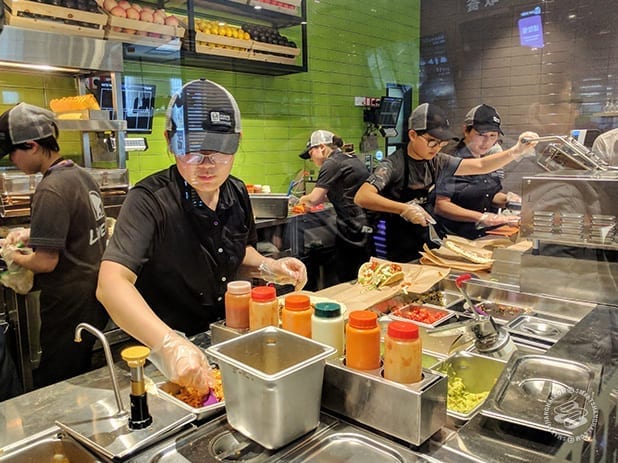
    The Taco Bell in LynnMall in West Auckland will feature an open kitchen, customer-curated music playlists and free WiFi. The store also reportedly will serve alcohol.

    The Brickworks is a relatively new dining precinct at LynnMall, launched in 2015. It currently is home to Turkish and Greek restaurant Bodrum Kitchen, meat and wine bar Cleaver & Co, pizza and pasta restaurant Goode Brothers, Vietnamese restaurant Hansan,

  • Kathmandu raises $96 million for Rip Curl acquisition

    Kathmandu raises $96 million for Rip Curl acquisition

    Kathmandu has raised nearly $96 million from institutional investors via a fully underwritten 1 for 4 pro rata accelerated entitlement offer to help fund its acquisition of Rip Curl.

    Eligible institutional shareholders took up 88 per cent of their entitlements, and 92 per cent of eligible institutional shareholders took up their entitlements in full, signaling strong investor support for the $368 million acquisition, which Kathmandu said will expand and diversify the business.

    Kathmandu is looking to raise a total of $145 million under the entitlement offer, which allows eligible shareholders to subscribe for one new ordinary share for every four existing shares held as at 5pm on October 3, 2019.

    The retail component of the entitlement offer opens on Friday, October 4, and closes on Monday, October 21, with eligible shareholders able to subscribe at an application price of NZ$2.55 per new share ($2.37 for Australian shareholders).

    This reflects a 14.4 percent discount to the volume-weighted average price of Kathmandu’s shares traded on the NZX for the last five trading days prior to October 1, 2019.

  • Vodafone, Spark and 2degrees to provide rural broadband in New Zealand

    Vodafone, Spark and 2degrees to provide rural broadband in New Zealand

    Vodafone, Spark and 2degrees have joined forces in an effort to deliver broadband and mobile services to twenty rural areas across New Zealand.

    “Keeping Kiwis connected is a top priority for Vodafone, and we’re thrilled to be working alongside Spark, 2degrees and the Government to bring connectivity to rural New Zealand, which is the powerhouse of our economy,” said Vodafone New Zealand’s chief executive, Jason Paris.

    He added, “For this sector to remain competitive they need fast broadband and mobile coverage- not just in offices, but on farms, in schools and on the roads. This once in a generation opportunity for all three mobile network operators to provide both competitive ultra-fast broadband and world-class 4G mobile infrastructure will not only deliver the connectivity for rural New Zealand, but also the safety of Kiwis living in those remote areas.”

    There are also plans to introduce this technology for connectivity to at least 500 more sites in rural New Zealand. They will be given access to high-speed wireless broadband as well as high-quality mobile coverage.

    Jolie Hodson, CEO of Spark, stated, “The connectivity is much needed to bridge the digital divide for rural communities and help the rural sector remain competitive. Bringing together the investment from Spark, Vodafone and 2degrees along with the Government’s RBI2 funding has been the key to providing service into more challenging and remote areas of New Zealand.”

    Under the Rural Broadband Initiative 2 and the Mobile Black Spot fund, the government of New Zealand (through Crown Infrastructure Partner) has granted the RCG permission to become the infrastructure provider. The RCG project aims to deliver mobile and broadband coverage to around 38,000 rural households and businesses.

    Paul Mathewson, CCO of Spark, said, “We’re proud as an industry to be able to collaborate and work together where it makes sense – and our RCG partnership with Spark and Vodafone is the perfect example.

    “Connecting Kiwis with their loved ones or the people they do business with is at the heart of what drives us at 2degrees, and we’re thrilled that fast connectivity is going to reach the furthest and most remote corners of New Zealand.”

  • Calvin Klein and Tommy Hilfiger about to open first standalone stores in NZ

    Calvin Klein and Tommy Hilfiger about to open first standalone stores in NZ

    A mixture of international and local fashion and beauty retailers will be opening new stores in Commercial Bay when it opens next year.

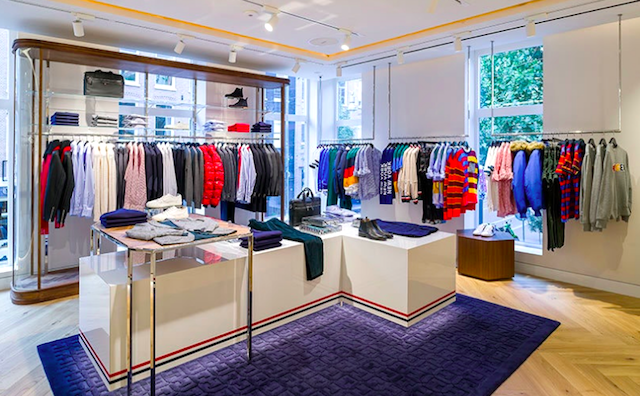
    American clothing brands Calvin Klein and Tommy Hilfiger, and Dutch fashion retailer Scotch & Soda, will open their first New Zealand standalone retail stores at the centre. Both Calvin Klein and Tommy Hilfiger will be offering a combination of apparel, fragrance, accessories and homewares.

    The Australian brand R.M. Williams, surf apparel Rip Curl and sportswear retailer Asics have also signed up to open flagship stores at the centre.

    Womenswear brand Kookai and local fashion brand Twenty-seven Names will be joining other local brands at the centre alongside outdoor retailer Icebreaker and local brand Storm.

    According to Precinct Properties, the city centre specialists behind the Commercial Bay development, the recent update takes the leasing of Commercial Bay to 95 per cent.

    “We’ve given a lot of thought to curating an outstanding retail offering in the heart of the city,” said Scott Pritchard, Precinct Properties CEO.

    Pritchard said each retailer has been closely considered to ensure Commercial Bay provides the ultimate shopping experience for Aucklanders, visitors from around New Zealand and international guests to the city.

    “Commercial Bay will be a welcoming place with something for everyone,” he said. “I’m confident our retail mix, combined with a truly world-class food and beverage offering will be a great draw card.”

    Precinct Properties said Whitcoulls bookstore and a handful of beauty and wellness brands have also given the nod to launch stores at the centre. The beauty and wellness retailers include nail salon Art of Nails, haircare store Shampoo and Things, men’s barber Gentry and skincare salon Skintopia.

    Lovely by Skin Institute will open its fifth retail store in the country in Commercial Bay, its first store in central Auckland, along with New Zealand natural wellness brand Harker Herbals.

    According to Precinct Properties, the overall development will feature a mix of more than 100 retailers from fashion to food and beverage to beauty and specialty retail.

    The newly announced stores will be joining the previously mentioned ones Sandro, Maje, Kate Spade, Furla, Federation, Superette and Rodd & Gunn, among others.

    The $690 million development, which is being built by Fletcher Properties, has revised the opening date of the retail centre from September of this year to March 2020, and the opening date of the PwC office tower from December of this year to April 2020.

    Precinct Properties originally expected the retail centre to be done in October 2018 and the office tower in mid-2019, but it has continued to push back the opening dates due to “slippage” in the construction of the project.

  • H&M opening fourth retail store in Auckland

    H&M opening fourth retail store in Auckland

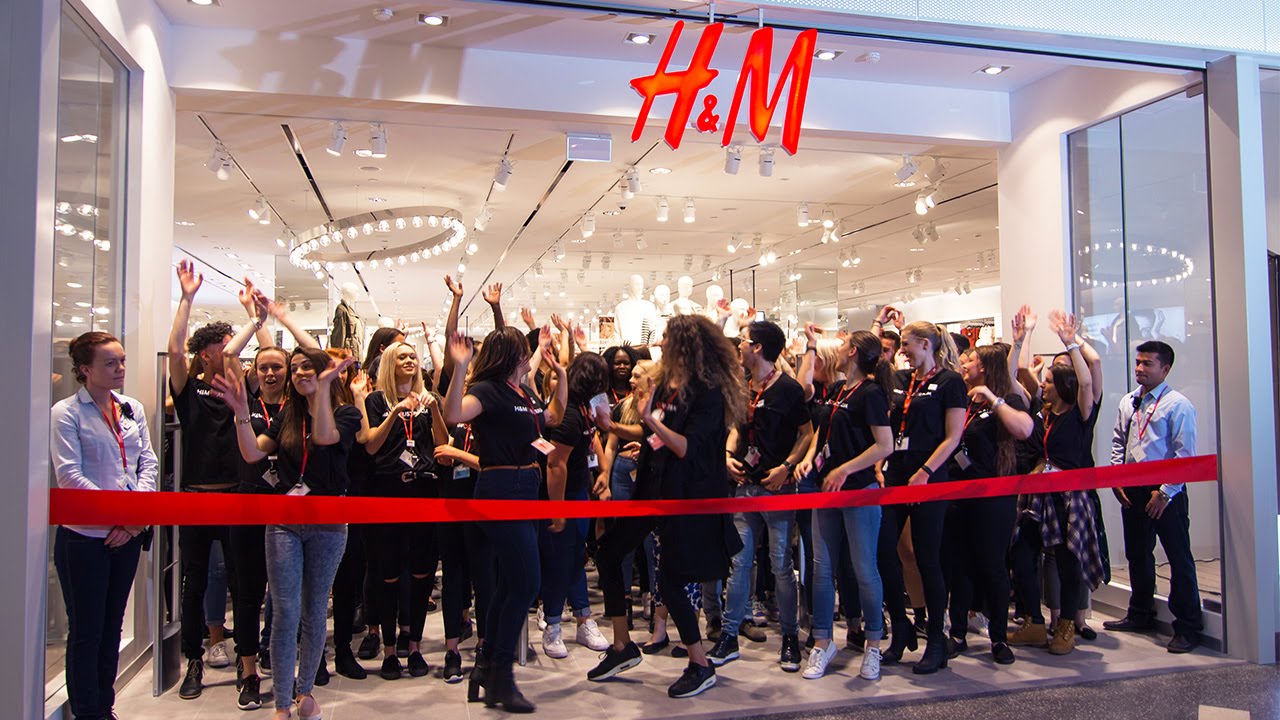
    Swedish fashion giant H&M announced it will open its fourth store in Auckland at Westfield Newmarket on December 12.

    The 2300sqm store, the retailer’s ninth store in New Zealand, will have two levels and will feature a range of apparel and accessories for men, women, youth, kids and baby, as well as the retailer’s home concept.

    “We are thrilled to be a part of the much-anticipated Westfield Newmarket.” said Daniel Lattemann, Country Sales manager for H&M New Zealand.

    Lettemann said they are also delighted to be able to finally offer a second Auckland location for their H&M home concept.

    “We have seen such a demand since launching the concept in our Commercial Bay store last year,” he said.

    According to H&M, recruitment for approximately 50 employees is underway.

    The fashion retailer, which entered the New Zealand market in 2016, now has seven stores nationwide located in Sylvia Park, Commercial Bay, and Botany Town Centre in Auckland, The Crossing in Christchurch, Queensgate in Wellington, Tauranga Crossing, and Chartwell Shopping Centre in Hamilton.

    The recently announced store opening is the eighth and is set to open in Westfield Riccarton on November 7, 2019.

  • Krispy Kreme opening pop-up store in Christchurch, NZ

    Krispy Kreme opening pop-up store in Christchurch, NZ

    International retailer Krispy Kreme will open a pop-up store at Westfield Riccarton in Christchurch.

    The pop-up store, which will be open for two weeks starting September 28, will signal the start of Krispy Kreme’s nationwide roll out through an ongoing partnership with selected BP Connect sites, starting with 12 Christchurch locations from October 5.

    Antonio Rivera, New Zealand Retail manager, said they can’t wait to give everyone a taste of the authentic Krispy Kreme experience.

    “It’s long been our desire to bring smiles to as many Kiwis as possible by giving them the chance to enjoy a fresh Krispy Kreme doughnut,” Rivera said.

    “Whether you’re a big fan of the Original Glazed or prefer yours with a few more sprinkles, the pop- up store will ensure that Christchurch doughnut fans will be the first in the South Island to buy Krispy Kreme locally.”

    Adrian McClellan, BP general manager of retail and assets, said they are excited to make Krispy Kreme doughnuts available at more sites across the country.

    “Krispy Kreme is incredibly popular with our customers in the upper North Island, so I’m delighted to say that we can now extend that to customers at selected BP Connect sites across Christchurch, Wellington and the rest of the North Island.”

    Krispy Kreme’s first store in the country opened in Auckland in February 2018. Since then Krispy Kreme has opened further retail outlets in Chancery Square, Auckland and Auckland Airport’s Domestic Terminal.

  • New Zealand payment firms roll out new technology to reduce fraud

    New Zealand payment firms roll out new technology to reduce fraud

    Payment firms in New Zealand have committed to rolling out the new payment technology credential-on-file (COF) tokenization to strengthen e-commerce security and enhance conversion rates.

    Adyen, Bambora, Cybersource, Paystation by Trade Me and Windcave said they plan to introduce tokenization in the country, in partnership with Visa, which will not only reduce fraud but will also enhance conversion rates, resulting in savings for businesses and simpler payment experience for every-one that shops online.

    COF tokenization replaces card details such as account numbers and expiry dates with unique digital identifiers (‘tokens’) that are used for payment without exposing a cardholder’s sensitive information.

    Each token is merchant-specific, so it can only be used with the merchant where it is stored, removing any incentive for hackers to try to steal the account data and decreasing the risk of data breach attempts.

    Businesses usually store card numbers for direct debit, top-up, loyalty, subscription or account-based online shopping. This same technology is used to enable the various mobile wallets that are available to Kiwis today.

    Riaz Nasrabadi, Visa’s head of Product for New Zealand and the South Pacific, said this commitment to drive tokenization across the industry represents a win for New Zealand businesses, consumers, financial institutions and payments companies alike.

    “The technology enhances consumers’ experience, enables retailers to retain consumer loyalty and protects all businesses from fraud,” Nasrabadi said. “With the advent of open data and the creation of new experiences based on data, initiatives such as tokenization will ensure consumer data is protected and held securely.”

    According to Visa, in addition to enhancing security, COF tokenization enables businesses to have consumer payment details instantly refreshed when a card is lost, stolen or expires, meaning there is no need for the consumer to log in and update his or her details, or the business to lose out on that payment cycle.

    “This development will be welcomed by Kiwi consumers, with a YouGov survey finding that 44 percent identify updating pre-existing details with merchants and service providers among the most annoying consequences of losing a card or having it expire,” the company said.

    The automated process could also help prevent online merchants from missing out on subscription renewals, with 19 percent saying they would use the manual card update to try out an alternative, and 13 percent opting to stop using a service altogether.

    According to Visa, with tokenization in place protecting their card details, 37 percent of New Zealanders said they would be more likely to purchase from small retailers, 46 percent would be more trusting of online businesses, and 36 percent said they would buy from retailers they had not bought from in the past.

  • Allbirds launches first outlet in New-Zealand

    Allbirds launches first outlet in New-Zealand

    Despite being started by New Zealand entrepreneur and former footballer Tim Brown, wool-based footwear brand Allbirds has only been available online its home country – until now.

    The launch comes after the business successfully raised $76.7 million at the end of 2018, aiming to help fuel the business’ expansion into Asia and the UK.

    The company, which is headquartered in San Francisco, opened its first New Zealand bricks-and-mortar store in the Britomart precinct of Auckland on Thursday, August 15.

    “We always imagined we would open a store in New Zealand. It’s one of our founding markets, it’s where I am from and where our key material, wool, is from,” Allbirds co-founder Tim Brown said, according to Stuff.

    Allbirds makes its shoes predominantly with New Zealand merino wool, which helps to make them ‘the world’s most comfortable shoes’, the brand’s tagline.

    Wool uses 60 percent less energy than materials used in a synthetic shoe, according to the brand, which also uses recycled bottles for laces, bean oil in insoles and 90 percent recycled cardboard in its packaging.

    Allbirds are available internationally online, and through brick-and-mortar stores in the US, UK and China. The Britomart store is the brand’s first location in its home country of New Zealand.

    The 150sqm store offers the brand’s entire range, as well as limited-edition Auckland-inspired laces: Waiheke Island Teal, Light Path Magenta, and West Coast Black Sand.

    The retailer offered a number of events, such as dried flower arranging workshops, meditation classes and drawing classes, in the first week of the store’s operation.

    According to Brown, it is a challenge to transpose the brand’s online experience into an offline one.

    “Bad retail is being challenged and good retail, thoughtful retail that is about storytelling and leans into the people that work there, that has educated people working in that environment that understand the products and are able to give a good experience is old fashioned and important,” Brown said to

  • Kmart opens New Zealand’s first 24/7 store

    Kmart opens New Zealand’s first 24/7 store

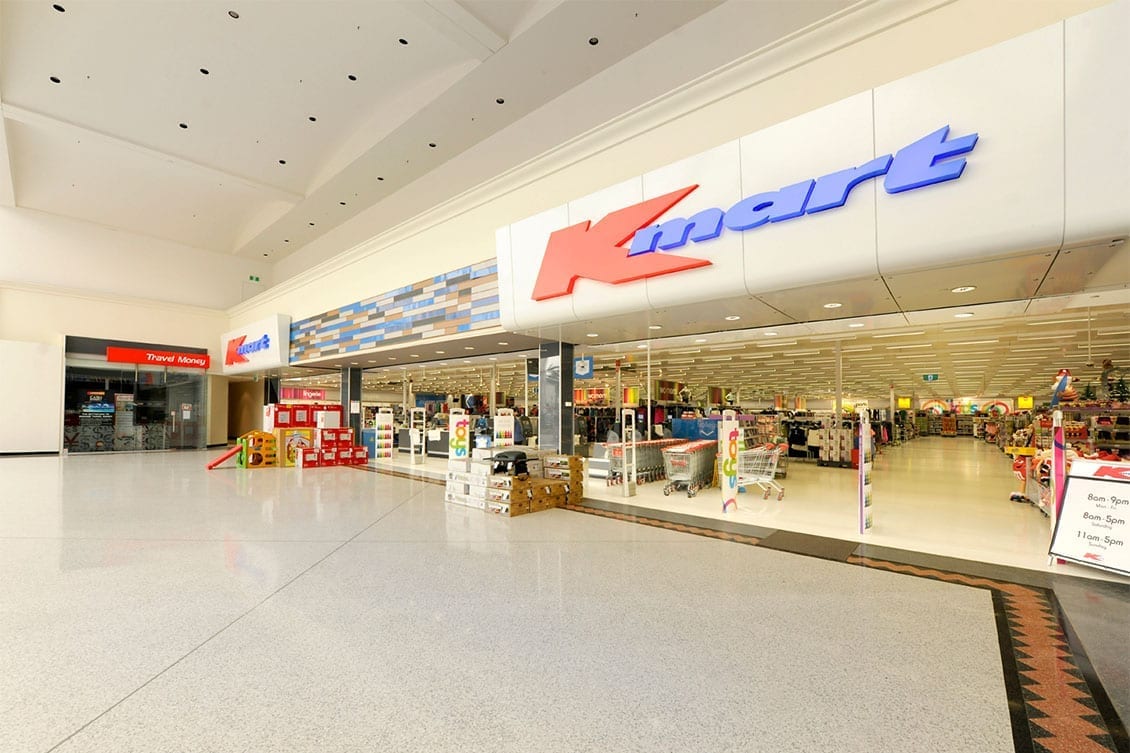
    Kiwis will soon be able to shop at Kmart 24/7 when the retailer’s newly refurbished Sylvia Park store opens on August 15.

    The retailer is billing the store as the first department store in the country to stay open 24 hours a day.

    “For us, it’s about offering better support to New Zealand families who are busy balancing work, family and leisure commitments; and more convenience for shift workers and people working non-traditional business hours,” said Jason Picard, Kmart New Zealand country manager, in a statement about the launch.

    Kmart entered the New Zealand market in 1988 and now has more than 200 stores across Australia and New Zealand. The 5000sqm Sylvia Park store will be the retailer’s seventh location in Auckland when it reopens next month in the space formerly occupied by Countdown Supermarket.

    “At Kmart, we want to make everyday living brighter for our customers, whether that means creating on-trend products at everyday low-prices everyone can enjoy, opening stores in new communities or extending operating hours to make shopping more convenient,” Picard said.

    “We want our customer experience with the brand to be a really positive one, which is why we are proud to offer click and collect services across our entire New Zealand store network; and why we are constantly expanding our online offer.”

    Helen Ronald, Sylvia Park center manager, said the shopping center was “proud to be working with retailers like Kmart that are pushing the boundaries”.

    “This really reinforces Sylvia Park’s standing as New Zealand’s favorite shopping destination.”

    In the last year, the shopping center has added 600 new car parks, ANZ Raranga, and its first office tower. Once the Galleria expansion is complete in 2020, it will have 60 new stores and nearly 5000 car parks.

    Kmart Sylvia Park will open on August 15, celebrating the occasion with a series of family fun activities staggered throughout the day.

    Entertainment will include prize giveaways, face painting from 4 pm, a late-night market, and interactive workshops hosted by the Kmart team.

  • Flight Centre could see benefits from right-sizing

    Flight Centre could see benefits from right-sizing

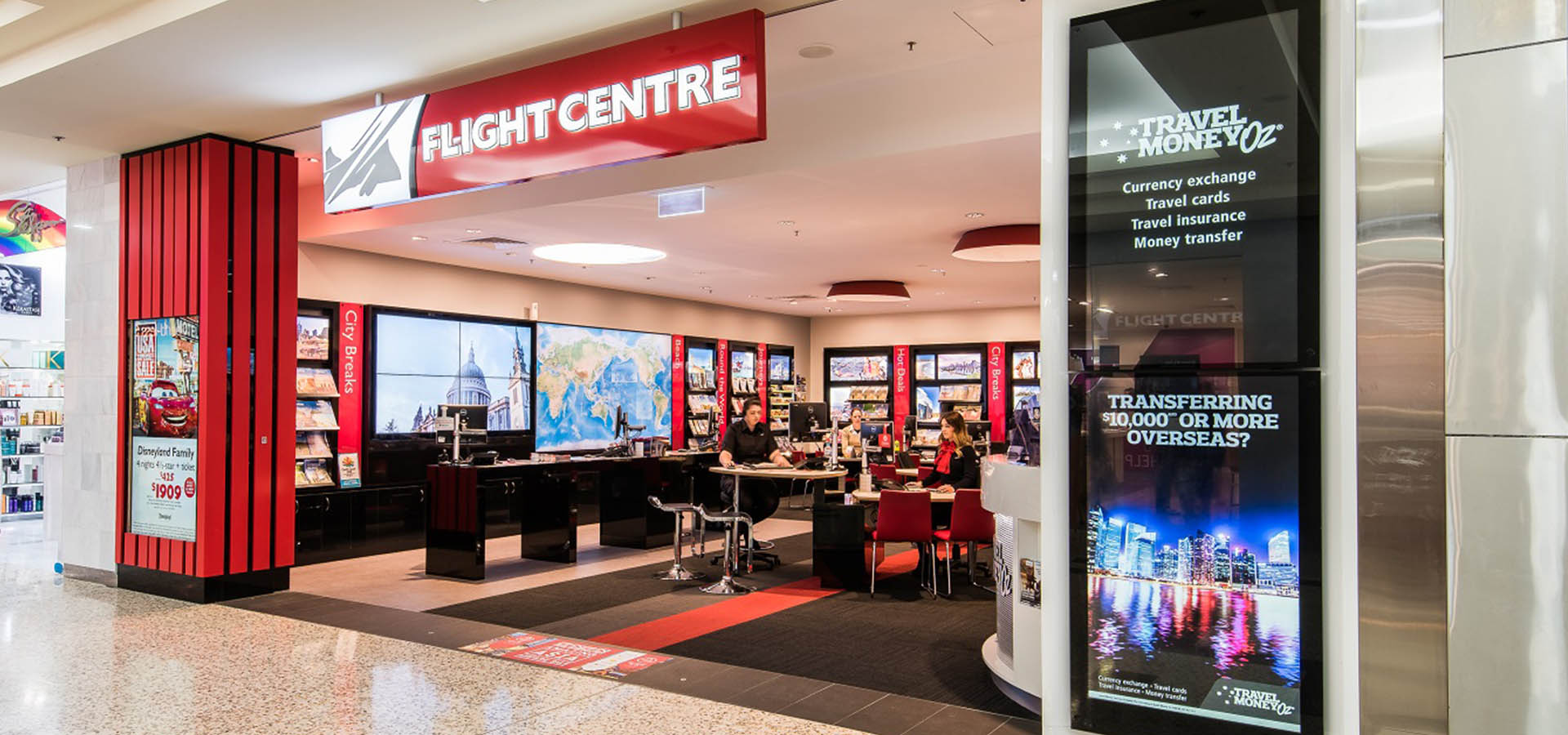
    Amid an industry-wide effort to right-size store networks, analysts at Citi have singled out Flight Centre as a business which could particularly benefit from such an effort.

    According to Citi analyst Bryan Raymond, approximately 10 per cent of Flight Centre’s store network could be culled – largely the result of a network consolidation which has led to many locations featuring several Flight Centre stores located closely together.

    “Following Flight Centre’s brand consolidation, 83 per cent of the ~950 store bricks-and-mortar network is now branded as Flight Centre. This has resulted in a high store density for a single brand, particularly as online penetration is rising,” Raymond said.

    “Our geospatial analysis of Flight Centre’s network has identified 259 Flight Centre branded stores that are located within 1km of another Flight Centre.

    “In our view, this creates an opportunity for store network consolidation to drive higher levels of profitability through lower rent and labour costs, and the expense of [total transaction value].”

    According to Raymond, this could drive an improvement of $8 million in profit before tax over two years.

    This could be particularly helpful for the brand as the Australian leisure bricks-and-mortar industry has seen a significant contraction in the last 12 to 18 months, falling from $106 million in FY18 to an estimated $29 million in FY19.

    A Flight Centre spokesperson told Inside Retail the travel retailer instead utilises this network to create more specialised business travel teams in CBD locations, and will offer “alternatives to Flight Centre” in shopping centres with multiple stores, such as the Universal Traveller brand.

    “We close some shops every year, relocate some others and, when good opportunities arise, we work closely with landlords to secure new sites and open new shops,” the spokesperson said.

    “Within Flight Centre brand in Australia, most of these openings in recent years have tended to be specialist shops and teams, rather than traditional Flight Centre shops.”

    However, many of the factors that led to the contraction of the leisure market are unlikely to continue into FY20 and FY21, Citi argues, with the leisure bricks-and-mortar industry forecasted to rebound by $5 million, to $34 million in FY20.

    Partially as a result of this market contraction, Flight Centre recently amended its guidance for the 2019 financial year from between $390 million and $420 million, to between $335 million and $360 million – roughly a 10 per cent decrease.

    “Our FY19 results will highlight the challenges we are addressing in Australia but will also underline two of our great strengths – our emergence as a world leader in corporate travel and our changing earnings profile,” Flight Centre managing director Graham Turner said.

    “While we expect Australian leisure results to improve as short-term operational improvement plans gain traction and as longer-term transformational strategies are implemented, we also expect these trends to continue.”

  • E-commerce sales up in New Zealand with 16 per cent last year

    E-commerce sales up in New Zealand with 16 per cent last year

    New Zealand consumers spent $4.2 billion online last year, a 16 percent increase in 2017, according to the latest e-commerce report from NZ Post.

    This compares to just 2 percent annual growth in bricks-and-mortar shopping, the postie said in a statement released last week.

    The rise in spending was driven by Kiwis shopping online more often, with consumers hitting the ‘buy’ button 22 times each.

    Last year also saw the emergence of ‘super shoppers’ – with nearly 10 percent of the 1.8 million Kiwis who shopped online last year spending over $9000.

    The report found that spending with New Zealand online stores grew nearly twice as fast as spending with international online stores, though roughly a third of the dollars consumers spent online in 2018 overall went overseas.

    Around 12 percent of online shoppers used to buy now pay later methods, such as Afterpay, last year – with younger users and women being the majority of users.

    The most prominent online shoppers in New Zealand are women aged between 30 and 45 who live in rural areas, NZ Post found.

    “NZ Post is delivering well over half of all parcels bought online in New Zealand and we’re proud to be integral to that moment of joy when your online shopping parcel arrives,” Bryan Dobson, NZ Post’s chief marketing officer, said.

  • NZ dollar Rises

    NZ dollar Rises

    The New Zealand dollar lifted Thursday, trading at 65.39 US cents at 0800 in Wellington from 65.26 at 1700. The trade-weighted index was at 71.88 from 71.91.

    The kiwi was at 51.66 British pence from 51.96, at 58.19 euro cents from 58.32, at 70.63 yen from 70.71, and at 4.5096 Chinese yuan from 4.5064

  • Burger Fuel New Zealand Restaurants performing well

    Burger Fuel New Zealand Restaurants performing well

    Burger Fuel said its stores in New Zealand have been performing well, posting a 2.6 per cent increase in sales on the previous year.

    Burger Fuel, which has 56 restaurants in New Zealand, said sales have increased from last year but growth was less than what the company would have liked for the period.

    Company chair Peter Brook and group CEO Josef Roberts said in a statement they will continue to focus on the opening of new restaurants in NZ for FY19 and update the market as the year progresses.

    They said, however, that they will only undertake new openings if they can achieve both the right locations as well as the accompanying franchisees.

    At this stage, the company said they are not undertaking third party home delivery, as over time they believe it will negatively affect both the brand and individual store profitability.

    “This decision may have impacted our growth numbers, however we remain committed to a no delivery policy at this stage,” Brook said.

    The company is in the process of changing from a single-brand international company to a multi-brand New Zealand company. The move was announced last year.

    “This transition is going well and we are pleased that we have managed to absorb all the costs associated with this transition, as well as the costs to develop the new brands and provide an acceptable profit for FY19,” Brook said.

    “We will continue to focus on the opening of new restaurants in NZ and we look forward to updating the market with these new openings as the year progresses.”

    Burger Fuel Worldwide posted a $1.2 million net profit for the year ending March 31, a turnaround from the previous year’s $463,000 net loss, as it transitions to a new business model.

    Sales decreased 15 per cent to $21 million, mostly reflecting the sale of the company-owned store in the United States to founding director Chris Mason in March last year, while expenses dropped 22.7 per cent to $19.2 million.

    “This internal change lowers revenue from our proprietary product manufacturing operation but will ensure that this business unit becomes more financially efficient,” the company says.

    Total system sales, including both company-owned and franchised stores, fell 2.9 per cent to $102 million.

    There were 78 Burger Fuel stores operating worldwide and two new outlets in New Zealand, one for each of the company’s new concepts, Shake Out, a new burger concept developed in-house, and Winner Winner, the chicken concept purchased by BurgerFuel Worldwide in December 2017.

    Of the BurgerFuel stores, 56 are in New Zealand.