Tag: New Zealand

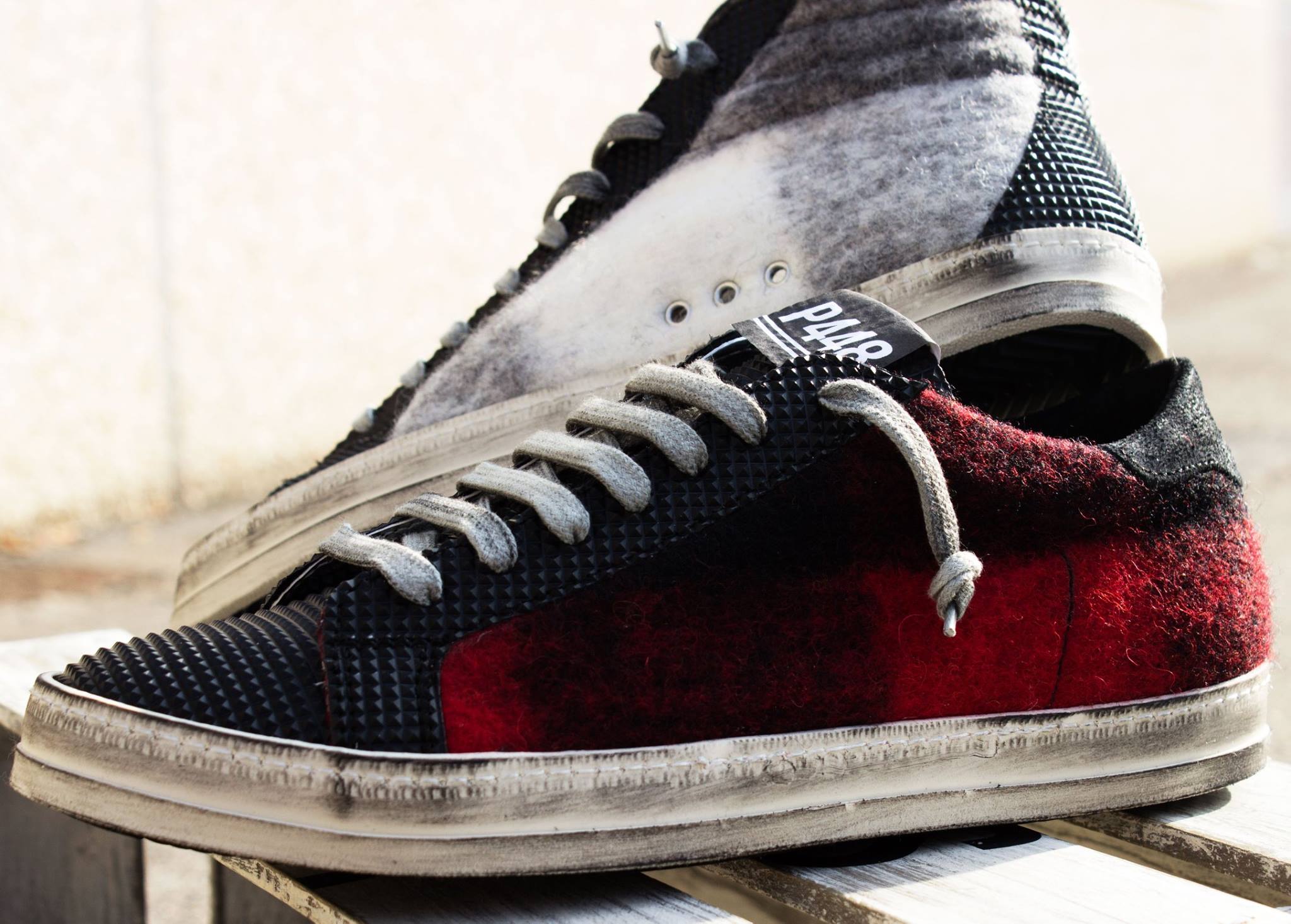
  • Singapore sneaker reseller Ox Street to launch in Australia, NZ

    Singapore sneaker reseller Ox Street to launch in Australia, NZ

    Singapore-based online sneaker resale marketplace Ox Street is launching a trans-Tasman expansion, opening an e-commerce store in Australia.

    “Australia is a perfect fit for the community we want to build in the long-term,” said Gijs Verheijke, founder and CEO at Ox Street. “We see a big supply gap when it comes to Australian buyers having access to the most coveted sneakers, whether they’re hot new drops or all-time classics.”

    Verheijke said the company, which was acquired by Carousell last October, has already built a large network of resellers across Australia and New Zealand during the past few years. Ox Street said the emphasis is on enabling faster delivery times and greater access to supply in an industry dominated by US and European megabrands.

    The Australasian launch is part of Ox Street’s ambition to build a “global hub for sneakerheads,” Verheijke said. The company’s short term plan is to build brand equity and a large part of that is being trusted to robustly authenticate the products before they reach buyers.

    Founded in 2019, Ox Street operates across eight Southeast Asian countries, targeting Gen Y and Z investors, collectors and fashion-conscious consumers. The brand reported sales growth surging more than four-fold during the past year.

    As part of the Australia launch, Ox Street has partnered with Sneaker Freaker in an Instagram-based sneaker giveaway worth more than $2000.

  • Nestle opens $90 million pet food plant expansion at Blayney

    Nestle opens $90 million pet food plant expansion at Blayney

    With the last two years seeing more people adopting pets, the Purina factory is now set to meet the growing demand for wet cat food in Australia and beyond thanks to the newly installed state-of-the-art high-speed manufacturing technology.

    As well, the Purina team has expanded to meet the increased demand, with 20 new jobs now created on site, creating cat favorites such as Felix, Fancy Feast, Pro Plan and Purina One.

    Nestlé Blayney Factory Manager Charlene De Wit said the new facility is a testament to Nestlé’s commitment to local manufacturing and support for the Central West community.

    “We are proud to produce quality Purina pet food for our much-loved furry friends across Australia and around the region, right here in Blayney.

    “Our expanded facilities will allow us to scale up production of single-serve wet cat food by over 120% – as well as the dry cat and dog food we already produce,” Ms De Wit said.

    The opening brings Nestlé’s total investment in the factory to more than $200 million over the past 10 years, as the business has increased production and developed new capabilities. The wet cat food facility, opened in late 2014, was developed to create premium products with the taste profile cats prefer, and the simplicity their owners prefer.

    The expansion will position Nestlé Purina as a key regional supplier, with both wet and dry pet food exported from Blayney to New Zealand, Thailand and Japan.

    The new facilities will also see a significant quantity of local ingredients used in production. More than 85% of raw materials used at the Nestlé Blayney factory will be sourced locally, including meats and grains.

    Ms De Wit continued, “We have an incredibly dedicated and highly skilled team here at Blayney. By bringing leading technology to our factory and continuing to use high quality ingredients in our product, we are even more confident that we will continue to enrich the lives of pets and the people who love them for years to come.”

    The Nestlé factory in Blayney began operations in 1989, and now features world-class facilities to manufacture brands such as Felix, Fancy Feast, Pro Plan, Supercoat and Purina One.

  • Ferrero recalls some Kinder products in Australia, NZ ‘as a precaution’

    Ferrero recalls some Kinder products in Australia, NZ ‘as a precaution’

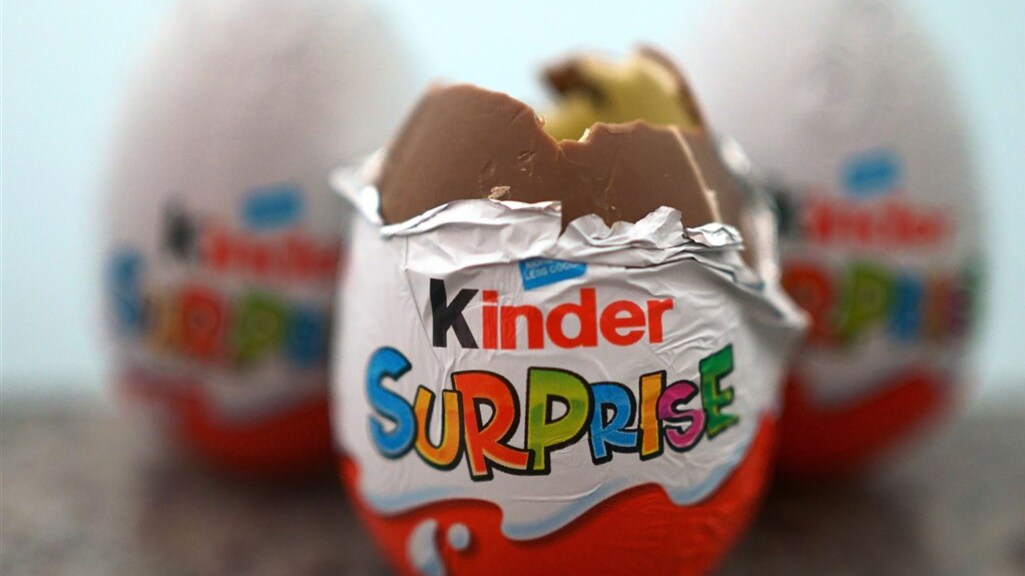
    Italian confectionery group Ferrero has recalled several children’s chocolate products in Australia, having already recalled products in multiple European countries earlier in the week. The recalled products could potentially be contaminated with salmonella, Food Standards Australia New Zealand (FSANZ) announced on Thursday. The chocolates, including some Kinder products, were sold in large supermarket chains such as Coles and Woolworths.

    “Consumers should not eat this product and should return the products to the place of purchase for a full refund,” the FSANZ said in a statement. Ferrero’s Australian arm is recalling Easter baskets and some Kinder chocolate eggs.

    The Kinder Surprise 20g single and three-pack eggs are not affected. The European Food Safety Authority (EFSA) and the European Centre for Disease Prevention and Control (ECDC) have launched investigations into the salmonella outbreak and plan to publish an assessment next week. So far, 105 confirmed cases and 29 suspected cases of salmonella, most of them in children under the age of 10, have been recorded in Europe, according to the authorities. Almost half of the salmonella infections were recorded in Britain, with the first case being detected as early as January 7.

    Other countries affected by the recall include Germany, Belgium, France, Ireland, Israel, Luxembourg, the Netherlands, Norway and Sweden.

  • Subway appoints new Australia and New Zealand chief

    Subway appoints new Australia and New Zealand chief

    He brings extensive experience from international companies to the new role.

    Subway has announced that Geoff Cockerill will be their Country Director for Australia and New Zealand starting on June 4.

    Cockerill brings extensive experience to his new role from a number of international companies such as Diageo and Kirin, and some global brands including Johnnie Walker, Smirnoff, and Corona.

    His background also includes a range of CEO, Executive General Manager and Managing Director roles for high-profile sporting, not-for-profit, and listed retail and consumer brand organizations, including franchising.

    “I’ve admired the success of the Subway® brand for many years, and couldn’t be more excited to join the team. I’m looking forward to helping continue achieve the speed to market needed to drive the business forward,” Cockerill said.

    Subway Vice President of International Ian Martin notes Cockerill’s track record in organizational change and culture, strong leadership, stakeholder engagement, and delivery of agreed results.

    “I’m delighted that an experienced leader like Geoff is going to be leading one of our most important global markets,” Martin said.

  • Sephora makes Vietnam debut

    Sephora makes Vietnam debut

    Beauty retailer Sephora has entered the Vietnamese market with a dedicated ecommerce store after an initial trial period of five months.

    Local customers can now buy directly from Sephora online, but there is no word yet on whether the global brand will open a physical store.

    About 90% of Vietnam’s cosmetics market is filled with foreign brands, led by South Korean products and followed by European and Japanese names. Market revenue, on the other hand, is pegged at US$514 million.

    Sephora enhanced its Asian presence in 2019 with debuts in South Korea, Hong Kong, and New Zealand. It now has 200 stores in 16 Asian countries.

  • Royal Enfield Classic 350 Launched In Australia, New Zealand

    Royal Enfield Classic 350 Launched In Australia, New Zealand

    Royal Enfield is expanding the presence of the new Classic 350 across the world, and the Asia Pacific region, and has now launched the all-new Classic 350 in Australia and New Zealand. The new model will be available in four variants, the Halcyon, Classic Signals, Classic Dark and Classic Chrome, each offering unique color options and styling options. In recent days, the Classic 350 has been launched in the UK, and the Philippines, and now the company has launched its most popular model in Australia and New Zealand.

    Pricing for the 2022 Royal Enfield Classic 350 range will start at AUD 7,990 (approximately ₹ 4.21 lakh) in Australia for the Halcyon series. The Signals series has been priced at AUD 8,290 (approximately ₹ 4.37 lakh), while the Dark Series and Chrome Series will be priced at AUD 8,690 (approximately ₹ 4.58 lakh) and AUD 8,790 (approximately ₹ 4.63 lakh) respectively.

    The all-new Classic 350 is the second model to be based on the same platform as the Meteor 350, with the two models sharing quite a few components, including the new J-series Royal Enfield 350 cc single-cylinder engine. The new-generation Classic 350 was launched in India last year, and gets a complete makeover, with a new, more modern engine, new chassis, updated suspension, new wheels, and brakes.

    The 349 cc, the single-cylinder engine makes 20.2 bhp at 6,100 rpm, and 27 Nm at 4,000 rpm. The compression ratio has changed to 9.5:1 on the new 350 cc SOHC engine from 8.5:1 on the UCE 350 engine. The cam gears have been replaced with a timing chain, along with the SOHC system, which results in less noise and more efficient valve timings. The chain primary drive has been replaced with gear primary drive, which reduces transmission losses, and the primary balancer shaft reduces vibrations on the engine.

    The legacy of the Classic dates back to 1948 with the Royal Enfield Model G2, the first to have swinging arm rear suspension on a full production motorcycle. The Model G2 served as a strong design inspiration for the hugely popular Classic 500 and Classic 350 launched in 2008. The Classic 350, in fact, went on to become the highest-selling Royal Enfield model since then, accounting for 70-80 percent of the brand’s sales over the past decade or so. Even now, the Classic 350 accounts for 60-70 percent of the brand’s overall sales, but so far, these numbers have been limited to the domestic market of India.

    In the 12 years since the modern Royal Enfield Classic was first launched, it has built a legacy of its own, selling over 3 million (30 lakh) motorcycles. The Classic has also emerged as the motorcycle that redefined the middleweight motorcycling space and spawned the revival of Royal Enfield. And this time around, with the new Classic 350, Royal Enfield is positioning it as a global product, hoping to repeat some of its commercial success around the world.

  • Restaurant Brands sales exceed $1 billion, despite Covid-19 impact

    Restaurant Brands sales exceed $1 billion, despite Covid-19 impact

    Restaurant Brands NZ Limited reported a 19.7% increase in sales for the year ended 31 December 2021, making total sales of NZ$1.06 billion in 2021. While same-store deals stayed strong in the period, nearly NZ$100 million of the rise in annual sales came from the extra 8 months of trading from the California acquisition.

    The Group released sales numbers for Q4 FY21 on Thursday, reporting total sales of NZ$284 million for the period (+5.5% on pcp). All regions posted positive same-store growth despite the present COVID-19 impact.

    The Group faced COVID-19 impact strongly despite several government curbs, challenging trading atmosphere and altering consumer habits. Subsequently, RBD’s annual sales numbers surpassed NZ$1 billion, setting a robust footing for further growth in sales in all its 4 regions.

    RBD-owned store numbers increased by 11 in Q4 compared to the same period in the previous year to 359. This was majorly due to the purchase of 5 KFC stores in Sydney in early 2021as well as the present construction of new Taco Bell shops in Australia and NZ.

    Restaurant Brands is due to announce its year-end trading results on 28 February 2022.

  • AuMake and Miniso to launch dual-branded stores in Sydney

    AuMake and Miniso to launch dual-branded stores in Sydney

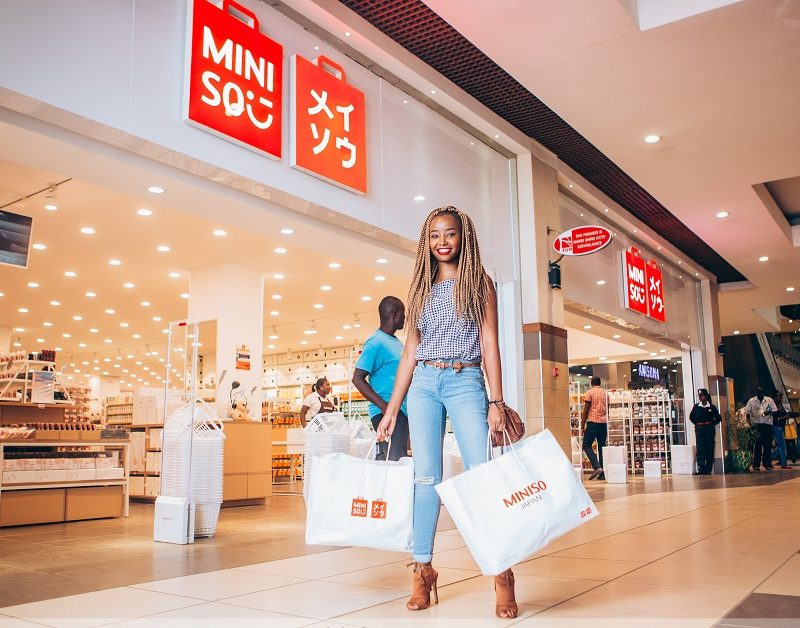
    The specialist retailer in Australia and New Zealand, Aumake Limited shared on Thursday that it has entered into a distribution agreement with a Japanese-inspired lifestyle product retailer MINISO Master Franchisee Pty Ltd (MINIS0).

    As per the agreement, MINISO will provide operational support and products to three of Aumake’s physical stores initially, strategically picked for their high foot traffic locations and traction with Asian customers.

    The key terms of the distribution agreement include:

    • Initial physical stores are located in Chinatown, World Square CBD and Burwood in Sydney, NSW.
    • Physical stores to be dual-branded as Aumake and MINISO.
    • MINISO will pay Aumake a percentage of sales (GST incl.) in exchange for using Aumake’s premises to sell the products.

    Aumake’s deal with MINISO creates a significant revenue opportunity and subsequent reduction in overhead costs due to increased physical foot traffic, especially when the restrictions on international borders are likely to be eased for Asian tourists and international students in the coming weeks.

    In addition, the cooperation between the two companies will also provide Aumake with an opportunity to introduce and expand new skincare and cosmetic brands.

    Meanwhile, the stock AUK was spotted trading 10% higher at AU$0.016 per share at 2:00 PM AEDT.

  • New Zealand personal care brand Ethique concentrates on raising the bar

    New Zealand personal care brand Ethique concentrates on raising the bar

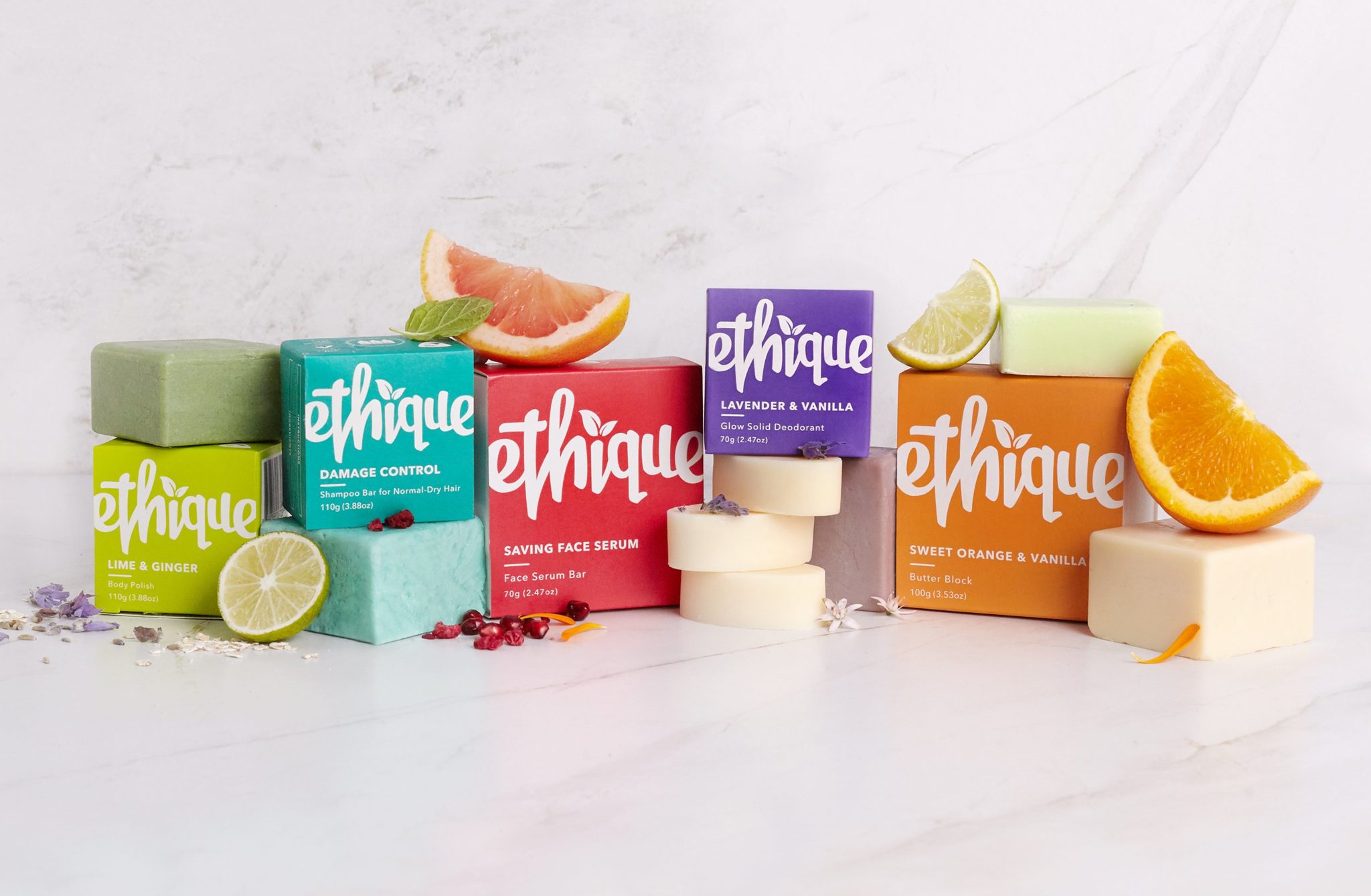
    Brianne West founded zero-waste beauty and lifestyle brand Ethique in her kitchen in Christchurch back in 2012, while completing her science degree. Since then, Ethique’s plastic-free products for face, hair, body, and home have prevented the manufacture and disposal of more than 11 million plastic containers worldwide, with a goal of 500 million by the end of 2030.

    But West didn’t start out having all the answers. So she started with questions.

    “I had absolutely no knowledge at all, I just did a lot of research. I’m a person who’s curious about pretty much everything,” West said. “The advantage of that is I’m very happy to spend hours of time searching Google or talking to people and really understanding more about products and materials.”

    West understands that it’s not always easy for brands to tell the wood from the trees when it comes to the sourcing of sustainable materials. This is why she says it’s so important to be curious, ask questions and, most importantly, ask for proof.

    “I’m lucky I’m a qualified scientist but [my advice is to] break something down to its component pieces to understand how that works, ask for proven or independent studies – that could be biodegradability or compostability studies if you’re looking at the packaging.”

    Of course, operating sustainability is not just about environmentally friendly packaging. As a certified B Corp, Ethique aims to operate sustainably and ethically in every single way.

    “Every decision we make, we factor in whether it’s fair and kind to the people we are dealing with and whether it’s detrimental to the environment. And if the answer is that it’s not ideal, then we don’t do it,” West said.

    “One example would be our fair trade policy. We ensure that with the ingredients we buy, people are paid fairly for them and they have ownership of the value chain. We try to work directly with people who produce it, so that they can get all the value out of their product.”

    Ethique also has a charitable program – donating 2 percent of sales to conservation, animal welfare, and environmental groups – and Living Wage certification for all teams.

    Crowdfunding and solid support

    Ethique was equity crowdfunded twice: first in 2015 with PledgeMe, which raised $200,000 in under 10 days; and two years later, when the brand was more established, raising half a million dollars in less than 90 minutes.

    “The key to crowdfunding is to tell a really compelling story and to get as many people interested before you actually launch. It needs to be something people can really get behind, be passionate about and want to see succeed,” West said. “Of course, you’ve also got to have really solid financials, make sure that what you’re saying is true so you are not misleading people.”

    With around 350 shareholders onboard, Ethique had a wide pool from which to get feedback on packaging and processes, but it did add to the pressure.

    “It was a massive support and a wonderful feeling having them there, but also I was acutely aware that I had a good chunk of people’s money resting on my shoulders and I never took that lightly.”

    In October 2020, Ethique completed “a very large investment phase” and was able to give back to those shareholders who had supported the business for so long.

    “Ninety-nine percent of those shareholders recognized the value of the shares and moved away with an enormous return,” West said. “Although they were sad to leave the company, they were very handsomely rewarded for their support of us, which is amazing. It was really cool to be able to pay off some of our shareholders’ mortgages, which was kind of the goal.”

    Ethique goes global

    Ethique is now in 24 markets globally, with 4500 stockists around the world. A 2016 article propelled the brand to new audiences and before long, Britney Spears and Ashton Kutcher were sharing the brand on their social media platforms.

    West has no idea how.

    “That was a total accident. I’ve no idea how they got hold of it. It was a total fluke!”

    Today, the US, UK, Australia, New Zealand, and Japan are Ethique’s top-performing markets. In some of these markets, the product range is adapted to better meet the needs of shoppers. In Japan, for example, sweet and citrus fragranced products are preferred over woody smells, West explained.

    Moving with the market

    While best known for products in bar form, Ethique is now experimenting with concentrates, as West believes that’s where the category is headed.

    “If I was to bet on a horse, it would be on concentrates, not refillable,” she said.

    Ethique now provides naturally derived and sustainably sourced active ingredients in a compostable cardboard box, and the customer adds water to create their own liquid product. There is a tutorial on the website to show customers how it’s done.

    “We’re targeting people who don’t use shampoo bars because we’ve already solved the problem there, and I don’t want to cannibalize those sales. We have found that people who’d like bars stay with bars, so this is for people who prefer a liquid product.”

    While Ethique might not be able to convince everybody that concentrates are the way forward, West believes they’re a more convenient solution for the customer. However, she is glad to see more sustainable choices on the market for consumers regardless.

    “Typically it’s very hard to create mass behavior change. If you can make a sustainable product convenient, then they pick up will be much quicker,” she said.

    “If you’re refilling dishwashing liquid, shampoo, conditioner, laundry detergent etc, you’ve got five or six bottles that you’ve got to carry around with you. It’s just not something a lot of people will do,” West explained. “I know a few retailers who find [refillables] very capital intensive and very messy, from a labor perspective, so there are some challenges.”

    Real change, not greenwashing

    As someone whose whole business proposition has been around sustainability from the get-go, West does find it frustrating to see so many businesses talk a lot about sustainability without making genuine change.

    “When businesses are greenwashing or completely misleading their consumers, if they put a tenth of the effort into actually doing something, they would genuinely start to change the world,” she said.

    But she does understand how difficult it is for bigger companies that have operated one way for so long to shift their core focus to sustainability.

    Her advice is: “If you are trying to retroactively put sustainability at the core of your business, do it one thing at a time, and do it properly.”
  • A2 Milk faces lawsuit over allegations of providing misleading forecasts

    A2 Milk faces lawsuit over allegations of providing misleading forecasts

    A2 Milk Co Ltd said on Wednesday Australian law firm Slater and Gordon has filed a class action lawsuit against the dairy firm on behalf of investors who bought its shares over a nine-month period when it issued multiple earnings downgrades.

    Shares of a2 Milk, which had plunged 62% during the nine-month period from August 2020 to May 2021, fell as much as 5.3% to NZ$6.450 following the news and were on track for their worst session in more than a month.

    The class action alleges that a2 Milk engaged in misleading or deceptive conduct in breach of the Corporations Act, and also breached continuous disclosure rules in posting four downgrades between September 2020 and May 2021, Slater and Gordon said in a statement.

    The downgrades came amid Australia’s souring ties with top trade partner China since 2018 and subsequent disruptions in the “daigou” channel, where Chinese shoppers buy products from outside China and resell it in the country. The channel accounts for a major portion of a2 Milk’s revenue.

    “There was a strong basis to allege that the company provided misleading guidance and was obliged to correct the market’s understanding of its financial position at a much earlier time,” Slater and Gordon Class Actions Practice Group Leader Kaitlin Ferris said.

    A2 Milk, which has lost nearly half its value since December, denied any liabilities and said it would “vigorously” defend the proceedings.

    The lawsuit, which was filed in the Supreme Court of Victoria, comes months after media reports concerning a potential class action by the law firm.

  • Auckland Airport to build outlet mall with 100+ stores

    Auckland Airport to build outlet mall with 100+ stores

    Auckland International Airport has posted an after-tax profit of $464.2m for the year to June 30, while also announcing plans to build a retail precinct with 100 stores that is expected to create 500 new jobs.

    Although its after-tax profit was up 139 percent on the previous year’s $194m profit, the airport made an underlying loss of $41.8m, its first full year underlying loss in history. The underlying loss was in line with the guidance the airport gave at the start of the year.

    The airport says underlying profit is how it measures its financial performance because it removes revaluation changes that can distort financial results or where one-off transactions, both positive and negative, can make it difficult to compare profits between years.

    The airport also recorded its lowest number of international arrivals and departures since 1972, with just 600,000 passengers, including transits, down 93 percent on the previous year.

    Total passenger numbers were 6.4 million, down 59 percent on the previous financial year.

    Shares in Auckland Airport closed at $7.10 on Wednesday. During New Zealand’s alert level 4 lockdown at the start of the Covid-19 pandemic, they dropped to about $5 per share.

    The new retail precinct would involve the development of a 23,000 square metre-plus outlet centre on undeveloped land at the north-eastern edge of the airport.

    “Premium and lifestyle brands” will be sold “at often heavily discounted prices”, the company said.

    The airport’s general manager of property and commercial Mark Thomson said there was a gap in the market for a purpose-built fashion outlet centre and the airport had been exploring the concept for several years.

    “It will be the first of its kind in New Zealand, offering an exciting new shopping experience for Kiwis and travellers arriving at and departing from the airport,” Thomson said.

    “Many New Zealanders will be familiar with visiting this type of bespoke fashion outlet shopping centre on trips overseas.”

    A start date for construction was not given.

    Thomson said development would be influenced by the strength of the retail market and the recovery of aviation.

    Auckland Airport chief executive Adrian Littlewood said the 2021 financial year had been a year like no other for the company, and it was giving permanent staff $1500 in airport shares to thank them for their efforts over the past year.

    “Covid-19 changed our business overnight bringing constant upheaval to almost every part of our operation,” Littlewood said.

    “But throughout all the uncertainty of the past 18 months, our team’s determination to get the job done and go the extra mile for New Zealand has never faltered.”

    The airport had taken steps to strengthen its financial position including reducing operating expenses, repaying $425m in US private placement borrowings, and getting bank approval to renew a $700m loan, he said.

    The airport last week said it would start work on a $1 billion-plus project to merge its domestic jet operations with its international terminal early next year as one of four anchor projects being advanced.

    Four major projects are still on hold including its expanded international airfield and taxiway capacity, new cargo precinct, new international arrivals area and a second runway.

    Auckland Airport held more conservative assumptions than those of the International Air Travel Association, which was forecasting global travel to fully recover and exceed pre-pandemic levels in 2023.

    Littlewood said a full recovery may take longer.

    “Our financial performance is strongly linked to passenger volumes, so our recovery will be greatly influenced by the return of domestic and international travel and changes in border settings.”

    There were encouraging signs with vaccination programs ramping up in New Zealand and around the world, he said.

    “But we expect to see further volatility in domestic and international travel in the short term, with the global aviation market gradually rebuilding in 2022.”

    Due to uncertainty in the market, Auckland Airport would not provide underlying earnings guidance for the 2022 financial year, Littlewood said.

    Investment in transport infrastructure projects and upgrades would continue and was expected to cost between $250m and $300m in the 2022 financial year.

  • Kiwi coffee brand Allpress launches capsules in Australia

    Kiwi coffee brand Allpress launches capsules in Australia

    Kiwi coffee brand Allpress has created its first capsule espresso, designed, it says, to deliver an accessible solution for those seeking to enjoy the brand’s coffee at home. 

    According to the company, the capsule took years of innovation to create and uses the same specialty grade coffee used by its cafes worldwide.

    The capsules were crafted by reformulating its Allpress Espresso Blend to highlight the “caramel sweetness”, increase depth, and ground it “super-finely” for slower extraction. The grounds were then roasted at high temperatures to maximize the coffee’s solubility, recreating the same flavor of its cafe’s coffee, the brand added.

    Allpress head roaster Zach Dowse says most coffee pods aren’t able to meet customers’ expectations when it comes to flavor, so the brand worked to create one product that could.  

    “This meant going back to the basics and thinking about how the Allpress Espresso Blend could be adjusted to work best as a pod,” said Dowse. 

    “We had to think about the roast profile, the mix of origins in the capsule and finally, finding the correct grind size that allowed the right amount of water contact and gave us the most balance to our cup.” 

    Founded in 1989, Allpress says creating the capsule coffee is one of the brand’s biggest ventures yet. 

    Allpress Espresso Specialty Coffee Capsule is available from its online store, in Allpress Roastery Cafes, from cafe partners, and specialty grocery stores nationwide for RRP $12 for a 10-piece pack and $70 for a 60-piece pack.

  • Lion New Zealand’s Speight’s launches first alcohol-free lager

    Lion New Zealand’s Speight’s launches first alcohol-free lager

    New Zealand’s alcohol beverage giant Lion has introduced the first alcohol-free beer range under the Speight’s brand called Speight’s Summit Zero lager.

    Speight’s new beer range is also Lion’s second alcohol-free beer. The launch of the range resulted from the surging popularity of alcohol-free drinks in the country.

    “There is huge untapped consumer demand and growth to be seen,” said Rachel Ellerm, marketing director at Lion New Zealand.

    According to MAT Scan Nielsen 2021, New Zealand’s lighter beer category, which includes low and no alcohol beer, is growing at 24 percent. Meanwhile, zero alcohol beer is estimated to hit NZ$25 billion in sales globally by 2024.

    “People love the taste of Speight’s so a zero-alcohol option was the logical next step,” Ellerm said. “We expect it to be a huge hit with Speight’s fans and consumers looking for a lighter option alike.”

  • A2 milk taking controlling stake in Mataura Valley Milk

    A2 milk taking controlling stake in Mataura Valley Milk

    A2 Milk’s NZ$270 million bid for New Zealand-based Mataura Valley Milk has been given the green light by the country’s Overseas Investment Office.

    The decision clears the way for a2 to pick up a 75 percent interest in the dairy nutrition business, which is now set to occur at the end of July.

    According to the business, the acquisition “provides the opportunity to participate in nutritional products manufacturing, provides supplier and geographic diversification, and strengthens our relationship with key partners in China.”

    “As previously announced, due to the increasing scale of our infant nutrition business, we have been assessing participation in manufacturing capacity and capability,” said A2 Milk Company CEO Geoff Babidge said last year.

    “Our intention would be to invest further to establish blending and canning capacity at Mataura’s facility to support the establishment of a fully integrated manufacturing plant for infant nutrition.”

    A key part of the investment is that Mataura Valley Milk’s current majority shareholder, China Animal Husbandry Group, will retain its 25 percent interest in the business alongside a2’s 75 percent interest.

    China Animal Husbandry Group is the parent company to a2’s strategic logistics and distribution partner in China, CSFA Holdings Shanghai, allowing closer cooperation between the two firms.

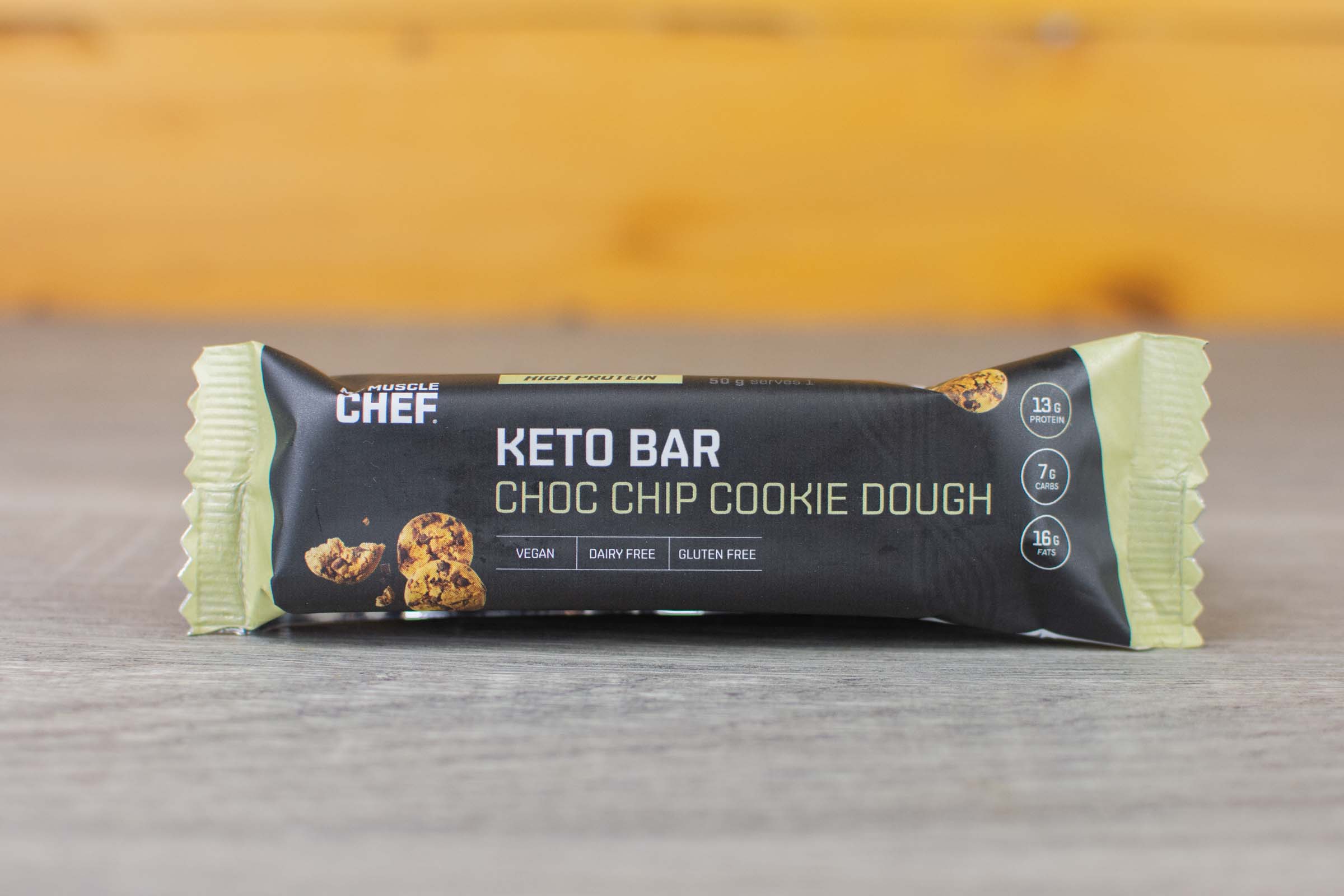
  • My Muscle Chef launches protein cookies

    My Muscle Chef launches protein cookies

    Functional food and beverage company My Muscle Chef has rolled out a new range of protein cookies to help people struggling to hit their protein cookies.

    Macro – short for macronutrients – makes up a food composition in our bodies: fats, carbohydrates, and protein. People who are conscious of their nutrient intake count macros to reach a specific body composition goal.

    Available in three different flavors – Salted Caramel and Macadamia, Choc Chip, and Triple Choc – the new protein cookies are a great choice as an on-the-go snack to top up protein intake while satisfying sweet cravings, said the company.

    “Our new Protein Cookies are a great addition to MYMC’s range of functional, healthy foods and are a great way for our customers to support muscle strength and fuel their recovery,” said Tushar Menon, co-founder, My Muscle Chef.

    Each cookie has 25g of whey protein, nuts, and prebiotic fiber. It also has no added sugars or preservatives and does not use artificial flavors or colors.

    Alex Adcock, head of sales at My Muscle Chef, says most protein snacks on the market are bars and the company has identified an opportunity to offer a more indulgent way for customers to hit their protein goals.

    “With 98 percent of recovery snacks in the market currently being bars, we’ve identified an opportunity for our cookies to meet MYMC’s customers needs perfectly complementing our existing high protein and on-the-go range our customers know and love,“ said Adcock.

    In addition to the Protein Cookies, the company has also launched Custard Protein Bars, and Custard Casein Protein Powder in its range of protein supplements.

    My Muscle Chef Protein Cookies are available online and in select retail stores for RRP $4.50 per cookie.