Tag: Bangladesh

  • Bangladesh to import rice from Vietnam and India to replenish reserves

    Bangladesh to import rice from Vietnam and India to replenish reserves

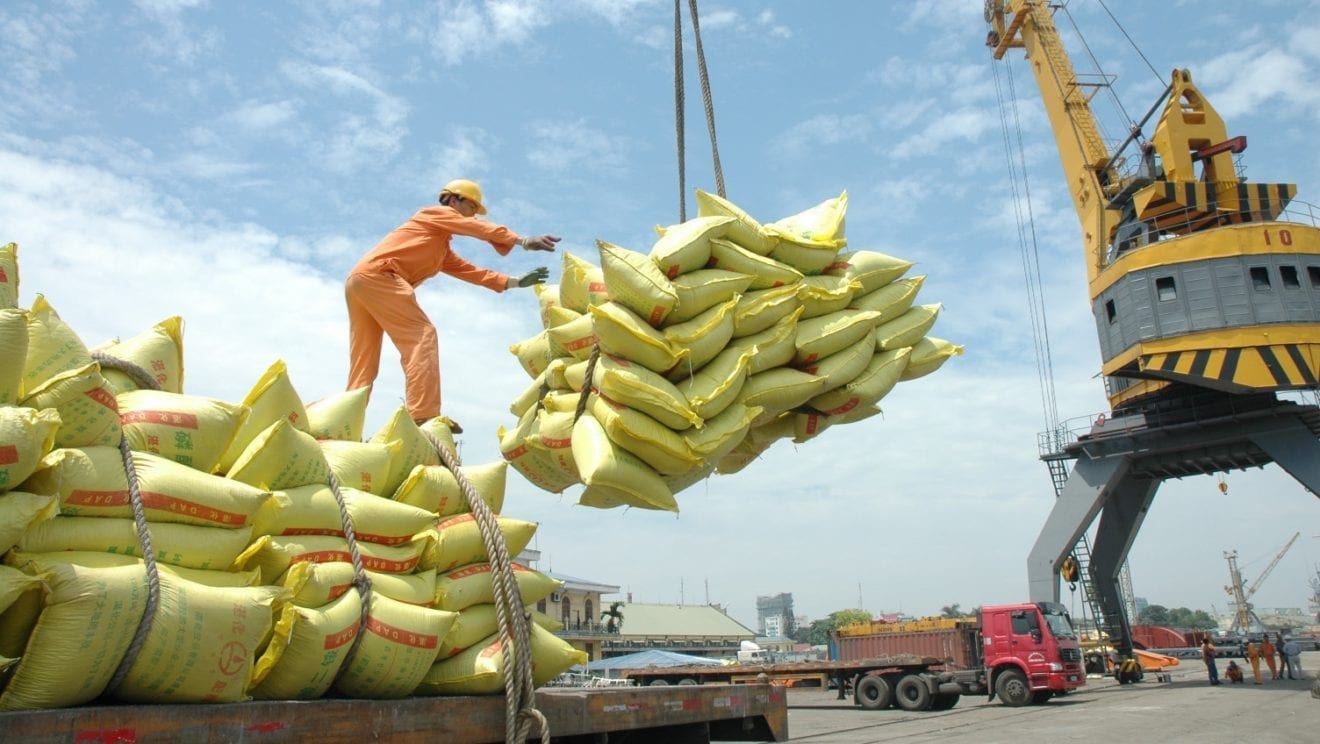
    Bangladesh is finalizing deals with Vietnam and India to import a total of 330,000 tonnes of rice as it races to replenish reserves and cool domestic prices, two officials with direct knowledge of the matter said on Monday.

    Soaring prices of the staple grain for the country’s 165 million people pose a problem for the government, which plans to expand cut-price rice sales to help people hard-hit by high costs.

    The south Asian country will buy 100,000 tonnes of parboiled rice from an Indian public sector firm and 200,000 tonnes of parboiled rice and 30,000 tonnes of white rice from Vietnam, the government officials said.

    The price for the parboiled rice from Vietnam will be $521 a tonne and white rice $494 a tonne, said the officials, speaking on condition of anonymity because the deals have not been made public.

    The price for rice from neighboring India will be $443.50 per tonne via seaports and $428.50 per tonne via railways, the officials said. All the prices included freight, insurance and unloading costs, they said.

    “Preparations are underway to sign the deals soon,” one of the officials said, adding the rice would be delivered within two to three months after the signing.

    The Bangladesh government is also holding talks with Myanmar to import rice, the officials said, putting aside a rift over the Rohingya refugee crisis.

    Bangladesh this week slashed import duty on rice to 15% from 25%, cutting it for the second time since July in a bid to boost private imports.Its private rice import plan, however, faces a setback with only 36,000 tonnes bought since July, after the government allowed private traders to import nearly 1 million tonnes of the staple grain after slashing duty to 25.0% from 62.5%.

    The government will begin selling rice at a cheaper rate for 5 million poor families and expand such sales from September, in an effort to rein in surging domestic prices, which saw yet another uptick after it hiked domestic oil prices early this month.

    Bangladesh, traditionally the world’s third-biggest rice producer with around 35 million tonnes annually, uses almost all its production to feed its people. It still often requires imports to cope with shortages caused by floods or droughts.

  • UniTeller Grows Remittance Network Across APAC

    UniTeller Grows Remittance Network Across APAC

    The U.S. based cross-border and remittance payments processor is extending its remittance services to more customers in the Asia Pacific under a partnership with Tranglo.

    UniTeller has announced a partnership with Tranglo to further expand its services in 13 Asia Pacific markets, including Bangladesh, India, Indonesia and Nepal.

    The partnership will add more than 58,000 cash pick-up points, more than 1,100 account deposit banks, and nine e-wallet platforms to its existing paying network of 90,000 paying locations in the region, according to an announcement on Thursday.

    UniTeller CEO Alberto Guerra said the partnership is a great step forward in the company’s expansion plan for the Asia Pacific this year.

    Founded in Malaysia in 2008, Tranglo operates a cross-border payment hub that provides smart services for mobile airtime top-ups, as well as foreign remittance and business payments.

    Earlier this year, Ripple acquired a 40-percent stake in Tranglo, to allow the blockchain payments company to meet growing customer demand in APAC, one of the fastest-growing regions for RippleNet. As such, UniTeller’s partnership with Tranglo also gives it access to RippleNet.

  • Foodpanda to drive Covid-19 vaccination awareness campaign across Asia

    Foodpanda to drive Covid-19 vaccination awareness campaign across Asia

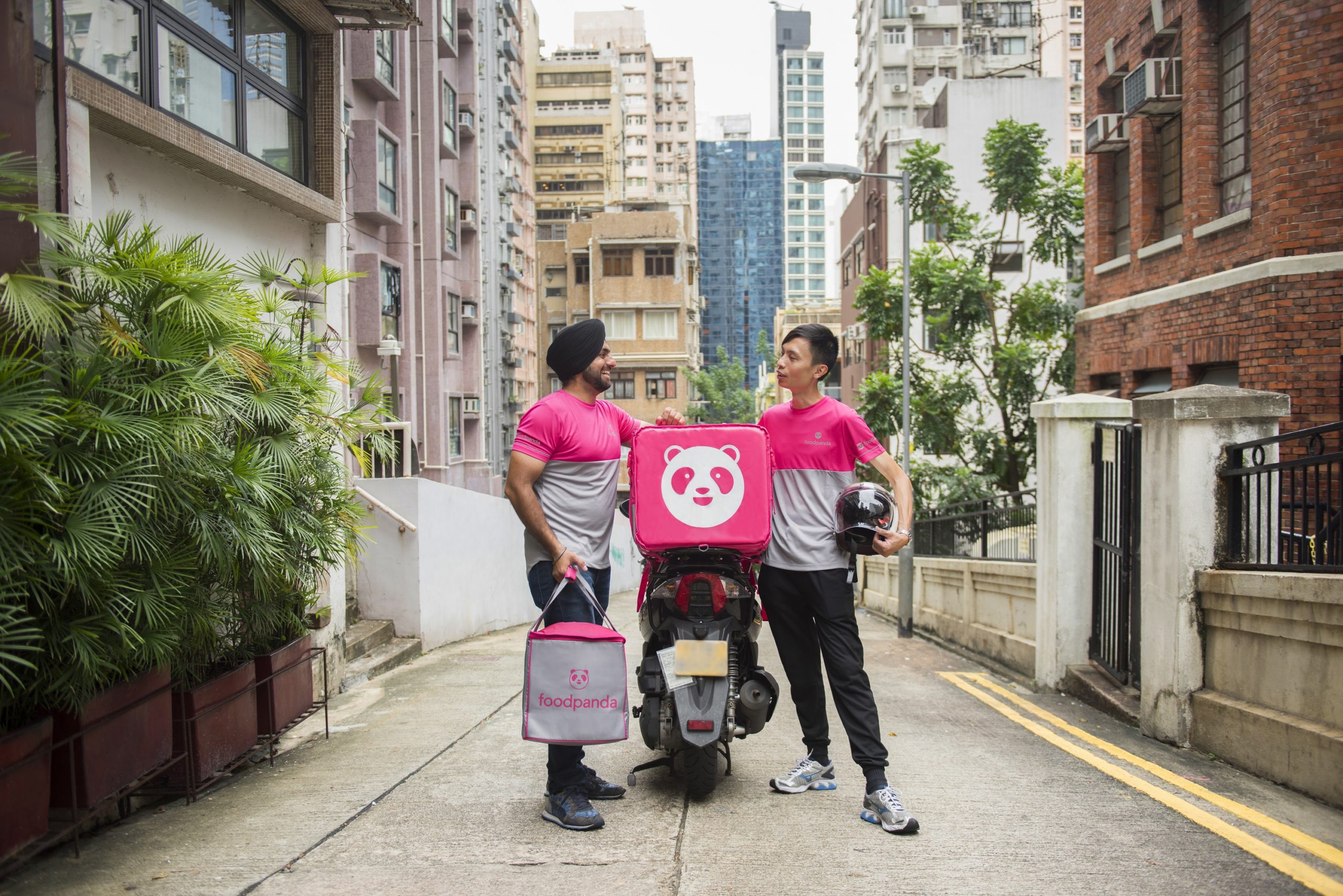
    Food and grocery delivery service Foodpanda has launched a Covid-19 vaccination awareness campaign across Asia in the lead-up to WHO’s World Immunisation Week. The campaign, which aims to reach more than 10 million people across Asia, will include a series of content across digital and social media channels, providing information and resources on local vaccination programs.

    It will be rolled out in phases across Singapore, Malaysia, Thailand, Hong Kong, Cambodia, Japan, Bangladesh, Pakistan, and the Philippines.

    “The region’s battle with Covid-19 is ongoing, and we have to stay vigilant on keeping our ecosystem safe,” said Jakob Angele, CEO of Foodpanda. “Leveraging existing channels with our network of riders, merchants, employees and customers, we can raise greater awareness around fighting misinformation and share information around local vaccination programs so that our entire delivery ecosystem can be informed and mobilized.”

    Besides its social media campaign, Foodpanda will also join hands with local authorities to support vaccination programs in Singapore, Cambodia, and the Philippines.

    “We will continuously explore ways to play a part in the fight against Covid-19.”

  • Bangladesh – DHL Express named Best Workplace in Asia for 2019

    Bangladesh – DHL Express named Best Workplace in Asia for 2019

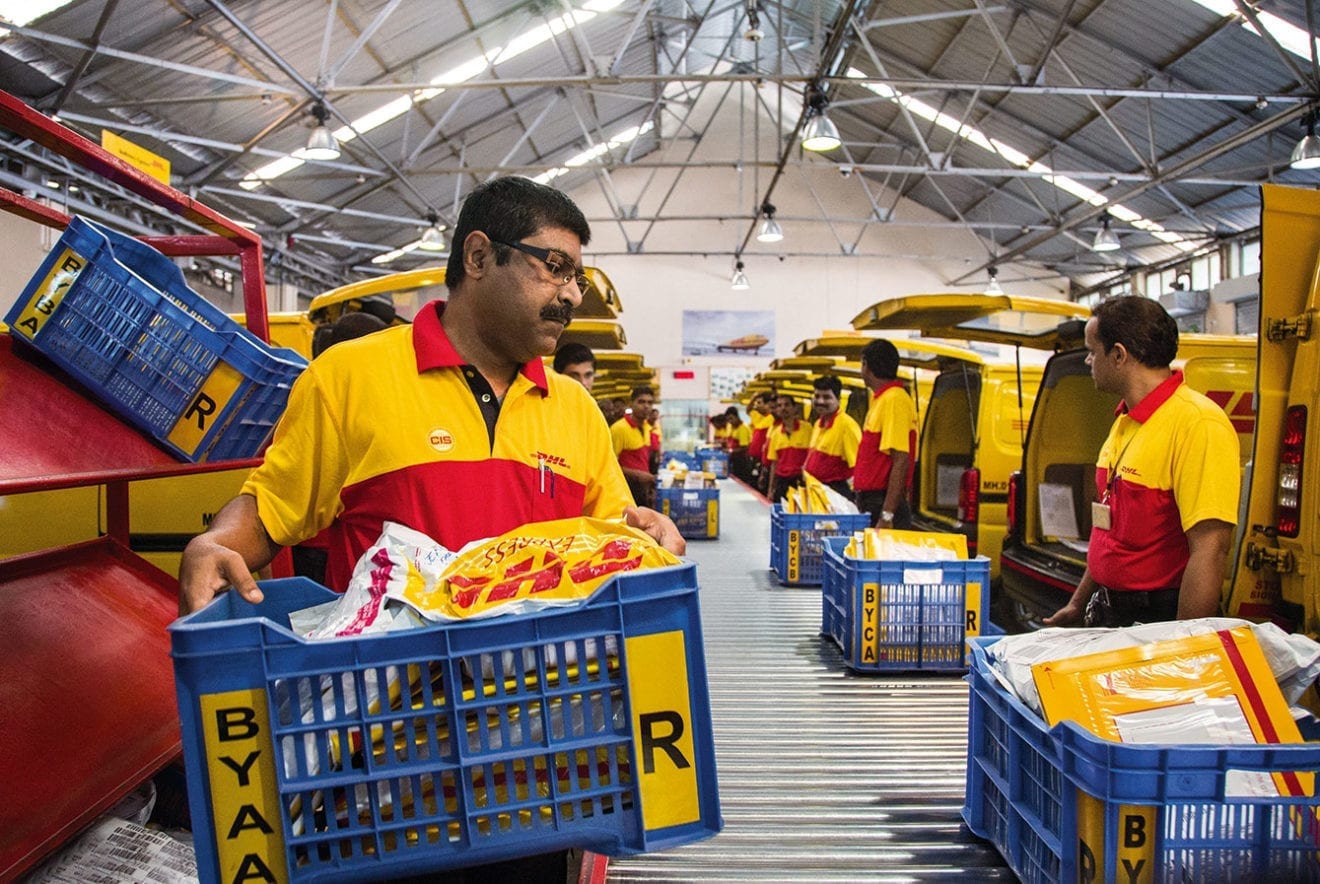
    DHL Express, the world’s leading international express service provider, has been named the Best Workplace in Asia for 2019 by Great Place to Work (GPTW), the global people analytics and consulting firm are known for its annual Best Workplaces list.

    “We are extremely honored to be recognized as the leading employer and best-practice workplace in Asia Pacific,” said Ken Lee, CEO, DHL Express, Asia Pacific.

    “It is important that our employees are always motivated and engaged because they determine the success of our company. We treat our employees the way we would like them to treat our customers, by fostering a culture of authenticity, responsibility, dignity, performance, and results. This award is a testament to the passion and energy that each one of us brings with us to work every day to make DHL a special place to be.”

    DHL Express received GPTW’s prestigious award for the fourth time since 2016, naming it the Best Workplace in Asia in 2016 and 2017 as well as the runner-up in the same category in 2018. This year’s honor came amid positive recognition of its workplace culture across 15 countries and territories in Asia Pacific.

    DHL Express garnered commendable scores on both the Trust Index and the Culture Audit, which canvassed direct feedback from employees to determine workplace levels of fairness and equity, diversity and talent development.

    “DHL’s success as an organization hinges on the unique background, experiences, and perspectives that each of our employees brings. Our strength in respecting and empowering the individual ensures everyone works together as a tightly-integrated whole to strive for exceptional performance,” said Mateen Thiruselvaam, Senior Vice President, Human Resources, DHL Express, Asia Pacific.

    “Feedback mechanisms like the annual Employee Opinion Survey make sure that everyone is heard, and enable us to assess and fine-tune our culture so that we constantly reach toward and extend beyond our full potential.”

    In 2018, DHL won a total of 50 awards for its workplace culture, bringing the total number of awards won from 2014 to 192.

  • Bangladesh garment factories urged to embrace sustainable behavor

    Bangladesh garment factories urged to embrace sustainable behavor

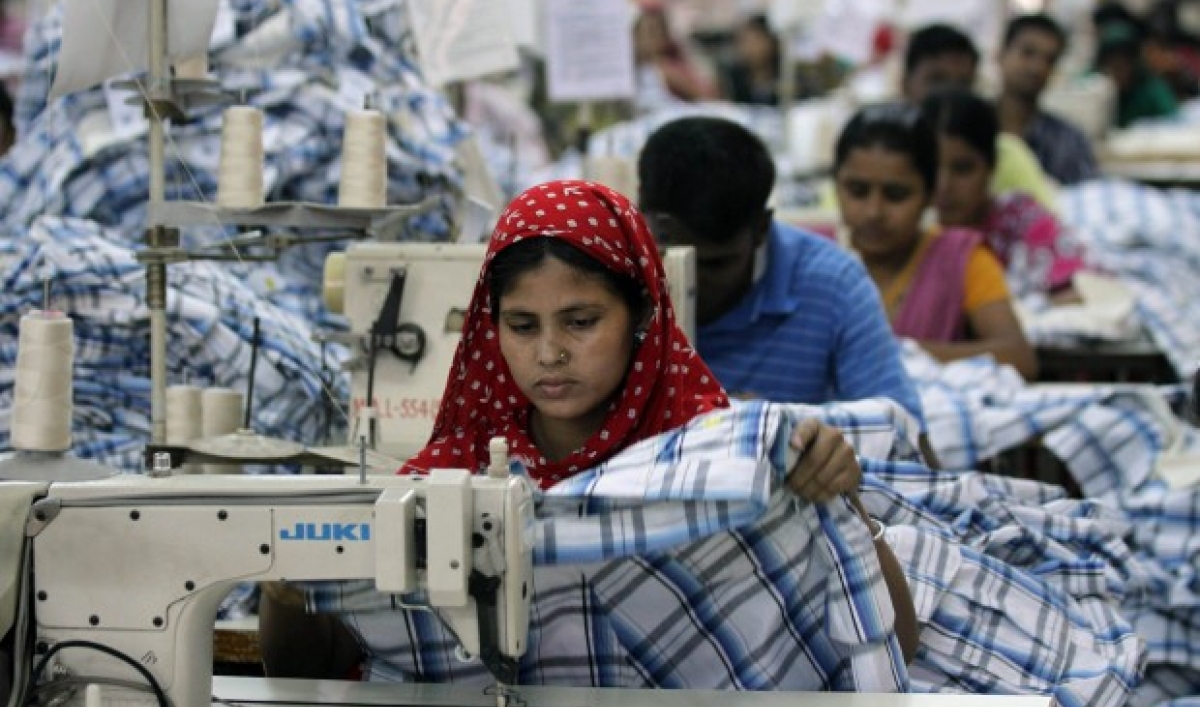
    Bangladesh garment factories must continue to invest in making their operations more sustainable if they hope to win business over other major competing sourcing countries such as Vietnam, Cambodia and Indonesia, says data and analytics company GlobalData.

    In line with this, the country is looking to increase its garment exports from US$34 billion in the financial year ending last June to US$50 billion next year.

    In 2018, 67 factories had adopted the Leadership in Energy and Environmental Design (LEED) certification, which evaluates sustainable sites, water efficiency, energy, indoor environment and innovation. Eight were LEED-platinum certified. But with eco-credentials playing a greater role in how consumers today shop, more factories need to get on board.

    Hannah Abdulla, apparel correspondent at GlobalData, says the owners of Bangladesh garment factories are growing increasingly concerned they are losing business to rival sourcing countries.

    “Where buyers were previously concerned with mass-produced, cheap goods, the focus is now on better quality and sustainably sourced (value-added) items. Green factories have an edge; this is what helps sets them apart from the competition.”

    With Bangladesh looking to increase the investments, big changes need to be made to secure additional business from the higher-paying customer, says Abdulla.

    “While change has happened at several factories, this needs to be scaled up. More factories need to get on board if Bangladesh is going to convince global players it remains a worthy contender in the readymade garment space.

    “For the national industry to be viewed as one that is an environmentally-sustainable apparel sector with an international reputation for good practice, it needs to move beyond a minority of factories implementing sustainable measures.”

  • Crimson Cup opens fourth cafe in Dhaka, Bangladesh

    Crimson Cup opens fourth cafe in Dhaka, Bangladesh

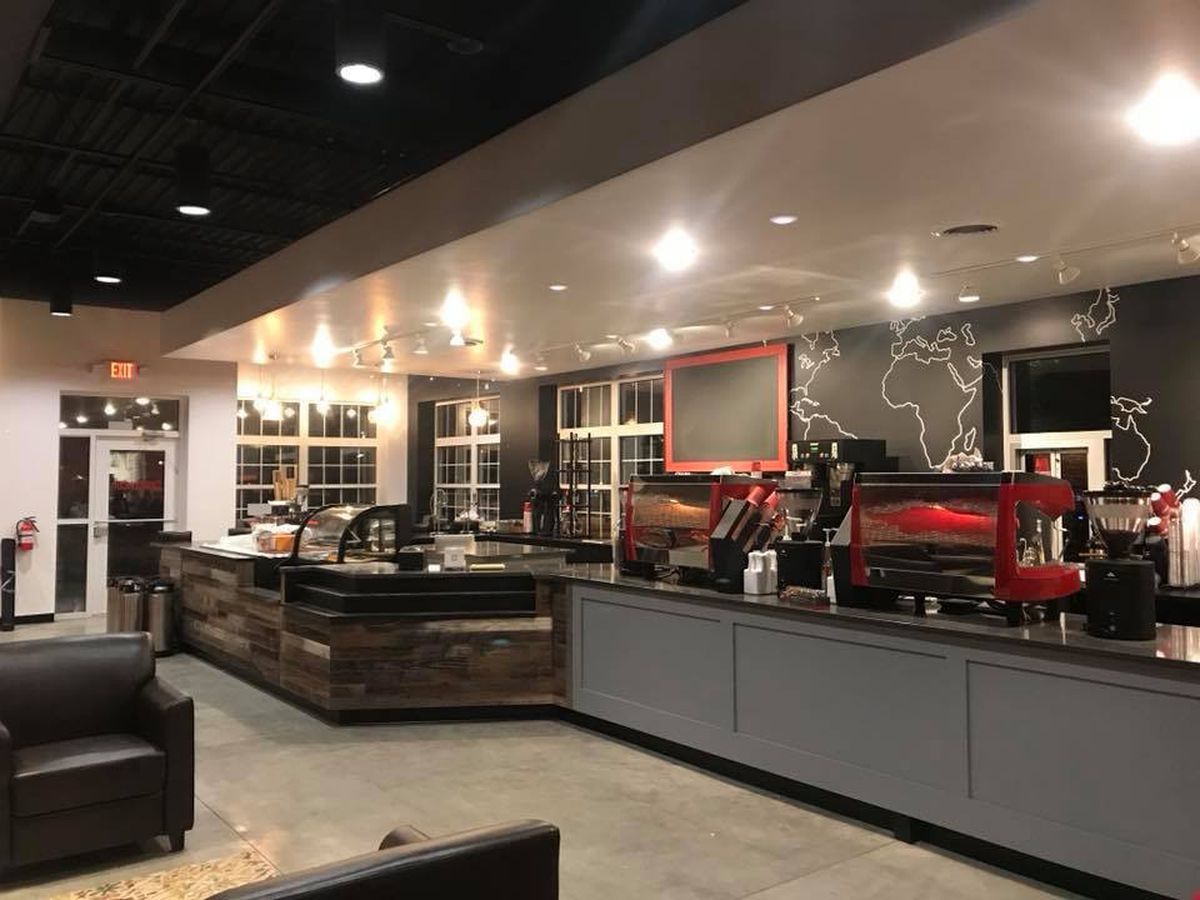
    US coffee roaster Crimson Cup Coffee & Tea has opened its fourth international coffee shop in Dhaka, Bangladesh.

    The new Rangs Fortune Square venue joins Crimson Cup Coffee Houses in the Banani and Dhanmondi neighborhoods.

    “Dhanmondi is a huge residential area with a multicultural population,” said MD Mohaimin Mostafa, “and our existing shop in Dhanmondi 27 was not sufficient to keep up with demand. Our second outlet in Dhanmondi makes it much easier for customers to reach us.”

    The brand features a brew bar where baristas hand-pour craft coffees discovered during Crimson Cup’s sourcing trips all over the world.

    After opening four coffee houses since 2015, the Crimson Cup Bangladesh team is continuing its plans for expansion. Managers are looking for locations in Sylhet and Chittagong as well as the resort city of Cox Bazar. They are also exploring development opportunities in India, Nepal and Thailand.

  • DB Schenker goes LIVE in Bangladesh

    DB Schenker goes LIVE in Bangladesh

    Schenker (Asia Pacific) Pte Ltd, subsidiary of DB Schenker, the transport and logistics division of the Deutsche Bahn Group, has expanded its presence in the Indian subcontinent with the launch of a new entity in Bangladesh.

    With effect from 26th June 2019, Schenker Logistics (Bangladesh) Limited is  fully operational as a local entity under the global freight forwarder’s India cluster organization.

    Bangladesh is recognized as one of the fastest growing economies in the world with a consistent nominal GDP growth. It is also the world’s second largest exporter of apparels after China, and plays a pivotal role in strengthening DB Schenker’s position as a leader in the global textile market, especially since Bangladesh has duty-free access for garment exports to certain countries.

    The new Bangladesh organization will be led by Chester Hodgson who has over 20 years of experience in the Freight and Logistics industry in South Asia and is no stranger to Bangladesh. “Our greatest pride is our customers and that our success is measured by how we can use our network to facilitate the progress of your business, the fruition of our vision to strategy implementation to become PRIMUS,” says Mr. Hodgson.

    Ditlev Blicher, CEO Asia Pacific, DB Schenker, described establishing an owned entity as an “important step for the organization that comes after many years of careful planning and preparation, which will greatly enhance DB Schenker’s service portfolio and footprint in the Indian subcontinent.”  The new entity will have two offices, in Dhaka and Chattagram, with over 150 experienced employees across the core product offering (Air Freight, Ocean Freight, Contract Logistics, Land & Cross-Border Transportation, Global Projects and Fairs & Exhibitions), spread across six vertical markets namely Aerospace, Electronics & Solar Semiconductor, Automotive, Retail & Consumer, Healthcare and Industrial & Chemical.

    DB Schenker works closely with locally trained experts and partners in order to deliver the best service to customers on the ground. Through such partnerships, the organization also recognizes its role in creating more job opportunities and upskill trainings for the local talent market, while at the same time strengthening its logistics capabilities in Bangladesh.

    “Bangladesh is one of the priority markets for our Indian subcontinent and will help shape a new growth trajectory in the years to come. We are well prepared to expand aggressively in the country so as to better serve our customers,” said Vishal Sharma, Chief Executive Officer, Cluster India and Indian subcontinent, Schenker India Private Limited.

  • Puma Store in Dhaka marks First Milestone

    Puma Store in Dhaka marks First Milestone

    The new Puma Bangladesh flagship just opened in Dhaka marks the sportswear brand’s largest yet in the country.

    The 2220sqft location showcasing the firm’s latest performance and sportstyle products is the brand’s first flagship in Dhaka, the largest full-price store in the country across global brands; and the first entry by any international brand into the Bangladeshi market, according to its employee publication.

    “The store is a great brand statement for us in the heart of the capital city of Dhaka,” said Puma India MD Abhishek Ganguly. “The response we are getting is far beyond expectations. The economy in Bangladesh is going in the right direction and sport is getting more and more popular. We will continue to focus and expand in the market.”

    The Puma brand has been brought into the country by its regional partner, textile & apparel manufacturer DBL Group.

    “We are looking at expanding our footprint in the region, and what better way than launching our very own flagship store,” said DBL Group MD M A Jabbar. “Through our iconic flagship store we aim to bring the best Puma experience and product to our consumers.”

    The brand aims to expand within Bangladesh with more outlets to come in the unspecified future.

  • Domino’s Pizza Bangladesh opens first Restaurant

    Domino’s Pizza Bangladesh opens first Restaurant

    Domino’s Pizza Bangladesh has opened its first store, in the capital city, Dhaka.

    The store features a new ‘pizza theatre’ design with in-house seating offering a front-row view of pizza-making.

    More stores  are planned later this year.

    Domino’s Bangladesh is operated by master franchisee Jubilant FoodWorks and its local operator Golden Harvest.

    “We are excited to launch the first Domino’s restaurant in Dhaka and look forward to offering a menu that keeps the needs and preferences of local customers in mind, while also offering the best of the brand’s international menu,” said Pratik Pota, Jubilant FoodWorks CEO and director.

    Pota said the brand will also launch an ordering app that will help “redefine the pizza-ordering experience” for consumers in Bangladesh.

    “We are confident that Domino’s is going to be one of the most-loved pizza brands in Bangladesh,” said Rajeeb Samdani, MD at Golden Harvest Group.

    “The open-kitchen design will be innovative in this market and will show our commitment to food safety and quality standards.”

    Founded in 1960, Domino’s now operates in more than 85 markets worldwide, with more than half of its global retail sales coming from international stores.

  • DHL Global Forwarding appoints Fabian Rybka to head Bangladesh and Sri Lanka

    DHL Global Forwarding appoints Fabian Rybka to head Bangladesh and Sri Lanka

    DHL Global Forwarding, the leading international provider of air, sea and road freight services, has appointed Fabian Rybka as Cluster Head for DHL Global Forwarding’s operations in Bangladesh and Sri Lanka, along with partner operations in Bhutan, Nepal and the Maldives.

    Rybka brings to the role more than 10 years of experience at DHL Global Forwarding in both Asia and Europe, serving most recently as Head of Business Strategy and Development for DHL Global Forwarding ASEAN and South Asia, where he spearheaded successful growth initiatives in Bangladesh and Sri Lanka amongst other markets. Previous roles saw him specialize in designing and executing growth plans for DHL Global Forwarding’s high-potential markets including Italy, India, Singapore, Bangladesh, Indonesia and the Philippines, as well as key operations in European markets.

    “Fabian has built up a formidable track record for turning even the most challenging business situations into environments of high growth and customer satisfaction,” said Thomas Tieber, CEO, DHL Global Forwarding ASEAN and South Asia. “He has already proven that ability in guiding our teams in Bangladesh and Sri Lanka to significant results while understanding the nuances of the local market operations. I can think of no better individual to lead these growth markets and further build on our strong market position.”

    In the new role, Rybka will apply his extensive business development expertise to further boost productivity and expand DHL Global Forwarding’s range of services in the markets under his leadership, focusing particularly on developing key products in ocean freight and value-added services like customs and integrated warehousing. He also continues to lend his business turnaround skills to projects throughout the broader South Asia and Asia Pacific regions.

    “I firmly believe Bangladesh, Sri Lanka and the surrounding markets of Bhutan, Maldives and Nepal hold opportunity for substantial growth. We have a role to play to connect these economies to the rest of the world, supporting foreign businesses to invest in these markets, and also encouraging exports from local businesses overseas,” Rybka said. “Bangladesh’s GDP is growing faster than almost anywhere else in Asia at 7.3% per annum, while Sri Lanka continues to see steady increases in both imports and exports[2] that point to its growing connectedness and market opportunity within the global economy. As business optimism grows, my goal is to ensure we make our world-class logistics services as accessible and reliable as possible to enterprises of all sizes throughout the cluster.”

    Rybka holds an MBA from the University of Cooperative Education in Stuttgart, Germany, as well as a Global DHL CEO Award for his work in CSR and sustainability. Formerly one of Germany’s top junior football coaches, he also organizes and hosts youth football competitions — including one of the world’s largest, in Switzerland — to support the community work of SOS Children’s Village, a DHL GoTeach partner organization with whom he has volunteered for more than 10 years.

    Read more at https://vietnamnews.vn/media-outreach/505358/dhl-global-forwarding-appoints-fabian-rybka-to-head-bangladesh-and-sri-lanka-operations.html#qzaaIQjDkqMUVr8X.99

  • Tablez to launch Build-A-Bear in India

    Tablez to launch Build-A-Bear in India

    To meet an ever-increasing demand for an engaging retail environment, Tablez India announces the partnership with Build-A-Bear, a global experiential retailer. U.S.-based, customized stuffed-animal retail-entertainment brand Build-A-Bear aims to reach as many as 9 million households in the top 15 cities in India by 2025. Besides standalone stores, shop-in-shop formats of Build-A-Bear would be launched within Toys“R”Us as part of Tablez, the retail arm of LuLu Group International.

    Adeeb Ahamed, MD, Tablez said, “The Build-A-Bear concept is a one-of-a-kind retail experience, and we are thrilled to bring it to India. We believe that children who come to our stores will be able to enjoy a different shopping experience that includes participation in creating stuffed animals of their own choice.”

    He also added, “At Tablez, we are continuously striving to meet the increasing demand for high-quality specialty toys, and we look forward to opening more Build-A-Bear and Toys”R”Us stores across India, as our company continues to grow.”

    On this occasion, Dorrie Krueger, Build-A-Bear Workshop Chief Strategy Officer, said, “We look forward to embarking on this new partnership with Tablez India and helping establish and grow the Build-A-Bear brand in this important global market. As our international franchise portfolio continues to expand, we are further assured that the hug of a teddy bear is understood in any language.”

    Established in 1997, Build-A-Bear has helped millions find their own meaning in a new furry friend. The brand has nearly 500 stores worldwide, and more than 175 million furry friends have been made globally in its 21-year history. Build-A-Bear helps guests mark special occasions, start friendships, and inspires people to make their own adventures. At Build-A-Bear, one is empowered to feel that anything is possible.

    The ‘Choose Me’ wall at every Build-A-Bear store is where the empowerment journey begins as each guest chooses an unstuffed animal to bring to life. Accessories give customers the reins to customize their creation. The heart ceremony is where one can add special wishes to their friend. During the stuffing process, a heart is placed in the bear along with special wishes, and the guests promises to care for their new furry friend. This signature ceremony brings each stuffed animal to life in a personal way, further ensuring a greater attachment. Guests find meaning in each of the animals designed – they are friends, playmates, heroes, look-a-likes and evidence of special memories. Dogs, cats, bunnies and even unicorns complement the timeless teddy bear to ensure there’s a furry friend for everyone.

    Tablez launched the first Toys“R”Us store in Bangalore in 2017. Before end of 2018, 4 stores will be operational, and another 20 stores are expected to be launched in 2019. In February 2019, Build-A-Bear will be launched as part of Toys“R”Us in Phoenix Marketcity, Bangalore. Further, a Build-A-Bear shop-in-shop format will follow in Vega City Mall, Bangalore; City Centre Mall, Mangalore and Phoenix Marketcity, Pune. The 20 additional standalone stores of Toys”R”Us are expected to be launched in major locations starting January 2019. Build-A-Bear plans to expand to as many as 65 shop-in-shop format stores and 20 standalone stores in India over the next 10 years.

  • Will Bangladesh’s garment industry survive?

    Will Bangladesh’s garment industry survive?

    Bangladesh is battling to keep its position as the world’s second-largest exporter of clothing after China, as it faces intensifying competition from Cambodia, Vietnam, Myanmar and now African countries like Ethiopia as global brands search for cheap labor.

    H&M, for instance, imports from an Ethiopian clothing factory it set up with Bangladeshi garment maker DBL.

    Japan’s Fast Retailing, operator of the Uniqlo casual clothing chain, is also eyeing a production base in the African country. Fast Retailing declined to comment for this story.

    The competitive pressure has sparked consolidation of what was once a mom-and-pop industry, reducing the number of factories 22% in the last five years to 4,560, according to the Bangladesh Garment Manufacturers & Exporters Association.

    Those who have survived gain market share, expand overseas and aim to go public.

    The industry is an engine behind the country’s more than 6% annual growth over the past decade.

    In the year ending in June, garment exports totaled $30.6 billion, up 8.8% and accounting for 83.5% of the country’s total exports, according to BGMEA.

    The country also increased its share of global clothes exports to 6.3% in 2016 from 4.0% in 2010, according to World Trade Organization data.

    But compared with China, which has a share of 34.5%, it is still a distant second along with countries like Vietnam, Italy and India.

    Labor in Bangladesh is still cheap.

    The average monthly wage is just $101, compared with $135 for Myanmar, $170 for Cambodia, $234 for Vietnam and $518 for China, according to surveys on select cities conducted by the Japan External Trade Organization between December 2017 and March 2018.

    But there are countries with even lower wages, such as Ethiopia with a monthly average wage of $50.

    Labor costs are rising across Asia, and Bangladesh is no exception.

    With general elections looming in December, the ruling Awami League has approved a 51% wage hike for garment workers, a decision that is weighing on the country’s garment industry.

    Companies operating in special economic zones, such as Universal Menswear, typically offer a 10% wage increase every year.

    But in election years, which come every five years, the government tends to promise more generous pay hikes.

    This has put the industry in a bind, as their Western customers, faced with online competition from Amazon and others, are demanding that prices be kept under control.

    Cost increases are not limited to labor.

    Garment makers in Bangladesh have been forced to make major investments in building safety, following a factory fire that killed 117 in November 2012 and the collapse of another known as Rana Plaza in April 2013, which left more than 1,100 dead. Since then, Western brands will not buy from Bangladeshi suppliers unless they are certified to be in compliance with stringent fire and building safety regulations.

    Factories in Bangladesh have grown in a haphazard fashion, some even operating on the upper floors of office or residential buildings.

    Western apparel makers feel more secure buying from countries like China and Vietnam, where manufacturing is better planned and organized.

    Today, most of the first-tier export-producing factories have been assessed for risk and have been improved or are in the process of being brought to a comfortable standard.

    A survey by McKinsey & Co. in 2013 found Bangladesh the No. 1 alternative to China as a manufacturing location.

    ILO’s Putiainen also says that Bangladesh could benefit as production leaves China due to cost and the U.S. trade dispute.

    But he added that global apparel brands will remain vigilant about the factory conditions in Bangladesh.

    Following the Rana Plaza accident, Ananta faced more price pressure from its customers, who demanded discounts in exchange for continuing to do business.

    That is one reason why Ananta, originally a jeans maker, is so keen to diversify into higher value-added items, such as men’s suits and lingerie.

    The strategy seems to be working. Annual sales have grown 20% to 30%. Sales in the current business year are projected at $300 million, up from $250 million in the previous year. Ananta aims for $1 billion dollars in sales within the next seven years.

    DBL, another Bangladeshi garment maker with an annual turnover of $450 million, is also branching out into sports wear and lingerie, according to company head M.A. Jabbar.

    DBL currently handles only cotton fabric, but “in the coming days, we are looking at man-made fiber,” Jabbar said.

    DBL is also adding upstream processes, such as spinning, dying, printing, fabric washing and embroidery production.

    Most garment makers in Bangladesh specialize in knitting operations, with fabrics and accessories imported mostly from China. With materials costs accounting for 65% to 70% of an item’s selling price, profit margin is razor-thin.

    “If Bangladesh focuses on the knitting business, it will eventually lose to even lower-cost producers like Ethiopia,” predicts Yoshiaki Kamiyama, senior researcher at the Japan Textiles Importers Association.

    “It has to innovate. It has to develop expertise other than just knitting.”

  • H&M and Gap to Probe Violence, Sex Abuse in Asian Factories

    H&M and Gap to Probe Violence, Sex Abuse in Asian Factories

    Fashion giants H&M and Gap vowed on Tuesday (05/06) to investigate reports that Asian garment workers who supply their high-street stores routinely face sex abuse, harassment and violence.

    Based on interviews with some 550 workers in 53 H&M and Gap supplier factories in Bangladesh, Cambodia, India, Indonesia and Sri Lanka, rights groups said women were at “daily risk” of violence and faced retaliation if they reported the attacks.

    The coalition has investigated the factories for several years as efforts mount to push Western brands into improving safety along their supply chains and render them slave-free.

    Clothes stitched by low-paid Asian workers – part of a complex global supply chain – end up on high-priced Western high streets, with some 4,750 H&M stores located in 69 countries and about 3,700 Gap shops operating in about 90 nations.

    Sweden’s H&M — the world’s No. 2 clothes group after Zara owner Inditex — said it would review the findings of the recent report by the civil society groups and unions.

    “We will go through every section of the report and follow up on [a] factory level with our local teams based in each production country,” a company spokesman said in a statement.

    “All forms of abuse or harassment are against everything that H&M group stands for.”

    US retailer Gap said it was “deeply concerned about the troubling allegations raised by this report.”

    “Our global team is currently conducting our due diligence to investigate and address these issues,” a spokeswoman said.

    The charities said they had found widespread sex harassment, verbal and physical abuse – such as slapping – and threats of retaliation when women refused sexual advances from bosses.

    Forced Labor

    A separate report published last month by the coalition of rights groups found similar abuse of women at supplier factories in Asia for US-based Walmart, the world’s largest retailer.

    Walmart said last month that it was reviewing the “concerning” accounts cited in the report.

    The Ethical Trading Initiative (ETI), a group of trade unions, firms and charities of which both Gap and H&M are members, said it expected the retailers to work with the suppliers to ensure that women have swift access to remedy.

    “These allegations are deeply concerning,” said Debbie Coulter of the ETI. “Gender-based violence is unacceptable under any circumstances, and brands need to make sure that women working in their supply chain are protected.”

    Campaigners told the Thomson Reuters Foundation last month that the level of pressure and harassment faced by the workers in the three separate reports was approaching forced labour.

    “Any time you have retaliation against workers, and coercion and control … you are coming close to the line of forced labour,” Jennifer Rosenbaum of Global Labor Justice, a network of worker and migrant organizations, said last month.

    The reports have been published amid meetings hosted by the United Nations’ International Labor Organization to work on the first global convention against workplace harassment after the #MeToo campaign thrust the issue into the spotlight.

  • bKash and Ant Financial in strategic partnership to promote financial inclusion for the unbanked in Bangladesh

    bKash and Ant Financial in strategic partnership to promote financial inclusion for the unbanked in Bangladesh

    The leading mobile financial services provider of Bangladesh, bKash Limited (“bKash”) and Ant Financial Services Group (“Ant Financial”), operator of Alipay, today announced a strategic partnership to promote financial inclusion for the unbanked and underbanked communities in Bangladesh. The partnership involves Ant Financial investing into bKash and increasing its technological capabilities, allowing it to provide greater convenience and security in mobile financial services throughout Bangladesh.

    Established in 2010 by founding shareholders, BRAC Bank Limited and Money in Motion LLC, bKash is running a network of more than 180,000 agents throughout urban and rural areas of Bangladesh with over 30 million registered accounts.

    “Along with its investment, Alipay brings the best payment technologies built by thousands of engineers and the knowledge of applying those technologies to economies like China which went through a massive transformation in recent years. Such track record makes Ant Financial a fitting partner for bKash since Bangladesh too has a large population of 160 million and an economy that is advancing rapidly. This investment opens many new opportunities for bKash and demonstrates the confidence a world-class player is placing in Bangladesh,”said Kamal Quadir, Chief Executive Officer of bKash.

    “Ant Financial and bKash share similar goals, in that we want to bring equal opportunities to everyone here in Bangladesh. bKash can tap on the experience Alipay has built over the last decade serving 800 million users together with our strategic partners worldwide. As part of Ant Financial’s global strategy, we are keen to share our technology know-how with partners like bKash, who has successfully brought financial services to the largely unbanked population in Bangladesh. bKash is managed by a strong team with deep local knowledge and execution capabilities. We are confident, together with bKash, we can bring highly secure and inclusive financial services to address the needs of local people and small businesses here,” said Eric Jing, Executive Chairman and Chief Executive Officer of Ant Financial.

    “bKash, a company taking financial services to the doorsteps of millions of unbanked people in Bangladesh, will benefit immensely from this landmark partnership with Ant Financial. It will help bKash significantly step up its activities in changing and positively impacting on the lives of millions,” said Selim R. F. Hussain, Managing Director and CEO of BRAC Bank.

    bKash and Ant Financial were both named in Fortune Change The World 2017 list, a recognition given to companies that have had a positive social impact through activities that are part of their core business strategy.

    International Finance Corporation (IFC) and the Bill & Melinda Gates Foundation have been shareholders in bKash, since 2013 and 2014 respectively.

  • India bank hack ‘similar’ to US$81m Bangladesh central bank heist

    India bank hack ‘similar’ to US$81m Bangladesh central bank heist

    Hackers who tried to steal nearly US$2 million from India’s City Union Bank this month used tactics similar to those employed in the unsolved cyber heist of US$81 million from Bangladesh’s central bank in 2016, City’s CEO said on Monday (Feb 19).

    The unknown hackers disabled the City printer connected to global payments platform SWIFT on Feb 6, preventing the bank from receiving acknowledgement messages for three fraudulent payment instruction sent that evening until the next morning.

    “Nobody suspected that it was an attack and thought it was a systemic network failure,” N Kamakodi said on phone. “The system department people, everybody assembled, analysed the problem, rebooted, they closed shop only around 10.00pm to 10.30pm.”

    The next morning, bank officials managed to reconcile the previous day’s transactions and found out “three transactions which were not originated from our bank”.

    The bank had been able block only one of the transfers worth US$500,000, while attempts were under way to retrieve the rest, he said. It first disclosed the heist on Saturday.

    In the case of Bangladesh Bank, hackers infected the system with malware that disabled the SWIFT printer. Bank officials in Dhaka initially assumed there was simply a printer problem.

    The hackers stole the money from Bangladesh Bank’s account at the Federal Reserve Bank of New York using fraudulent orders on SWIFT. The money was sent to accounts at Manila-based Rizal Commercial Banking Corp and then disappeared into the casino industry in the Philippines.

    Nearly two years later, there is no word on who was responsible and Bangladesh Bank has been able to retrieve only about US$15 million, mostly from a Manila junket operator.

    “We definitely see similarities between the Bangladesh case, and the similarities are being factored into the investigation,” Kamakodi said.

    City Union, a small private lender based in south India, said the three money transfer instructions were sent via correspondent banks to accounts in Dubai, Turkey and China.

    He said SWIFT was helping it investigate the matter, and that the hack happened despite the bank adding new security measures days before.

    “It’s a cat and mouse game,” he said.

    SWIFT said it did not comment on individual customers or entities.

    Russia’s central bank said last week that unknown hackers stole 339.5 million roubles (US$6 million) in an attack via the SWIFT international payments messaging system in Russia last year.