Tag: Bangladesh

  • SCB plans to double its retail banking

    SCB plans to double its retail banking

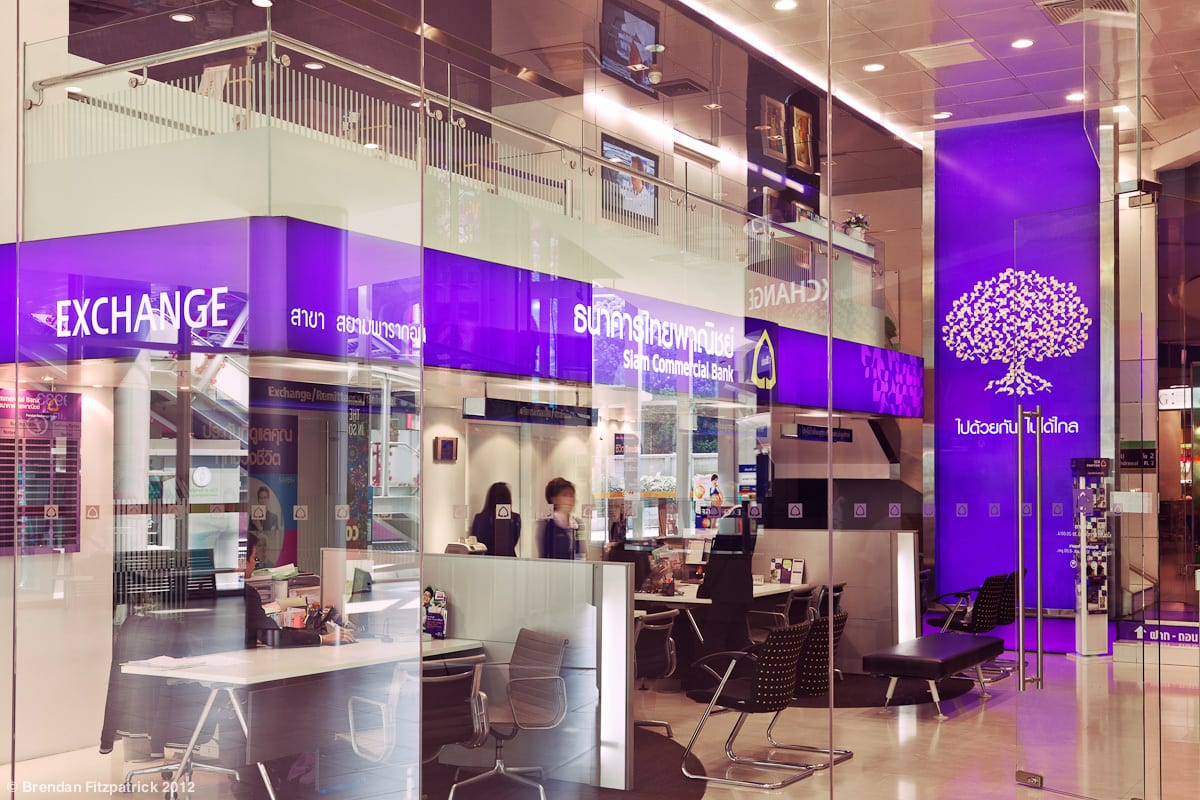
    Standard Chartered Bank (SCB) has planned to double its business size of retail banking in Bangladesh within next five years, a top executive of the bank said.

    “We’re working to double our retail banking business size in Bangladesh by 2020,”  Sebastian Arcuri, regional head for retail banking in ASEAN and South Asia of SCB, said in an exclusive interview with the FE Thursday.

    Currently, Mr Arcuri is overseeing the bank’s retail business in 11 countries such as Singapore, India, Malaysia, Bangladesh, Indonesia, Thailand, Vietnam, Brunei, Nepal, Sri Lanka and the Philippines.

    He arrived in Dhaka Wednesday night on a brief visit to Bangladesh.

    During his stay, Mr Arcuri met senior officials of Standard Chartered Bank. It was his maiden visit to Bangladesh.

    As part of the plan, SCB will put emphasis on small and medium enterprises (SME) sector to help achieve maximum economic growth in Bangladesh.

    “We’ll also extend financing in the SME sector that would help create employment opportunity across the country,” the SCB executive said while replying to a query.

    SCB is celebrating 110 years in Bangladesh this year.

    “We are proud to have the largest high-value segment customer base in the country, and several generations in the same family are banking with us. With continuous innovation in products and solutions, our bank has been the pioneer in retail banking of Bangladesh,” Mr Arcuri noted.

    SCB also plans to keep on bringing new products and services to the existing and potential valued customers to be their bank of choice.

    He said SCB has planned to introduce a new online solution in Bangladesh for opening new account within five minutes by 2016.

    At present, SCB is providing such solution in South Korea for opening accounts.

    “We’re now working to introduce such solution in Bangladesh within the stipulated time,” Aditya Mandloi, head of retail clients of the bank’s Bangladesh operation, told the FE while elaborating preparations in this regard.

    Regarding the latest market activities, the regional retail banking head said emerging markets are moving faster in terms of digital and smartphone adoption, leapfrogging compared to more mature markets.

    “We’re revamping digital platform so that clients can do on mobile phones and online everything previously done in a branch where possible,” he explained.

    Mr Sebastian Arcuri joined the UK-based foreign commercial bank in 2014. Earlier, he worked with HSBC Brazil as an executive director and head of retail banking and wealth management, and president of HSBC Insurance in the country.

    Banking is a cyclical business. Currently facing challenges, but SCB has resilience and diversification to respond, according to the senior banker.

    “Focus on the key clients, the emerging affluent and investment in products, new branches, better technology. Here for good – here for our clients for the long run – this will keep the bank going through the short-term cycles,” he noted.

    SCB is now focused on the fastest-growing cities in the world, which are in footprint of Asia, Africa and the Middle East.

    “We are client-segment focused so we can address clients’ needs from a life-cycle approach. We are investing heavily in technology to be digital by design so we can deliver easy, convenient banking through whatever channel the client prefers, whenever the client wants it. The future can only be better,” Mr Arcuri observed.

    Standard Chartered has already made a series of key hires to step up the growth of its retail client business across the world.


  • Daraz targets frontier Asian markets

    Daraz targets frontier Asian markets

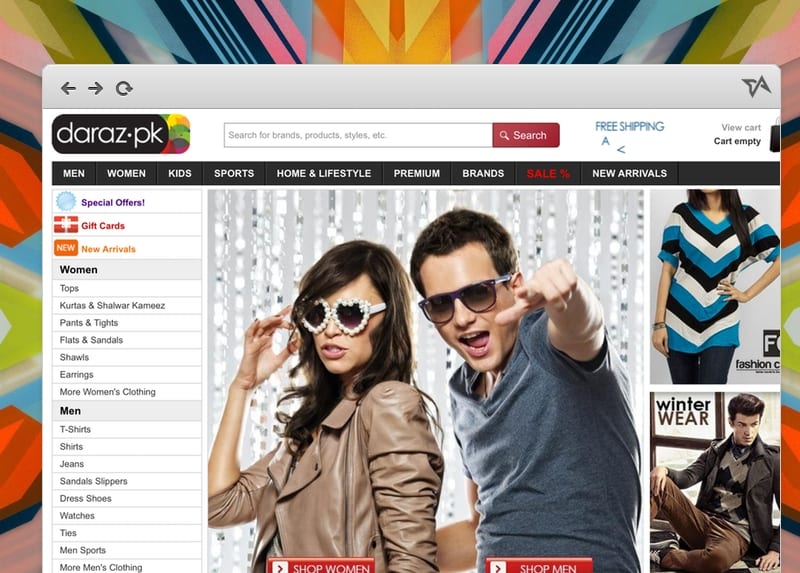
    Online retailer Daraz is investing $56 million into creating beachheads on so-called ‘frontier markets’ in Asia: Myanmar, Pakistan and Bangladesh.

    Daraz is the leader in online retail in all three markets, selling apparel, accessories, shoes and beauty products for men and women, as well as a wide variety of electronics and general merchandise.

    The company is part of the Rocket Internet group which also owns Zalora and Foodpanda.

    It is planning a ‘mega sale’ on November 27, something like Amazon’s Black Friday in the US, offering a slew of special deals in the three Asian nations.

    Bangladesh, where it is putting most of its focus currently, will get the majority of the marketing spend, where it is partnering with local apparel brands such as Bata, Yellow and Ecstasy, as well as tech partners.

    Daraz Bangladesh chairman Sumeet Singh says the local site is attracting around 2 million visitors a month.

  • Aldi targeted by Clean Clothes Campaign

    Aldi targeted by Clean Clothes Campaign

    German discounter Aldi is taking the heat from the latest campaign over fair working conditions at suppliers to major retail brands.

    The Clean Clothes Campaign is lobbying both Aldi and the Bangladesh government to take immediate action to ensure more than 1000 workers employed at the Swan Garment and Swan Jeans factories are provided with months of unpaid wages and bonuses they were allegedly deprived of following “the sudden and illegal closure of the factory” in April.

    Swan workers have been engaged in a sit-in outside the Dhaka Press Club since July 11 to demand action from the Bangladesh government and are due to meet with the Minister of Labour later this week to discuss their demands.

    The CCC says Swan Garments and Swan Jeans are both owned by the Swan Group, who also own a further three factories in the Dhaka area. The Swan Group websites lists a number of European brands as long term buyers from the Group including Lidl, Next, Bestseller, Dunnes and Walmart. Workers claim they were producing for Aldi, Piazza Italia and Motivi in the months prior to closure.

    “After almost three decades of operating in Bangladesh it appears the Swan Group started facing difficulties in 2014, when many of its long term buyers pulled their orders and the factories began to rely on subcontracting to maintain their business. In January 2015 the factory suddenly stopped paying salaries,” CCC said in a statement.

    “The Chinese owner of Swan Group, Ming Yuen Hon (Toby), attempted to flee the country on April 9, but was prevented from doing so by workers who confronted him at the airport and brought him back to the factory. This action forced Hon to pay one month salary to the workers, but on April 10 the two factories were illegally declared closed. According to his family Hon committed suicide some time in the following weeks.

    Workers have been engaged in various demonstrations since April 19 to demand their salaries and the reopening of factories.

    “Concerned that their fate will be the same as the Tuba Group workers who last year were forced to go on hunger strike to demand the wages and bonuses they were owed, several hundred Swan workers have been participating in a permanent sit down protest outside the Dhaka press club since July 12, and a number of workers have been injured by police using force to attempt to disperse protesters. In response the Ministry of Labour and the BGMEA have been promising that steps would be taken to resolve the issue of unpaid wages, but as the Eid holiday passed workers continued to wait for the money they are owed.”

    Joly Talukder, joint general secretary of the Garment Workers Trade Union Centre in Bangladesh said, the government is ignoring the protest, and the state of workers, and has not taken any step to meet the genuine legal demand to pay the arrears.

    CCC says the problem of sudden and illegal closures of garment factories is growing in Bangladesh, in part due to changes in the industry triggered by the Rana Plaza collapse.

    “These closures are leaving thousands of workers unemployed and deprived of their legally owed severance pay. To date little action has been taken by the Bangladesh government or international brands and retailers to ensure workers are not left without the wages and benefits they are owed.

    “Swan Garments is one of many factories that has closed illegally in Bangladesh over the last year. As in the majority of cases it is workers who are left with nothing – not even the wages and severance payments they are owed” says Samantha Maher of the Clean Clothes Campaign. “It is unacceptable that once again workers are being left to pay the price for bad factory management, impossible buyer demands and government inaction and we urge Aldi and the Ministry of Labour to ensure justice for the Swan workers.”

    The CCC did not define a “legal closure” of a factory, or explain where they expected the money to come from if the company was insolvent.

  • Columbus Espresso launches Bangladesh cafe chain

    Columbus Espresso launches Bangladesh cafe chain

    A US espresso roaster which has developed a retail coaching and partnership idea with cafe companies, has introduced its first retailer outdoors the US.

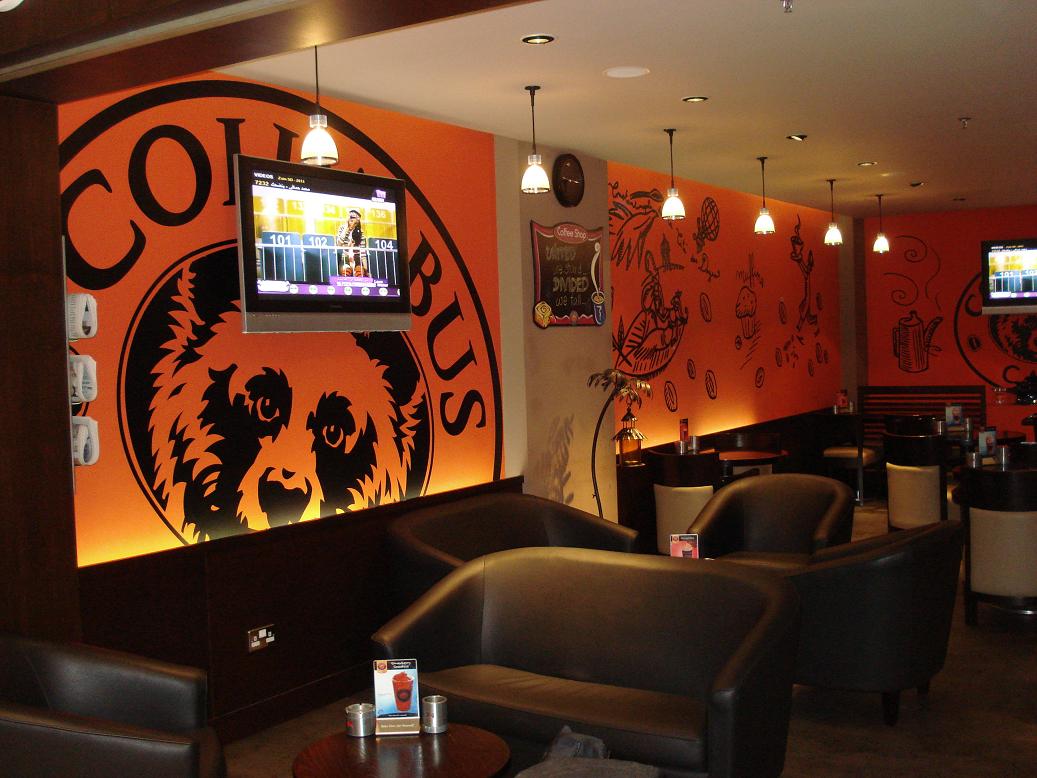
    Columbus, Ohio espresso roaster Crimson Cup Espresso & Tea has labored with a gaggle of Bangladeshi businessmen to launch Columbus Espresso Store within the metropolis of Dhaka. It’s the first in a deliberate chain of cafes throughout the nation.

    Companions Mohaimin Mostafa, Rehanur Rahman, Mirza Abdul Khaled and Tarek Rafi Bhuiyan have created an inviting area for Dhaka residents to take pleasure in handcrafted espressos, café mochas, lattes and different handcrafted espresso drinks. A number of of the companions grew a ardour for American espresso tradition whereas learning in campus espresso homes as overseas change college students within the US. Returning to Bangladesh, they noticed a chance to capitalise on the rising reputation of American-style espresso of their predominantly tea-drinking nation.

    Mostafa and Bhuiyan loved Crimson Cup espresso whereas learning at Ohio State College in Columbus. They reached out for help by means of Crimson Cup’s 7 Steps to Success espresso franchise various program. Based mostly on Crimson Cup’s founder Greg Ubert’s e-book, Seven Steps to Success within the Specialty Espresso Business, this system teaches potential enterprise house owners the whole lot they should open a espresso store. Palms-on consulting covers the whole lot from writing a espresso store marketing strategy and discovering the proper location to picking gear, hiring and coaching employees, attracting clients and extra.

    After simply 9 months of planning and development, they have been able to open the primary in a collection of espresso homes deliberate in Bangladesh.

    Mostafa traveled to the Crimson Cup Brew Lab in Columbus to finish preliminary coaching. When Columbus Espresso was able to open, 7 Steps Coach Steve Bayless traveled to Dhaka to show Columbus Espresso managers and employees about drink preparation and different points of working a espresso home.

    Columbus Espresso Store presents a variety of handcrafted scorching, iced and frozen espresso drinks in addition to scorching and iced teas. Sandwiches and fresh-baked items spherical out the menu. Clients can even purchase luggage of Crimson Cup beans to brew at residence.

    The 2000 sqft inaugural Columbus Espresso Store is open from 11am till midnight every day on the second flooring Home # 25, Street # 11, Block H, Banani, Dhaka.

    The subsequent branches are deliberate for Dhanmondi, Uttara and Mirpur in Dhaka, and in Chittagong, Sylhet and Cox’s Bazar.

    Crimson Cup Espresso & Tea, based in 1991, has hand-roasted specialty espresso in Columbus, Ohio and taught unbiased enterprise house owners how to achieve success by means of its espresso store franchise various program, which features a espresso store marketing strategy template. Sustainably sourced Crimson Cup espresso is accessible by way of a community of greater than 350 unbiased espresso homes, grocers, school and universities, eating places and foodservice operations throughout 29 states of the US – and in Bangladesh – in addition to the corporate’s personal Crimson Cup Espresso Home cafe within the Columbus suburb of Clintonville.

  • Rana Plaza fund full

    Rana Plaza fund full

    The Clear Garments Marketing campaign says the Rana Plaza Belief Fund has reached its $30 million goal, which means victims of the catastrophe might be paid in full.

    The marketing campaign says the fund was accomplished with the assistance of “a big nameless donation”.

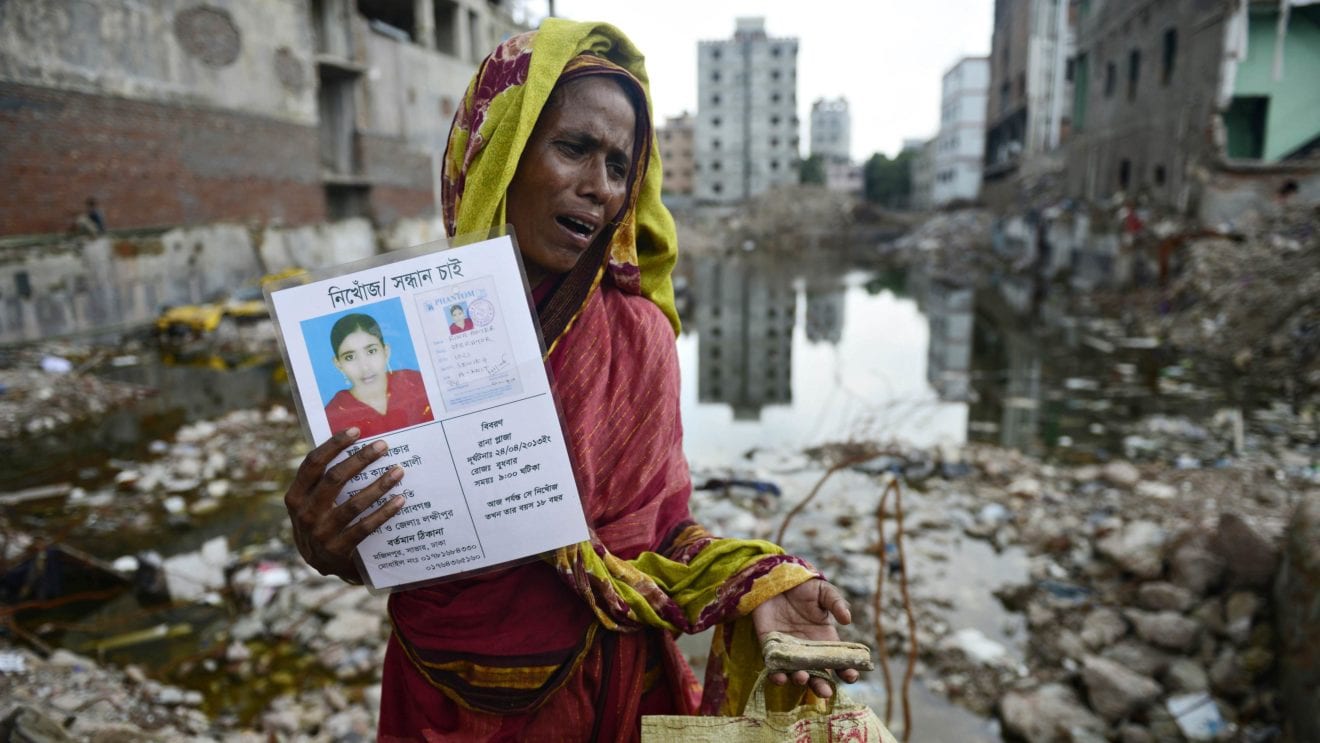
    The fund was set as much as present help to victims of the 2013 catastrophe when 1129 staff have been crushed to demise when a multistorey constructing filled with sweatshops producing clothes largely for multinational manufacturers, collapsed.

    The CCC has been campaigning since instantly after the catastrophe in April 2013 to demand that manufacturers and retailers offered compensation to its victims.

    “Now that each one the households impacted by this catastrophe will lastly obtain all the cash they’re owed, they will lastly concentrate on rebuilding their lives,” stated CCC spokesperson Ineke Zeldenrust.  “This can be a exceptional second for justice.”

    The Rana Plaza Donors Belief Fund was arrange by the ILO in January 2014 to gather funds to pay awards designed to cowl lack of revenue and medical prices suffered by the Rana Plaza victims and their households when the Rana Plaza constructing collapsed within the garment business’s worst ever catastrophe.

    In November 2014, the Rana Plaza Coordination Committee introduced that it might want round $30 million to pay in full over 5000 awards granted via the scheme. Nevertheless, the failure of manufacturers and retailers linked to Rana Plaza to offer enough and well timed donations into the fund has, till now, prevented the cost of the awards from being accomplished.

  • Bangladesh garment workers still face abuse, danger despite reforms

    Bangladesh garment workers still face abuse, danger despite reforms

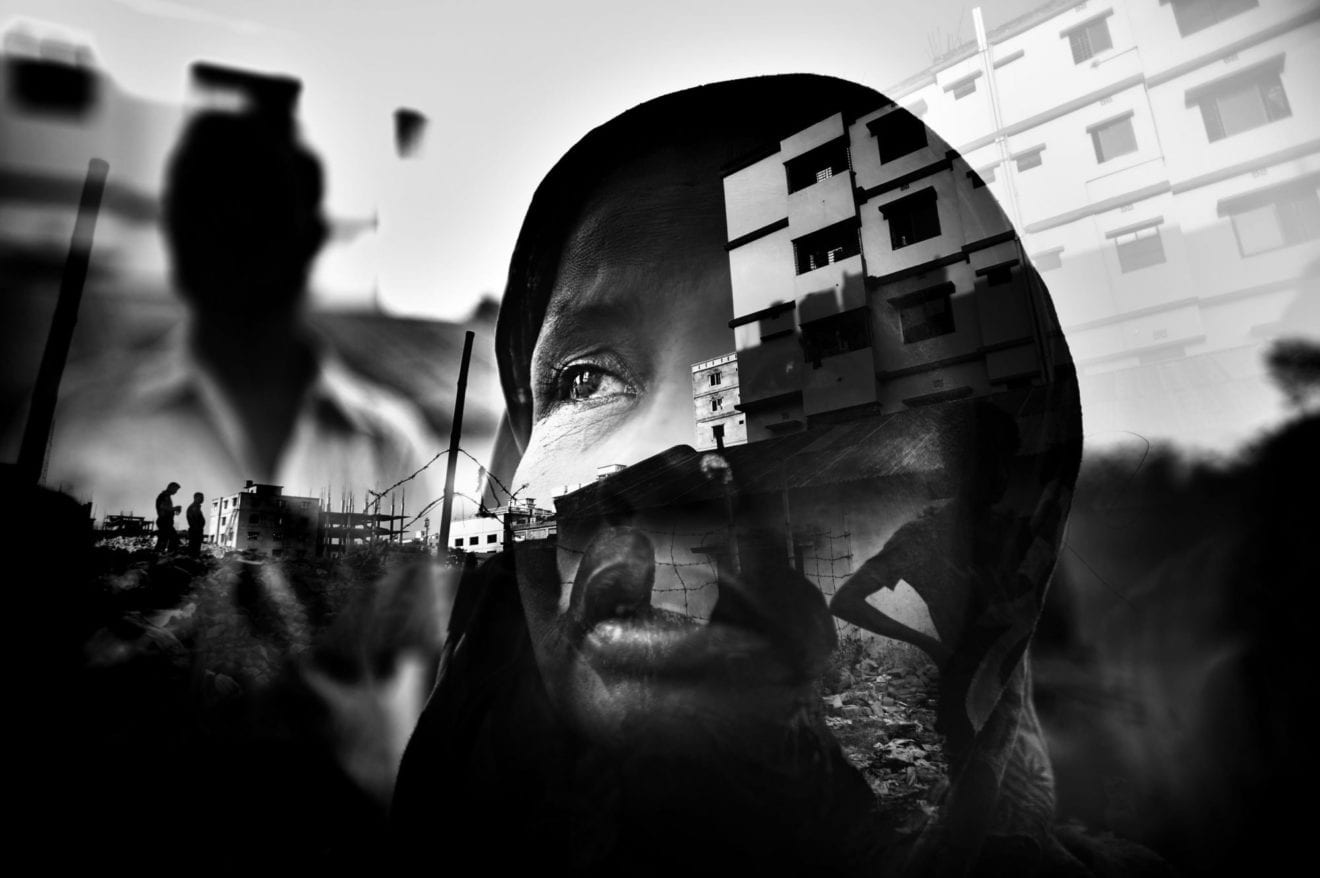
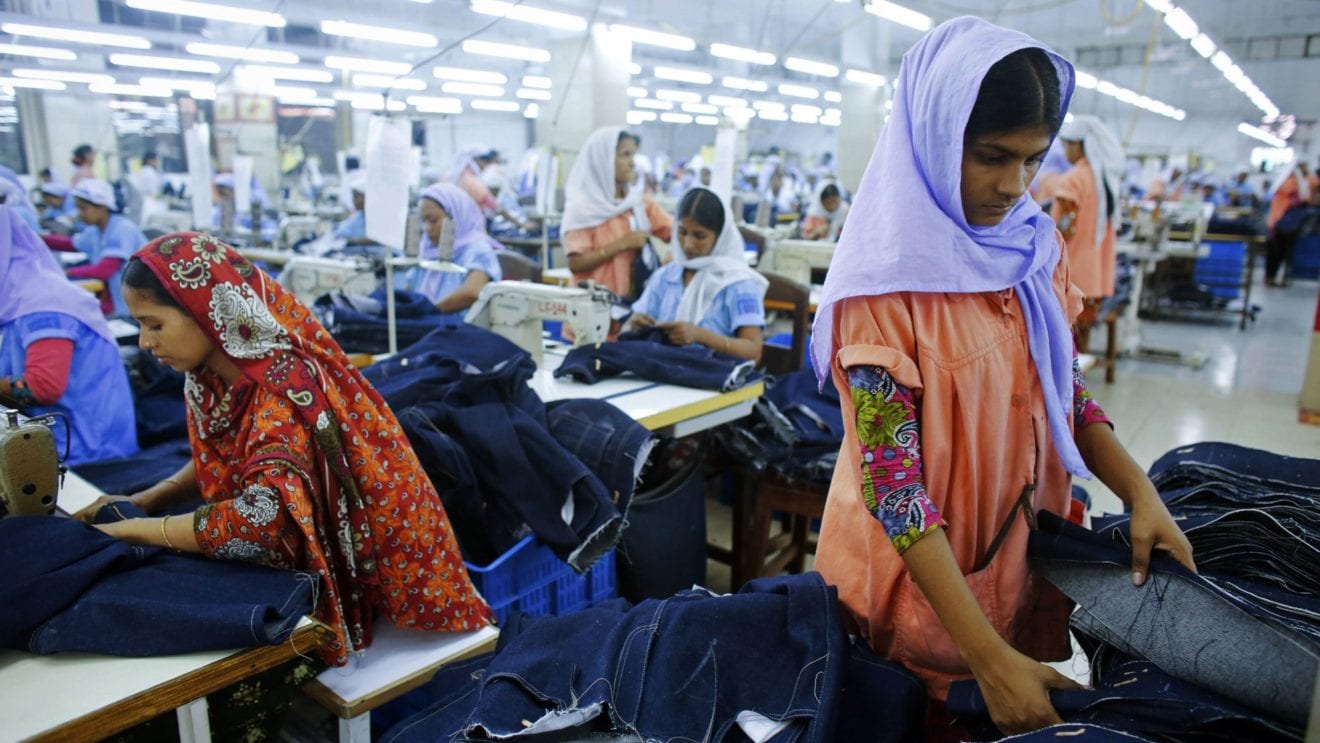
    Two years after the deadly collapse of the Rana Plaza complex, employees in Bangladesh’s garment sector still face exploitative and dangerous working conditions despite government labour reforms, Human Rights Watch (HRW) said on Wednesday.

    While the government and global brands have made progress in improving safety conditions for Bangladesh’s millions of garment workers, many still contend with abuse at work, delayed wages, and threats when they try to form a union, an HRW report said.
    “Clearly, it is not enough to focus on safety alone,” Phil Robertson, the rights group’s Asia deputy director, said in a statement.

    “Recent tragedies at Bangladeshi factories demonstrate that dangerous working conditions are linked to the failure to respect workers’ rights, including their right to form unions which can help them to collectively bargain for improved safety.”