Tag: Bangladesh

  • Bangladesh Garment Shipments to Russia Drop to $257 Million

    Bangladesh Garment Shipments to Russia Drop to $257 Million

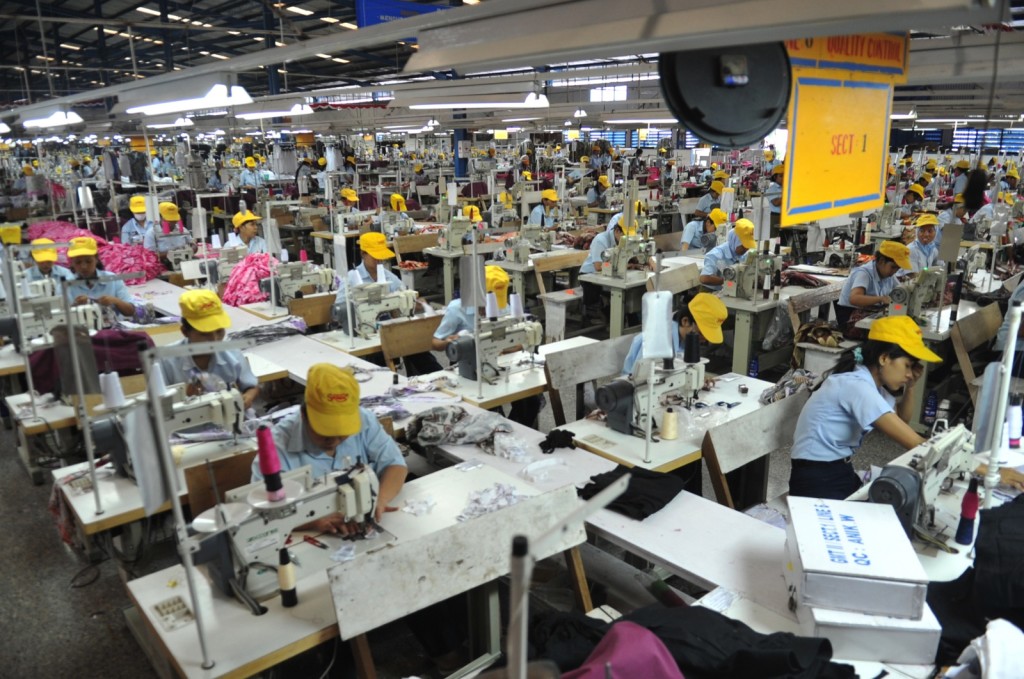
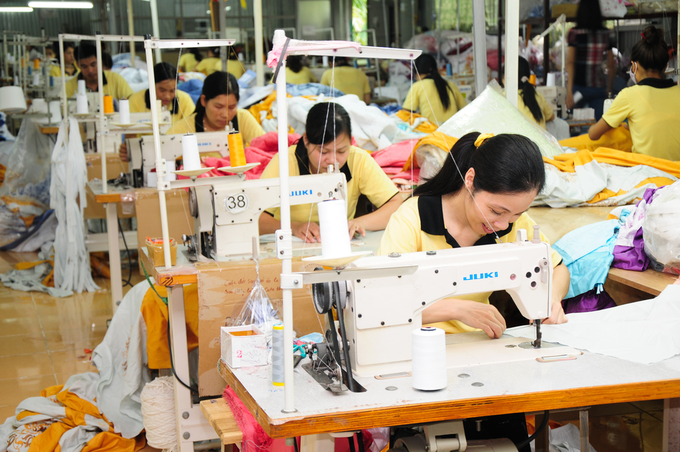
    Bangladesh apparel exports to Russia plunged to $257.26 million in fiscal year 2025-26, down 61 percent from pre-war highs as banking restrictions and shipping hurdles severed trade corridors.

    The export drop from $665.31 million in fiscal 2020-21 ends a decade of rapid expansion that local suppliers hoped would reach $1 billion in annual sales. Garments account for more than 95 percent of all goods Dhaka ships to Moscow, led by knitwear and sweaters.

    Payment Bottlenecks and Trapped Capital

    Trade ground to a crawl after Western sanctions disconnected major Russian lenders from the SWIFT international payment messaging network following the invasion of Ukraine in February 2022. Exporters in Dhaka cannot collect funds through normal interbank channels, forcing transactions into complicated third-country clearing systems.

    Bangladeshi apparel makers now hold more than $1 billion in unpaid receivables from Russian accounts, according to Mohammad Hatem, president of the Bangladesh Knitwear Manufacturers and Exporters Association. Individual small and mid-tier knitwear suppliers carry between $3 million and $4 million each in uncollected dues, with payments stalled even on indirect shipments handled through European intermediaries such as Polish retail group LPP.

    Transit Rerouting Adds Freight Costs

    Direct ocean shipments to Russian ports have stopped entirely. Manufacturers now route consignments through overland and sea corridors across Poland, Finland, Belarus and Germany, adding transit time, border handling fees and third-party forwarding costs.

    Attempts to settle trade in alternate currencies such as Chinese yuan or Turkish lira create separate liabilities for suppliers. Factory owners face the risk of secondary sanctions or international blacklisting if transactions cross sanctioned Russian entities or non-compliant payment conduits.

    “Because of payment problems, I stopped exporting to Russia, although I used to export more than $1 million worth of garments to the country before the war,” said Rajiv Chowdhury, managing director of Young4ever Textiles, a local apparel exporter.

    Pivot to Alternative Asian Markets

    For factory operators in Dhaka and Chittagong, the collapse of direct Russian business forces a structural shift in capacity allocation. Rather than carrying the credit risk of trapped receivables, large manufacturing houses are redirecting production lines to established and emerging buyers in Japan, India, South Korea and Turkey.

    This shift increases competition across Asian consumer markets as Dhaka seeks volume buyers to replace lost European orders. Exporters that built specialised heavy-knit capacity for cold-climate markets must either convert machinery for year-round collections or compete for tighter margins in East Asia.

    Tariff History and the Line to Sanctions

    Direct garment flows between Bangladesh and Russia originally took off after 2011, when Turkey imposed a 17.5 percent safeguard duty on Bangladeshi clothing to protect domestic producers. Prior to that duty, Bangladeshi factories shipped basic garments to Turkish intermediaries, who rebranded and re-exported the finished apparel to Moscow. The Turkish tariff forced Dhaka suppliers to bypass Istanbul and establish direct commercial links with Russian retail buyers, building export volumes from nominal levels to $638.30 million by fiscal 2021-22.

    Trade bodies including the Bangladesh Garment Manufacturers and Exporters Association maintain that Russia remains a viable long-term outlet once geopolitical conditions normalize. BGMEA president Mahmud Hasan Khan noted that factory groups will focus on expanding market share across Asian retail corridors while monitoring unresolved payment settlements on outstanding Moscow shipments.

  • Fewer Than 1% of People in Bangladesh Invest in Stocks

    Fewer Than 1% of People in Bangladesh Invest in Stocks

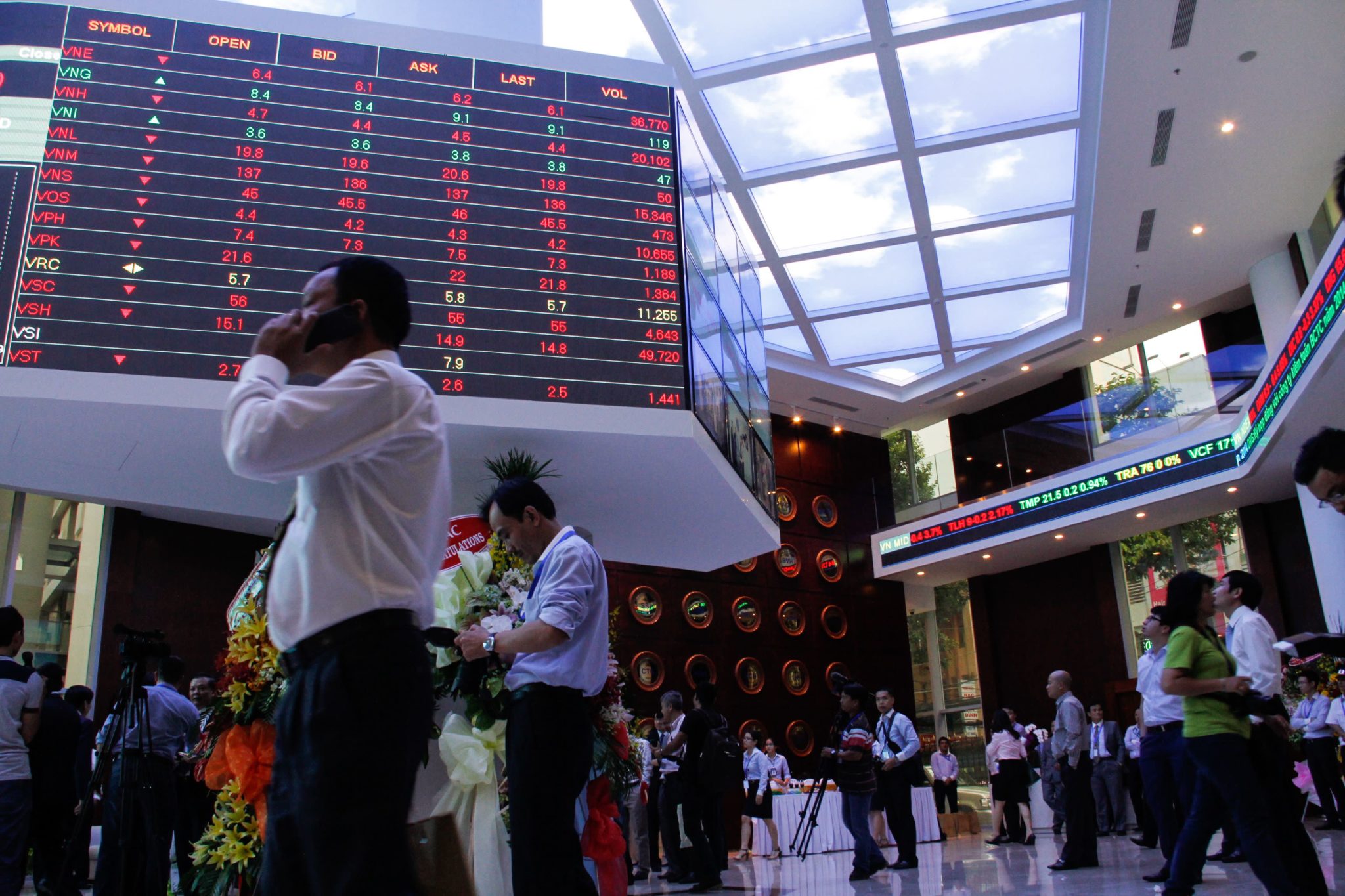
    Fewer than 1.7 million beneficiary owner accounts remain active in Bangladesh out of a population nearing 180 million, keeping stock market participation below 1 per cent. Industry insiders estimate that actual individual investors number no more than 200,000, representing less than 0.1 per cent of the population.

    In October 2026, the low tally contrasted sharply with more than 190 million bank accounts nationwide. Stock market appetite has struggled to recover since 2010, when beneficiary owner accounts surged past 3.3 million before a severe market crash prompted a sustained exodus.

    Regional Gap Widens Across South Asia

    Neighbouring equity markets show a wide gap, with India registering roughly 6 per cent of its population in equities and Nepal reaching 26 per cent. In Bangladesh, investor confidence has also been undermined by weak protections from the Bangladesh Securities and Exchange Commission and irregularities across listed firms.

    This shallow investor pool limits initial public offerings to modest sizes for consumer enterprises and regional retail conglomerates looking to raise capital in Dhaka. Institutional liquidity also stays tight. Retail secondary volume cannot absorb sizable exits, leaving listing pipelines narrow.

    Structural Faults and Corporate Returns

    Corporate payout policies have discouraged retail capital. Only 10 to 15 listed entities deliver dependable cash returns to shareholders. Larger companies frequently hold cash in bank accounts rather than distributing dividends. Consequently, speculative turnover has concentrated in low-paid-up capital firms and junk equities.

    Lax oversight in previous years deepened the structural imbalance. The Bangladesh Securities and Exchange Commission previously extended the maturity terms of closed-end mutual funds by 10 years, freezing retail redemption rights. Questionable listings also slipped through. Sikder Insurance allocated roughly 72 per cent of its life fund into junk shares before completing its initial public offering.

    Regulatory Overhaul Following Political Transition

    Market participation reached an all-time peak in 2010, when active beneficiary owner accounts climbed past 3.3 million ahead of a major crash. Account numbers dropped steadily over the next decade. Fraud across brokerage houses went uncompensated, and market manipulators faced minimal sanctions.

    Following the fall of the Awami League government in 2024, the interim administration reconstituted the securities regulator. BSEC Chairman Masud Khan has committed to overhauling listing criteria, digitising trade surveillance, and policing brokerage compliance. Meanwhile, the Dhaka Stock Exchange has started payouts to reimburse investors hit by past brokerage insolvencies.

    Reforms Face Operational Test

    Rebuilding retail confidence requires expanding the product suite beyond volatile equities into a functional bond market. The immediate test for the commission lies ahead. Regulators must process pending corporate listing applications under tighter financial disclosure rules and enforce dividend compliance before year-end financial reporting deadlines arrive.

  • Bangladesh Pushes Fruit Importers to Open Credit Lines as Orange Prices Hit Tk 520

    Bangladesh Pushes Fruit Importers to Open Credit Lines as Orange Prices Hit Tk 520

    Bangladesh Commerce Minister Khandakar Abdul Muktadir pressed fruit traders in Dhaka on Saturday to accelerate letters of credit for imported produce. The push aims to curb surging retail prices.

    Retail prices for imported sweet oranges, known locally as malta, climbed to Tk 520 per kilogram. That surge came despite regular landed costs and existing customs duty schedules. Muktadir met commercial traders and state regulatory bodies at the Secretariat to demand an explanation and outline immediate supply adjustments.

    Supply deficit triggers retail squeeze

    Traders blamed container shortfalls at maritime ports for the price spike. Weekly arrivals dropped to between 12 and 29 containers of sweet oranges. That falls far short of Bangladesh’s normal daily market consumption of roughly 15 containers.

    Importers reported that compounding logistics costs, port turnaround delays, and steep import taxes forced businesses to curb order volumes. Financial losses suffered on earlier shipments also discouraged merchants from booking high-volume consignments for perishable items carrying high spoilage risks.

    Muktadir instructed the Directorate of National Consumer Rights Protection to monitor retail markets and penalise vendors charging unjustified markups. He told traders the government will not tolerate speculative pricing on household fruit.

    Tariff reassessment for dates and fresh produce

    The Ministry of Commerce offered tariff relief to encourage fresh import financing through commercial banks. Muktadir pledged that the government will review the duty structure on sweet oranges. He also promised a formal decision on date duties and taxes within the week.

    Fruit importers raised concerns over shipping windows for dates ahead of seasonal consumption cycles. International transit hurdles require early tax clarity to avoid supply bottlenecks. Customs valuation disputes have also complicated date clearances at border checkpoints.

    A representative from the National Board of Revenue confirmed that actual purchase prices across different grades of dates vary widely. Customs assessments frequently fail to reflect those tiers accurately. The Bangladesh Trade and Tariff Commission plans to meet importers to determine realistic baseline prices verified against international source markets before submitting a revised schedule to revenue authorities.

    Supermarkets face inventory costs

    Grocery chains and retail fruit sellers across Dhaka and regional urban hubs face shrinking sales margins under the import bottleneck. When fruit consignments arrive at irregular intervals, procurement desks compete for scarce spot containers. That drives wholesale terminal auction prices upward before stock reaches store displays.

    Lowering duty barriers without ensuring commercial banks clear foreign exchange allocations for letters of credit will keep wholesale prices elevated. Traders must also identify alternative overseas agricultural suppliers quickly to rebuild port inventory pipeline volumes before winter consumption peaks.

    Regulatory scrutiny on staple food chains

    This pricing clash follows repeated government interventions across Bangladesh’s essential food supply chains over the past year. Authorities have maintained active price ceilings and import duty waivers on core commodities such as edible oil, onions, and sugar to counteract stubborn food inflation.

    Extending formal pricing reviews to imported table fruits reflects broader consumer pressure on non-staple grocery budgets. The commerce ministry is threatening enforcement actions through the consumer rights directorate while dangling duty concessions to push commercial trading houses toward voluntary price moderation.

    Importers agreed to explore alternative overseas sourcing destinations to diversify citrus procurement away from disrupted traditional routes. Next, the Bangladesh Trade and Tariff Commission must set its new valuation schedule for date consignments before revenue collectors implement the revised import framework.

  • Banglalink and Robi Split over 8.4 MHz E-GSM Spectrum Auction Timeline

    Banglalink and Robi Split over 8.4 MHz E-GSM Spectrum Auction Timeline

    Bangladesh’s telecom regulator will proceed with an auction of 8.4 MHz in the E-GSM band this year. It is pushing ahead despite conflicting demands from rivals Banglalink and Robi Axiata.

    At issue are frequencies running from 880 MHz to 888.4 MHz. Carriers need this low-band slice to deepen indoor 4G coverage and expand rural reach across Dhaka and regional districts.

    Banglalink petitioned the Bangladesh Telecommunication Regulatory Commission on September 21 to freeze all major spectrum decisions. Chief Corporate and Regulatory Affairs Officer Taimur Rahman represented the operator. He argued that releasing frequencies before the government finishes its new Telecommunications Policy risks creating structural inefficiencies. That draft policy is expected to allow active infrastructure and spectrum sharing among carriers. Such rules could alter how much raw spectrum each operator needs to hold.

    Robi Axiata took the opposite stance in a September 24 letter. Chief Executive Officer Ziad Shatara urged the regulator to assign the E-GSM airwaves immediately to relieve network congestion. Pricing disputes can wait for the November 2026 spectrum renewal round, he argued. Robi also told the commission that any assigned spectrum must be contiguous to justify fresh capital expenditure.

    Balance Sheets and Spectrum Scarcity

    This clash between Bangladesh’s second and third largest mobile operators reflects differing network assets. Per-operator spectrum allocations in the country remain among the lowest in South Asia. Dhaka’s mobile carriers operate on thin margins and low average revenue per user. Every administrative pricing decision strains their capital allocation.

    An operator with adequate sub-1 GHz capacity has an economic incentive to stall auctions until sharing rules become clear. By contrast, a carrier facing immediate cell-site bottlenecks must secure low-band megahertz regardless of policy ambiguity. For suppliers, tower companies, and corporate investors, regulatory timing in Bangladesh directly dictates infrastructure spending cycles.

    Regulator Holds the Line

    BTRC Chairman Major General Md Emdad-Ul-Bari (Retd) confirmed that the commission will stick to its timetable. The agency has already secured ministry approval to set reserve pricing.

    “This has nothing to do with the policy. The government has given permission to set the pricing for the auction, noting that it is within BTRC’s jurisdiction.”

    Moving ahead without industry consensus brings execution risks for the state. If only one private operator bids alongside state-owned Teletalk and market leader Grameenphone, auction revenue could fall short of government fiscal targets.

    Precedents in South Asian Spectrum Sales

    Administrative floor prices have repeatedly complicated spectrum auctions in Dhaka. In previous allocation exercises, Bangladeshi carriers fought government valuation benchmarks. They argued state fee structures failed to reflect real commercial returns on mobile data.

    The current E-GSM plan dates to April. That month, the BTRC resolved to auction the 880 MHz to 888.4 MHz band to support rising data traffic and prepare networks for broader rollouts. That decision revived a debate over whether sub-900 MHz capacity should be awarded piecemeal or bundled into a broader reassignment across the telecom sector.

    The November 2026 Renewal Window

    Next comes the BTRC’s formal publication of the E-GSM auction guidelines and reserve prices ahead of the bidding rounds later this year.

    Carriers will weigh those auction terms against the wider spectrum license renewals due in November 2026. Those upcoming renewals will determine how much capital mobile operators can commit to expanding their networks.

  • Bangladesh Drugmakers See Little Gain from US 100% Tariff Exemption

    Bangladesh Drugmakers See Little Gain from US 100% Tariff Exemption

    Bangladesh’s pharmaceutical industry will see limited immediate export gains from a US tariff adjustment exempting specialty medicines, according to industry leaders including Shawkat Haider of Beximco Pharmaceuticals Limited.

    Under Section 232 of the Trade Expansion Act, the US announced a 100 percent ad valorem tariff on certain licensed pharmaceutical products and ingredients from September 29, while granting zero-tariff entry on selected specialty drugs to eligible jurisdictions.

    The zero-rate list covers rare-disease orphan drugs, nuclear medicines, plasma-derived therapies, fertility treatments, cell and gene therapies, and antibody-drug conjugates from approved partners including Bangladesh, India, Japan, and the European Union.

    The Manufacturing Gap

    Exemption on paper means little without production lines on the ground. Bangladesh built its drug export trade on generic small-molecule tablets, capsules and basic formulations rather than complex biologics.

    Commercial production of gene therapies or antibody-drug conjugates requires sterile cleanrooms, specialized bioreactors and years of clinical validation. Shawkat Haider, executive director of Beximco Pharmaceuticals Limited, confirmed the structural limitation facing domestic producers.

    “Bangladesh will not get any significant benefit from the tariff adjustment because we do not manufacture this type of highly sophisticated medicine,” Haider said.

    Regional Competition and Compliance

    Regional competitors hold a wide lead in the specialty segments covered by the US order. Contract manufacturers in South Korea and India already operate US Food and Drug Administration-cleared biologic plants. They supply licensed ingredients directly to North American distributors.

    Local producers attempting to enter these niches face steep capital costs and strict US regulatory audits. Domestic veterinary medicine manufacturers also lack the international certifications needed to clear US border inspections, leaving that market segment out of reach for now.

    Earlier Tariffs and Trade Timelines

    The revised pharmaceutical duties follow an earlier round of US trade enforcement under Section 232. Washington activated the first phase of 100 percent tariffs on July 31 for an initial annex of listed companies before widening enforcement to broader pharmaceutical categories on September 29.

    Industry lobby BAPI, the Bangladesh Association of Pharmaceutical Industries, is reviewing product lists to identify whether any existing formulation pipelines qualify under the zero-tariff rules. Abdul Muktadir, president of BAPI and chairman of Incepta Pharmaceuticals, said individual product assessments will determine if future export openings exist.

    What to Watch

    Dhaka drugmakers are reviewing capital expenditure plans for dedicated biotech and oncology plants to evaluate their long-term viability under US export specifications.

    Government trade officials are tracking whether the US Trade Representative adds conventional oral generic categories to future Section 232 exemption schedules before the next tariff review cycle opens in 2027.

  • Bangladesh Garment Factory Cooling Costs Recovered Within Four Years

    Bangladesh Garment Factory Cooling Costs Recovered Within Four Years

    Investments in cooling systems across Bangladesh garment factories pay back capital costs within four years, according to a study released on Sunday. Temperature data collected over a six-month period across eight manufacturing facilities in Dhaka showed that indoor heat stress erased an average of 4.1 per cent of annual factory revenue.

    Researchers at Cornell University’s Global Labor Institute found that physical modifications, including reflective roof paint, overhead insulation, and airflow ventilation, are commercially viable. Factory temperatures regularly climbed higher than outdoor readings, with the heaviest thermal load concentrated in pressing, ironing, and finishing lines.

    The Math on Shop Floor Cooling

    Jason Judd, executive director of the Global Labor Institute, noted that suppliers considering heat mitigation have struggled to weigh upfront spending against operational savings. Over the past year, apparel brands have sought verified payback timetables while discussing mitigation costs, emissions targets, and alternative energy sources with manufacturers.

    Apparel brands have spent years negotiating greenhouse gas targets and energy efficiency standards with suppliers. Adding physical climate adaptation to commercial contracts changes the financial equation. It shifts the focus from pure regulatory compliance to protecting factory throughput.

    Buyer Pricing and Cost Sharing

    Paying for factory retrofits creates friction between Asian garment manufacturers and Western fashion labels. Factory operators run on thin unit margins. They hesitate to fund facility upgrades without long-term order commitments or higher purchasing prices from international buyers.

    A heat resilience toolkit from the American Apparel and Footwear Association recommends that global brands co-fund factory modifications when direct commercial returns fall short of total setup costs. Nate Herman, executive vice president at the trade group, stated that brands must help protect workers across manufacturing networks as extreme heat events become frequent.

    Regional Export Exposure

    Earlier trade assessments showed severe climate risks across Asian manufacturing hubs. Heat stress and seasonal flooding threaten to wipe out $65 billion in combined apparel export earnings across Bangladesh, Cambodia, Pakistan, and Vietnam by 2030 if industrial zones fail to adapt physical infrastructure.

    Suppliers in Dhaka and regional production belts face a clear timeline to integrate cooling into capex plans. Retail buyers and factory operators will test the financial returns of these ventilation and insulation upgrades as contract pricing rounds open for upcoming production cycles.

  • City Group Seeks Capital Market Pivot After Amassing Tk 26,000 Crore in Bank Debt

    City Group Seeks Capital Market Pivot After Amassing Tk 26,000 Crore in Bank Debt

    Bangladeshi consumer goods giant City Group is restructuring a portion of its Tk 26,000 crore bank debt after rapid expansion and currency headwinds left it squeezed across three dozen lenders.

    The maker of Teer flour, suji and soybean oil plans to raise up to Tk 1,500 crore from the capital market through an initial public offering, private equity, preference shares, corporate bonds or Sukuk.

    City Group built a household staple empire over decades, but a weaker taka, delayed factory utility hookups and aggressive capital expenditure pushed its balance sheet into trouble. Around 36 commercial banks now carry the exposure. Rather than relying entirely on bilateral bank roll-overs, the group announced in mid-August that it would tap outside investors for long-term equity and debt instruments to rebalance its funding base.

    The Imbalance in Corporate Funding

    The conglomerate’s liquidity squeeze exposes the structural fragility of private sector financing in Bangladesh, where commercial banks supply nearly 99 percent of corporate funds while capital markets generate just 1 percent. Industrial term-loan disbursements climbed to Tk 97,138 crore in fiscal 2025. By contrast, businesses raised only Tk 302 crore through initial public offerings and rights issues during the same twelve-month stretch.

    Equity markets remain sidelined across the country’s industrial sector. At the end of June, the Dhaka Stock Exchange market capitalization stood at 5.7 percent of national gross domestic product, ranking as the lowest ratio in South Asia. A World Bank survey showed that only 0.5 percent of local businesses view equity as a viable funding route, compared with 6.9 percent in neighboring India.

    Balance Sheets Under Borrowing Pressure

    Bank loans offer fast deployment, often clearing internal approvals within three months, whereas equity listings demand nine months or more alongside rigorous disclosure filings. That speed has created deep structural hazards for supply chain operators and consumer goods manufacturers across the domestic market. Defaulted loans across the banking sector exceeded Tk 600,000 crore by the end of June, representing 32.78 percent of total outstanding credit.

    Rising interest rates are accelerating the strain on operating margins. An assessment of 166 listed companies showed net finance costs surged roughly 26 percent year on year to Tk 8,871 crore in fiscal 2024-25. Perpetual loan rescheduling has shielded unhedged borrowers from formal insolvency, but it has locked commercial banks into carrying high corporate default risk on their balance sheets.

    Corporates do not stop borrowing because they do not face big problems if they default; rather, banks find ways to keep the corporates alive.

    Regional Lessons in Conglomerate use

    Heavy reliance on bank lending mirrors earlier developmental bottlenecks seen across East and Southeast Asia. South Korean chaebols expanded rapidly on bank use before the 1997 financial shock forced aggressive balance-sheet restructuring, reduced cross-guarantees and deeper capital market compliance. Indonesia faced a similar crunch during the same period, subsequently cutting corporate bank debt dependence down to 40 percent of business financing by 2007.

    Developing viable non-bank financing requires deep structural liquidity and verifiable reporting frameworks. Malaysia expanded its capital market to RM4.3 trillion in 2025 by creating active Sukuk and local corporate bond ecosystems with zero recorded defaults that year. Replicating that stability in Dhaka requires regulators to streamline listing timelines without compromising investor protections.

    Next Steps for Industrial Capital

    City Group’s Tk 1,500 crore fundraising rollout will serve as a test case for whether Bangladesh’s major private conglomerates can transition from short-term bank reliance to public and institutional capital. Regulators now face the task of tightening single-borrower exposure ceilings while speeding up bond and equity approvals. The key benchmark to track is whether domestic institutional funds step up to absorb the group’s planned issuance before the next debt restructuring cycle closes.

  • Biman Bangladesh Negotiates Purchase of 10 Airbus Aircraft

    Biman Bangladesh Negotiates Purchase of 10 Airbus Aircraft

    Negotiations over a proposed purchase of 10 Airbus aircraft by Biman Bangladesh Airlines are ongoing, French Ambassador to Bangladesh Jean-Marc Séré-Charlet confirmed at a discussion in Dhaka.

    The carrier is preparing agreements for 21 additional aircraft, comprising 11 Boeing jets and 10 Airbus planes, including four A350-900s and six A321neos, following a September 16 report by The Daily Star.

    “Biman has chosen Airbus for technical reasons, not for political reasons,” Séré-Charlet said at the event organised by the Diplomatic Correspondents Association, Bangladesh.

    Fleet split across two manufacturers

    Historically, Biman has relied on Boeing for its long-haul operations. Splitting the new intake between Boeing and Airbus creates a dual-supplier structure. This setup balances delivery slots and preserves operational flexibility. The carrier is now drafting agreements for 21 total aircraft to replace aging planes and open new international routes.

    European diplomats continue to push for access in Bangladesh’s state procurement processes. Séré-Charlet noted France expects a fair operating environment for European companies competing against American planemakers in the country.

    Widebody and narrowbody balance

    Under the Airbus plan, four long-range A350-900 widebodies join six A321neo narrowbodies. The twin-aisle A350s will fly high-density routes to Europe and the Middle East, serving steady Bangladeshi diaspora traffic. Meanwhile, the A321neos will handle medium-haul regional flights across Asia.

    Operating a dual fleet increases overhead for maintenance tooling, spare parts inventories and pilot type ratings. Even so, airlines across South and Southeast Asia accept these complexities. Doing so hedges against single-manufacturer production delays.

    Shifting regional fleet dynamics

    Carriers across South Asia are overhauling their order books to capture growing outbound passenger and cargo demand. Regional competitors have already placed large multi-year orders for modern twinjets. Biman now faces direct pressure from Gulf carriers and regional airlines flying latest-generation widebodies into Dhaka.

    Securing modern delivery slots improves seat economics and reduces fuel burn per available seat kilometer. It also shields Biman from fuel price volatility on high-frequency labor-migration routes across the Gulf.

    What happens next for Dhaka procurement

    Biman began drafting the technical frameworks for the 21-aircraft intake in September. Government approval and financing terms are required before the airline can convert the commitments into firm purchase contracts.

    Delivery timetables and engine selections will hinge on ministerial sign-offs in Dhaka as trade talks wrap up between Bangladesh, European suppliers and US manufacturers.

  • Dhaka Telecom Thefts Mount as Mobile Operators Report 170 Base Station Losses

    Dhaka Telecom Thefts Mount as Mobile Operators Report 170 Base Station Losses

    Bangladesh mobile operators lost 170 base station cards and thousands of metres of power cables in Greater Dhaka this year. The spike prompted an urgent petition to regulators for police protection.

    Site thefts during the first eight months of 2026 jumped sharply from the 47 base transceiver station cards stolen across the country throughout 2025.

    The Association of Mobile Telecom Operators of Bangladesh lodged an appeal on September 16 with the Bangladesh Telecommunication Regulatory Commission. The industry group called on the regulator to coordinate with national law enforcement agencies to break up criminal networks targeting cell tower hardware. Stolen components include remote radio units, power cables, base transceiver station cards, feeder cables, and backup lithium and lead-acid batteries.

    Losses hit both private carriers and state-run infrastructure across industrial and residential zones. Incidents concentrated heavily in Mohammadpur, Badda and Lalbagh within Dhaka, alongside peripheral manufacturing hubs in Narayanganj, Narsingdi, Savar and Gazipur. Grameenphone reported 75 BTS cards stolen through August, up from six in 2025. Robi Axiata recorded 48 stolen cards against 10 in the previous year. Banglalink lost 29 cards compared with nine in 2025. State-owned Teletalk reported 18 stolen cards, down slightly from 22.

    The Breakdown Across Dhaka Towers

    Power transmission cabling forms the second major target for scrap and resale rings operating around the capital. Grameenphone reported losing 507 metres of power cable by August, compared with 153 metres in 2025. Robi lost 417 metres, up from 211 metres. Banglalink recorded 291 metres lost against 189 metres last year. Teletalk reported the heaviest physical losses, with 6,749 metres of power cable cut and stolen from its installations by August.

    Active transmission gear suffered heavy losses as well. Robi logged 157 stolen remote radio units during the eight-month span, compared with 44 across all of 2025. Teletalk lost 76 units. Banglalink and Grameenphone reported 41 and 33 stolen units respectively. Battery losses totalled 756 units across the industry up to August. Teletalk accounted for 452 units, while Robi recorded 253.

    Operational Fallout for Digital Commerce

    Stripped equipment creates direct operational bottlenecks for digital commerce and retail transactions. When thieves sever power cables or pull base station cards, towers drop offline immediately. Backup generators and batteries cannot bridge the gap when auxiliary electrical systems are stripped simultaneously. For suburban retail clusters, mobile financial service agents and distribution warehouses, blackouts halt point-of-sale systems, digital wallet transfers and real-time inventory tracking.

    Replacing active radio units and base station electronics presents a steeper challenge than standard line repairs. Tower operators cannot source specialized radio frequency modules or brand-specific station cards from domestic retail suppliers. Carriers must draw on imported spare parts inventories. They burn cash on unplanned capital expenditure while waiting on international shipments that face customs clearances and shipping lead times.

    During the last 20 months, approximately 16,000 metres of power cable, more than 2,000 batteries, and over 500 RRUs have been stolen.

    Security Measures and Scrap Market Networks

    Carriers have deployed reinforced physical enclosures, electronic tamper alerts and closed-circuit monitoring at high-risk rooftop and ground sites. These measures raise capital costs per tower without eliminating breaches by well-equipped scrap rings. Industry representatives point out that stopping tower theft requires targeting the secondary market of illicit buyers, scrap metal aggregators and unauthorized repair workshops that purchase commercial telecom gear.

    Telecom asset theft in Bangladesh has flared periodically as metal scrap prices and electronics component costs rise. In 2019, industry records showed 2,195 tower theft incidents during 2018. Over the past 20 months, cumulative equipment losses reached roughly 16,000 metres of cable, more than 2,000 batteries and over 500 remote radio units across the four operating networks.

    Regulatory Action and Police Coordination

    Regulators at the telecommunications commission must now decide whether to establish a dedicated multi-agency enforcement task force with district police commands. Operators are tracking whether joint inspection raids on known scrap clearing hubs in Gazipur and Narayanganj begin before the final quarter of the year.

  • Bangladesh Taka Strengthens Against US Dollar After 5.5 Years

    Bangladesh Taka Strengthens Against US Dollar After 5.5 Years

    The Bangladeshi taka has strengthened against the US dollar, ending a continuous depreciation trend spanning five and a half years, according to a report from Bangladesh Bank.

    Between August 30 and September 17 this year, the local currency appreciated by 0.77 percent against the greenback as the dollar rate dropped from a record high of Tk 123.95 to Tk 123.00.

    On a point-to-point basis from June last year to June this year, the taka gained 0.06 percent, reversing an unbroken slide from 2021 that had devalued the currency by 45.05 percent.

    Reversing a Five-Year Downward Spiral

    Dhaka saw its first sustained currency recovery since late 2020. That year, lower pandemic import bills and solid remittances allowed the taka to firm slightly to Tk 84.80.

    Import pressures resumed in 2021, pushing the dollar to Tk 85.80 by year-end. Post-pandemic commodity shocks and the war in Ukraine accelerated the slide in 2022, lifting the dollar rate 23.37 percent to Tk 105.85. The taka fell further to Tk 110.00 in 2023, Tk 120.00 in 2024, and Tk 122.33 by December 2025.

    Over the five-year span, the greenback climbed by Tk 38.20. That loss squeezed corporate margins across manufacturing hubs. It also inflated domestic retail prices on consumer staples.

    Divergence from Regional Currencies

    Trends across South and East Asia diverged from Bangladesh during the same period. Between June 2025 and June 2026, the South Korean won dropped around 11 percent against the greenback. The Sri Lankan rupee shed more than 10 percent.

    India’s rupee weakened by nearly 9.5 percent over the 12-month period, while the Indonesian rupiah lost about 9 percent. Modest gains appeared elsewhere. Both the Malaysian ringgit and Chinese yuan gained nearly 4 percent, and the Pakistani rupee firmed by about 2 percent.

    These divergent currency paths reshape cross-border sourcing costs for regional retailers and consumer goods manufacturers. Retailers buying finished goods and packaged foods from India face lower dollar procurement costs. Meanwhile, Bangladeshi factories buying dollar-denominated raw materials gain immediate relief on input invoices.

    Relief for Importers and Retail Supply Chains

    Lower landed import bills directly benefit buyers of refined fuel, edible oils, industrial chemicals, and wheat. Importers spent the past three years absorbing double-digit depreciation that pushed landed costs to records.

    Steady foreign exchange pricing removes the immediate need for emergency shelf-price increases at retail. Lower import costs ease pressure on household purchasing power. That buying power had contracted under cumulative double-digit retail inflation.

    Local-currency balance sheet losses will narrow for domestic conglomerates holding dollar-denominated commercial debt. Servicing foreign loans grew far more expensive as the dollar climbed from Tk 85 to nearly Tk 124 over five years.

    Trade Balance and Reserve Targets Ahead

    Maintaining currency stability now rests on managing import demand and keeping remittances flowing through official channels. Bangladesh Bank has relied on targeted dollar purchases to rebuild gross reserves. It avoided defending fixed pegs through emergency dollar sales.

    Corporate treasurers and retail supply directors are tracking import volumes heading into the final quarter. Any surge in capital goods orders or energy demand will test the central bank’s ability to hold the exchange rate near Tk 123.

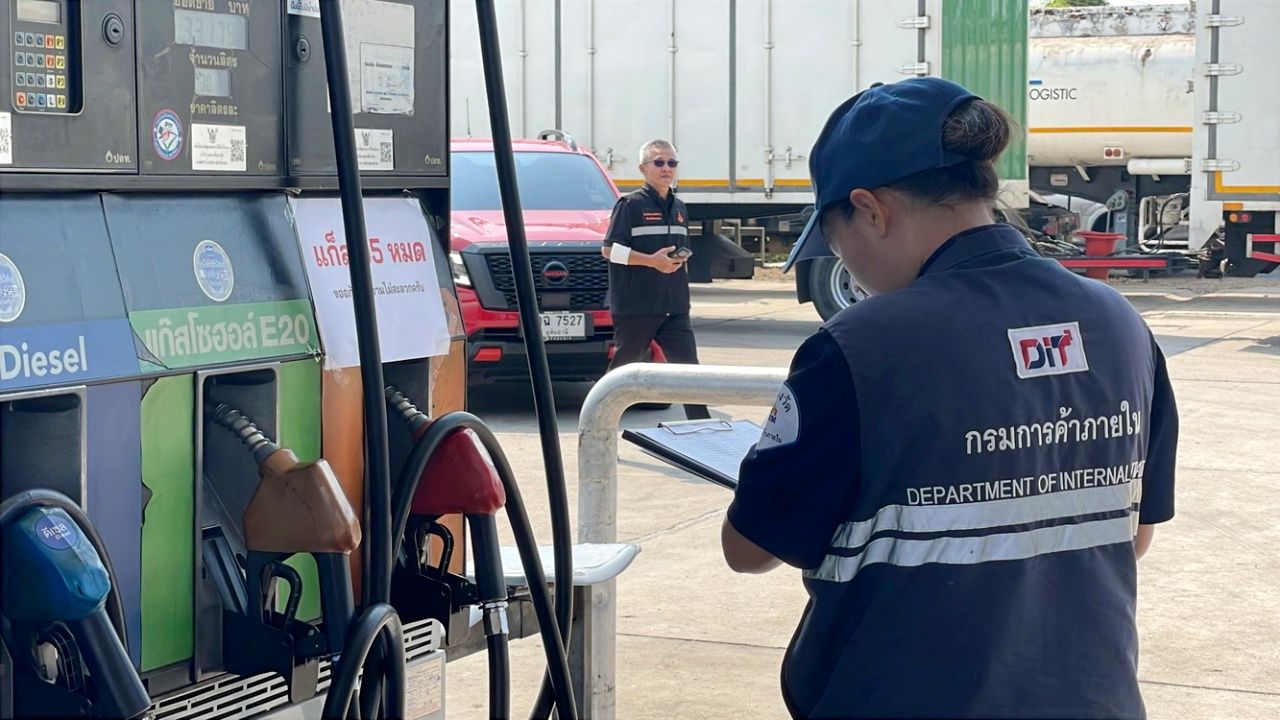
  • Bangladesh Raises Fuel Prices by up to 17.4 Percent as Import Costs Surge

    Bangladesh Raises Fuel Prices by up to 17.4 Percent as Import Costs Surge

    Bangladesh raised domestic fuel prices by up to 17.4 percent on Monday, targeting state energy import losses as crude prices and ocean freight rates climbed.

    The price adjustments took effect immediately across petrol pumps nationwide, lifting diesel to 135 taka ($1.11) per litre from 115 taka.

    Under the revised schedule, 95-octane gasoline increased to 165 taka per litre from 145 taka, petrol climbed to 160 taka from 140 taka, and kerosene rose to 155 taka from 135 taka. The Energy Ministry said international fuel prices have more than doubled since March 2026, while shipping disruptions linked to Middle East conflict increased landed supply costs.

    Cutting State Losses at the Pump

    State-owned Bangladesh Petroleum Corporation accumulated losses of 228.76 billion taka ($1.9 billion) between March and August 2026. Ministry officials estimate the revised retail pricing will reduce the agency’s annual deficit by approximately 100 billion taka. The adjustment aims to protect central foreign exchange reserves and discourage cross-border fuel smuggling to neighbouring markets where retail prices trade higher.

    Dhaka continues to fund heavy subsidies on imported liquefied natural gas to maintain power generation and industrial gas distribution. Rising procurement costs across both liquid fuels and gas have steadily eroded the state treasury balance over the last two quarters.

    Factory Floors Face Margin Compression

    For consumer goods manufacturers and the apparel export network, the price increase hits operations already coping with unstable grid power and factory fuel rationing. Garment suppliers rely on diesel generators to prevent assembly line stoppages during power cuts, meaning higher pump prices translate directly into elevated unit production costs.

    Mohiuddin Rubel, additional managing director of Denim Expert Ltd, which supplies international fashion retailers including H&M, noted that fast turnaround times and low manufacturing overhead remain critical to retaining brand contracts.

    “Staying in business means staying competitive: the buyer who gets a product onto the shelf fastest and cheapest wins, and gas, power, and fuel costs all feed into that equation,” said Mohiuddin Rubel, additional managing director of Denim Expert Ltd.

    Transport Rates and Consumer Inflation

    Domestic trucking fleets and river transport operators face immediate overhead increases that will push up wholesale and supermarket shelf prices across Dhaka, Chittagong, and secondary cities. Higher logistics expenses reduce operating margins for retail distributors who are unable to pass full cost increments onto price-sensitive shoppers.

    Anwar-ul Alam Chowdhury, president of the Bangladesh Chamber of Industries and chairman of apparel exporter Evince Group, warned that elevated operating expenses risk prompting industrial downsizing and job cuts across production clusters.

    The Third Adjustment Since April

    Monday’s increase represents Dhaka’s third upward fuel revision in five months, following earlier price rises enacted in April 2026 and June 2026. Each successive step attempted to narrow the gap between fixed domestic pump rates and volatile global energy benchmarks without extinguishing factory activity.

    The Energy Ministry will review Bangladesh Petroleum Corporation import invoices and domestic refinery runs next quarter to determine whether the 100 billion taka annual loss reduction target holds.

  • Bangladesh Fertiliser Dealers Demand Commission Be Doubled to Tk 200

    Bangladesh Fertiliser Dealers Demand Commission Be Doubled to Tk 200

    Fertiliser dealers across Bangladesh want the government to double their sales commission from Tk 100 to Tk 200 per sack. They are also demanding an immediate freeze on appointing new distributors.

    Operating costs, freight rates, and fuel prices currently force dealers to lose Tk 50 to Tk 55 on every sack they sell.

    Speaking at a Dhaka press conference on Monday, Bangladesh Fertilizer Association chairman Md Mosharraf Hossain said distributors have sought an updated fee structure for 18 years. Allowances stayed flat while retail overheads surged across rural areas.

    Rising Freight and Margin Squeeze

    In 2008, the government set a transport and sales commission of Tk 100 per sack. Dealers netted Tk 25 to Tk 30 after paying for freight, loading, and handling.

    Heavy transport inflation has wiped out those margins. Distributors now cover shipment shortfalls with their own working capital.

    Last-mile stockists bear the brunt of the losses. To survive, rural dealers cut inventory, delay bulk purchases, and reduce deliveries to remote farming areas.

    Delayed Relief and Breakeven Gaps

    Authorities approved a Tk 50 increase per sack, but the change will not take effect until July 1, 2027. Hossain said that increment will merely bring dealers to breakeven.

    Association leaders demand an immediate Tk 100 increase instead. Without it, licensed dealers warn they will shut down, endangering fertilizer supply during peak planting seasons.

    Losses among licensed operators also push trade into the unregulated grey market. Bottlenecks will follow if compliant businesses exit.

    Legal Challenge Against New Policy

    Dealers have challenged the Integrated Policy on Fertiliser Dealer Appointment and Distribution-2026 over conflicting clauses. The association filed a High Court writ petition on September 2.

    Following the petition, the court issued a 60-day rule directing authorities to resolve the issues. Hossain noted that district monitoring committees continue recruiting new dealers anyway.

    Adding distributors during a margin crunch splits sales among more players. Turnover drops, making survival harder for everyone.

    Supply Risks for Rural Distributors

    The Ministry of Agriculture has not scheduled talks on dealer appointments or commission timelines. Hossain warned that inaction risks halting fertilizer deliveries across key agricultural districts.

    Market operators now watch to see if court pressure forces the ministry to the table before the 60-day window closes.

  • Turkish Airlines Marks 15 Years in Bangladesh with Dhaka Half Marathon

    Turkish Airlines Marks 15 Years in Bangladesh with Dhaka Half Marathon

    Turkish Airlines drew roughly 5,000 runners to Dhaka’s Hatirjheel circuit on Saturday. The race marked 15 years of the carrier’s commercial flights in Bangladesh.

    The event, organised alongside sports management outfit ActivePulse, brought international and local participants to the capital’s central water-ring corridor. It showed a transport link that grew alongside trade between Ankara and Dhaka.

    Fifteen Years of Capital Flights

    Islam Gure, Turkish Airlines general manager in Dhaka, led the delegation with airport officials and Turkish diplomats. Hazrat Shahjalal International Airport executive director Group Captain Ragib Samad met airline station heads and commercial partners at the finish line.

    Route planners mapped the Hatirjheel course for elite runners and community fitness groups across several distance categories. ActivePulse founders Tanvir Ahmed and Morsaline Ahmmed managed logistics and course setup across the lakeside venue.

    For the past 15 years, we have been connecting Bangladesh with Türkiye and the rest of the world. But for us, it has never been only about flying from one destination to another. It is about connecting people, bringing cultures closer together, building friendships and creating new opportunities.

    Corporate Footprint and Cargo Links

    Saturday’s run put Turkish corporate ties across Bangladeshi manufacturing and retail on display. Executives from home-appliance maker Singer Beko Bangladesh and energy supplier United Aygaz LPG joined airline leaders at the event.

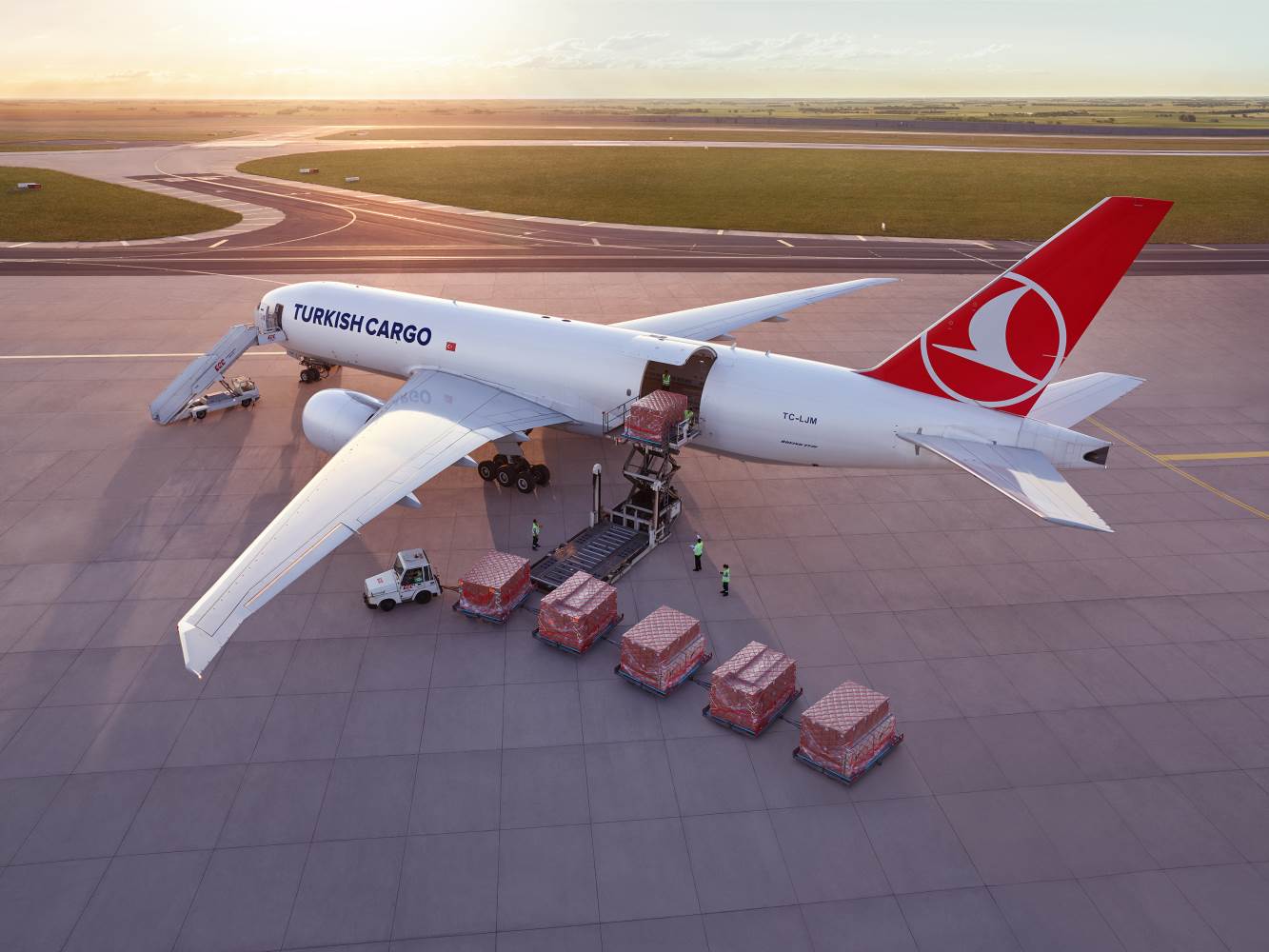
    Passenger traffic between Dhaka and Istanbul supports an air freight corridor into Europe. Turkish Cargo station manager Mohammad Arif Hossain Khan and airline accounting manager Semih Kulcu attended the race. Their division continues to move Bangladeshi garment exports to European retailers via belly-hold and dedicated freighter space.

    Bilateral Trade Flow

    Long-haul carriers out of Dhaka face fierce competition from Gulf rivals like Emirates, Qatar Airways and Saudia. Turkish Airlines defends its market share by selling single-hop connections through Istanbul into secondary European cities. That routing bypasses Middle Eastern hubs for time-sensitive apparel and textile cargo.

    Direct scheduled flights to Dhaka began 15 years ago. The carrier steadily added frequencies for business travellers, migrant workers and cargo volume. Over the same span, Turkish brands stepped up direct investments in Bangladeshi assembly plants and appliance retail networks.

    Hazrat Shahjalal International Airport is now completing its third terminal. That expansion will set future flight slot allocations and cargo handling capacity for every long-haul carrier operating in Dhaka.

  • CAAB Issues First Aviation Security Order Ahead of October 26 ICAO Audit

    CAAB Issues First Aviation Security Order Ahead of October 26 ICAO Audit

    The Civil Aviation Authority of Bangladesh has issued the country’s first dedicated Air Navigation Order on aviation security ahead of an International Civil Aviation Organization audit scheduled to begin on October 26.

    Gazetted on September 3 under the Civil Aviation Act, 2017, the order establishes binding rules and procedures for aviation operations, making violations punishable offences under the act.

    Codifying Airport and Passenger Rules

    The new instrument consolidates requirements for airlines, ground handling staff, baggage screening, aircraft access, and cargo processing. It establishes a four-tier classification system for disruptive passenger behavior. That scale extends from verbal threats to attempted cockpit breaches.

    Airlines now hold explicit authority to refuse check-in or offload passengers at boarding gates. Ground handlers must remove hold luggage and de-manifest passengers denied travel before departure.

    Cabin baggage rules formally cap liquid containers at 100ml inside a single one-litre transparent bag. Passengers who decline physical screening or baggage checks face immediate denial of boarding.

    Staffing Gaps and Equipment Upgrades

    Special Branch police vetting is now mandatory for all personnel with unescorted access to security-restricted zones. Meanwhile, the Civil Aviation Authority of Bangladesh continues to rely on the Armed Police Battalion for perimeter and landside security while internal hiring continues.

    Procurement teams have added 25 explosive trace detectors sourced from China, alongside dual-view baggage screening systems and four full-body scanners at Hazrat Shahjalal International Airport in Dhaka.

    If I cannot answer that question, I lose marks, and that affects the overall grading, said Air Commodore Md Asif Iqbal, member for security at the authority.

    Replacing the 1984 Framework

    Dhaka is using the security order to overhaul the Civil Aviation Rules, 1984, which have governed the sector for four decades. The older framework left multiple operational directives without direct statutory backing, a deficiency flagged during previous multilateral oversight rounds.

    For regional airlines and cargo carriers operating into Dhaka, the shift standardizes compliance checks across passenger terminals and freight sheds. Legal clarity reduces operational discretion at checkpoints. However, equipment shortages at secondary hubs remain an active bottleneck for ground operators.

    The International Civil Aviation Organization begins its on-site assessment of Bangladesh’s aviation security systems on October 26.

  • Petrobangla Halves Net Worth Requirement to $50 Million for Spot LNG Suppliers

    Petrobangla Halves Net Worth Requirement to $50 Million for Spot LNG Suppliers

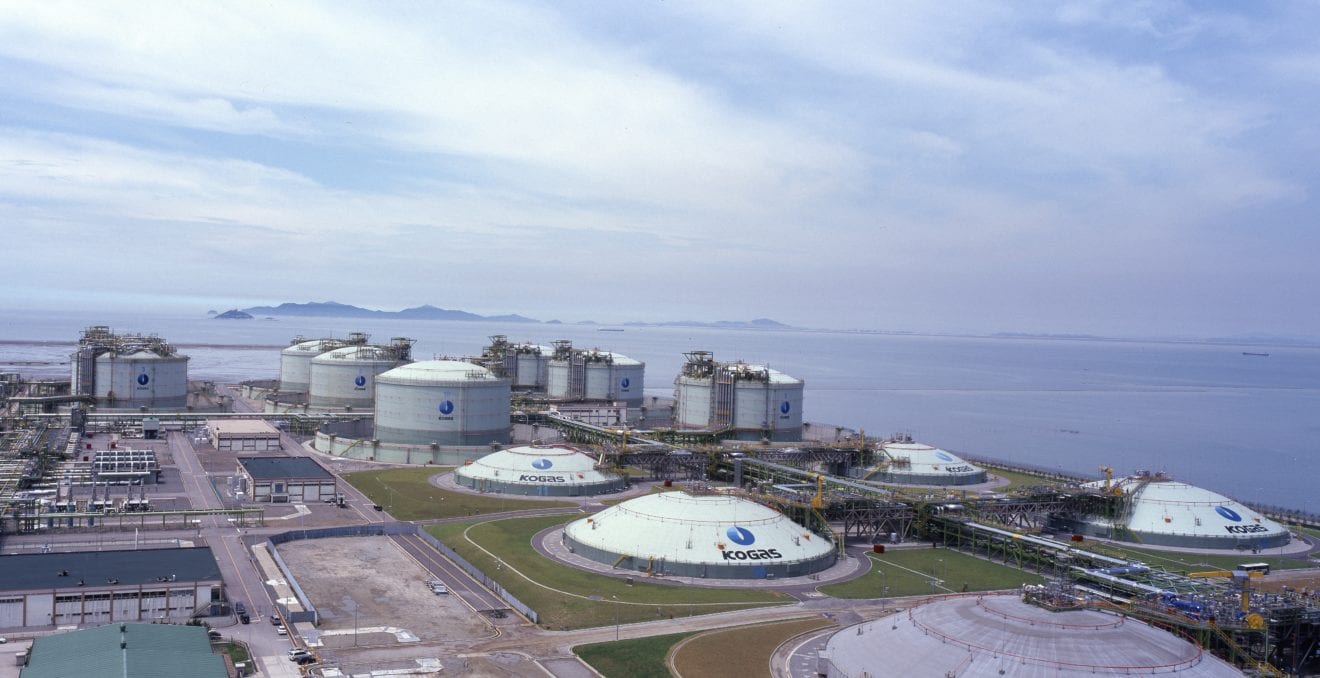
    Petrobangla has slashed its financial and experience thresholds for spot liquefied natural gas suppliers, halving the required net worth to $50 million to ease severe national fuel shortages.

    The state-run energy company now demands just one completed supply contract with no minimum cargo volume, dropping a previous rule requiring 0.5 million tonnes delivered across two separate years.

    Lower barriers for commodity traders

    Under the revised criteria issued on August 29, Petrobangla eliminated requirements for suppliers to own or charter an LNG vessel, prove experience with floating storage and regasification units, or guarantee lean gas containing at least 91 percent methane. Applicants no longer need to verify an absence of failed cargo deliveries over the past five years or limit their arbitration losses to three awards. For joint ventures, the lead partner must cover 75 percent of the $50 million financial capacity, while partners supply the remaining 25 percent.

    “We are looking for more participants in the spot market,” Petrobangla Director for operations and mines Md Shoyeb said.

    Pressure on industrial output

    For industrial manufacturers and export supply chains across South Asia, reliable gas flow dictates factory uptime and power tariffs. Bangladesh faced severe disruption in August when average gas deliveries dropped to 2,235 million cubic feet per day against official demand of 3,860 million cubic feet per day, the lowest August supply figure in a decade. Terminal outages and global supply bottlenecks forced emergency spot purchases at more than $28 per million British thermal units, up sharply from historical norms of $10 to $12 per MMBtu.

    Lowering entry barriers allows smaller trading houses without dedicated fleets to bid against established multinational commodity merchants. The tradeoff sits squarely in operational risk: by waiving past delivery guarantees and vessel charter proofs, Petrobangla accepts higher exposure to cargo defaults and scheduling failures when spot vessel availability tightens.

    Procurement shift since 2024

    The revised criteria follow a governance overhaul that suspended the Quick Enhancement of Electricity and Energy Supply Act, which previously allowed direct, non-tender contracts. The interim administration shifted spot purchases under the Public Procurement Rules 2025, expanding the active spot tender roster to 30 companies from an earlier pool where purchases were concentrated among five suppliers.

    Applications for the new supplier pool close on September 15.