Tag: Bangladesh

  • Domino’s Pizza Bangladesh opens first Restaurant

    Domino’s Pizza Bangladesh opens first Restaurant

    Domino’s Pizza Bangladesh has opened its first store, in the capital city, Dhaka.

    The store features a new ‘pizza theatre’ design with in-house seating offering a front-row view of pizza-making.

    More stores  are planned later this year.

    Domino’s Bangladesh is operated by master franchisee Jubilant FoodWorks and its local operator Golden Harvest.

    “We are excited to launch the first Domino’s restaurant in Dhaka and look forward to offering a menu that keeps the needs and preferences of local customers in mind, while also offering the best of the brand’s international menu,” said Pratik Pota, Jubilant FoodWorks CEO and director.

    Pota said the brand will also launch an ordering app that will help “redefine the pizza-ordering experience” for consumers in Bangladesh.

    “We are confident that Domino’s is going to be one of the most-loved pizza brands in Bangladesh,” said Rajeeb Samdani, MD at Golden Harvest Group.

    “The open-kitchen design will be innovative in this market and will show our commitment to food safety and quality standards.”

    Founded in 1960, Domino’s now operates in more than 85 markets worldwide, with more than half of its global retail sales coming from international stores.

  • DHL Global Forwarding appoints Fabian Rybka to head Bangladesh and Sri Lanka

    DHL Global Forwarding appoints Fabian Rybka to head Bangladesh and Sri Lanka

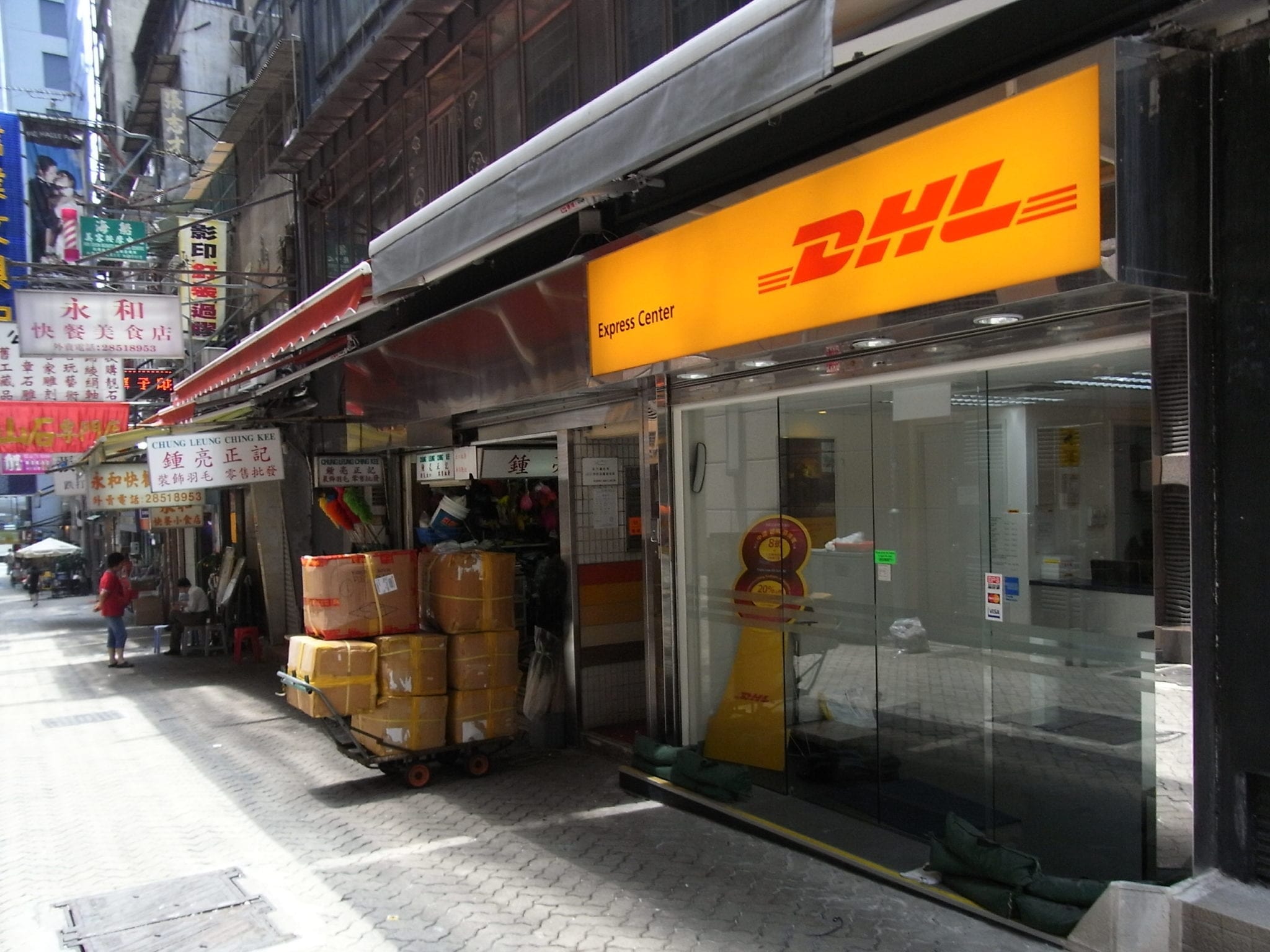
    DHL Global Forwarding, the leading international provider of air, sea and road freight services, has appointed Fabian Rybka as Cluster Head for DHL Global Forwarding’s operations in Bangladesh and Sri Lanka, along with partner operations in Bhutan, Nepal and the Maldives.

    Rybka brings to the role more than 10 years of experience at DHL Global Forwarding in both Asia and Europe, serving most recently as Head of Business Strategy and Development for DHL Global Forwarding ASEAN and South Asia, where he spearheaded successful growth initiatives in Bangladesh and Sri Lanka amongst other markets. Previous roles saw him specialize in designing and executing growth plans for DHL Global Forwarding’s high-potential markets including Italy, India, Singapore, Bangladesh, Indonesia and the Philippines, as well as key operations in European markets.

    “Fabian has built up a formidable track record for turning even the most challenging business situations into environments of high growth and customer satisfaction,” said Thomas Tieber, CEO, DHL Global Forwarding ASEAN and South Asia. “He has already proven that ability in guiding our teams in Bangladesh and Sri Lanka to significant results while understanding the nuances of the local market operations. I can think of no better individual to lead these growth markets and further build on our strong market position.”

    In the new role, Rybka will apply his extensive business development expertise to further boost productivity and expand DHL Global Forwarding’s range of services in the markets under his leadership, focusing particularly on developing key products in ocean freight and value-added services like customs and integrated warehousing. He also continues to lend his business turnaround skills to projects throughout the broader South Asia and Asia Pacific regions.

    “I firmly believe Bangladesh, Sri Lanka and the surrounding markets of Bhutan, Maldives and Nepal hold opportunity for substantial growth. We have a role to play to connect these economies to the rest of the world, supporting foreign businesses to invest in these markets, and also encouraging exports from local businesses overseas,” Rybka said. “Bangladesh’s GDP is growing faster than almost anywhere else in Asia at 7.3% per annum, while Sri Lanka continues to see steady increases in both imports and exports[2] that point to its growing connectedness and market opportunity within the global economy. As business optimism grows, my goal is to ensure we make our world-class logistics services as accessible and reliable as possible to enterprises of all sizes throughout the cluster.”

    Rybka holds an MBA from the University of Cooperative Education in Stuttgart, Germany, as well as a Global DHL CEO Award for his work in CSR and sustainability. Formerly one of Germany’s top junior football coaches, he also organizes and hosts youth football competitions — including one of the world’s largest, in Switzerland — to support the community work of SOS Children’s Village, a DHL GoTeach partner organization with whom he has volunteered for more than 10 years.

    Read more at https://vietnamnews.vn/media-outreach/505358/dhl-global-forwarding-appoints-fabian-rybka-to-head-bangladesh-and-sri-lanka-operations.html#qzaaIQjDkqMUVr8X.99

  • Tablez to launch Build-A-Bear in India

    Tablez to launch Build-A-Bear in India

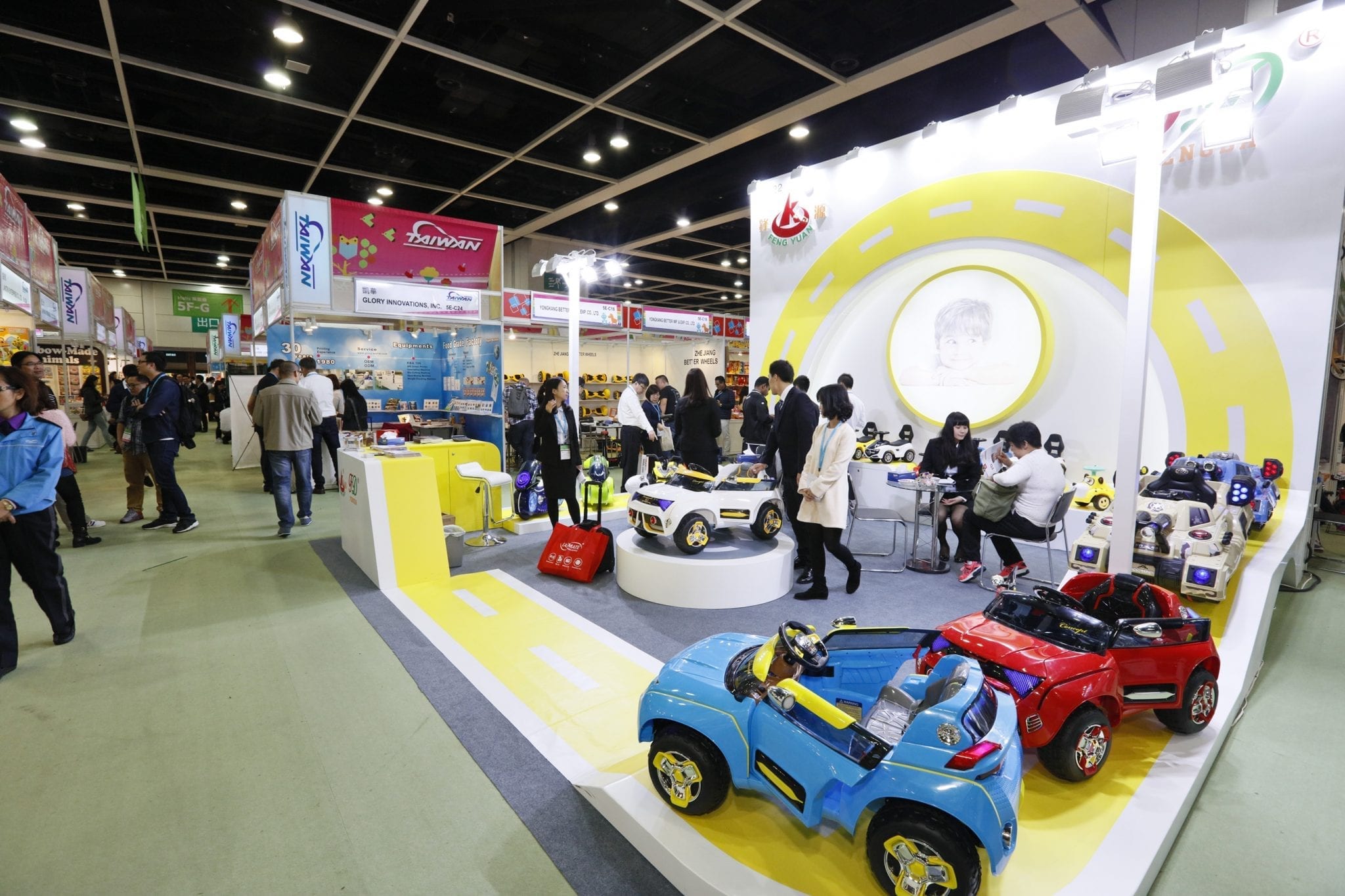
    To meet an ever-increasing demand for an engaging retail environment, Tablez India announces the partnership with Build-A-Bear, a global experiential retailer. U.S.-based, customized stuffed-animal retail-entertainment brand Build-A-Bear aims to reach as many as 9 million households in the top 15 cities in India by 2025. Besides standalone stores, shop-in-shop formats of Build-A-Bear would be launched within Toys“R”Us as part of Tablez, the retail arm of LuLu Group International.

    Adeeb Ahamed, MD, Tablez said, “The Build-A-Bear concept is a one-of-a-kind retail experience, and we are thrilled to bring it to India. We believe that children who come to our stores will be able to enjoy a different shopping experience that includes participation in creating stuffed animals of their own choice.”

    He also added, “At Tablez, we are continuously striving to meet the increasing demand for high-quality specialty toys, and we look forward to opening more Build-A-Bear and Toys”R”Us stores across India, as our company continues to grow.”

    On this occasion, Dorrie Krueger, Build-A-Bear Workshop Chief Strategy Officer, said, “We look forward to embarking on this new partnership with Tablez India and helping establish and grow the Build-A-Bear brand in this important global market. As our international franchise portfolio continues to expand, we are further assured that the hug of a teddy bear is understood in any language.”

    Established in 1997, Build-A-Bear has helped millions find their own meaning in a new furry friend. The brand has nearly 500 stores worldwide, and more than 175 million furry friends have been made globally in its 21-year history. Build-A-Bear helps guests mark special occasions, start friendships, and inspires people to make their own adventures. At Build-A-Bear, one is empowered to feel that anything is possible.

    The ‘Choose Me’ wall at every Build-A-Bear store is where the empowerment journey begins as each guest chooses an unstuffed animal to bring to life. Accessories give customers the reins to customize their creation. The heart ceremony is where one can add special wishes to their friend. During the stuffing process, a heart is placed in the bear along with special wishes, and the guests promises to care for their new furry friend. This signature ceremony brings each stuffed animal to life in a personal way, further ensuring a greater attachment. Guests find meaning in each of the animals designed – they are friends, playmates, heroes, look-a-likes and evidence of special memories. Dogs, cats, bunnies and even unicorns complement the timeless teddy bear to ensure there’s a furry friend for everyone.

    Tablez launched the first Toys“R”Us store in Bangalore in 2017. Before end of 2018, 4 stores will be operational, and another 20 stores are expected to be launched in 2019. In February 2019, Build-A-Bear will be launched as part of Toys“R”Us in Phoenix Marketcity, Bangalore. Further, a Build-A-Bear shop-in-shop format will follow in Vega City Mall, Bangalore; City Centre Mall, Mangalore and Phoenix Marketcity, Pune. The 20 additional standalone stores of Toys”R”Us are expected to be launched in major locations starting January 2019. Build-A-Bear plans to expand to as many as 65 shop-in-shop format stores and 20 standalone stores in India over the next 10 years.

  • Will Bangladesh’s garment industry survive?

    Will Bangladesh’s garment industry survive?

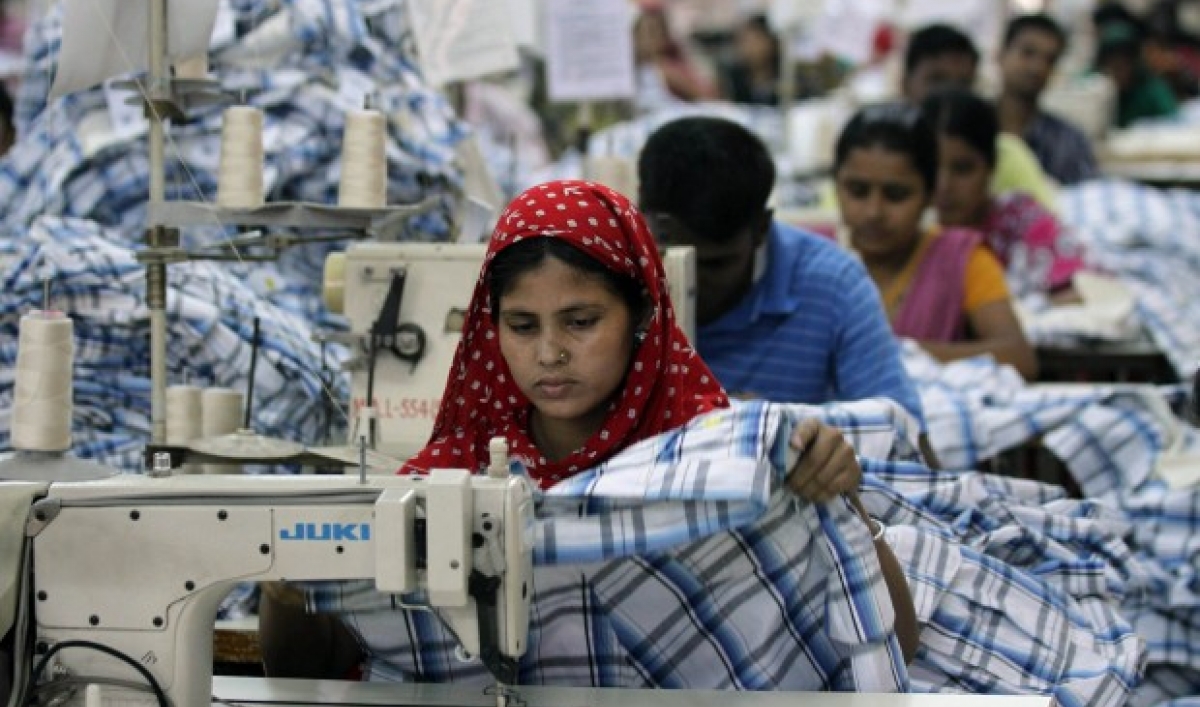
    Bangladesh is battling to keep its position as the world’s second-largest exporter of clothing after China, as it faces intensifying competition from Cambodia, Vietnam, Myanmar and now African countries like Ethiopia as global brands search for cheap labor.

    H&M, for instance, imports from an Ethiopian clothing factory it set up with Bangladeshi garment maker DBL.

    Japan’s Fast Retailing, operator of the Uniqlo casual clothing chain, is also eyeing a production base in the African country. Fast Retailing declined to comment for this story.

    The competitive pressure has sparked consolidation of what was once a mom-and-pop industry, reducing the number of factories 22% in the last five years to 4,560, according to the Bangladesh Garment Manufacturers & Exporters Association.

    Those who have survived gain market share, expand overseas and aim to go public.

    The industry is an engine behind the country’s more than 6% annual growth over the past decade.

    In the year ending in June, garment exports totaled $30.6 billion, up 8.8% and accounting for 83.5% of the country’s total exports, according to BGMEA.

    The country also increased its share of global clothes exports to 6.3% in 2016 from 4.0% in 2010, according to World Trade Organization data.

    But compared with China, which has a share of 34.5%, it is still a distant second along with countries like Vietnam, Italy and India.

    Labor in Bangladesh is still cheap.

    The average monthly wage is just $101, compared with $135 for Myanmar, $170 for Cambodia, $234 for Vietnam and $518 for China, according to surveys on select cities conducted by the Japan External Trade Organization between December 2017 and March 2018.

    But there are countries with even lower wages, such as Ethiopia with a monthly average wage of $50.

    Labor costs are rising across Asia, and Bangladesh is no exception.

    With general elections looming in December, the ruling Awami League has approved a 51% wage hike for garment workers, a decision that is weighing on the country’s garment industry.

    Companies operating in special economic zones, such as Universal Menswear, typically offer a 10% wage increase every year.

    But in election years, which come every five years, the government tends to promise more generous pay hikes.

    This has put the industry in a bind, as their Western customers, faced with online competition from Amazon and others, are demanding that prices be kept under control.

    Cost increases are not limited to labor.

    Garment makers in Bangladesh have been forced to make major investments in building safety, following a factory fire that killed 117 in November 2012 and the collapse of another known as Rana Plaza in April 2013, which left more than 1,100 dead. Since then, Western brands will not buy from Bangladeshi suppliers unless they are certified to be in compliance with stringent fire and building safety regulations.

    Factories in Bangladesh have grown in a haphazard fashion, some even operating on the upper floors of office or residential buildings.

    Western apparel makers feel more secure buying from countries like China and Vietnam, where manufacturing is better planned and organized.

    Today, most of the first-tier export-producing factories have been assessed for risk and have been improved or are in the process of being brought to a comfortable standard.

    A survey by McKinsey & Co. in 2013 found Bangladesh the No. 1 alternative to China as a manufacturing location.

    ILO’s Putiainen also says that Bangladesh could benefit as production leaves China due to cost and the U.S. trade dispute.

    But he added that global apparel brands will remain vigilant about the factory conditions in Bangladesh.

    Following the Rana Plaza accident, Ananta faced more price pressure from its customers, who demanded discounts in exchange for continuing to do business.

    That is one reason why Ananta, originally a jeans maker, is so keen to diversify into higher value-added items, such as men’s suits and lingerie.

    The strategy seems to be working. Annual sales have grown 20% to 30%. Sales in the current business year are projected at $300 million, up from $250 million in the previous year. Ananta aims for $1 billion dollars in sales within the next seven years.

    DBL, another Bangladeshi garment maker with an annual turnover of $450 million, is also branching out into sports wear and lingerie, according to company head M.A. Jabbar.

    DBL currently handles only cotton fabric, but “in the coming days, we are looking at man-made fiber,” Jabbar said.

    DBL is also adding upstream processes, such as spinning, dying, printing, fabric washing and embroidery production.

    Most garment makers in Bangladesh specialize in knitting operations, with fabrics and accessories imported mostly from China. With materials costs accounting for 65% to 70% of an item’s selling price, profit margin is razor-thin.

    “If Bangladesh focuses on the knitting business, it will eventually lose to even lower-cost producers like Ethiopia,” predicts Yoshiaki Kamiyama, senior researcher at the Japan Textiles Importers Association.

    “It has to innovate. It has to develop expertise other than just knitting.”

  • H&M and Gap to Probe Violence, Sex Abuse in Asian Factories

    H&M and Gap to Probe Violence, Sex Abuse in Asian Factories

    Fashion giants H&M and Gap vowed on Tuesday (05/06) to investigate reports that Asian garment workers who supply their high-street stores routinely face sex abuse, harassment and violence.

    Based on interviews with some 550 workers in 53 H&M and Gap supplier factories in Bangladesh, Cambodia, India, Indonesia and Sri Lanka, rights groups said women were at “daily risk” of violence and faced retaliation if they reported the attacks.

    The coalition has investigated the factories for several years as efforts mount to push Western brands into improving safety along their supply chains and render them slave-free.

    Clothes stitched by low-paid Asian workers – part of a complex global supply chain – end up on high-priced Western high streets, with some 4,750 H&M stores located in 69 countries and about 3,700 Gap shops operating in about 90 nations.

    Sweden’s H&M — the world’s No. 2 clothes group after Zara owner Inditex — said it would review the findings of the recent report by the civil society groups and unions.

    “We will go through every section of the report and follow up on [a] factory level with our local teams based in each production country,” a company spokesman said in a statement.

    “All forms of abuse or harassment are against everything that H&M group stands for.”

    US retailer Gap said it was “deeply concerned about the troubling allegations raised by this report.”

    “Our global team is currently conducting our due diligence to investigate and address these issues,” a spokeswoman said.

    The charities said they had found widespread sex harassment, verbal and physical abuse – such as slapping – and threats of retaliation when women refused sexual advances from bosses.

    Forced Labor

    A separate report published last month by the coalition of rights groups found similar abuse of women at supplier factories in Asia for US-based Walmart, the world’s largest retailer.

    Walmart said last month that it was reviewing the “concerning” accounts cited in the report.

    The Ethical Trading Initiative (ETI), a group of trade unions, firms and charities of which both Gap and H&M are members, said it expected the retailers to work with the suppliers to ensure that women have swift access to remedy.

    “These allegations are deeply concerning,” said Debbie Coulter of the ETI. “Gender-based violence is unacceptable under any circumstances, and brands need to make sure that women working in their supply chain are protected.”

    Campaigners told the Thomson Reuters Foundation last month that the level of pressure and harassment faced by the workers in the three separate reports was approaching forced labour.

    “Any time you have retaliation against workers, and coercion and control … you are coming close to the line of forced labour,” Jennifer Rosenbaum of Global Labor Justice, a network of worker and migrant organizations, said last month.

    The reports have been published amid meetings hosted by the United Nations’ International Labor Organization to work on the first global convention against workplace harassment after the #MeToo campaign thrust the issue into the spotlight.

  • bKash and Ant Financial in strategic partnership to promote financial inclusion for the unbanked in Bangladesh

    bKash and Ant Financial in strategic partnership to promote financial inclusion for the unbanked in Bangladesh

    The leading mobile financial services provider of Bangladesh, bKash Limited (“bKash”) and Ant Financial Services Group (“Ant Financial”), operator of Alipay, today announced a strategic partnership to promote financial inclusion for the unbanked and underbanked communities in Bangladesh. The partnership involves Ant Financial investing into bKash and increasing its technological capabilities, allowing it to provide greater convenience and security in mobile financial services throughout Bangladesh.

    Established in 2010 by founding shareholders, BRAC Bank Limited and Money in Motion LLC, bKash is running a network of more than 180,000 agents throughout urban and rural areas of Bangladesh with over 30 million registered accounts.

    “Along with its investment, Alipay brings the best payment technologies built by thousands of engineers and the knowledge of applying those technologies to economies like China which went through a massive transformation in recent years. Such track record makes Ant Financial a fitting partner for bKash since Bangladesh too has a large population of 160 million and an economy that is advancing rapidly. This investment opens many new opportunities for bKash and demonstrates the confidence a world-class player is placing in Bangladesh,”said Kamal Quadir, Chief Executive Officer of bKash.

    “Ant Financial and bKash share similar goals, in that we want to bring equal opportunities to everyone here in Bangladesh. bKash can tap on the experience Alipay has built over the last decade serving 800 million users together with our strategic partners worldwide. As part of Ant Financial’s global strategy, we are keen to share our technology know-how with partners like bKash, who has successfully brought financial services to the largely unbanked population in Bangladesh. bKash is managed by a strong team with deep local knowledge and execution capabilities. We are confident, together with bKash, we can bring highly secure and inclusive financial services to address the needs of local people and small businesses here,” said Eric Jing, Executive Chairman and Chief Executive Officer of Ant Financial.

    “bKash, a company taking financial services to the doorsteps of millions of unbanked people in Bangladesh, will benefit immensely from this landmark partnership with Ant Financial. It will help bKash significantly step up its activities in changing and positively impacting on the lives of millions,” said Selim R. F. Hussain, Managing Director and CEO of BRAC Bank.

    bKash and Ant Financial were both named in Fortune Change The World 2017 list, a recognition given to companies that have had a positive social impact through activities that are part of their core business strategy.

    International Finance Corporation (IFC) and the Bill & Melinda Gates Foundation have been shareholders in bKash, since 2013 and 2014 respectively.

  • India bank hack ‘similar’ to US$81m Bangladesh central bank heist

    India bank hack ‘similar’ to US$81m Bangladesh central bank heist

    Hackers who tried to steal nearly US$2 million from India’s City Union Bank this month used tactics similar to those employed in the unsolved cyber heist of US$81 million from Bangladesh’s central bank in 2016, City’s CEO said on Monday (Feb 19).

    The unknown hackers disabled the City printer connected to global payments platform SWIFT on Feb 6, preventing the bank from receiving acknowledgement messages for three fraudulent payment instruction sent that evening until the next morning.

    “Nobody suspected that it was an attack and thought it was a systemic network failure,” N Kamakodi said on phone. “The system department people, everybody assembled, analysed the problem, rebooted, they closed shop only around 10.00pm to 10.30pm.”

    The next morning, bank officials managed to reconcile the previous day’s transactions and found out “three transactions which were not originated from our bank”.

    The bank had been able block only one of the transfers worth US$500,000, while attempts were under way to retrieve the rest, he said. It first disclosed the heist on Saturday.

    In the case of Bangladesh Bank, hackers infected the system with malware that disabled the SWIFT printer. Bank officials in Dhaka initially assumed there was simply a printer problem.

    The hackers stole the money from Bangladesh Bank’s account at the Federal Reserve Bank of New York using fraudulent orders on SWIFT. The money was sent to accounts at Manila-based Rizal Commercial Banking Corp and then disappeared into the casino industry in the Philippines.

    Nearly two years later, there is no word on who was responsible and Bangladesh Bank has been able to retrieve only about US$15 million, mostly from a Manila junket operator.

    “We definitely see similarities between the Bangladesh case, and the similarities are being factored into the investigation,” Kamakodi said.

    City Union, a small private lender based in south India, said the three money transfer instructions were sent via correspondent banks to accounts in Dubai, Turkey and China.

    He said SWIFT was helping it investigate the matter, and that the hack happened despite the bank adding new security measures days before.

    “It’s a cat and mouse game,” he said.

    SWIFT said it did not comment on individual customers or entities.

    Russia’s central bank said last week that unknown hackers stole 339.5 million roubles (US$6 million) in an attack via the SWIFT international payments messaging system in Russia last year.


  • Bangladesh Signs Deal With Indonesia for LNG Imports

    Bangladesh Signs Deal With Indonesia for LNG Imports

    Bangladesh signed an agreement with Indonesia on Sunday (29/01) to open talks on imports of liquefied natural gas, as the South Asian country turns to the supercooled fuel to fill a shortfall of domestic natural gas.

    A letter of intent was signed between two state energy companies, Petrobangla and Pertamina, after a meeting between Bangladeshi Prime Minister Sheikh Hasina and President Joko “Jokowi” Widodo, who arrived in Dhaka on Saturday.

    Bangladesh, a country of more than 160 million people, may import 17.5 million tons of LNG a year by 2025, as its domestic gas reserves dwindle and demand grows.

    Petrobangla is finalizing several floating storage and regasification units, the first of which is expected to commence operations in April 2018.

    In September, Bangladesh signed its first ever LNG import deal with Qatar, underscoring the rise of South Asia as a new market for the fuel.

    Jokowi’s visit comes as Bangladesh is struggling to cope with an influx of around 688,000 Rohingya refugees who have fled an army crackdown in Myanmar’s Rakhine state since last August.

    “He reiterated his country’s support to the safe, dignified return of the displaced persons to the Rakhine State,” a joint statement said after Jokowi visited a refugee camp in the Cox’s Bazar region of southern Bangladesh.

    Hasina “appreciated Indonesia’s supportive role, including the humanitarian assistance for the displaced persons from Rakhine State sheltered in Bangladesh,” the statement said.

    Myanmar and Bangladesh agreed earlier this month to complete a voluntary repatriation of the refugees in two years.

    The plan has sparked fears in refugee camps in Bangladesh that people may be forced to return despite a lack of guarantees around their security. Witnesses have reported killings, looting and rape after the Myanmar army cracked down in response to militant attacks on security forces in Rakhine.

    Many in Buddhist-majority Myanmar regard the Rohingya community as illegal immigrants from Bangladesh. The United Nations has described the crackdown as ethnic cleansing, which Myanmar denies.

  • Teletalk and Robi sign network sharing deal

    Teletalk and Robi sign network sharing deal

    Bangladesh operators Teletalk and Robi Axiata have arranged to share network sites across the country to improve the network experience for their respective customers.

    The two operators have signed an agreement on the network sharing deal at a meeting this week attended by company executives including Robi CEO Mahtab Uddin Ahmed and Teletalk managing director Kazi Md Golam Kuddus.

    The agreement is also aimed at accelerating the 4G network rollout process once LTE licenses are awarded to mobile operators.

    Bangladesh’s 4G auction is scheduled to take part in February, and is expected to draw participation from the two operators as well as Grameenphone and Banglalink.

    CityCell, which recently had its operations suspended as a result of failure to pay required license and related fees, has also raised the prospect of participating in the auction in order to re-enter the market.

    The auction will encompass spectrum in the 2100-MHz, 1800-MHz and 900-MHz bands. The deadline for applying to take place is January 14 and the auction will be held on February 14. Operators will need to deploy a 4G network nationwide within 36 months as part of the auction terms.

  • India, Vietnam race in rice market

    India, Vietnam race in rice market

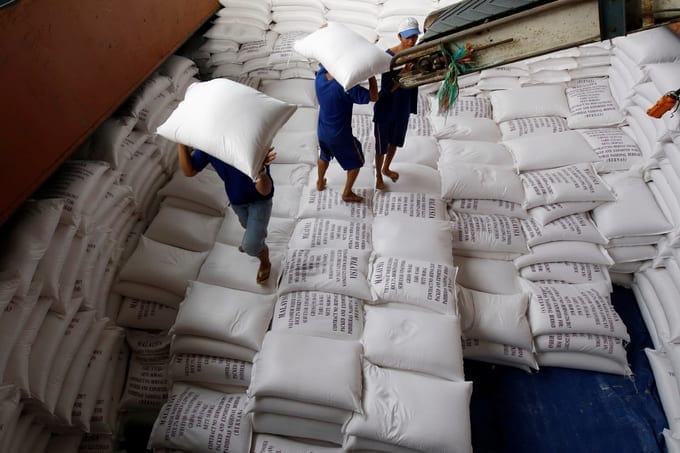
    Rice prices gained this week in India as Bangladesh continued to lap up the staple grain from its neighbour, while prospects of deals with the Philippines saw rates climb for the first time in three weeks in a relatively quiet Vietnamese market.

    In Vietnam, benchmark 5 percent broken rice rose to $400 a ton, free-on-board (FOB) Saigon, ending a three-week flat trend within the $390-$395 range, and boosted by prospects of deals with the Philippines, traders said.

    “Prices edged up on market talk that the Philippines would invite tenders to buy 250,000 tonnes at the end of January,” a trader in Ho Chi Minh City said.

    However, trading remained thin due to depleted stocks in the world’s third-largest rice exporter, while Vietnam’s major winter-spring crop would be ready only by the end of February, traders said.

    Vietnam plans to sell close to a 23 percent stake in the country’s main rice exporter Vinafood II through an initial public offering.

    Top exporter India’s 5 percent broken parboiled rice prices rose by about $2 per tonne this week to $423-$427.

    Traders from Bangladesh are aggressively buying new-season crop since prices in Bangladesh are still elevated, said an exporter based in Kakinada in the southern state of Andhra Pradesh.

    India’s rice exports likely jumped 22 percent in 2017 to a record 12.3 million tonnes as Bangladesh ramped up purchases after flooding damaged its crops.

    As of the end of December, farmers in India had cultivated winter-sown rice on 1.88 million hectares, 44 percent higher than a year earlier.

    Prices were also higher in another major Asian exporter, Thailand, with the country’s benchmark 5 percent broken rice gaining to $395-$410, FOB Bangkok, from $393-$396 last week on an appreciating baht and lower supplies.

    The baht has gained 1.6 percent versus the U.S. dollar so far this year and been Asia’s best-performing currency.

    “Rice prices have increased due to a stronger baht, lower supplies due to the effects of floods, as well as a recent 200,000-tonne export deal with Indonesia,” a Bangkok-based rice trader said.

    The Ministry of Commerce forecast Thailand to export 9.5 million tonnes of rice, worth $4.7 billion, in 2018.

    “I think this target is achievable. It’s lower than last year’s record figure of over 11 million tonnes probably due to a stronger Thai baht and bad weather conditions affecting supplies,” said another trader based in Bangkok, adding, “Demand has remained fairly constant.”

    Thai prices are likely to be on an upward trend over the next few weeks, traders said.

  • Sbarro Bangladesh opens eight restaurants in one hit

    Sbarro Bangladesh opens eight restaurants in one hit

    Sbarro Bangladesh franchise partner Khan Bahadur Foods has opened eight restaurants in Dhaka.

    It was the first time the US fast-food chain has opened eight locations simultaneously in one city. Sbarro is the first New York-style pizzeria in Bangladesh. With its franchise partner, the brand has opened several locations in Bangladesh over the past two years. Khan Bahadur MD Mayeen Chowdhury says more stores are planned.

    “Mayeen and his team are excellent ambassadors of Sbarro in Bangladesh, as shown by their proven success over the past few years,” says Sbarro CEO David Karam.

    Since opening as an Italian salumeria in Columbus, Ohio, in 1956, Sbarro now has more than 600 restaurants in 26 countries.

  • Mobile contributed 6.2% to Bangladesh GDP in 2015

    Mobile contributed 6.2% to Bangladesh GDP in 2015

    Mobile technologies and services generated 6.2% of the GDP of Bangladesh in 2015, a contribution that amounted to around $13 billion of economic value, according to GSMA Intelligence.

    In the same year, mobile operators and the ecosystem provided employment to more than 760,000 people across Bangladesh, the report further stated. One-third of this was created directly in the ecosystem, while the rest is generated indirectly in other sectors as a result of the demand for production inputs generated by the mobile sector.

    “GSMA Intelligence findings clearly demonstrate the substantial contribution that mobile makes to the Bangladeshi economy,” GSMA head of spectrum Brett Tarnutzer said.

    “By systematically pursuing a policy framework that increases certainty, acknowledges market realities and removes regulatory barriers to investment and innovation, the Bangladeshi government and its citizens stand to achieve so much in the coming years.”

    In terms of public contribution, the mobile ecosystem generated about 10% of the government’s revenue in 2015, valued at $2.42 billion through general taxation, mobile-specific taxes, and spectrum licenses.

    Mobile’s overall impact includes the direct impact of the mobile ecosystem as well as the indirect impact and the increase in productivity brought about by the use of mobile technologies.

    GSMA added that Bangladesh performs close to the regional averages across metrics of mobile market development, despite a lower income than neighboring countries. Bangladesh is above the Asian average in terms of unique subscriber market penetration at 53%, while only slightly below with regard to mobile internet penetration at 33% and 3G at 20% of all mobile connections.

    Thus, it sees the potential for further growth if a supportive policy environment is put in place.

    GSMA Intelligence expects that the economic contribution of the mobile industry in Bangladesh will continue to increase. In value-added terms, it is estimated that the ecosystem will generate $17 billion by 2020. This forecast relies on a favorable macroeconomic environment and on a moderate expansion in demand and supply in the mobile market, as the number of mobile internet users and mobile coverage both increase.

    Employment opportunities are also set to expand from 780,000 jobs in 2016 to 850,000 jobs in 2020, an increase of around nine percent during that period.

    The amount of spectrum, and the terms on which it is made available, fundamentally drive the cost, range, and availability of mobile services. To ensure that this mobile vision becomes a reality, it is imperative that the spectrum is allocated in a way that encourages the rapid deployment of mobile broadband infrastructure, resulting in high quality, affordable mobile services for consumers across Bangladesh,” added Tarnutzer.

  • Bangladesh’s CityCell has spectrum reinstated

    Bangladesh’s CityCell has spectrum reinstated

    Cash-strapped Bangladeshi operator CityCell has resumed operations after having its spectrum temporarily reinstated by a Supreme Court ruling.

    The Bangladesh Telecommunication Regulatory Commission (BTRC) revoked CityCell’s spectrum last month for failing to pay its spectrum renewal, license and associated fees.

    But the court has asked the government to restore CityCell’s spectrum and allow it to continue operations for the time being.

    If CityCell fails to pay 1 billion taka ($12.7 million) to BTRC by November 19, the regulator will have the authority to revoke the spectrum again, the court order states.

    CityCell has been operating since 1993 but has a low market share and revenue base. The company earned just 1.39 billion taka in revenue during the 2014-15 financial year. The BTRC has calculated that CityCell owes 4.77 billion taka in unpaid fees.

    The operator is 44.5% owned by Singtel, 37.9% owned by Pacific Motors and 17.5% owned by Far East Telecom.

  • Bangladesh’s oldest cellco set to lose license

    Bangladesh’s oldest cellco set to lose license

    Bangladesh’s oldest mobile operator Citycell is on track to losing its license after failing to pay its required license and related fees.

    The CDMA-based Citycell had its spectrum revoked last week, and now the Bangladesh Telecommunication Regulatory Commission (BTRC) is seeking permission from the government to revoke the operator’s license.

    Citycell owes dues of 4.77 billion taka ($60.8 million), which include unpaid spectrum renewal fees, license fees, late fees and value-added tax.

    The Supreme Court had ordered Citycell to pay two thirds of the amount owed by October 19, but the operator only managed to pay 1.3 billion taka, and its spectrum was accordingly revoked the next day.

    The BTRC has been advising Citycell customers since the end of July to switch to another operator in preparation for the shutdown.

    Citycell commenced operations in 1993, but found itself relegated to a niche player as GSM outmatched CDMA by popularity. At its peak in 2011 the operator had around 1.9 million customers.

    Singtel is the largest shareholder in Citycell with a 44.54% share, while Far East Telecom has 17.51% of the company. These shareholders have been attempting to sell Citycell’s license for several years but have not found any buyers.

  • Telenor launches digital health service in Bangladesh

    Telenor launches digital health service in Bangladesh

    Telenor Health, the digital health unit of the Telenor Group, has introduced a digital health service in Bangladesh.

    The company’s first digital offering, Tonic, is a mobile-based integrated digital service that includes: Tonic Jibon (life), the first Bengali-language services that provides free science-backed information on how to build a healthier and happier life; Tonic Daktar (doctor), which enables members to access medical advice on basic health topics via phone 24 hours a day; Tonic Discounts, which offers exclusive discounts up to 40% on key services at more than 50 popular hospitals across Bangladesh; and Tonic Cash, which provides members compensation if they have been hospitalized for three consecutive nights or more, paid directly to a member’s mobile banking wallet.

    Telenor said the service is being offered in the first phase exclusively to its 57 million Grameenphone customers.

    Bangladesh Health Minister Mohammad Nasim and State Minister of Posts & Telecommunication Tarana Halim attended the official launch in Dhaka.

    “Harnessing technology in order to address basic health challenges is an area of growing interest for Telenor, especially in countries like Bangladesh,” said Sigve Brekke, President and CEO of Telenor Group.

    Telenor has been present in the country since 1997 and now serves more than 185 million customers across Asia. The company established Telenor Health to scale Tonic and other digital health services to other markets upon success in Bangladesh.