Tag: tokyo

  • Bank of Japan Expected to Raise Rates to 1.25 Percent on September 18

    Bank of Japan Expected to Raise Rates to 1.25 Percent on September 18

    The Bank of Japan will raise its key interest rate to 1.25 percent on September 18, according to 97 percent of surveyed economists. The projected hike marks an accelerated tightening cycle that would push benchmark borrowing costs to 1.75 percent by the second quarter of 2027.

    A survey of 68 economists conducted between September 1 and September 8 showed 66 respondents anticipate the immediate 25-basis-point increase, up from 57 percent in the previous polling round. More than one-third of respondents, 24 of 66, expect the central bank to deliver another hike to 1.50 percent in October or December. Beyond this year, 89 percent of analysts see the policy rate reaching at least 1.50 percent by the end of March, while 62 percent expect a 1.75 percent rate by mid-2027.

    Washington Pressure and Currency Shifts

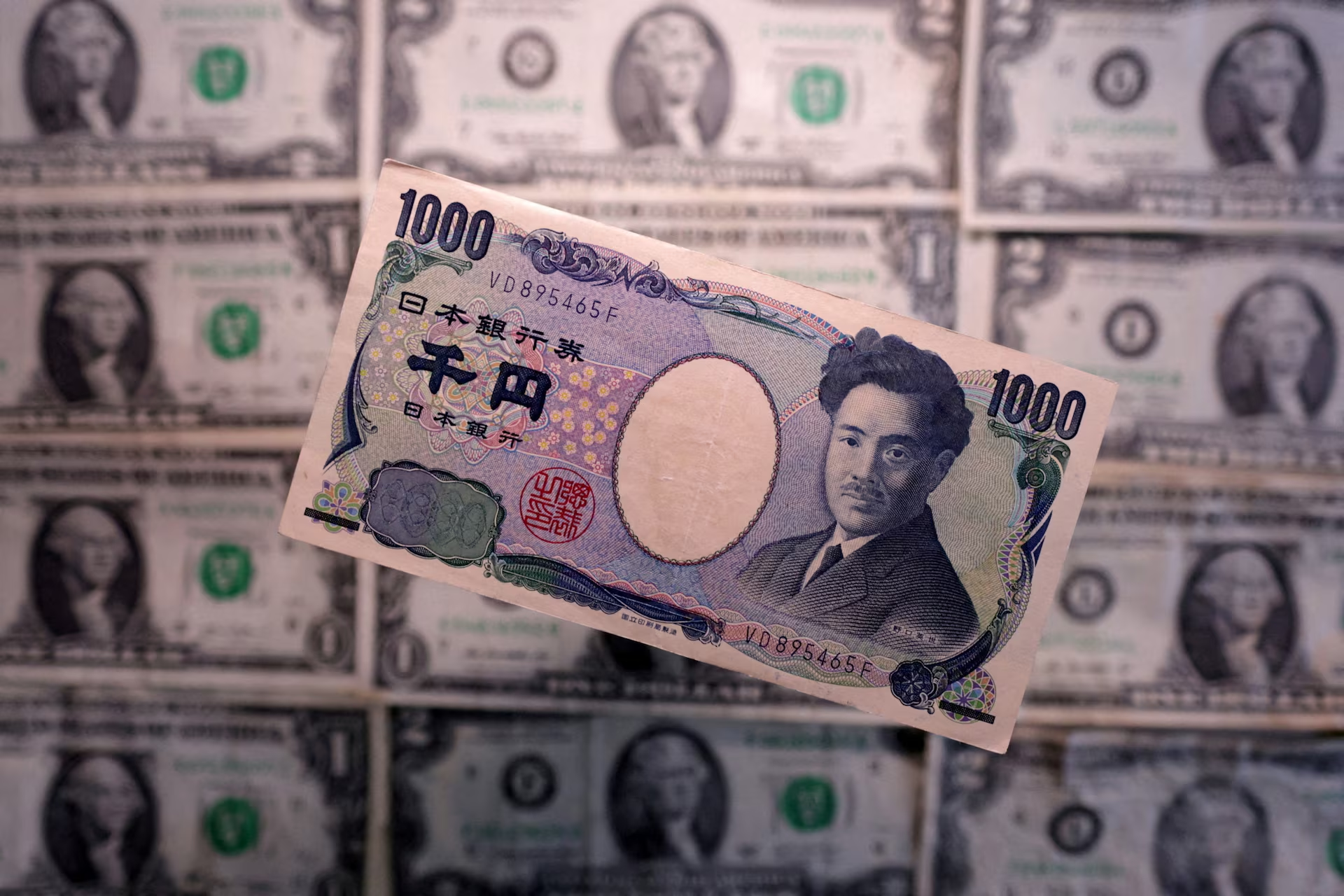
    Over 80 percent of polled economists said joint United States and Japanese currency intervention to rescue the yen from 40-year lows, alongside statements from US Treasury Secretary Scott Bessent, substantially lowered domestic political barriers to tightening. Bessent met with BOJ Governor Kazuo Ueda during a gathering of G20 finance leaders, urging decisive monetary action to anchor inflation expectations and curb yen volatility. Following those interventions, the yen strengthened to around 153.37 per dollar, its firmest trading level since February.

    Half of the 54 economists who answered a supplementary question identified 1.75 percent as the terminal policy rate. The proportion projecting a terminal rate of 2.00 percent or higher expanded to 40 percent, up from 36 percent in August and 23 percent in July.

    Cost Pressures for Retail and Consumer Markets

    For consumer goods importers, supermarket chains, and multinational brands operating in Japan, a faster rate hike trajectory creates a double-edged commercial environment. A firmer yen provides relief against imported food and raw material costs that squeezed operating margins over the past two years. Food processors and apparel retailers that absorbed higher procurement prices can begin stabilizing shelf prices without sacrificing unit margins.

    Higher domestic borrowing rates will elevate debt servicing expenses for heavily used retail developers and franchise operators. Household budgets face higher mortgage repayments just as wage gains struggle to outpace core consumer inflation. Retailers relying on discretionary consumer spending will need to defend basket sizes as debt costs rise for domestic shoppers.

    Fiscal Spending and the Planned Food Tax Cut

    Government spending plans are complicating the central bank’s inflation calculus. Budget requests for the upcoming fiscal year climbed to 143.1 trillion yen ($931.2 billion), matching spending levels seen during the pandemic as Prime Minister Sanae Takaichi advances an expansionary fiscal platform. Nearly three-quarters of surveyed economists reported that the request volume elevates market concerns regarding Japanese fiscal discipline.

    With a consumption tax cut on food items also planned, financial markets are likely to have strong concerns about securing funding.

    The earlier policy inertia that allowed price pressures to broaden across services and food now forces faster rate adjustments. The Bank of Japan delivers its rate decision on September 18, with investors tracking the final budget compilation and government debt issuance volumes due before year-end.
  • Tokyo Stock Exchange Delistings Set for Record High in 2026

    Tokyo Stock Exchange Delistings Set for Record High in 2026

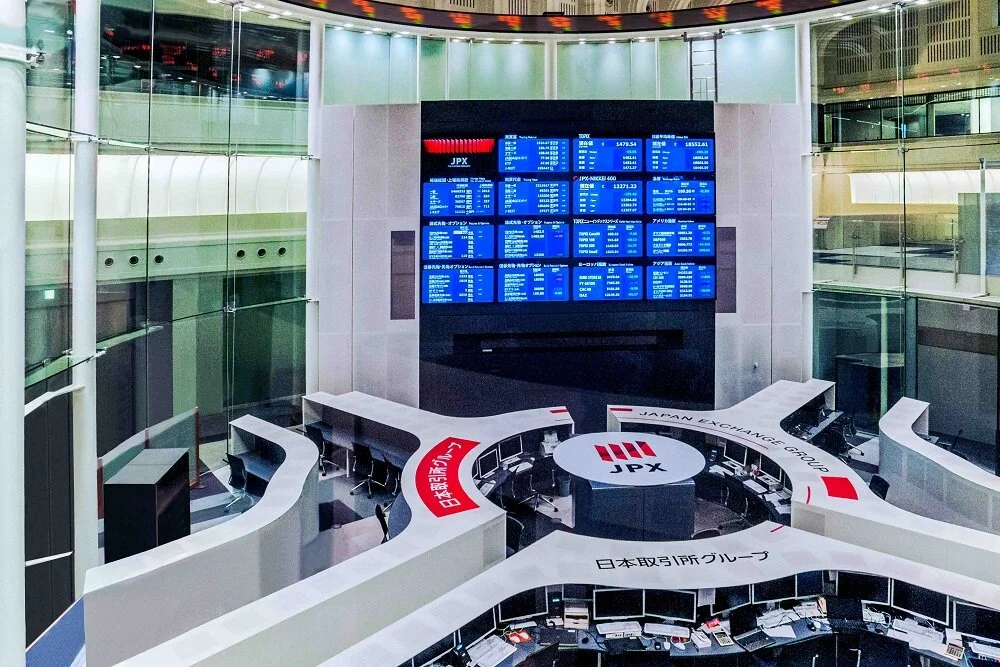
    A record number of companies will delist from the Tokyo Stock Exchange in 2026, marking the third consecutive year of peak departures from Japan’s main equity market.

    Departures stem from corporate buyouts alongside investment funds seeking to take firms private, combined with companies failing to satisfy stricter listing criteria across exchange segments.

    Tougher Criteria Squeeze Growth Names

    Stricter compliance thresholds have forced underperforming issuers to evaluate their public status. On the Tokyo Growth market, a majority of listed equities sit below required market capitalisation cutoffs as regulatory deadlines approach. Companies unable to reverse their valuations or generate sufficient trading liquidity face mandatory removal.

    At the same time, maintaining a listing carries heavier burdens. Rising domestic interest rates have increased the cost of capital for corporate borrowers, while Japan now ranks second globally in shareholder activism campaigns. Management teams face direct pressure from institutional investors to improve capital efficiency, leading smaller operators to conclude that public market scrutiny outweighs the benefits of an equity quote.

    Private Capital and Shifting Exits

    Private equity sponsors have moved quickly to absorb listed targets. Founders and management teams are teaming up with domestic and global buyout funds to execute management buyouts, taking operating businesses private to restructure away from quarterly earnings demands.

    For consumer, retail, and technology operators across Asia, this turnover alters how expansion capital is secured. Public equity is no longer an automatic default for mid-tier Japanese businesses. Instead, unlisted status gives boards latitude to cut unprofitable units, absorb logistics cost increases, and realign supply chains without continuous market valuation hits.

    New Channels for Unlisted Shares

    Japanese regulators have adjusted market infrastructure to accommodate this shift away from traditional public listings. Authorities greenlit a dedicated trading platform for unlisted shares, providing secondary liquidity for private companies and venture-backed entities that choose to bypass or exit the main exchange.

    The current delisting volume builds on two prior years of record departures following the Tokyo Stock Exchange’s comprehensive market restructuring in 2022. That overhaul replaced legacy trading sections with Prime, Standard, and Growth boards, setting concrete governance and liquidity minimums.

    Attention now turns to upcoming compliance deadlines for Growth market issuers sitting below capitalisation cutoffs, which will dictate the final delisting count before year-end.

  • Miniso Starts Global Pop-Up Tour with Lisa Featuring 70 Products

    Miniso Starts Global Pop-Up Tour with Lisa Featuring 70 Products

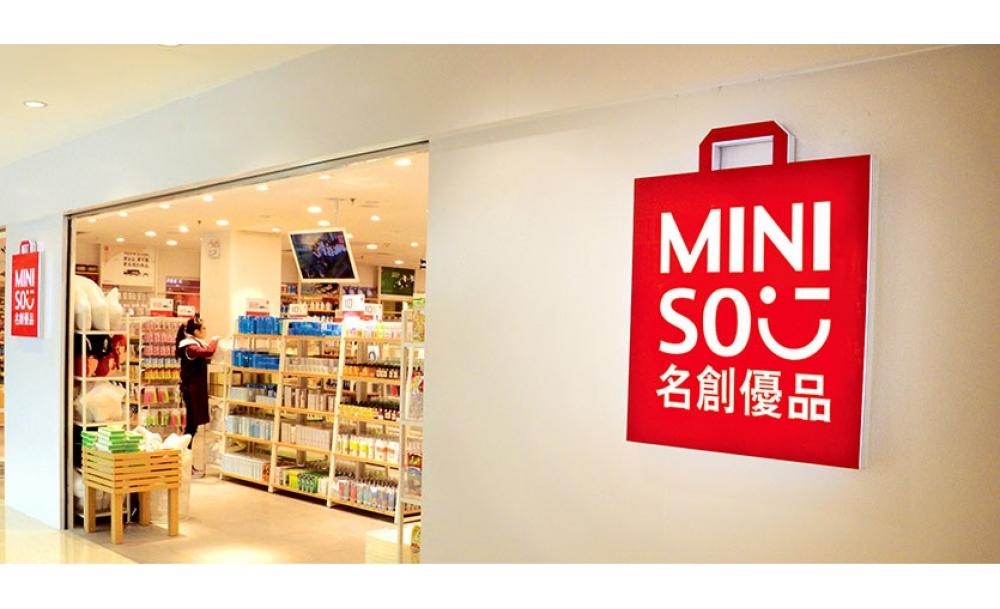
    Miniso opened a global pop-up tour in Bangkok on September 1 with K-pop star Lisa. The rollout introduces more than 70 co-branded products across Asia and the Americas. It follows a 22.4 per cent jump in first-half revenue as the retailer expands its international store network.

    The lineup spans apparel, bags, blind boxes and lifestyle accessories. Central to the range is the YoYo x Lisa Collection Vinyl Plush Surprise Box series. That line pairs the artist’s brand directly with Miniso’s proprietary character IP, YoYo.

    Tour Schedule and Asian Locations

    Bangkok’s IconSiam shopping complex hosted the debut before the tour heads to East Asia. The next activation opens at Omotesando Hills in Tokyo, running from September 11 to October 5.

    Three flagship pop-up locations in Beijing, Shanghai and Shenzhen will open simultaneously on September 12. Jakarta hosts the final Southeast Asian stop in October.

    Beyond Traditional Licensing

    Merchandise strategy is shifting across the business. Instead of relying purely on third-party entertainment licenses, the chain couples its proprietary IP with celebrity partnerships. The approach aims to lift average selling prices and drive foot traffic into physical stores.

    For mall operators and rivals, the push raises competition for temporary space. Pop-up formats let Miniso test local demand and build shopper volume in prime retail corridors without immediate long-term lease commitments.

    Americas Rollout Follows Revenue Gains

    Financial results reported last month showed a 22.4 per cent revenue increase for the first half. Growth was driven by performance across mainland China and international markets.

    Overseas expansion follows the Asian run, with pop-up locations opening across the United States and Mexico in November.

  • AWS Plans 420 Tbps Sta’O’Nuk Subsea Cable Linking the US and Japan by 2029

    AWS Plans 420 Tbps Sta’O’Nuk Subsea Cable Linking the US and Japan by 2029

    Amazon Web Services will build a 420 Tbps subsea cable connecting the United States and Japan, scheduled to begin commercial operations in 2029.

    The system, named Sta’O’Nuk, will run 20 fiber pairs across the Pacific Ocean, linking a new landing station in Washington state to an undisclosed site in Japan. It represents the first international subsea cable to land in Washington state in nearly three decades.

    Landing station and tribal partnership

    AWS partnered with Toptana Technologies to develop the American cable landing station and backhaul network in Ocean Shores, Washington. Founded in 2022 by the Quinault Indian Nation, Toptana is the only Indigenous-owned cable landing station operator on the US West Coast.

    Construction has begun on the Ocean Shores facility, designed to support up to four subsea cable systems. Assured Communications serves as program manager and operational service provider for the station, while the Quinault Indian Nation granted AWS permission to use the name Sta’O’Nuk, which translates to “lightning serpent” in the Quinault language.

    Washington state last saw international subsea arrivals in 1999, when Pacific Crossing-1 landed at Harbour Pointe and Alaska United East connected in Lynnwood. Toptana previously outlined a 17,700-square-foot, 1 MW station footprint when it first announced site plans in 2022.

    Transpacific cloud capacity

    Hyperscale cloud providers have shifted from purchasing capacity on shared consortium routes to financing and constructing dedicated private pipes across Asia-Pacific corridors. Direct cable ownership provides AWS with lower latency, predictable operating costs, and dedicated bandwidth between its data center regions in North America and East Asia without reliance on third-party commercial carriers.

    The Japanese landing location and local terminal partners remain unannounced as construction advances toward the 2029 target.

  • SoftBank Sets 4.75% Coupon for 1 Trillion Yen Retail Bond

    SoftBank Sets 4.75% Coupon for 1 Trillion Yen Retail Bond

    SoftBank Group set a 4.75 per cent coupon rate on its 1 trillion yen ($6.4 billion) retail bond issue in Tokyo. It is the company’s highest coupon on straight bonds in 17 years.

    The 1 trillion yen offering ties an earlier debt sale by NTT Finance as the largest bond issue ever pitched directly to individual Japanese investors by a domestic company. SoftBank Chairman and Chief Executive Masayoshi Son is tapping local household savings. The group is reloading its balance sheet for technology and artificial intelligence investments.

    Yields Hit Seventeen-Year High

    Retail buyers have crowded into corporate bond issues from issuers like SoftBank and e-commerce group Rakuten after decades of near-zero deposit rates. They want income. At 4.75 per cent, SoftBank is paying a premium over standard domestic debt instruments to lock in retail capital directly.

    Shifting benchmark rates in Tokyo have increased corporate borrowing costs across the market. SoftBank continues to lean on domestic household savers. Local depositors remain drawn to the company’s brand recognition and fixed coupon rates compared to standard bank accounts.

    Fueling Tech and AI Capital Needs

    Individual investors across Japan have historically served as a reliable funding source for SoftBank during previous growth phases. Domestic retail debt issues shielded the group from tighter conditions in global syndicated loan and dollar bond markets during volatile tech cycles.

    These funds give Son expanded liquidity to pursue large-scale commitments across computing infrastructure and global tech platforms. Market attention now turns to the final subscription figures and allocation breakdown across domestic brokerage networks when the retail book closes.

  • Seven & I Fends Off 47 Billion Dollar Couche-Tard Takeover

    Seven & I Fends Off 47 Billion Dollar Couche-Tard Takeover

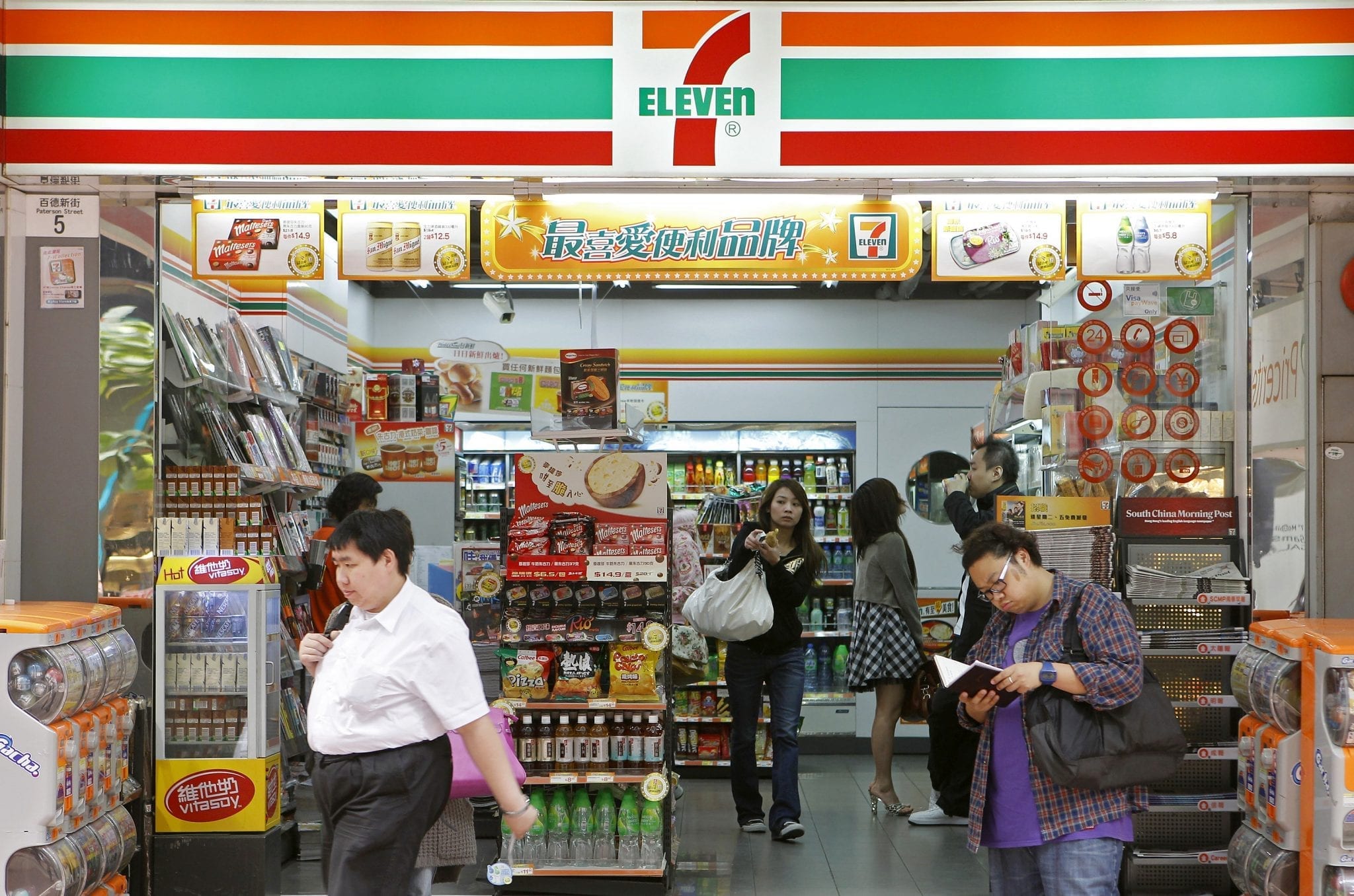
    Seven & I Holdings fended off a 47 billion dollar takeover bid from Canada’s Alimentation Couche-Tard after buyout negotiations collapsed in Tokyo. The withdrawal leaves the Japanese retail group in control of more than 60,000 convenience stores operating primarily across Asia and North America.

    How the buyout talks fell apart

    Couche-Tard launched its pursuit in August 2024 with an initial 38 billion dollar offer, later sweetening the bid to 47 billion dollars before abandoning the deal in July 2025. The Canadian suitor blamed the breakdown on what it called a calculated campaign of obfuscation and delay by the Seven & I board. Seven & I defended its board governance, rejected the characterization, and responded to the takeover pressure by appointing Stephen Hayes Dacus as chief executive officer.

    The Tokyo-headquartered parent company, formed by Ito-Yokado in 2005 to absorb 7-Eleven, has built its balance sheet through major retail purchases over several decades. That expansion includes the May 2021 purchase of 3,800 Speedway outlets from Marathon Petroleum and an April 2024 deal worth 1 billion dollars to acquire additional Stripes convenience stores and Laredo Taco Company locations.

    Portfolio pressure across key markets

    Asian retail conglomerates have historically pushed back against North American suitors seeking to consolidate fragmented convenience and fuel distribution networks. Seven & I’s resistance protects an operating model built around dense store clustering and localized food offerings, shielding core Asian operations from external ownership while preserving control over its Dallas-based subsidiary.

    Dacus now takes direct oversight of a retail network that generated 8.54 trillion dollars in annual revenue against a market capitalization of 28.61 billion dollars. Investor attention turns to the standalone turnaround plan as management prepares its next operational review.

  • Japan Convenience Store Chains Cut Onigiri Base Prices

    Japan Convenience Store Chains Cut Onigiri Base Prices

    Japan’s three largest convenience store operators, 7-Eleven, FamilyMart and Lawson, have cut base retail prices on onigiri rice balls after years of inflation doubled shelf prices for the staple snack.

    The reductions mark a permanent reset of baseline pricing rather than temporary sales promotions, targeting everyday basket affordability across thousands of urban outlets.

    Price Cuts Across Major Chains

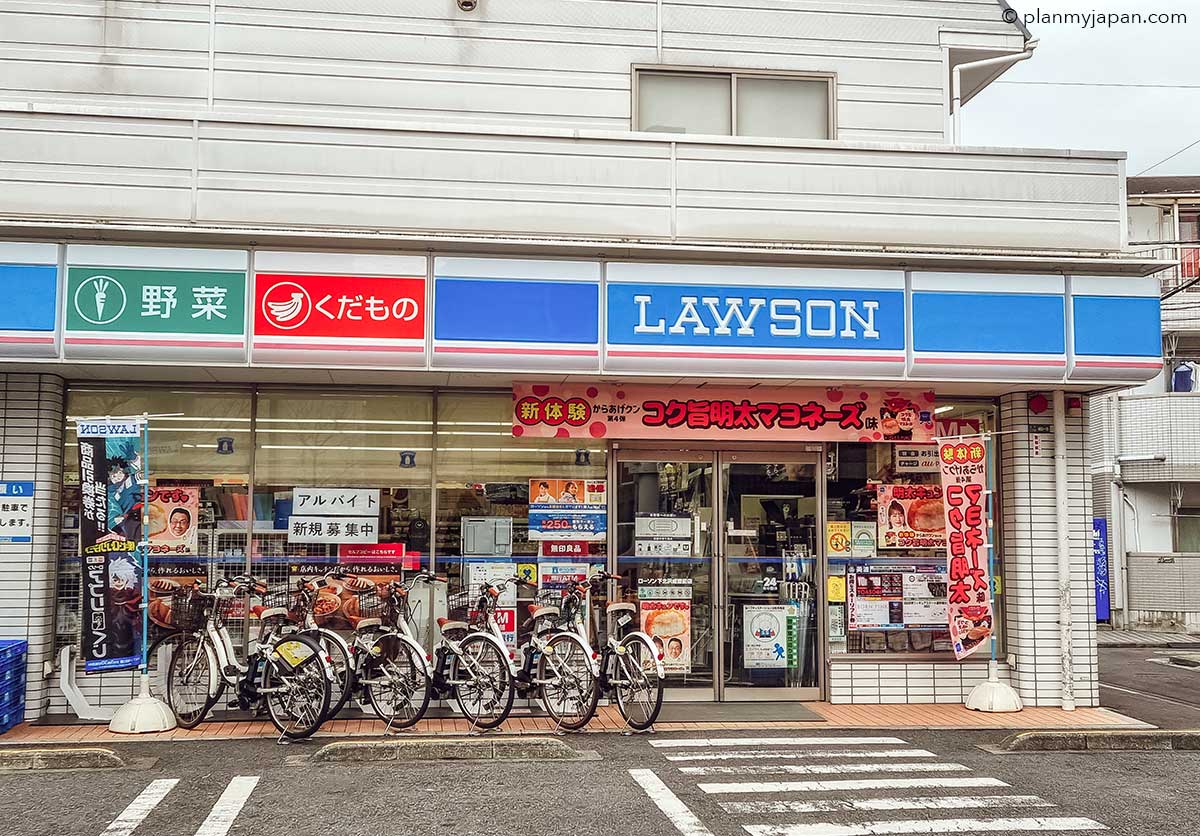
    Lawson will reduce after-tax prices by 10 yen across all 20 varieties in its Temaki Onigiri lineup on September 29. Its Sea Chicken Mayonnaise drops from 181 yen to 171 yen, grilled salmon falls from 221 yen to 211 yen, and spicy cod roe mentaiko drops from 235 yen to 225 yen. Plum, kombu, and okaka variants will each decline from 194 yen to 184 yen.

    7-Eleven Japan is lowering prices on its core salmon and mentaiko rice balls by 19 yen, reducing both from 214 yen after tax. FamilyMart initiated its adjustments on August 24, cutting the price of its Kombu and Tuna Mayonnaise Big Musubi from 320 yen to 298 yen.

    Wholesale Relief and Volume Recovery

    Data from Japan’s Ministry of Agriculture, Forestry and Fisheries shows the average supermarket retail price for a five-kilogram bag of rice dropped 27.7 per cent between early this year and mid-August. Falling raw grain costs have given convenience chains room to adjust procurement and restore unit volumes that slowed when onigiri crossed historical psychological price barriers.

    For Japanese convenience operators, rice balls serve as primary foot-traffic drivers alongside canned coffee and ready-to-eat lunches. Chains spent two years passing input costs directly to shoppers, but price resistance pushed consumers to trim daily spend, prompting this coordinated push to protect store traffic.

    The repricing rollout will test whether lower shelf prices can restore transaction counts before quarterly sales figures reveal the impact on gross retail margins.

  • Richemont Anchors Asian Network Through Dual Hubs in Hong Kong and Tokyo

    Richemont Anchors Asian Network Through Dual Hubs in Hong Kong and Tokyo

    Richemont manages its expanding Asian luxury operations through dedicated regional hubs in Hong Kong and Tokyo, supporting a global footprint of 2,369 monobrand boutiques generating 22 billion euros in revenue. Direct sales to retail clients now account for 77 per cent of total group turnover across its 23 Maisons and businesses.

    The Swiss luxury conglomerate employs more than 40,000 people across upwards of 150 international locations. Central corporate management in Geneva coordinates policy and governance across five regional headquarters, with Asia commanding two distinct reporting territories.

    Regional Footprint Across Nine Asian Markets

    From its regional Asia Pacific headquarters in Hong Kong, Richemont directs operations across nine major territories: mainland China, Australia, South Korea, Macau, Malaysia, Singapore, Taiwan, and Thailand. A separate regional headquarters in Tokyo oversees the Japanese market, backed by two satellite offices in Fukagawa and Osaka.

    Western Asia and South Asian expansion run through a third regional division based in Dubai. That office coordinates commercial operations across India, Saudi Arabia, and South Africa from an operations base at the Dubai Airport Free Zone.

    Direct Retail Shift and Infrastructure Targets

    The operational concentration in Hong Kong and Tokyo reflects the luxury sector’s reliance on Asian consumer demand, even as brand houses take closer control of physical distribution. Operating 2,369 monobrand boutiques allows the group to secure higher margins while managing client relationships without wholesale intermediaries.

    Richemont also reported that renewable electricity powers 97 per cent of its global operations, alongside holding Global Equal-Salary certification across its business units. Group leadership continues to focus resources on store productivity and direct boutique expansion across key metropolitan shopping districts in Greater China and Southeast Asia.

  • Japan Retail Sales Rise 4.0% in July as Department Stores Beat Formats

    Japan Retail Sales Rise 4.0% in July as Department Stores Beat Formats

    Japan’s retail sales rose 4.0 per cent year on year in July, driven by vehicle demand and strong department store receipts. Data released on August 31 by the Ministry of Economy, Trade and Industry (METI) showed department stores expanded 4.3 per cent, outperforming convenience stores at 1.3 per cent and supermarkets at 0.8 per cent.

    Wholesale sales across the country climbed 9.0 per cent over the same period, pointing to steady business-to-business inventory movement alongside consumer channels.

    Autos and Machinery Lift Totals

    Gains varied sharply by product line. Motor vehicle retail jumped 16.2 per cent year on year, delivering the fastest expansion among all retail sectors tracked by METI. Machinery and equipment retail climbed 6.3 per cent, while general merchandise sales rose 3.1 per cent and medical and cosmetics retail gained 1.6 per cent. Fuel retail turnover remained flat.

    Apparel and textile retail dropped 6.6 per cent year on year. That was the steepest contraction in the survey and the only major retail category to decline in July.

    Department Stores Lean on Inbound Spend

    The gap between falling clothing sales and rising department store receipts reveals a split in consumer behavior. Department store operators historically rely on apparel for a large share of their floor space, yet their revenue expanded while domestic clothing retail contracted. Tax-free transactions, luxury goods, and jewellery purchases by foreign visitors filled the shortfall left by cautious local fashion shoppers.

    Department stores across East and Southeast Asia have navigated similar pressures, leaning into high-margin luxury concessions and tourist footfall to offset sluggish domestic volume in apparel. For Japanese operators, sustained gains now tie closely to exchange-rate levels and international passenger arrivals rather than domestic wage spending.

    METI will publish its finalized July commerce figures in mid-September, with retail watchers monitoring whether vehicle order backlogs and inbound tourist spending hold up through late summer.

  • Japan AI Data Center Capacity to Quadruple by 2033 with $60 Billion Push

    Japan AI Data Center Capacity to Quadruple by 2033 with $60 Billion Push

    Japan will more than quadruple its artificial intelligence data center capacity over the next eight years through planned investments totaling $60 billion. The buildout aims to place the country directly behind the United States and China in compute scale while securing domestic data processing independence.

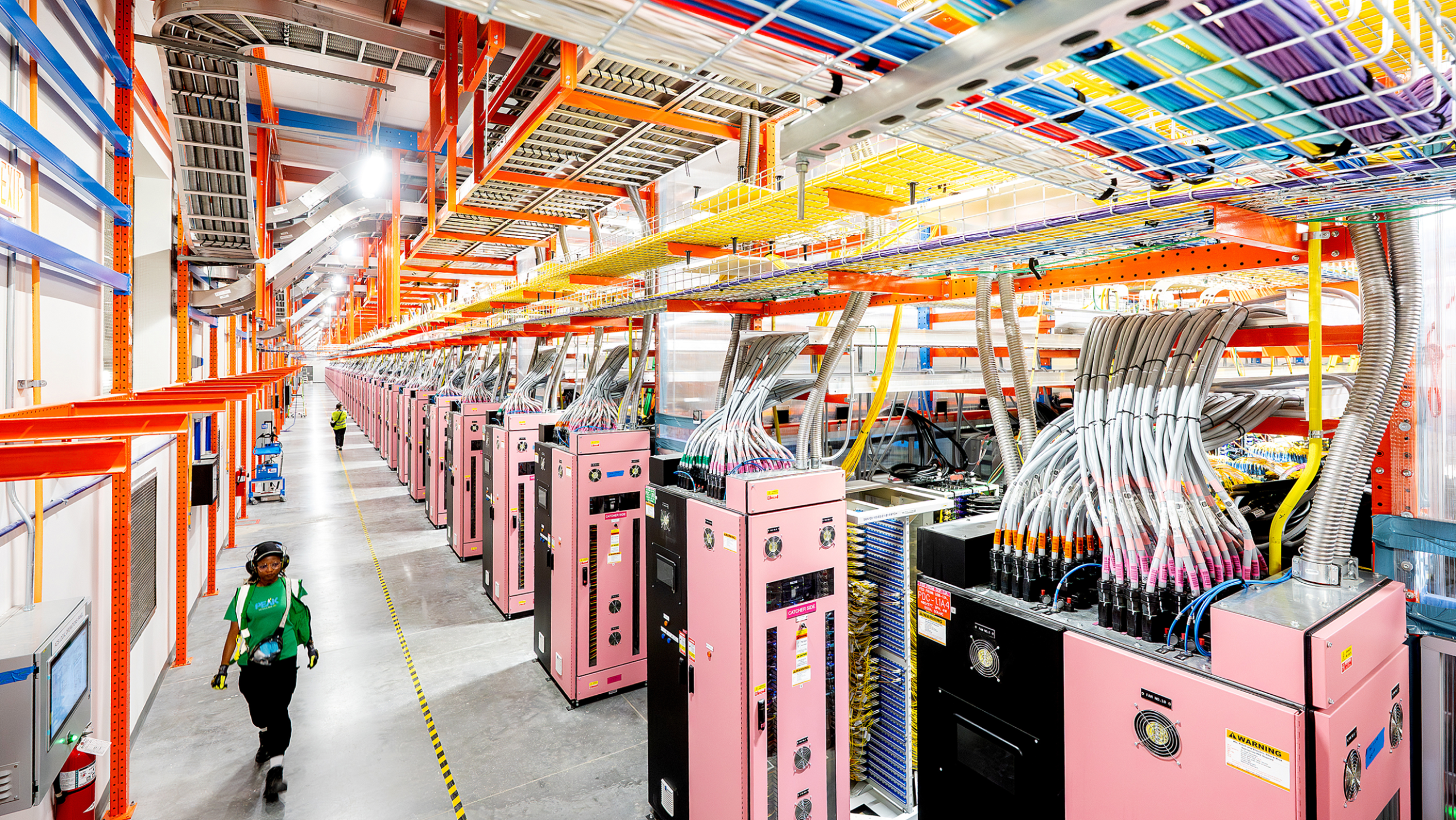
    Telecommunications giant NTT is driving a major share of that expansion, targeting 2 gigawatts of operational data center capacity by fiscal 2033. Trading houses and commercial operators are also stepping into the sector, including Itochu, which is preparing 10 facilities across Japan to capture surging commercial enterprise demand.

    Power Targets and Commercial Scale

    Data center developers across Tokyo and regional prefectures are racing to secure land and high-voltage grid connections required for high-density processing racks. Artificial intelligence workloads require substantially more electricity than legacy cloud hosting, forcing operators to structure long-term power purchase agreements before breaking ground.

    Japanese enterprises have accelerated their adoption of generative computing tools in supply chain planning, automated retail operations and customer service systems. Domestic infrastructure provides local businesses with lower latency and ensures sensitive corporate records stay within national borders under local privacy frameworks.

    Regional Competition and Sovereign Tech

    Across the wider Asia-Pacific region, rapid infrastructure development has sparked competing bids for power and municipal resources in key hubs such as Singapore, Malaysia and South Korea. Japan offers investors established grid stability and transparent property regulations, countering higher real estate and construction overheads.

    The investment pipeline gives enterprise software vendors and consumer brands access to dedicated domestic processing capacity that avoids overseas routing bottlenecks. What remains to be watched is how rapidly regional utility providers can deliver grid upgrades to NTT and competing operators as initial project phases break ground toward the 2033 capacity deadline.

  • Japan Household Spending Drops 3.6% in July as Inflation Bites

    Japan Household Spending Drops 3.6% in July as Inflation Bites

    Japanese household spending dropped 3.6 per cent year-on-year in July, falling at its fastest annual pace in 30 months as persistent inflation squeezed family budgets.

    The contraction exceeded the 1.6 per cent drop projected by economists and extended a losing streak that has run for eight straight months. It represents the sharpest annual pullback since January 2024, when outlays tumbled 6.3 per cent. On a seasonally adjusted month-on-month basis, spending ticked up 0.5 per cent, falling far short of the 2.6 per cent gain expected by the market.

    Food and Transport Budgets Shrink

    Data from the internal affairs ministry reveals clear shifts in how shoppers manage everyday expenses. Families cut back sharply on groceries and transportation while directing remaining discretionary yen toward entertainment and select household goods.

    The squeeze shows that higher price tags are eating through recent pay increases across the country. Wage gains secured during spring negotiations have not translated into stronger checkout tallies, leaving merchants to navigate cautious foot traffic and smaller baskets.

    Masato Koike, senior economist at Sompo Institute Plus, noted the challenge facing household balance sheets: “Although large wage hikes were achieved again in this year’s spring wage negotiations, downward pressure on consumption is expected to intensify as higher prices become more pronounced going forward.”

    Rate Hike Scrutiny

    Weak private consumption complicates the immediate policy path for the Bank of Japan, which meets this month to review borrowing costs. Central bank officials are weighing whether the domestic economy can absorb higher interest rates while consumer demand stays sluggish.

    Price pressures continue to build across metropolitan centers. Annual core consumer inflation in Tokyo accelerated for a third consecutive month in August, pointing to persistent living costs that will keep retail spending under pressure heading into the final quarter.

  • Ares Closes $4 Billion Japan Logistics Fund Backed by CPPIB

    Ares Closes $4 Billion Japan Logistics Fund Backed by CPPIB

    Ares Management closed its fifth Japan logistics development fund at JPY 612 billion ($4 billion). The raise hit its hard cap, led by Canada Pension Plan Investment Board.

    Known as Japan Logistics Development Partners V, the vehicle is the largest closed-end institutional fund raised by the Los Angeles firm’s real estate arm. It grew nearly 50 percent beyond its JPY 412 billion predecessor from 2021.

    CPPIB committed JPY 150 billion as cornerstone backer, taking a 24.5 percent stake. Other capital came from sovereign wealth funds, insurers and pension systems across North America, Asia-Pacific, Europe and the Middle East.

    Expanding the Marq Logistics Footprint

    This close follows the integration of GLP’s international fund management business, which Ares bought for $3.7 billion through GCP International in March 2025. That deal handed Ares the Japan logistics series along with digital infrastructure assets under Ada Infrastructure.

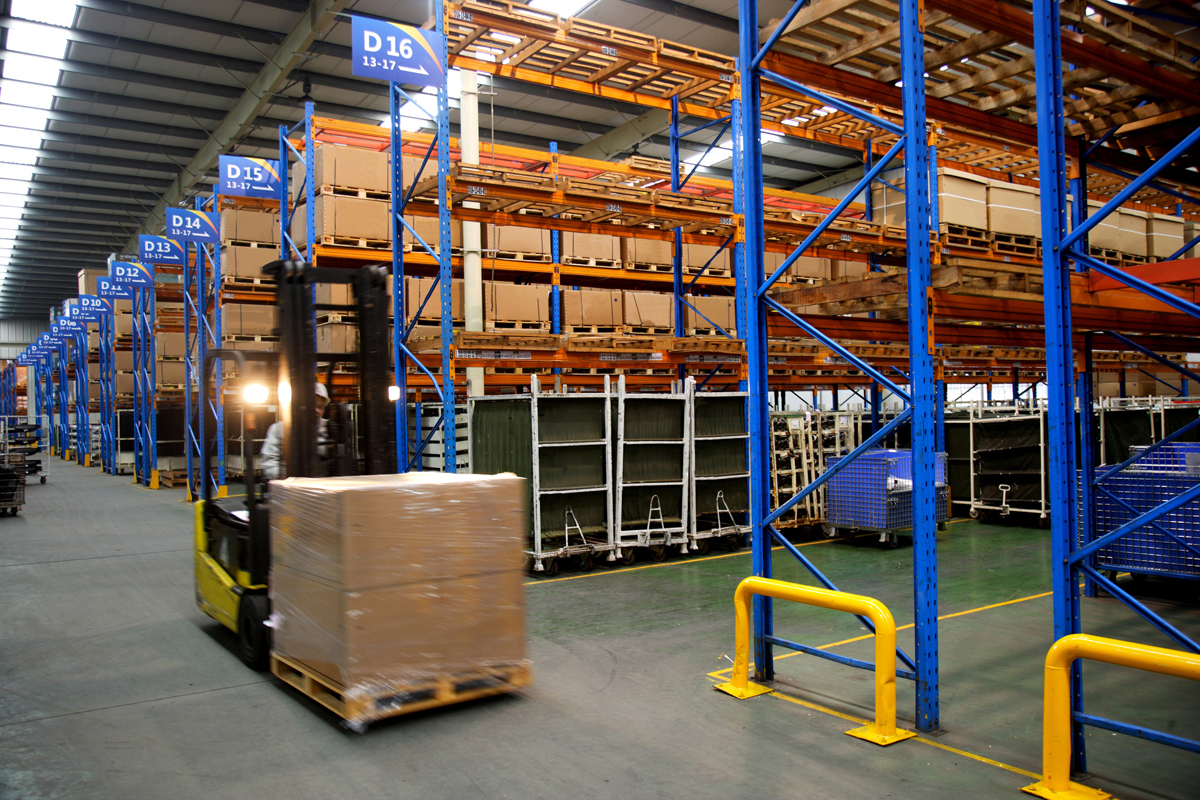
    Marq Logistics will build and manage facilities under the fund. Ares created the platform to oversee its industrial assets. As of June, Marq operated 120 million square feet of warehouse space across Japan and 655 million square feet globally.

    Pipeline Across Core Metro Hubs

    Institutional capital continues to target Japanese logistics space because corporate supply chains face structural warehouse shortages along major metropolitan transport corridors. CPPIB has backed every JDP vintage since 2011. That track record makes it one of the longest institutional partnerships in Asia-Pacific industrial real estate.

    Total investment capacity for the vehicle reaches JPY 1.7 trillion ($11 billion), focused on Greater Tokyo, Greater Osaka and Nagoya. Ares has committed JPY 450 billion, or about 26 percent of that capacity, to initial projects ahead of site acquisitions in the coming quarters.

  • Yen Traders Brace for Silver Week Intervention as BOJ Decision Looms

    Yen Traders Brace for Silver Week Intervention as BOJ Decision Looms

    Currency traders in Tokyo are bracing for official market intervention around the Bank of Japan’s September 18 policy meeting, eyeing the upcoming three-day holiday for sudden yen buying.

    The Japanese yen climbed 0.5 per cent to 157.99 against the US dollar on Thursday as markets began pricing in an interest rate increase larger than 25 basis points.

    Trading desks expect sharp swings during Silver Week, a long holiday weekend starting immediately after the central bank convenes. Thin liquidity during national holidays gives authorities greater traction when buying yen, echoing April when the government stepped in during an extended break for the first time since 2024.

    Holiday Liquidity and Rate Gaps

    Tokyo deployed a record $96.4 billion over the past month to prop up the currency, backed by coordination with Washington. Japanese Finance Minister Satsuki Katayama and US Treasury Secretary Scott Bessent both confirmed readiness to enter foreign exchange markets without hesitation.

    Hedge funds have nevertheless started rebuilding short bets against the yen. Elevated crude oil import bills and a persistent interest-rate gap with the United States continue to drag the currency down toward the 160 line, where SBI FX Trade president Marito Ueda warned fresh intervention becomes probable.

    Pressures Across Asian Balance Sheets

    For retailers and consumer brands across Asia, rapid currency swings disrupt cross-border supply chains and contract pricing settled in dollars. Japanese store operators face relentless cost increases on imported food and inventory, while regional exporters must recalibrate margins against an unpredictable yen.

    Attention now shifts to the US Federal Reserve’s rate decision days before the Bank of Japan meets on September 18, with traders watching whether the exchange rate tests the 160 level before holiday trading begins.

  • Asian Markets Gain as JGB Yields Slide Ahead of US Jobs Data

    Asian Markets Gain as JGB Yields Slide Ahead of US Jobs Data

    Asian stocks and government bonds climbed on Thursday as investors recalibrated interest rate expectations ahead of crucial United States labour data.

    MSCI’s broadest index of Asia-Pacific shares outside Japan rose 0.5 per cent, tracking modest overnight gains on Wall Street as benchmark sovereign borrowing costs pulled back across major economies.

    Japanese government bonds led the fixed-income recovery ahead of a Ministry of Finance auction of super-long debt. The yield on 30-year Japanese government bonds dropped 10 basis points to 4.065 per cent, retreating from near-record highs, while benchmark 10-year US Treasury yields dipped 0.99 basis point to 4.784 per cent.

    Bond Yields Ease Across the Region

    Relief across regional debt markets followed remarks from Federal Reserve Bank of New York President John Williams, who noted that elevated long-term yields reflect economic resilience while policymakers assess upcoming data. Traders using the CME Group FedWatch tool now price a roughly two-in-three probability of a 25-basis-point rate increase this month, up from 37 per cent a week earlier.

    Economic data from Tokyo offered fresh evidence of domestic momentum. Japan’s services sector expanded in August at its fastest pace in five months, supporting expectations that the Bank of Japan retains room to raise borrowing costs further.

    For retailers and consumer operators across Asia, the pause in yield expansion offers short-term relief on commercial debt and capital expenditure plans. Persistent rate differentials and elevated debt costs have weighed on cross-border expansion financing throughout the region this quarter.

    Currency and Commodity Shifts

    Currency trading remained steady, with the dollar index slipping 0.05 per cent to 99.54. The Japanese yen held its ground at 158.59 per dollar after surging 0.9 per cent in the prior session, while the euro edged up to $1.1589.

    Energy markets softened slightly despite geopolitical friction between the United States and Iran. Brent crude fell 0.44 per cent to $95.21 a barrel and US crude dropped 0.3 per cent to $90.74 a barrel, while spot gold gained 0.32 per cent to trade at $4,400.47 an ounce.

    Market attention turns next to Friday’s US nonfarm payrolls report and an upcoming address by Federal Reserve Governor Christopher Waller.

  • Japan Startup Muse Deploys Retail Robots to New York Grocery Stores

    Japan Startup Muse Deploys Retail Robots to New York Grocery Stores

    Japanese robotics startup Muse rolled out its automated retail helper robots in a New York grocery store to capture US supermarket demand for labor-saving physical artificial intelligence.

    The deployment puts automated shelf-stocking hardware directly into commercial grocery aisles alongside store clerks. Rising operational expenses and stubborn retail worker shortages across North America have accelerated the commercial rollout of Asian service robotics beyond domestic test markets.

    Automating shelf replenishment

    Muse built its physical AI machines to assist staff with the physical strain of routine grocery restocking. The robots navigate sales floors to handle merchandise replenishment tasks, reducing the repetitive lifting required of store associates during standard operating shifts.

    Store operators in the United States face persistent labor turnover in entry-level inventory roles. Deploying autonomous replenishment units allows grocers to maintain shelf availability without increasing headcount during peak restocking hours.

    Exporting Asian physical AI

    Japanese robotics developers are increasingly targeting overseas retail markets where wage pressures create faster paths to commercial adoption than domestic pilot schemes. While Japanese supermarkets have tested automated replenishment in limited urban formats, the scale of floor space in American grocery chains offers substantially larger hardware deployment volumes per client.

    Muse plans to use the New York supermarket deployment as an operational reference site to secure multi-unit rollouts across broader US retail chains.