Tag: tokyo

  • Uniqlo to Double Japanese Flagship Count to 20 in Ten-Year Strategy Shift

    Uniqlo to Double Japanese Flagship Count to 20 in Ten-Year Strategy Shift

    Uniqlo will double its network of Japanese flagship stores to roughly 20 locations over the next decade as parent Fast Retailing pivots away from standard shopping mall outlets.

    The apparel group currently runs about 10 flagship or flagship-equivalent premises across domestic city centres, anchored by 3,000-square-metre destinations in Tokyo’s Ginza and Osaka’s Umeda districts. Future domestic openings will focus on major regional hubs such as Nagoya and Sapporo alongside central Tokyo retail corridors, targeting local foot traffic and spending from inbound foreign tourists.

    “Every major city in Japan needs a flagship store,” Fast Retailing chairman and chief executive Tadashi Yanai said. He added that the group sees little value in opening conventional stores that function solely as transaction counters.

    Demographic pressures reshape store networks

    As of late May, Uniqlo operated 785 retail locations across Japan. That count reflects an 8 per cent drop from its peak of roughly 850 outlets in August 2013, following years of flat domestic store numbers.

    A shrinking domestic population and the rise of digital commerce have forced the company to rethink its physical footprint. Stores in Japan now operate less as basic distribution points and more as brand showrooms where customers handle garments and interact with services before buying across omnichannel channels.

    Exporting the Western retail model

    The domestic overhaul mirrors Fast Retailing’s recent playbook in Europe and the United States, where it secured historic buildings and prominent high-street addresses. Those two Western regions together account for nearly 20 per cent of total group revenue and have delivered double-digit sales growth since the pandemic.

    RetailNews Asia views this as a clear signal that the era of aggressive suburban store expansion in mature Asian markets is over. Just as department stores in regional Japan have retreated, fast-fashion operators must concentrate capital into higher-yielding, destination-scale flagships that can capture international tourism spend while digital channels absorb routine replenishment sales.

    Fast Retailing is also preparing to apply this revised large-format strategy to its broader store networks across Southeast Asia and mainland China over the coming fiscal years.
  • KDDI Expands Starlink Direct Satellite Access to the Philippines and New Zealand

    KDDI Expands Starlink Direct Satellite Access to the Philippines and New Zealand

    Japanese carrier KDDI and Okinawa Cellular expanded their au Starlink Direct satellite service on August 31 to cover the Philippines and New Zealand.

    The cross-border rollout adds two Asia-Pacific destinations to an international coverage footprint that previously included only the United States and Canada.

    Direct satellite links for travellers

    Subscribers to KDDI’s satellite service in Japan can now access low-Earth orbit connectivity in remote areas across both partner markets without paying extra fees or filing advance applications. The service links directly with Starlink Mobile technology when users have a clear view of the sky, enabling text messaging, location sharing, and supported light data applications in regions where terrestrial cellular networks do not reach.

    Local carriers Globe Telecom in Manila and Spark in Auckland are serving as the operational partners for the rollout. Philippine coverage targets remote island corridors and dive destinations such as El Nido on Palawan Island, while New Zealand access focuses on national parks and backcountry wilderness areas.

    “By enabling access to Starlink Mobile’s satellite-powered text and light data services when overseas, we’re helping travelers stay connected in places where traditional mobile coverage isn’t available,” Spark Chief Customer Officer Mark Beder said.

    Regional race for direct-to-cell coverage

    Mobile operators across the Asia-Pacific region are increasingly turning to low-Earth orbit satellite constellations to eliminate dead zones across archipelagos and rugged terrain without building expensive land towers. By routing signals directly between standard consumer smartphones and satellites in orbit, carriers can maintain emergency contact channels for inbound tourists and rural communities without requiring dedicated satellite handsets.

    Globe and Spark are working to expand two-way satellite roaming for their own domestic customers as Starlink prepares broader direct-to-cell capabilities across the wider region.

  • Mitsubishi Motors Revives Pajero SUV Starting in Thailand

    Mitsubishi Motors Revives Pajero SUV Starting in Thailand

    Mitsubishi Motors has unveiled the reboot of its flagship Pajero sport utility vehicle, beginning a worldwide commercial rollout that starts in Thailand.

    The Tokyo-based carmaker is leaning on its best-known nameplate to protect sales volumes across Southeast Asia, where Japanese brands face intense competition from Chinese electric vehicle manufacturers.

    Defending the Southeast Asian Base

    Thailand serves as Mitsubishi’s primary manufacturing and export hub in the region. Launching the Pajero there first targets a domestic customer base that has historically favored rugged, ladder-frame utility vehicles and diesel-powered transport.

    Chinese brands such as BYD have expanded rapidly across Thai showrooms, cutting into market share long dominated by Japanese legacy marques. Mitsubishi is countering that push by committing further to full-sized utility models where brand loyalty and established dealership servicing networks remain strong.

    The Broader Regional Landscape

    Japanese automakers have spent decades building integrated supply chains and dealer networks across ASEAN member states. That dominance is eroding as regional governments roll out subsidies and lower tariffs to attract battery-powered vehicle manufacturing.

    While rivals accelerate software alliances and pure electric platforms, Mitsubishi is relying on proven model equity to maintain factory output and retail cash flow across its core export destinations.

    Mitsubishi will follow the Thai debut with rollout schedules, pricing and regional delivery dates for secondary export markets across Asia-Pacific and the Middle East.

  • FamilyMart Rolls Out T-Shirt Uniforms and Relaxes Hair Color Rules in Japan

    FamilyMart Rolls Out T-Shirt Uniforms and Relaxes Hair Color Rules in Japan

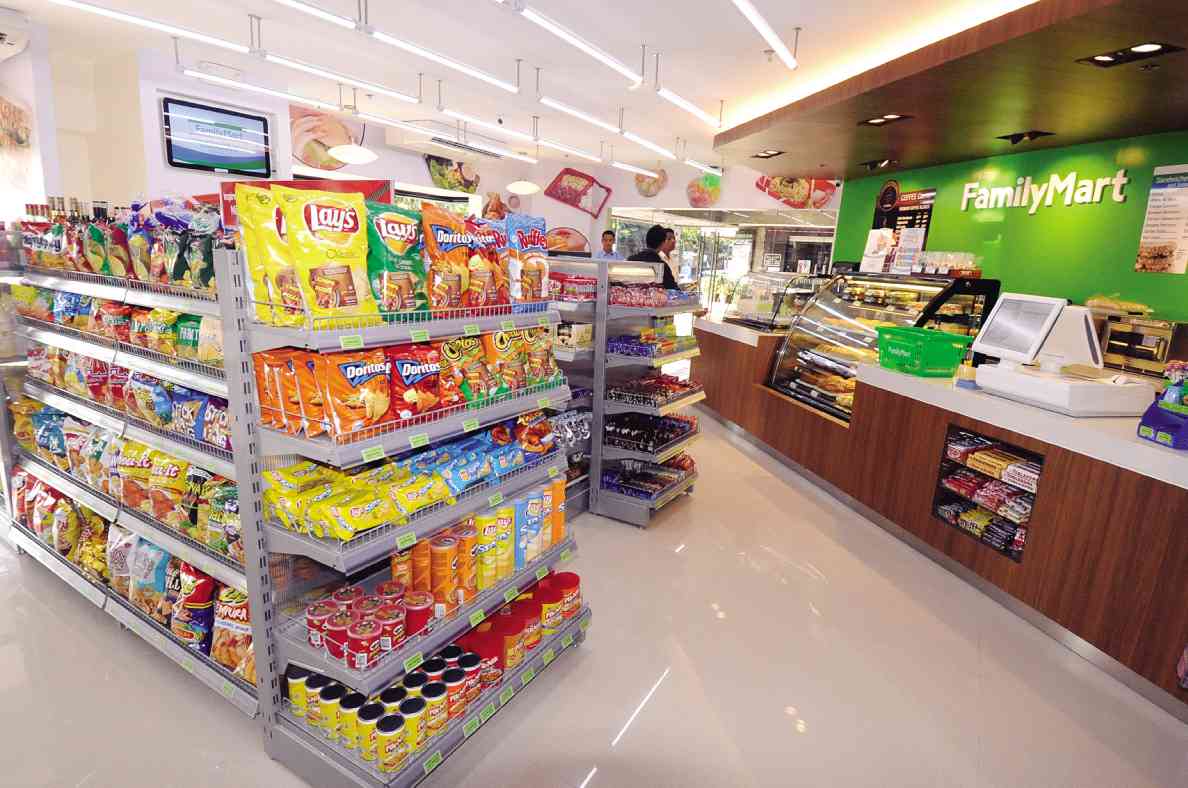
    FamilyMart introduced casual T-shirt uniforms and relaxed hair color restrictions for store clerks across Japan to widen its recruitment pool. The convenience store operator replaced its traditional buttoned jackets with casual wear to make daily shifts more practical during hot summer months.

    Store employees can now dye their hair freely, removing a long-standing guideline that required natural or strictly regulated dark tones. The policy applies to both full-time store staff and part-time workers across the chain’s franchised and company-owned network.

    New dress code for store staff

    The new uniform lineup features lightweight, breathable T-shirts designed for high-turnover shift work and stock handling. Staff can wear the shirts as their standard work attire rather than layering heavy branded vests or stiff aprons over personal clothing.

    Easing appearance rules directly targets younger job seekers and student workers who frequently cited grooming mandates as a barrier to working in convenience retail. Store managers also gain flexibility to recruit older part-timers and foreign workers who prefer less formal uniform requirements.

    Labor pressures in Japanese retail

    Convenience operators across Japan are adapting store operations to manage an acute shortage of frontline labor. Rival chains Lawson and Seven-Eleven Japan have rolled out self-checkout kiosks, automated ordering systems, and revised shift schedules over the past two years to keep stores staffed around the clock.

    Relaxing dress standards represents an inexpensive retention and hiring tactic compared to sharp wage increases. Japanese retailers historically enforced strict uniform and grooming standards to present an orderly, uniform brand image to local shoppers.

    FamilyMart franchisees will complete the uniform transition across regional store clusters as autumn inventory distribution schedules take effect.

  • Uniqlo Plans 20 Urban Flagship Stores Across Japan over Next Decade

    Uniqlo Plans 20 Urban Flagship Stores Across Japan over Next Decade

    Fast Retailing plans to expand Uniqlo’s flagship store network in Japan to around 20 locations over the next decade. The apparel group is shifting capital away from standardised suburban shopping centres to focus on multi-storey urban showpieces in prime metropolitan districts.

    The strategy alters the retail footprint that built Uniqlo into Japan’s dominant clothing chain. For decades, the brand expanded by opening uniform formats along roadside corridors and inside suburban shopping complexes across provincial prefectures. Future capital expenditure will prioritise high-traffic urban centres designed to deliver higher sales density and elevated brand visibility.

    Shifting capital from roadside formats

    Standard suburban outlets offer limited scope to show the brand’s full product range or create distinctive customer experiences. Flagship formats allow the group to display complete seasonal collections, test specialty service concepts, and handle heavier transaction volumes per square metre.

    Across Asian retail markets, apparel groups face maturing domestic suburban populations and rising store operating overheads. Flagship locations in transit hubs capture both regular daily commuters and high-spending international tourists, delivering better returns on lease costs than distributed suburban networks.

    New locations and tourist hubs

    Uniqlo currently runs global flagship stores in Tokyo’s Ginza district and Osaka’s Umeda commercial hub. Future openings under the revised 10-year plan will target prime retail corridors in Nagoya and Sapporo, along with additional high-footfall central Tokyo districts such as Shibuya.

    The urban rollout begins in western Japan, with Uniqlo scheduled to open its first global flagship store in Kyoto in November.

  • Toyota and Honda Face Factory Closures Under Proposed 50 per Cent US Tariff

    Toyota and Honda Face Factory Closures Under Proposed 50 per Cent US Tariff

    Toyota and Honda face potential plant closures in Canada after US President Donald Trump proposed doubling import tariffs on Canadian-built vehicles to 50 per cent.

    The two Japanese manufacturers assemble more than three-quarters of all light vehicles produced in Canada, making them the most exposed automakers to the cross-border levy.

    Canadian shipments represent 24 per cent of Honda’s US sales volume and 17 per cent of Toyota’s deliveries, according to Barclays data. Key export models include the Toyota RAV4 and the Honda CR-V, two of the top-selling sport utility vehicles in the American market. If implemented on Jan 1, 2027, the duties would force both companies to alter production networks that took decades to build.

    Rebuilding the North American Footprint

    Existing US tariffs cost Toyota approximately 1.4 trillion yen in the 2025 financial year. In response, the group committed up to $10 billion over five years to expand its manufacturing footprint inside the US, including a $3.6 billion assembly facility in Texas that will take over production of the Tacoma pickup truck from Mexico.

    Honda faces a steeper hurdle because its automotive unit is still working through a turnaround plan. The company has put plans for an eighth North American assembly facility on hold while talks over the US-Mexico-Canada Agreement remain unresolved. South Korea’s Hyundai reported similar delays to its regional capital spending in 2025.

    Squeezed Between US Tariffs and Chinese EVs

    The border friction hits Japanese manufacturers at a weak point in their global operations. Chinese electric vehicle makers led by BYD have eroded market share for Japanese brands across Southeast Asia, Australia and Latin America, leaving North America as the primary profit engine for both Toyota and Honda. With Chinese brands barred from the US market, defending North American market share is essential for Tokyo’s automotive sector.

    Redirecting Canadian output to alternative export destinations presents structural problems. Assembly lines in Ontario build vehicles configured specifically for US safety and emissions rules, while alternative factories across the Pacific already run close to maximum capacity.

    Negotiations over the USMCA framework continue ahead of the planned Jan 1, 2027 tariff implementation date, with Japanese parts suppliers holding off on capital allocation until trade terms are finalized.

  • Rakuten Doubles Tokyo Autonomous Delivery Fleet to 10 Robots

    Rakuten Doubles Tokyo Autonomous Delivery Fleet to 10 Robots

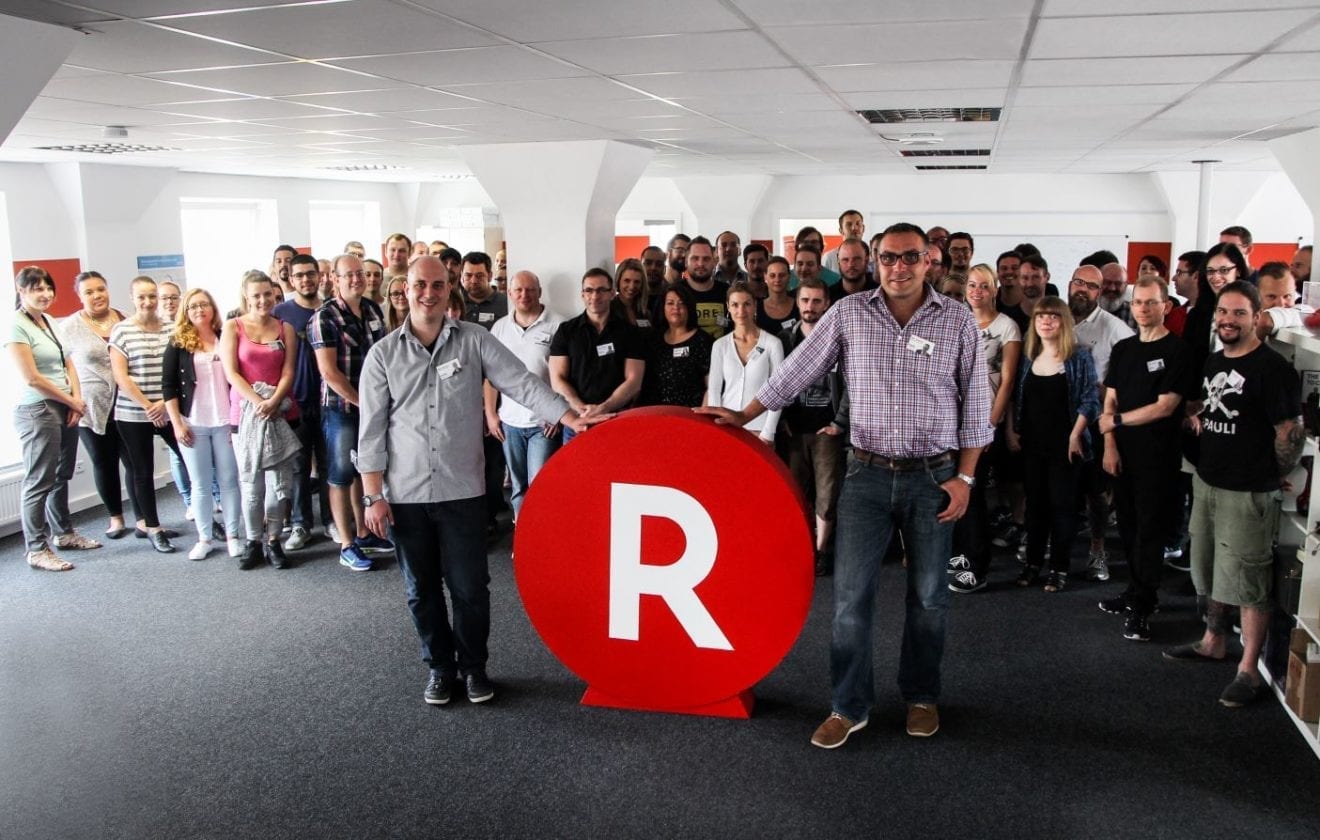
    Rakuten Group has expanded its autonomous sidewalk delivery fleet in eastern Tokyo, targeting 24,000 households across the Harumi, Tsukishima, and Kachidoki districts. The Japanese group is doubling its deployment of US-built Avride delivery robots to 10 units after launching the commercial run in November 2024.

    The service connects more than 90 drop-off points to local merchants, including Starbucks, FamilyMart, Yoshinoya, and Supermarket Bunkado. Each cart carries one order per trip inside a 54-liter cargo hold, twice the volume of earlier testing units. They run for up to 12 hours on a 3.5-hour charge, navigating at speeds capped by Japanese law at 6 kilometers per hour.

    Sidewalk Hardware and Route Rules

    Avride builds the hardware with light detection and ranging sensors alongside ultrasonic arrays, allowing navigation at night and in rainfall up to 20 millimeters per hour. Operations pause during heavier storms, snow, or high winds. Japanese transport regulations require off-site human overseers to monitor the machines remotely, though operators do not need to walk alongside them on the pavement.

    Integrating different property access points and door locks remains the main operational hurdle for sidewalk robotics in dense Asian cities. Rakuten uses custom unlocking instructions tailored to individual apartment complexes to let buyers retrieve parcels from the cargo bay.

    Expanding Beyond Food Orders

    Japan’s food delivery sector reached 800 billion yen ($5.41 billion) in 2024, but acute courier shortages and tightening overtime limits on drivers are forcing platform operators to automate ground transport. While automated carts still handle a sliver of Rakuten’s total volume, the group is setting up the software routing engine to support mixed fleets across commercial hubs.

    Rakuten plans to test the 10-robot fleet on business-to-business shipments and prescription pharmaceuticals once domestic retail operations stabilize across the initial three Tokyo neighborhoods.

  • Lululemon Opens 1,220-Square-Metre Harajuku Flagship in Tokyo

    Lululemon Opens 1,220-Square-Metre Harajuku Flagship in Tokyo

    Lululemon has opened a 1,220-square-metre flagship store in Tokyo’s Harajuku district, its largest retail location across the Asia-Pacific region. The multi-level site serves as the brand’s first global flagship in Japan, built to anchor its wider expansion beyond traditional yoga apparel.

    The store design incorporates a sculptural logo centrepiece built with Japanese furniture maker Karimoku and Torafu Architects. It features commissioned artworks referencing Meiji Shrine, Yoyogi Park and Ura-Harajuku, alongside the company’s first in-store personalisation services in Japan and traditional Furoshiki gift wrapping options.

    Local Design and Product Mix

    Assortments in the Harajuku store focus heavily on category diversification, stocking lines for running, training, golf, tennis and commuting. Apparel includes dedicated Asia Fit cuts tailored specifically to regional sizing preferences, moving the brand deeper into everyday activewear.

    Elliot Harris, Lululemon’s senior vice president and general manager for Asia Pacific, noted that Japanese consumers demand high standards of craftsmanship, longevity and product education. The flagship operates as a community venue hosting running events like the Hatsu Run and sessions with local brand ambassadors.

    Betting on Japanese Sports Apparel

    While many apparel chains across East Asia trim physical square footage to cut overhead, premium athletic labels are taking the opposite route in Tier 1 retail hubs. Japan’s sports apparel market is projected to expand into a US$15 billion sector by 2032, driven by sustained local participation in fitness, running and outdoor movement.

    RetailNews Asia views the Harajuku opening as a direct play for brand equity in a market where shoppers still place heavy value on physical store service before buying online. Large-format spaces allow athletic brands to justify premium price points by bundling experiential marketing with technical product demonstrations.

    Lululemon is monitoring foot traffic and conversion metrics at the Harajuku site as it evaluates flagship store formats for other key metropolitan markets across Asia Pacific.

  • Loewe Opens Largest Japan Flagship in Tokyo’s Ginza District

    Loewe Opens Largest Japan Flagship in Tokyo’s Ginza District

    Loewe has opened CASA LOEWE Ginza in Tokyo. It is the brand’s largest flagship in Japan and its second-largest retail footprint worldwide.

    Located at the intersection of Chuo-dori and Miyuki-dori in Tokyo’s luxury district, the street-level store lands as the Spanish fashion house marks its 180th anniversary. The opening anchors its retail presence in Japan’s resilient high-end consumer market.

    Suna Fujita Collaboration and Exclusive Ranges

    Inside, the flagship features an exclusive collaboration with Kyoto ceramic studio Suna Fujita. The studio produced designs specifically for the Tokyo location. Those artworks appear on the signature Hammock bag, a shearling coat, and a jacket detailed with cherry blossom motifs.

    Alongside the bespoke launch pieces, the store secured an advance pre-release of the wider Loewe and Suna Fujita collection. That lineup includes reworked versions of the Amazona and Basket bags. Dedicated floor displays show small leather goods, charms, and accessories.

    Luxury Brands Cement Prime Ginza Real Estate

    Securing corner plots along Chuo-dori remains a core strategy for European luxury labels competing for tourist spending and domestic shoppers in Japan. Following flagship rollouts in Shanghai and Seoul, Loewe’s expanded presence shows top-tier brands still view Tokyo street retail as essential for long-term brand equity in North Asia.

    Doors are now open to the public. Retail traffic around Ginza’s prime intersections will test full-year footfall targets across the brand’s expanded footprint in the months ahead.

  • Japan Warns Natural Disasters Threaten Automotive and Chip Supply Chains

    Japan Warns Natural Disasters Threaten Automotive and Chip Supply Chains

    Japan flagged supply chain risks from recent natural disasters on Thursday, even as the government maintained its assessment that the broader economy continues a moderate recovery.

    The Cabinet Office added the warning to its August report following a magnitude 7.1 earthquake in Kumamoto Prefecture on July 28 and torrential rain across Chiba Prefecture on Aug. 13. Kumamoto forms a major manufacturing hub for semiconductor and automotive components across East Asia. While plants have begun restarting production lines, disruptions to component flow still pose risks to industrial output.

    Supply Chain Knots and Farming Losses

    Kumamoto’s cluster of chip and automotive parts plants feeds assembly networks across Japan and regional export channels. Factory operators resumed output in stages throughout August, but the government warned that bottleneck risks persist. Heavy rain in Chiba damaged regional farming operations, threatening short-term supply for agriculture, forestry, and fisheries.

    Capital expenditure showed resilience despite the disruptions. Corporate investment picked up steadily across the technology sector, driven by data infrastructure spending and demand for artificial intelligence hardware.

    Spending Holds as Rental Housing Stabilises

    Private consumption showed movements of picking up, leaving the official assessment unchanged for the month. Retailers and consumer brands continue to benefit from stable domestic demand, though high material costs kept new builds for owner-occupied houses and condominiums subdued. Stronger demand for rental properties helped lift the overall housing assessment from sluggish to generally flat.

    Corporate earnings delivered solid numbers for the April to June quarter, prompting the Cabinet Office to upgrade its stance on business profits to improving. Wholesale inflation showed signs of cooling, with corporate goods price growth slowing as petroleum-related input costs eased.

    Manufacturers and retail networks now face the test of third-quarter earnings to show whether component delays in Kyushu and agricultural losses in Chiba hit operating margins.

  • Nifty Opens Pre-Orders for 4.2Gbps WiMAX 5G Mobile Broadband in Japan

    Nifty Opens Pre-Orders for 4.2Gbps WiMAX 5G Mobile Broadband in Japan

    Japanese internet service provider Nifty opened pre-orders for its @nifty WiMAX +5G broadband package, delivering theoretical download speeds of up to 4.2Gbps across Japan.

    The service operates as both fixed-wireless home internet and portable mobile connectivity without requiring physical fiber installation in the premises.

    Network Speeds and Usage Limits

    Users receive unmetered monthly data allowances across the WiMAX network footprint. Nifty maintains standard network controls, reserving the ability to throttle throughput during periods of severe network congestion or exceptionally heavy data consumption.

    The Push for Fixed-Wireless Access

    Japanese broadband operators increasingly pitch high-speed 5G fixed-wireless access as a friction-free alternative to traditional fiber connections in urban apartments and rental properties. Eliminating technician visits and wall drilling cuts consumer onboarding times to the arrival of the hardware, intensifying competition against fixed-line incumbents.

    Pre-orders are open now, with commercial service activation and device shipments scheduled to begin in late October.

  • BMW Motorrad Pursues Partnerships with Indian and Chinese Rivals

    BMW Motorrad Pursues Partnerships with Indian and Chinese Rivals

    BMW Motorrad is pursuing collaboration with motorcycle manufacturers in India and China as European and Japanese brands face growing pressure from lower-cost Asian rivals.

    Markus Flasch, chief executive of the German automaker’s motorcycle unit, outlined the strategy in Tokyo as traditional manufacturers adjust to shifting global competition.

    Pressure from lower-cost producers

    European and Japanese motorcycle brands face a more demanding market environment as Indian and Chinese builders scale up output with lower pricing structures. Flasch said brand prestige, heritage and manufacturing quality continue to carry equal weight with consumers alongside price competitiveness.

    Cooperation across key markets

    Working directly with regional manufacturers gives established global brands access to local production scale and competitive cost bases in key Asian territories. Flasch indicated that maintaining technical standards and premium positioning remains central to the group’s response to rising competition across developing two-wheeler markets.

    BMW Motorrad is now evaluating operational alignments as domestic players in India and China accelerate their own product rollouts and international expansion.

  • FamilyMart Relaxes Dress Code to Allow Dyed Hair and Hijabs in Japan

    FamilyMart Relaxes Dress Code to Allow Dyed Hair and Hijabs in Japan

    FamilyMart will allow store staff in Japan to dye their hair and wear hijabs starting next Tuesday, easing strict appearance standards to widen its hiring pool.

    The policy overhaul comes alongside a complete uniform revamp, the chain’s first redesign in 10 years.

    New Uniforms and Digital Hiring

    Store clerks will have the option to choose any hair color, and Muslim female staff can wear hijabs on shift. The updated uniform line-up introduces a T-shirt design, a first for the Japanese convenience sector, alongside a standard long-sleeved alternative.

    Recruitment processes are also shifting to speed up hiring. Store operators will begin using recorded and online video interviews to screen candidates across the network.

    Convenience operators across Japan have faced mounting staffing pressures as demographic declines shrink the domestic labor supply. Rivals Seven-Eleven Japan and Lawson have similarly tested automated checkouts and relaxed employee rules over recent years to attract younger workers and foreign nationals, who make up an increasing share of night and weekend shifts in major metro areas.

    Expanding Private Label Lines

    Beyond workforce changes, FamilyMart is pushing deeper into non-food merchandise. The retailer plans to expand Convenience Wear, its proprietary apparel brand, and roll out pet products including dog leashes and collars.

    The new grooming rules and uniform options take effect on Tuesday across the chain’s nationwide network.

  • Japanese Retailers Lock in FX Contracts as Weak Yen Hits Profits

    Japanese Retailers Lock in FX Contracts as Weak Yen Hits Profits

    Japanese retailers are overhauling supply contracts and turning to financial derivatives as the yen hovers near 159 per dollar, driving up import costs across food and consumer goods.

    The currency has shed more than 30 per cent against the greenback over the past five years, eroding buying power for domestic store operators that rely heavily on overseas agricultural products, raw materials and finished goods.

    Supermarkets Shift Supply Terms

    Takara MC, which runs 43 supermarkets south of Tokyo, has abandoned monthly price negotiations with overseas suppliers in favour of quarterly and annual agreements. Chief executive Taku Ueno said securing terms for up to a year on imports such as US beef, Spanish olive oil and Italian tomatoes allows the chain to shield shoppers from immediate price increases on store shelves.

    Securing supply deals has grown harder as rival buyers from China and Thailand consistently outbid Japanese grocers for commodity shipments.

    Bankers report that small and mid-sized store operators, which previously absorbed modest currency swings, are now turning to futures, forwards and options contracts to limit their balance sheet exposure.

    Corporate Hedging Stretches Further

    Nitori Holdings, the country’s largest furniture retail chain, estimates that every 1 yen drop against the US dollar reduces its operating profit by roughly 2 billion yen ($12.5 million). While the company has avoided direct hedges to date, it is reviewing forward contracts if currency weakness continues.

    Brokers in Tokyo say hedging volume is expanding well beyond traditional tenors. Daiwa Securities noted that client requests to lock in exchange rates have stretched from the usual few months out to as long as five to 10 years, while Bank of America expanded its Tokyo foreign exchange sales team over the past two years to handle the surge in corporate demand.

    For retailers across East Asia, Japan’s currency predicament shows how sustained foreign exchange weakness can upend long-standing retail pricing models. Competitors elsewhere in the region, operating with firmer currencies, continue to snap up global agricultural allocations that once went routinely to Tokyo buyers.

    Market participants at JP Morgan project the dollar-yen rate will persist in the 155 to 165 corridor, keeping the pressure firmly on Japan’s store operators as contract renewals approach in the coming quarter.

  • Asahi Kasei Adds Wet-Process Battery Separator Line in North Carolina

    Asahi Kasei Adds Wet-Process Battery Separator Line in North Carolina

    Japanese chemical group Asahi Kasei opened a coating line for wet-process battery separators in Charlotte, North Carolina, expanding its manufacturing footprint outside Asia.

    Commercial production at the facility starts in the second half of fiscal 2026. The new coating capacity produces Hipore wet-process separators directly on the grounds of the existing Celgard plant, a site that has made dry-process separators for 40 years.

    Building regional supply for electric mobility

    The Charlotte line links with a separator factory currently under construction in Canada. Operating both sites gives the Tokyo-based supplier local capacity for two distinct separator technologies across North America, targeting electric vehicle cell makers and stationary energy storage operators.

    Separators serve as microporous plastic barriers between the cathode and anode inside lithium-ion cells, preventing electrical shorts while permitting lithium ions to pass through liquid electrolytes. Automakers building battery supply chains in North America have pushed component suppliers to localize membrane production to reduce shipping lead times and tariff exposure.

    Expanding beyond domestic plants

    Japanese materials suppliers historically kept advanced wet-process separator manufacturing concentrated in East Asia before customer localization requirements forced capital expenditure abroad. Asahi Kasei Battery Separator Corporation president Ryu Taniguchi said pairing the Charlotte coating operations with the planned Canadian factory will bring production closer to regional cell manufacturers as demand scales.

    The company is now preparing the Charlotte line for qualification runs ahead of its scheduled commercial ramp in late fiscal 2026.